
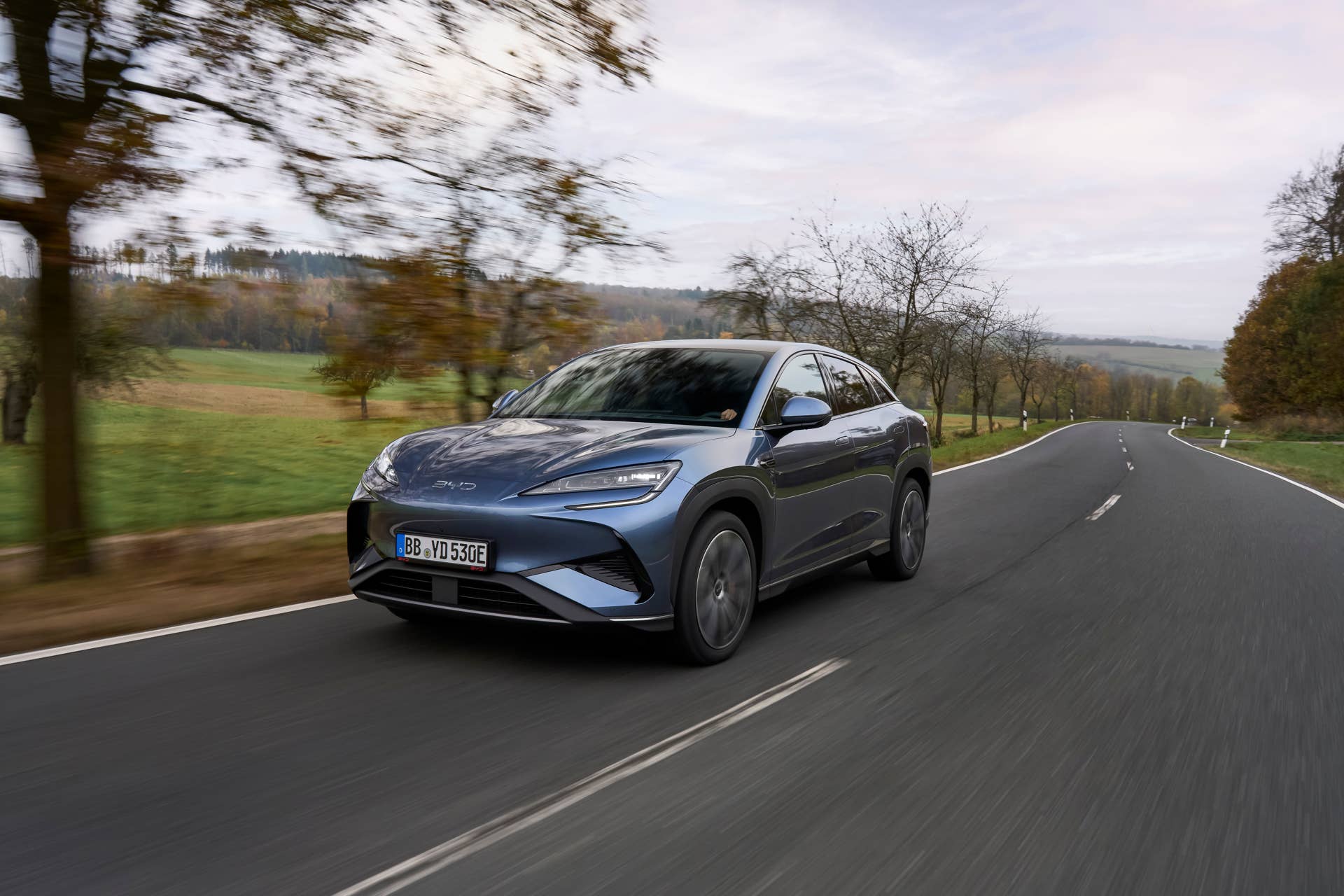
Tesla and BYD are leading the charge in global electrification
Most major automotive markets are moving towards electrification, but legacy automakers have been dragging their feet – until now. Their slow uptake has made room for new automakers, both foreign and domestic, to gain traction in the EV segment. The Chinese government, in particular, has been pushing the research and development of new energy vehicles (NEVs) for years now, and their efforts have paid off on a global scale.
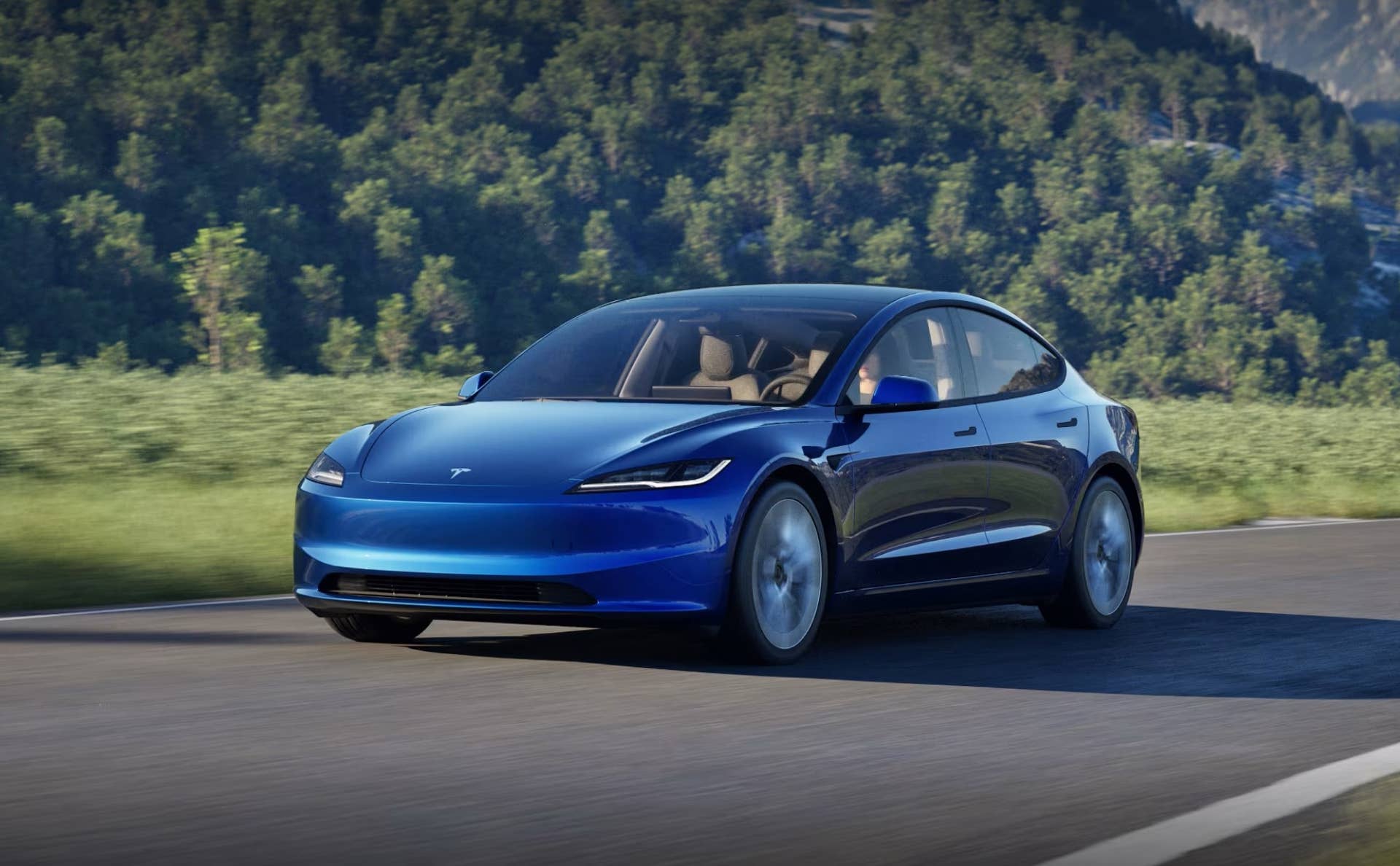
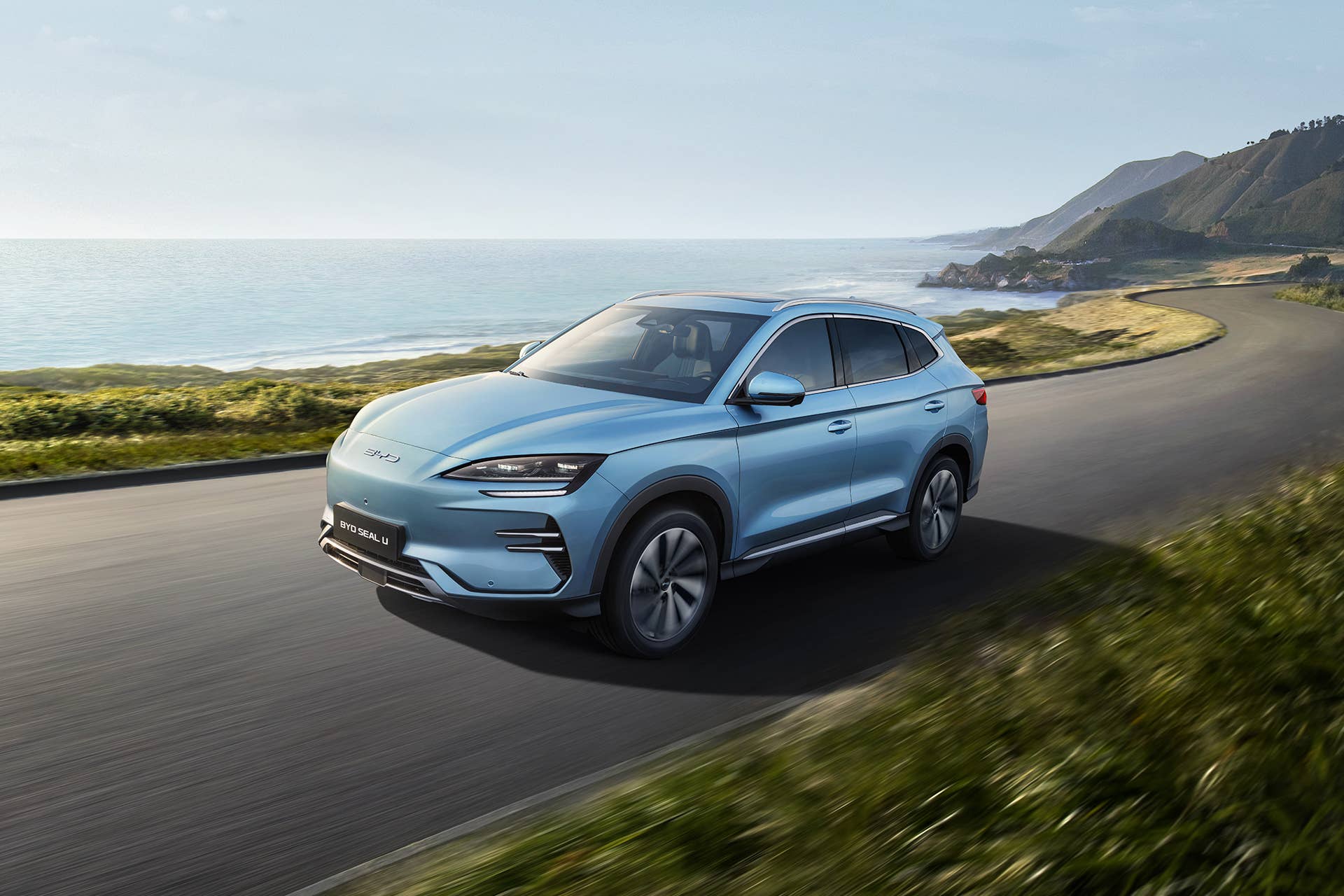
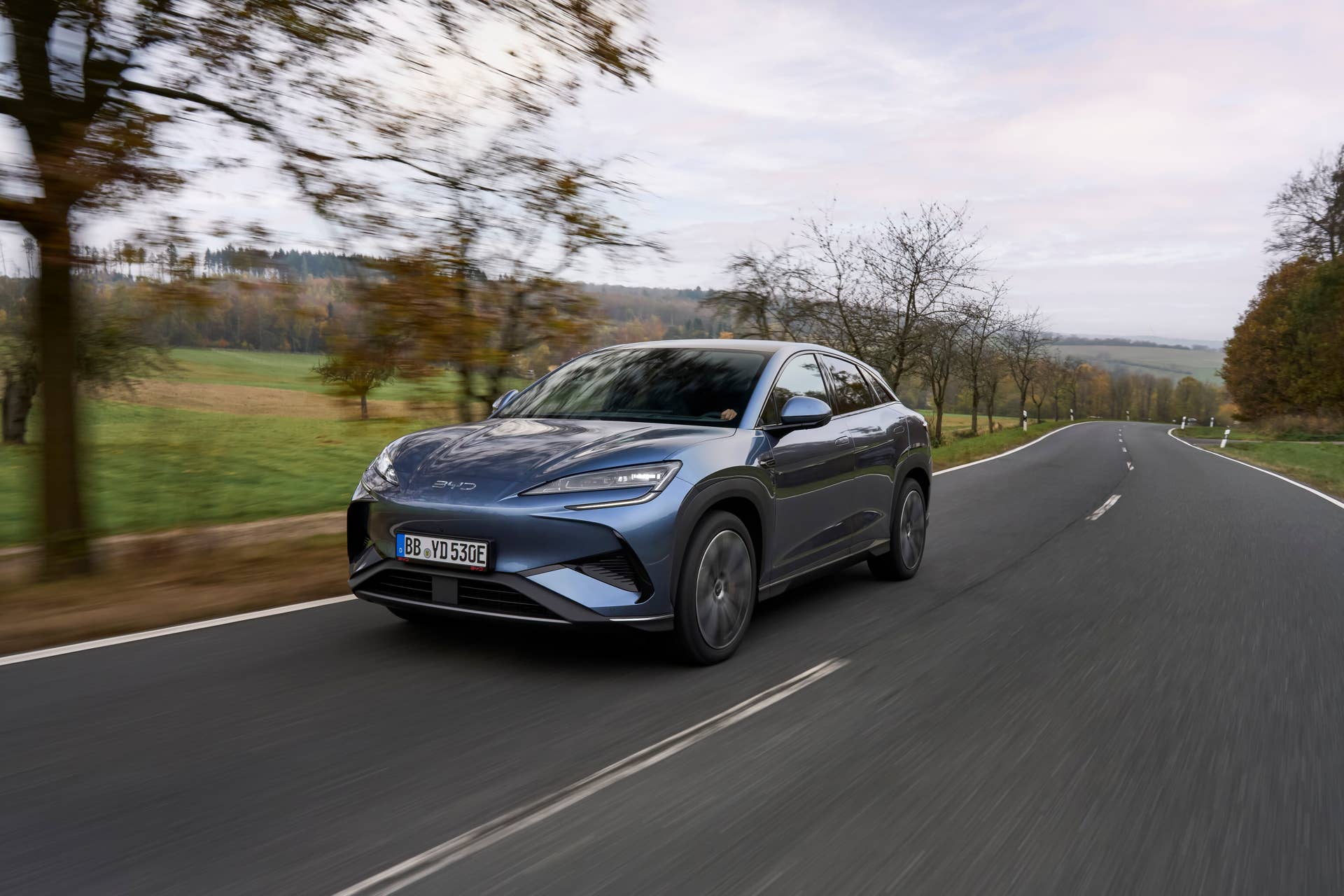
BYD
BYD has only been around for a few years, but the Chinese automaker quickly gained ground and broke into the top 10 automakers by sales volume in 2024. Xpeng has plans to operate in over 60 countries by the end of 2025. Xiaomi, yet another Chinese automaker, released its first vehicle in China and achieved its annual sales goal within one month.
While BYD has garnered a strong global presence, the Chinese automaker couldn’t surpass Tesla, its only real North American rival, in 2024. Tesla maintained a slim lead in its 2024 global sales, even with CEO Elon Musk’s political stances putting the EV manufacturer under a microscope. As EVs continue to gain market share, BYD and Tesla are shaping up to lead the world in the transition from ICE to more sustainable options.
Tesla set the charging standard for the EV industry
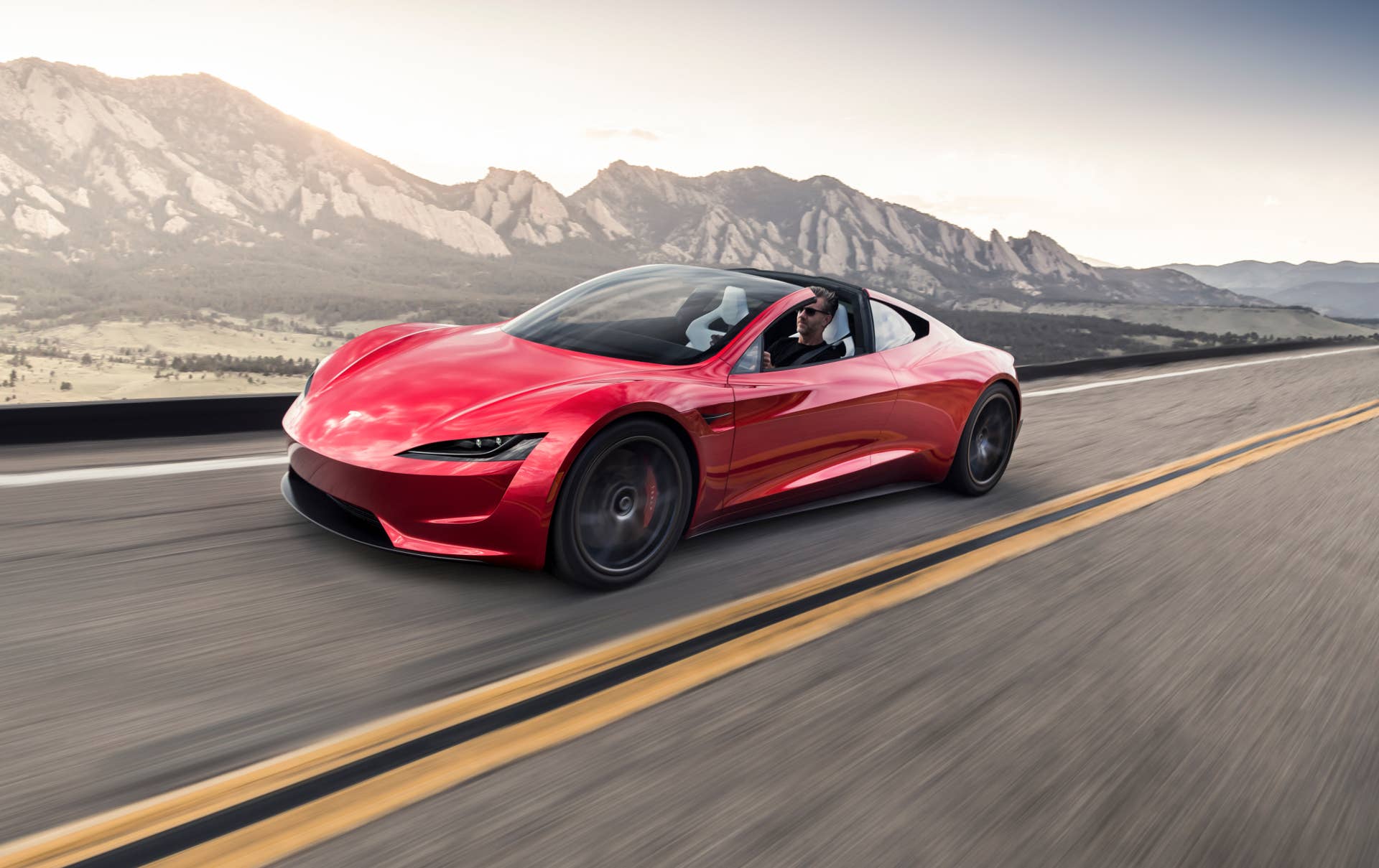
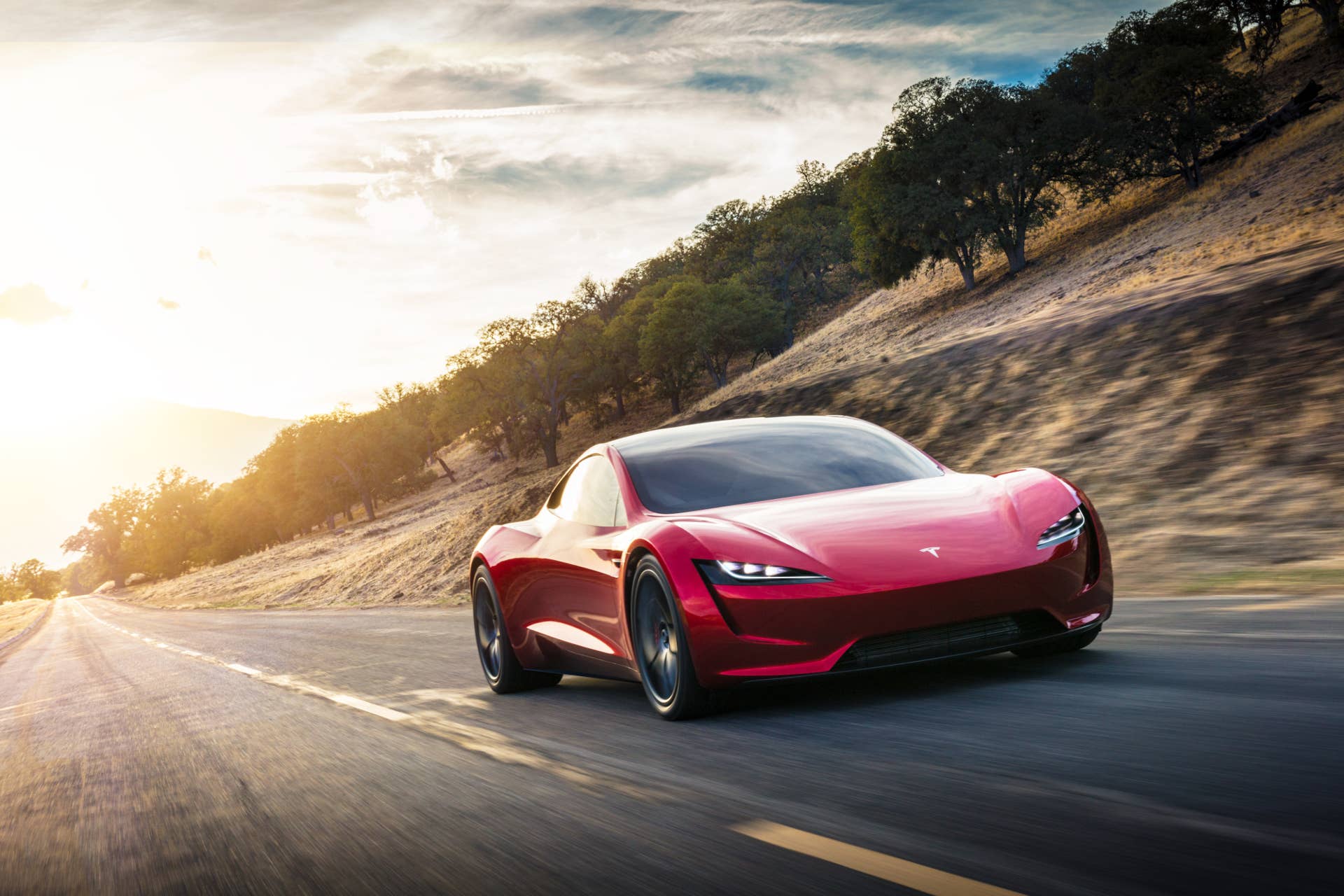
Tesla was founded in 2003, but it didn’t introduce its first vehicle until 2008. After Elon Musk took an active role in the company, Tesla began working on a premium sports car to attract early adopters of EVs before making headway into more economical vehicles. Thus, the Tesla Roadster was born and officially went on sale in 2008.
Tesla
From there, Tesla began production of the Model S in 2010. Two years later, in 2012, Tesla ended production of the Roadster. The Model S saw great success in the following years and became the world’s best-selling plug-in electric car in 2015 and 2016. Around the same time, Tesla began deliveries of the Model X, its third vehicle.
In April 2016, Tesla introduced the Model 3 as its first mass-market vehicle. The sedan was less expensive than the EV manufacturer’s other models, and, as a result, it received more than 325,000 reservations within a week. The Model 3 was plagued with production issues in its first few years, but by the end of 2018, those issues had been resolved, and the Model 3 became the world’s best-selling electric car from 2018 to 2021.
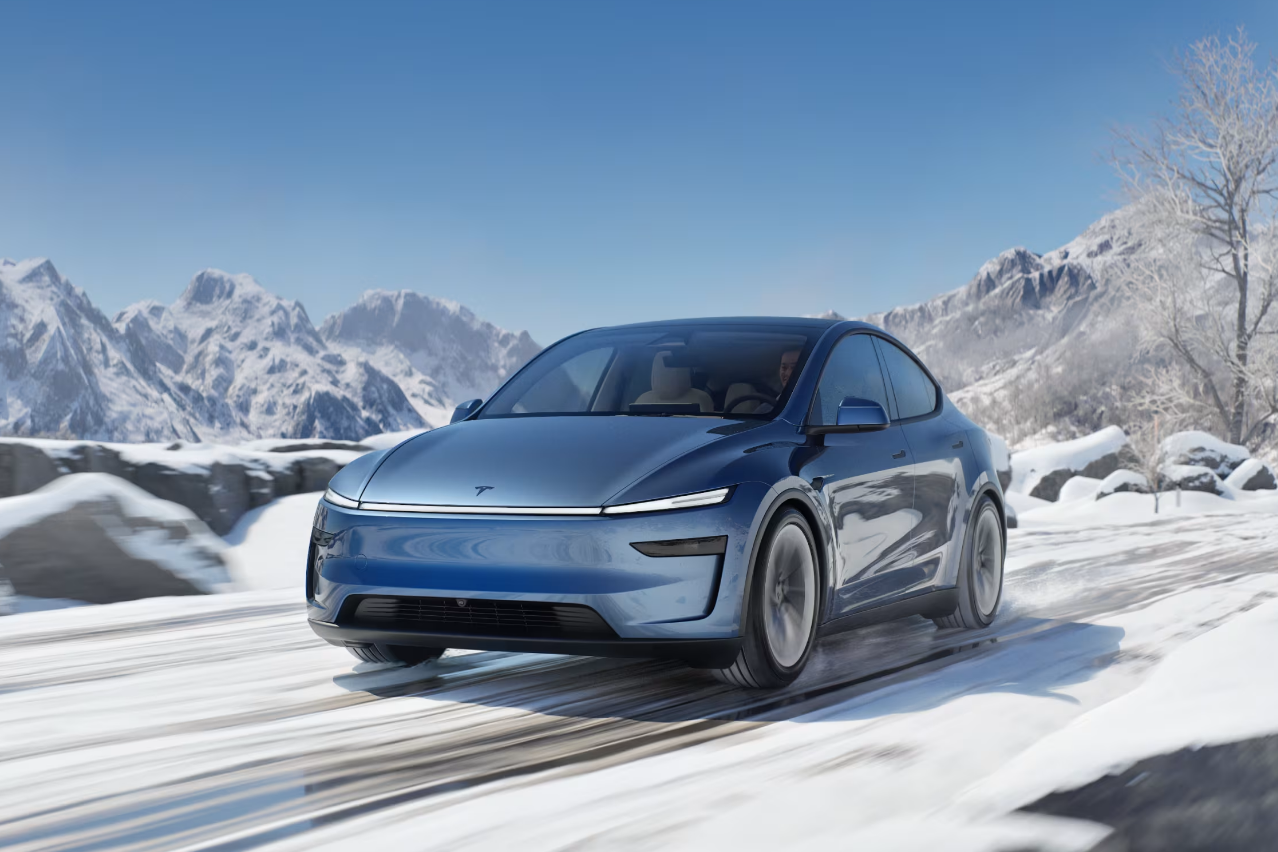
In March 2019, Tesla introduced the Model Y, with deliveries starting the following year. Around the same time, the American automaker began its global expansion. Tesla opened three Gigafactories in China, Berlin, and Texas in quick succession. The Model Y became the world’s best-selling car in 2023, a title it retained in 2024. Tesla also introduced the Cybertruck in 2024 to a rather mixed reception.
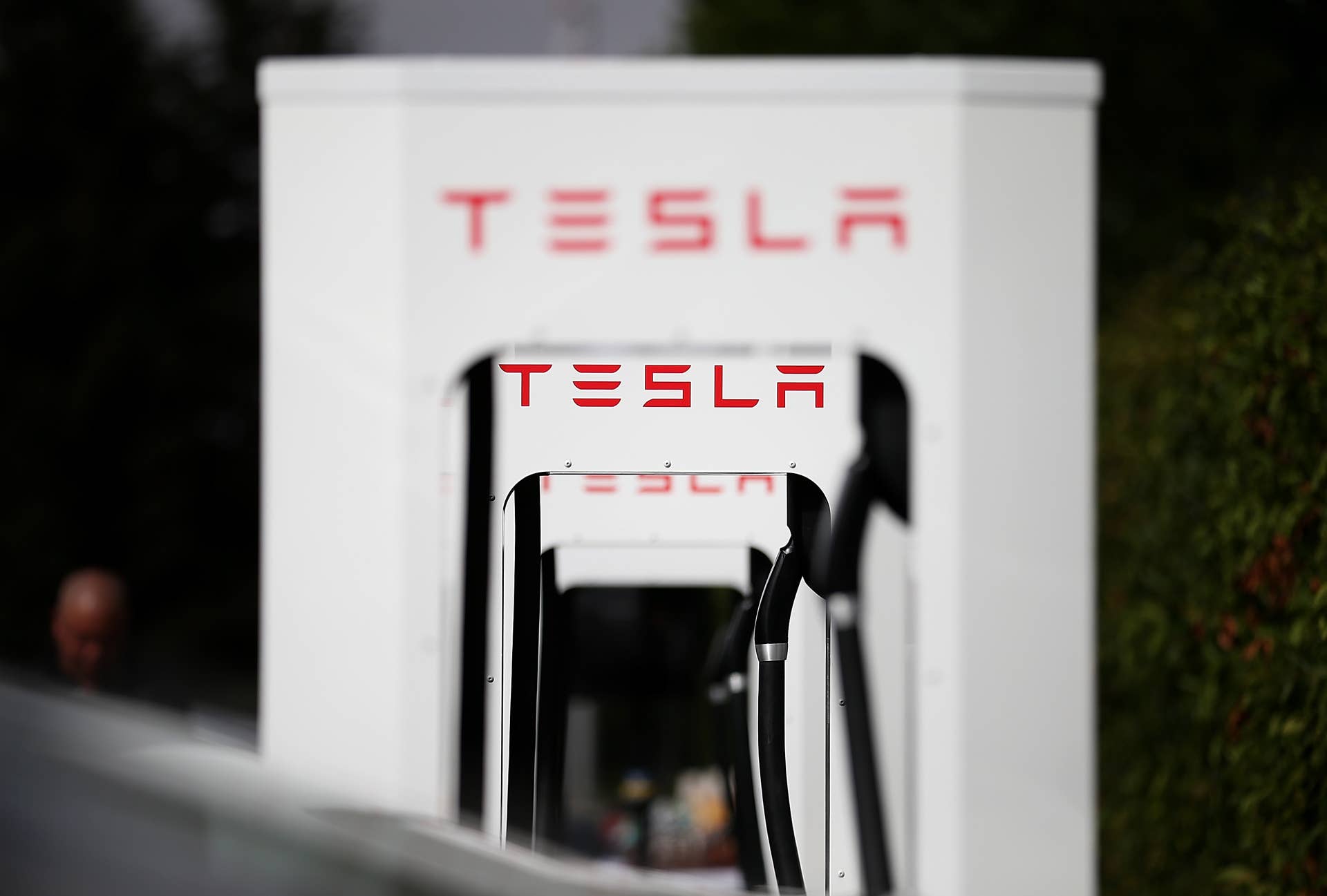
In 2023, most American EV automakers announced their plans to switch to Tesla’s North American Charging Standard (NACS). Tesla’s charging network is the largest in the world, with more than 60,000 superchargers. In short, the American automaker has established the charging standard that the world will use going forward, regardless of whether it maintains its place in the EV segment.
Justin Sullivan/Getty Images)
BYD had a rocky start
BYD Auto was born from a small automotive manufacturing company bought by BYD Company, a battery manufacturer. BYD Auto’s first vehicle rolled off the production line in 2005 with a gas engine under the hood. 2008 marked the Chinese automaker’s first venture into electrification with a plug-in hybrid bearing the F3DM nameplate. The following year, the BYD e6 hit the streets as the brand’s first battery electric vehicle. Notably, BYD sold the e6 in the United States as a fleet vehicle.
In 2009, BYD began taking its role as an EV manufacturer more seriously. The Chinese automaker began production of battery electric buses with support from the Chinese government. The buses had a range of 190 miles and could charge to 50% capacity in half an hour.
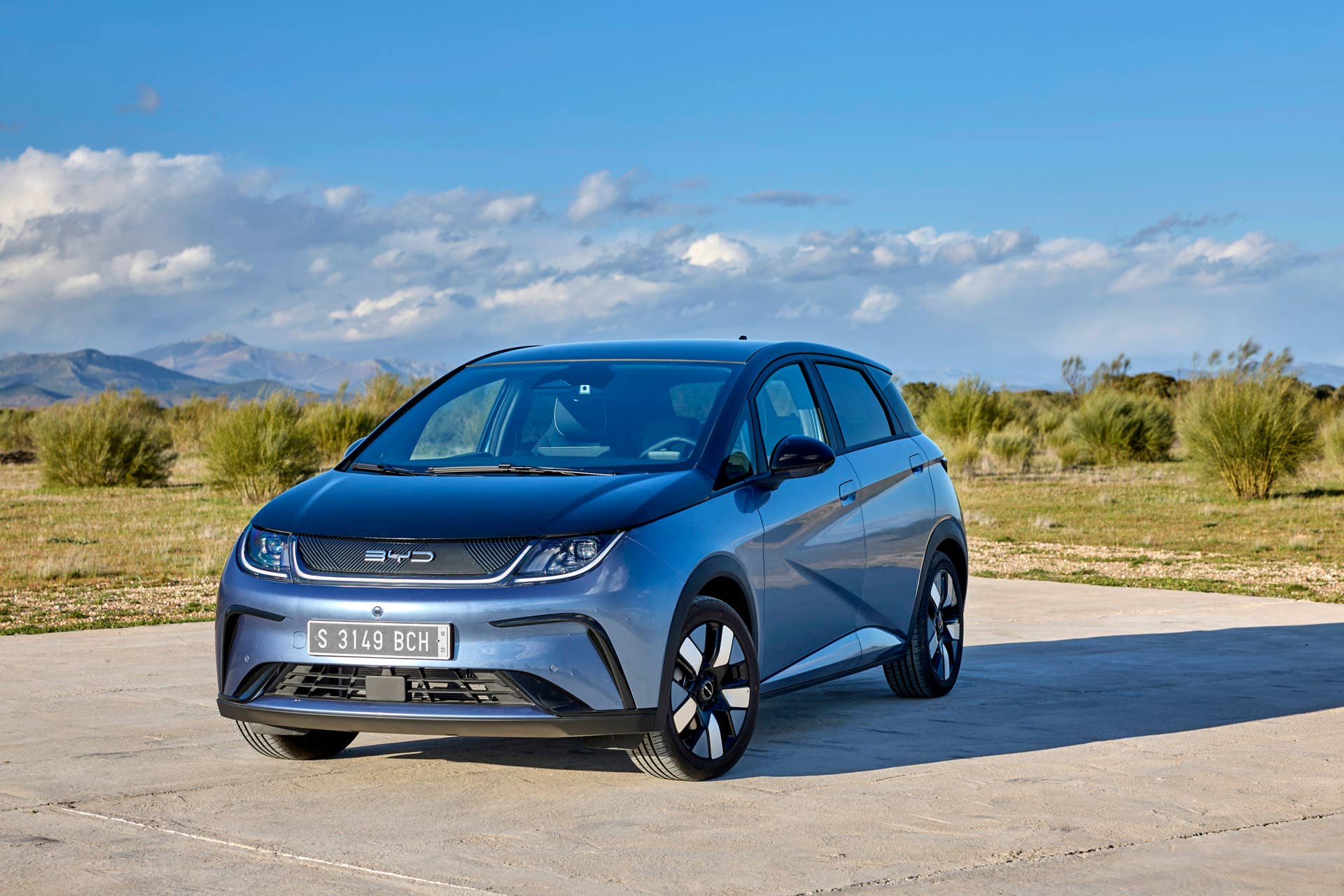
Volkswagen considered a partnership with BYD to develop hybrids and EVs, but ultimately pulled out. In 2010, Daimler AG, now Mercedes-Benz, formed a joint venture with BYD to create Denza. Denza was later restructured, and BYD took control of the brand after Mercedes-Benz withdrew in 2024.
In 2016, BYD struck gold when they hired Wolfgang Egger, best known for his work with Audi and Alfa Romeo, as their head of design. During that same year, the Chinese government began pushing new energy vehicles, that is, PHEVs and EVs, with heavy subsidies. In 2016, BYD received around $1 billion in subsidies. In the following years, the government reduced its subsidy payouts to BYD, and sales stagnated.
In 2020, BYD sold just over 427,000 vehicles as NEVs gained traction in China. 2020 also marked the beginning of the brand’s global expansion as it made headway into Norway. In 2022, BYD discontinued production of ICE-only vehicles and shifted its focus to PHEVs and EVs. The following year, it established Yangwang, its second premium brand.
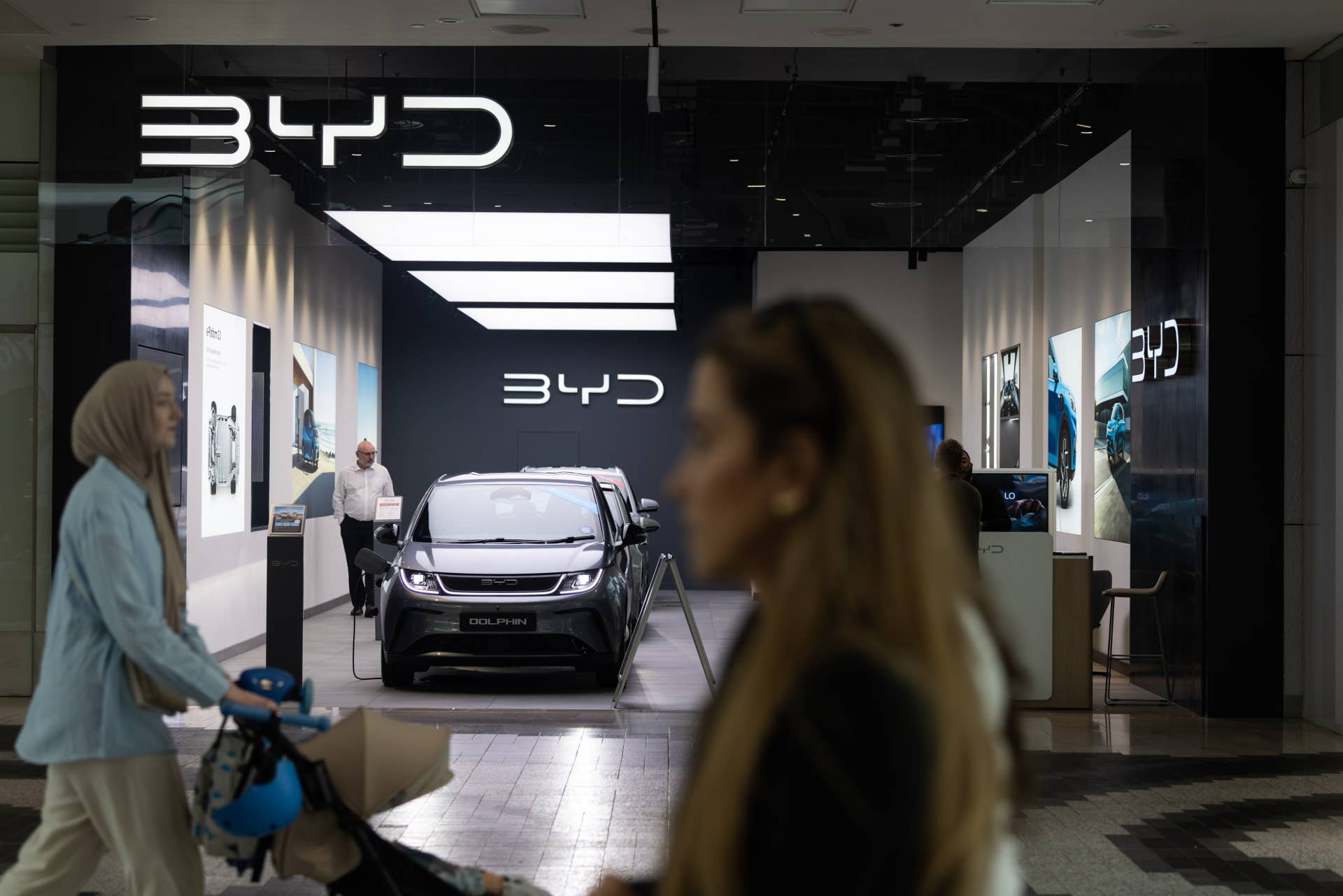
BYD went on to celebrate its five millionth NEV produced in August 2023. In November 2024, the Chinese automaker produced its 10 millionth NEV. As of 2024, BYD has a presence in more than 70 markets across six continents with plans for further expansion in the works.
Tesla held a narrow lead over BYD in 2024
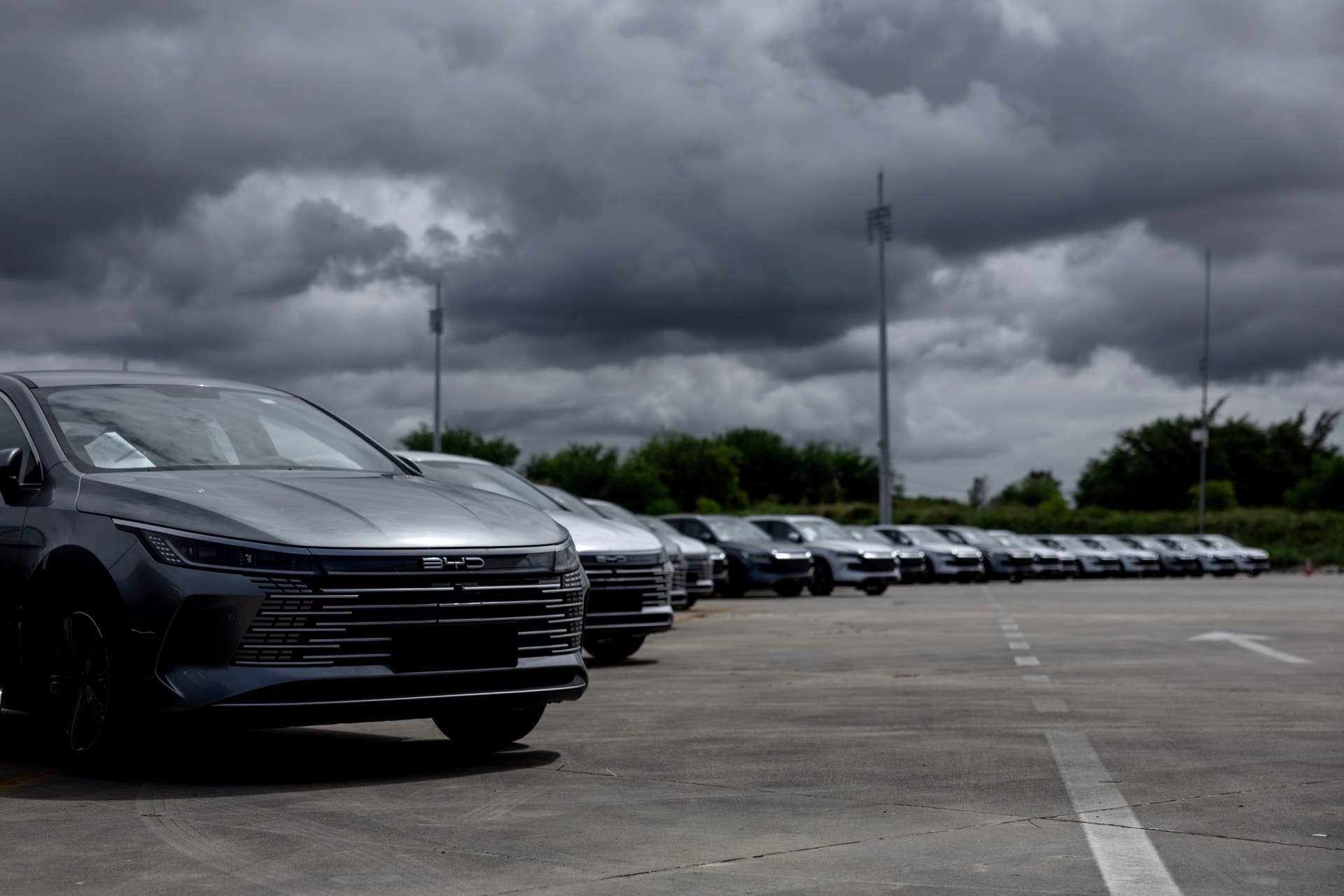
Tesla and BYD are two of the most influential EV manufacturers in the world, and their sales speak volumes. Tesla only produces EVs, and BYD’s sales include PHEVs and EVs. According to Euro News, while BYD delivered 4.27 million NEVs, it sold 1.76 million EVs. Tesla maintained a narrow lead in 2024, with 1.78 million EVs sold.
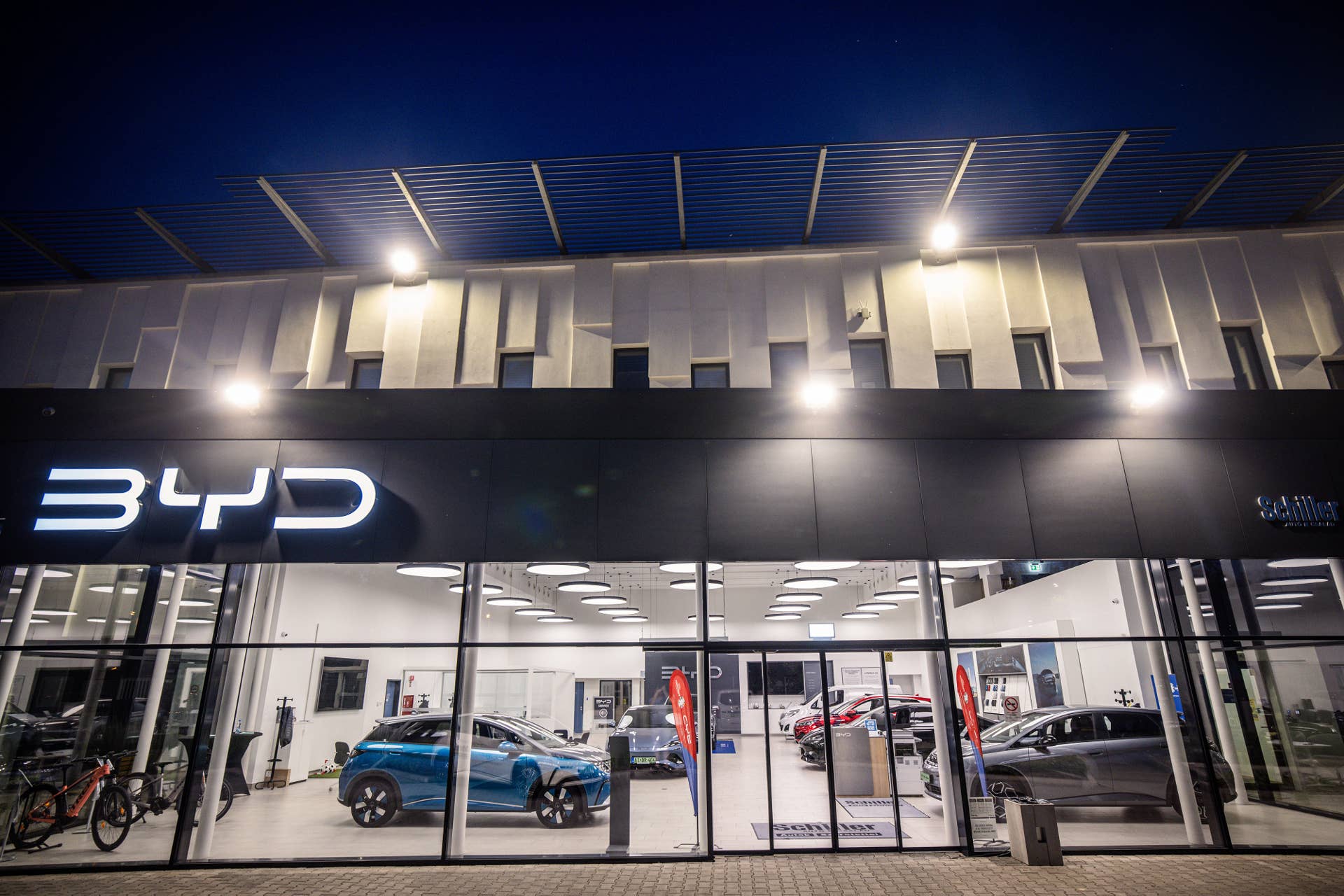
Despite incredibly close sales last year, both Tesla and BYD could end up struggling going forward. Governments are reducing their subsidies, and some are targeting Chinese automakers specifically. On top of that, Tesla’s European sales are floundering, with percentage drops in the double digits becoming the norm, thanks in part to CEO Elon Musk’s political stances.
BYD hasn’t been without its share of scandals, though. In December, BYD halted construction of its production facility in Brazil due to ‘slavery’ conditions. Even so, the automaker expects sales to increase in Latin America, Europe, and Asia throughout 2025. In short, it looks like this may be the year BYD surpasses Tesla to become the world’s largest EV manufacturer by sales volume.
Some legacy automakers are electrifying their lineups
While some automakers felt the pain as their China sales went into a freefall in 2024, other manufacturers are on board with electrification. Some automakers may be late to the party, but their renewed efforts could save them in the long run.
General Motors, in particular, has put its best foot forward when it comes to EVs. The American automaker plans to phase out all its gas- and diesel-powered vehicles by 2035. General Motors has been fairly steady as far as legacy automakers go, unveiling the Chevrolet Volt as a step towards full electrification in 2010. Ten years later, in 2020, GM introduced the Ultium battery platform, on which its current EV lineup is built.
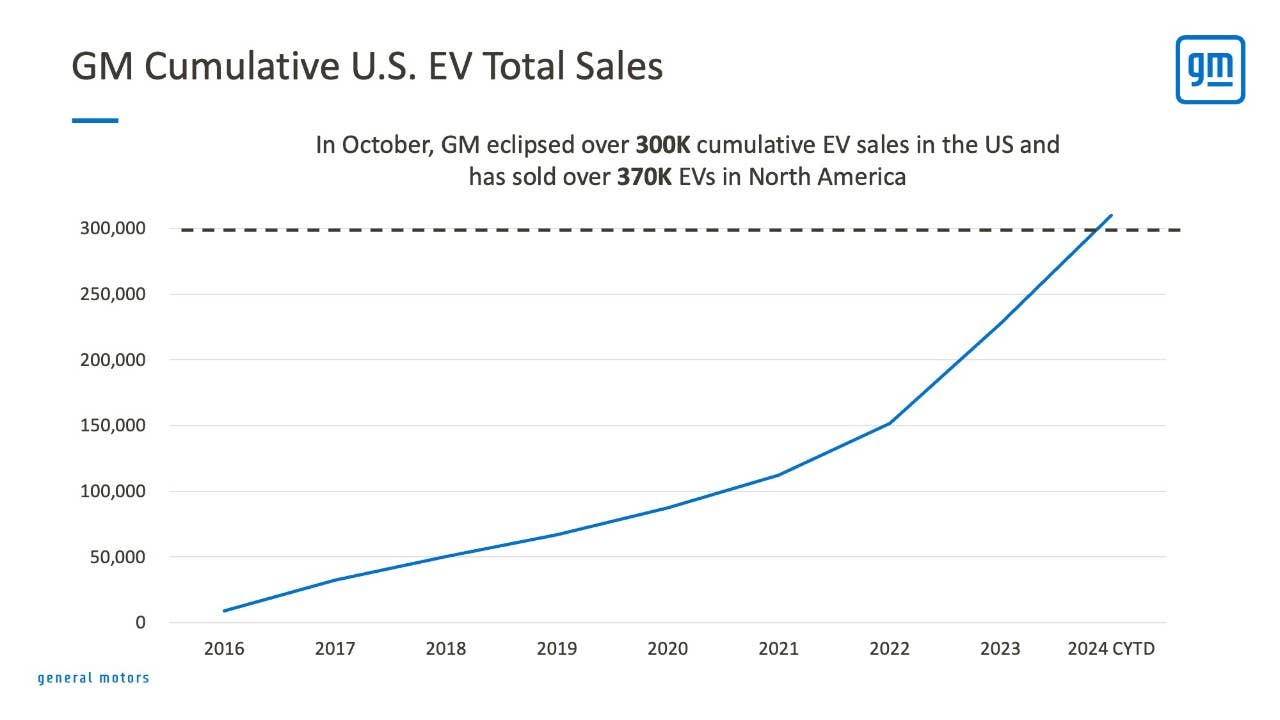
In 2021, GM revived the Hummer brand as an EV line, beginning with the GMC Hummer EV pickup truck. Today, GM brands are home to some of the nation’s most popular EVs, including the Chevrolet Blazer EV and Cadillac Optiq. Last year, GM beat out Hyundai in EVs sold to claim the number two spot in the United States. As of November, the American automaker had cumulatively sold over 370,000 electric vehicles.
While Hummer, Cadillac, and Chevrolet have all seen EVs grace their range of vehicles, Buick seems to have been left on the back burner. Buick sells three EVs in China, but none of those models will make it to American shores. In fact, last year, GM delayed the brand’s first North American EV indefinitely.
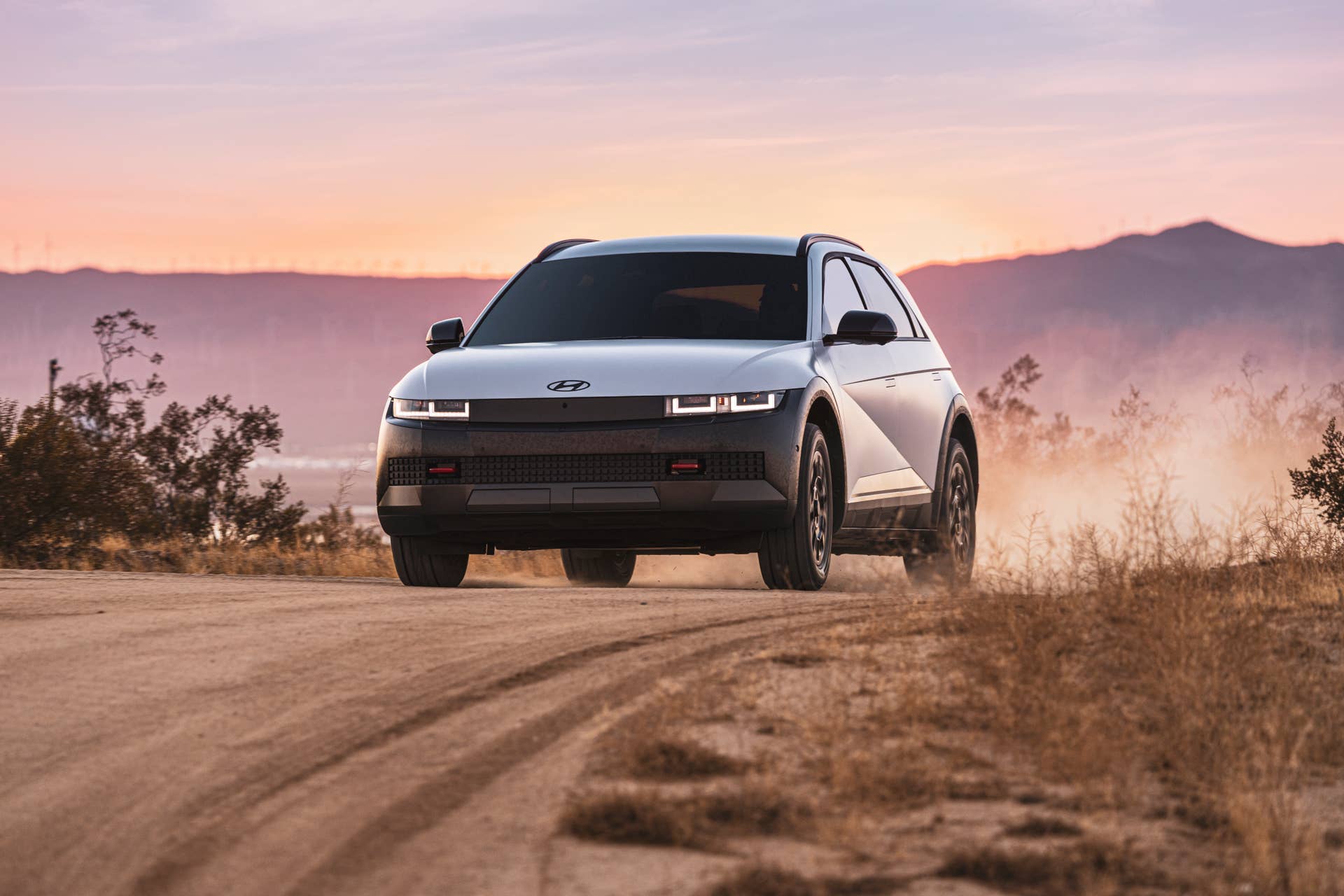
Hyundai
Hyundai and Kia have been near the top of the game when it comes to EVs for several years now. The Hyundai Ioniq 5 stole the spotlight not long ago, and both Korean automakers are introducing all-electric SUVs in the near future. Genesis, Hyundai Motor Group’s luxury brand, has introduced several EVs of its own.
Ford currently offers the Mustang Mach-E SUV and F-150 Lightning pickup, but it looks like the American automaker is stopping its electrification efforts there. Last year, Ford delayed its new EV plant and canceled an all-electric three-row SUV. According to Ford CFO John Lawler, the automaker will shift future spending on all-electric vehicles from 40% to 30%.

BMW has become synonymous with upscale performance these days, and their move into the EV segment has gone exactly as you might expect. The M performance division’s top-selling model of 2024 was the BMW i4 M50, an all-electric sedan. Currently, BMW offers four all-electric vehicles in addition to the i4, including the i5, i7, and iX.
Mercedes-Benz is arguably the German brand that has made the most progress in EV technology. The luxury automaker offers a number of all-electric vehicles, including several AMG models. Perhaps most notably, Mercedes-Benz has begun testing solid-state batteries in real-world driving with its EQS prototype.
Other legacy automakers are slow on the EV uptake
As the world’s largest automaker by sales, you’d think Toyota would be diving into EVs, especially with China pushing electrification. Instead, the automaker is continuing to work on its hydrogen fuel cell vehicles, just as it has in years past.
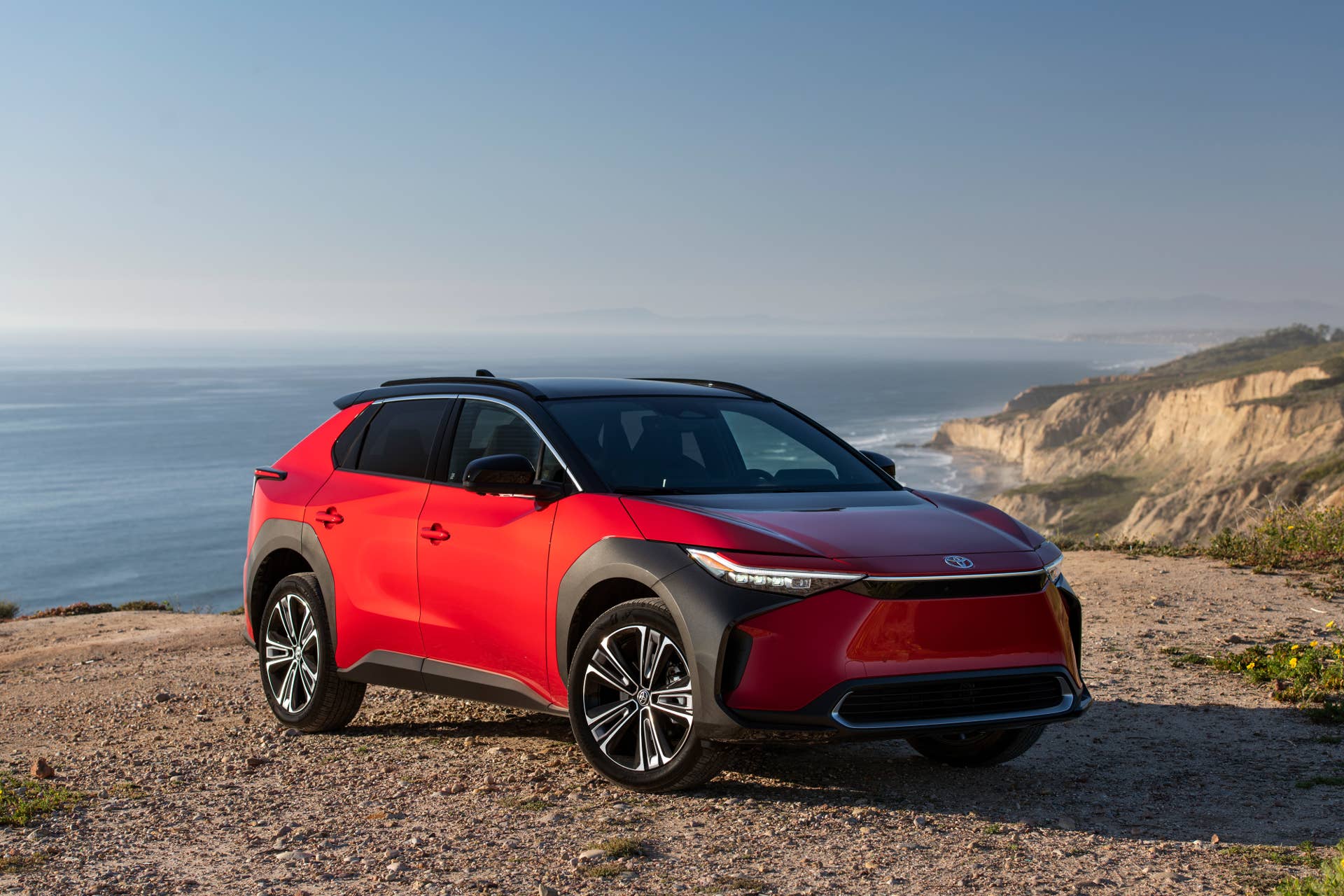
At the same time, Toyota has at least shown more interest in all-electric vehicles. The Japanese automaker released the bZ4X for the 2023 model year, albeit with lukewarm reception. In the meantime, Toyota has made the transition from ICE to hybrid powertrains across much of its lineup. The Camry is the most recent model to make the switch, with the Toyota Crown, Crown Signia, Prius, and Sienna being some of the brand’s other hybrid-only offerings.
Subaru and Mazda are in the same boat, most likely because they work closely with Toyota. While Subaru collaborates with Toyota on its vehicles, the most recent being the Solterra twin to the Toyota bZ4X, Mazda is setting itself up as an intentional follower.
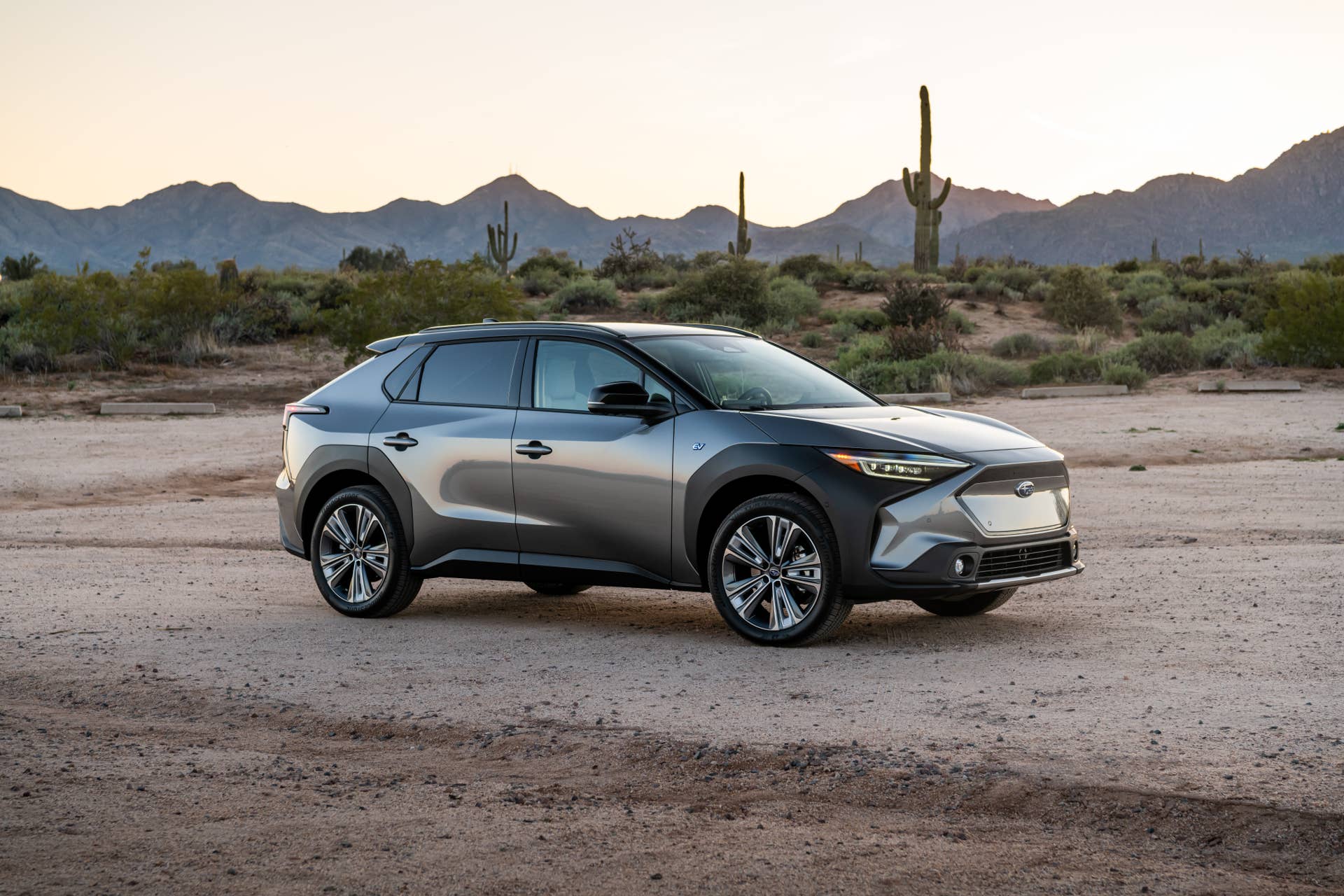
Subaru
“In the current market, the reality for electrification, in particular for battery EVs, is that the pace is not that high. So we may start a little slower in terms of the ramp-up. Not necessarily in terms of timing, but the ramp-up,” Masahiro More, Mazda global CEO, told Automotive News.
Mazda’s hesitation may be justified. The Japanese automaker unveiled the MX-30 for the 2022 model year as its first foray into electrification. According to the EPA, the 2022 Mazda MX-30 could only go 100 miles on a single charge. Unsurprisingly, the MX-30 saw terrible sales numbers, likely due to range anxiety fears, and Mazda pulled it from the market following the 2023 model year.
Mitsubishi has never been a major automaker by any regard, but they still gave electrification a shot. The Japanese automaker unveiled the i-MiEV back in 2009, but given its size, it didn’t gain much traction in North America. It’s still available in Europe and Asia, though, where small cars tend to perform better.
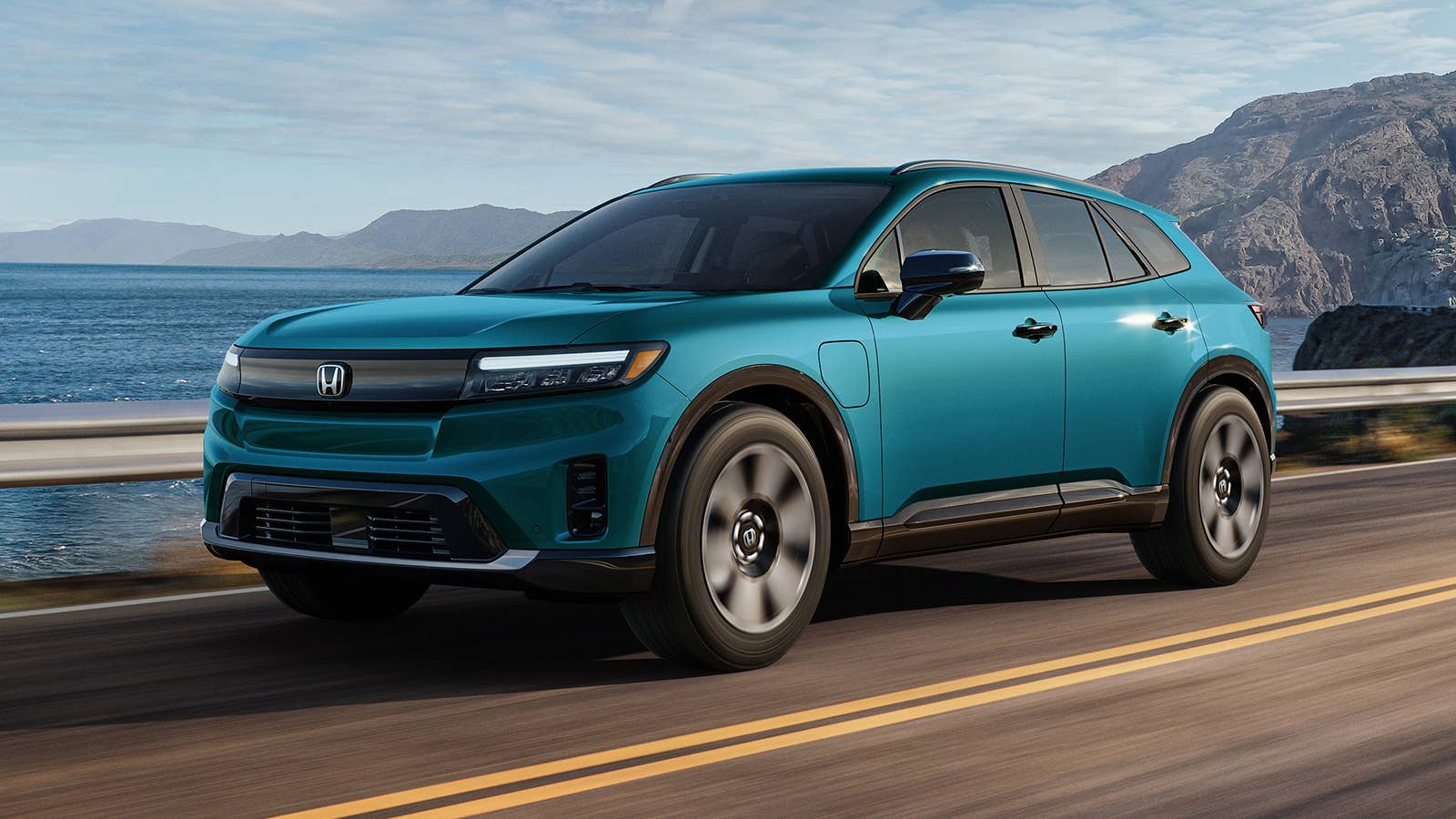
Honda
Honda is also a little slow on the transition with just one EV on its lineup, and even that model, the Prologue, is built on a General Motors platform. Interestingly, Honda wants EVs to make up 40% of its sales in the near future and is working with Sony to build the Sony Alfeela EV at its Ohio EV facility in 2026.
Whereas parent company Ford has embraced all-electric models with two relatively popular nameplates, Lincoln is taking a slower approach to electrification. The luxury brand currently offers a hybrid and plug-in hybrid powertrain on the Nautilus and Corsair, respectively. Back in 2022, Lincoln had planned to begin introducing EVs to its lineup. In an interview with the Detroit News last year, Lincoln President Dianne Craig indicated that’s no longer the case. Instead, the brand is focusing on game-changing digital technology.
Volkswagen struggled through the final months of 2024
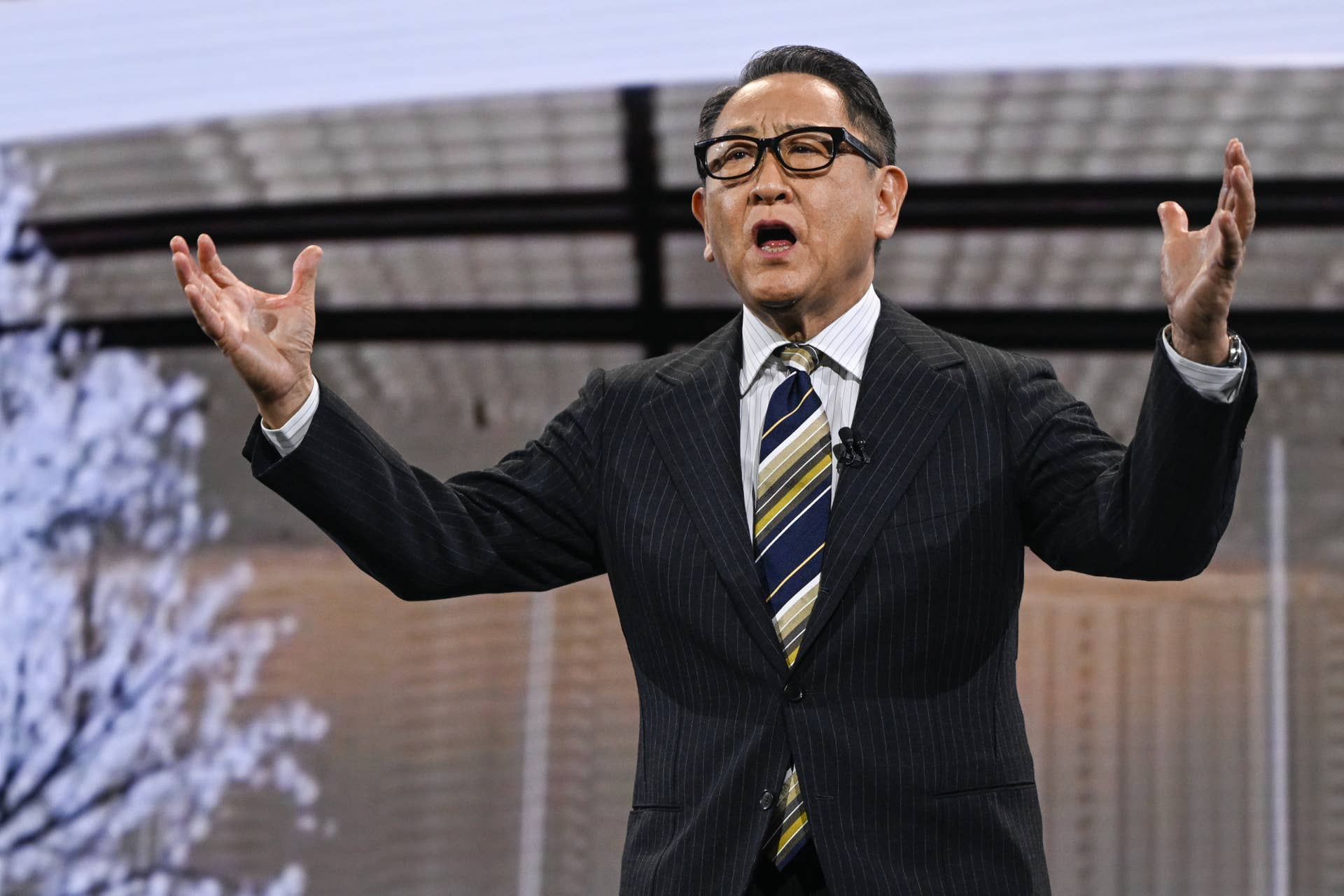
Volkswagen’s struggles have been well-documented, particularly in the final months of 2024. In September, the automotive conglomerate indicated it expected sales to fall to around nine million vehicles, down from 9.24 million in 2023. Shortly after, VW began making moves to cut costs, including closing Audi’s EV production facility in Belgium.

It wasn’t long after that that Volkswagen began considering closing several German manufacturing plants, wage cuts, and layoffs. Workers in Germany started striking in protest, and it wasn’t until December that VW and the workers’ union came to an agreement to end the strikes and avoid facility closures.
Part of that agreement included plans to reduce its production capacity by half. The German automaker plans to only invest in competitive plants going forward, and German facilities are fair game. While Volkswagen’s all-electric facility in Zwickau will have to compete with other factories, others will need to cut costs by 20% to remain open.

Cutting production from 1.5 million units to 750,000 is a massive indicator that VW doesn’t expect sales to grow, especially with Chinese competitors gaining ground in Europe. Last year, VW’s German plants made just 900,000 vehicles.
On the bright side, VW doesn’t plan to shutter production facilities for good. As a part of the compromise with the workers’ union, the German automaker will keep factories open until 2030. Over the next five years, however, VW will need to cut roughly 35,000 jobs.
Interestingly, Volkswagen is keeping its options open when it comes to empty production lines. The automaker hasn’t ruled out working with Chinese EV manufacturers to keep their facilities in operation. With BYD gaining ground on legacy automakers, including Volkswagen, a partnership could benefit both the emerging Chinese manufacturer and the legacy automaker.
Nissan could be the first legacy automaker to fall
Oh, Nissan. What hath become of thee?
Nissan introduced the Leaf back in 2010, making it one of the first mass-produced EVs to ever hit roadways. From there, however, the story turns sour. As Tesla emerged and other automakers began introducing new EVs, the Leaf was quickly cast aside due to its slow charging speeds, limited range, and lackluster spec sheet.
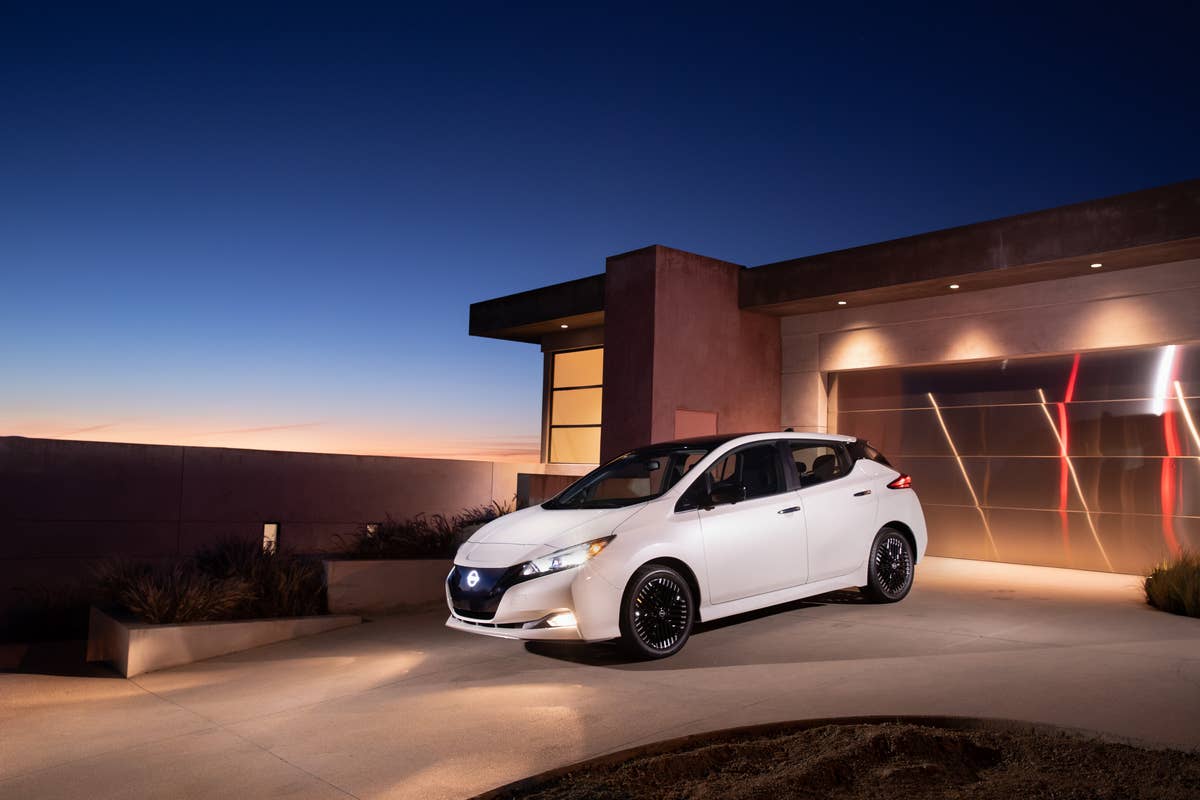
“It’s not so much that Nissan is in a bad position for not having more EVs; it’s just they had a lead, and they were early,” said Stephanie Brinley, S&P auto analyst. “They were early in that segment and then sort of pulled back a little bit, and took a different path, and ended up really letting competitors sort of get out ahead of them.”
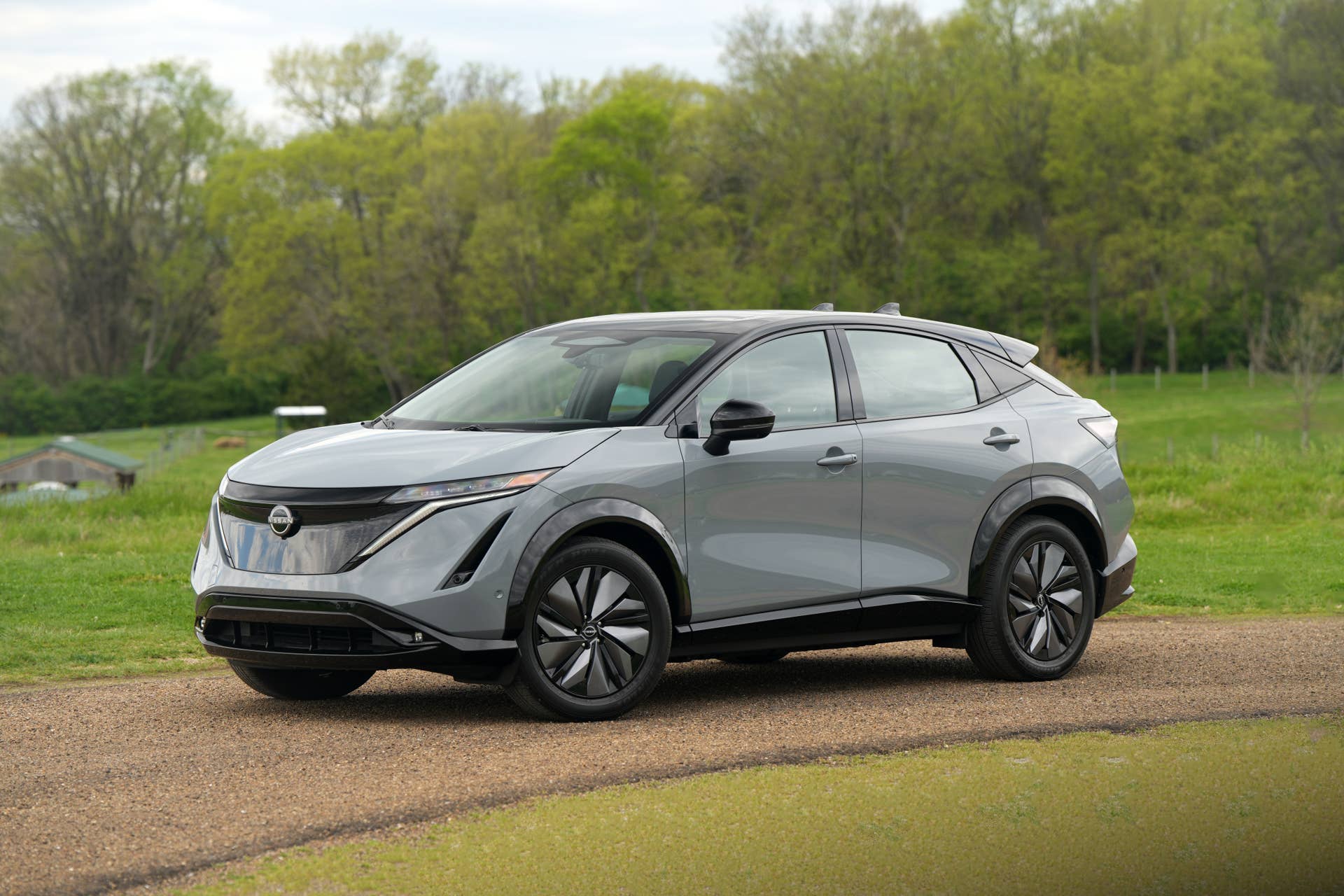
In 2024, Nissan’s standings in the industry took a turn for the worse, with executives stating the company wouldn’t survive 2025 without an outside investor. Since then, Nissan has been in talks with various companies, including Honda and Foxconn, about mergers and investments. The Honda-Nissan merger was the talk of the industry, but it didn’t pan out, thanks in part to Nissan CEO Makoto Uchida.
Uchida’s concerns over whether Nissan would remain independent became an issue for Honda. After all, the time to dictate terms is not when you’re on the brink of closing your doors. Nissan’s financial struggles aren’t exactly new, though.
Nissan
In the 1990s, Nissan’s financial issues caused it to enter into an alliance with Renault. Under former CEO Carlos Ghosn, the Japanese automaker reached profitability. After his departure, however, Nissan saw its sales fall yet again, thanks in part to an aged lineup and rising costs, leading to the automaker’s current situation.
In order to continue merger discussions, Honda added the condition that Uchida step down as CEO of Nissan. Effective April 1st, Ivan Espinosa, the former Nissan Chief Planning Officer, assumed the role of CEO. Whether Nissan goes on to become a subsidiary of Honda remains up in the air, but the possibility isn’t off the table.
Jaguar is looking to redefine itself
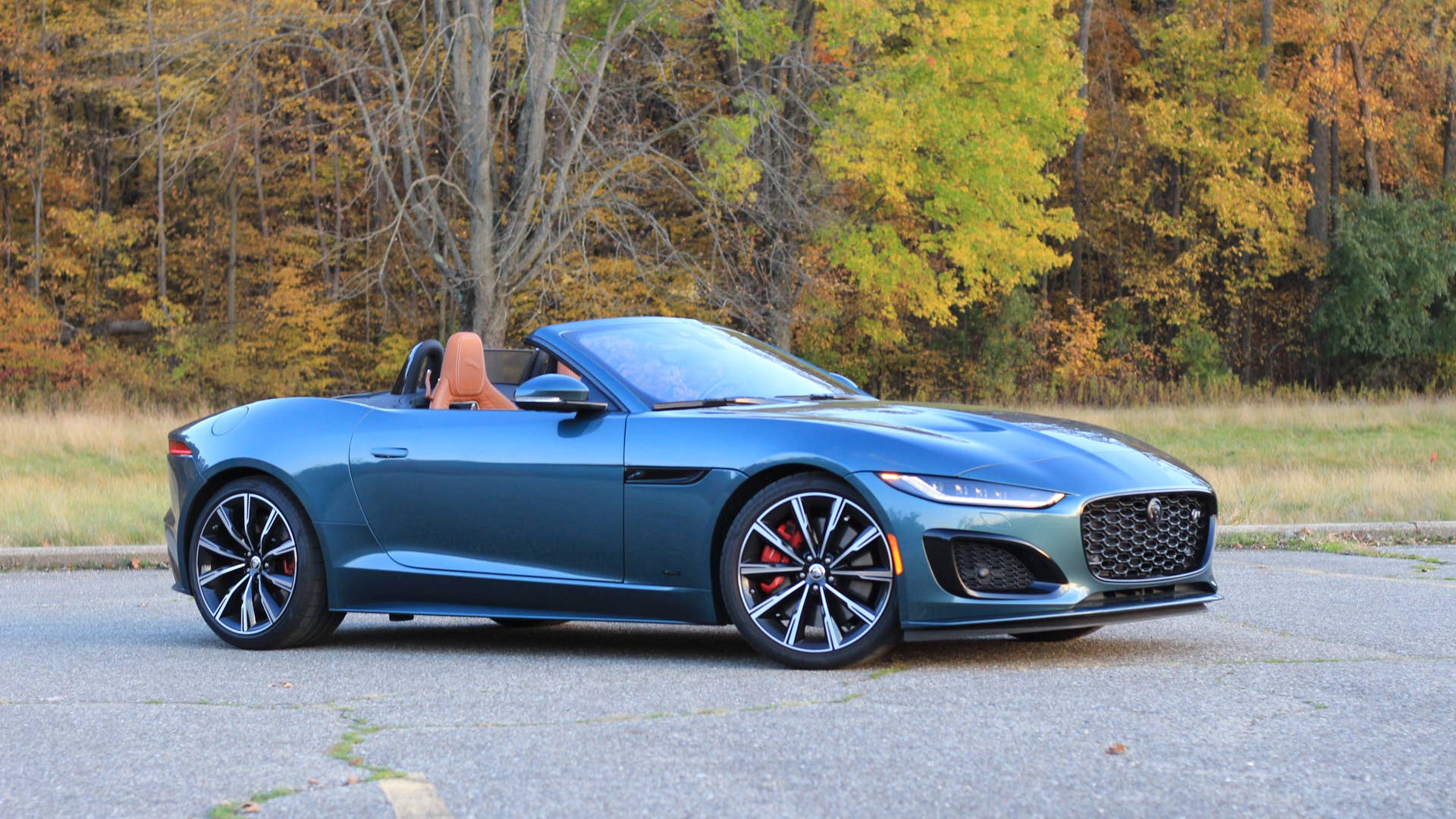
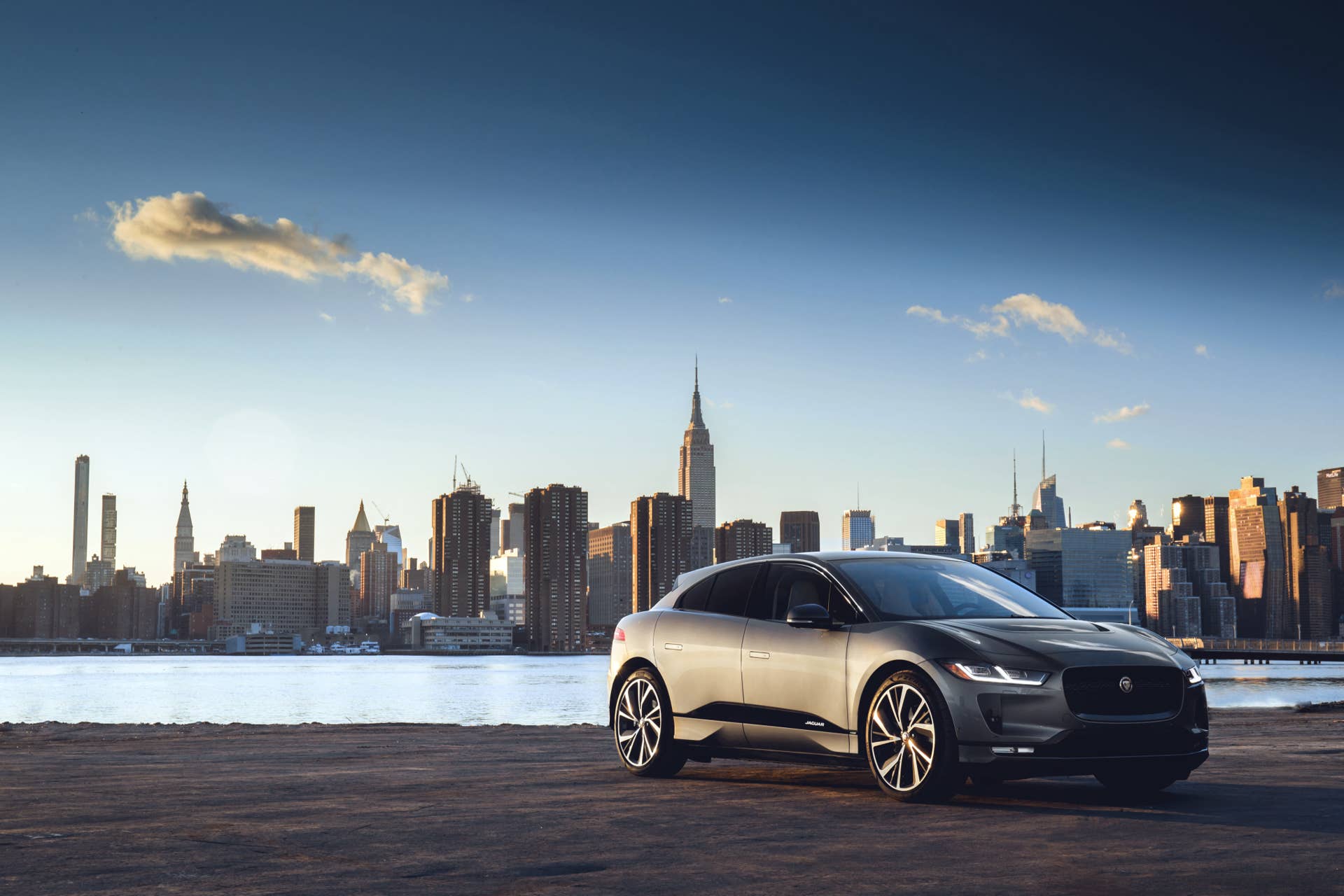
Jaguar has nearly 90 years of history behind it, but now the British automaker is undergoing a major transformation in order to redefine itself. Jaguar announced it would stop selling vehicles worldwide until its all-electric four-door vehicle launches in 2026. The manufacturer also stopped production of ICE Jaguar models in 2024.
Zac Palmer
Stopping sales for more than a full year is a bold—and risky—move, but it’s necessary for the brand’s future. Jaguar’s books haven’t been in the black for several years now, so putting a halt to sales might actually be a good thing. Positioning Jaguar to take on German brands like Audi and BMW didn’t pan out. The brand never got to the 600,000-vehicle mark it needed for profitability.
The future of Jaguar is based on Land Rover’s current business model, which is selling fewer vehicles at higher prices in order to rake in higher profits. Land Rover currently makes around $25,000 in profit per vehicle sold, and Adrian Mardell, CEO of JLR, is confident they can emulate the same strategy with Jaguar.
“It’s a complete reset,” Mardell told MotorTrend, “but we’ve done it before with Defender and we will do it at Jaguar.”
Jaguar
Even though Jaguar is no longer selling cars, it still has other problems to worry about. The 2019 Jaguar I-Pace EV has been plagued by an overheating high-voltage battery. With five recalls on the books since 2023, Jaguar has opted to buy back 2,760 I-Pace models. According to the National Highway Traffic Safety Administration safety recall report, until Jaguar reacquires all the affected I-Pace models, a software update will limit the EVs to 80% charge.
Automakers haven’t given up on hydrogen
A while back, hydrogen was proposed as an alternative to gasoline and batteries, and it had several major automakers backing it. Toyota, Honda, and Hyundai are just a few manufacturers who committed themselves to building hydrogen fuel cell vehicles (FCEVs).
FCEVs use a fuel cell to convert hydrogen gas into electricity, which then powers an electric motor to move a vehicle. Similar to EVs, FCEVs have zero tailpipe emissions, with water being the only byproduct. Like gas vehicles, filling up at a hydrogen station would take around five minutes.
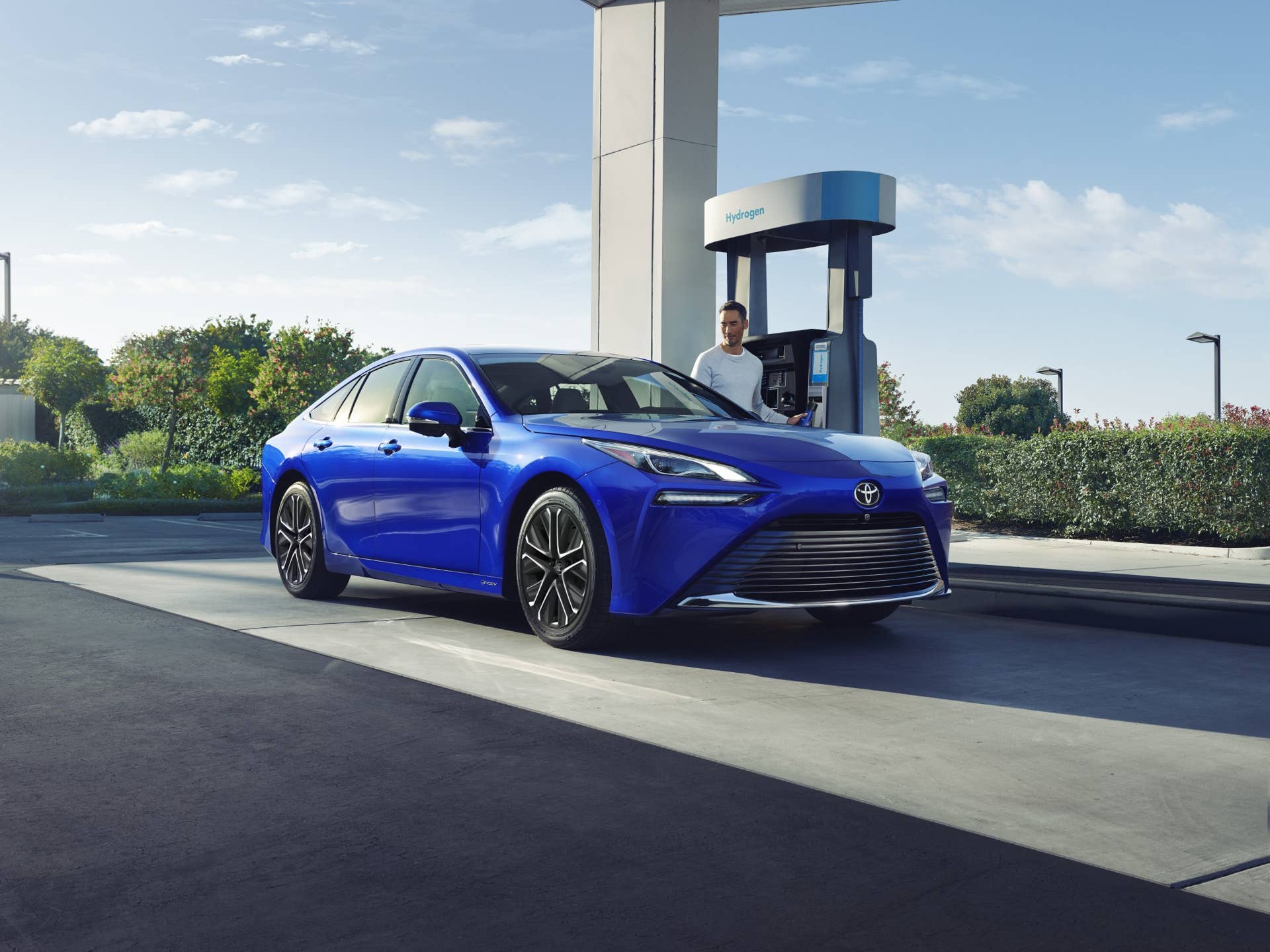
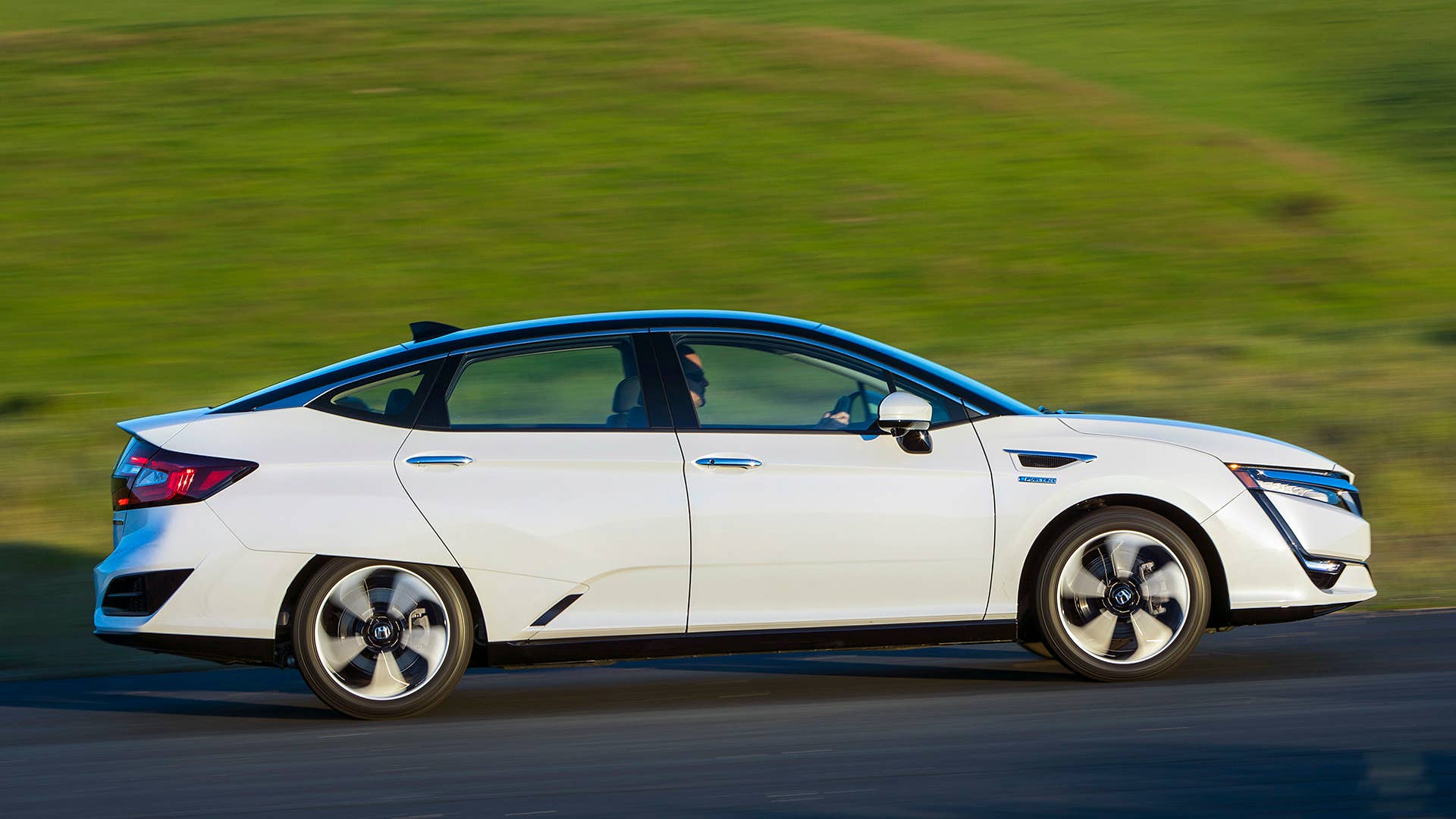
Due to the lack of demand and research and development involved, FCEVs tend to be on the more expensive side of the industry. The 2024 Toyota Mirai and 2025 Honda CR-V e:FCEV both start around the $50,000 mark. The 2023 Hyundai Nexo starts at just over $60,000. Notably, Honda ended production of the Clarity FCEV in 2021.
Toyota
You won’t be able to buy an FCEV just anywhere, though. All three models are only available for purchase from select dealerships in California. That’s because there’s almost no infrastructure to support FCEVs outside of the state.
The Department of Energy has a map of all the hydrogen fueling stations in the United States and Canada. Spoiler: Every single hydrogen fueling station in the United States is located in California. There are also a handful operating in Canada.
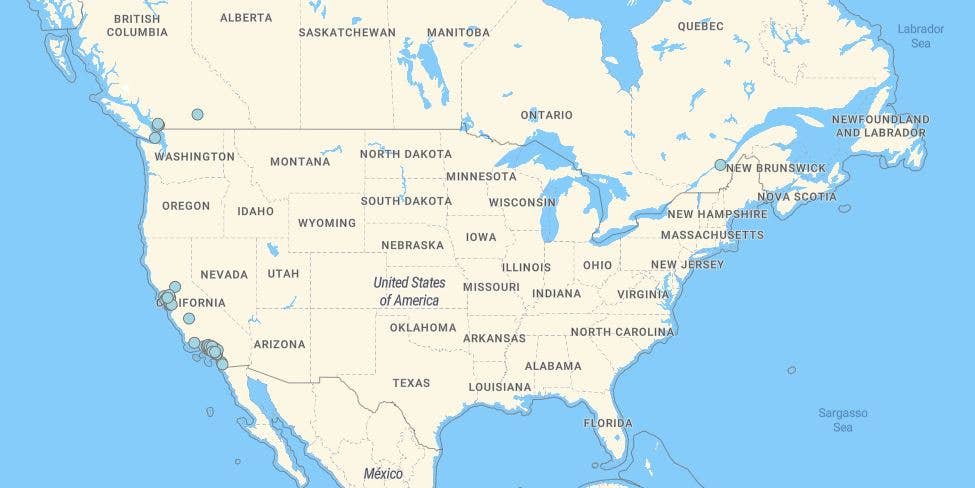
Hydrogen may be a zero-emission alternative to gas-powered engines with similar refueling times and methods, but a lack of infrastructure means it’ll never take hold. The sheer expense of the vehicles is another limiting factor. Frankly, hydrogen has become a bit of a sunk cost, and those still considering it a serious contender in the near future of mobility are few and far between. With EVs having a massive advantage in cost and infrastructure, it may be time for automakers to give up their hydrogen fuel cell efforts.
That doesn’t quite seem to be the case, though. Honda, Toyota, and Hyundai are still continuing research and development into FCEVs. BMW is reportedly testing hydrogen technology and plans to launch its first FCEV in 2028 with help from Toyota. On the other hand, some major automakers simply aren’t interested in hydrogen.
Honda
“Aside from the fact that only limited quantities of hydrogen are available, we at VW are perfectly fine with electric batteries. Hydrogen propulsion is really not an option for us in the foreseeable future,” Kai Grünitz, now VW Brand Board Member for Technical Development, told Edison in a 2023 interview.
Dealers are hindering EV adoption
Dealerships are proving to be a major obstacle to EV adoption. From refusing deliveries to taking a buyout from corporate, dealerships are essentially fighting for their future. According to the National Automobile Dealers Association (NADA), as of 2019, a dealership’s service department accounts for nearly half of its profits. Since EVs have fewer moving parts, they don’t need as much service, and that cuts into a dealership’s bottom line.
In 2023, nearly half of the Buick dealers in the United States opted to take a buyout instead of selling EVs. The kicker: Buick didn’t sell any all-electric models at the time. The dealers simply didn’t want to move forward with GM’s EV plans to go all-electric by 2030. GM isn’t exactly staggered by the loss in dealers, though.
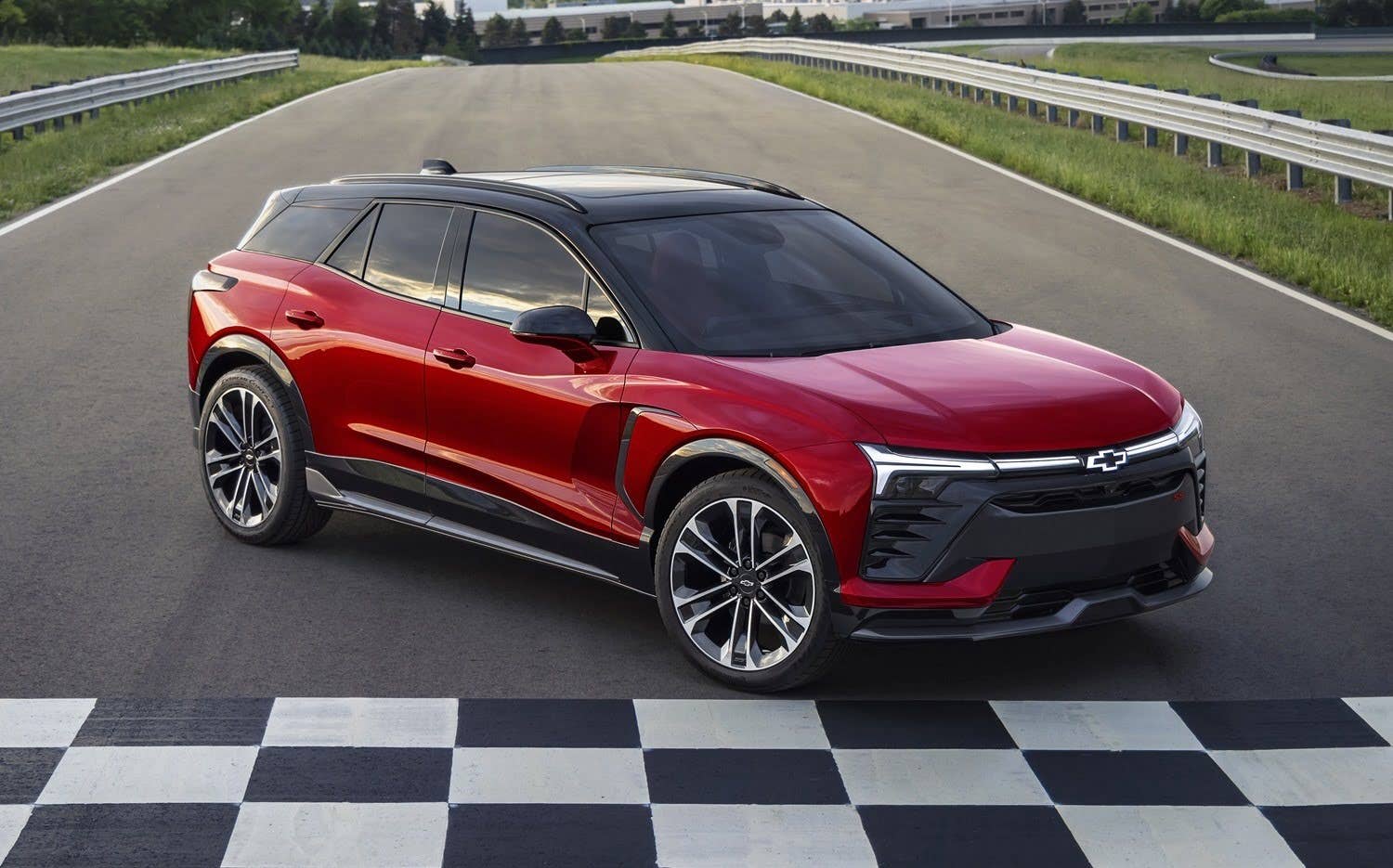
Chevy
“The network, where we are now, is a good size. It’s with dealers who are focused on the business, who’ve shown that they can recover the volume that the dealers who transitioned away were doing,” Duncan Aldred, Global VP of Buick GMC, told Automotive News.
Some dealers are turning away EVs altogether, citing a cooling market. That’s not to mention the myths surrounding EVs, including long charge times and that the power grid can’t handle EV charging. On the bright side, fledgling automakers are working on breaking free of the industry’s dealership model.
A lack of dealerships is an advantage
While BYD isn’t available in the United States, Tesla has managed to work around the dealership model that currently plagues the industry. Car dealers gained traction with lawmakers around the 1950s to establish the regulations that prevent direct-to-consumer sales to this day.
To be clear, Tesla has showrooms in order to provide consumers with a chance to test drive vehicles and provide service. Customers can’t buy a vehicle from the showroom. Instead, vehicle purchases are made online, and delivery is taken at the showroom.
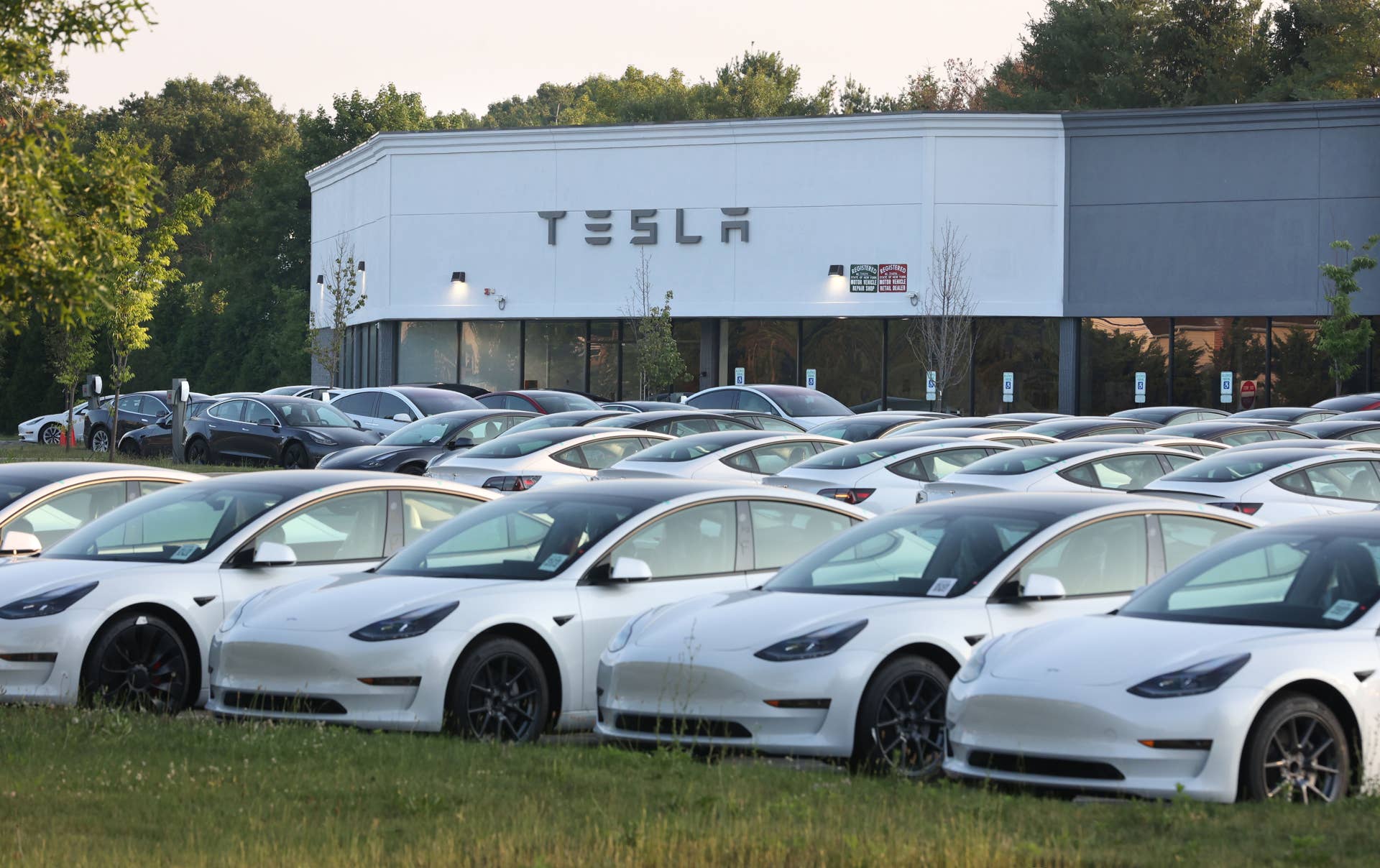
As much as they may be despised, dealerships aren’t going away anytime soon, at least for legacy automakers. According to the NADA, as of 2023, there are over 16,000 new car dealerships in the United States that employ more than 2.3 million people. Dealerships also paid $109.3 billion in state sales tax in 2023.
“There is no argument by which franchise law goes away,” Scott Painter, founder of Cars Direct and TrueCar, told NPR. “That is purely a fantasy conversation.”
Legacy automakers trying to break free from the dealer’s stranglehold are running into issues doing so. Volkswagen revived the Scout brand not that long ago with the intention of selling vehicles directly to consumers. It didn’t take long for the California New Car Dealers Association (CNCDA) to announce that they plan to file a lawsuit against Volkswagen.
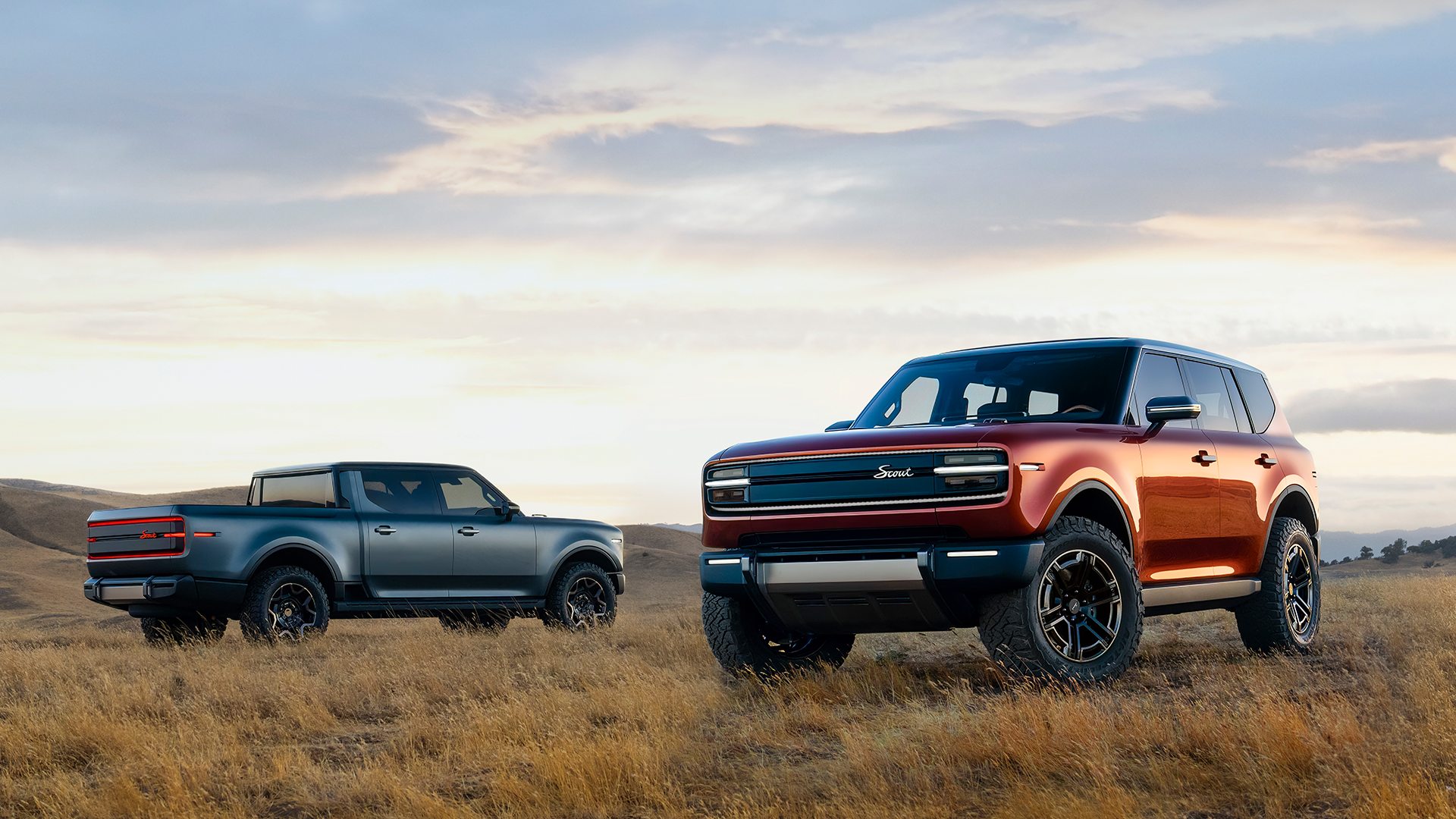
Scout Motors
As it turns out, Volkswagen couldn’t care less what dealerships have to say about the Scout brand. Neil Sitron, Scout’s general counsel, made it clear that Scout operated independently of Volkswagen, and no dealerships are entitled to sell the brand’s vehicles. If the CNCDA takes legal action, Scout has no plans to back down.
“Finally, and for obvious reasons, Scout Motors will not do business with anyone that threatens or tries to intimidate it, either directly or indirectly,” Sitron said in a letter to the CNCDA. “We trust that the CNCDA will reconsider its unwarranted threats and baseless positions regarding potential claims against Scout Motors. Should the CNCDA decide to act on its threats, Scout Motors will vigorously defend against them.”
Tesla and BYD’s success could be fleeting
While Tesla and BYD may shape the future of the automotive industry, experts expect legacy automakers to catch up. Bloomberg Intelligence, for one, predicts Tesla and BYD will maintain a lead through the end of the decade. During that period, legacy automakers like the Volkswagen Group will likely close the gap with more expansive EV offerings of their own.
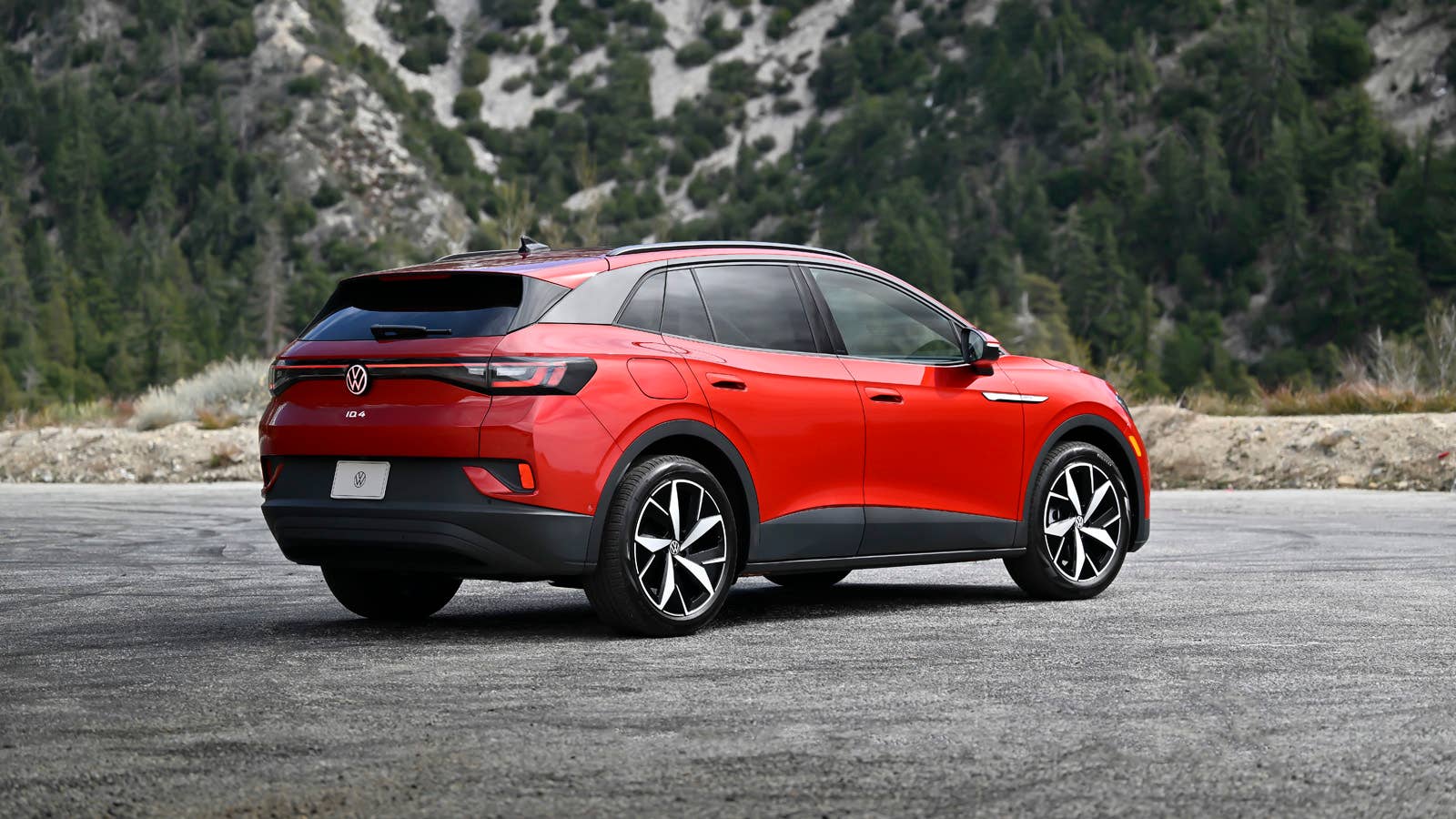
Volkswagen
“In the long term, though, we expect VW Group to make up some of the lost ground in the EV race,” said Sammy Chan, Global Data analyst. “VW Group is still ahead in the EV race in its home market of Europe, and its breadth of brands means it has plenty of scope for electric model expansion.”
Despite their early successes, BYD could find itself struggling in regions limited by tariffs and regulations. In 2023, for example, France reformed government incentive programs for vehicles made by Chinese manufacturers. The goal of the reformed subsidy program is to prioritize EVs made in Europe and reduce the market share of Chinese vehicles.
Prior to the end of his term, former President Joe Biden increased the tariff on vehicles made by Chinese automakers to 102.5%. In his first term, President Trump set the tariff at 27.5%. With such a high barrier to entry, it’s doubtful any Chinese automaker will enter the American market outside of niche vehicles, if at all.
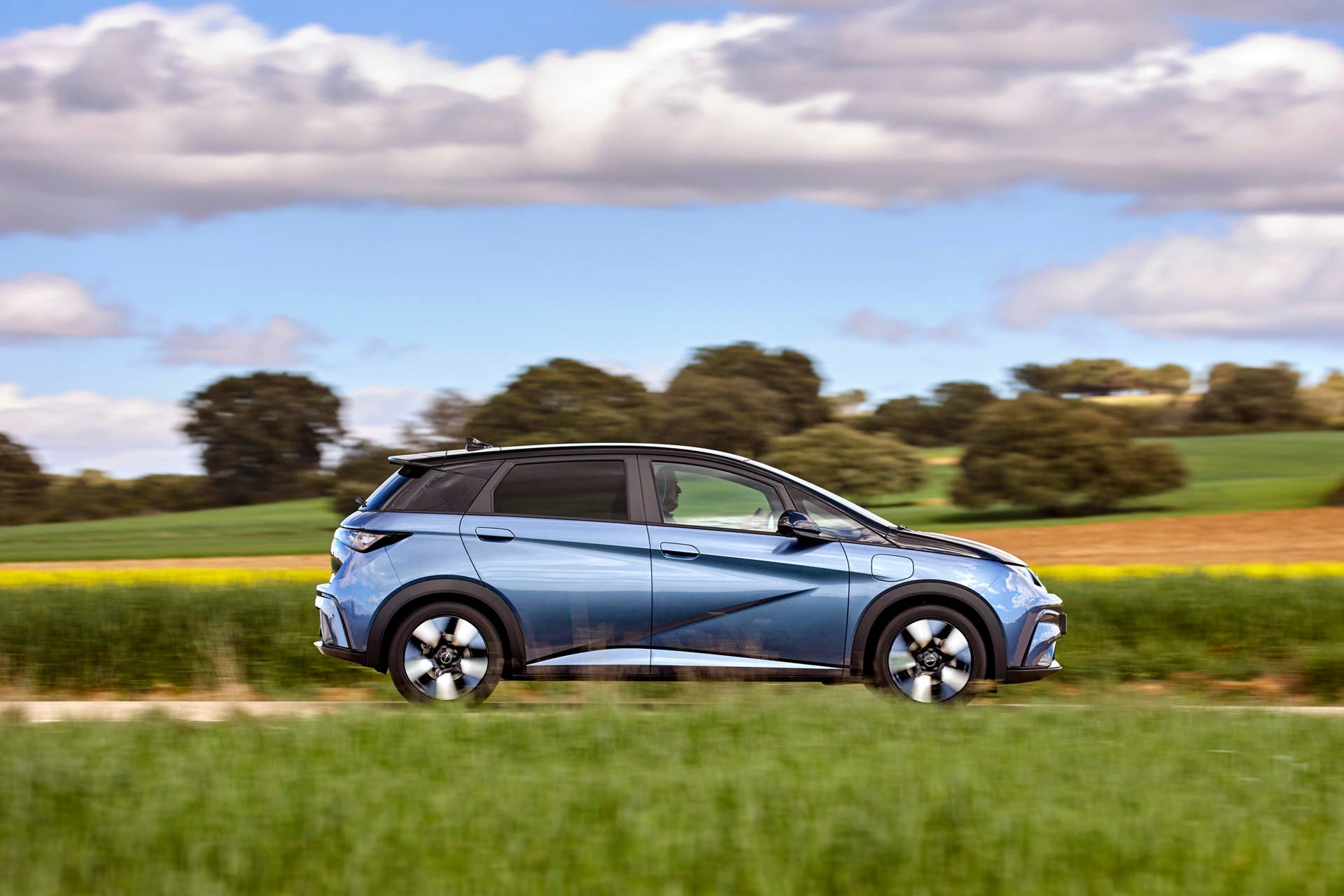
As for Tesla, the American automaker has a strong foothold in most major markets, including China. While most legacy automakers saw their 2024 China sales drop, Tesla saw an increase of around 8%. Since CEO Elon Musk took an active role in American politics, however, Tesla has seen its sales tank in multiple markets.
Per Reuters, in Germany, Tesla’s sales dropped by 76% in February. Sales were also down in the Netherlands by 24%, Sweden by 42%, France by 45%, Italy by 55%, and Portugal by 53%. Outside of Europe, Tesla saw its sales drop 66% in Australia. Even in China, where Tesla previously prevailed while other automakers struggled, production was down by 49%.
There are other new up-and-coming EV manufacturers
Tesla has been among the top EV manufacturers around the globe, but BYD isn’t the only challenger to the American automaker, especially not on Chinese soil. In fact, the Xiaomi SU7 launched in the spring of last year and quickly met its annual sales goal.
As for the year as a whole, the SU7 blew away expectations. According to data from the China Passenger Car Association, the SU7 outsold the Tesla Model 3 in its first year. In addition to its plans to expand on a global scale, Xiaomi is also taking the fight to another Tesla model.
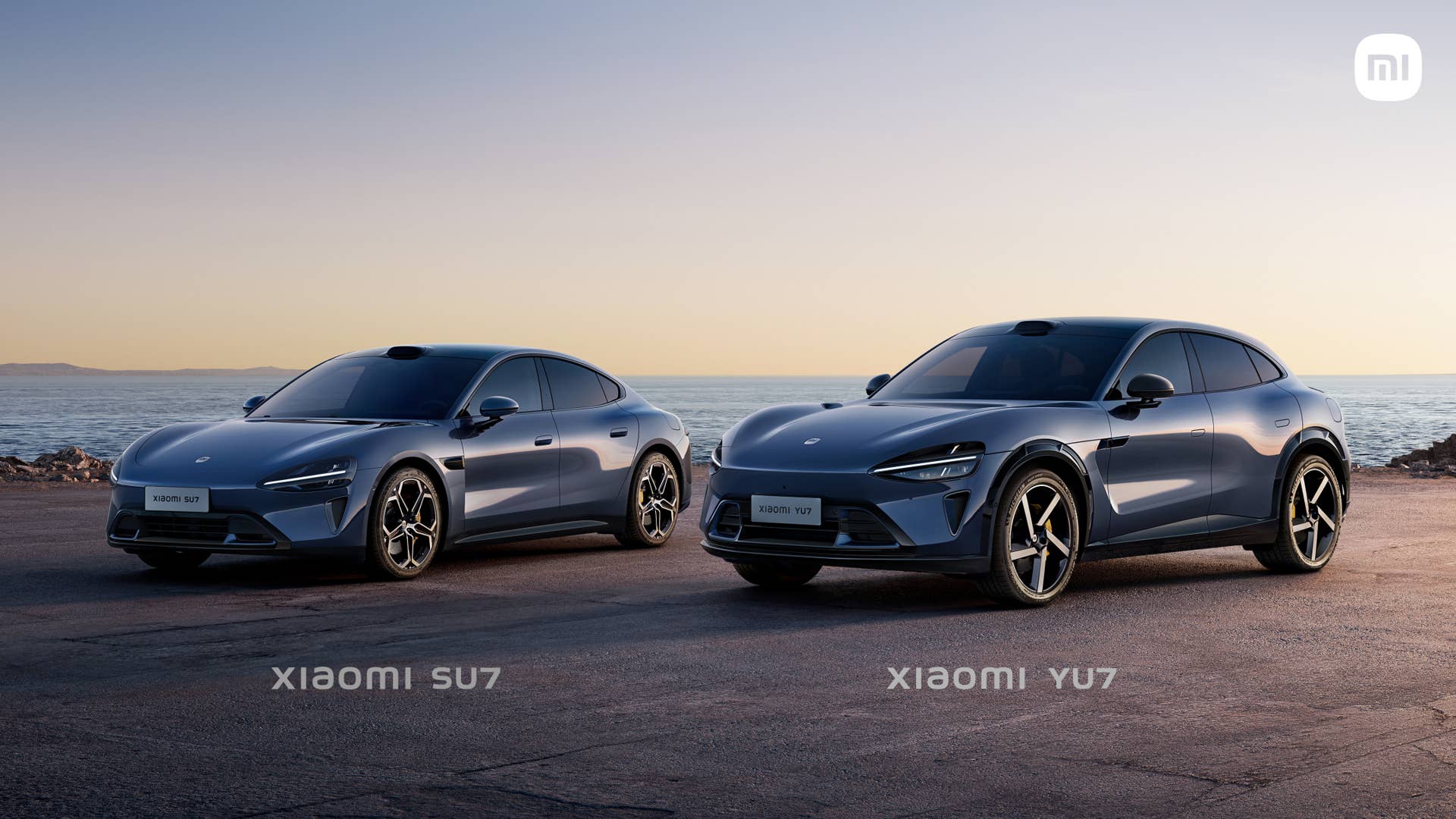
The Tesla Model Y is China’s best-selling new car, with more than 480,000 units sold in 2024. Xiaomi unveiled the YU7 in December to take on Tesla’s crossover. If the Chinese automaker’s latest model follows in the SU7’s tire tracks, it could be an underdog story for the ages.
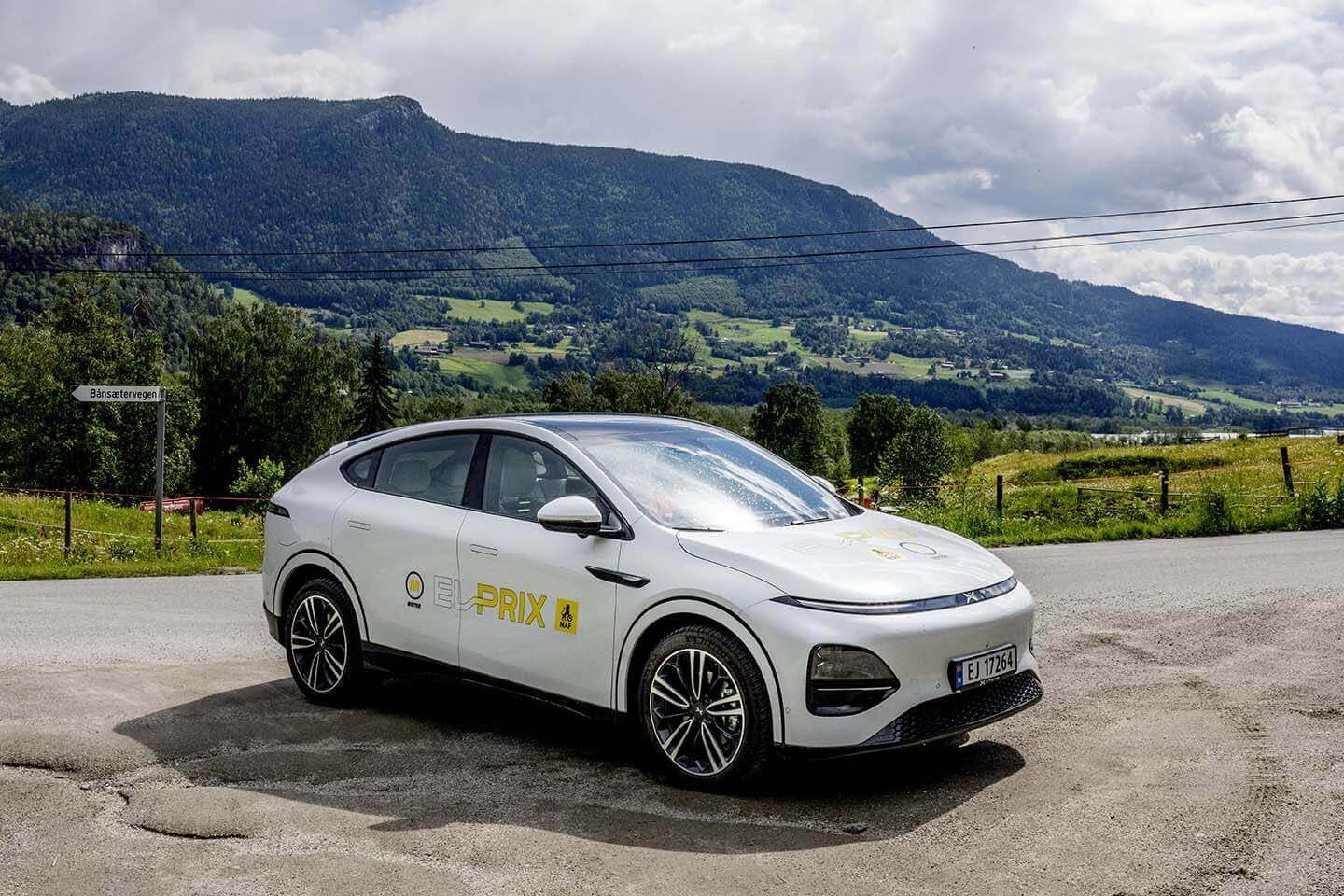
Xpeng, another Chinese automaker, is working on expanding its global reach from 30 to 60 markets in 2025. The manufacturer has been selling vehicles in Europe, including Germany, France, and Spain, since 2020 with some success. In 2024, Xpeng sold around 10,000 vehicles in Europe.
Volkswagen Group currently has a technology cooperation and joint development agreement with Xpeng that’s focused on accelerating vehicle design and engineering. The German automaker invested $700 million in Xpeng in exchange for five percent of the company.
Over in North America, Rivian has made headway into the EV segment on Tesla’s home turf. The EV manufacturer currently offers a truck and SUV, with two more SUVs on the way. While the R1T and R1S are on the more expensive side, the upcoming R2 and R3 will be more affordable.
In September 2021, Lucid Motors began producing its first EV, the Air sedan. Fast forward to today, the Lucid Air Grand Touring offers a 512-mile range, one of the longest in the EV segment. Lucid also introduced its second vehicle, the Gravity SUV, in late 2024. It offers seating for up to seven adults and has an estimated range of 450 miles.
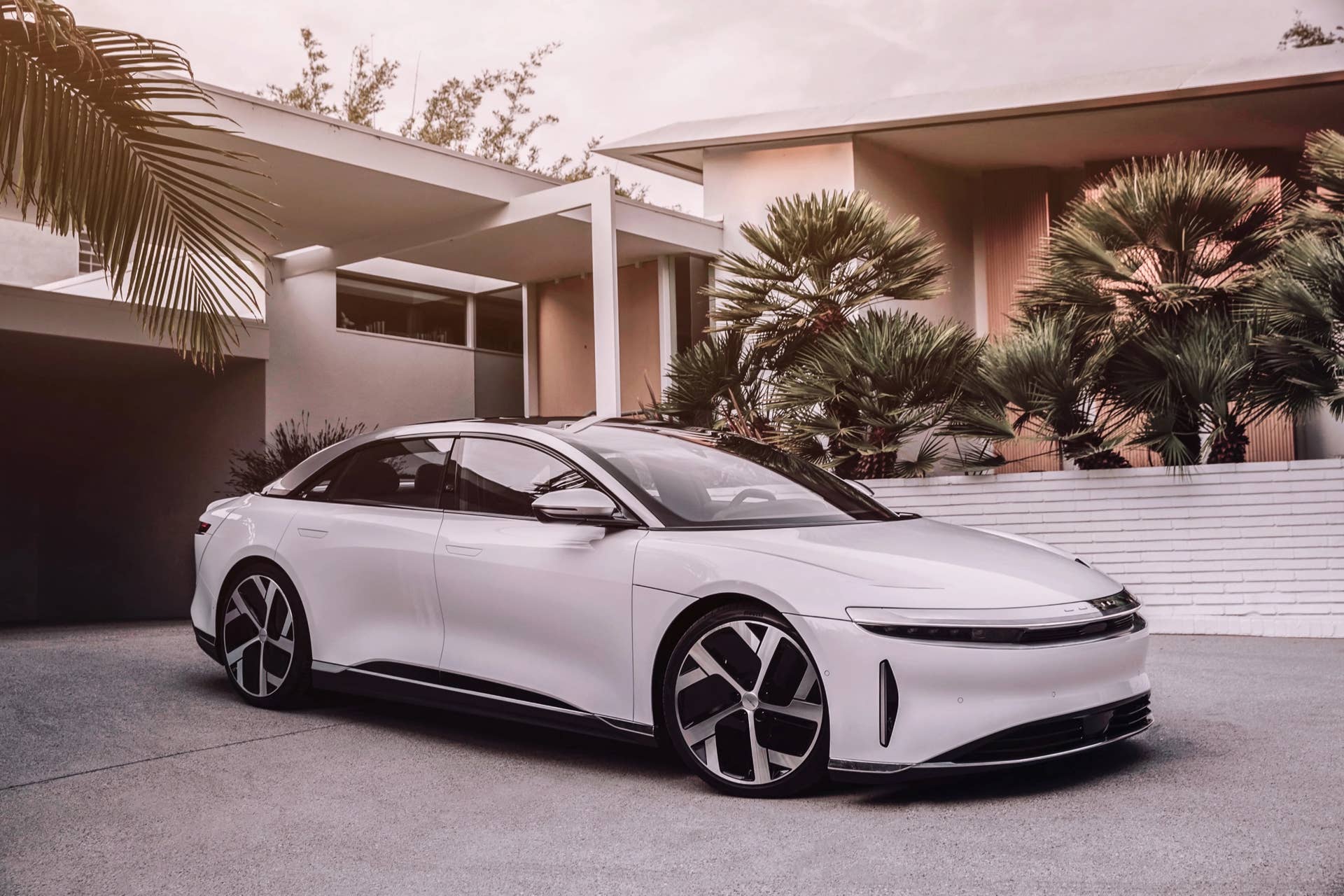
In June 2023, Lucid agreed to develop and supply electric powertrains, motors, and batteries for Aston Martin’s EVs. The deal amounted to $450 million, with Lucid getting a 3.7% stake in Aston Martin.
Final thoughts
No matter what sales data says in the United States, the world is pushing forward with electrification. That could spell certain doom for legacy automakers if they fail to innovate and make the transition. A single bad year in China seems like the wake-up call many of the “sleeping” automakers needed to get things in gear.
Regardless, even though it seems like the largest EV players should be taking the reins, no one is safe during a transition period. Tesla’s most recent sales aren’t great, and regulations could limit the reach of BYD and other Chinese automotive manufacturers. Regardless of how you cut it, it’s very possible we see some major players of the past half century make their exit in the near future.
In some cases, bankruptcy for some automakers has been a long time coming, and it may have nothing to do with the transition to EVs. Nissan is already on the chopping block, and if its search for a new investor or merger proves fruitless, it may be winding down. Jaguar has been struggling for years and has stopped selling vehicles to revamp its lineup. Chrysler sells minivans, a vehicle type that doesn’t exactly post crazy sales numbers.
Whether you love or hate EVs, the industry is changing with each passing year. While the Trump administration seems committed to oil and hindering electrification at every level, the rest of the world has made its stance clear. Now the only question is who will survive the transition, and who will fall by the wayside.
About the author

Joseph Pudlewski
Contributing Writer, Autoblog