
Two ways of accomplishing the same goal
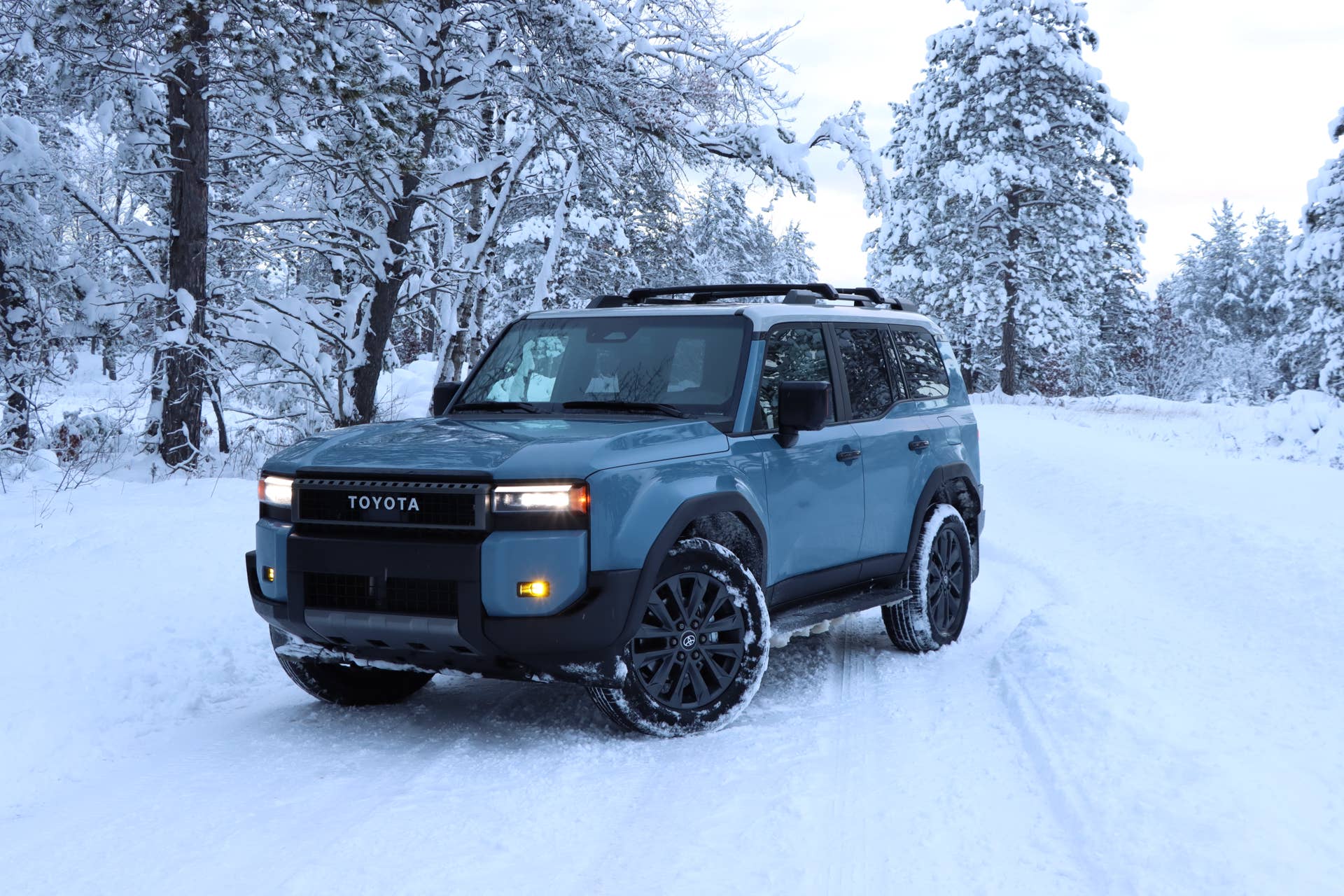
The new Toyota Land Cruiser recently made a triumphant return to the U.S. market as an off-road SUV that is somewhat reminiscent of the older generation Land Cruisers. It’s built on a proper frame, has a solid rear axle, and uses a lot of old-school thinking in its overall design. Still, it’s loaded with new tech and isn’t exactly inexpensive.
BYD
Kyle Edward
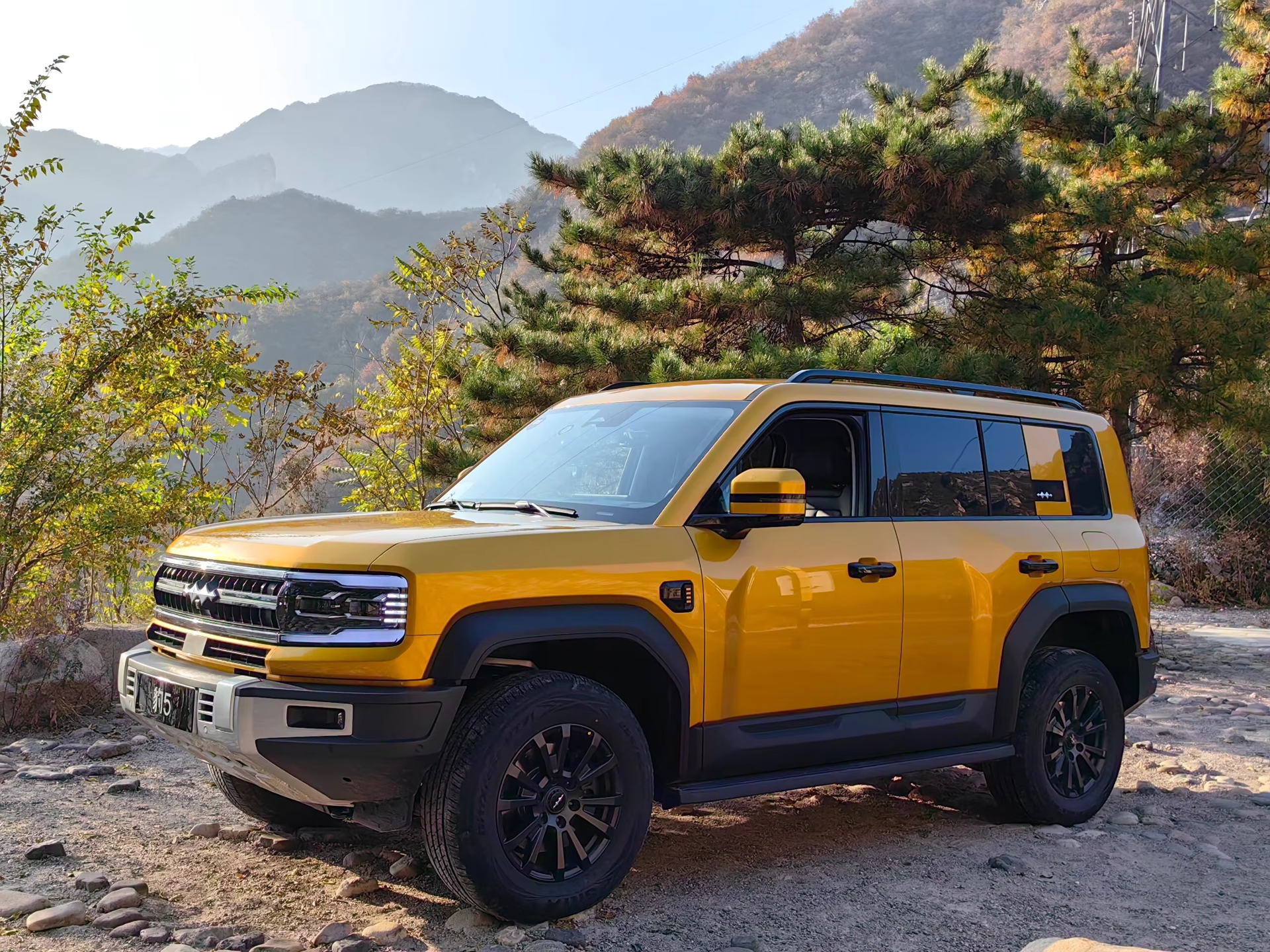
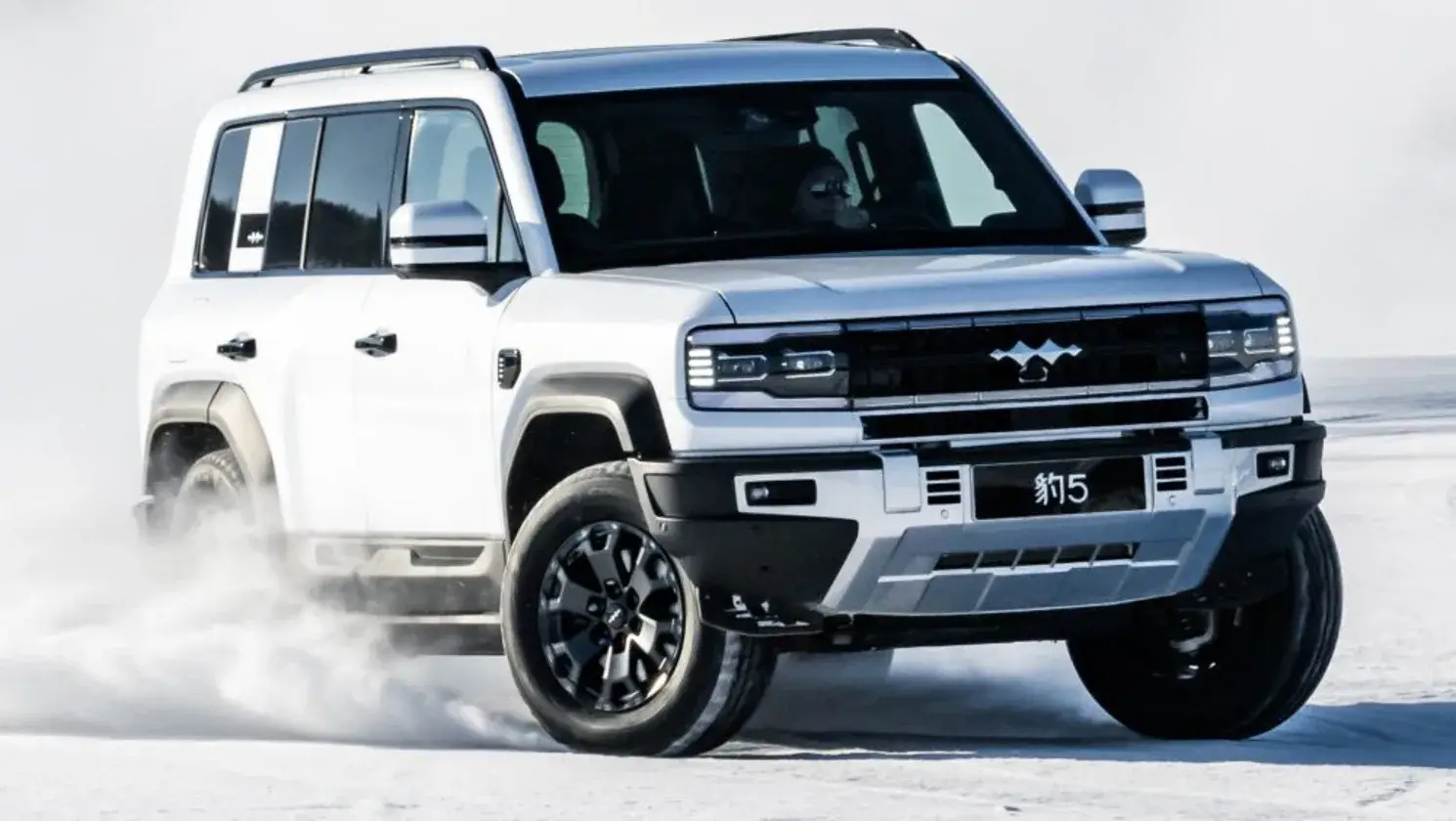
On the other hand, the BYD Formula Leopard 5 is pretty much a new idea that looks like an old-school SUV. It does have a frame, and it is built to go off-road, but it uses technology in a completely different way to make that happen. It’s also from China, meaning that it will probably never hit the U.S. market. Still, it’s a unique take on the SUV ideal, while remaining surprisingly affordable.
Both vehicles look similar, and their exterior measurements are all fairly close, with the exception of mass. Being a plug-in hybrid electric vehicle (PHEV), the Formula Leopard 5 has a large battery and other components that give it a nearly 6,400-lb curb weight. That’s over 1,300 lbs more than the Land Cruiser, which will come into play later on.
The BYD Fang Cheng Bao Leopard 5 – A tech juggernaut
FuDuiAuto
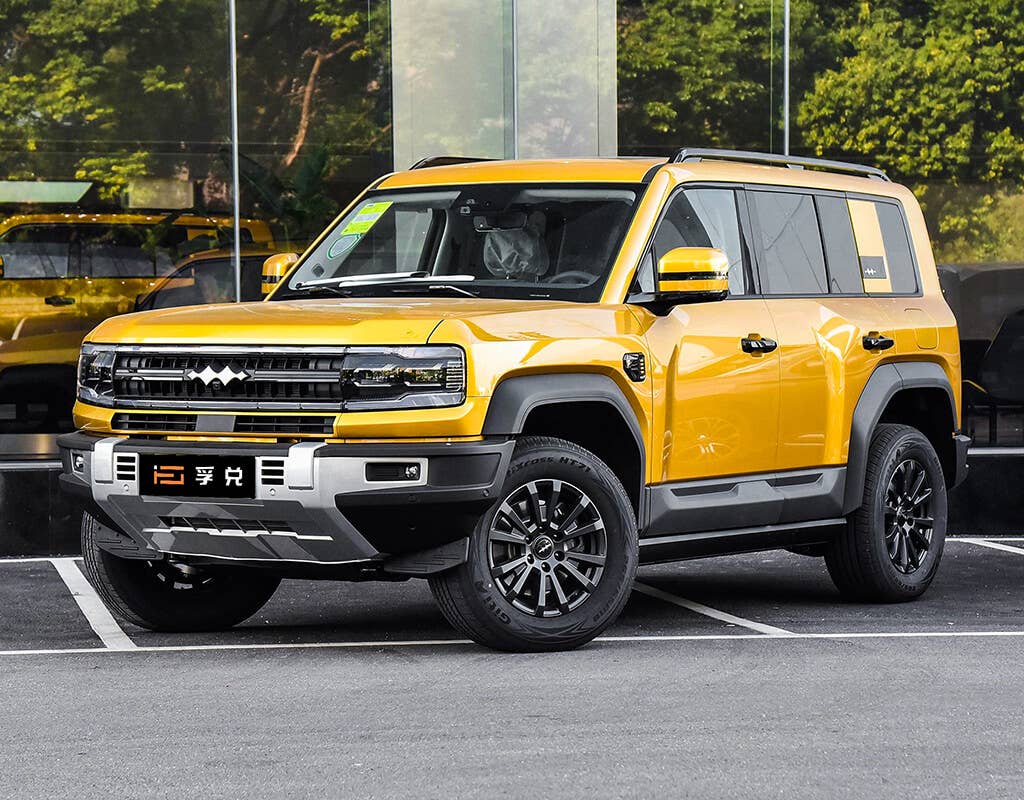
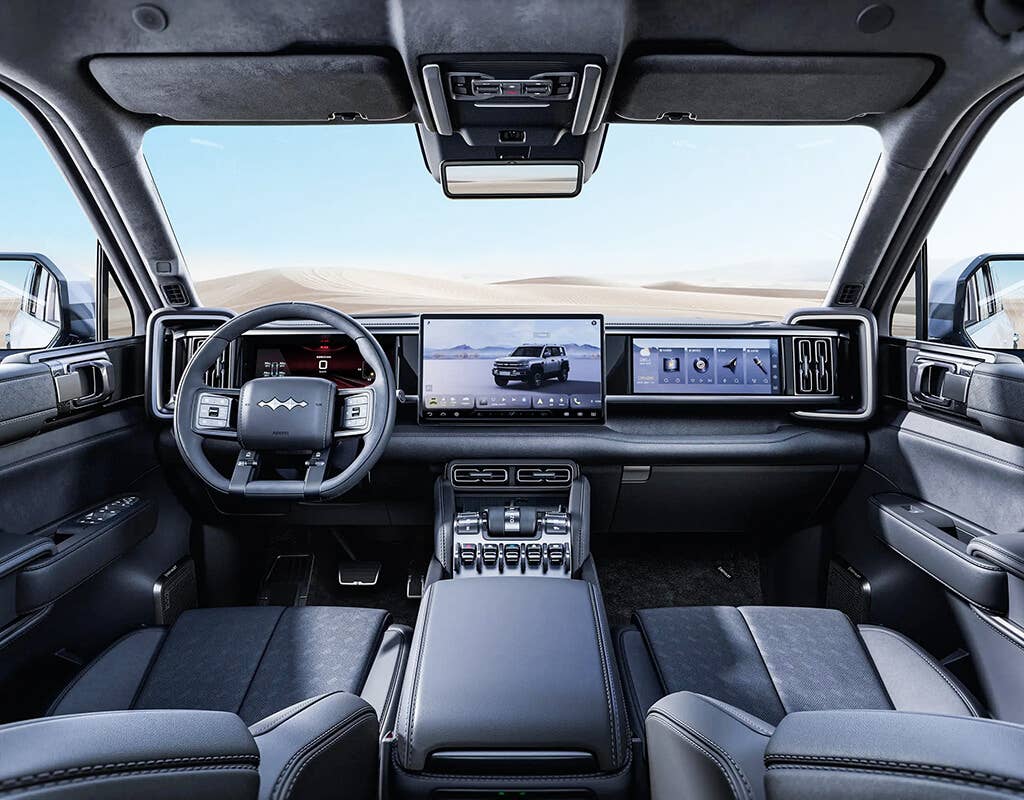
This vehicle is actually known as the Fangchengbao Bao 5, which translates to formula leopard, and is manufactured by BYD under its Fangchengbao brand. It seats five, has a remarkably plush interior, and has one of the most unique powertrains I’ve ever seen on a vehicle in this class. The combined output is rated at 677 horsepower and 560 lb-ft of torque with a total range of up to 750 miles. The mid-level sample I was driving had a $43,000 price tag.
The big story is its powertrain. This is a PHEV with a 32 kWh battery that can travel up to 62 miles solely on electricity. That distance is measured using Worldwide Harmonized Light Vehicles Test Procedure (WLTP), so it’s probably closer to 50 miles, but still impressive nonetheless.
FuDuiAuto
The turbocharged 1.5-liter, four-cylinder gas engine is connected to two separate electric motors. One is a starter, generator, and power assist motor, while the other is a motivator for the rear axle. The power goes through an electronically controlled continuously variable transmission that is supposedly closer to a planetary gear-set transmission, similar to what’s used on a Prius. Despite the unusual powertrain, the Leopard 5 sports a front and rear locker, the latter of which is entirely electronic and can open to allow one wheel to drag while the other rotates, allowing for tighter off-road turning.
Toyota Land Cruiser – A true mix of old and new
Toyota
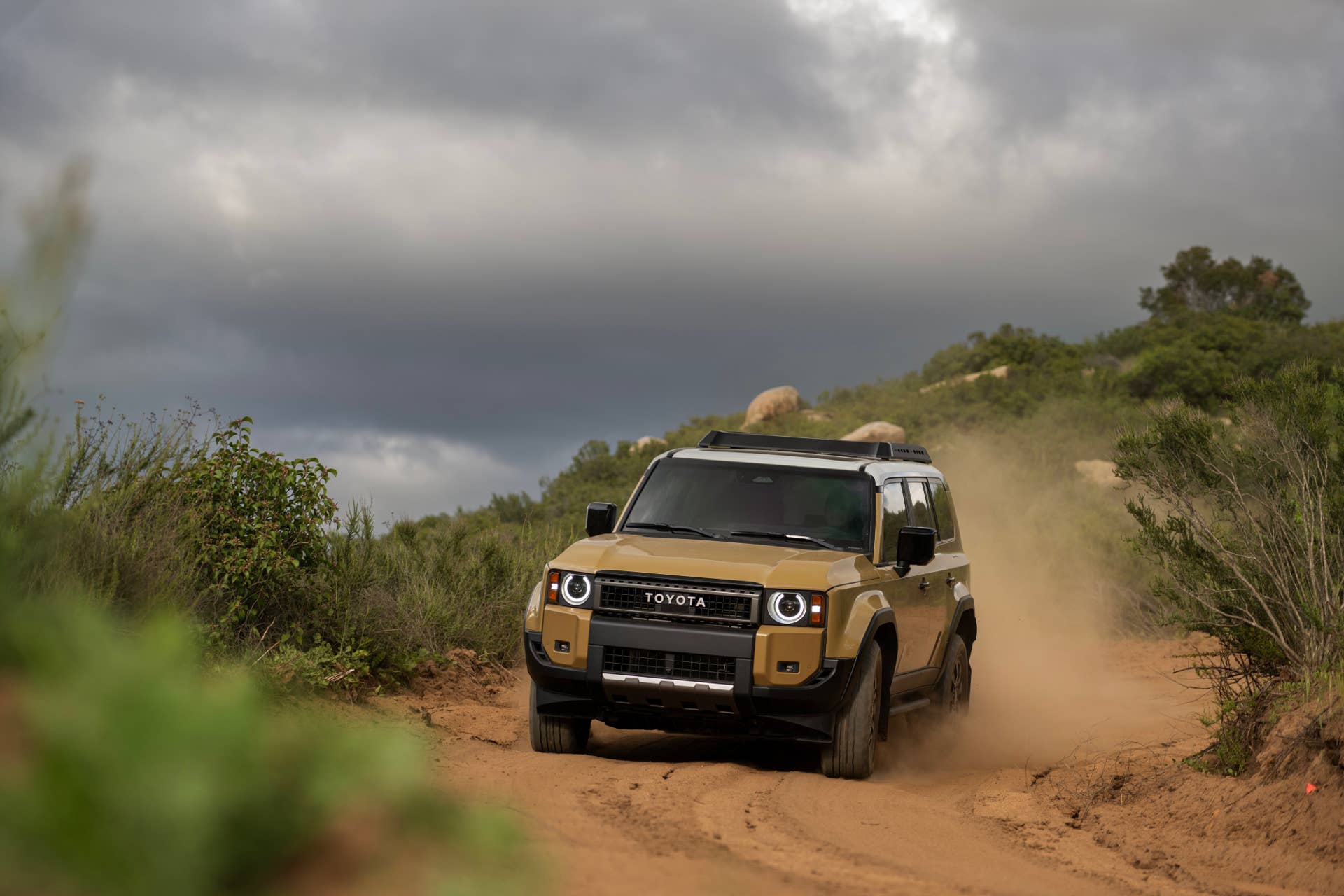
The Toyota Land Cruiser was reintroduced to our market last year, and it was quite a sales success. One of many reasons is based squarely on the fact that they were able to bring the pricing way down, while keeping some of the original Land Cruiser swagger intact. That means it’s still a serious off-roader, yet it’s snooty enough for those who flaunt their image. It is nowhere near as powerful as the Leopard 5, nor as inexpensive, but it is much lighter on its toes, and the name has history. Pricing starts at $56,700, going all the way to the $70,000 zone.
Toyota used a lot of Tacoma components to build the new Land Cruiser. That is to say: the Land Cruiser, Tacoma, and the all-new 4Runner all share a lot of components. The Land Cruiser uses a turbocharged 4-cylinder engine that’s paired with a permanent-magnet synchronous AC motor sandwiched between the gas engine and a conventional 8-speed automatic transmission. It has a 0.9-kWh air-cooled nickel-metal hydride battery pack and a combined output of 326 hp and 465 lb-ft of torque.
Toyota
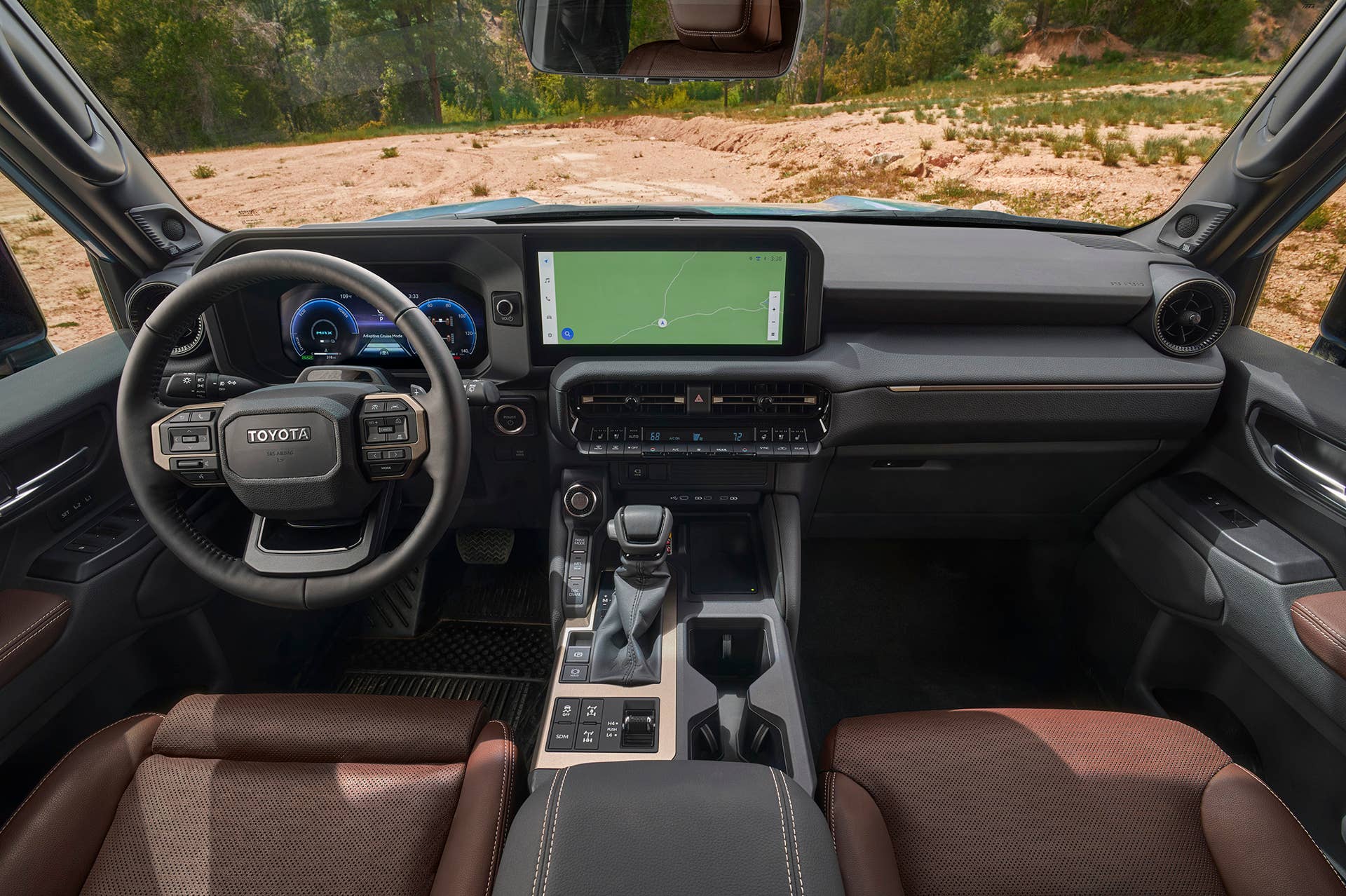
The 2025 Toyota Land Cruiser is less complex than the Leopard 5, with a hybrid system that augments engine performance with less assistance from the electric part of its powertrain. The EPA estimates that the Land Cruiser can get up to 350 miles of range. It also has two lockers: a center locker (splitting torque 50/50) and a rear locker that is electronically activated. There’s no fancy suspension here; it’s a multilink rear suspension with coil springs throughout.
Different inside and out – yet…
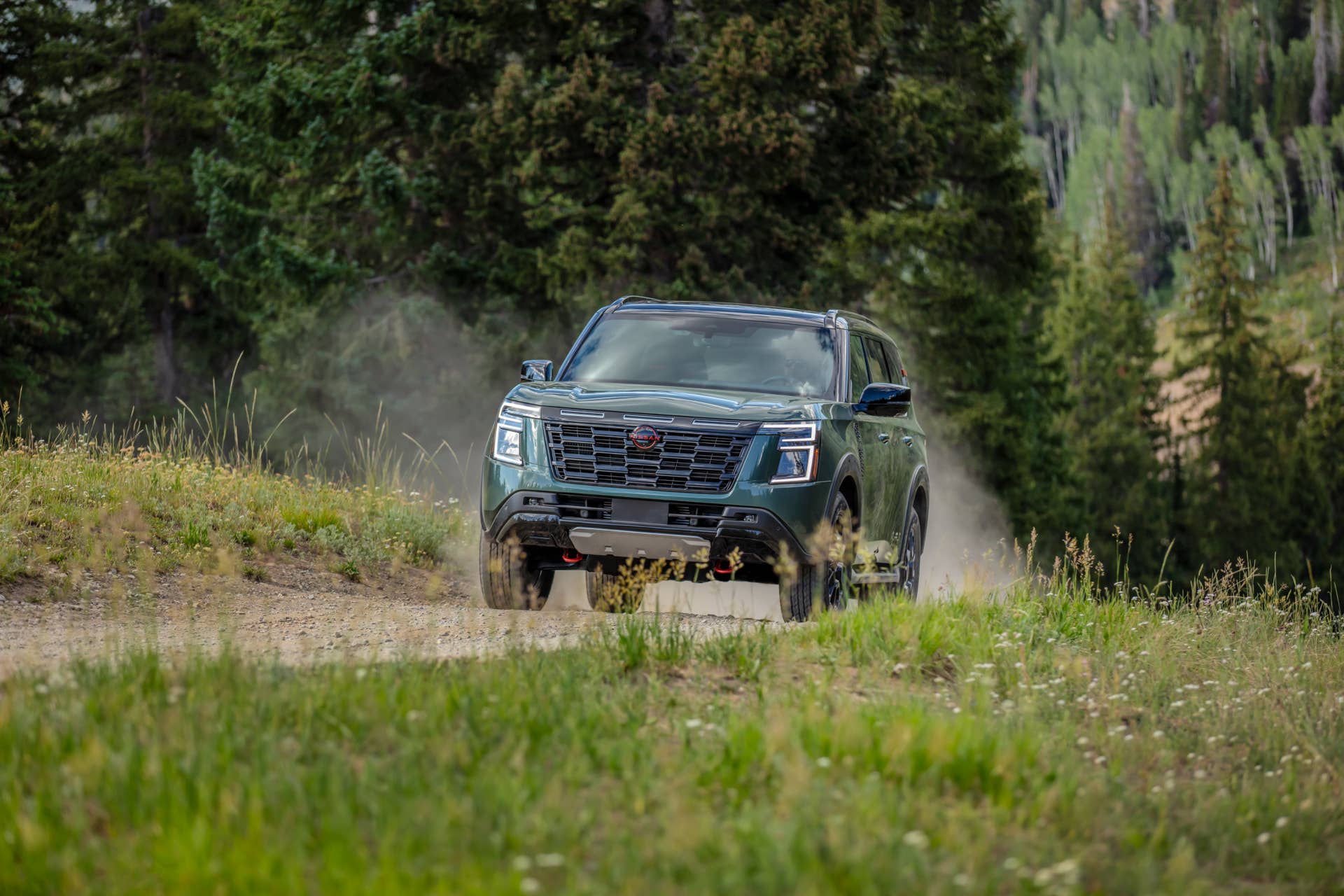
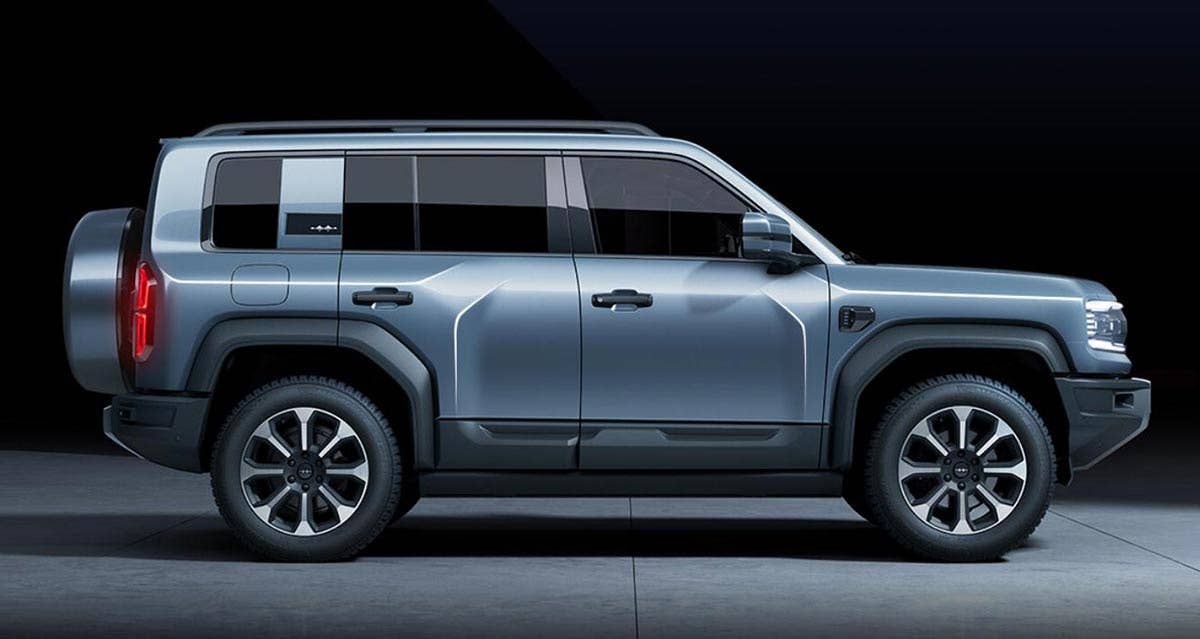
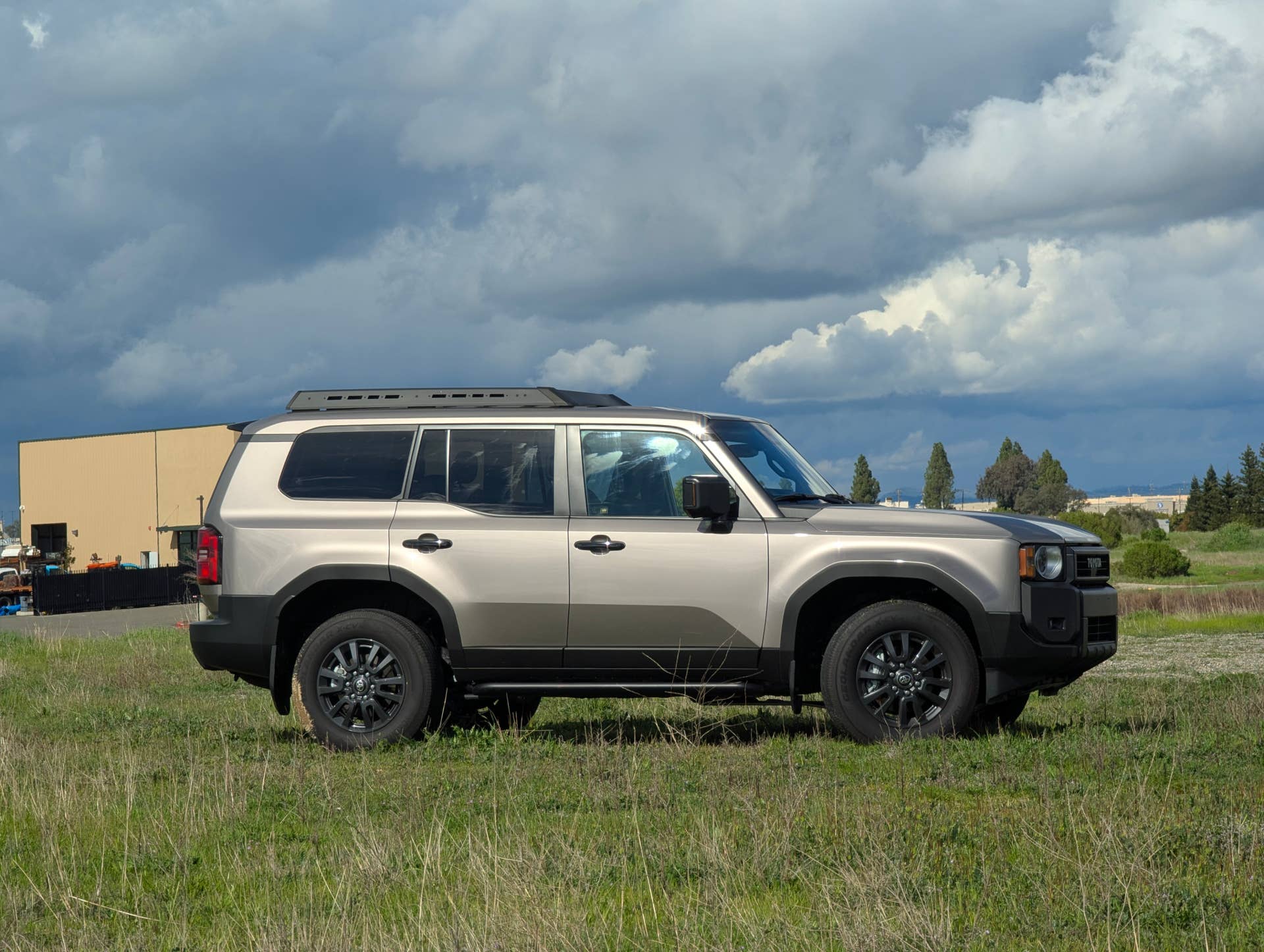
The Leopard 5 and Land Cruiser have a similar two-box shape, and they are both spacious while maintaining a rugged image. If they were the same color, sitting next to each other, a casual passerby would have a hard time telling them apart. Despite this, every part is different.
When you lift the air suspension, the Leopard 5 can raise several inches over its standard 8.3-inch ride height. Higher-level versions have full-time active suspensions. At about 11 inches, it helps make up for its four-wheel independent suspension, as articulation is compromised. The Land Cruiser has an 8.7-inch ground clearance and no adjustable suspension. Fortunately, the solid rear axle has very good articulation, but it’s still on the lower side for this class.
BYD
Gabriel Ionica
Internally, the Leopard 5 has a 15.6-inch infotainment screen and an additional 12.3-inch screen for the front passenger. In the right spec, you can get up to 18 speakers and a premium sound system. The seats and most touch surfaces are also made from high-quality materials that make it feel like a premium SUV. Higher trim Land Cruisers have a 12.3-inch touchscreen and up to 14 speakers. The interior materials are mostly mid-level quality, but there are some cheap-feeling bits as well.
Both vehicles hold over 37 cubic feet of cargo space behind the back seat, and have similar passenger space front and rear. Both vehicles are also capable of towing about 6,000 lbs when properly equipped.
On the street
As daily drivers go, the Leopard 5 is a champ. It drives like a hefty, comfortable SUV, with the silence of an EV. It handles low-speed turns well and has a very quiet interior to boot. The Land Cruiser is less refined, but it is lighter on its toes. Steering feel and effort are better on the Toyota as well. With 677 horsepower, the Leopard 5 is a rocket, but the Land Cruiser has plenty of useful power for day-to-day street driving.
Neither SUV can match German SUV street etiquette, but they are chill enough to be driven daily with no issues. I think the Land Cruiser might be a bit easier to drive daily, but it will require more visits to the gas pump. Also, if you opt for the right version of the Land Cruiser, I’d argue that it has more curbside appeal. I value the look of the 1958 trim, with those rounded headlights.
Final thoughts
With the trade war going the way it is, and with competition being what it is, I sincerely doubt we’ll see the Leopard 5 show up stateside anytime soon. I was lucky enough to sample one, and I hope to get another shot at it one day. It’s a technological powerhouse, and I like the idea of using tech in this manner. Still, the Toyota Land Cruiser feels like it’s the one I can beat up off-road with fewer complications.
It would be amazing if Toyota could build something as capable as the Land Cruiser for Leopard 5 pricing, but I wouldn’t hold my breath. As it stands, the BYD Fang Cheng Bao Leopard 5 is super cool to sample. I was very impressed with its overall use of tech and refined driving qualities, but I think it might be too complex for its own good, at least for now.

About the author

Nathan Adlen
Contributing Writer, Autoblog