
Not too long ago, it seemed that every well-to-do businessman would have a premium sedan in their garage, but the rise of the SUV as a status symbol has been meteoric over the last two decades. Despite that, not everyone wants to be a high-riding five-door. The sedan still straddles both practicality and poshness, and in 2027, several options to choose from remain in the premium and luxury spaces, even if there aren’t many elsewhere. To that end, the cars in this article have been chosen because they offer a great balance of luxury, technology, and performance, with the latter criterion noted because a sleek vehicle is simply more enjoyable to drive than a tall one.
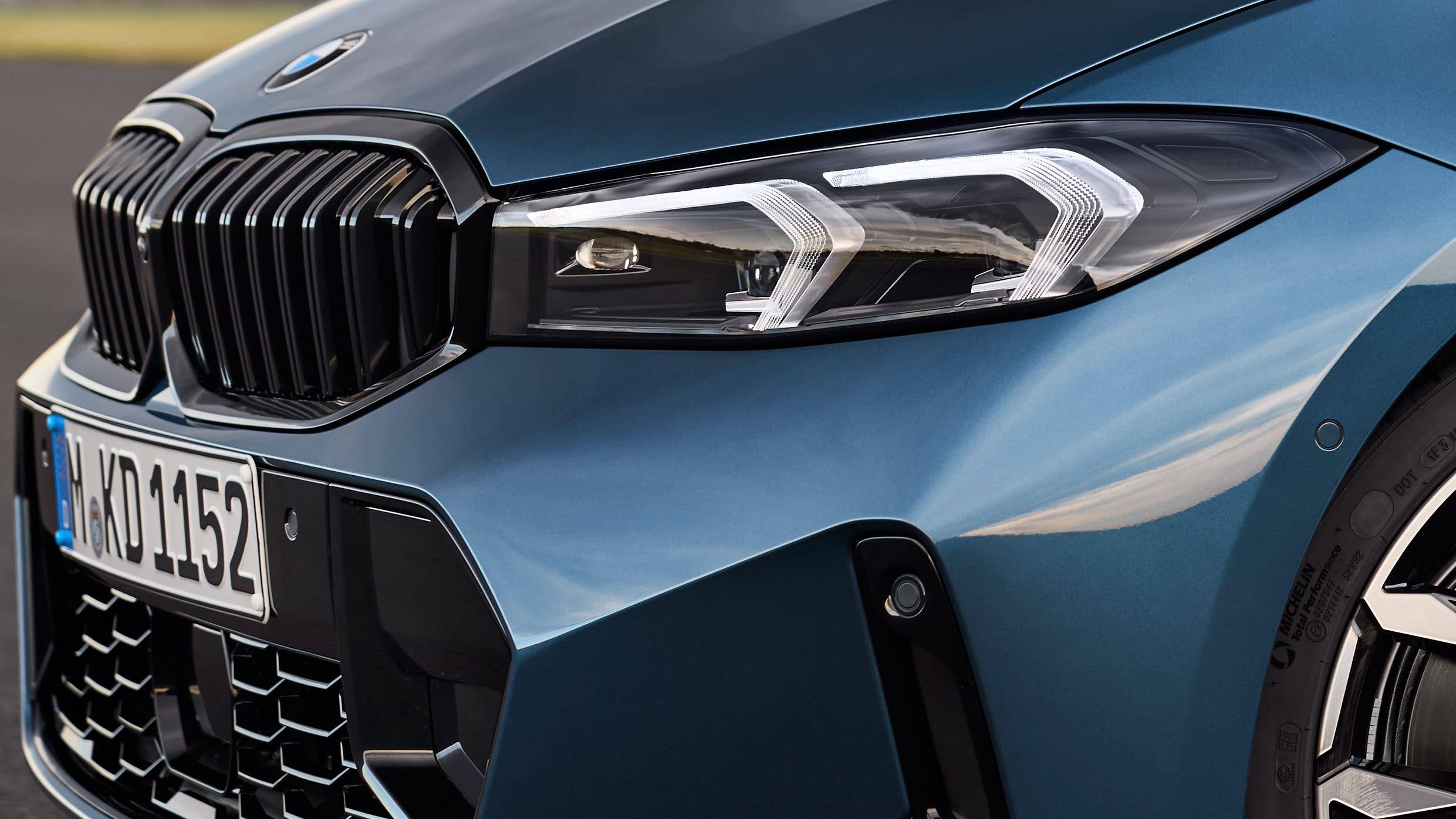
Winner: BMW 3 Series
BMW
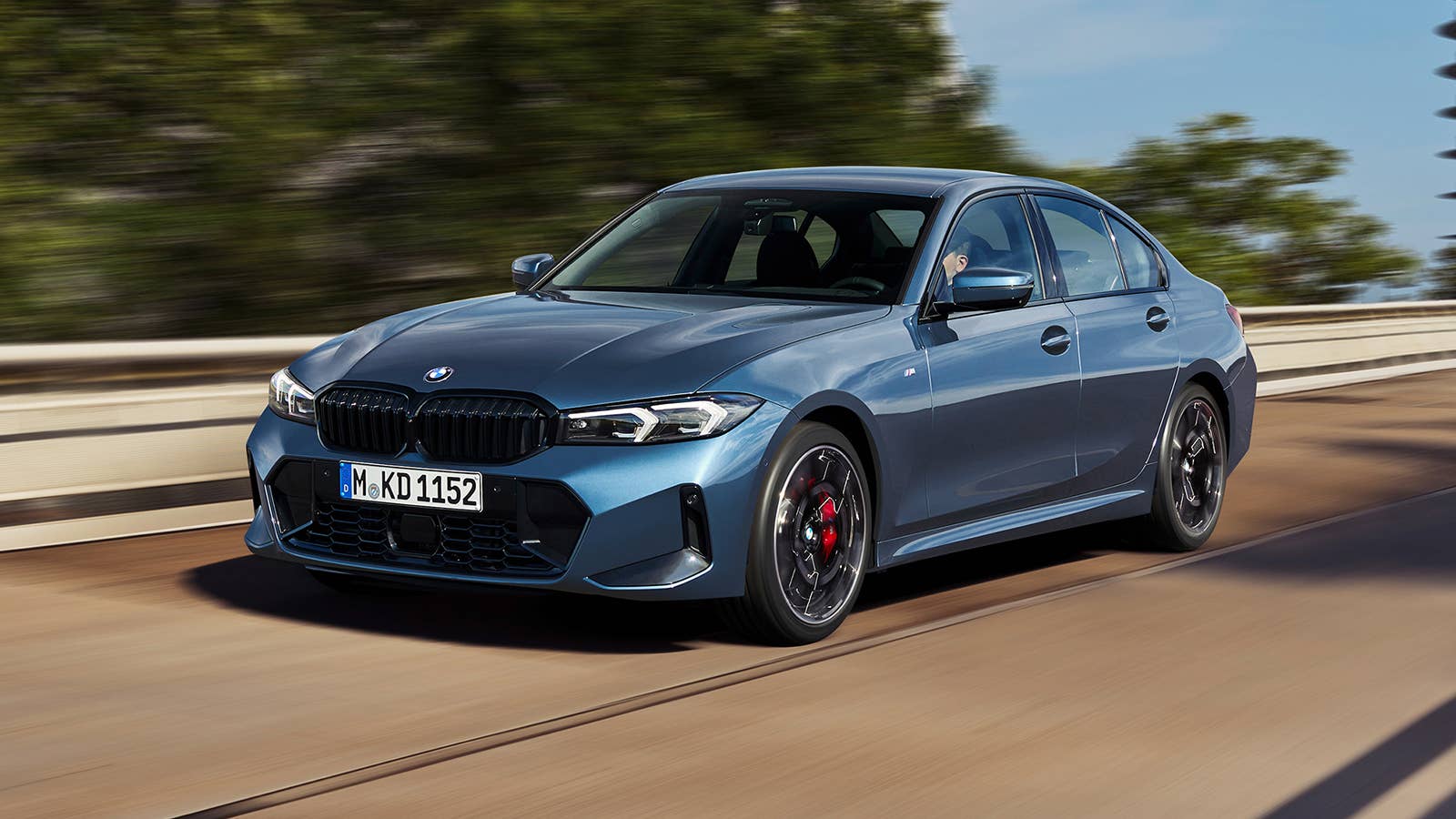
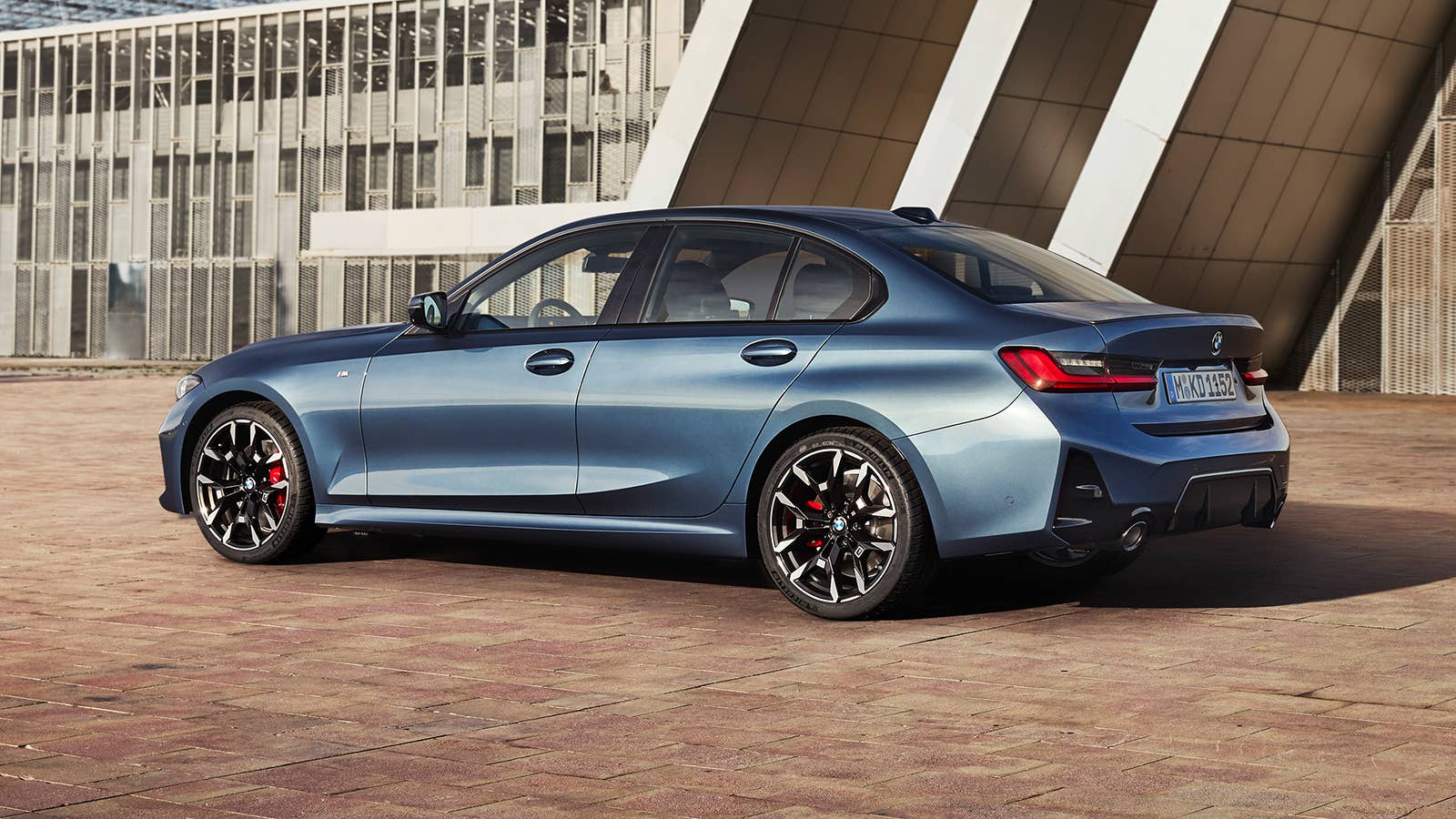
It’s a perennial award winner, but for good reason; the BMW 3 Series remains the benchmark in its segment, combining convenient technology, a high-quality cabin, comfortable ride quality, and engines that are both efficient on the open road and engaging to interact with on twisty roads. As a compact premium sedan, it’s not quite as luxurious as some sedans in bigger classes, but you get standard ambient lighting, premium-feeling SensaTex upholstery (leather is available), a rich curved infotainment and driver cluster display, heated front seats with power adjustment, 10 speakers with two subwoofers, and a refined yet agile handling experience.
BMW
All BMW 3 Series models get an eight-speed automatic transmission, with the base 330i pairing this with a 2.0-liter turbocharged four-cylinder engine producing 255 horsepower and 295 lb-ft of torque. This goes to the rear wheels as standard, but AWD is also available, and despite its small size, the engine is smooth and responsive. Opt for the M340i, and you get a 3.0-liter turbocharged straight-six mild-hybrid making 386 hp, again with a choice of rear- or all-wheel drive. Both versions turn with agility yet control their bodies well enough to avoid queasiness or discomfort, and in this segment, nothing strikes that balance quite as well. The badge alone advertises the idea that the 3 Series is a premium offering, which is worth bragging rights alone, but what’s beneath the skin and how it feels sell the concept. As an all-rounder, the BMW 3 Series remains the ultimate compact premium sedan.
BMW 3 Series Pros
- Refined yet powerful powertrains, excellent transmission
- Benchmark handling with remarkable ride comfort
- Quality interior materials
- Brand prestige and strong reliability record support good resale values
- Sporty styling
BMW 3 Series Cons
- Rear-seat legroom trails some rivals
- Options can inflate the cost quickly
- Fuel economy is competitive but not class-leading
BMW 3 Series Scores:
Luxury: 4/5
Technology: 4/5
Performance: 4.5/5
Who’s It For?
The BMW 3 Series is for the individual seeking a comfortable commuter that is still enjoyable to drive when the roads get more exciting. It’s for the person who wants a prestigious badge without losing excitement on the daily drive, someone who appreciates handling balance and style in equal measure.
Recommended Trim
The 330i is an excellent car, but the M340i is even better at balancing performance with comfort, and its B58 engine is legendary in the aftermarket. Unless you need AWD due to weather, we’d recommend the more engaging RWD version, saving a few grand in the process.
Runner-Up 1: BMW 7 Series
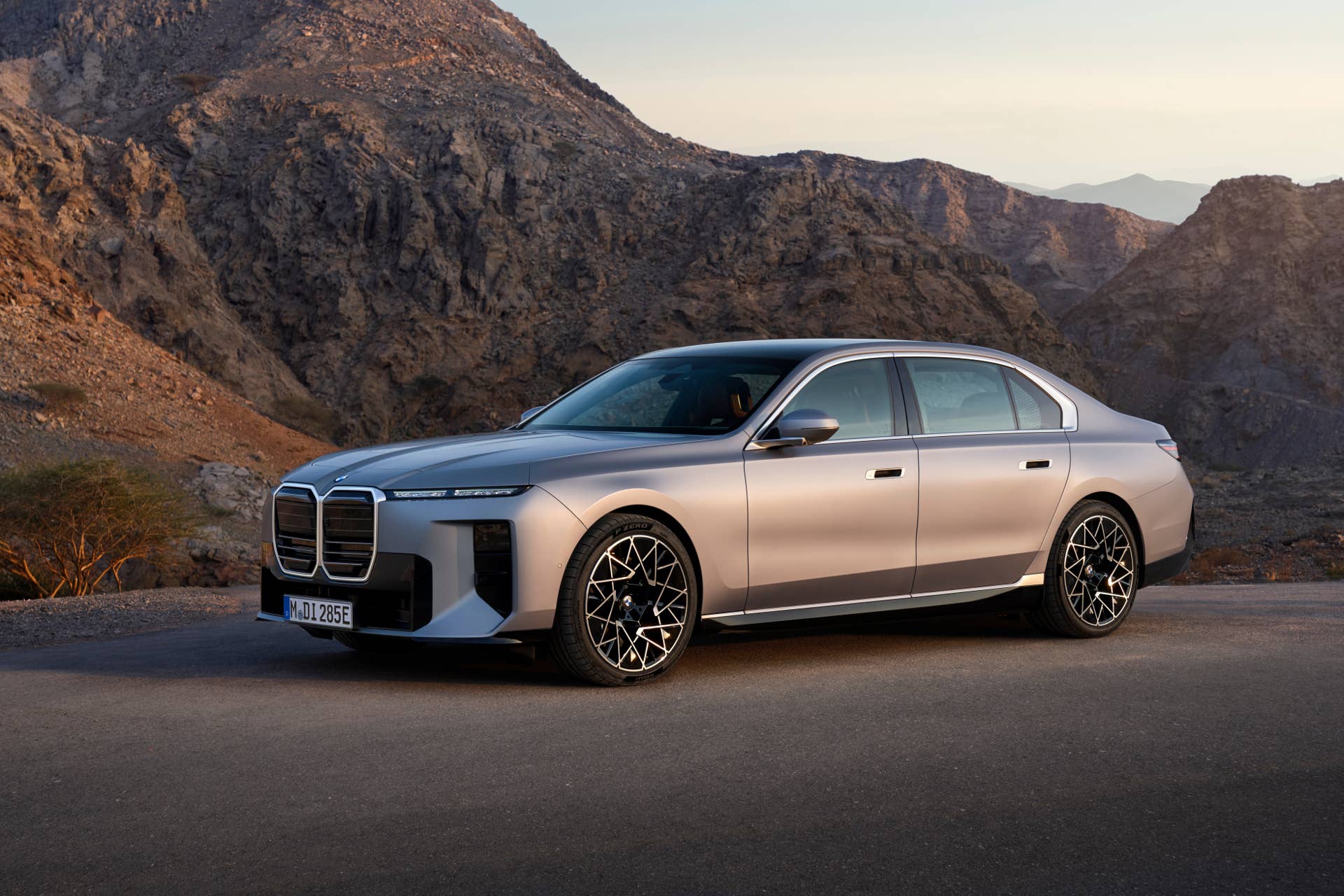
With a new look for 2027, the heavily revised BMW 7 Series is even better. While its predecessor moved the luxury game forward with its 31.3-inch Theater Screen and other technologies, its styling meant a purchase always needed to be justified. Now with Neue Klasse-inspired looks, the 7 Series is no longer a car you need to be embarrassed about, and for the new model year, the person riding shotgun gets their own touch display to fiddle with during sumptuously serene journeys. Its powertrains are diverse, powerful, and reliable, and the tech inside not only contributes to a sense of luxury but also keeps you safe. Dynamically, the 7er is not that agile, but by leaning further into luxury, it’s now as good as an S-Class, if not better.
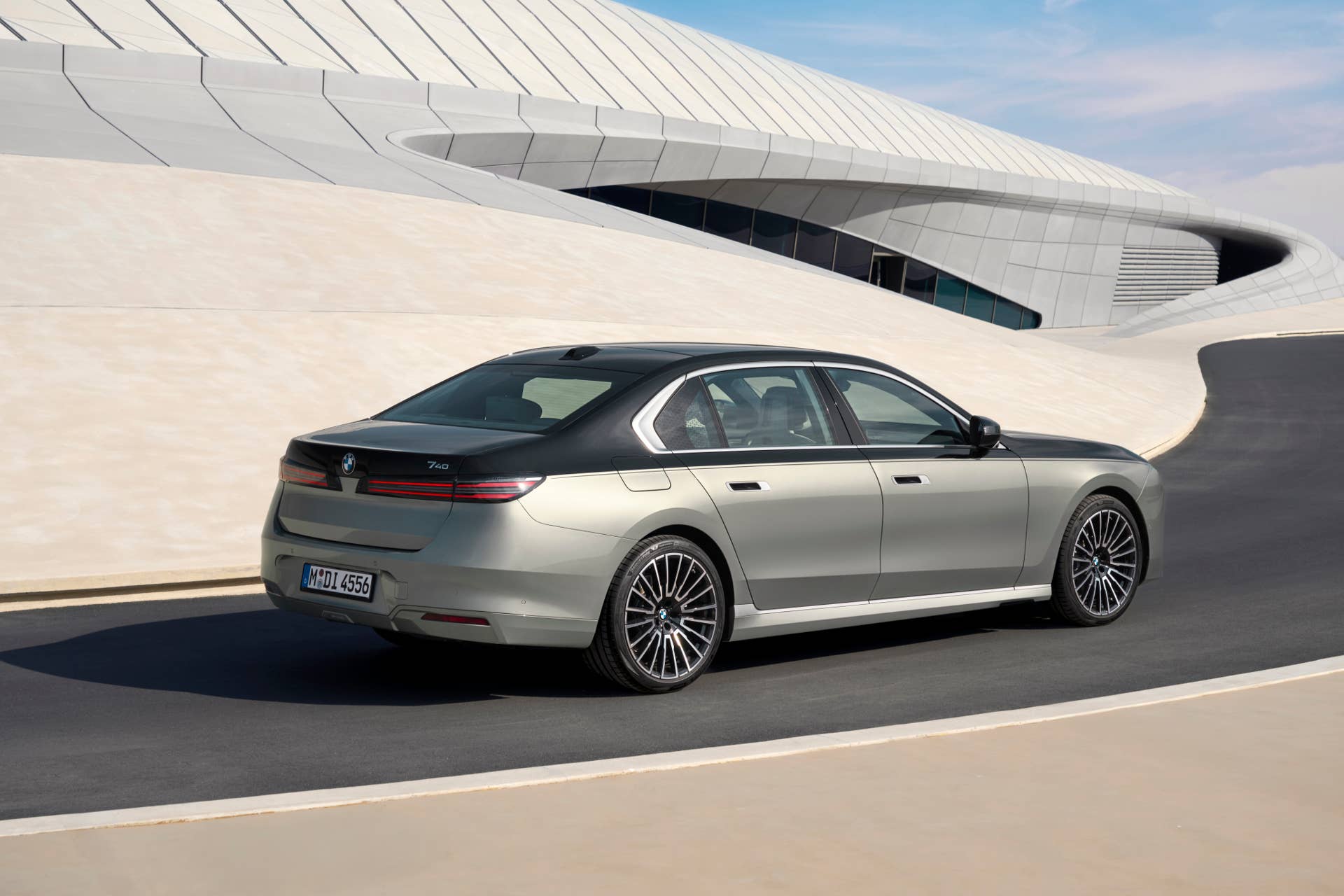
Those in the rear can enjoy a Panoramic Skylounge LED roof, the optional 8K Theater Screen that folds down in a dramatic sequence with its own soundscape, and, behind the front passenger seat, a reclined position that puts business-class-level relaxation on four wheels. Up to 36 speakers can be had, and passengers can use an HDMI port to work on the go. Zoom video conferencing is also possible, and for longer trips, the trunk is class-leading in gas models, with up to 19.1 cubic feet of volume available (plug-in hybrid models deliver 18.5 cubic feet). A hand-painted body is another way to make the 7 Series buyer feel superior to the S-Class owner, and the all-electric i7 mirrors the gas 7 Series’ looks, unlike Merc’s EQS.
BMW 7 Series Pros
- Numerous gas and hybrid powertrain choices
- Optional Theater Screen elevates rear-seat experience above any rival
- Air suspension provides excellent ride comfort
- Interior quality and design make every drive feel like an event
BMW 7 Series Cons
- Styling still won’t appeal to all
- Greater luxury focus diminishes dynamicism
- Pricing gets scary fast
BMW 7 Series Scores:
Luxury: 5/5
Technology: 5/5
Performance: 3.5/5
Who’s It For?
The 7 Series is for the monied individual who thinks an S-Class is too predictable or too sedate. It’s for the person who prioritizes comfort but wants a hint of sportiness, or just someone who wants the latest and greatest in interior technology.
Recommended Trim
We highlight the 740 xDrive, which provides AWD alongside an efficient mild-hybrid inline-six. A V8 is coming, but this provides a whisper-quiet drivetrain with plenty of torque while barely crossing into six-figure territory.
Runner-Up 2: Mercedes-Benz S-Class
Mercedes-Benz
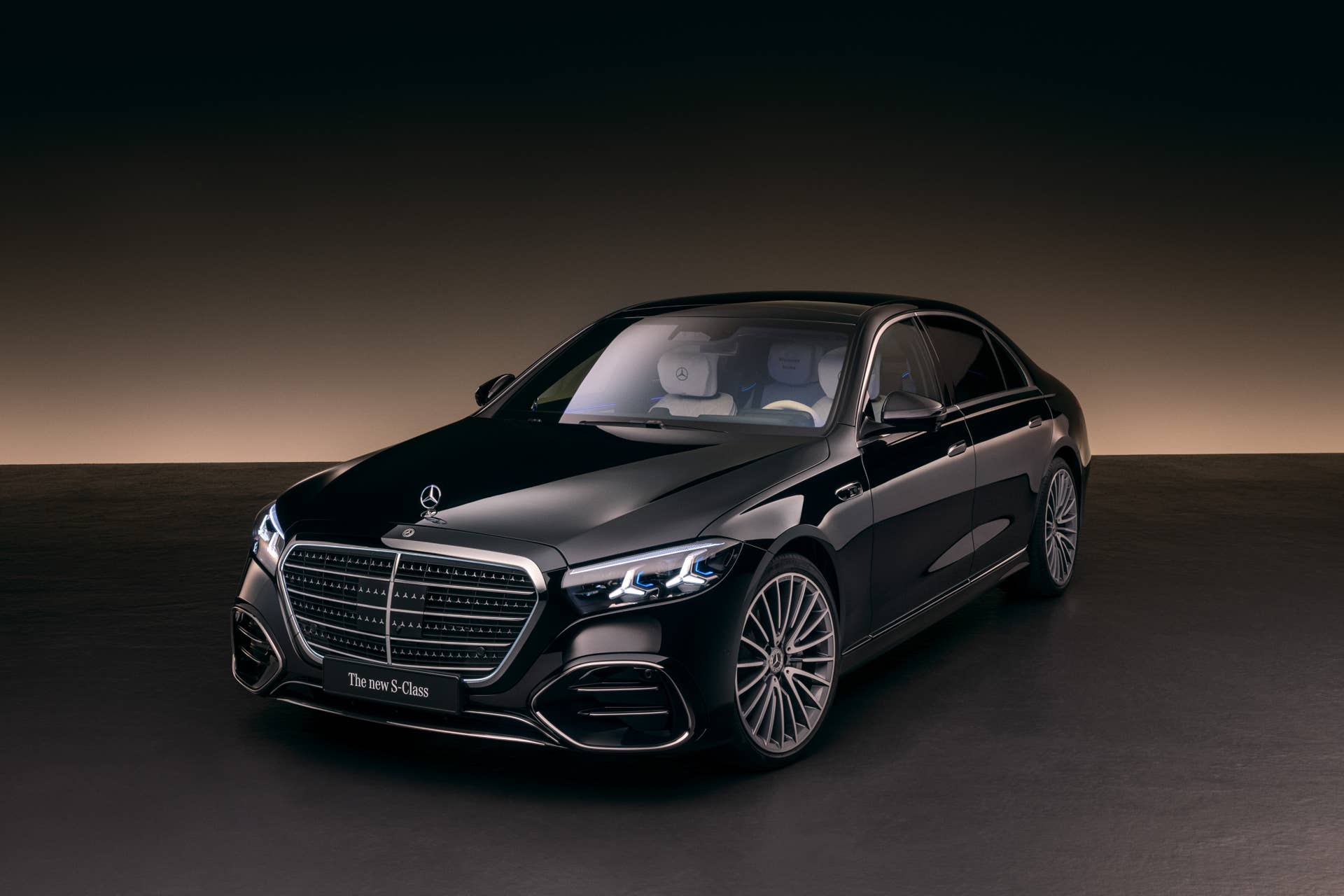
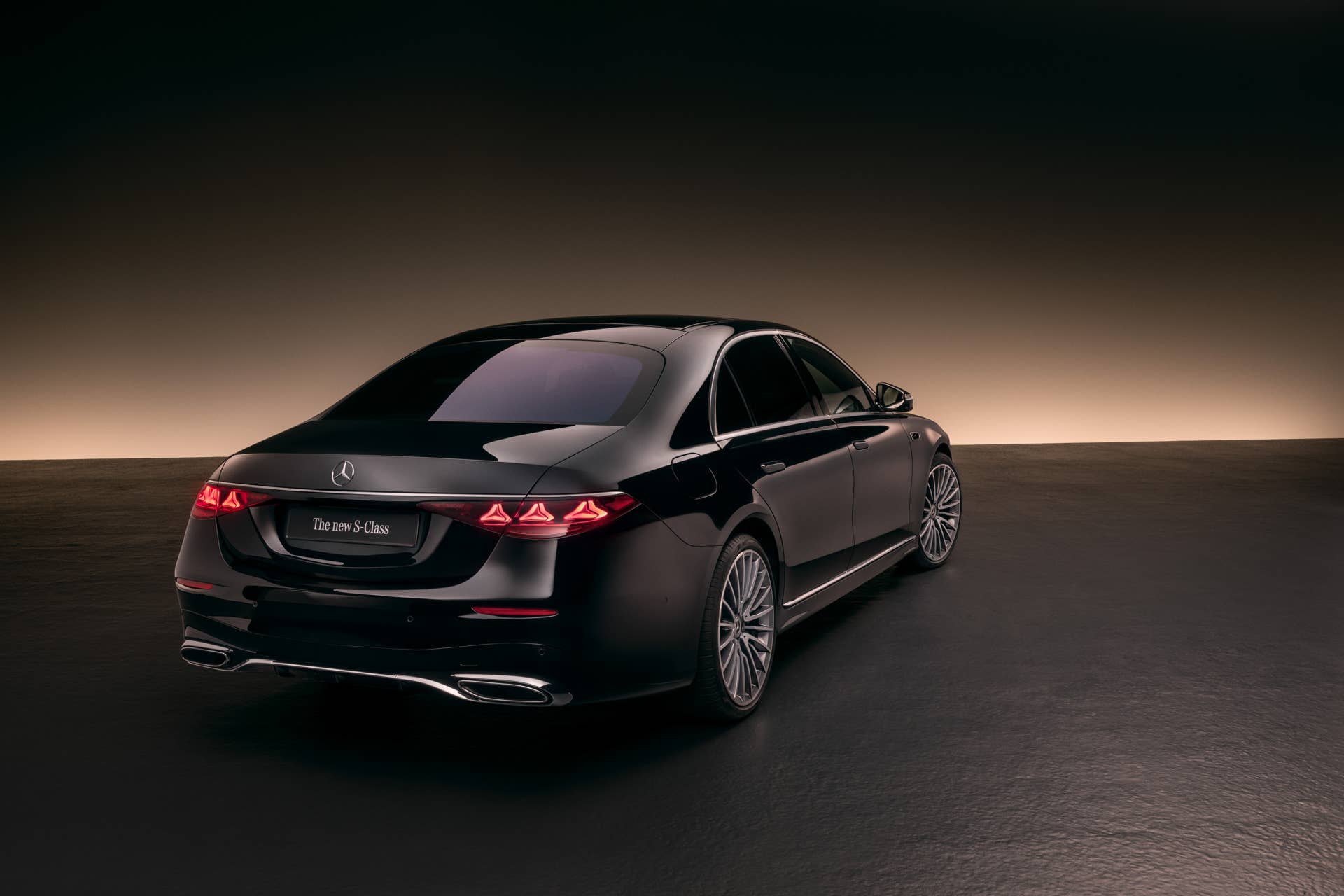
When it comes to luxury sedans, the S-Class is always part of the conversation, and for 2027, it’s been just as heavily reworked as the new 7 Series. Updated engines, a standard Superscreen for the technophiles, and more extensive Manuaktur customization options mean the S-Class remains a force to be reckoned with, and its elegant, subtle styling makes it the first choice for those who want understated style and supreme comfort. AWD is standard, as are air suspension and rear-axle steering, and the rear seat, while devoid of a large cinematic display like the 7 Series, is still the most comfortable place to spend a long drive.
Mercedes-Benz
The trunk of the S-Class is a little less capacious than that of the 7 Series, but it’s still big enough for suitcases, despite the cabin providing 44 inches of rear legroom. Notable features include a multi-stage Energizing Air Control filtration system, seat massaging, heated front seatbelts, and up to 39 speakers. The S-Class is still the flagship luxury limo others look to as a target, and while it’s not a good enough all-rounder to win the title of Best Premium Sedan, it’s certainly one of the best luxury cars on the market.
Mercedes-Benz S-Class Pros
- Understated aesthetic
- Exceptional in-cabin noise insulation
- Standard AWD, air suspension, and rear-axle steering
- Vast customization options
- Class-leading rear-seat luxury
Mercedes-Benz S-Class Cons
- Superscreen dominates the dashboard
- All trims cost six figures
- Some rivals offer more innovative interior tech solutions
- Busier styling is less traditional
- Electric alternative (EQS) has strange looks
Mercedes-Benz S-Class Scores:
Luxury: 5/5
Technology: 4/5
Performance: 3.5/5
Who’s It For?
The S-Class is for the person who wants the most serene and comfortable ride possible without grabbing attention. It’s the default for heads of state, titans of industry, and anyone who appreciates the finer things in life but doesn’t want to brag about them.
Recommended Trim
We recommend the base S 500. It’s powerful enough, avoids the trunk limitations that come with PHEV versions, and comes standard with AirMatic air suspension, rear-axle steering, and the divisive Superscreen. Higher trims may be more opulent, but the S 500’s options list can easily replicate their luxury.
Honorable Mentions
Lexus ES
Lexus
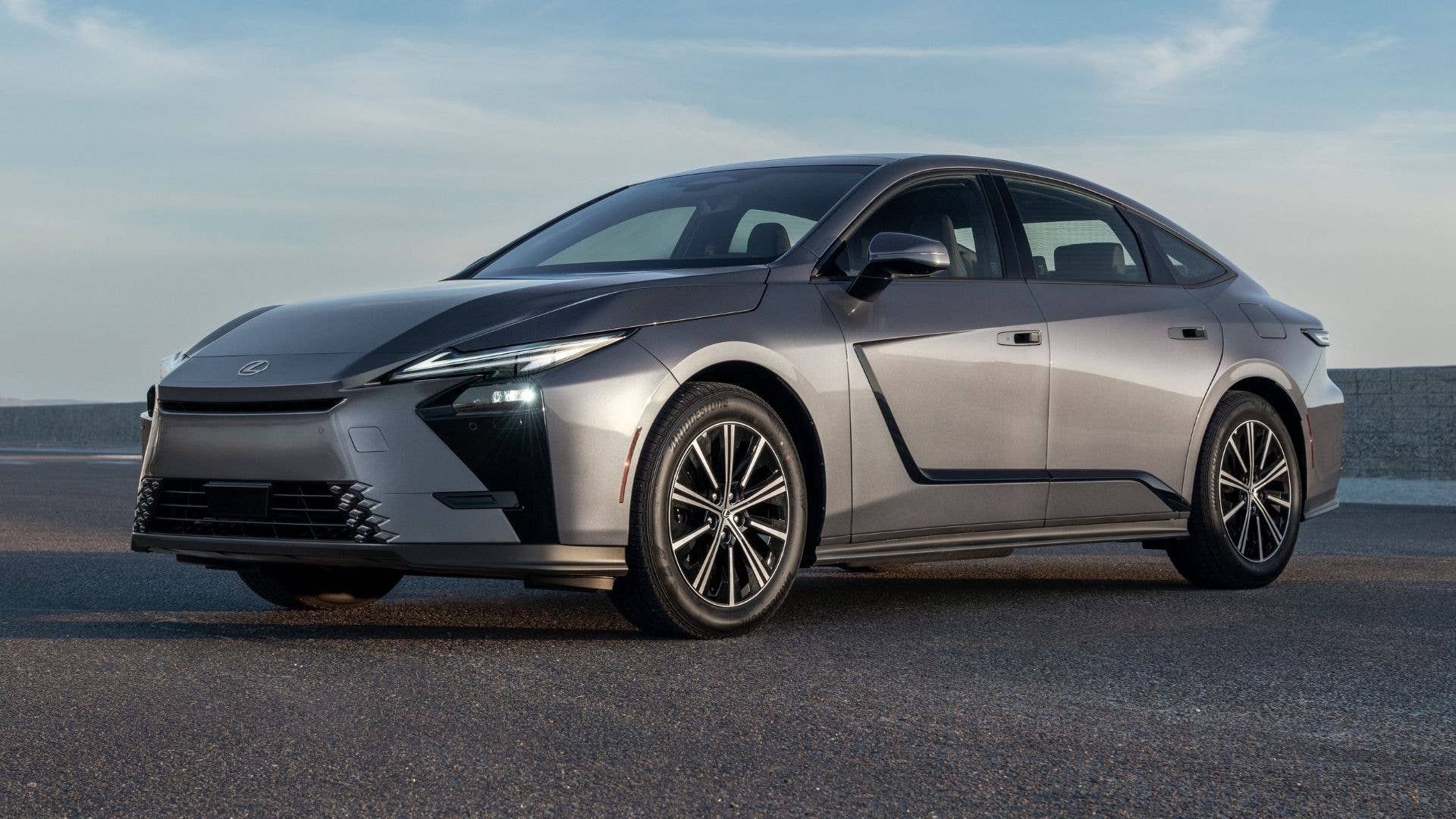
The Lexus ES is remarkably plush to ride in, and the spacious cabin makes the car feel more upmarket than it is, particularly in the rear, where there’s loads of legroom. As a “fancy Toyota,” its efficiency, reliability, and resale value are nearly impossible to ignore. The only drawbacks are that its steering is numb and body control during spirited driving isn’t as good as in something with a BMW badge.
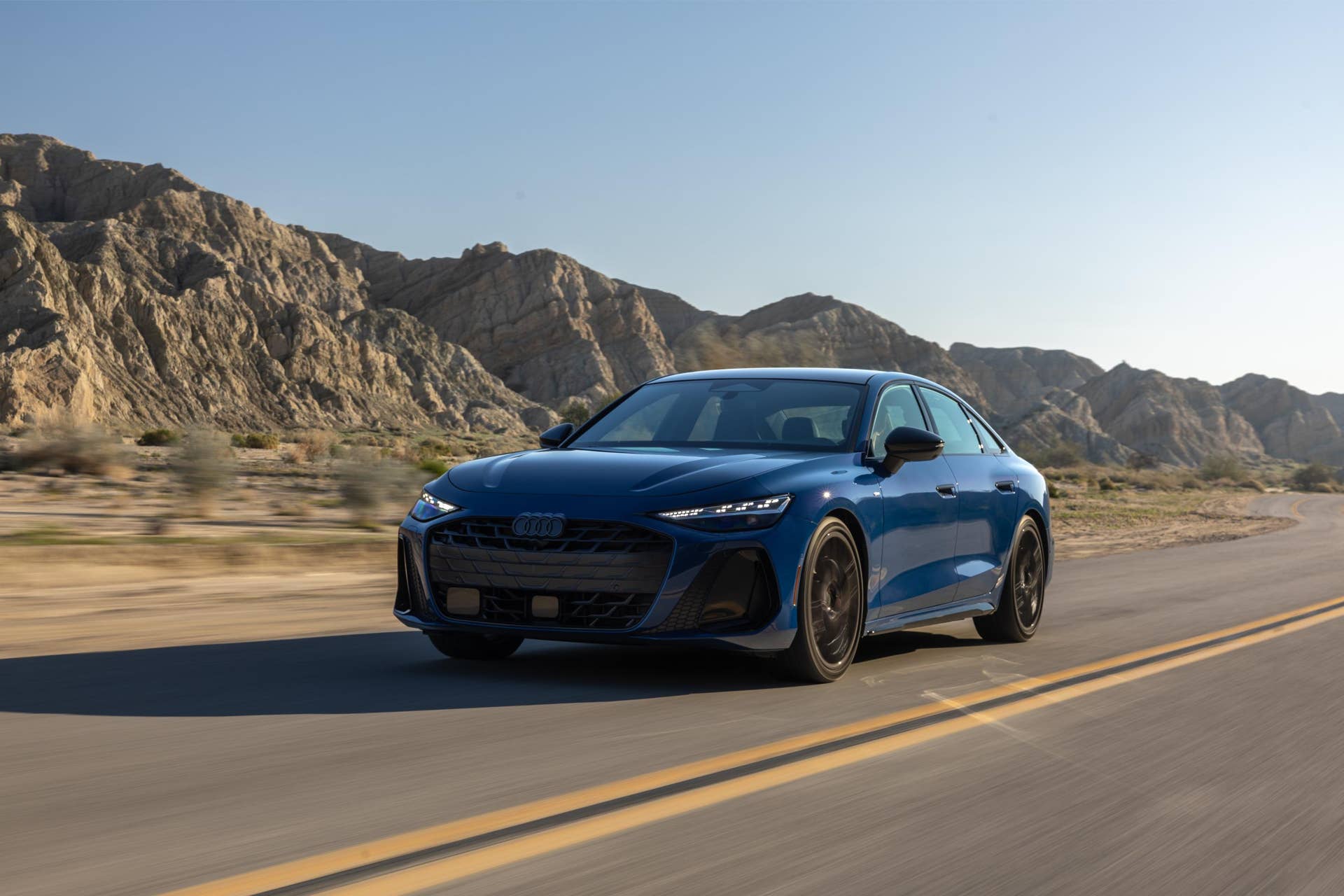
Audi A6
Audi
Noise insulation in the A6 rivals that of more expensive luxury vehicles, and with standard AWD, the Audi A6 is capable in any weather. The V6 turbo engine is also strong and smooth, and the exterior lighting technology is peerless. Inside, the head-up display is one of the best, being legible even when wearing polarized lenses, and the ride quality is excellent. A passenger screen is available, and the Bang & Olufsen sound system is top-notch.
Conclusion
Even though crossovers and SUVs are more popular in the U.S., some still like the elegance of the sedan, and these choices show that there are numerous options with distinct characters that still check similar boxes. All these premium sedans are luxurious, powerful, and technologically proficient, and while the 3 Series is our pick as the best all-rounder, any of these cars would satisfy someone who wants outstanding comfort in a high-status three-box package.
About the author

Sebastian Cenizo
Senior Editor, Autoblog