
Key Points
- The 2026 GTI Autobahn costs $44,210 with options, nearly $8,000 more than the S trim.
- All trims share identical power, while Autobahn adds adaptive suspension, larger wheels, and luxury-oriented equipment.
- The review favors the GTI S, which delivers nearly the same performance for substantially less money.
The Price of Legend
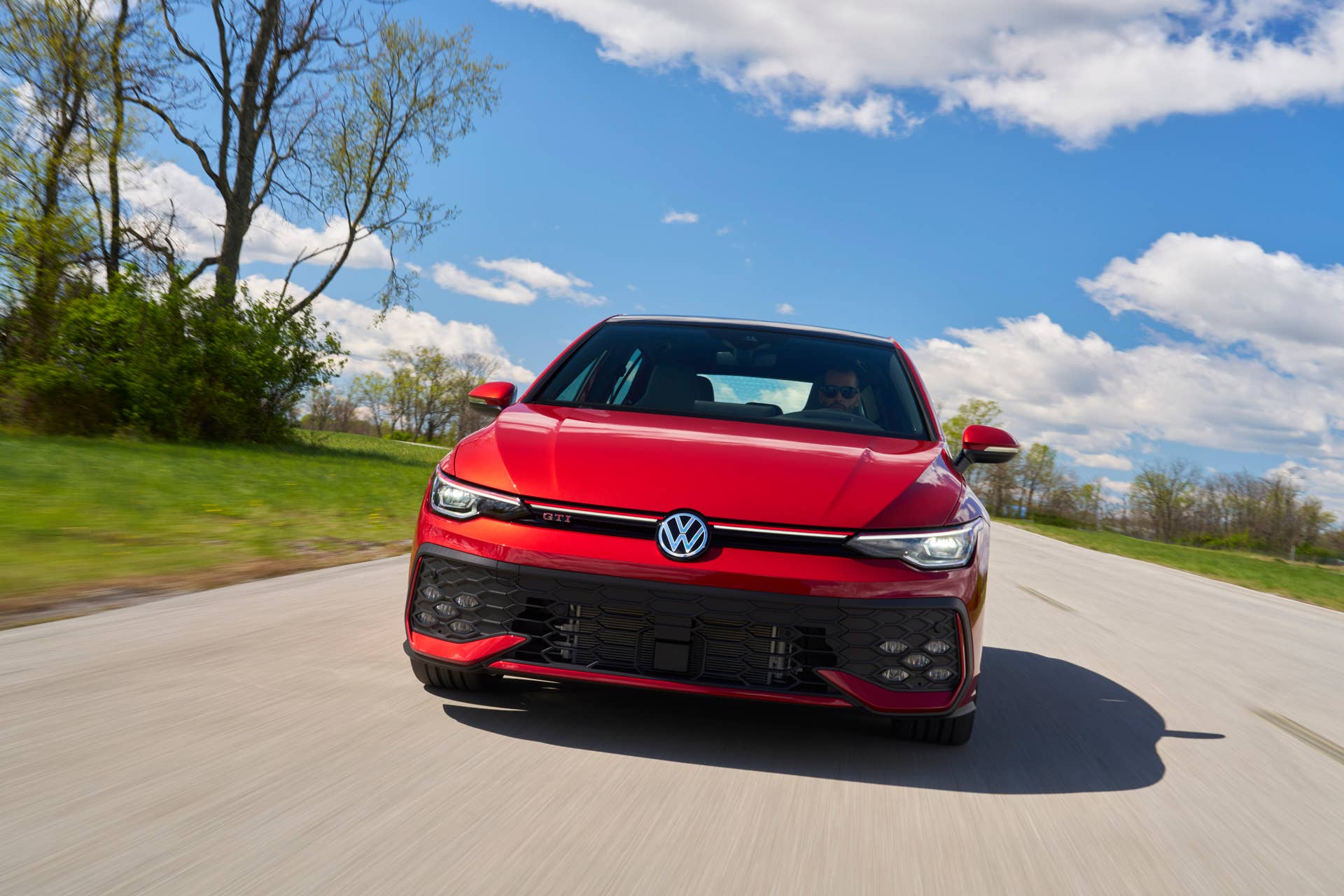
The 2026 GTI Autobahn carries a base MSRP of $42,480. Ten years ago, the trim level cost $32,055. That represents a 25 percent increase over the past decade. Add the $1,275 destination charge and $455 Kings Red Metallic paint, and the total reaches $44,210 before taxes, registration, or dealer charges. The Toyota GR Corolla Premium Plus (Manual) costs $46,565, but you get 59 more horses, all-wheel drive, a manual transmission, and better reliability.
Volkswagen
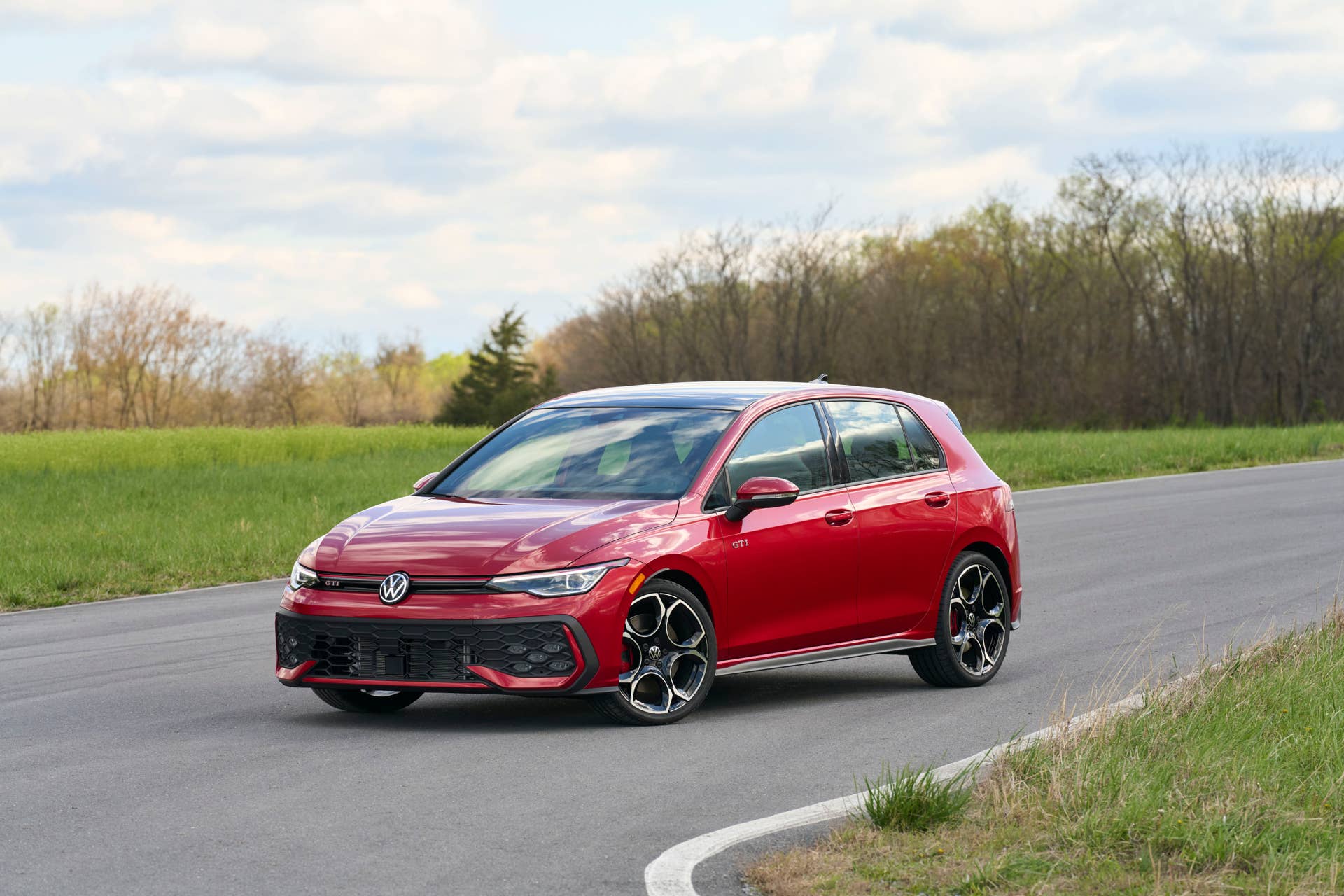
That said, the GTI’s driving experience is still one of the best in the industry. It’s sharp, light, nimble, and truly tossable. So, if it’s a GTI you must have, here’s how the lineup compares, including destination but before options:
| Trim | Starting price |
|---|---|
| GTI S | $35,865 |
| GTI SE | $40,355 |
| GTI Autobahn | $43,755 |
The Autobahn costs $7,890 more than the S and $3,400 more than the SE before optional paint. The engine is the same in every trim, so it warrants the question of whether it’s worth it to spend the huge delta on top of the $36k base price to get a bit more composure, bigger tech, and a tad more luxury.
You’re Paying for Equipment, Not More Horsepower
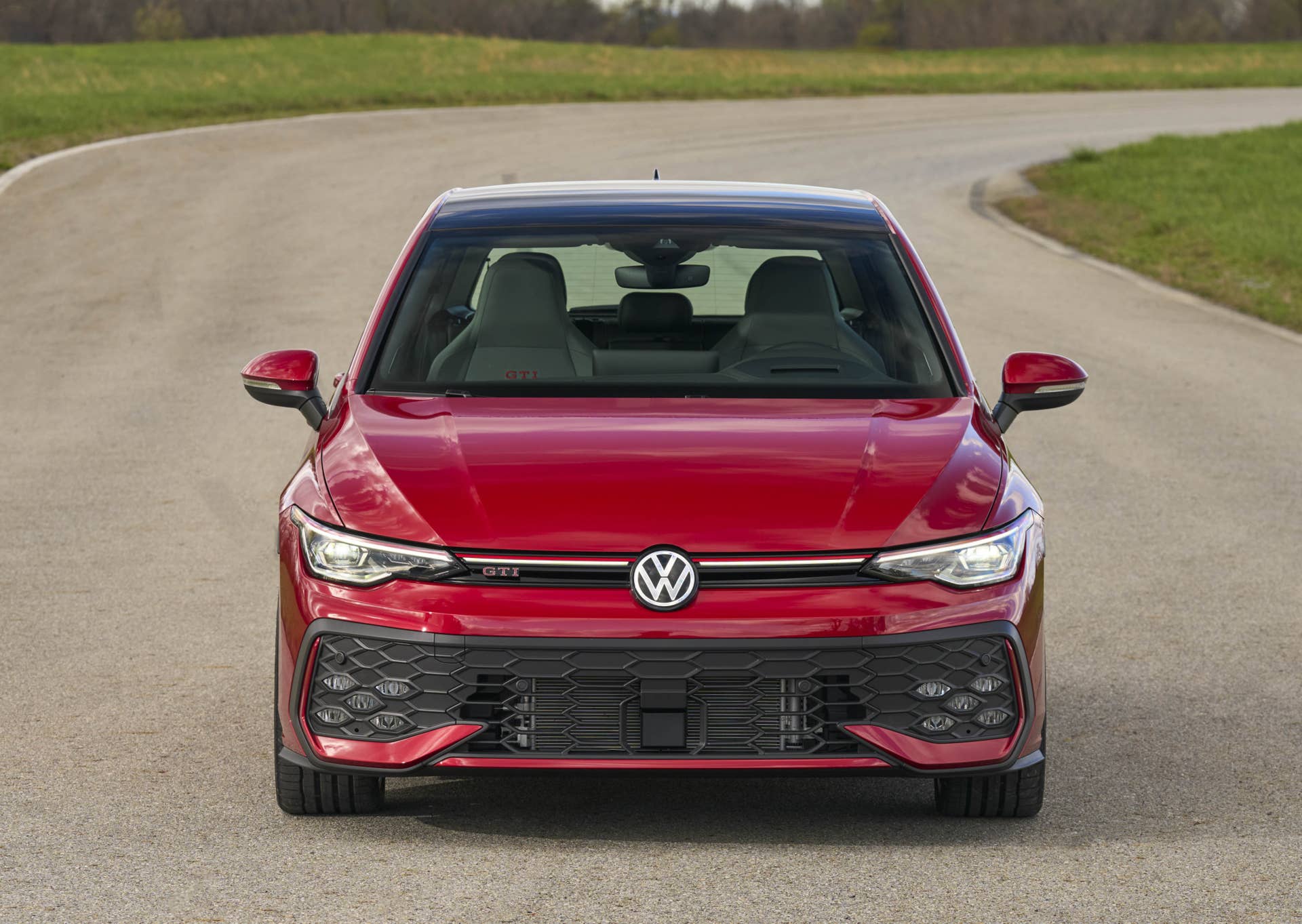
Every 2026 GTI uses the same turbocharged 2.0-liter four-cylinder, producing 241 horsepower and 273 lb-ft of torque. A seven-speed dual-clutch automatic sends power to the front wheels, and a torque-sensing limited-slip differential is standard. There’s no manual transmission option. Read that again: the stick shift is no more, a defining characteristic of the GTI for decades can’t even be optioned on any trim level. Period.
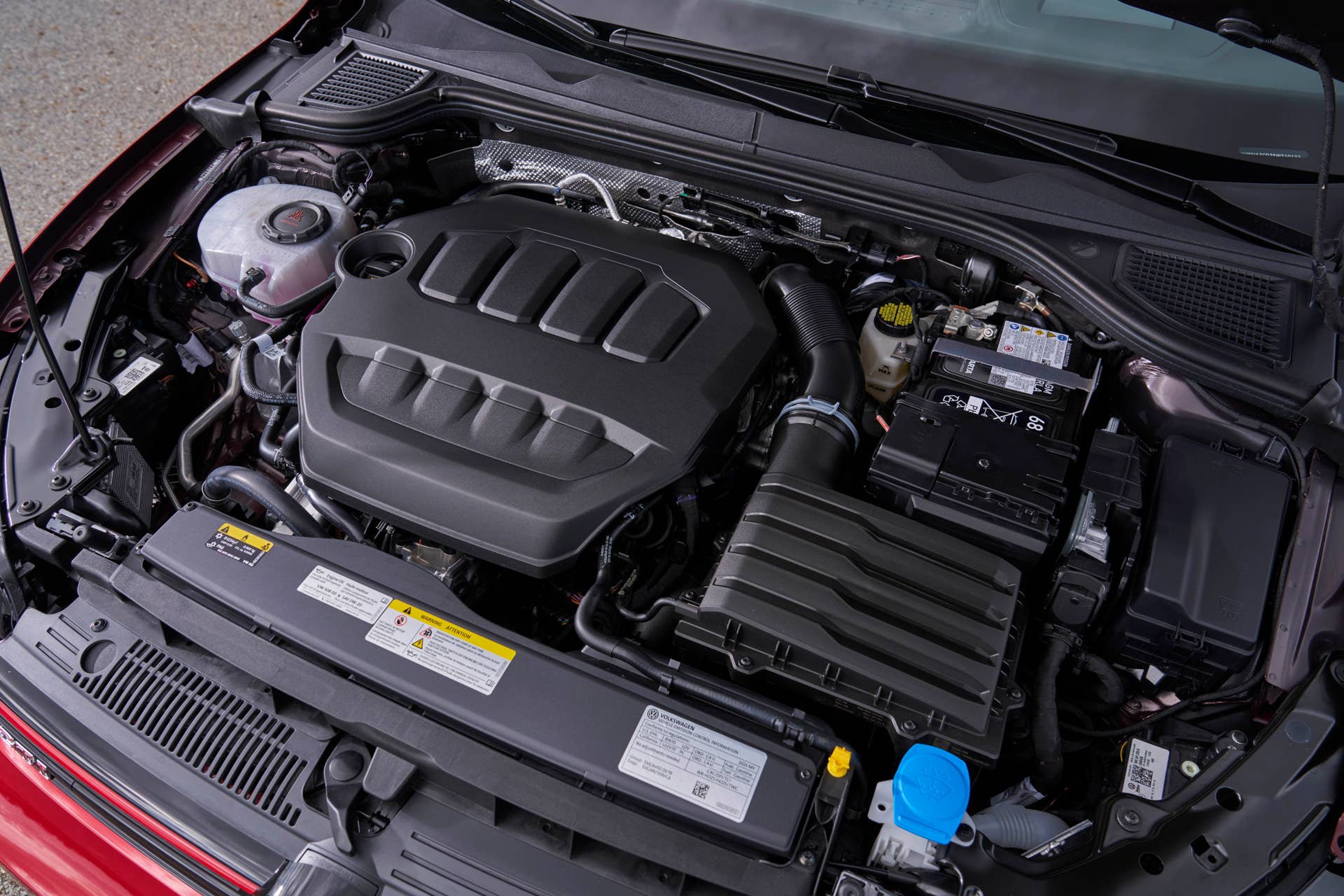
That means the least expensive GTI already includes most of the central ingredients enthusiasts want. Again, there’s no stick shift available on any trim level, so lovers of three pedals have to look elsewhere. Choosing the Autobahn doesn’t unlock a more powerful engine or an exclusive transmission.
Its most significant performance upgrade is the Autobahn’s DCC adaptive chassis control. The adjustable dampers let drivers alter suspension behavior. The Autobahn also gets 19-inch wheels with summer performance tires. The adaptive chassis control supports the GTI’s driving focus and make it more adept on different roads and different driving druthers.
The Cabin Gets a Substantial Upgrade, But Is It Enough?
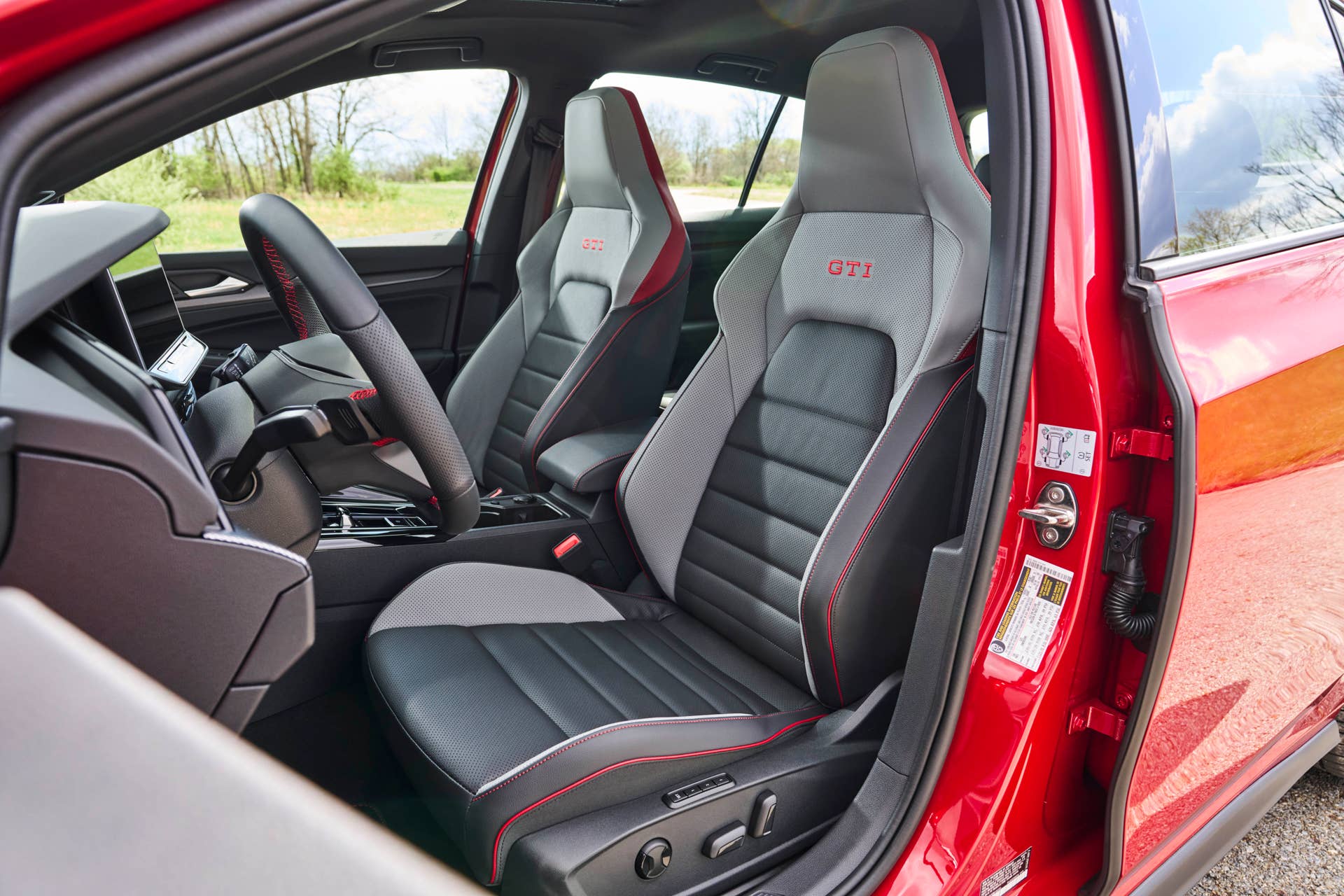
The Autobahn’s equipment list explains where much of the remaining money goes. Perforated tri-color leather upholstery, a 12-way power-adjustable driver’s seat with memory, ventilated front seats, heated rear outboard seats, and three-zone automatic climate control are standard. A head-up display adds another convenience that makes the Autobahn a bit more driver focused. It’s too bad that the larger 15.6″ center display screen is a distraction because most of the climate and audio controls are performed via touch rather than on physical controls.
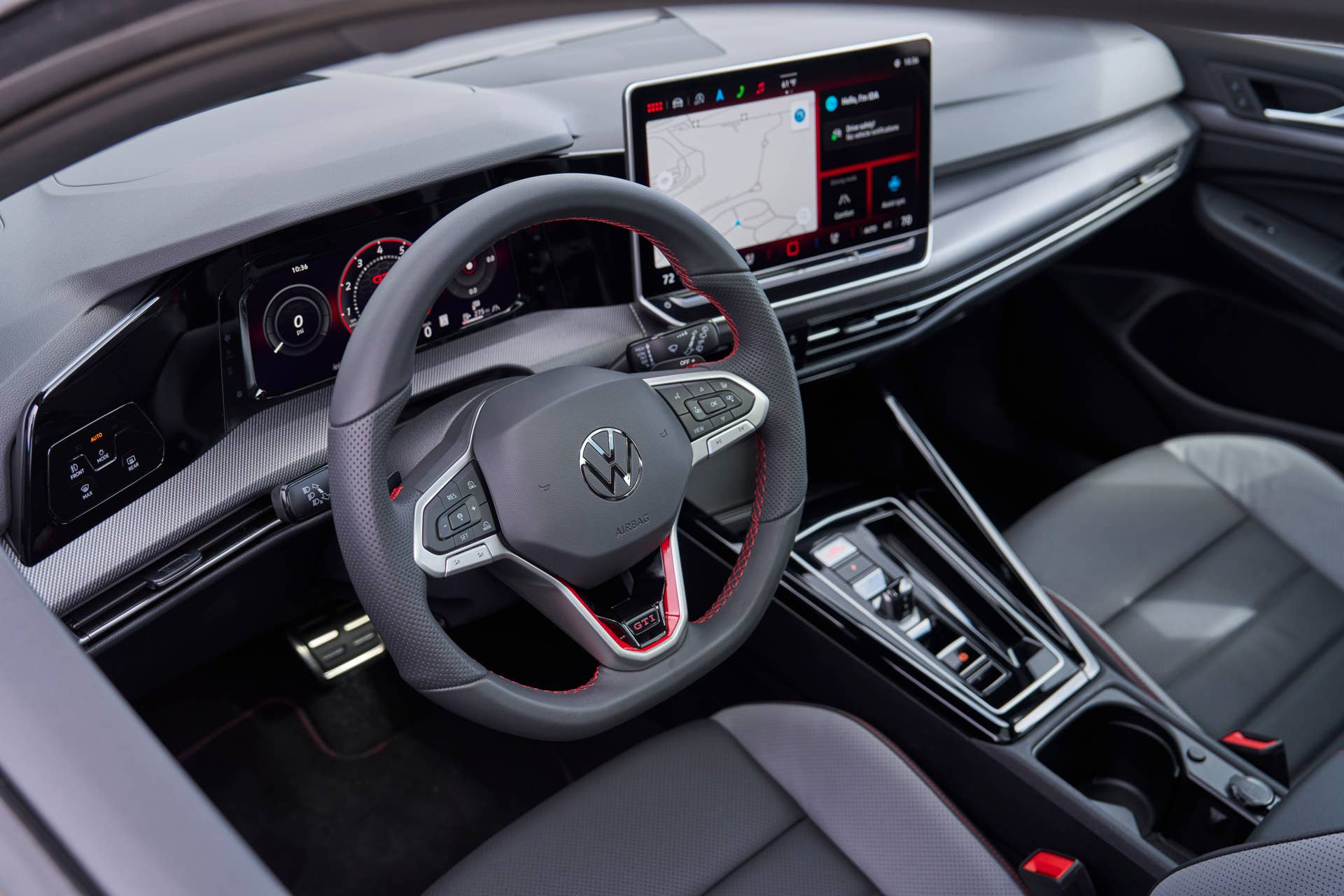
It also includes the SE’s panoramic sunroof and Harman Kardon audio system. Combined with the hatchback layout, the result is a compact performance car that doesn’t ask buyers to abandon everyday amenities. But equipment shouldn’t be confused with an automatic transformation into a luxury car. The Autobahn remains a GTI with additional comforts, but there’s still a signifcant amount of interior cheapness with too much piano black plastic, hard plastic door pockets, and chintzy controls on the center stack and dash.
The Controls Belie the GTI’s Purpose
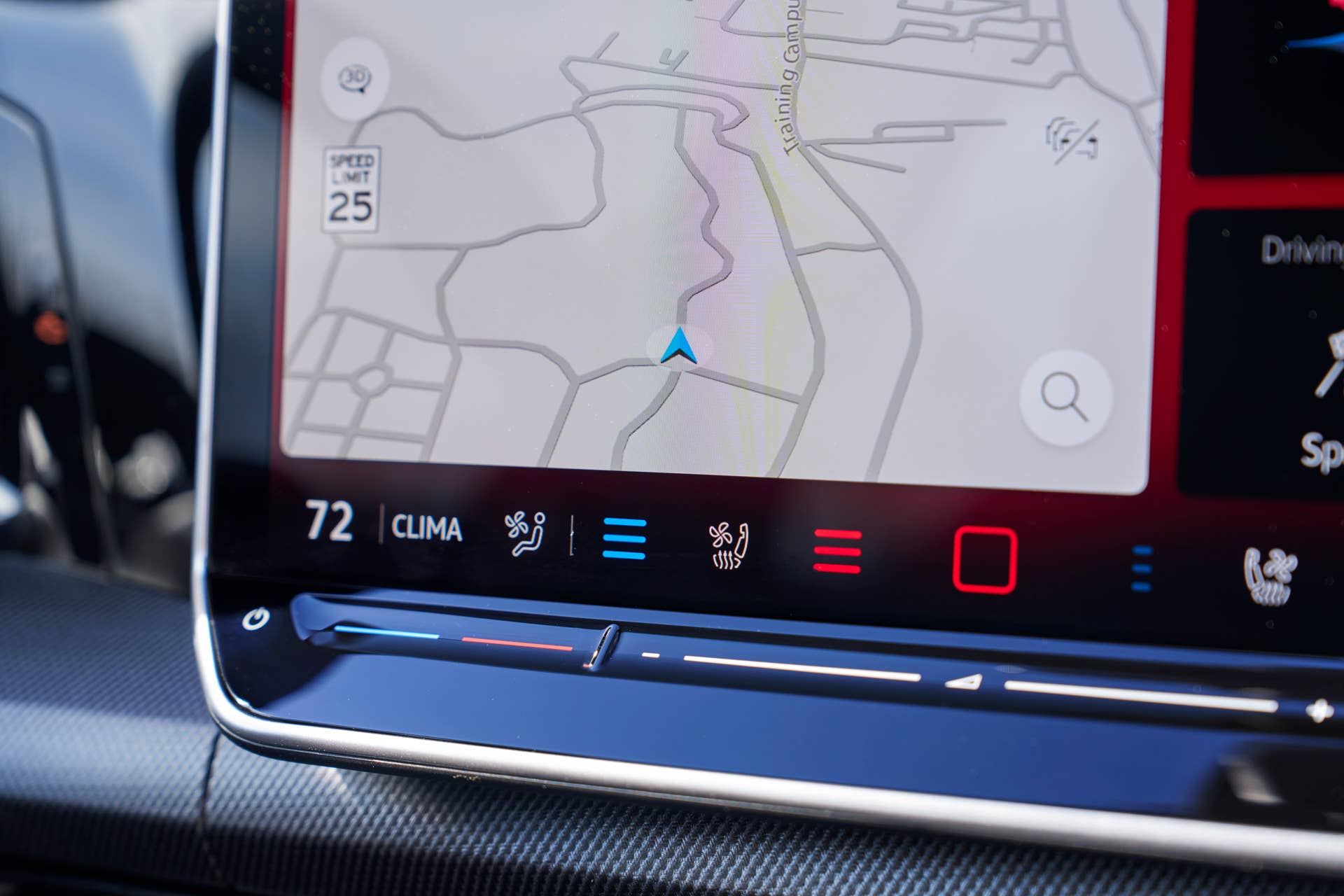
The GTI S uses a 12.9″ touchscreen, with wireless smartphone integration and a digital instrument display. The Autobahn gives you a bigger screen, but the larger 15.6″ infotainment display doesn’t improve the user friendliness, just the visibility. The system continues to frustrate in any form, and I think the larger screen is just more distracting from the car’s driver-centric purpose.
After a week with it, attempting to change climate settings, selecting drive modes, and navigating menus, I really hated the system and longed for the physical controls from two generations ago. DCC is valuable equipment, but its adjustments are accessed through the touchscreen. Do they not want you to enjoy the drive?
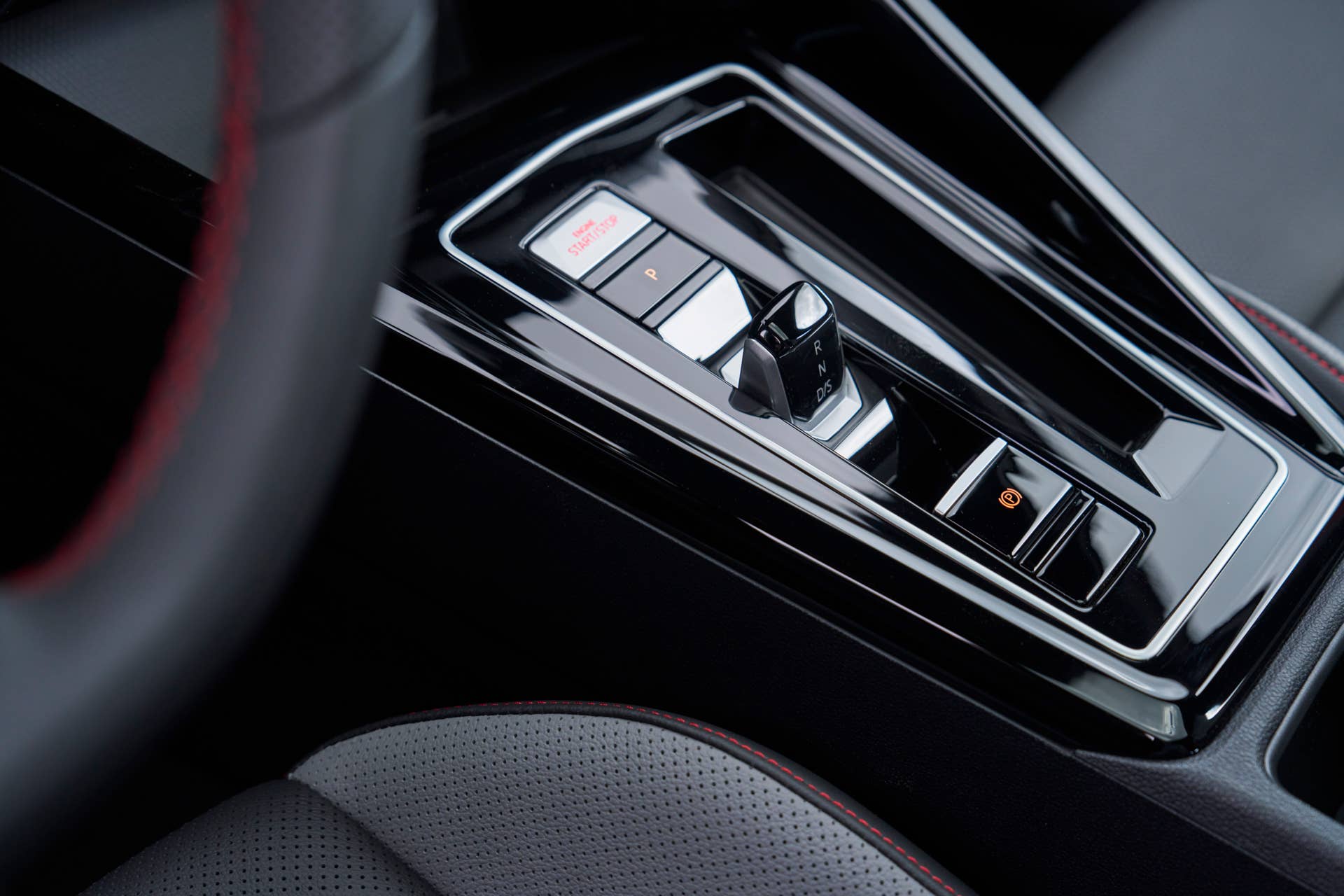
The absence of a manual gearbox is a massive letdown. VW couldn’t continue to build a manual version and keep things profitable, even if the 50 percent of GTIs sold in America had three pedals. The global demand was weak. Nevertheless, its absence is painful for enthusiasts. If shifting for yourself defines the hot-hatch experience, no amount of Autobahn equipment fixes the omission. It’s another reason to avoid the most expensive trim level if you must have a GTI.
Final Verdict – Not Worth the Coin
The Autobahn tries to earn its price through added composure and interior features rather than additional speed. Its adaptive suspension, upgraded seating, passenger comforts, and bigger (but not better) technology make sense for someone who wants the best GTI they can afford. $44,210 buys a compelling all-in-one package. If your main objective is enjoying the GTI’s core performance, I say go with the S. It does about 98% of what the Autobahn does for far less. The Autobahn is the more indulgent GTI, but probably only you will notice.
About the author
Amos Kwon
Contributing Writer, Autoblog