
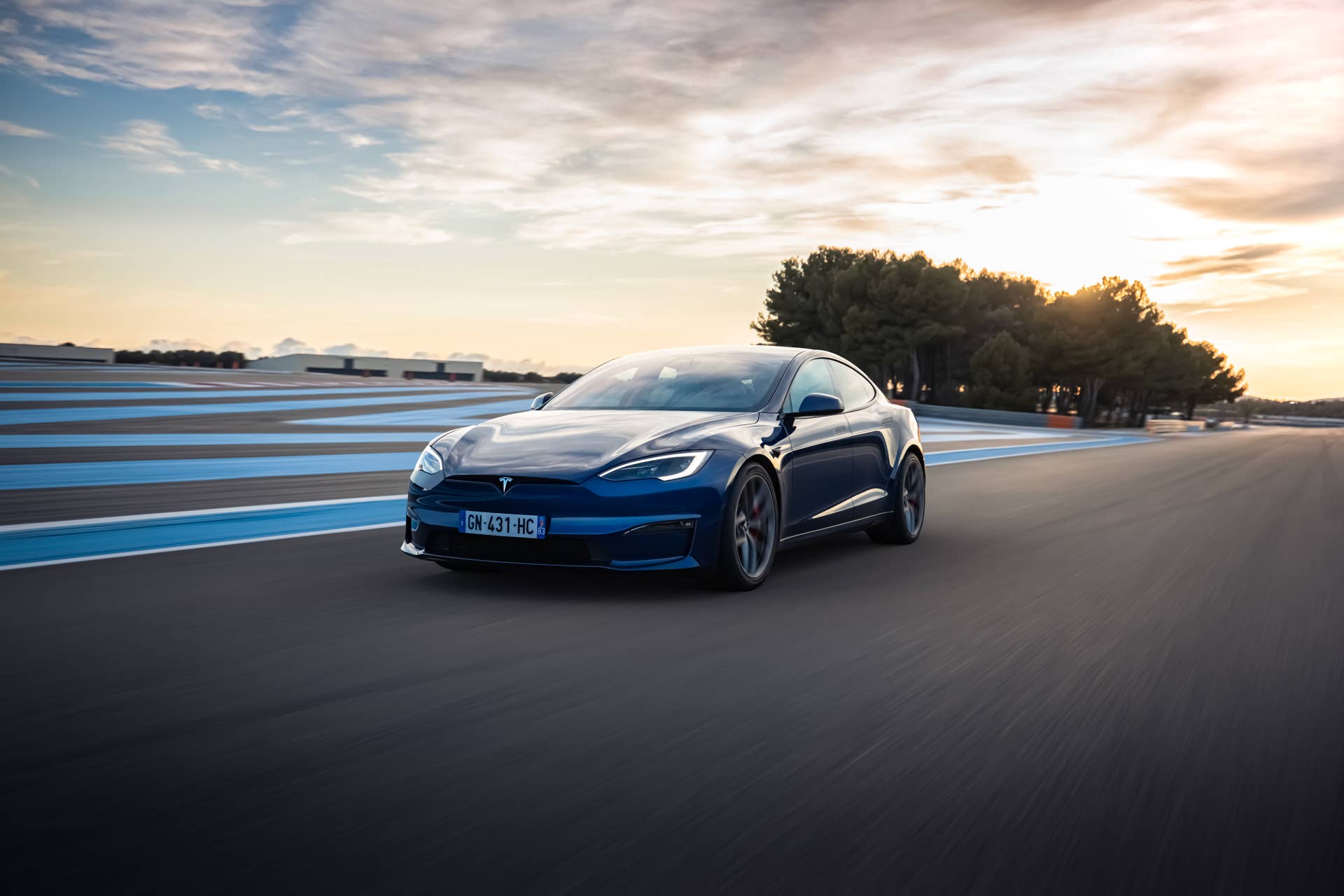
No matter your opinion on Elon Musk, there’s no denying that Tesla remains a dominant force in the automotive industry to this day. The American EV manufacturer is regaining the momentum it lost over the past few years, reestablishing itself as a top contender, if not top dog, in countries around the world. The success of the Model 3 and Model Y undoubtedly keeps competing automakers on their toes, but it was the Model S that proved Tesla could be a threat to the dominance of legacy automakers.

Tesla
Sparking the electrification era
The success of the Tesla Model S wasn’t a one-off, but the culmination of the industry’s foray into electrification that stretched back into the 1990s. General Motors, Mitsubishi, and Tesla themselves were among the early pioneers of electrification, but only in an experimental or niche capacity. It wasn’t until 2012, with the launch of the Model S, that Tesla proved EVs could be an exciting and viable vehicle for the average driver.

Tesla
That success sparked a frenzy as other automakers stepped up their game and kicked off the true beginning of the electrification era. In its first full quarter on the market, Tesla moved 2,400 examples of the Model S, bringing the total for 2012 to 2,653 units. While a rather meager amount at a glance, the Nissan Leaf, which had much better name and brand recognition, sold 4,607 units in the final quarter of 2012.
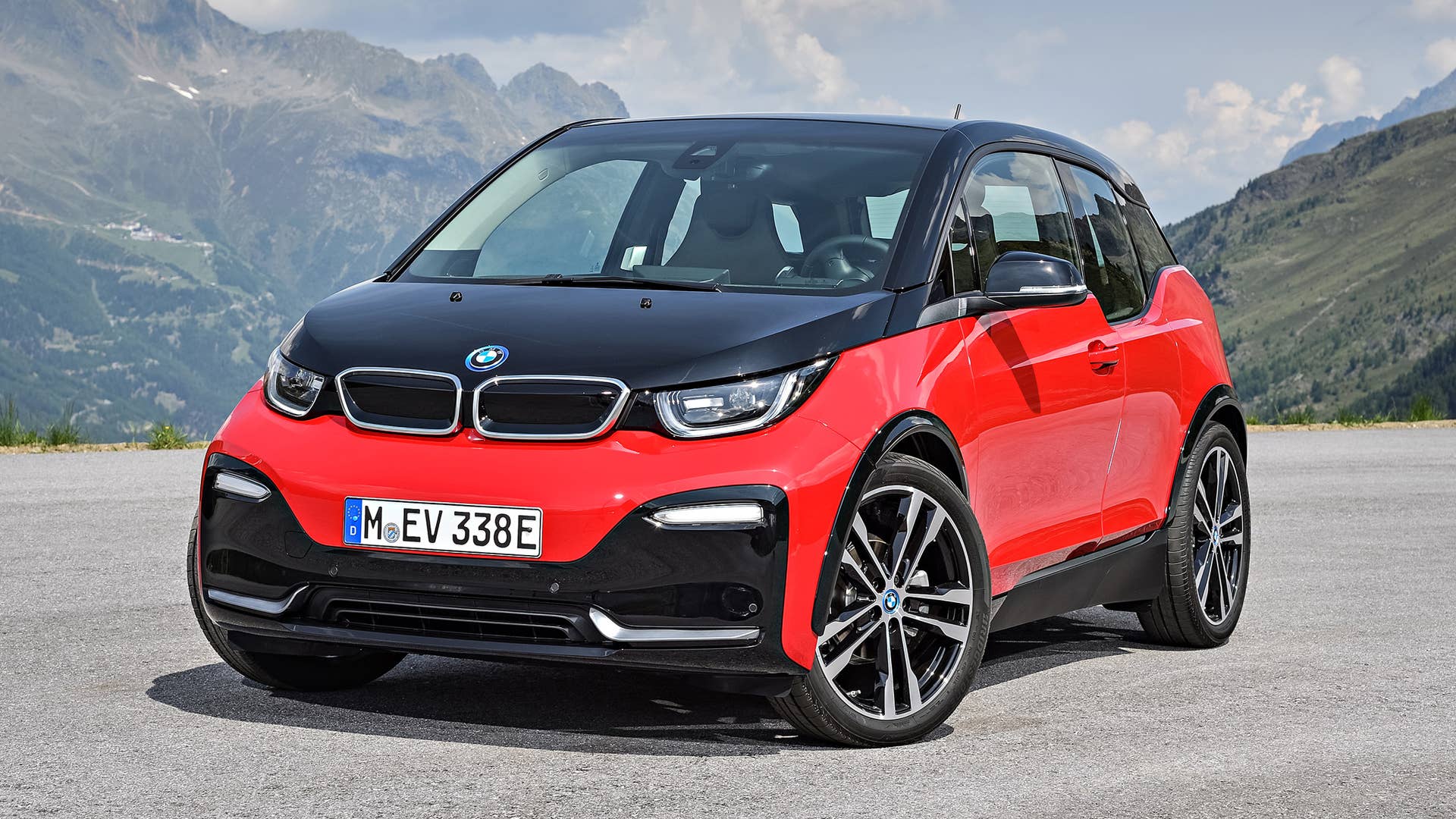
Shortly after, larger automakers began to respond to Tesla with experiments of their own. The BMW i3 launched in 2013 with a futuristic design, although its range was lacking compared to the Model S. Some manufacturers introduced electrified versions of their existing models. For example, the Kia Soul EV and Volkswagen e-Golf both hit the market in 2014.
BMW
It wasn’t until several years later that a flood of all-new EVs hit the market. In 2017, Chevrolet introduced the Bolt. Three years later, Hyundai began selling the Kona Electric in the United States. On the premium side, Jaguar introduced the I-Pace in 2018, while the Audi e-tron and Porsche Taycan followed in 2019 and 2020 respectively.
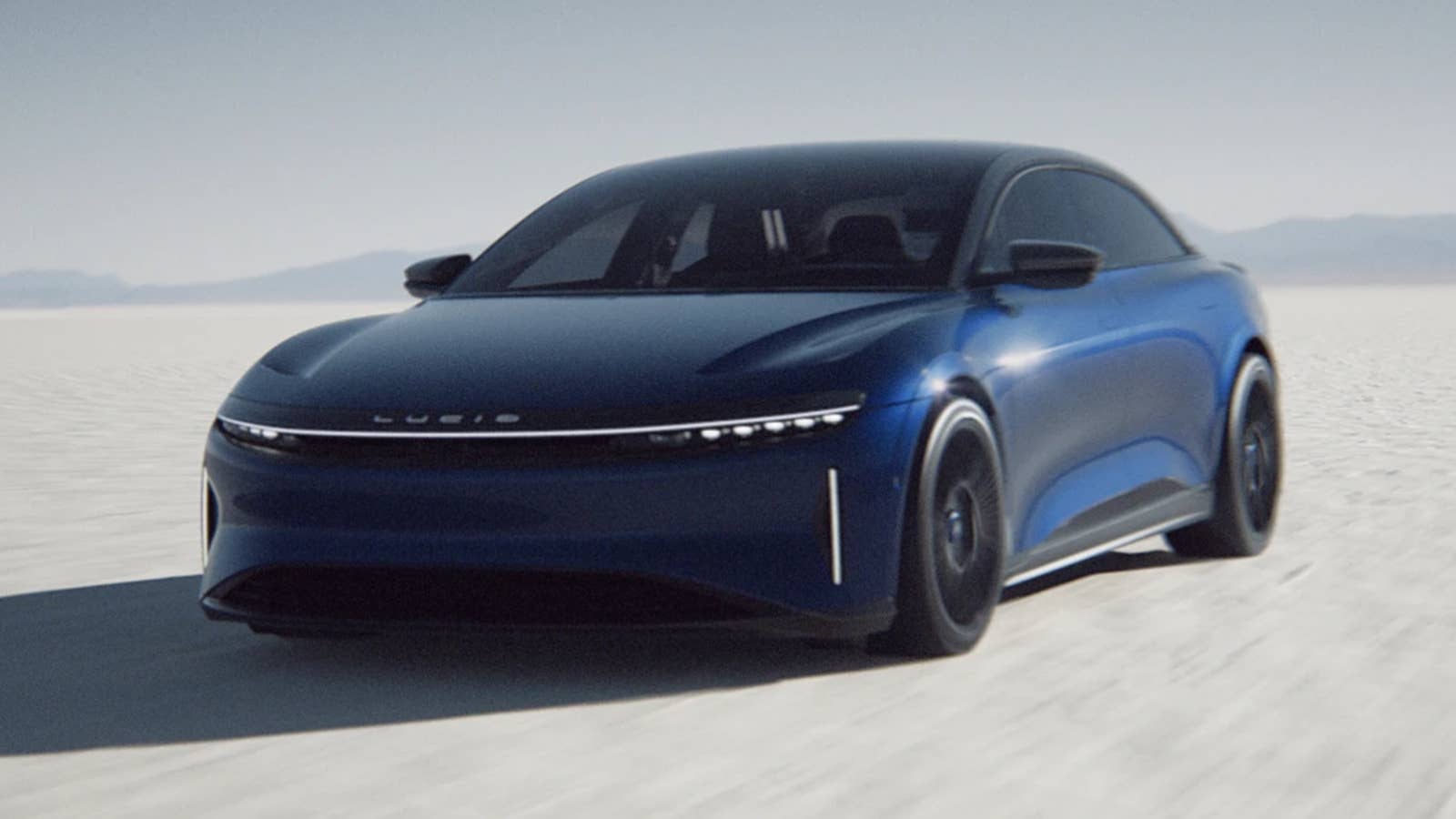
2020 and beyond is where EVs truly gained ground with consumers, with several brand new models battling Tesla, who had become a dominant force on a global scale, for the top spot. The Ford Mustang Mach-E and Volkswagen ID.4 broke onto the scene in 2020. The Rivian R1T became the first electric truck in 2021, and Lucid introduced the Air to directly challenge the Model S.
Lucid
Shifting perception
Prior to the introduction of the Tesla Model S, EVs were largely niche vehicles that focused on practicality. Despite offering a futuristic powertrain, the interiors lacked the bells and whistles that would quickly adorn later EVs. Not only that, but early EVs, like the Nissan Leaf, offered a somewhat limited range, although hindsight is 20/20. While the Model S was a more expensive premium model, it came stocked with the latest tech, including a massive screen, and a minimalist interior that set it apart.
Toyota
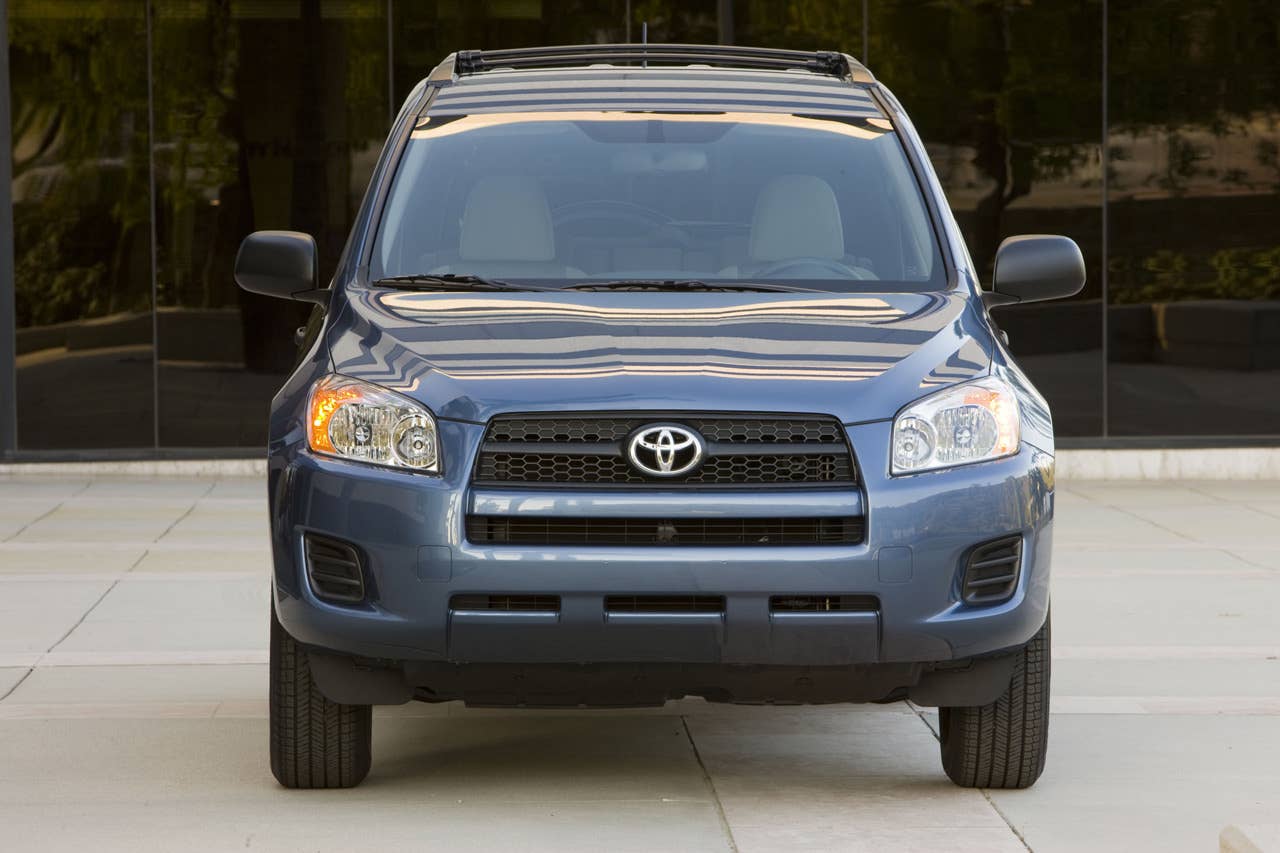
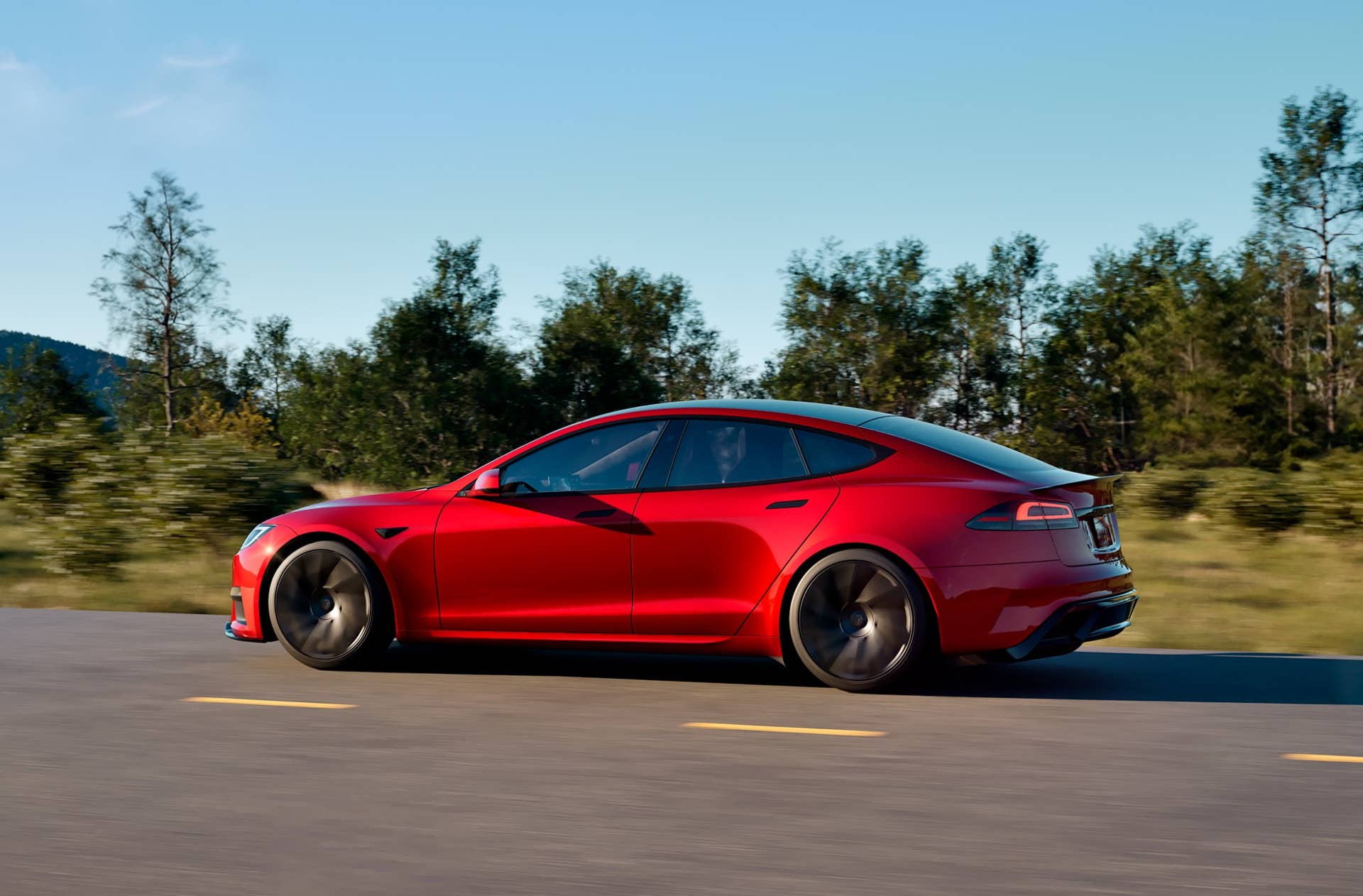
The Tesla Model S launched with a 265-mile range, a specification that put every EV that came before it to shame. The EV with the second-longest range in 2012 was none other than the Toyota RAV4 EV, coming in at 103 miles on a single charge. Notably, however, it was powered by Tesla’s technology and a 42-kWh battery, two factors that significantly improved its range over models like the Nissan leaf, which offered a 73-mile range in 2012.
In short, the 2012 Tesla Model S proved that EVs didn’t have to be boring, practical A-to-B commuter cars. Rather, they could travel long distances, making them suitable for weekend road trips and longer journeys. While the cost to entry was high, Tesla offered several benefits to early adopters, including free supercharging for life, a feature some drivers are still enjoying 14 years later.
Tesla
Building an electrified future
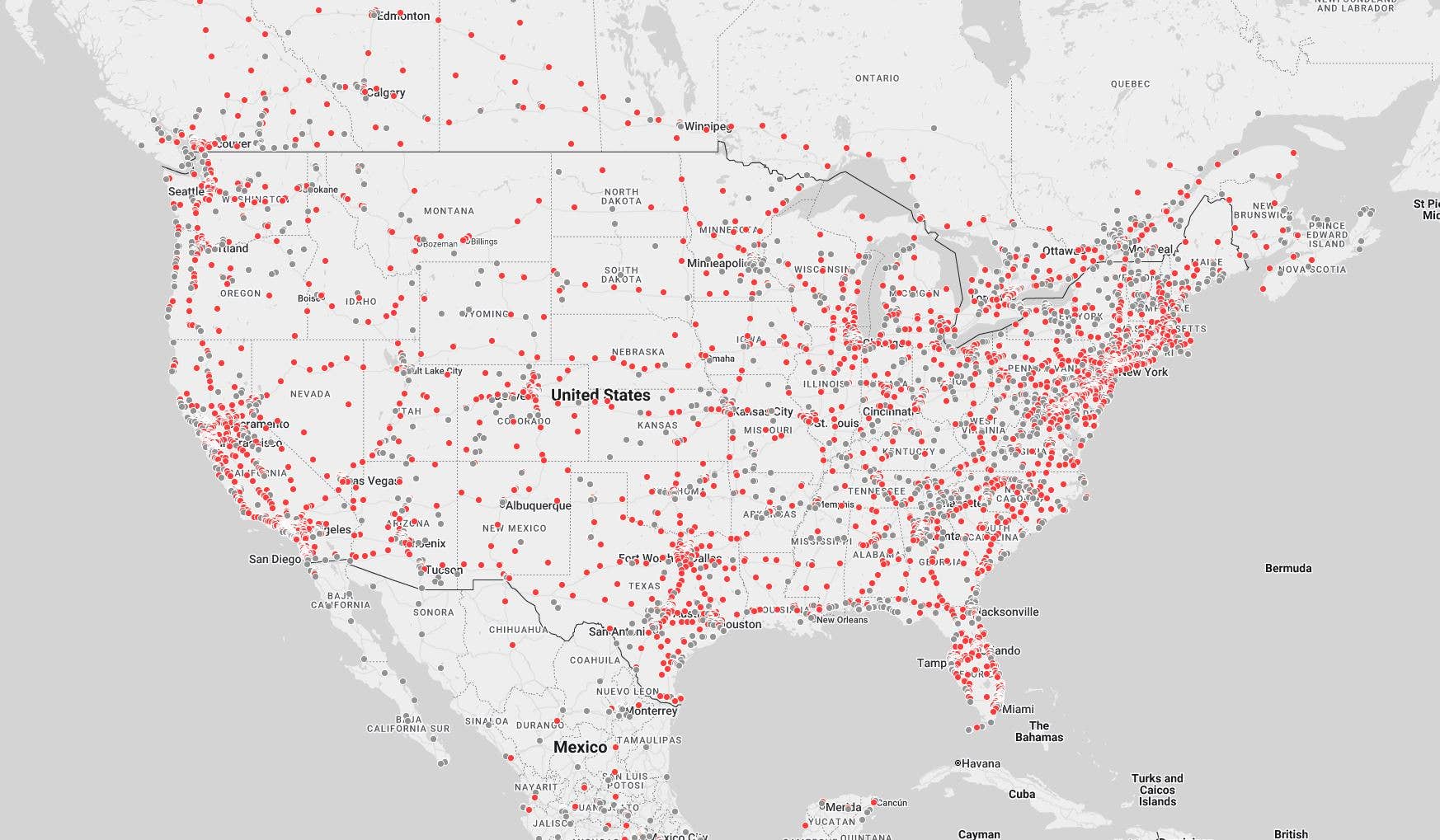
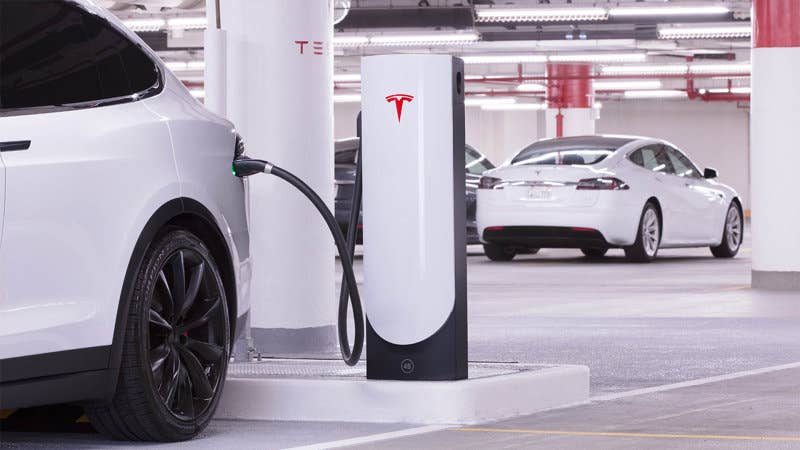
Tesla’s success with the Model S is more than just proof of concept in a live market. With sales of a long-range EV came the necessity of being able to charge on road trips. To meet this need, the American EV manufacturer began building out their charging infrastructure, today known as Tesla’s supercharger network. In 2012, the network offered just seven supercharging locations. By 2017, that number had ballooned to more than 1,100. As of early 2026, Tesla supercharger locations numbered more than 3,000 throughout the nation, with California playing host to more than 600.
Tesla
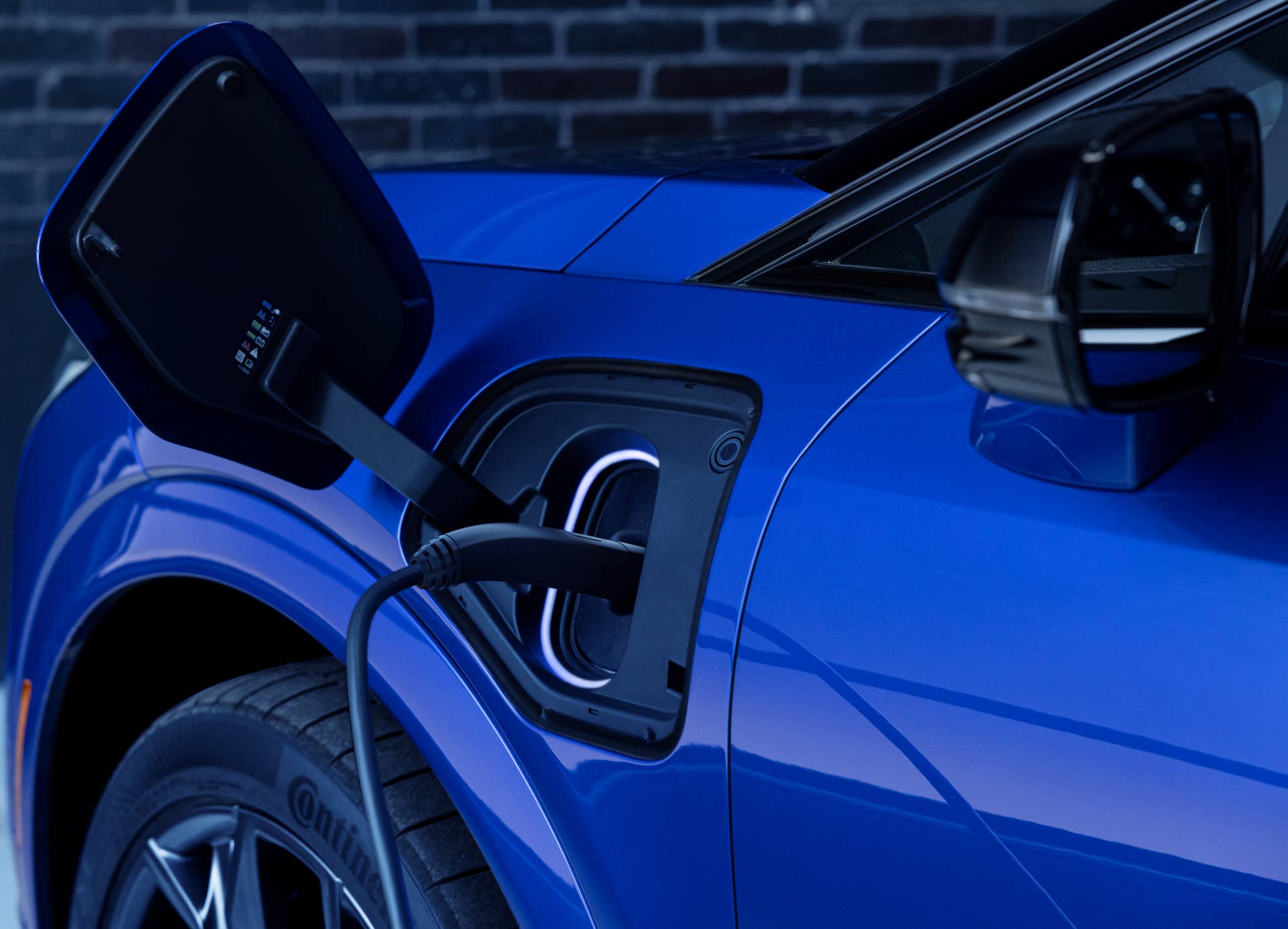
With Tesla sales booming and other automakers producing their own electrified vehicles came another need: a standardized charging port. Tesla’s sheer dominance in the market almost required other automakers to adopt their charging connector, now known as the North American Charging Standard (NACS). Moving forward, nearly all major automakers will sell EVs with a standard NACS port in order to make their vehicles compatible with Tesla superchargers, no adapter required.
Cadillac
While EV adoption has slowed, the Model S and supercharger network have provided both the spark and building blocks for the future of electrification. Despite resistance from various parties, the rest of the world is moving towards electrification. Domestic manufacturers in China, like BYD, are already challenging Tesla’s dominance, and this past February, EVs made up 98% of all new car registrations in Norway.
Several new automotive companies have become primary drivers in the shift towards electrification. Lucid and Rivian, both of which were influenced by Tesla’s success, have bucked the constraints of a dealership system, instead following Tesla’s model and selling directly to consumers. This upheaval alone is a silver lining among those who dread the dealership experience, even if they have no desire to purchase an EV.
Tesla
Some legacy automakers, like Honda, have recently scrapped their plans for electrification, while others are charging forward and adapting to changing domestic and global markets. The next decade will be telling, as the global shift to electrification brings about the rise and fall of new and major players in the automotive space. Which manufacturers manage to survive, let alone thrive, falls solely on their ability to remain fluid in this rapidly changing market.
About the author

Joseph Pudlewski
Contributing Writer, Autoblog