
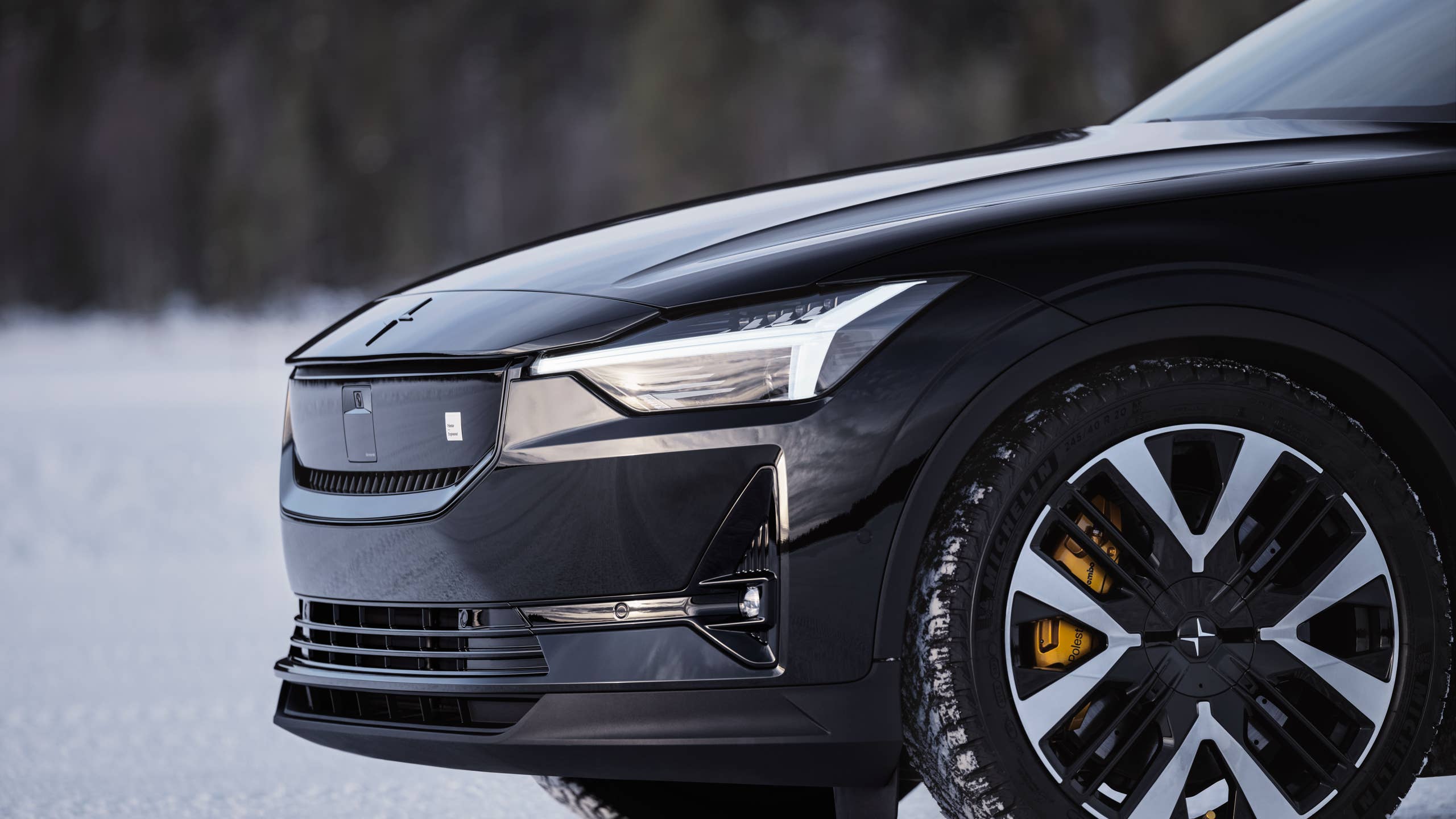
Polestar is quit of the US market. The Geely-owned brand was once a Volvo performance spinoff and was relaunched as an EV-only performance luxury brand some years back. One thing is true, politics or not: the brand never really caught hold here. The Polestar 2 was never the Tesla Model 3 rival it was supposed to be, and the brand failed to get follow-up product on the road quickly enough. Now barred from selling vehicles from the 2027 model year on, I think the ban is a perfect analogy for the state of EVs in the US, and shows just how safe your data really is.
What Happened To Polestar
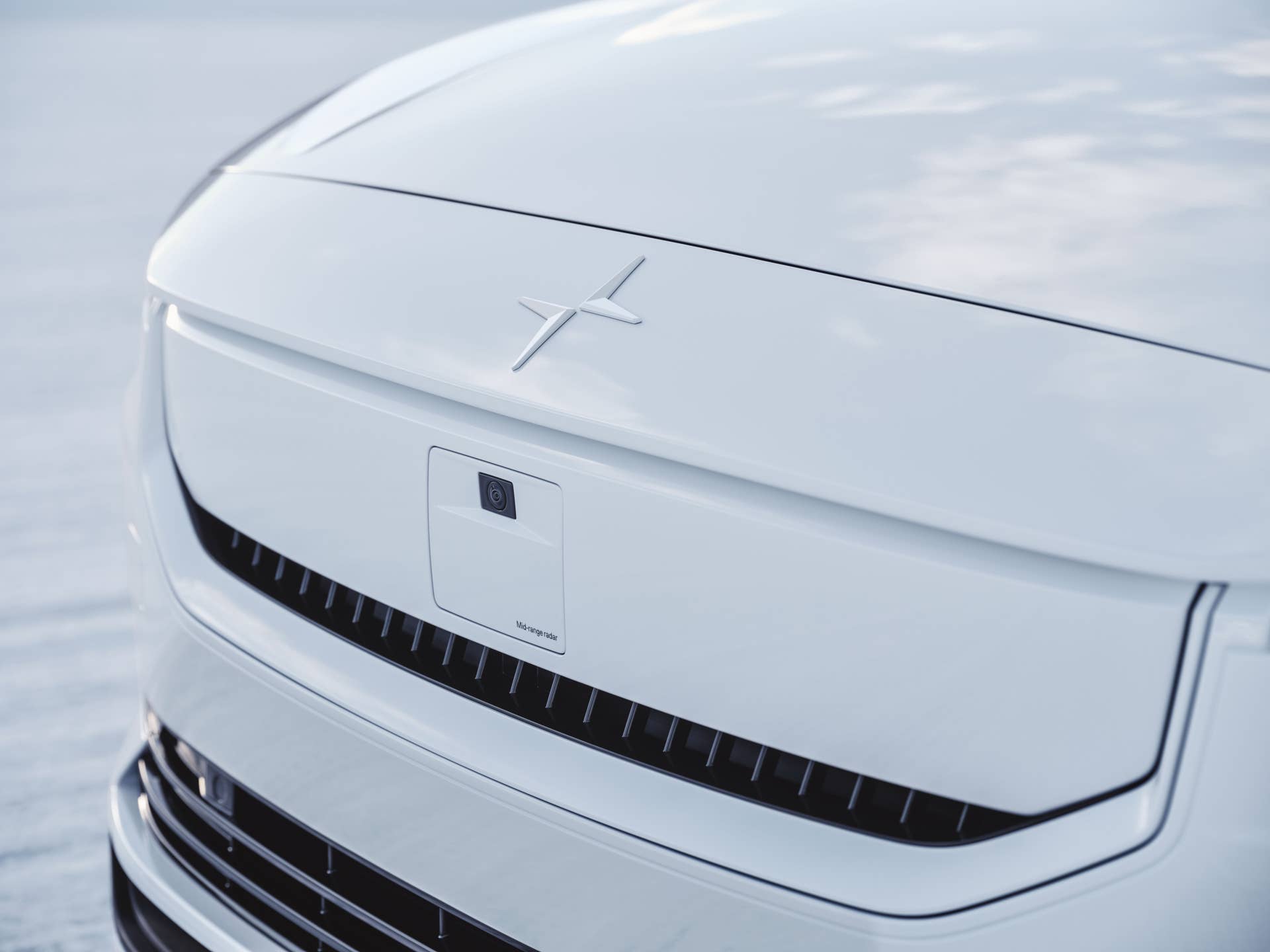
Polestar
In June, Polestar announced that it would no longer sell new vehicles in the US market. It would burn through current inventory and then pack up. Owners would still be supported, but the brand won’t be here past the 2027 model year. The decision was a result of the US market’s Connected Vehicle Rule.
It’s US Department of Commerce policy that, in its own words, restricts the sale of “connected vehicles by connected vehicle manufacturers owned by, controlled by, or subject to the jurisdiction or direction of China or Russia.” The US government doesn’t want those cars sold here, the implication being that Xi or Vladimir will be listening and watching. The rule has been in place since 2024.
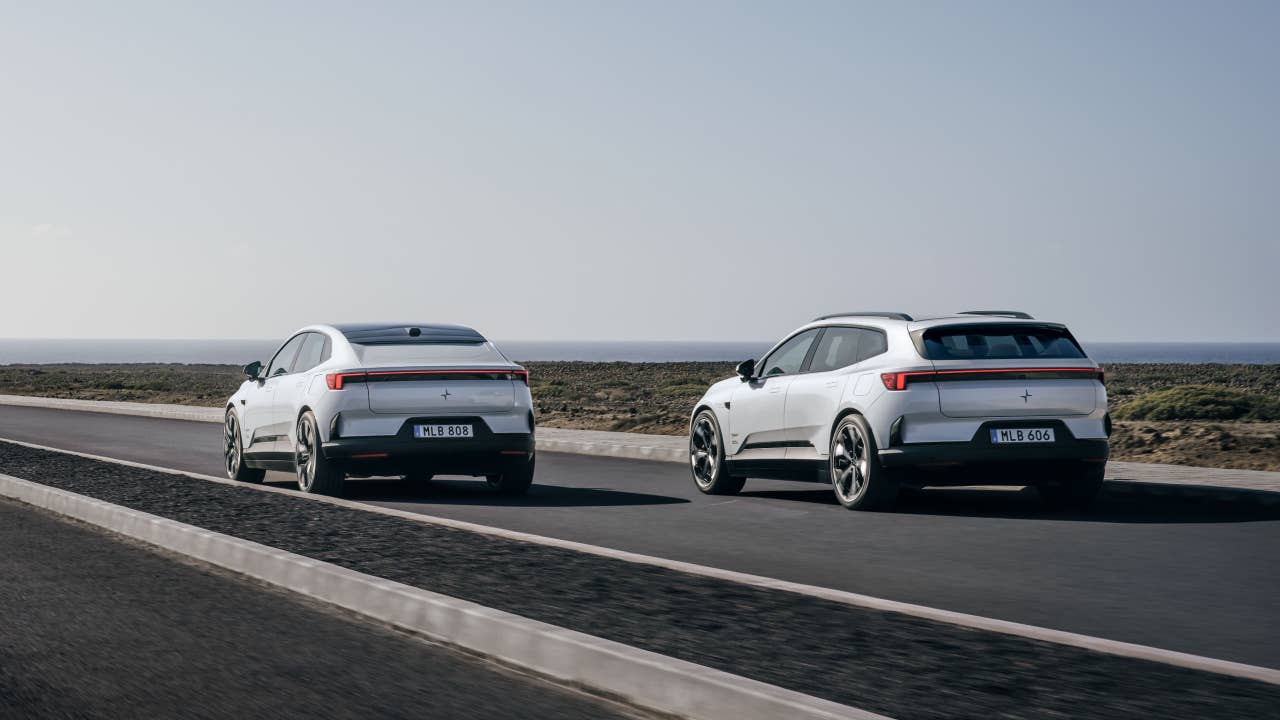
Polestar
Polestar and Volvo are now owned by Geely, a Chinese auto conglomerate that sells cars both in its home market and abroad, including in Europe and Canada. Volvo got its exception to sell cars here in May, but Polestar didn’t. In a press release, Volvo said that the process is case-by-case (clearly, it is), and that the “issuance of a specific authorization follows constructive discussions with the US Department of Commerce and other US officials regarding Volvo Cars’ governance, technology and data security.”
The split decision between the two companies was apparently a bit of a surprise. Wall Street Journal coverage said a letter indicated the company expected to be approved, but was never really told why when it didn’t come to pass. The letter claimed Polestar said all the right things, including passing a 13-month review. Polestar even offered up independent cybersecurity assessments, but was denied anyways.
The Decision Isn’t Just Illogical, It Reads As Protectionist
The implication in the decision is that Polestar would be handing over data to Chinese government agencies or would use that data in a way that the US Department of Commerce deemed to be unacceptable. The thing is, it strikes me as a pretty thin argument. I’m not advocating for Chinese or Russian spyware here, but if handing over consumer data is the line, it ought to be applied to everyone.
Volvo got by, for one reason or another, but American automakers do too, even though they share plenty of your data. We’ve all heard about the targeted ads, but some automakers may even, under specific legal premises, share your data with government agencies like state or federal law enforcement. Ford does. It’ll share data with law enforcement under exigent circumstances.
Exigent circumstances is a hotly debated legal premise that, in very brief terms, allows law enforcement to circumvent some Fourth Amendment search and seizure laws if officers believe someone is in danger. Ford has provided me with examples of this saving lives in the past, but law enforcement agencies often misuse exigent circumstances, resulting in Fourth Amendment violations. Despite the hotly debated legal premise, Ford gets to sell cars that process your data and use it for a litany of things. Polestar, though, doesn’t, and the decision really makes it look like the Department of Commerce only cares whose government that data could end up with.
Polestar was all-in on EVs, and Ford and other US automakers (and foreign ones that get to sell cars here) aren’t. It leaves buyers with fewer options, and in the coming years, may yet leave existing owners high and dry. It’s really a perfect analogy for the state of both EVs and your data privacy rights in the US. The case-by-case decision-making is leaving consumers by the wayside.
About the author

Chase Bierenkoven
Senior Editor, Autoblog