
Key Points
- The 2027 Subaru Getaway electric SUV offers 420 horsepower, standard all-wheel drive, and over 300 miles of range.
- Its six- or seven-seat interior provides more cargo space and improved third-row comfort than the Ascent.
- The Getaway costs significantly more and tows less, while the Ascent remains better for heavy trailers and budgets.
Subaru’s EVs May Outshine the Gas Models
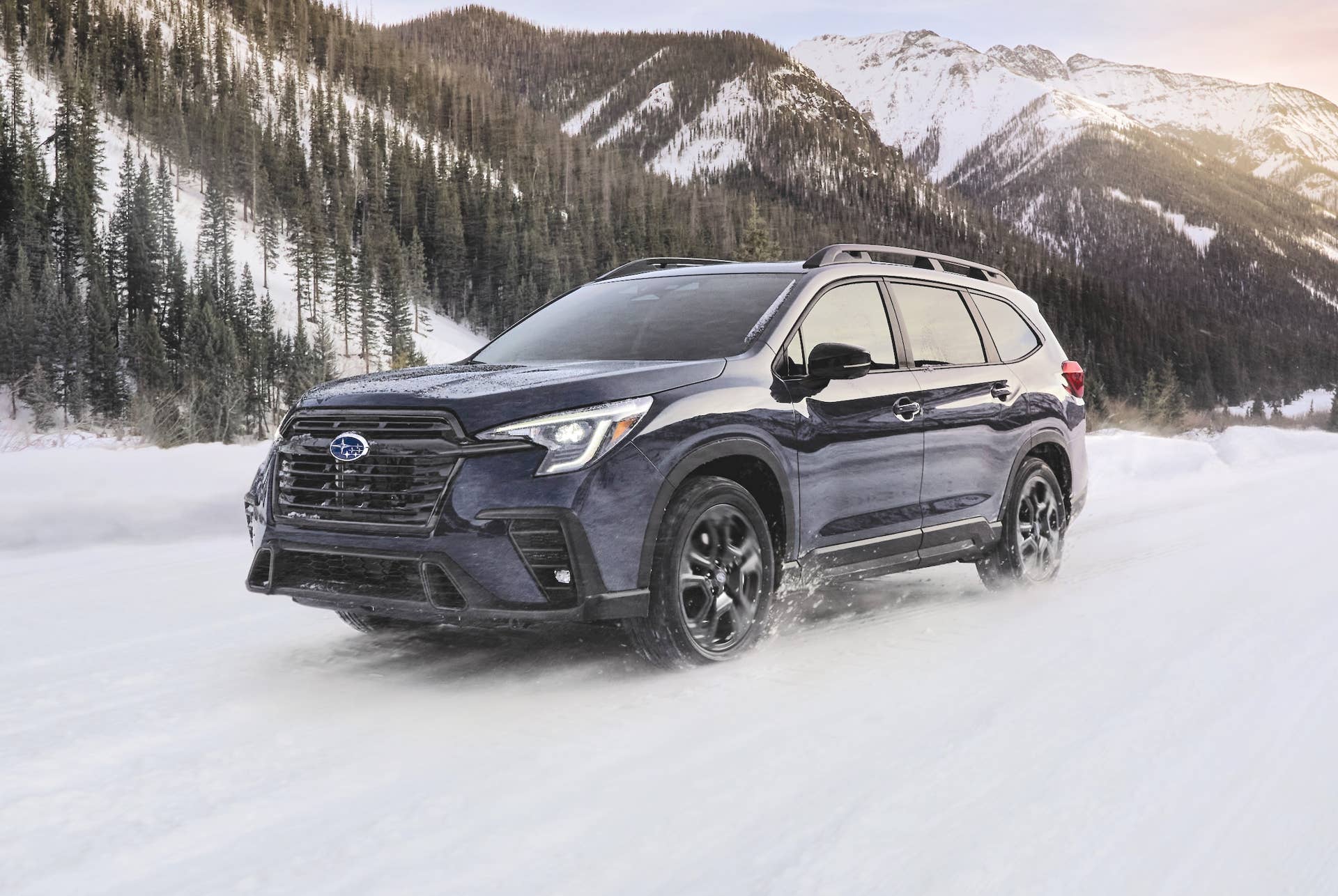
The Subaru Ascent was never great. It was good, then it was not, largely because time passed and the competition outdid it. While it certainly gives Subaru owners somewhere to go when their families outgrow a Forester or Outback, it falls short on space, power, style, and tech. Yes, like all Subaru crossovers and hatchbacks, it comes with standard all-wheel drive and great safety features. But the Ascent’s 260-horsepower turbocharged engine, paltry gas mileage, and frustrating infotainment leave much to be desired.
Subaru
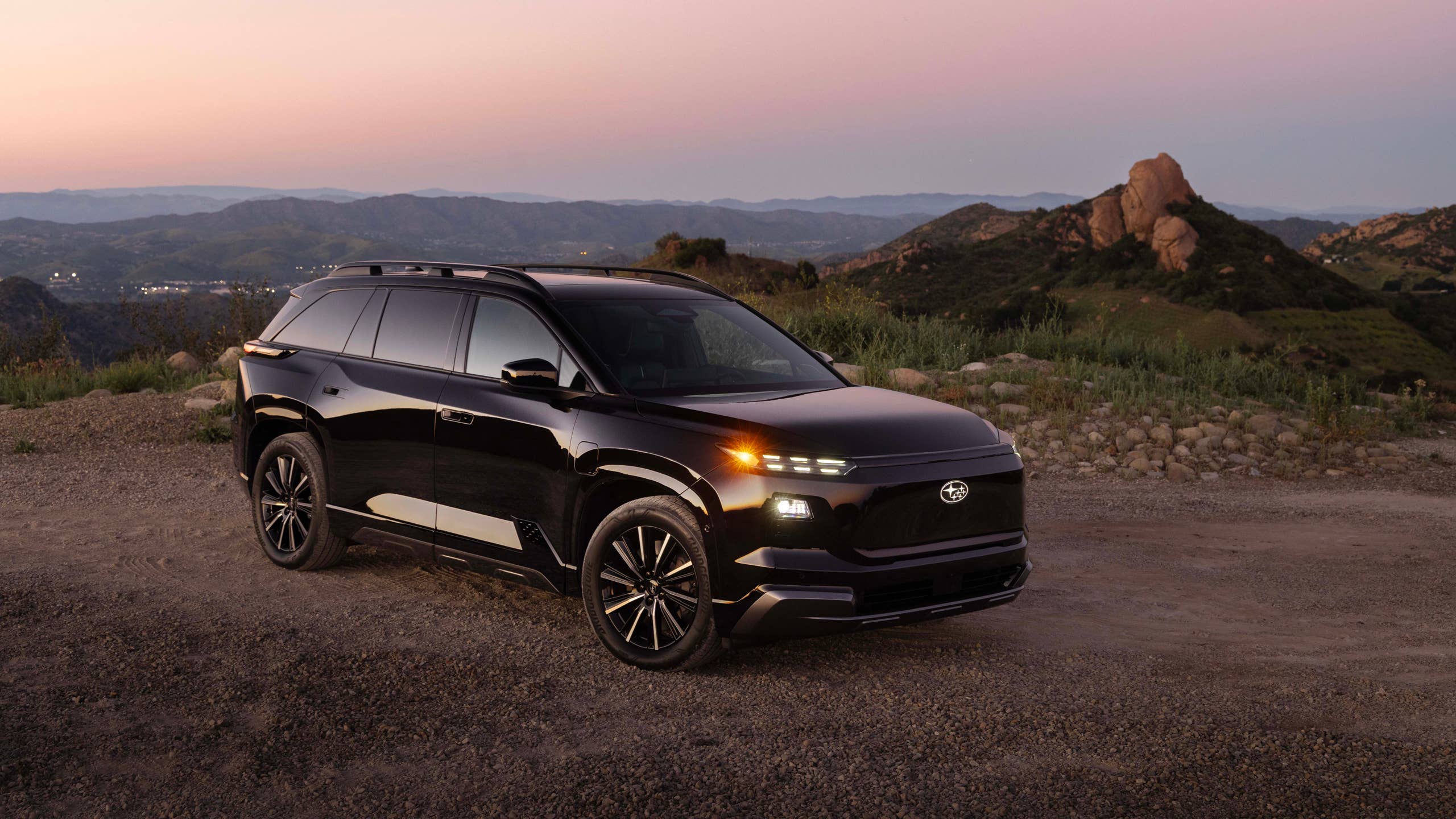
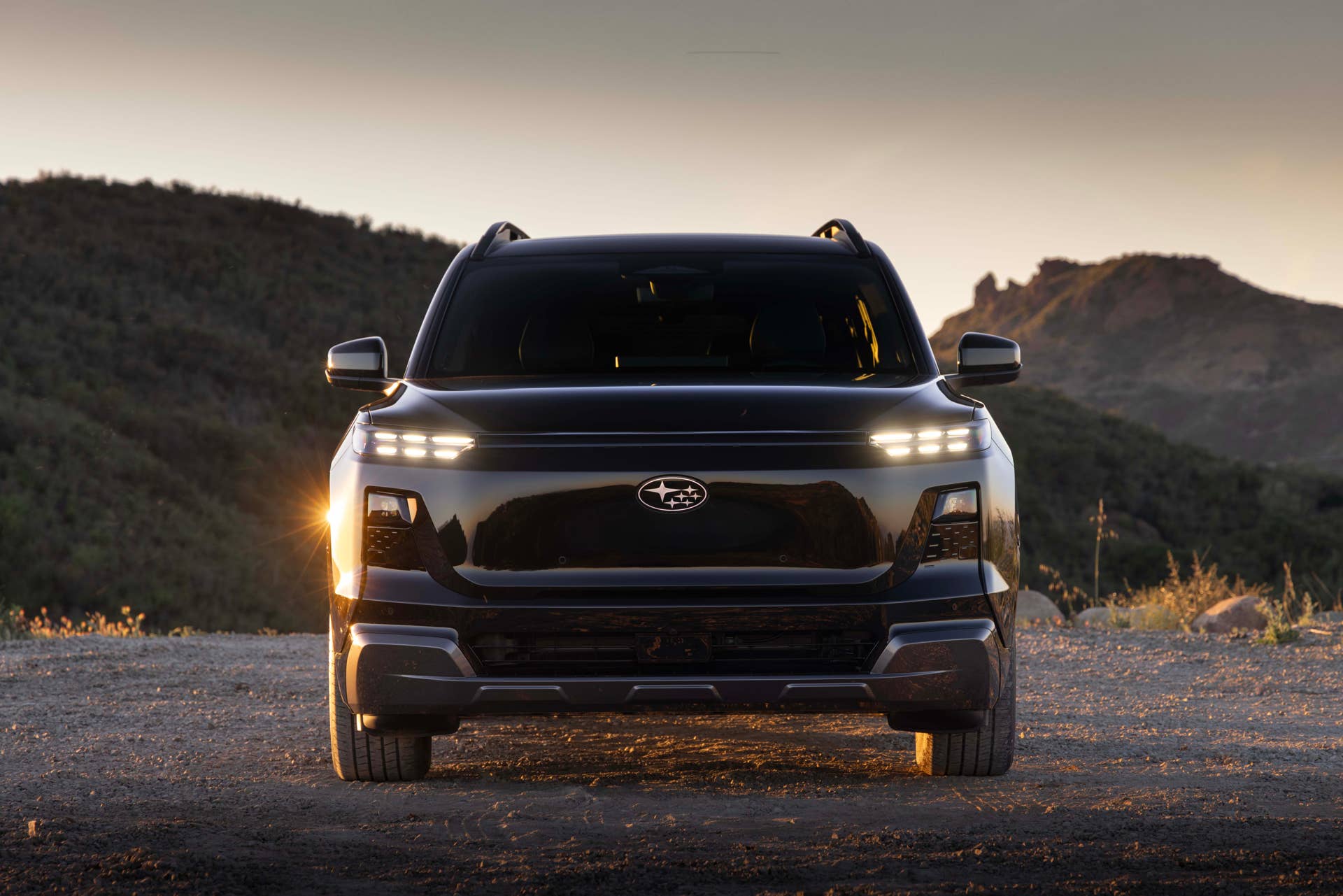
Enter the upcoming Subaru Getaway, a new three-row EV that looks ready to supply just about more everything compared to the Ascent. Subaru’s largest electric SUV brings standard dual-motor all-wheel drive, 420 horsepower, and a claimed range exceeding 300 miles with its larger battery. Those specifications make it more than an Ascent with a charging port. Based on what we know so far, it could be the Ascent we deserve, not the one we have.
Finally, a Three-Row Subaru With Some Muscle
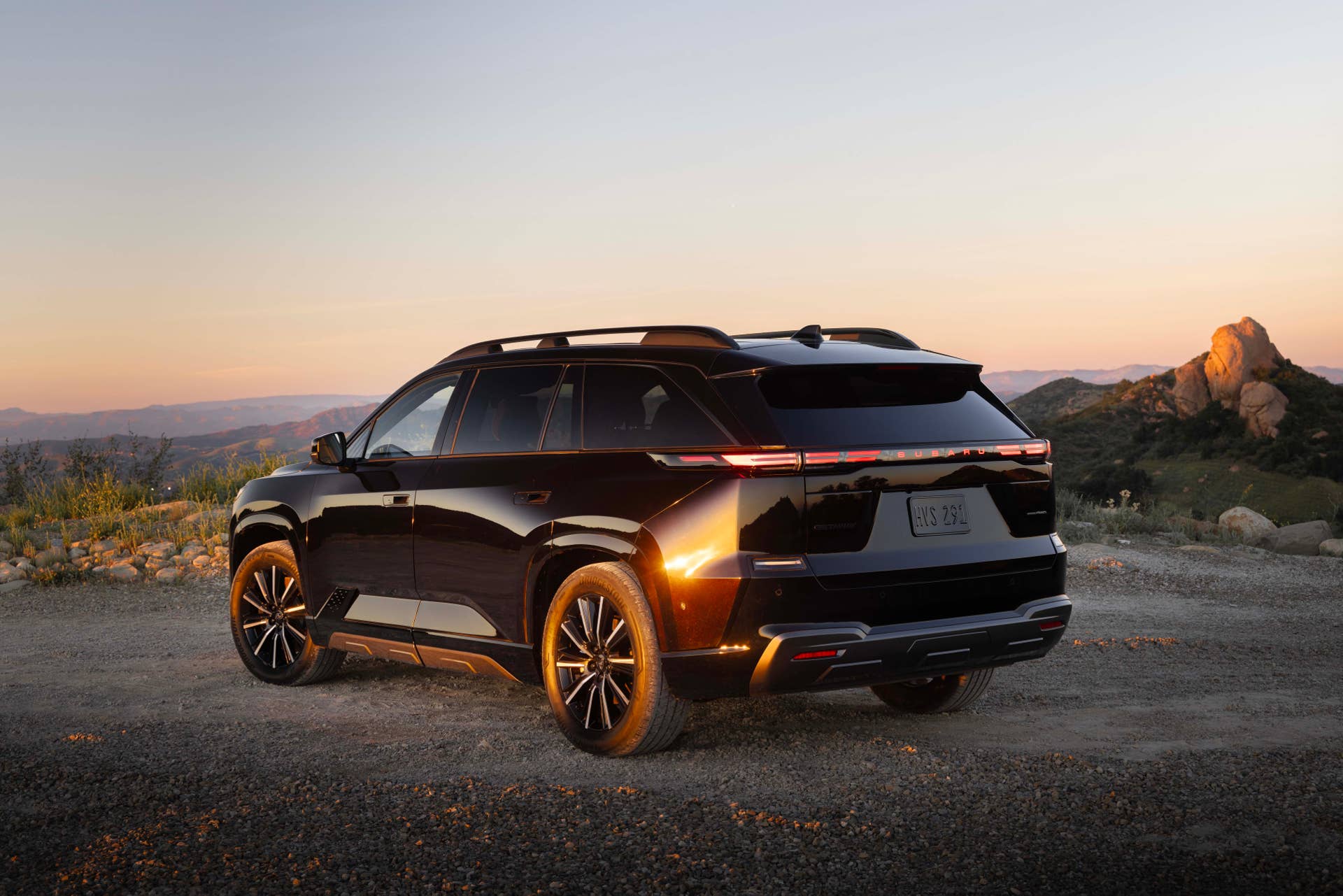
If you couldn’t already tell by its looks, the Getaway is based on the new Toyota Highlander EV. It’s essentially the same. Every Getaway uses two electric motors producing a combined 420 horsepower. Subaru claims a 5.0-second sprint to 60 mph, although independent testing remains pending. That puts meaningful performance on the menu without requiring buyers to choose a special high-output trim.
| Specification or detail | 2027 Subaru Getaway | 2027 Toyota Highlander EV |
|---|---|---|
| Vehicle type | Three-row electric SUV | Three-row electric SUV |
| Seating capacity | Six or seven | Six or seven |
| Drivetrain | Standard dual-motor AWD | Single-motor FWD or dual-motor AWD |
| Horsepower | 420 hp | 221 hp FWD; 338 hp AWD |
| Manufacturer-claimed 0–60 mph | Less than 5 seconds | NA |
| Battery options | 95.8 kWh at launch; 77.0-kWh version planned for 2027 | 77.0 kWh or 95.8 kWh, depending on configuration |
| Estimated range, smaller battery | Not announced | 287 miles FWD; 270 miles AWD |
| Estimated range, larger battery | More than 300 miles | 320 miles AWD |
| Charging connector | NACS | NACS |
| Maximum DC charging power | Up to 150 kW | Up to 150 kW |
| Claimed DC charging time | Approximately 30 minutes, 10–80%, under suitable conditions | Approximately 30 minutes, 10–80%, under suitable conditions |
| Maximum towing capacity | Up to 3,500 pounds | Up to 3,500 pounds |
| Initial availability | Late 2026; smaller-battery model follows in 2027 | Late 2026 |
| Starting price | Between $55,000-$65,000 | Between $50,000-$60,000 |
The Getaway shares its underlying hardware with the Toyota Highlander EV, continuing the two brands’ electric-vehicle partnership. Unlike the Toyota, which offers a front-wheel-drive configuration, the Subaru comes exclusively with all-wheel drive.
Thinking about selling your car? Get an instant cash offer online now. Click here to get started.
The Family Details Look Promising
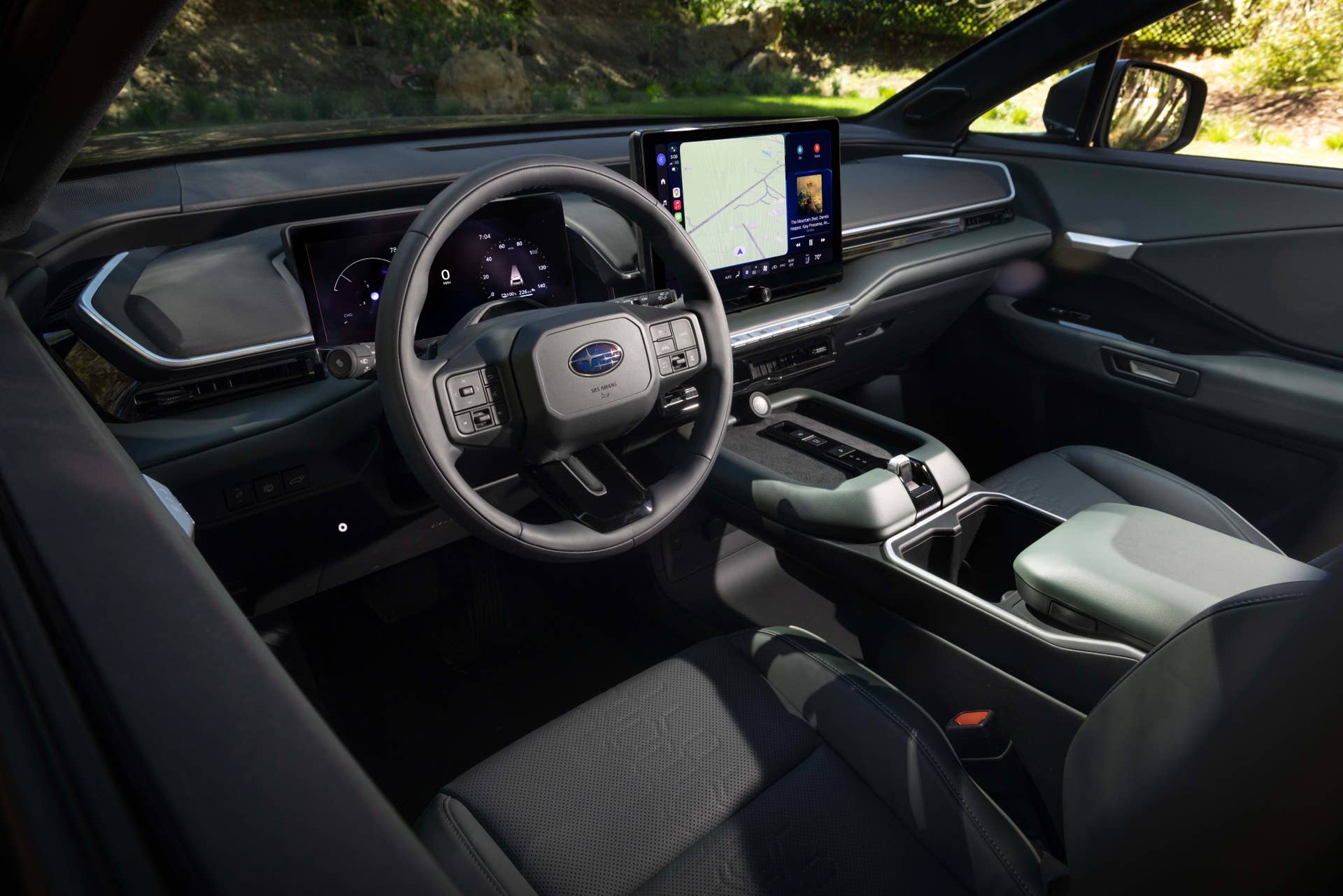
The Getaway seats six or seven, depending on the second-row configuration. Premium and Touring models have Captain’s Chairs, while the Limited comes with a three-passenger bench and offers captain’s chairs as an option. Every version has a two-seat third row. That means the Getaway can’t match the Ascent’s available eight-passenger capacity, although that third row is tight on legroom. Although dimensions for the Getaway’s interior have yet to be published, Subaru claims six-footers can fit in both rear rows, which can’t be said for the Ascent’s third row.
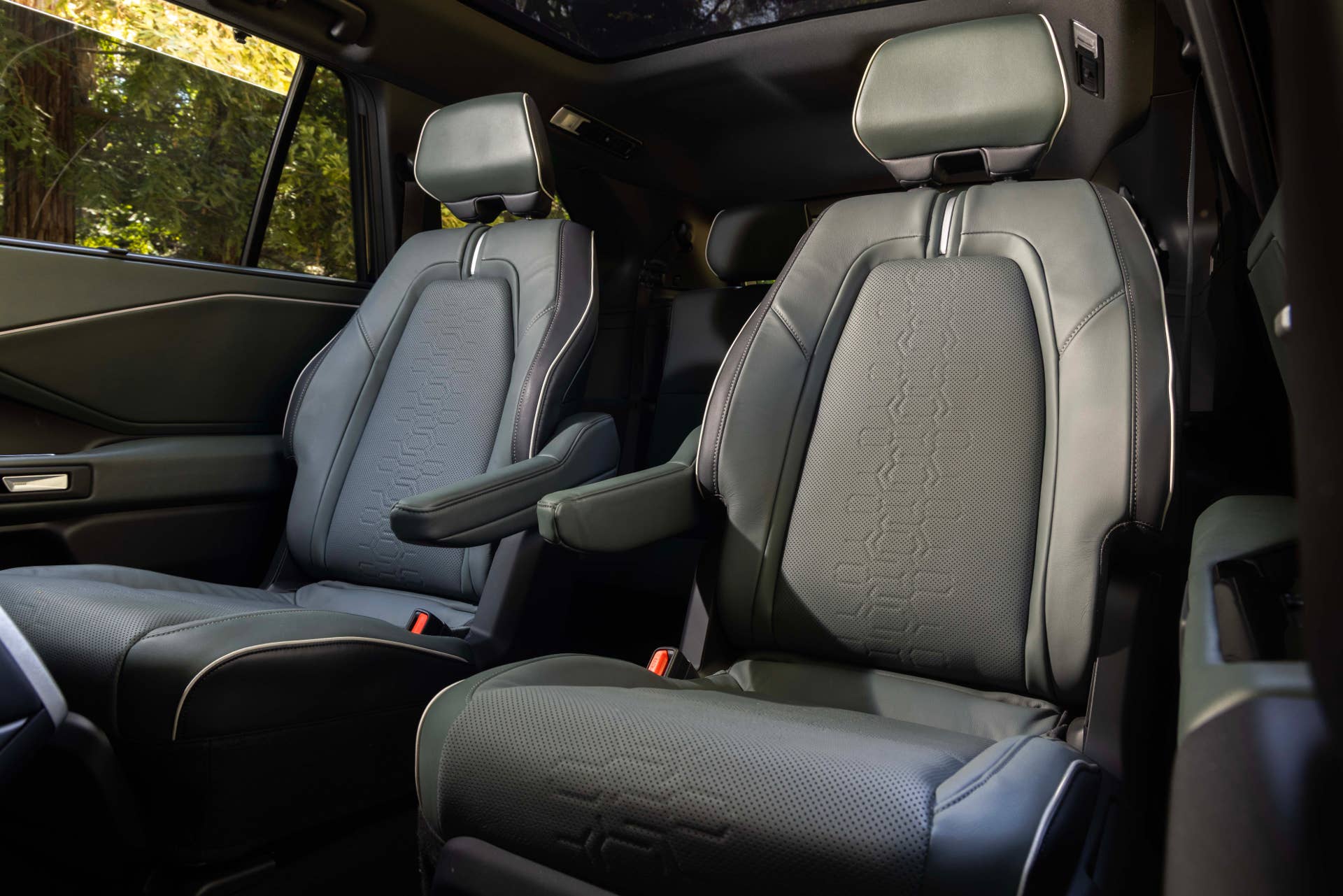
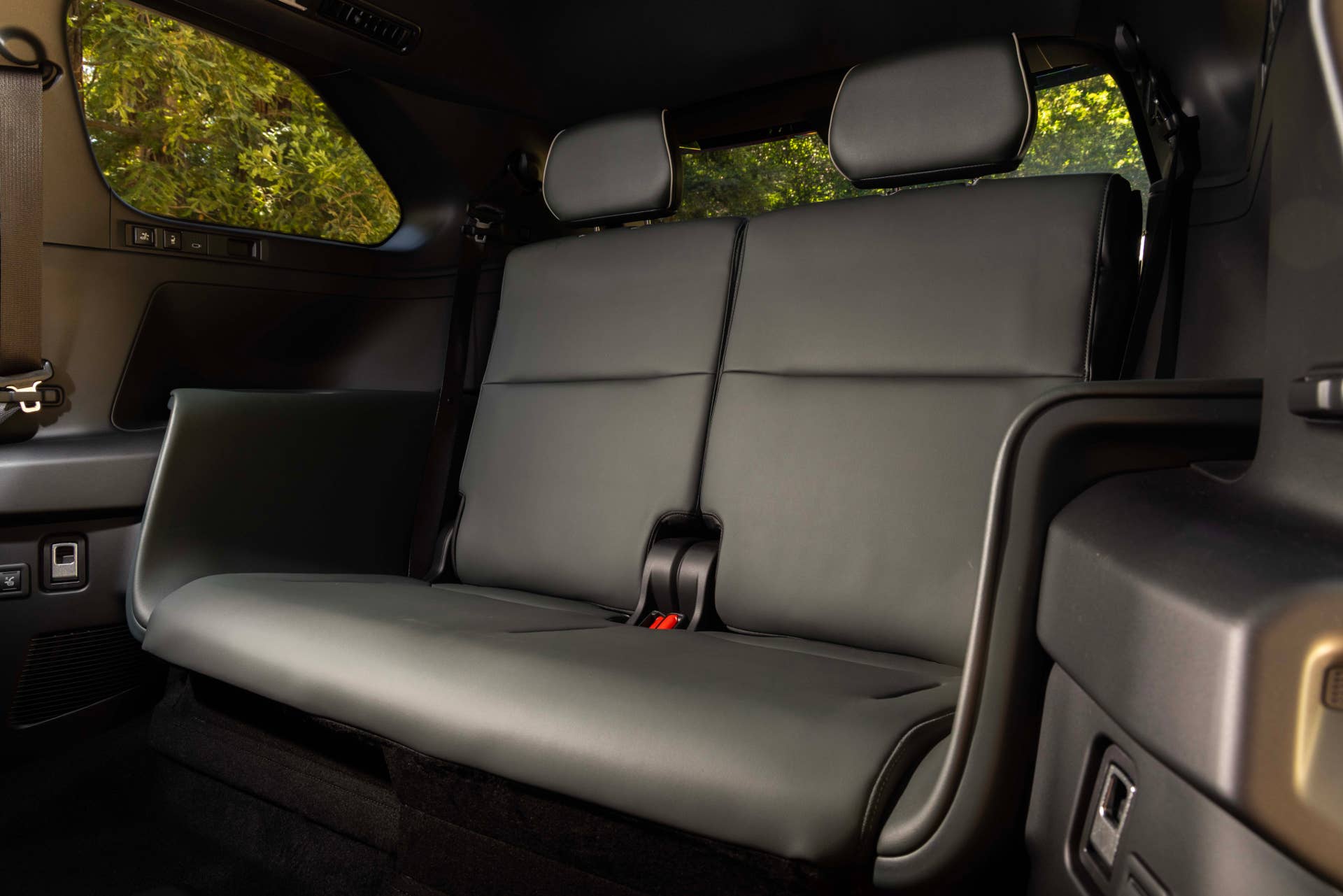
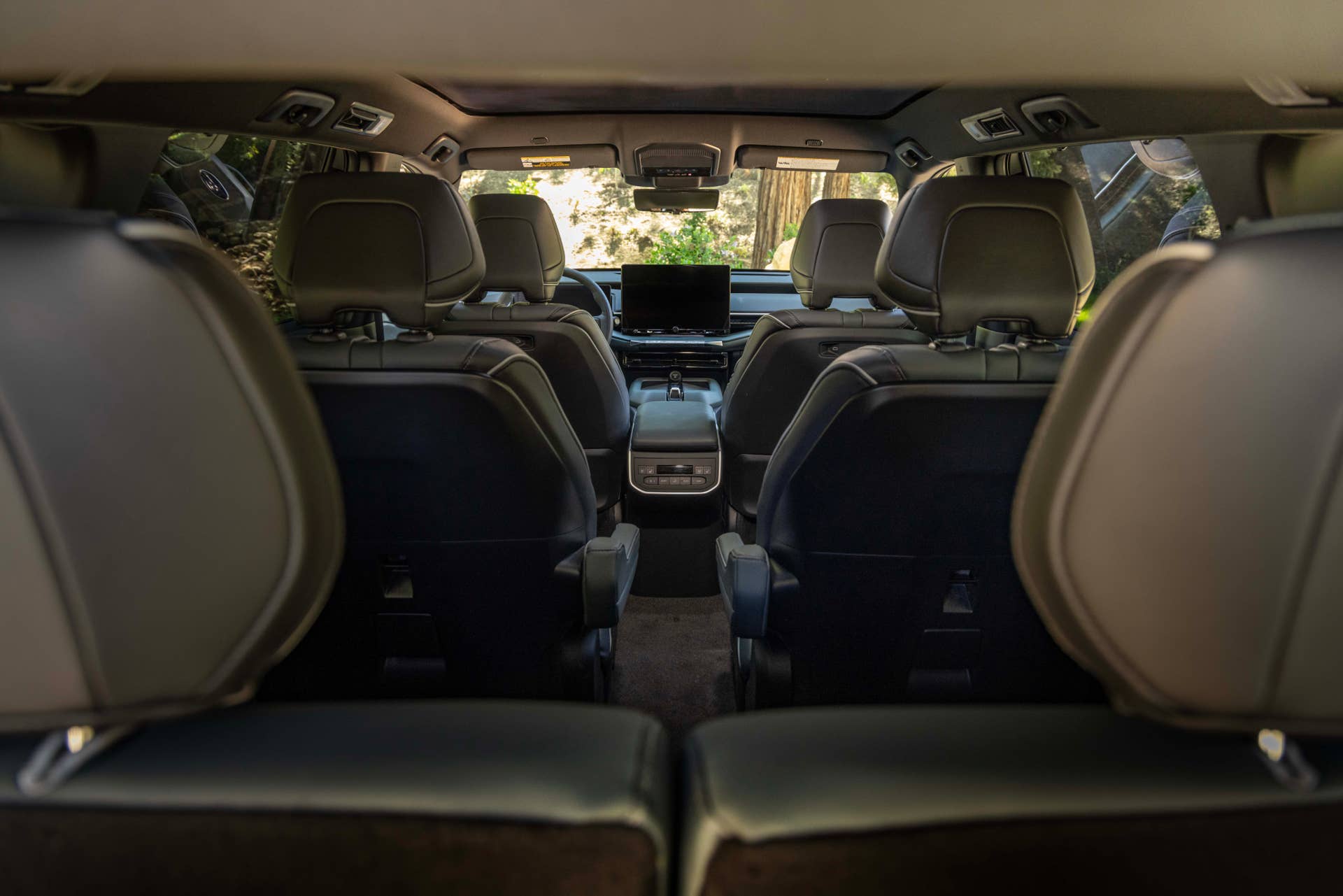
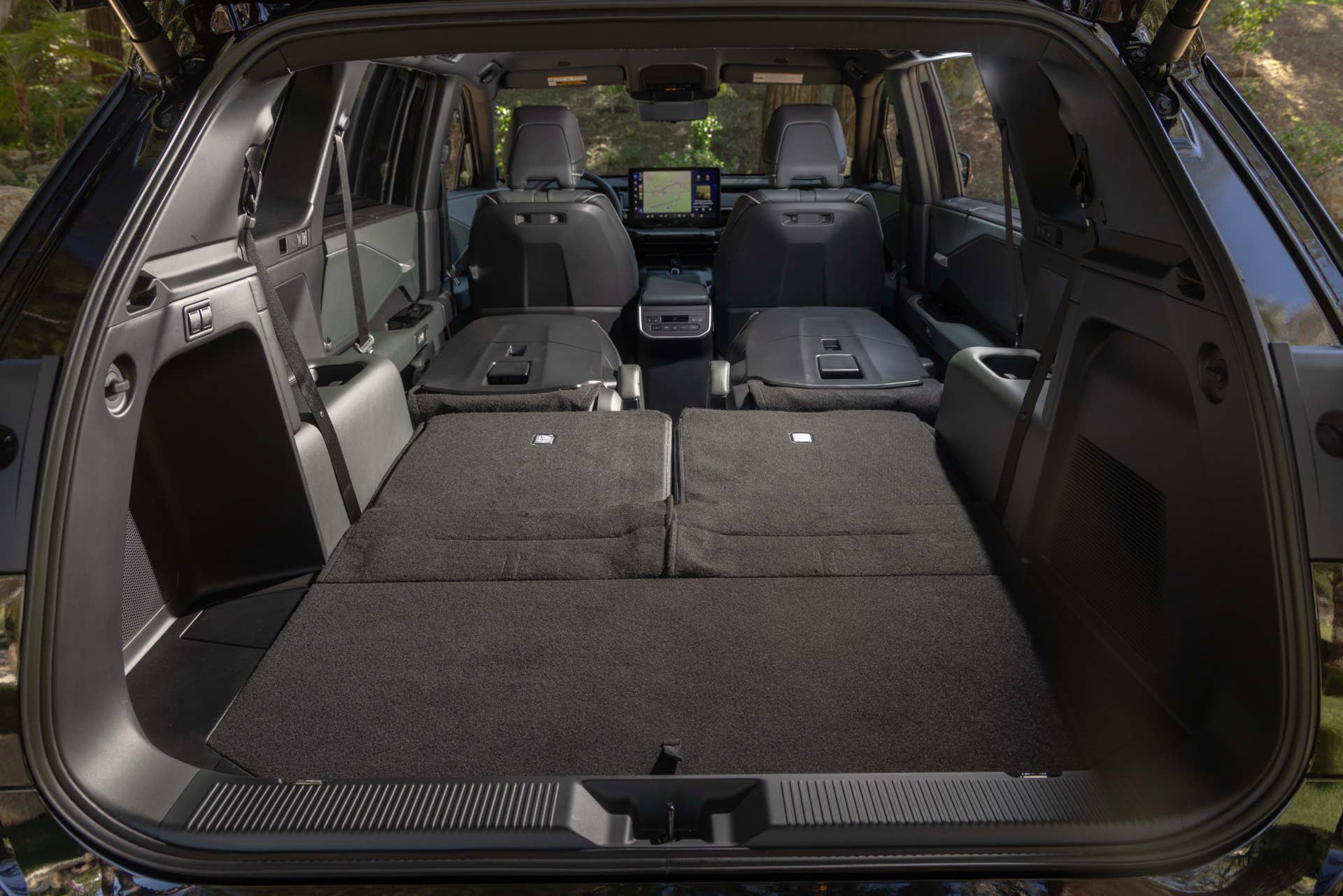
Cargo capacity measures a claimed 15.9 cubic feet behind the third row and 46 cubic feet with it folded. Total cargo space measures a huge 80.6 cubic feet, more than the 75.6 in the Ascent. The Getaway’s power-folding third row makes changing configurations easy, another advantage over the Ascent. Standard heated, power-adjustable front seats and three-zone climate control address everyday comfort, while Touring models upgrade to Nappa leather upholstery.
Where the Ascent Ascends
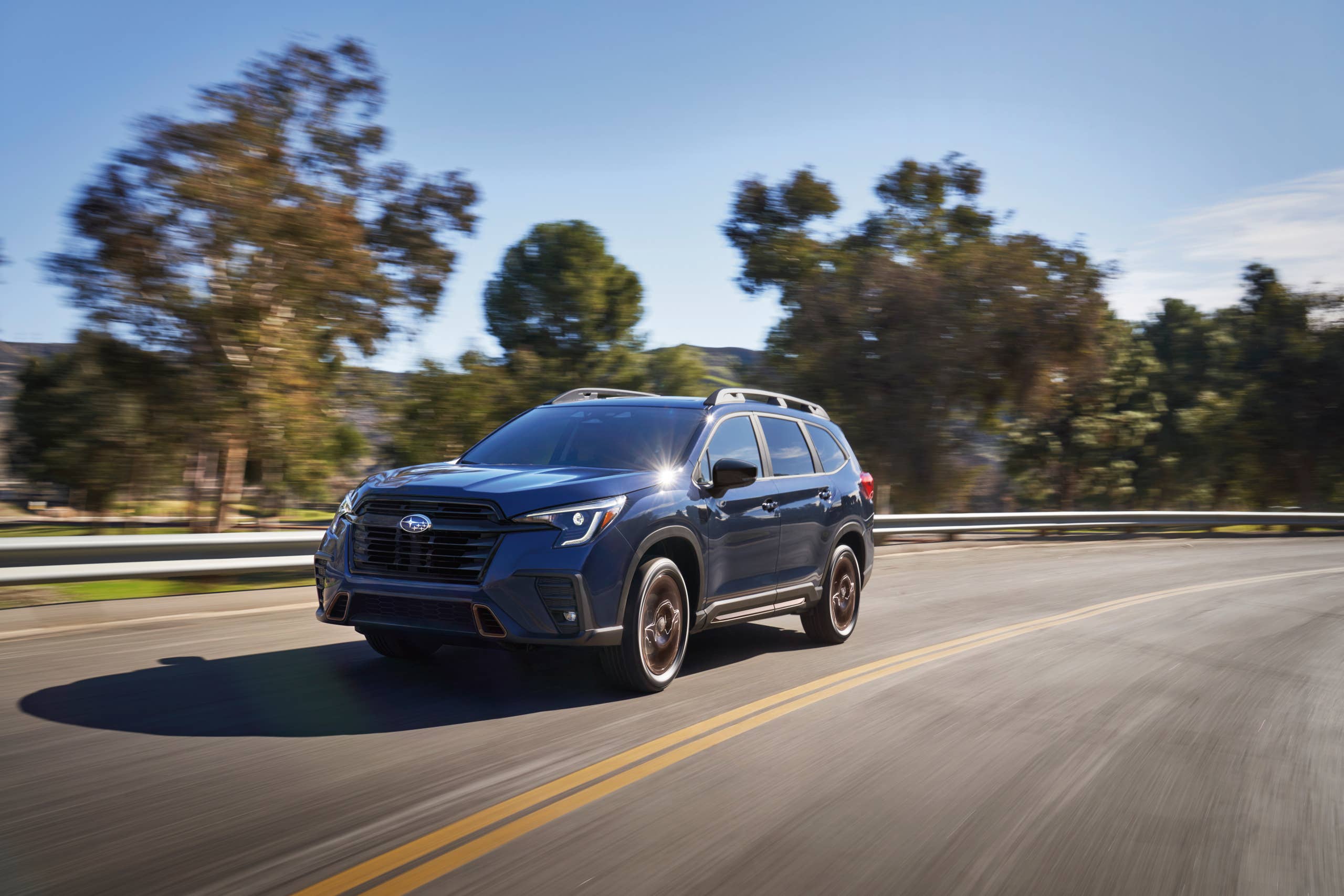
While most of the details favor the Getaway, it’s not a shutout. The Ascent still rules in a couple of areas. The Getaway’s maximum towing capacity is 3,500 pounds, versus the Ascent’s 5,000-pound rating. 1,500 pounds can make a difference between a small boat and a medium sized one. It also means pulling a trailer with more capacity. Buyers with heavier campers or boats could find the gasoline only Ascent more useful despite its less impressive power output.
For buyers to choose the Getaway over the Ascent, they’ll have to pony up more money to the tune of aroudn $60k, while the 2027 Ascent starts at $42,340 including destination. Pricing isn’t finalized, but you can bet the Getaway won’t deviate from that figure all that much. That’s a big nut to handle, so if you want the advantages of the Getaway, it’ll be a substantially larger financial commitment. Of course, if you price out the top trim Ascent Onyx Edition Touring, that delta is much smaller.
Final Thoughts
The Getaway looks like the model Subaru’s three-row lineup really needs: stronger performance, a long-range battery option, and a family-focused cabin. But it also trades away an available eighth seat, some towing capacity, and potentially a substantial amount of affordability. For a household with home charging and no heavy trailer, it could be the more appealing Subaru. For others, the Ascent may still work if the buyer is committed to the brand. The Getaway may be the electric three-row Subaru we deserve. That doesn’t automatically make it the one every Subaru family needs.

About the author
Amos Kwon
Contributing Writer, Autoblog