
Key Points
- The 2026 Mercedes-AMG E 53 Hybrid Wagon combines 577 horsepower, 41-mile electric range, and agile all-weather performance.
- Its complicated screens, buried climate controls, and imprecise touch controls frustrate daily driving.
- Limited rear legroom, absent heated rear seats, and awkward shifting undermine its family-car practicality.
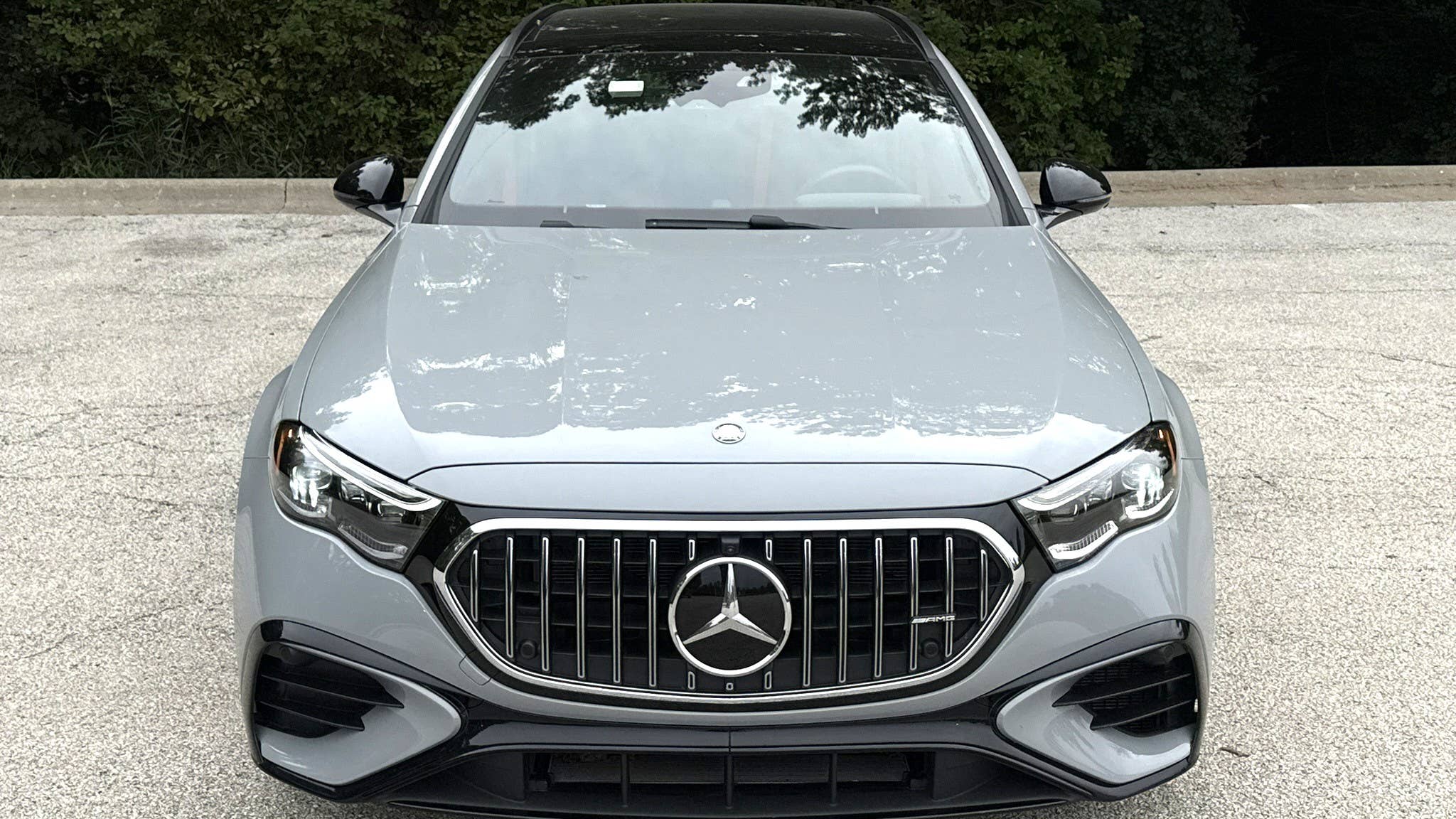
Close to being a superwagon, the 2026 Mercedes-AMG E 53 Hybrid Wagon is a member of the performance wagon triumvirate, along with the BMW M5 Touring and the Audi RS 6 Avant Performance. It might not be as powerful as the other two, but the E 53 Hybrid Wagon is no slouch when it comes to wowing bystanders, as well as the family riding in its high-tech and opulent cabin.
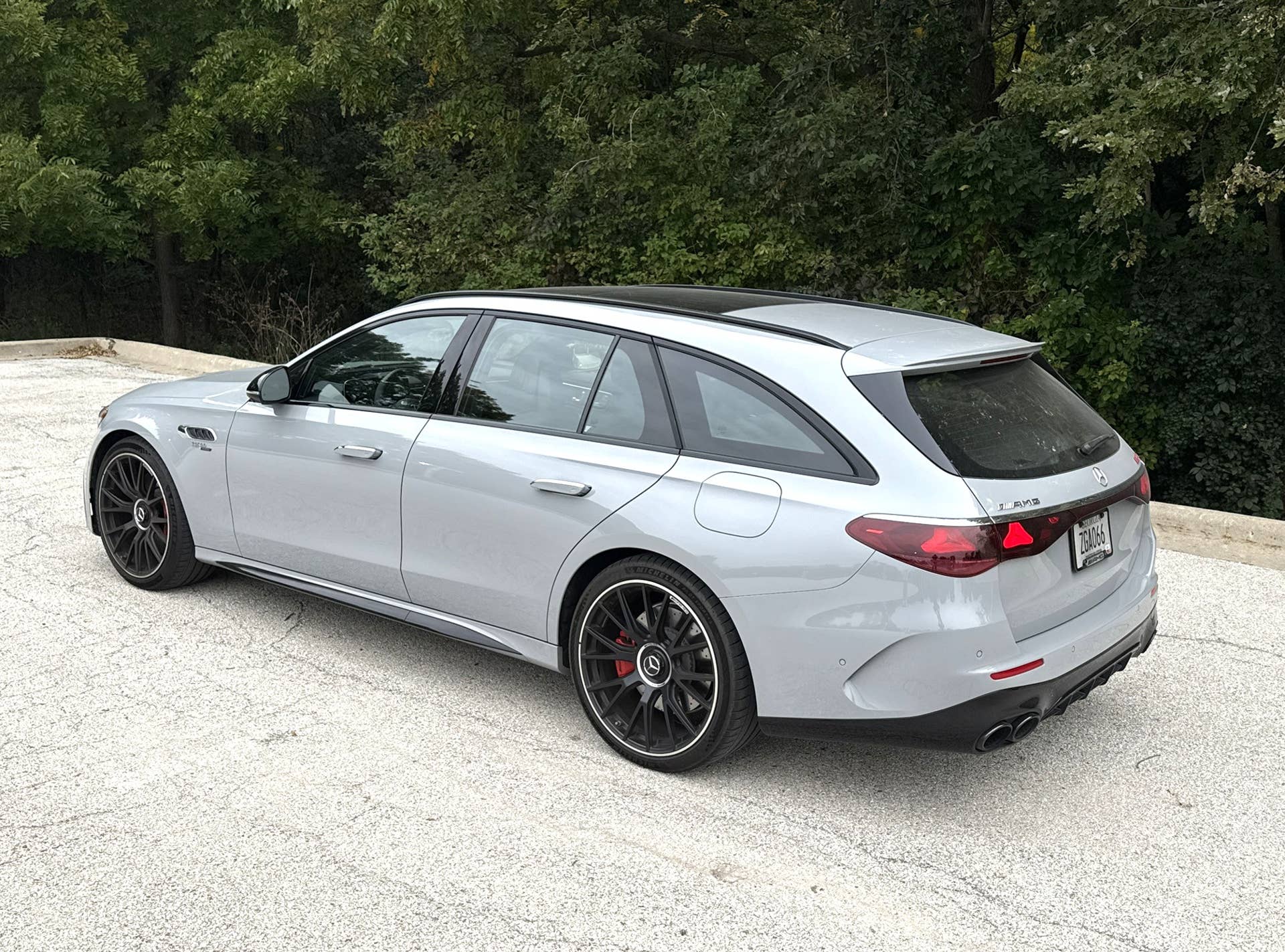
The combined 577 horsepower from the 3.0-liter inline six engine and electric motor means it’s quick enough to scare most sports cars, getting to 60 mph in just four seconds. The high performance PHEV also provides 41 miles of all-electric range. Combine the power with adaptive suspension, rear axle steering, and all-wheel drive, and you have a recipe for thrilling four-seasons driving. But the E 53 Hybrid Wagon also falls short in some key areas. Here’s everything I hated about it during my time behind the wheel.
The Screens are Overly Complex
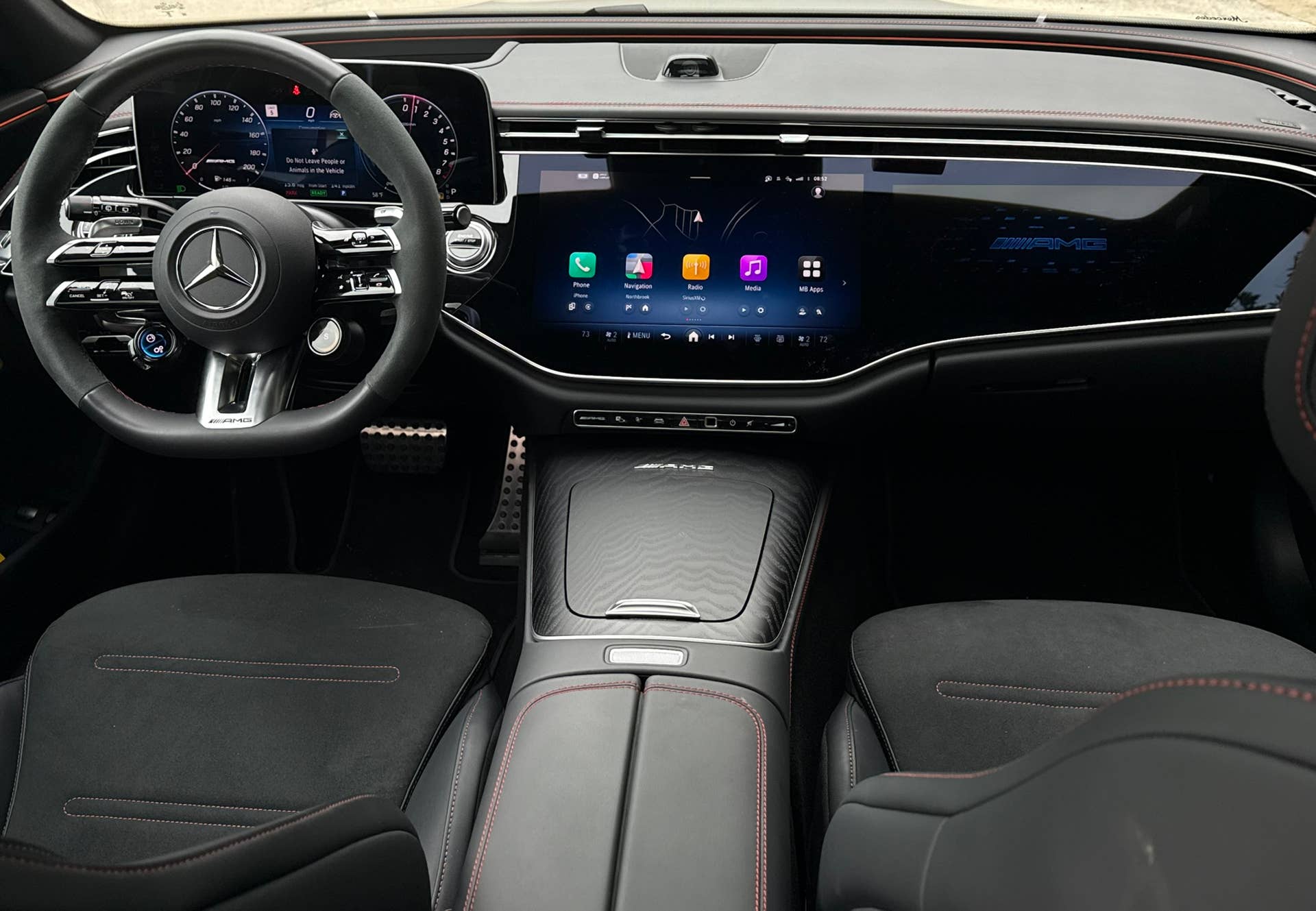
My tester came with the optional MBUX Superscreen that combines the standard screen setup (12.3-inch digital instrument cluster and a 14.4-inch central touchscreen multimedia display) with a 12.3-inch front passenger display. Even the instrument cluster can be upgraded to a 3D display, which is hard to capture in photos. It’s something that can only be appreciated by the driver and is wholly unnecessary but pretty slick looking.
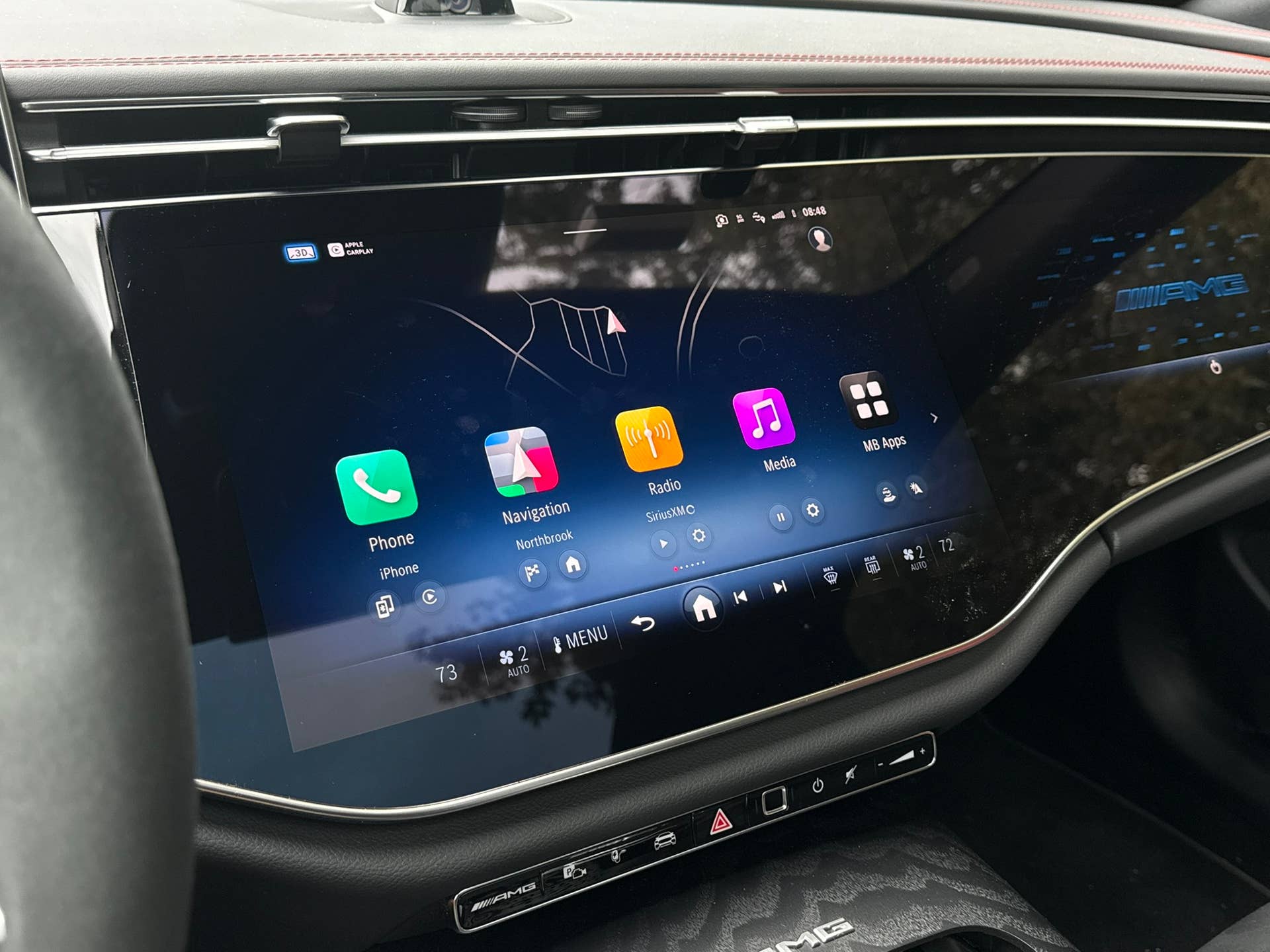
Despite the system’s premium look, it’s complex and not very intuitive. The MBUX Hyperscreen utterly dominates the dashboard and becomes a distraction. The menus are better than the previous iteration, but the climate controls are too complex and buried within the layers. You have to tap on the lower part of the screen to call up the temperature adjustments and other climate-related functions.
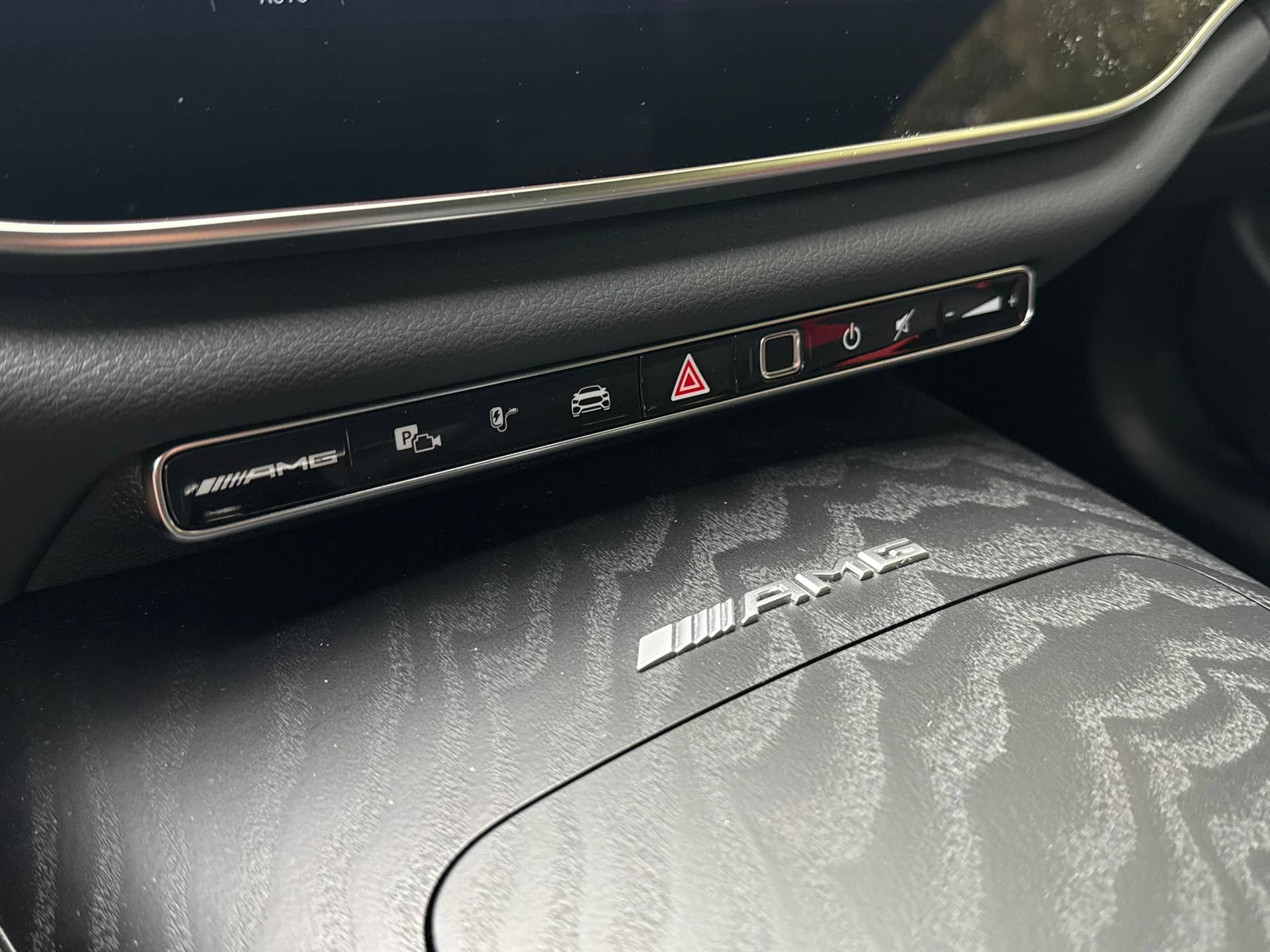
Virtually all audio functions must be performed on-screen. If you want to make off-screen adjustments, there’s no physical audio knob where you can rely on muscle memory. There’s a touch pad slider below the screen that doesn’t work especially well. It’s virtually impossible to get the level you want. It either jumps to an undesirable level or changes very little at all. The tiny haptic feedback slider on the steering wheel is almost as bad to use. Why Mercedes insists on doing things the hard way is beyond me.
Thinking about selling your car? Get an instant cash offer online now. Click here to get started.
Short on Legroom and Heated Seats in Back
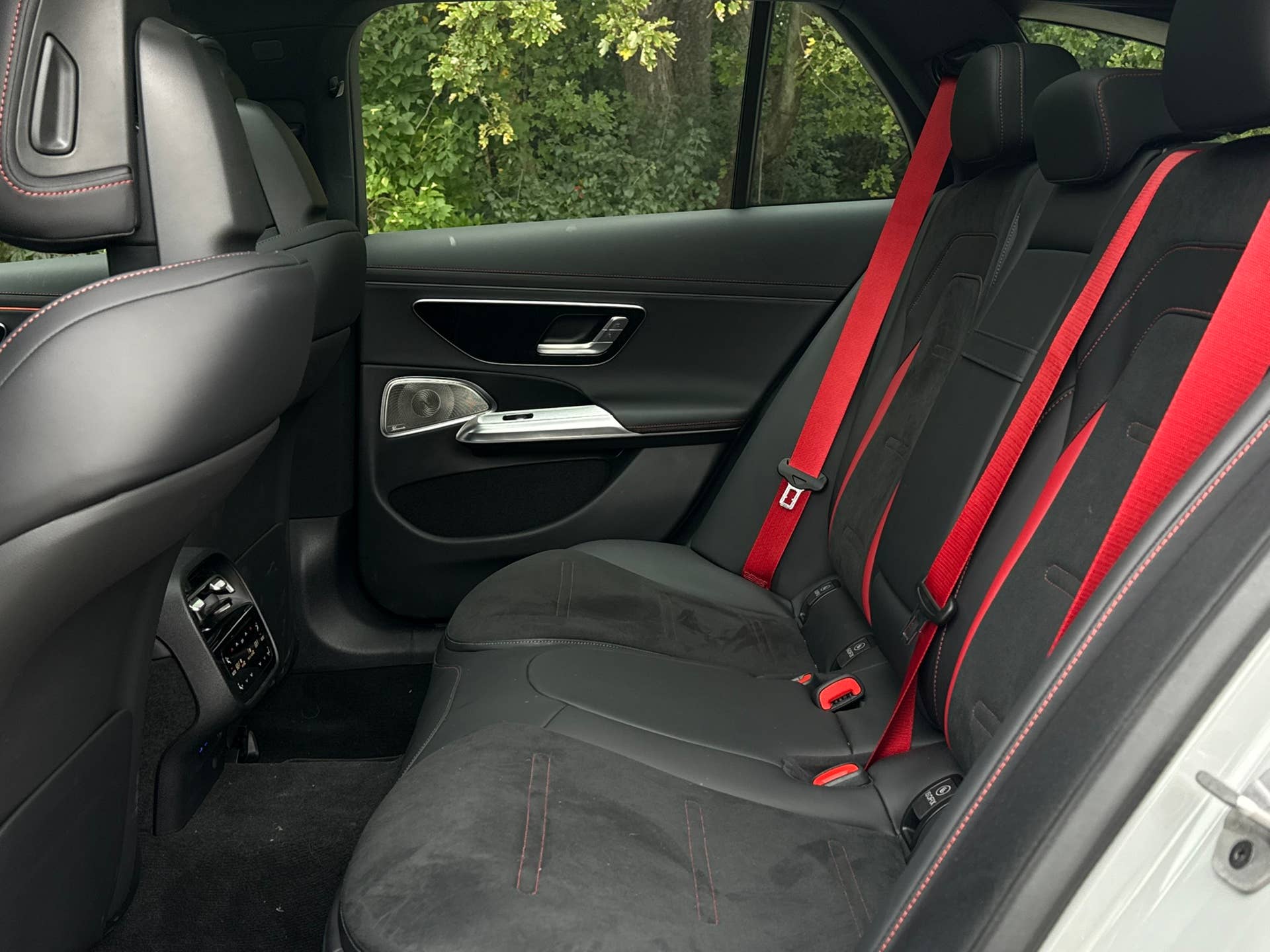
A family station wagon (even if it is high-performance) should have room for five. I don’t mean just barely accommodating, either. It should be able to provide good legroom and headroom, and the middle position shouldn’t make the occupant suffer. The outboard positions in the E 53 Hybrid Wagon are decent, but if you’re sitting behind a 6″+ front occupant, it gets tight. Although those positions have comfortable seats, there’s not much room to stretch out.
The E 53 Hybrid Wagon provides 36.2 inches of legroom and 37.6 inches of headroom. That’s on par with the M5 Touring, but the RS 6 Avant offers over an inch more of legroom and 2 inches of additional headroom. The middle position in the E 63 has a huge transmission tunnel and rear climate console that almost totally obliterate the legroom. Even my 9 year-old son was uncomfortable sitting there for just a few minutes. As much as I adore this wagon, it wouldn’t work for my family.
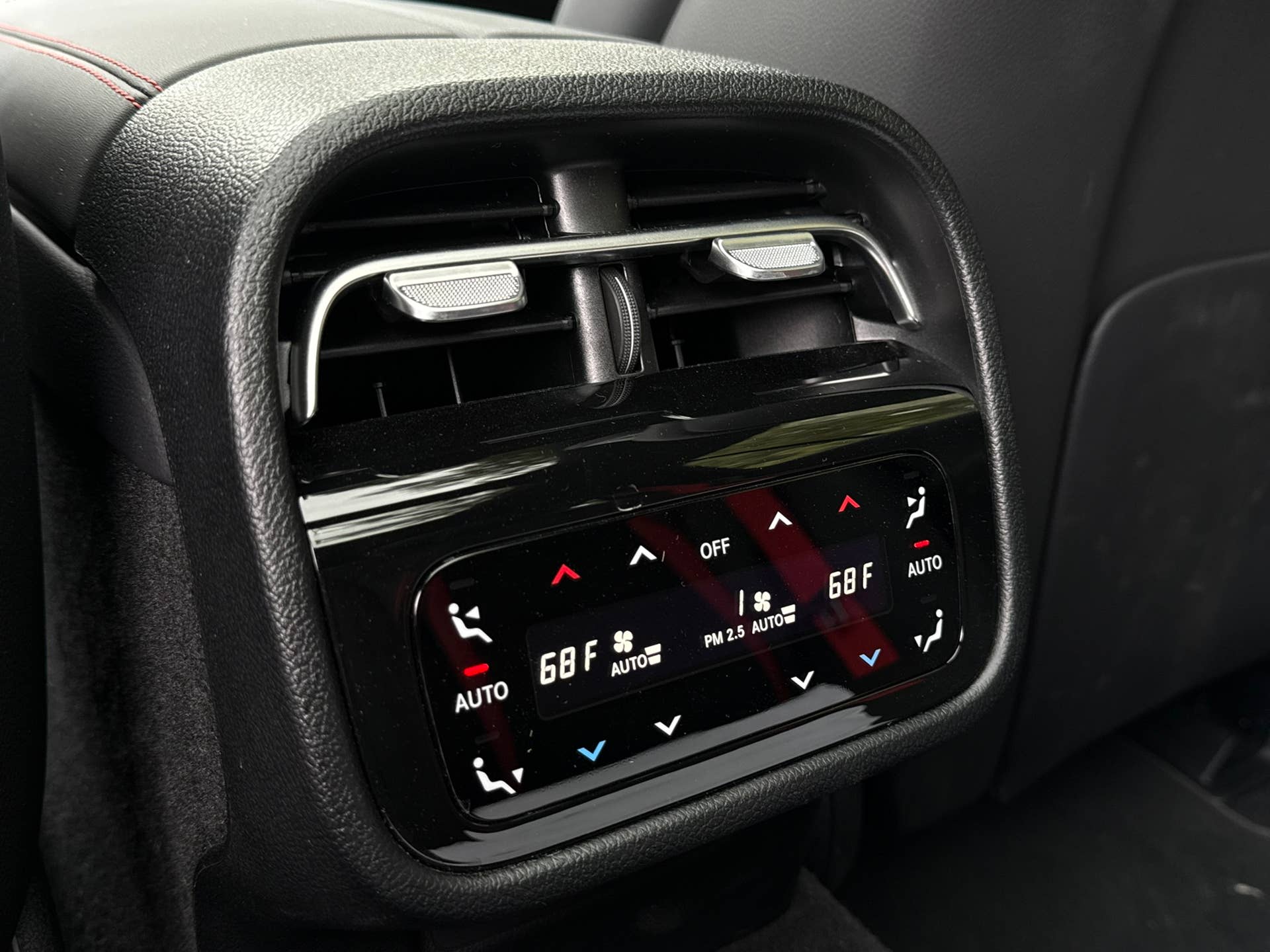
It appears that early model 2026 E 53 Hybrid Wagons don’t come with heated rear seats, which is disappointing for a car that costs almost $112k after options and destination ($93,350 base). Even the $39k Mazda CX-5 2.5 S Premium comes standard with both heated and ventilated rear seats. It’s not even in the price or segment ballpark as the E 53 Hybrid Wagon, and it’s rear occupants fare better. According to the wagon’s configurator, the 2027 model can be outfitted with heated rear seats for no extra charge, but you have to check the box to add it.
The Steering Wheel Controls and Shifter
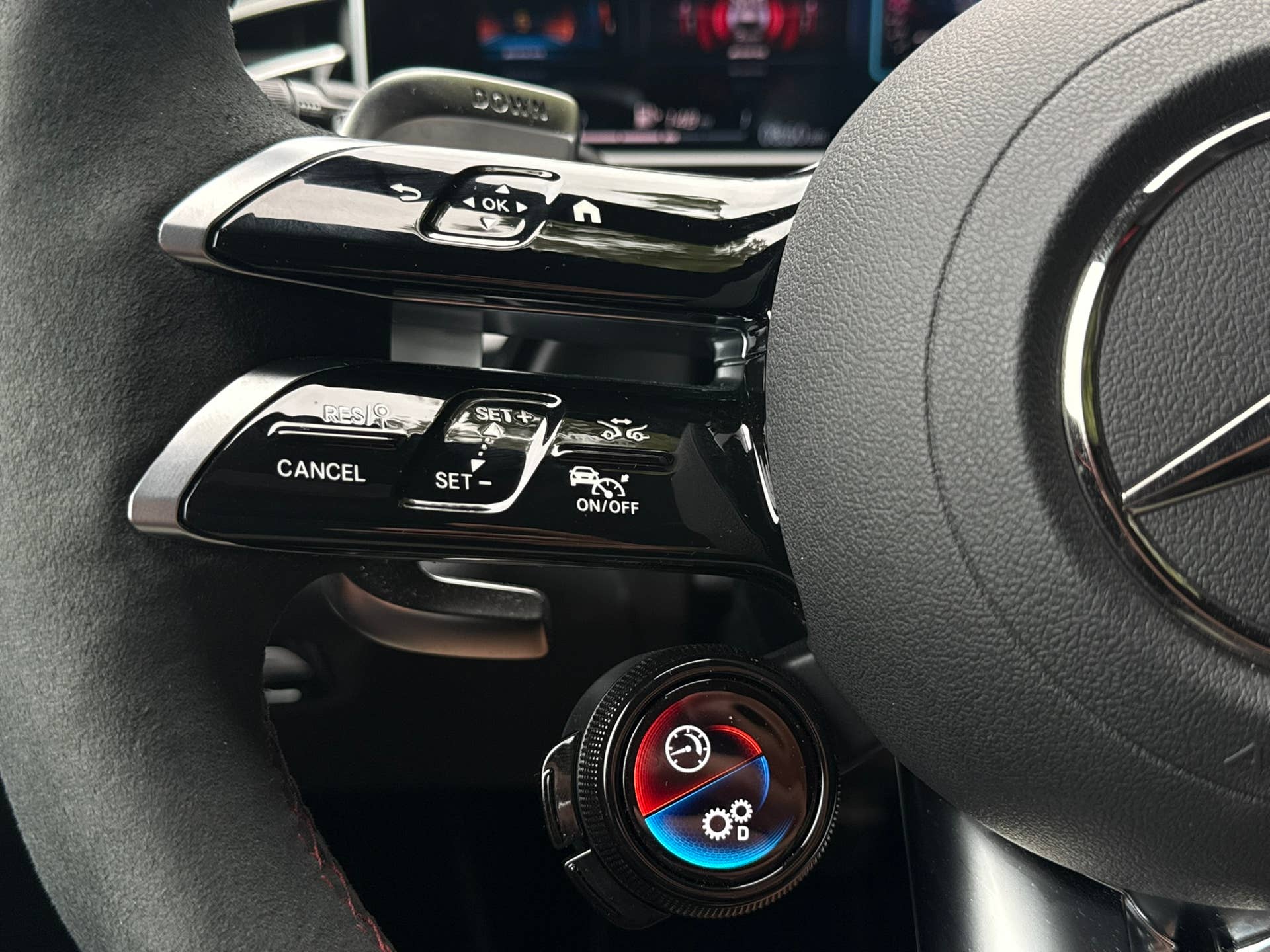
The E 53 Hybrid Wagon’s steering wheel has four horizontal spokes on it. The left side manages toperate the instrument cluster display, adaptive cruise control, driver assistance systems, and customizable performance settings. The right side manages the infotainment screen, phone calls, voice commands, and drive mode selections. That’s not the problem, though.
It’s the actual usage that presents the biggest frustrations. They are all capacitive touch-operated with haptic feedback responses. Adding fuel to the fire, you have to look at them to use them because you can’t depend on muscle memory like you can with physical controls. They’re also imprecise and fussy, making them difficult to use and distracting.
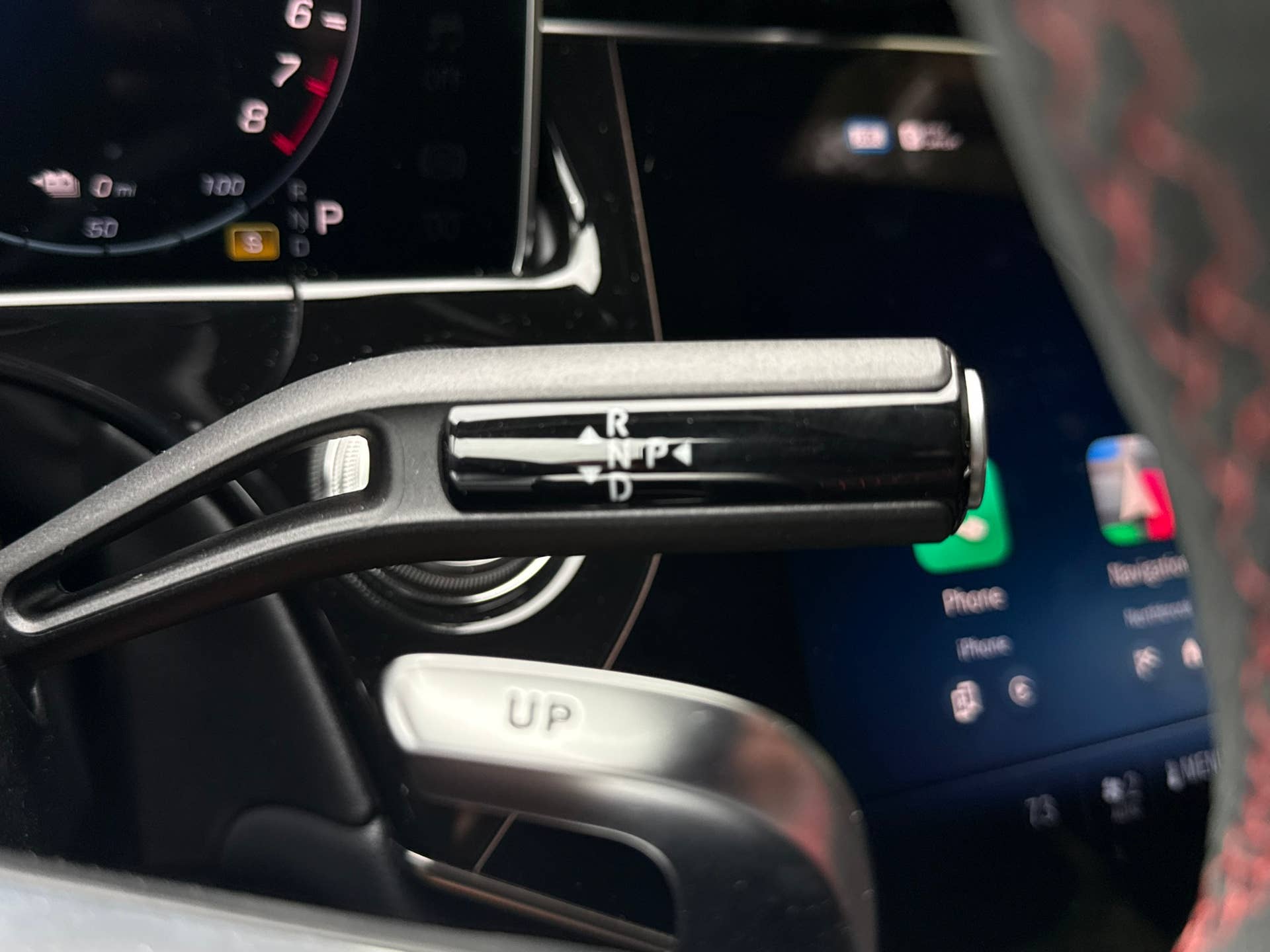
The shifter stalk on the steering column has long been one of my biggest gripes. Not only does it feel unnatural to shift this way (toggling up or down), the shifting is slow to respond. I often do three point turns in my neighborhood, and the system often shifted into neutral when I meant to select drive or reverse. You have to shift and briefly hold, otherwise the system may not register the selection. I’d much rather have a car that has a more traditional style electronic shifter on the center console.
Final Thoughts
No vehicle is perfect, but you expect a better experience with a car that costs over six figures. The E 53 Hybrid Wagon is still a gem of a station wagon, and I enjoyed driving it. The problem is that daily usage presents some very real frustrations that prevent it from being a truly capable family vehicle. Wagons, in general, drive better than SUVs, but they also need to provide the kind of space and daily usability that justify cross-shopping them. These three issues won’t drive everyone nuts, but they warrant serious consideration in a segment that’s asking for some serious coin in return.
About the author
Amos Kwon
Contributing Writer, Autoblog