
If you’re in the market for a new car, reliability matters. With the average new-car price topping $48,000, the last thing you want is a vehicle that spends more time in the shop than on the road.
Picking a brand with a strong track record is a good starting point, but even within high-ranking automakers, reliability can vary widely by model. Thankfully, Consumer Reports’s annual reliability survey provides data to show how reliable brands are in the real world. See which brands gained, and lost, ranking on this year’s list.
Subaru takes the lead for reliability
Subaru has climbed to the top of Consumer Reports’s annual reliability rankings, unseating longtime leaders Lexus and Toyota. Seven Subaru models were included in this year’s survey, with the Forester and Impreza earning the highest marks for reliability. The Crosstrek, Legacy, Outback, and Ascent also scored above average.
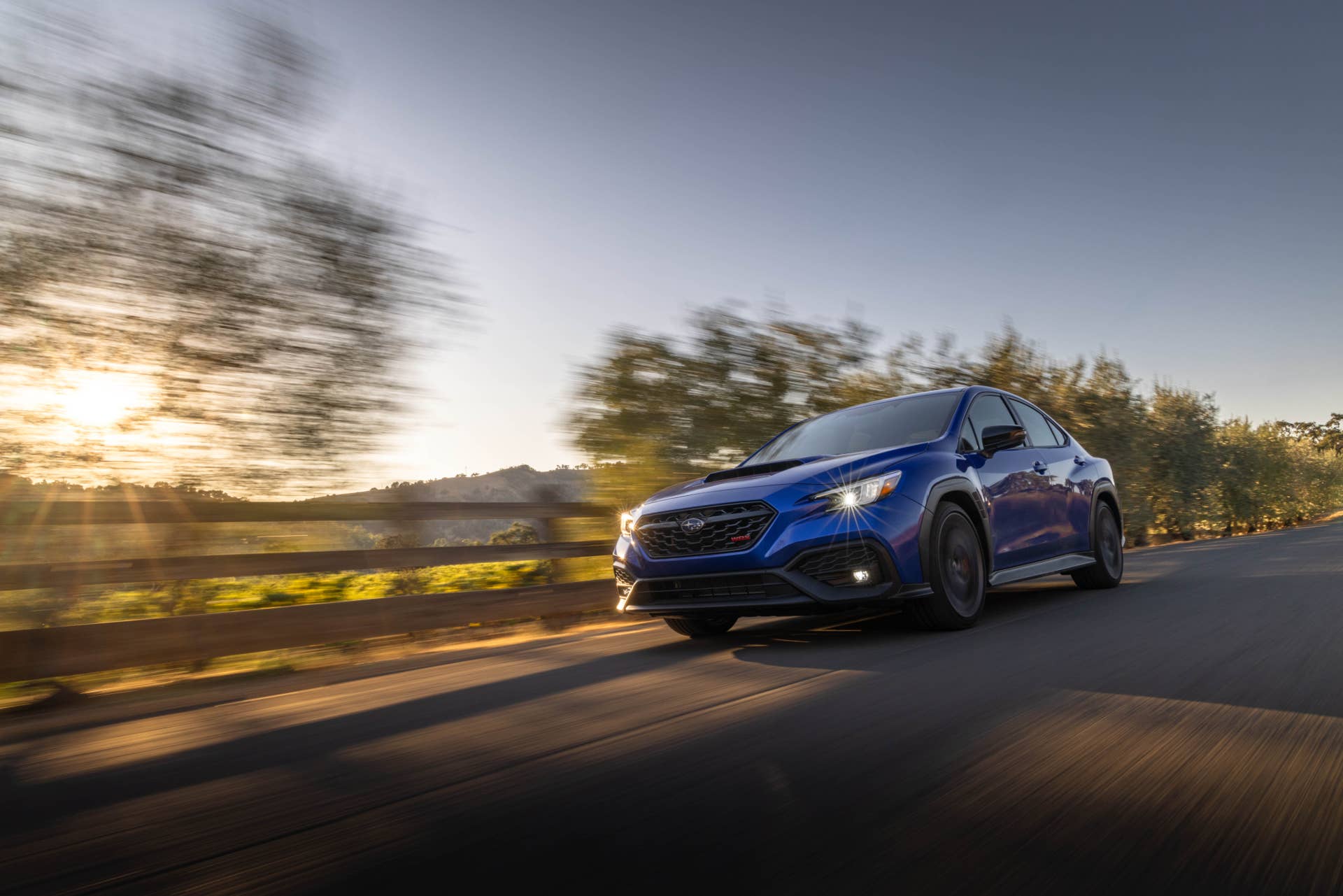
Subaru’s consistency stems from a shared platform and components across its lineup. According to Steven Elek, a data analyst at Consumer Reports, “This commonality means that when Subaru redesigns a vehicle, it can make fewer incremental changes by carrying over dependable systems. This reduces the risk of new problems.” However, not every Subaru hits the mark as its Solterra EV, co-developed with Toyota, scored below average, mirroring Toyota’s bZ4X EV.
Despite slipping from the top spot, Lexus and Toyota remain formidable in the rankings. Lexus placed second, with four of its models earning above-average ratings. Toyota followed in third place, with 16 models in the survey, four of which ranked well above average.
Honda, Acura, and other contenders lagged behind
Honda and its luxury arm Acura round out the top five, showcasing the continued dominance of Asian automakers in reliability rankings. Honda’s CR-V and Accord stood out for their reliability, while Acura’s two surveyed models delivered solid performances.
Further down the rankings, Mazda, Audi, and BMW performed well enough to make the top 10, but brands like GMC, Cadillac, and Rivian languish at the bottom. For Rivian, the electric vehicle startup, reliability issues with its R1T truck and R1S SUV have plagued its reputation.
How Consumer Report scores their reliability rankings
Consumer Reports bases its rankings on survey data from over 300,000 vehicles, spanning model years 2000 to 2024. The survey evaluates 20 potential trouble areas, from minor annoyances like squeaky brakes to major issues like transmission or EV battery failures. Each vehicle receives a predicted reliability score on a 1-100 scale, which is then averaged across a brand’s lineup to determine its overall ranking.
Electrified vehicles—hybrids, plug-in hybrids (PHEVs), and electric vehicles (EVs)—are increasingly represented in the survey. While hybrids have proven to be as reliable as traditional internal combustion engine (ICE) vehicles, PHEVs and EVs tend to have higher problem rates.
Hybrids outperform other electrified models
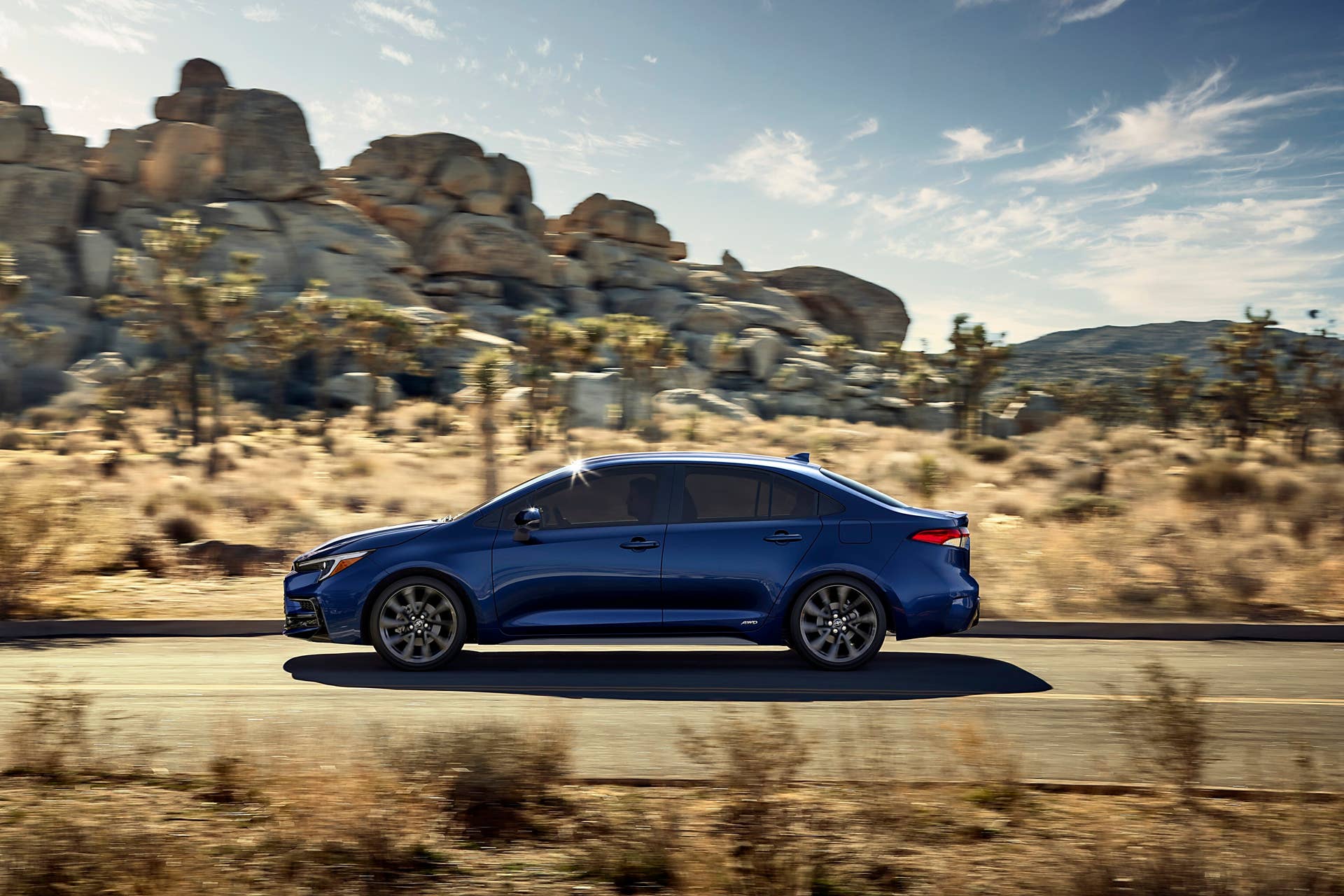
Hybrid vehicles continue to excel in reliability, bolstered by years of refinement and fewer moving parts than PHEVs. Models like the Toyota Corolla Hybrid, Lexus NX Hybrid, and Hyundai Elantra Hybrid led their respective categories. Even among three-row SUVs, the Kia Sorento Hybrid emerged as a standout performer.
PHEVs, on the other hand, are more prone to reliability issues due to their dual powertrains. The Mazda CX-90 PHEV, for instance, scored poorly compared to its gas-only counterpart.
EVs have improved but still lag behind traditional vehicles in reliability. Models like the Ford F-150 Lightning and Rivian R1T continue to grapple with issues ranging from charging systems to in-car electronics. These challenges underline the risks of being an early adopter of new technology.
American brands struggle to keep up
Asian brands dominate the top of the rankings, with eight of the 10 most reliable brands hailing from Japan or South Korea. European brands follow, led by Audi and BMW, while U.S. automakers trail behind. Among domestic brands, Buick ranks highest at 11th place, but GMC and Cadillac drag the group down.
Reliability also varies by vehicle type. Cars, including sedans, hatchbacks, and wagons, remain the most reliable category, with an average score of 60 out of 100. Minivans follow closely, while SUVs and trucks lag behind.
Final thoughts
Choosing a reliable car brand is a smart first step in your car-buying journey, but it’s crucial to research individual models as well. Even top brands have occasional misses, and newer technologies like EVs and PHEVs often come with growing pains.
For buyers looking to minimize headaches, hybrids remain a safe bet, offering reliability on par with traditional gas-powered vehicles without losing out on the gas savings of mixed-drivetrain vehicles. If you’re drawn to the allure of an all-new model, consider waiting a year or two for automakers to iron out early production issues.
Ultimately, the key to long-term satisfaction is finding a vehicle that balances reliability, features, and performance. It’s also worth noting that Consumer Reports uses an index of reliability, which can include some more minor issues that you may not care much about. For that reason, it’s always worth not only researching how reliable a car you’re considering is but going the step further to learn exactly what common issues it has.
About the author

Elijah Nicholson-Messmer
Contributing Writer, Autoblog