
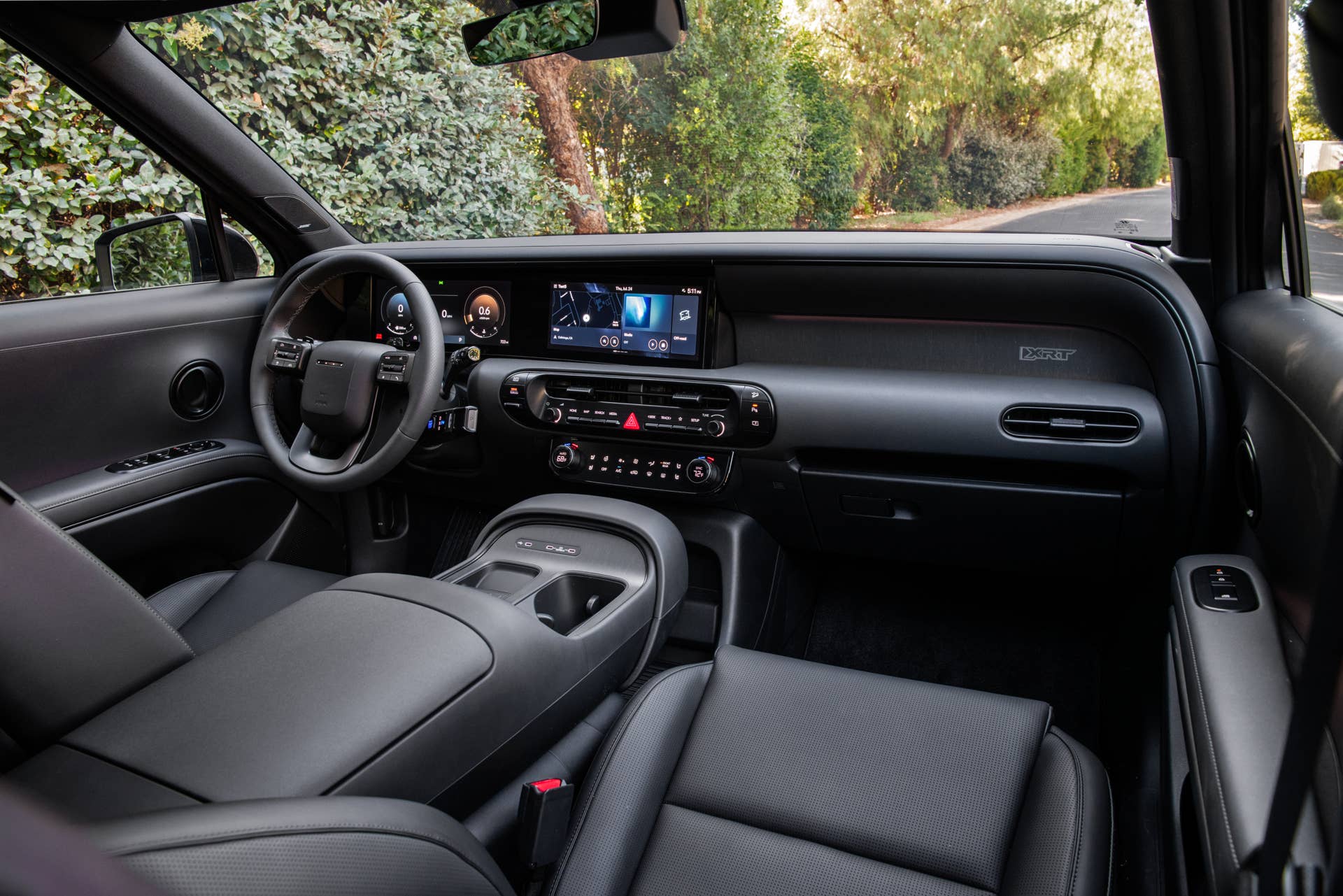
These features are way better than cooled armrest compartments
These days, even affordable automobiles have more high-tech features packed into them than premium automobiles did ten years ago. Cars have evolved far beyond their basic role as transportation, and finding great standard features without paying through the nose isn’t so hard. Modern vehicles have become extensions of our tech-infused lives in more ways than we could’ve imagined. They’re safer, smarter, and more comfortable than ever.
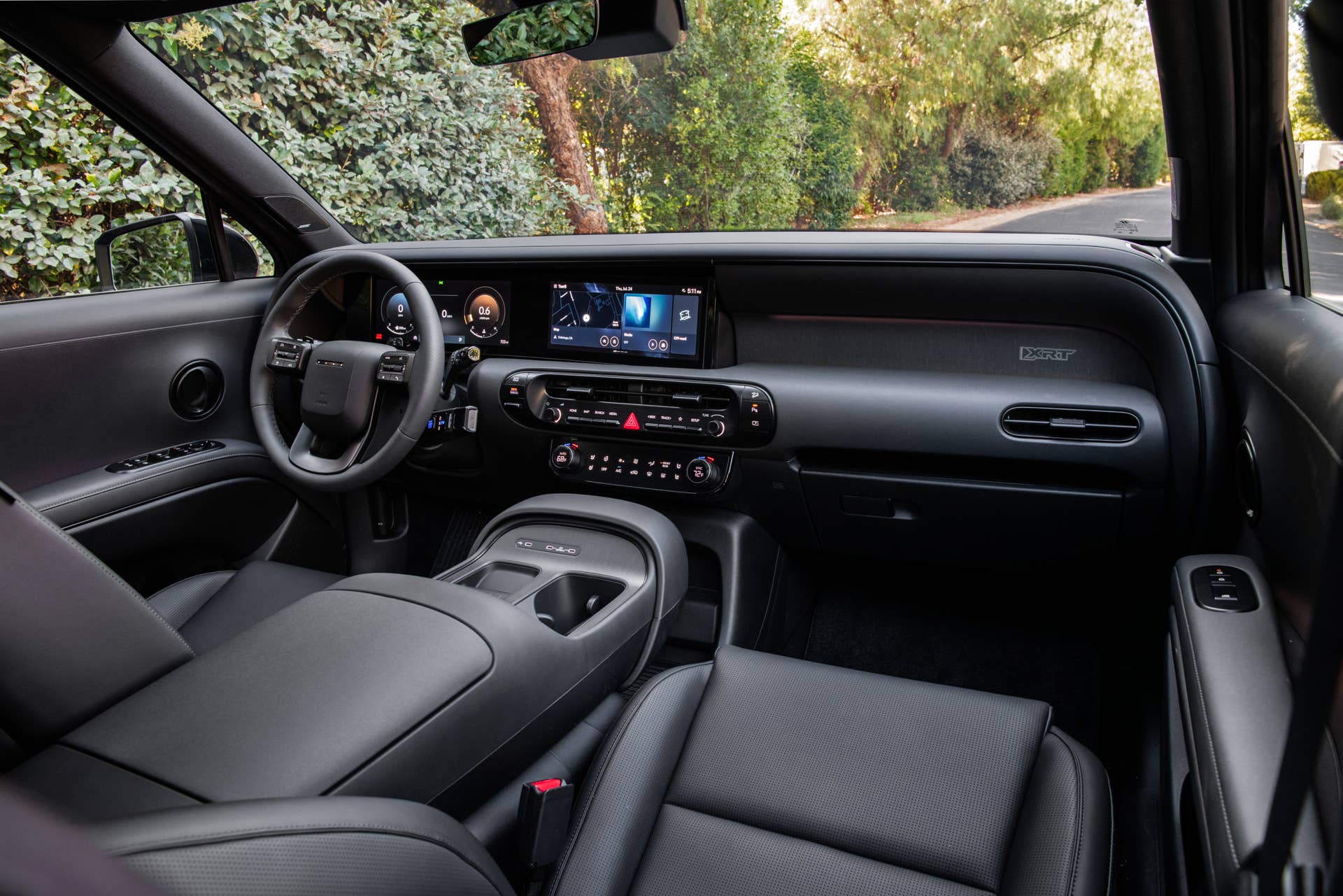
Hyundai
In terms of cabin comfort, it used to be the case that leather seats were the coveted feature, but modern cars have gone way beyond that. Amenities run high even when the price of a car might not be, and that’s great news for the consumer. You’ll often see affordable cars that have premium standard features that more expensive cars charge for. While we often focus on horsepower, styling, fuel efficiency, or expansive infotainment screens, it’s the features we use daily that end up making the biggest difference in how we occupy our time in our cars. Below are six car features that transform daily driving from ordinary to effortless.
Adaptive cruise control
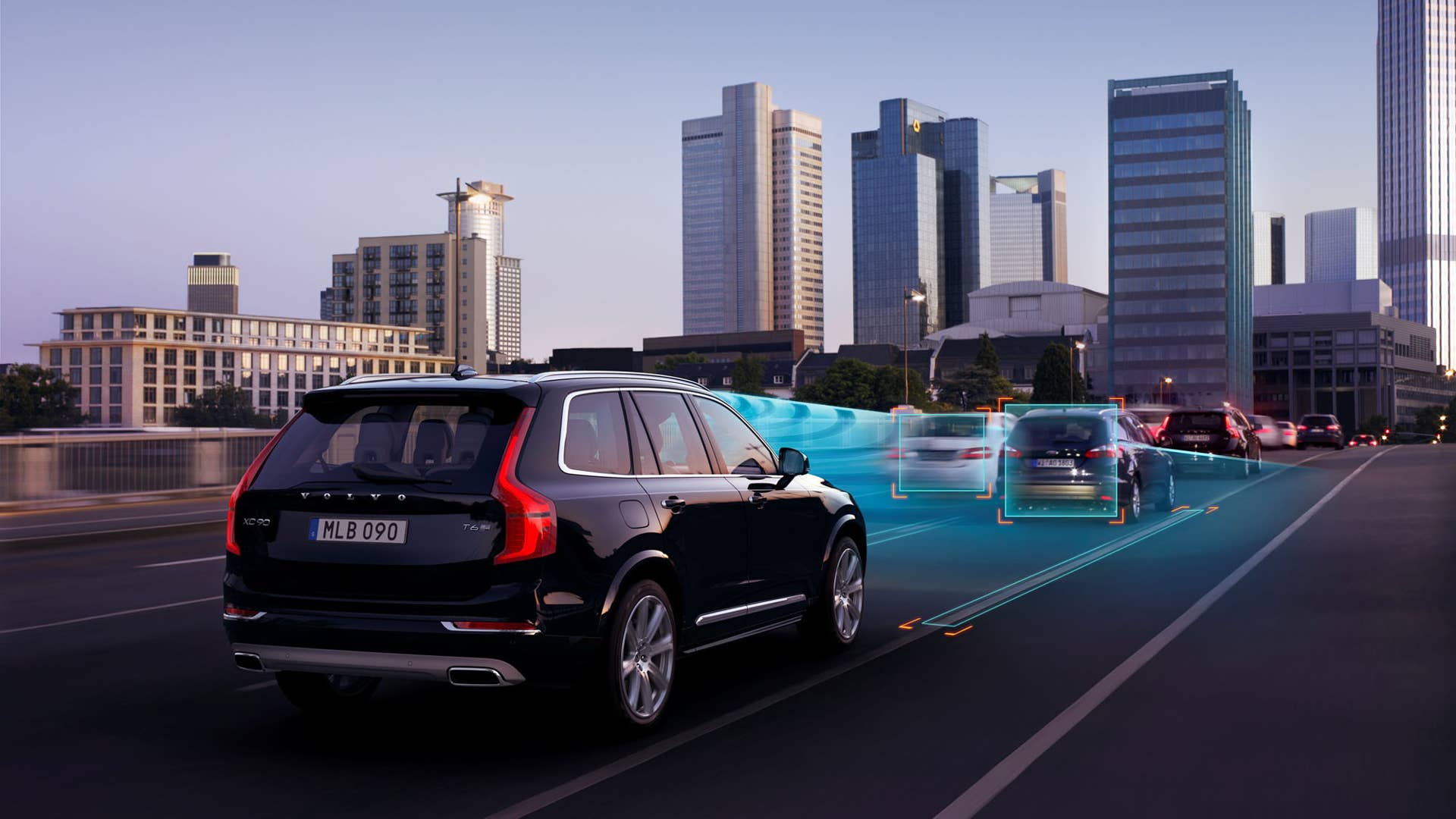
Regular cruise control feels prehistoric compared to adaptive systems. Adaptive Cruise Control (ACC) doesn’t just maintain a set speed, but it also automatically adjusts that speed based on the flow of traffic. Using radar and camera sensors, the car monitors the vehicle ahead and slows down or speeds up accordingly.
For long commutes or highway trips, this feature can feel like a breath of fresh air. It reduces fatigue, keeps you safely distanced, and works seamlessly in stop-and-go traffic. Many systems, like those from Honda, Toyota, and Ford, even bring the car to a complete stop and resume movement automatically. You no longer need to constantly toggle cruise control when someone drifts into your lane or traffic slows. Standard systems without the adaptive feature tend to require more involvement than they’re worth. ACC is one of the best examples of tech that genuinely improves real-world driving comfort and safety.
360-degree surround view camera
Ram
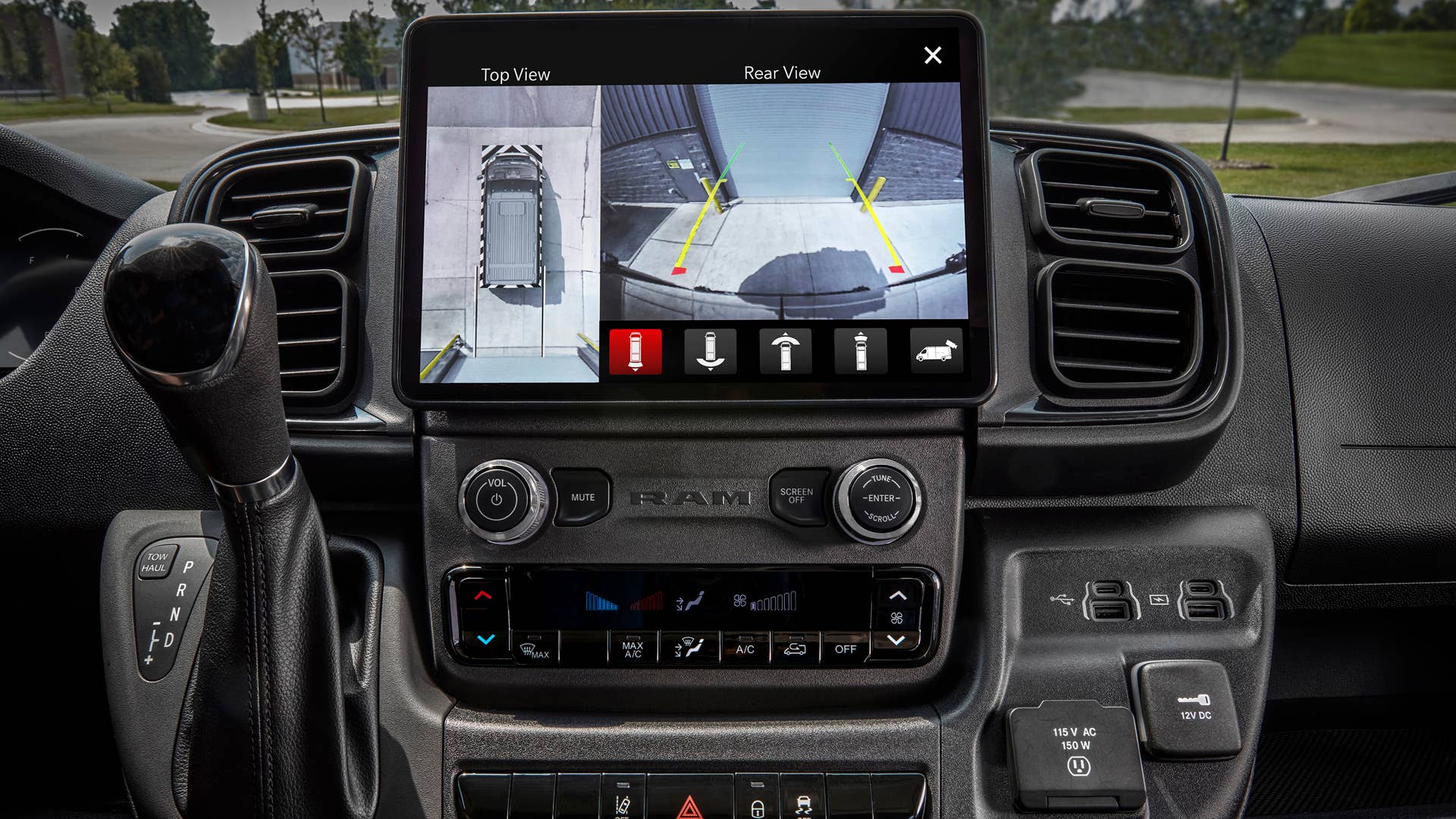
Surround view cameras aren’t the newest tech around, but they are some of the most convenient and useful. Parallel parking in a crowded city or squeezing into a tight garage used to be a major stressor, especially for owners of big SUVs and trucks. Not anymore. Some systems, like the ones found in certain Lexus models, will actually show a transparent view along with the angle of your wheels.
Surround-view camera systems give you a composite overhead image of your car and its surroundings. Using multiple wide-angle cameras placed around the vehicle, the system stitches together a real-time image that eliminates blind spots during parking. You can see how close you are to the curb, where your bumper is in relation to another car, or whether that post is closer than it looks. It’s almost surreal how good they are. Once you get used to seeing your car from every angle, switching back to a traditional rearview camera feels like stepping into the Stone Age.
Heated and ventilated seats
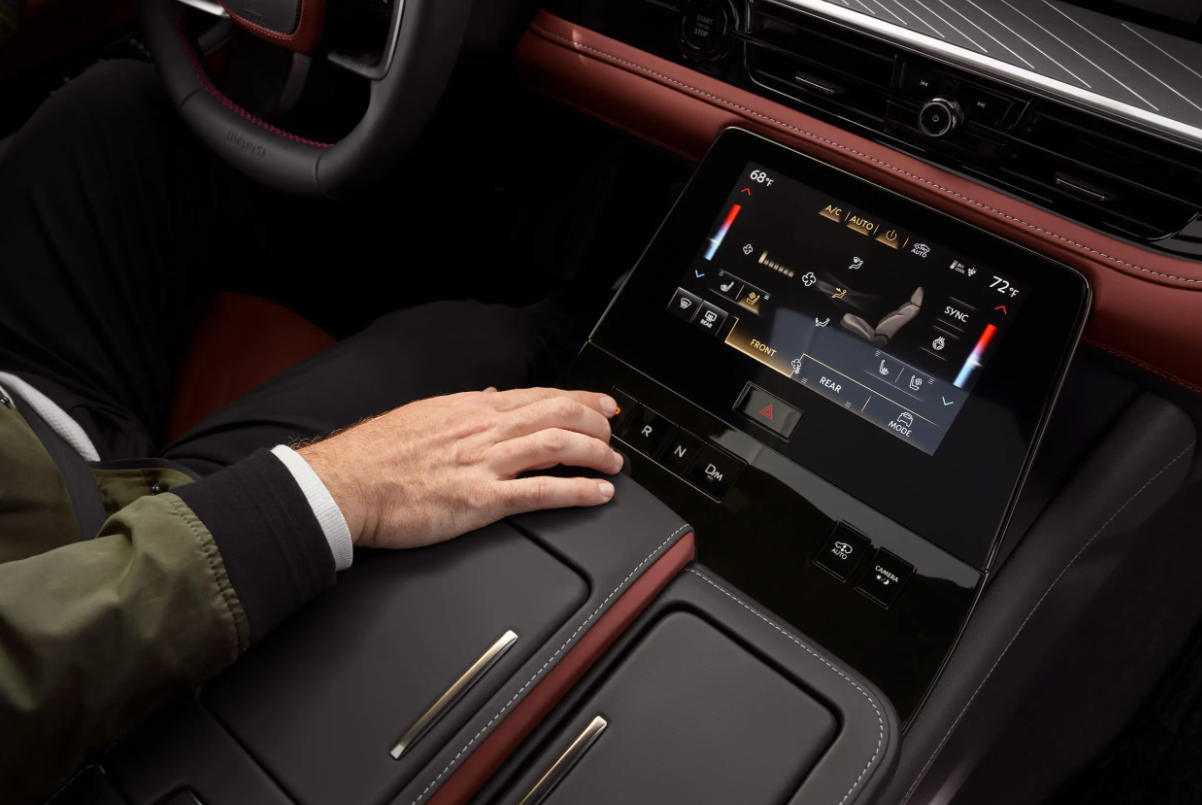
This one’s a no-brainer, and systems that both heat and cool your backside are better than ever. It’s hard to appreciate how much luxury heated and ventilated seats add until you’ve used them through a full year of driving, especially in extreme climates. Heated seats warm up faster than the cabin heater, providing immediate relief on cold mornings. Ventilated (or cooled) seats, meanwhile, push air through perforations in the seatback and bottom to keep you from sticking to the leather on humid summer days. Some systems, such as those in certain Mercedes models, first draw moisture from your body and then activate the cooling fans.
What used to be an exclusive luxury feature now appears in vehicles as affordable as the Hyundai Tucson and Mazda CX-5. The combination of warmth in winter and cooling in summer enhances comfort in a way that’s both simple and deeply satisfying. You’ll find yourself wondering how you ever tolerated sweaty backs or stone-cold upholstery before.
Wireless Apple CarPlay and Android Auto
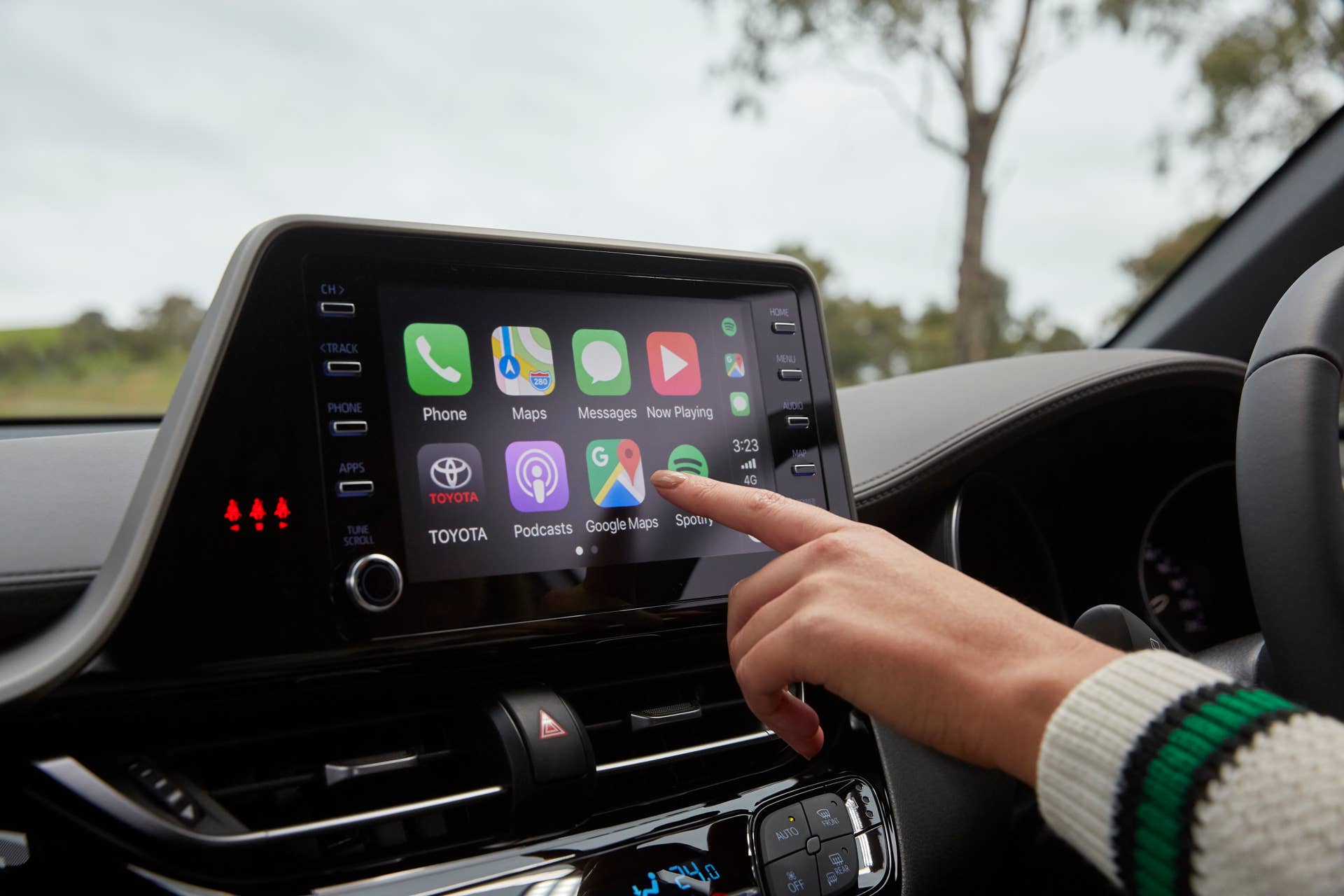
Infotainment systems have improved dramatically, but most drivers still prefer the simplicity and familiarity of their phones. When they can mimic what you use thousands of times a day (yes, thousands), even better. That’s where wireless Apple CarPlay and Android Auto come in. They mirror your smartphone interface directly onto the car’s display, letting you use navigation, music, messaging, and voice assistants without touching your phone or plugging it in.
The wireless functionality is what makes this feature indispensable. No cables, no fumbling, no clutter. Just hop in, and your phone connects automatically. Your playlist resumes, navigation picks up where it left off, and you can respond to texts using voice commands. In a world where so much revolves around our devices, wireless smartphone integration bridges convenience and safety beautifully. Some automakers like GM are doing away with them, which might not go well with customers. We want what we want.
Keyless entry and push-button start

It may seem small, but keyless entry paired with push-button start is one of those conveniences you’ll miss immediately if it’s gone. Remember when you had to use a key in the door and the ignition (yes, those still exist)? As long as the key fob is in your pocket or bag, you can unlock the car just by touching the door handle and start the engine with a single button press. It saves time, reduces hassle, and doesn’t require you to actually hold the key fob in your hand.
As far as how it works, these systems use encrypted short-range signals between your key fob and vehicle to authenticate access. Many new vehicles now take this a step further with proximity locking, meaning the car locks itself automatically as you walk away. We can’t count the number of times we’ve left vehicles unlocked because we forgot. Once you’ve experienced this kind of frictionless access, fumbling for a traditional key feels like an unnecessary hassle from another era.
Adaptive headlights
Getty Images
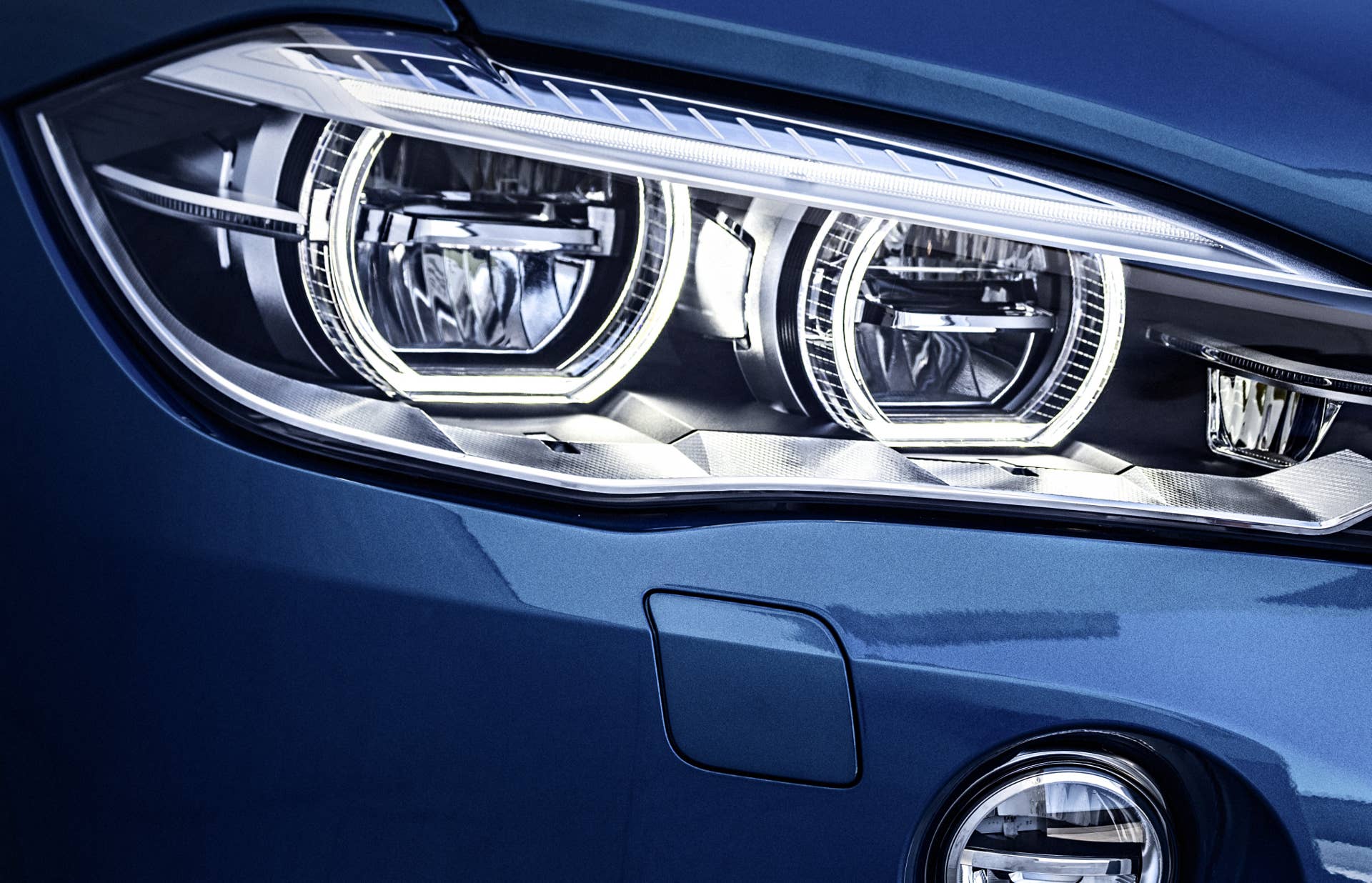
Driving at night used to mean choosing between seeing the road ahead and not blinding oncoming drivers. Adaptive headlights have solved that problem, in addition to providing superb illumination in changing conditions. They pivot in response to steering input and vehicle speed, illuminating the path through curves and corners before you even enter them. Adaptive lighting systems aren’t ubiquitous and tend to be available on higher-end vehicles due to their cost and complexity.
The latest versions use matrix LED or laser technology to actively shade sections of light and avoid blinding other drivers while still maintaining full brightness in other areas. Systems from brands like BMW, Audi, and Mazda can automatically adjust beam height and intensity based on speed, traffic, and even elevation changes. Dramatically improved visibility, safety, and confidence at night is never a downside.
Final thoughts
Technology in modern cars has come a long way. Not all of these features are useful, of course, but there are certainly ones that are worth the money. They remove small stressors that accumulate over time, creating a calmer, more intuitive experience behind the wheel. You might buy a car for its looks, engine, or badge, but you’ll fall in love with it for these daily-useful details. After just a few days of enjoying adaptive cruise control, cooled seats, or wireless CarPlay/Android Auto, you’ll wonder how you lived without them.
About the author
Amos Kwon
Contributing Writer, Autoblog