
What Does P0300 Mean?
The P0300 code is a misfire code, and the last two digits of the code are supposed to indicate which cylinder is misfiring, so P0301 would mean it’s cylinder one, P0308 would be for cylinder eight, and P0312 would be for cylinder 12 in a V12 engine, or any engine with more cylinders than that. But what does the P0300 engine code mean, and what kind of misfire are we talking about when the last two digits are both zeroes? This code means that multiple or random cylinders are misfiring, not just a specific one, so it’s a general misfire code.
This diagnostic trouble code (DTC) has the same meaning on all OBD standards, so whether your car is using the American OBD-II standard or the European EOBD, P0300 is still going to be the same general misfire code. It’s also a generic code shared by all automakers, so P0300 on Nissan or Chevy cars means the same as it would on a Porsche or Fiat. How do you track down a misfire if the cylinder is not indicated and you don’t know where the misfire is coming from? Read on.
Symptoms of the P0300 DTC
The presence of a random misfire will typically lead to some or all of these symptoms:
- The Check Engine Light (CEL) is illuminated on your dashboard
- Your car’s fuel consumption has started to deteriorate
- It’s difficult or even impossible to start the engine
- The engine idles roughly or unevenly
- The engine hesitates, and performance and power delivery are down

Causes of the P0300 Code
There can be several reasons you might see a P0300 code on your diagnostic scanner tool:
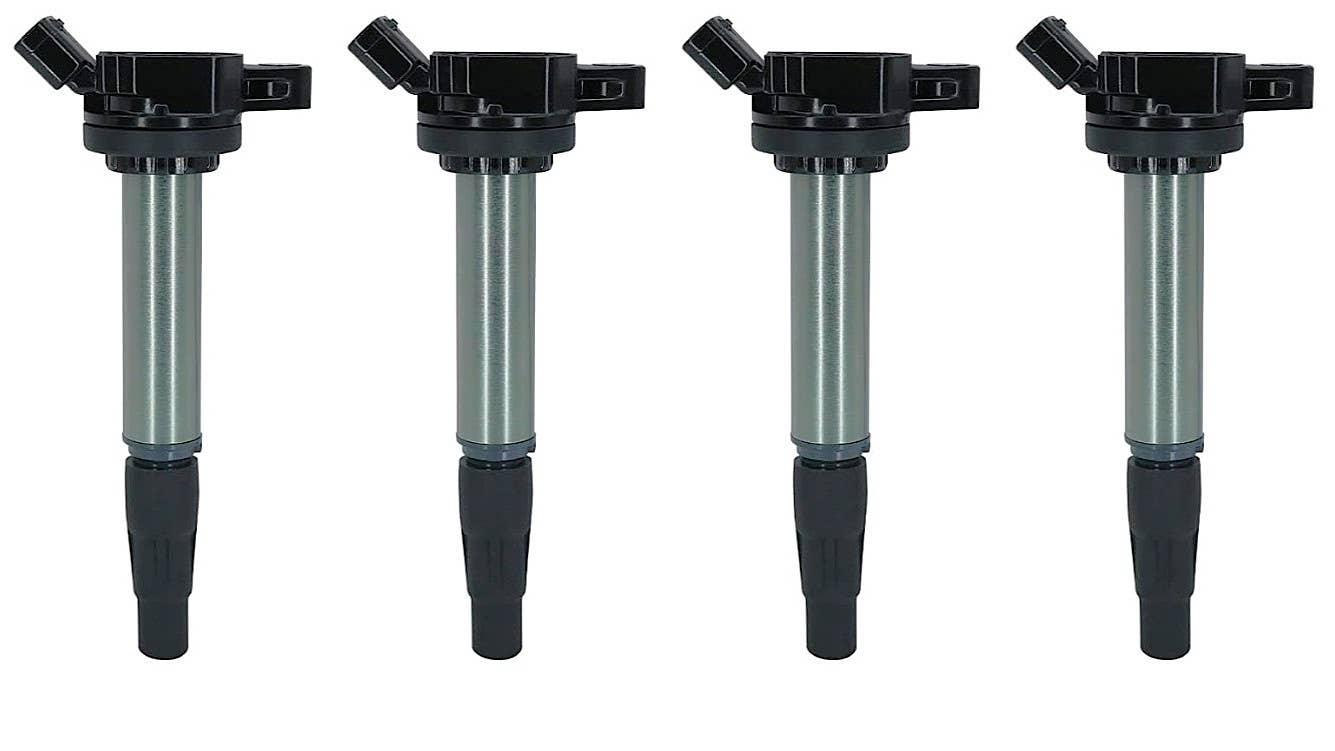
- Any number of your ignition coils (main image) may be damaged or faulty
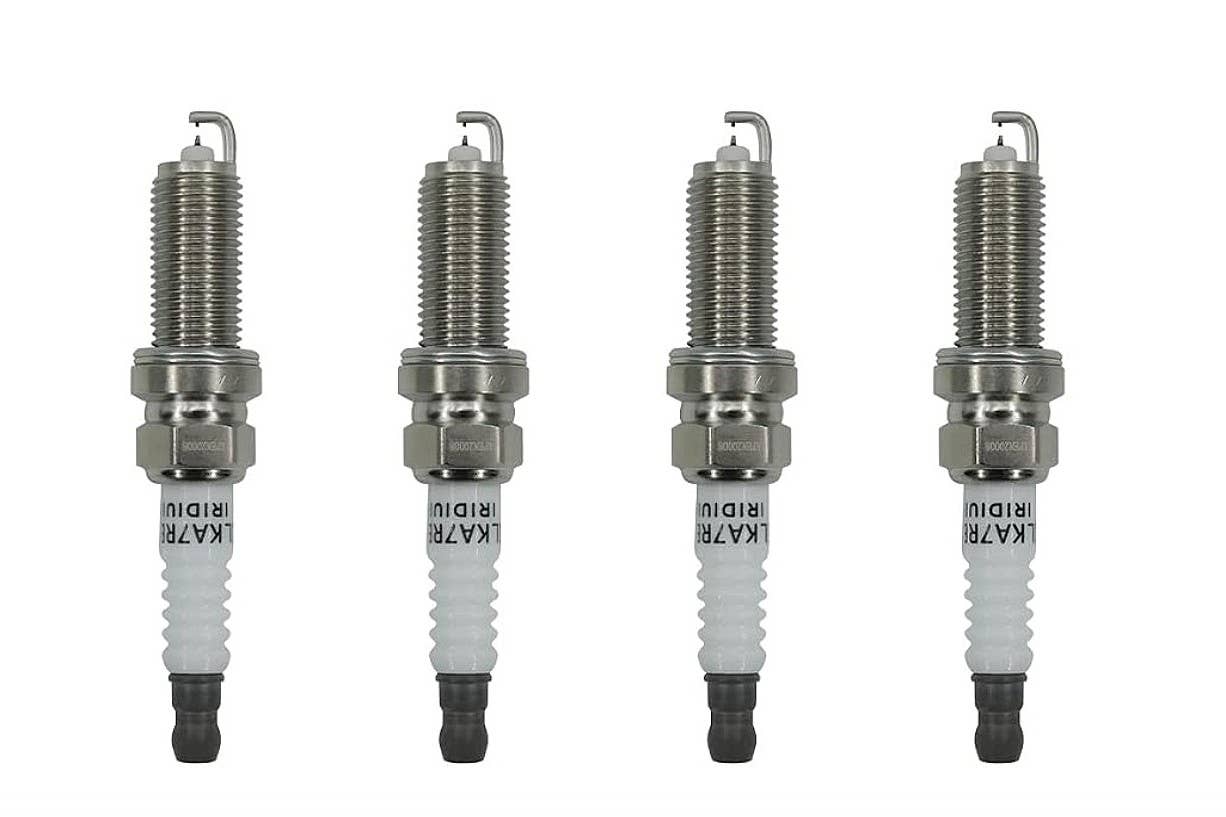
- Some of your spark plugs (below) may be bad or damaged
- An oxygen sensor may be faulty
- Some of the fuel injectors may be defective
- There could be a problem with the catalytic converter
- Burnt valves could also be a cause
- A defective throttle position sensor (TPS) is also a possible culprit
- Your engine may have blown a head gasket
- There could be a vacuum leak somewhere
- In rare cases, it’s a faulty powertrain control module (PCM)
As you can see from this long list, finding the problem can require quite a bit of troubleshooting. It can be serious, like a blown head gasket, or simply a dodgy sensor, so start checking the cheap and easy options first in a process of elimination.
How to Fix A P0300 Code
This will be highly dependent on what’s wrong, and many of the tests you’ll have to do may fall beyond the scope of the average home mechanic. You can visually inspect and replace spark plugs cheaply, and you can test ignition coils with a multimeter or by seeing if they produce a spark with a spark plug that’s known to be good. It’s also fairly easy to check plug leads or wires for kinks or breaks, and the vacuum lines for leaks, and these items are quite easy to replace as well.
If these initial investigations come up blank, you may have to take your car to a professional mechanic with the right tools and expertise for a diagnosis. Such a person will check for other related error codes that may give an indication of where to look for a problem; the P0300 code rarely appears in isolation. They will test the oxygen sensors and catalytic converter, and check the head gasket as well, typically running down the above list of possible causes until they come across the source of the problem. Don’t start to spend money and replace expensive parts randomly without a good diagnosis.
Can I Keep Driving With A P0300 Code?
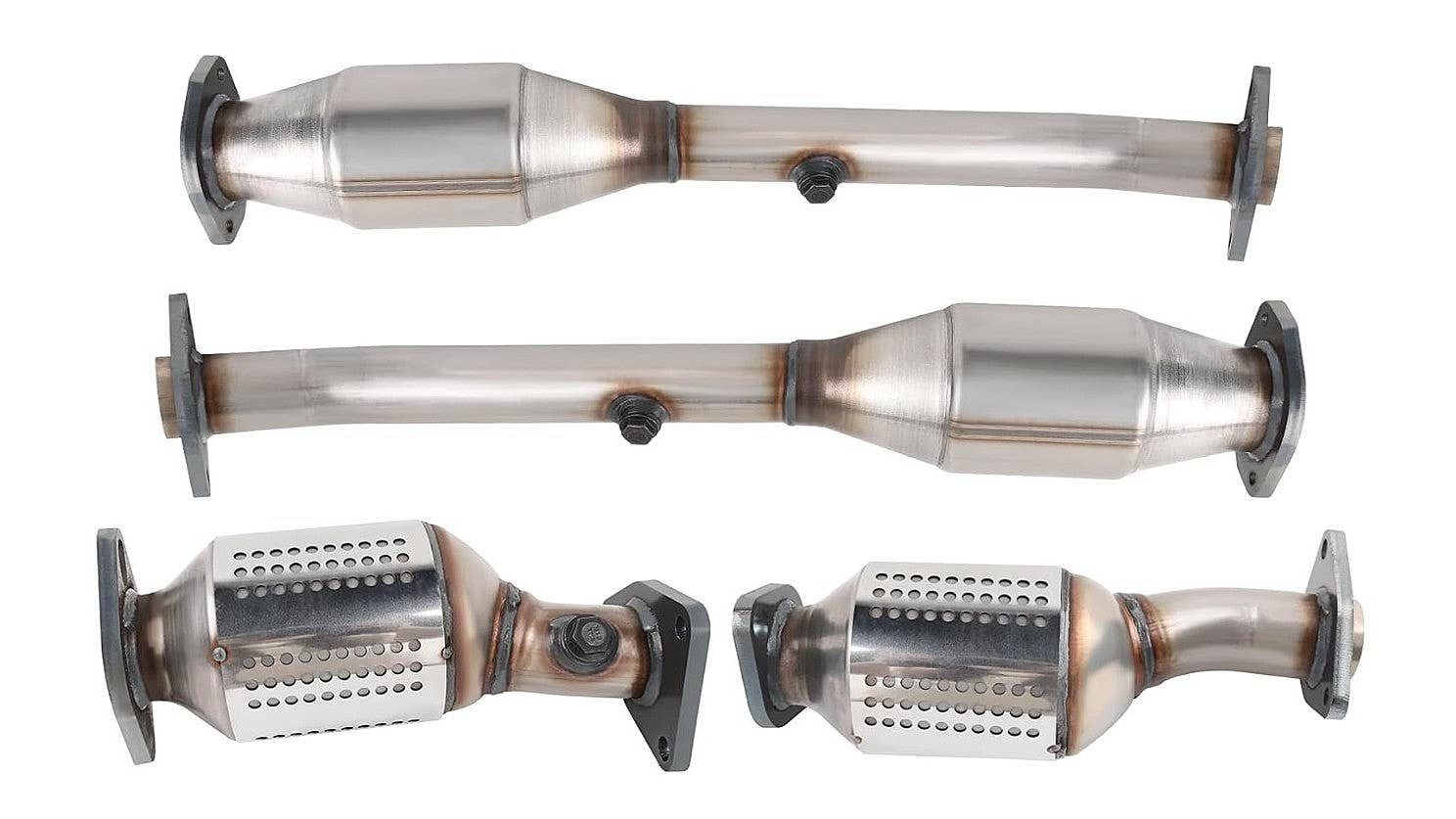
One of the biggest issues is that the misfiring cylinder can send unburnt fuel out the exhaust manifold and into the catalytic converter, and if this persists, the cat will soon suffer damage. The unburnt fuel also strips lubricating oil from the affected cylinder wall, accelerating engine wear. A catalytic converter (below) is an expensive part, so a persistent misfire must be sorted out soon.
A very mild or intermittent misfire may buy you a little time, but don’t put off diagnosing the problem, because it may get worse without warning and cost you more money down the line as more parts fail because of the misfire. In an engine with many cylinders, you may not even notice an occasional misfire, but the CEL will come on, and you should never ignore it. If the misfire is bad, it may be best to have the car towed unless you’re close to a shop.
Final Thoughts
A suspected misfire must be diagnosed in short order before it becomes a bigger problem. Most of the common issues are fairly easy to fix, but a blown head gasket will cost thousands to put right and will cause a cascade of other issues, so don’t delay. Don’t ignore your CEL, because when it is on, it masks all other developing problems that may have triggered it, and which you may be unaware of until you run a diagnostic scan. It’s better to act early to minimize risk and prevent spiralling repair costs due to additional failures.
About the author

Cobus F. Potgieter
Reviews and Features Editor