
The P0420 code for bank 1 means that the catalytic emssions-control system of your car is below threshold on bank 1. Bank 1 is the cylinder bank that contains the number 1 cylinder on a V engine like a V6 or V8, and it’s the default bank on an inline engine. If the error were for bank 2 on a V engine, the code would be P0430.
Whether this is an OBD (On-Board Diagnostics) code for an American-market car, or the European OBD code, or EOBD, P0420 means the same thing. It is also a generic or universal OBD code, so if you see P0420 on a Chevy, Ford, or Toyota, it points to the same problem: the catalytic converter is not doing its job of cleaning the exhaust gases properly.
The Catalytic Converter System
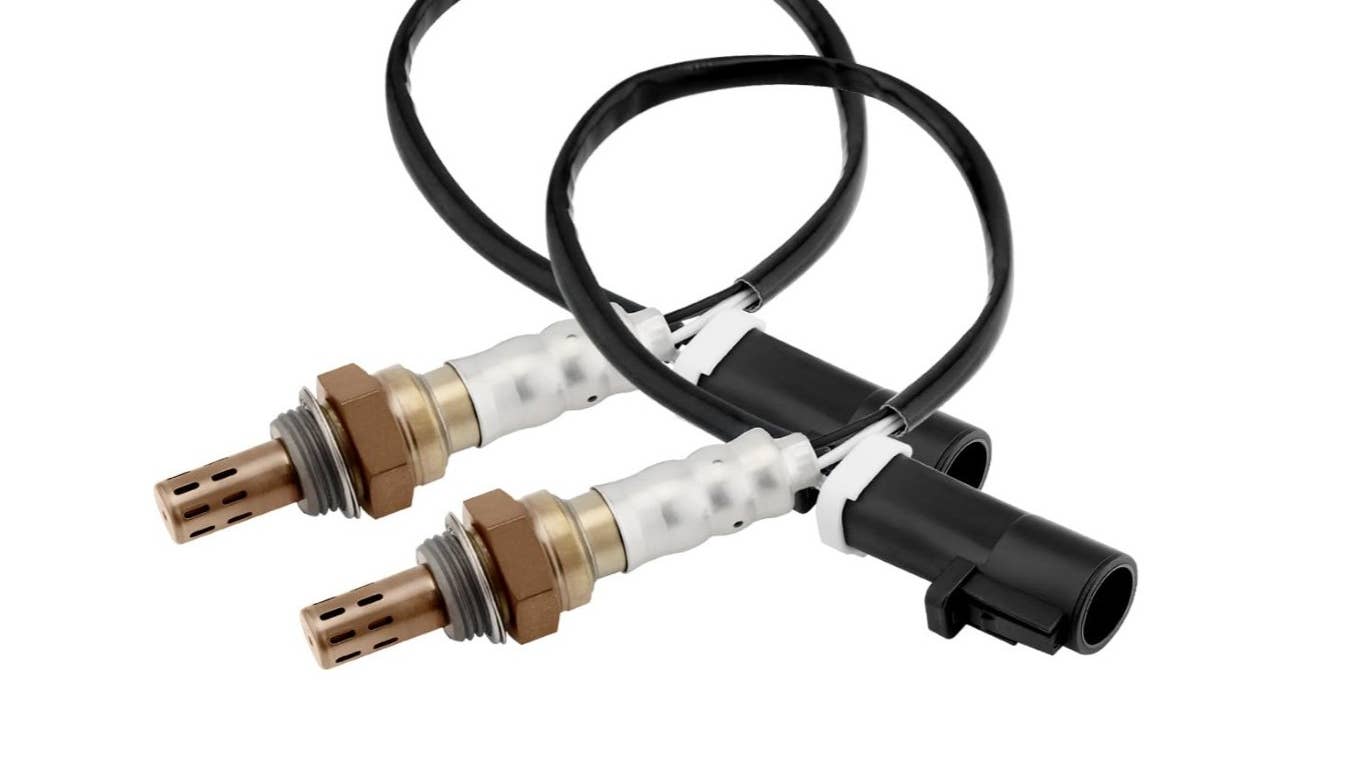
The 2-way catalytic converters that first emerged in the ’70s combined oxygen with unburned hydrocarbons and carbon monoxide, producing water and carbon dioxide. N, but nowadays, 3-way catalytic converters (below) also reduce nitrogen oxides (NOX). Helping determine whether the cat is doing its job are oxygen (O2) or Lambda sensors, which are placed before and after the cat to compare values, adjusting the mixture if the fuelling system is running too lean or too rich, and trying to maintain the ideal stochiometric ratio of around 14.6 to 14.8 parts of air for one part of fuel.
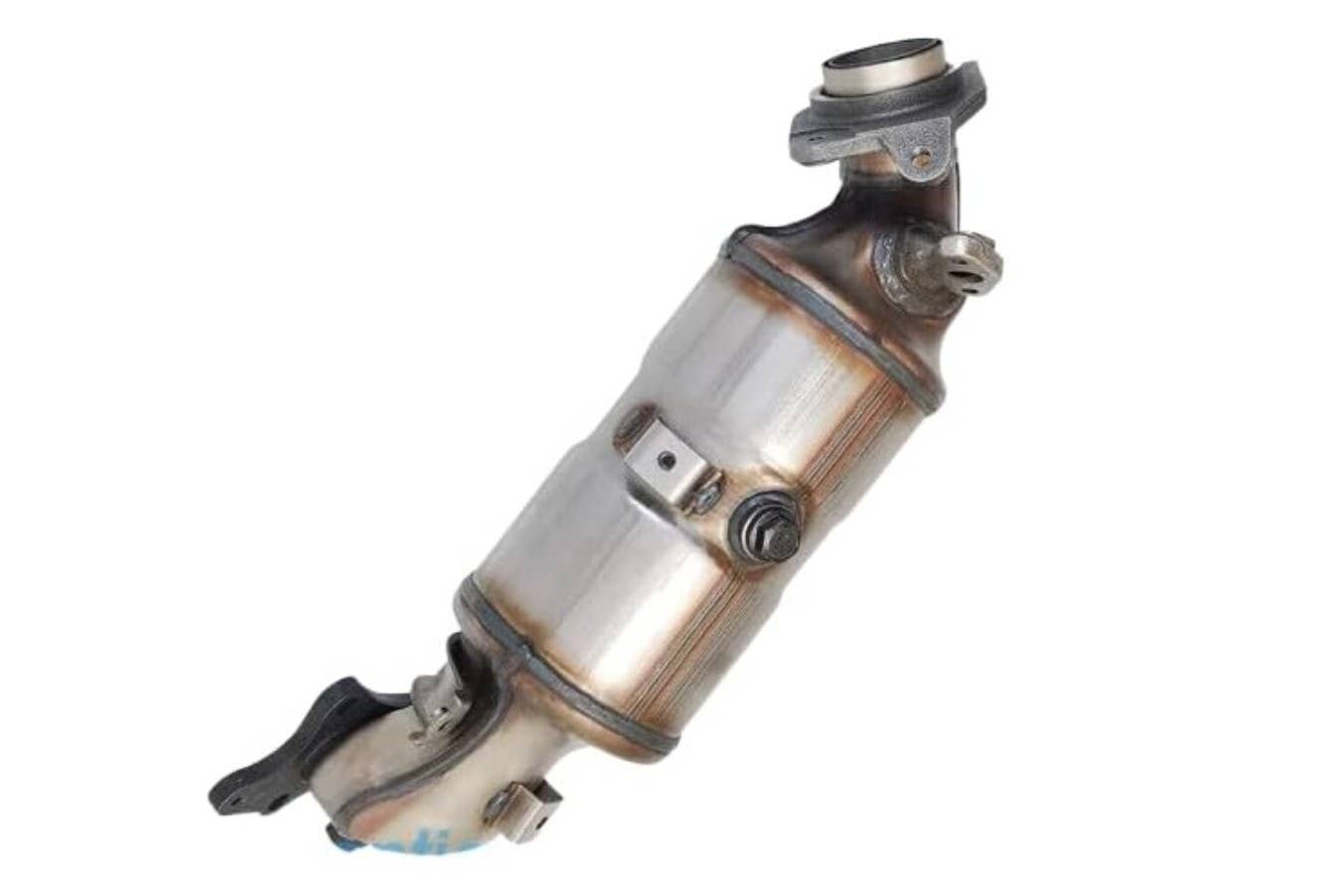
This error code does not necessarily mean that the catalytic converter has failed or that you need a new one. In a properly maintained car that does not burn oil that may damage the cat, the problem is often related to a sensor and not the cat itself, so it’s a good idea to look into that first, before you replace something expensive needlessly.
What Typically Causes the P0420 Code?
The P0420 engine code can be triggered by any of the following:
- The catalytic converter my be bad or clogged, or the cat may have been damaged by oil contamination or by continuous misfires
- The exhaust system may have a leak, which messes up the O2 sensor readings
- An intake system leak may have a similar effect
- The oxygen sensors themselves or their wiring may be at fault
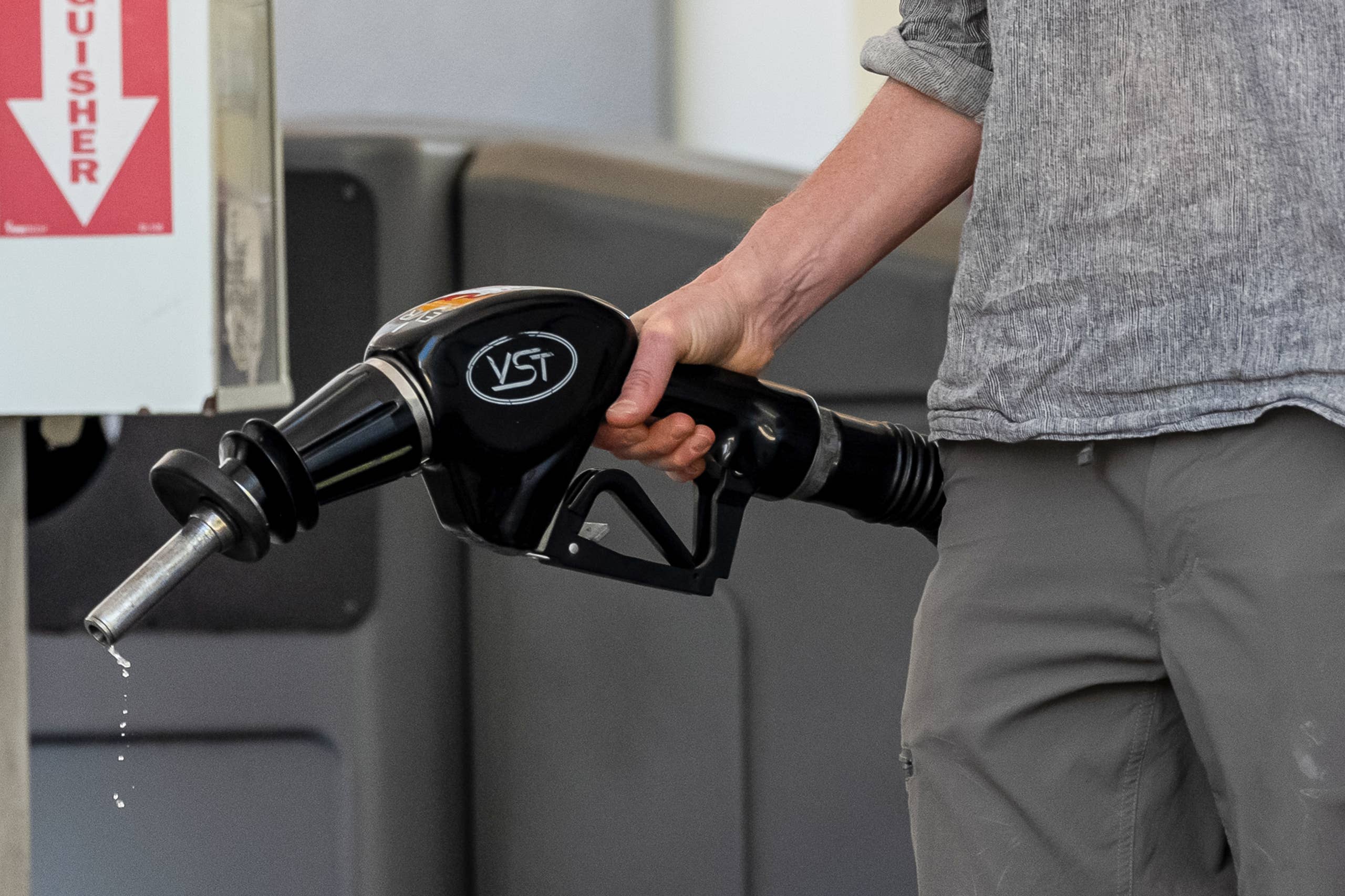
- You may have the incorrect fuel type in the gas tank
- You may have replaced the cat, but it’s now located to far away from the engine
- The replacement catalytic converter may be substandard or the incorrect one
- In some cases, the fault may lie with the engine control unit (ECU)
David Paul Morris/Bloomberg via Getty Images
Symptoms of a P0420 Code
- Check Engine Light (CEL) is illuminated. An OBD II scan tool will show that the reason for the light is that the P0420 code has been triggered, and that the ECU has determined that there are discrepancies in the O2 sensors’ readings.
- Hesitation and misfires may occur.
- Rough or uneven idling, caused by the unbalanced air-fuel mixture.
- An increase in fuel consumption may be present in some cases.
- Rattles from loose or damaged internal parts of the cat. In some engines, such as the Jaguar-Land Rover AJ-V8, cat rattles can sound a lot like timing chain rattles.
- Poor engine performance. A clogged catalytic converter creates back pressure om the exhaust system, stifling the engine and reducing engine performance.
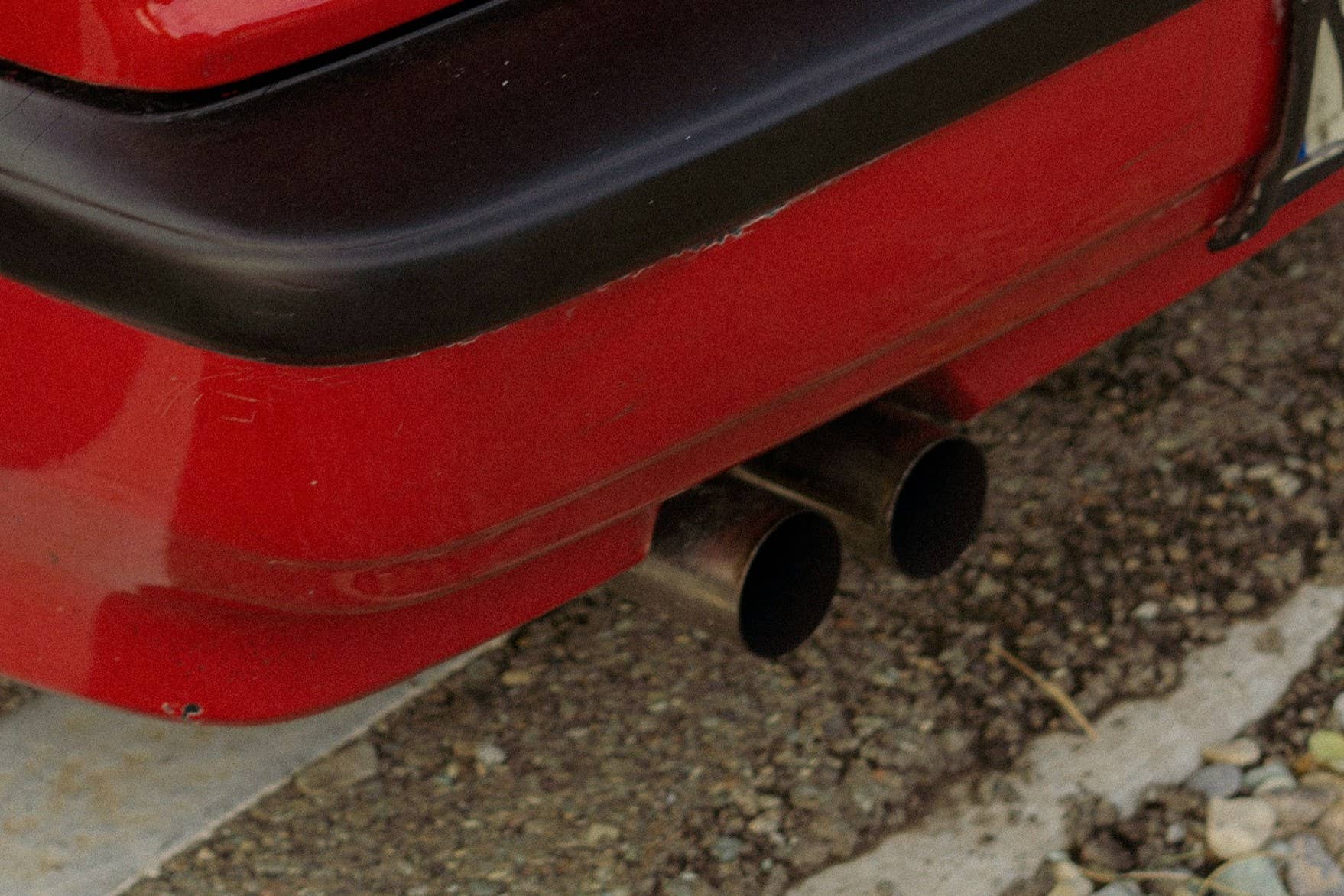
- You may detect strange odors from the exhaust, though it’s not a common symptom. The smell can remind you of rotten eggs due to high sulfur levels in the exhaust gases caused by the reduction in oxygen in the converter. You may also detect a fuel smell.
- Your vehicle fails its emissions test.
Can I Drive My Car With A P0420 Code Active?
Your car will still be drivable, but with worse performance and fuel consumption. Continuing to drive the car daily may lead to damage, so we don’t suggest postponing the repairs. The pre-cat sits very close to the engine, and if it has failed, broken cat fragments can be sucked into the engine during the exhaust-valve overlap phase. Debris ingested this way can wreak havoc inside the engine and cause significant damage.
If the problem is oil contamination, you’ll have to get the cat cleaned while you still can, because the damage could become terminal, requiring a new cat. Obviously, you’ll have to fix the oil consumption too, else the problem will just come back in short order.
How To Fix P0420
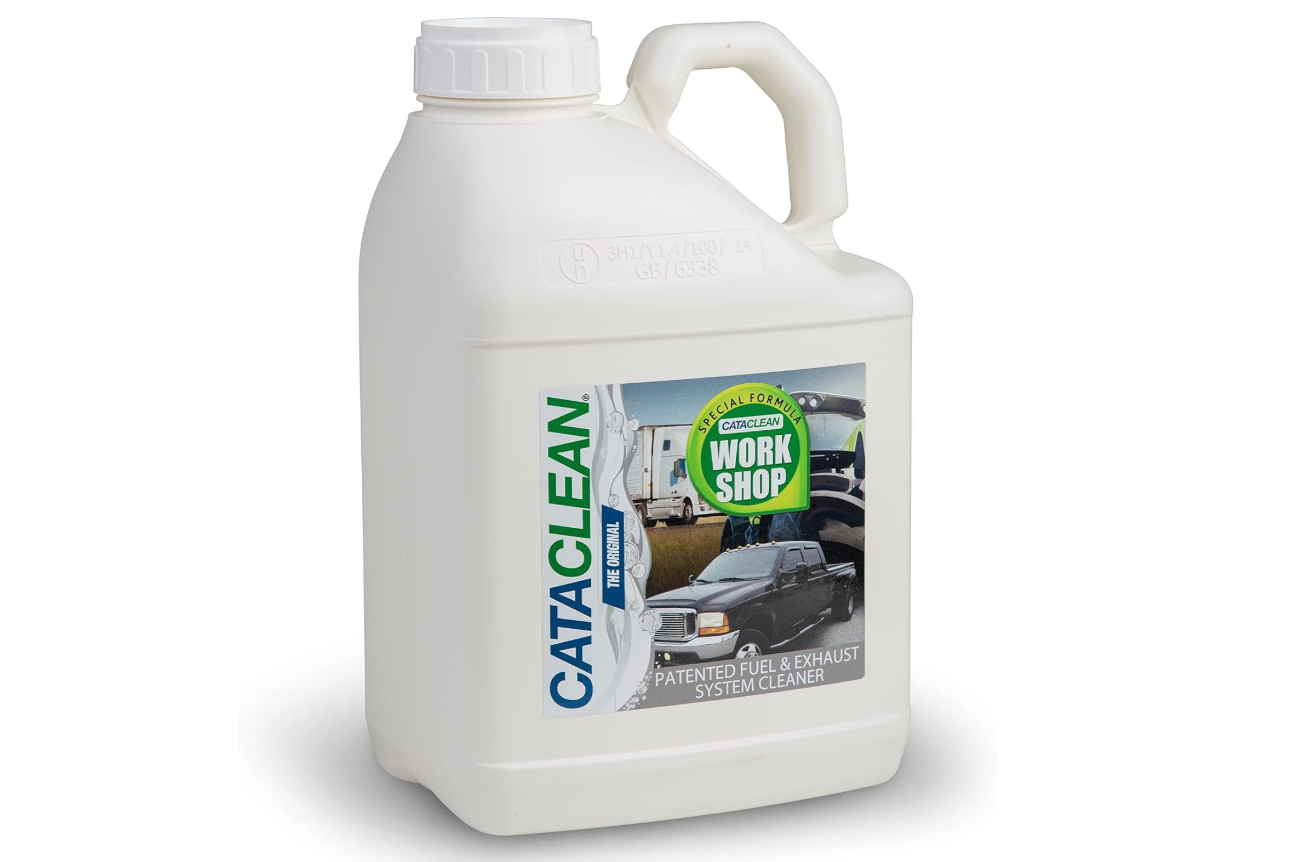
The cheapest and easiest fix is to use on of the commercially available cleaners to clear your catalytic converter of contaminants, and this may solve your problem. The additive is poured into the gas tank and you drive the car to work it through the system to clean the cat and oxygen sensors. If this fails, you need the help of a professional. An oxygen sensor doesn’t typically cost much more than $100, but the worst-case diagnosis is a failed cat, and replacing it can cost well over $1,000, especially if your car has more than one cat. Fixing whatever caused it to fail will also make an application to your wallet.
Final Thoughts
Code P0420 on a Honda, Nissan, Chrysler, or any other brand always means the same thing, and it’s something you need to get sorted, or your car will fail its next emissions test. What it will cost to fix will depend on what exactly is wrong, but it’s best to have it seen to quickly, before more damage can occur to push up your eventual bill.
About the author

Cobus F. Potgieter
Reviews and Features Editor