

Mercedes-Benz, though currently struggling to retain market position in China, says it will give a broader 2030 strategy update, which will include a detailed review of its China business, next year. The numbers explain the urgency: German brands have been getting crushed in China.
The Numbers
Mercedes-Benz is doubling down on the market that is hurting it most. According to Reuters, CEO Ola Källenius calls China an “indispensable market and innovation hub.
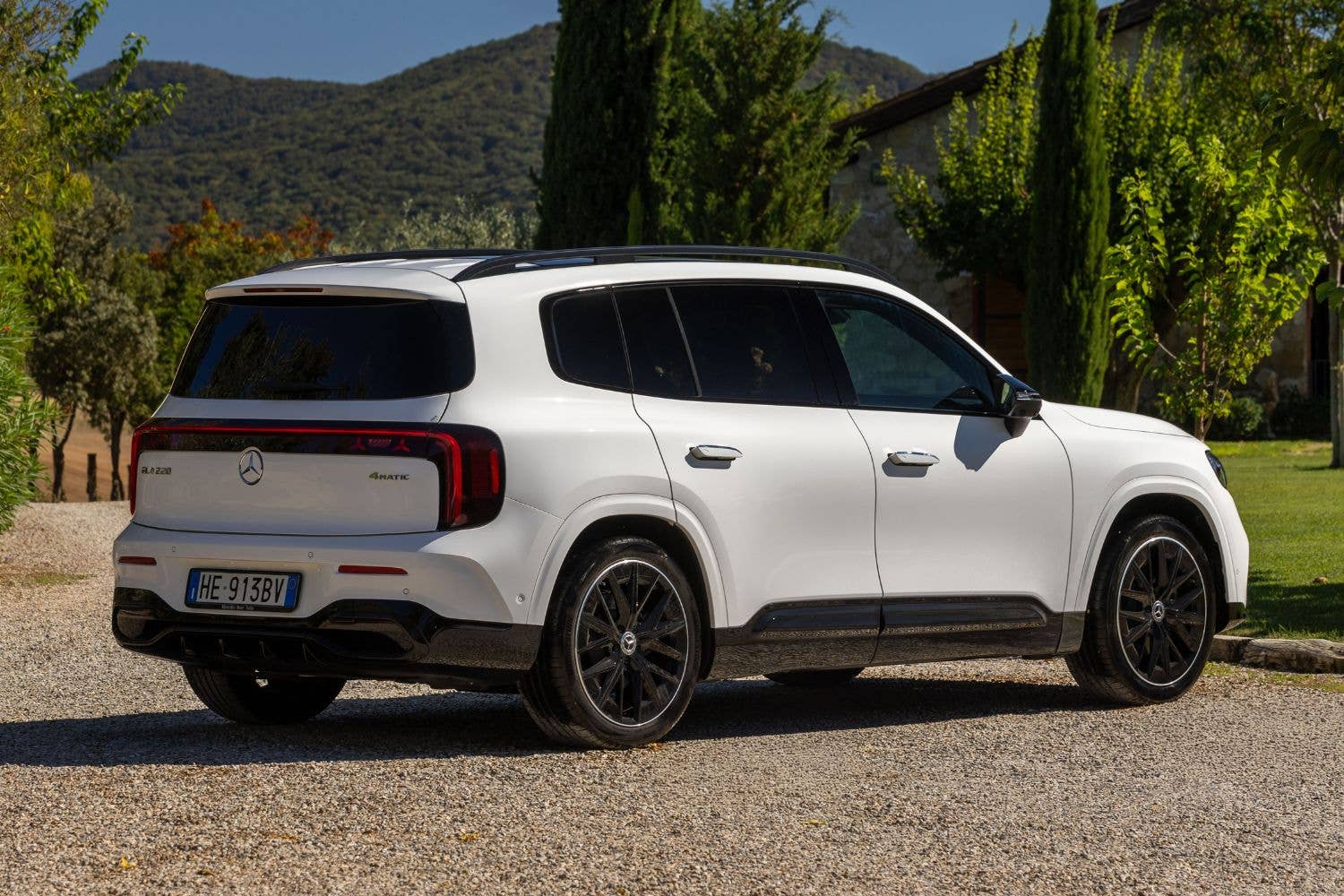
Mercedes-Benz
Third-quarter Mercedes-Benz Cars sales fell 8 percent to 407,232, with China down 31 percent to 86,800, according to BigGo. Elsewhere, Europe was up 5 percent, Germany was up 13 percent, and the US was up 6 percent, with record battery-electric sales up 61 percent. Adjusted return on sales for cars dropped to 2.5 percent from 4.8 percent, and Mercedes cut its full-year guidance to 2-3 percent from 3-5 percent; its CFO called the fourth quarter “a break-even quarter.”
What “China At The Core” Means
Starting with the electric E-Class in the second half of 2027, Källenius said Mercedes will source “almost everything” in China for Chinese production. According to reports, CFO Harald Wilhelm also wants the company to rely less on China as a profit source. That is a split-screen strategy: stay in the world’s largest car market, but with local suppliers and less exposure to its price war. Mercedes has already felt that pain from tariffs and China’s EV boom.
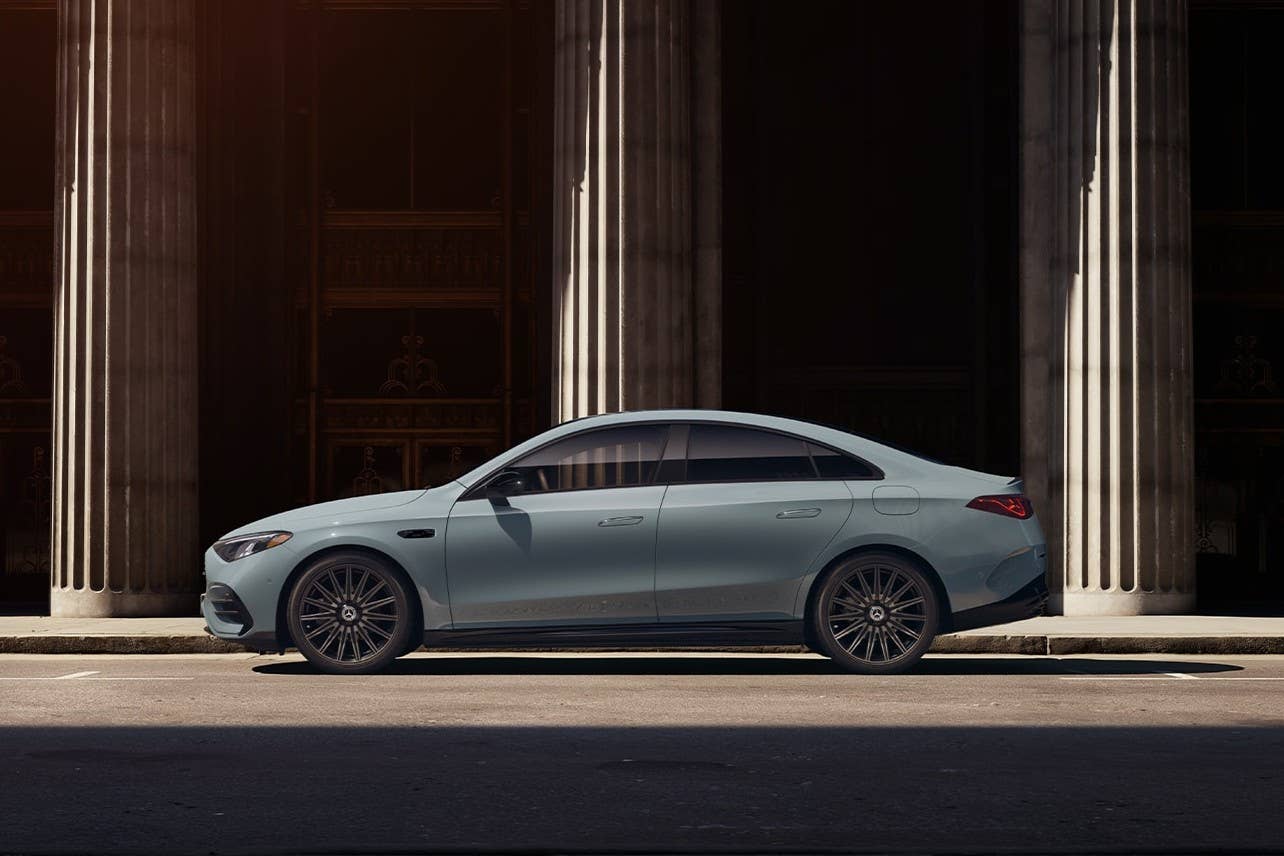
What It Means For Drivers
If you live in the US, this is the good-news part. The China sourcing applies to cars built for China, and nothing in the reporting says it changes what’s sold here. What matters more is where Mercedes is growing: US sales rose 6 percent last quarter, and Källenius said the company plans further US investments and sees potential to lift annual sales from more than 300,000 vehicles toward 400,000, per Reuters. Audi announced a $4 billion US assembly plant that will create around 4,500 jobs. Mercedes too is changing gears in a push for higher volume after years of sliding sales. For buyers, that could mean more attention and more incentives, though nothing has been promised.
Cost Cuts At Home
In Germany, Mercedes will relaunch a voluntary severance program for indirect staff from December. It booked about €1.8 billion (about $2 billion) in provisions for the last round in 2025, with most of the new program’s earnings impact expected in 2027. Källenius said further German investment depends on productivity and costs, noting US labor costs run at roughly 80 percent of German levels.
About the author

Yash Bajaj
News Editor