
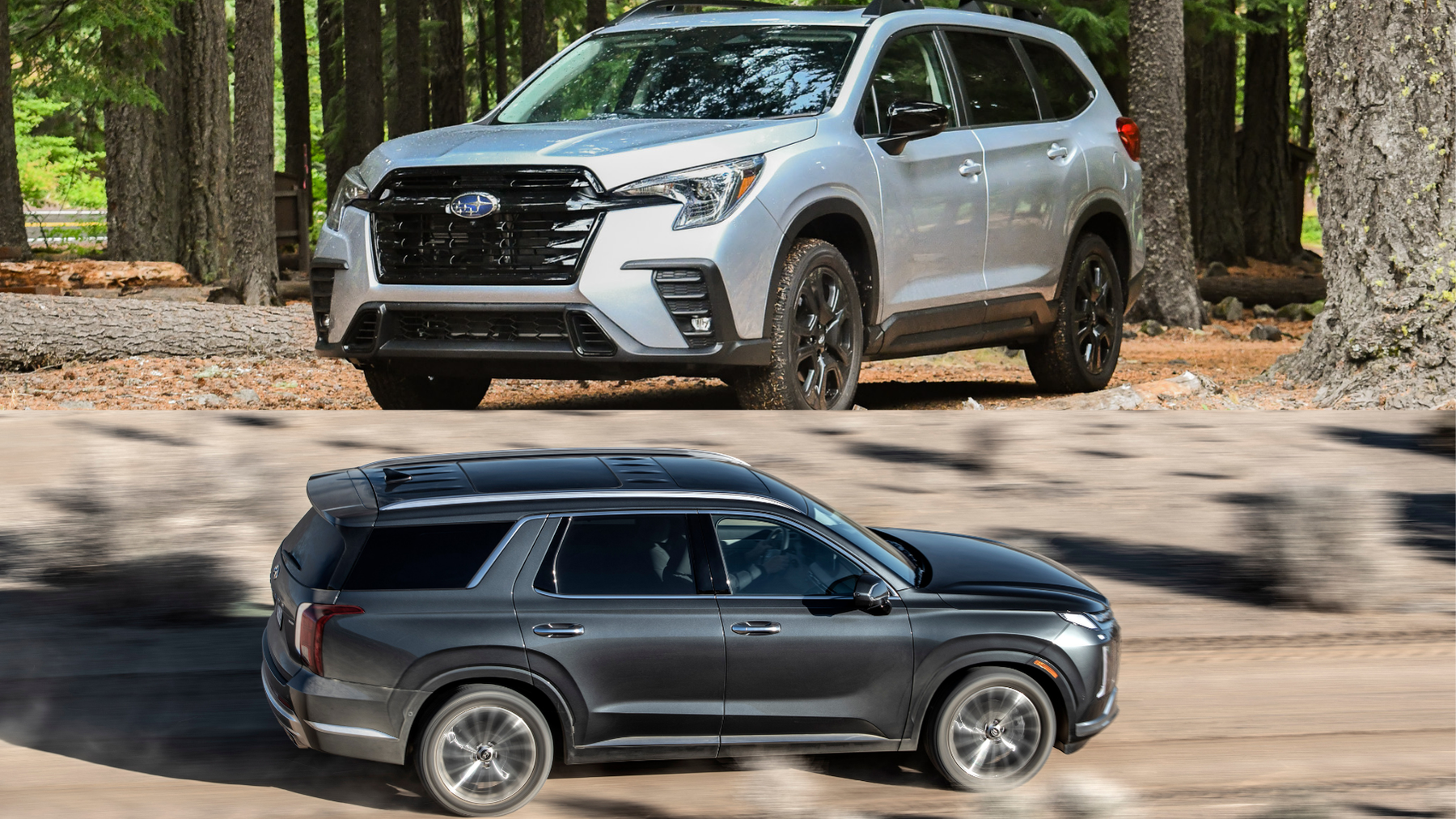
Subaru, believe it or not, has been in the 3-row SUV game for a while now. The first 3-row SUV was the Acura MDX in 2000, and then the Subaru B9 Tribeca debuted in 2006. So, in true Subaru fashion, they were a little late to the party. Despite its incredibly loyal fanbase during the time, the Tribeca was not well-received. In fact, Subaru announced that 2012 would be the last model year for the US, citing slow sales. And slow they were. At the beginning of 2013, only 367 units were sold across the country, making it one of the worst-selling cars not only in America, but in American history. It was designed to compete against the Nissan Pathfinder and Ford Explorer, but it flopped. Terribly. They kept selling it in Europe and Asia until 2017, but not in the United States.
Kristen Brown
Hyundai USA News Room
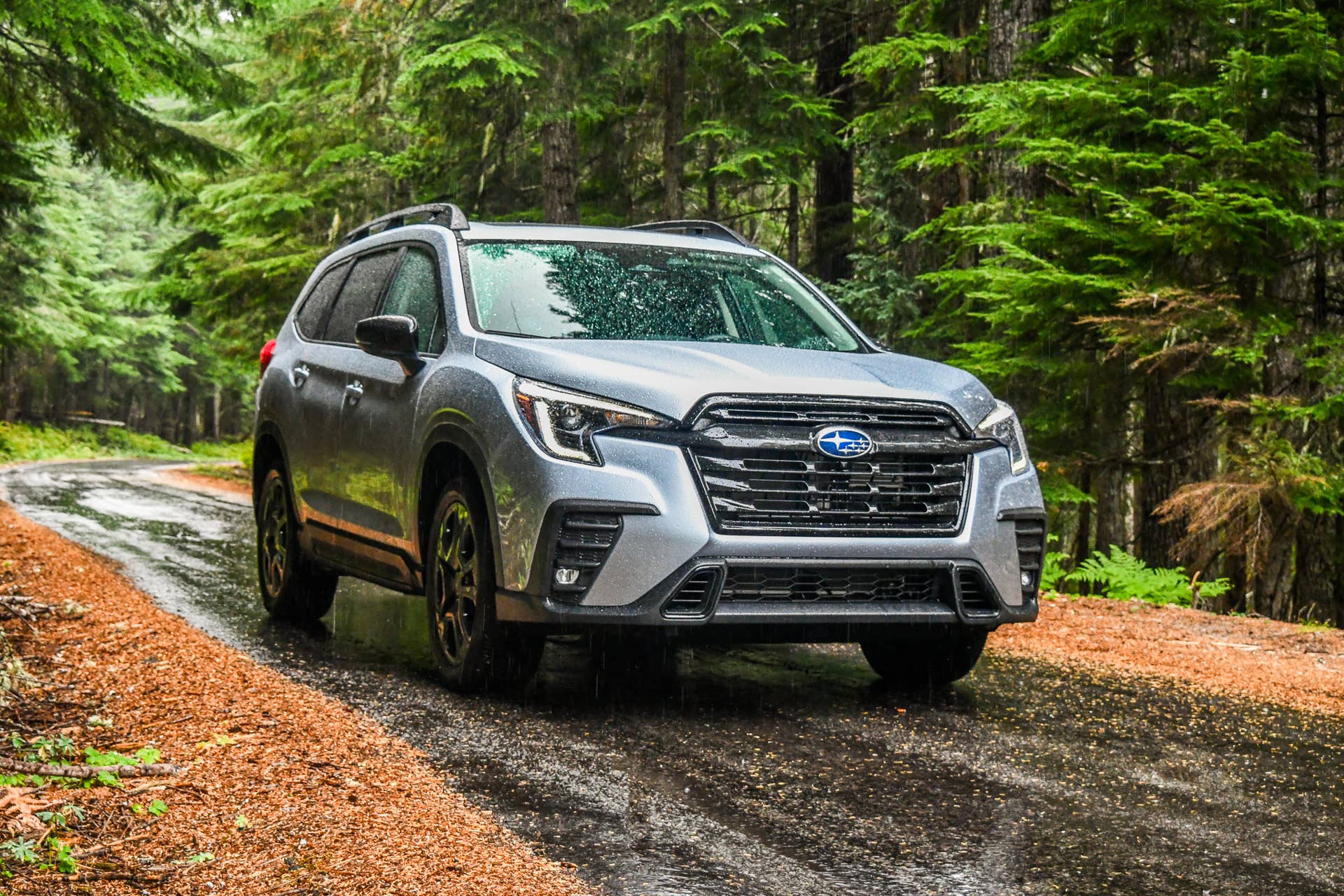
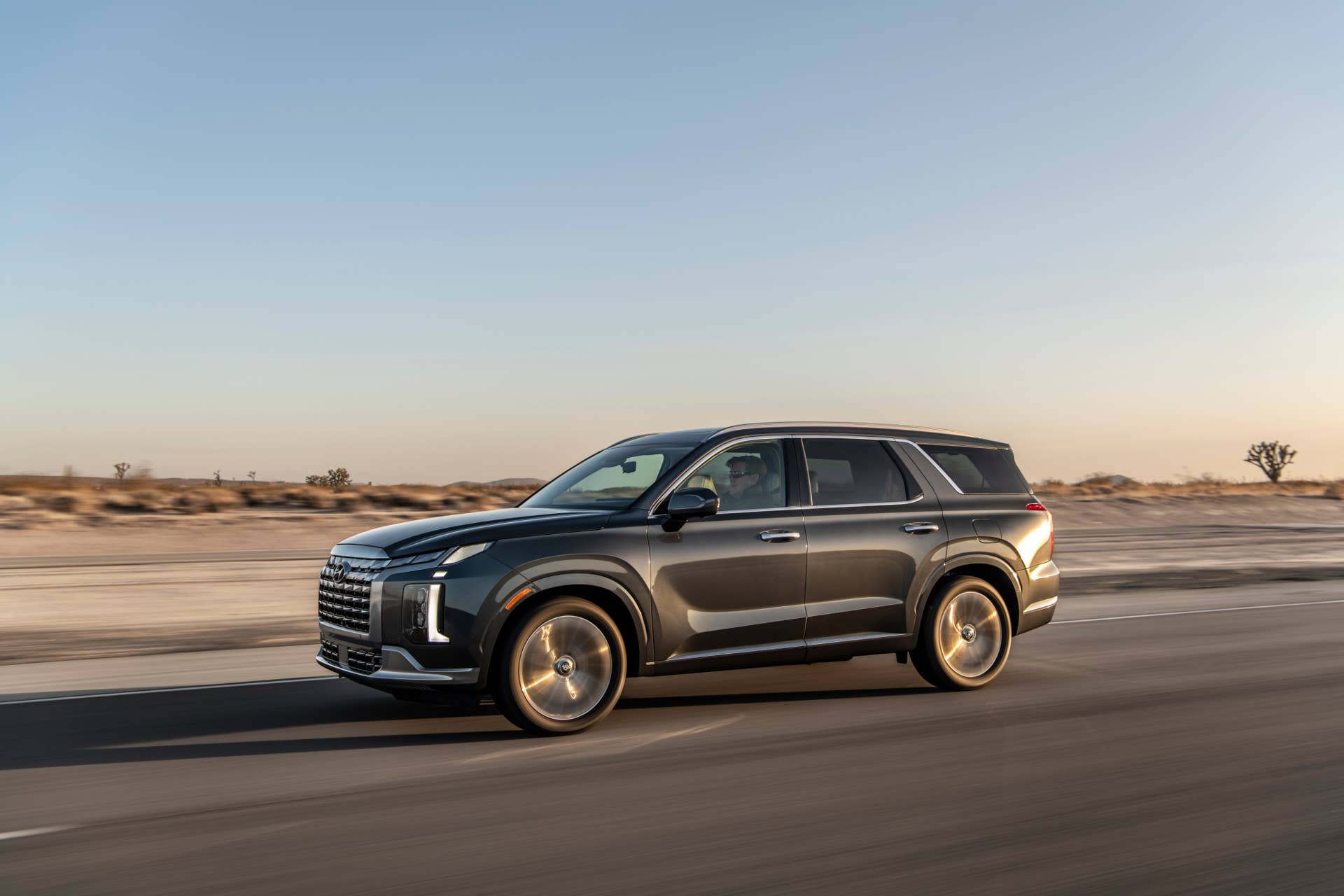
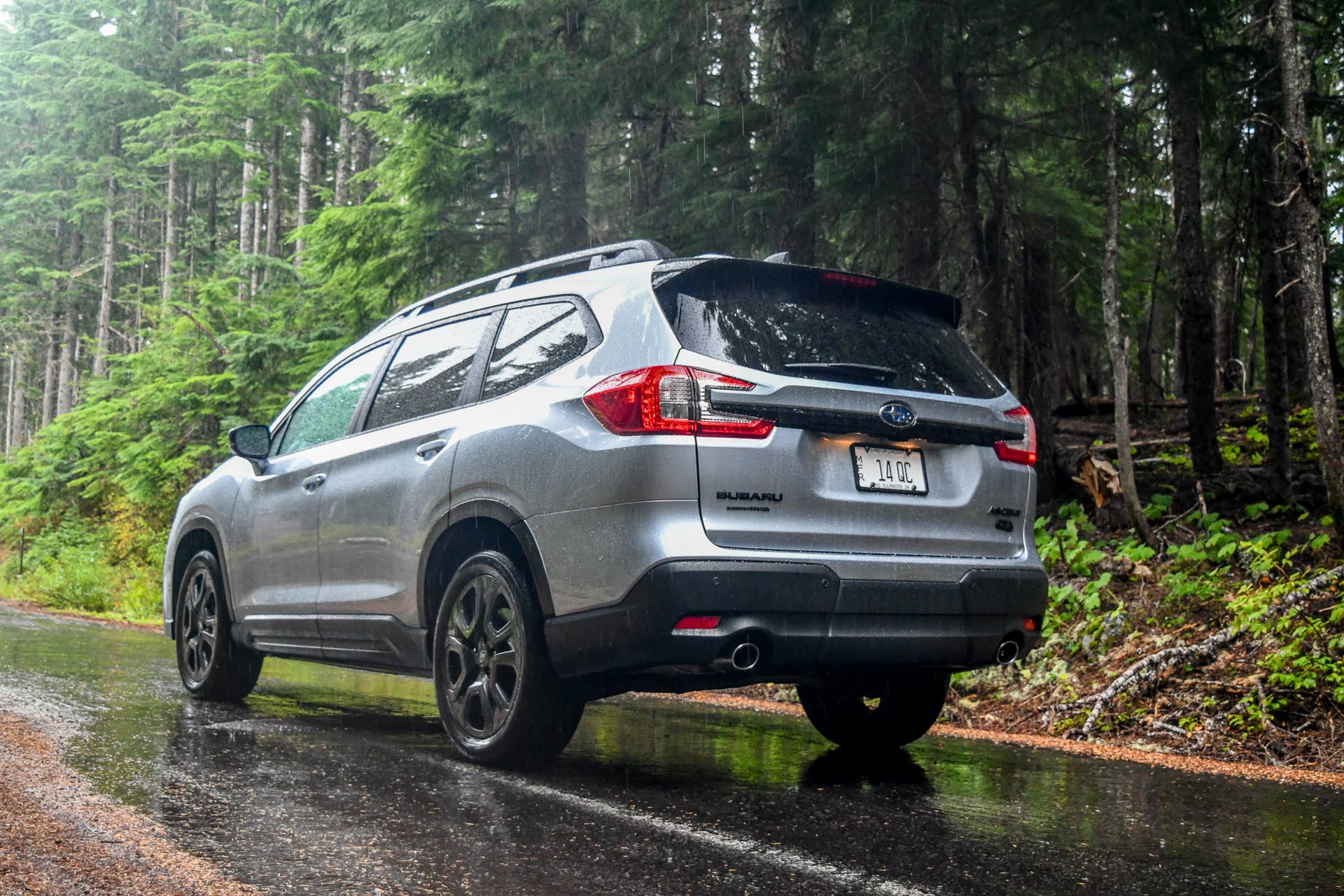
As more and more manufacturers started producing 3-row SUVs and having them be successful, Subaru decided it was time to try again with the Ascent in 2017. This time, Subaru struck the right chord. With a design that looked like a blend between the Forester and the Outback, with more space and a third row, it did exceptionally well and continues to do so. In 2018, the Hyundai Palisade arrived to replace the Santa Fe XL, and it, too, caught on like wildfire. So, the two have been competing for the same customers for nearly the same amount of time, particularly people shopping for the third row. Both are great contenders, but there’s one that’s a clear champion after seven years of competing.
For the price, both are great values
The Hyundai Palisade, due to its marginally larger size and its focus on luxury, is a little more expensive than the Subaru Ascent. The Palisade starts at $40,430 and goes up to $55,555 for the top-shelf Calligraphy. The Subaru Ascent, surprisingly, has a higher starting price this year of $41,415, and tops out at $53,470 for the Touring version. That is lower than the Hyundai, but not by much–especially when you consider how much dealerships typically charge for the Subaru over the Hyundai.
Kristen Brown
The only other three-row SUVs within that price bracket are the Chevrolet Traverse, Kia Telluride, Toyota Highlander, Honda Pilot, and the Ford Explorer. There are less expensive options, like the Mitsubishi Outlander, Nissan Pathfinder, and the Kia Sorento, but the Subaru has one thing that only one other automaker has (Toyota): a good reputation. Subaru fans are incredibly loyal, so even if the Subaru is a little pricier than other options, it will be incredibly hard to lure a Subaru customer to a different dealer lot.
Both are plenty powerful, but the Hyundai has more space
The Hyundai Palisade, like the Subaru Ascent, has plenty of options to choose from. The Palisade comes standard with front-wheel drive and all-wheel drive as optional equipment, while the Subaru is AWD no matter what, and has a different and more appropriately sized engine. The Subaru comes with the brand’s 260-horsepower 2.4-liter turbocharged Boxer four-cylinder engine, and while it’s peppy when paired with the CVT, the Hyundai’s 291-horsepower 3.8-liter V6—sans turbo—feels a lot more natural for an SUV that size over a four-cylinder, but that’s a matter of personal preference. Both have a towing rating of 5,000 lbs, but I would trust a V6 to tow that much over a four-cylinder. Especially since the Hyundai has a dedicated Tow Mode to keep the gears low and the RPMs high, optimizing torque, while the Subaru doesn’t.
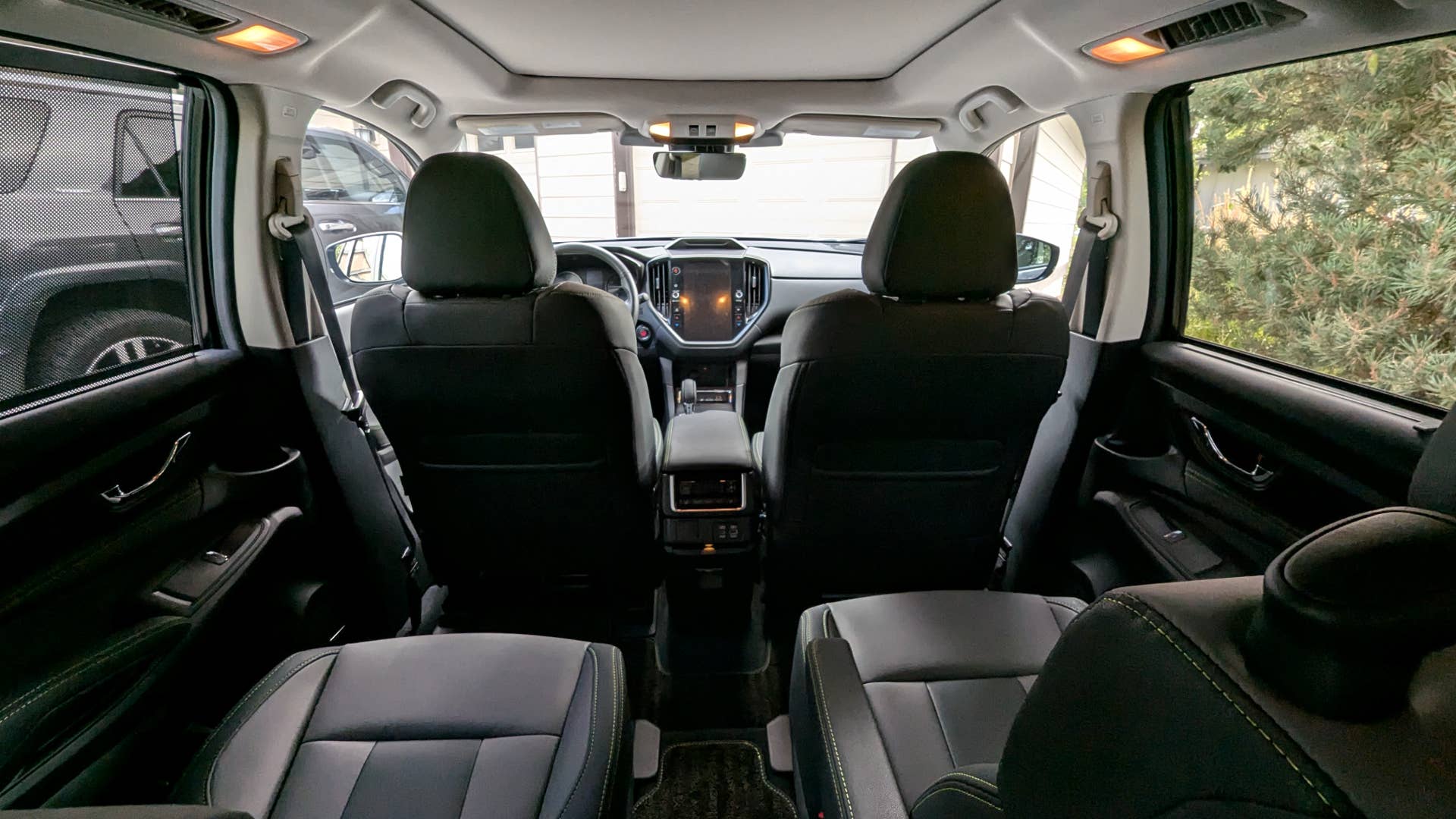
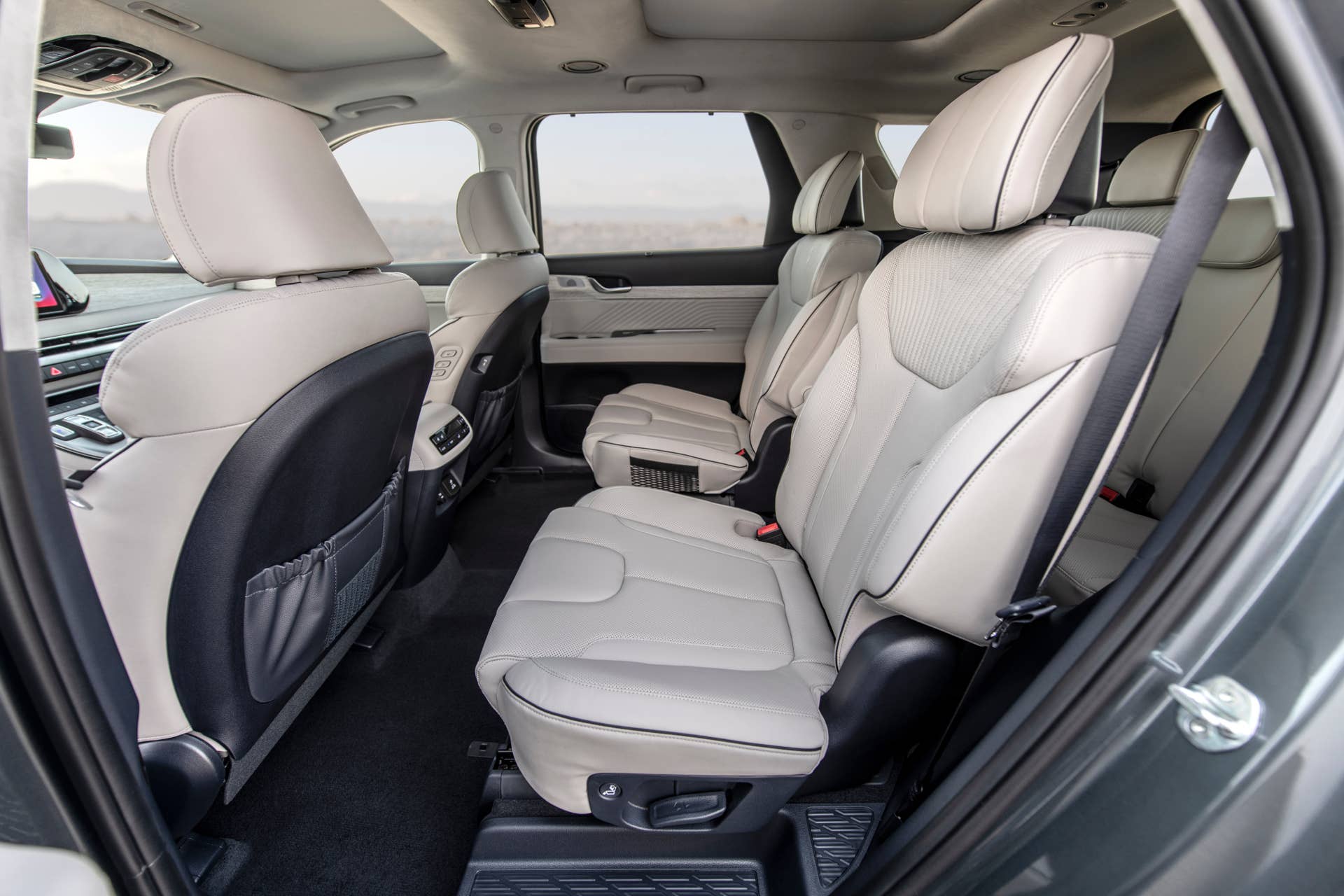
As far as cargo and passenger space goes, the numbers are in Hyundai’s favor. Behind the third row, when it’s in use, the Palisade has 18 cubic feet compared to the Subaru’s 17.8 cubic feet. When the third row is folded, the Hyundai wins again with 45.8 cubic feet of cargo space over Subaru’s 43.5 cubic feet. With both the second and third row folded, the Hyundai’s longer wheelbase (by an inch, so it’s not a major difference, but still) means more cargo space there, too. The Palisade has 86.4 cubic feet while the Ascent has 75.6 cubic feet of space. Here’s where it gets interesting: the legroom for the third row is about the same–Hyundai offers 31.4 cubic inches while the Ascent has 31.7–but the Hyundai feels a little bigger thanks to its seat quality and amenities.
Kristen Brown
Hyundai USA
Granted, the third row in either SUV isn’t a great option for normal-sized adults for extended trips, but they’d be great for bringing home your child’s friend when they want to come over for dinner or need a ride home. I appreciated the window size in the third row, since it helped it not feel so cramped and eased or prevented car sickness. In both SUVs, I had to sit sideways to fit, but a teen or middle schooler would fit just fine.
Final thoughts
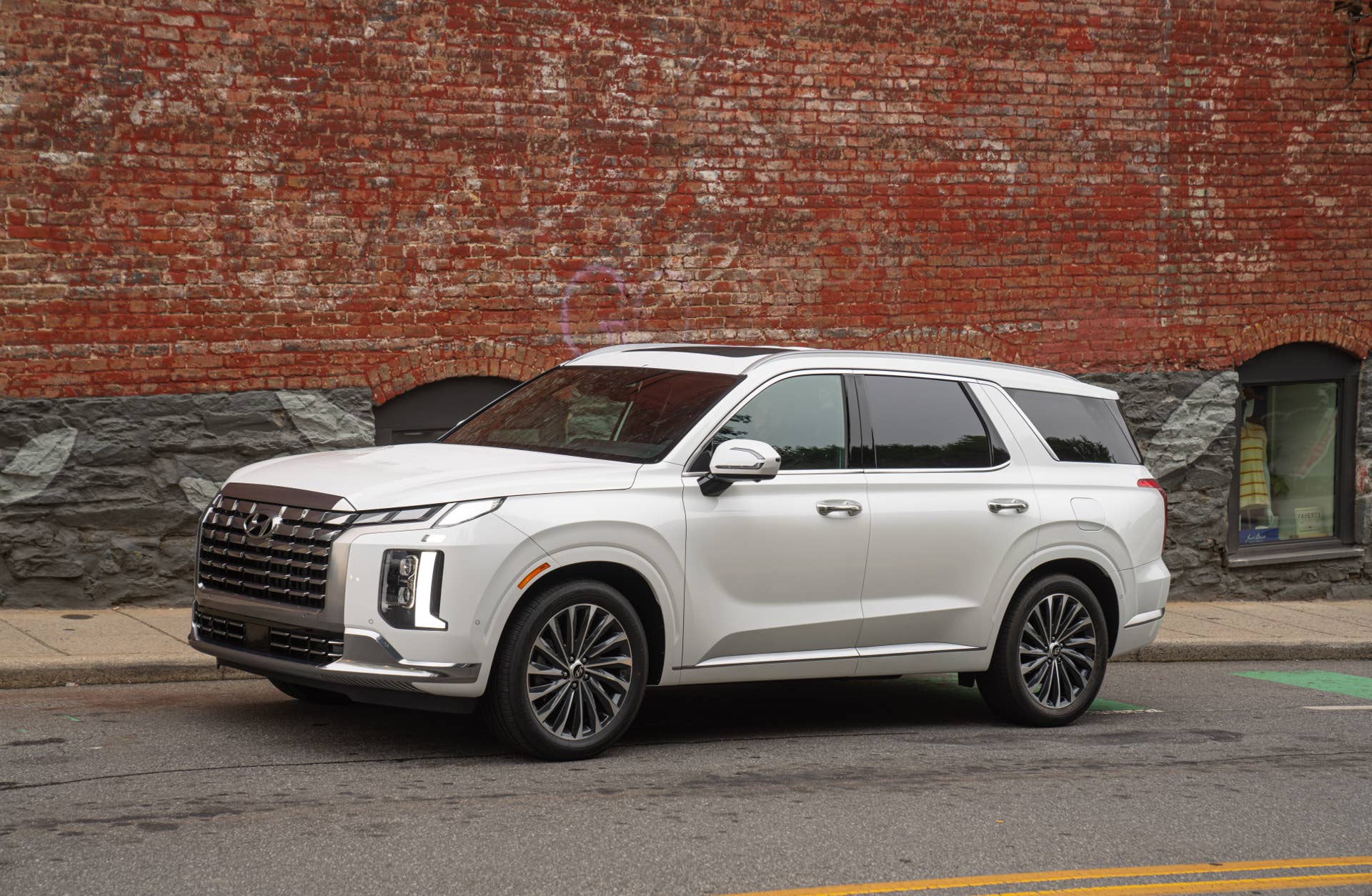
Both are excellent full-sized SUVs for their price, offering a range of standard features, safety, style, tech-forward interiors, ample space, and ease of driving that make them amazing family companions. My toddlers loved both, and both adored the Subaru the most, but as the wife of a Subaru Master Technician, there are more than a handful of reasons my husband says we won’t be replacing my Subaru Forester with an Ascent. I loved the interior on both, and for the Onyx edition of the Subaru, you get waterproof seats, which came in handy with toddlers (plus, who doesn’t love blacked-out badging). The Hyundai has a Night Calligraphy edition that’s quite handsome, too.
Hyundai USA
Given the extra cargo space in the Hyundai, though, that’s the one I’d pick if it were up to me. Both can feel a little cramped in the third row, but when the third row is folded, I loved the extra space in the Hyundai. You can’t go wrong with Subaru’s AWD system, though, so I wouldn’t blame anyone for picking the Subaru if they lived somewhere that sees regular snowfall. Also, the Hyundai has a hybrid option coming in the fall, while the Ascent does not. Knowing Subaru, we probably won’t see a hybrid version for another six to 10 years. The 2026 model has been updated to be larger overall, with even more interior space (including for the third row), but I didn’t compare it to that model year because it’s not available for purchase just yet.
About the author
Kristen Brown
Contributing Writer, Autoblog