
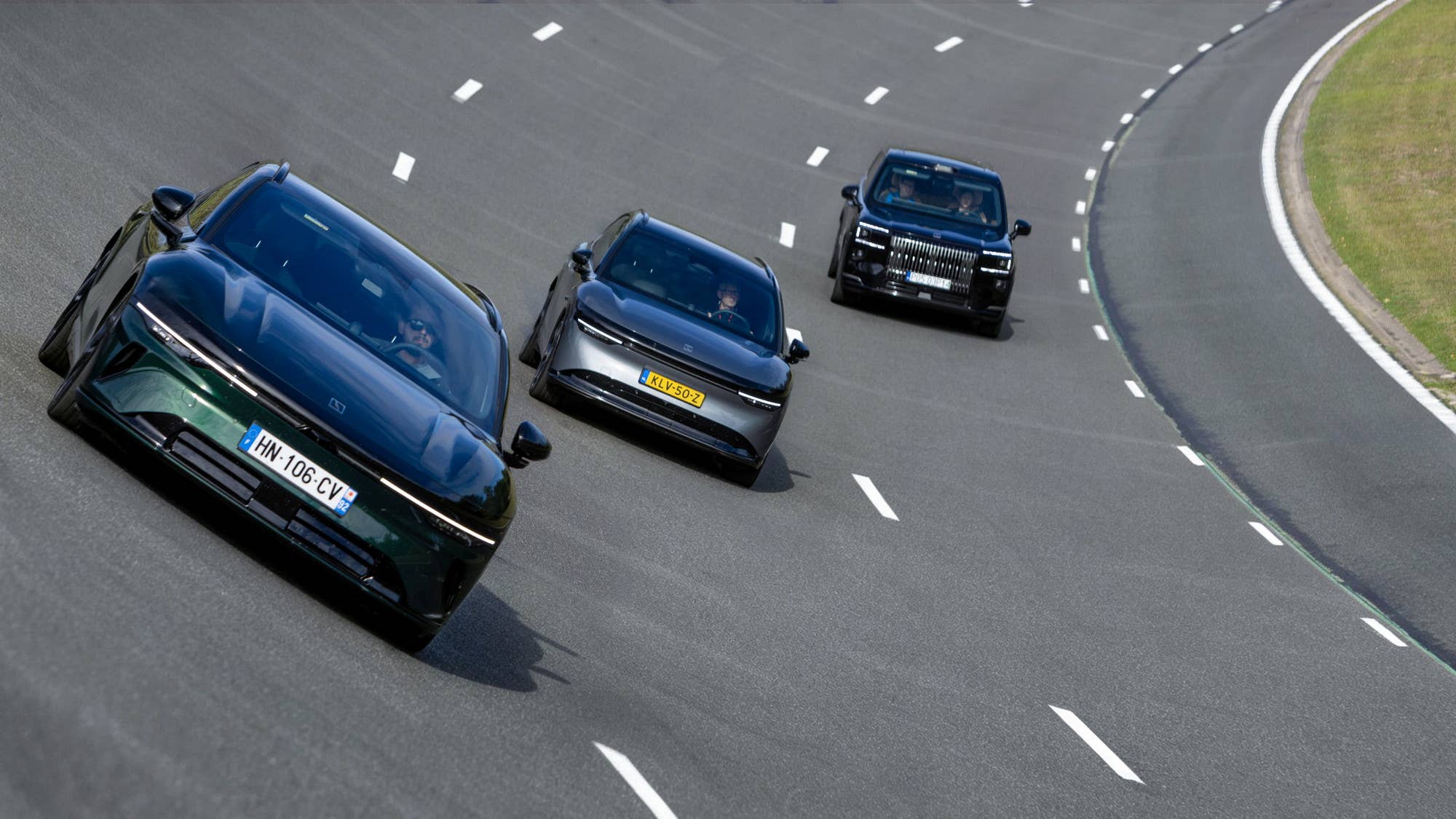
I know there’s a lot of preconceived notions surrounding Chinese vehicles in the States. It’s become a heavily politicized issue, especially over the last six or so years. To drive one on the road, though, is a very different story. As they still haven’t made it to the American market (yet), that required a trip abroad.
Geely flew out dozens of journalists for a trip to the Paris Motor Show, but what mattered most to me was time in the cars. One of its brands, Zeekr, looks to compete with the luxury icons we do get in the States, like BMW, Audi, and Porsche, and its 7GT is intended to beat them at their own game. The 600+ horsepower station wagon should compete with the Germans, and the brand let me loose on a closed course to find out if it can.
Thinking about selling your car? Get an instant cash offer online now. Click here to get started.
Powertrain And Driving Experience: 7/10

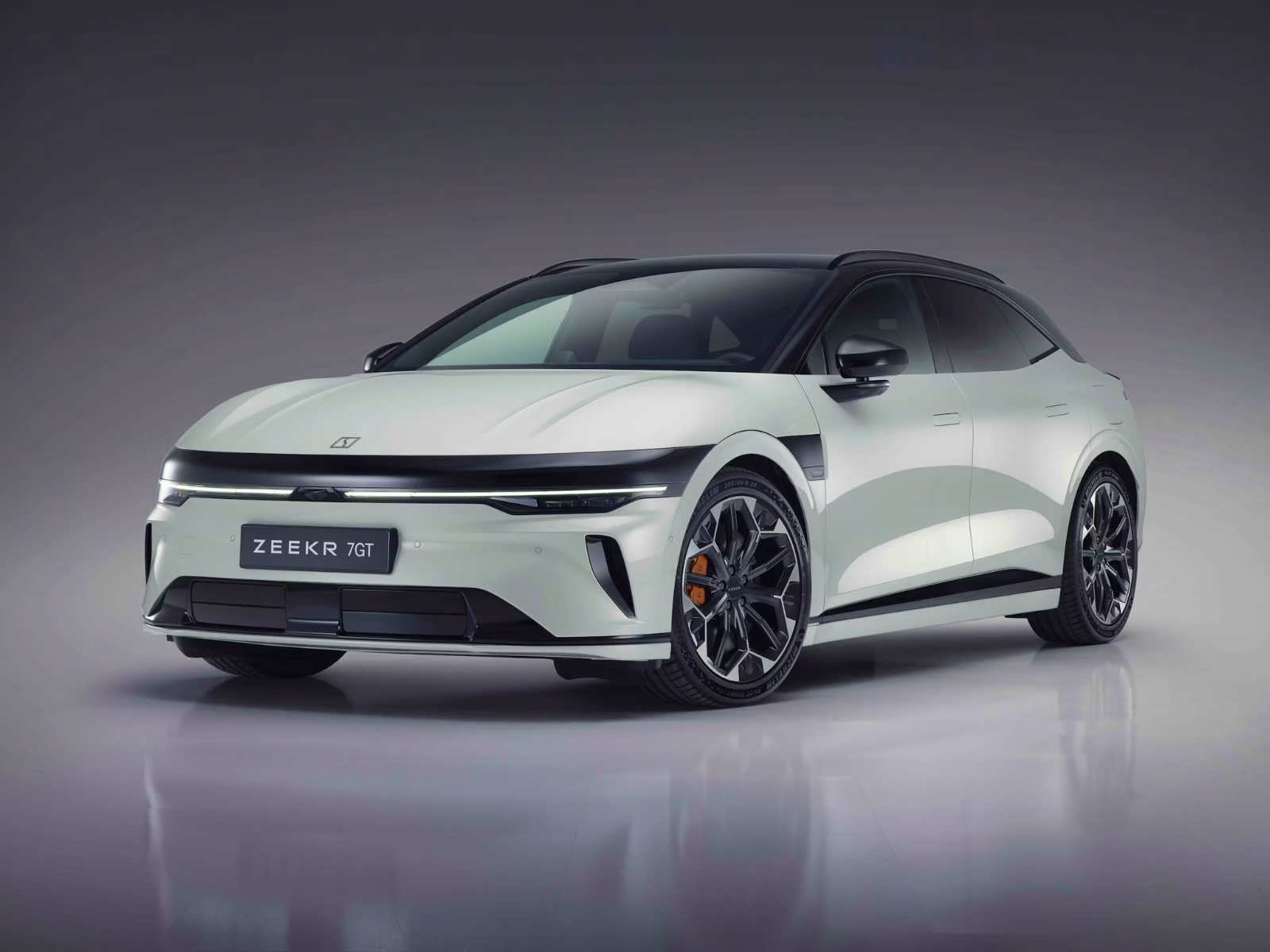
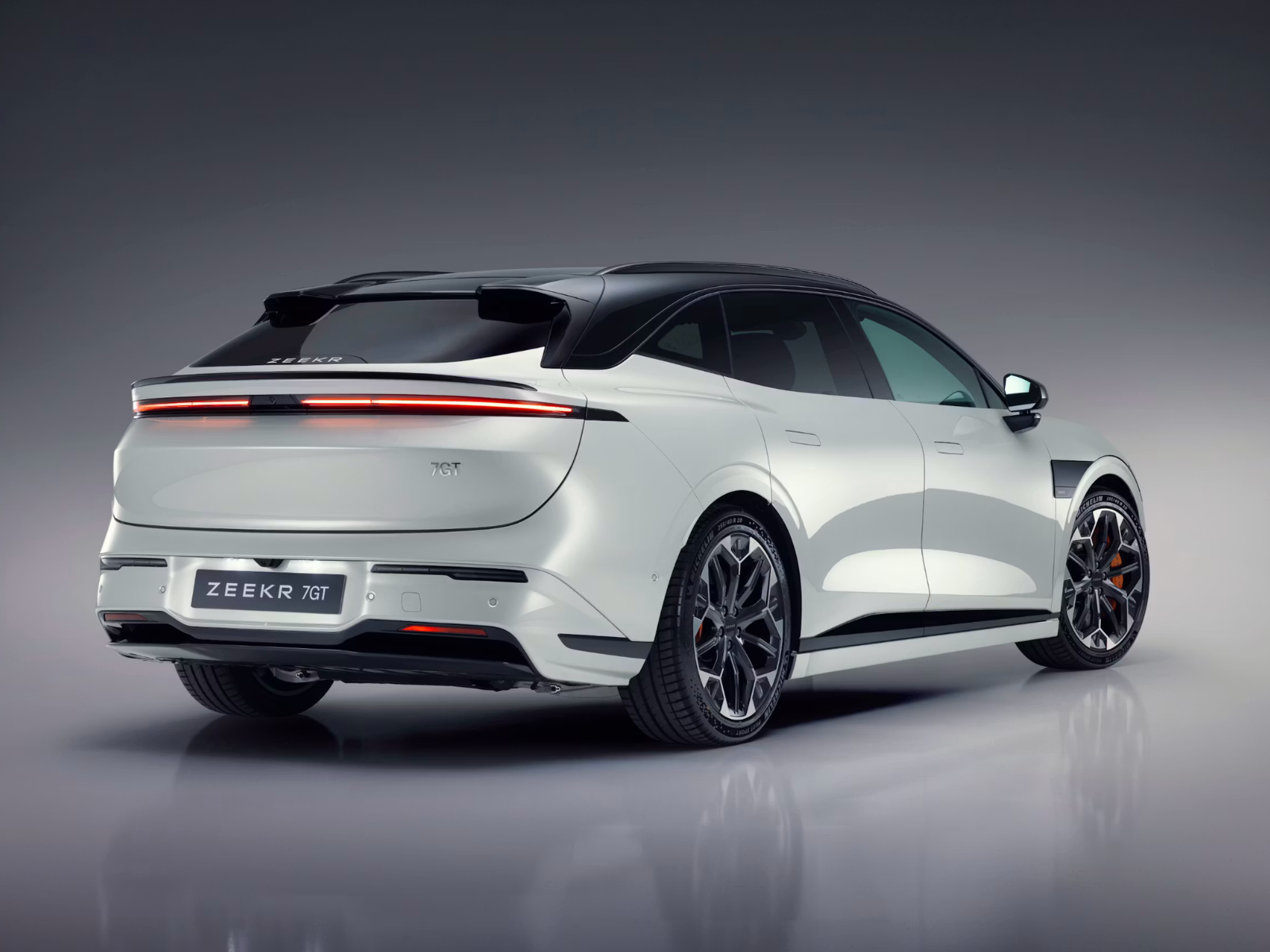
My time with the 7GT consisted of two separate days: a day to drive around Paris and its suburbs and a day on a closed, autocross-like course. Under the station wagon body sits a pair of electric motors, one at each axle, making a combined 630 horsepower and 523 pound-feet of torque. It’s good for a very EV-like 3.3-second 0-60 run. Like most EVs, it’s also very heavy, coming in at a whopping 5,300 pounds. This formula poses the same challenges to Zeekr as it does to anyone else making a fast EV.
Evidently, with that kind of heft, the biggest challenge in engineering a car like this is hiding that mass. Did Geely/Zeekr pull it off? Mostly. Pesky thing about physics: they apply to everyone. I was impressed the 7GT didn’t understeer terribly in tight corners, even with its tires starting to wear down after a day of journalists whipping it as hard as they could. You feel the mass, but guess what? A Taycan CrossTurismo feels fat too.
The next challenge is to make the car feel good to drive, given the usual clichés that apply to sports cars (feel, passion, soul, etc.) are largely tied to the car’s engine. Did they do it? Kinda. I don’t even remember what the fake sounds were, but there were some when you put your foot down. I do remember the steering being very numb, like most EVs, and the brakes feeling a touch odd because of their regenerative braking system, which doesn’t blend cleanly with your own inputs.
However, the chassis is maybe the best part of this car. It’s responsive, and what sensations I was robbed of by the drive-by-wire steering were given back through the seat. I could feel yaw in the car, and I could tell when the tires were pushed near the limit of adhesion. This is a tough thing to get right, and I’ve got to hand it to Zeekr, the 7GT does at least this as well as the Germans.
Power in an EV is easy to nail, and the 7GT has plenty. The acceleration is immediate, rapid, and neck-breaking. You could make a fella nauseous pretty quickly with one of these. Like most EVs, the 7GT’s on-road manners are excellent. It’s quiet, comfy, and a litany of cameras makes it easy to navigate even Paris’ tiny, clogged streets and parking garages. The sports car fades into the background, and the luxury car comes out.
Range And Charging: 10/10
The big draw a lot of these Chinese automakers have, at least in my eyes, is big range and fast charging. The 7GT is no different. The European WLTP test cycle says the 7GT’s AWD model is good for a strong 346 miles, while the rear-drive models can manage an impressive 322 or 407 miles depending on battery choice. Battery sizes rise with trim: base models get a 75kWh LFP (lithium-iron-phosphate) battery while Long Range rear-wheel drive and Privilege all-wheel drive cars come fitted with a 100kWh NMC (nickel-manganese-cobalt) battery.
Charging is equally impressive. The 7GT’s 800-volt architecture will charge up to 480 kilowatts, enough to charge from 10 to 80 percent in some 15 minutes.
Shopping for a new car? Click here to get a great deal on your next vehicle. Powered by Carvana, no haggle pricing, 100% online.
Interior And Technology: 6/10
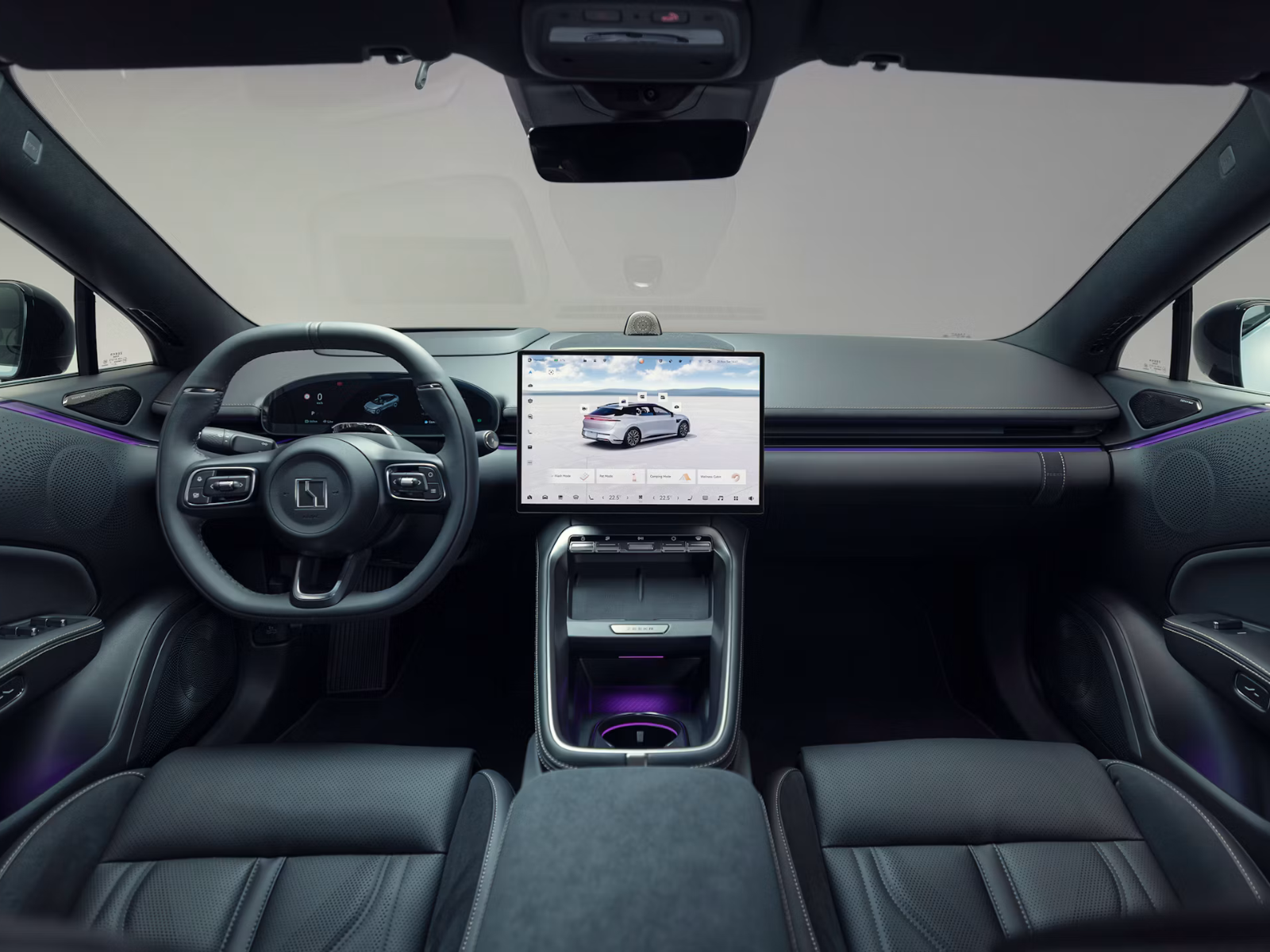
I believe the 7GT’s interior is really pretty nice given its price point. But its minimalist layout makes actually living with the thing pretty annoying. Even Geely’s own engineer turned off the litany of safety bells, beeps, and bongs on our test drive. It took a lot of menu diving to do it, too. That’s sort of the theme with changing the car’s settings, and even the steering wheel height and mirrors must be adjusted via the screen. It’s all cost-cutting, really.
The rest is commensurate with the EV’s pricing (more on this below). It feels sort of like a Tesla Model 3 inside, with a low dash, nice leather and suede touches, and some comfy, supportive seats. The wagon layout means big, comfy back seats and a trunk to match. Once again, the wagon is undefeated if you want one fast, practical car.
Verdict: 7/10

Geely
Blindfold someone, put them in a German equivalent, and then put them in the Zeekr, and I think most people would be hard-pressed to tell the difference. Truthfully, only when you push the car does the difference emerge. There’s a sharpness to something like a Model 3 or a BMW i5 that isn’t here. The steering is probably the biggest problem in this equation. I really thought the Zeekr’s chassis held up well both on the road and on the autocross course.
The other big argument for something like this is the money, which is a huge unknown given the brand isn’t even present in the US. For now, what I can give you is some pricing from Germany. Helpful, I know. In Germany, the 7GT’s RWD trim starts at €47,990 (around 53,548), while the Privilege Launch Edition AWD starts at €59,490 (around $66,379). Whether those numbers hold up if Zeekr or Geely make it to the US depends on the politicians.
About the author

Chase Bierenkoven
Senior Editor, Autoblog