
Key Points
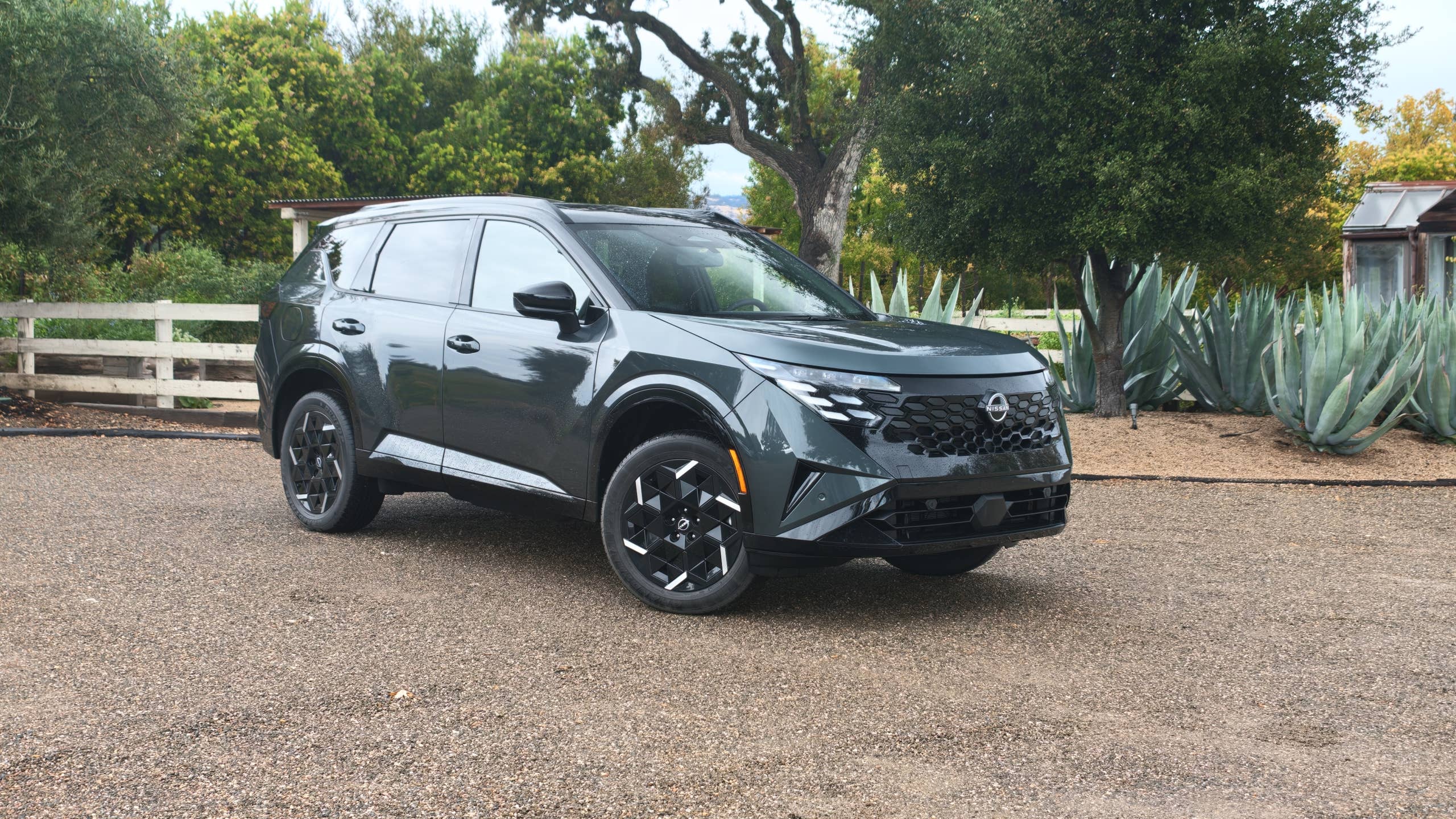
- The 2027 Nissan Rogue Hybrid introduces Nissan’s e-Power series-hybrid system to North America.
- Electric motors drive the wheels, while a gasoline engine recharges the battery, delivering smooth, quiet performance.
- Pricing starts at $37,065, with competitive fuel economy but reduced interior space and higher costs.
E-Power Finally Arrives
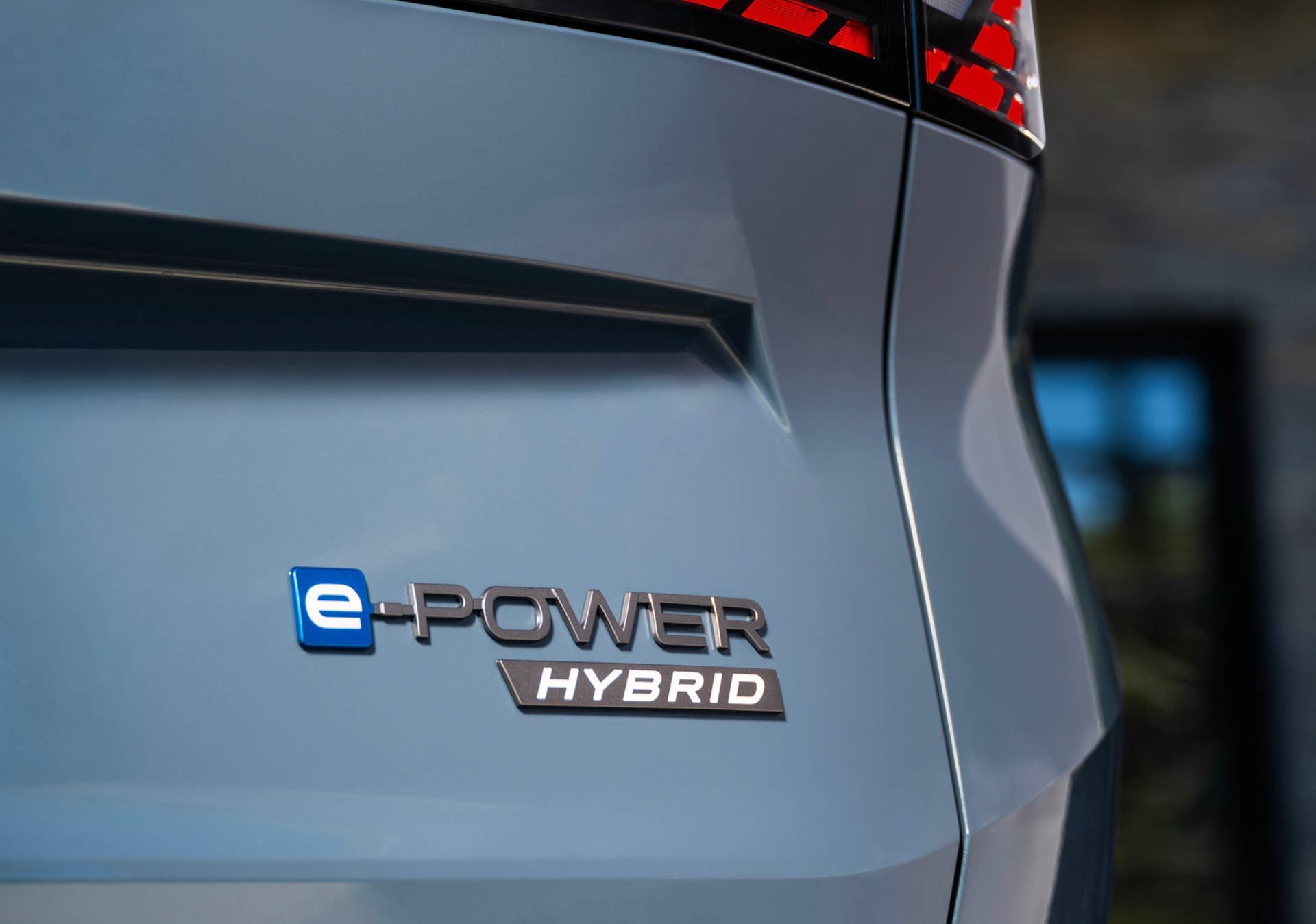
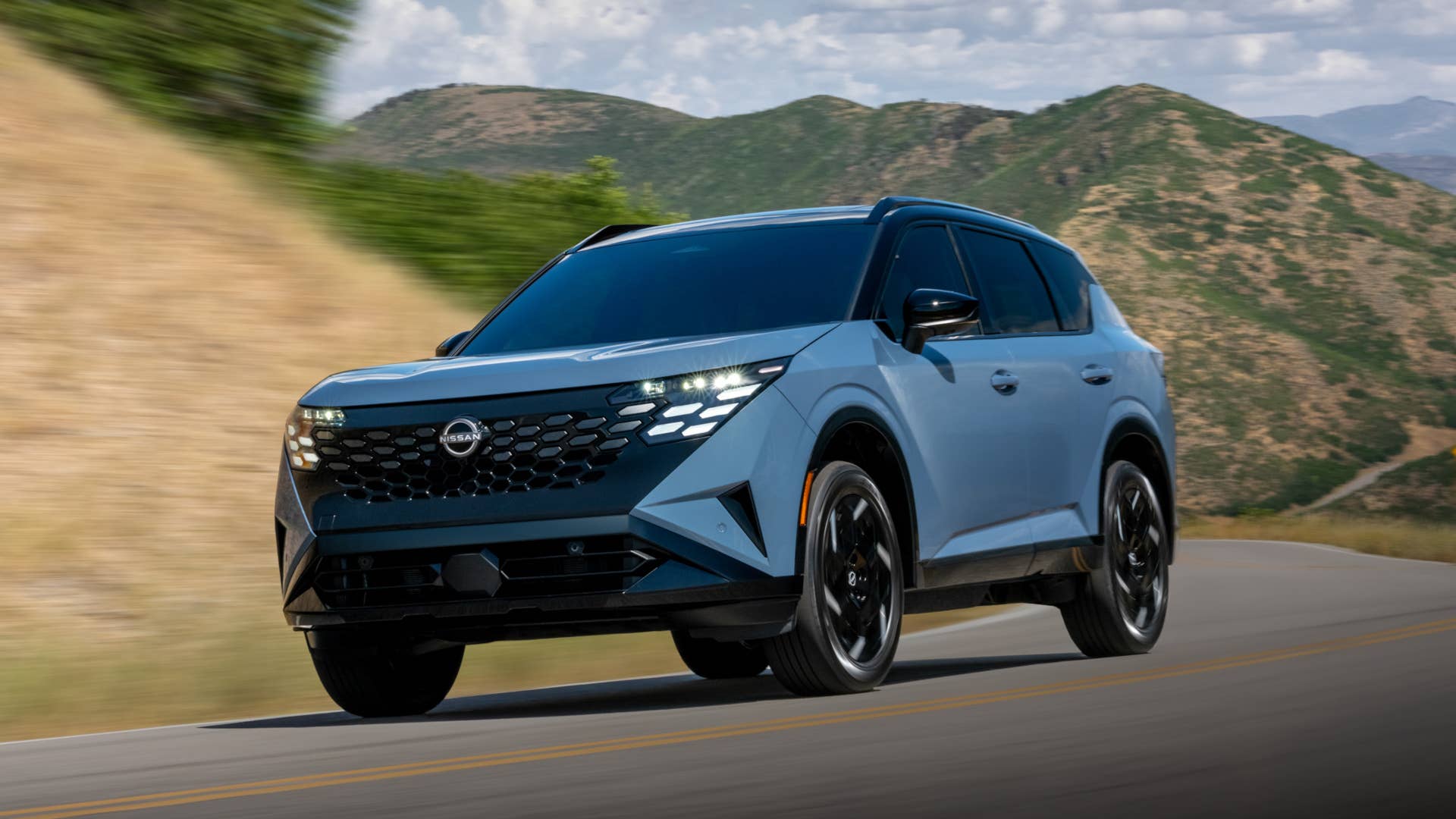
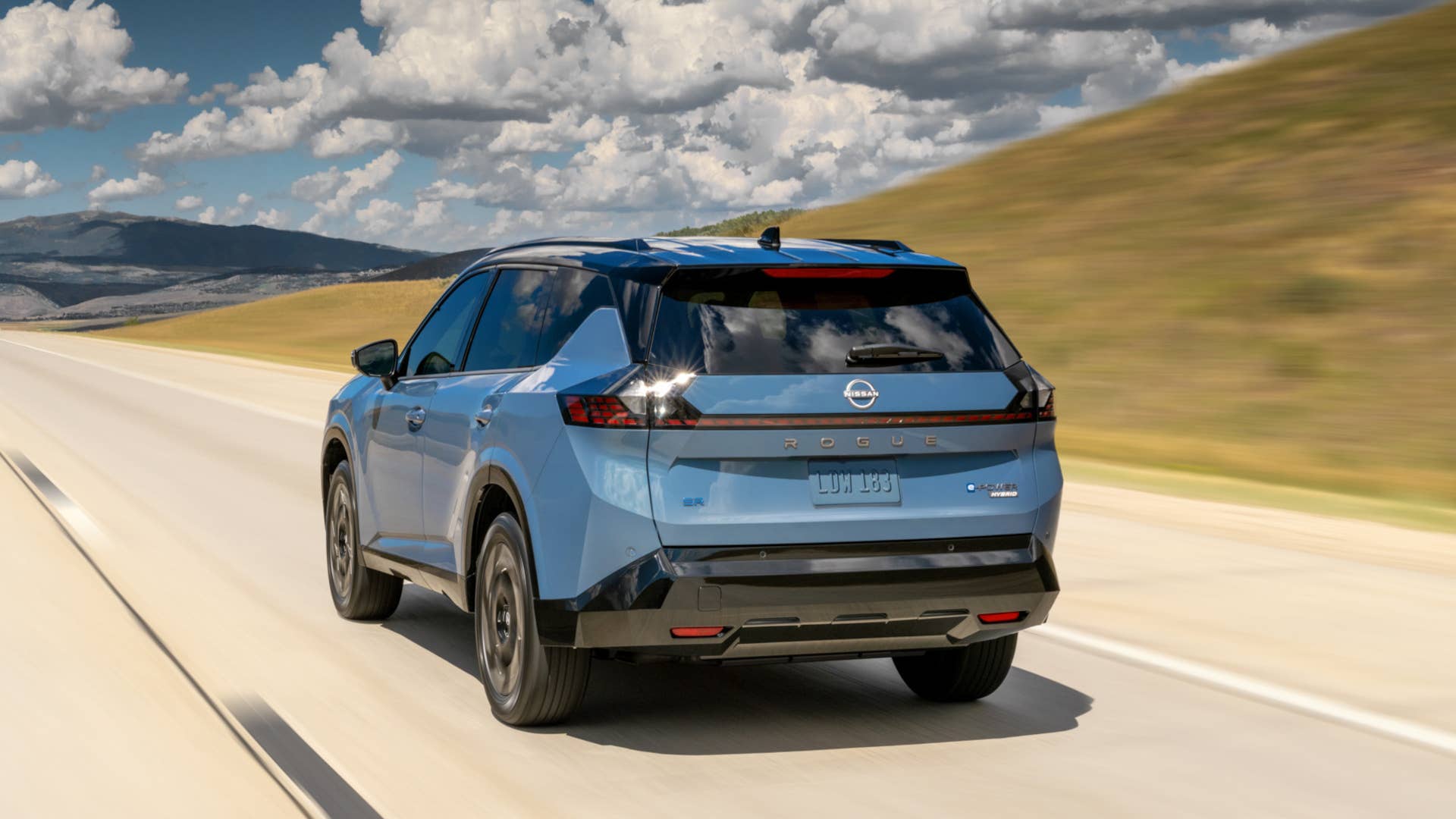
If you live somewhere outside the United States, Nissan’s e-Power system is old news. This “revolutionary” new powertrain actually debuted a decade ago in markets like Japan, but it’s just making its way to North America in the 2027 Nissan Rogue Hybrid. e-Power is radically different from a traditional hybrid like a Honda CR-V or Toyota RAV4.

Nissan
Instead of using a combination of the gasoline engine with assistance from electric motors to drive the wheels, the Rogue Hybrid only uses electric motors mounted at each axle. The gas engine isn’t connected to the wheels in any capacity, and only acts to keep a small battery charged up to power the car. This is known as a series hybrid, rather than a traditional parallel hybrid. The engine and motors work in series rather than in parallel, theoretically creating an experience that feels more like an electric vehicle. Does it actually work? Autoblog flew to Santa Barbara, California to find out.
An EV With No Plug
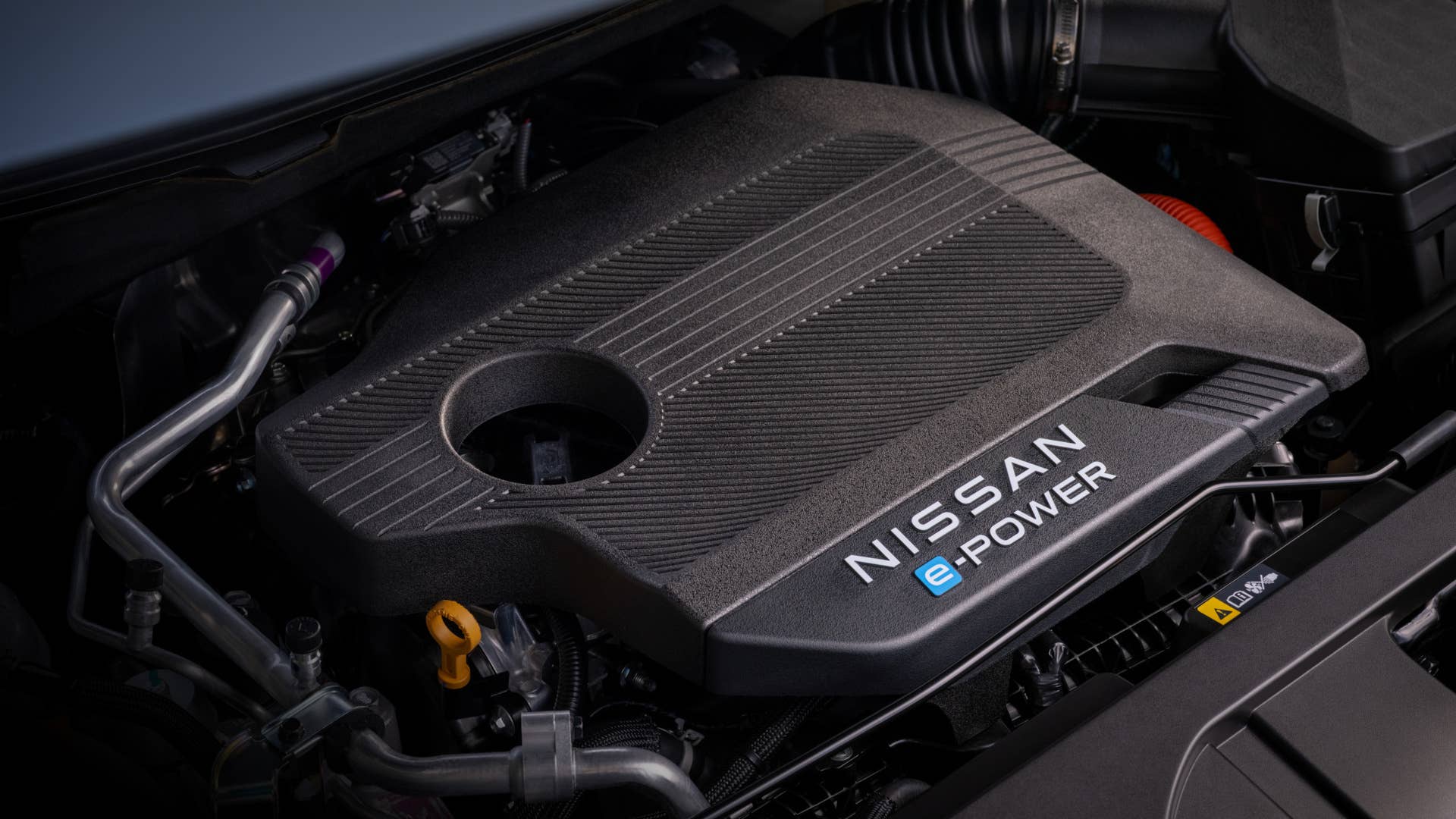
The 2027 Rogue includes a 1.5-liter turbocharged three-cylinder engine under the hood, but it has no relation to the VC-Turbo engine under the hood of the outgoing generation despite sharing the same displacement and cylinder count. This tiny engine only produces 148 horsepower and 171 lb-ft of torque, but remember, the three-cylinder never directly drives the wheels, so its output isn’t important.
Drive comes from a front electric motor delivering 202 hp and a rear one rated at 134 hp; combined they produce 225 hp. Nissan says the Rogue Hybrid can hit 60 mph in around 6.4 seconds, though I didn’t have a chance to verify that claim due to inclement weather.
SV and Platinum trims are rated at 41/35/37 mpg city/highway/combined while the SR gets one additional mile per gallon on the highway/combined thanks to some aero wheels. Those numbers trail behind the segment-leading RAV4 Hybrid but are competitive with other models in this class. I personally observed only 30 mpg during a day of driving in Santa Barbara, but I’d like to get the Rogue back home to see if Florida’s flatter roads improve fuel economy. With a full tank, the Rogue Hybrid should go over 500 miles between fill-ups.
Does It Really Feel Like An EV?
From the moment you put the Rogue Hybrid into drive and start moving, you can immediately tell it is unlike other hybrids. Unlike a parallel hybrid with an eCVT or a geared transmission, the e-Power system doesn’t drive the wheels with the engine, so it doesn’t have to rev high and create a lot of noise. Acceleration is smooth and linear—like an EV—and the engine feels like it’s far away in the background not being asked to stress itself. Even at full throttle, you can barely hear the three-cylinder engine, and ambient noise almost completely drowns it out at highway speeds.
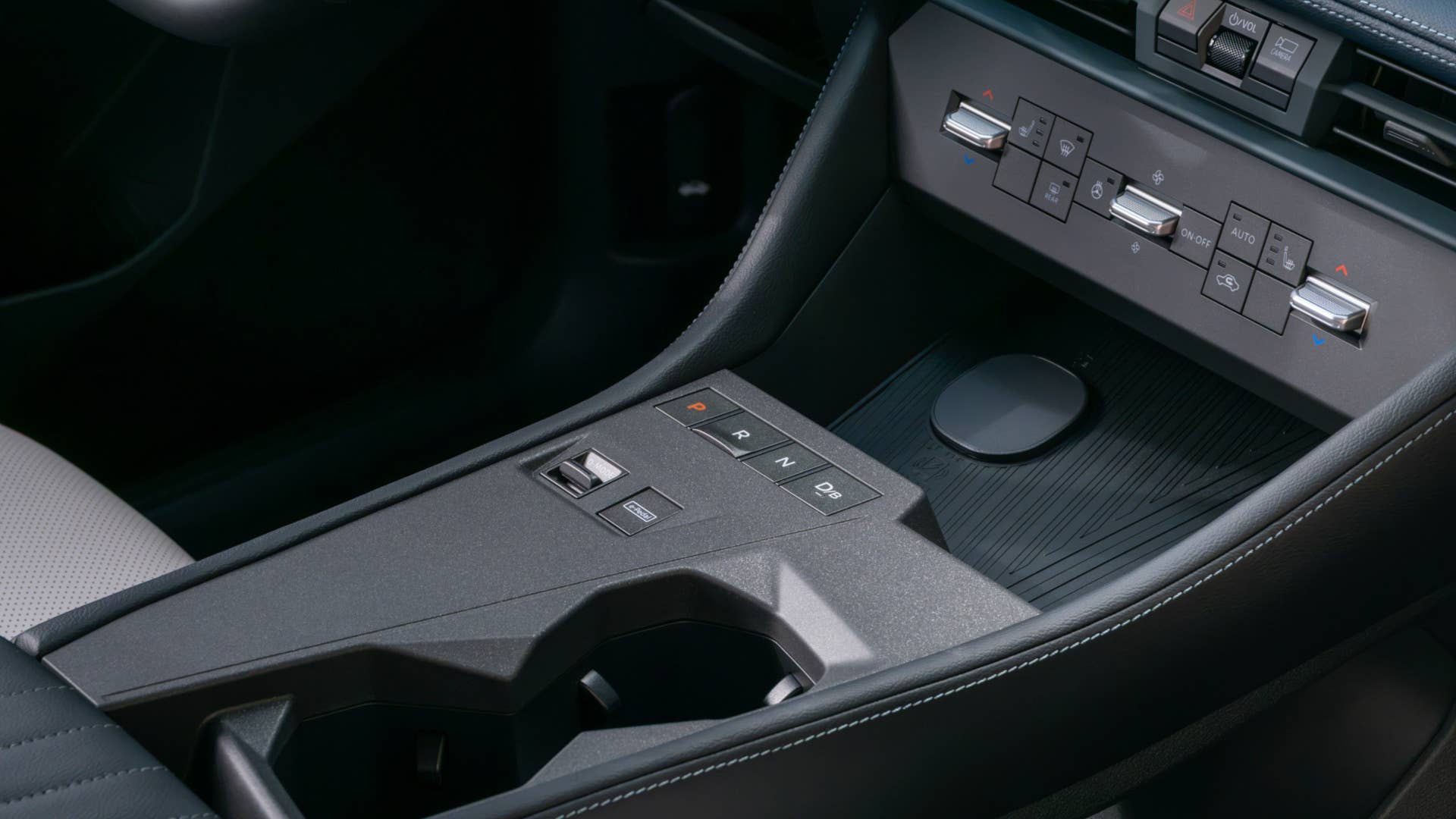
The Rogue Hybrid also brings in one pedal driving (called e-Pedal), a much-loved EV feature. When you lift off the throttle, the car can come to a full stop without any interaction with the brake pedal. Alternatively, Nissan also integrated a smooth stop function when using the brakes, which brings the car more gently down to zero mph without rocking the occupants. This is truly the smoothest and quietest hybrid experience on the market right now.
A Nice Interior With Some Compromise
The outgoing Rogue was among the most premium options in the compact crossover segment with an available quilted semi-aniline leather interior on the top Platinum trim. Unfortunately, this new version only comes with quilted leatherette, even on the top model. Nissan stepped up the cabin in other ways, including available 64-color ambient lighting, a standard Qi2 wireless phone charger (dual chargers optional), and available ventilated front seats.
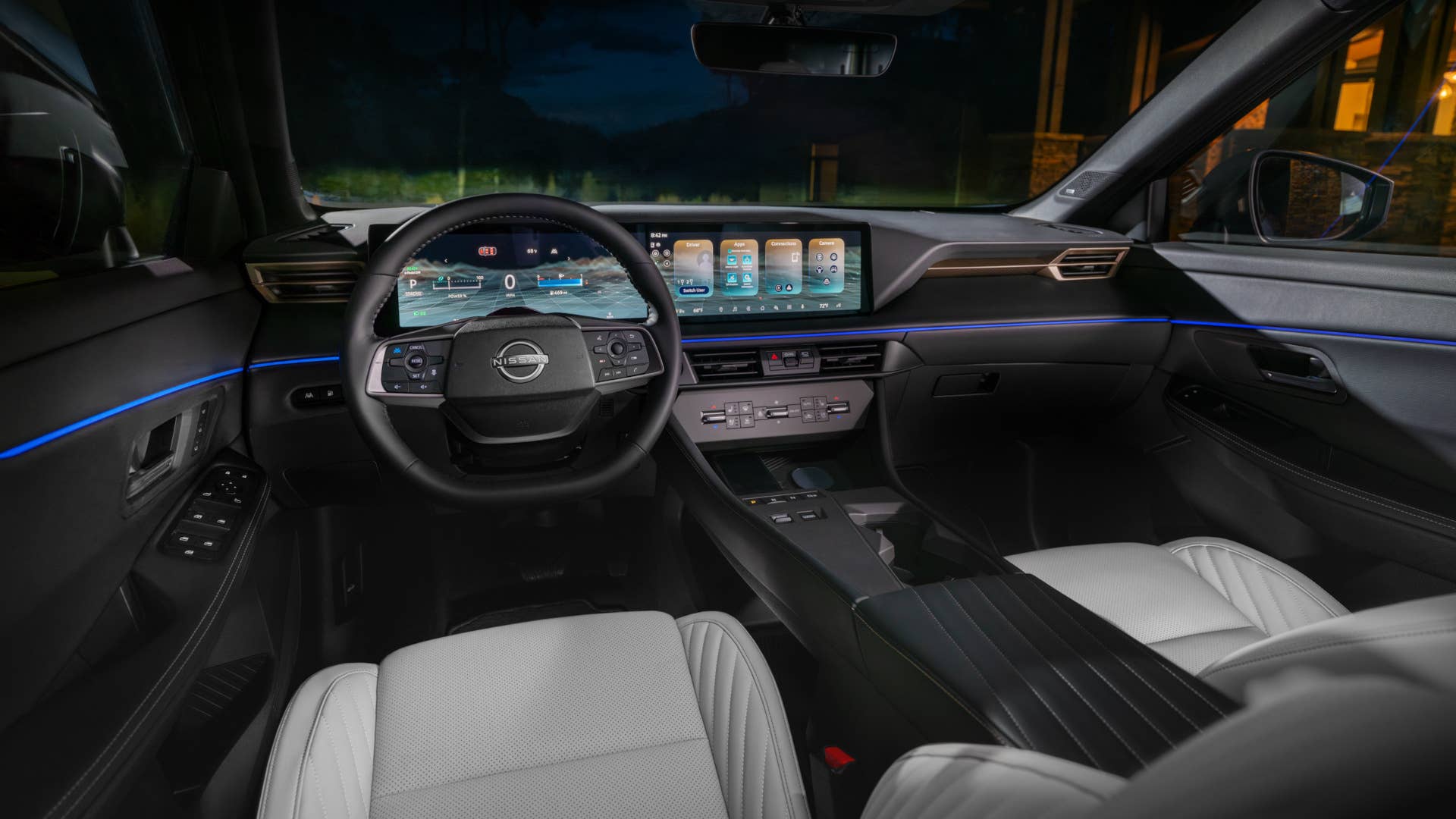

The technology is improved with standard dual 12.3-inch displays or optional 14.3-inch screens with built-in Google. Upgrading to the Platinum adds a 10-speaker Bose audio system that sounds quite nice; it also rolls in a 360-degree camera and head-up display.
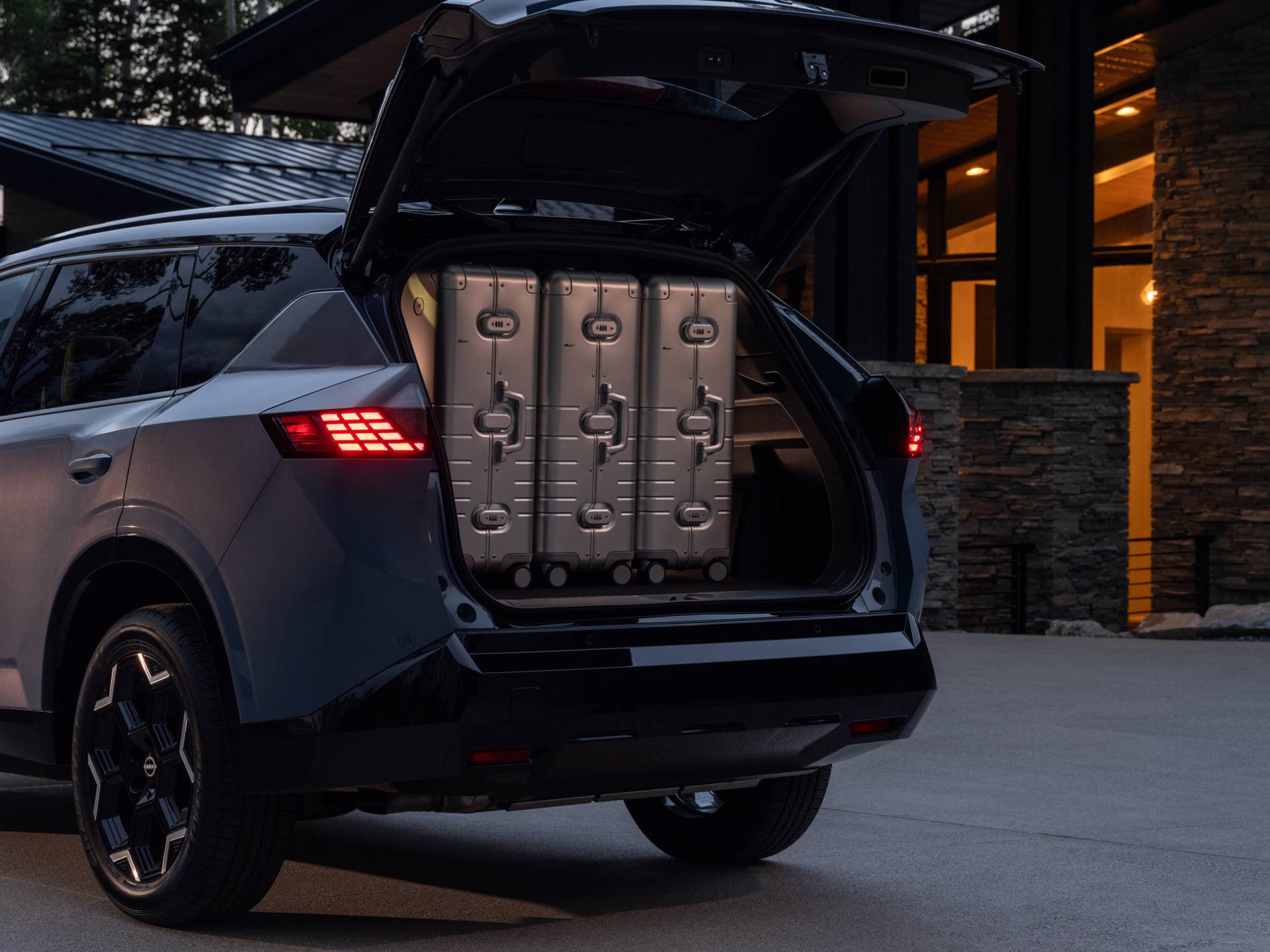
Along with the slight drop in material quality, the new Rogue is also smaller inside than its predecessor. Rear legroom drops by 2.3 inches and overall cargo volume is down 3.4 cubic feet.
Nissan Cracks The Code
Nissan has priced the 2027 Rogue Hybrid well above the 2027 Rogue gas model, which will continue to be sold alongside it until the next-generation 2028 Rogue arrives sporting these changes in a non-hybrid variant. The base SV AWD trim starts at $37,065 with destination; for comparison, the SV AWD gas model costs $33,665 and there is a base S FWD model costing as little as $31,265 for budget-conscious buyers.
| Trim | MSRP (w/destination) | Option Package |
| SV AWD | $37,065 | Premium Package: $2,100 |
| SR AWD | $39,065 | Technology Package: $4,000 |
| Platinum AWD | $45,065 | N/A |

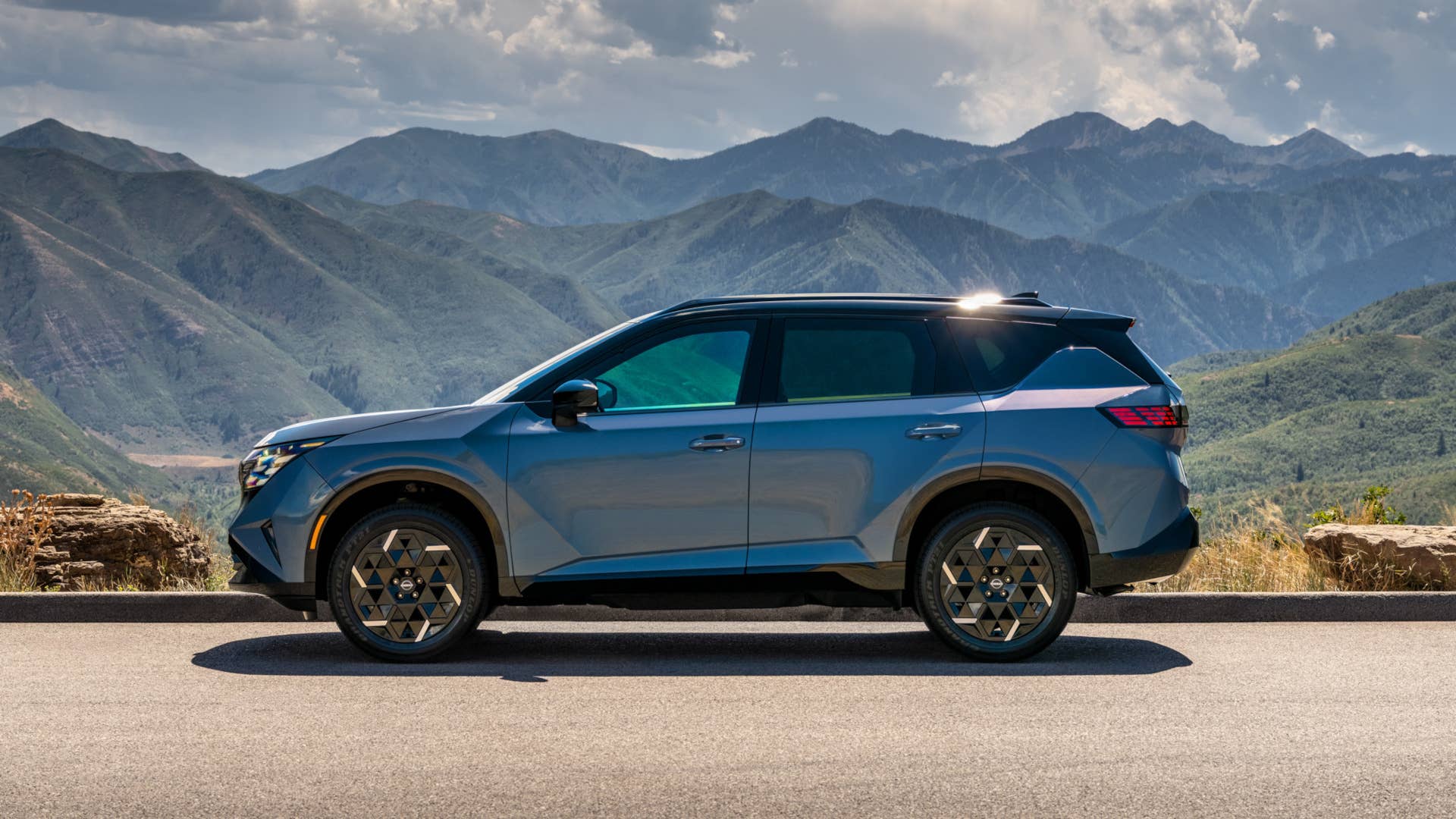
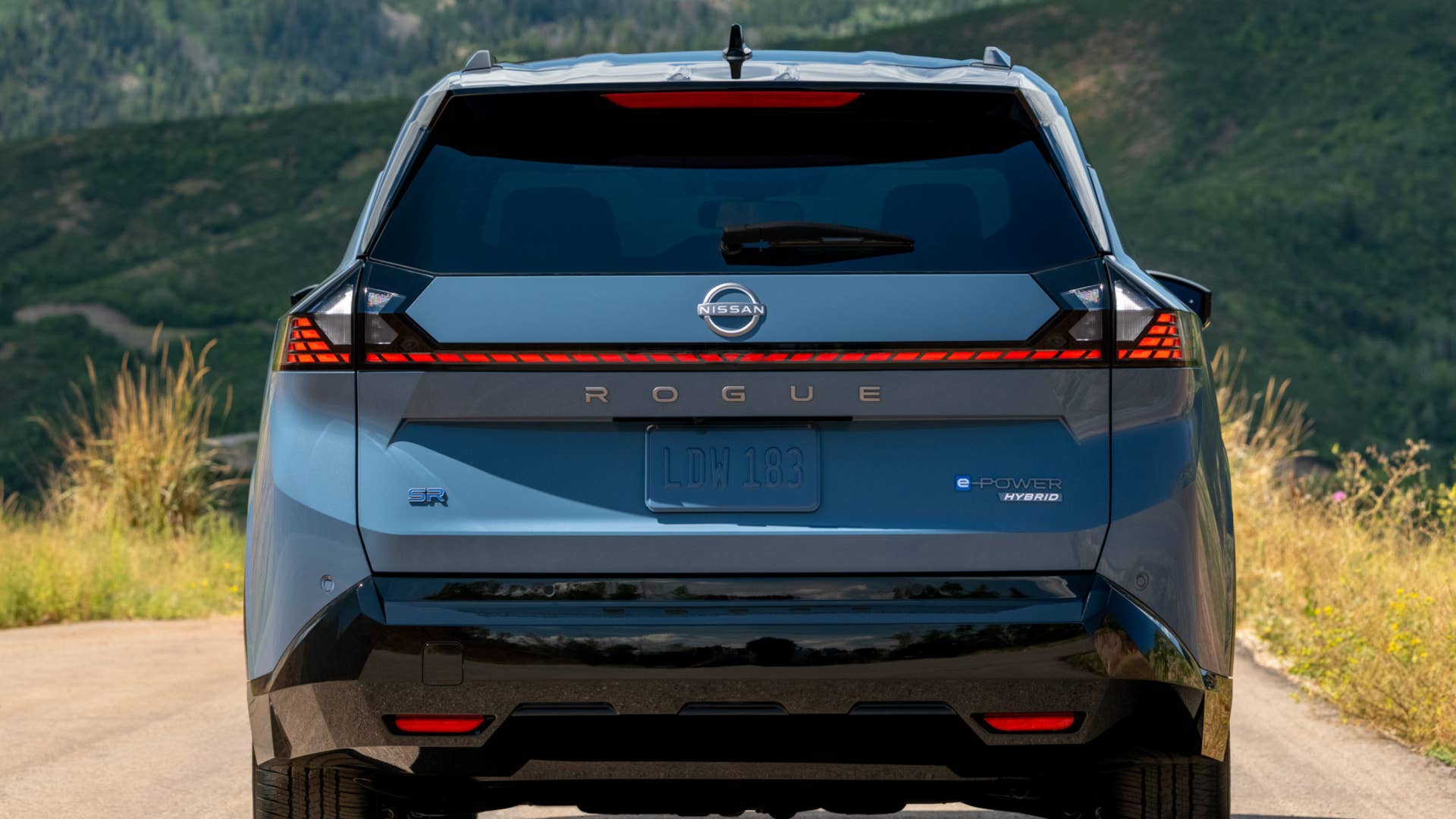
The top Platinum trim rings in at $45,065, which is just above a comparable 2026 Toyota RAV4 Limited ($44,895). Though the Rogue has lost its value proposition, it has gained another selling point: smoothness and refinement. This new e-Power system is far quieter and more cohesive than any existing hybrid powertrain sold in America. That alone makes it worth cross-shopping with the most popular options in its segment.
About the author

Jared Rosenholtz
Senior Editor