
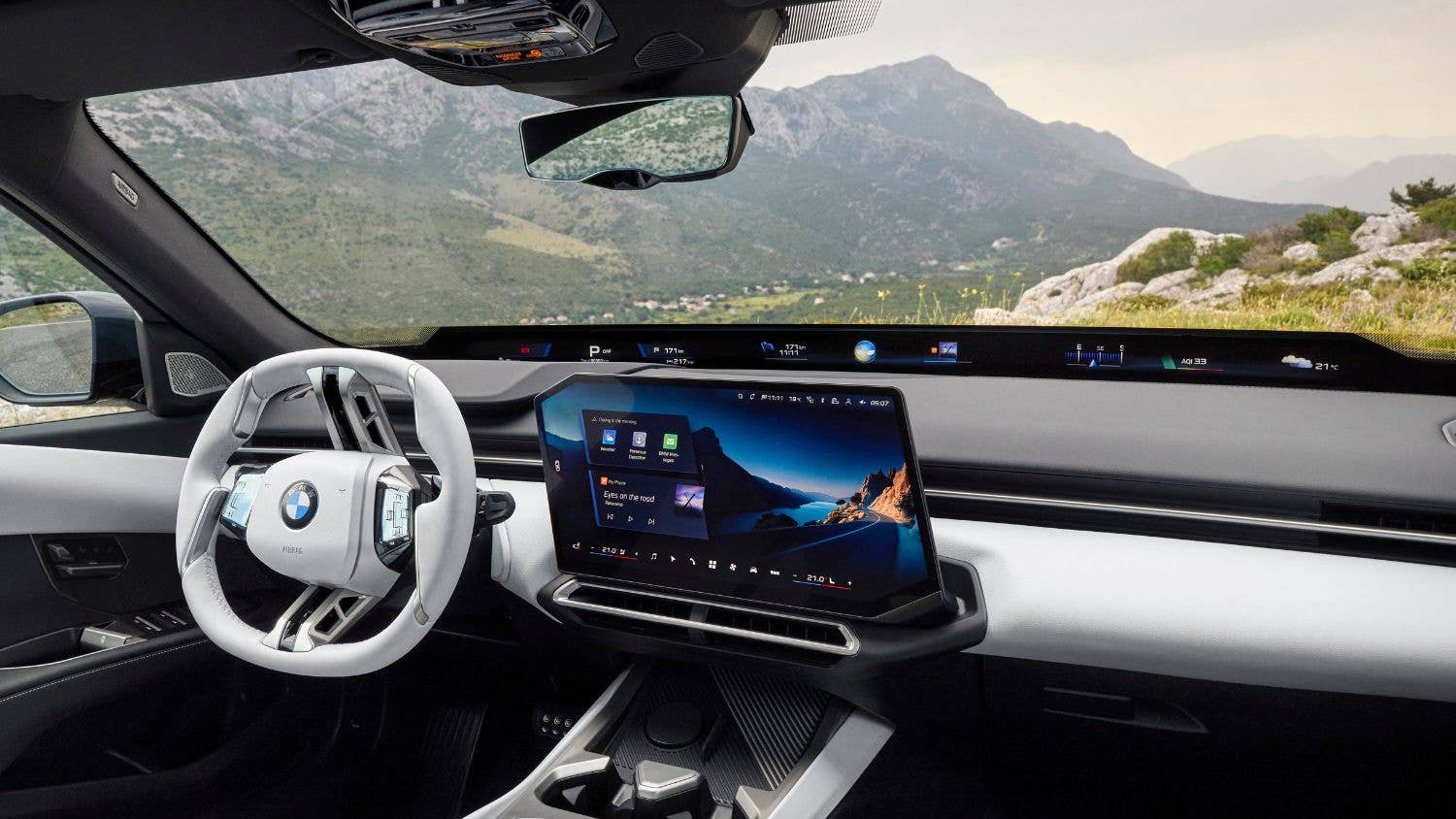
That “new car smell” you love is actually a cocktail of chemicals, and BMW has a team of trained sniffers working to get rid of it. Why? It’s because that new-car smell comes from volatile organic compounds evaporating out of hundreds of synthetic parts in a freshly delivered vehicle.

BMW
How The Sniff Test Works
According to BMWBlog, the automaker’s “nose team” works alongside specialized labs to judge how cabin materials really smell. Odor labs have operated in Munich since 1999 and in Shenyang, China, since 2014. Materials go into heated chambers that mimic a hot cabin, and the air is analyzed for compounds, then judged by evaluators against reference standards. The checks come in three stages: single materials, larger parts such as seats and headliners, and finally the complete vehicle, since materials can smell different in combination, especially as temperatures rise. Nils Hesse, BMW’s VP of Product Sustainability, put it this way: “A car doesn’t exist in a lab, but with its occupants.”
What This Means For You
BMW
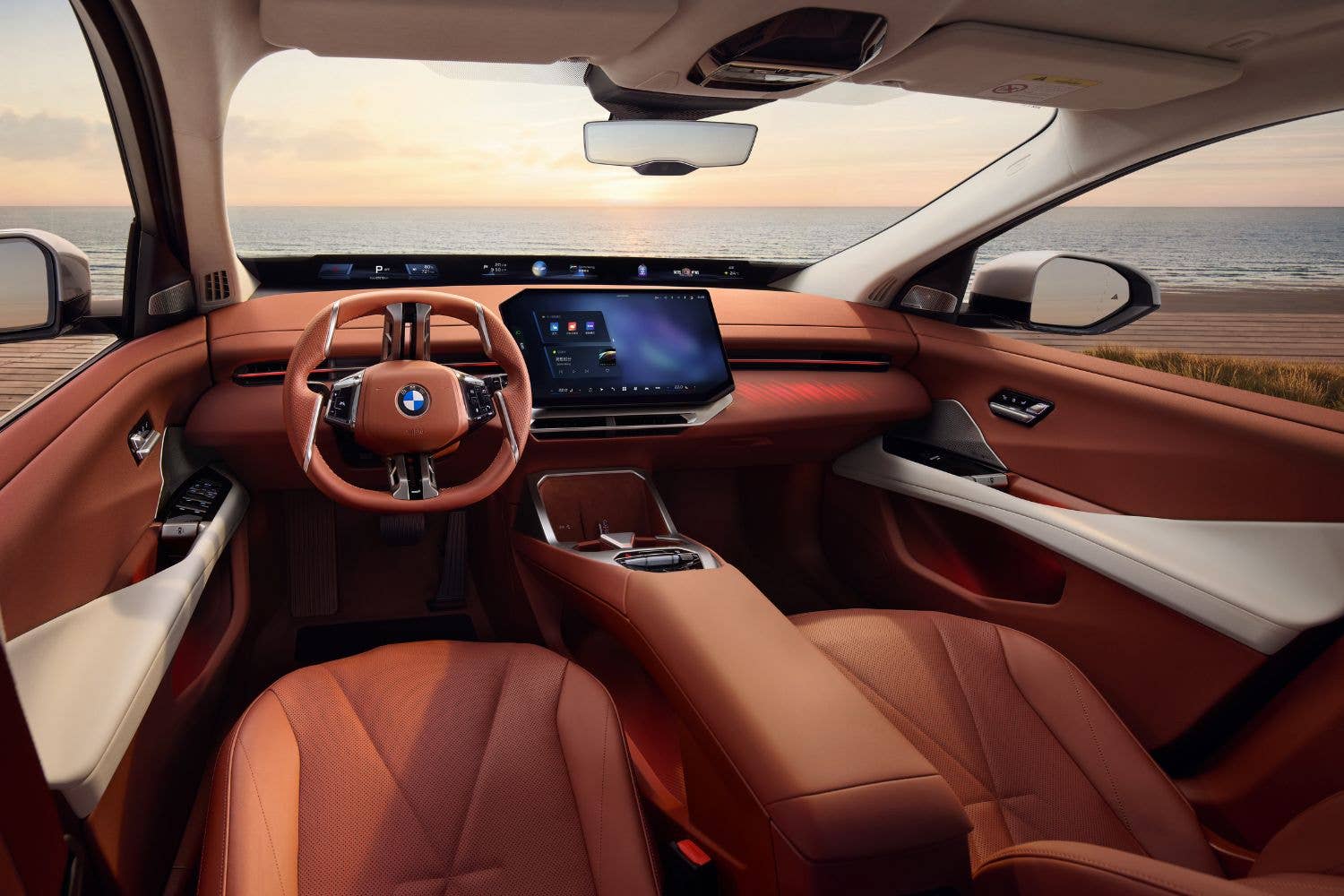
Unless you’re buying a BMW, it means nothing. But the science is interesting, and it claims that heat is the enemy. According to the working theory, summer sun raises cabin emissions, while overnight winter parking lowers them. BMW says newer microfiber materials cut emissions and avoid animal-derived proteins, which can cause odor as natural leather ages. Personally, I drive a W123 Mercedes, and the smell of old animal biologics in the upholstery is what sets the scene. In epic contrast, the Neue Klasse iX3 also gets a multi-stage Nano Filter to make sure you’re really only breathing the cleanest, crispest, and most premium air. As for the rest of us, if your car has a smell today, the usual advice applies: crack the windows and park in the shade. If you follow this advice with a new car, the compounds fade by roughly 20 percent a week, so the smell eases over the first few months.
Why Smell Matters
Some of those compounds, like benzene and formaldehyde, are classified as human carcinogens, though typical cabin levels aren’t considered a serious hazard. The U.S. has no federal rules for in-car air, while China requires chemical tests before sale. BMW’s pitch to new car buyers is that a cabin that smells like nothing is a cabin that’s working.
About the author

Yash Bajaj
News Editor