
Something in the Water
There was definitely something in the water when automakers were drumming up their flagships and performance cars just before the turn of the millennium. That was the time we saw several brands stick V10 engines in their vehicles. V8s, it seemed, were just not enough anymore, and V12s were just a little too common.
The 2000s effectively saw the democratization of V10 power. From executive sedans to SUVs, ten cylinders had become a solution to a problem no one really had, and we’re glad several carmakers stepped up to the plate. Of course, there were supercars that got V10s, too, and so did a pair of pickups with totally different purposes.
Bring a Trailer
V10 Trucks, Different Purposes
To show just how wide the applications for V10s were in the 2000s, we kick things off with pickups. Ram, when it was still under Dodge, was the first out of the gate with a ten-cylinder pickup by offering it as an option for the 2500 and 3500 heavy-duty models as early as 1994. When the second-generation Dodge Ram HDs were introduced in 2002, those trucks briefly had the 8.0-liter Magnum option, until it was canned after the 2003 model year. Output went from 300 hp to 310 hp over the years, but torque stayed consistent at 450 lb-ft.
Meanwhile, there was Ford, which responded to Dodge’s challenge with the Triton V10 in 1997. It was ‘small’ compared to the Ram’s Magnum V10 at ‘just’ 6.8 liters, but it nearly made as much power in its early years. But by 2000, power rose from 275 hp to 310 hp, matching the Ram in terms of output. The addition of a third valve bumped up power again to 362 hp, and it remained in service in the Super Duty until 2010 before being relegated as an option for commercial vehicles.
But at the opposite end of the spectrum, there was the Dodge Ram SRT-10, and it was nothing like the 2500 and 3500 trucks from the same lineage. While it still had 10 pistons under the hood, the engine came straight from the Dodge Viper, specifically the 8.3-liter block that punched out 510 hp and 535 lb-ft. It was easily the fastest pickup at the time, and while it could haul cargo, it was built to haul something else entirely.

Dodge
Executive Express
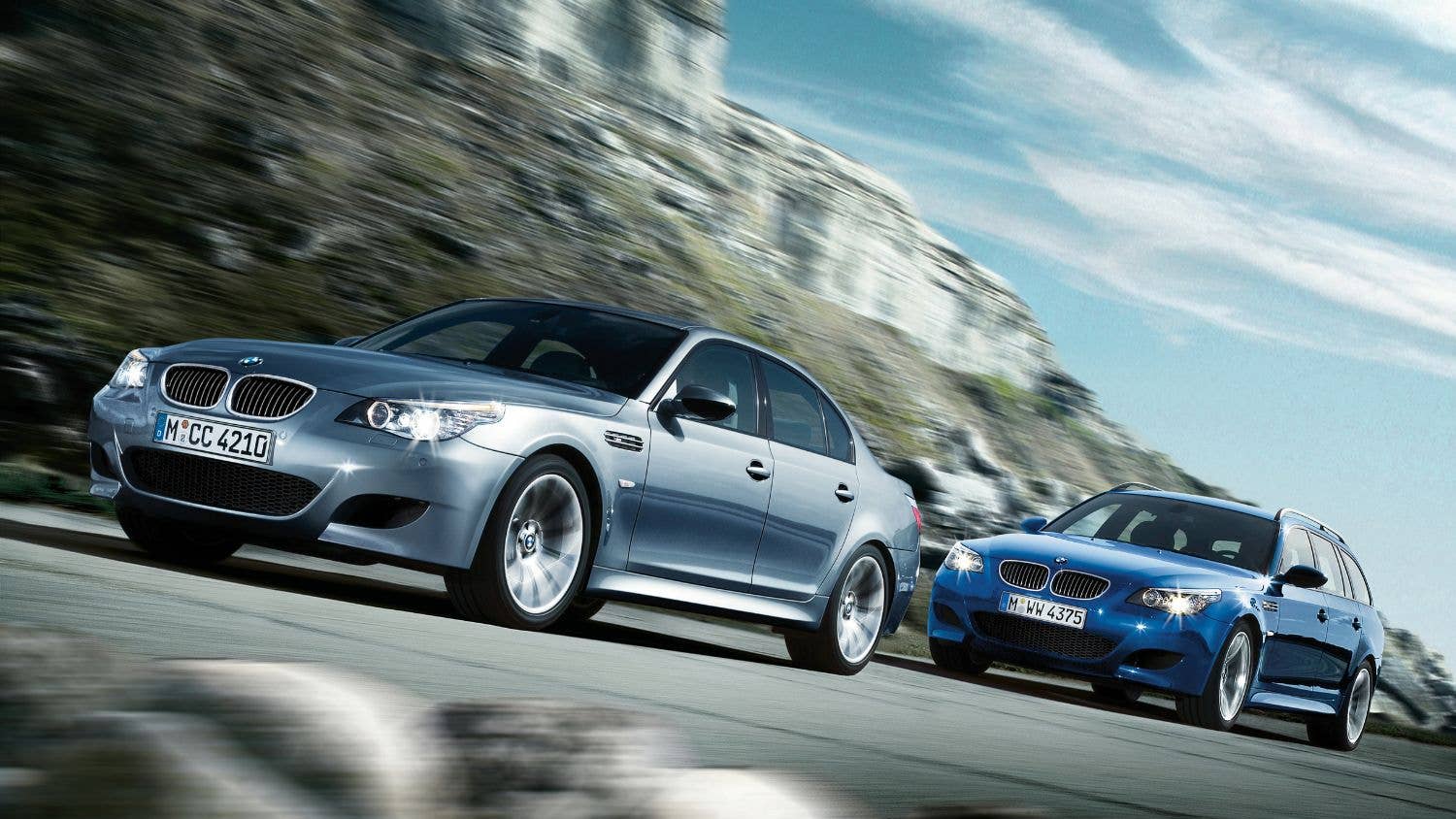
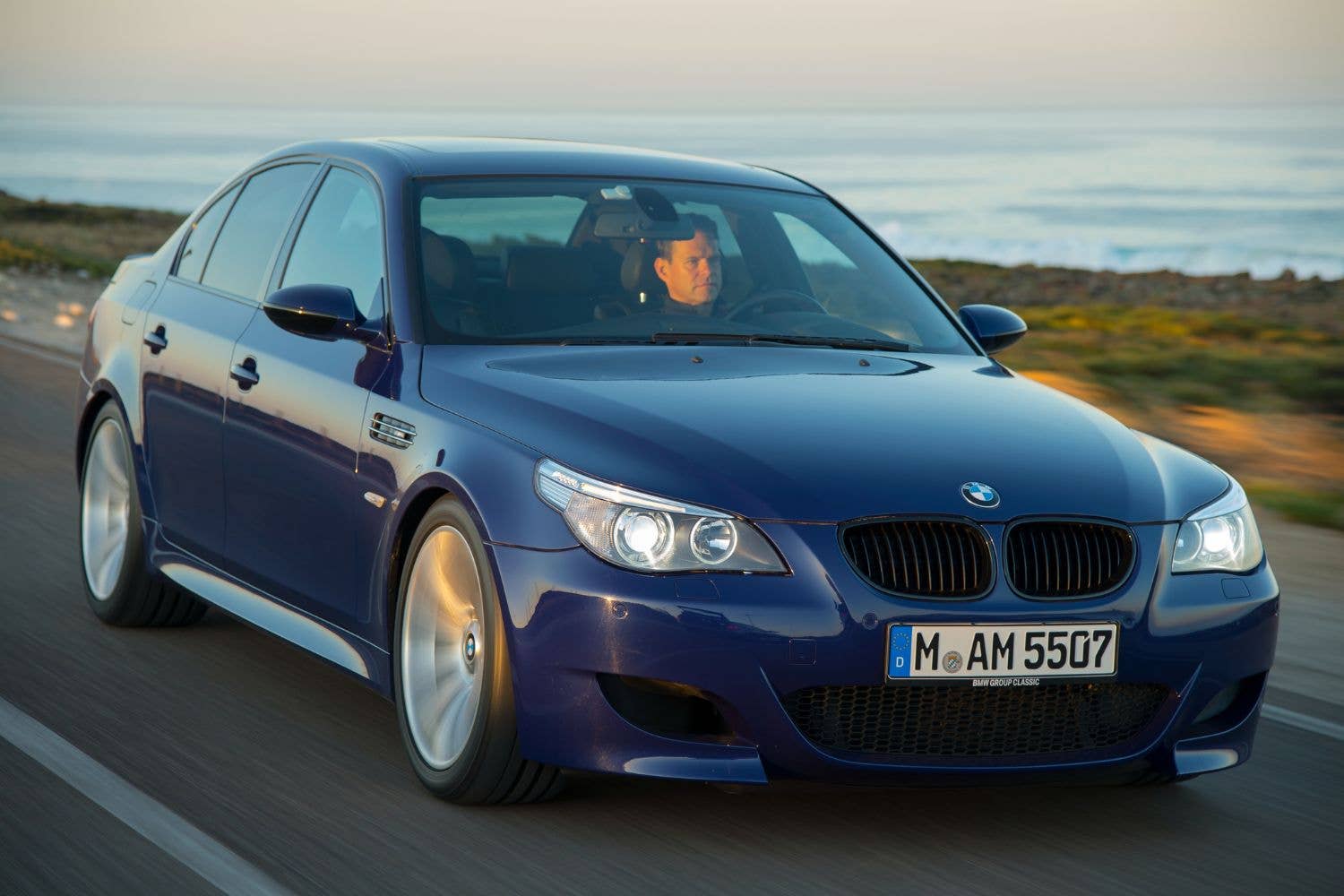
Meanwhile, in Germany, BMW and Audi thought it was best to put V10 engines in their sensible midsize sedans, the 5 Series and A6, respectively. But it was BMW that was out the gates first in late 2004 with the E60 M5 and its Formula 1-inspired 5.0-liter V10 dubbed the S85. Stats? 500 hp, 384 lb-ft of torque, and a redline of 8,250 rpm. From a distance, the E60 M5 could be mistaken for a 5 Series with an M Sport package, but with four tailpipes out the back and a screamer for an engine, it wasn’t what anyone would call subtle. Not content with that, the then-new 6 Series gained an M6 version as well, with the same S85 engine under the hood.
Over at Audi, the C6 S6 revealed in late 2005 ditched the V8 for a V10. It was based on the V8 from the same period, and its output comes across as a little tamer compared to the BMW. Audi’s 5.0-liter V10 FSI put out 429 hp and 398 lb-ft, so it wasn’t exactly a match for the M5. However, the folks from Ingolstadt were saving up the extra power for the second-gen RS 6 that came out two years later, and it countered the M5 by strapping on a pair of turbos on the engine. That cranked total output to 572 hp and 479 lb-ft, which was heaps more than the M5. Sadly, that generation of RS 6 never crossed the Atlantic.
BMW
Not content with that, Audi thought it would also be a great idea to plop the engine from the S6 into its bigger brother, the D3 S8. It premiered just a month after the S6, but its reception was no less different. Given that the S8 was bigger and heavier than the S6, it was decided that it needed a little more power, so it went up to 444 hp from 429 hp, but retained the same amount of torque.
But before the madness of placing V10s in luxury sedans reached a fever pitch, it was actually Volkswagen that started the whole thing. But unlike Audi and BMW, it sang a completely different tune. It all began with the Phaeton, and its 5.0-liter V10 sang a totally different tune. It was a turbodiesel, and it was the world’s first sedan to be powered by ten cylinders. Like the RS 6, it wasn’t made available in America, but the specs are worth a read: 308 hp and whopping 553 lb-ft of torque. It was the first V10 diesel sedan in the world, and so far, also the last.
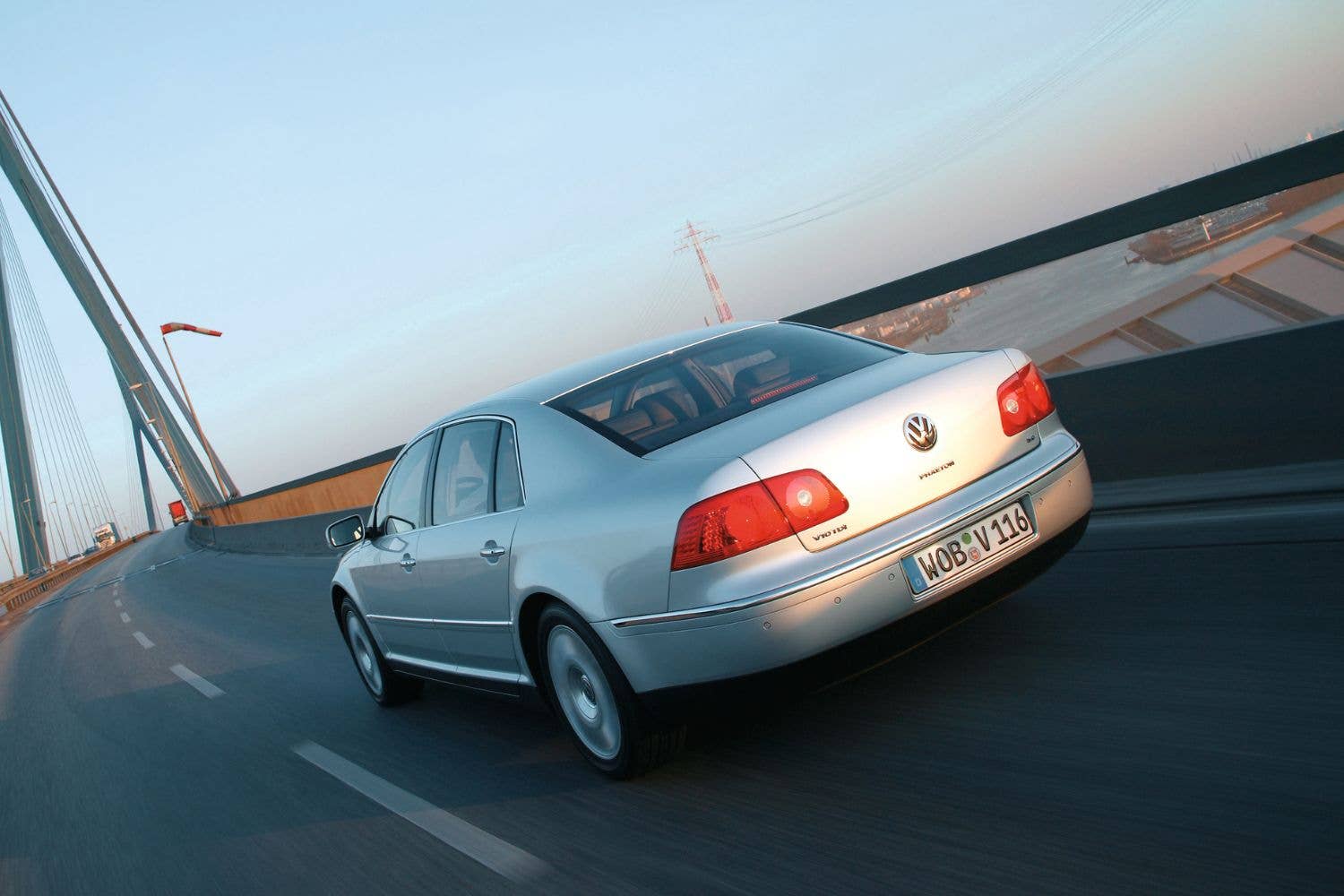
Volkswagen
Wagons Joined the Party
The Audi and BMW V10 rivalry didn’t end with sedans, either. The two brands from Bavaria (Ingolstadt and Munich are in the state of Bavaria, if anyone’s wondering) butted heads in the ten-cylinder wagon category, too. This time, it was Audi that fired the first shot, as it had also put in the V10 FSI engine in the S6 Avant. It made the same power as the sedan, so it was a properly rapid wagon.
BMW then upped the ante with the M5 Touring, reviving the M station wagon after the original model bowed out in 1995. So while the S6 was the first wagon to even have a V10, the M5 Touring can claim the title of the first one to reach 500 horsepower. Still, the one-upmanship didn’t stop there, as the RS 6 Avant with its twin-turbo engine blew past the M5 Touring’s power ratings by quite some margin. If anything, this little rivalry makes us love the Bavarians even more.
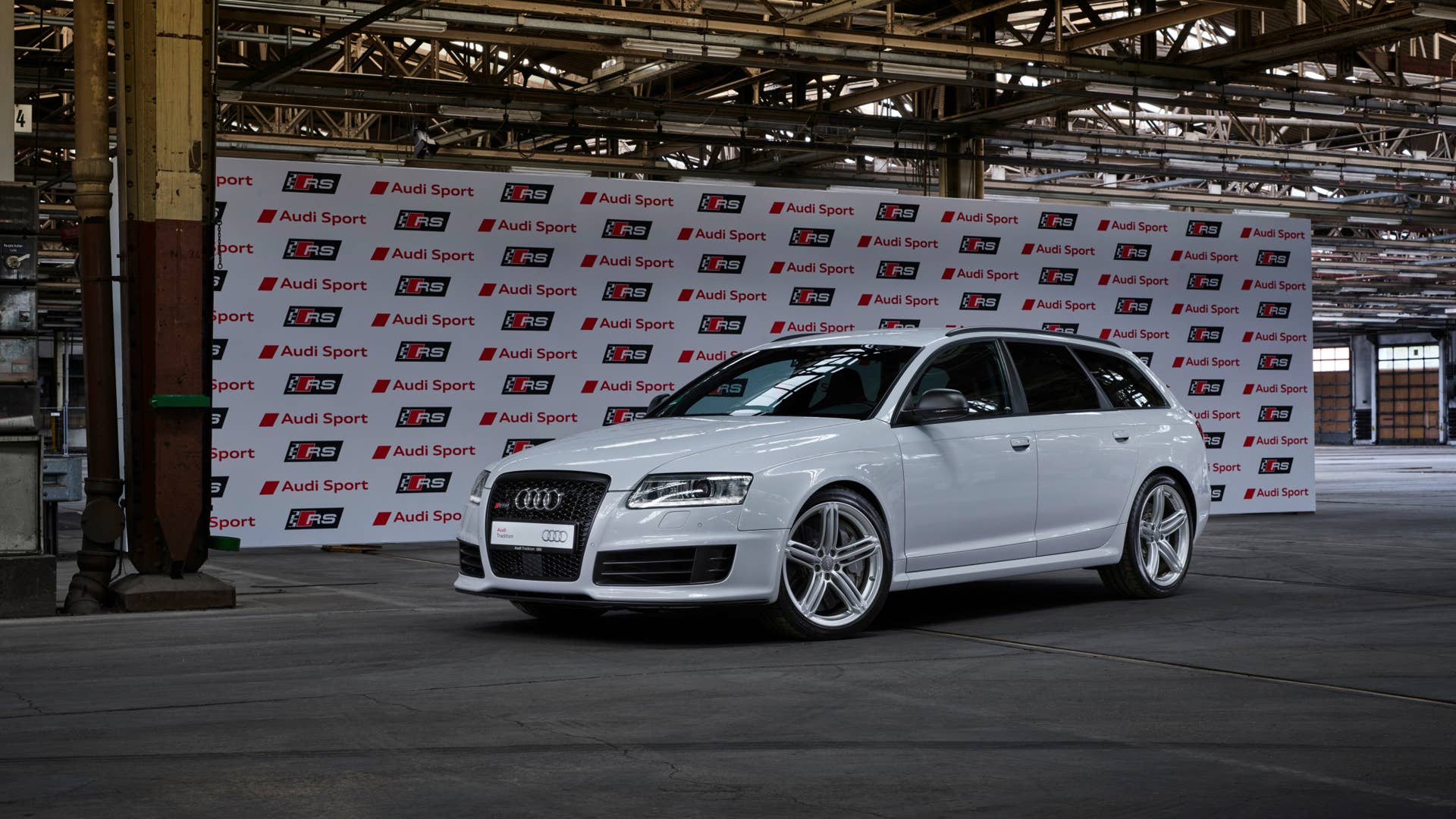
Audi
SUVs, Too
There was no shortage of V10 passenger cars in the 2000s, but if we’re talking SUVs, there were only two on offer at the time. More interestingly, the two were complete polar opposites of each other. For heavy-duty applications, there was the Ford Excursion that was introduced in 1999 for the 2000 model year. As it’s based on the Super Duty, it’s no surprise it was also available with the same 6.8-liter big block from the pickup and had the same horsepower and torque figures.
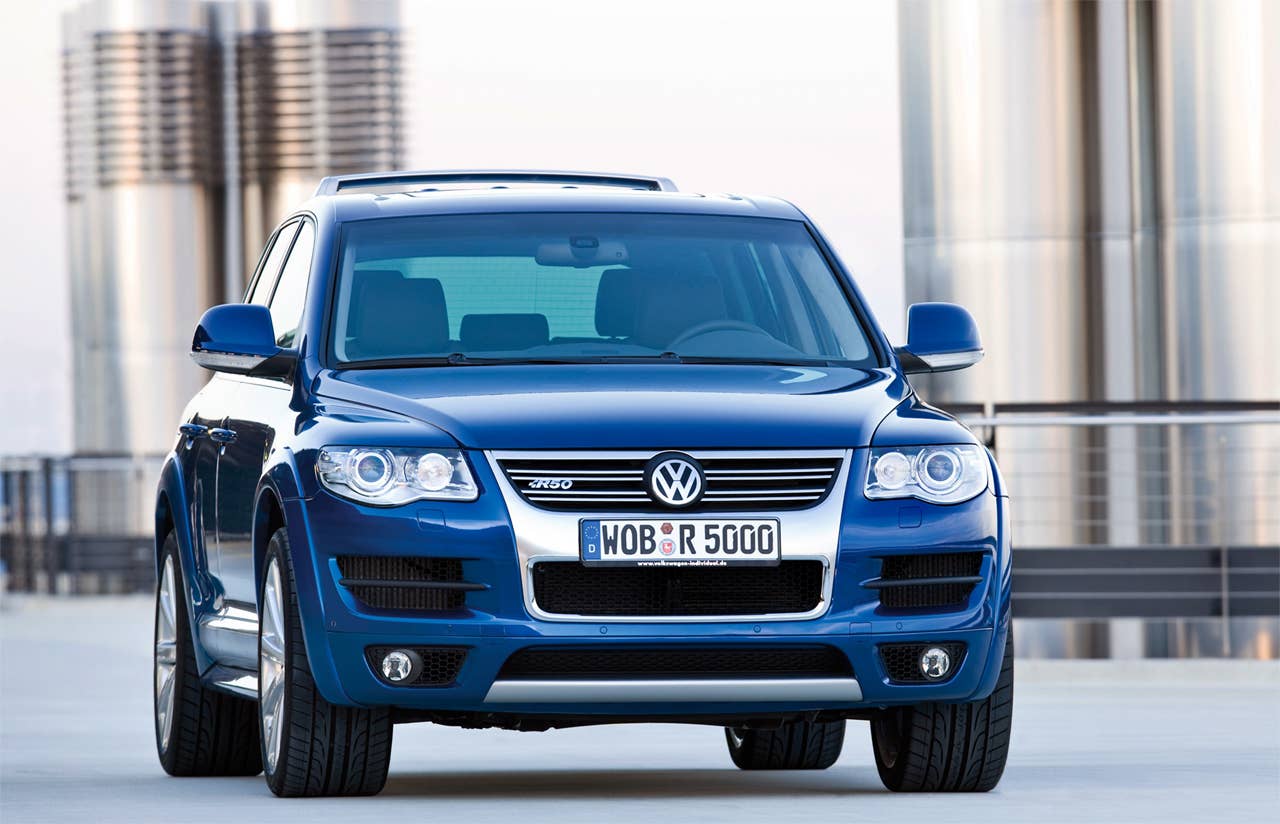
But if you wanted your ten-cylinder SUV with a more Continental twist and a tad smaller than the Ford, there was the Volkswagen Touareg V10 TDI. It was actually the Touareg that got this stump-pulling motor first ahead of the Phaeton, meaning the same 308 hp/553 lb-ft rating. If that wasn’t enough, there was the R50 model that bumped it to 345 hp and 627 lb-ft, and certainly an interesting entry in the performance crossover class of the 2000s.
Last but Not Least, the Sports Cars
So far, we’ve covered trucks, SUVs, sedans, and even wagons that came with V10s in the 2000s. Of course, we’re not forgetting about the sports cars that packed this engine, and this decade produced some of the greatest ones ever made.
The Dodge Viper was the very first production car to pack a V10, and as downsizing engines weren’t a thing in the 2000s, its engine actually grew from 8.0 liters to 8.3 liters and made 510 hp and 535 lb-ft. That still wasn’t enough, though, as in 2008, that went up to 8.4 liters, 600 hp, and 560 lb-ft.
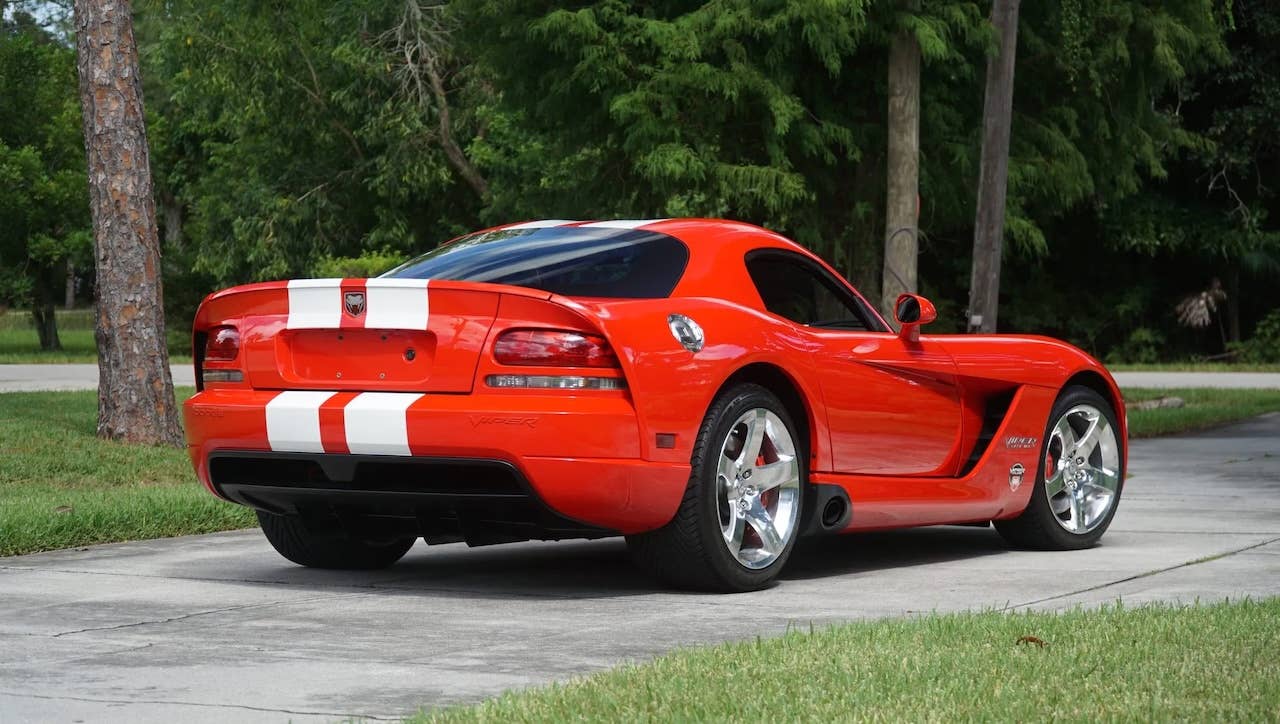
Bring a Trailer
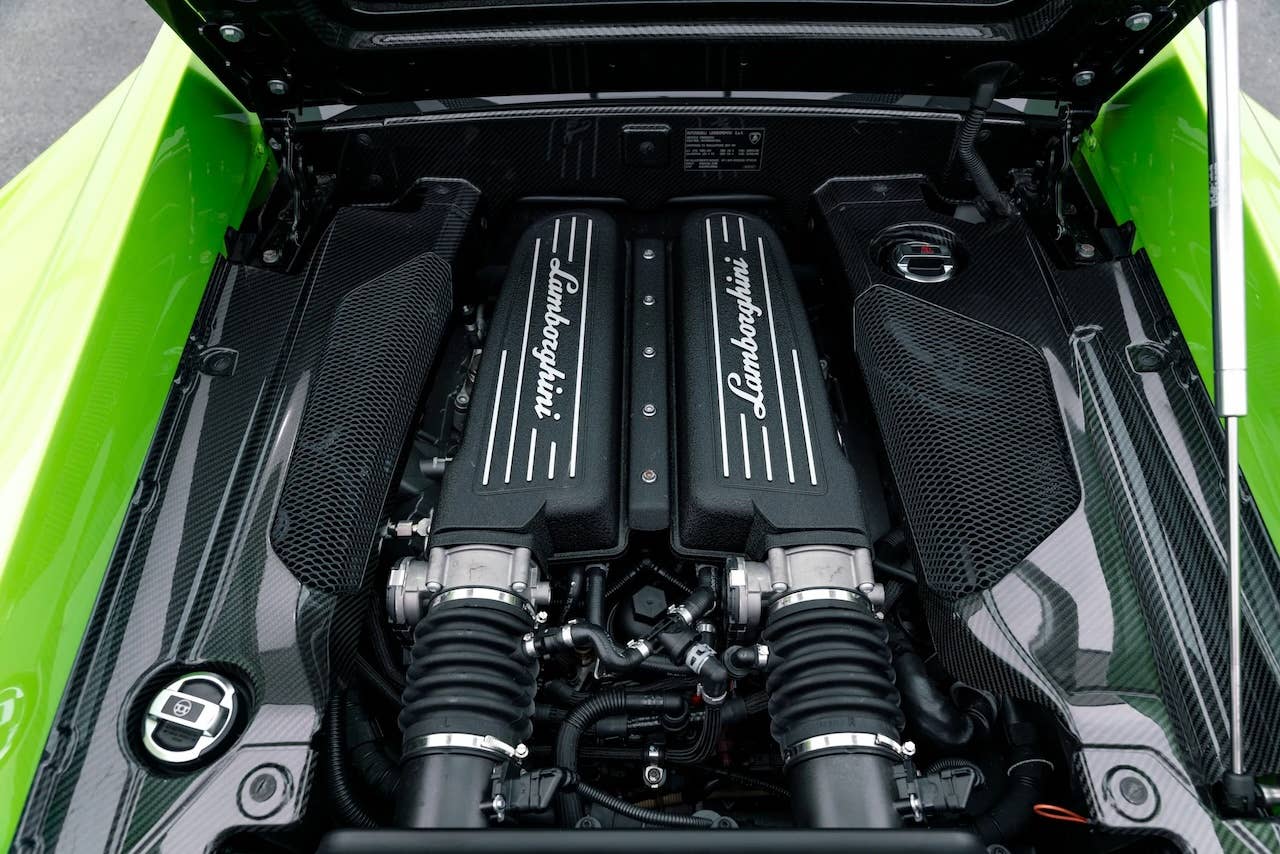
Meanwhile, Lamborghini rolled out the Gallardo to complement the V12 Murciélago. Its 5.0-liter V10 initially made 493 hp and 376 lb-ft, then 514 hp in a later update. The engine was later enlarged to 5.2 liters, increasing power to 552 hp and eventually topping out at 562 hp.
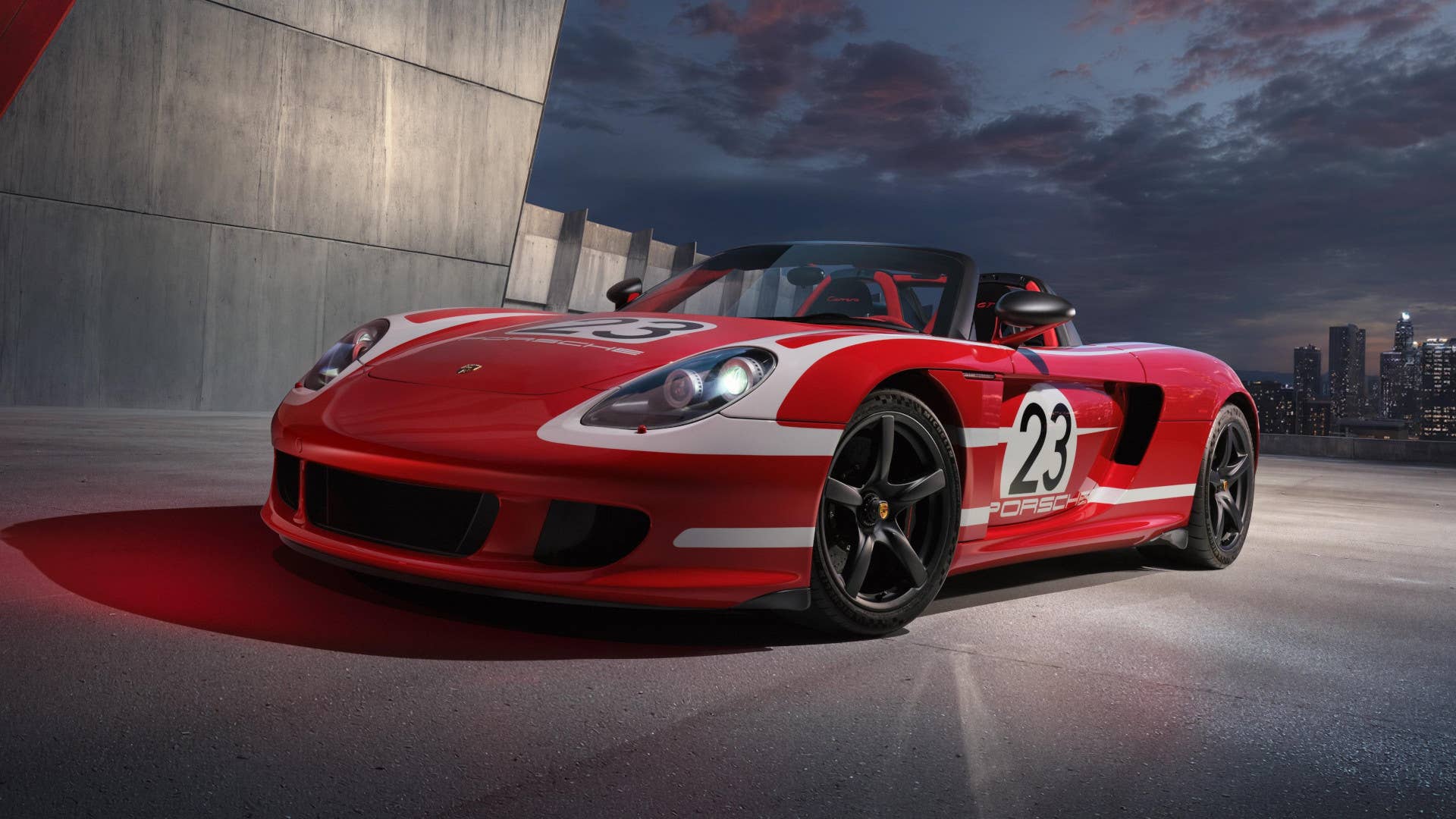
Then we get to the Porsche Carrera GT. Its 5.7-liter mill was derived from stillborn Formula 1 and endurance racing projects. Not wanting to let its efforts go to waste, it was then returned for road car use, and the rest is history. The M80/01 in Porsche’s hypercar for the 2000s put out 603 hp and 435 lb-ft, with the bonus of a high-revving V10 soundtrack behind your neck.
Here for a Good Time, Not a Long Time
You’re probably wondering why there’s no mention of the Audi R8 V10, Lamborghini Huracan, and Lexus LFA. We’re talking about the 2000s here, and those cars didn’t quite make the cut. The R8 was for the 2010 model year, while LFA production started in late 2010. As for the Huracan, that wouldn’t be made until 2014. Nonetheless, these are all great cars, and we can put these down for honorable mentions.
Either way, many of the cars we mentioned above didn’t make it past the decade. 2008 wasn’t exactly a good time for everyone, and governments had started to roll out stricter regulations that forced many to drop V10s. Also, there wasn’t enough sales volume to keep these hanging around for longer. These cars were, indeed, great, but the same couldn’t be said about the business case for these. But while a good chunk of these cars didn’t stay for a long time, many of these showed us to have a good time.

About the author

Anton Andres
News Editor