
No One-Hit Wonder
Lexus genuinely shocked the world when it rolled out the LS in 1989. It made the already-advanced E32 BMW 7 Series from 1986 feel a bit dated, turned the Jaguar XJ into an ancient artifact, and forced Mercedes-Benz to blow the budget on the W140 S-Class. The thing is, Lexus proved it wasn’t a flash in the pan, as successive models were more than a match for the European establishment, including the first-generation GS and second-gen ES.
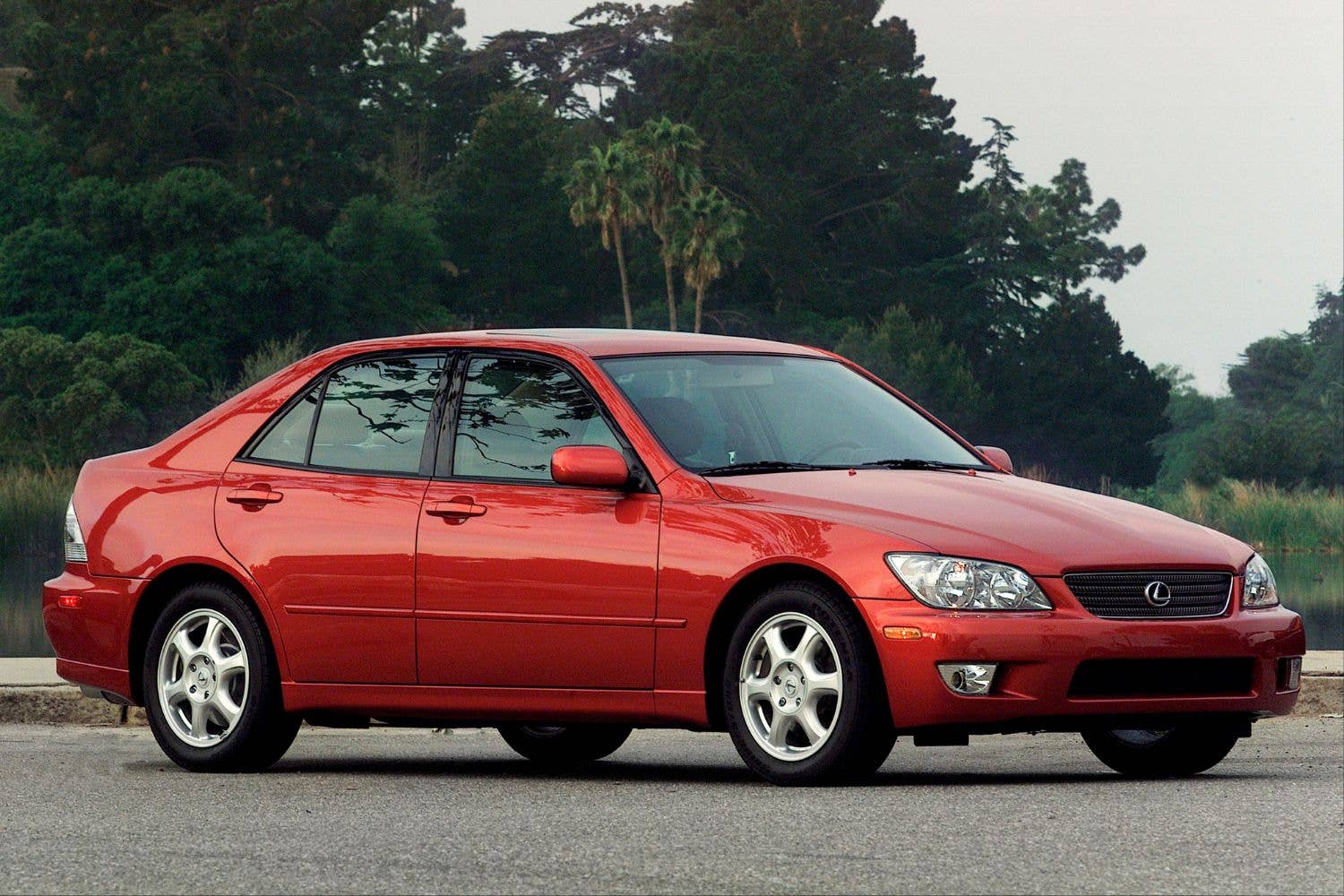
Lexus then became the first to sell a luxury crossover (the Mercedes ML was body-on-frame) with the RX, becoming a smash hit and continuing to be the brand’s hottest-seller to this day. But then, the Japanese luxury marque decided to take on the BMW 3 Series with the IS, and it proved to be a genuinely strong competitor in the compact executive class.
Lexus
The Next Conquest
By the new millennium, Lexus had a strong contender in many segments. It had sedans of different sizes, the RX kicked off an entirely new segment of luxury vehicles, and the LX was breaking out of its shell by the second generation. There was one small but important class it had yet to break, and that was the compact luxury wagon class.
Granted, it was a niche in the U.S., but it was a strong and crucial market in Europe. Audi had the A4 Avant, BMW had the 3 Series Touring, Mercedes-Benz had the C-Class T-Modell, and let’s not forget Swedes with the Volvo V40 and V70. Those wagons weren’t niches at all, but rather, true mainstream models that made up a good bulk of volume. Simply put, Lexus wanted in on the action.
Lexus
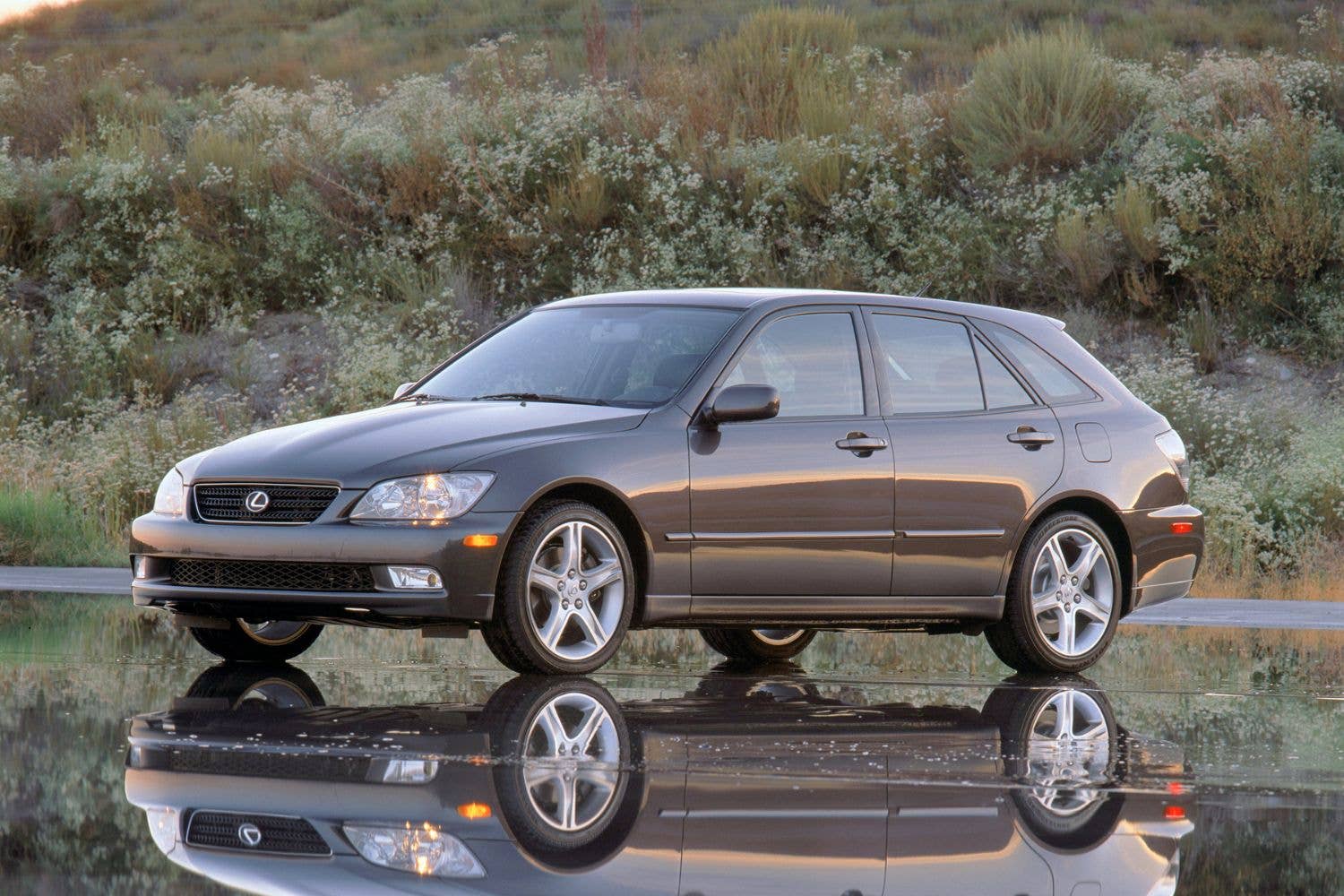
Enter the IS SportCross
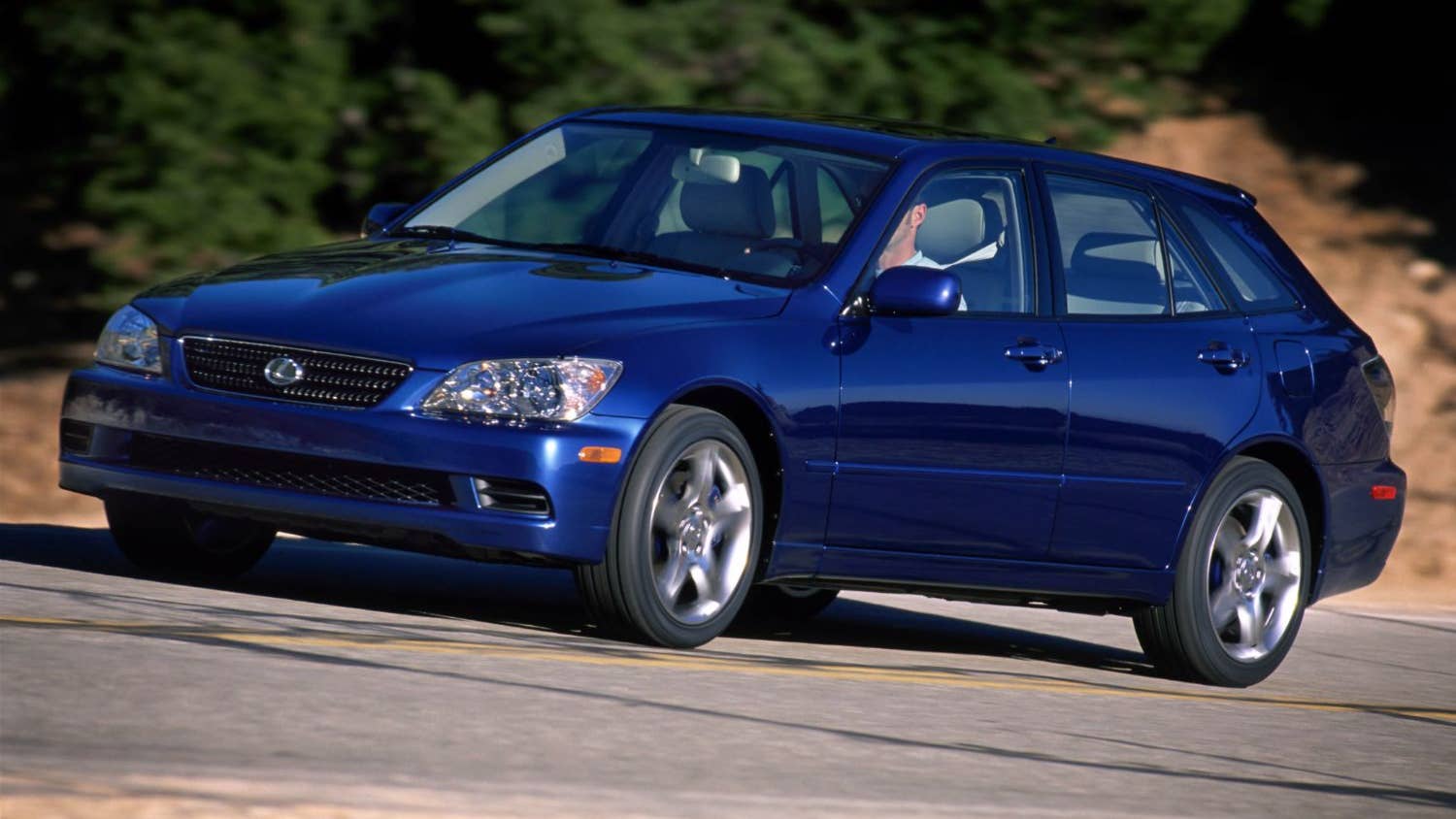
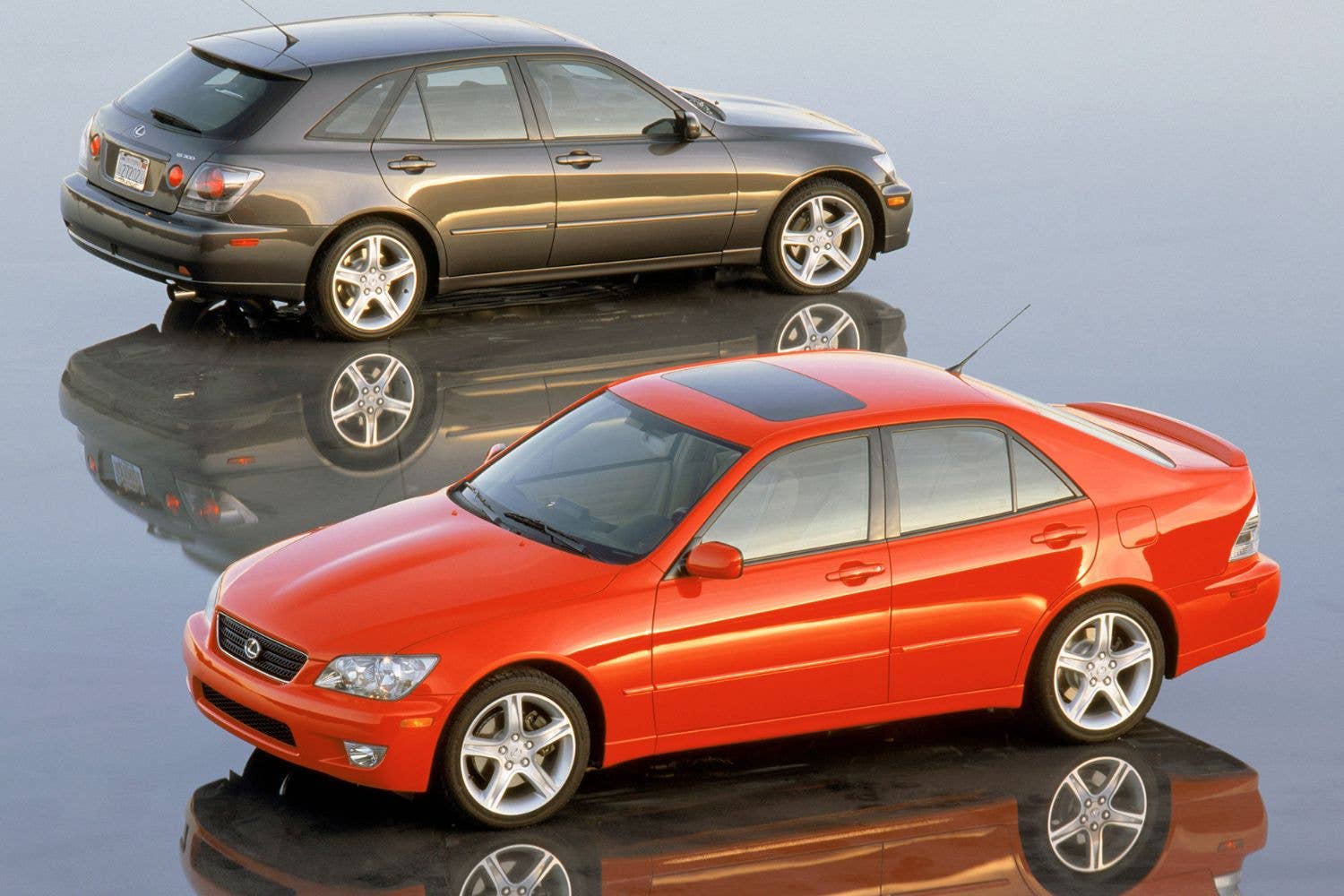
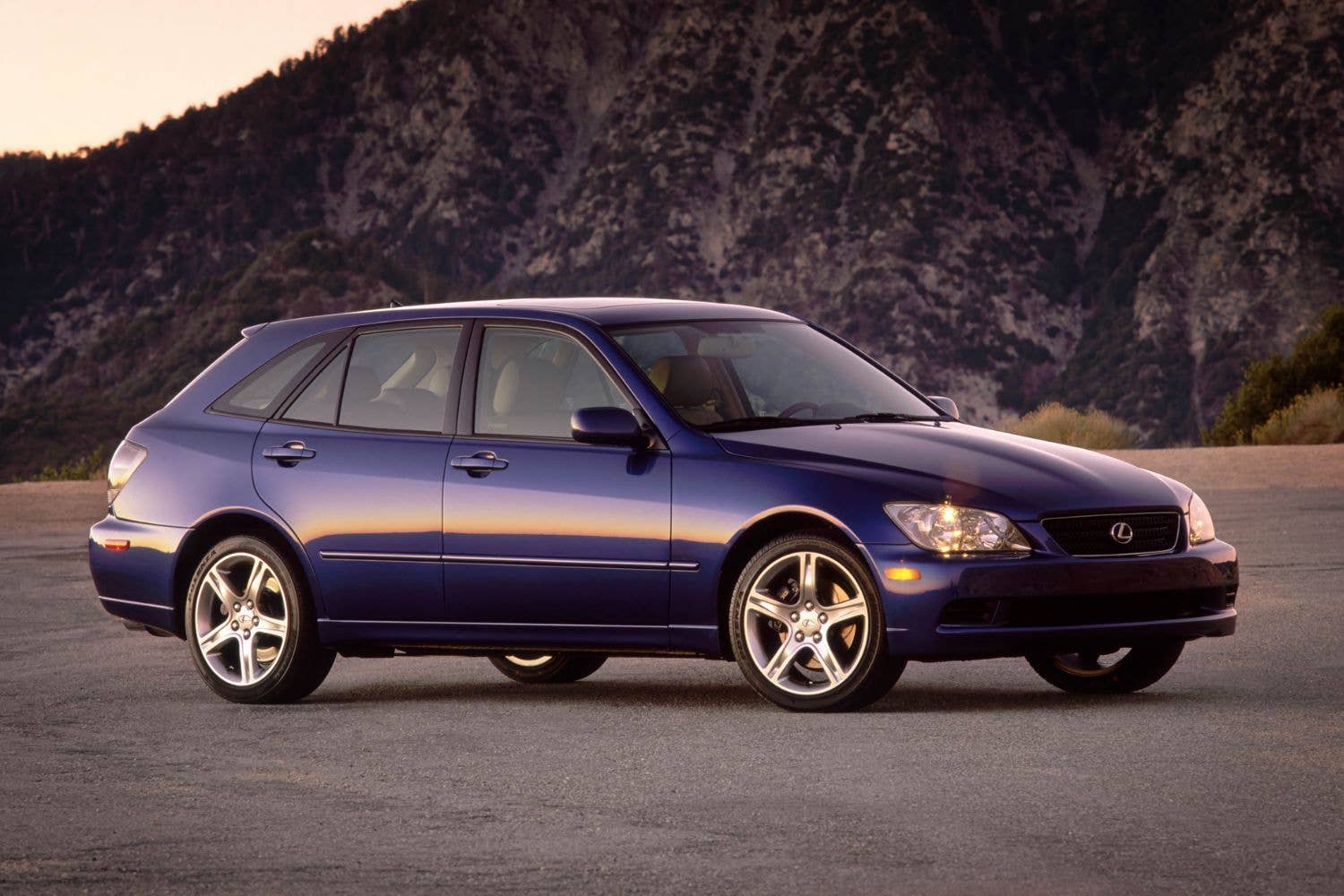
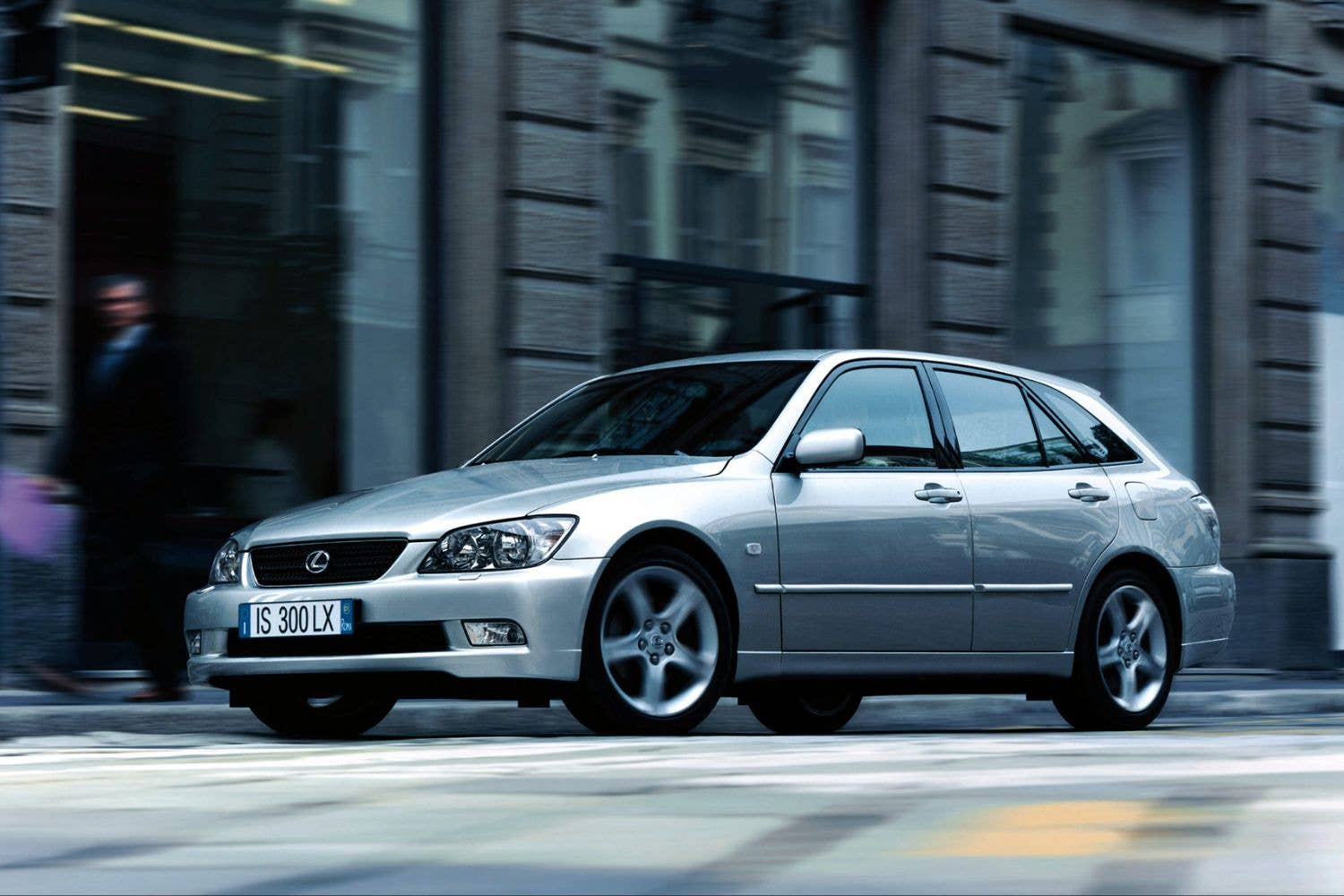
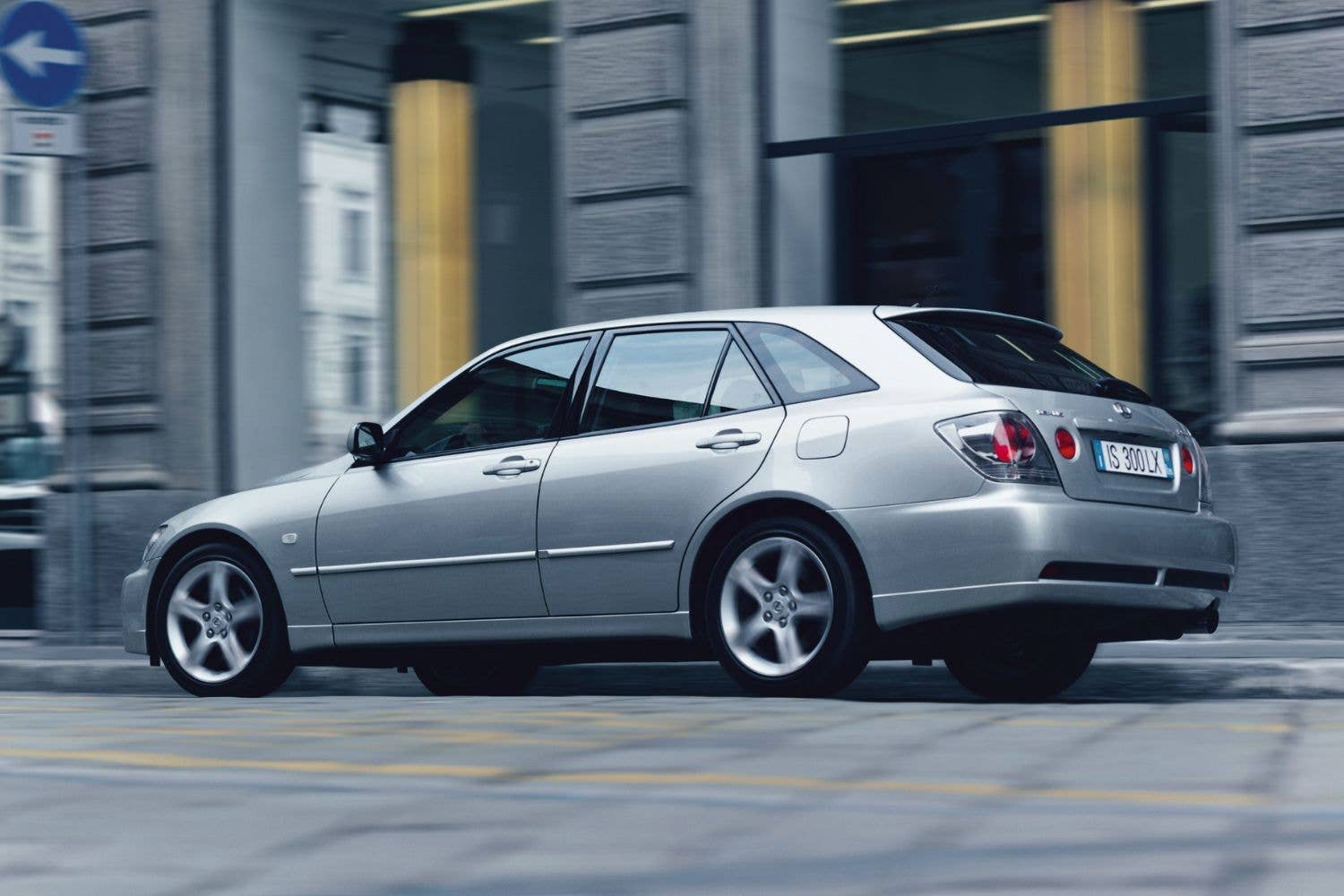
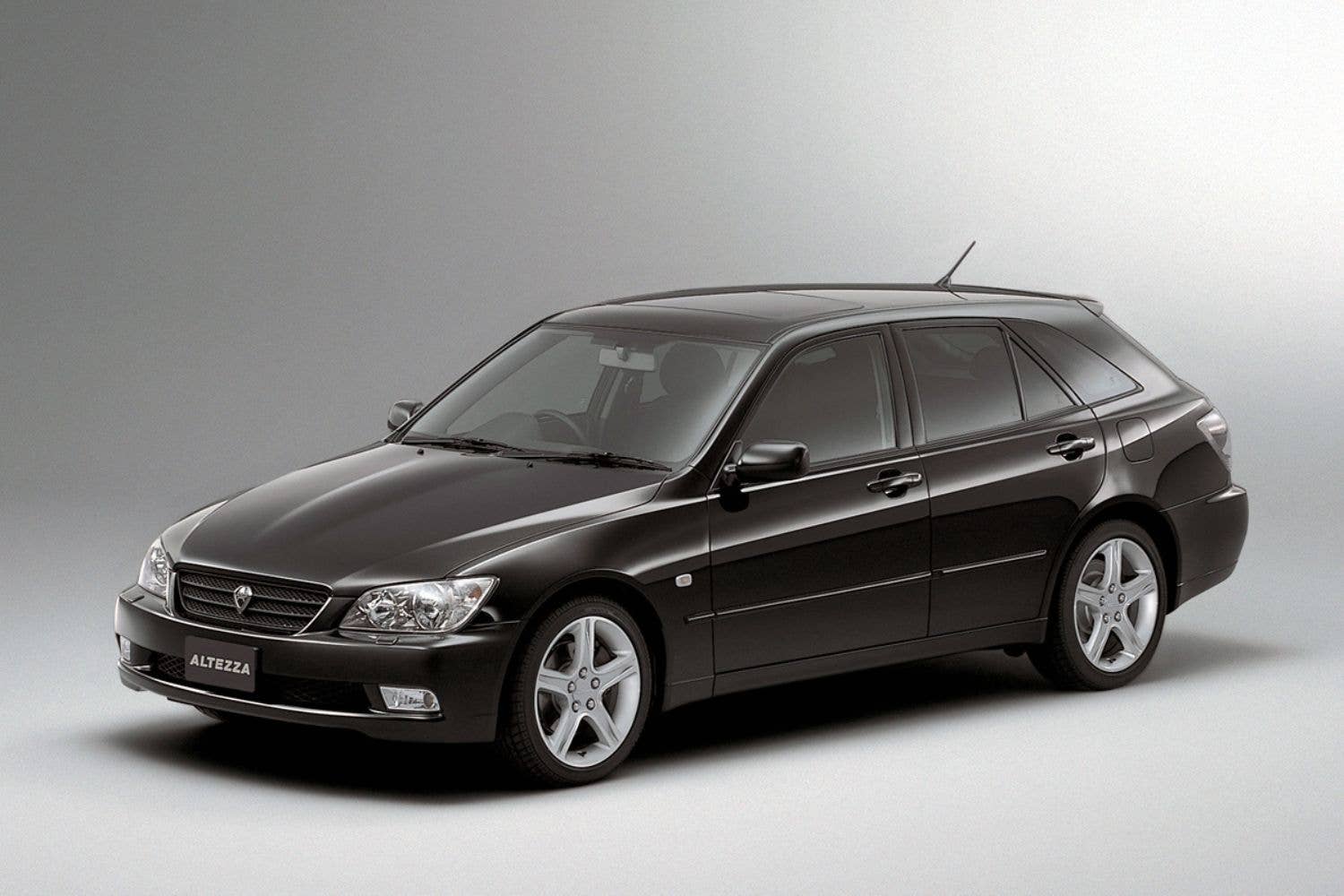
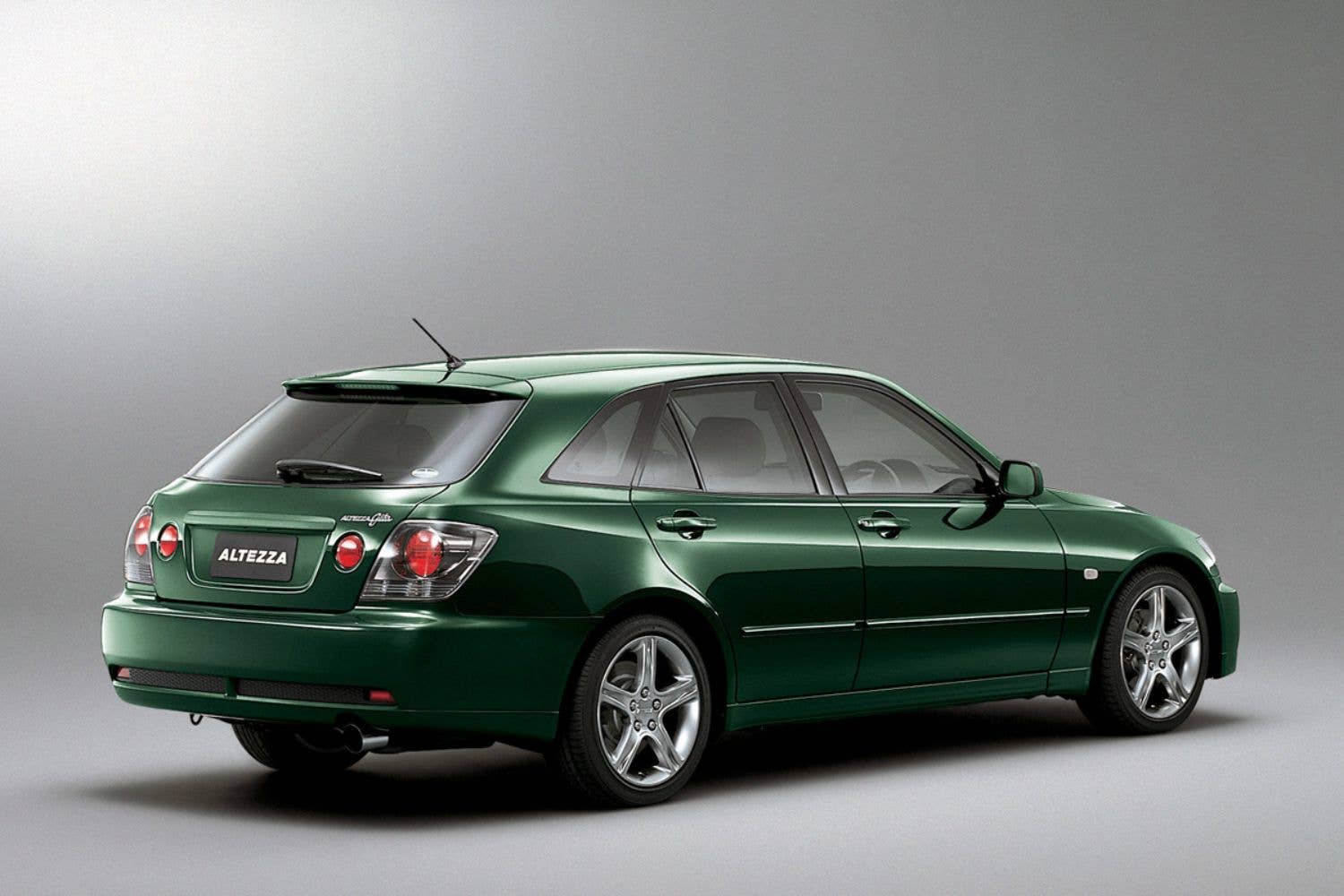
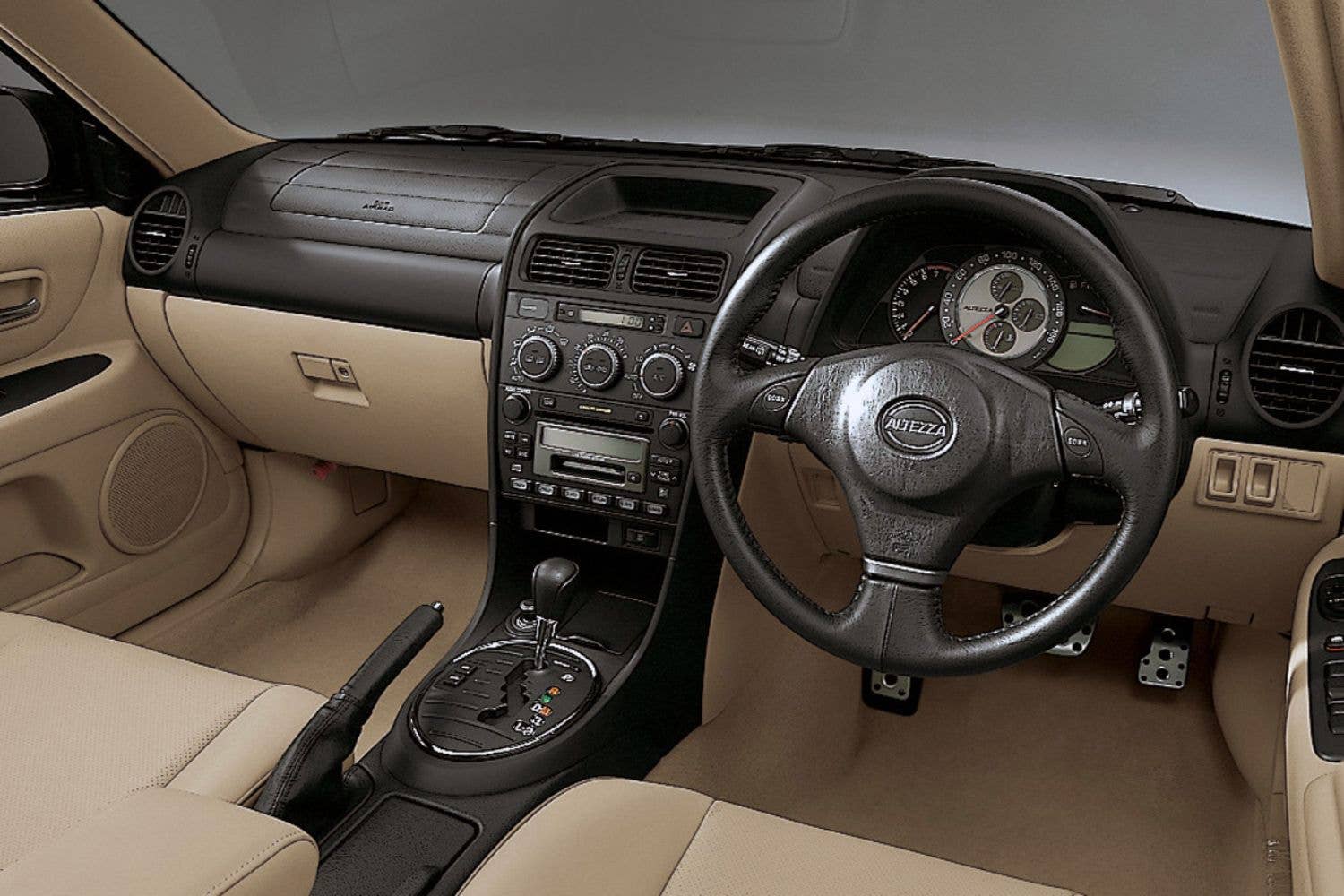
Just before the new millennium, Lexus didn’t have anything that could be put up against the European establishment. The thing is, neither did parent company Toyota, so it had to build. Thankfully, there was the Lexus IS, which was known in Japan as the Toyota Altezza. A wagon was then developed from the sport sedan, and the result of that was the IS SportCross and Altezza Gita.
The first-ever Lexus wagon made its world premiere at the 2001 Detroit Auto Show, and made it to U.S. showrooms later that year. But before Americans could get their hands on it, the Altezza Gita made it to home market customers first, and to show how serious Lexus was in taking on the Europeans on their home turf, it was sold there first before North America.
Lexus
The Brief
The car was the brainchild of Lexus IS engineer Nobuaki Katayama. A little fun fact: Katayama’s desire to build an IS wagon partially stemmed from him wanting to fit his go-kart at the back of an Altezza. That’s according to then director of Lexus Europe Stuart McCullough to British publication Fleet News way back in 2002.
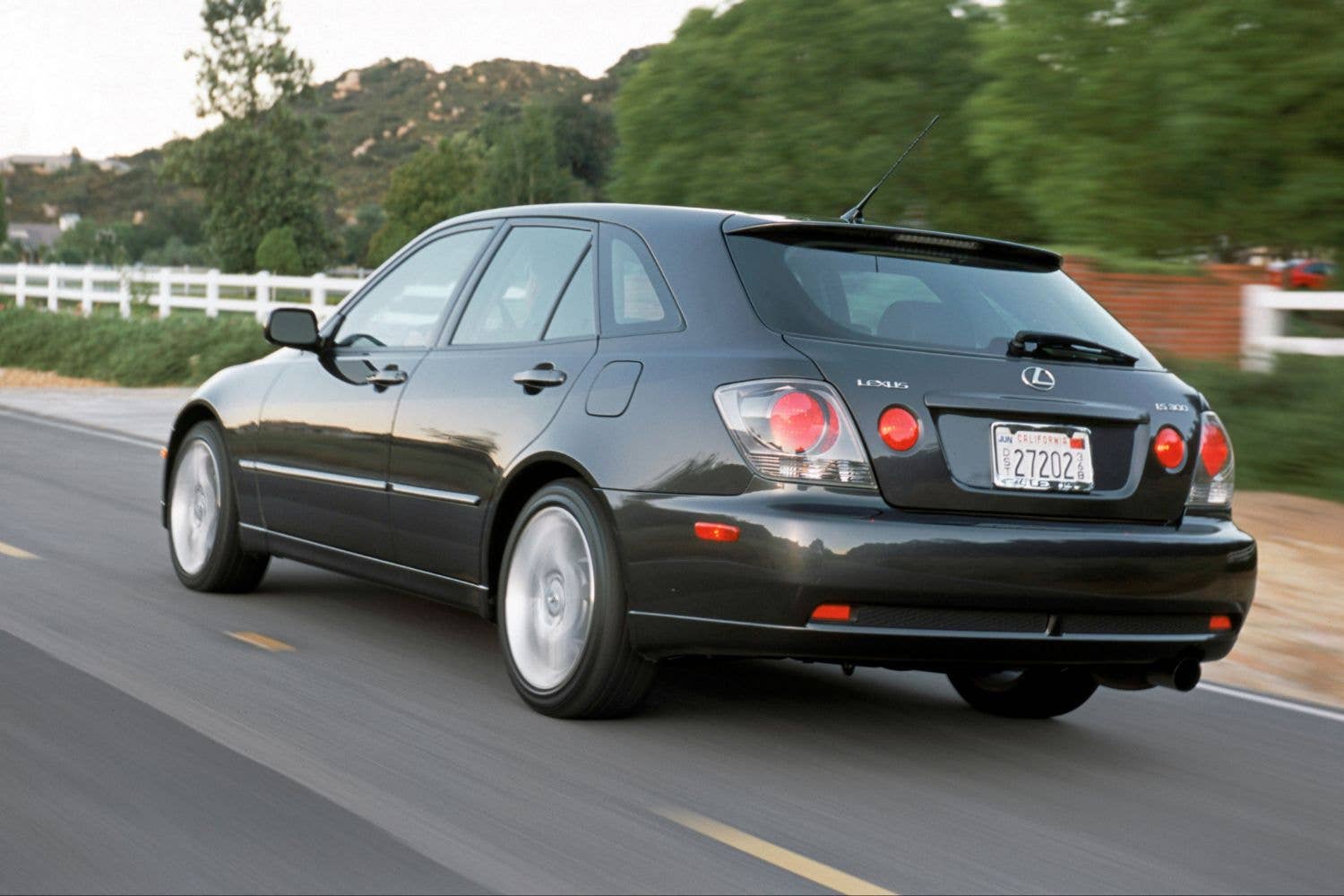
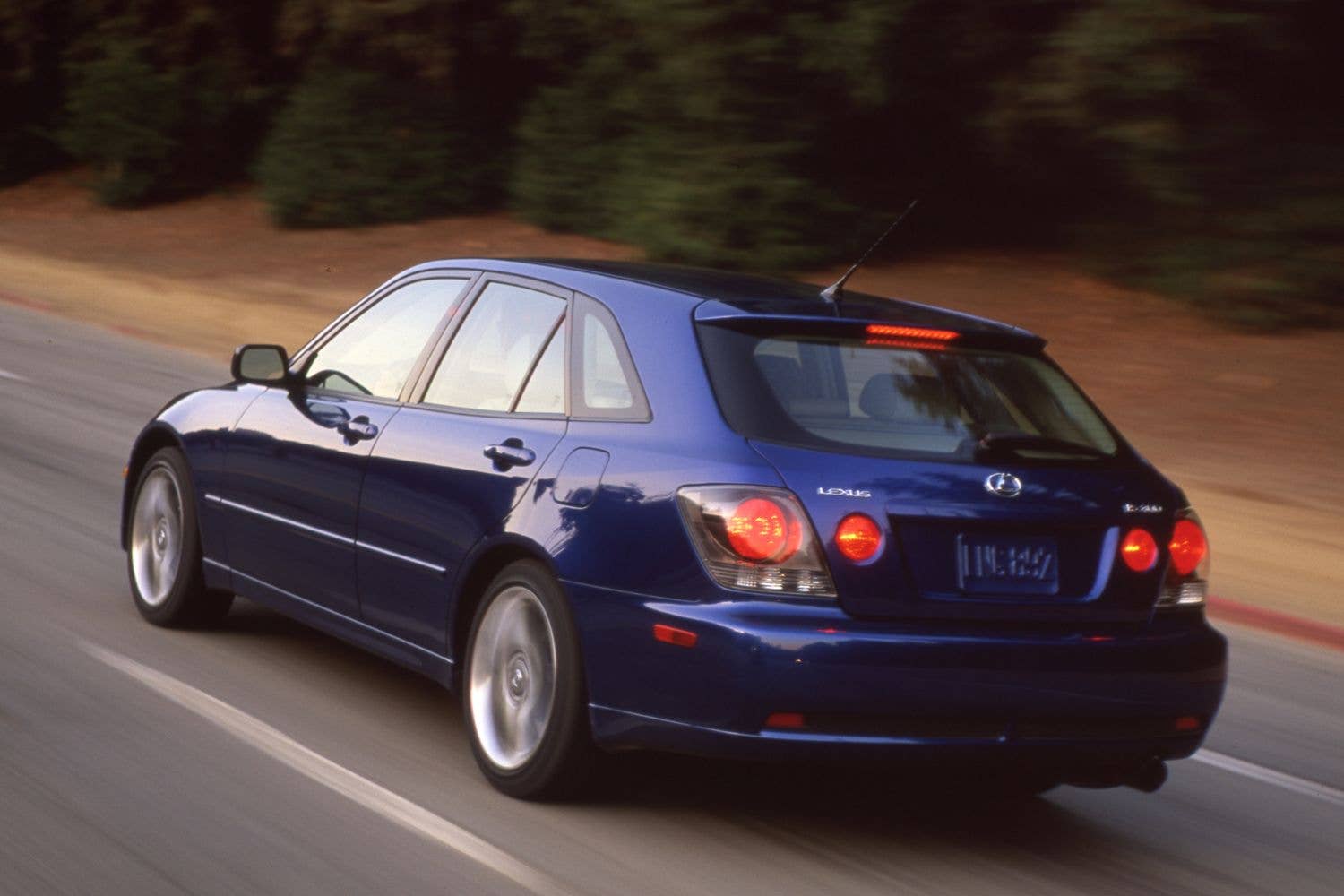
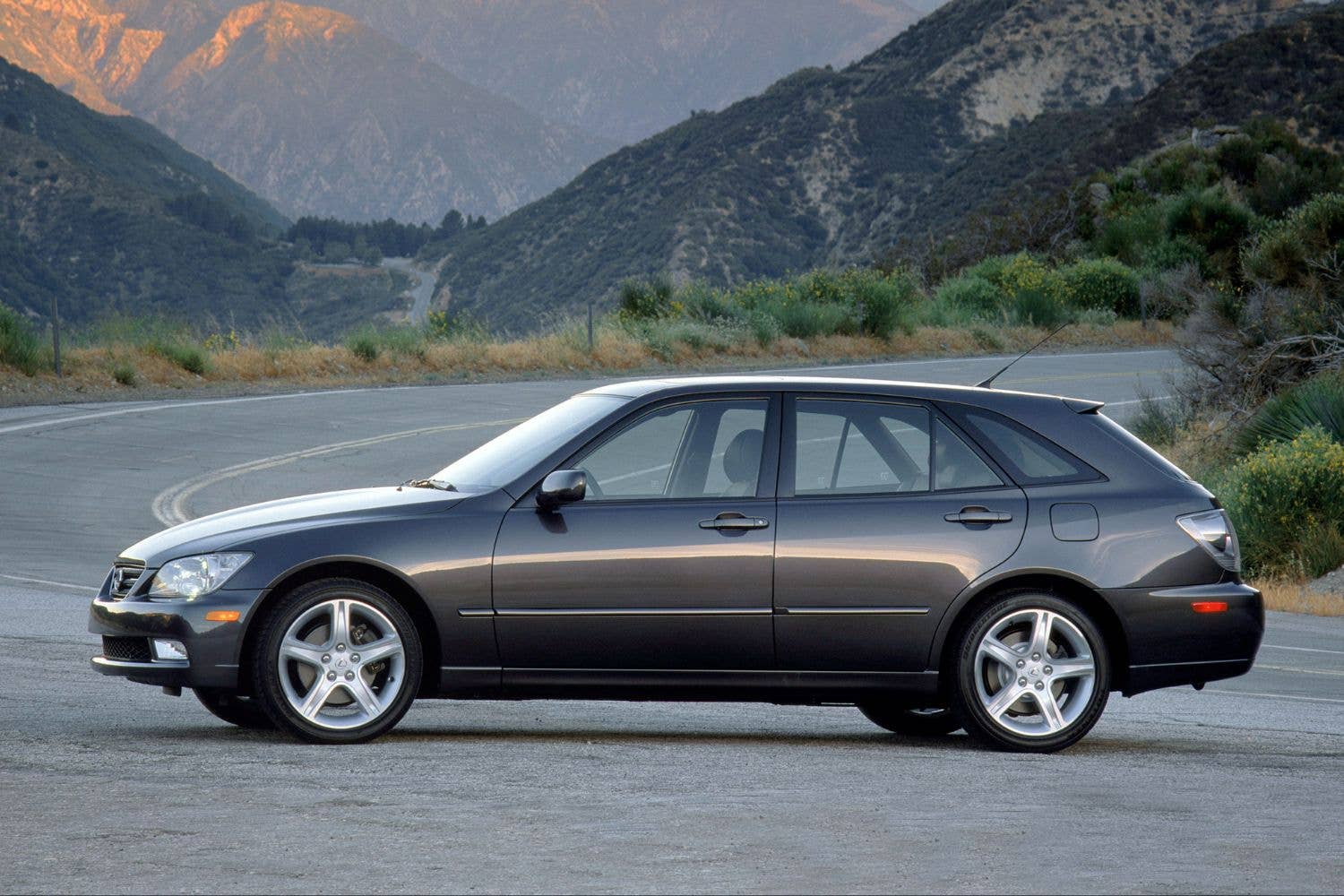
Now, it’s unknown if the IS and Altezza were meant to have a wagon body from the start, but given McCullough’s anecdote, it’s likely that it was supposed to be sedan-only. With that, one can assume the project was approved pretty quickly, as it only took about two years for the production model to appear. Katayama didn’t want to make it look like a conventional sedan. That’s mainly because he wanted to preserve the sporty look of the IS sedan and find a way to translate that into a more practical body style.
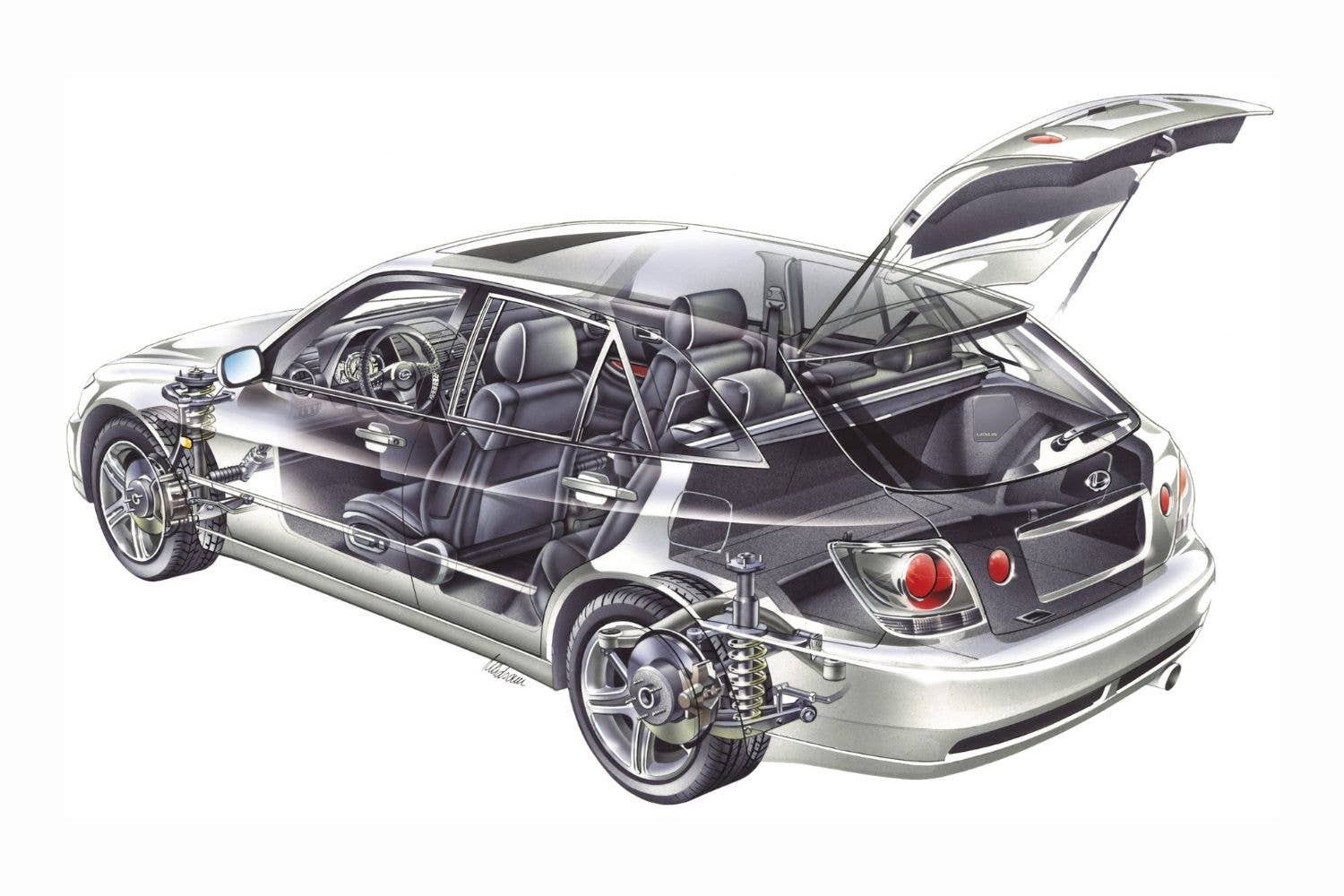
In the chief engineer’s own words, “We wanted to preserve the image of dynamic performance with the SportCross. A conventional wagon body would detract from that image, and on the other hand we also knew that IS customers didn’t need the full capacity of a conventional wagon. That is why we opted for the innovative crossover concept that is the SportCross.” It’s an interesting use of the term crossover, and we certainly approve of Katayama’s interpretation of that word as a cross between sport sedan and wagon.
Lexus
The Specs
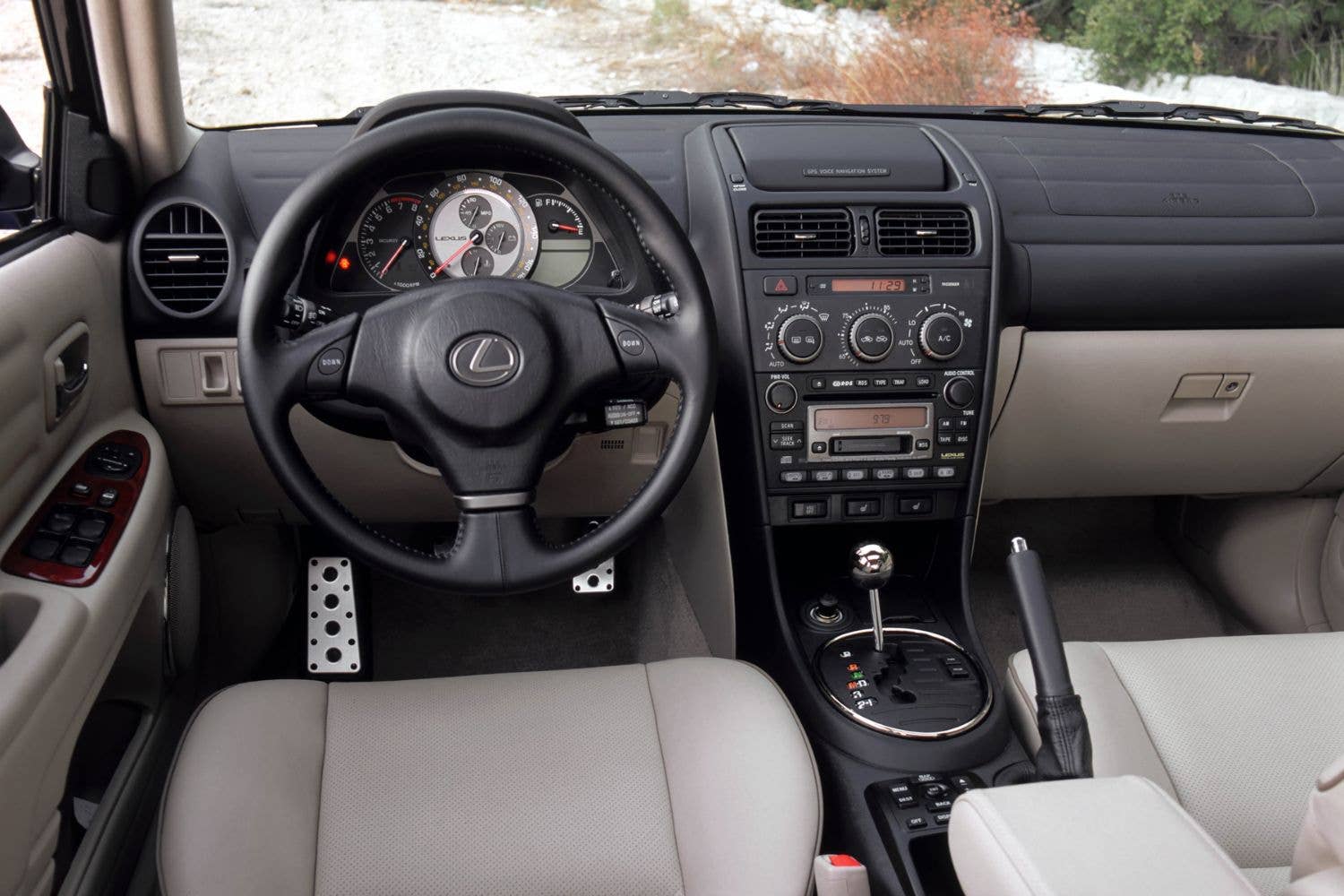
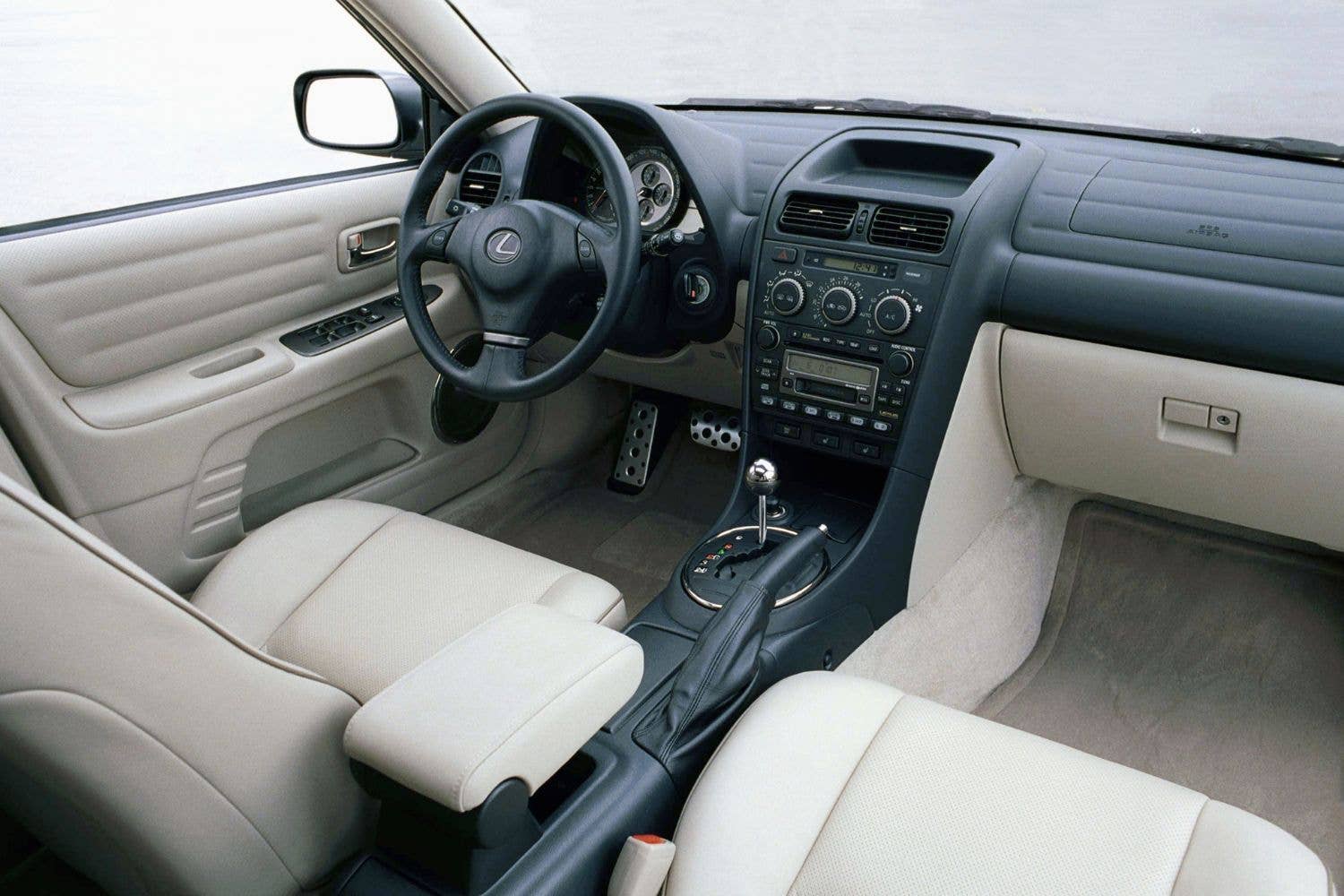
In terms of specs, there was a lot to like about the IS SportCross. For the U.S., you could have any engine you wanted as long as it was the 2JZ 3.0-liter inline-six. Yes, it’s the same engine as the Supra – the non-turbo, that is. It was good for 215 hp and 218 lb-ft, which were decent numbers in 2002, and it sent all of its power to the rear wheels via a five-speed automatic. Before you ask, it was never offered with a stick.
Meanwhile, in Europe, the three-liter was also offered, but there was also an entry-level version available. That one came with a 2.0-liter inline-six with 153 hp and 144 lb-ft, and it was a manual-only affair, and if you wanted an IS 200 SportCross with an automatic, you have to move to Australia. Still, it was a good match against something like the BMW 320i Touring and Audi A4 Avant 1.8T from the same era. As for the JDM Altezza Gita, it also had both the 2.0 and 3.0-liter inline-sixes, plus the availability of all-wheel drive. That said, pairing it with all-wheel drive meant being saddled with a four-speed automatic.
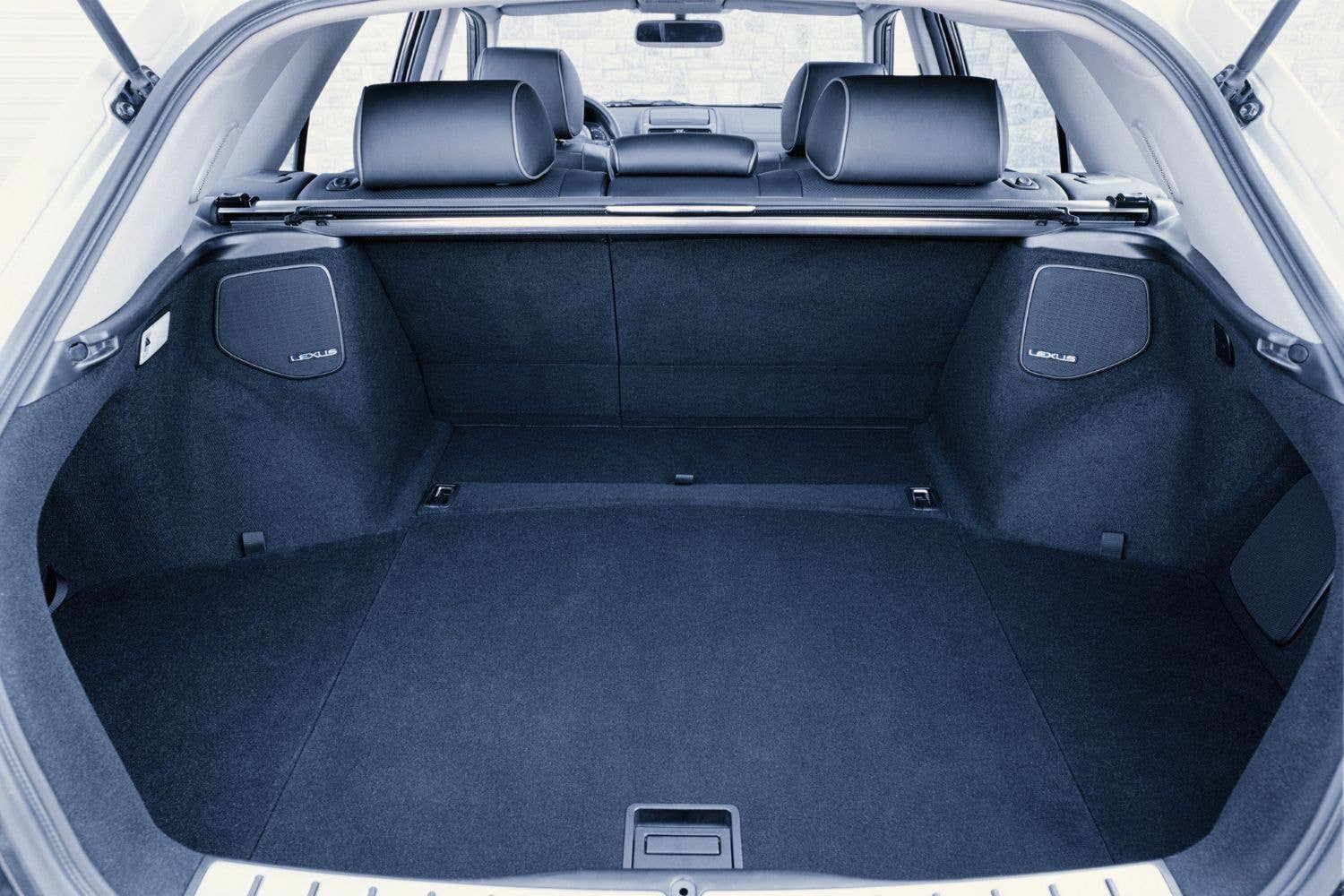
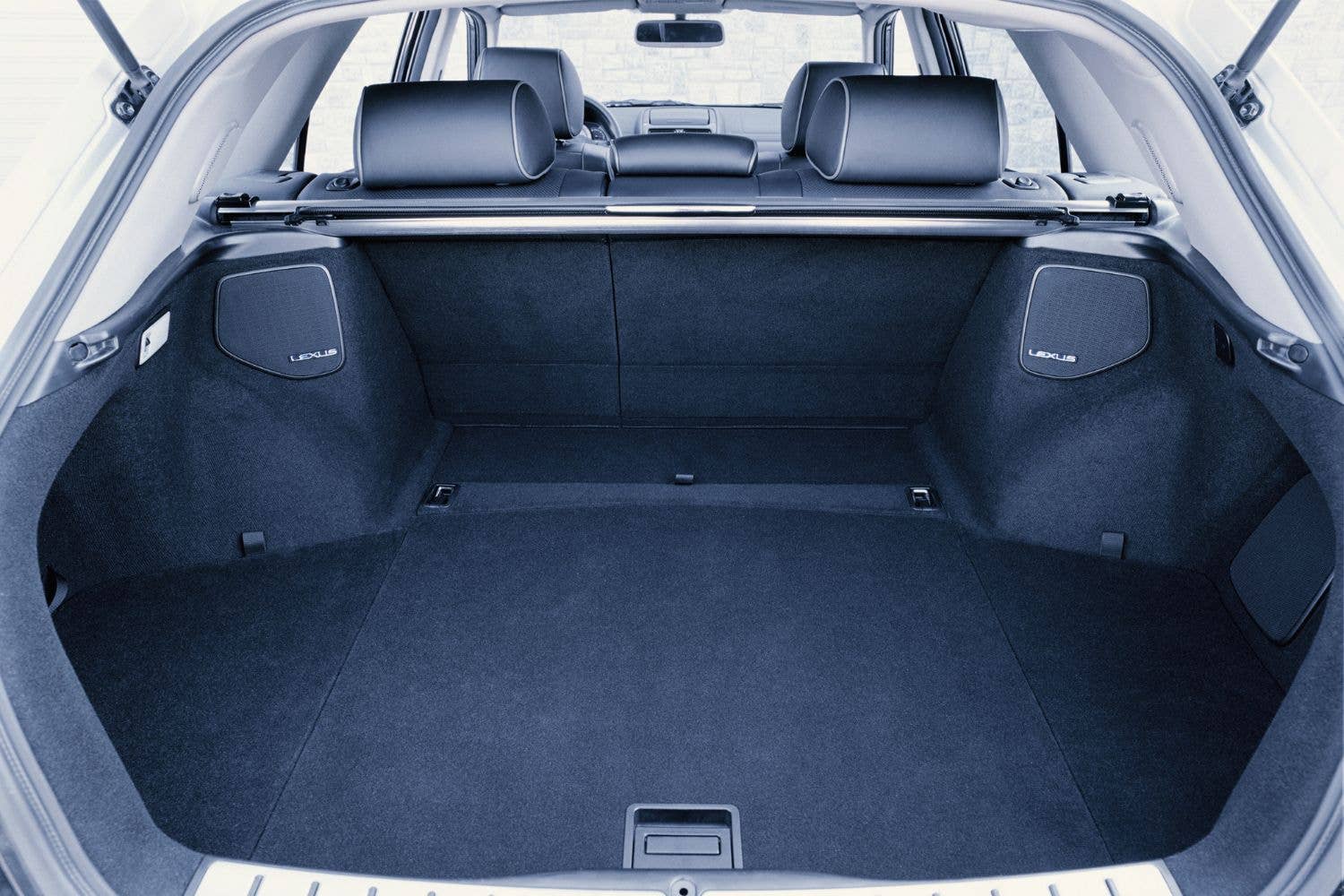
As for practicalities, the split-folding rear seats were standard, and there was 21.8 cu.-ft. of cargo space available behind the rear seats. That was more than double the sedan’s rather tiny 10.8 cu.-ft. trunk. Flip the back seats down and there was up to 37.5 cu.-ft. at the back.
Lexus
What Reviewers Said
MotorTrend was impressed with the way the IS 300 SportCross performed, noting that it felt as good as the sedan to drive, with testing data to back it up. The 0 to 60 times were practically a dead heat between sedan and wagon, slalom speeds were just 1 mph apart, while the wagon stopped just 5 feet further. Even England’s Auto Express called it a “very real challenger to the old order,” which was high praise from a European publication.
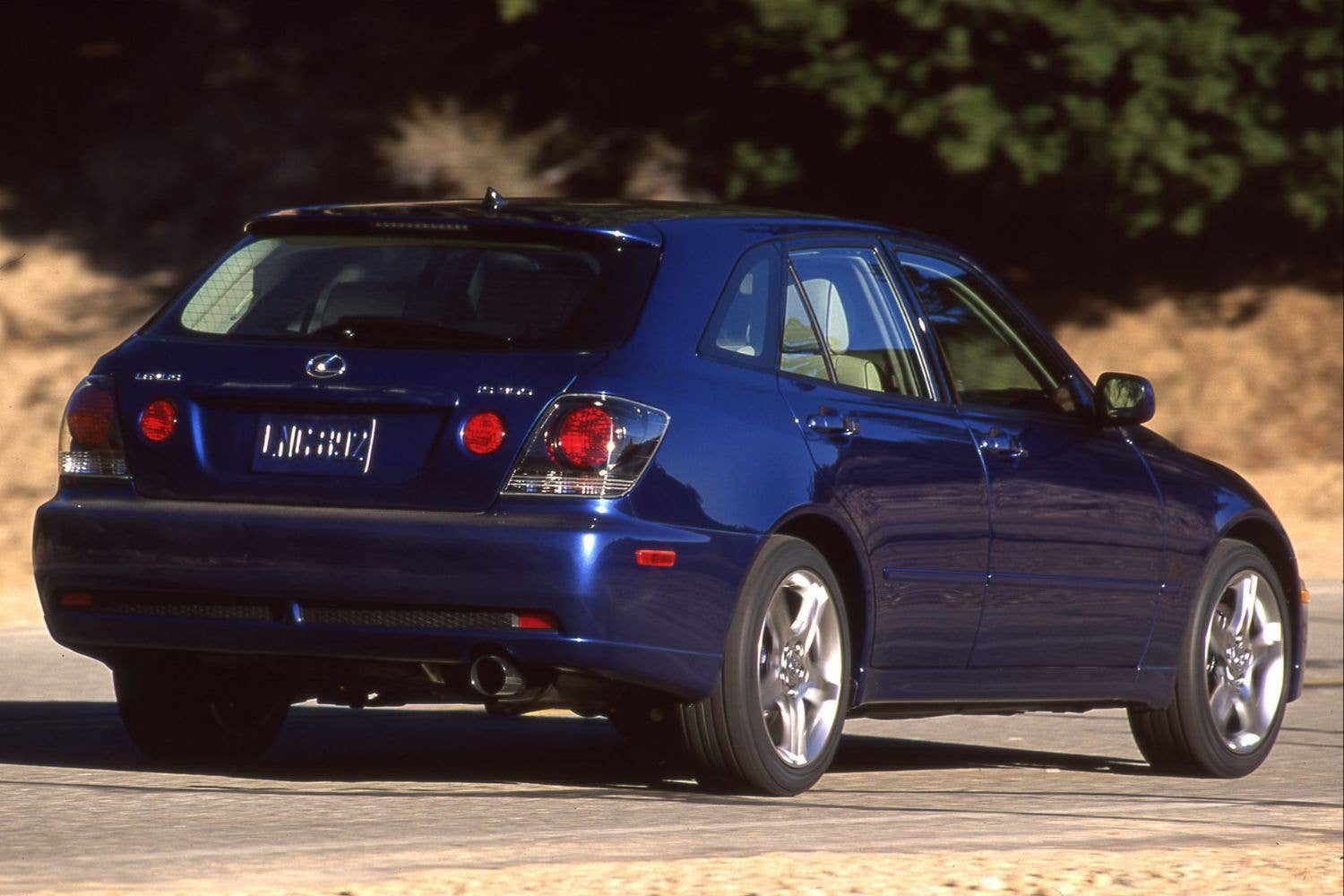
The reception towards its styling was generally positive, and it certainly looked sleeker than similarly-sized offerings from Germany and Sweden. That said, the sloping roofline ate up space at the back, so it wasn’t the most practical of wagons. Indeed, Car and Driver called it more of a shooting brake than outright wagon. So, it had won over the critics, but it was time to convince the buying public that it was worth buying.
Lexus
Nobody Bought it
Lexus was hoping to sell about 5,000 IS 300 Sportcross models in the U.S. every year, which was a small but realistic number. The sales target in Europe was even smaller at just 2,000 cars per year, which was far less than the number of A4 Avants that Audi could sell across the entire continent in a month. This was Lexus dipping its toes in the world’s biggest wagon market, and by keeping its targets realistic, it wasn’t setting itself up for disappointment.
Unfortunately, even those conservative goals weren’t achieved throughout the car’s production run from 2001 to 2005. In the U.S., less than 3,100 were sold in four years, which was even less than the annual sales target. One would think that Europe would be more receptive to it given that market’s preference for wagons, but that wasn’t the case, either. In the U.K., Lexus was supposed to sell 1,200 of these per year, but less than 800 were sold. We imagine these being a much rarer sight across the entire continent.
So, what worked against it? In the U.S, it was clear that the market far preferred SUVs, the the reason for its failure was pretty clear. However, there were a variety of other reasons why it didn’t quite resonate with European customers. People buy wagons there for the sheer purpose of practicality, and the IS SportCross’ sleek styling compromised that. It wasn’t tight per se, but it wasn’t cavernous, either. The early-2000s also saw the rise of diesel power in Europe, and Lexus simply didn’t have one to offer, further limiting its appeal. If it’s any consolation, it did fairly okay in Japan as the Altezza Gita.
Lexus
A Cult Wagon Hero
Perhaps it’s the sales failure that binned any more plans for future Lexus station wagon models. But its performance in the sales charts had nothing to do with it eventually becoming a cult hero within the wagon community. If anything, its rarity has made it a more revered vehicle, and it helps that it was a mechanically robust vehicle. That means keeping it running doesn’t totally require the patience of a saint or two. This is a Lexus, after all.
It’s also become a bit of a curiosity over in Europe, where far fewer of these ever left showroom floors. The IS SportCross has become an interesting choice for those looking for a modern classic wagon, but don’t want the usual Continental offerings. Still, it’s a bit sad that too few people bought it when it was new, but it’s great that it’s created enough of a legacy for a new generation of people to start caring about it.
Lexus
Lexus
Lexus
Lexus
Lexus
Lexus
Lexus

Lexus
About the author

Anton Andres
News Editor