
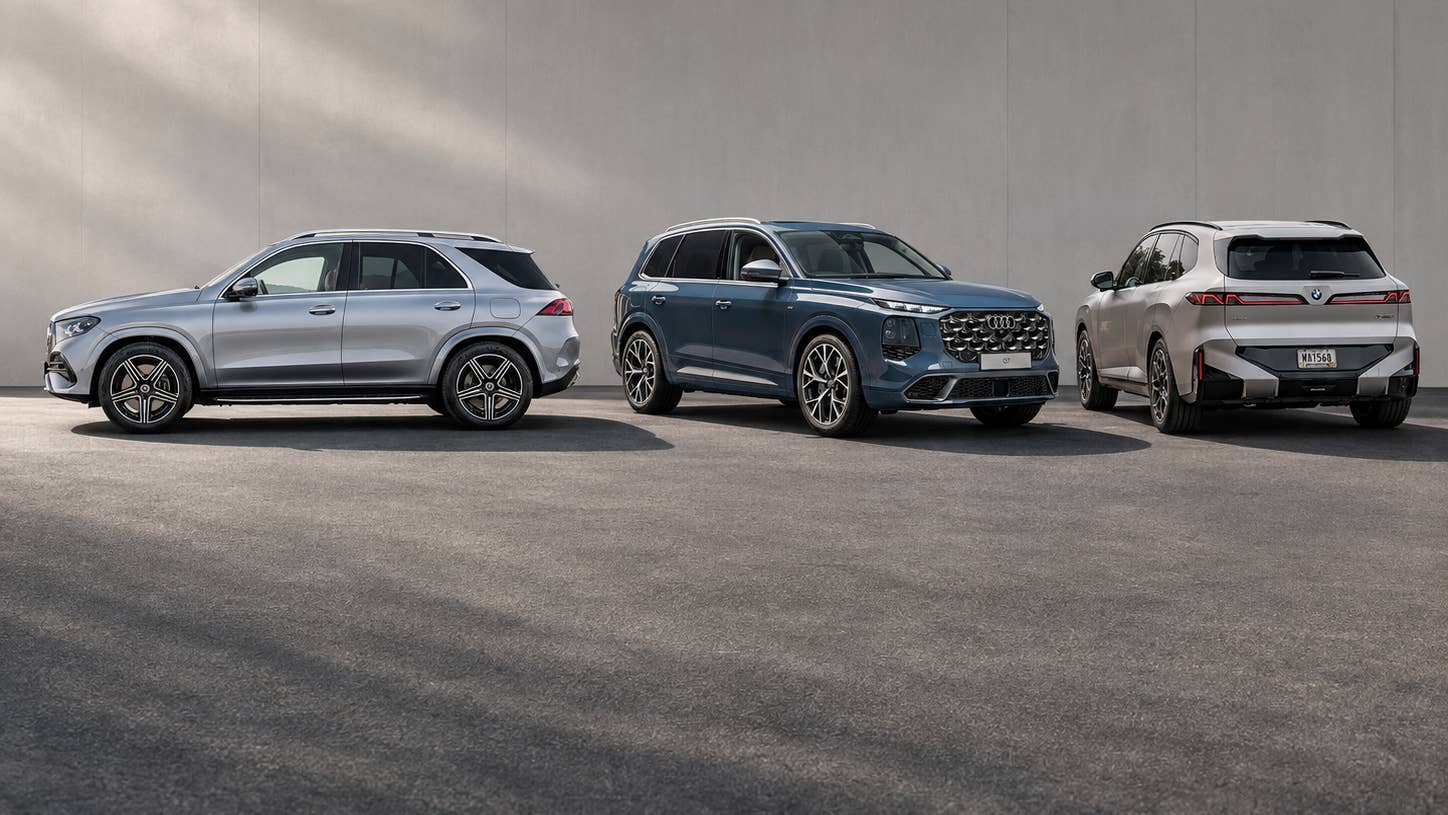
Midsize luxury SUVs have become somewhat of a uniform for well-to-do American families who demand the comfort of a luxury car and the space and practicality of an SUV. Few manufacturers know the formula better than Audi, BMW, and Mercedes-Benz, with MY2027 giving buyers plenty to choose from, such as the all-new Q7 and X5, and the recently facelifted GLE-Class.
While they’re all fighting for a piece of the same pie, these Teutonic family haulers approach the brief differently. Ingolstadt’s contender puts a strong emphasis on family flexibility, Munich’s finest remains the driver-focused choice, while the Three-Pointed Star from Stuttgart continues to lean heavily into comfort and refinement.
The Audi Q7 Vs. BMW X5 comparison is particularly interesting for MY2027, given that both are all-new, but the Mercedes remains firmly in the mix. What’s more, they’re also relatively close on the base MSRPs. The X5 xDrive40 starts at $72,100, while the GLE 350 4Matic comes in slightly lower at $68,400. Audi’s Q7 Premium is in the middle at $70,900. But buyers in this segment seldom go for the most affordable option. Rather, they want to know which one is the most convincing all-round luxury SUV.
Audi
BMW
Mercedes-Benz
Performance: Plenty Of Power, Different Approaches
Straight-line speed is not the priority – or a priority at all – for most buyers shopping in this class, but strong passing performance and an engine that never feels strained matter in a midsize luxury SUV. Not one vehicle in this esteemed trio is short on power, although there are some differences in how they deliver it.
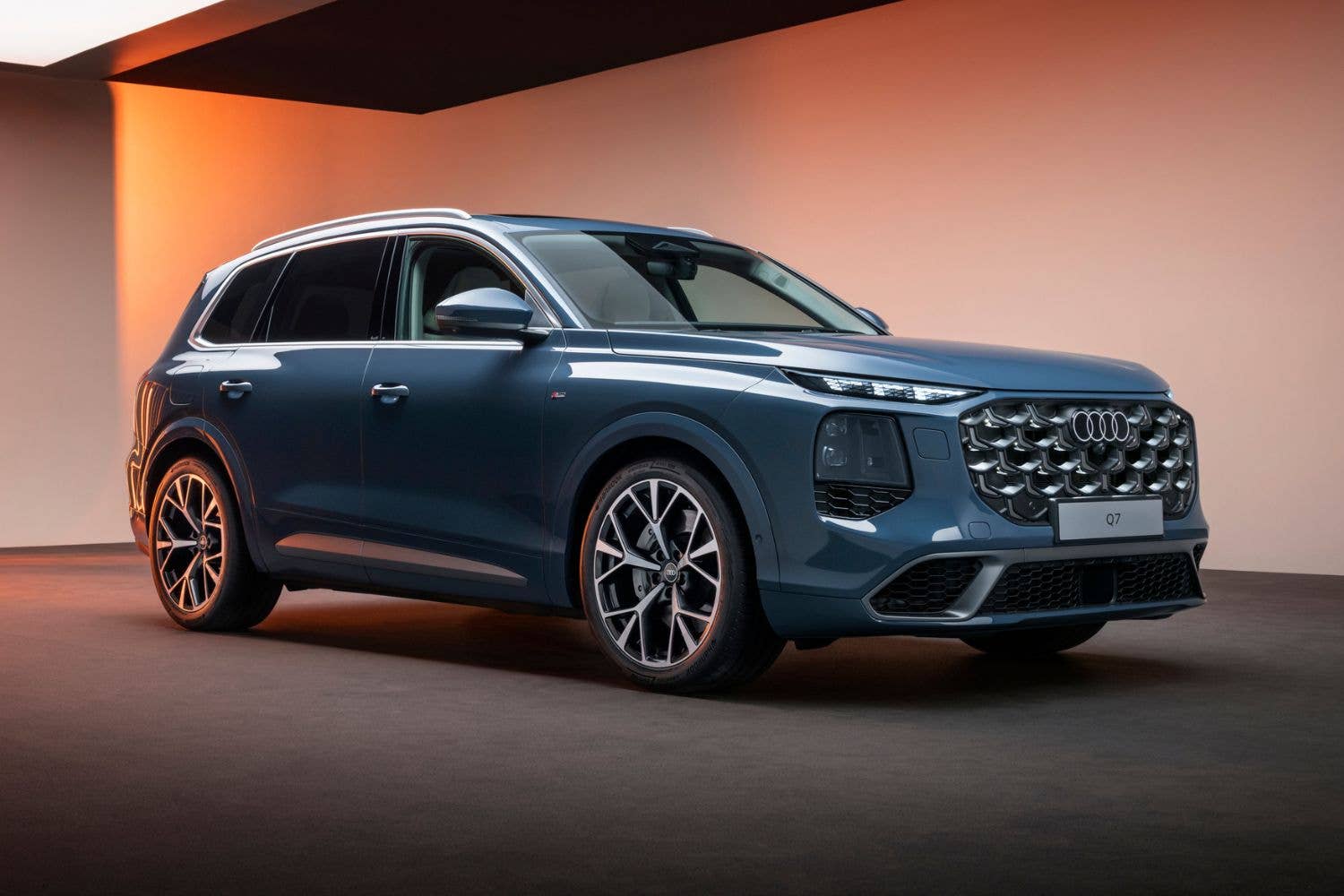
The 2027 Q7, which was unveiled in June, is powered by a 2.9-litre turbocharged V6 that develops 429 horsepower and 442 lb-ft of torque. It is mated to an eight-speed automatic transmission and quattro all-wheel drive as standard, with Audi claiming this hefty brute can sprint from 0-60 mph in 4.8 seconds. More useful for many owners is its claimed 7,700-pound maximum towing capacity, providing this luxury SUV with some proper hauling capability.
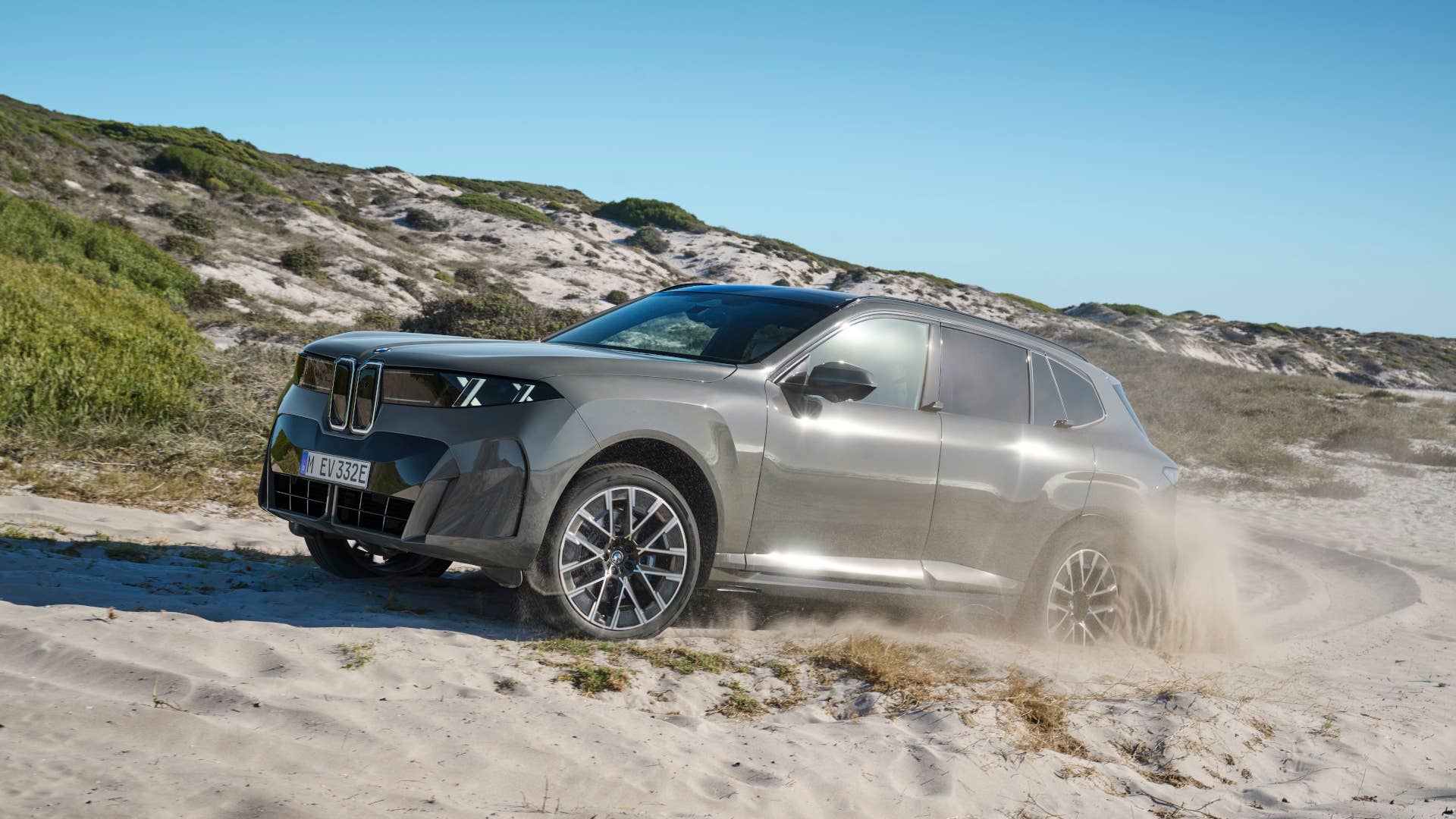
BMW has taken a slightly different route with the X5 xDrive40. The sonorous-sounding 3.0-litre turbocharged inline-six is supported by a 48-volt mild-hybrid system to produce combined outputs of 394 hp and 428 lb-ft, also paired with an eight-speed auto and BMW’s xDrive all-wheel drive system. Despite having considerably less power and torque than the Q7, the Bimmer still manages to reach 60 mph in 5.1 seconds, and, being a BMW, should prove more dynamically engaging in the corners.
The X5 powertrain lineup is expected to grow in the coming months, with the fully electric iX5 due to arrive in the first quarter of 2027, alongside a plug-in hybrid variant.
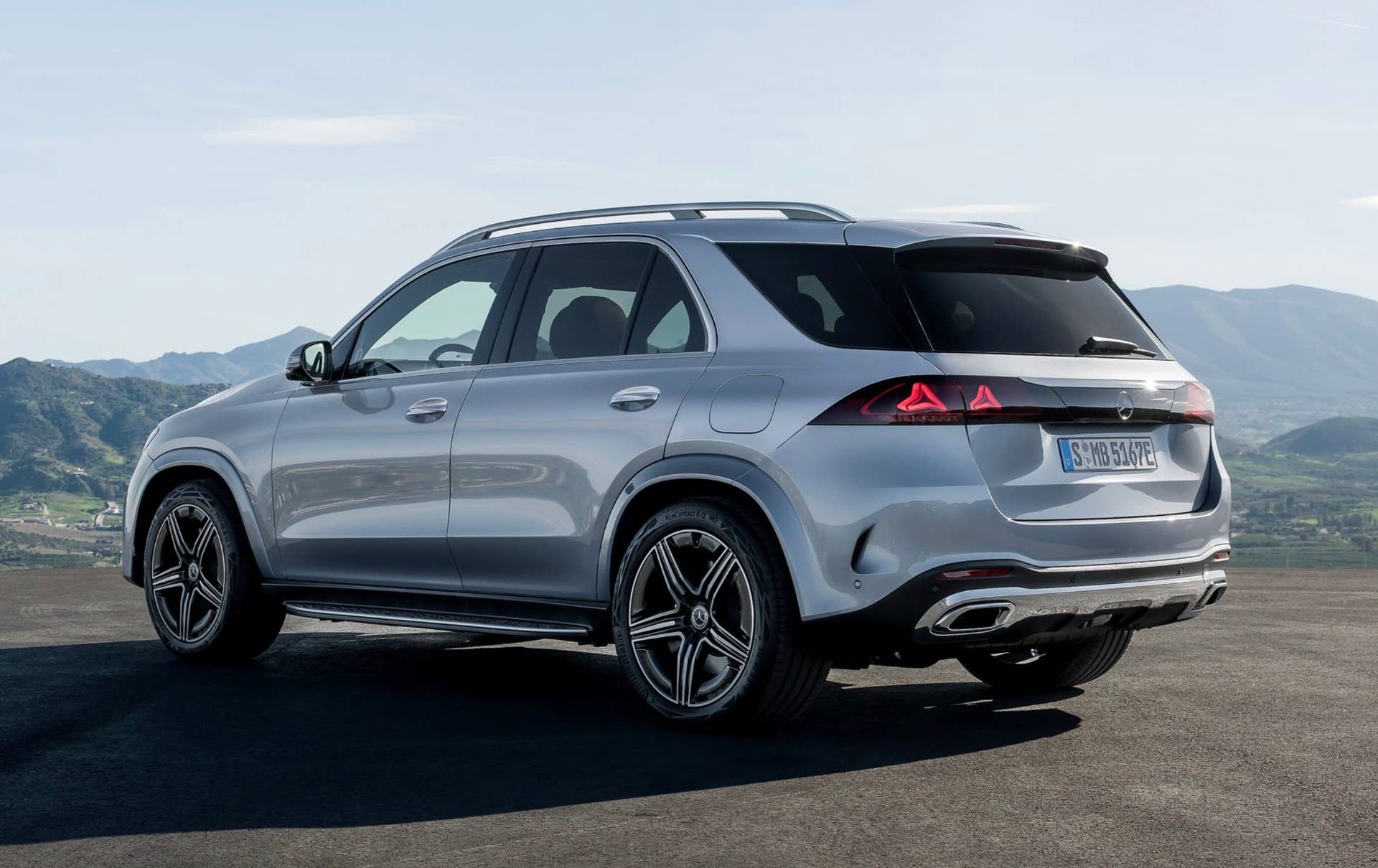
Currently, Mercedes-Benz offers the broadest choice of engines, with the base model GLE 350 gaining motivation from a turbocharged 2.0-liter four-cylinder producing just 255 hp and 295 lb-ft. Those in search of more power and a more refined six-cylinder will have to fork out $74,800 for the 375-hp GLE 450. Of course, there’s also the GLE 500e PHEV with 429 hp/502 lb-ft, as well as a V8-powered GLE 580 with a mighty 530 hp and 553 lb-ft.
Safety: Not A Bad One In The Bunch
Buyers would be hard-pressed to find a vehicle in this class that underperforms when it comes to safety. The 2027 Q7 offers adaptive cruise control, lane guidance, blind-spot monitoring, and a surround-view camera system, while optional Digital Matrix LED headlights add another useful layer of technology for night driving by controlling the light pattern around other traffic.
The BMW X5 features lane-centering assistance, automatic emergency braking, and its more advanced highway-driving assistance systems, all aimed at reducing the driver’s workload on long-distance journeys.
Mercedes-Benz counters with its MB.Drive technology, incorporating adaptive cruise control, steering assistance, lane-keeping systems, and automated parking features.
None of the three MY2027 models have been evaluated for crash worthiness by the National Highway Traffic Safety Administration (NHTSA) or the Insurance Institute for Highway Safety (IIHS), but it’s worth noting that the GLE-Class was awarded the latter’s Top Safety Pick+ award in 2025, while the all-new Q7 scored the maximum five stars in EuroNCAP’s rigorous evaluation process.
Prestige
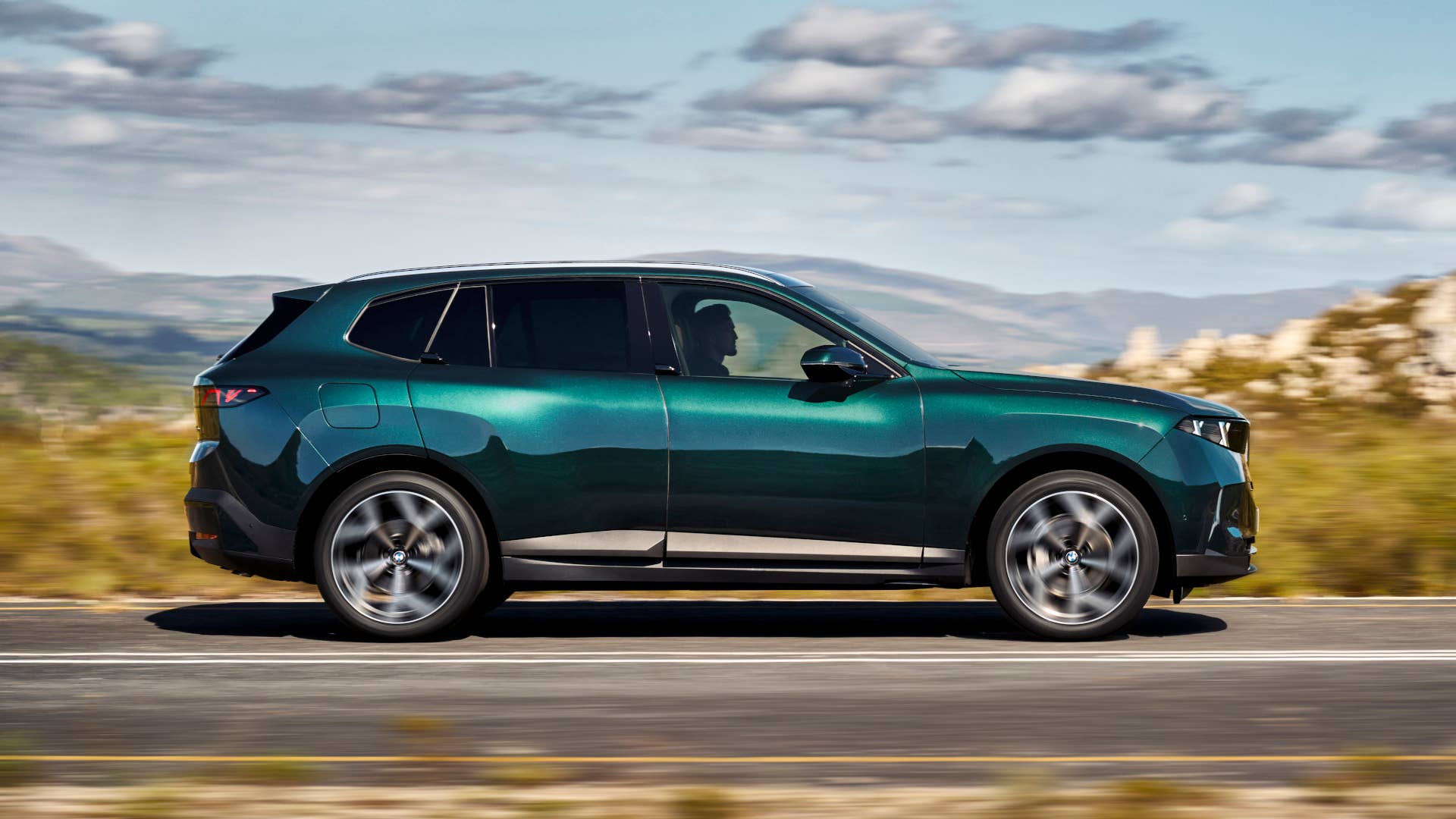
BMW
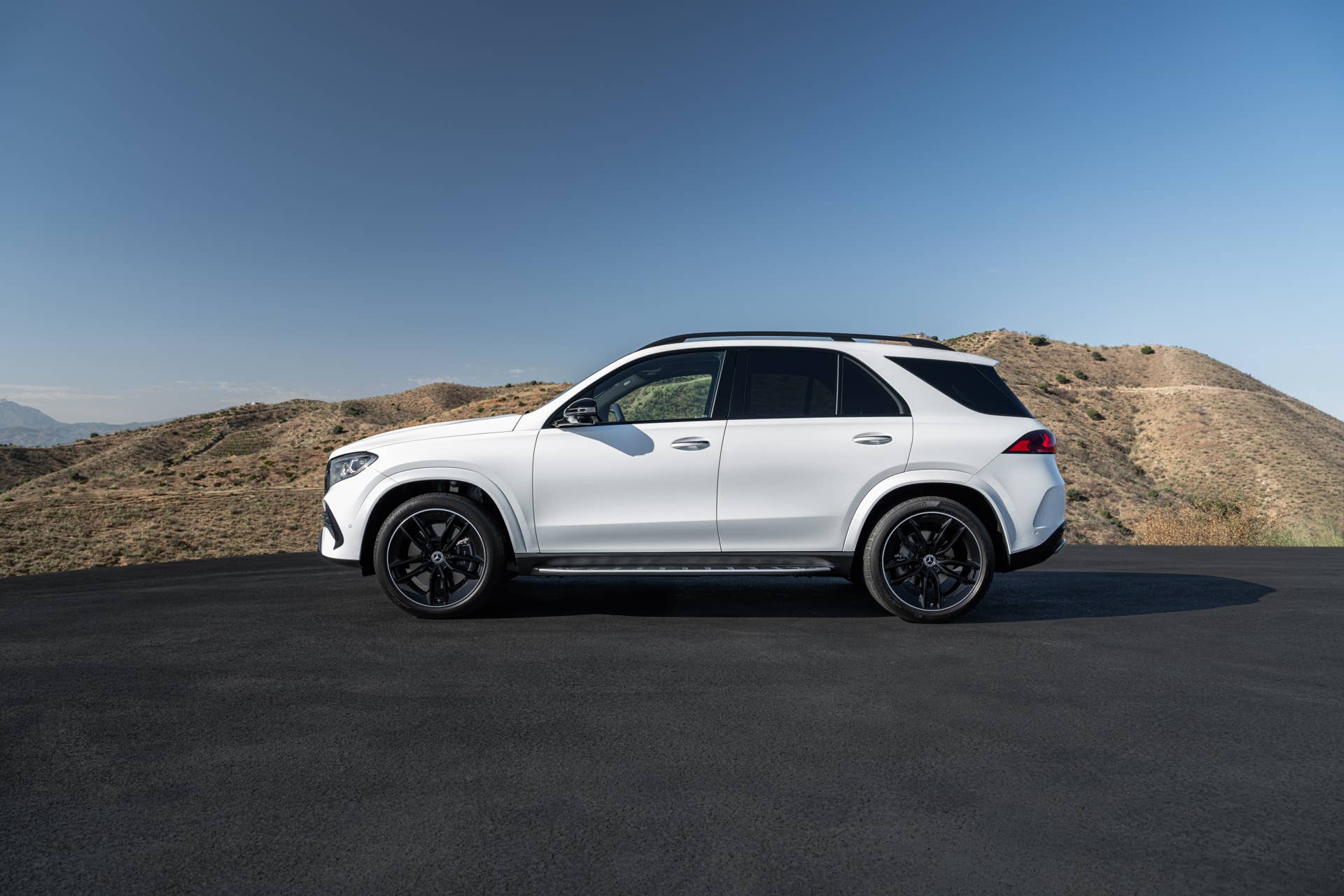
Mercedes-Benz
Design: Very Different Takes On Luxury
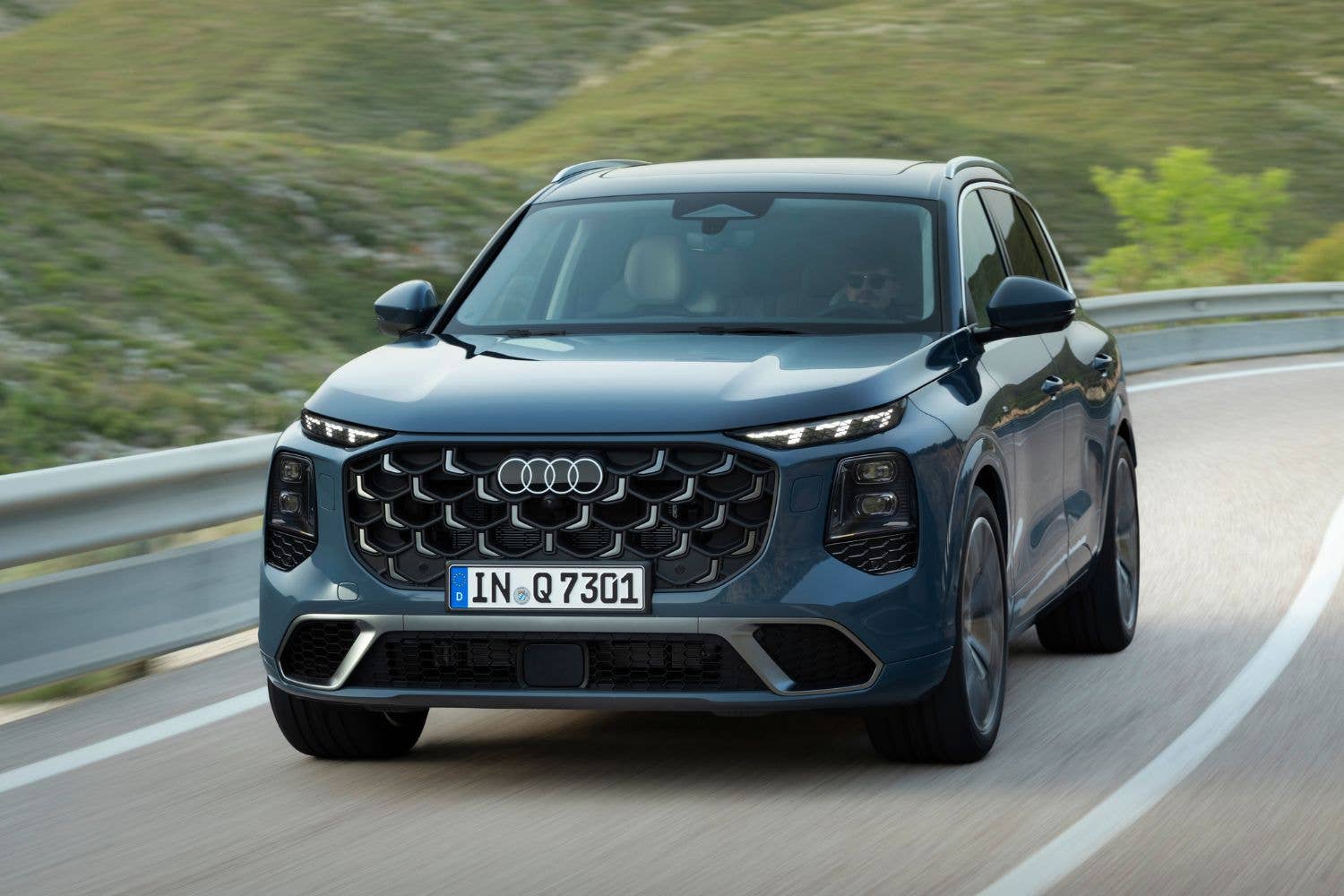
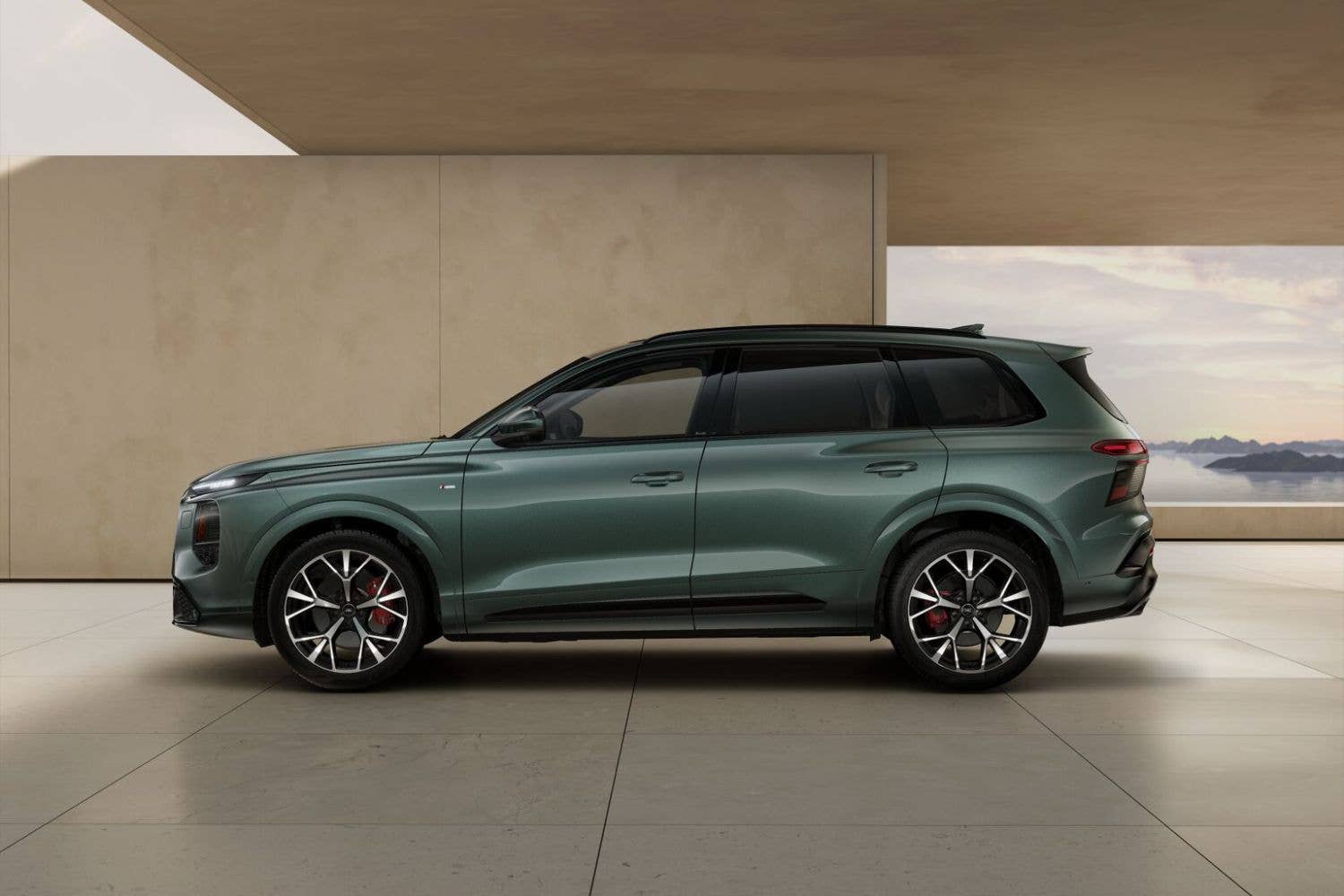
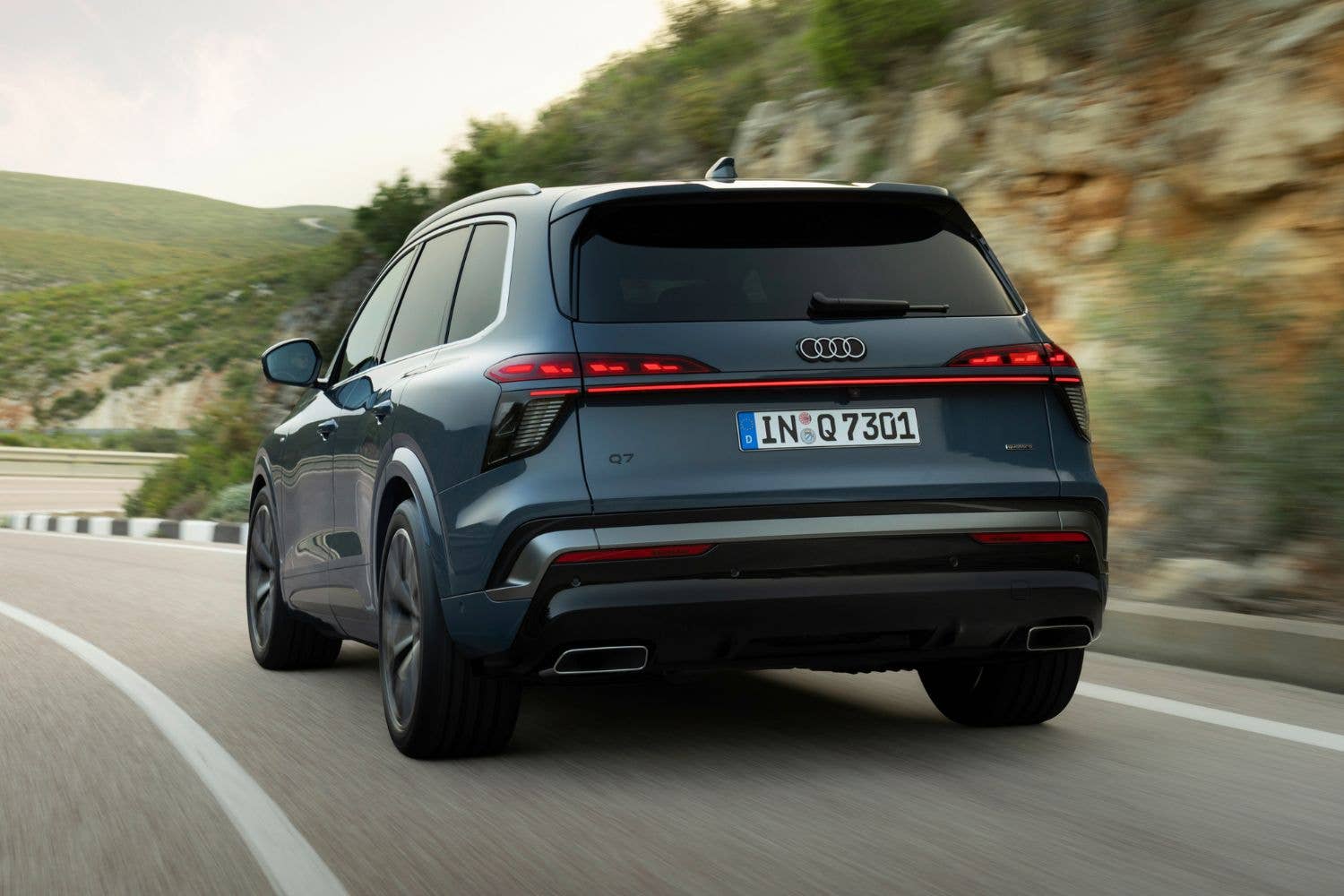
Styling preference will always be subjective, but it’s interesting to see the different approaches taken by this trio of rivals. Visibly more assertive than its predecessor, the new Q7 intimidates lesser traffic with its wider Singleframe grille and sharper surfacing. The customizable OLED taillights, Digital Matrix lighting, and larger 22-inch wheels add plenty of visual drama and, while it remains unmistakably Audi in its appearance, the Audi faithful who appreciated the second generation’s more subtle approach may be put off slightly by the more, ahem, extroverted appearance of the latest model.
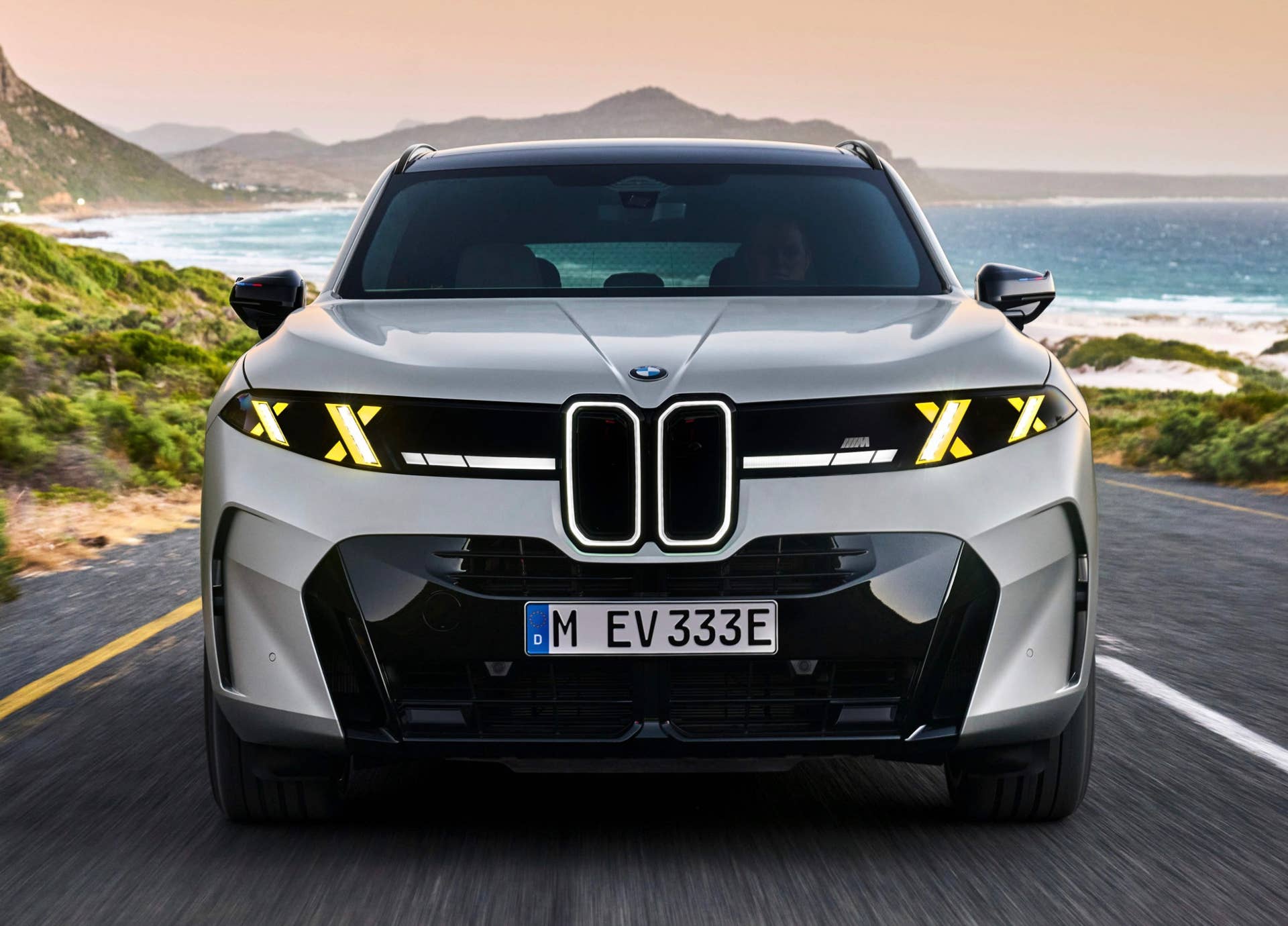
But if the Audi could be considered flashy, the X5 is positively conspicuous. Gone are the understated and elegant looks of the G05 – and every X5 before that, in fact – with the G65 generation introducing details seen on some of the company’s Neue Klasse cars, including the upright front end, narrow, illuminated kidney grilles, and the cumbersome flush-fitting door handles. It’s a more overtly modern design than before, although the familiar X5 proportions remain.
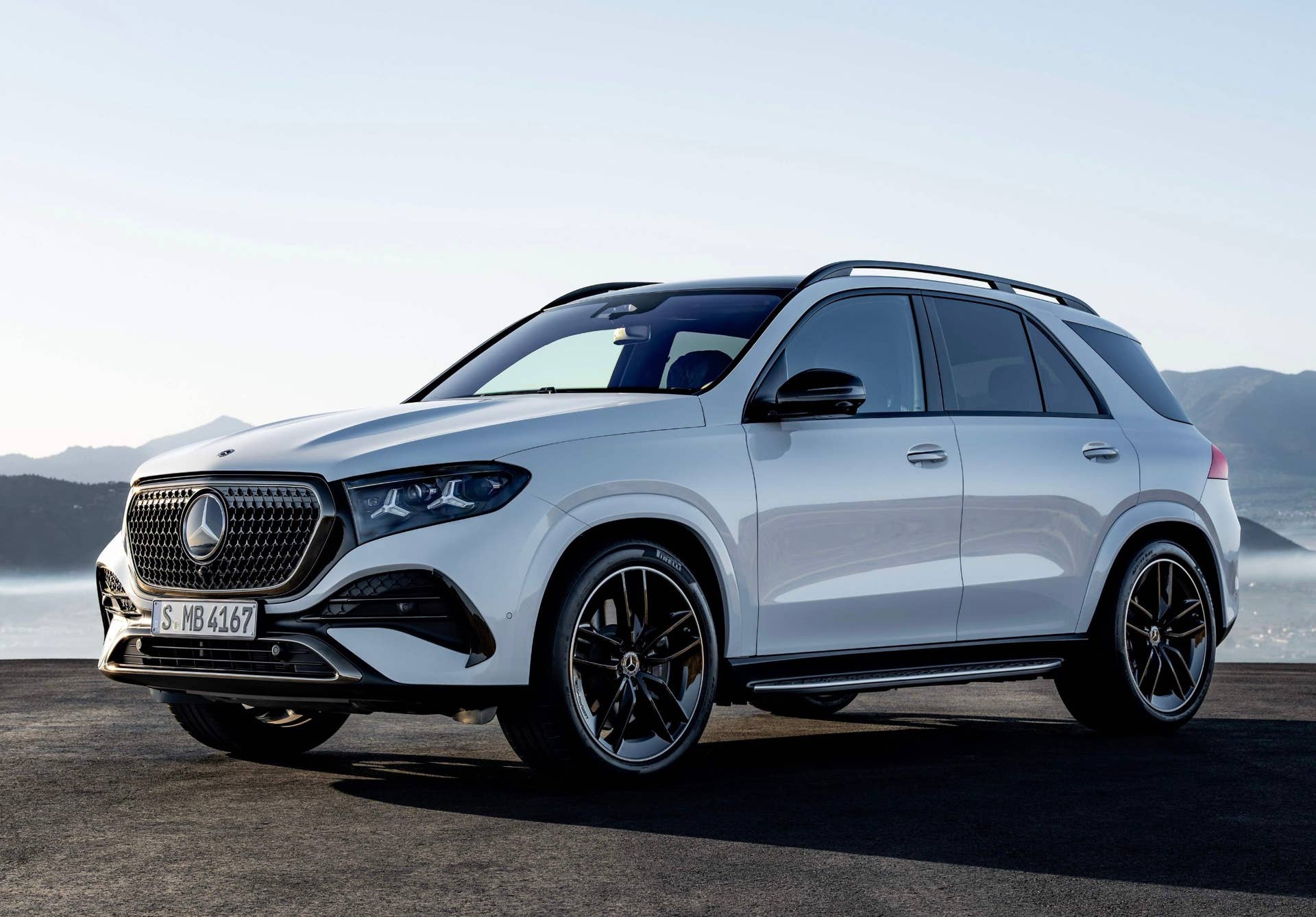
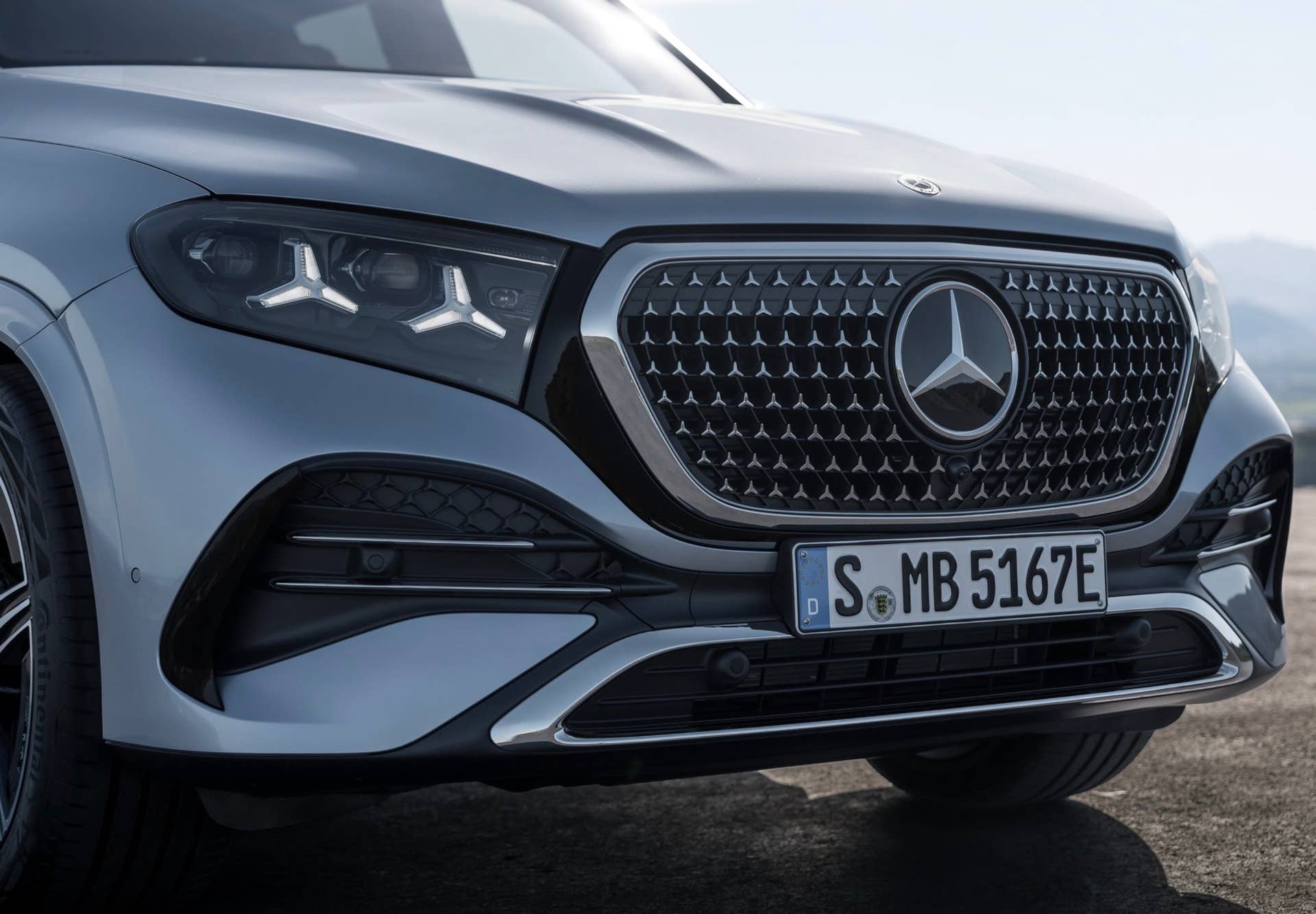
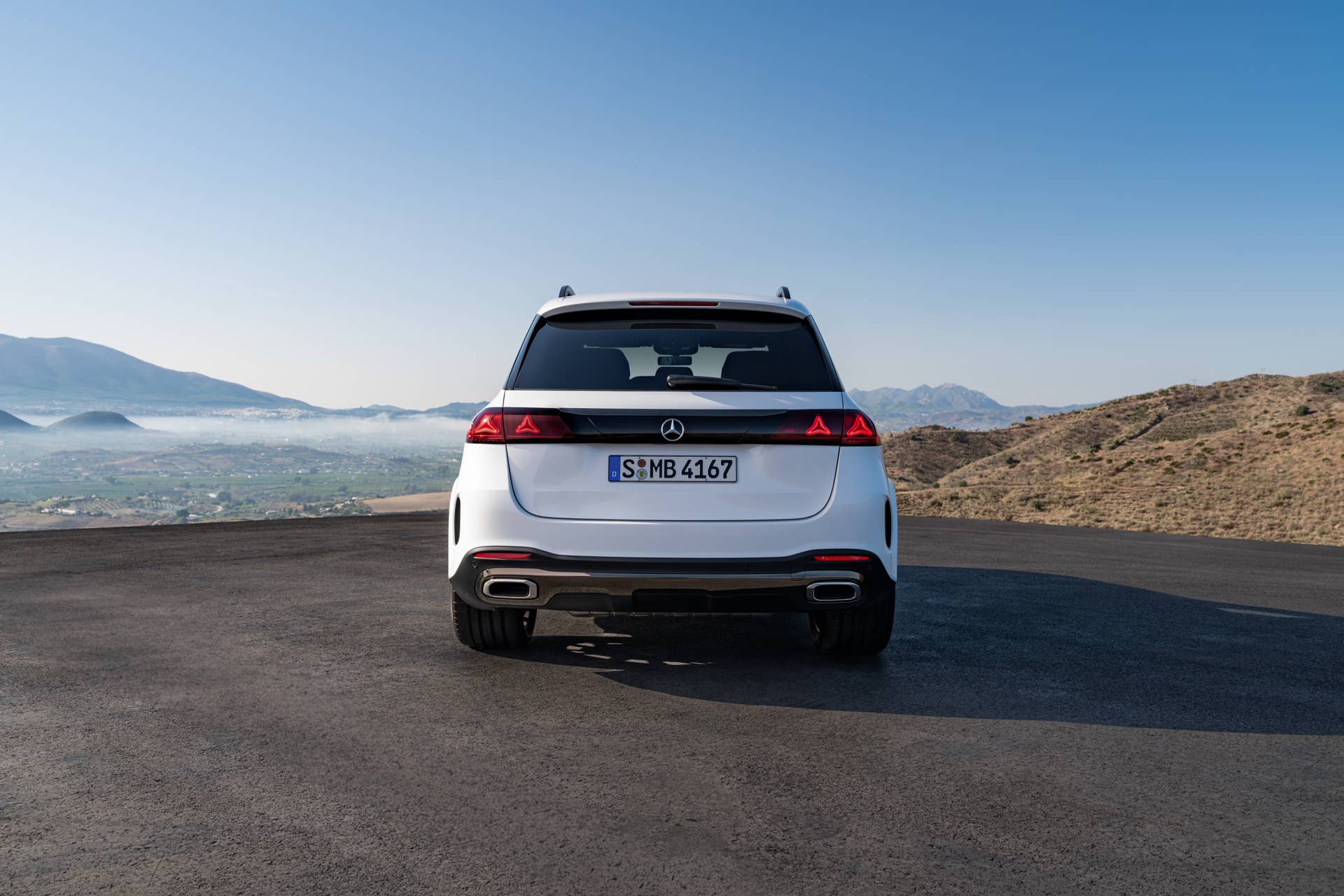
Surprisingly, it’s the Mercedes that is the most restrained, with the latest facelift bringing changes to the front and rear lighting, as well as the grille and bumpers. It’s no shrinking violet, though, with the front fascia being festooned with myriad Three-pointed Stars littered across the bumper inserts, the radiator grille, and even the lights. Remember when luxury cars whispered good taste?
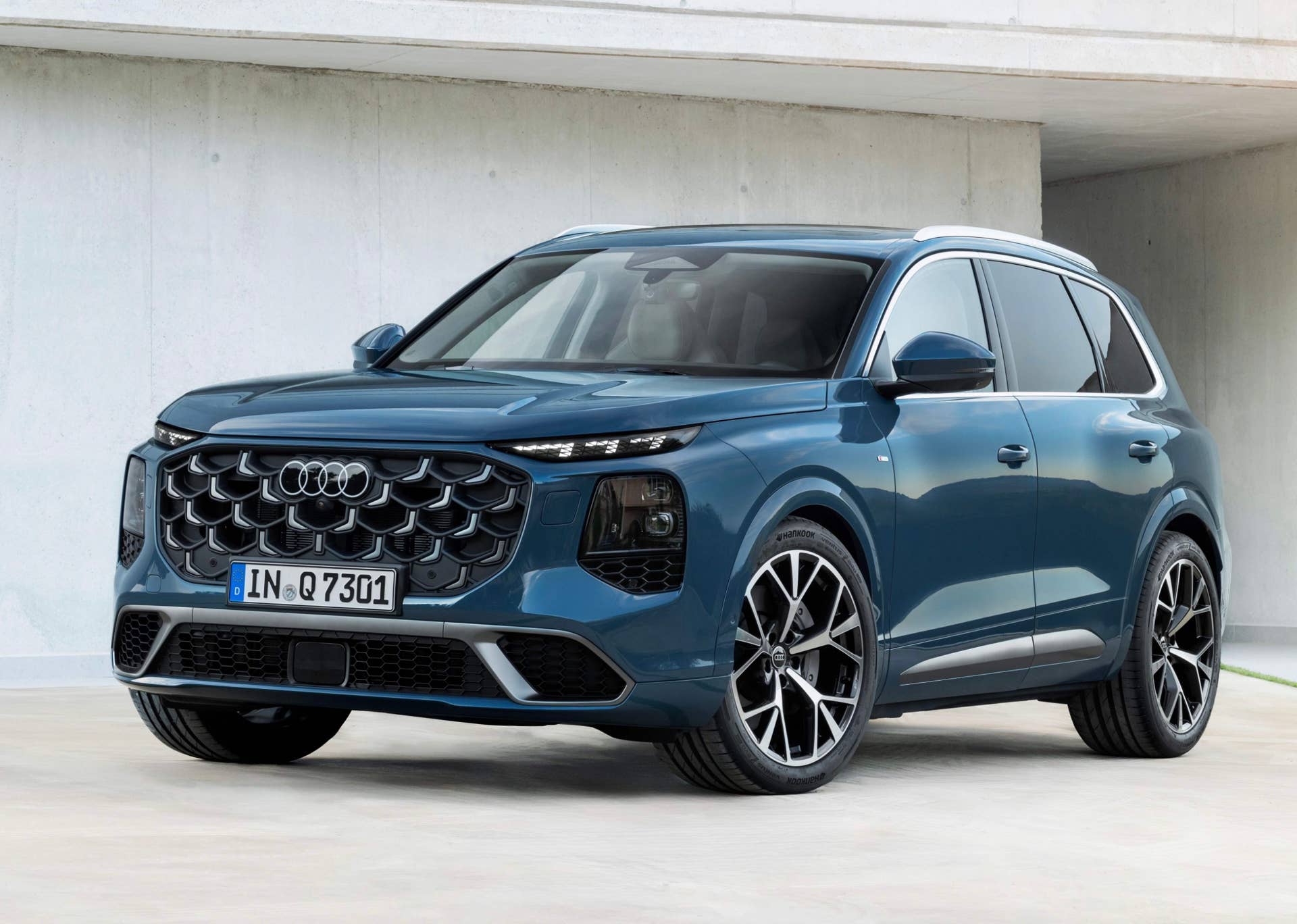
Audi
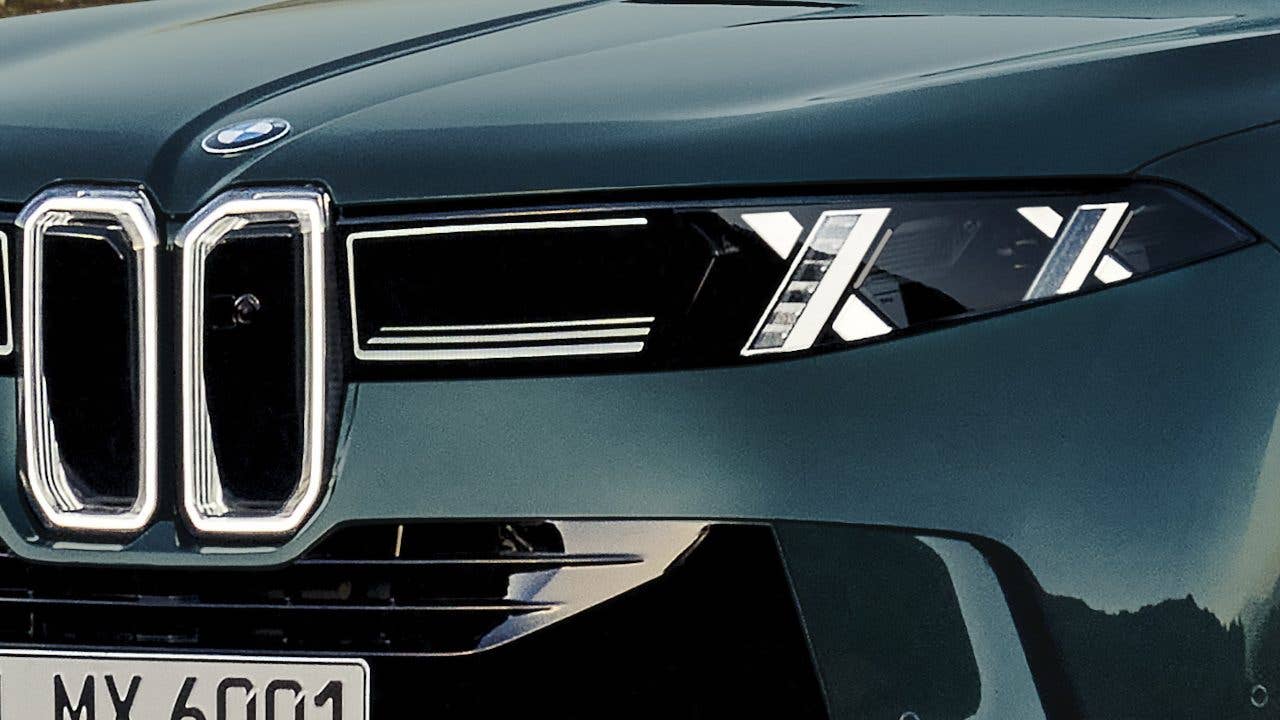
BMW
Mercedes-Benz
Interior: Three Cabins, Three Versions Of Comfort
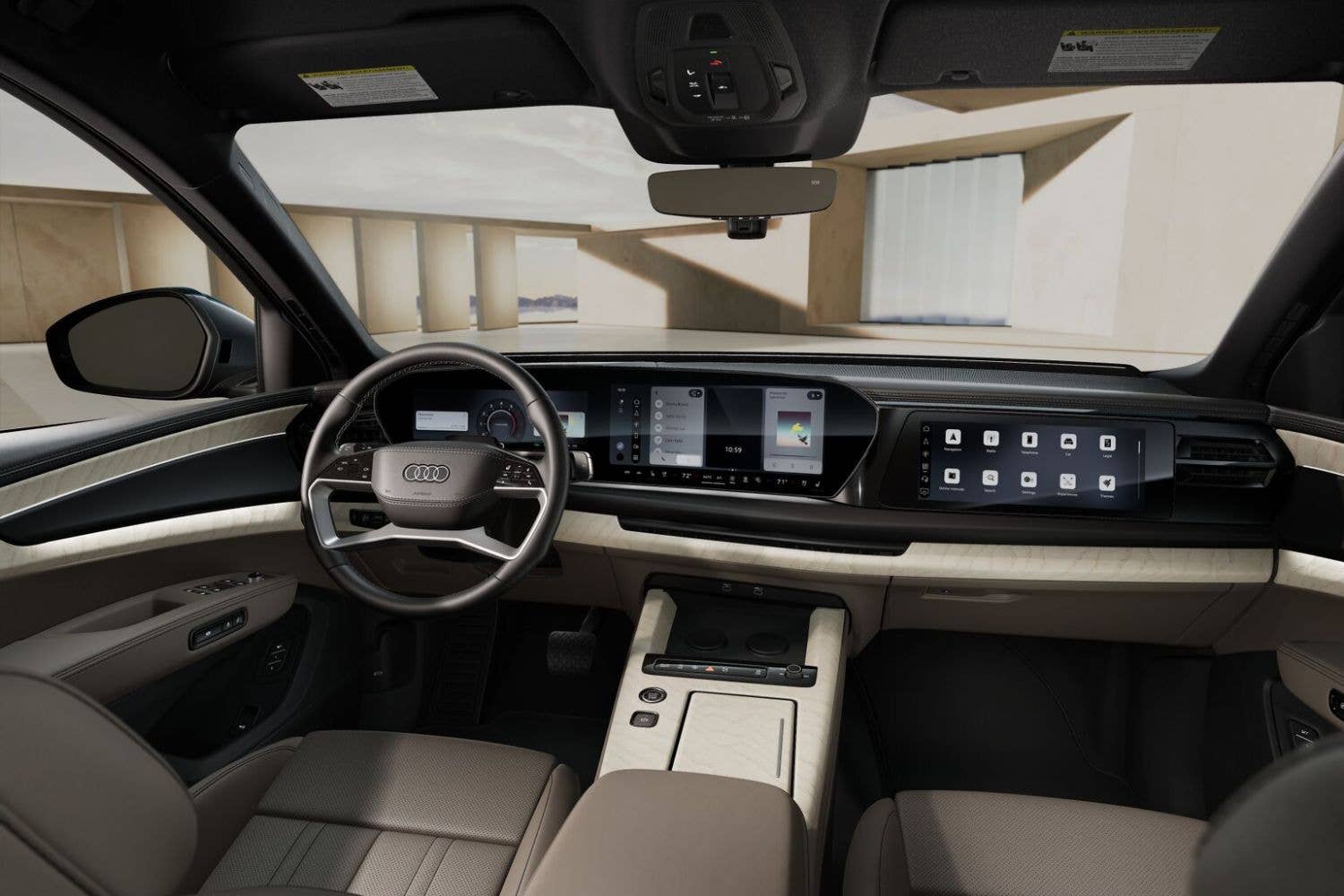
The design ethos of all three vehicles continues in the cabin, with the Audi combining large digital displays with a relatively clean layout and upscale materials. Standard equipment includes front sport seats, wood inlays, ambient LED interior lighting, a glass sunroof and a 12.3-inch passenger display. The Q7 is offered in Premium, Premium Plus and Prestige trims, with the latter two opening up some of the more interesting options. On the Premium Plus, the $2,600 Executive package adds dual-pane acoustic glass, four-zone climate control, heated third-row seats, power rear sunshades and a panoramic glass roof with variable light control, while the $1,600 Vision package brings Digital Matrix LED headlights and a head-up display. Audi’s optional Bang & Olufsen 4D audio system adds another layer of indulgence.
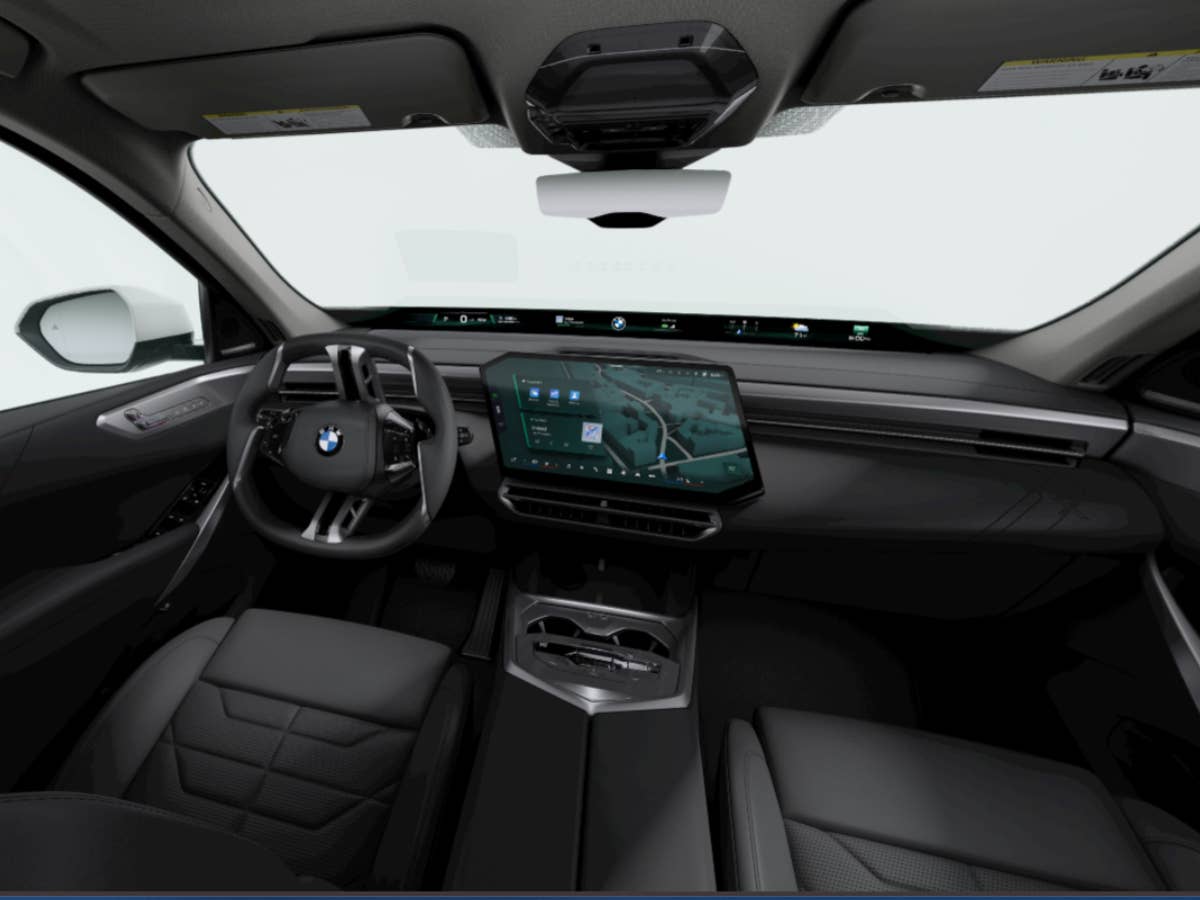
The BMW X5 takes a more technology-heavy approach, most notably with its Panoramic Vision display running across the lower section of the windshield. A panoramic moonroof is standard, while the $3,100 Luxury Package adds the Passenger Screen, automatic doors and BMW Digital Premium Plus. The $1,450 Technology Package adds a Bowers & Wilkins surround-sound system, rear window shades and the rather theatrical Ceremonial Light Carpet, while the $2,800 Climate Package brings ventilated and massaging front seats, four-zone climate control and heating for the steering wheel, front and rear seats and armrests. While visually impressive, the move toward touch-sensitive controls may not suit the buyers who still prefer conventional switchgear.
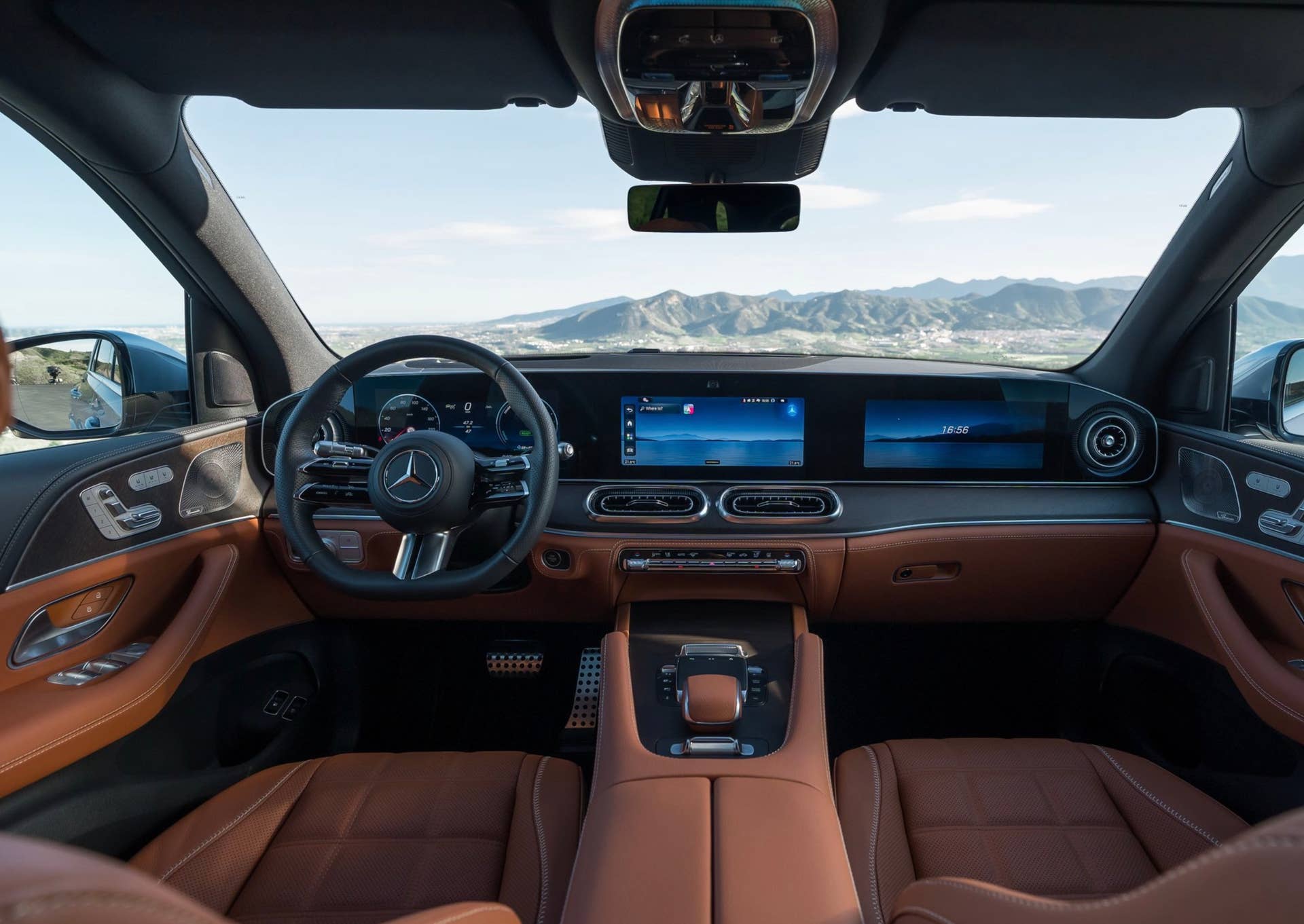
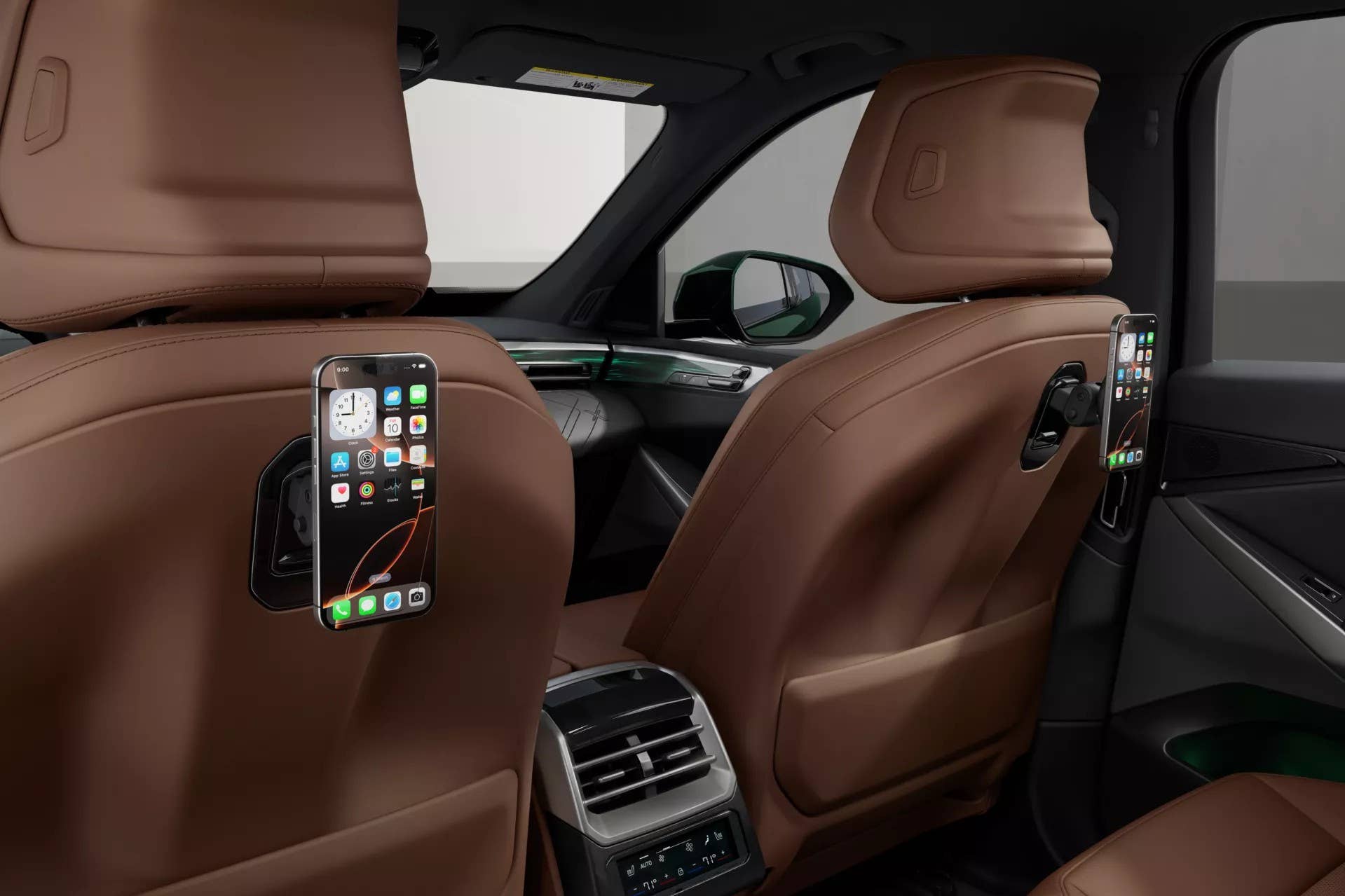
The Mercedes has the most traditional take on luxury. The GLE 350 4Matic comes standard with heated power front seats with memory, a panoramic roof, and the new MBUX Superscreen. There is plenty of room to add more, too, with the Exclusive Trim priced at $2,000, heated second-row seats at $500, a heated steering wheel at $250, and topstitched MB-Tex upper dash and door trim at $350. The cabin is not as radical as the BMW’s, but the combination of tasteful materials, screens, seating comfort and the general ambience lends the Benz a warmth that the more technology-led interiors cannot replicate.
Audi
BMW USA
Mercedes-Benz
Practicality: Capacious, But Make It High-End
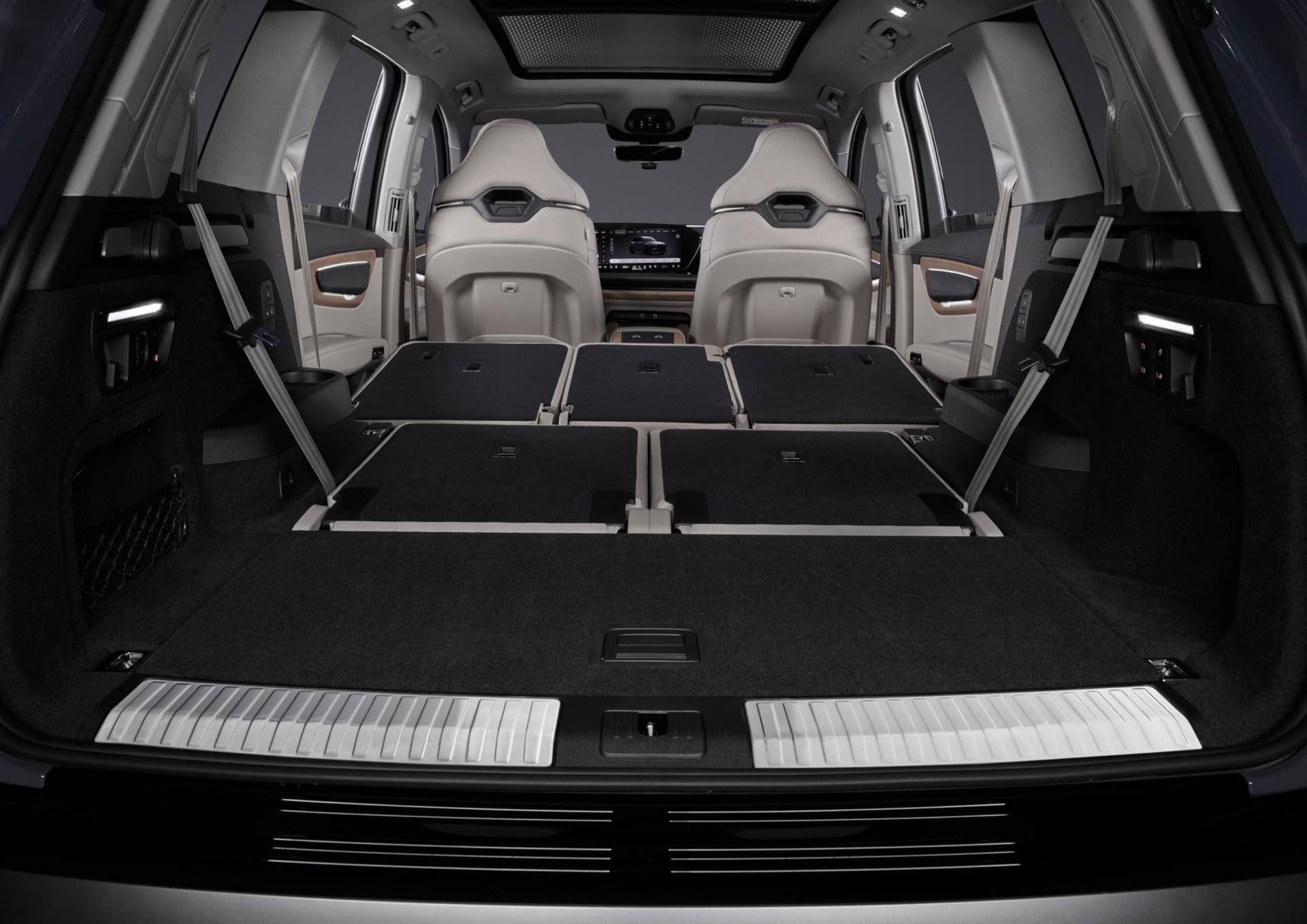
The 2027 Q7 comes standard with seven seats across three rows, with a six-seat configuration (using second-row captain’s chairs) available as an option. The third-row is, admittedly, more suitable for children than adults, as is often the case in this class, but having those extra seats available without moving to a larger class of SUV adds useful flexibility. The Q7 offers up 15.1 cubic feet with all three rows in place, 43.9 behind the second row, and 78.1 with both rear rows stowed away.
BMW has elected to keep the X5 as a two-row, five-seat SUV in the US, presumably to avoid stepping on the X7’s toes. There is, however, plenty of room for adults in the rear, and it remains practical enough for most households, with 27.3 cubic feet of cargo space behind the rear seats and 67.7 cubic feet available with them folded. Anybody who regularly needs more than five seats will have to move up to the aforementioned X7.
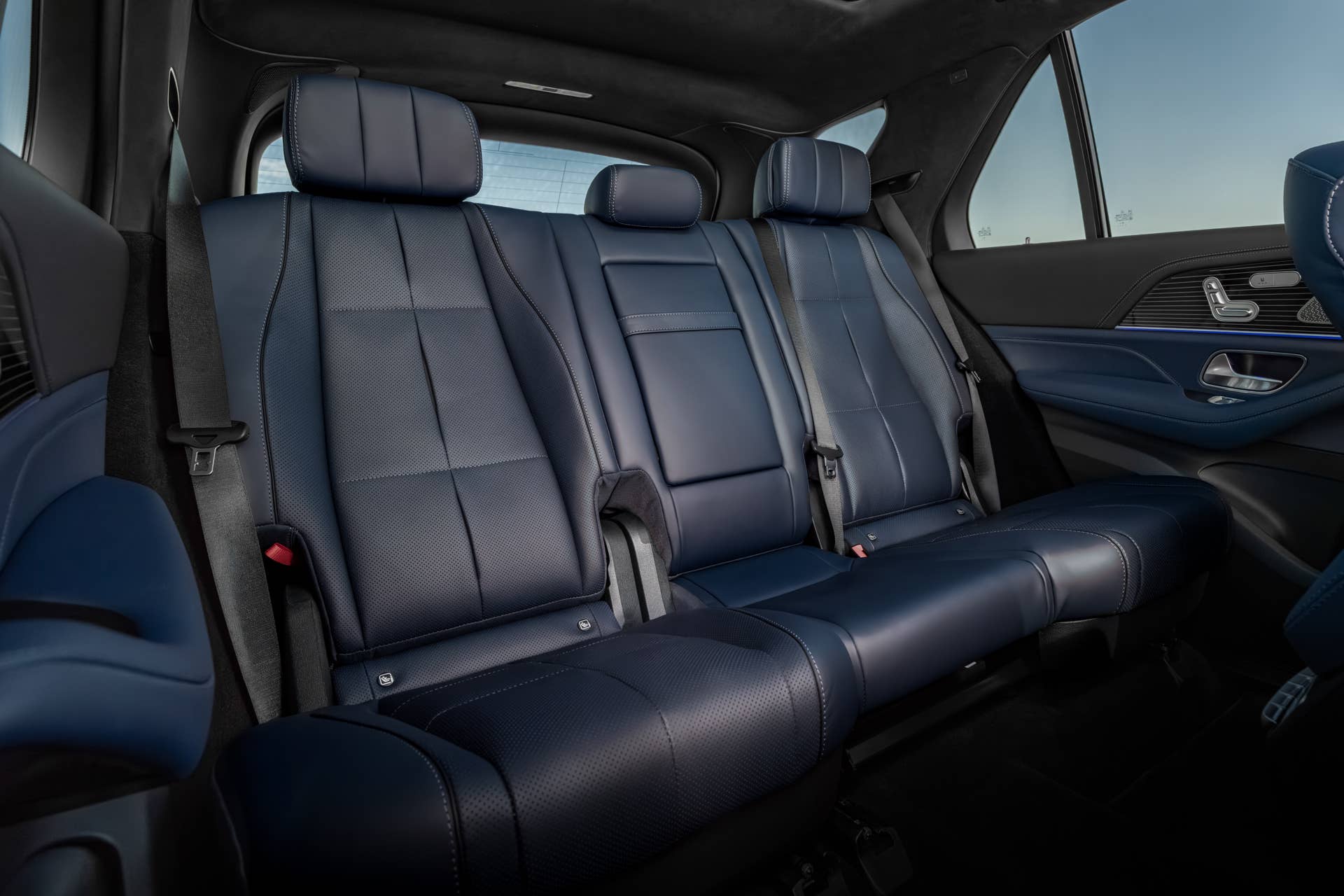
The GLE falls between the two; it is a five-seater as standard, but an optional third row gives buyers some additional flexibility when it’s needed, without requiring them to fork out extra cash for the pricey GLS-Class. In the BMW X5 Vs. Mercedes GLE practicality battle, the Benz also has the edge for cargo space, with 33.3 cubic feet behind the second row and up to 74.9 cubic feet with the seats folded, compared with 27.3 and 67.7 cubic feet respectively in the BMW.
Efficiency: More Cylinders, More Fuel? Not Quite
Comparing the entry-level versions puts the differences between these three into clearer perspective. As mentioned, the BMW X5 xDrive40 makes use of mild-hybrid assistance and is rated at 24/28/26 mpg on the city/highway/combined cycles. That is an impressive showing for a six-cylinder SUV of its size, especially when you consider its power outputs.
Mercedes has taken an unconventional approach with the GLE 350 4Matic. While 350 used to denote a six-cylinder motor, the entry-level GLE gains motivation from a turbocharged four-pot, also making use of mild-hybrid assistance. Interestingly, it’s thirstier than the BMW, returning 19/26/23 mpg on the combined cycles. Stepping up to the more powerful and refined GLE 450 may be worth it, as it doesn’t have too much of a gas mileage penalty, at 19/24/21 mpg.
Currently, there are no official EPA ratings for the 2027 Q7.
Pricing And Verdict: Which One Deserves Your $70,000+?
All three occupy roughly the same part of the market, although differences in standard equipment and optional packages mean the starting prices don’t tell the whole story.
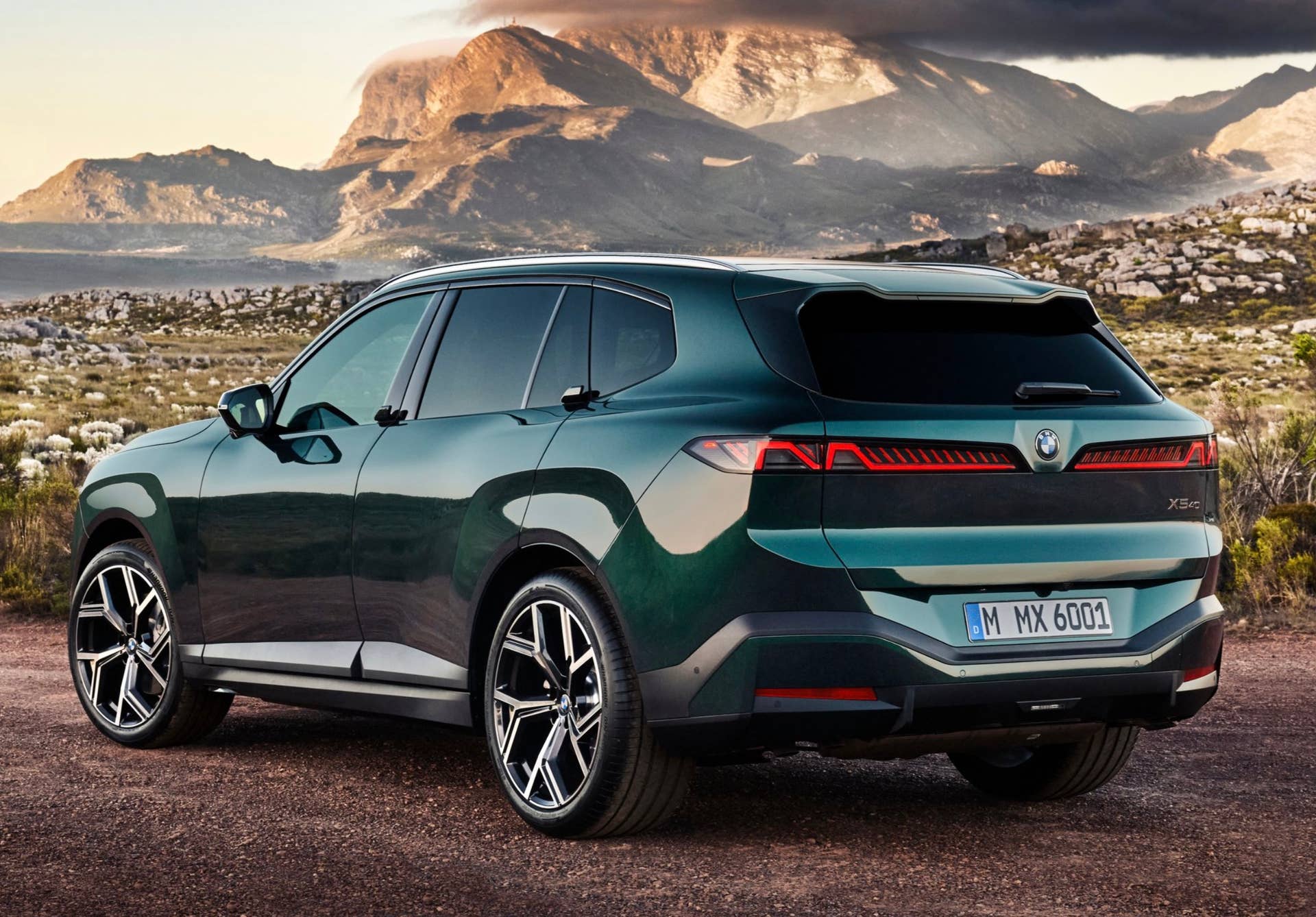
The 2027 BMW X5 xDrive40 starts at $72,100 before its $1,450 destination charge, while the X5 50e plug-in hybrid starts at $77,500. Mercedes-Benz has the lowest entry point, but buyers have to bear in mind that they are losing two cylinders and some refinement with that discount, and that the equivalent GLE (the 450) is the priciest of the three cars mentioned here.
BMW
Audi’s Q7 has a base MSRP of $70,900 in Premium trim, increasing to $75,300 for Premium Plus, and $84,900 for the plush Prestige derivative. Ultimately, choosing between these three talented SUVs is a nice problem to have. However, which one is best?
The BMW makes a strong case, especially for keen drivers, with its delightful inline-six and surprising efficiency; the lack of a third row (optional or not) limits its usefulness for larger families. The Mercedes retains all the characteristics of its namesake, with a fine blend of comfort, interior ambience, and refinement. But the higher price – despite being the older car here by a good few years – makes it hard to justify in esteemed company.
Mercedes-Benz
While the Audi Q7 doesn’t dominate every category, it arguably does the best job of covering the widest range of requirements. From its surprisingly muscular (standard) V6, seven-seater configuration, upmarket styling, and plush cabin – not to mention the 7,700-pound towing capacity – it feels considerably more useful than its luxury positioning might suggest.
Ultimately, the 2027 Q7 takes the win in this comparison, with the X5 getting a nod for its involved driving dynamics and superb efficiency. Ultimately, in the battle of posh midsize luxury SUVs, the crown is heading to Ingolstadt for MY2027, but the advent of a widened range could have the X5 coming back for revenge sooner than you’d think.
Audi
About the author

Jarryd Neves
News and Features Editor