
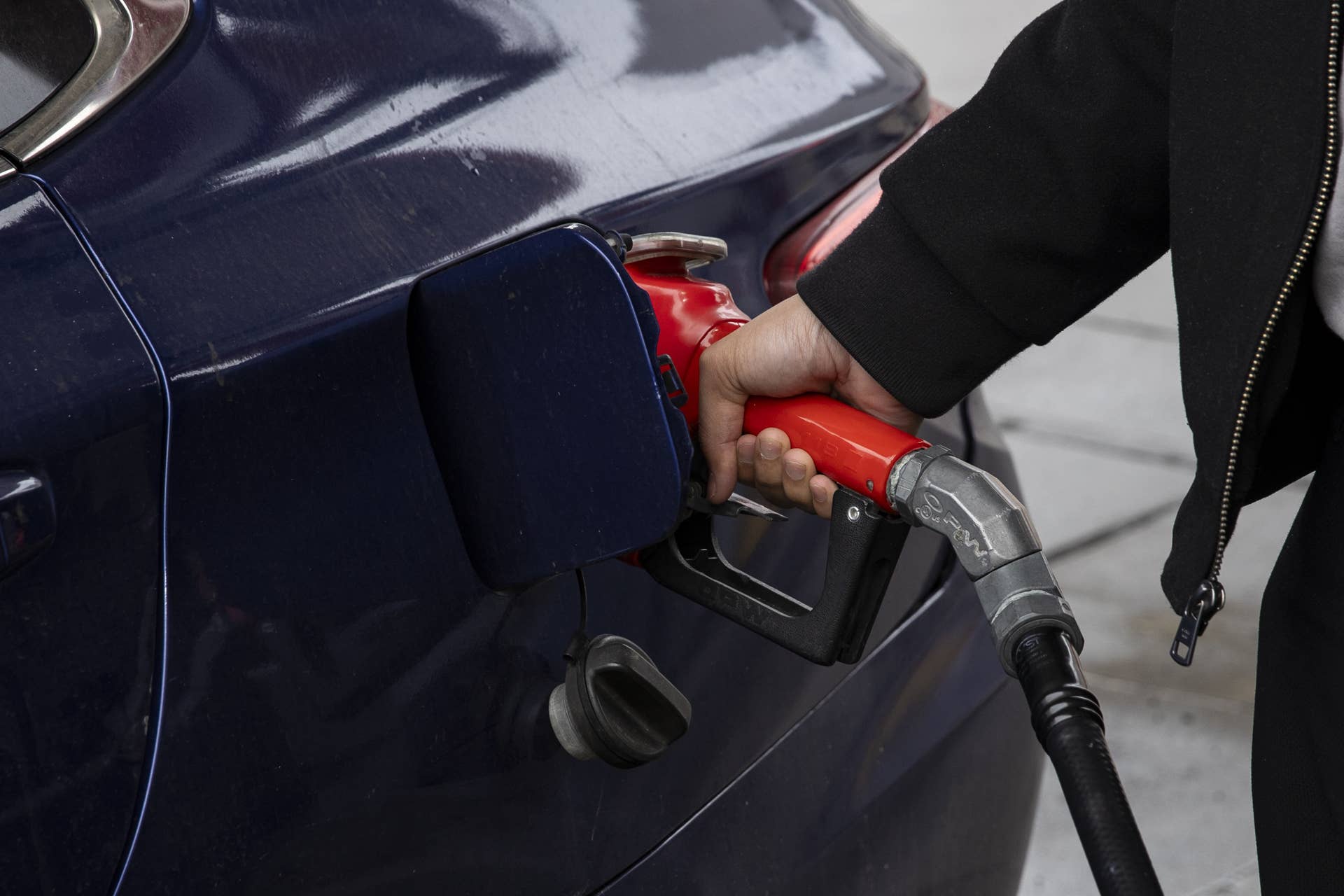
Filling up can be confusing
If you’ve been driving for a while, you have probably been in this kind of situation before. You borrow your friend or relative’s car to help complete a task that your car couldn’t do. However, they mention that before you could give back the keys, you have to fill it back up; you know, common courtesy.
No biggie, right? Before you head back to their house to return their vehicle, you head to the gas station to fill it back up, only to realize that the big truck you’ve been driving doesn’t take “regular” gas like your normal car. One phone call back to your friend, and they remind you that it takes diesel, not unleaded 87.
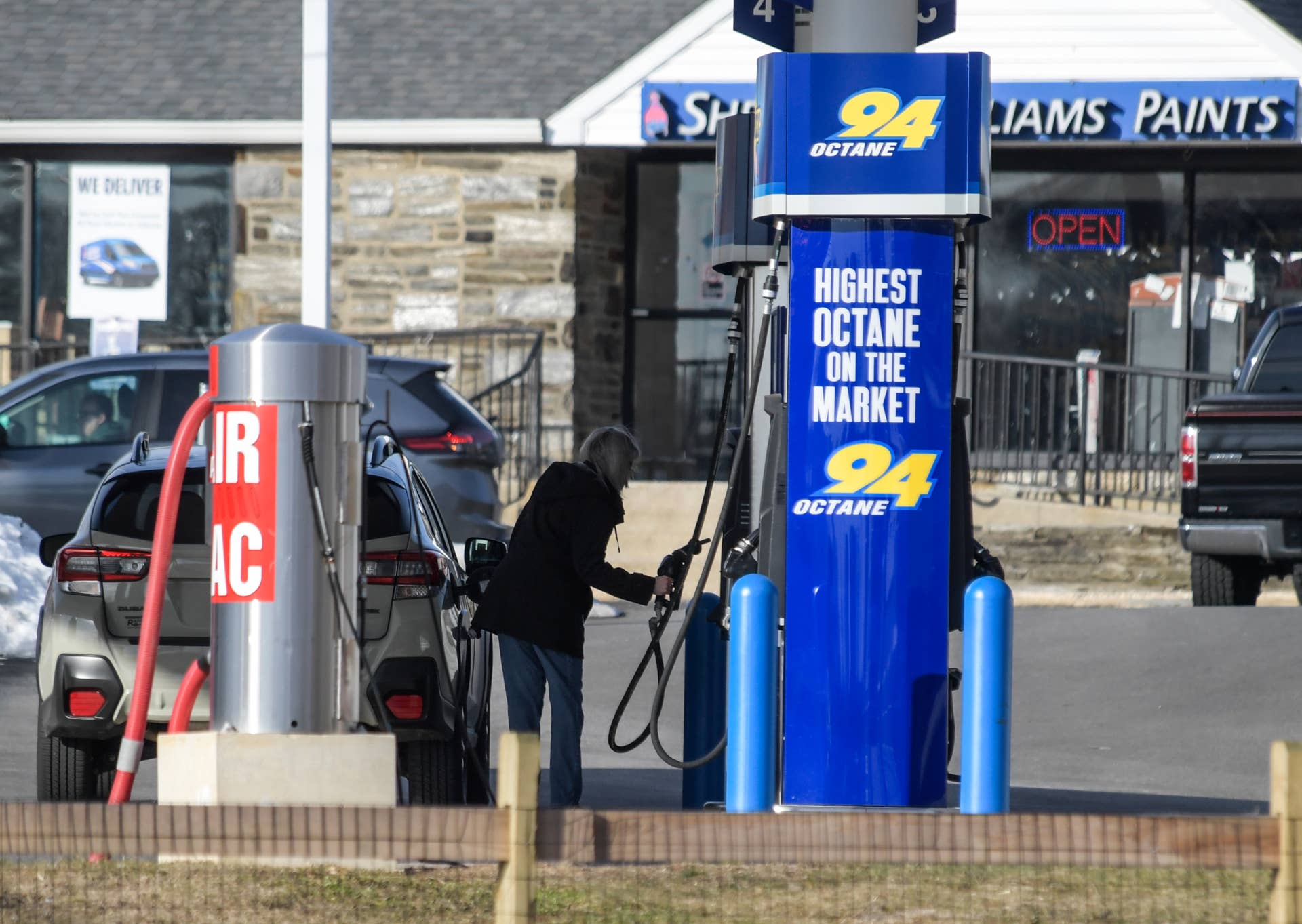
Putting in the wrong fuel or the wrong grade of gas might occur when you’re behind the wheel of an unfamiliar vehicle, however, there are some instances where the gas station may actually be at fault. According to a recent report by The City and the NYCity News Service, New York City Department of Consumer and Worker Protection inspection data shows that nearly all the gas stations in New York City have failed at least one inspection within the last two years, mostly for selling gas at a lower octane than what the pump says.
No matter what kind of scenario, putting the wrong fuel in your car is one of those embarrassingly simple mistakes that still happens every single day. However, depending on what you might accidentally put into your tank, the consequences might drastically vary, from running with a check engine light, to your vehicle ending up on the back of a tow truck.
Patrick T. Fallon / AFP via Getty Images
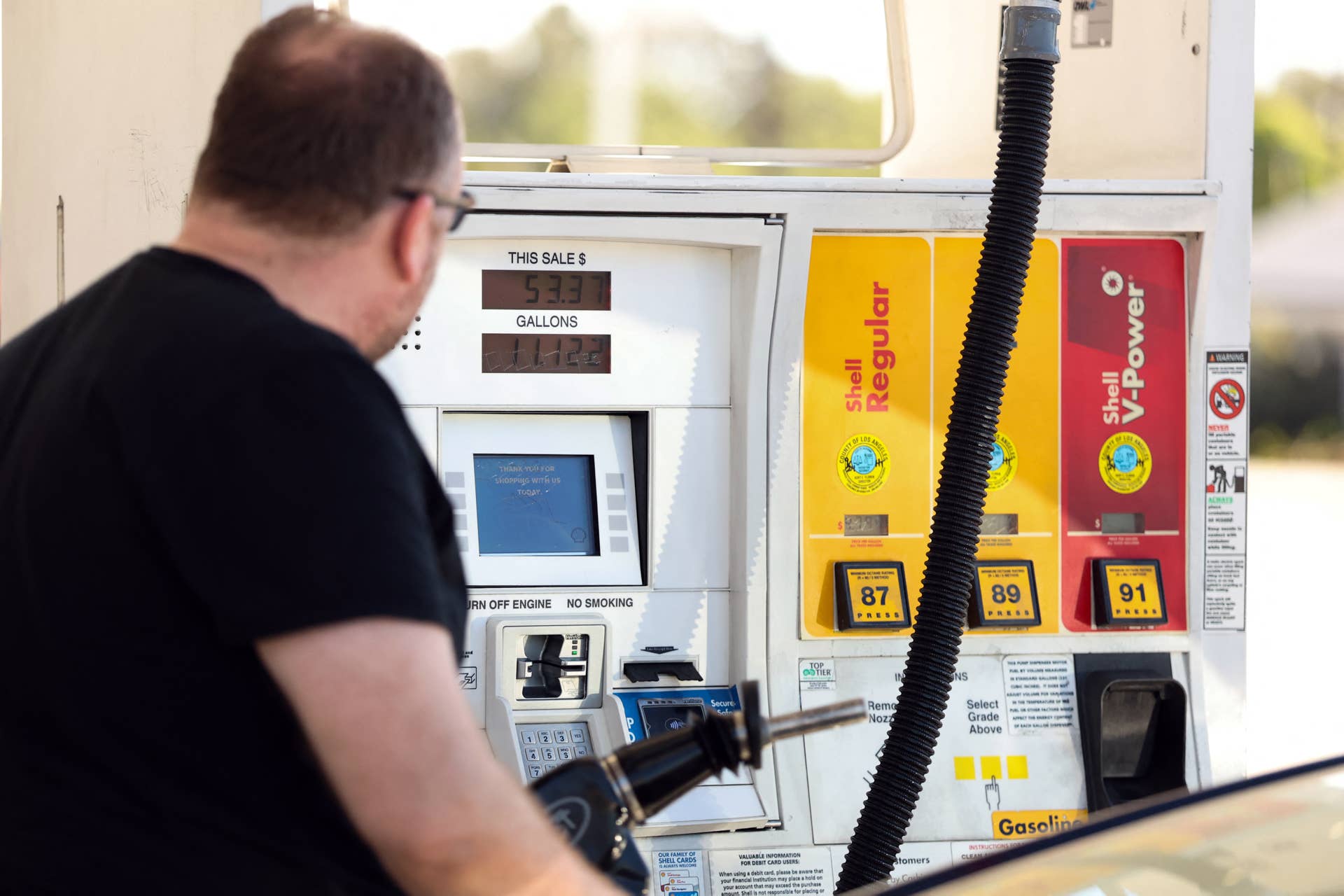
Putting regular gas in a premium car is okay, but it’s still bad.
If you drive a sporty, high-performance version of a particular car, or a car from premium and luxury brands like BMW, Lexus and Audi, there is a chance that the owner’s manual dictates that you need to fill up with fuel rated at least 91 octane, or “premium” fuel. But while accidentally filling up that one tank with regular gas won’t be the end of the world, it shouldn’t be made a habit if you plan to keep the car for a long time and maintain its strong fuel economy numbers.
You see, the difference between regular 87 octane and premium 91 to 93 octane gas isn’t about quality or purity of the actual gasoline; it’s not like you are putting fuel with dirt, sediment and twigs inside your fuel tank. The different octane ratings show how resistant the fuel is to “knocking;” which occurs when the air-fuel mixture in your engine ignites too early and makes it run a little funny.
Matthew Hatcher/Bloomberg via Getty Images
Engines that are intentionally tuned for high-performance and turbocharged engines have higher compression ratios, which means they need that higher-octane fuel to avoid knocking. This means that when you toss regular gas into a car that requires premium, the engine can start knocking, which means that you might hear a pinging or rattling sound under the hood.
However, most modern cars are smart enough to handle this. Their computers incorporate something called knock sensors, which will react to the lower quality gas and adjust settings like the ignition timing to actually “take” the said fuel. Your car will technically run on regular gas, but it’ll run a little worse.
You can expect a small dip in power, fuel economy and sluggish acceleration, especially if you intend on putting the pedal to the floor. But if your owner’s manual says that premium fuel is required, you really shouldn’t make a habit of filling up with regular; no matter how much cheaper it’ll be. The potential savings isn’t worth the potentially serious engine wear and damage to your catalytic converter.
Frederic J. BROWN / AFP via Getty Images
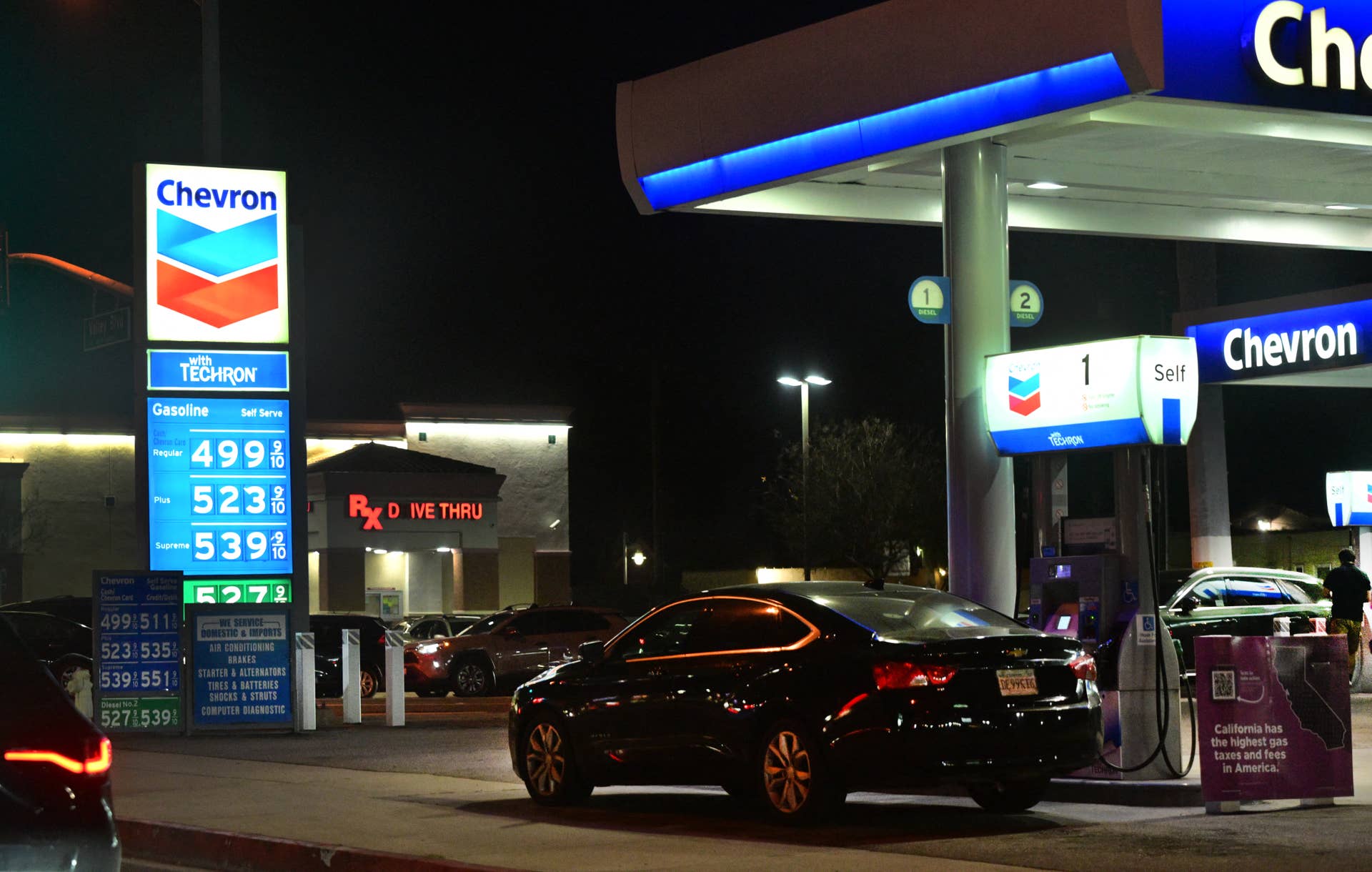
Putting premium gas in a “regular” car is not the end of the world
But if you accidentally grab the premium nozzle to fill up your car that takes regular, you should be fine. Engines designed for regular gas don’t have the high compression ratios that make premium necessary.
However, there is a common misconception that premium gas is somehow “cleaner” or better for your engine. It’s not exactly true; premium gas is just more knock-resistant. If your car doesn’t need premium gas, you’re paying extra for nothing. Putting higher-octane fuel in them doesn’t unlock secret power or clean your engine better, it’ll just cost you more money.
The fuel will burn just as normal and your car might throw a check engine light, but in the same manner as putting regular into a premium-requiring car, the knock sensors are reacting to a higher-octane fuel. You won’t notice a difference.
Getty Images
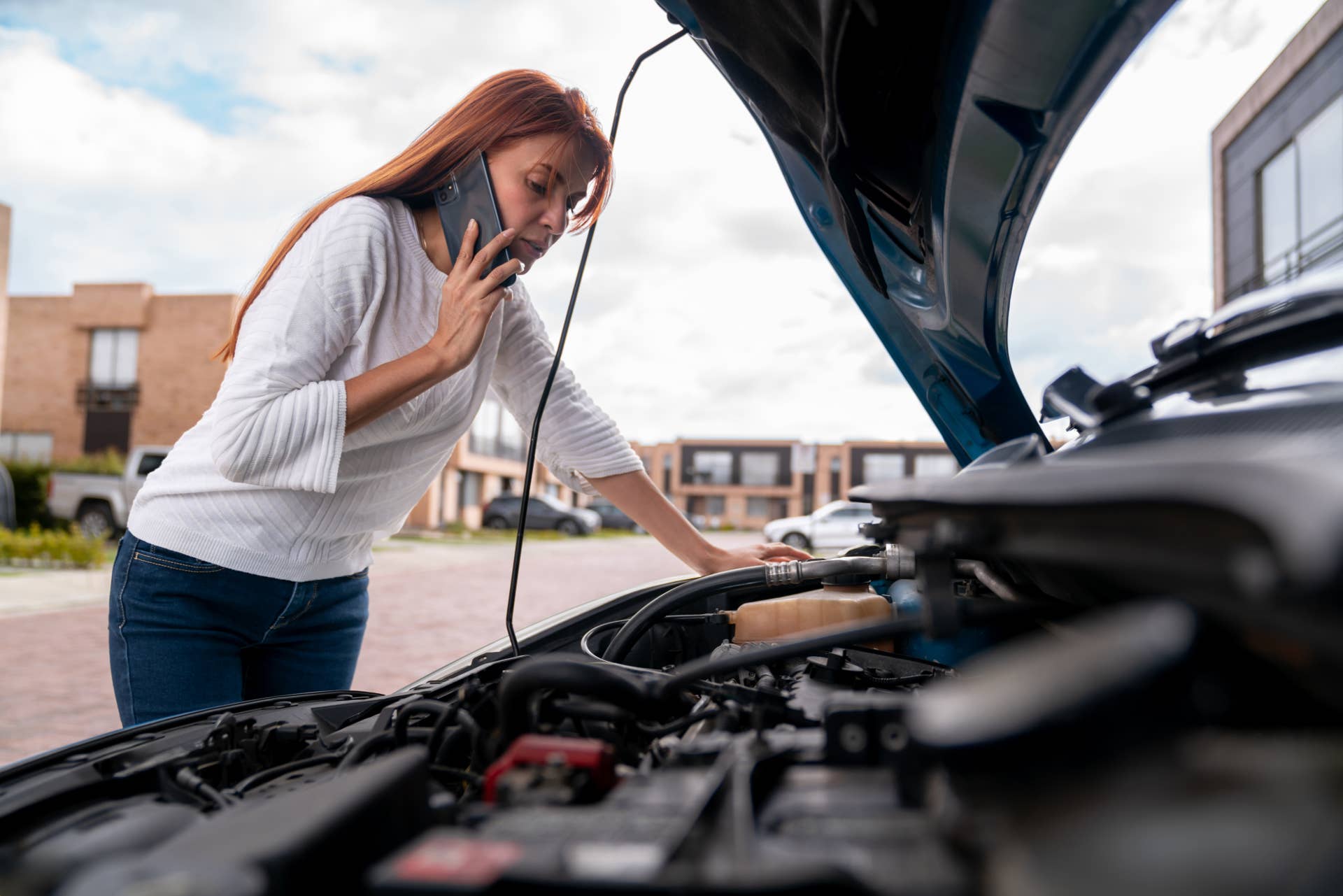
Diesel in a gas car is bad. Very bad.
Accidentally pumping diesel into a gasoline-powered car is a real problem, but there are some preventative measures that gas stations take to prevent their customers from doing it. If you have ever seen a modern gas pump that dispenses multiple fuels, you’d know that gas and diesel pumps are typically separated and distant from one another. Pumps that dispense either fuel are not only a different color, but the nozzles themselves are different sizes. Diesel nozzles are physically larger than a gas nozzle and won’t fit into a modern car’s fuel filler neck, even if you shove it in. Additionally, newer cars have safeguards including warning labels on the filler cap, which are specifically designed to prevent mis-fueling from happening.
However, it does happen, especially in older vehicles. If you manage to get diesel into a gas tank and start the engine, it could be some serious trouble. Gas engines use spark plugs to ignite the fuel, but diesel doesn’t ignite the same way that gas does. Diesel needs compression, not a spark to turn over. When it enters a gas engine, the diesel fuel coats the spark plugs and throws off the whole ignition process because the diesel isn’t being thoroughly burned. If you start a gas engine with diesel in the tank, it’ll run rough, misfire, produce a cloud of white or gray smoke from the exhaust, and eventually stall.
But if you catch yourself fueling diesel before starting the car, you might be able to prevent engine damage. If this happens, do not turn the key, call roadside assistance and a trusted mechanic to have the gas tank drained and flushed. Although this may be an expensive procedure, it beats major engine repairs that could potentially cost thousands. If fuel gets into the engine, your car’s fuel system will need a full flush, and depending on how far you actually drove, there might be damage to the fuel injectors and other vital engine components.
Getty Images
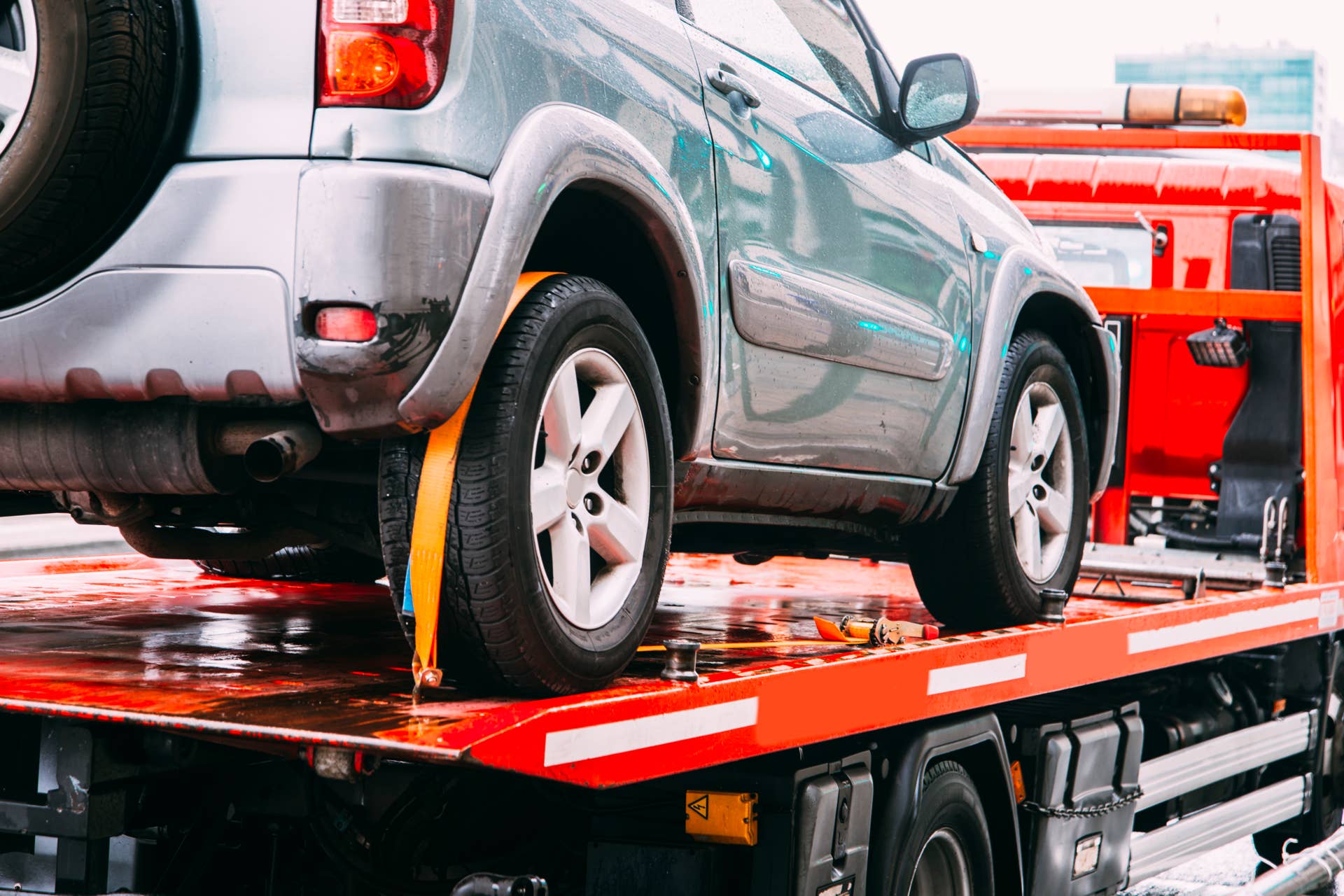
Putting gas in a diesel car is a potentially expensive mistake.
But where things can get genuinely scary is if you put gasoline into a diesel engine. It’s the worst mix-up of all, and it’s easier to do because a gas pump nozzle will fit inside a diesel filler neck.
By nature, diesel engines rely on the fuel itself to act as a lubricant for the fuel pump and injectors. Chemically, gasoline is actually a solvent, which means it strips away lubrication. The moment gasoline starts circulating through a diesel fuel system, it begins damaging the fuel pump, injectors, and other precision components that help it function. In addition, diesel engines also operate at much higher pressures than gas engines. Once the fuel gets pushed through, you’d likely hear knocking, see heavy smoke from the exhaust and the engine may seize up entirely if you drive far enough.
If you fill up a diesel car with gasoline, do not start the car. If you realize the mistake at the pump, you may get lucky with just a tank drain and flush. But if you start the engine and drive, you will be looking at a repair bill potentially worth upwards of thousands of dollars; the entire fuel system, including the pump and injectors would need to be replaced entirely.
Patrick T. Fallon / AFP via Getty Images)
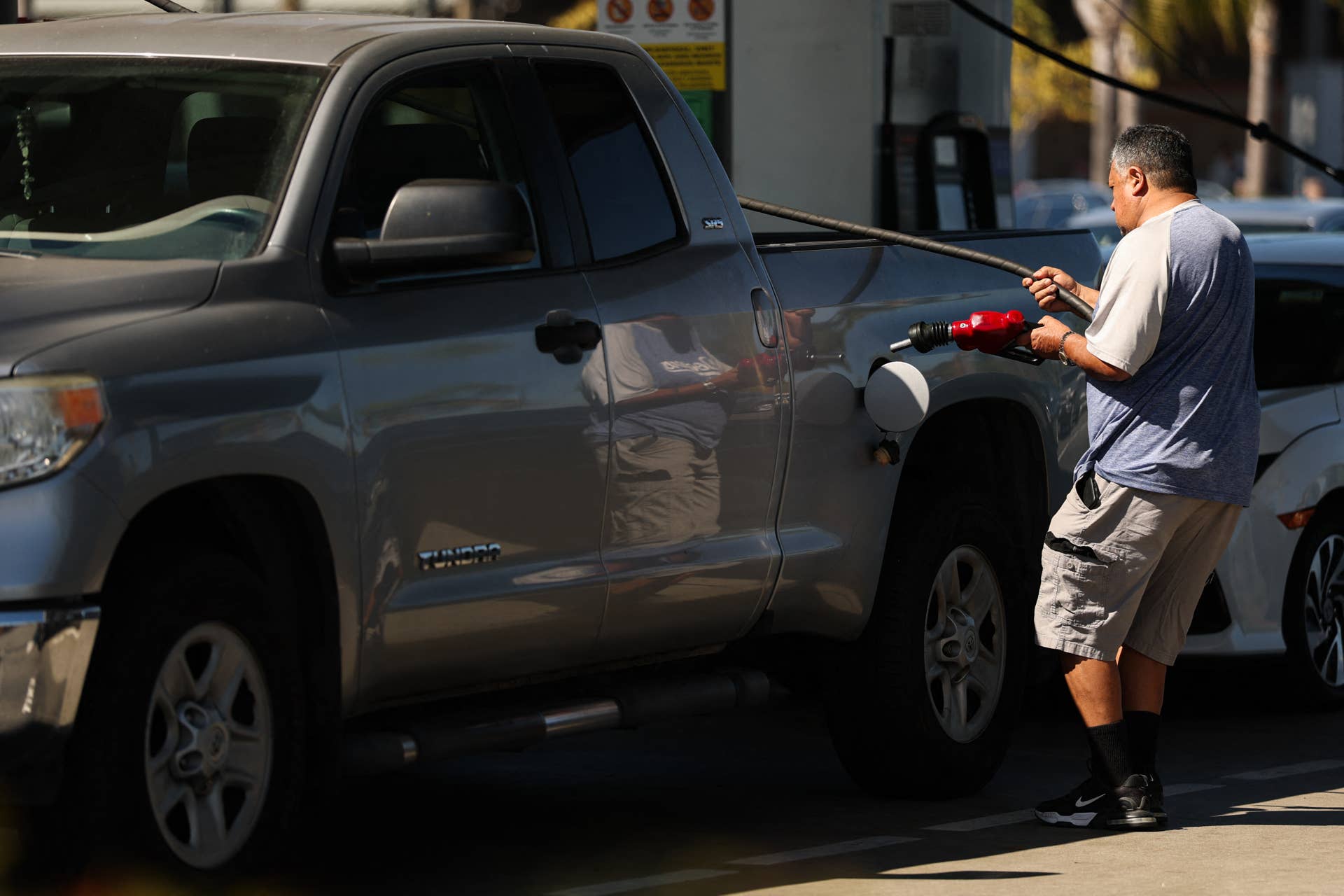
Slow down, fueling up is not a race.
As a motorist born, raised and still calls New Jersey home, I am less vulnerable to this sort of conundrum. My home state is the last where attendants are still legally required to pump your gas for you, though it still means that you have to tell the attendant what kind of fuel your vehicle takes. While it’s a system designed to reduce human error, the same sort of problems can occur if you tell the attendant the wrong kind of fuel and you fail to intervene.
But like many New Jerseyans, I frequently drive out of state, whether it be for normal everyday activities or for leisure, which means that one of these days, I could still have a wrong-fuel mixup. However, these mistakes are honest accidents that happen in a moment of distraction.
The best habit you can build is to slow down at the pump. Take two seconds to check what kind of gas you’re about to pump before you squeeze the handle, and if you’re driving a rental or someone else’s car, always double-check whether it takes gas or diesel first. A few seconds of careful attention can save you from making a very expensive and avoidable mistake.
About the author

James Ochoa
Senior Editor, Autoblog