
Like a charming relative that’s the last one to leave the party
There are warranties in the automotive world, but no guarantees. By the latter, we mean that no model is safe from that great garage in the sky. Over the past decade, we’ve seen the exit of some iconic nameplates, such as the Ford Taurus, Volkswagen Beetle, and the Chevy Impala. Even more are reaching the end of their lives soon, including the Lexus LC 500, Porsche 718, Acura TLX, BMW X4, Volvo V90 Cross Country, and the Subaru Legacy. Most will be missed, others will not.

But every so often, a car that’s been written off for dead hangs on by its brake calipers, whether it’s due to strategy revamping, market changes, or customer feedback. Three current models stand out. Each of them was widely rumored (and even confirmed) to face the chopping block, yet all three have found ways to keep their wheels above water in an increasingly competitive market.
Hyundai Sonata
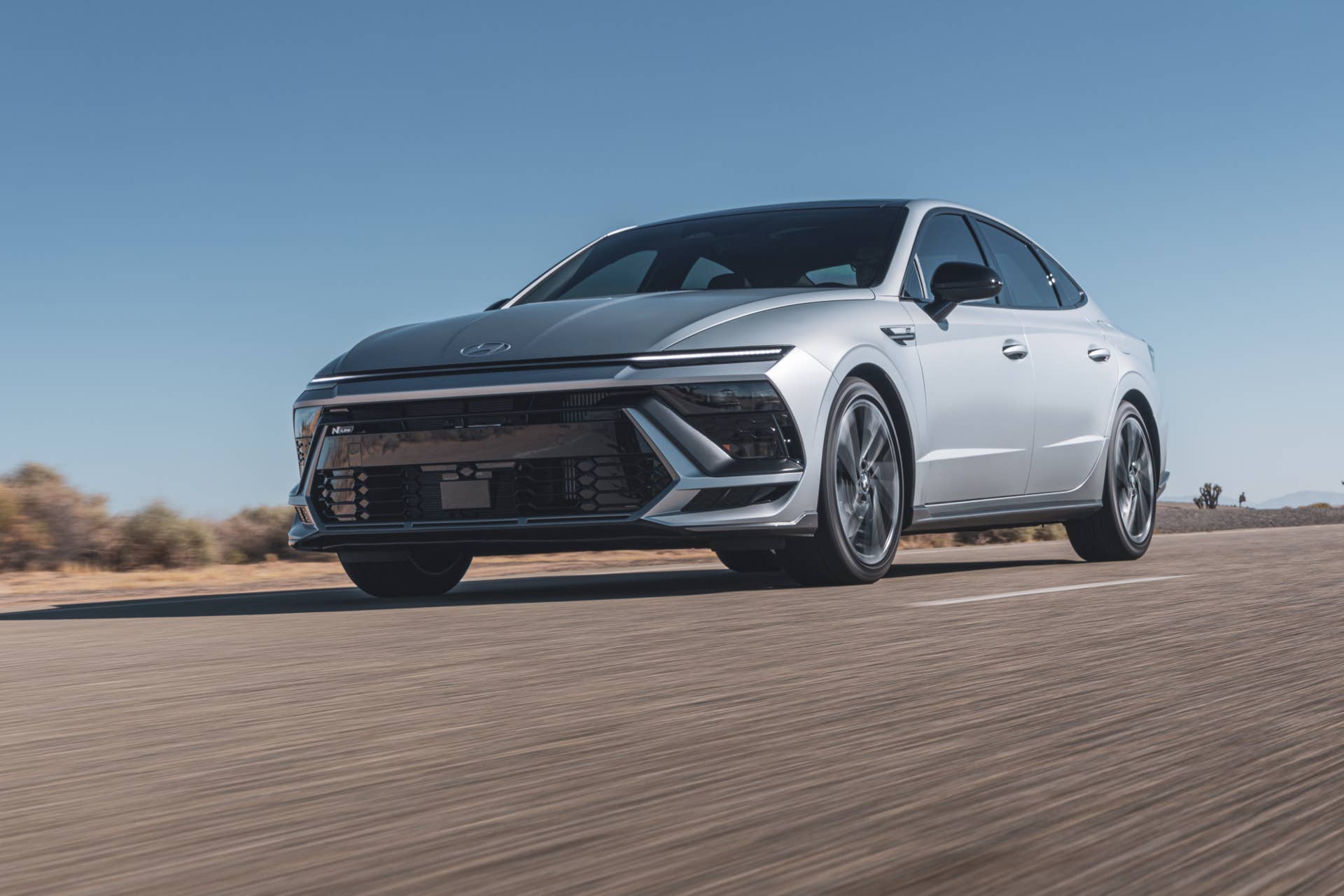
When Hyundai launched the Sonata back in the late 1980s, it was intended as the brand’s affordable mid-size family sedan. Over the years, the Sonata became one of Hyundai’s most recognizable and best-selling nameplates. The Sonata underwent dramatic styling changes through the generations, striving to compete in the fierce family sedan battle.
But as consumer tastes shifted toward SUVs and crossovers, the sedan market began to shrink dramatically. Gaining prominence in the mid-1990s, the shift gained momentum throughout the 2000s and intensified in the 2010s. Industry insiders predicted that the Sonata’s days were numbered, especially with Hyundai’s crossover lineup growing stronger. It was also fighting an uphill battle against sales juggernauts like the Honda Accord and Toyota Camry.
Hyundai
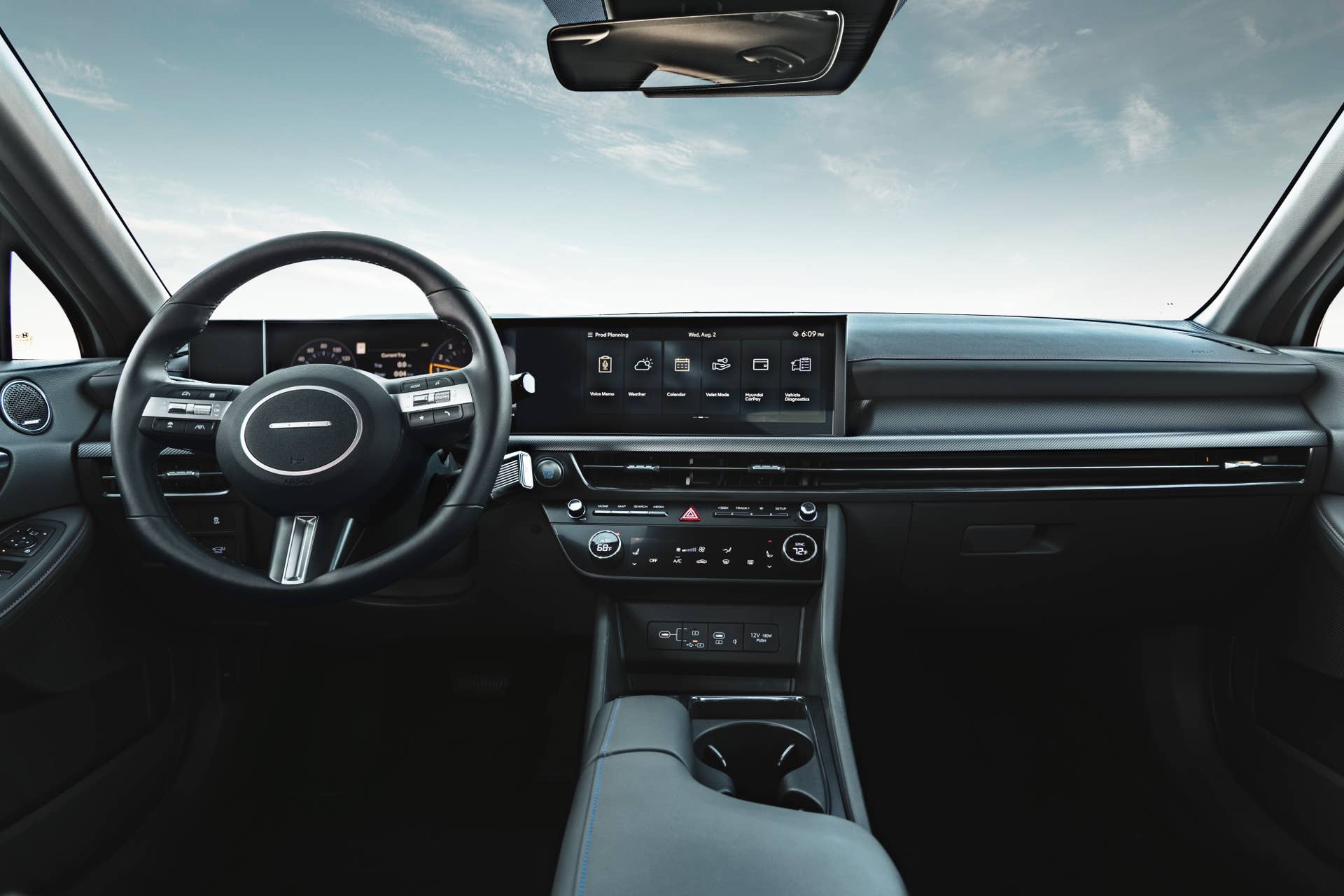
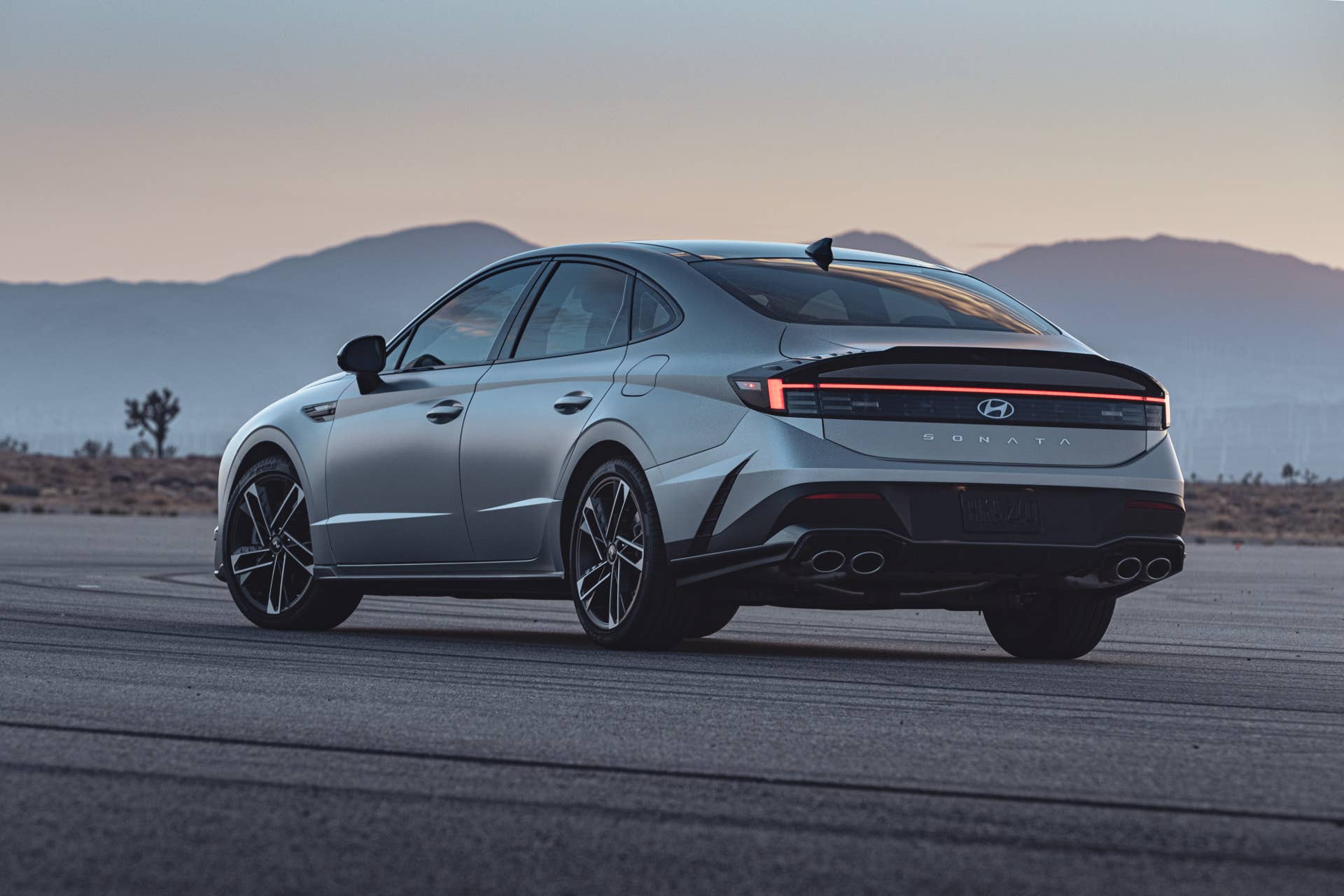
Hyundai invested in a bold redesign for the 2020 model year, the 8th and current generation. Still, it was widely rumored in 2022 that the Sonata wouldn’t live beyond 2025 due to declining sales. More recently, Hyundai doubled down again with a 2024 refresh, giving the car sharper styling, advanced driver-assistance tech, and an upgraded interior. Rather than killing it off, it appears that Hyundai will introduce a 9th-generation Sonata for the 2027 model year, featuring a new “Art of Steel” design philosophy and Hyundai’s next-generation user interface. This is all very good news for a car that was supposed to die.
Dodge Durango
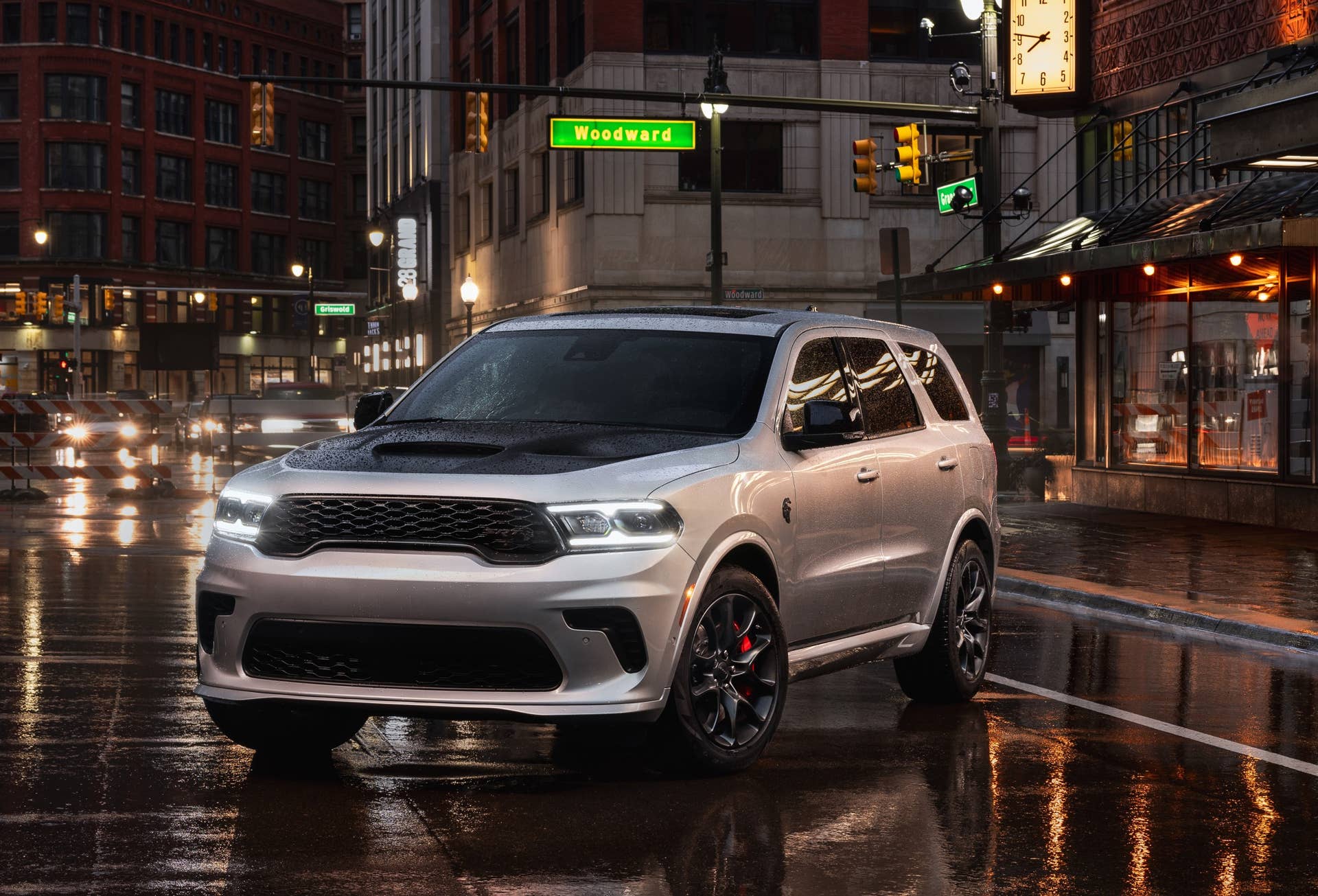
First introduced in 1998, the Durango evolved from a rugged body-on-frame SUV into today’s unibody, three-row crossover with muscle-car DNA. However, in a marketplace where buyers flock to newer, flashier options from Hyundai, Kia, and Toyota, the Durango has often felt outdated for years. Most notably, the bulky cabin feels outdated and cumbersome compared to more contemporary models.
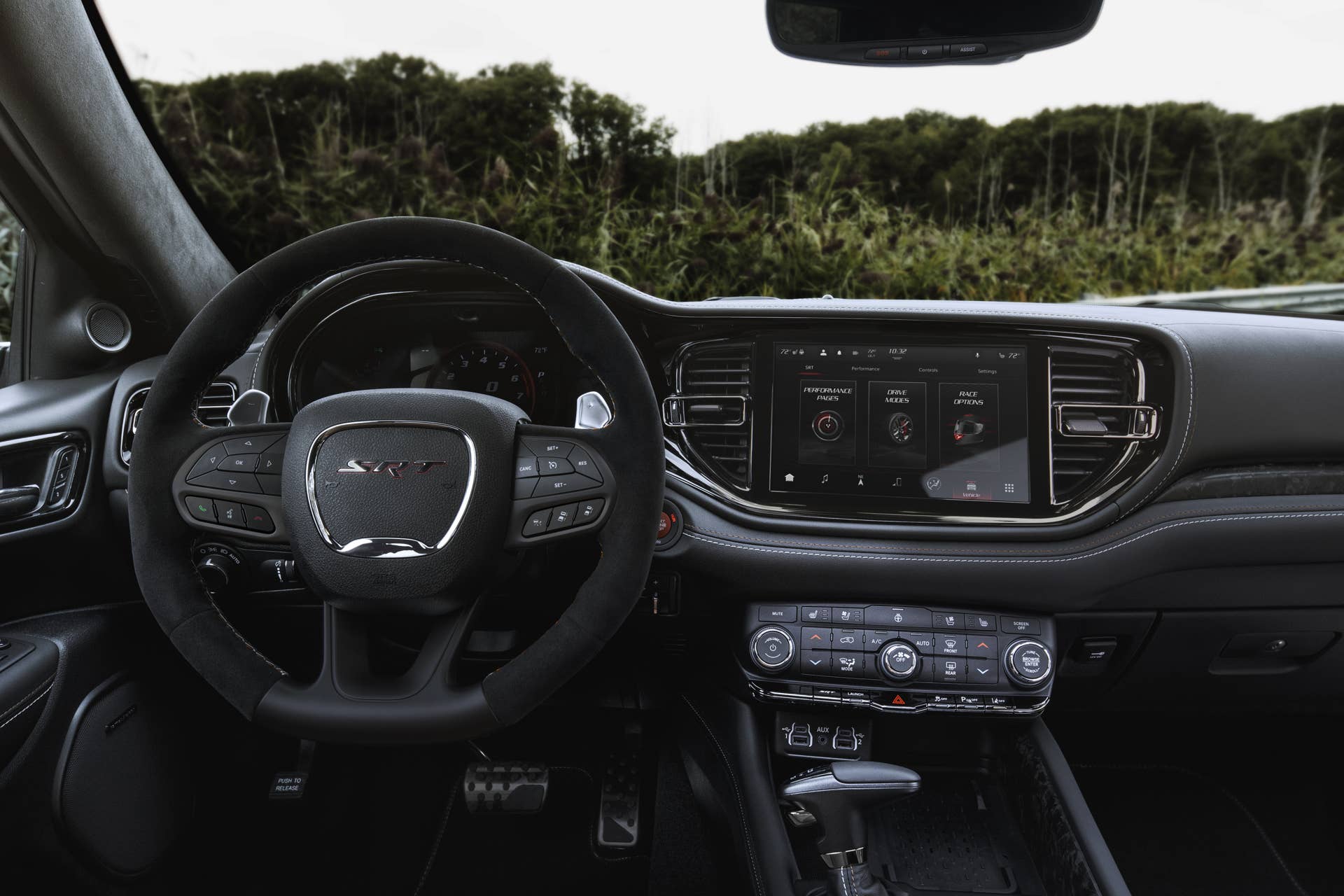
Rumors of the Durango’s demise have circulated for years. Jeep, a Stellantis brand, introduced the Grand Cherokee L in 2021—a modern three-row SUV that seemed poised to replace the Durango. Analysts speculated that the Dodge would exit the large SUV market altogether. Then in 2023, there were rumors that 2024 would be the final year for the Durango, and that it would be replaced by a completely new three-row SUV named the Stealth.
Yet the Durango actually hung on. After all, it remained a unique flavor in the form of an American three-row muscle SUV. Performance variants like the R/T and the outrageous 710-horsepower supercharged V8 SRT Hellcat were like nothing else on the market. No other mainstream family hauler can boast drag-strip numbers and muscle-car styling cues.
The Durango’s longevity also owes to its flexibility. It continues to offer V6 and V8 powertrains, rear-wheel drive, and available all-wheel drive, appealing to both families and enthusiasts. Dodge recently upgraded the Durango’s dated interior tech, and while the cabin may not be the freshest design, it’s proof that the brand sees value in keeping the SUV alive. It now looks like Dodge will keep the current generation around until next year, when a new Durango is expected to arrive.
In an era when Dodge decided to go electric muscle with its Charger (and failed), it goes to show that the gas-powered Durango has some serious staying power and lives on fueled by enthusiasts’ desire for a family SUV with muscle.
Lexus IS

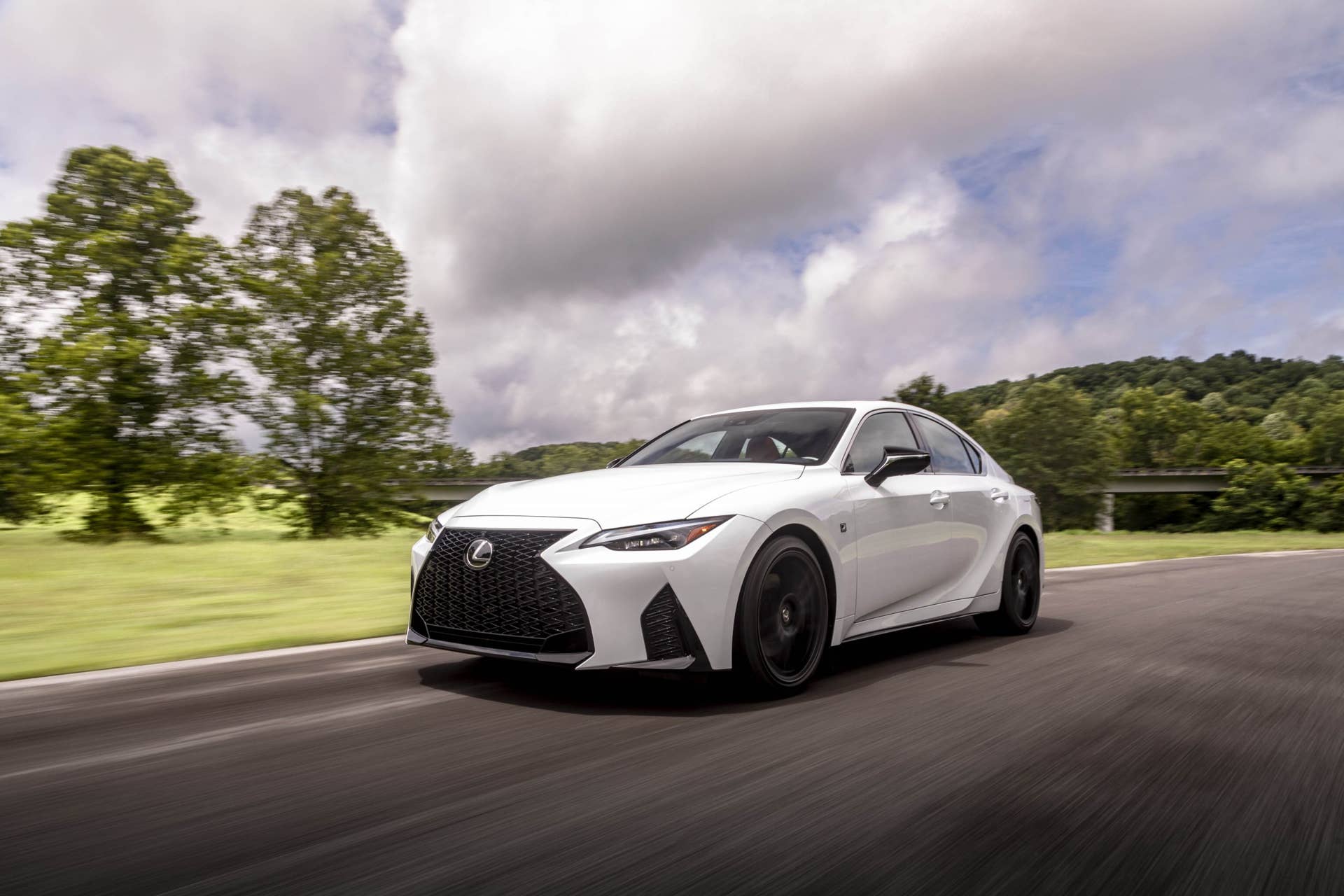
The Lexus IS has been a staple of the entry-level luxury segment since the late ’90s. Originally launched to take on the BMW 3 Series, the IS built a reputation for sharp handling, reliability, and youthful appeal. However, in recent years, the model seemed to be on borrowed time. Sales slumped in the face of competition from the Germans and the growing popularity of compact luxury crossovers like the Lexus NX. The assumption was that Lexus would retire the IS (just like it did with the RC and LC) and focus on SUVs, following the industry trend of killing off slow-selling sedans.
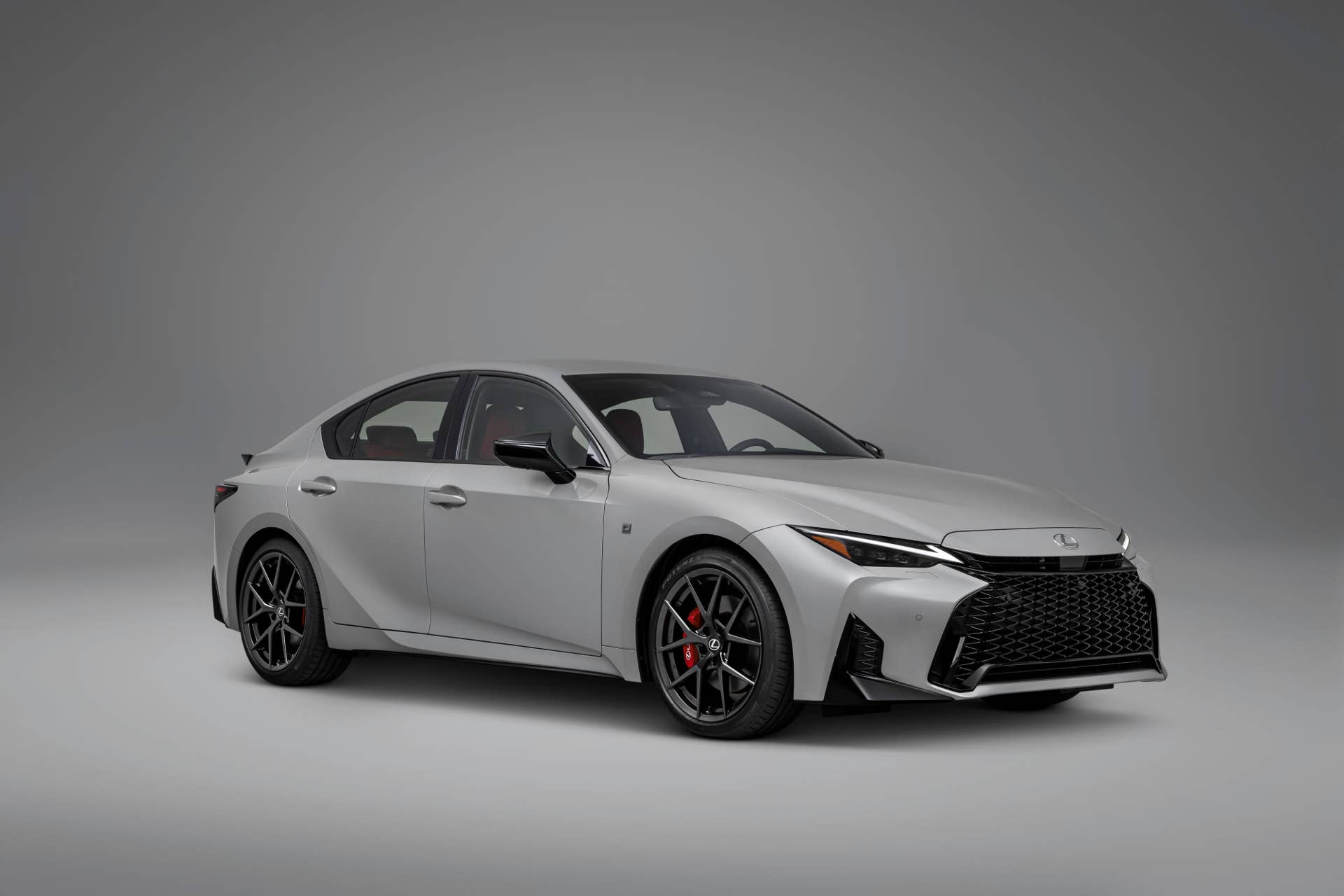
In 2021, the brand reworked the existing IS platform, though, and the refreshed IS brought sharper styling, upgraded suspension tuning, and a monster trim level: the IS 500 F Sport, packing a naturally aspirated 5.0-liter V8, which stunned enthusiasts who thought the age of big engines and the spirit of the ISF were done for. For many, the writing was on the wall for the IS, virtually confirmed by the failure to commit to a complete redesign.
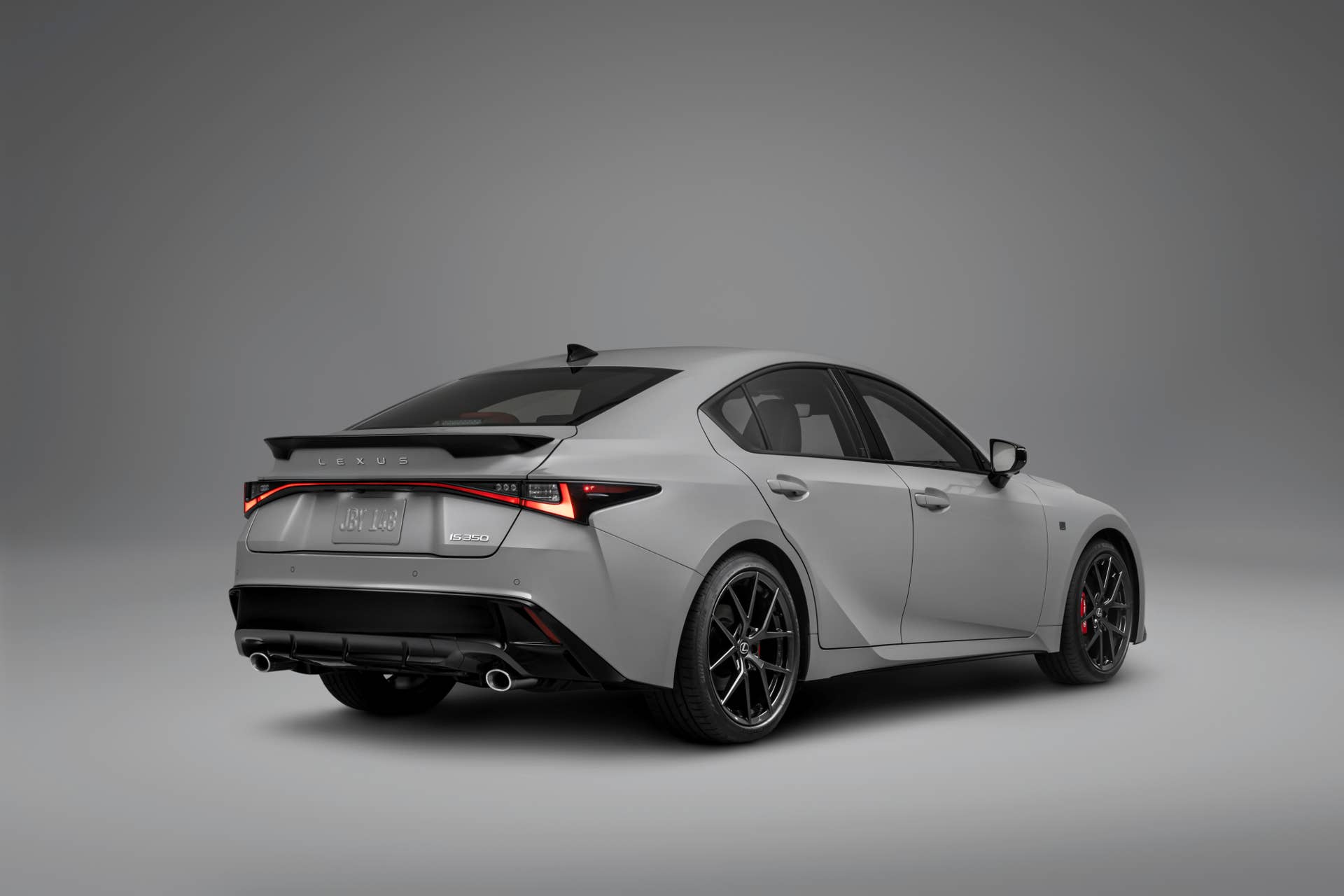
Just a couple of days ago, Lexus surprised everyone by unveiling the updated IS 350 for next year. It has been handsomely refreshed inside and out, giving the IS 350 an extension on life. The iconic IS shape remains, while improvements to the front fascia and the cabin make it more competitive in the sports sedan segment. A bigger touchscreen, a more expansive instrument cluster, better physical controls, and new 19-inch wheels are just part of the revision. The IS sedan doesn’t move the sales needle for Lexus all that much, but it is the brand’s most iconic car.
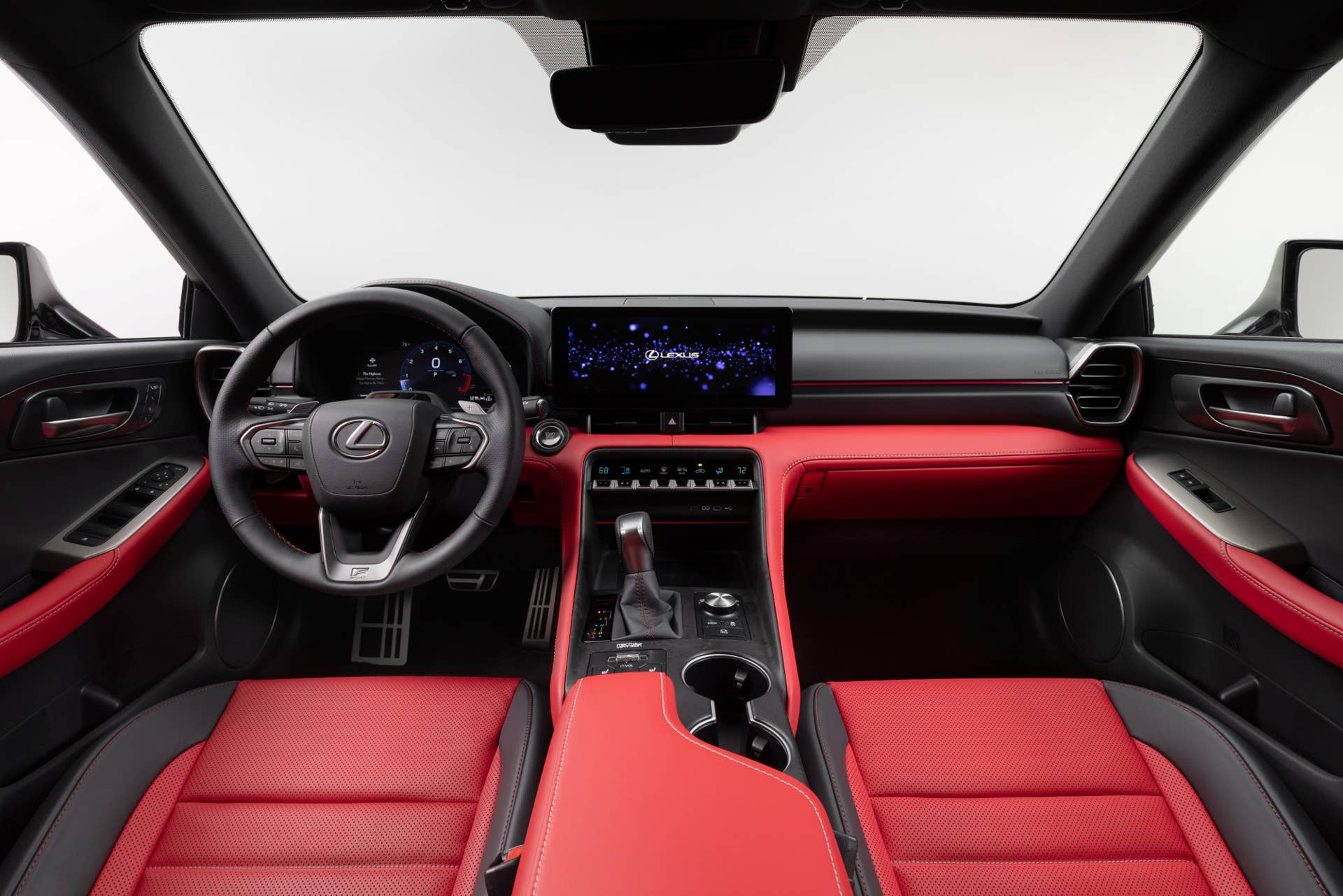
Lexus’s desire to keep its brand image intact justified the continuation of the IS. It’s also vital for a premium brand to keep a sports sedan in its stable in terms of reputation. The IS might not sell in the same quantities as the BMW 3 Series or the Mercedes-Benz C-Class, but it’s still a sporty sedan that earns respect for its styling, comfort, driving enjoyment, and reliability.
Final thoughts
There are numerous nameplates that vanished too soon, but every so often, a model beats the odds. Whether it’s Hyundai doubling down on sedans, Dodge injecting muscle into the family SUV formula, or Lexus reminding enthusiasts that a premium Japanese sports sedan warrants saving, these cars prove that survival isn’t just about sales figures. Sometimes, it’s about identity, passion, and tradition. We’re thrilled to see these three hang on for at least one more generation.
About the author
Amos Kwon
Contributing Writer, Autoblog