
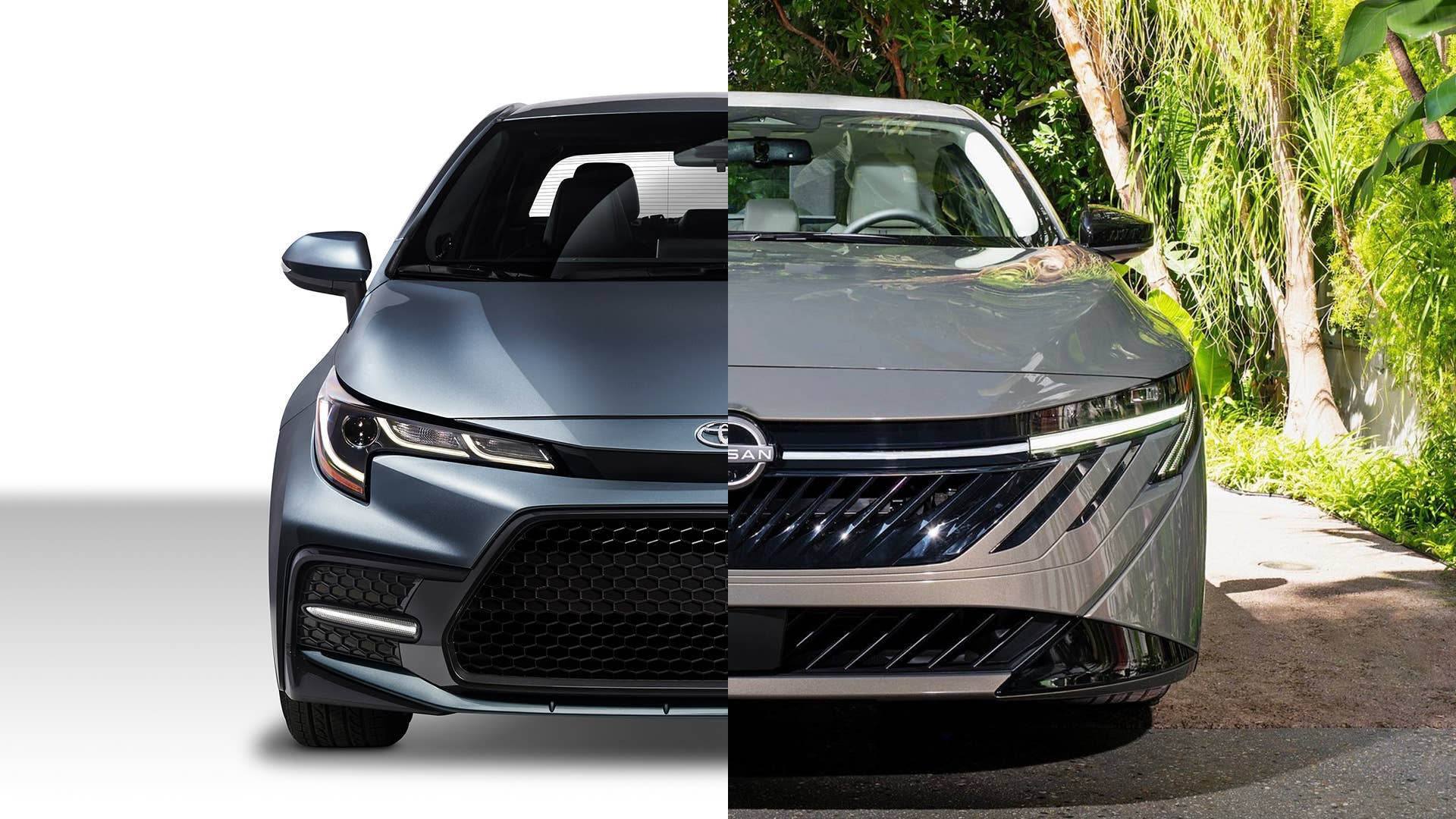
Two unique takes on the small Japanese sedan
Last month, Nissan revealed a completely revamped Sentra. It’s one of the most adventurously styled compact sedans in a segment not known for offering much in the way of excitement. This class includes the Honda Civic, Mazda 3, Kia K4, Hyundai Elantra, and Volkswagen Jetta.
Of course, it also includes the enduring Toyota Corolla. It has been around since 2018, so is at an immediate disadvantage next to the fresh Sentra, but is the newer Nissan that much further ahead? That’s what we’ll ascertain here by going through five significant differences between these two Japanese sedans.
1. Design: Daring Sentra Meets Familiar Corolla
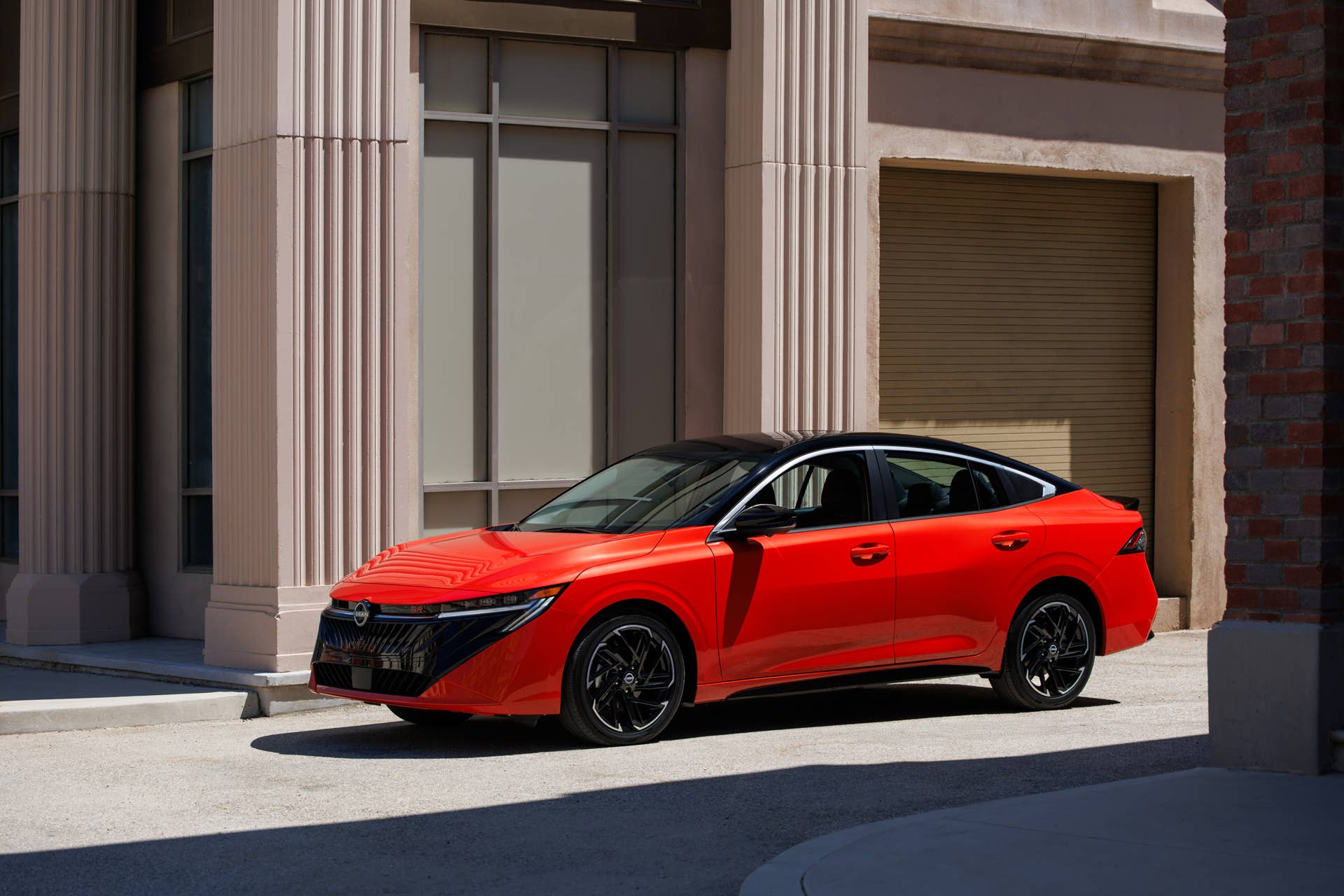
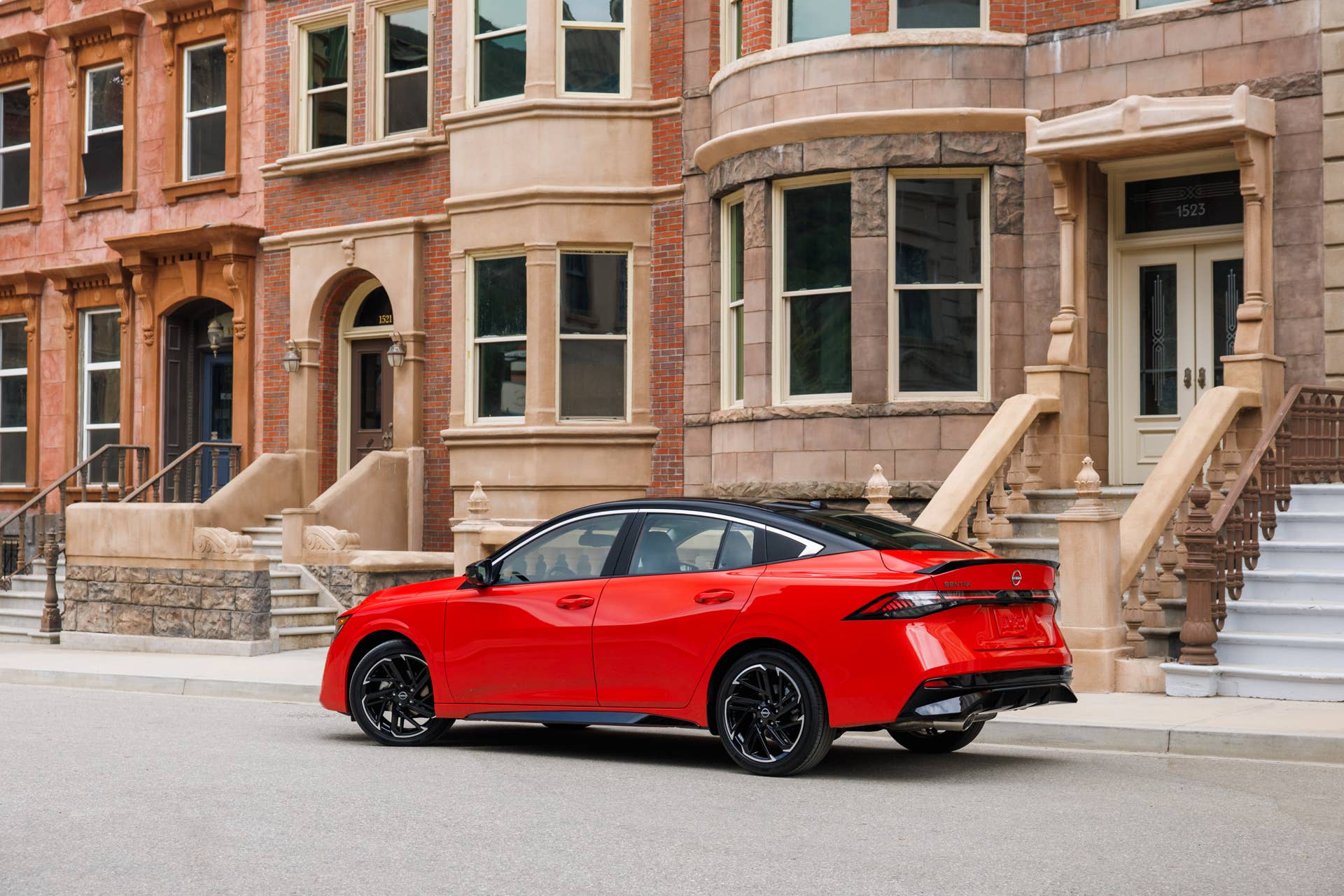
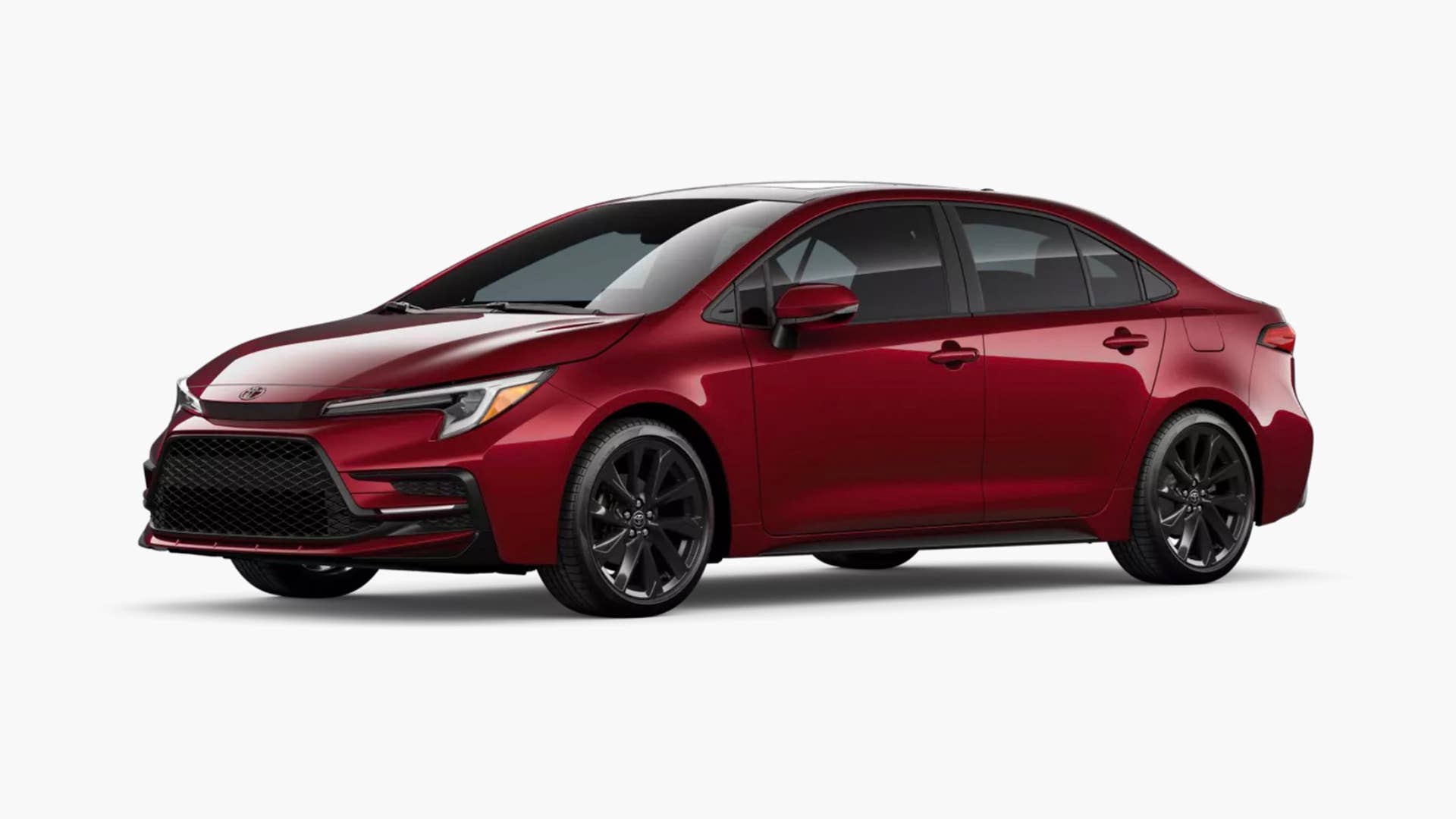
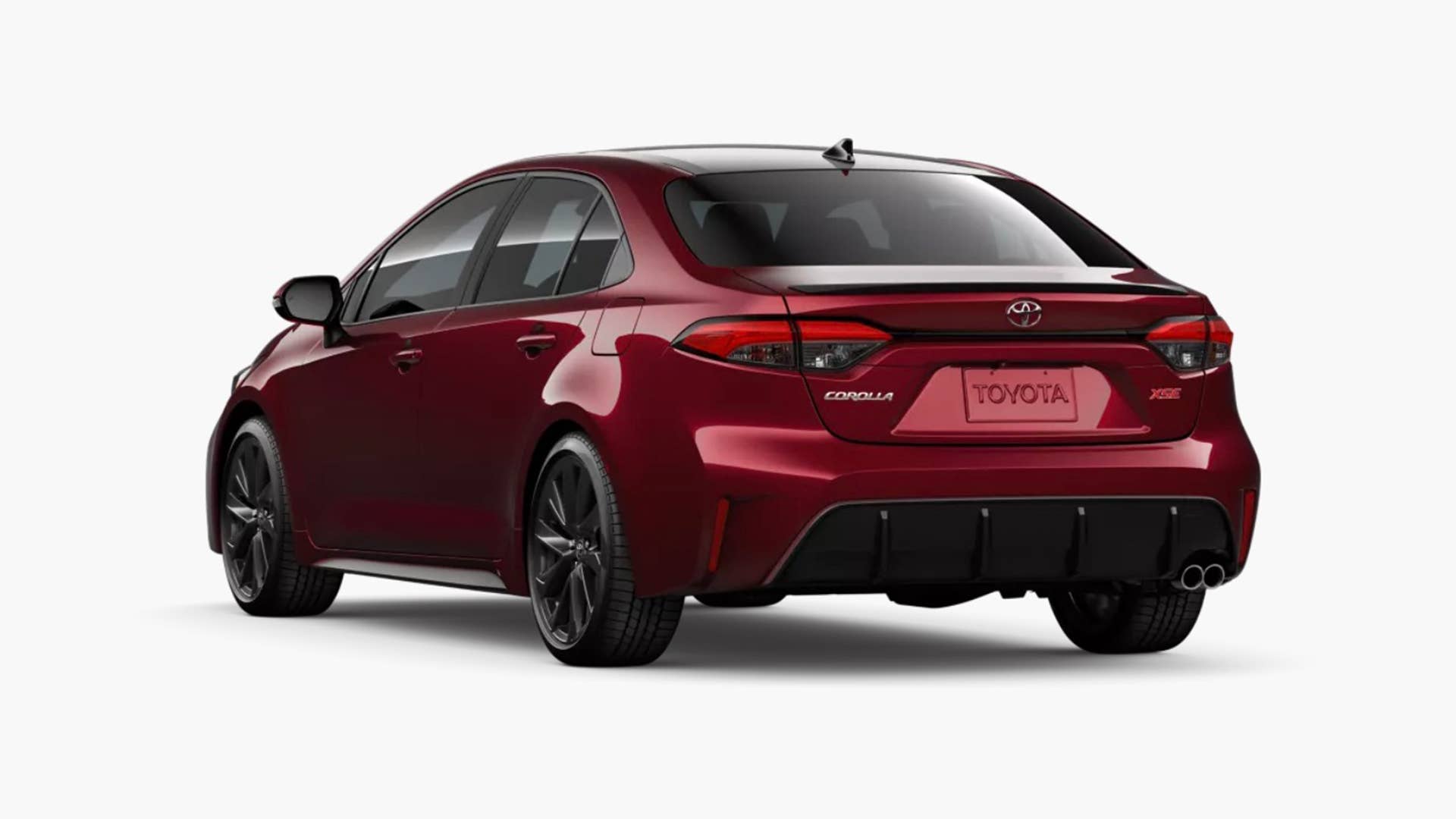
The Toyota Corolla isn’t a bad-looking car at all, especially upper trims with larger wheels and nicer finishes, but the new Nissan Sentra has a level of design flair we’re more accustomed to seeing from the Koreans.
It’s got lots of sharp, aggressive angles, and the new V-motion grille has an oversized look you’ll either love or hate. It looks best in SR guise, where the front fascia gets the blacked-out treatment. Even the roof is black, providing a striking contrast to the array of shouty colors.
The Corolla has its own sporty trims—SE or XSE—with these replacing the rental car look of the base LE with a much more stylish appearance, lifted by numerous black accents. But even these Corolla trims aren’t as fresh as the Sentra, now one of the style leaders in this segment.
2. Only Toyota Has AWD And Hybrid Options
Toyota
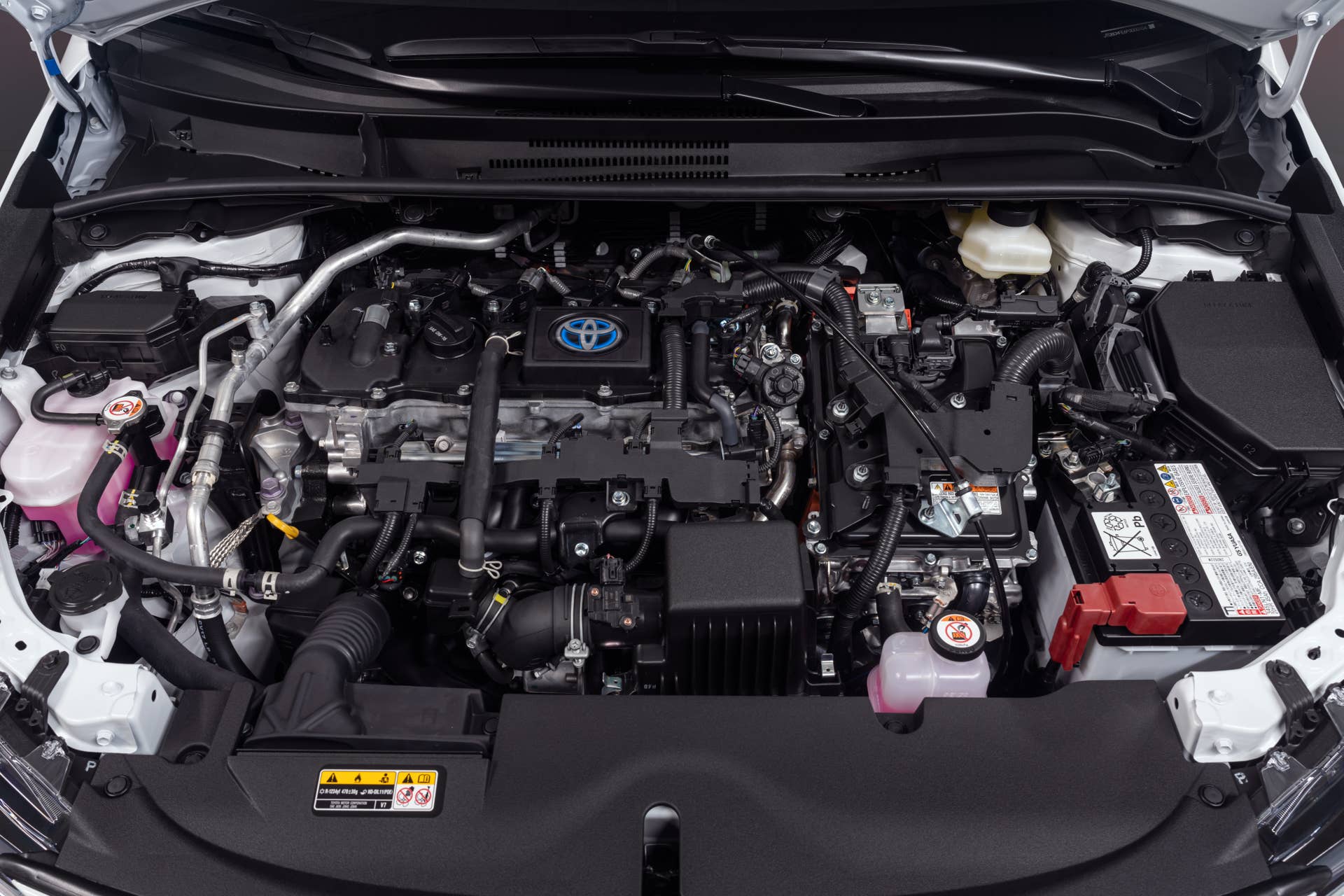
In gas-only form, the Toyota Corolla has only front-wheel drive, whereas the Corolla Hybrid is available with all-wheel drive. Regardless of the trim you choose for the Nissan, you have to settle for FWD, which will limit its appeal in cold-weather states.
The non-hybrid Corolla has a 2.0-liter four-cylinder producing 169 horsepower and 151 lb-ft of torque, whereas the Sentra makes 149 hp and 146 lb-ft with the same engine configuration. Neither car is quick, and standard CVTs aren’t going to help in that regard.
The Corolla Hybrid has a 1.8L four-cylinder producing 138 hp combined. It’s still pretty slow, but at least you can hit up to 50 mpg combined; few hybrids are more efficient. There’s no Sentra hybrid at all, so the Corolla also has the edge here.
3. Nissan Is More Practical
Nissan
Nissan
Toyota
Toyota
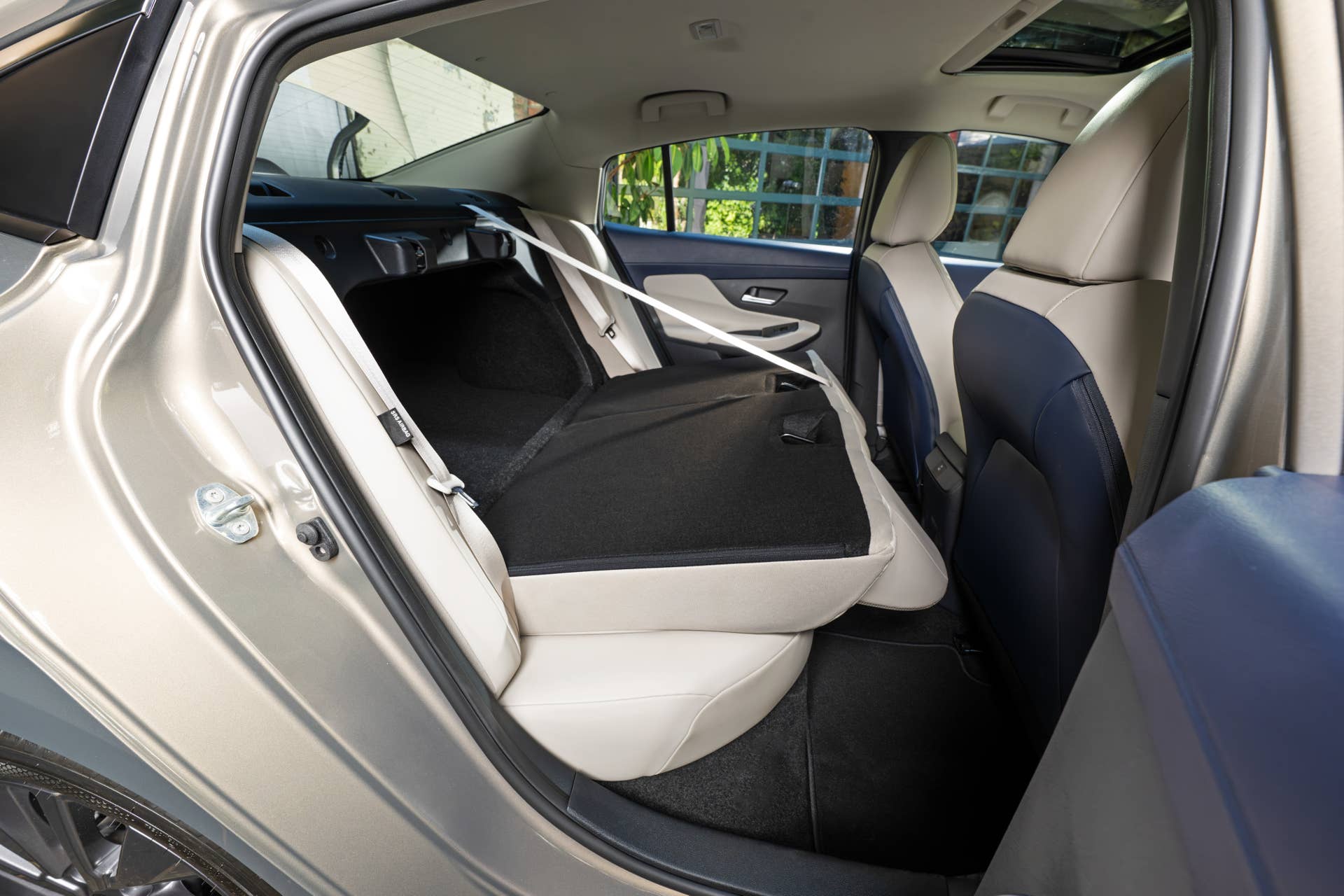
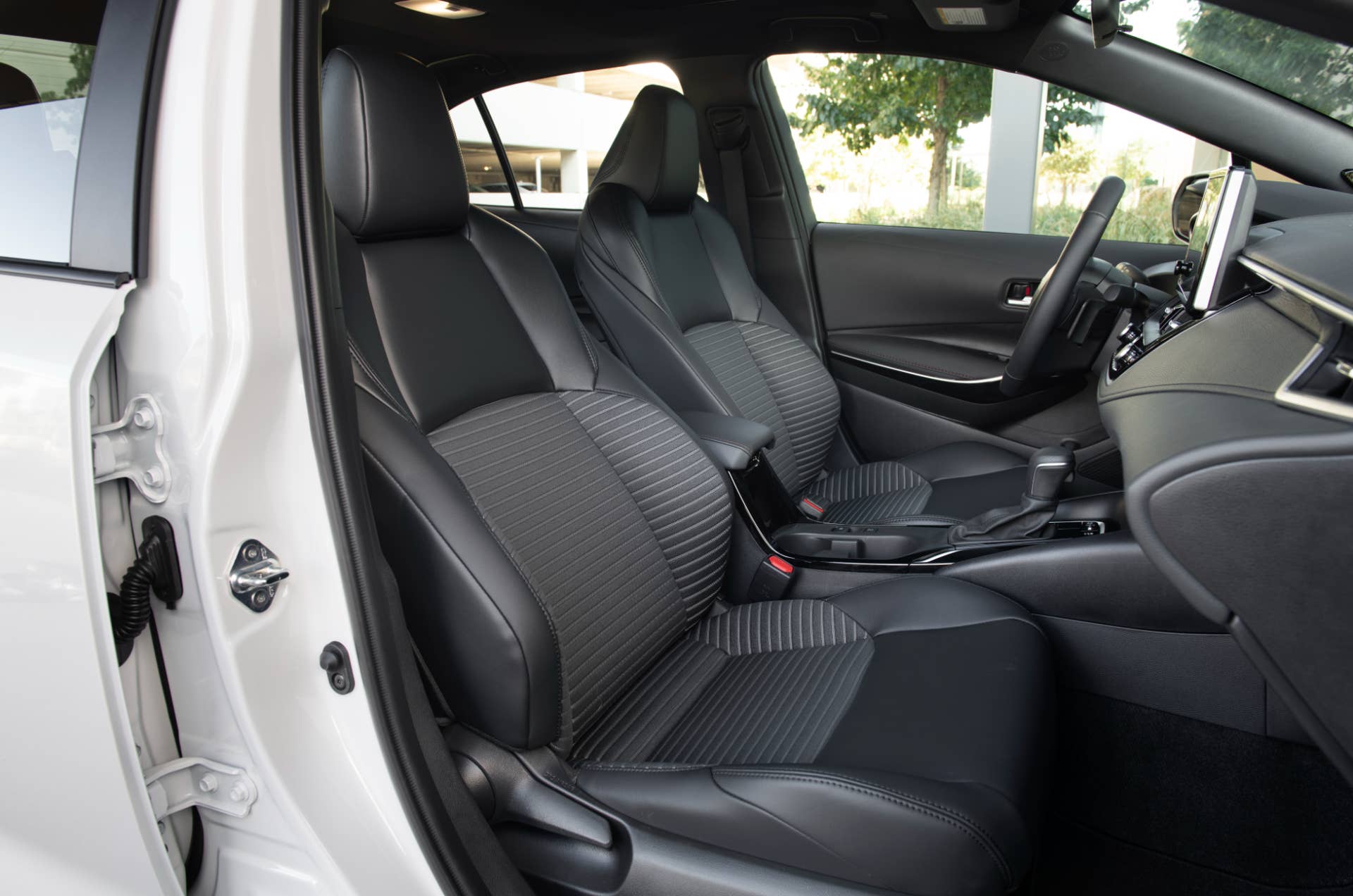
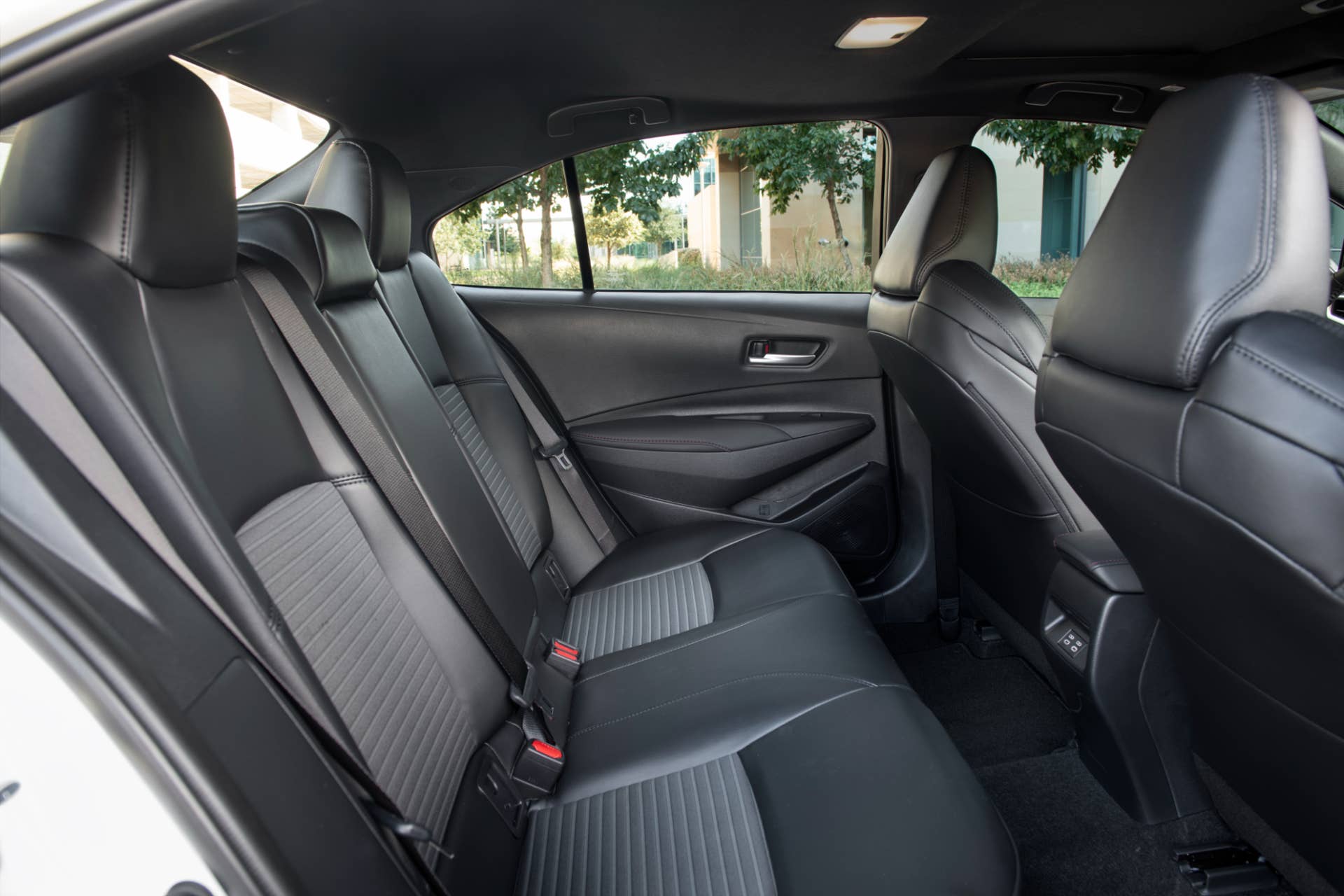
If you care about versatility, the new Nissan Sentra has a slight advantage by virtue of its trunk capacity, which is 14.3 cubic feet. The Corolla isn’t far behind, though, at 13.1 cubic feet. Both models have standard 60/40-split folding of the back seat, allowing you to transport longer items and at least one passenger at the back simultaneously.
The overall interior volume of the Sentra is 96.1 cubic feet, besting the Corolla’s 88.6 cubic feet, so there’s more overall space in the Nissan. That’s because the new Sentra is marginally longer, taller, and wider than the Toyota.
4. Sentra Has More Modern Infotainment System
Nissan
Toyota
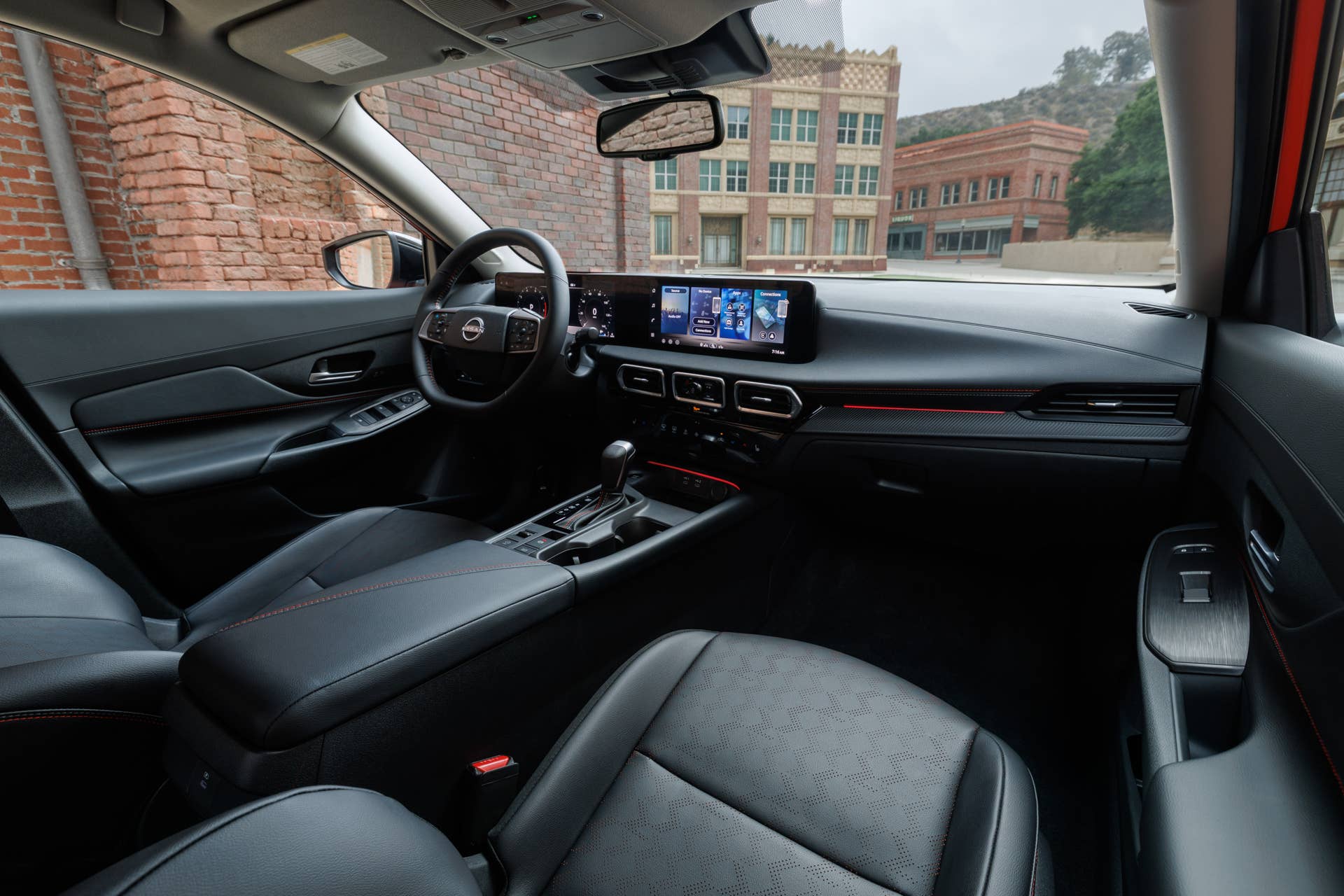
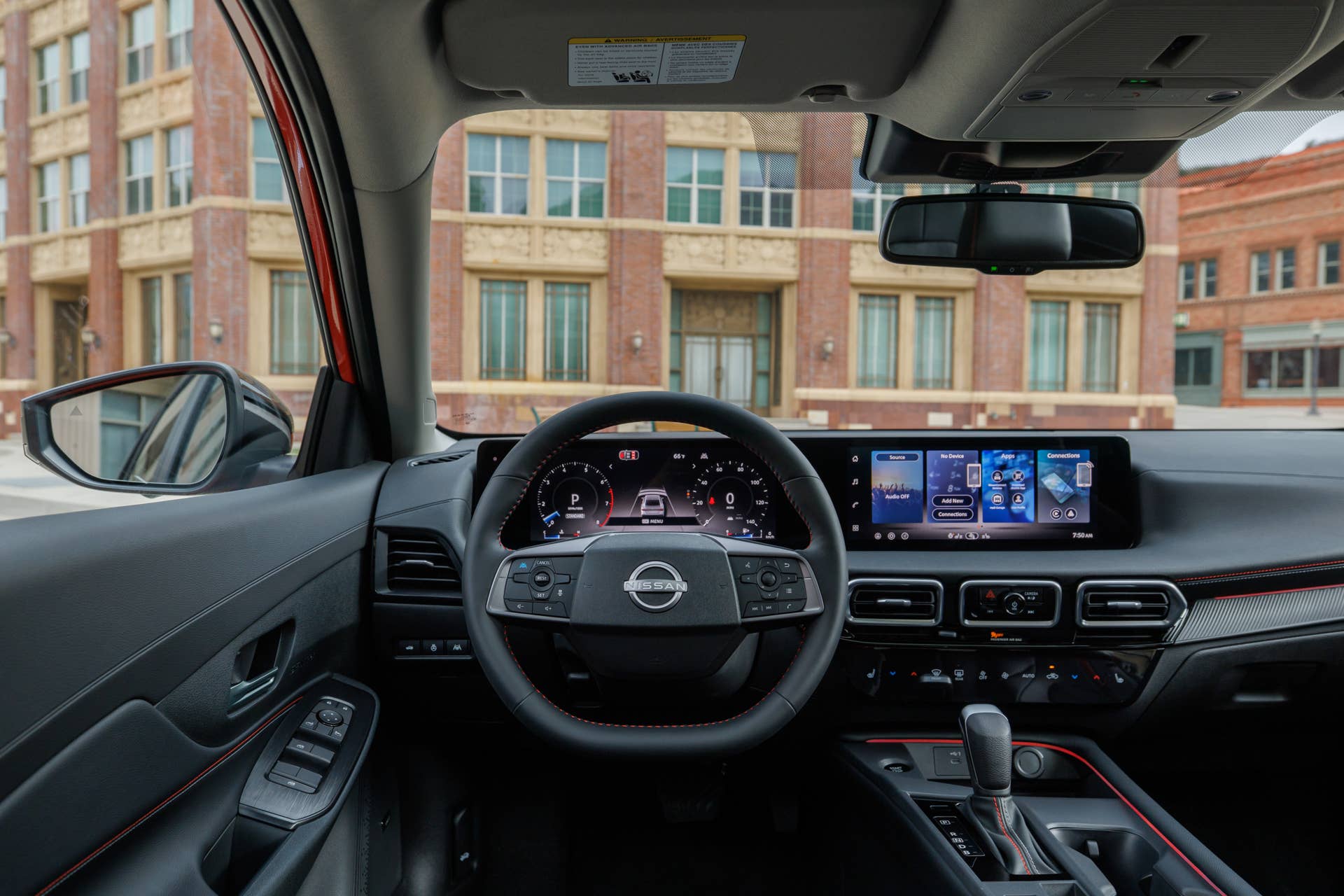
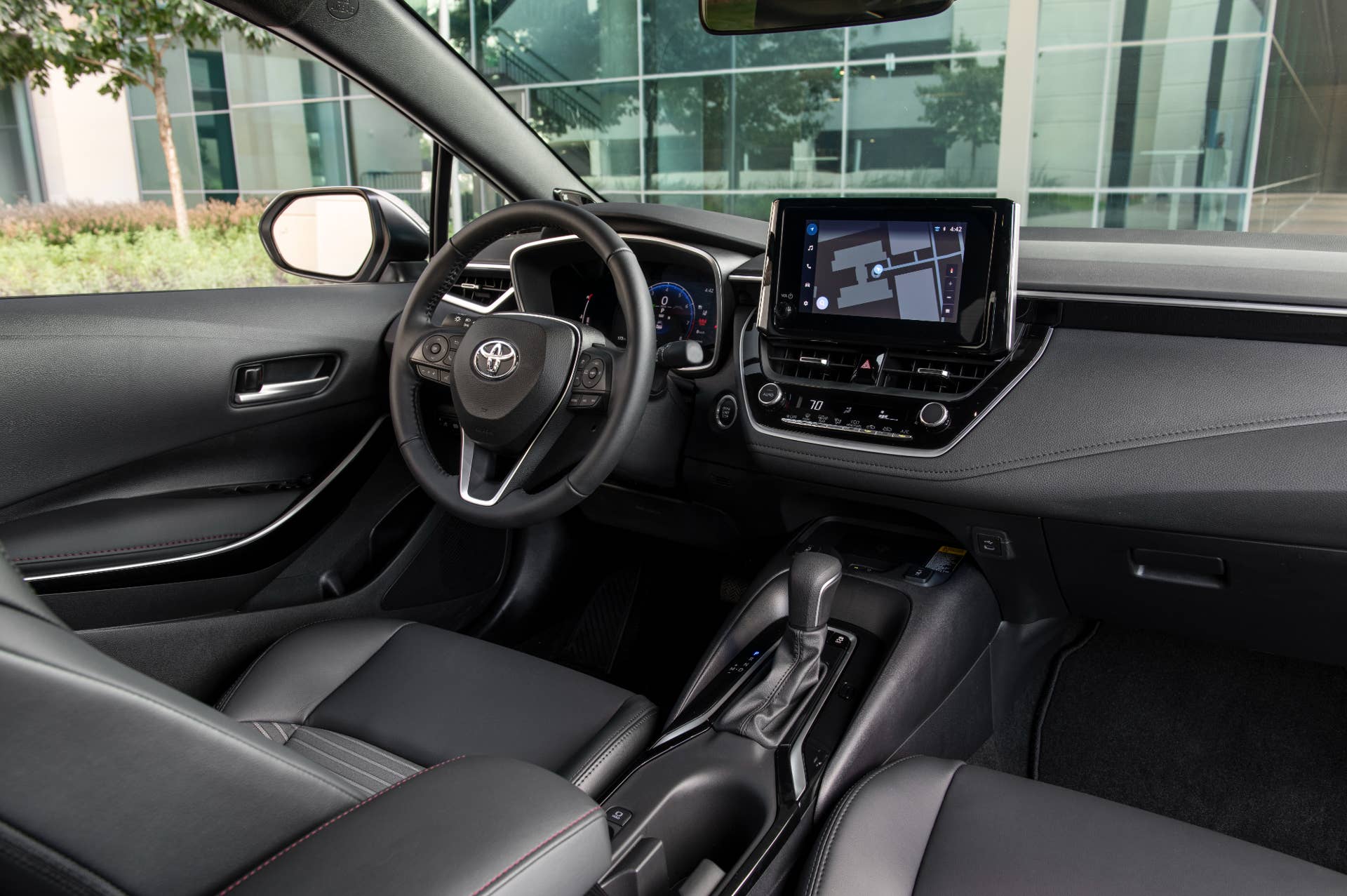
Few things give away a car’s age more than its infotainment system, and while the Corolla has been updated through the years, it still lags behind the Nissan’s more modern interface.
A seven-inch digital gauge cluster is equipped to lower Corolla trims. Only the base Sentra has the same instrument display, but all other trims have a large, bright 12.3-inch unit. A 12.3-inch digital gauge cluster is only standard on the top Corolla trim. You get an eight- or 10.5-inch touchscreen in the Corolla, but every Sentra has a 12.3-inch touchscreen—the bigger size should make it easier to operate the Nissan’s infotainment functions on the go.
Siri Eyes Free and a Google Assistant are exclusive to the Sentra, but the Corolla has a slight edge as wireless Apple CarPlay/Android Auto is standard; you need to make do with a wired connection on the base Sentra.
Toyota’s premium JBL sound system is optional, and only on the top trim, whereas Nissan fits its Bose system as standard on the top Sentra and makes it optional for another trim.
5. Similar But Not Identical Safety Specs
Nissan
Toyota
Both cars are generously specified in the safety department. Each comes standard with adaptive cruise control, blind-spot monitoring, rear cross-traffic alert, traffic sign recognition, the obligatory rearview camera, and lane departure warning. There are a few differences, though.
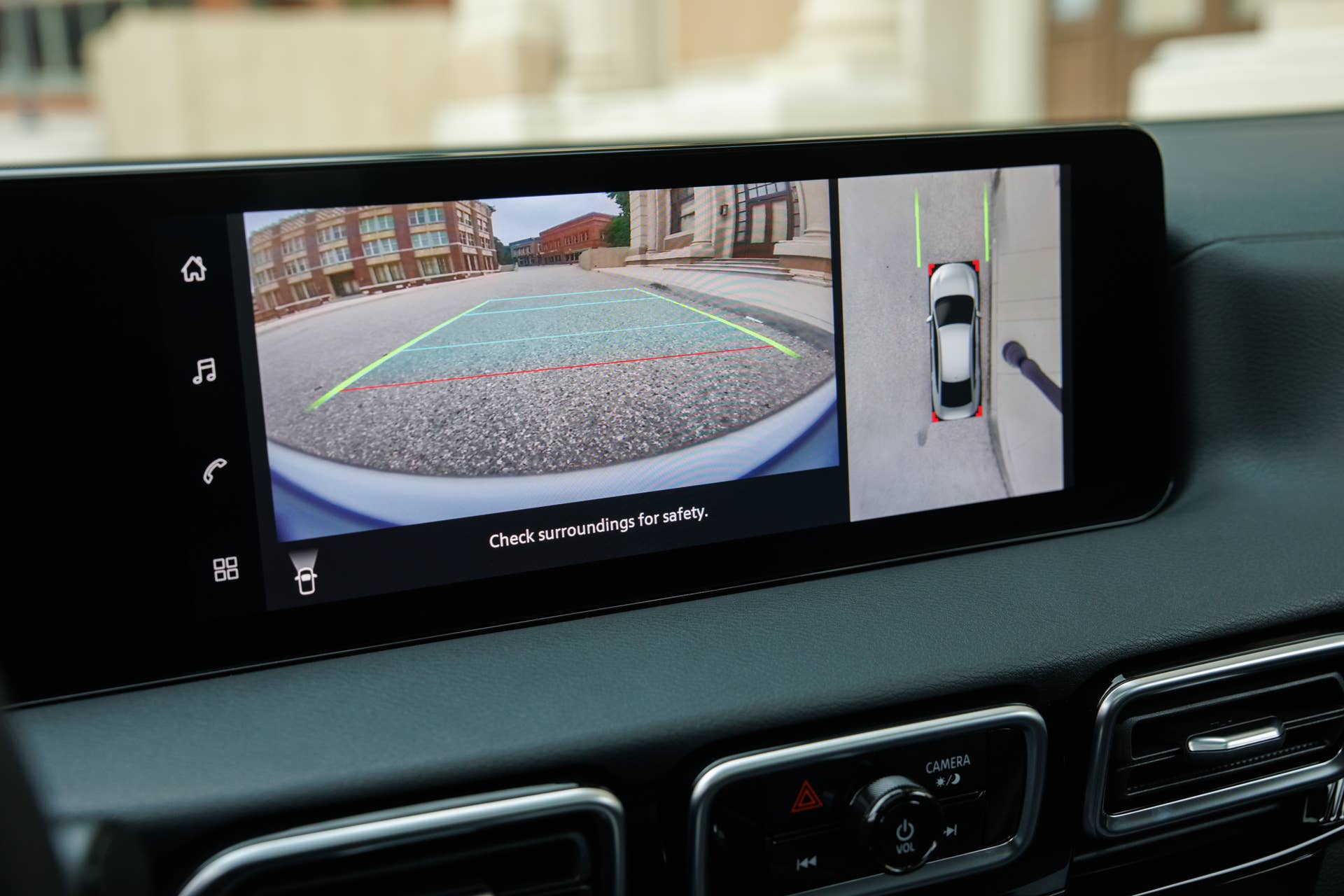
The Sentra is available with an HD surround-view camera system, something not available for the Corolla. A driver alertness system is also exclusively available on the Nissan.
Final Thoughts
Pricing for the 2026 Nissan Sentra hasn’t been made available yet, but we expect it to closely match the base MSRP of $22,725 for the Corolla—the Toyota is one of the cheapest new cars on sale in the country.
Despite being around for much longer, the Corolla isn’t outclassed on paper by any means. It also has a hybrid and available AWD, two distinct advantages over the Nissan. The key difference is in the Sentra’s design: It simply looks like the newer, sportier, and more youthful car, and that could be important for the many younger people shopping in this segment.
Once we get behind the wheel, we’ll get a clearer picture of whether the new Sentra has the substance to back up its showroom appeal.
About the author

Karl Furlong
Senior Editor, Autoblog