

The path to electrification is a very difficult one, for both legacy automakers and EV startups.
The recent plateauing of EV demand has put additional pressure on manufacturers that have gone all in on EVs. For those that haven’t, it may be too late.
Legacy makers are saddled with traditional ways of operating
The legacy companies already have full-fledged internal combustion engine (ICE)-based vehicle lineups to produce and generate profits from. The good news is that this gives them a revenue stream that they can invest in EV production. The bad news is that their legacy operations make it more difficult to fully commit to the changes necessary to produce EVs in the best possible way. It can be hard to fully embrace the future when you are financially wedded to the past.
EV startups have their own issues
EV startups have a different set of problems that derive from their newness in the automotive market. Primary among these is the running-out-of-money issue: Fisker recently went bankrupt and others will likely follow. Another is the generating-sufficient-production-volume issue: it takes affordable EVs that average consumers want to buy in large quantities.
Tesla, the most successful EV startup, has the benefit of a decade-plus head start, which they have used to leapfrog their legacy competition, unburdened by the traditional way of doing things. With an international production base, advanced software-based electronic architecture, and direct-to-consumer sales, Tesla has blazed its own trail and generated the production volume needed to succeed.
Projecting into the future, companies that don’t yet have EVs consumers want to buy are unlikely to make it. Let’s take a look at who may not make it across the EV finish line.
Legacy brands that may not survive the EV transition
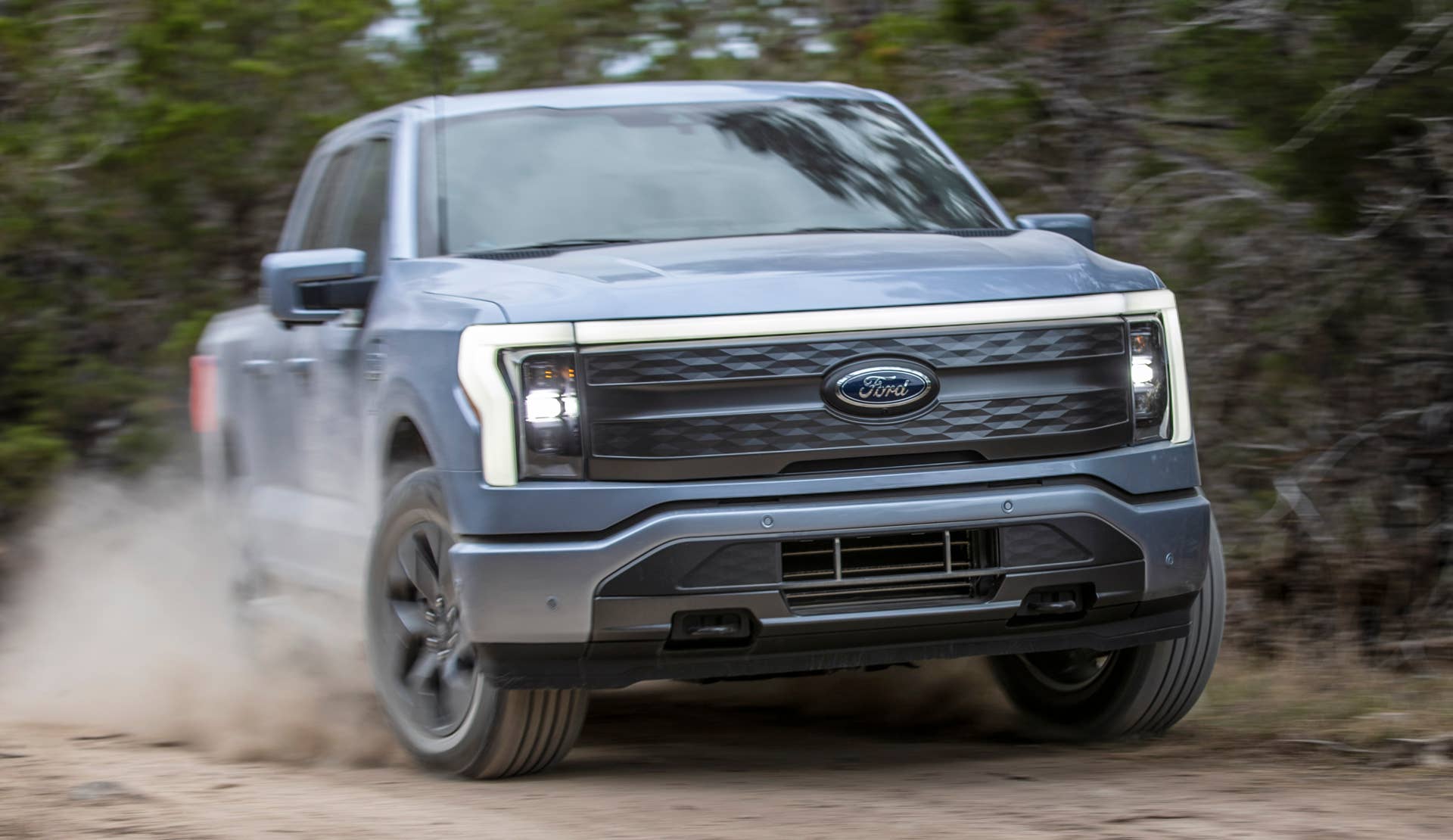
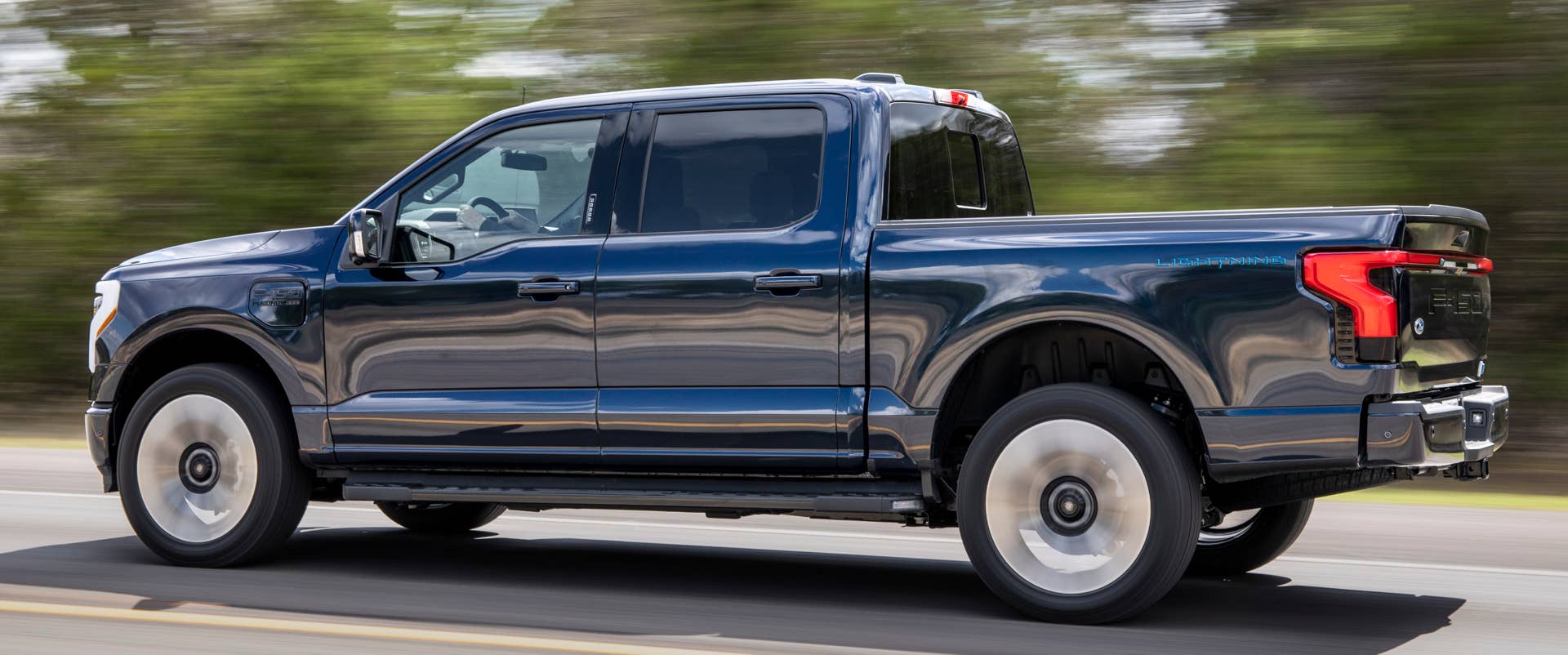
Ford: While the Mustang Mach-e is a credible product, F-150 Lightning production will soon be shut down until next year. Its three-row SUV has been postponed and Ford’s “skunkworks” low-cost EV has not yet been revealed. It doesn’t look good for Ford.
Lincoln: There are zero Lincoln EVs at this point.
Chrysler: With a single hybrid minivan and nothing else in the lineup, Chrysler’s going nowhere fast.
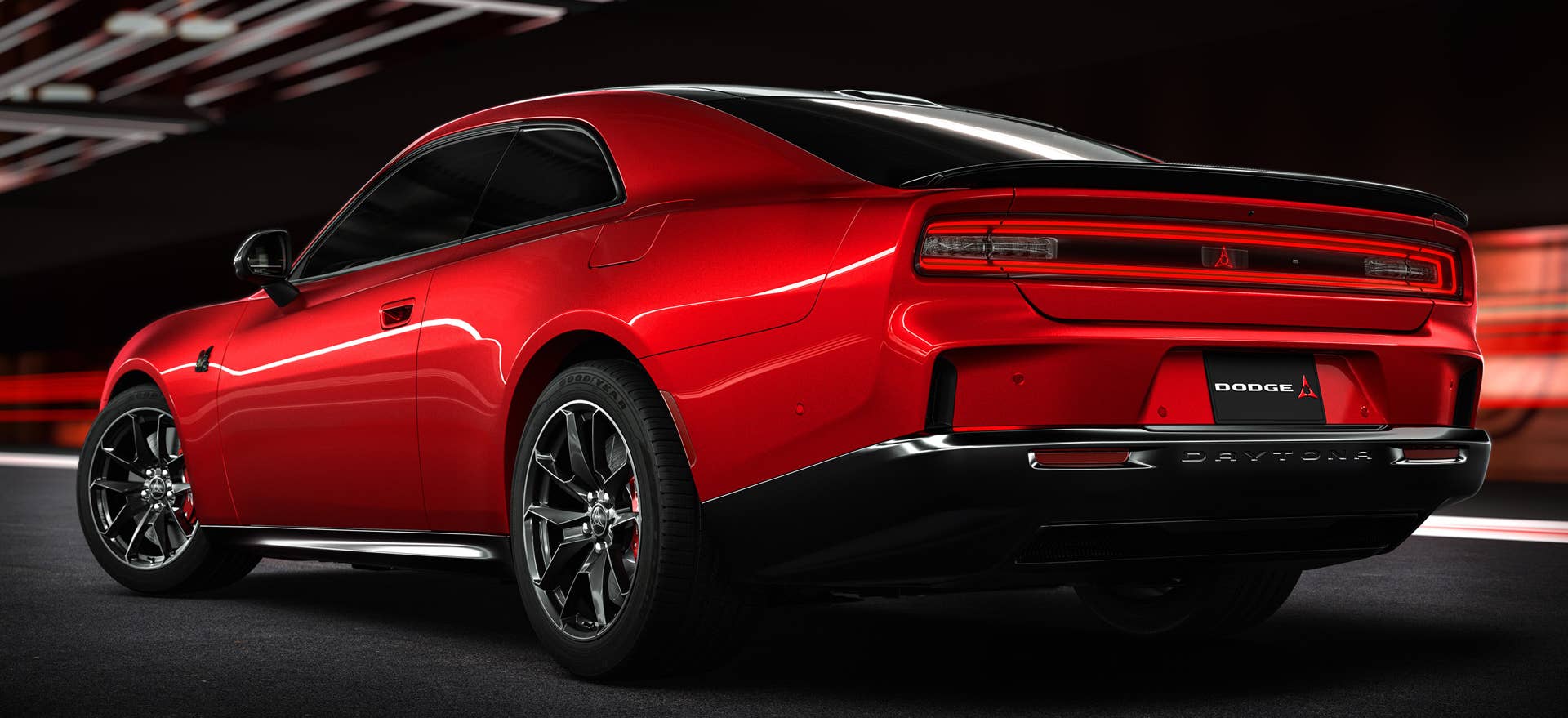
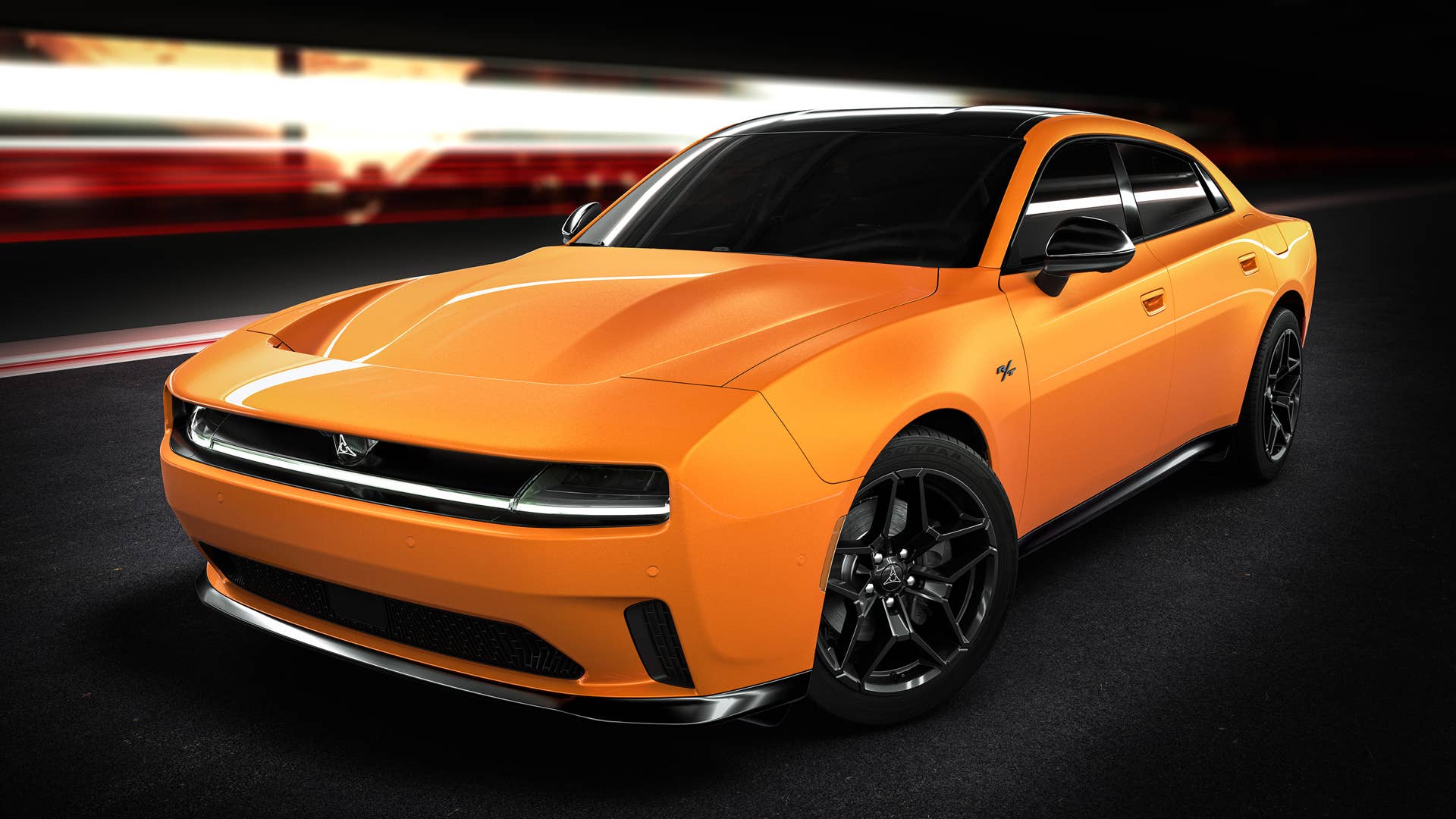
Dodge: How many Charger EVs will be sold to those who love the ICE versions, at $61K and up? Are there any other Dodge EVs coming?
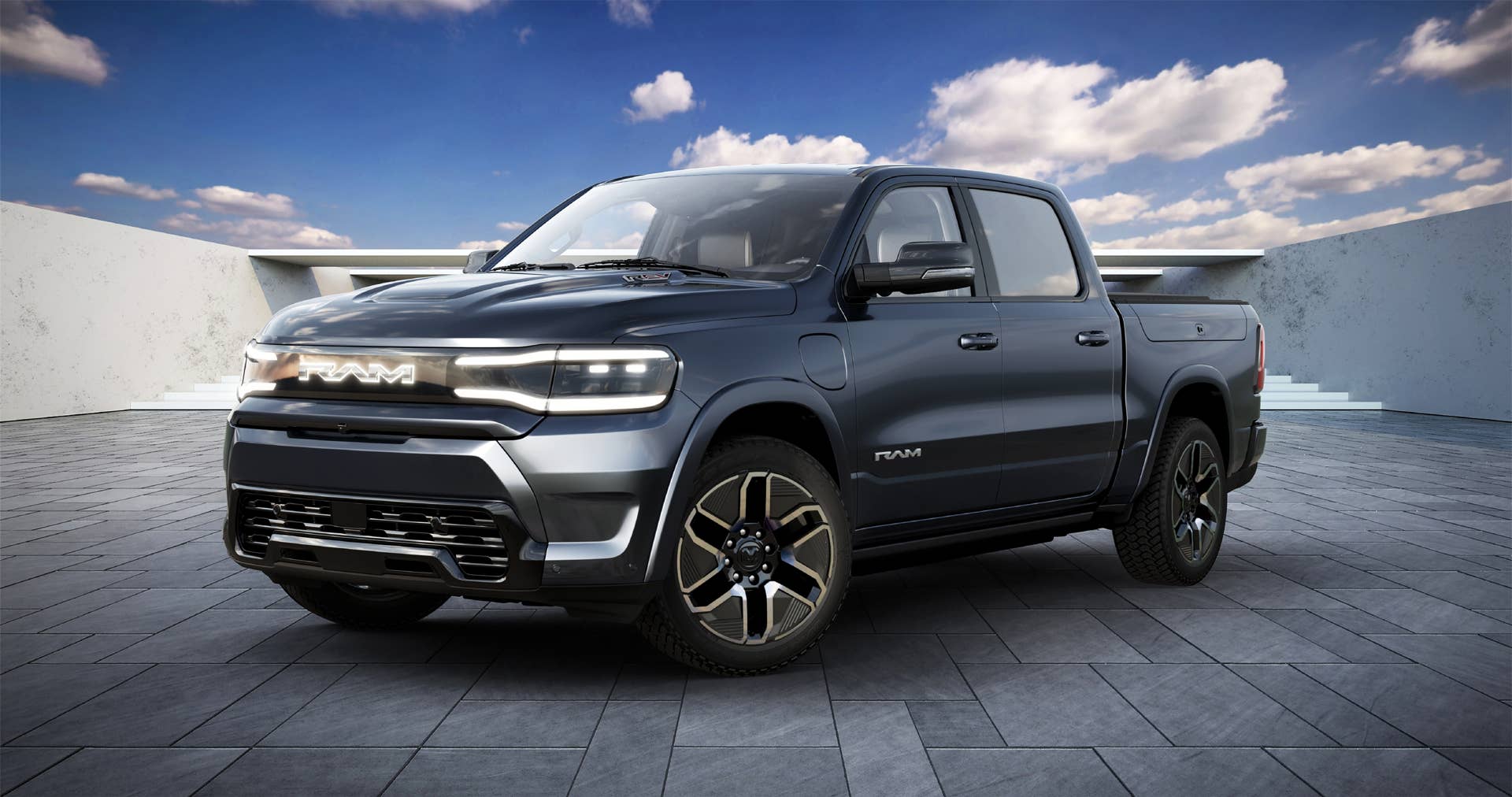
Ram: The Ram 1500 REV may solve truck owners’ range and towing issues, but at an estimated $58,000-$85,000, will it be embraced by the average truck buyer?
Alfa Romeo & Fiat: They couldn’t make it here as ICE brands, how will EVs help?
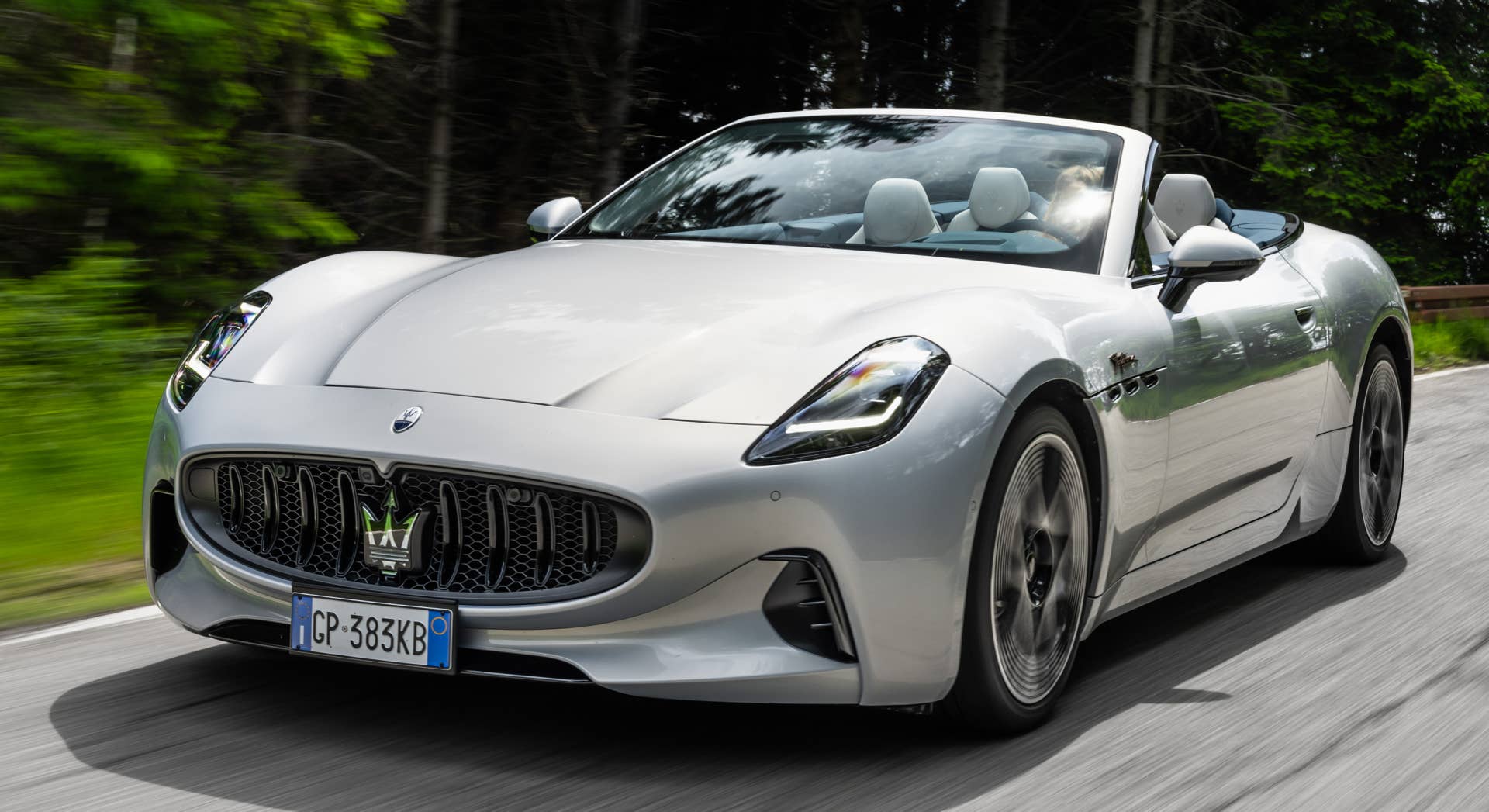
Maserati: Sales are way down and the boss just got fired. Maser’s got big problems that EVs won’t solve (yes, there is the Folgore).
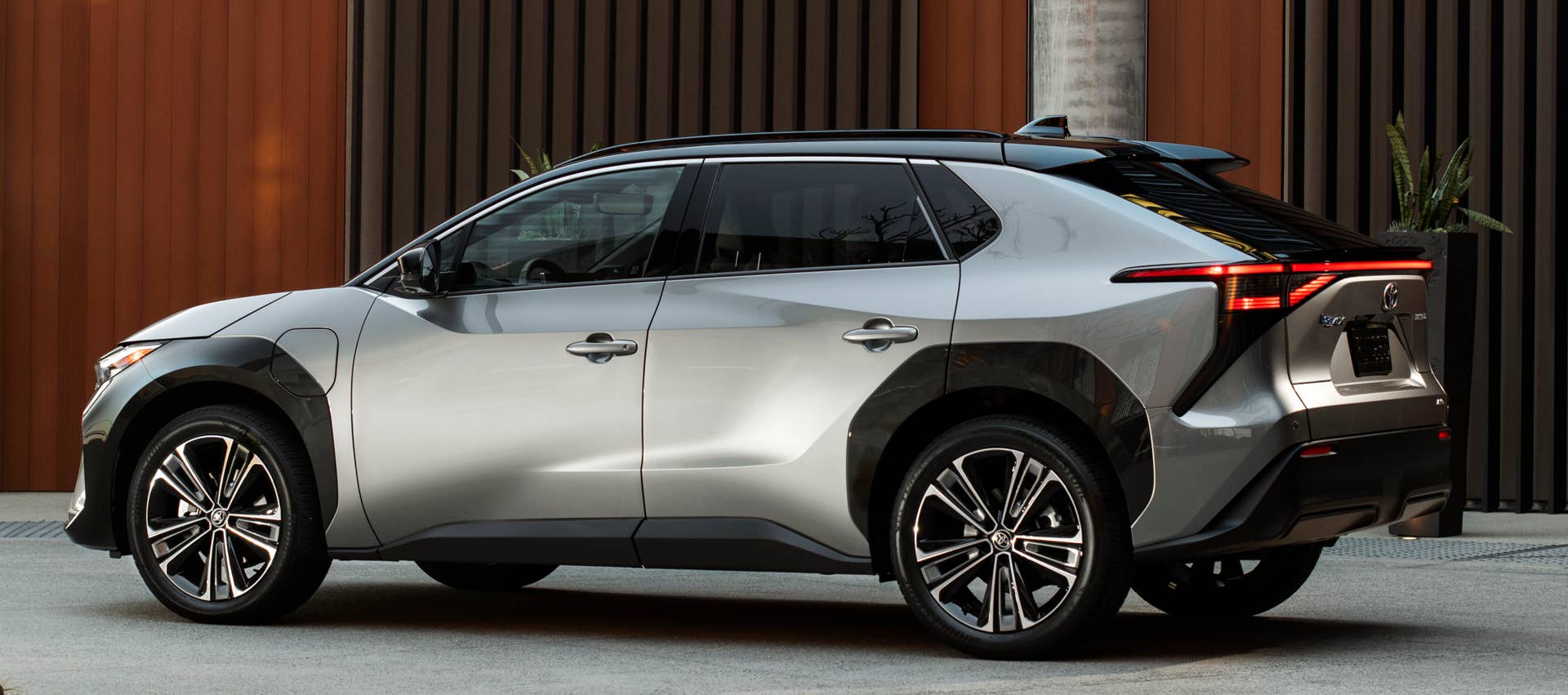
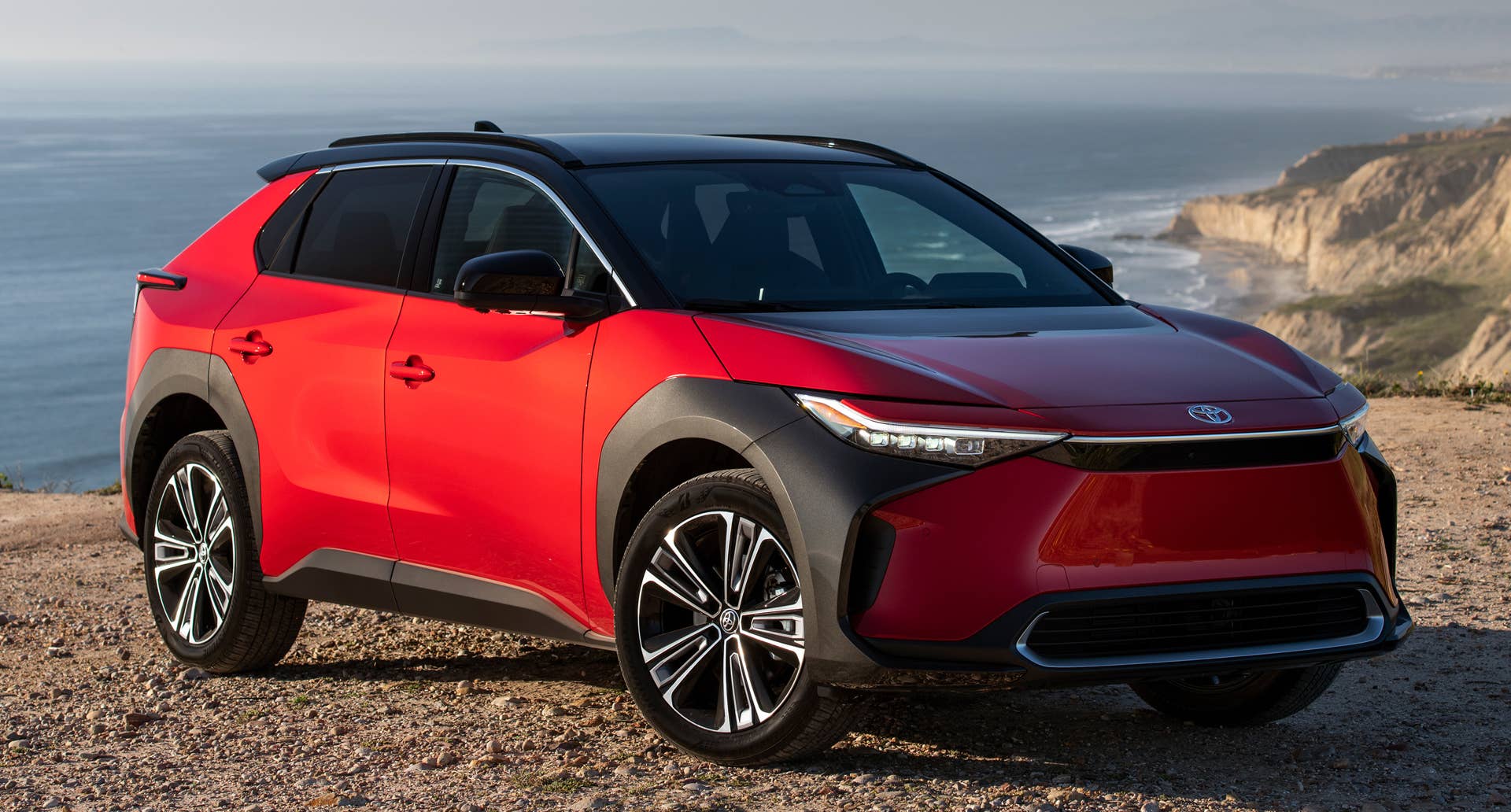
Toyota: Regardless of its leadership in hybrids, the company has yet to produce a desirable EV. Can they get their act together in time?
Lexus: Where’s this brand’s luxury EV leadership? A rebadged Busy Forks doesn’t count.
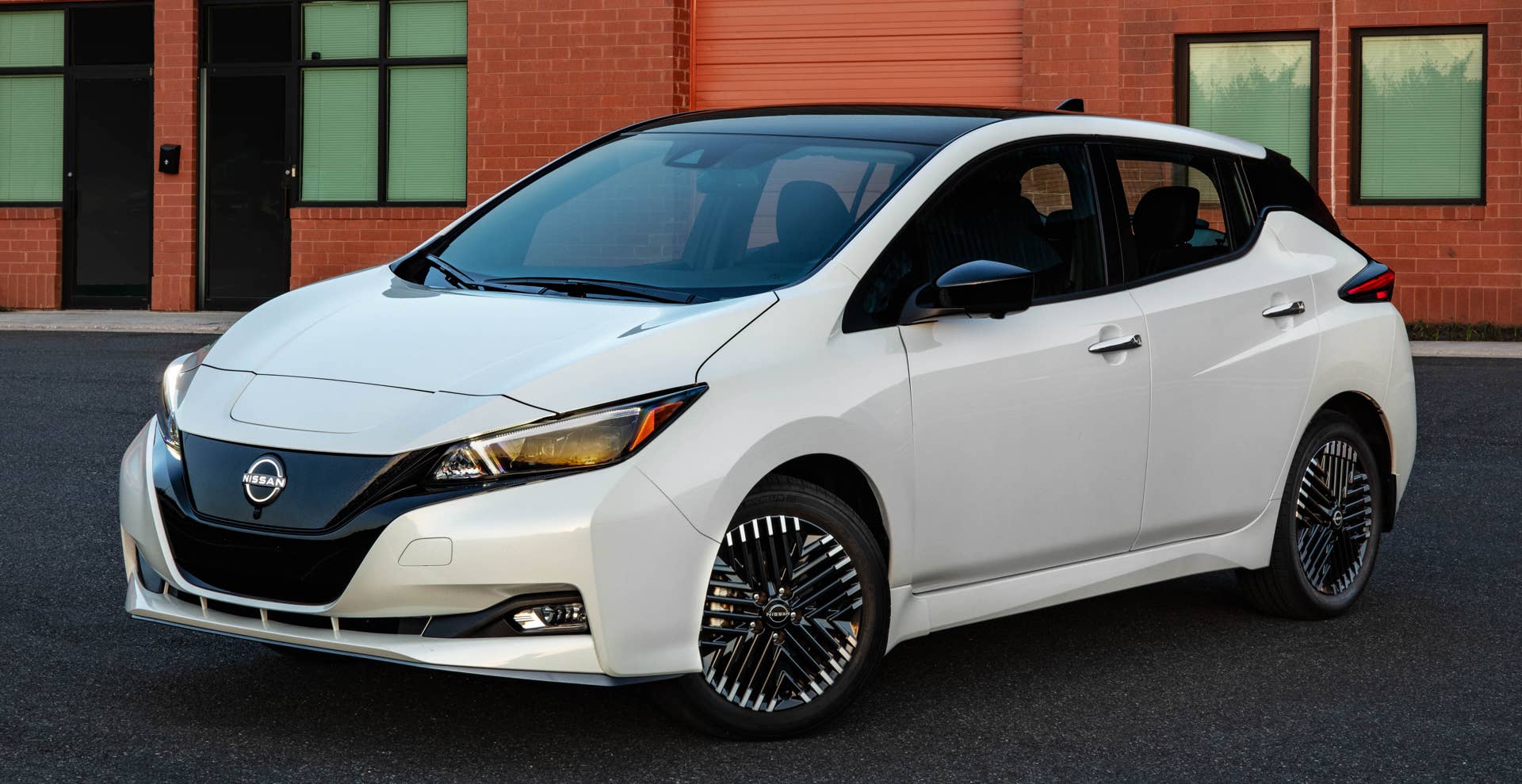
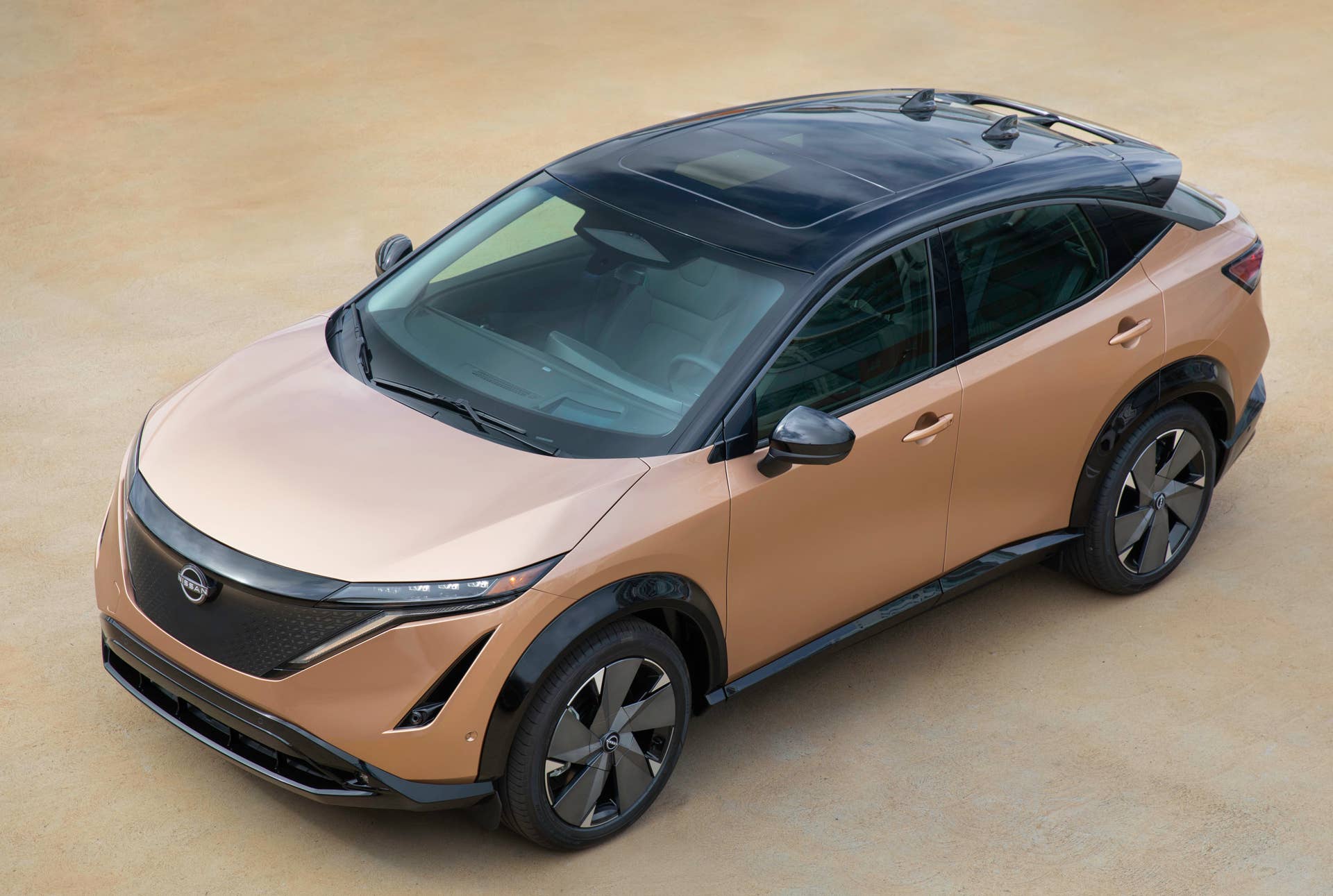
Nissan: They blew their lead after the Leaf came out, and the Ariya is far from compelling.
Infiniti: No EVs. Sales are down significantly the past three quarters. Who’s even shopping them?
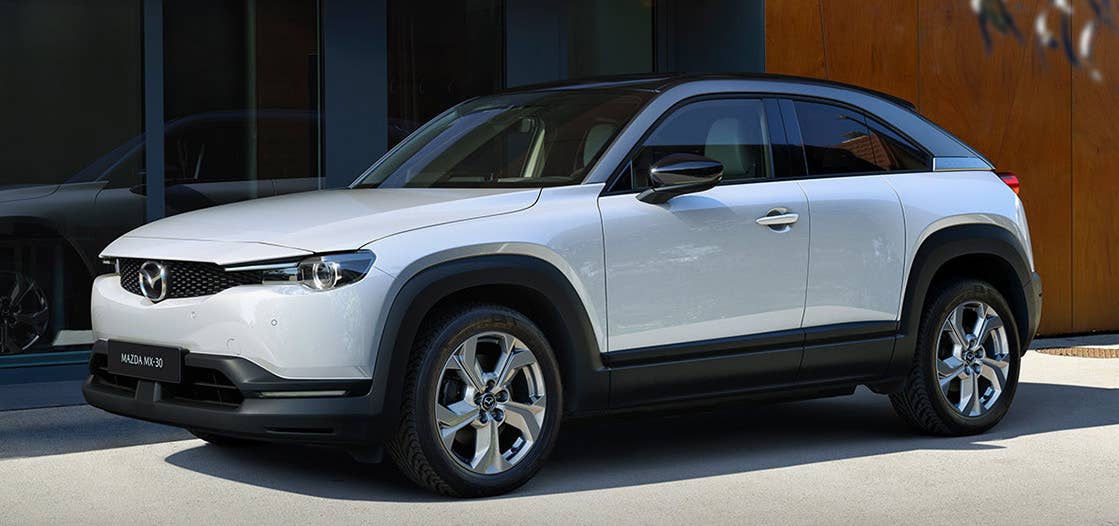
Mazda: The MX-30 was a compliance car. Where is the Mazda EV that’s as good as their ICE vehicles?
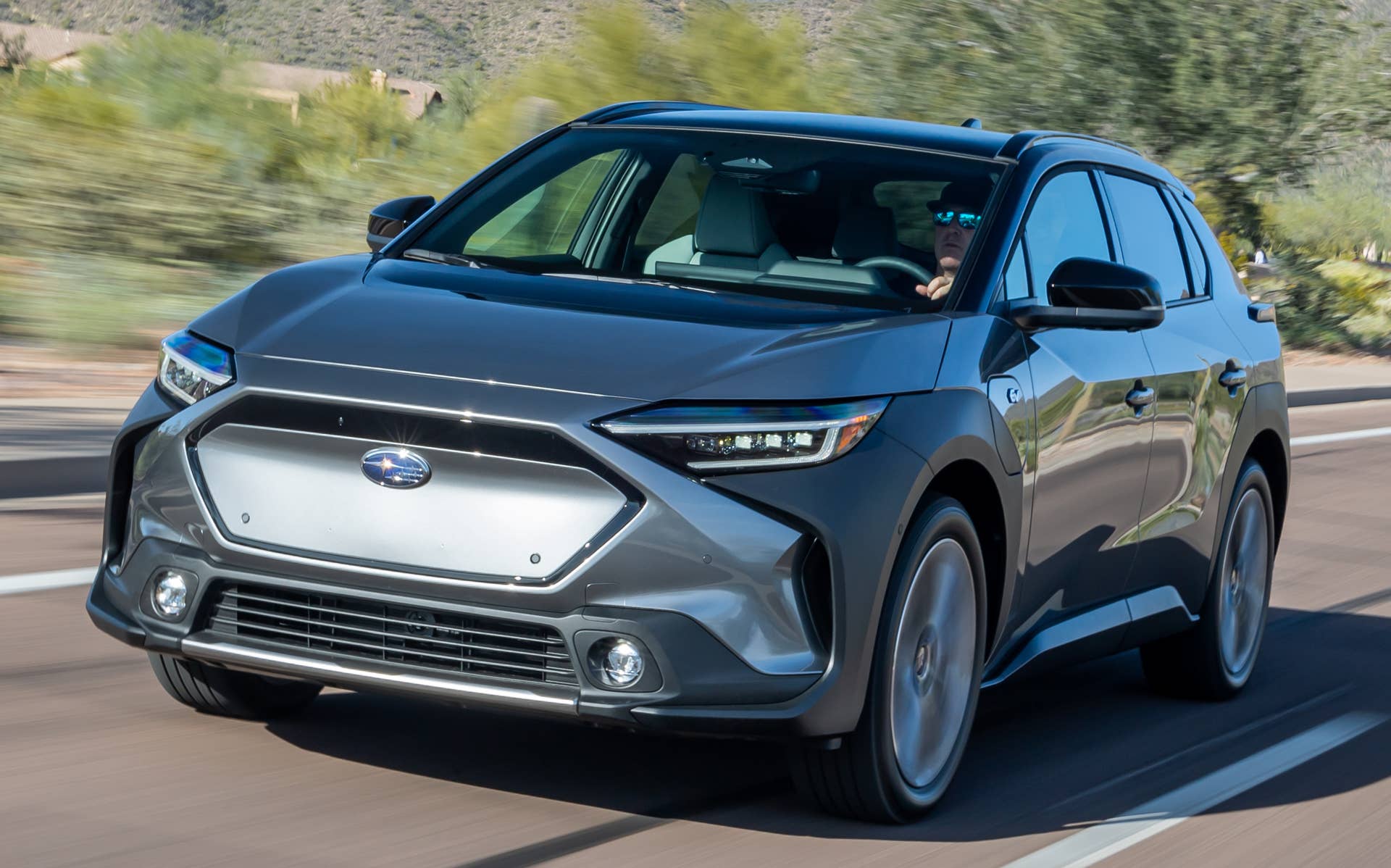
Subaru: It will take more than a so-so Toyota-based EV to appeal to Subaru’s fans.
Jaguar: Their plan to become an EV-only, low-production, high-end brand is extremely risky.
Land Rover: Nothing yet. Will parent Tata put up the cash to fund LR’s EV transition?
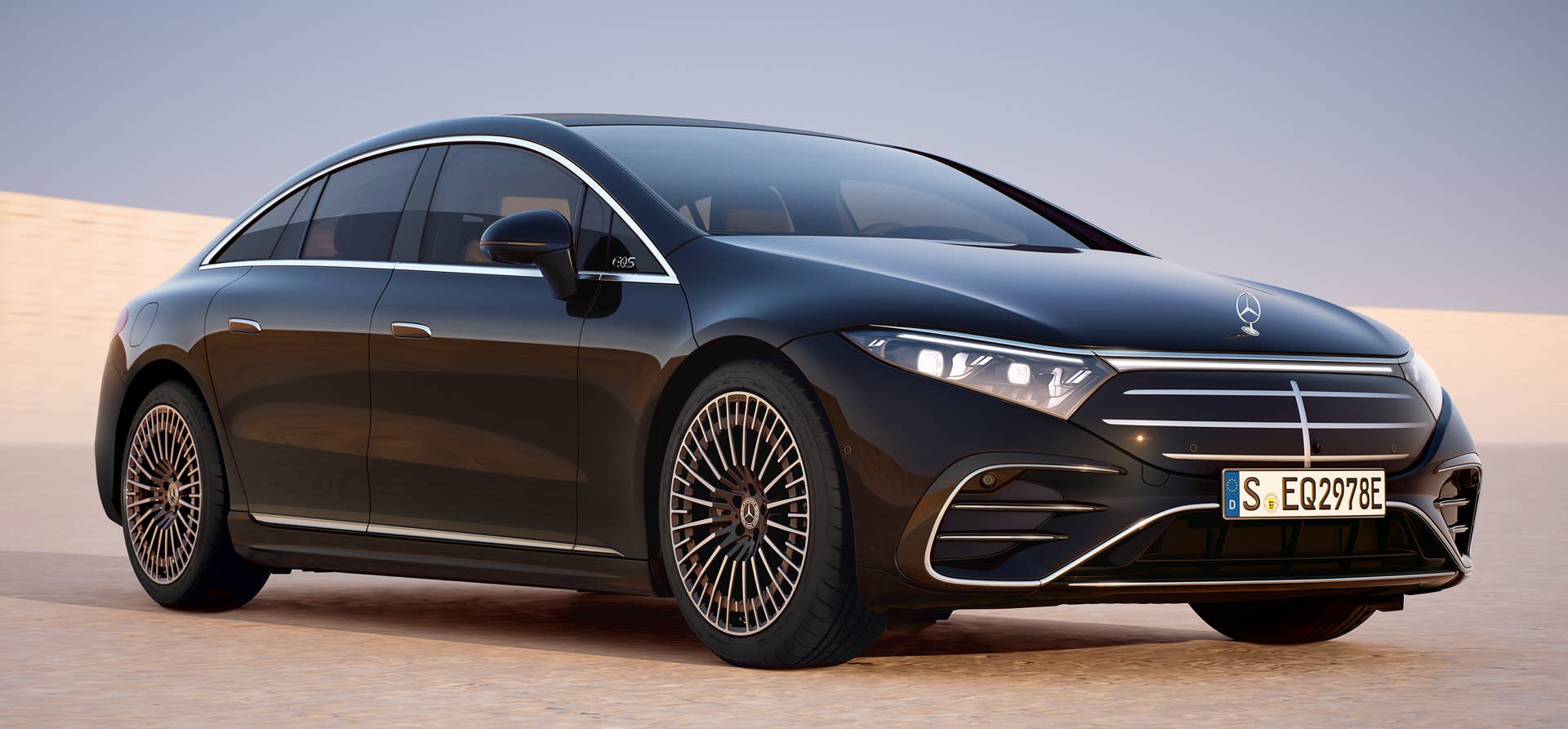
Mercedes-Benz: Benz’ EV sales recently dropped 30%, thanks to Chinese competition and high production costs in Germany. The current approach isn’t working.
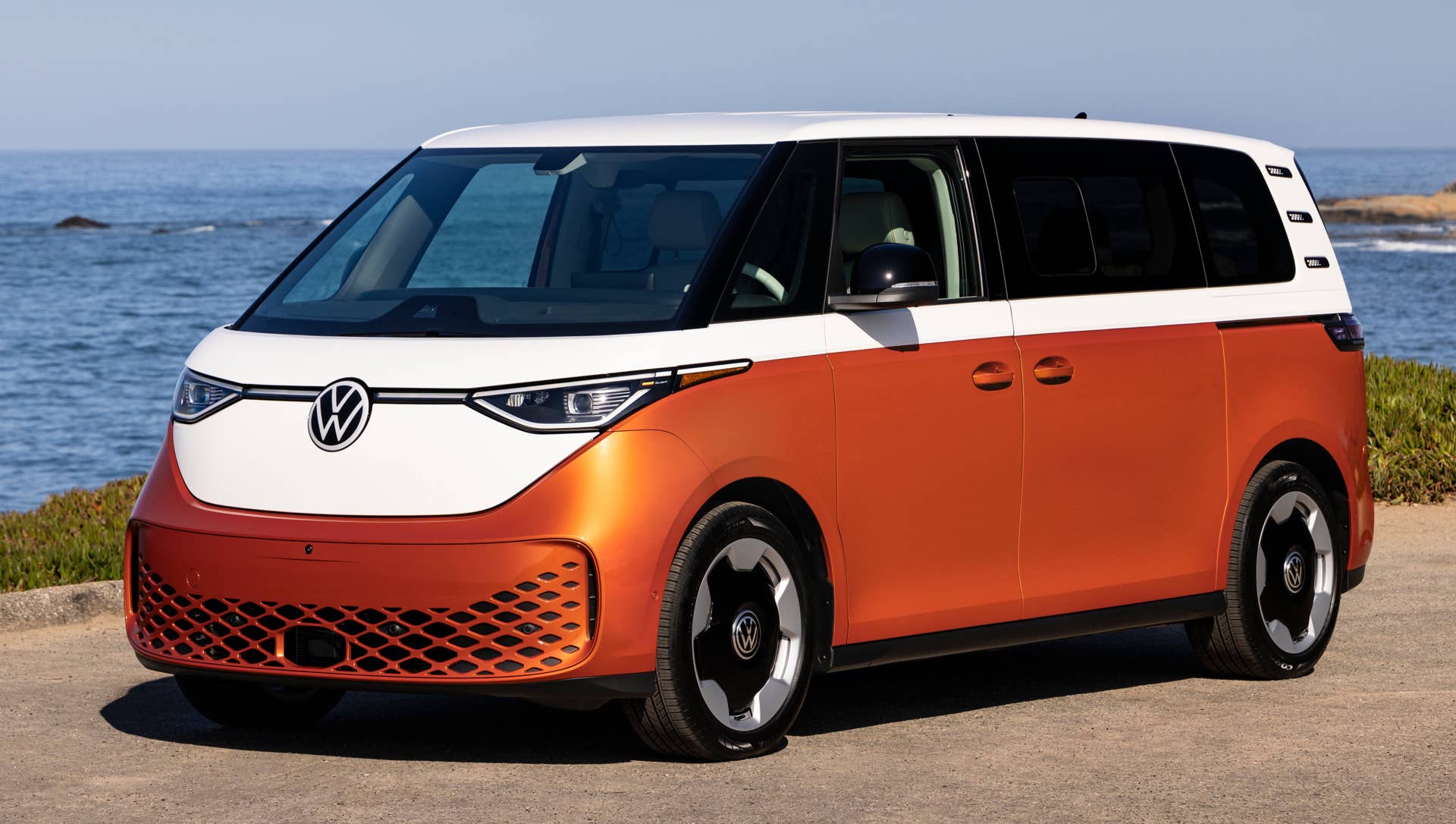
Volkswagen: VW has yet to build any desirable, reasonably-priced EVs, which may ultimately be developed in China after their German plants close down. Not looking good.
Audi: As goes VW, so goes Audi. Just announced closing of its EV plant in Belgium.
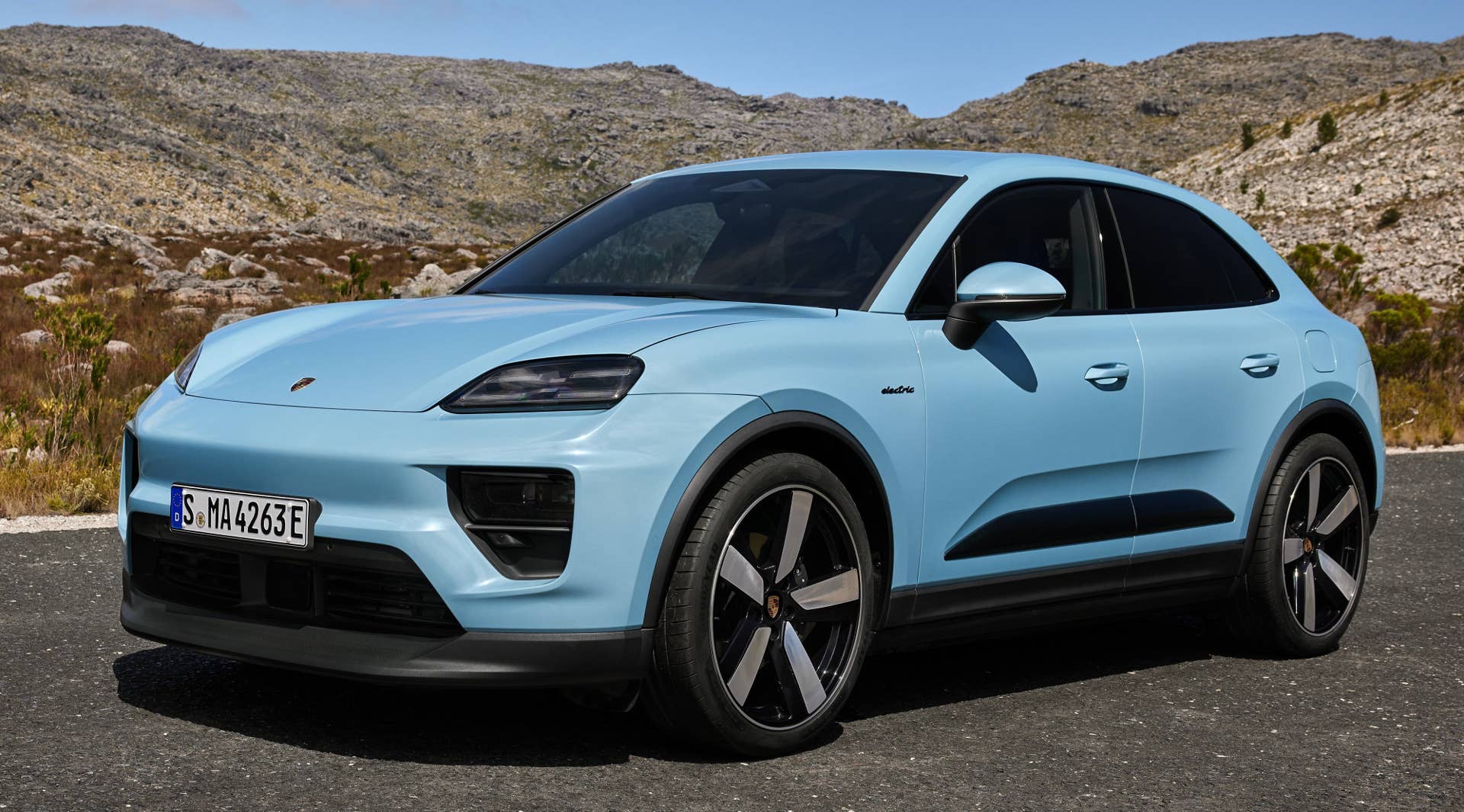
Porsche: They are going all in with EV Macan, Boxster, and Cayman. Will enthusiasts bite? Will Chinese Hyper-EVs undercut them on price?
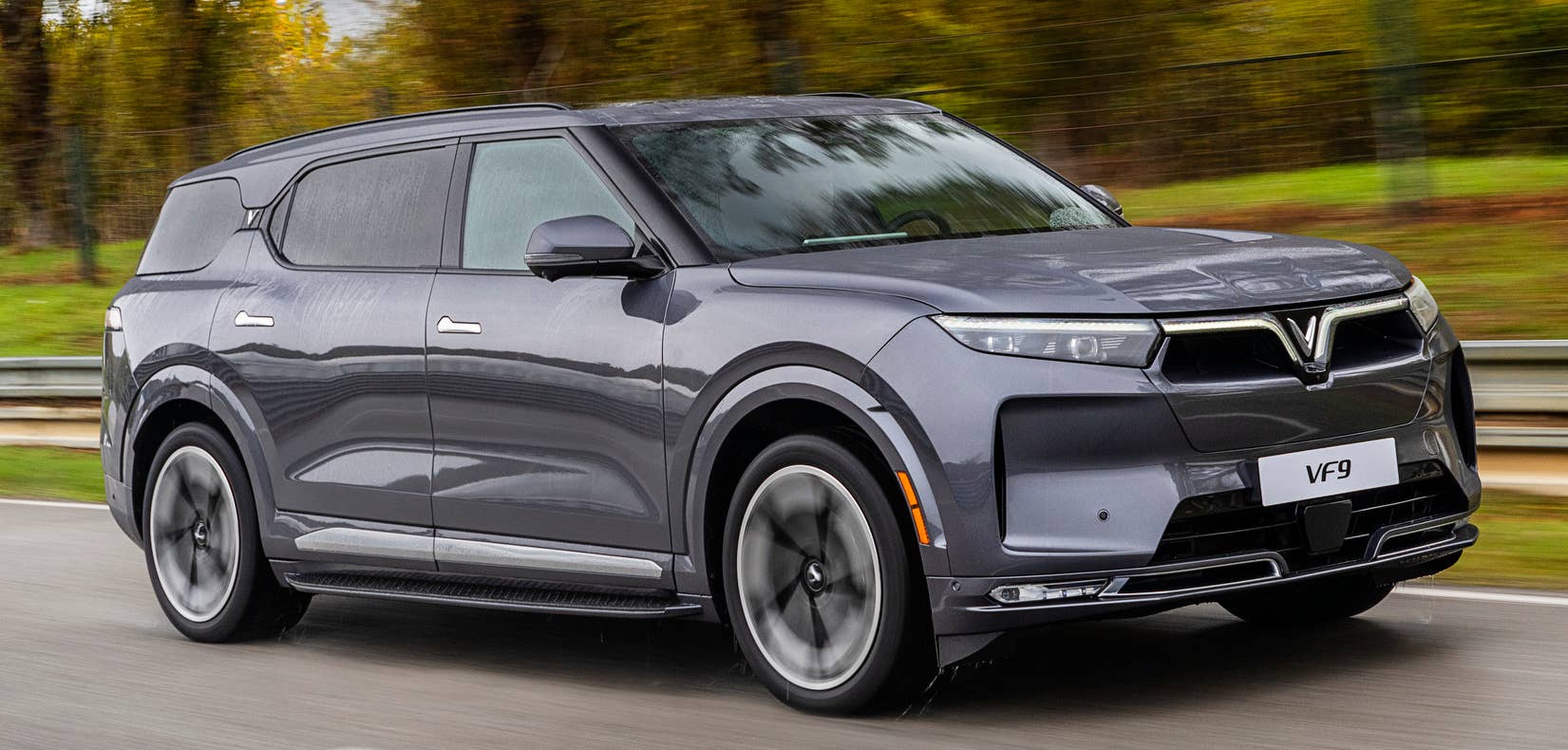
Vinfast: Could any EV brand have had a worse start in the U.S. market?
EV startup brands that may not survive the EV transition
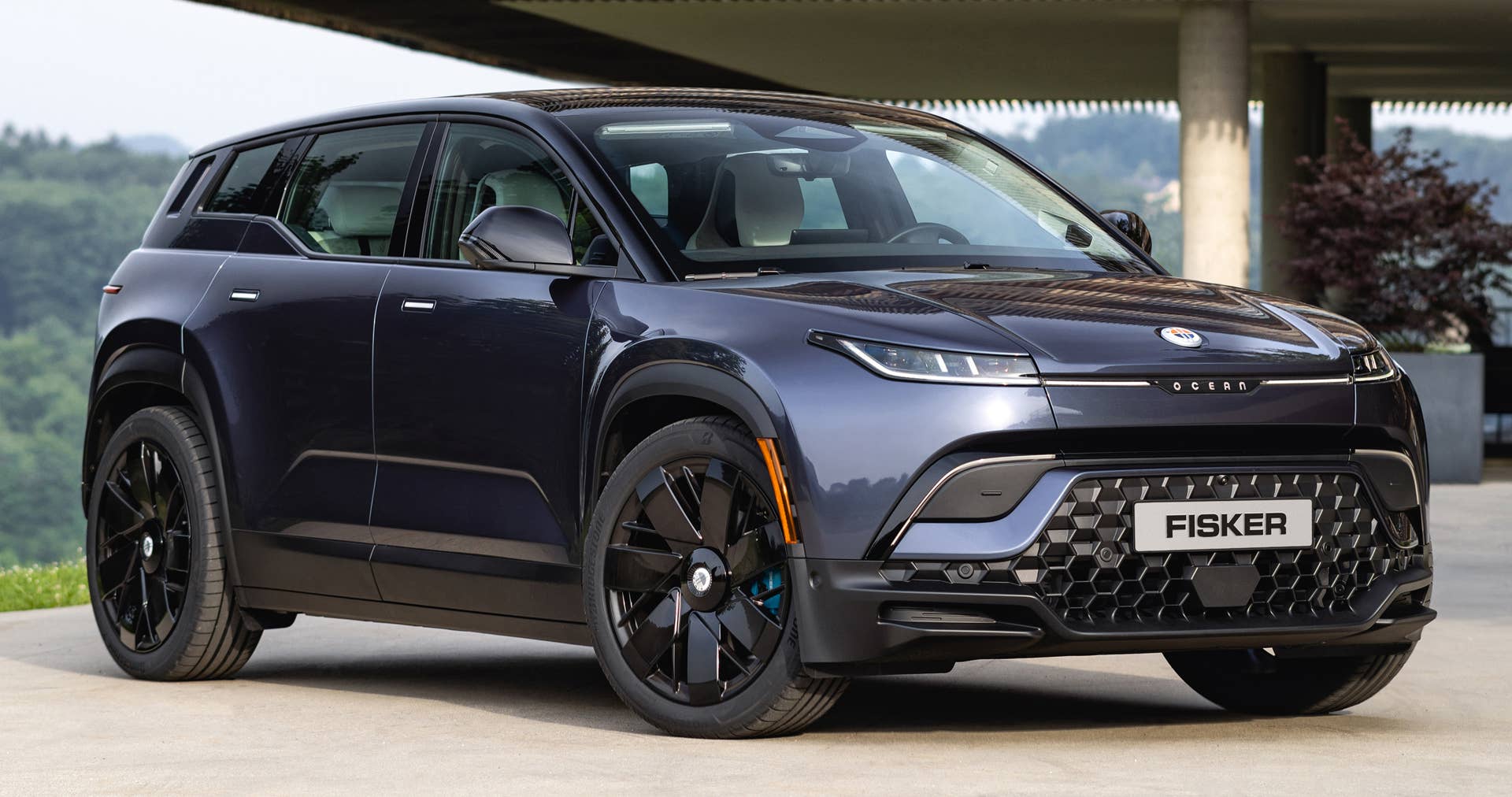
Fisker: Kaput. Their asset-light, contract-manufacturing plan failed spectacularly.
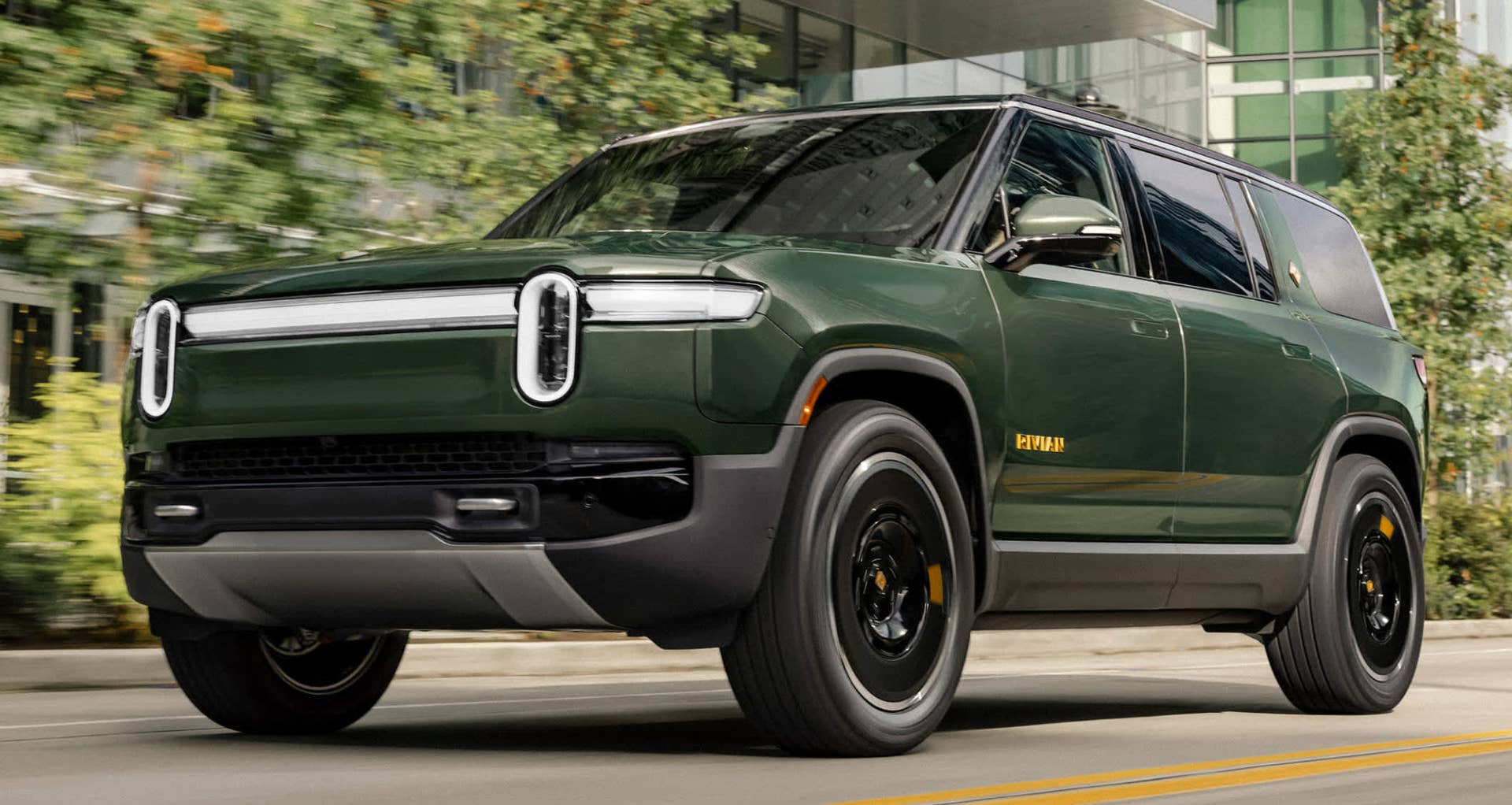
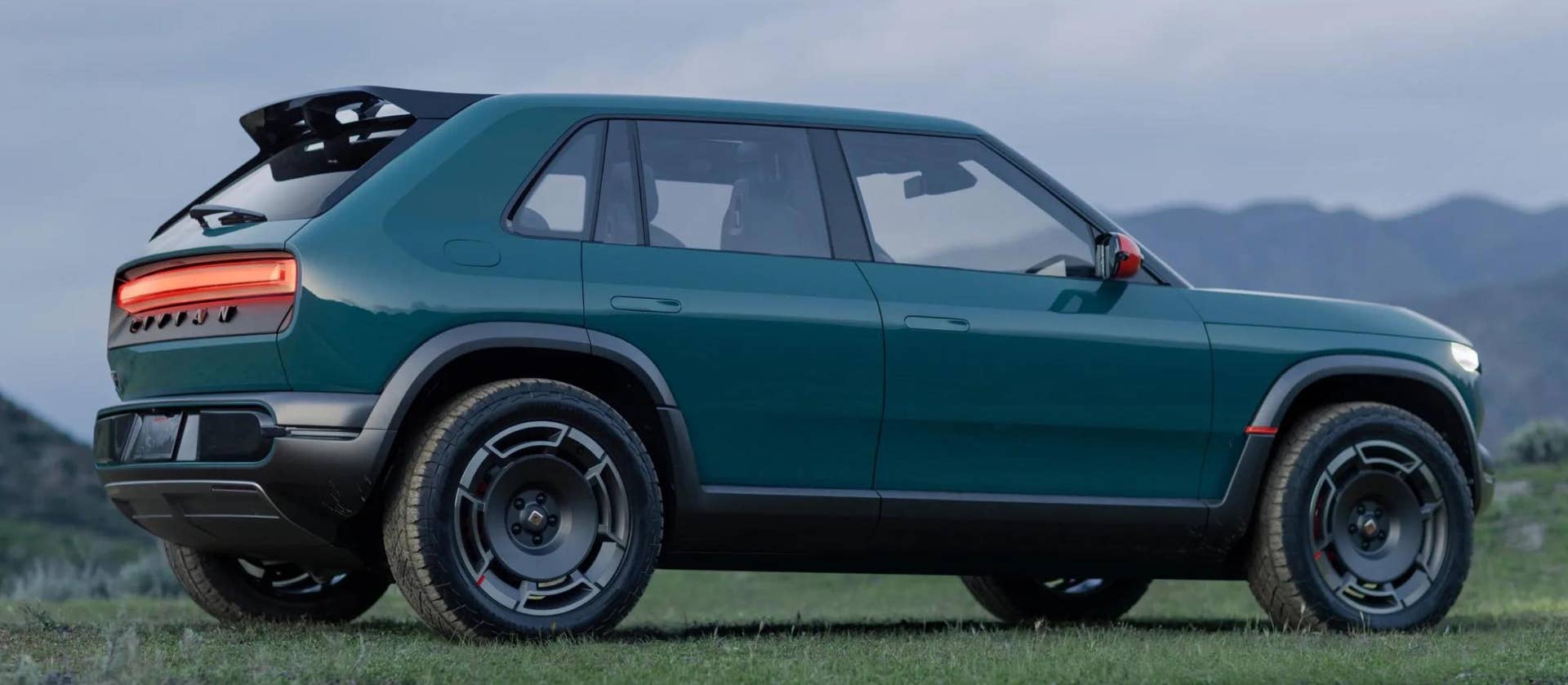
Rivian: Hoping to reach 57,000 R1 sales this year. If they run out of cash before they get their smaller, higher-volume vehicles out, they’re finished.
Lucid: Has yet to break the 10,000 vehicles per year mark. If the Saudis tire of pumping money in, and volumes remain low, they won’t last long.
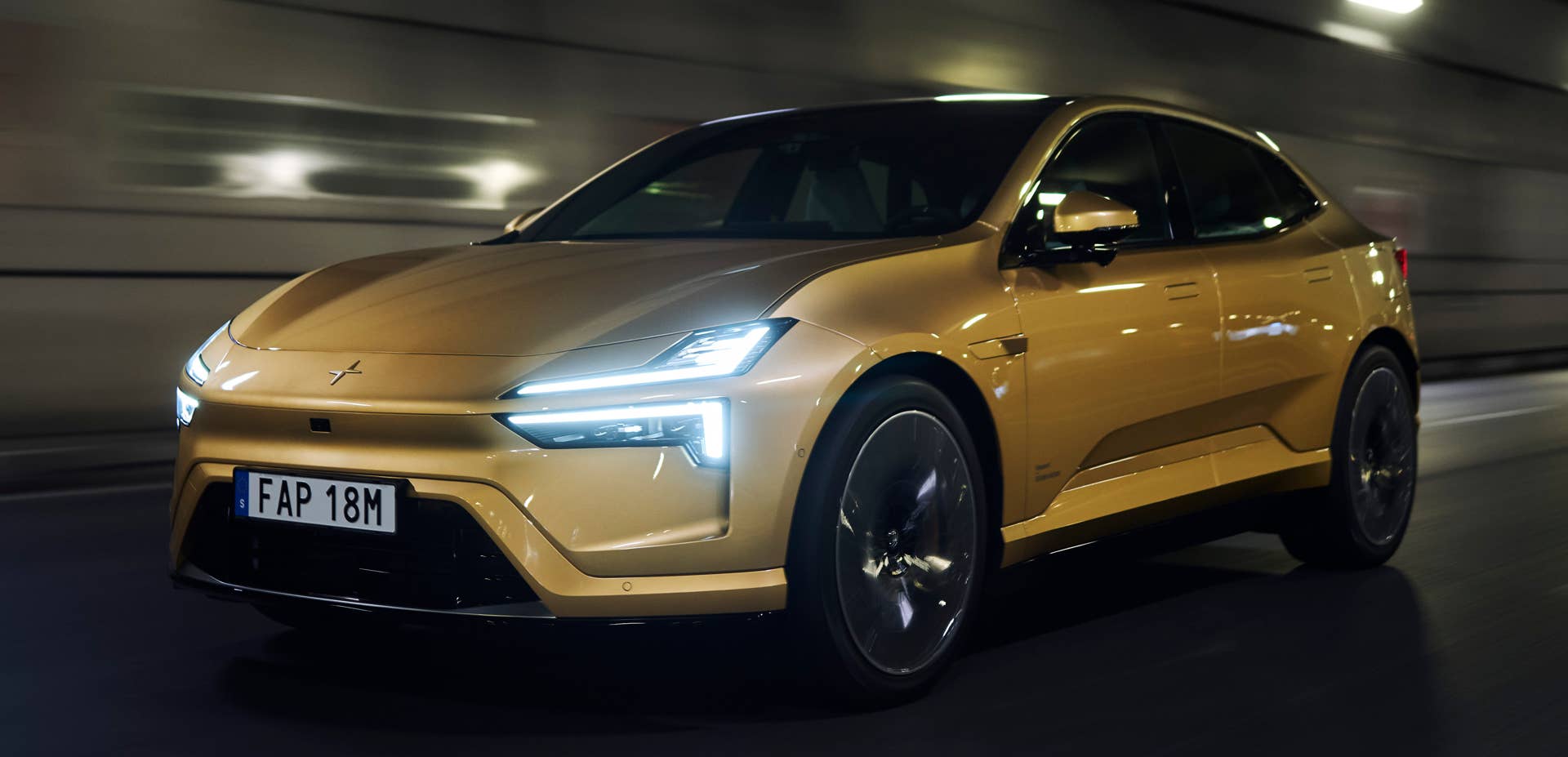
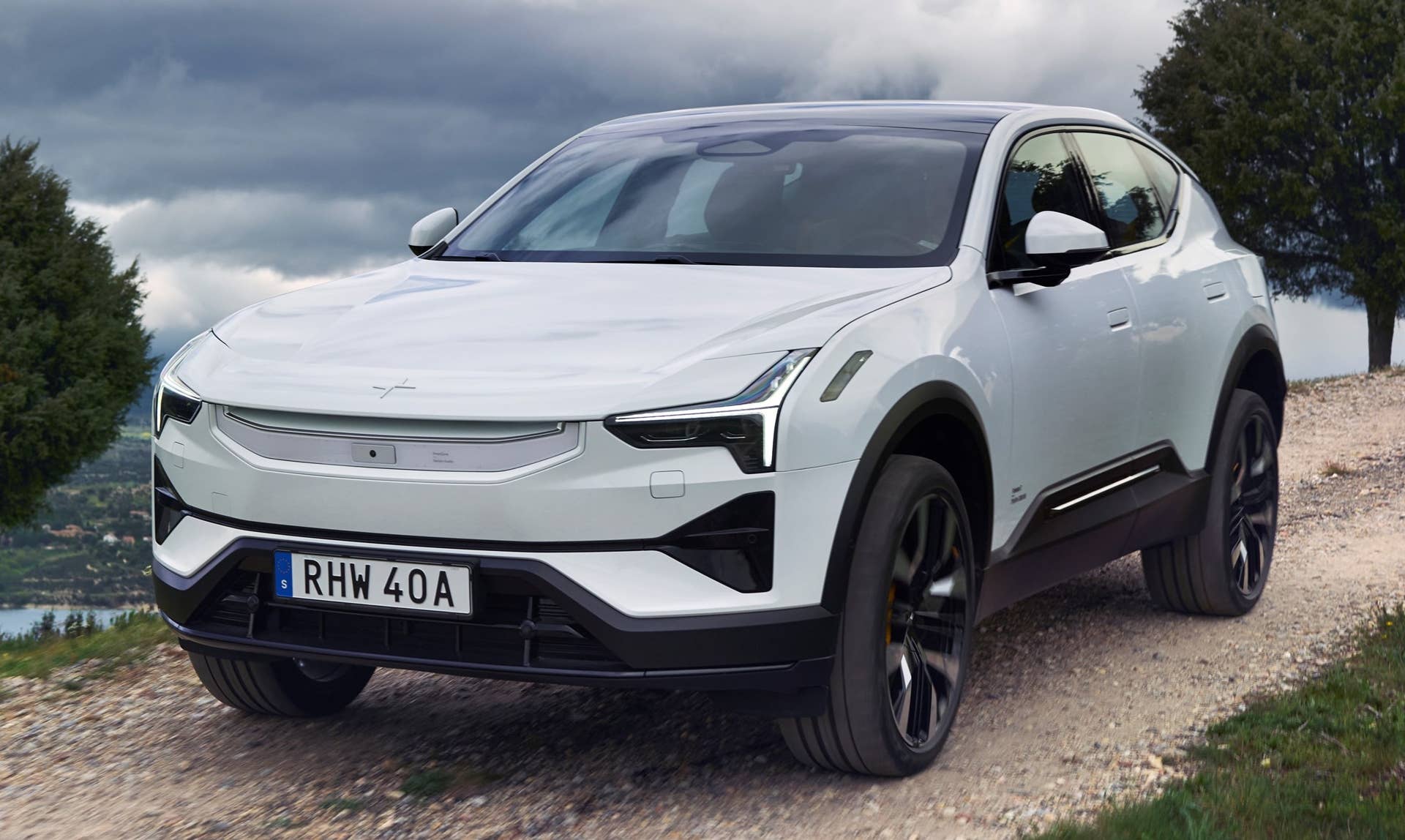
Polestar: Delivered a total of 32,300 cars worldwide in the first three quarters of 2024. Why are they separate from Volvo and how does this help?