
No Falcon, No Mustang
It’s no secret that the Ford Mustang owes much of its existence to the Ford Falcon. Without the economy car, the Mustang would have no platform to build on. The ’60s would probably look very different if Ford couldn’t find another chassis to build on, and given Lee Iaccoca’s far-from-harmonious relationship with Henry Ford II, it could’ve been canceled outright.
But thankfully, the Falcon was readily available, which allowed the Mustang to be built cheaply and sold at reasonable, accessible prices. The rest, they say, is history, and the Mustang has written its own legacy. It is still around today as the only pony car left in the market. It’s quite amazing considering how this all started with an economy car platform.
Ford
Meanwhile, in Australia
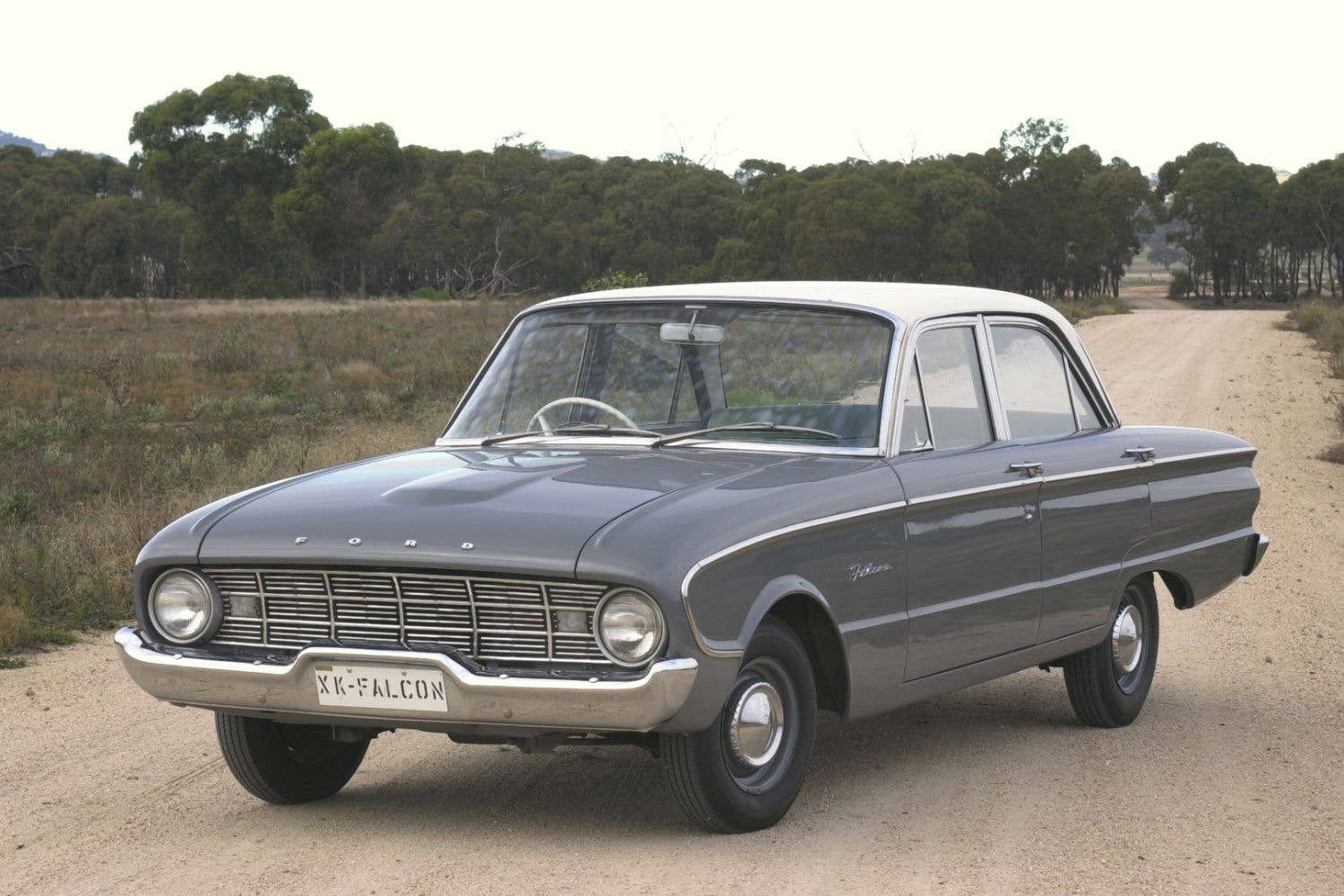
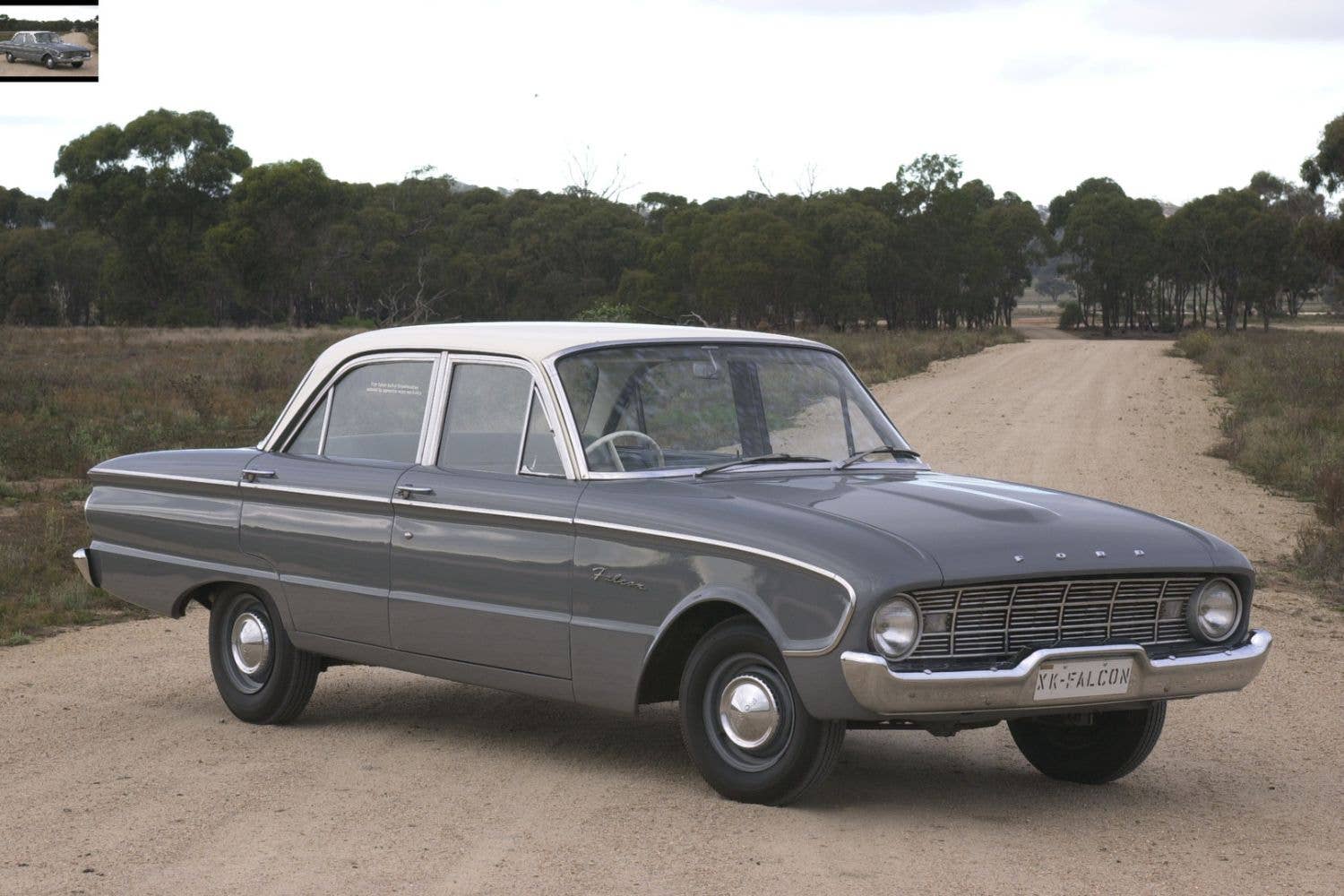
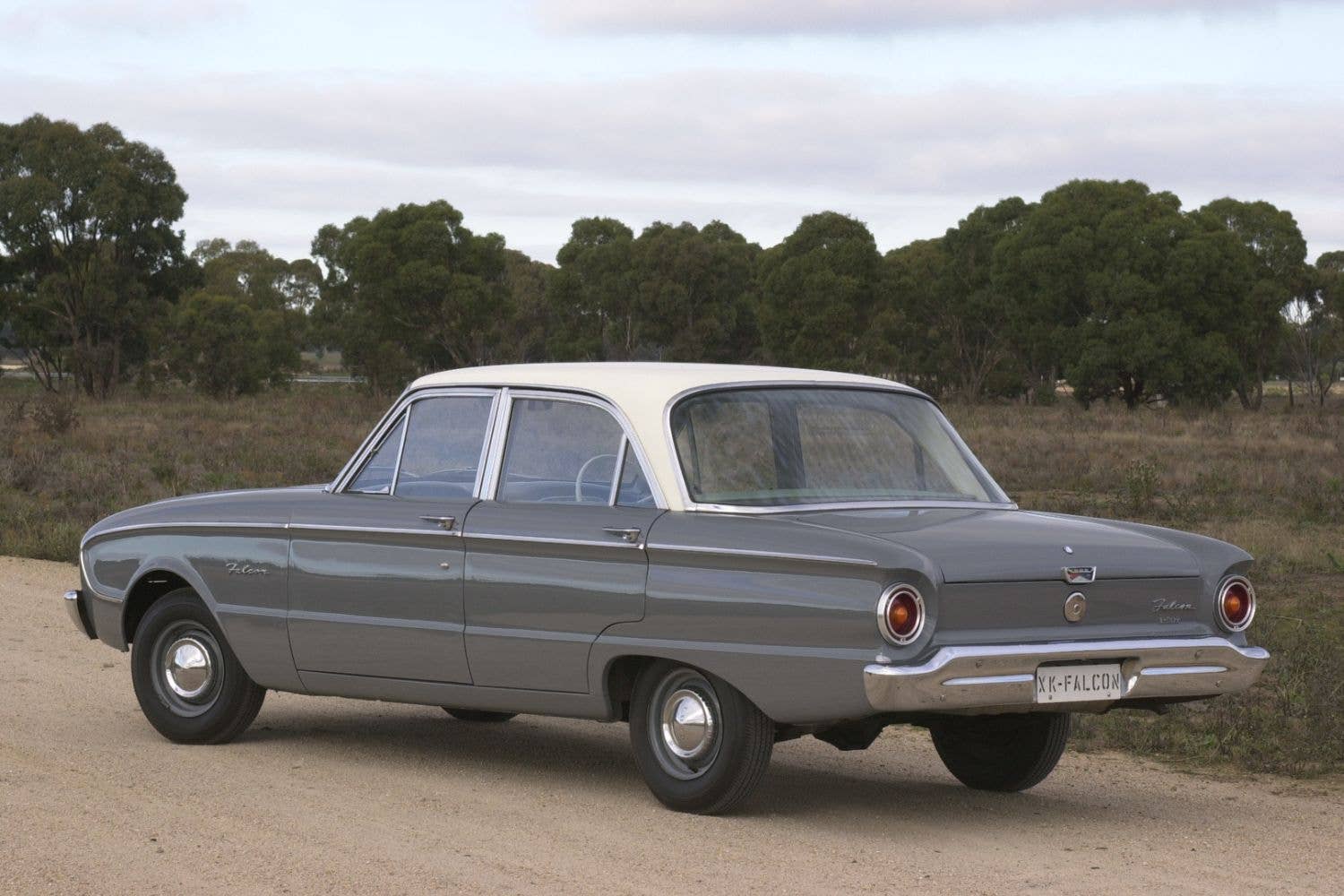
In the ’60s, a compact economy car in America would, quite literally, be a midsize car everywhere else. As such, Ford of Australia needed a sizable sedan for its customers, and the Falcon was the right car at the right time. That said, things didn’t start out well, as Australia’s harsher conditions proved too much for it. So, the updated 1962 model got the heavy-duty components it needed.
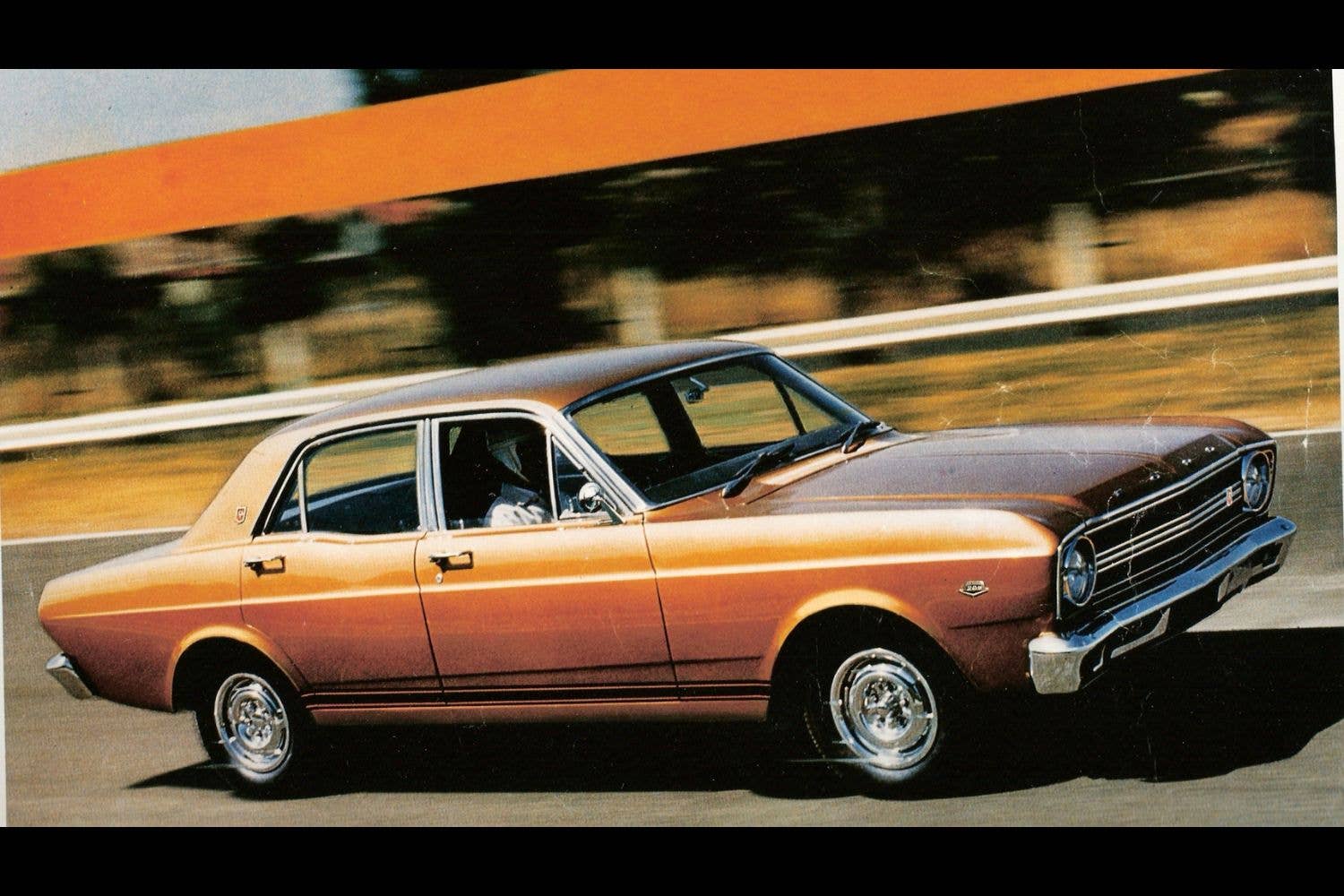
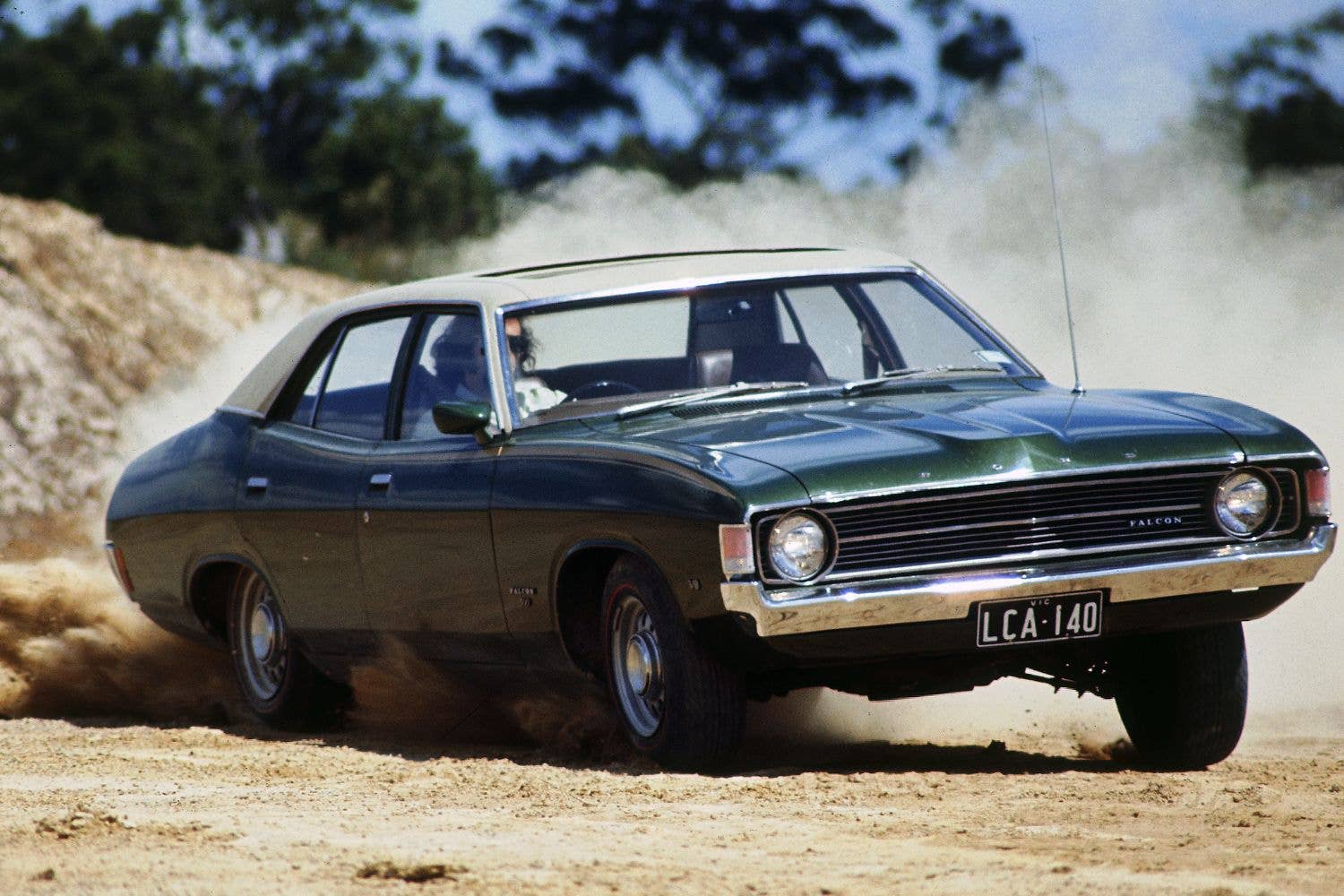
From there, Australians adapted the Falcon to their own unique conditions. With the second generation in 1966, Ford of Australia called it the ‘Mustang-bred Falcon,’ ironic given that the Mustang was bred from the Falcon. It was also the first model to be available with a V8. Over the course of the second-gen Australian version’s production, it slowly started to deviate from the American model, creating special models down the line. And while Ford USA toyed with the idea of a Mustang four-door early in its development, it didn’t push through, denying America the chance to get a compact, V8 high-performance sedan from the Blue Oval.
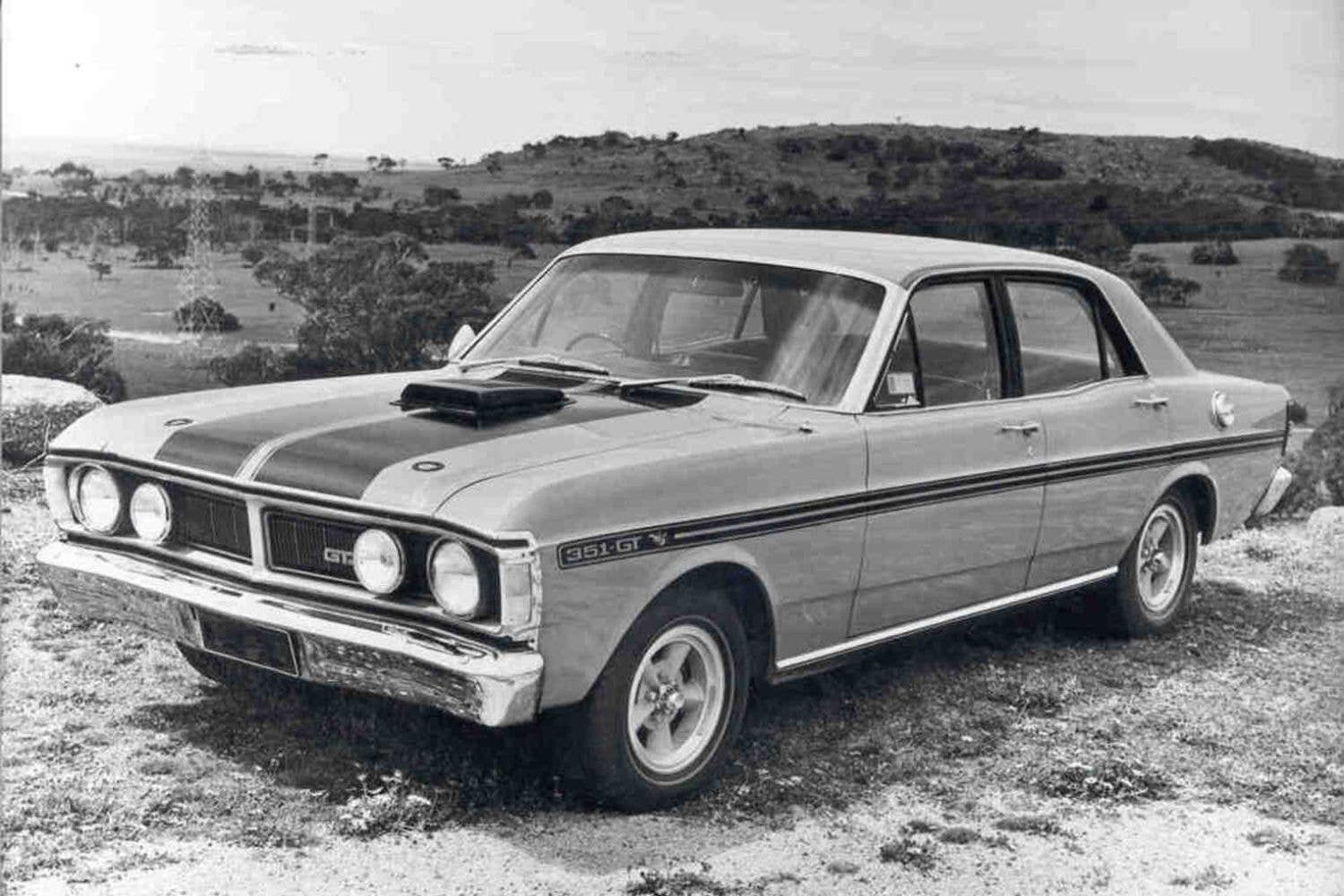
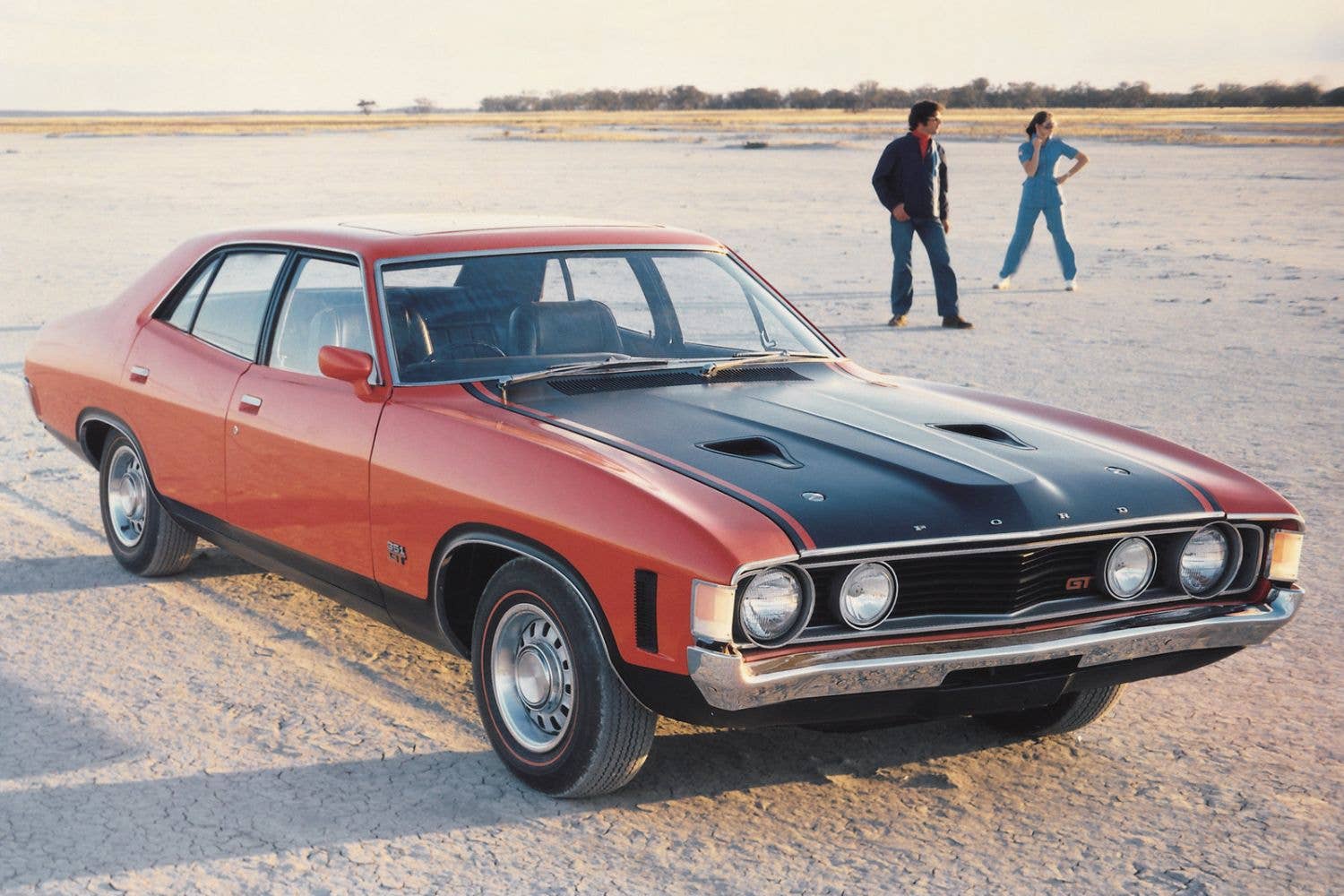
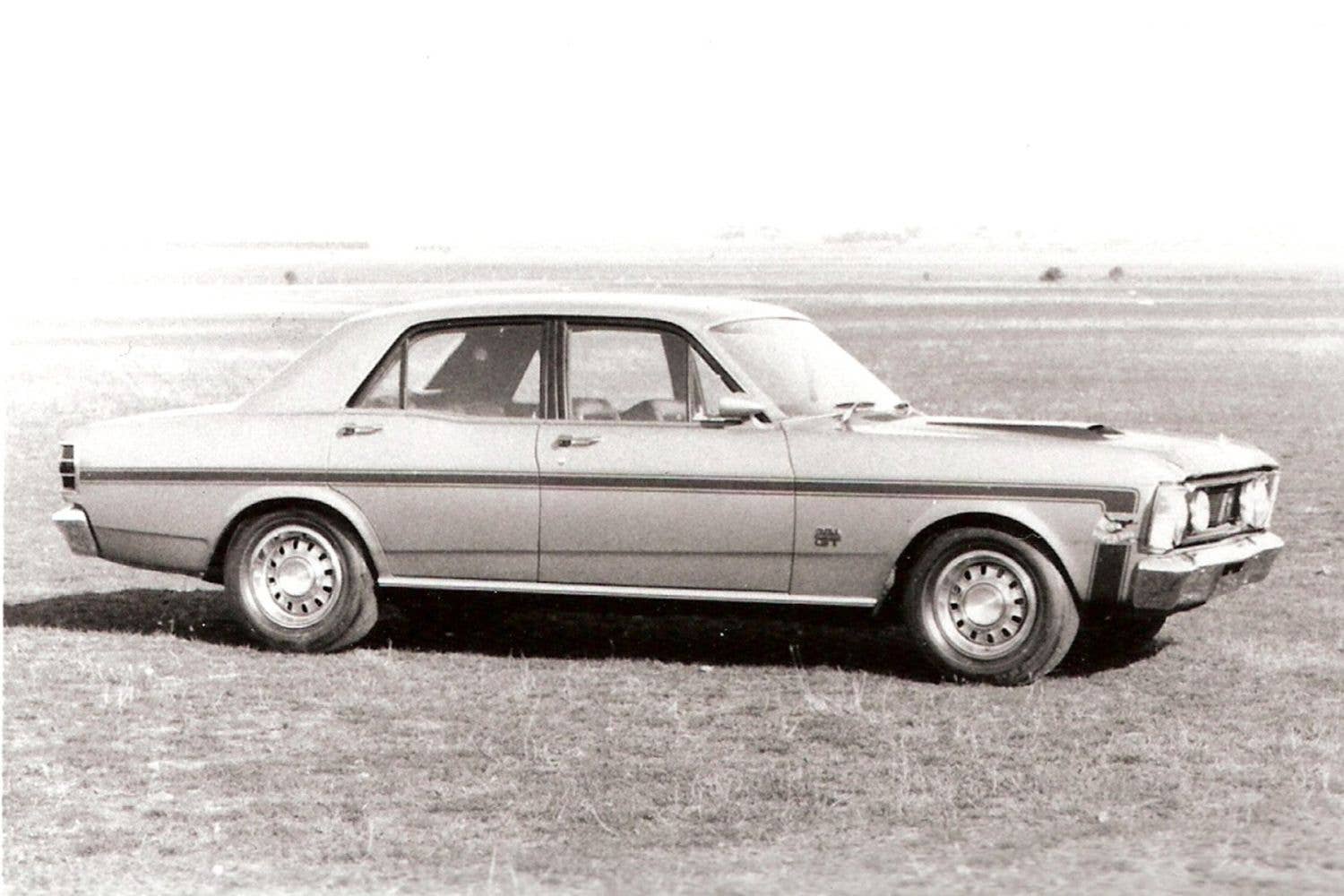
Over in Australia, Ford stuck in a 351 Windsor V8 under the hood of the Falcon and dubbed it the GT. A homologation special was then made to qualify for competition in the Australian Touring Car Championship, and was called the GT-HO. The GT-HO Phase II replaced the Windsor V8 with a Cleveland V8, pushing power to nearly 300 hp. After that came the GT-HO Phase III, said to produce nearly 400 hp. This was in the late-’60s to early-’70s, mind you, so those were crazy numbers indeed. It caught the government’s attention and led to efforts to ban cars like the Falcon GT-HO Phase III. It was called the Supercar Scare, and controversy aside, Ford had made a high-performance four-door Mustang, albeit with a different name.
Ford
Branching Off
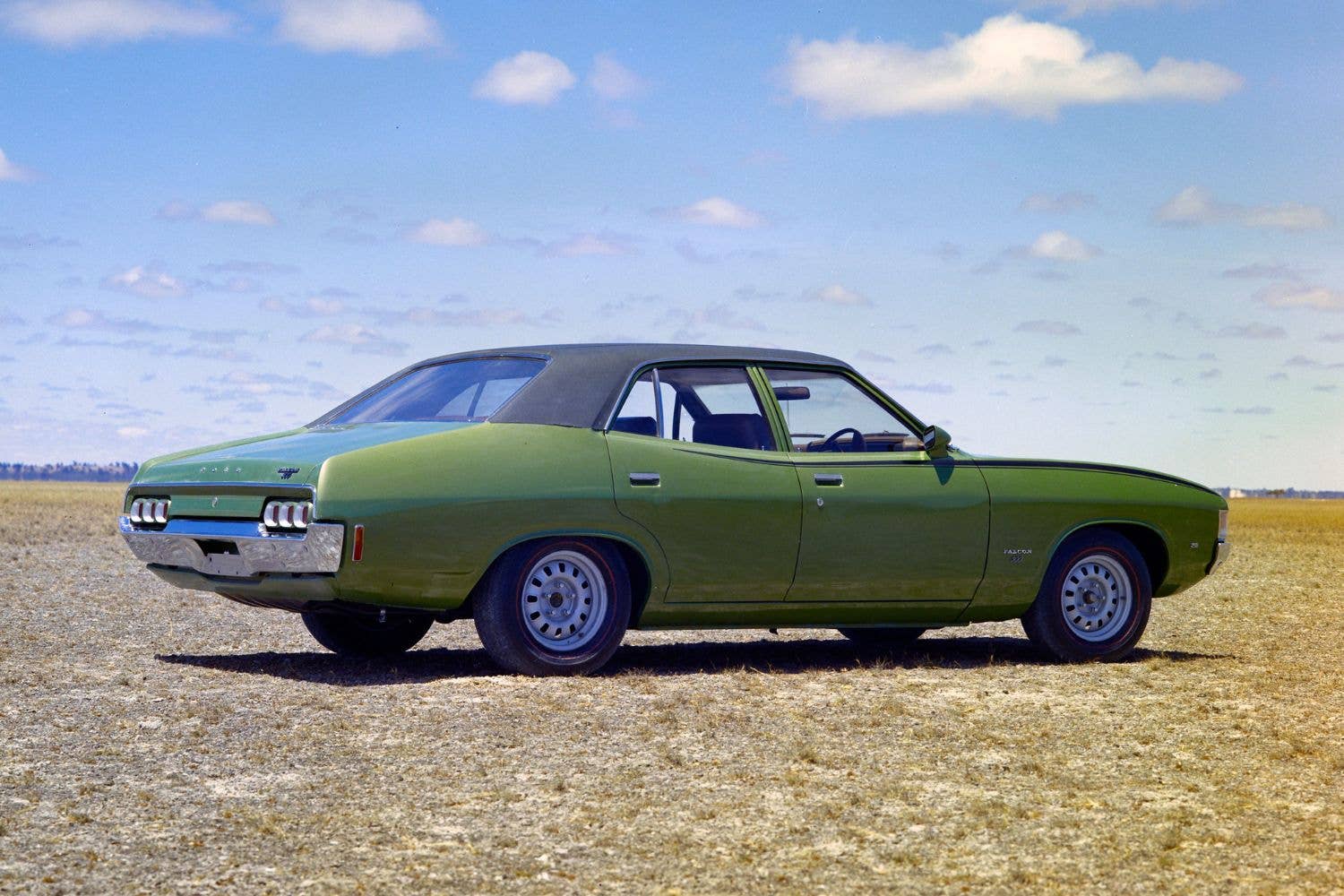
The third-generation Falcon arrived in 1972, and by then it was a full-blooded Ford of Australia product with little to no relation to any American models. It was initially proposed to use a chopped-down Torino platform, but it was turned down.
Despite the Supercar scare and the first of two oil crises in the ’70s, Ford continued putting high-output V8s in the Falcon, pumping out figures far higher than America’s Mustang II. The 4.9-liter Windsor still made 240 hp, while the 5.8-liter Cleveland still packed 260 hp. There was supposed to be a GT-HO Phase IV, but Ford had to cancel it after strong warnings from the government.
If anything, the Falcon wasn’t kneecapped for much of the ’70s, and the later GT model even made 300 hp. The second oil crisis and emissions regulations did take a hit on power later in the decade, but the V8s were still happily putting out over 200 horses. The same couldn’t be said about the Mustang back in America; the Falcon was probably the faster car between the two, despite being larger and occasionally coming with extra doors.
Ford
A V8 Hiatus, then a Comeback
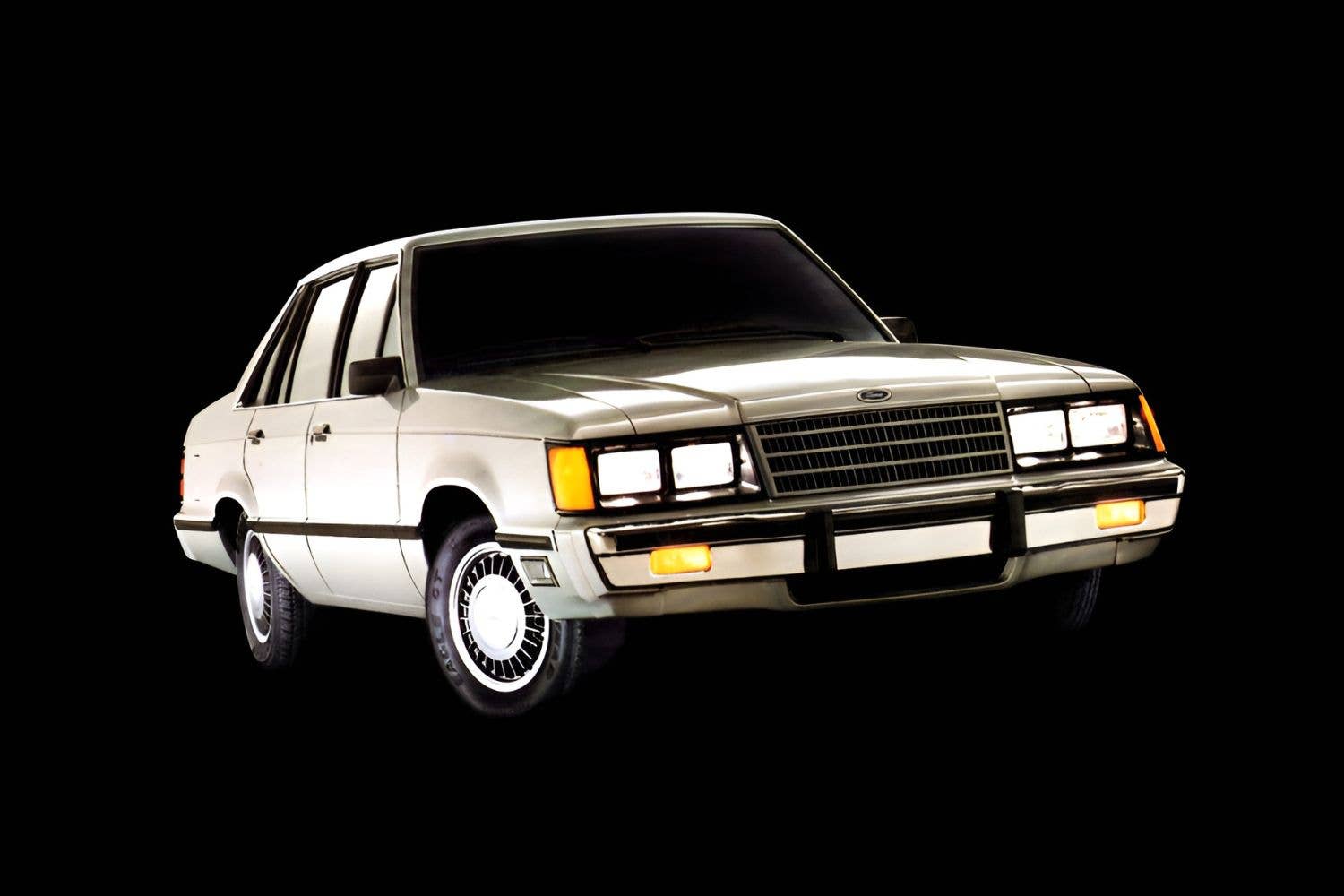
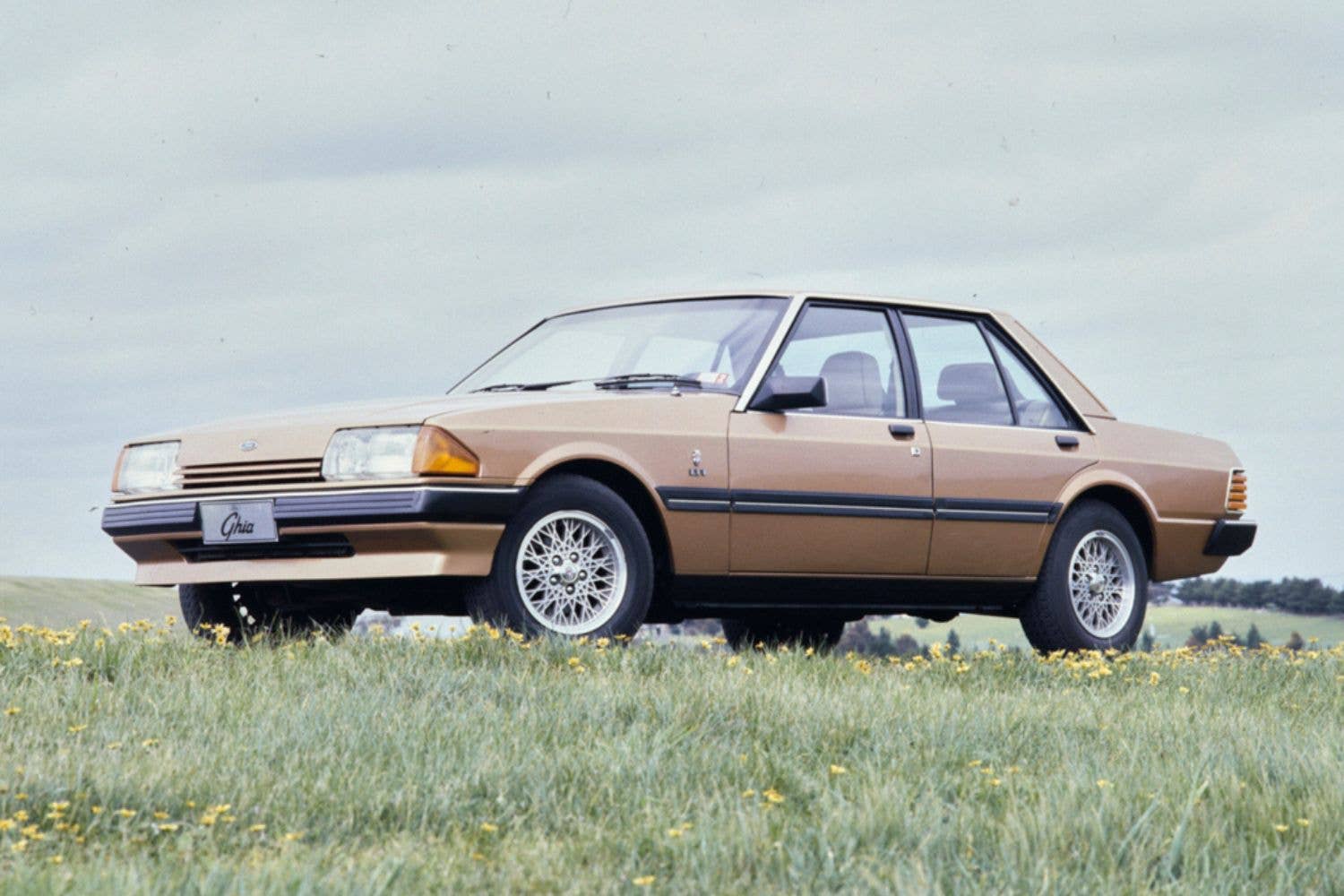
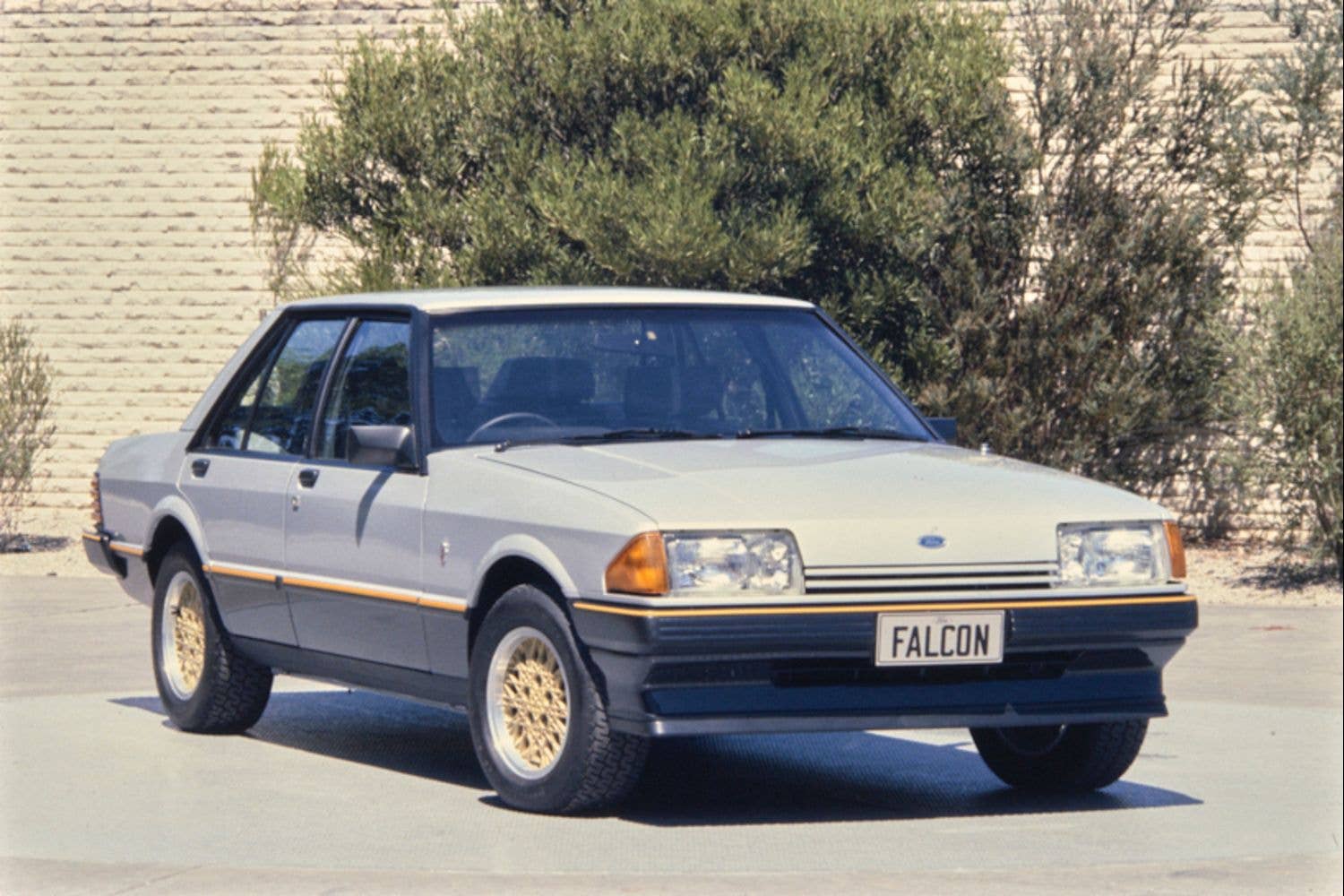
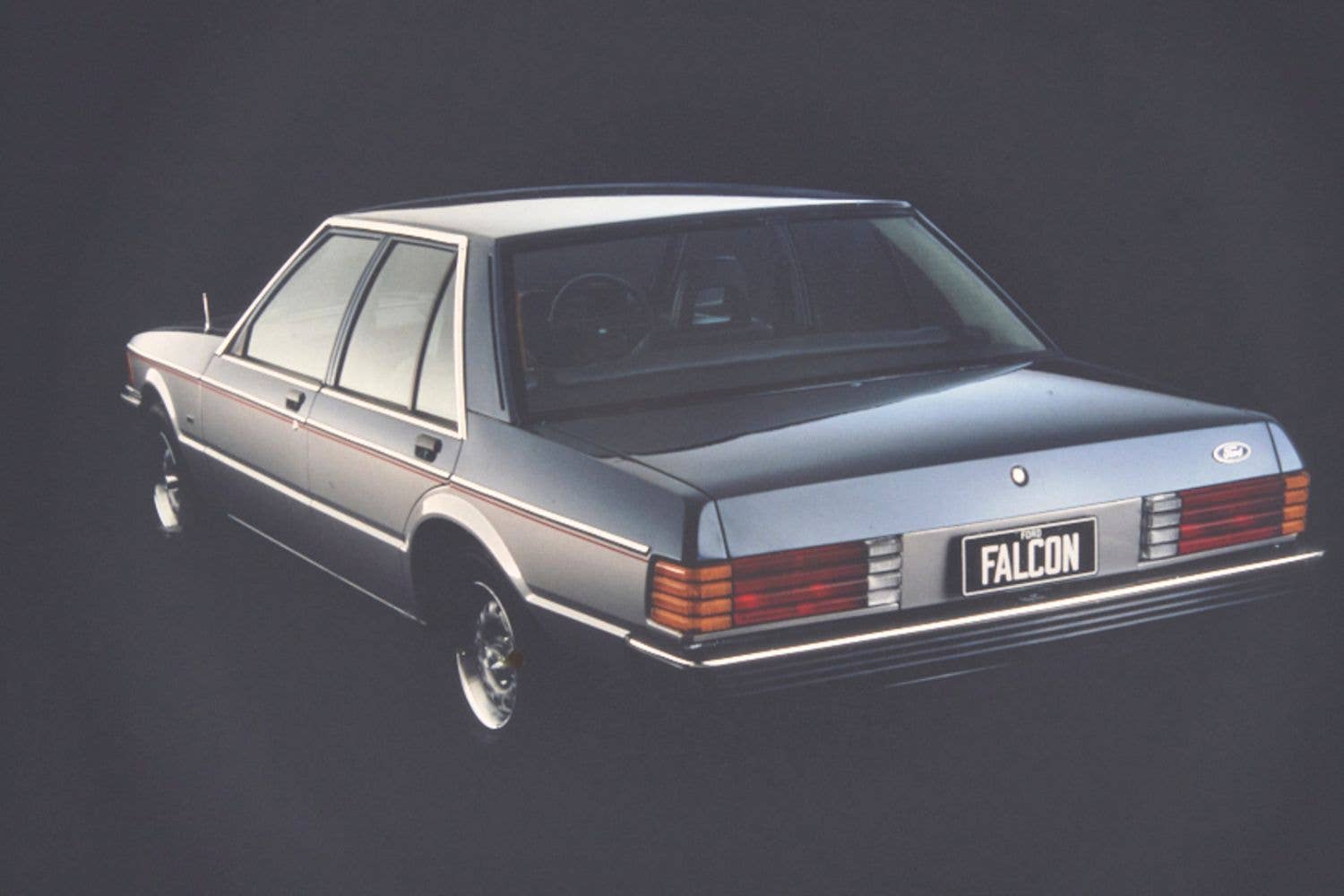
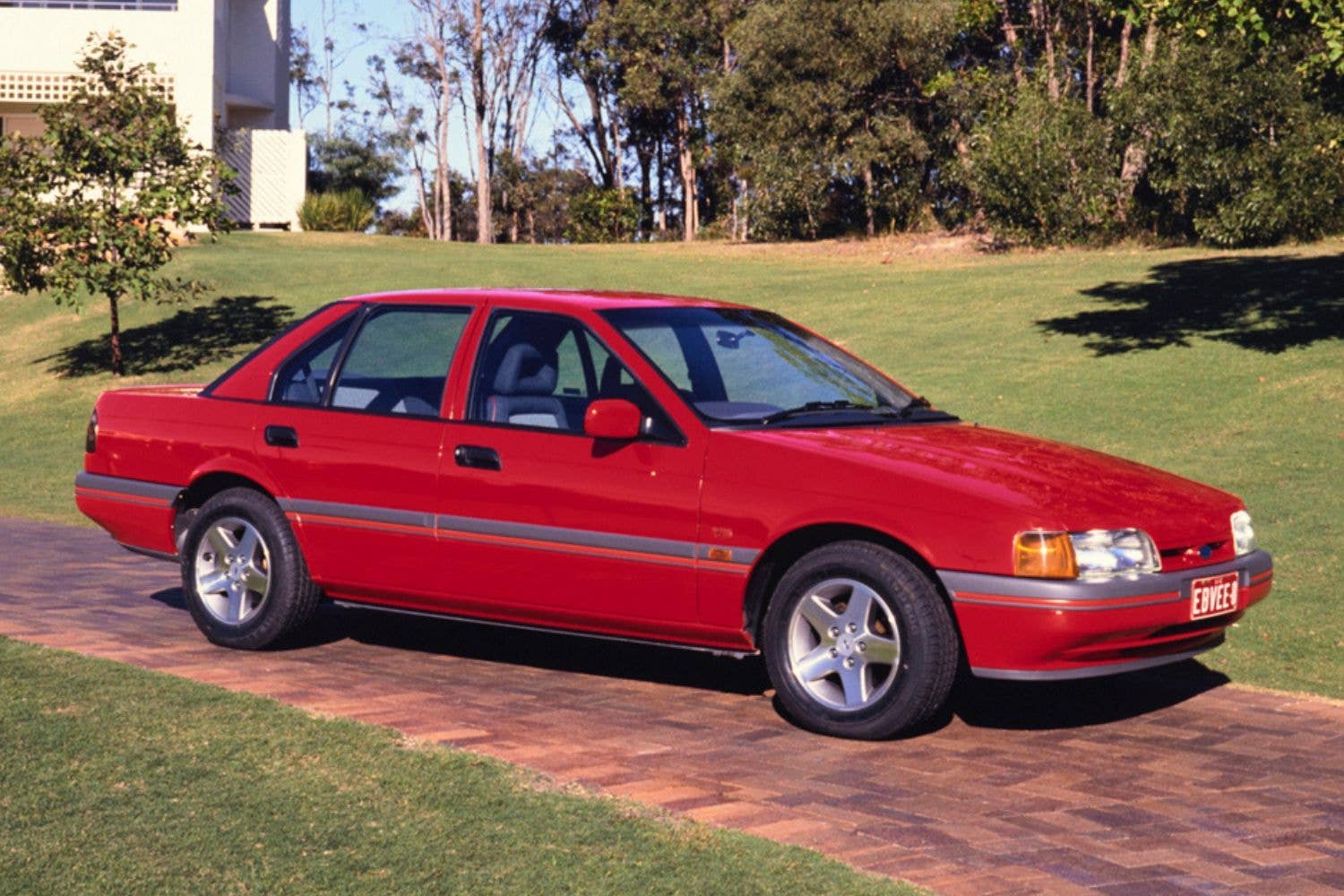
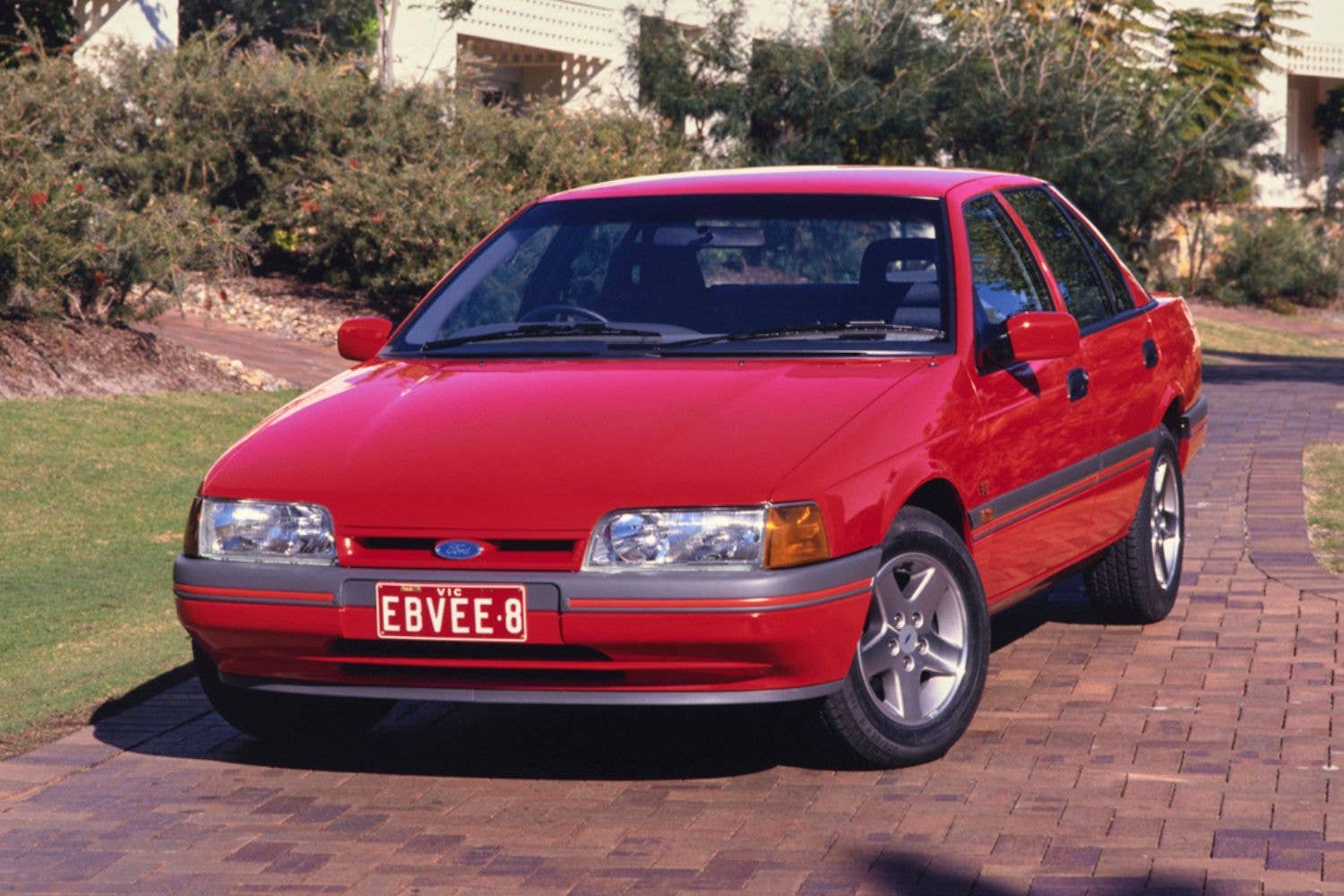
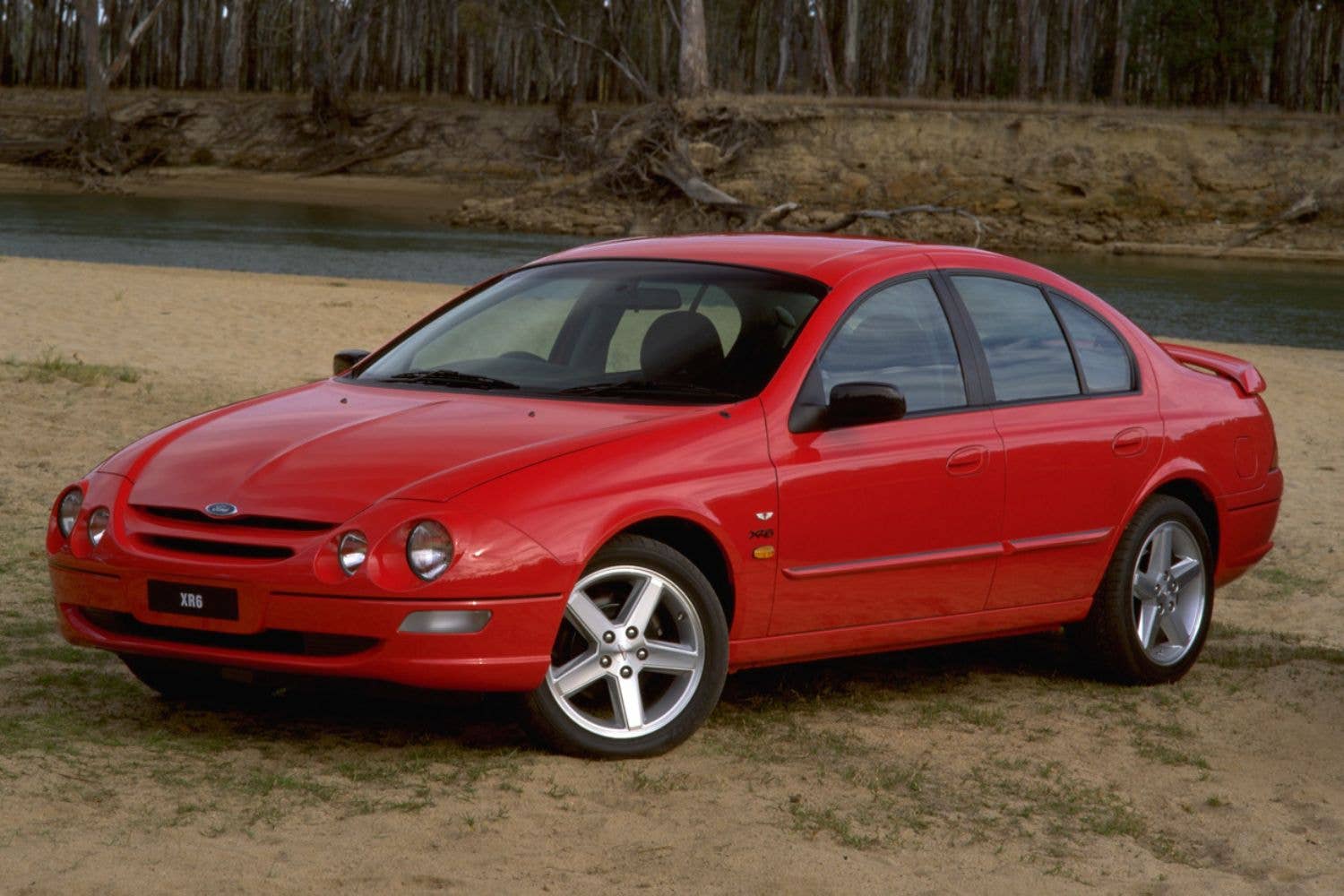
Ford introduced the fourth-generation Falcon in 1979, and yes, it still had V8 power. However, by the mid-’80s, local V8 production had ceased, and demand for more efficient cars rose. Ford did make up for that by introducing fuel injection in the inline-six engine. The fifth-gen model launched in 1989 without V8 options, but the higher-capacity inline-sixes were gaining power.
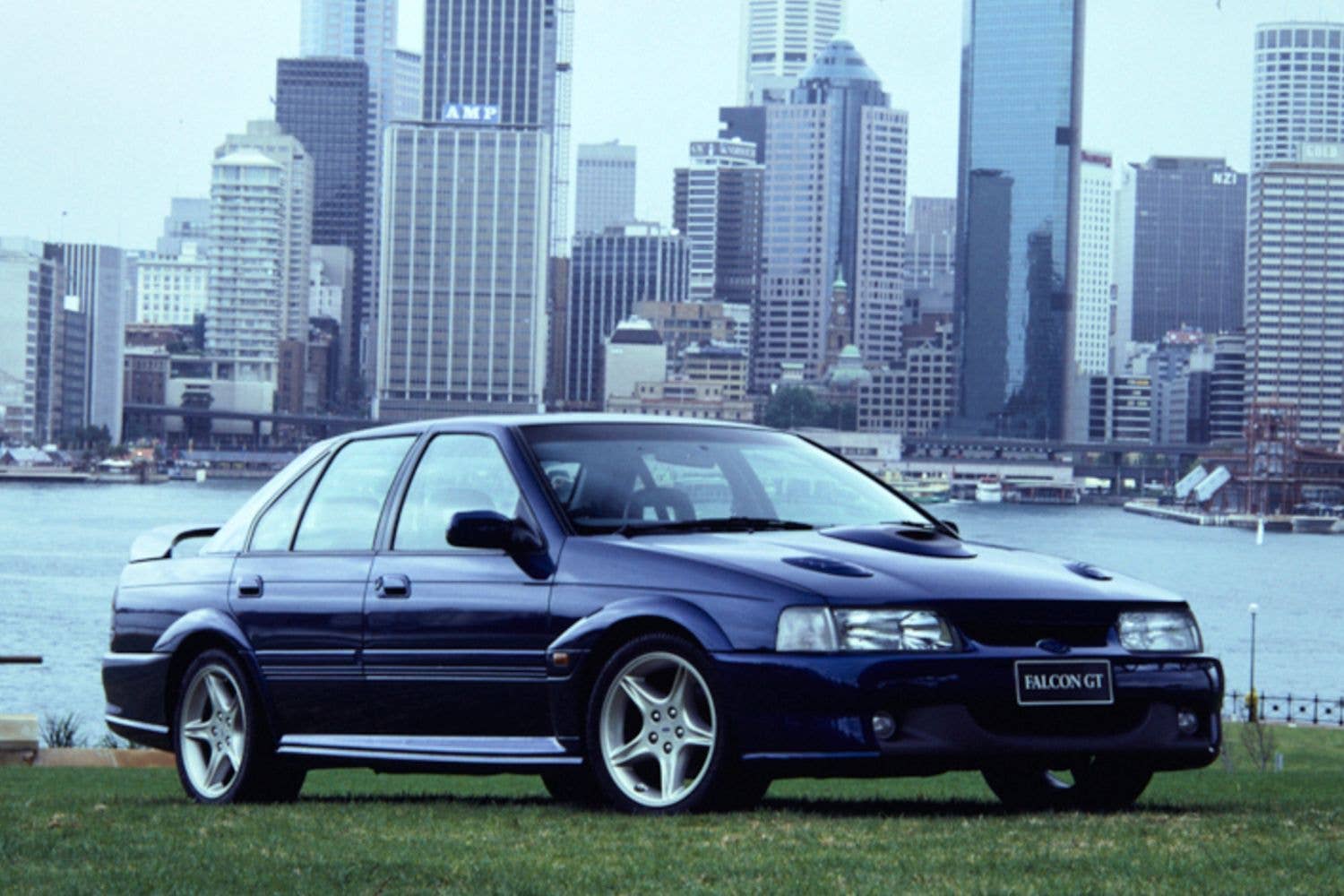
The 1991 model update rectified this, bringing back the Windsor V8 to the options list. More sporting versions of the inline-six had started to appear by then, and the Falcon began regaining its performance credentials. The new era of performance Falcons arrived, pairing tuned inline-sixes and torquey V8s to a rear-wheel-drive midsize sedan. If there’s one thing that linked this era of Falcon to the Mustang, it’s that both still used live rear axles.
Ford
A New Era
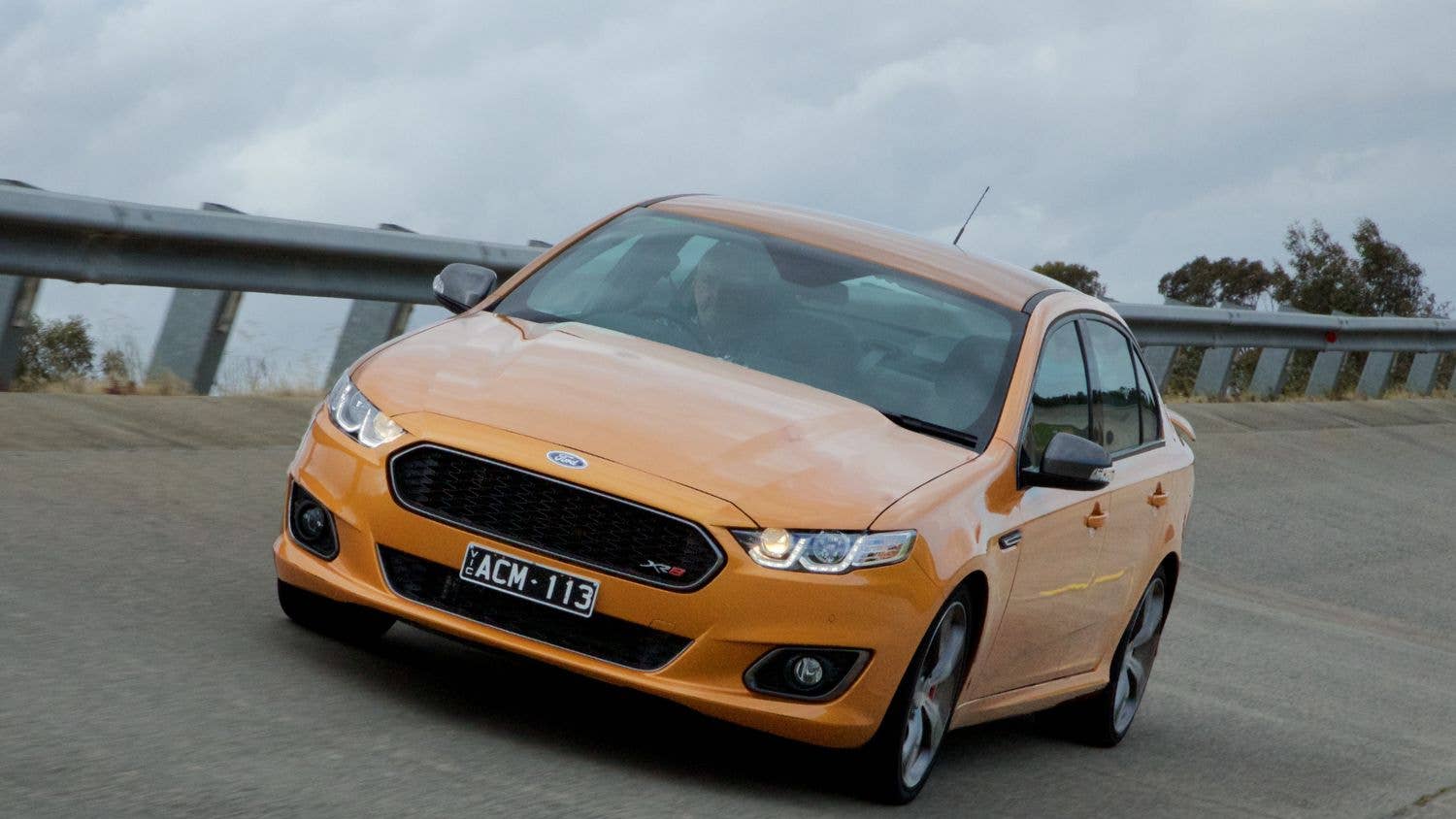
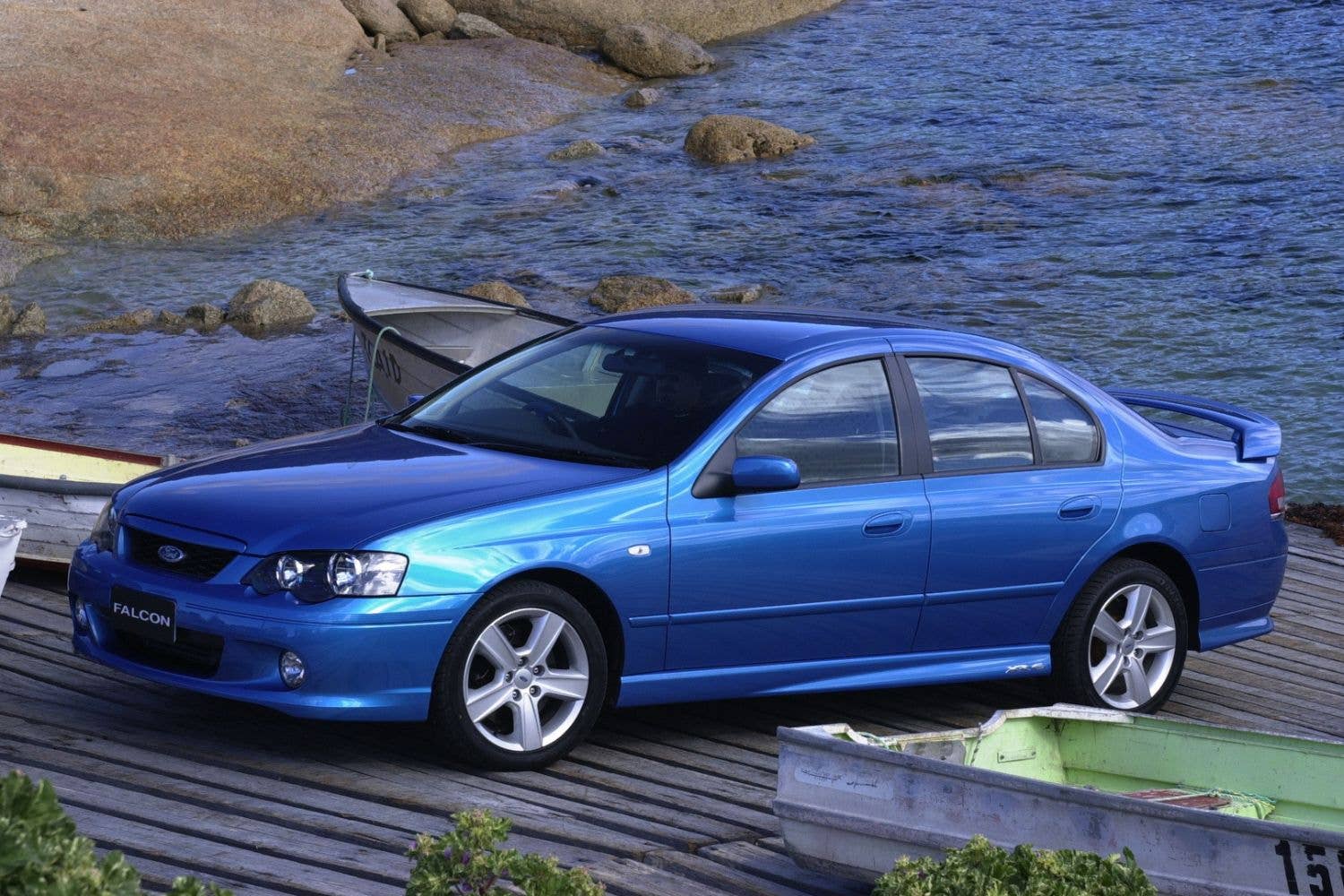
The sixth-generation Falcon, specifically the AU, has gained quite the cult following over in Australia. It was criticized for its styling, almost to the point of breaking Ford Australia, but it more than made up for it by being nigh-on unkillable. Independent rear suspension also became available, and the performance variants got even punchier. You can thank ironic pride and meme culture for making the AU Falcon great again.
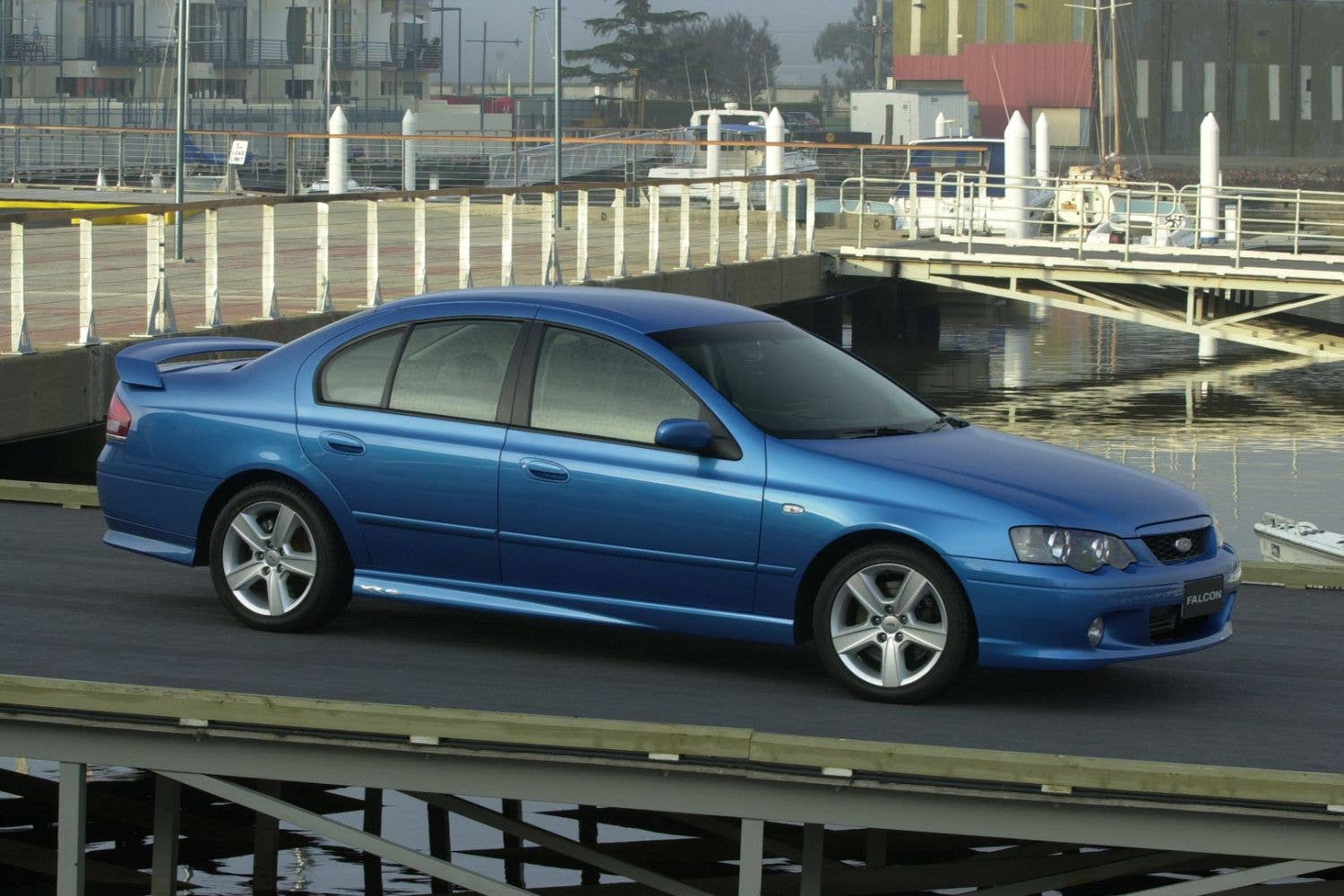
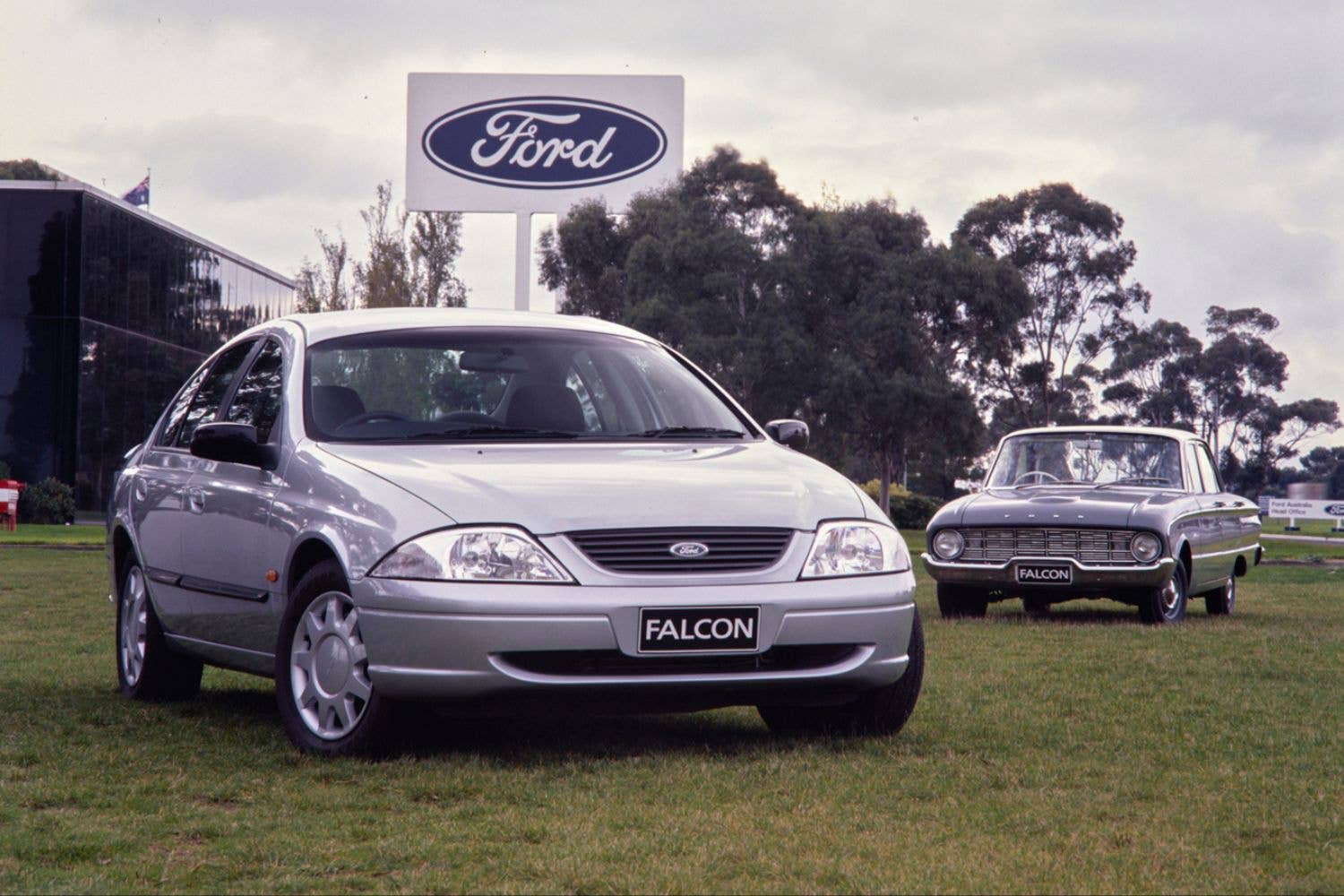
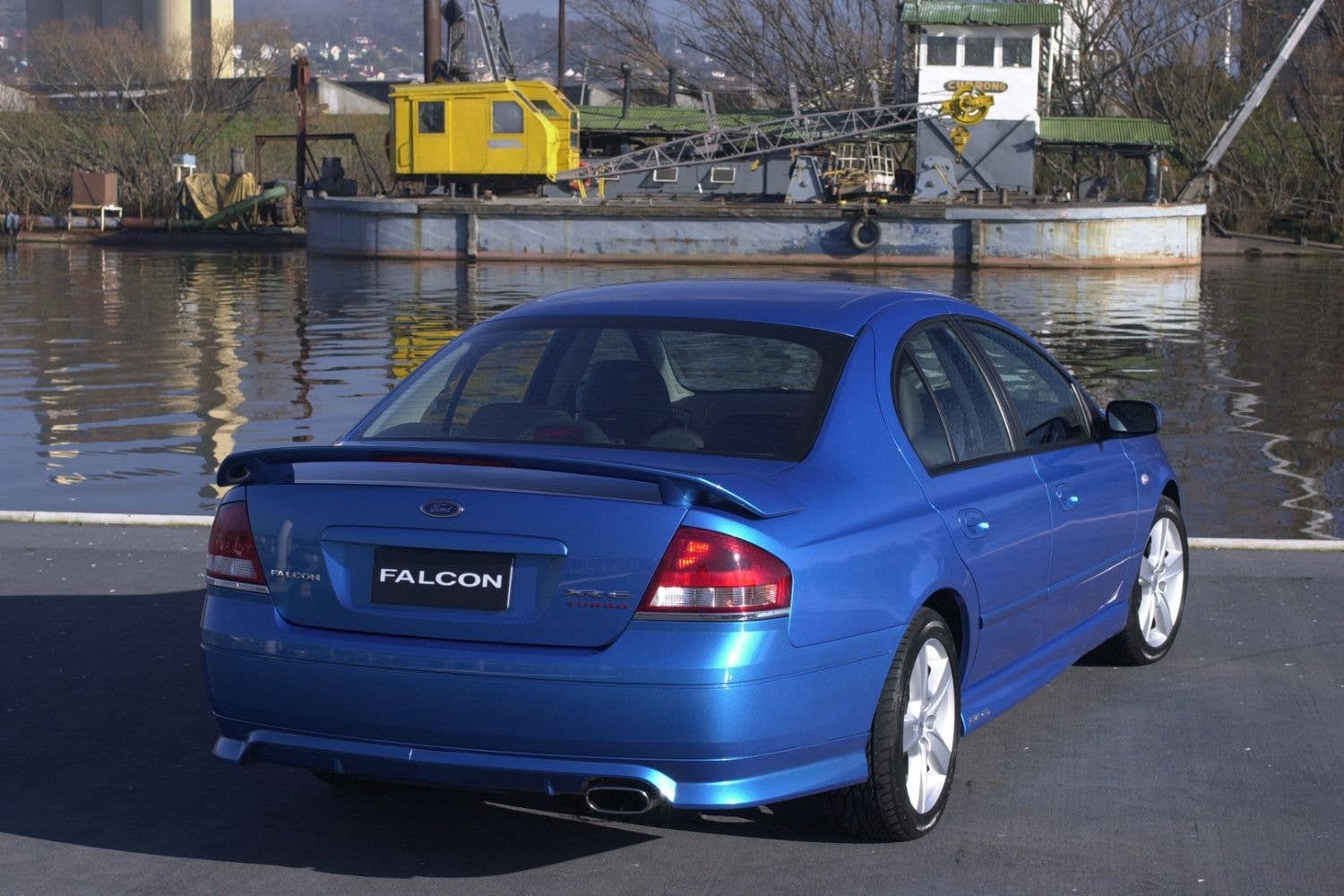
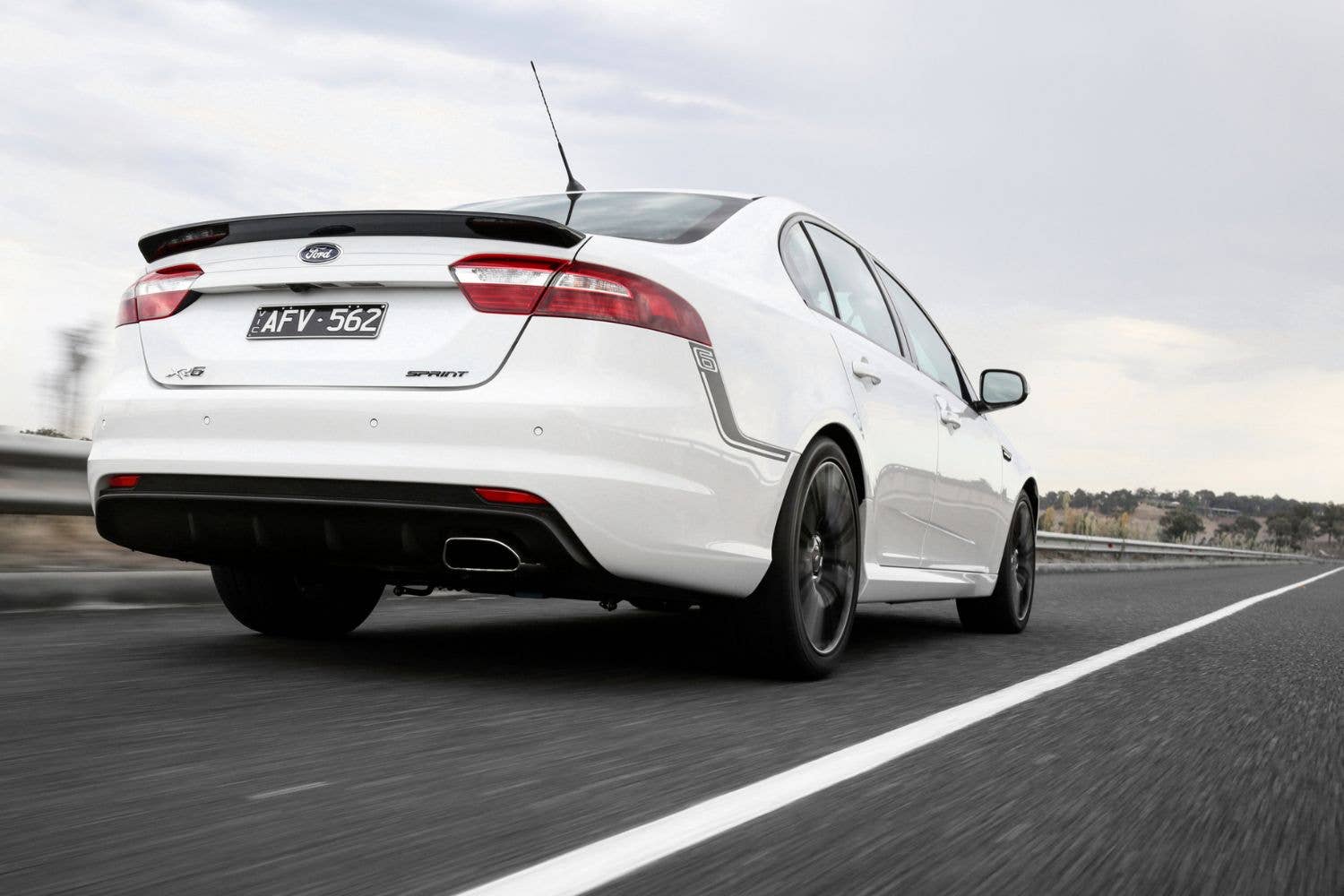
A major update in 2002 wiped the slate clean and marked a significant turning point for the Falcon. The styling was ‘fixed’ to a more conservative look, and it got a totally new independent rear suspension design. Dubbed the BA, it also introduced the XR6 Turbo, giving the inline-six engine V8-chasing capabilities. Those outside of Australia won’t be familiar with the Barra straight-six engine, but it’s a legend over there. If anything, the turbo inline-sixes have more provenance than the V8s in Australia.
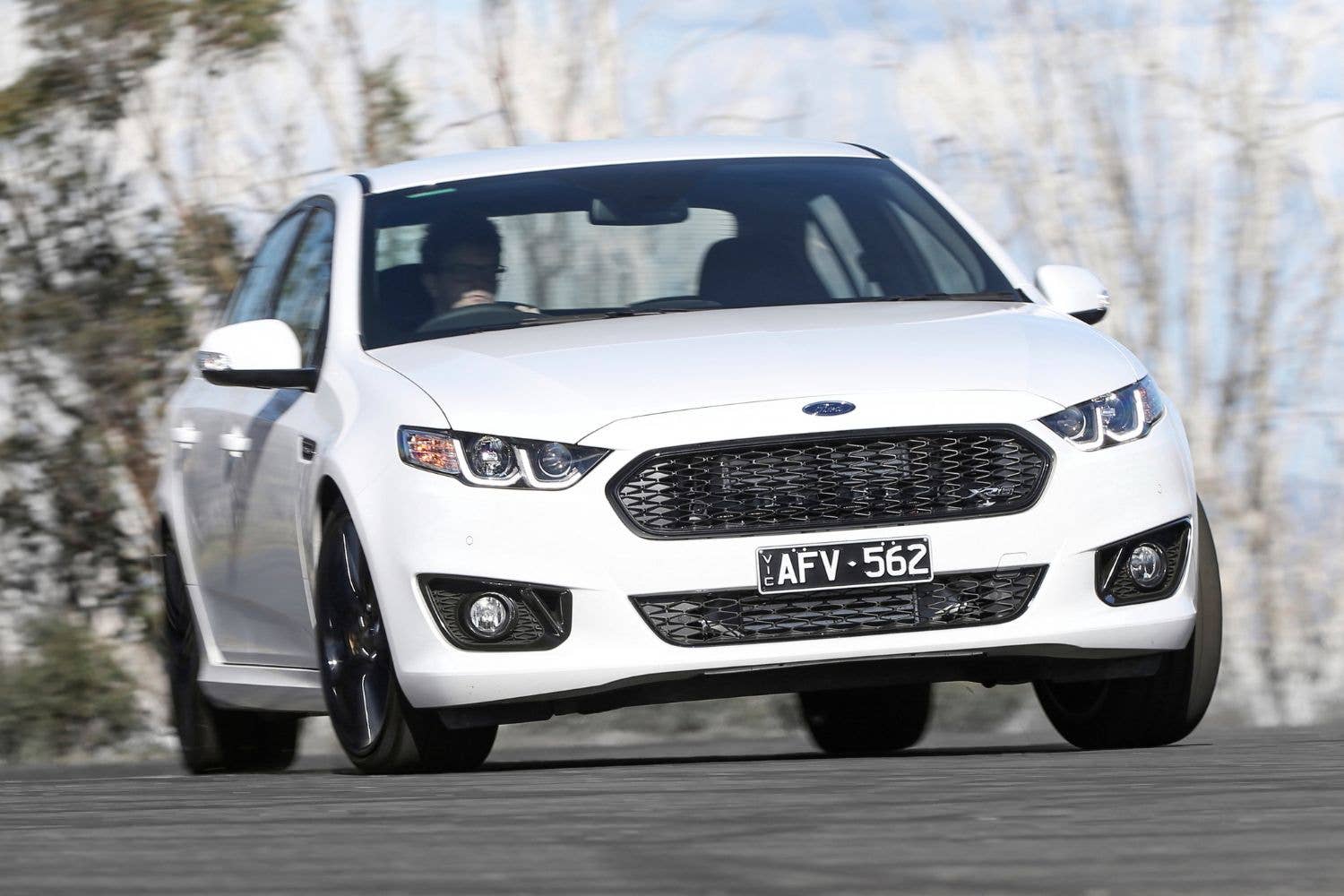
The seventh-gen pretty much carried over the same sentiment. That said, it was available with the Miami V8, which was a unique version of the Coyote V8. But whether it had that on the boosted six, the performance versions of the Falcon in Australia are what America could’ve gotten if the nameplate had been allowed to grow and prosper stateside. That said, America did get a taste of Australian motoring in the form of the Pontiac G8 and Chevrolet SS, both Americanized versions of the Falcon’s long-time rival, the Holden Commodore.
Ford
A Big What If
The Falcon was canned in the U.S. in 1970, and it was effectively a decontented Torino by then. Ford Australia could’ve just taken its replacement, the Maverick, and moved on with the new nameplate, but the bosses Down Under said no.
That said, we can’t help but wonder how the Falcon’s fate would’ve differed had Ford Australia been allowed to develop the car for global markets. It could’ve remained the company’s compact in the U.S., while serving as its midsize to large car in other markets. Argentina had its own Falcon, too, but it was based on the first-generation model throughout its 29-year production run. That market could’ve benefitted from the subsequent generations developed by Australia.
We know that the Falcon isn’t defined solely by its performance derivatives, but it sure helped its cause. We reckon even the models would’ve had some potential abroad. Given Australia’s unique conditions, it could’ve been an incredibly robust car for the world. It’s worth saying that the Falcon was Taurus-sized by the ’90s, and it could’ve been Ford’s midsize sedan and wagon in America, rear-wheel drive and all.
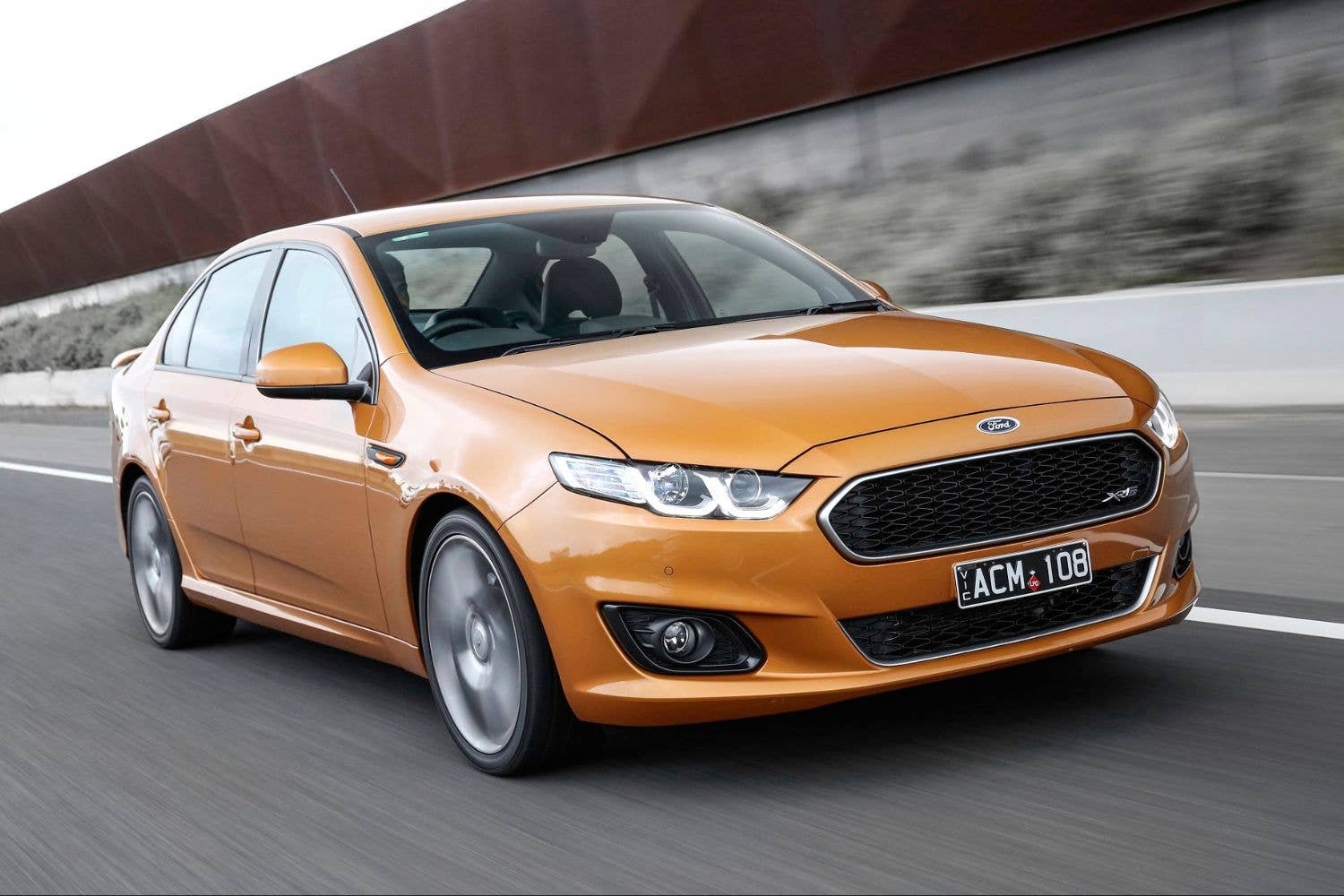
Who knows, it might have given Ford more reason to keep the Falcon nameplate to this day as it would have a more global presence and be more relevant. The car was discontinued in 2016, and not even its iconic status could save it. Sadly, we’ll never know the full potential of the Australian Falcon, as it was exclusive to Oceania. Perhaps it was more than the four-door Mustang America didn’t get, but rather, a great car the rest of the world missed out.
Ford
Ford
Ford
Ford
Ford
Ford
Ford
Ford
Ford
Ford
Ford
Ford
Ford
Ford
Ford
Ford
Ford
Ford
About the author

Anton Andres
News Editor