

Key Points
- VW’s 2000s experiments produced both icons, like the Veyron, and sales flops, like Phaeton.
- The over-engineered Phaeton failed commercially, but its platform underpinned Bentley’s success.
- A second-generation Phaeton was canceled as VW shifted focus to electric vehicles and emerging markets.
VW Was Wild in the 2000s
In the 2000s, we witnessed the experimental era of the VW Group empire. Cars were getting inappropriately-sized engines, the dual-clutch transmission became more widespread, the Group was experiencing a luxury boom, and let’s not forget that this decade saw the release of the Bugatti Veyron.
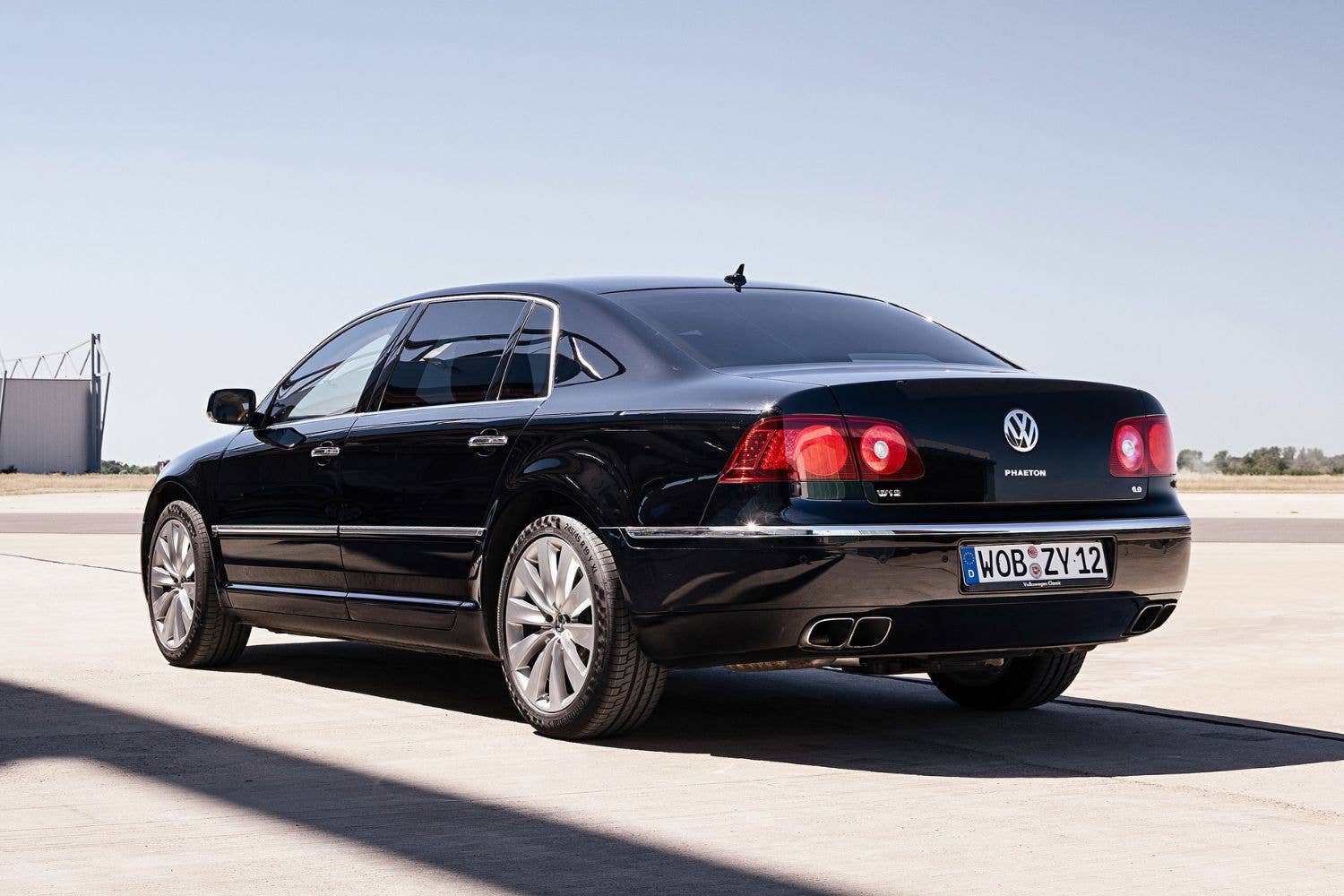
Some of these cars would become successful and iconic, while others would prove to be sales disasters that left people scratching their heads. One such example is the Volkswagen Phaeton, the most gloriously over-engineered sales failure that VW Group had ever made, perhaps only second to the Volkswagen XL1.
Volkswagen
How it All Began
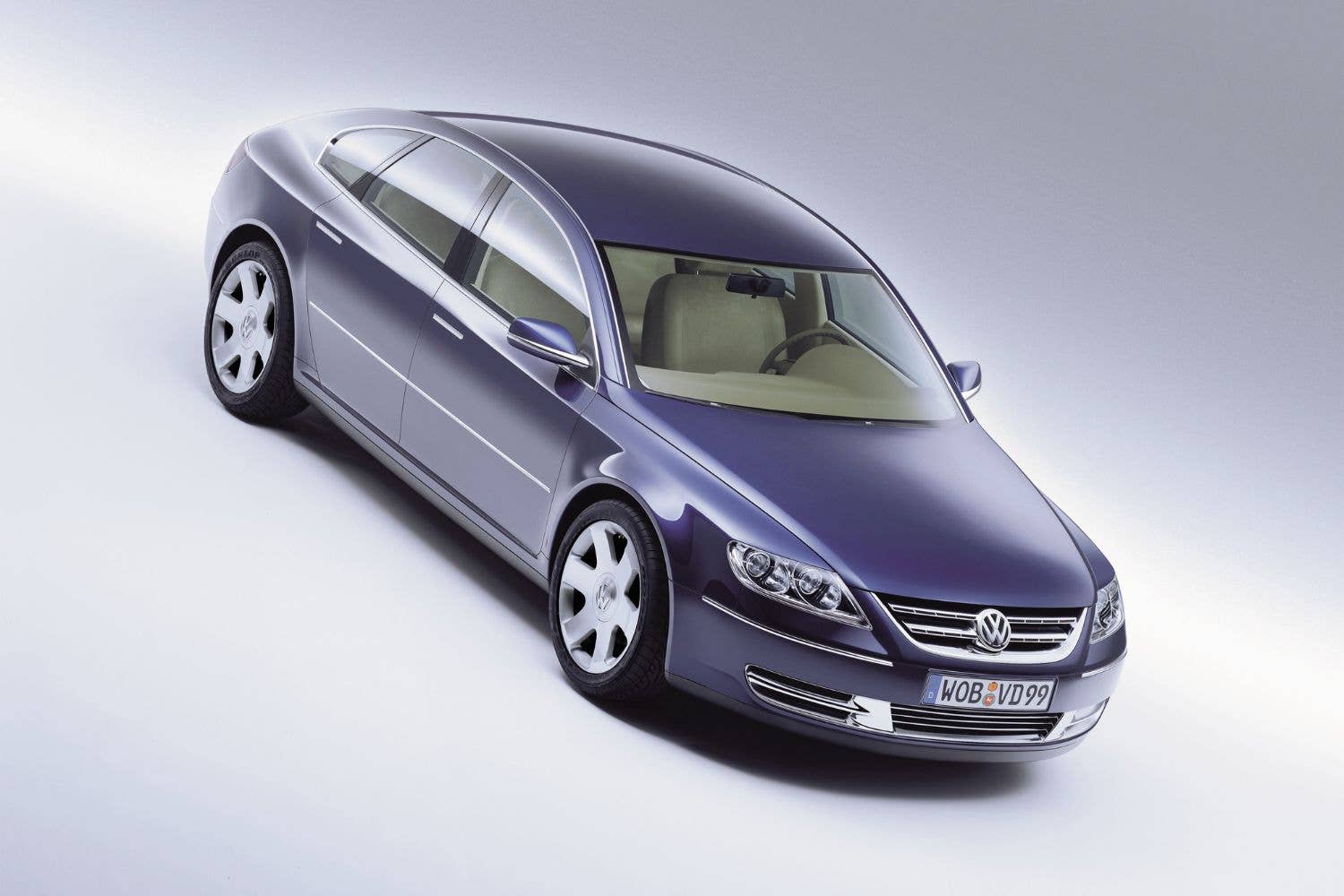
The VW Phaeton story starts with the Concept D from 1999. It was presented as a full-sized liftback during that year’s Frankfurt Motor Show, and it was about the size of a short-wheelbase 7 Series from the same era. It was Volkswagen showing the world that it could build luxury cars, just as BMW and Mercedes-Benz were trying to sell more affordable offerings.

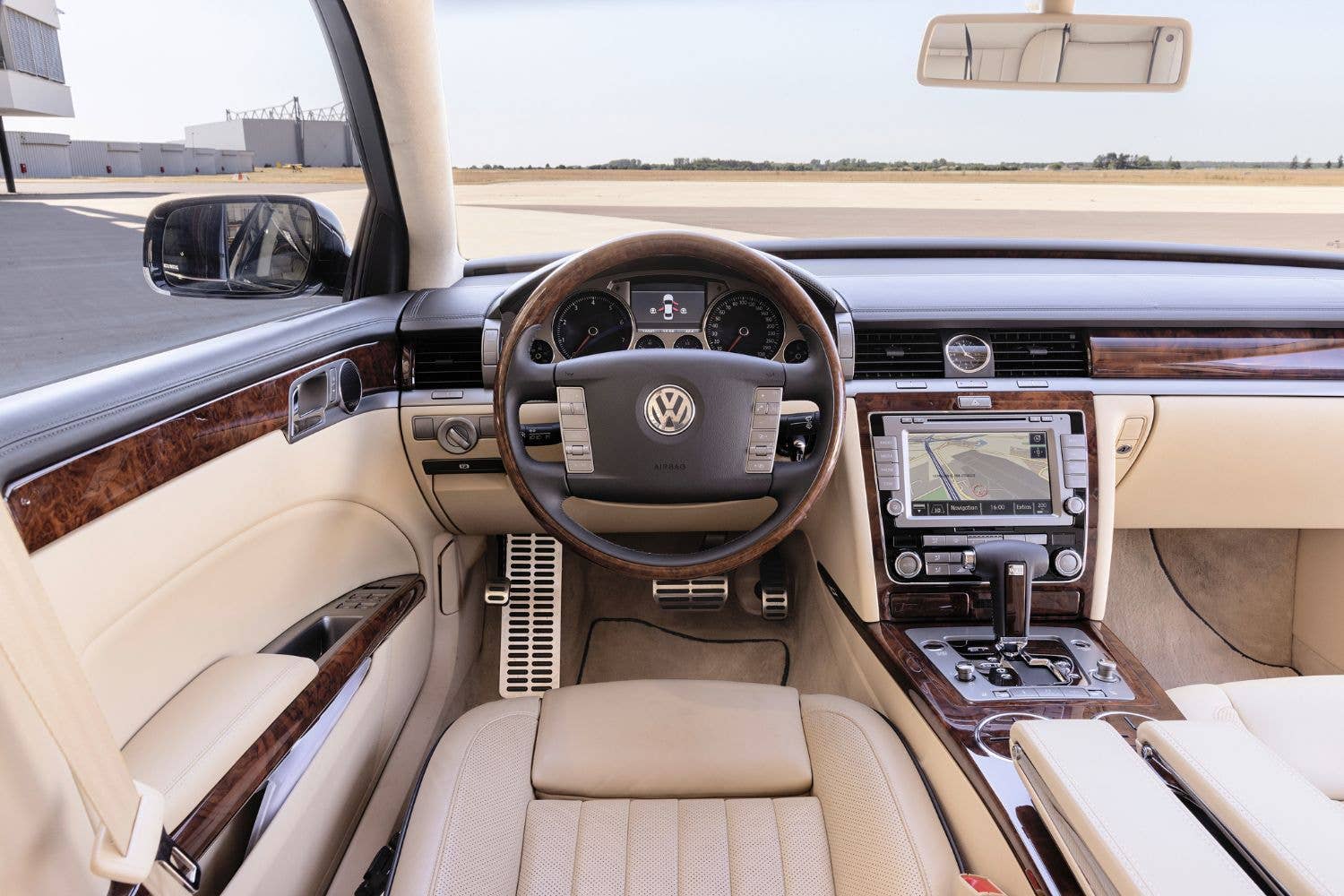
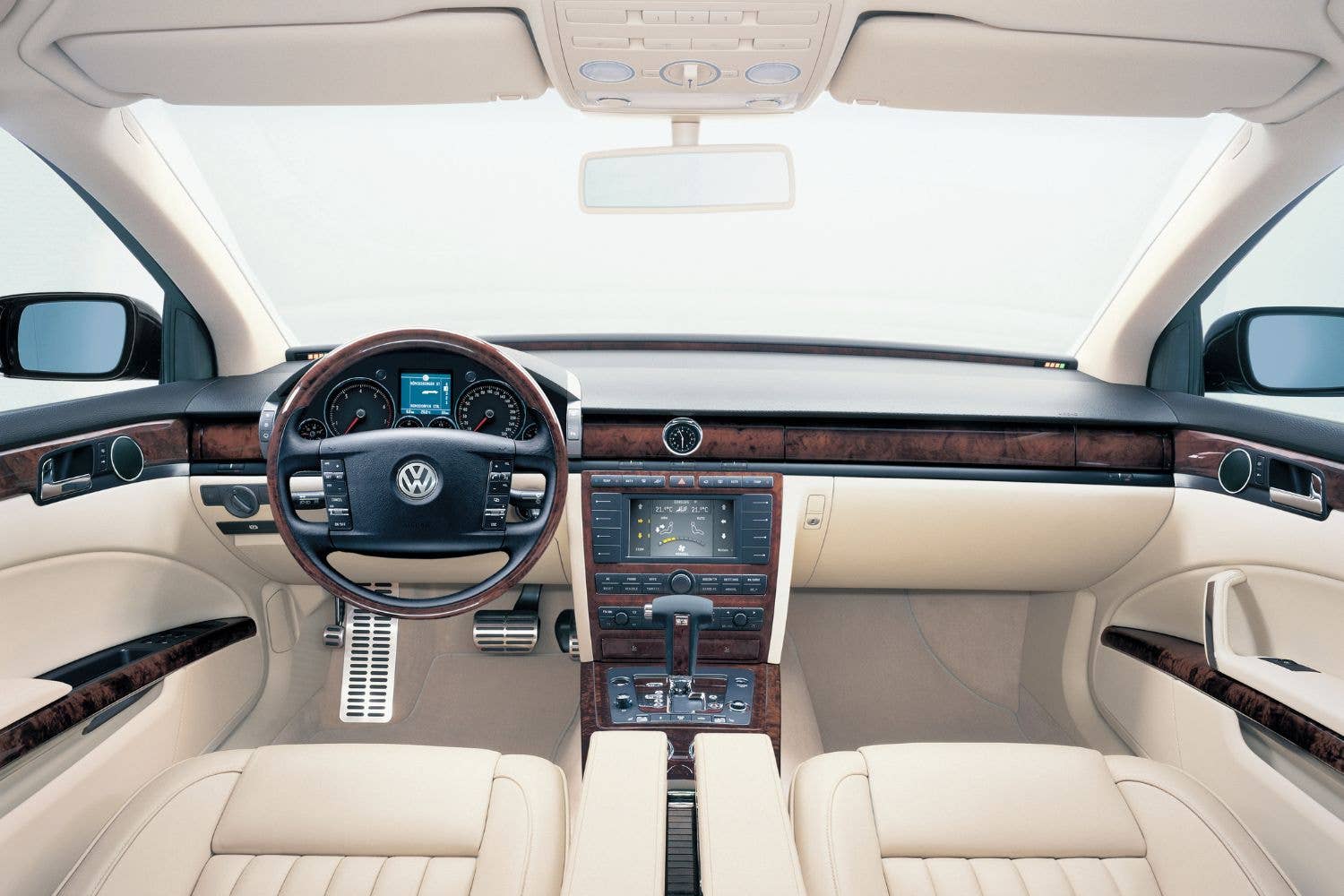
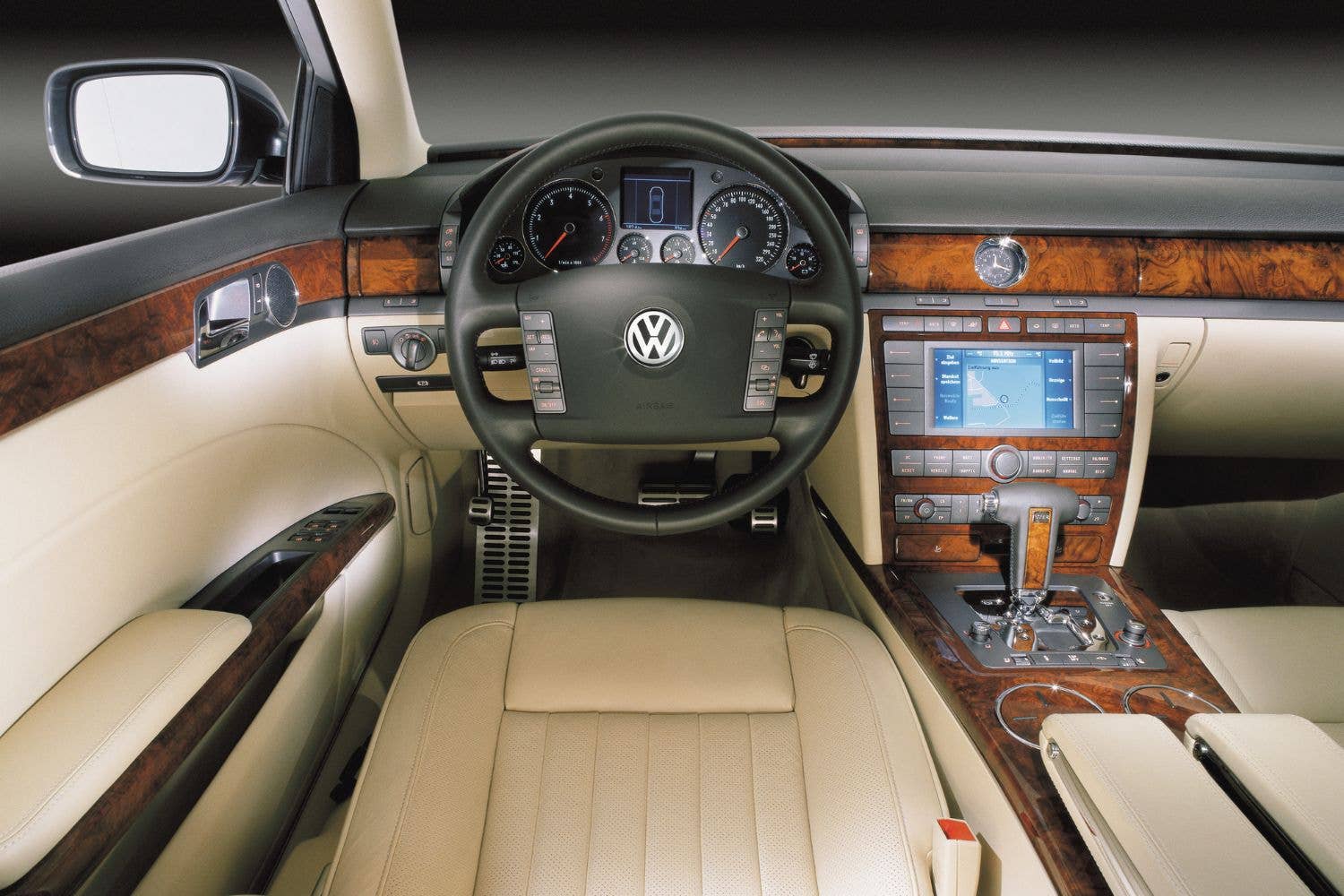
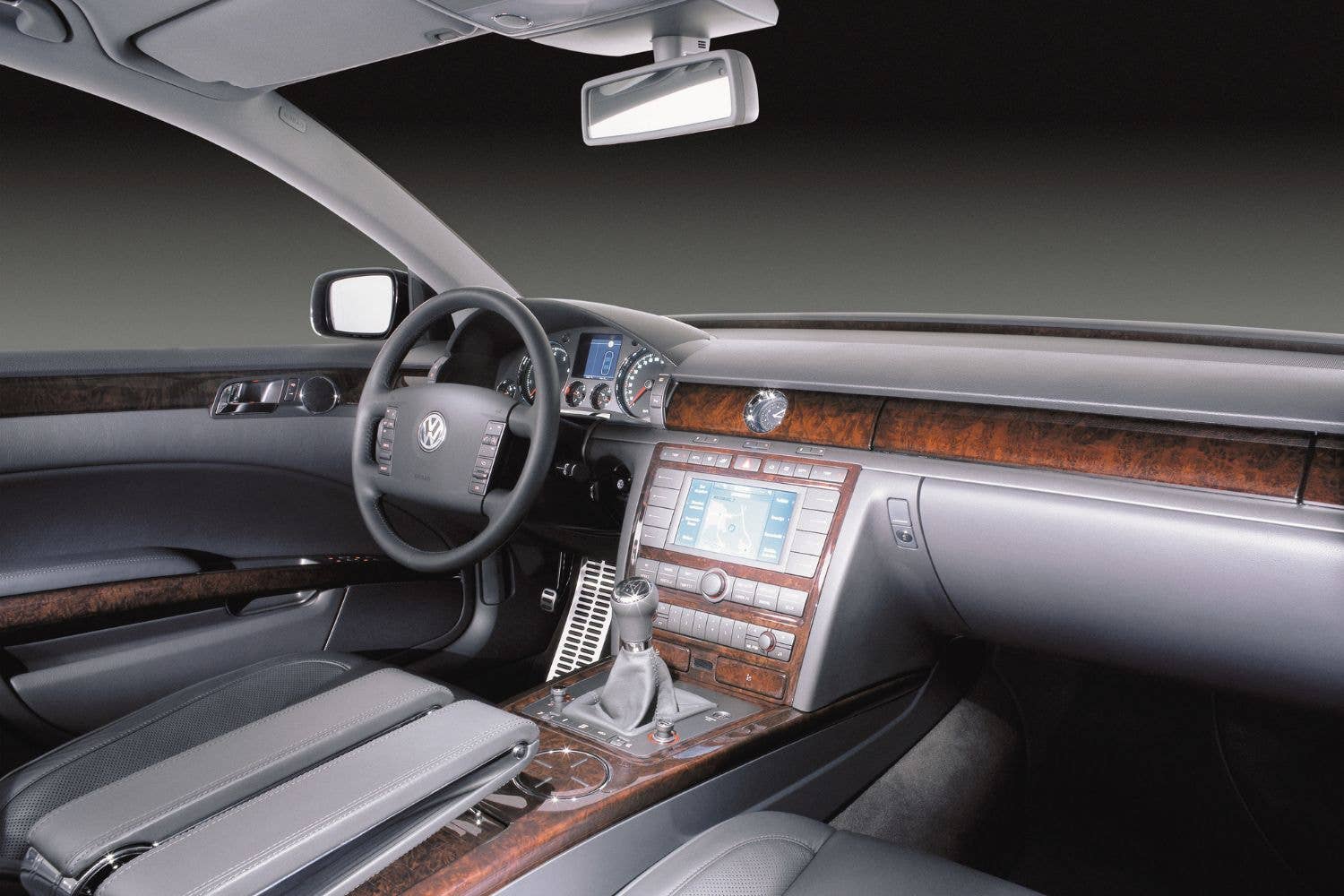
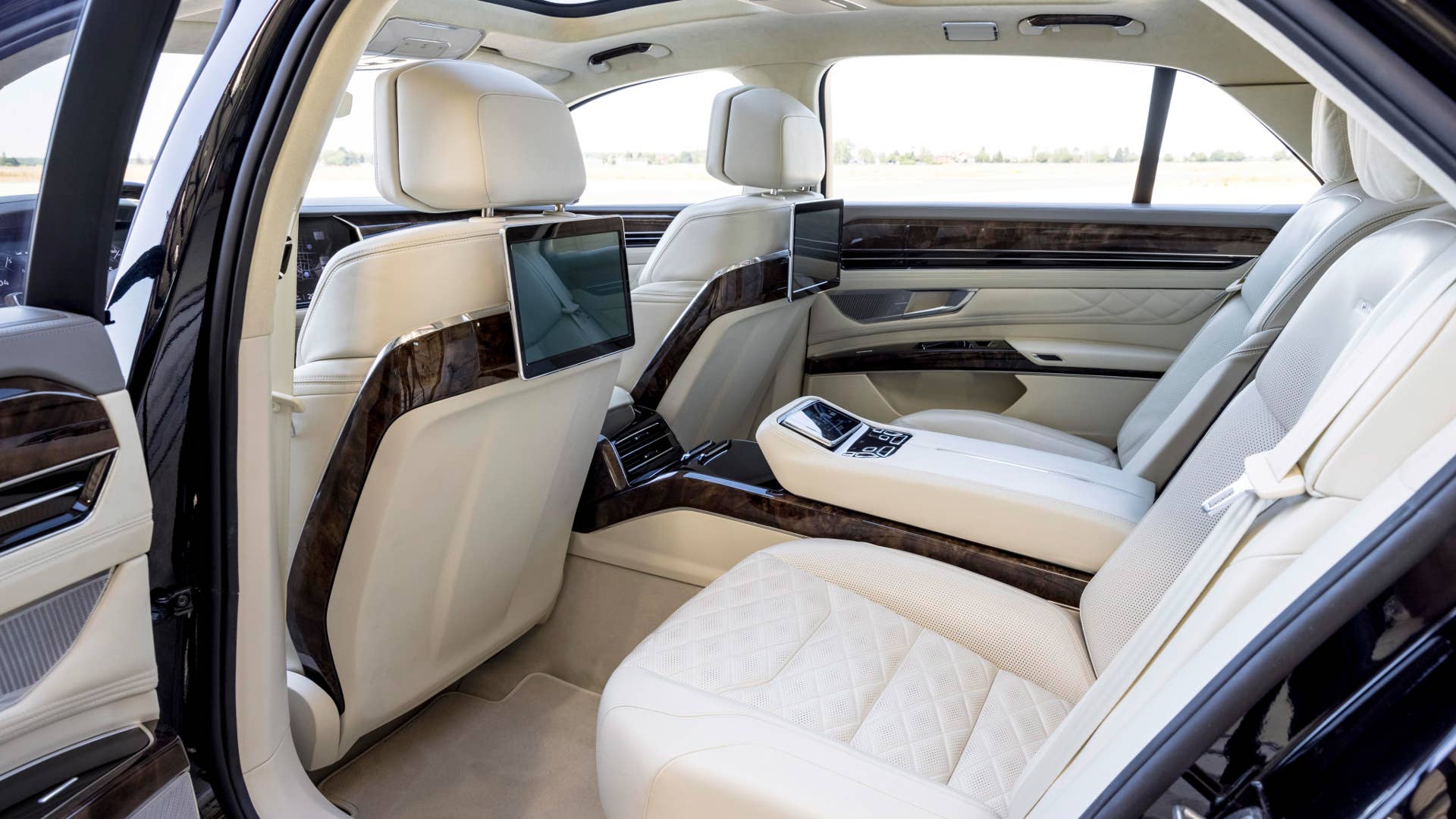
The specs were epic for the standards of the 20th century. Under its hood was a 5.0-liter V10 turbodiesel, producing 309 hp and 553 lb-ft of torque. It was then mated to a six-speed automatic, and 4Motion all-wheel drive laid that torque to the ground. It also had adaptive air suspension, plus an interior that would give a Mercedes-Benz a couple of sleepless nights.
It was, by all means, a design exercise, but Volkswagen wasn’t kidding. As it turned out, VW was already developing the production model.
Volkswagen
Herr Piëch’s Requirements
It probably won’t surprise anyone that the Phaeton was developed under the watchful eye of one Ferdinand Piëch. A stickler for engineering, the longtime VW board member and grandson of Ferdinand Porsche allegedly had 10 parameters the car must meet before going into production, and a few were made public.
The car must be able to cruise at 186 mph in 122-degree heat (50 degrees Celsius) for an extended period, while maintaining a cabin temperature of 22 degrees. If that wasn’t enough, it should have a torsional rigidity of 37,000 Nm/degree, the climate control system shouldn’t be drafty, and the window defoggers must work so that passengers don’t need a jacket on a cold day.
Volkswagen
The Car
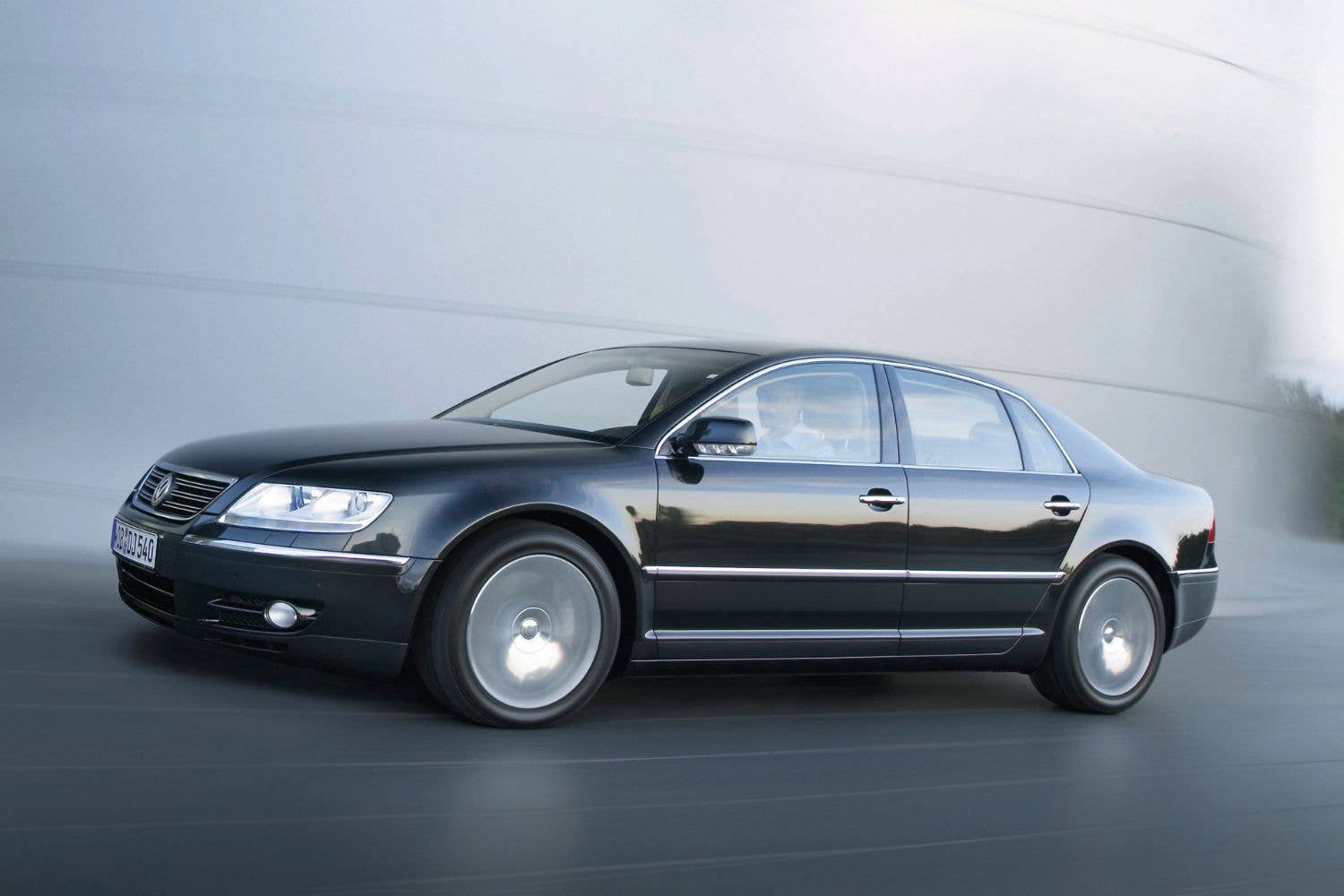
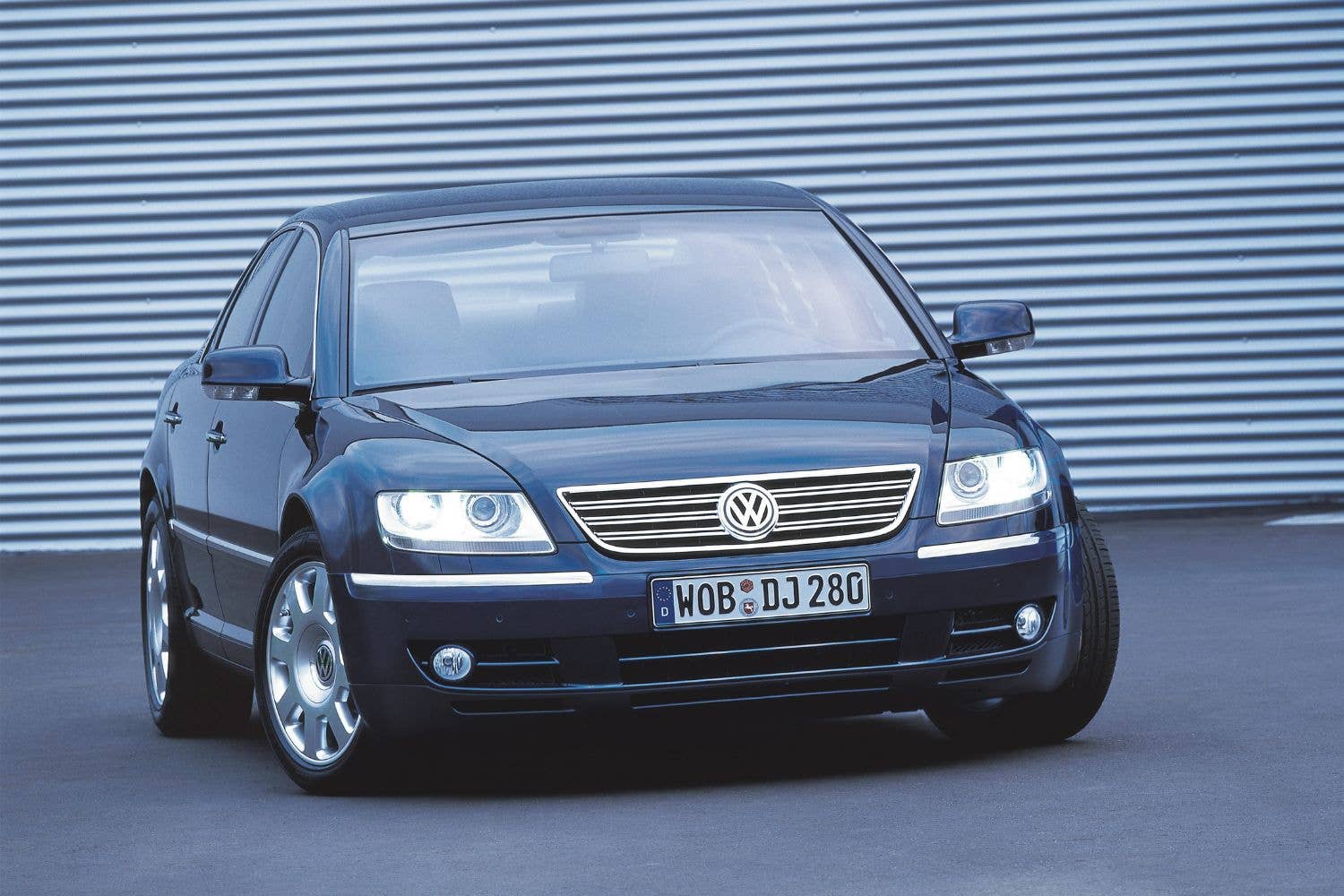
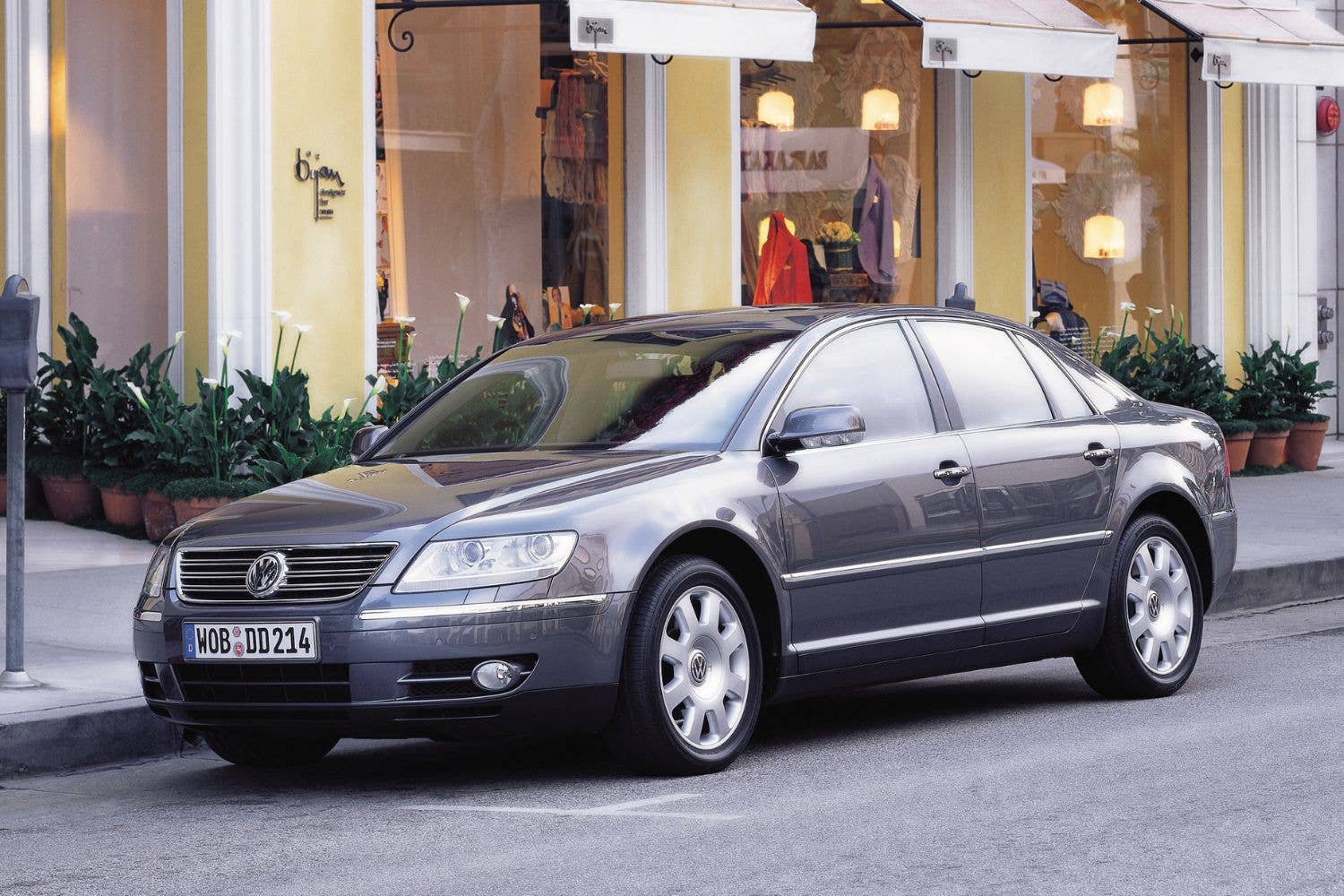
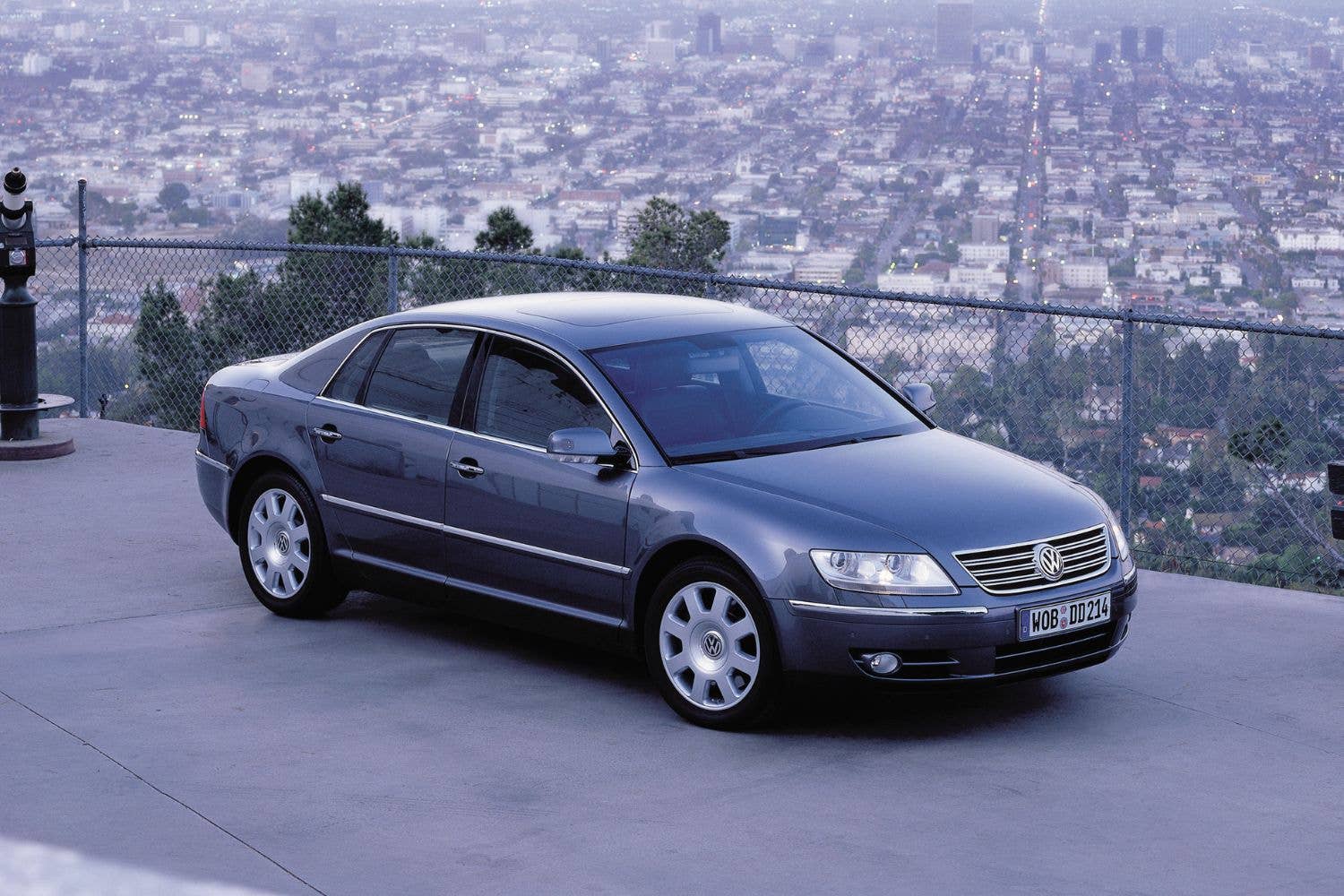
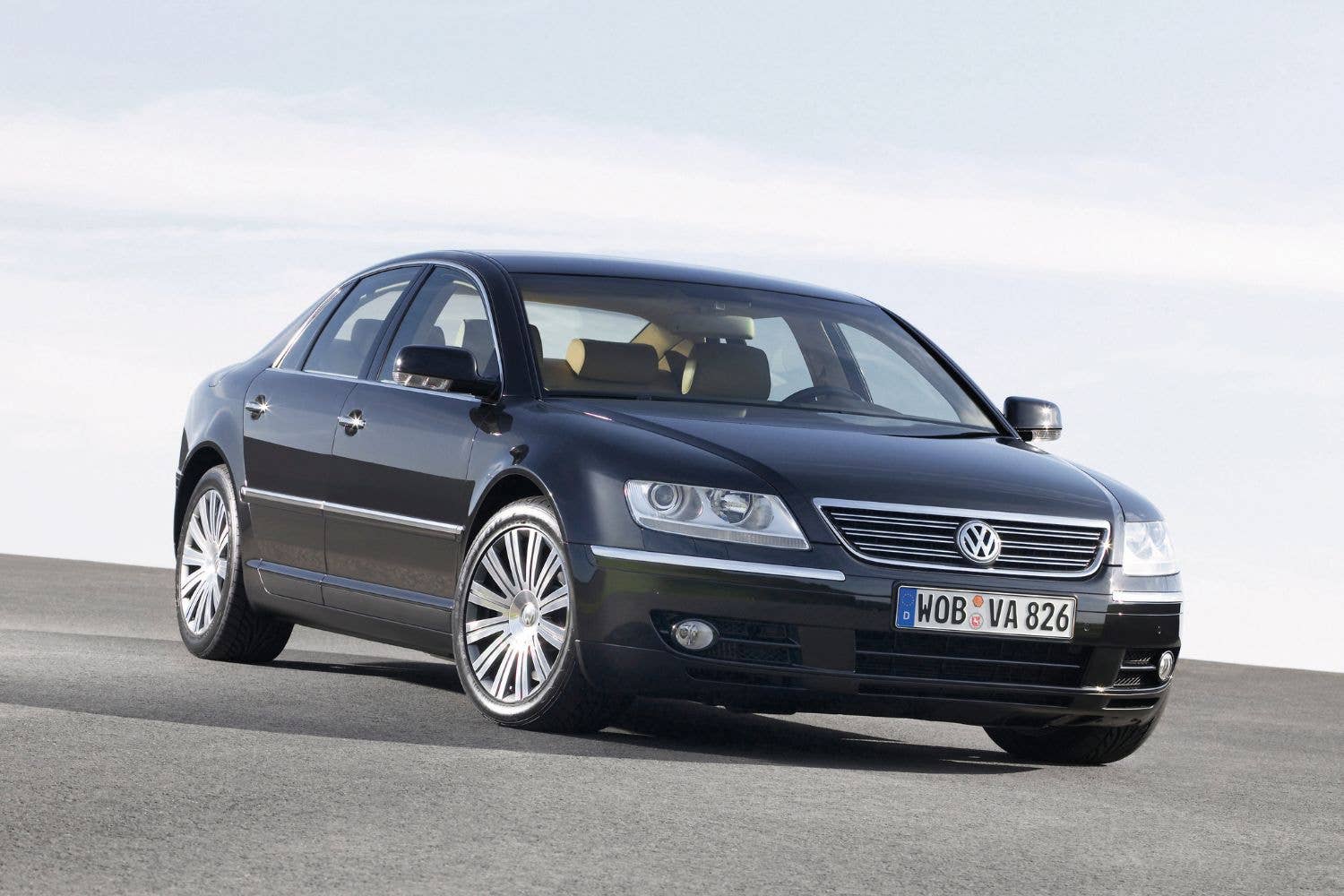
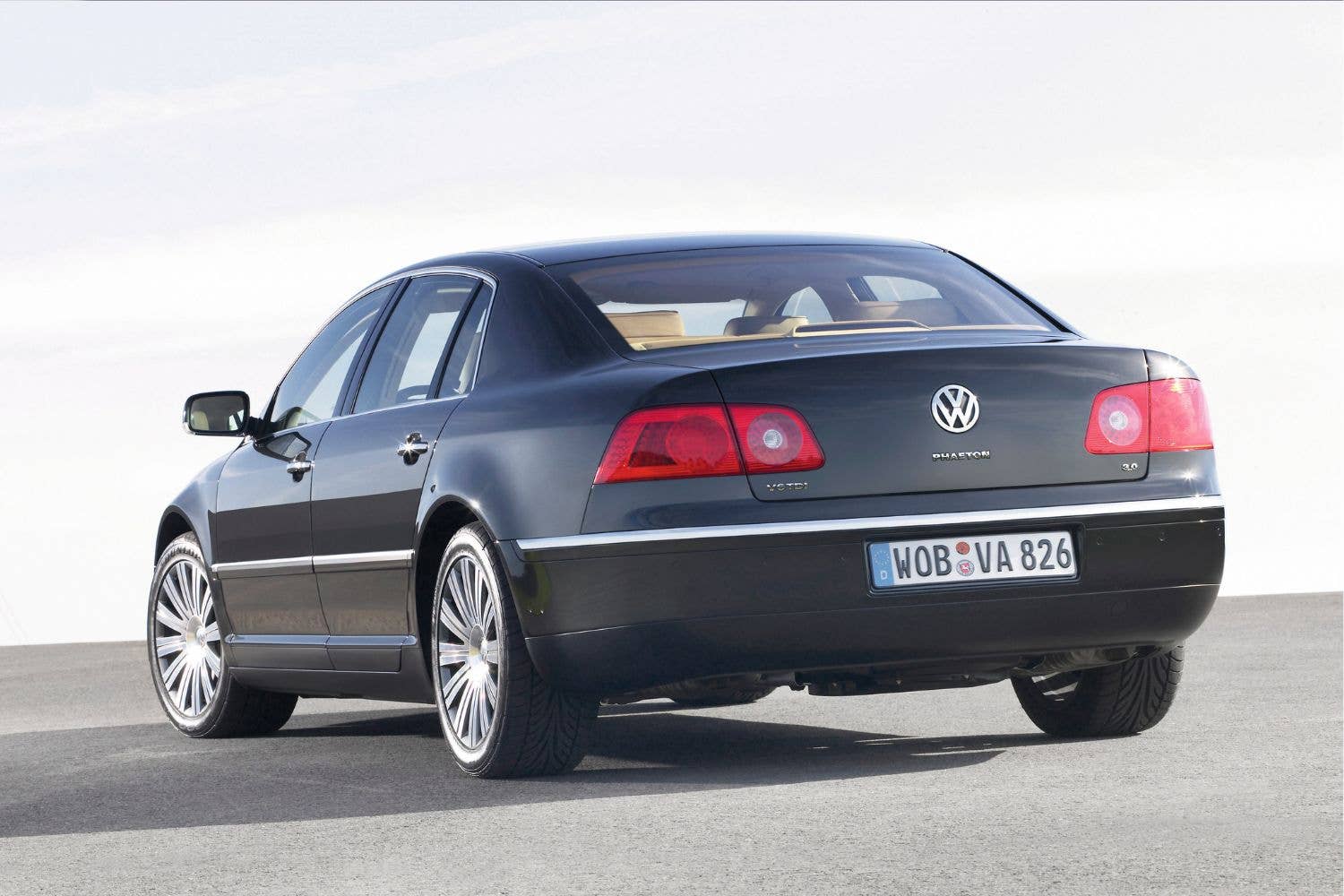
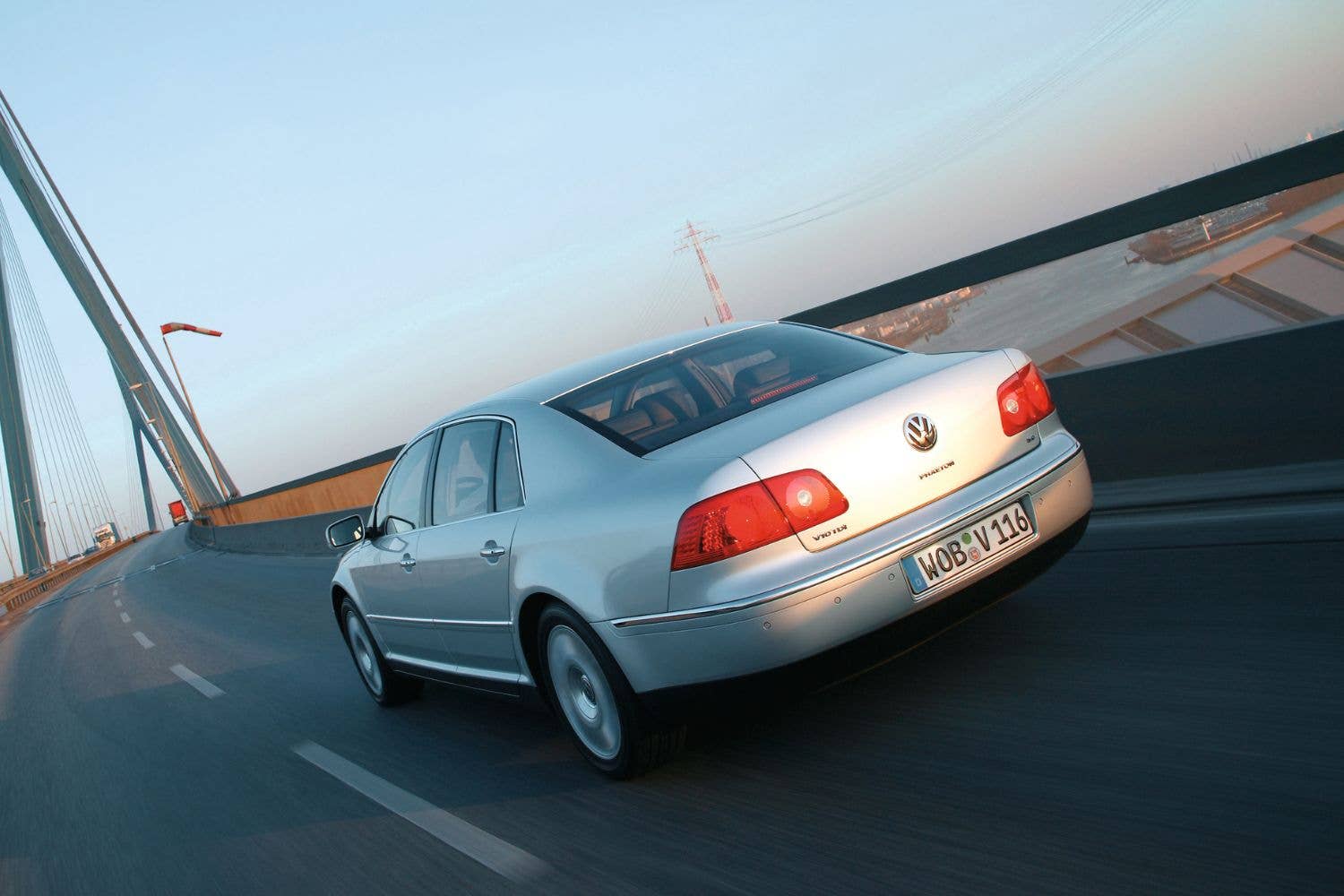
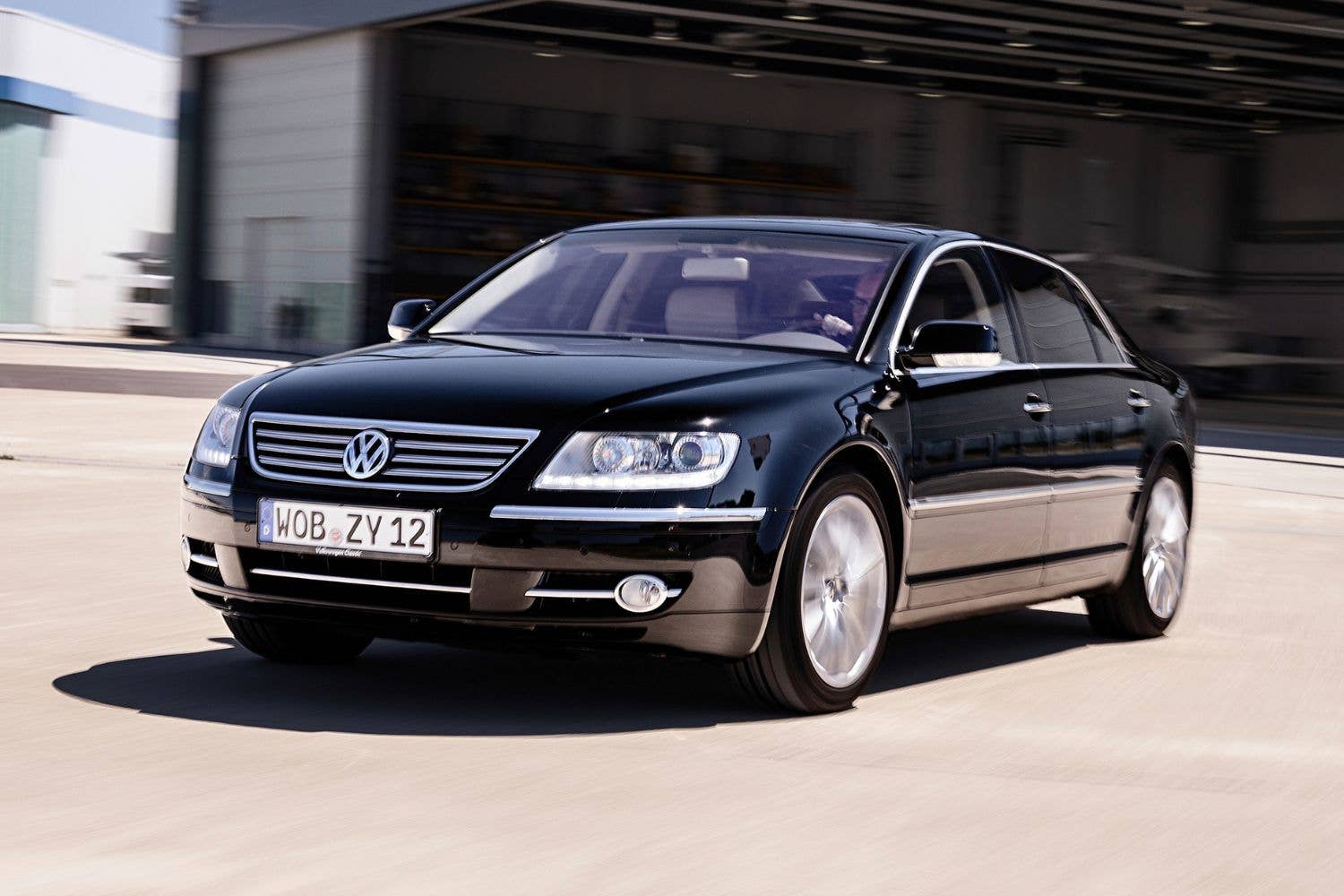
Just to be clear, the Phaeton isn’t a stretched and quartered Passat with bucketloads of luxuries thrown in. Nor was it a reskinned and rebadged Audi A8, as that one used an aluminum space frame whereas the VW used steel. In some ways, it was a bespoke platform, but its bones would later be used for another model.
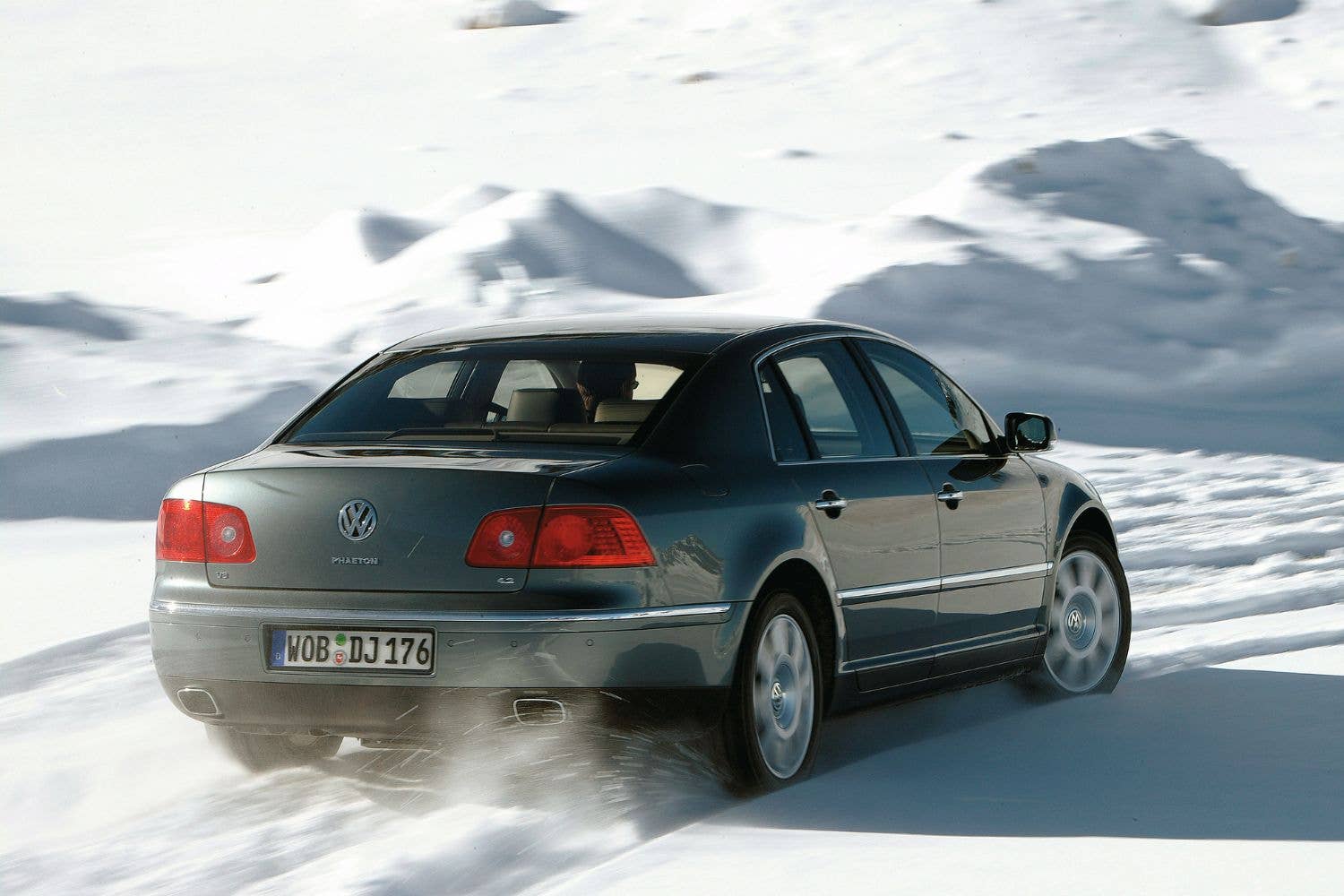
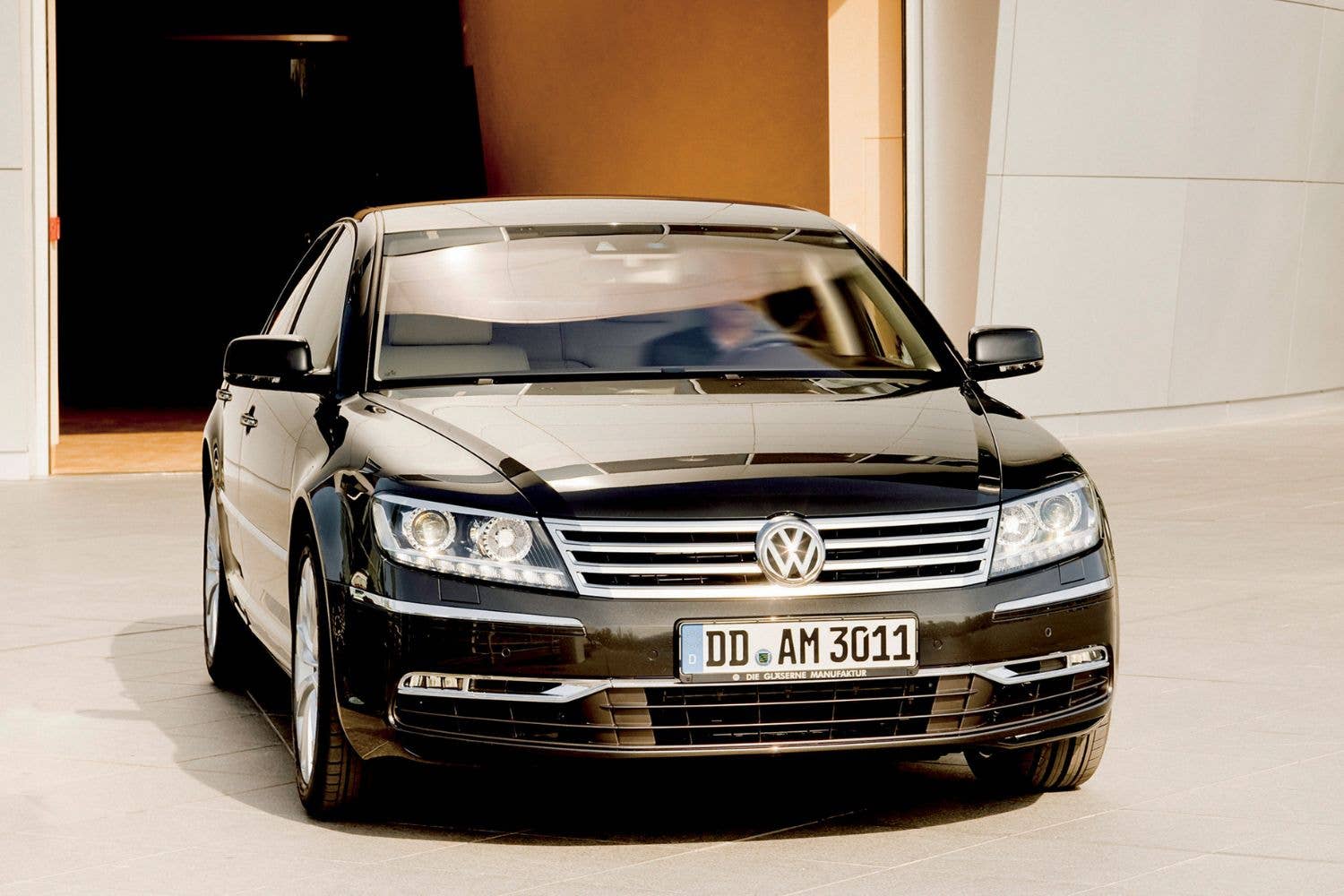
The Phaeton made its world premiere during the 2002 Geneva Motor Show, around three years after the Concept D was shown. It received most of the features found in the concept, from its 4Motion all-wheel-drive system to its adaptive dampers and air suspension. It could be optioned to the nines like a bespoke luxury vehicle, and it was made in the Transparent Factory in Dresden.
VW built a factory just for this car, even though the company knew it wouldn’t be a massive volume seller. Suggest that today, board members and stockholders will throw you out at the mere thought of it.
Volkswagen
Under the Hood
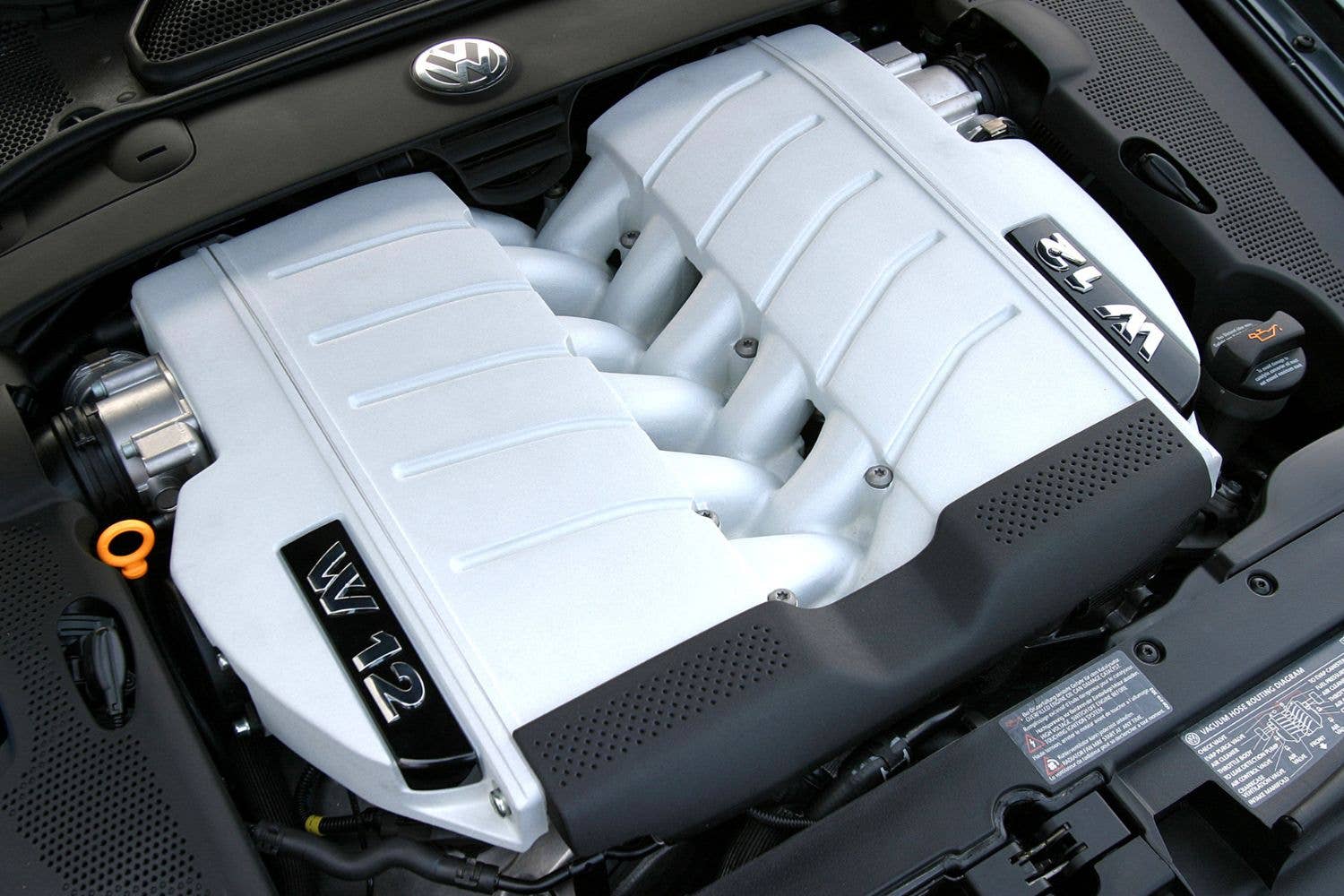
The engine lineup initially consisted of a 3.2-liter VR6 with 238 hp, a 4.2-liter V8 with 330 hp, and the crown jewel of the gas-powered lineup, the 6.0-liter W12 with 414 hp. Diesels were inevitably introduced, and the 3.0-liter V6 TDI that put out 222 hp would be a common choice, but it was the insane 5.0-liter V10 TDI from the concept car that actually came first. Its output from the Concept D was unchanged, too, still making 309 hp and 553 lb-ft.
The V10 TDI was, sadly, relatively short-lived as it was offered from 2003 to 2007 in fairly limited markets. What lasted longer was the W12, which received an update in 2004 and ran until 2011. After that, it was Auf Wiedersehen to the Volkswagen Phaeton W12, or any other VW with a double-digit cylinder count. By the way, the Phaeton was also available with a six-speed manual, but only for the VR6.
Volkswagen
And the Sales Were…
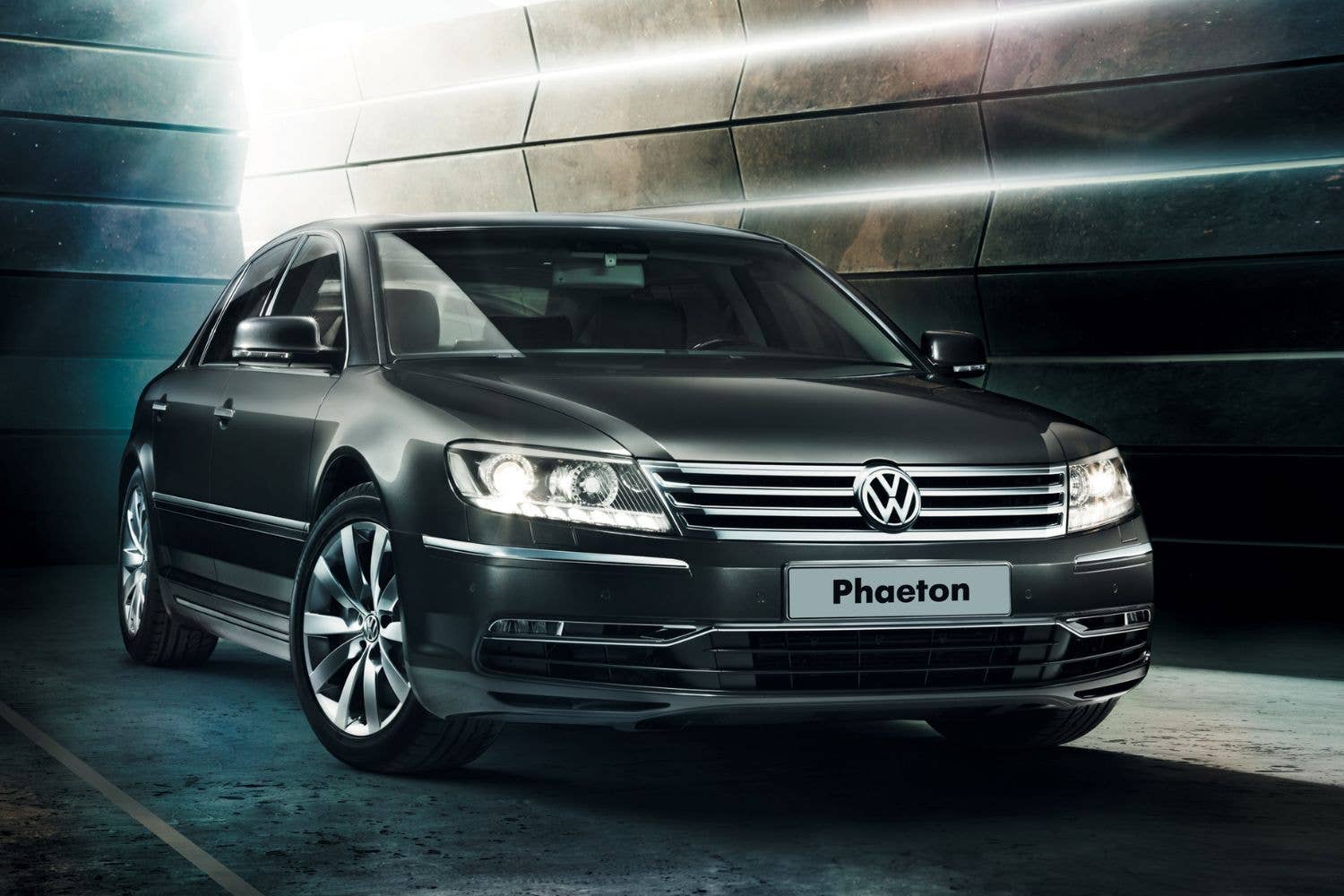
…Far below expectations. The Dresden transparent factory had a capacity of 20,000 cars per year, but it took VW 4 years to reach 25,000 cars. In the U.S., just 3,354 examples of the Volkswagen luxury sedan were sold, with the best year being 2004, with 1,433 units, and about 450 of those were the W12. The following year wasn’t any better, with just 820 sold, including 30 W12s, and the final model year in 2006 saw a rise, with 1,101 finding new homes.
The situation wasn’t any better in Europe either, although Germany had a lion’s share of sales on the continent. China and South Korea were decent markets for the car, but one wouldn’t call the tally spectacular. A significant facelift for 2011 did little to boost sales, and another update in 2014 added more tech but failed to attract more buyers. Volkswagen’s luxury sedan experiment ended in 2016 with 84,253 built.
Volkswagen
It Wasn’t All for Nothing
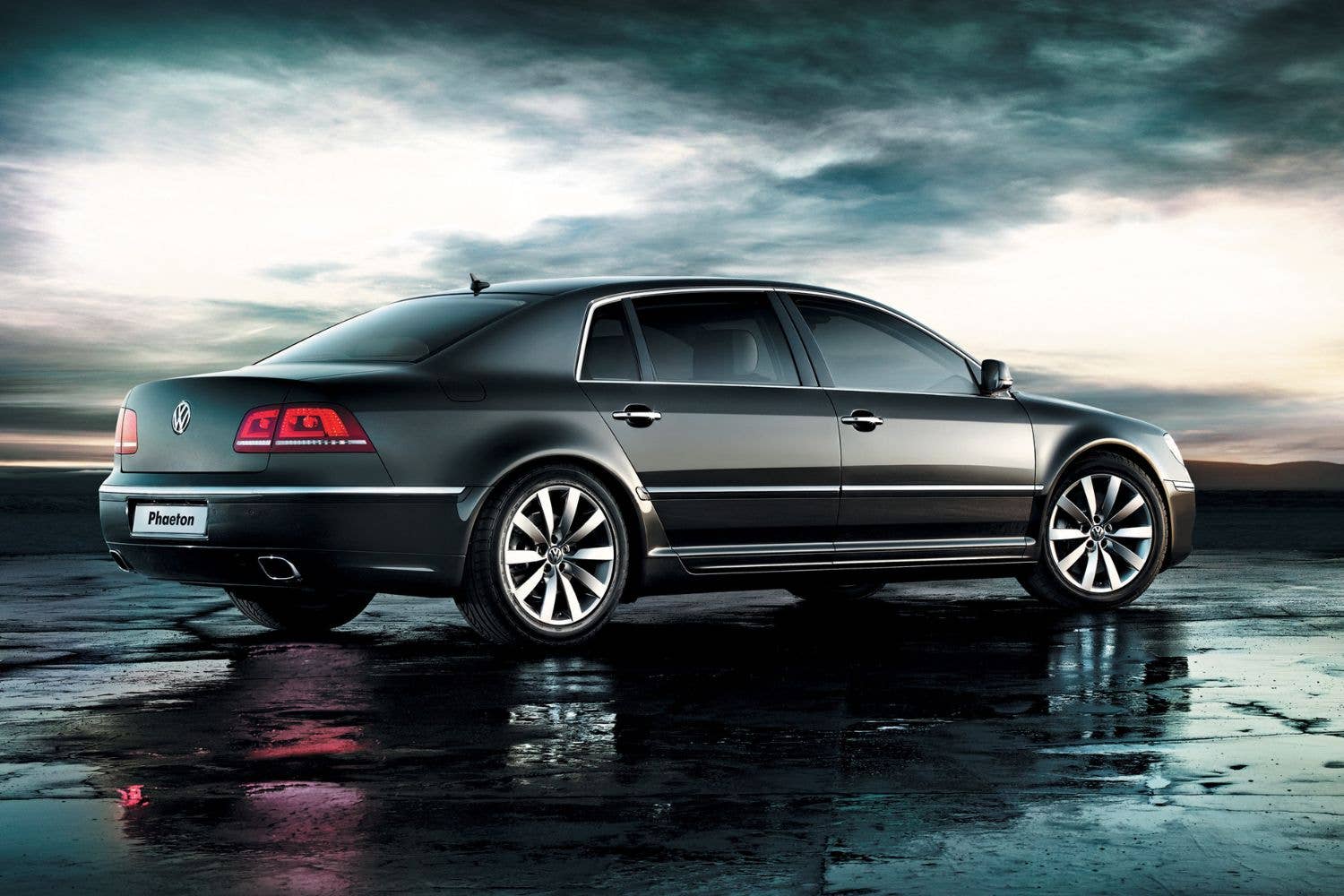
So, the Phaeton was a sales flop, but the model derived from it was a massive success. That car was the first-generation Bentley Continental GT. Granted, there were many modifications made to turn the luxury sedan into a grand tourer, but the Phaeton’s DNA coursed through its underpinnings.
Bentley would eventually add a sedan version of its grand tourer, the Continental Flying Spur. If we were to be blunt, the Flying Spur was a Phaeton, but with luxury levels cranked up to 11. Combined sales of the GT and Flying Spur totaled about 65,000 to 70,000 units. Here’s the thing, though: those models were easily heaps more expensive than the VW and also benefitted from the development of its lesser-badged counterpart.
Simply put, the Phaeton’s platform was more than good enough for a Bentley. A supersized Passat, it ain’t, but it was painfully made clear to VW that luxury car shoppers will default to luxury brands, and not buy from a mainstream brand with a high-end car.
Volkswagen
The Second-Gen We Never Got
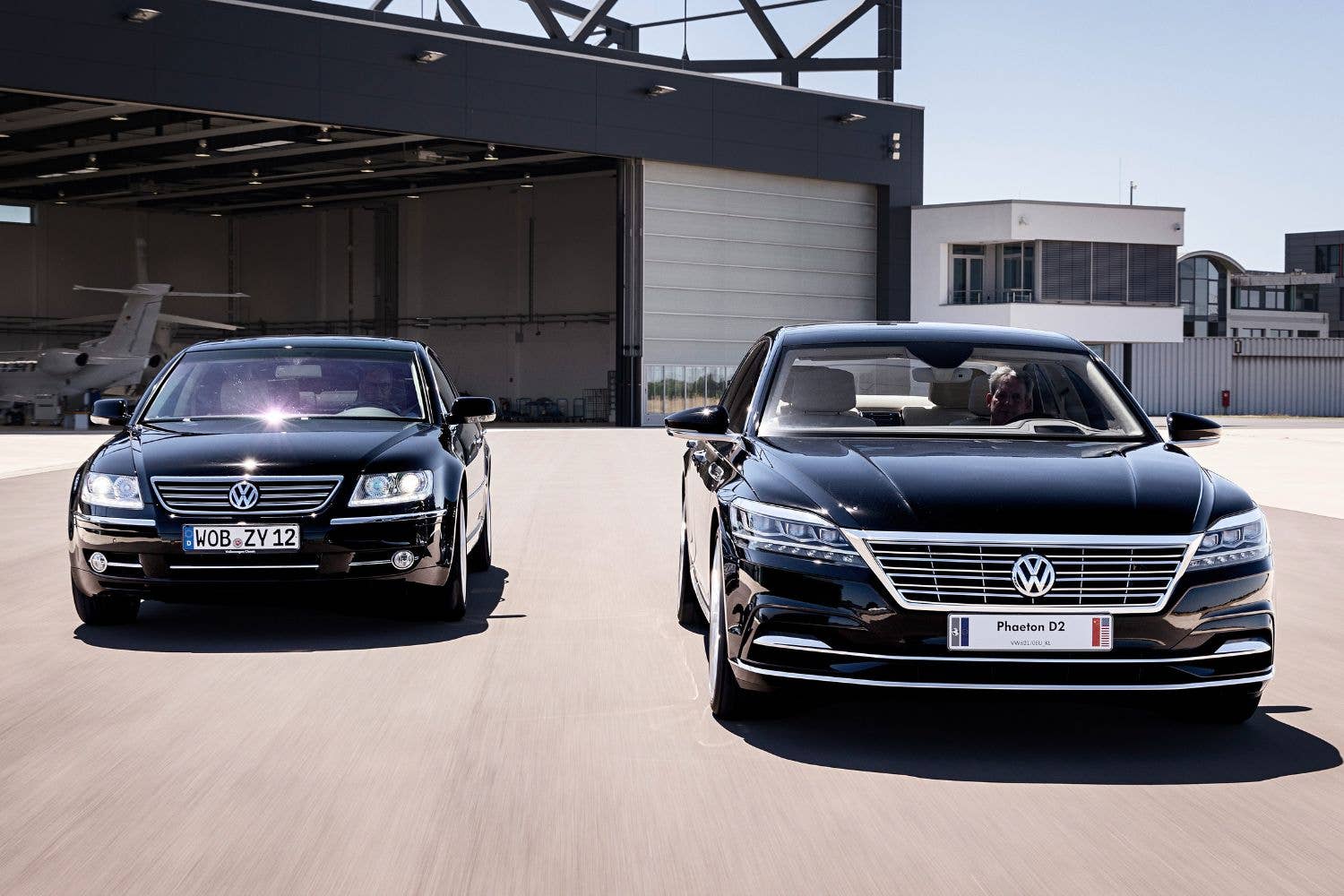
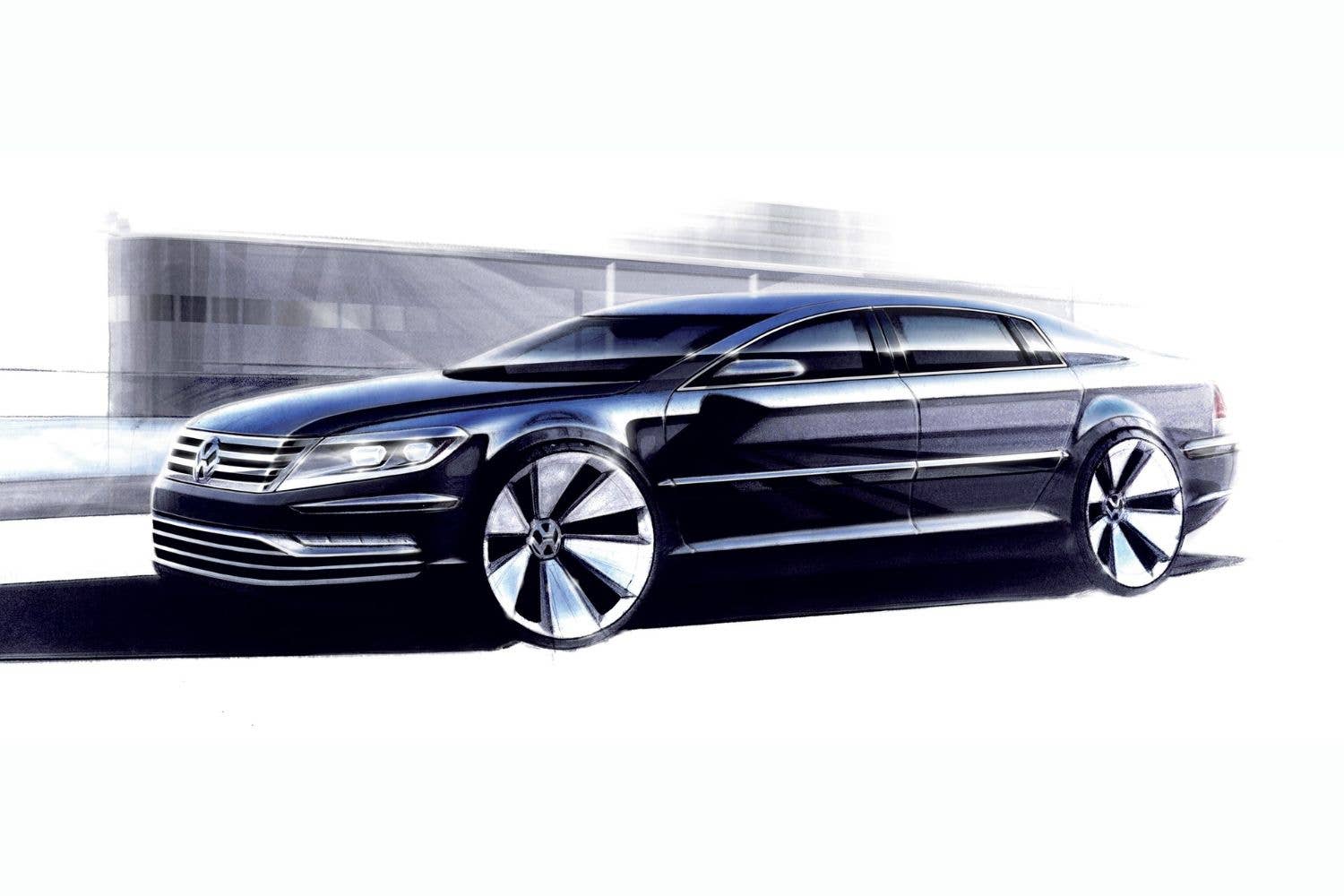
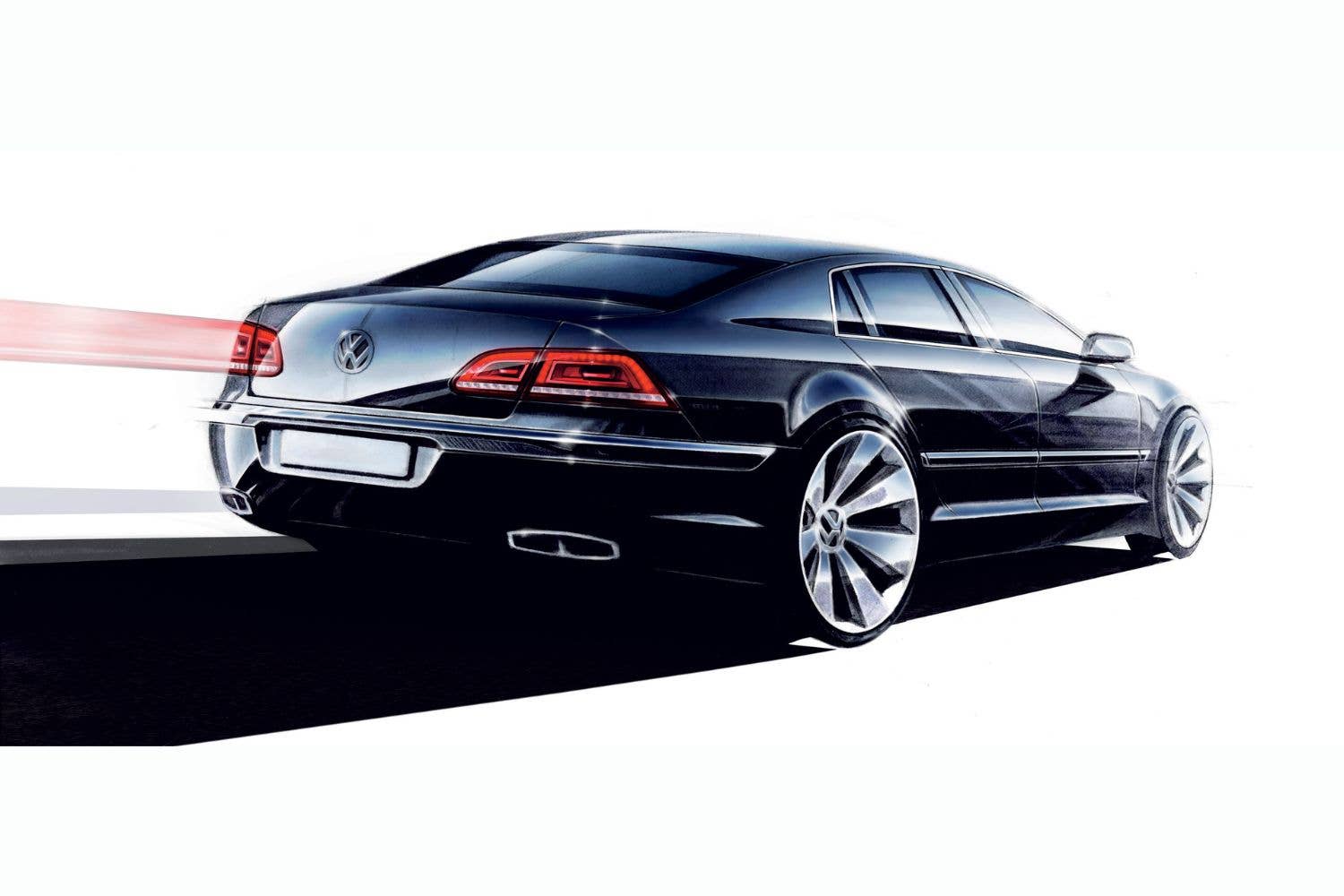
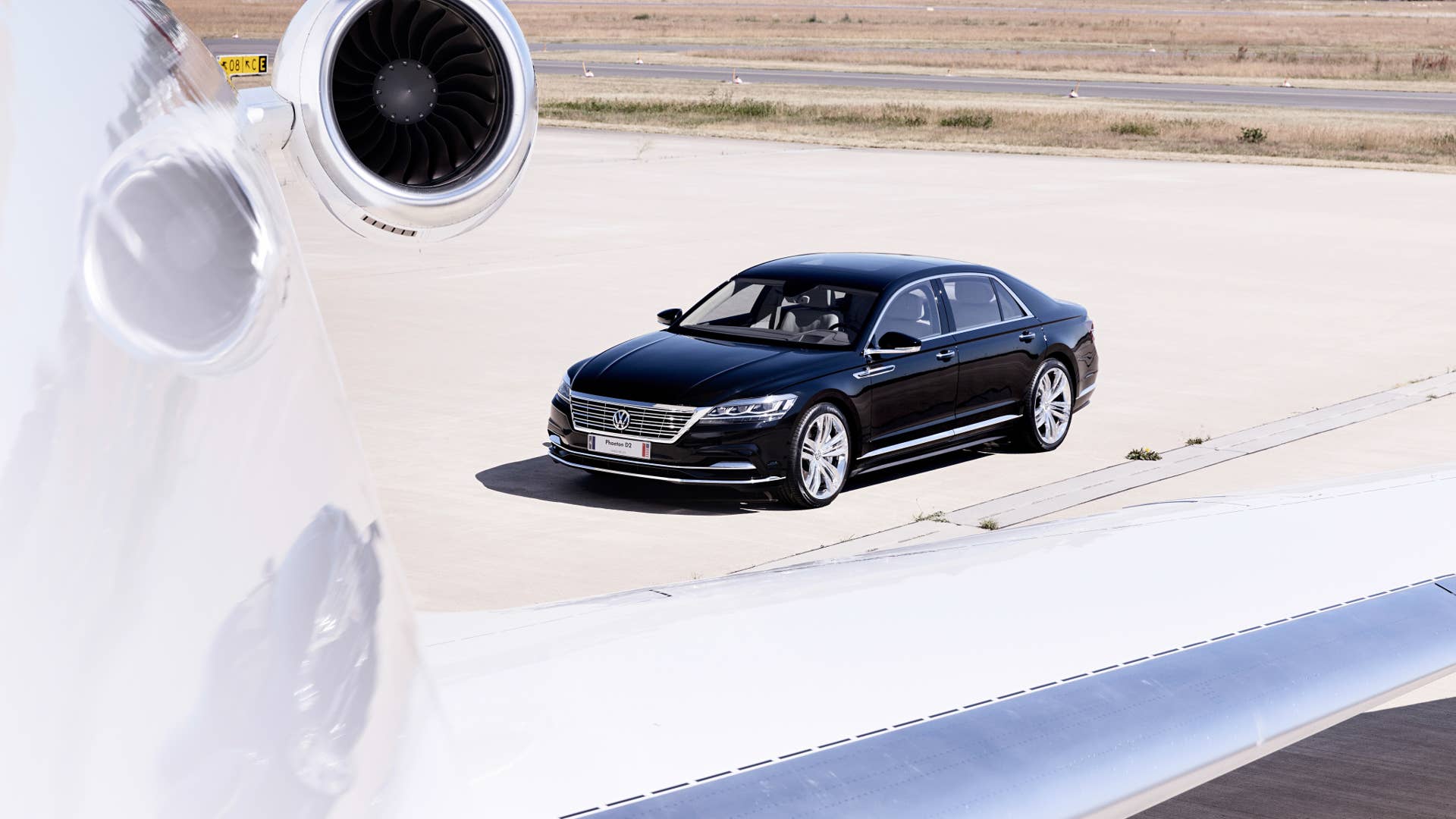
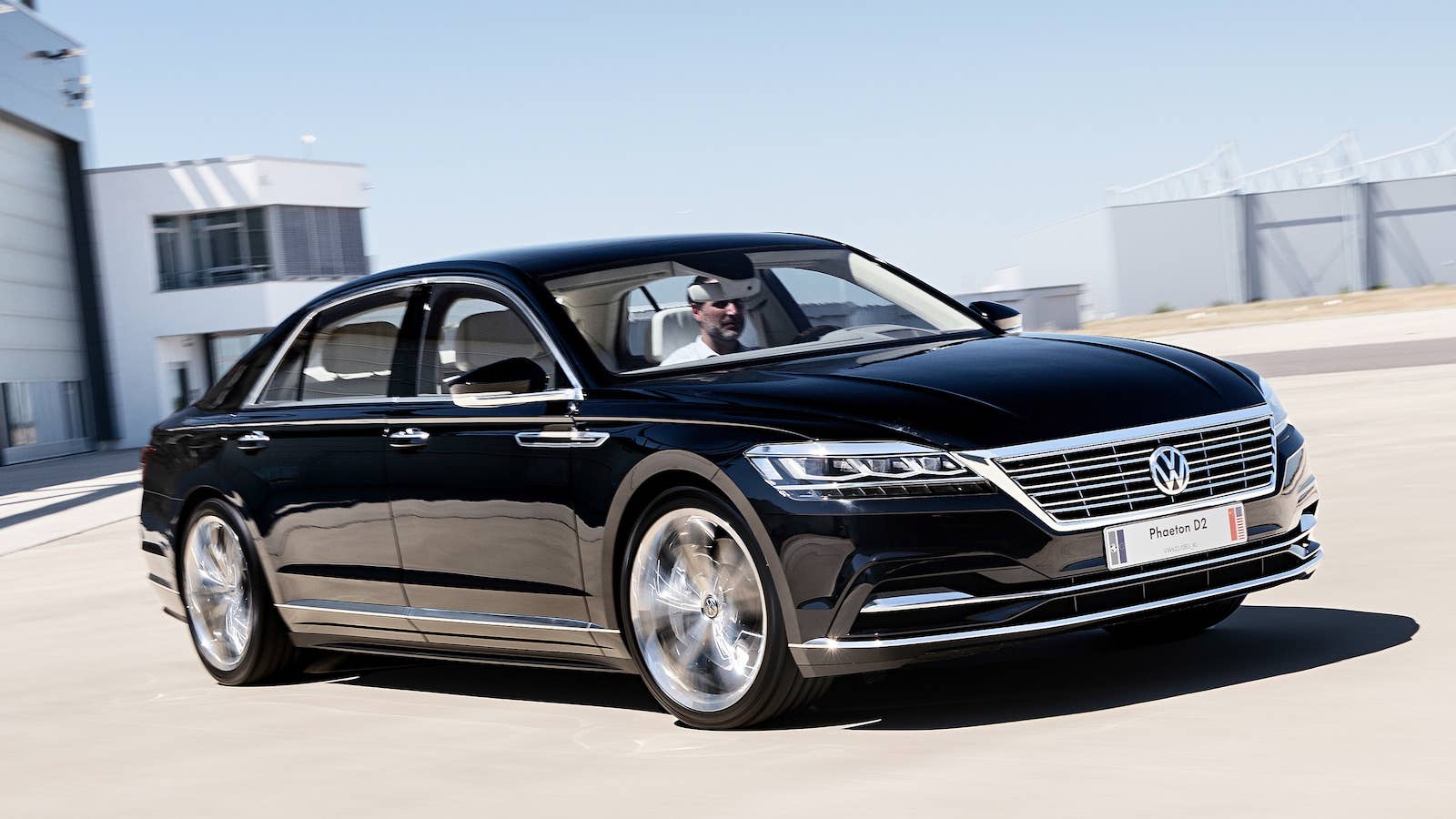
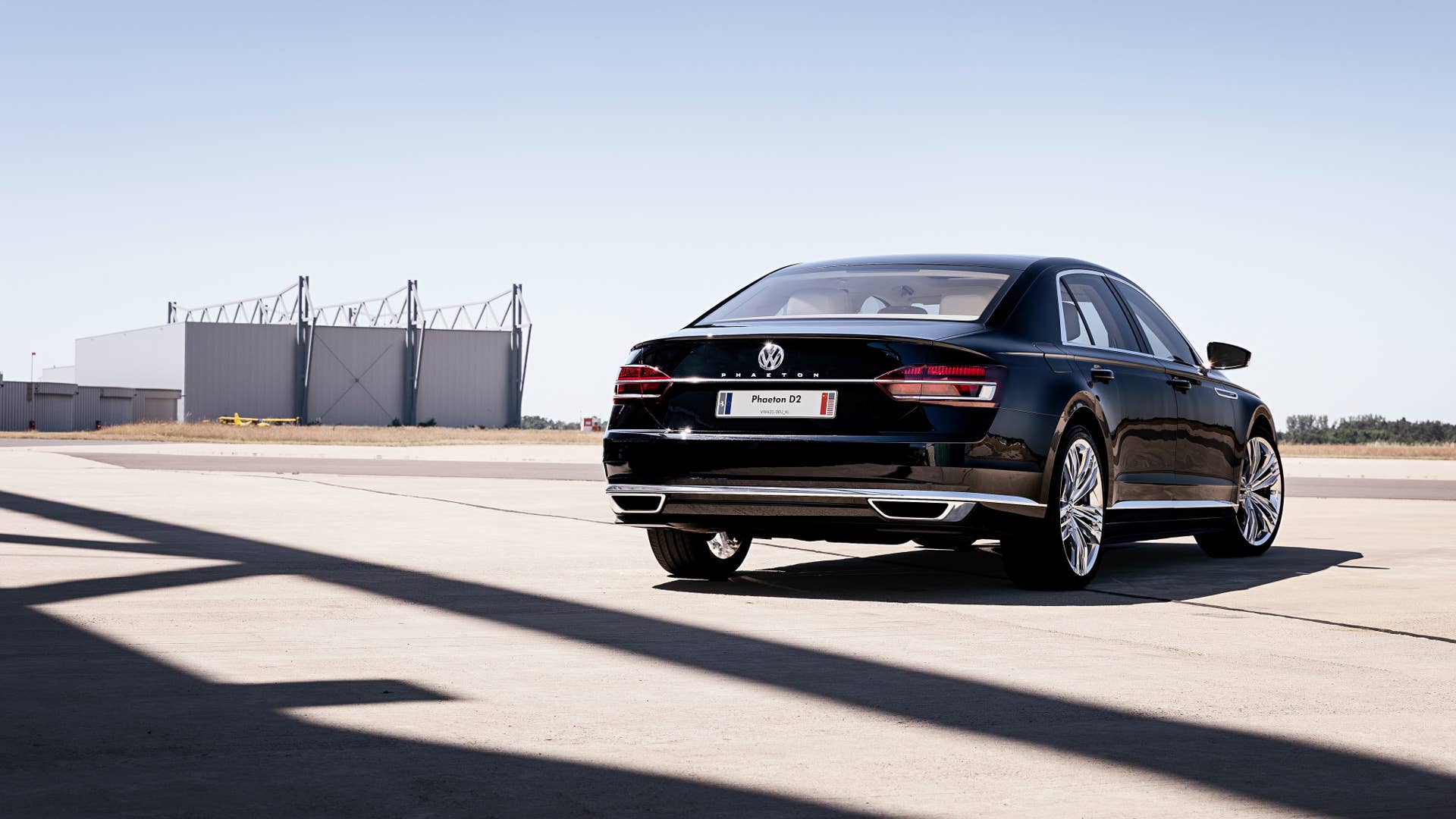
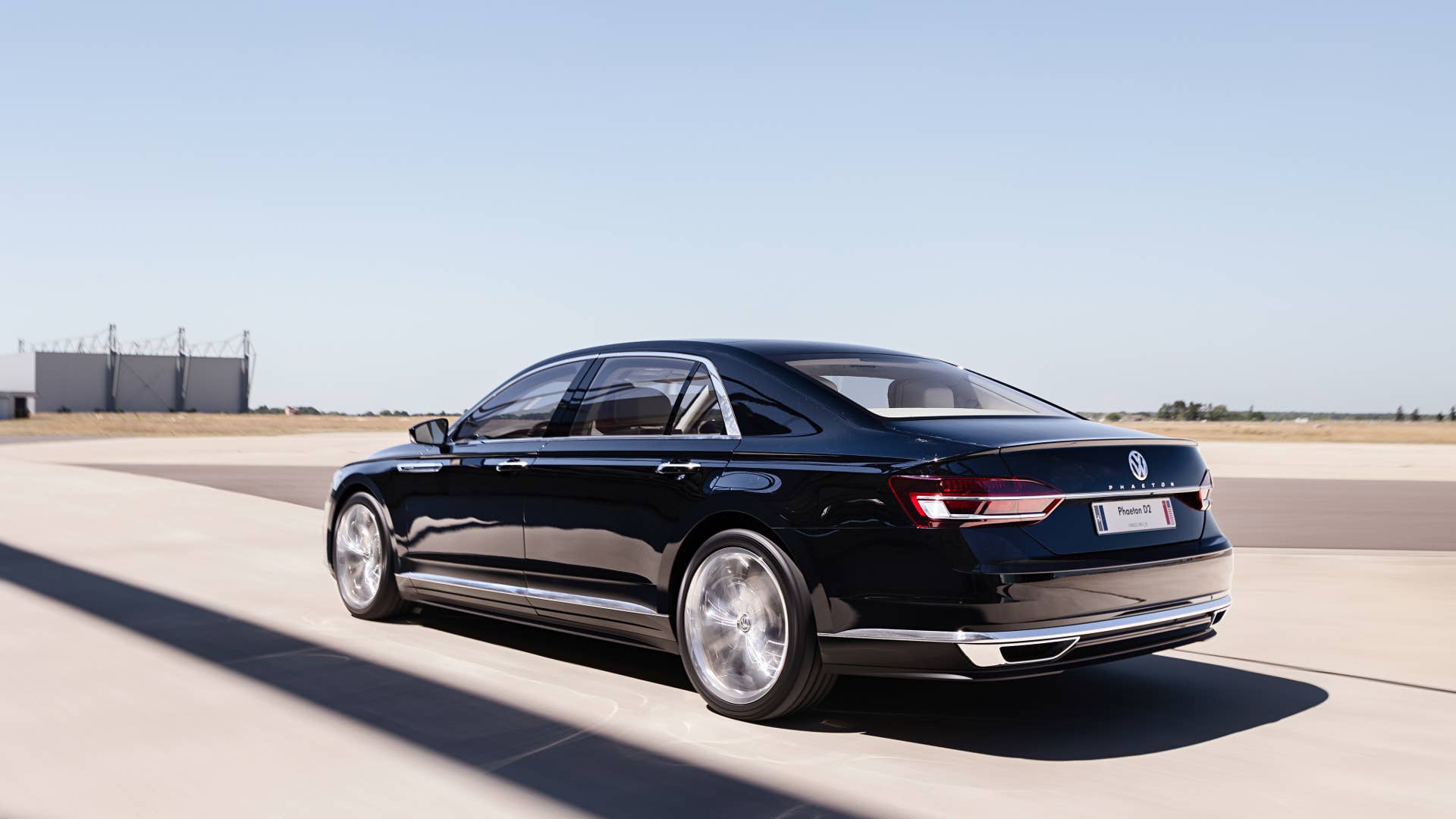
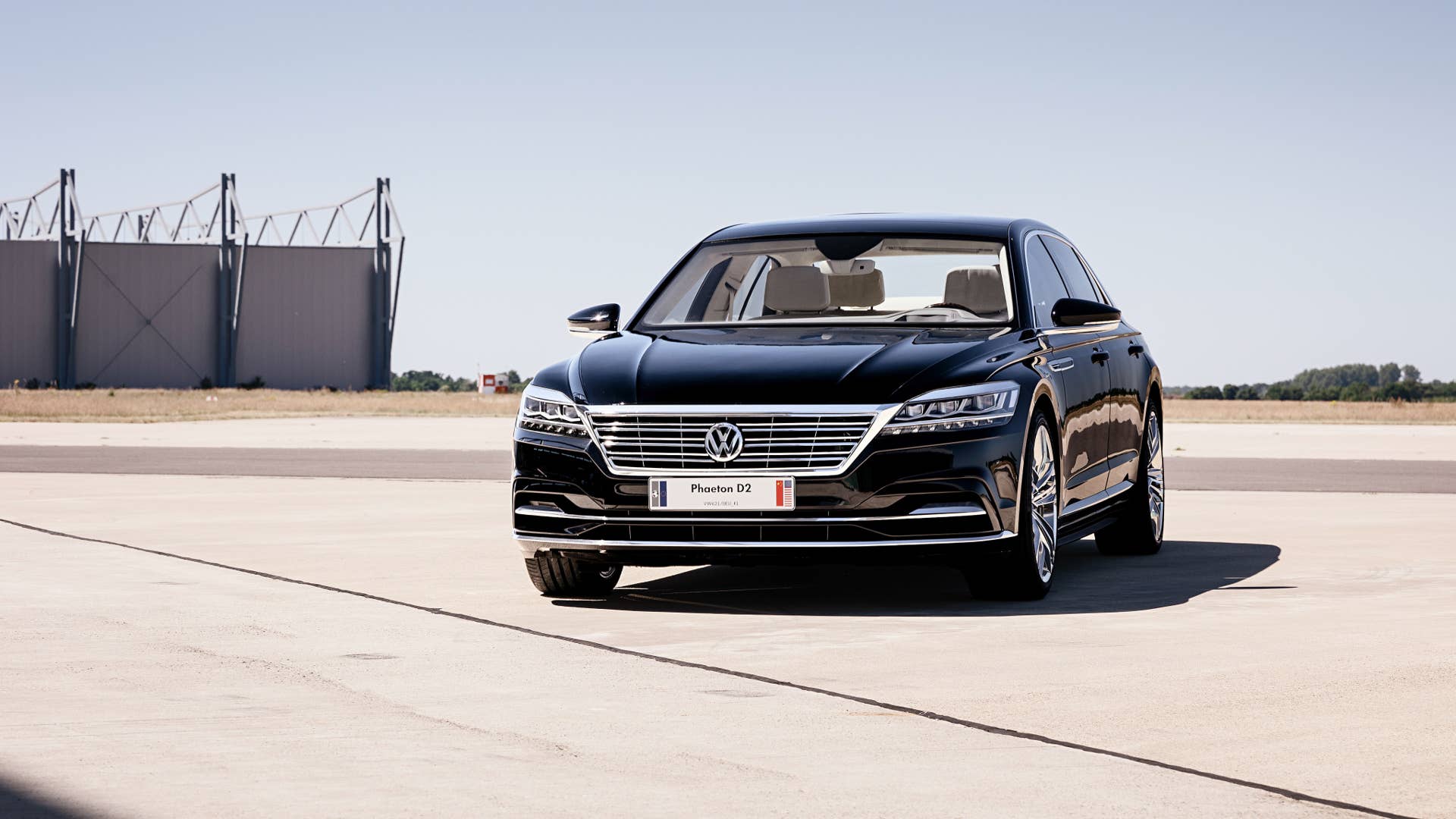
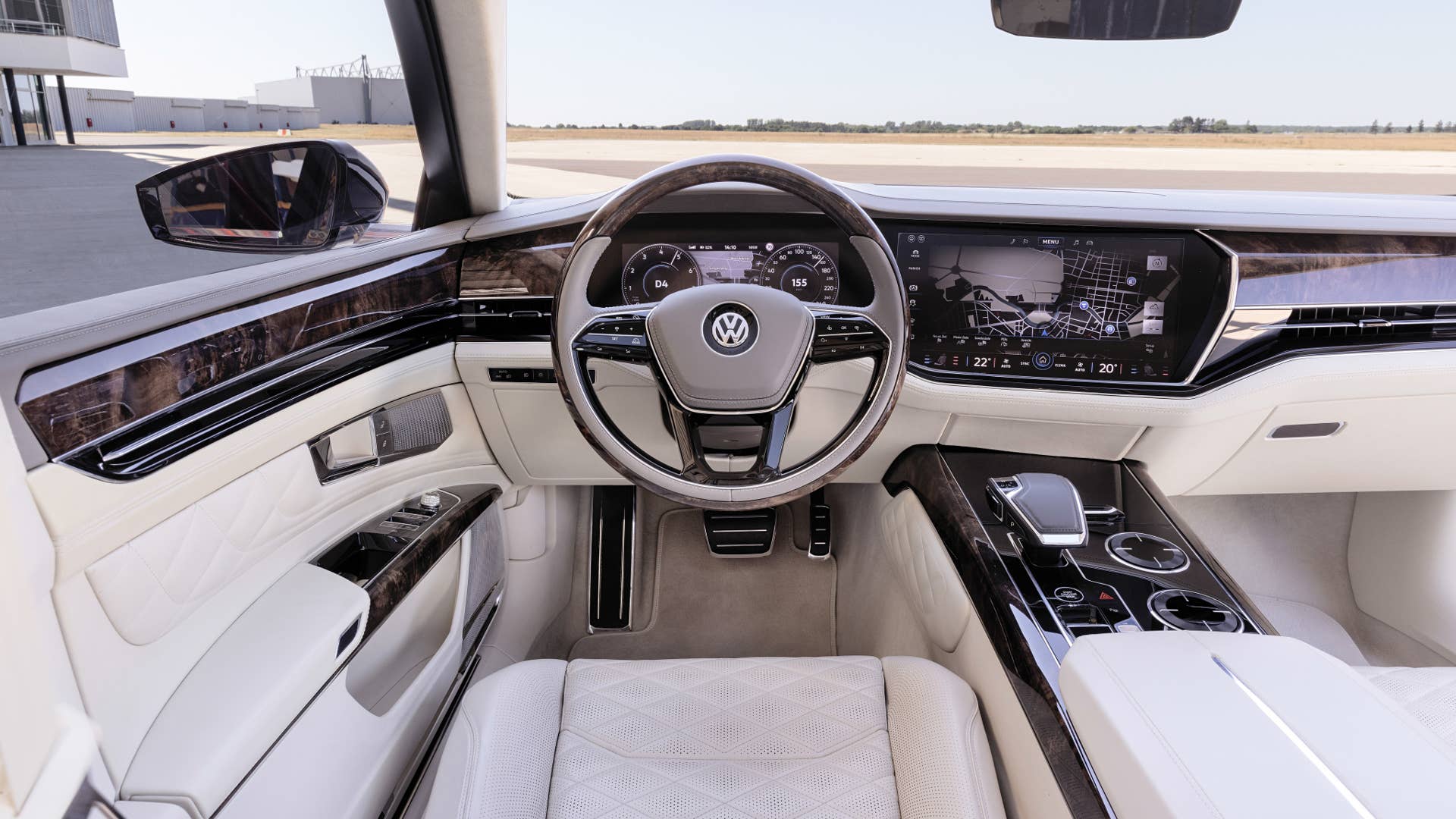
Despite dismal sales, VW was already working on the second-generation model by the 2010s. In fact, a full-working near-production prototype had been built, and it shared more in common with the fourth-generation Audi A8. The one-off was shown in 2022 to celebrate the ill-fated luxury sedan’s 20th anniversary.
So, why did VW pull the plug? For starters, sales of the first-generation model weren’t exactly inspiring, but the car found a strong fanbase in the Chinese market. What ultimately led to the cancellation of the car was the brand’s focus on EV development. Yes, the second-gen Phaeton died so more EVs could be made. In the end, VW’s EV efforts were widely criticized, and it cost the company dearly.
We can’t help but wonder what could’ve happened if VW had pushed through with an all-new Phaeton. It probably won’t sell that much, but there was potential for what is now the world’s biggest automotive market. Electrification had also been planned for it, among other things, and it could’ve found buyers in China as a result. In the end, we’ll never know the real answer, but we can say that the Phaeton was a great car with the wrong badge.
Volkswagen
Volkswagen
Volkswagen
Volkswagen
Volkswagen
Volkswagen
Volkswagen
Volkswagen
Volkswagen
Volkswagen
Volkswagen
Volkswagen
Volkswagen
Volkswagen
About the author

Anton Andres
News Editor