
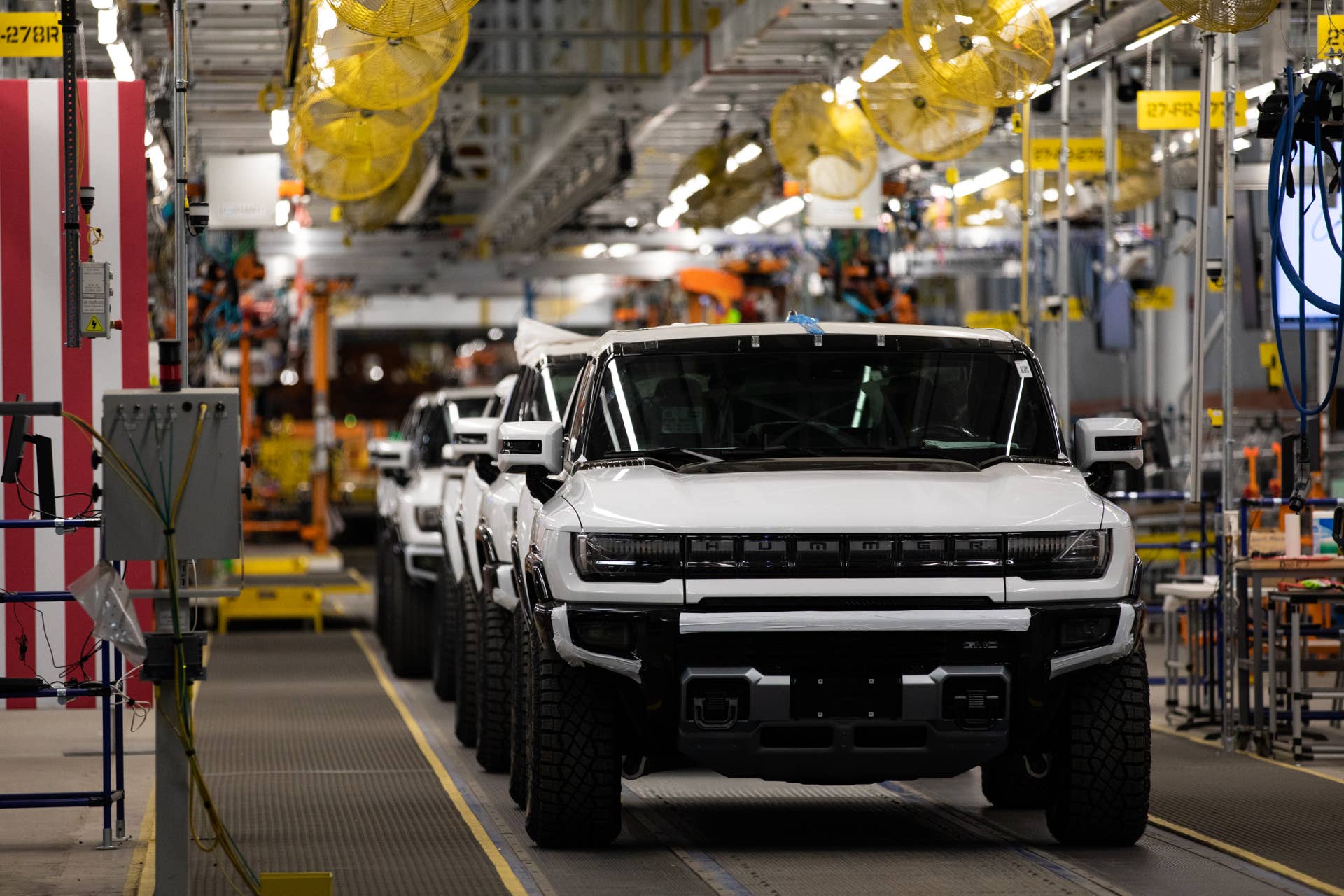
Winners and losers in Trump’s tariff war
President Trump recently announced a sweeping 25% tariff on all foreign-built cars, a move that could reshape the U.S. auto market overnight. This new policy means that any vehicle assembled outside the United States, including those built in Canada and Mexico, may see a significant price increase. Even foreign-made parts for vehicles built domestically will be subject to these tariffs, further complicating the supply chain for many automakers.
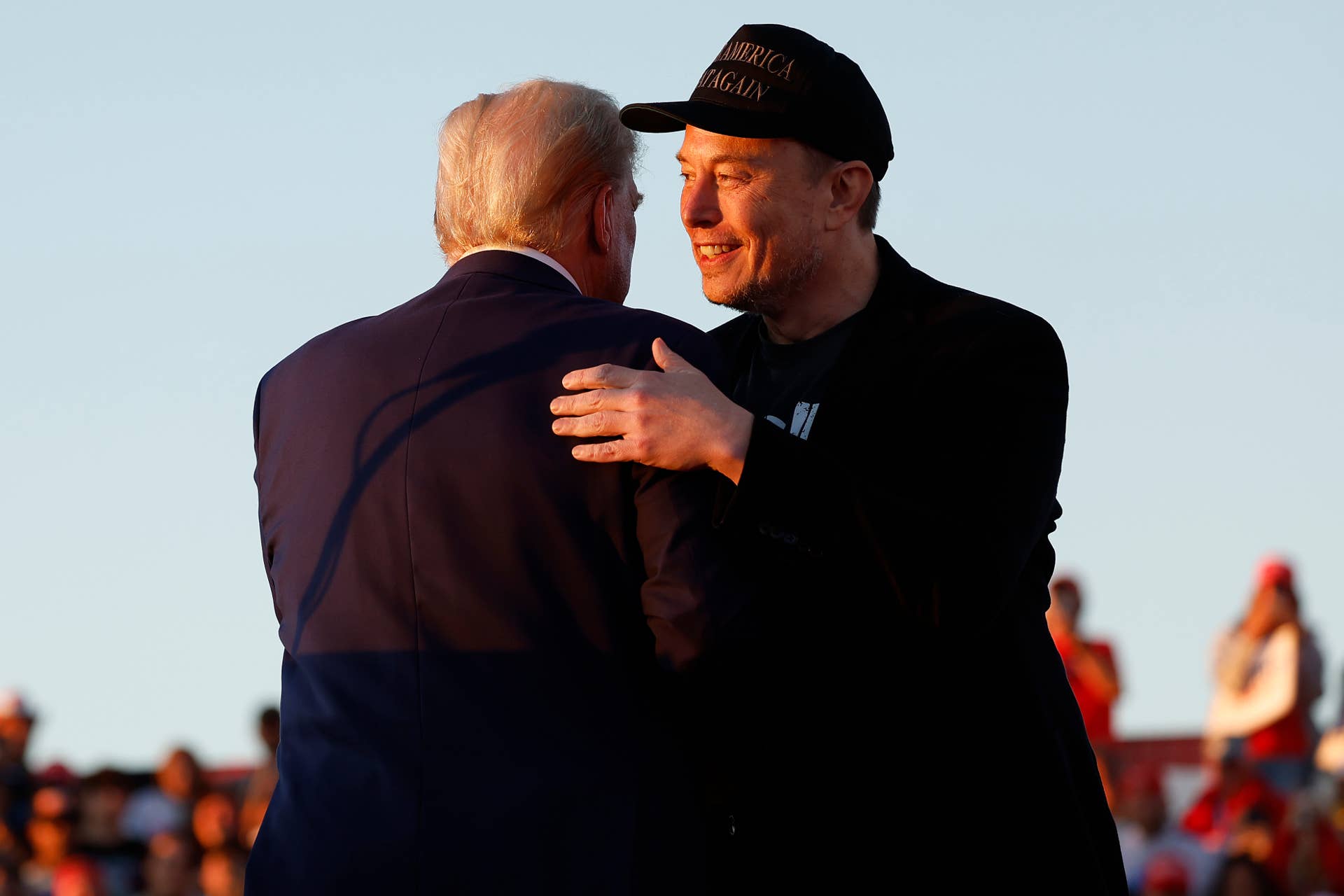
“If you build your car in the U.S., there’s no tariff,” Trump said.
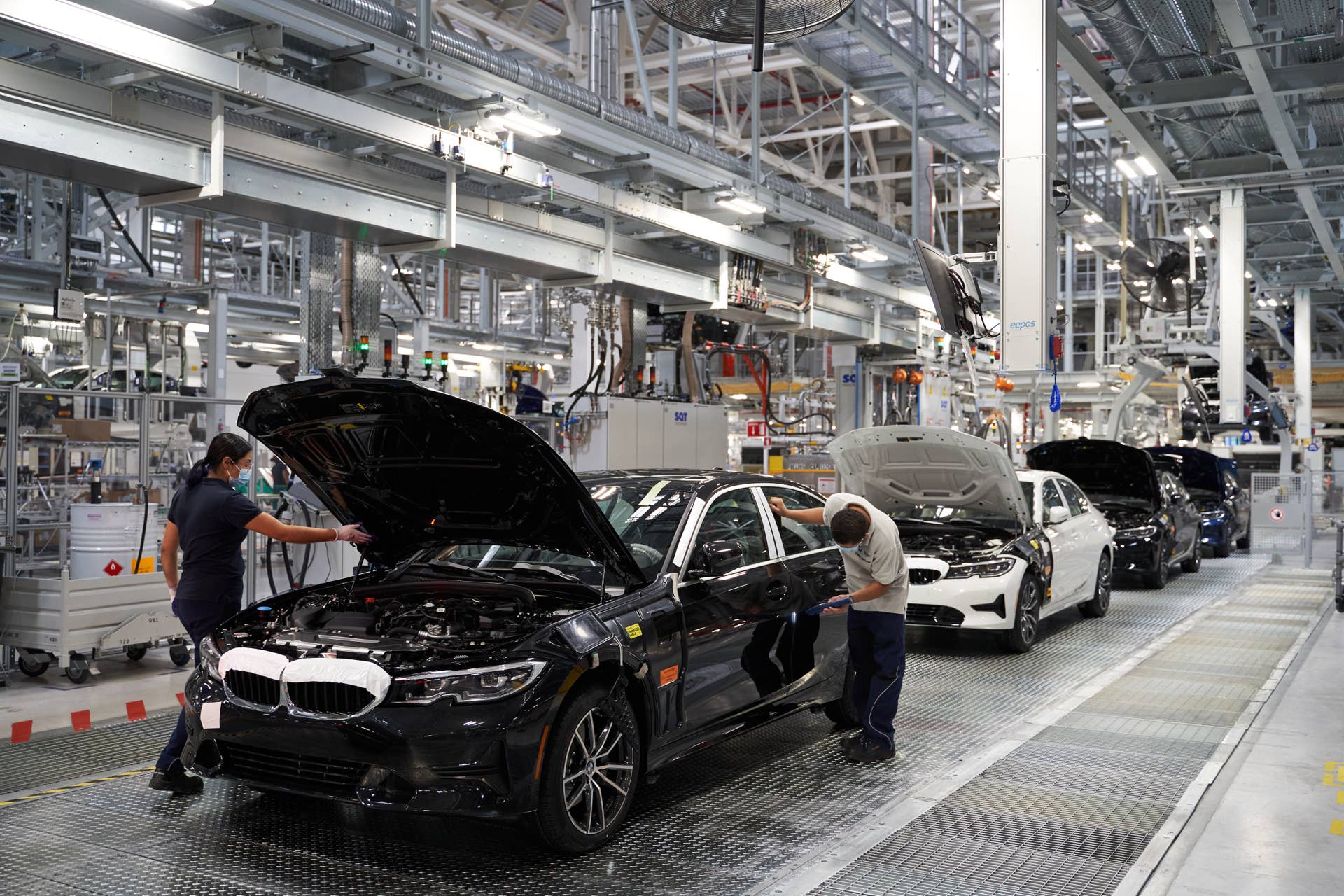
Set to take effect on April 3, the tariffs are expected to have major repercussions across the auto industry. While some brands stand to benefit from the policy, others may suffer significant losses. Here’s a closer look at which carmakers will come out on top and which will struggle under the new tariffs.
Tesla and Honda lead the winners
One company that stands to gain the most is Tesla. According to the 2024 American-made index from the Kogod School of Business, Tesla’s lineup features some of the highest percentages of domestic content in the industry. The Model 3 Performance leads with 87.5% of its construction and manufacturing done domestically, followed closely by the Model Y (85%), Cybertruck (82.5%), and both the Model S and Model X (80%).
However, Tesla CEO Elon Musk has cautioned that his company won’t be completely unaffected by the tariffs. In a post on X (formerly Twitter), Musk noted, “Important to note that Tesla is NOT unscathed here. The tariff impact on Tesla is still significant.” While Tesla builds its motors and batteries in the U.S., a substantial portion of its components — such as those in the Model 3 Long Range — still come from China.
Honda, which has worked to significantly increase its U.S. content and production, is also well-positioned for Trump’s tariffs. Across its lineup of vehicles, Honda has 63% total domestic content, more than even legacy American automakers like Ford and General Motors. The Honda Passport ranks highly with 76.5% domestic content.
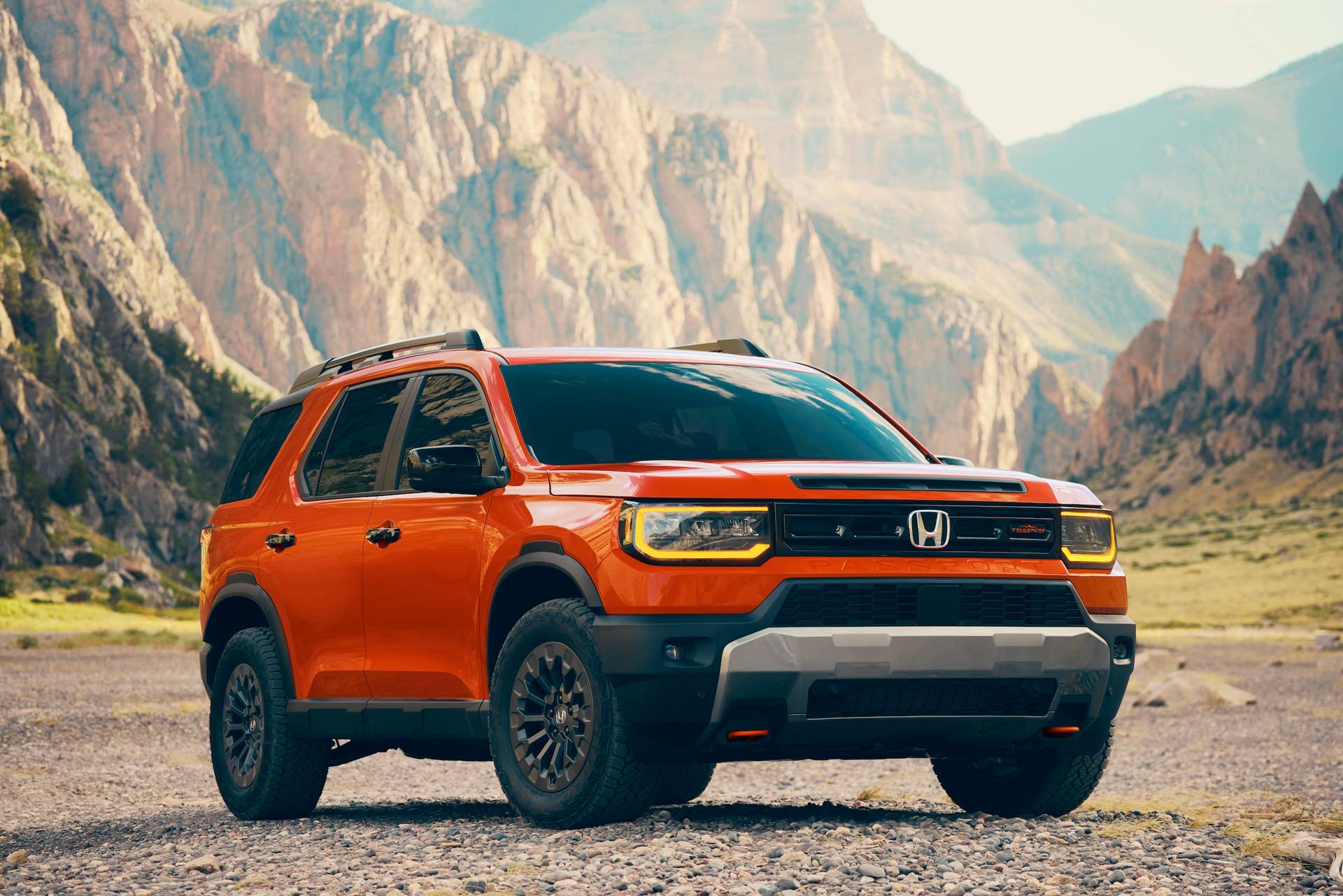
Honda
Select models escape the tariff heat
Other brands that stand to benefit include Jeep, Volkswagen, and General Motors. The Jeep Wrangler closely follows the Honda Passport, with 76% domestic content. Volkswagen’s ID.4 electric SUV and GM’s Chevrolet Colorado and GMC Canyon also hover around 75.5%.
According to JPMorgan analyst Ryan Brinkman, GM is the most vulnerable of Detroit’s Big Three automakers. Nearly 40% of GM’s vehicles are produced in Canada or Mexico, which could result in a staggering $14 billion hit to the company’s earnings.
European and Japanese automakers hit hard
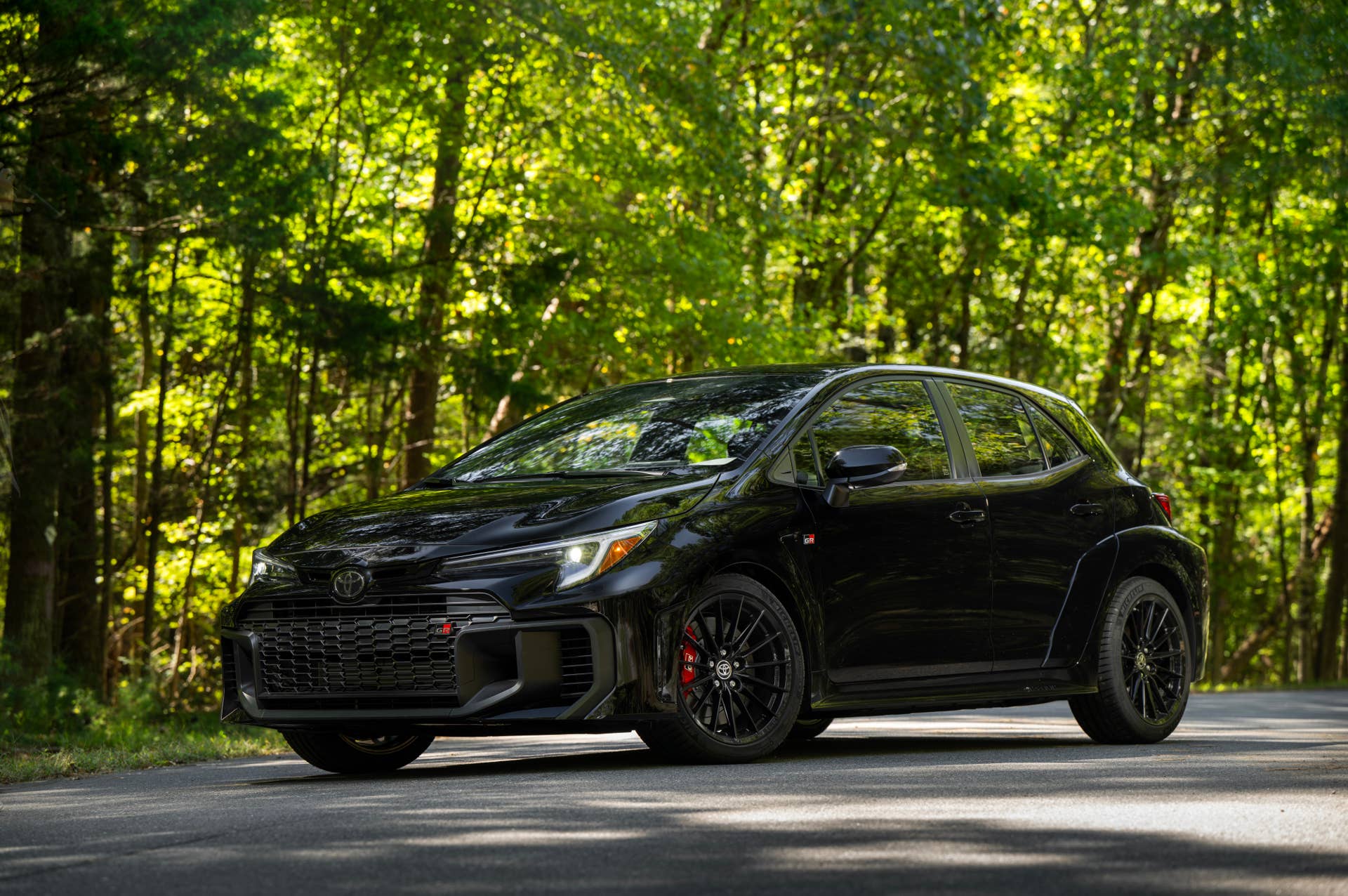
On the other end of the spectrum, foreign automakers that rely heavily on imports will be hit hardest. Brands like Mazda, BMW, Lexus, and Toyota all have models that rank at the bottom of the American-made index. Enthusiasts may feel the pain particularly hard. Some of the most beloved affordable sports cars — including the Mazda Miata, Subaru BRZ, Toyota GR86, and Toyota GR Corolla — all rank at just 1% domestic content. BMW’s performance models, including the M3 Sedan, Z4, and outgoing M8, also register at a mere 1 percent.
With automobiles accounting for 28.3 percent of all Japanese exports to the U.S. in 2024, Japan’s automakers are expected to be among the hardest hit. Stock prices for Nissan, Toyota, and Honda fell sharply following Trump’s announcement, dropping 2.2 percent, 2.7 percent, and 3.0 percent, respectively. South Korean brands Hyundai and Kia also suffered, with each experiencing a 4.0 percent decline in stock value.
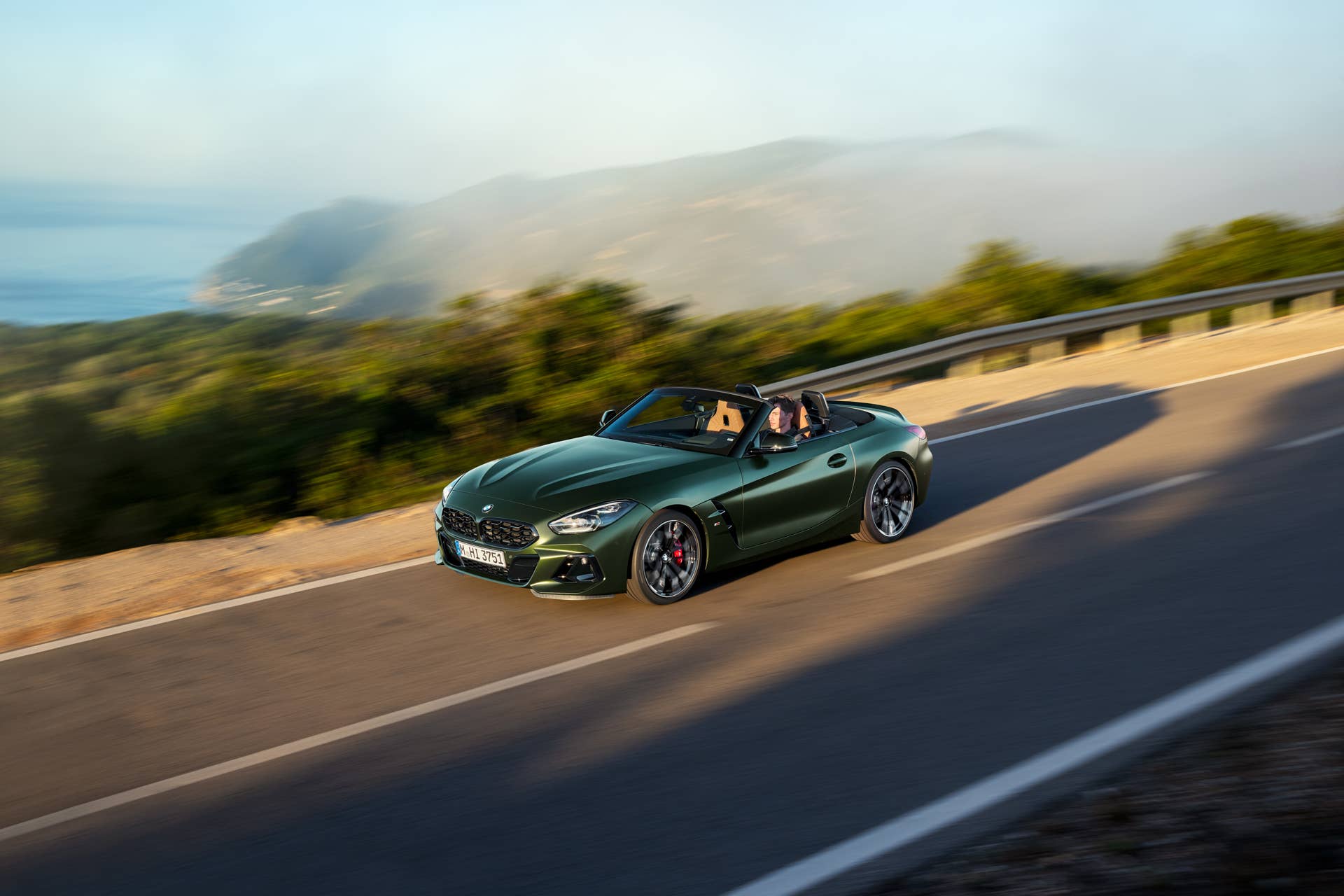
BMW
Japanese Prime Minister Shigeru Ishiba has signaled that his government will fight the tariffs aggressively. “Japan is a country that is making the largest amount of investment to the United States, so we wonder if it makes sense for [the U.S.] to apply uniform tariffs to all countries,” Ishiba said in a statement. “That is a point we’ve been making and will continue to do so.”
The industry has mixed reactions
While the tariffs are poised to increase the cost of imported cars, some experts argue that such protectionist policies are long overdue. Former GM Vice Chairman Bob Lutz supports the move, stating that other nations have imposed similar tariffs on U.S. vehicles for years.
“The tariffs Trump is putting into effect merely mirror (roughly) the ones our major trading partners have had in effect for decades,” Lutz told Motor1. “There is no doubt that the duties will increase the price of non-U.S. cars and will result in a decline in their sales volume. That’s the purpose of tariffs.”
The European Union currently imposes a 10 percent tariff and a 20 percent Value-Added Tax (VAT) on U.S.-imported cars. However, recent reports suggest that the EU may consider reducing its tariff from 10 percent to 2.5 percent to ease trade tensions with the U.S.
Governor Matt Blunt, president of the American Automotive Policy Council, said in a statement, “It is critical that tariffs are implemented in a way that avoids raising prices for consumers and that preserves the competitiveness of the integrated North American automotive sector that has been a key success of the President’s USMCA agreement.”
UAW leadership shows surprise support
In a dramatic turnaround from its campaign battles with Donald Trump, when it described him as a scab and a threat to workers, the UAW leadership is now backing his tariffs, The Detroit Free Press reported.

On Wednesday evening, UAW President Shawn Fain released a statement applauding the Trump administration’s decision to impose 25% tariffs on foreign-made vehicles and parts. He hailed the move as a historic step toward reversing the “free-trade disaster” that he says has long harmed working-class communities.
Final thoughts
As the April 3 implementation date approaches, automakers and policymakers alike will be watching closely. While U.S.-built cars may gain a competitive edge, foreign automakers could be forced to rethink their supply chains or shift more production stateside to avoid the tariffs. The ultimate impact will depend on whether these tariffs remain in place long-term or serve as a bargaining chip in broader trade negotiations. In the meantime, American consumers can expect higher prices on many imported models — and possibly fewer choices in the showroom.
About the author

Elijah Nicholson-Messmer
Contributing Writer, Autoblog