
The diversity of interests, income levels, and preferences across the United States is reflected in the vehicles on sale here, but sometimes, it feels like there aren’t many actual cars around anymore, with the market being dominated by crossovers, SUVs, and trucks. But as we’re going to explore in this mega guide, there are several highly attractive, highly capable sedans and hatchbacks and sedans available, with varying prices and characteristics.
Since the first consideration a smart shopper makes before ever considering features, safety, or performance is price, we’re breaking down the best cars for 2027 into three categories: below $30,000, between $30,000 and $50,000, and $60,000 or more. We have comparable articles on SUVs and trucks, too.
Throughout this guide, “bang for buck” will be our north star. We’ll have a winner and two runners-up for each price bracket, along with several honorable mentions that deserve consideration. Let’s begin.
Best Car Under $30,000
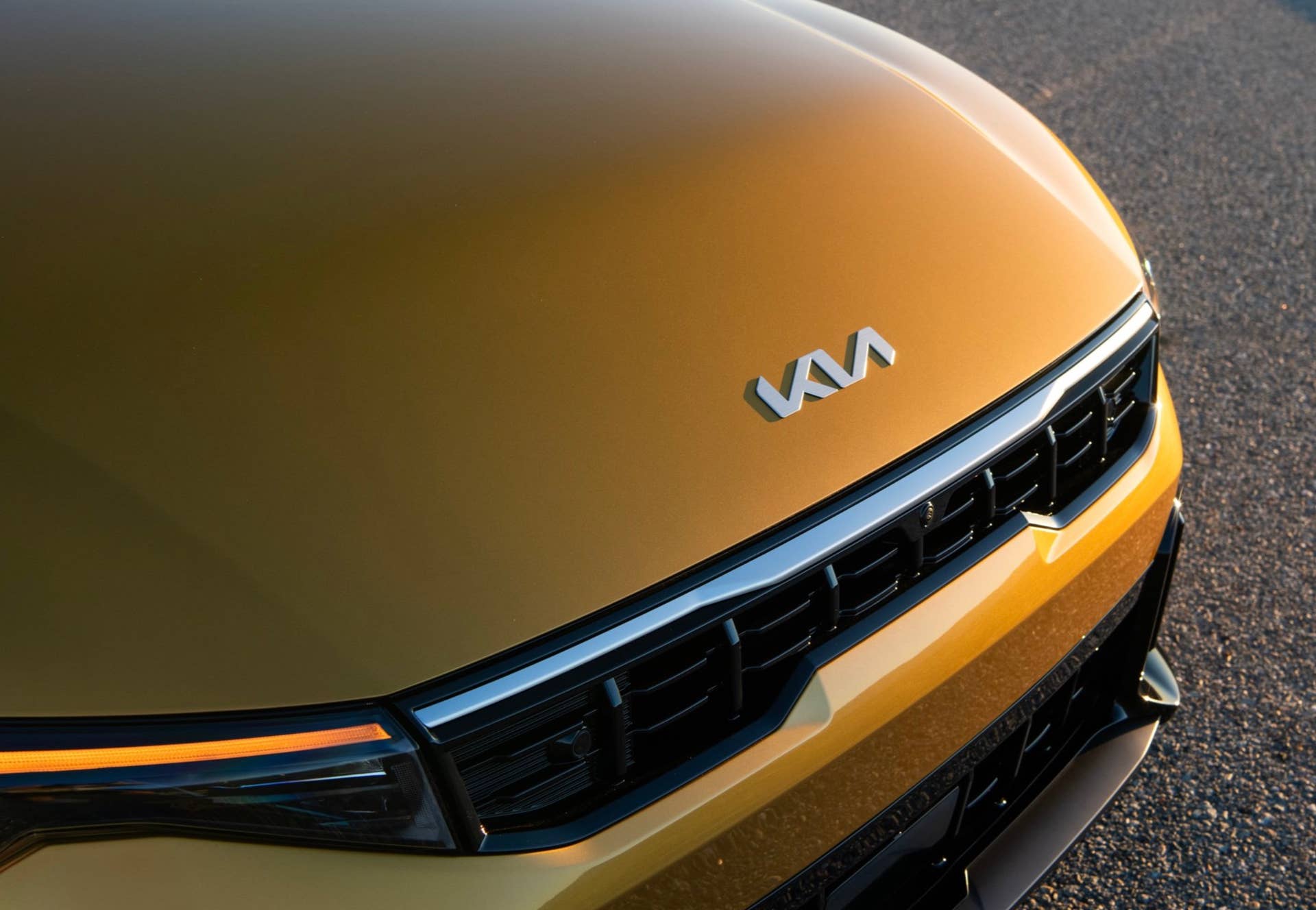
Winner: Kia K4

Kia
At the time of writing, MY2027 pricing has not yet been announced, but the 2026 Kia K4 sedan looks far more expensive than its $22,290 starting MSRP suggests (plus $1,245 for destination). In total, five sedan trims and three hatchback trims (starting at $24,990 before destination) are offered, with a choice of either a 2.0-liter naturally aspirated four-cylinder making 147 horsepower to the front wheels through a CVT or a 1.6-liter turbo making 190 hp (GT-Line Turbo, $28,390 plus destination) through an eight-speed automatic. The sedan gets LX, LXS, EX, GT-Line, and GT-Line Turbo trims, while the hatch comes in EX, GT-Line, and GT-Line Turbo only.
The hatch is the one that you really want, because while it starts at a higher equipment grade, and despite being shorter than the sedan (with the wheelbase untouched), the sedan’s 14.6-cubic-foot trunk is dwarfed by the hatch’s 22.2 cubic feet with the seats in place. Fold them, and you get 59.3 cubic feet, which is class-leading. Using this space is easy, too, with a low floor and a wide opening.

Inside, every K4 trim comes with a 12.3-inch touchscreen infotainment display with wireless CarPlay and Android Auto, as well as four USB-C ports. EX trims and above also get a 12.3-inch digital gauge cluster, illustrating how quickly premium tech can filter down to budget-friendly cars. Harman Kardon audio, SynTex faux leather, heated front seats, and wireless charging are also available, but whichever trim you choose, passengers will appreciate the 38 inches of rear legroom in the sedan and 40 inches in the hatch. They won’t be getting out for many fill-ups on long trips because the base engine is estimated to achieve EPA figures of 29/39/33 mpg on the city/highway/combined cycles. The turbo engine is a little thirstier, at 26/33/28 mpg.
Striking looks, plenty of space, a reasonable asking price, fancy-looking screens, and a fuss-free dashboard and steering wheel blessed with physical buttons would be reasons enough to put the Kia K4 at the top of our list, but with its 10-year powertrain warranty, it’s fair to say nothing else provides as much value under $30k.
Kia K4 Pros
- Strong standard tech features across all trims
- Class-leading rear legroom in hatchback configuration
- Competitive EPA fuel economy estimates with the base engine
- Hatchback practicality is exceptional
- 10-year powertrain warranty provides peace of mind
Kia K4 Cons
- Base engine’s performance is modest; CVT minimizes driver engagement
- No all-wheel drive option
- Exterior styling is polarizing
Kia K4 Scores
- Value: 5/5
- Ownership Cost: 5/5
- Overall Recommendation: 4.5/5
Who’s It For?
If you want a well-made, reliable, spacious sedan or hatchback with interesting styling, decent performance/fuel economy, and loads of standard features, the Kia K4 is right up your alley.
Recommended Trim
We recommend the EX, which gains dual-zone automatic climate control, heated front seats, leatherette upholstery, and 17-inch wheels for under $25k. If you’re willing to spend exactly a thousand dollars more, the GT-Line ($25,490) gets 18-inch wheels, sportier styling elements inside and out, a 10-way power driver’s seat, and multi-link rear suspension that improves composure.
Runner-Up 1: Honda Civic
Kristen Brown/Autoblog
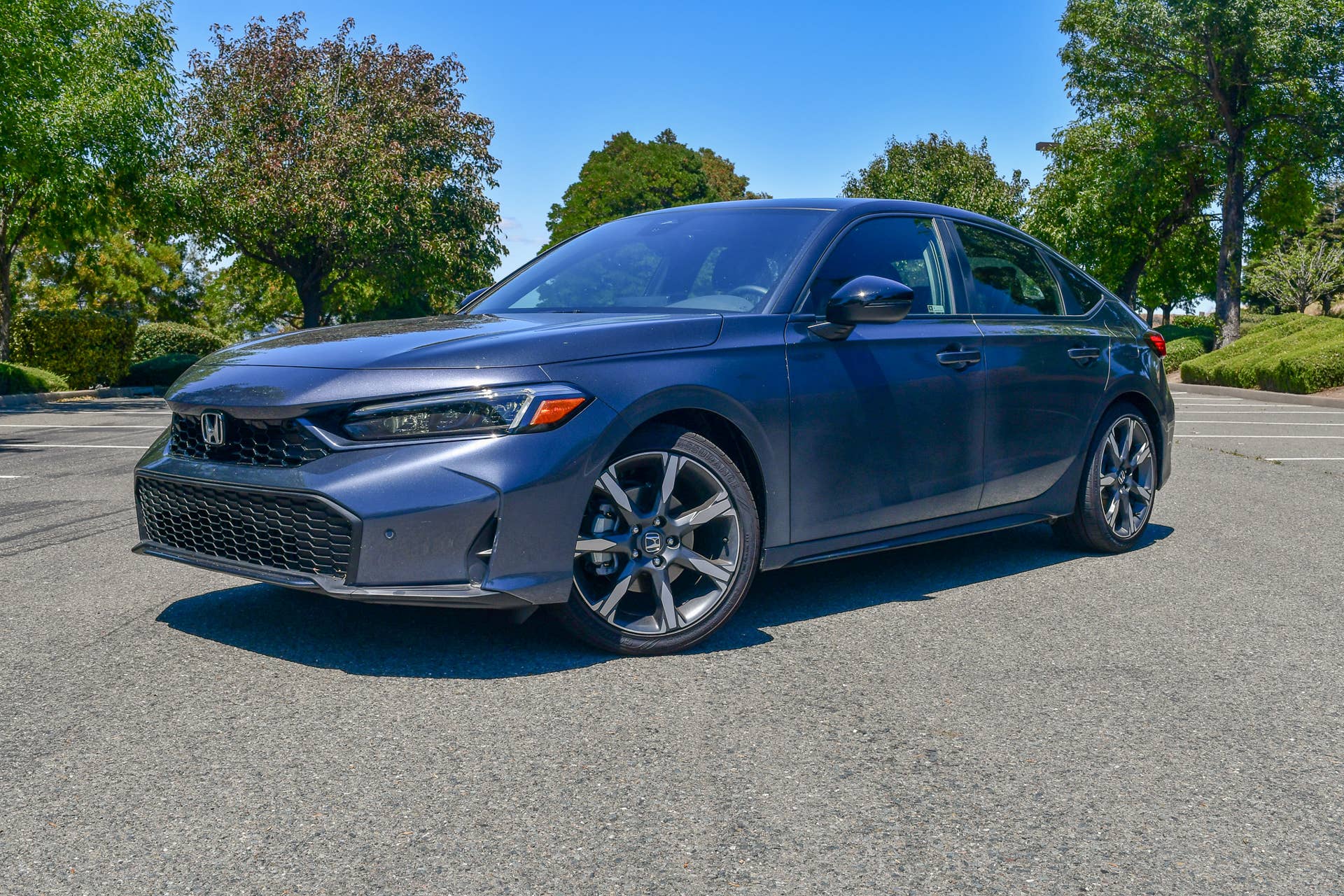
It’s hard to fault the Honda Civic. While its styling would be considered boring by Kia K4 drivers, inconspicuous cars that do their jobs well have their own charm, and the Civic has always been one of the best cars first, with beauty often further down the priority list. For 2027, the Civic (sedan or hatchback) comes with either a 150-hp/133 lb-ft gas-only naturally aspirated 2.0-liter four-cylinder Atkinson Cycle engine with a CVT or a 200-hp/232 lb-ft (combined figures) hybrid setup with an e-CVT rated at 50/47/49 mpg (the Si and Type R are considered separate models due to their unique engineering). The hybrid adds a two-motor system that operates like a range-extender EV most of the time, though the engine can also power the front wheels at freeway speeds. The base engine is pretty slow, taking close to 10 seconds to reach 60 mph, but the hybrid will at least get there in the low- to mid-6-second range, and handling is competent.
Kristen Brown/Autoblog
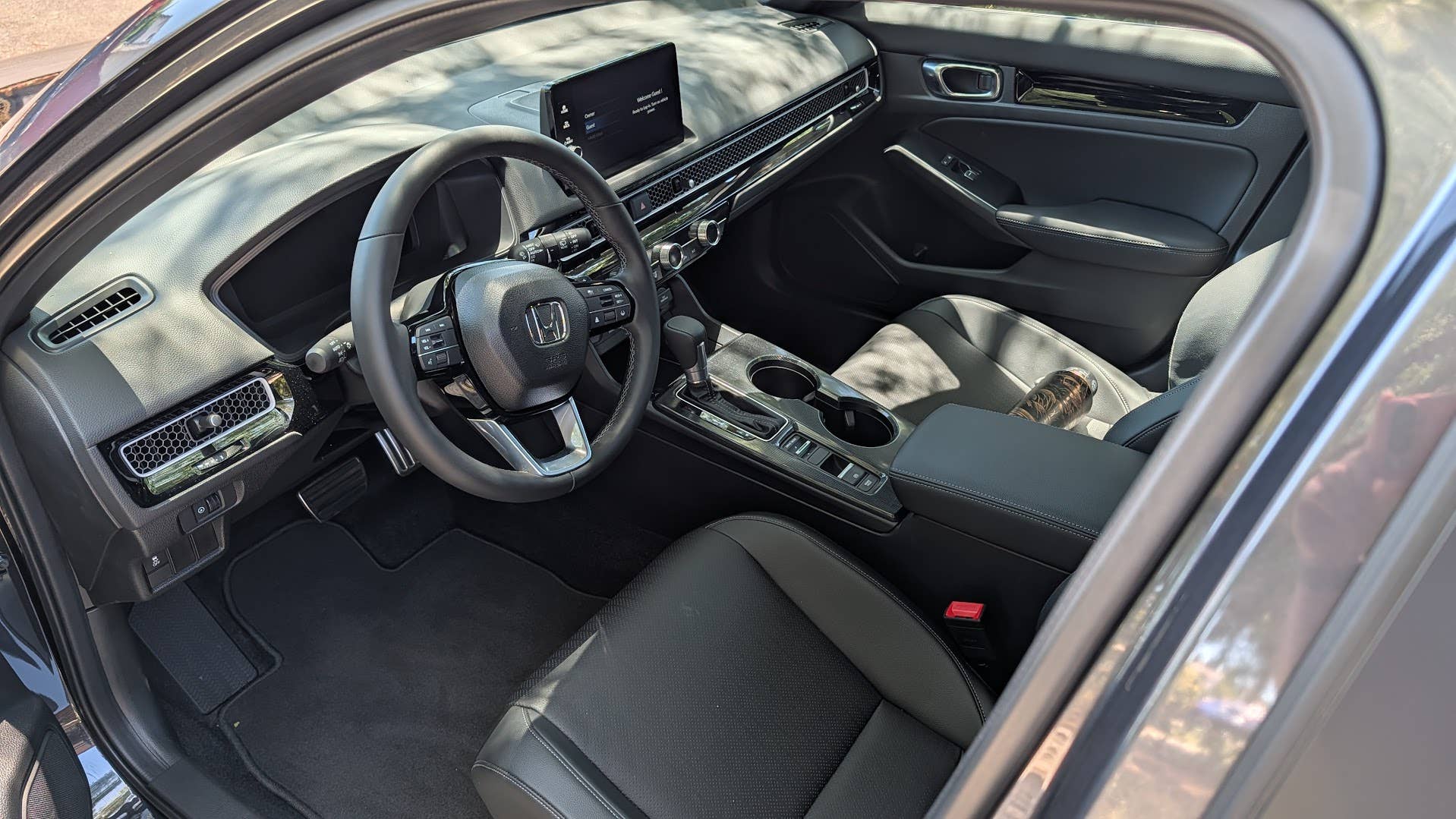
Inside, the sedan offers 14.8 cubic feet of trunk volume whichever powertrain you choose, while the hatch has a 24.5-cubic-foot cargo area, with the rear seats folding in a 60/40 split to nearly double the area. With people in the car, rear legroom is also decent, at 37.4 inches, but the sloping roof means only 37.1 inches of rear headroom. As for the interfaces, a 7.0-inch TFT gauge display is paired with a touchscreen of matching size, connected to either a four- or eight-speaker sound system. Apple CarPlay and Android Auto are present, but not wirelessly unless you spring for the upper trims, where heated front seats and dual-zone climate control are also offered, along with a 9.0-inch touchscreen, a Google-based infotainment system, a 10.2-inch gauge cluster, and a 12-speaker sound system from Bose.
Honda Civic Pros
- 200-hp hybrid is smooth and eager; delivers up to 50 mpg
- Good handling and ride
- Spacious, quality interior
- Numerous standard safety features
- Proven reliability and resale
- Some complimentary maintenance included
Honda Civic Cons
- Base touchscreen is tiny at 7 inches
- Road noise is noticeable, but not headache-inducing
- Prices are slightly higher than some key rivals
- Rear headroom is tight for taller passengers
- No AWD
Honda Civic Scores
- Value: 4.5/5
- Ownership Cost: 4.5/5
- Overall Recommendation: 4.5/5
Who’s It For?
Somebody who wants a simple, trustworthy car that sips gas, carries a decent amount of cargo, and will be easily resold in five years.
Recommended Trim
We like the Sport Hybrid Sedan because it starts at just $29,500 (plus $1,195 for destination). We’d recommend the more spacious hatchback, but it breaks past the $30k barrier even before the destination charge is applied.
Runner-Up 2: Mazda Mazda3
Mazda
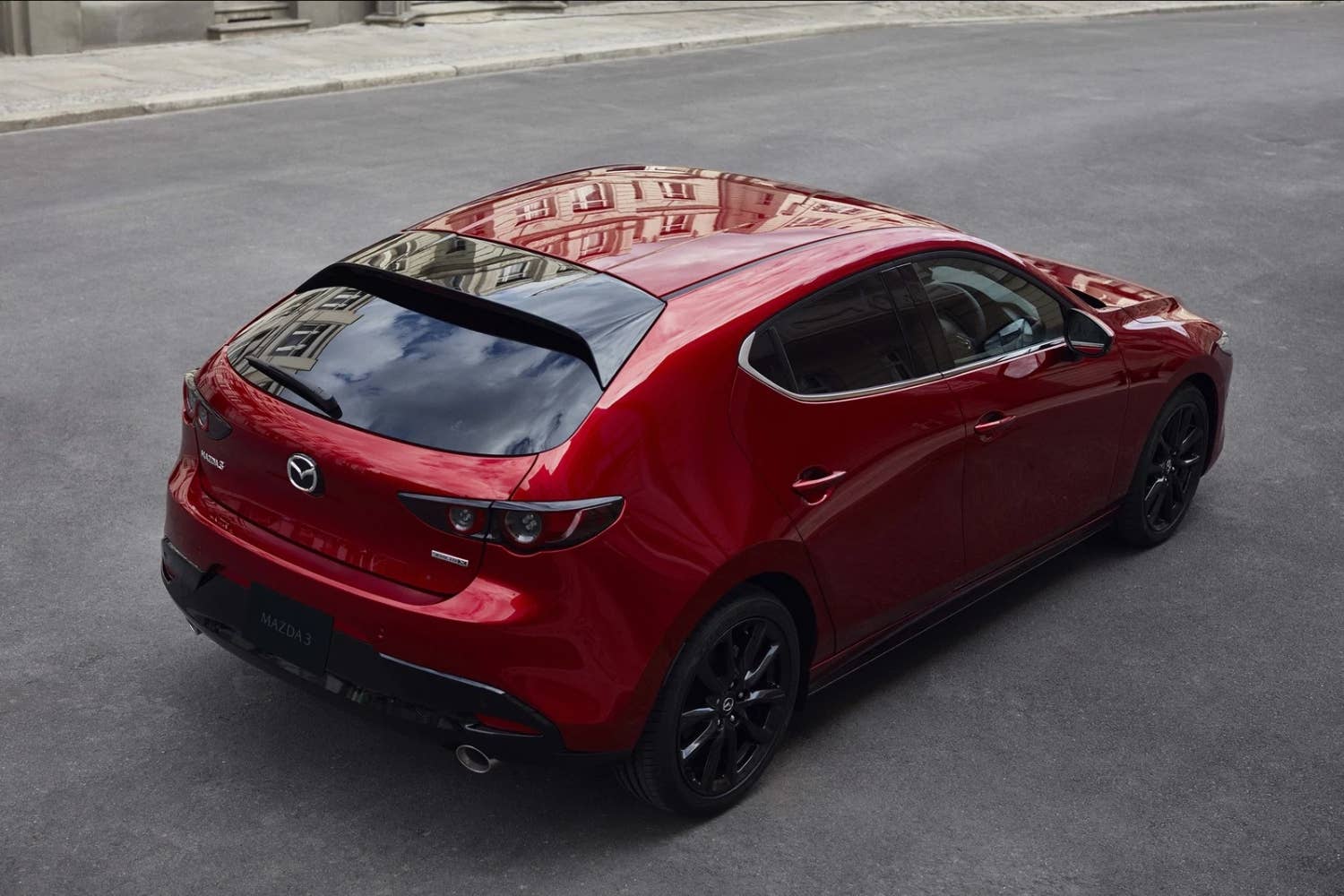
It seems like it’s been on sale forever (now in its ninth model year), but we’re not complaining. Whether you call it the Mazda Mazda3, the Mazda 3, or just Mazda3, this is one of the best compact sedans/hatchbacks for keen drivers. It’s also got great crash scores, has a premium-feeling cabin, and can be ordered with a manual. As standard, a 2.5-liter naturally aspirated four-cylinder produces 186 hp, while a turbocharged four-pot with the same displacement produces up to 250 hp. Unfortunately, the standard six-speed automatic can only be substituted for a six-speed stick in the 2.5 S Hatchback, which has the non-turbo engine, but we’re just glad it exists. And unlike the above-mentioned vehicles, this comes in either front- or all-wheel drive, depending on trim and engine.

Mazda
Inside, an 8.8-inch display is standard with wired smartphone integration, but a 10.25-inch touchscreen with wireless CarPlay/Android Auto, Google Built-In, and a 12-speaker Bose sound system can be had, as can faux or real leather to replace the standard fabric. Heated front seats, a power driver’s seat, and dual-zone climate control also require hiking up the Mazda3 range. As for room, you get up to 35.1 inches of rear legroom and up to 37.3 inches of headroom, so the Mazda3 can feel a little tight for some. It’s a similar story in the back, with the sedan’s trunk only delivering 13.2 cubic feet of volume and the hatch offering 20.1 cubic feet with the rear seats in place and 47.1 cubic feet with them down. So it’s not the most capacious, nor is it the most economical, but it’s by far the most fun-to-drive compact without getting a hot hatch.
Mazda Mazda3 Pros
- Excellent interior quality
- Available AWD turbo powertrain
- Available six-speed manual transmission (hatchback only)
- Class-leading crash results and safety features
- Aging styling still looks highly attractive
Mazda Mazda3 Cons
- Second row is tight
- Base engine can feel underpowered at higher speeds
- Mediocre gas mileage
- Top trims approach $40k
Mazda Mazda3 Scores
- Value: 4/5
- Ownership Cost: 4/5
- Overall Recommendation: 4.5/5
Who’s It For?
The Mazda 3 is perfect for the keen driver on a budget. It doesn’t look, feel, or drive cheap, yet even the manual option you want is only a little more than $25,000.
Recommended Trim
Our favorite Mazda 3 variant is the 2.5 S Premium, as this can be had with a manual transmission, but at $31,650 for 2026, it’s out of reach for our $30k budget. Therefore, we recommend the Select Sport. In sedan form, it starts at $25,800; as a hatchback, it starts at $26,840, excluding a $1,235 destination charge.
Honorable Mentions Under $30,000
Nissan Sentra
Nissan
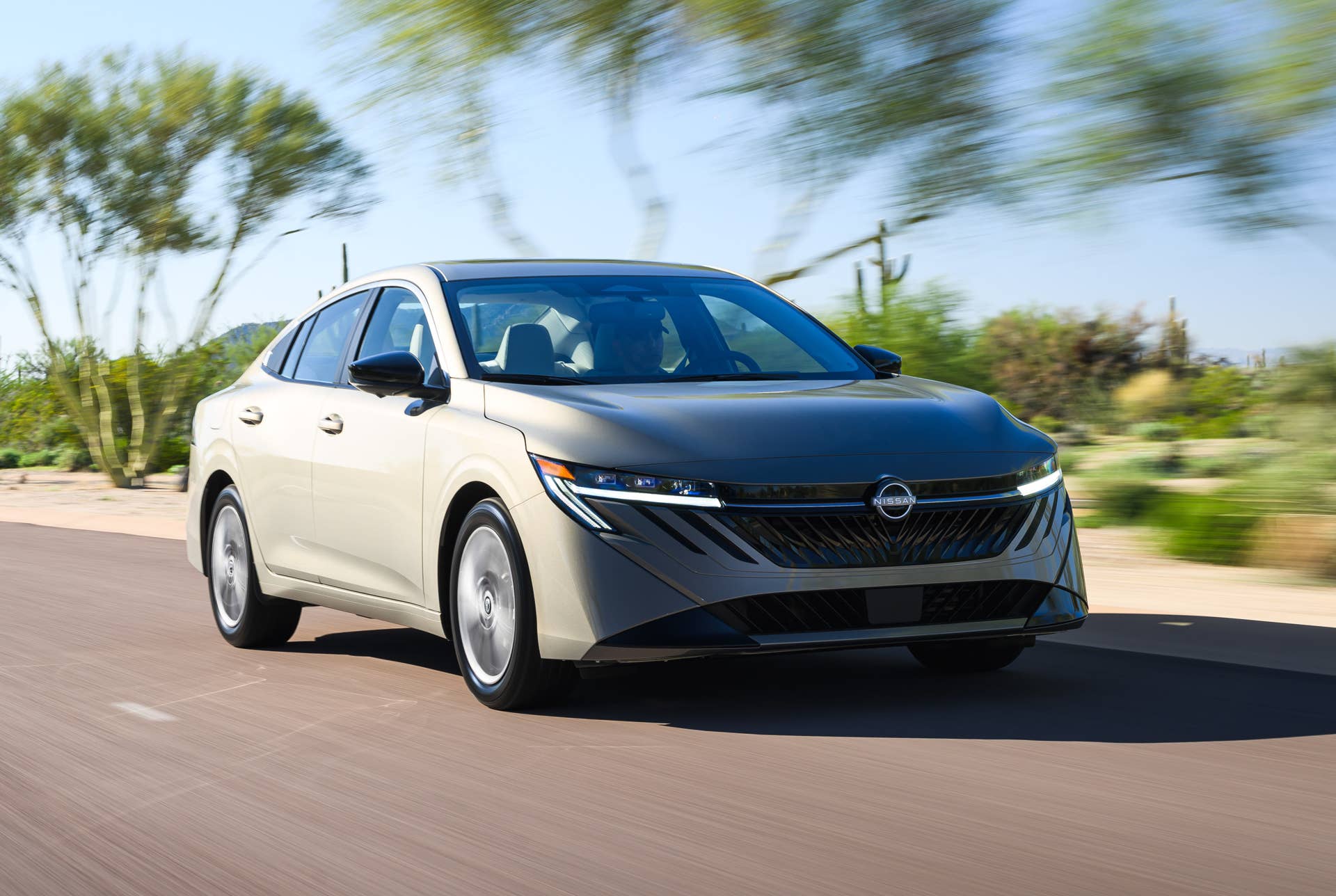
The Nissan Sentra was redesigned for the 2026 model year, and it’s ar more modern as a result. But it’s still cheap, with the base trim starting at $22,850 (plus $1,245 for destination), and even the top trim, the SL, carrying a sub-$30k base MSRP ($28,400 plus destination). Only a single FWD powertrain is offered, and the 2.0-liter four-cylinder only makes 149 hp and 146 lb-ft of torque through a CVT, so getting to 60 mph will take between eight and nine seconds. Still, it returns EPA estimates of up to 30/38/33 mpg on the city/highway/combined cycles, and although a sedan, the rear seats fold to expand the 14.3 cubic-foot trunk. It’s also worth noting that you get dual 12.3-inch displays on all but the base trim, and the interior feels well-made. You also get standard adaptive cruise control, but one of the cheapest new sedans will inevitably be compromised, and the Sentra is slow, makes a lot of noise when floored, and has touch-capacitive climate controls. Still, for such a small asking price, it’s impressive overall.
Hyundai Elantra
Hyundai
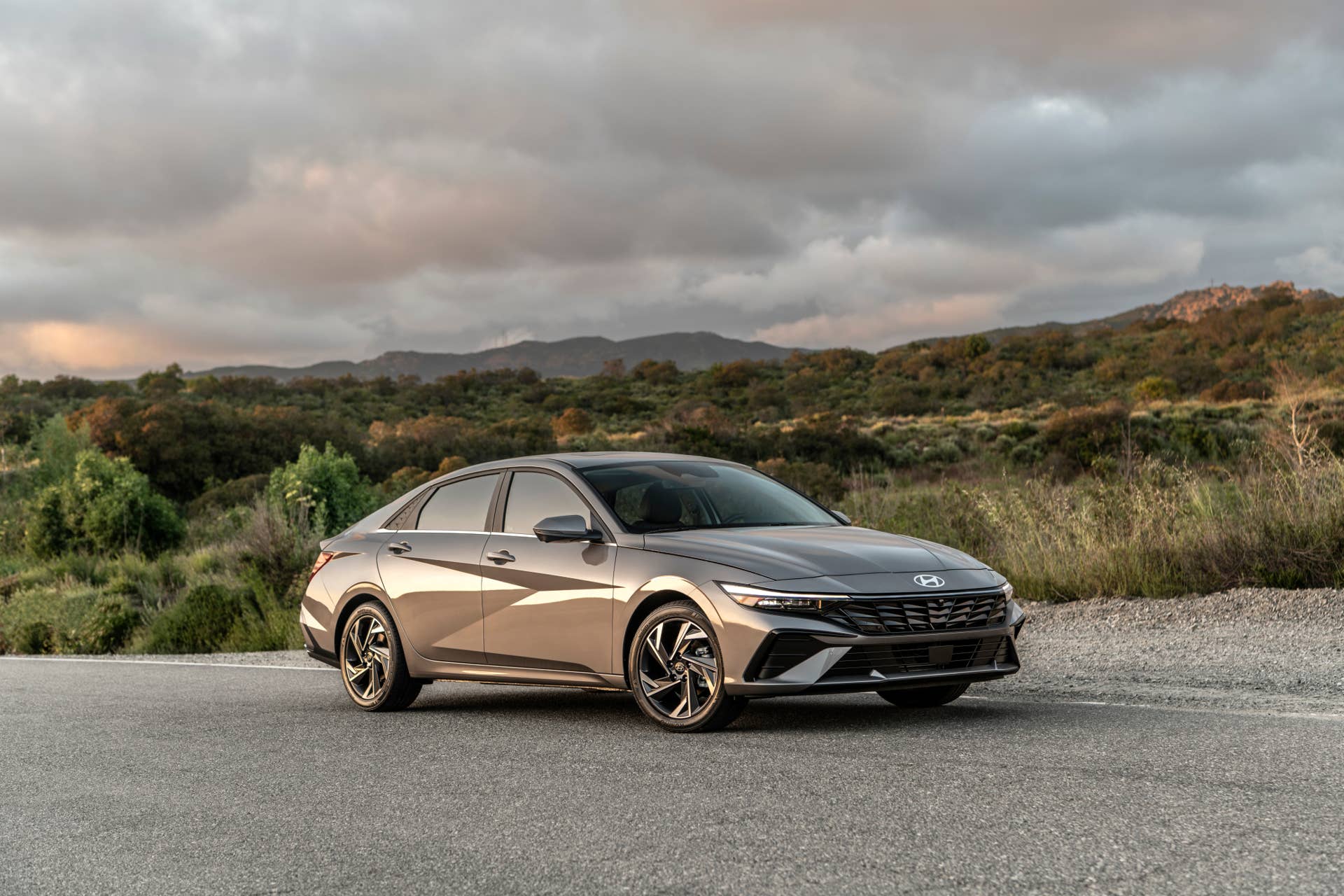
While the newest version of what previews the new Elantra has already been revealed in Korea, the 2027 model hasn’t yet debuted for America. You may wish to wait for its more attractive styling and other inevitable upgrades, but with a base MSRP of $22,625 (plus a $1,245 freight charge) for the 2026 model year, the current model is still very tempting. Although the sweeping roofline seems aggressive, rear headroom is generous, and as for the driver, the controls are ergonomically laid out. Sure, some surfaces use harder plastics, but with such a slow starting price and a range of engines that produce 139 hp, 147 hp, or 201 hp (N Line), the Elantra range has plenty of variety, and that’s without considering the $35k Elantra N. The hybrid is exceptionally economical, the warranty is the best in the business, and there’s plenty of standard safety tech. We recommend the SEL Sport HEV ($27,425 plus destination), as you get a strong list of features, advanced safety upgrades, and excellent gas mileage. Expect offers at your local dealer when the 2027 model is announced.
Chevrolet Bolt
Cole Attisha/Autoblog
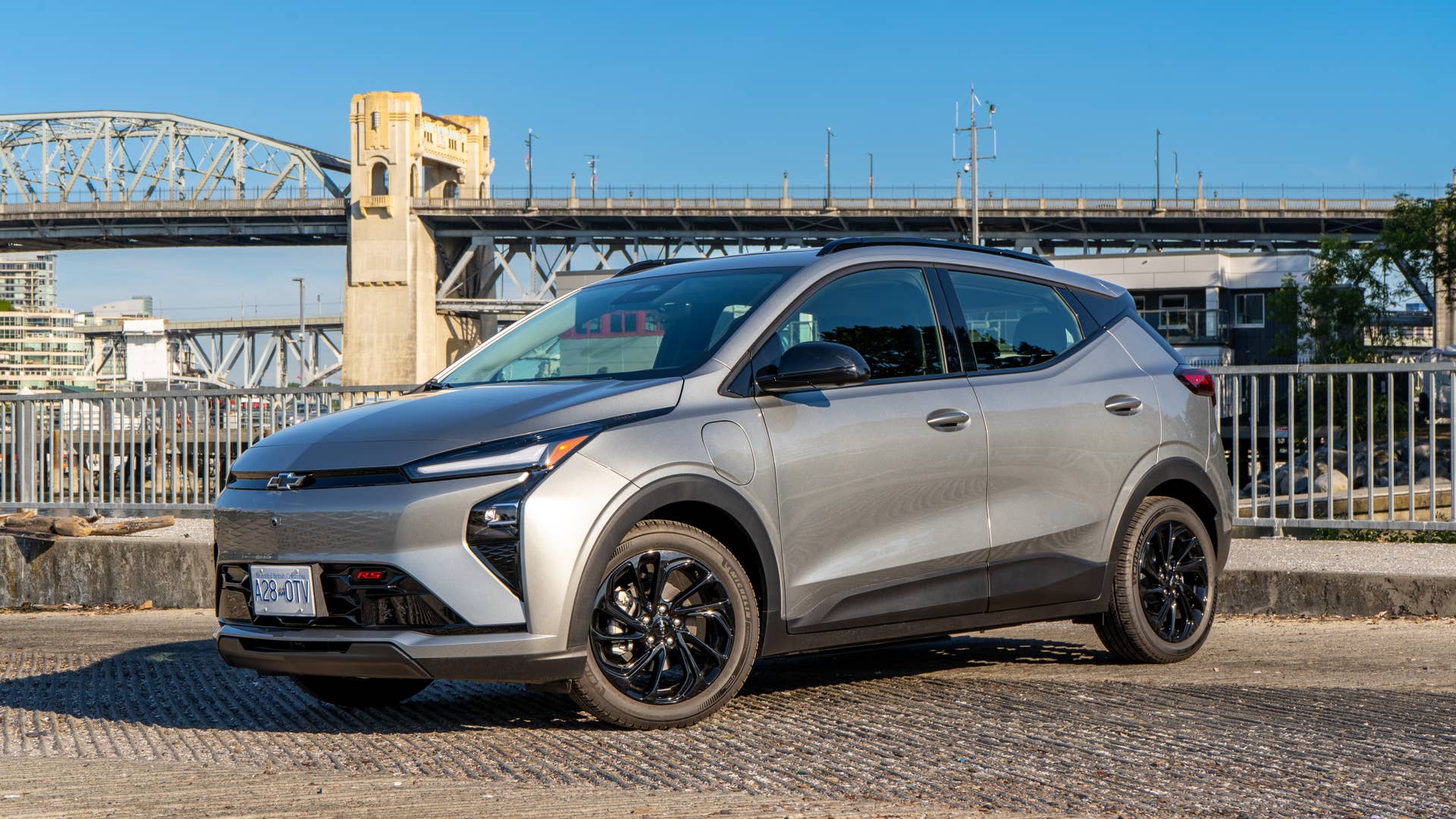
Some might consider the Chevrolet Bolt a crossover of sorts, but with just 5.6 inches of ground clearance, it’s more like a slightly tall hatchback than an SUV of any description. Starting at $27,600 (plus $1,395 for destination), the Bolt proves affordable American EVs are possible, yet it still delivers up to 262 miles of range. The infotainment system is decent; you can get Super Cruise hands-free driving tech; the seats fold to expand cargo area to 56.3 cubic feet (excluding the 4-cubic-foot under-floor compartment), and there are almost 40 inches of rear legroom. It produces 210 hp and will take approximately seven seconds to get to 60 mph, and when the battery is dead, it can be recharged from 10-80 percent in 25 minutes. Dual-level home charging equipment is included, and an NACS charging port means the Tesla Supercharger network is accessible, too. Downsides? The ride suffers on uneven pavement, there’s no AWD option, and Chevy didn’t think including a spare tire was necessary.
Hyundai Sonata
Hyundai
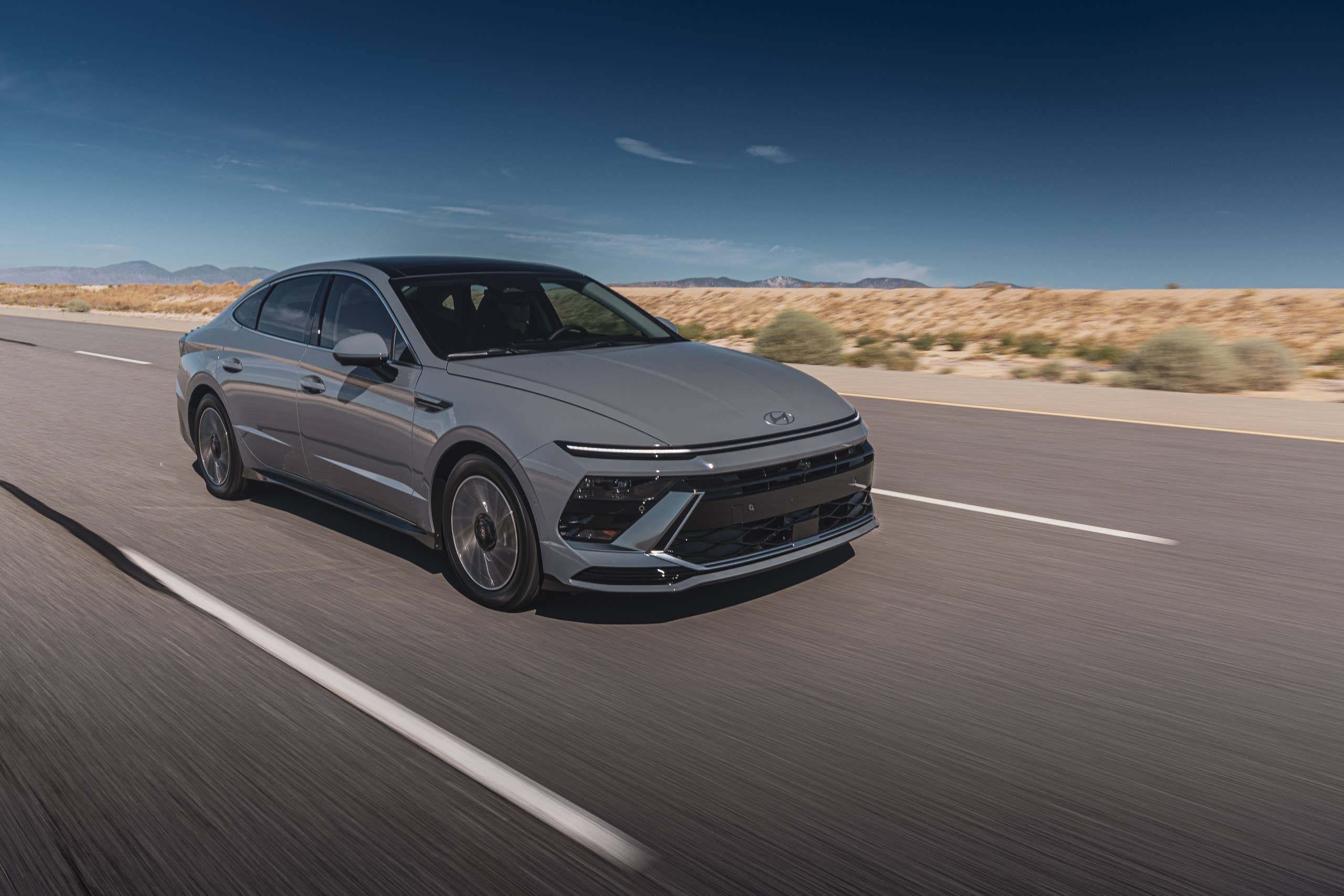
If you want to look like you’ve spent more than you have, the 2026 Hyundai Sonata starts at just $27,450 yet looks like it could be a rival to premium mid-size sedans. Engine options range from an efficient base 2.5-liter four-cylinder (191 hp/181 lb-ft, eight-speed automatic), through a hybrid naturally aspirated 2.0-liter with an electric motor (a combined 192 ho, six-speed auto), to a turbocharged 2.5-liter N Line model (290 hp/311 lb-ft, eight-speed dual-clutch automatic) that does an excellent impression of a genuine sports sedan. AWD is also available at $1,500 on the SEL Sport, and inside, the Sonata keeps up the facade of being premium, with two 12.3-inch displays under a single glass panel like pre-Neue Klasse BMWs. Physical climate and audio controls make a welcome appearance, and of course, Hyundai’s 10-year warranty is included. There’s no manual, and AWD is limited to a single trim, but this is a solid all-rounder that we think is best in SEL Sport form for $29,150.
Volkswagen Jetta
VW
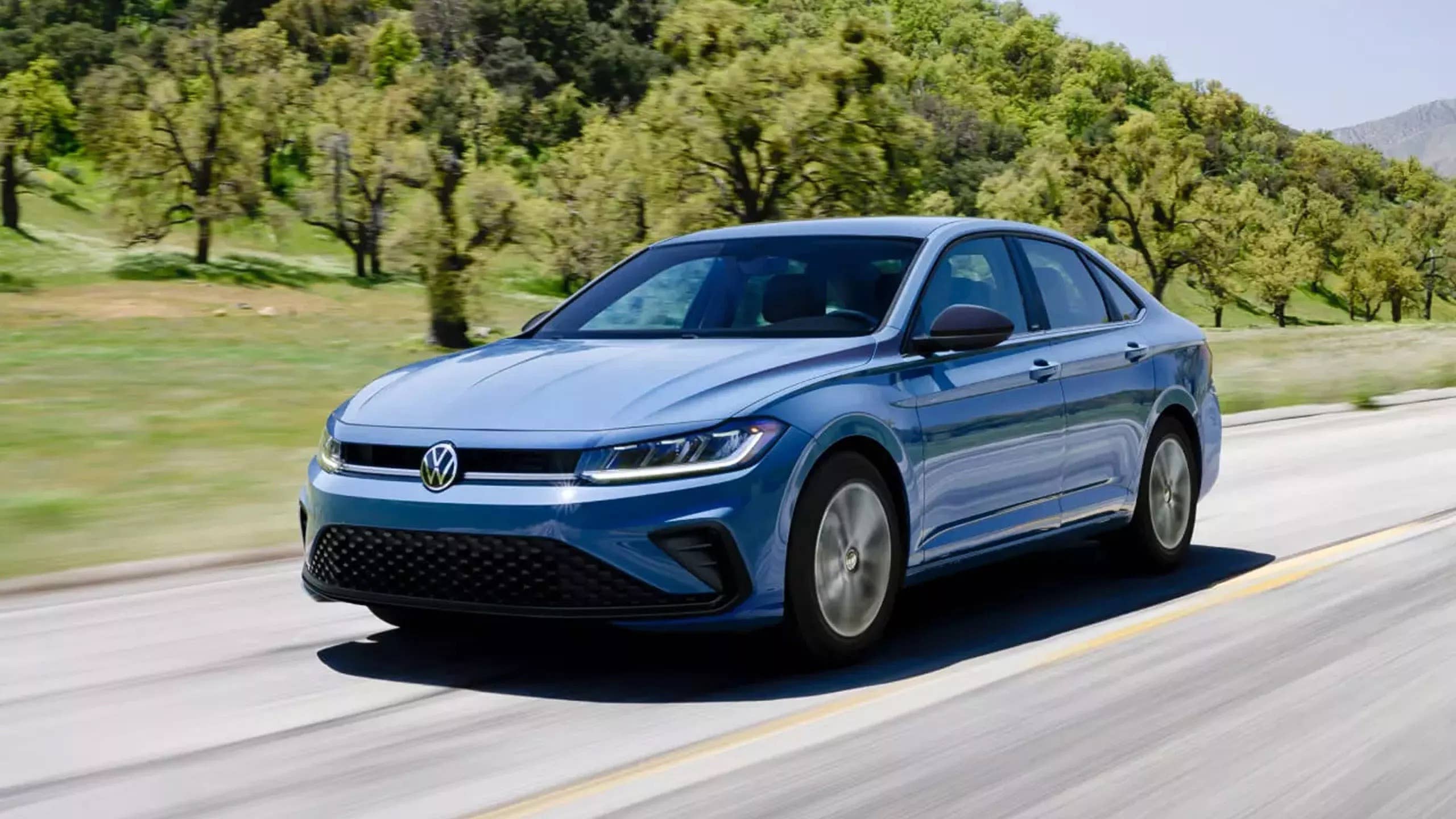
There’s no longer a non-GTI Golf, but there’s still a non-GLI Volkswagen Jetta range, and for the 2026 model year, it starts at $23,995 and gets a turbocharged engine as standard. It’s a 1.5-liter four-cylinder paired with an eight-speed automatic (no CVT!) feeding the front axle only, and it makes 158 hp, so it’s not quick, but you do get IQ.Drive safety tech on every trim, including adaptive cruise control, lane-keep assist, forward-collision warning with automatic emergency braking, and blind-spot monitoring. Despite no hybrid, you can get up to 40 mpg on the highway, and with dual-zone climate control standard, the trips will be comfortable. An 8.0-inch touchscreen is standard alongside a matching driver cluster, the latter being upgraded to a 10.25-inch unit on the SEL. Leatherette, heated front seats, wireless charging, keyless access, push-button start, and remote start are available, and so are ventilated front seats, heated rear outboard seats, a panoramic sunroof, and ambient lighting. If you want to drive a German car but can’t justify a BMW, this is not a bad place to start.
Best Car Between $35,000 And $50,000: Toyota Camry
Joe Santos/Autoblog
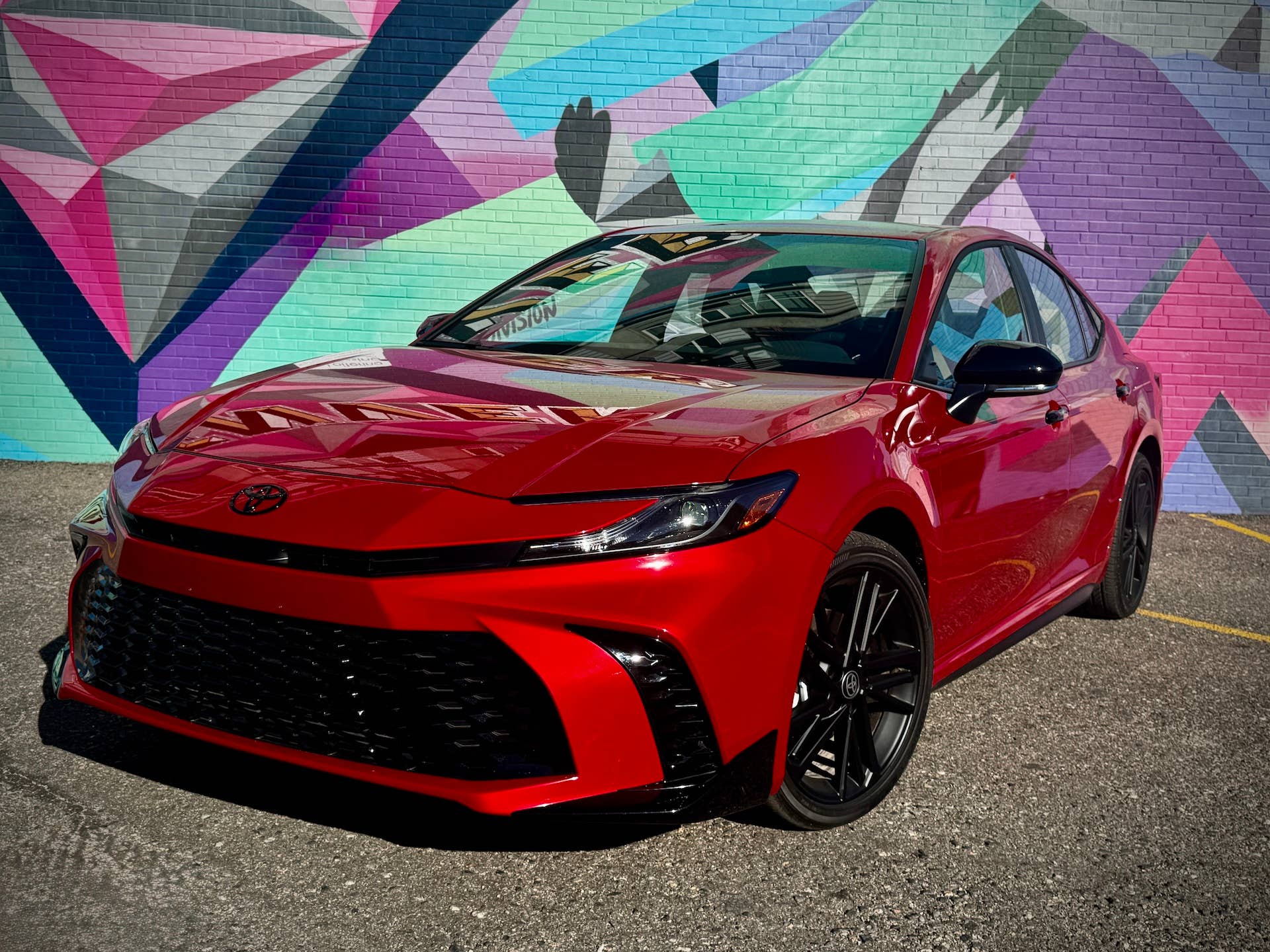
The Toyota Camry was Toyota’s best-selling model in the U.S. at the start of the year, despite being hybrid-only. A 2.5-liter four-cylinder hybrid produces either 225 hp with FWD or 232 hp with AWD, and although power goes to the wheels through a CVT, it’s a relatively refined experience. Both versions feel brisk, and in the corners, the Camry holds its own – though the Accord has the edge in handling dynamics. EPA ratings for the FWD model are as high as 52/49/51 on the city/highway/combined cycles, and the AWD model will also manage 50 mpg combined. It’s solidly built, the seats are comfy, and adults will not feel cramped in the rear. On top of that, it’s one of only two mid-size cars to receive a Top Safety Pick+ award from the IIHS, and it looks sporty enough to wear a performance-minded GR badge (though we’re glad it doesn’t).
Kristen Brown/Autoblog
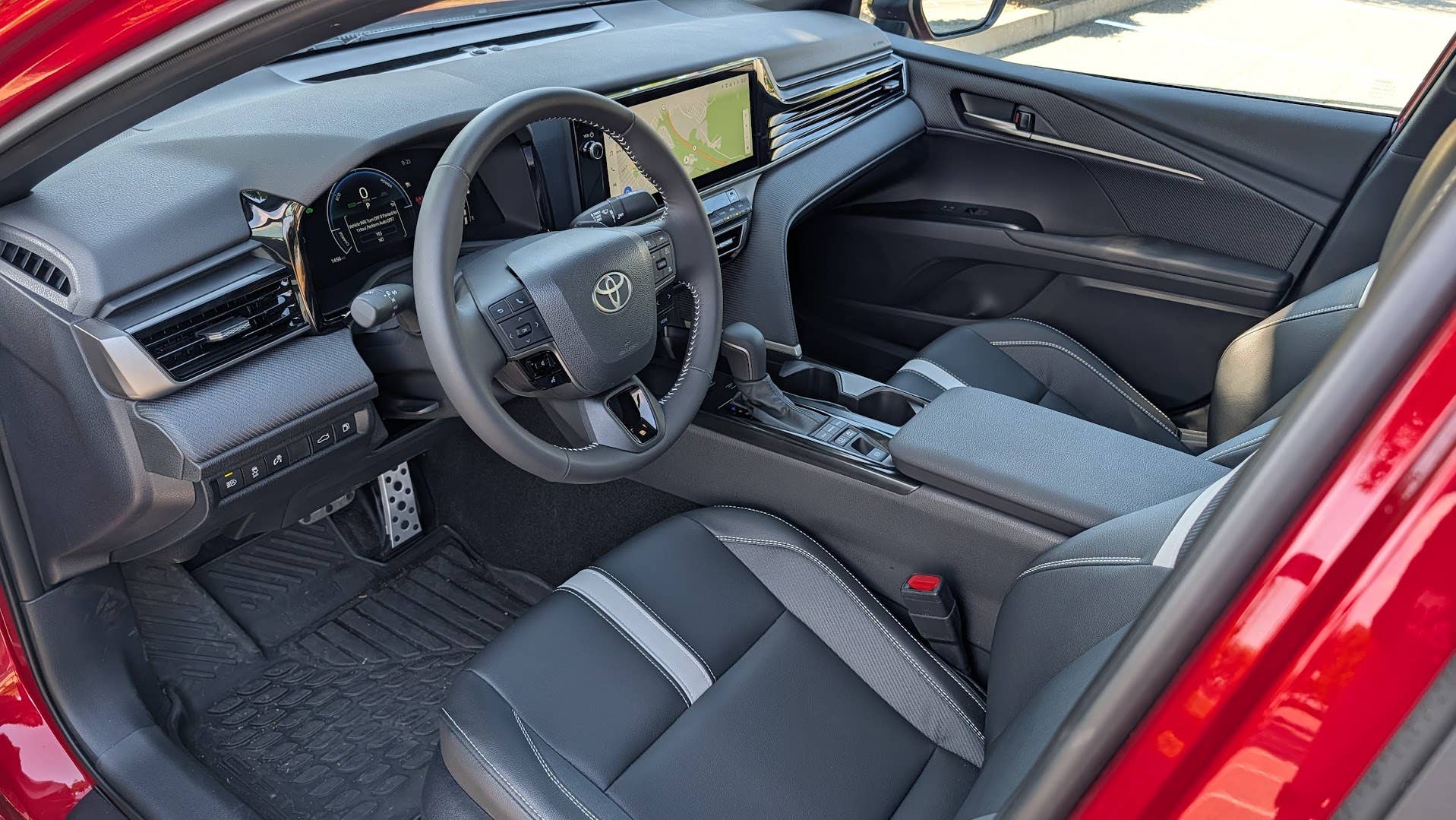
The Camry’s straightforward cabin is easy to get along with, thanks to several physical buttons, and at highway speeds, increased sound deadening adds to the sense of premium quality. Bae models have a 7.0-inch driver display and an 8.0-inch infotainment touchscreen with a six-speaker audio system, while the upper trims get a pair of 12.3-inch displays with a nine-speaker JBL sound system, but every Camry boasts wireless Apple CarPlay and Android Auto. With the cheapest model starting around $30,000, the Camry is cheap for its segment but expensive compared to similar rivals. Still, that added cost isn’t a drawback, as the quality of the driving experience and the comfort of the cabin suggest the cash has been well-invested. We recommend the XLE FWD trim, which is expected to start at around $35,000 for the 2027 model year. Sure, there may be “better” cars available with a similar base MSRP before options, but for just $35k, the Camry bundles useful features and comfort upgrades in the asking price, which many fancier cars do not. Not only is it the winner in this particular price range, but it also takes top honors in our Best Family Sedan and Best Hybrid categories for 2027.
Toyota Camry Pros
- Superb efficiency on all models
- Hybrid powertrain standard
- Spacious and comfortable cabin
- Comprehensive safety suite
- AWD avaialble
Toyota Camry Cons
- No gas-only options
- Handling is less sharp than some rivals
- Higher trims exceed $40k with options
Toyota Camry Scores
- Value: 4.5/5
- Ownership Cost: 4/5
- Overall Recommendation: 4.5/5
Who’s It For?
Somebody who wants a stylish, refined, well-made, and efficient mid-size sedan without spending the money premium models sell for.
Recommended Trim
Unless you need traction on both axles, we recommend the XLE FWD for around $35,000. You get added comfort features (including heated front seats and access to the option of ventilation) without the stiffer sport suspension of the XSE.
Runner-Up 1: Acura Integra
Acura
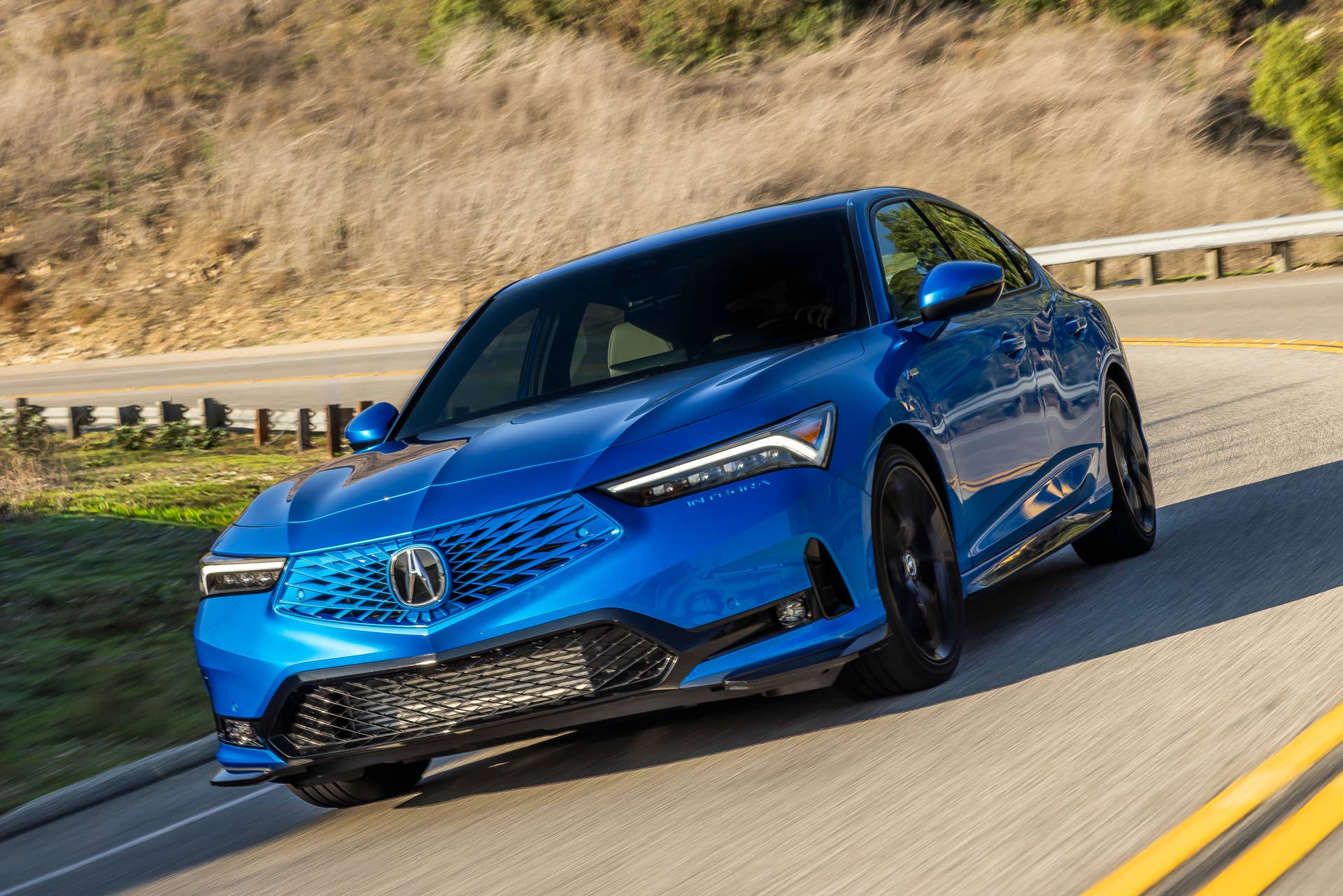
Sticking with value propositions, the Acura Integra offers a stylish, sporty means of transportation that feels more exciting than a Civic without being as hardcore as a Type R or as luxurious as a Lexus. A turbocharged 1.5-liter four-cylinder produces 200 hp, and it is sent to the front wheels through a continuously variable transmission, with the manual A-Spec variant no longer available. Alternatively, there’s the Integra Type S that has the 320-hp 2.0-liter turbo-four from the Civic Type R, and this is only available with a manual.
Acura
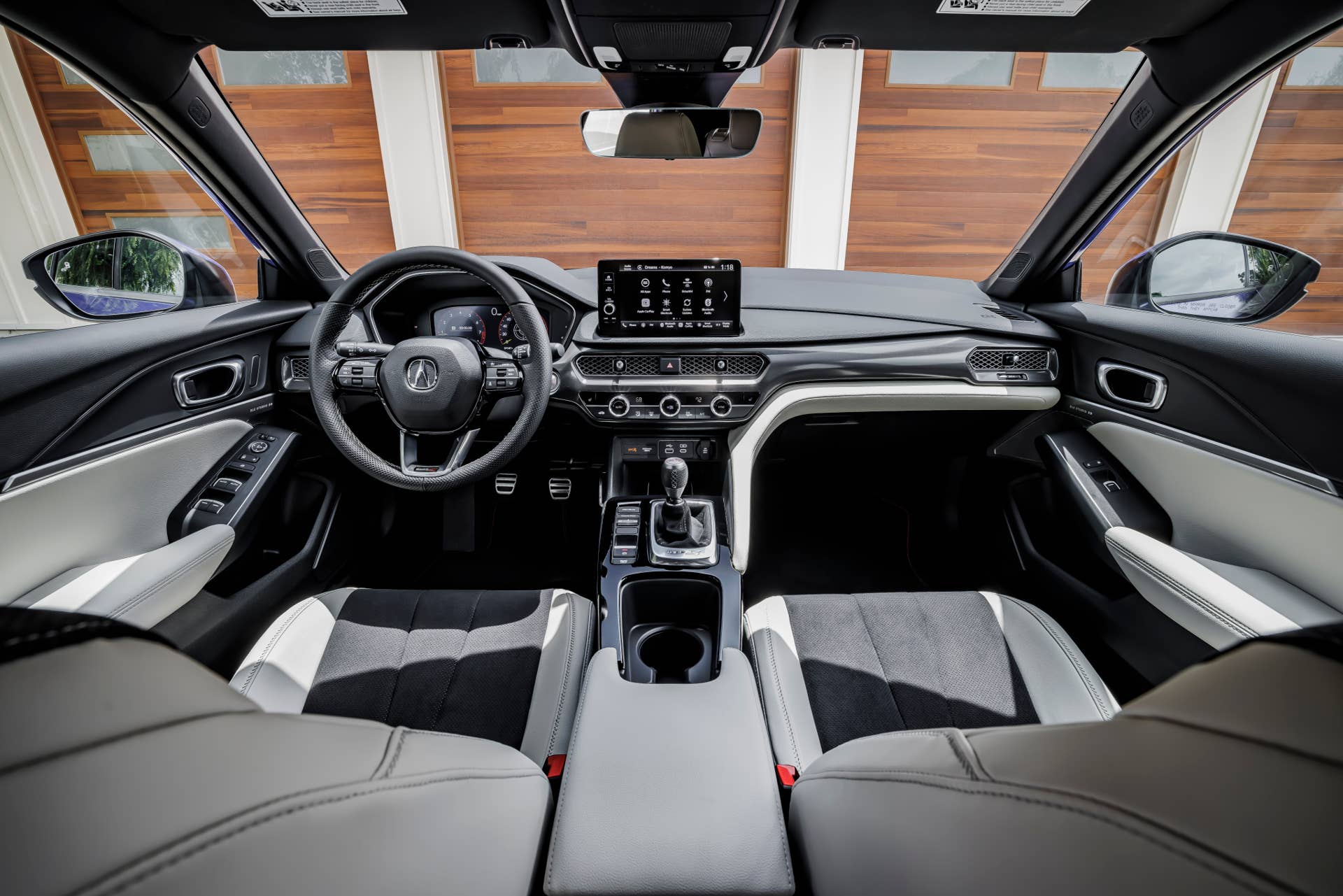
A 9.0-inch touchscreen with wireless smartphone integration is standard, as is a 10.2-inch digital driver display, supplemented by a 5.3-inch head-up display on higher trims. With the A-Spec Technology version, 12-way power front seats upholstered in synthetic suede with contrast stitching make the cabin feel almost plush, and so does the availability of an ELS Studio 3D premium audio system with 16 speakers, including overhead speakers and a cargo-area subwoofer. Ambient lighting, heated front seats, and dual-zone climate control add to the pleasant look and feel of the cabin.
Acura Integra Pros
- Strong cargo carrying capability
- Plenty of standard safety features
- Impressive powertrain warranty (6 years/70,000 miles)
- Two years or 24,000 miles of complimentary maintenance
Acura Integra Cons
- Noticeable road noise at freeway speeds
- Limited rear-seat comfort features
- Interior materials are more Honda than Acura
- No manual transmission anymore
Acura Integra Scores
- Value: 4/5
- Ownership Cost: 4/5
- Overall Recommendation: 4
Who’s It For?
Somebody who wants the reliability and fun of a Honda with the improved prestige of the Acura badge.
Recommended Trim
Our favorite Integra is the A-Spec with Technology, as this starts under $40k and adds features like a head-up display, a 12-way power driver’s seat, WiFi hotspot capability, and a 16-speaker sound system. The Type S is tempting, but you’ll pay over $55,000 once the $1,295 destination charge is factored in, and that’s before options.
Runner-Up 2: Honda Accord
Honda
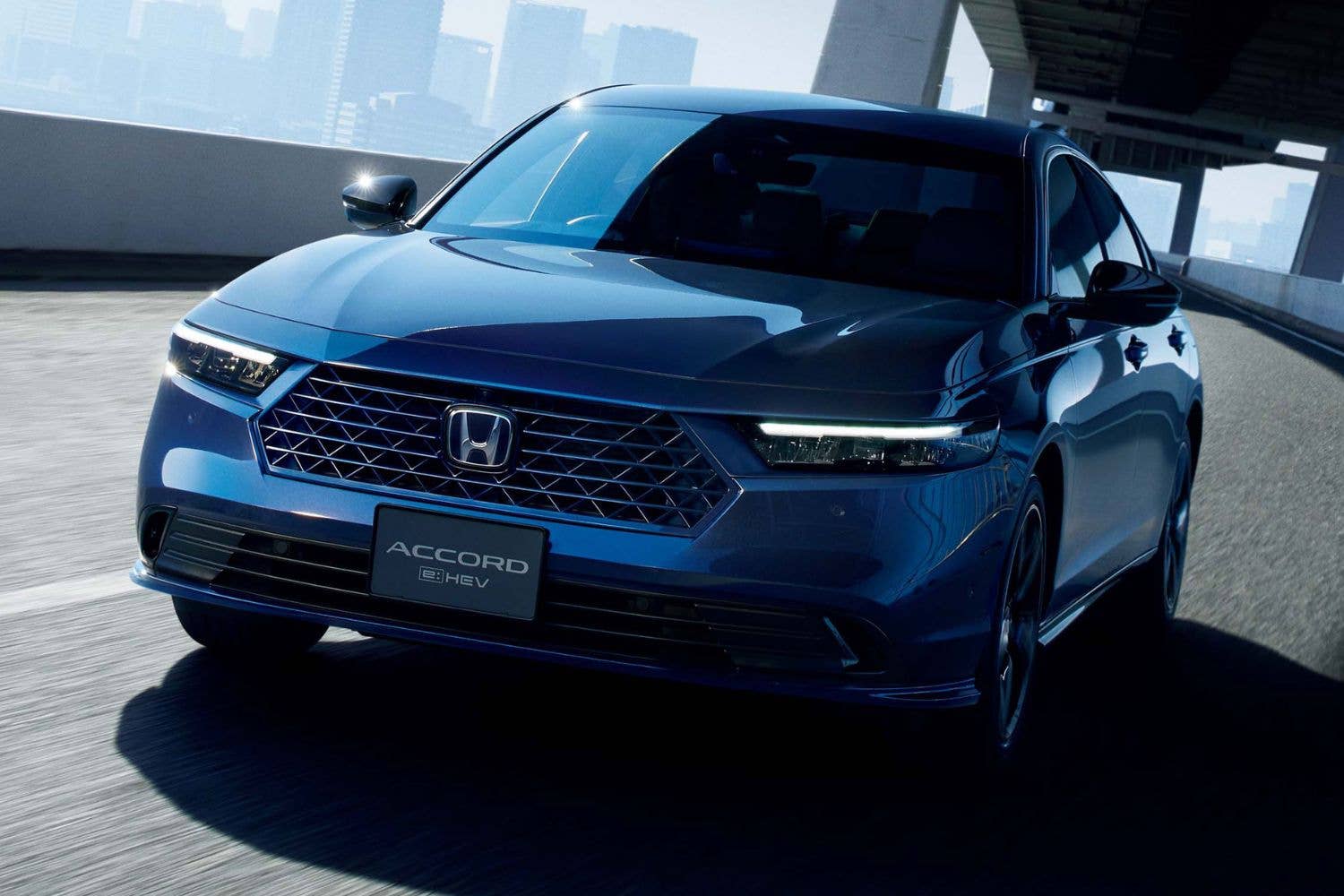
A major update is expected to come to the Honda Accord within the next year or so, but in the meantime, the existing sedan is still great and drives beautifully. Powertrain choices are a 1.5-liter turbocharged four-cylinder with 192 hp and a naturally aspirated 2.0-liter hybrid (similar to that in the Civic) making 204 hp, but what truly stands out is how spacious the Accord is, stretching the definition of a mid-size sedan and making rear-seat passengers truly comfortable. 0-60 mph takes up to eight seconds with the turbo engine, while the hybrid will manage a sub-7.0-second sprint.
If you want something efficient, reliable, and functional, the Accord takes all the best things about the Civic and dresses them in a bigger, nicer package. It may sound like an insult, but comparing anything to a Civic is a compliment, and the Accord is certainly deserving of praise for its refinement and handling despite placing efficiency and space similarly high up on the priority list.
Honda
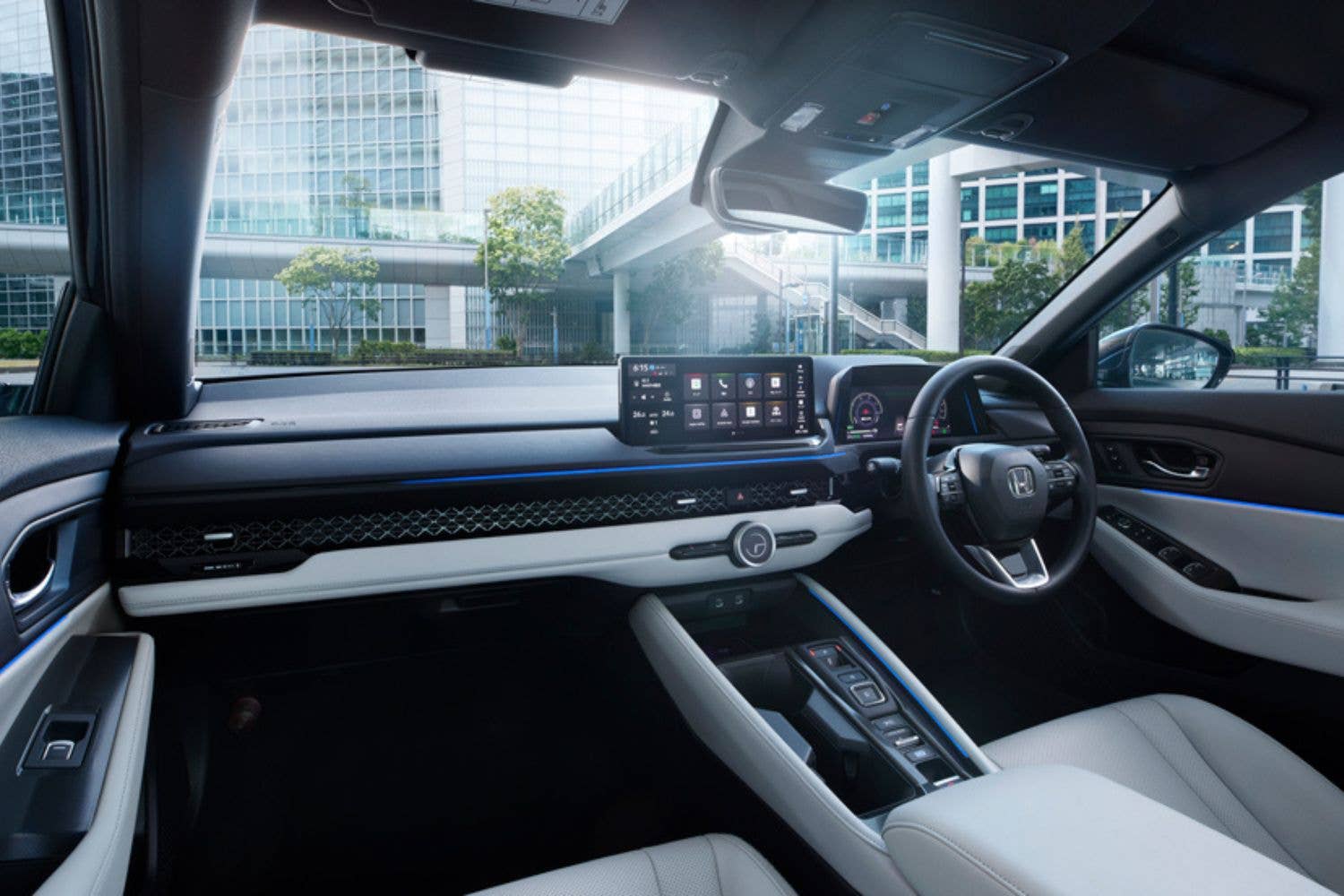
There are some harder plastics in the cabin, but with a starting price of $28,395, that can be forgiven. This LX trim features fabric upholstery and no climate control, only regular AC, but the SE adds heated front seats (with power adjustment for the driver) and dual-zone climate control. Higher up, leather, ventilation, and heating for the rear seats are offered. As standard, the driver gets a 10.2-inch display, and the aforementioned LX and SE trims have a 9.0-inch touchscreen with four or six speakers, plus WiFi, wireless charging, and wireless smartphone integration. The others are upgraded to a 12.3-inch touchscreen with Alexa Built-In, and a 12-speaker Bose sound system is available. Overall, there’s enough variety in the options list to make the car your own without sacrificing the mainstream appeal that has kept the Accord popular with Americans for half a century.
Honda Accord Pros
- Superb gas mileage
- Spacious, quality interior
- Strong yet frugal powertrains
- Engaging handling
- Numerous safety features
Honda Accord Cons
- CVT is better than most but still not as engaging as a real gearbox
- Rear visibility compromised by roofline
- Some hard cabin plastics
Honda Accord Scores
- Value: 4.5/5
- Ownership Cost: 4/5
- Overall Recommendation: 4.5
Who’s It For?
Someone who wants something reliable, spacious, and efficient. It’s a Camry without the shouty styling or dull handling.
Recommended Trim
Our preference is the EX-L Hybrid, expected to start just over $35,000 for 2027. You get the economical yet powerful hybrid powertrain, a bigger touchscreen, leather seating, parking sensors, heated wing mirrors and more. The similarly priced Sport-L hybrid adds unnecessary styling changes, while the range-topping Touring Hybrid and its heated steering wheel, Bose sound system, and head-up display starts just under $40k.
Honorable Mentions Between $30,000 And $50,000
Volkswagen Golf GTI
Volkswagen
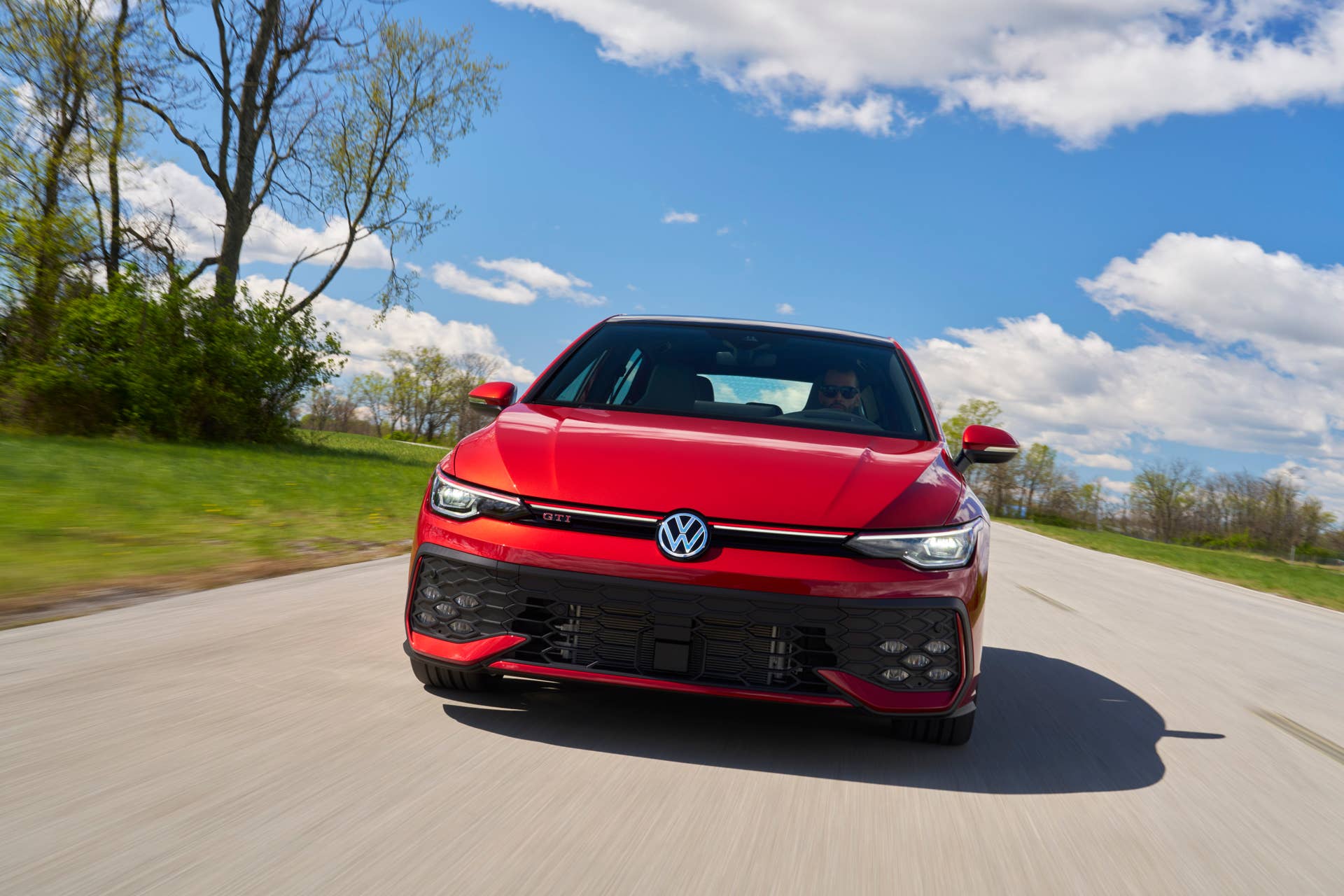
Starting at just under $35,000, the Volkswagen Golf GTI brings epic fun to this budget bracket, with a 2.0-liter turbocharged four-cylinder sending 241 hp and 273 lb-ft to the front wheels. Sadly, you can’t have it with a manual transmission anymore, but the seven-speed DSG dual-clutch is one of the best in the business. Thanks to a limited-slip differential, it can put that power down, and the sports suspension keeps the body stable without mashing your back every time an expansion joint appears. After a recent update, physical buttons have reappeared on the steering wheel, and although the price has gone up in recent years, it’s still one of the best, most practical ways to have a fun daily driver. Don’t go for the top-tier GTI Autobahn, and don’t settle for the base GTI S. The mid-range SE creeps in under $40k and is the sweet spot.
Audi A3
Audi
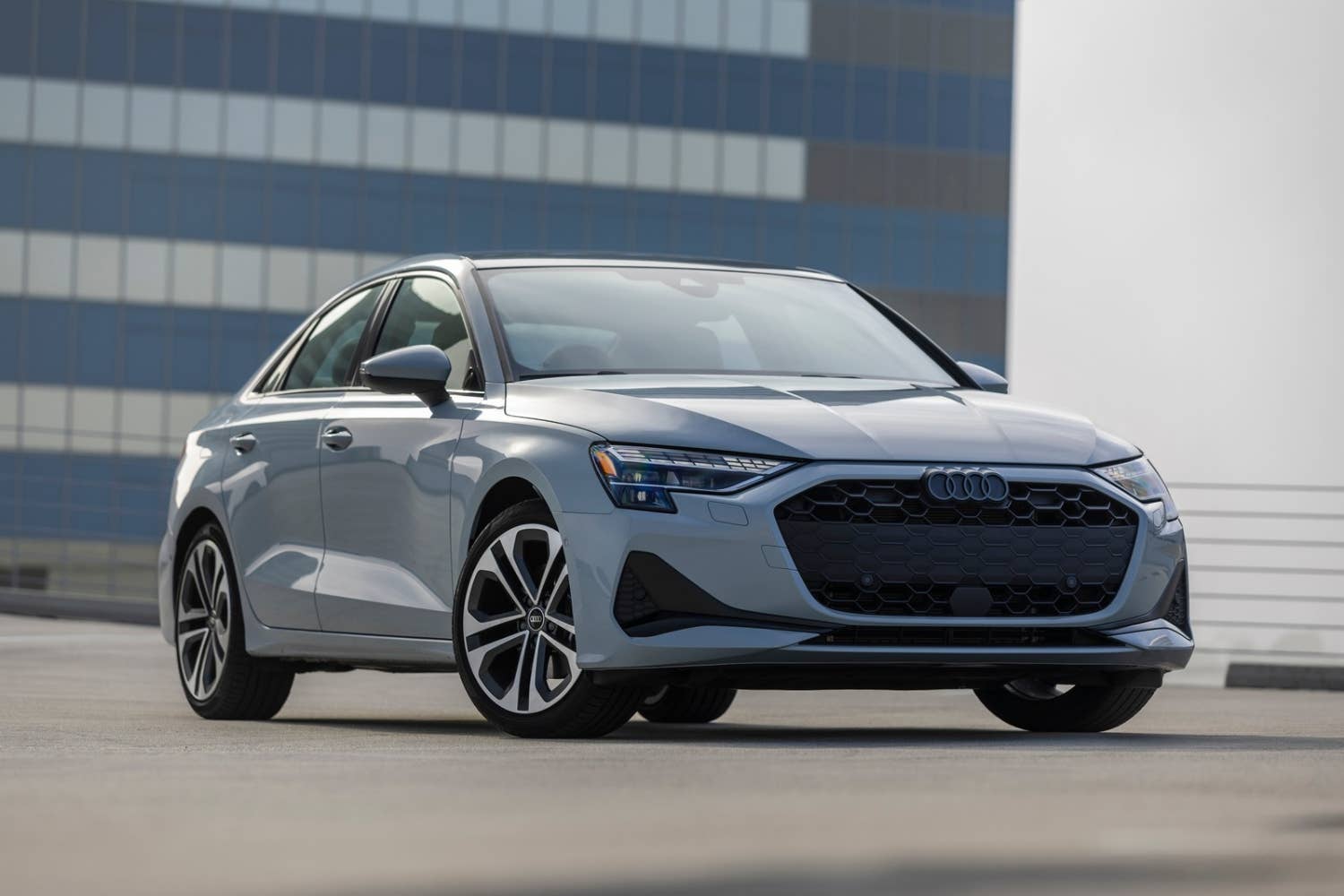
Another entry in the $40k-plus price bracket, the Audi blends real premium luxury with a subcompact body, which is rare. AWD is standard, and no other cabin feels this good for the price. Three years of complimentary maintenance is another neat drawcard, and the refined ride proves this is far more than just a fancy VeeDub. A 2.0-liter turbocharged four-cylinder with mild-hybrid assistance produces 201 hp and 236 lb-ft of torque, accessed through a seven-speed S tronic DCT, with 0-60 mph done and dusted in six seconds flat. There’s plenty of screen real estate, too, appealing to the tech-conscious. However, it’s worth noting that the 8.3-cubic-foot trunk is tiny (the smallest in its class), the rear seat is tight if you’re tall, and options quickly inflate the price.
Alfa Romeo Giulia
Alfa Romeo
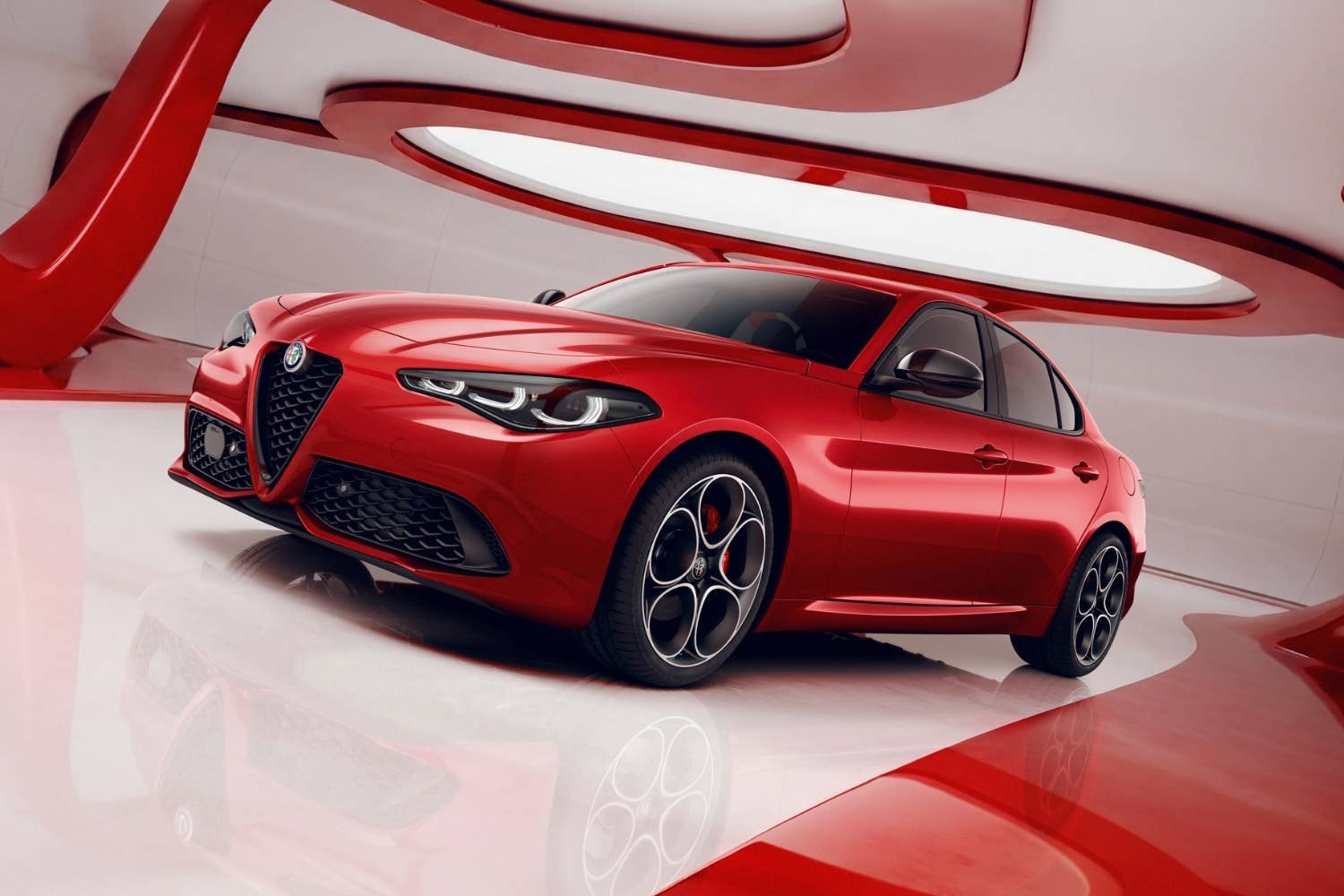
The Alfa Romeo Giulia has been on sale for a long time now, having first launched in early 2016, but its chassis remains a high point in the segment, with near-perfect weight distribution and a carbon fiber driveshaft adding to driver appeal, even without the high-performance Quadrifoglio treatment. It’s powered by a 2.0-liter turbocharged four-cylinder making 280 hp and 306 lb-ft, delivered to either the rear axle or all four wheels via an eight-speed automatic. For those who want something non-German that still handles beautifully, this is a standout choice. Yes, it’s not as fast as some rivals, especially those with six-cylinder engines, but it’ll be enjoyable more easily and more often. For the 2026 model year, prices start just under $45,000 before destination.
BMW 2 Series
BMW
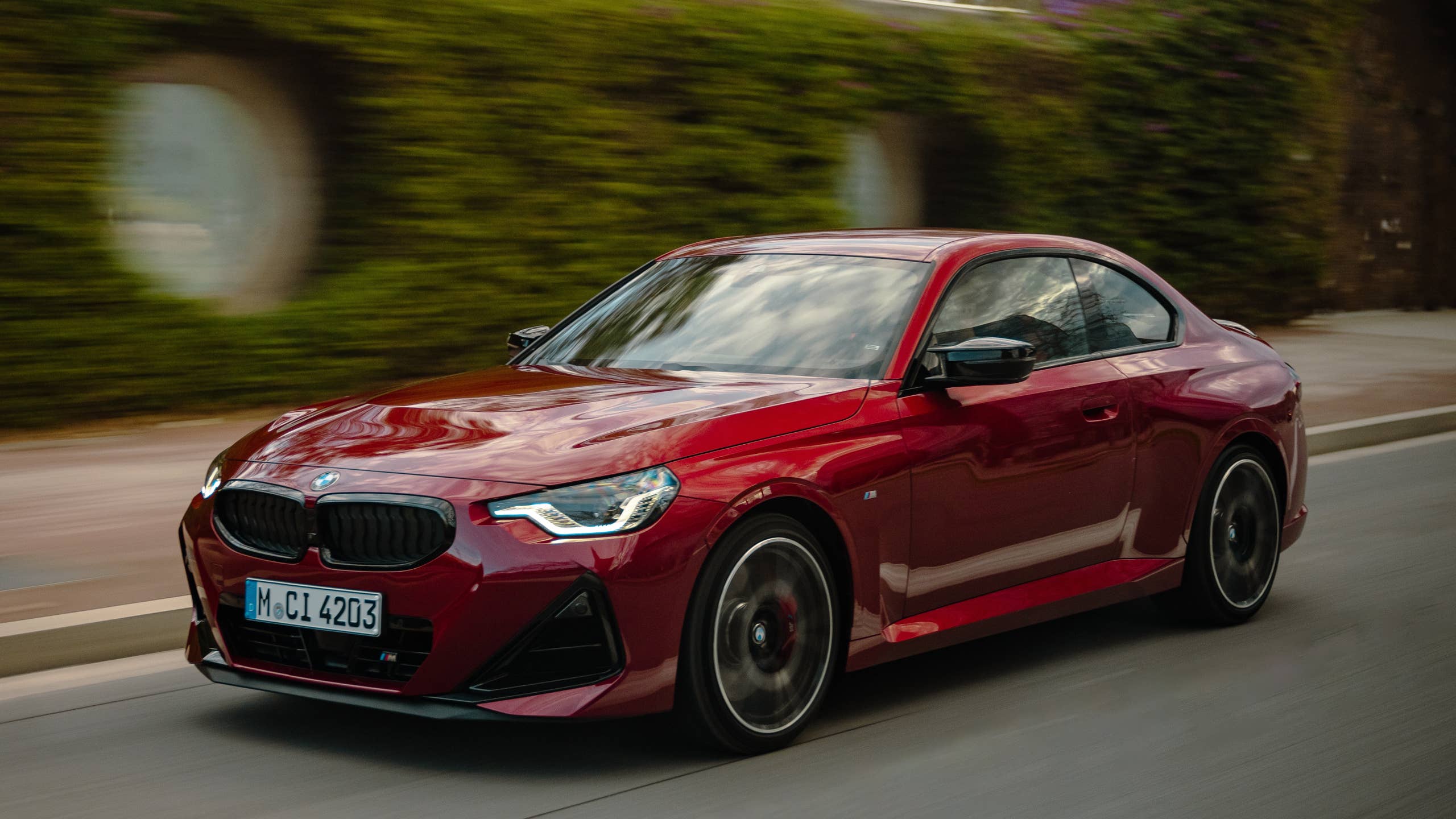
If you’re willing to spend more than $42,000 and don’t need a lot of space, the BMW 2 Series is ideal, so long as adults don’t ever use the rear seats. The base 230i comes with a 2.0-liter turbo-four producing 255 hp, while the M240i gets a 3.0-liter turbocharged straight-six making 382 hp. Both cars use an eight-speed automatic transmission feeding the rear wheels, with xDrive AWD optional. Inside, iDrive 8.5 puts a 12.3-inch gauge cluster alongside a 14.9-inch touchscreen, and a 10-speaker sound system is standard, with a Harmon Kardon setup on offer. There are also decent standard safety features, like forward-collision mitigation, blind-spot monitoring, speed limit assist, and lane-keep assist, all standard. Balancing sportiness, comfort, and premium quality, this is hard to beat, but the 2 Series is best enjoyed with the B58 engine, and that means spending at least $53,000.
BMW 2 Series Gran Coupe
BMW
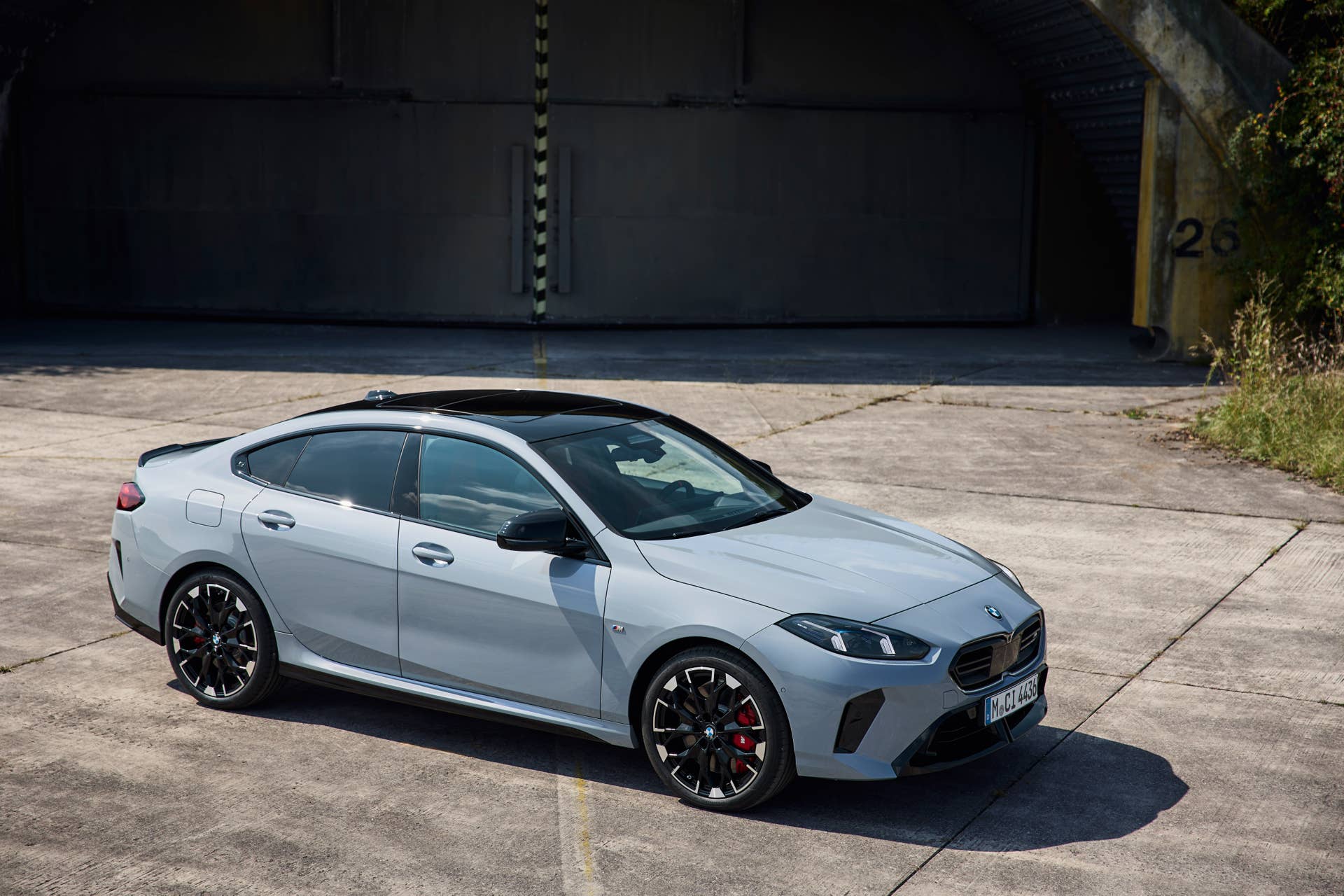
If you don’t care about a rear-drive setup or six-cylinder power, but you do want the badge prestige of a BMW, the 2 Series Gran Coupe is a far more spacious and affordable option, starting at $40,000 for the 241-hp 228 Gran Coupe and $42,000 for the xDrive. Step up to the M235, which generates 312 hp from its 2.0-liter turbo-four, and you’ll spend 50 grand before options. There’s loads of standard tech on either trim, and Adaptive M Suspension is standard. There’s also complimentary maintenance thrown in, but the rear seat is still cramped, the trunk is relatively small, and the handling dynamics are not typical of the brand. Then again, if you’re specifically looking for the cheapest BMW there is, those factors don’t matter.
Best Car Above $50,000: BMW 3 Series
BMW
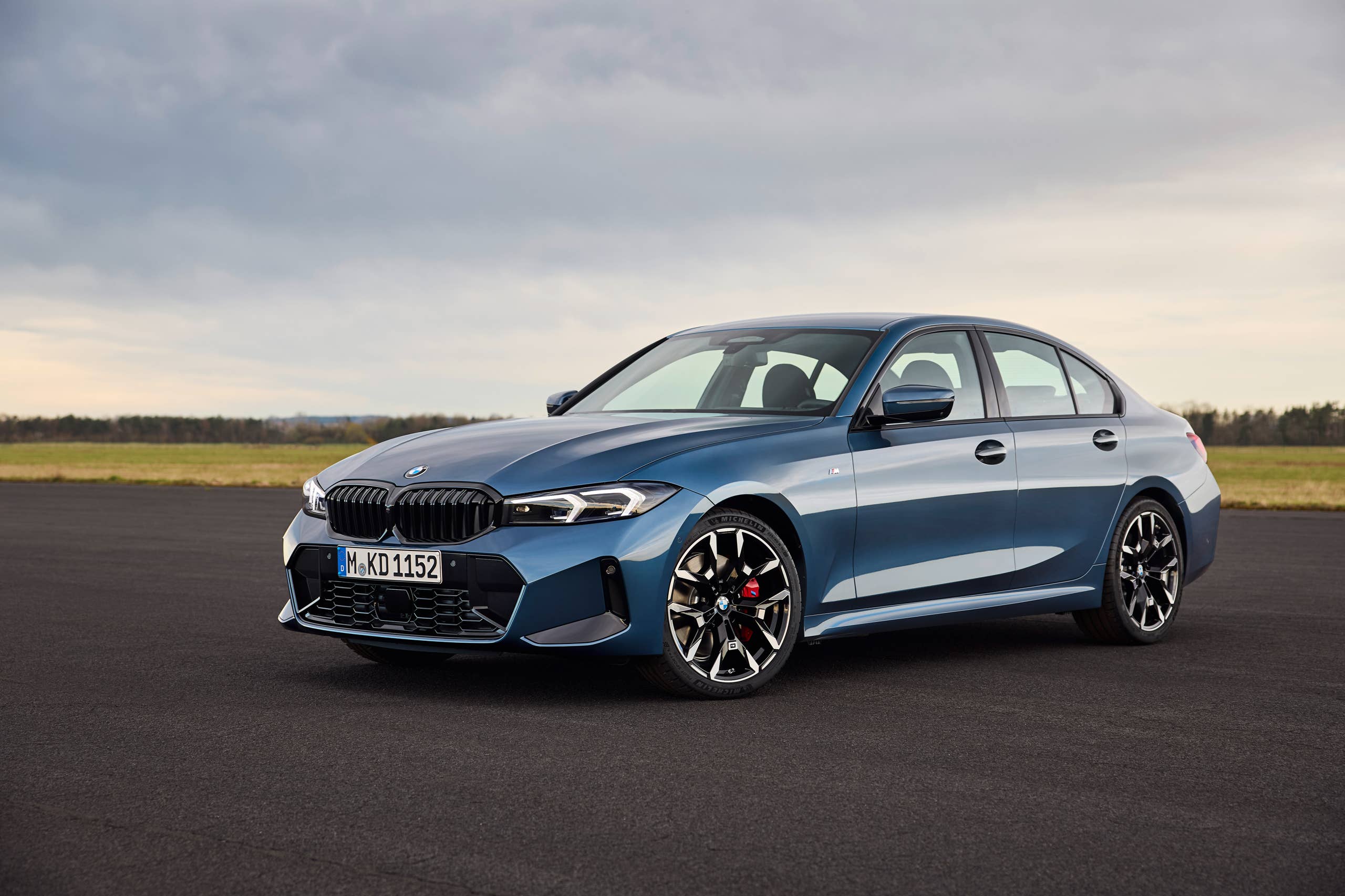
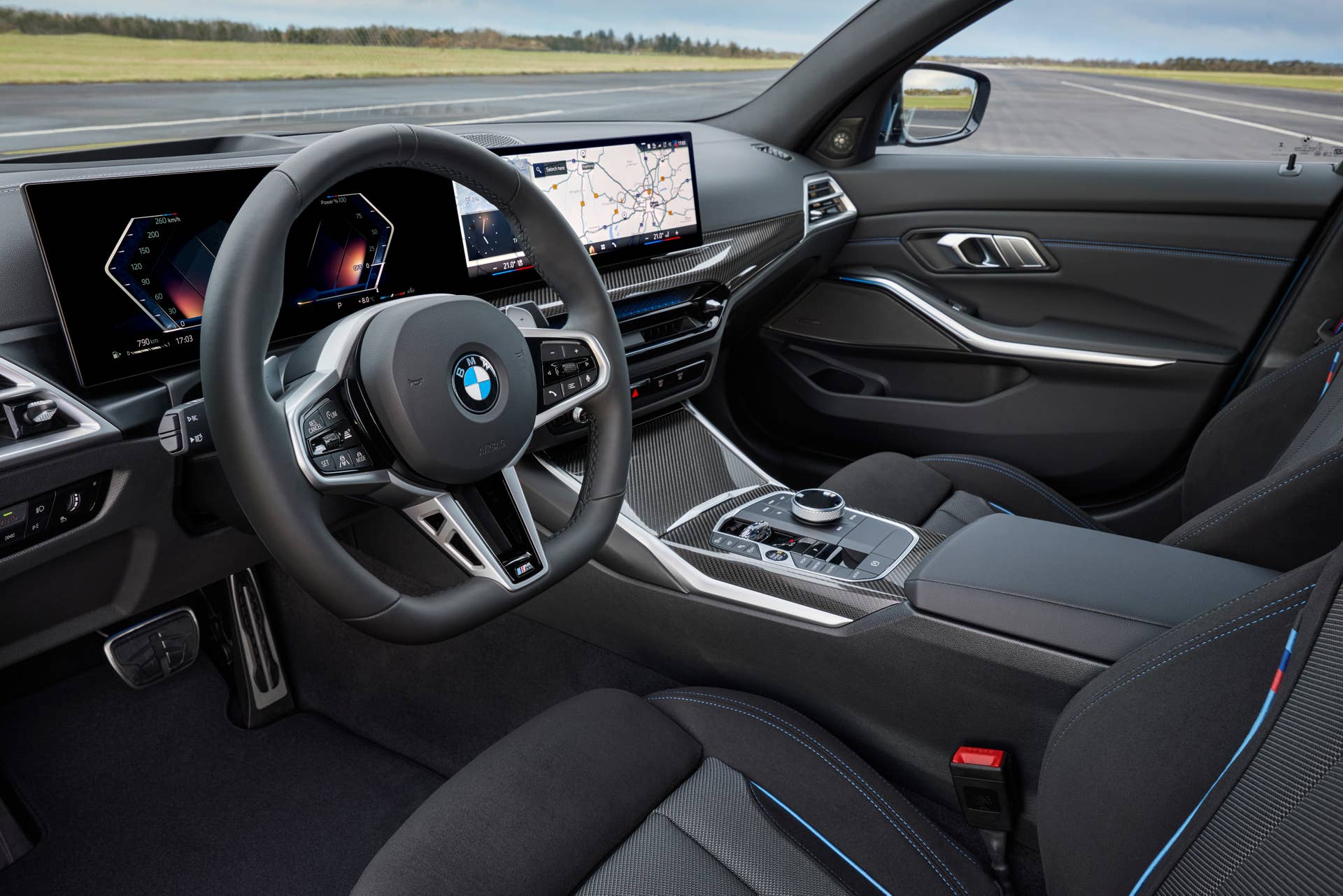
When it comes to a perfect balance of performance, badge prestige, space, and price, the BMW 3 Series is hard to beat. The usual qualms with modern cars persist, but they’re often well-balanced by meaningful counterpoints. For example, the steering is numb, yet precise. The cabin pumps in fake sounds, but the car can cruise on the freeway for hours without causing a headache. The dash has a large display panel unceremoniously slapped onto it, and climate controls exist as widgets rather than physical controls, but the steering wheel has physical switchgear, and the iDrive rotary controller, soon to become extinct at BMW, is satisfying to use. The 2027 3 Series is big compared to previous generations, but the chassis remains well balanced. Under the hood, a 2.0-liter turbocharged four-cylinder is standard with 255 hp and 295 lb-ft of torque, delivered to the rear or all four wheels via an automatic. And if you think “automatic” and “all four wheels” are descriptors of a BMW, take comfort in the fact that the eight-speed ZF auto is one of the best in the business, especially with Bavarian tuning, and the all-wheel-drive always favors the rear wheels first.
BMW
To get the most out of the BMW 3 Series, however, it needs to be paired with a straight-six engine, and in M340i guise ($62,300 for RWD, $64,300 for xDrive, plus $1,350 for destination), it gets a 3.0-liter turbocharged unit that produces 386 hp and 398 lb-ft of torque, enough to get to 60 mph from rest in as little as 4.1 seconds – and BMW’s estimates are usually conservative when compared to real-world numbers. What makes this car so popular is its performance, but it should also be noted that the 12.3-inch instrument cluster, despite weird graphics, is crisp and easily legible with familiarity, while the 14.9-inch touchscreen is very responsive and easy to navigate, though it’s not quite a masterclass in ergonomics. A great chassis, beefy powertrains, and playful tuning coupled with a clean, well-made cabin make this the target every other automaker aims for.
BMW 3 Series Pros
- Engaging, playful handling with precise steering
- Powerful and refined engines
- High-quality materials and construction
- Advanced tech
- Strong brand prestige and resale values
BMW 3 Series Cons
- Footwells may be narrow for some
- Rear-seat legroom less impressive than some rivals
- Options and packages add significant cost quickly
- Decent but not class-leading gas mileage
BMW 3 Series Scores
- Value: 4.5/5
- Ownership Cost: 4/5
- Overall Recommendation: 5/5
Who’s It For?
The well-earning individual who wants the best sports sedan for $50,000 or more without going for the full-fat M models, whose styling is too shouty and whose performance may be too extreme.
Recommended Trim
The M340i is the trim to get, and we recommend opting for the rear-drive version if you can live without the added grip of xDrive. It’s lighter and therefore more agile, and lighting up the rear tires becomes a possibility. With plenty of standard tech and premium materials on all models, Adaptive M Suspension ($550) might be a worthwhile option, and we could also justify the $1,700 Driving Assistance Professional Package with advanced driver aids, but more than that is not necessary.
Runner-Up 1: Genesis G70
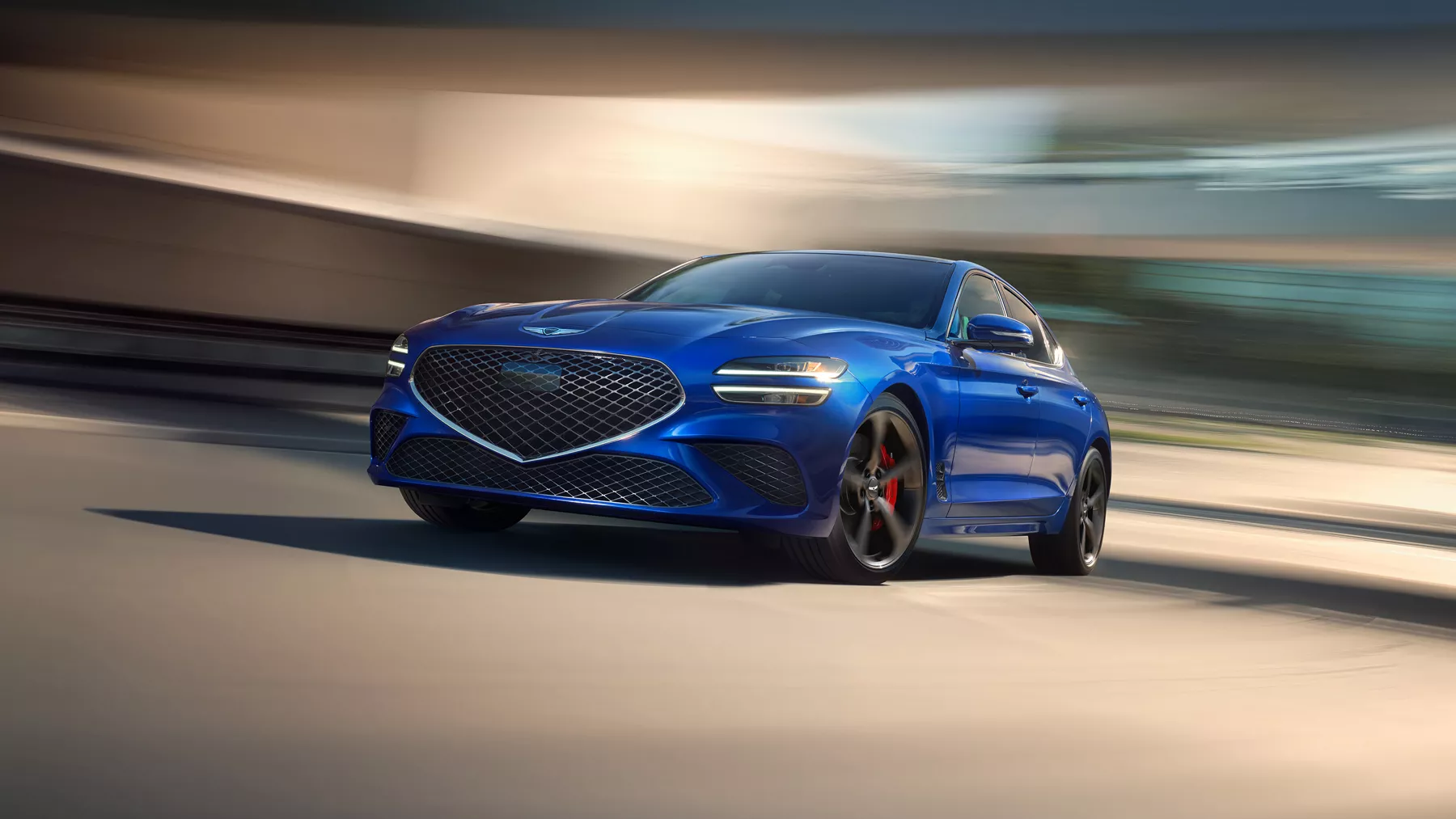
If German luxury compact sedans don’t appeal to you, but you still have $50,000 burning a hole in your pocket, might we recommend a fully loaded Genesis G70? With all the options and a charged paint color included, you’ll struggle to exceed $52,000 in RWD 2.5-liter turbocharged four-cylinder form, where it produces 300 hp and 311 lb-ft of torque. That’s even with the $1,395 freight charge included. Unfortunately, the 3.3-liter V6 turbo models ($53,600-$56,900) have been done away with. Though thirsty, these came with a slick eight-speed automatic, electronically controlled suspension, Brembo brakes, a limited-slip diff, and a variable exhaust valve system. You also got 19-inch wheels wrapped in Michelin Pilot Sport 4 summer rubber.
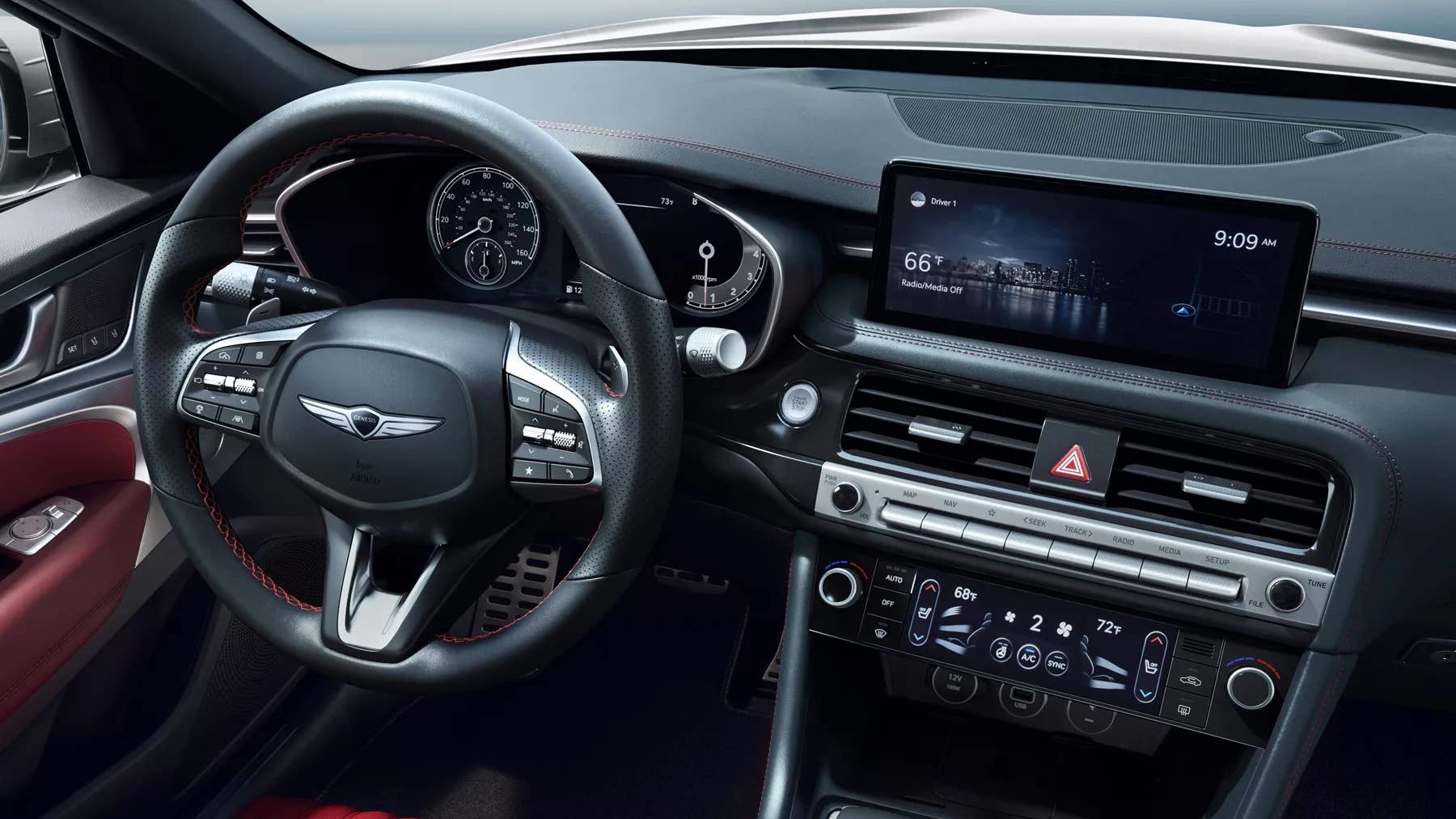
Inside, quality materials and physical switchgear appear, with the cabin also boasting a 12.3-inch gauge cluster, a head-up display, Nappa leather, heated and ventilated power front seats, a heated steering wheel, a surround-view camera, highway driving assist, and a 10.25-inch infotainment display that controls a Lexicon premium sound system. All the usual smartphone connectivity and satellite radio services are present, and of course, the car itself is certainly distinctive. Granted, the trunk is small at 10.5 cubic feet, but this is a fully loaded compact luxury sedan for well under $60k. A BMW M340i is only a little more powerful and crosses that threshold, and while BMW fanatics won’t like to hear it, the G70’s handling closes the gap. This is the value 3 Series, just with a Korean badge.
Genesis G70 Pros
- Strong turbocharged engines
- Engaging handling, RWD option welcome
- High-quality interior materials
- Ergonomic controls
- Generous warranty coverage with complimentary maintenance
Genesis G70 Cons
- Tight rear space
- Trunk is small for the segment
- Fuel economy lags behind some rivals
Genesis G70 Scores
- Value: 5/5
- Ownership Cost: 5/5
- Overall Recommendation: 4.5/5
Who’s It For?
The astute individual who wants BMW-like handling and refinement without the badge snobbery associated with owners.
Recommended Trim
With the entire lineup representing strong value, which is expected given the less prestigious badge, the range-topping 2.5T Prestige AWD is our pick at just over $50k.
Runner-Up 2: Mercedes-Benz C-Class

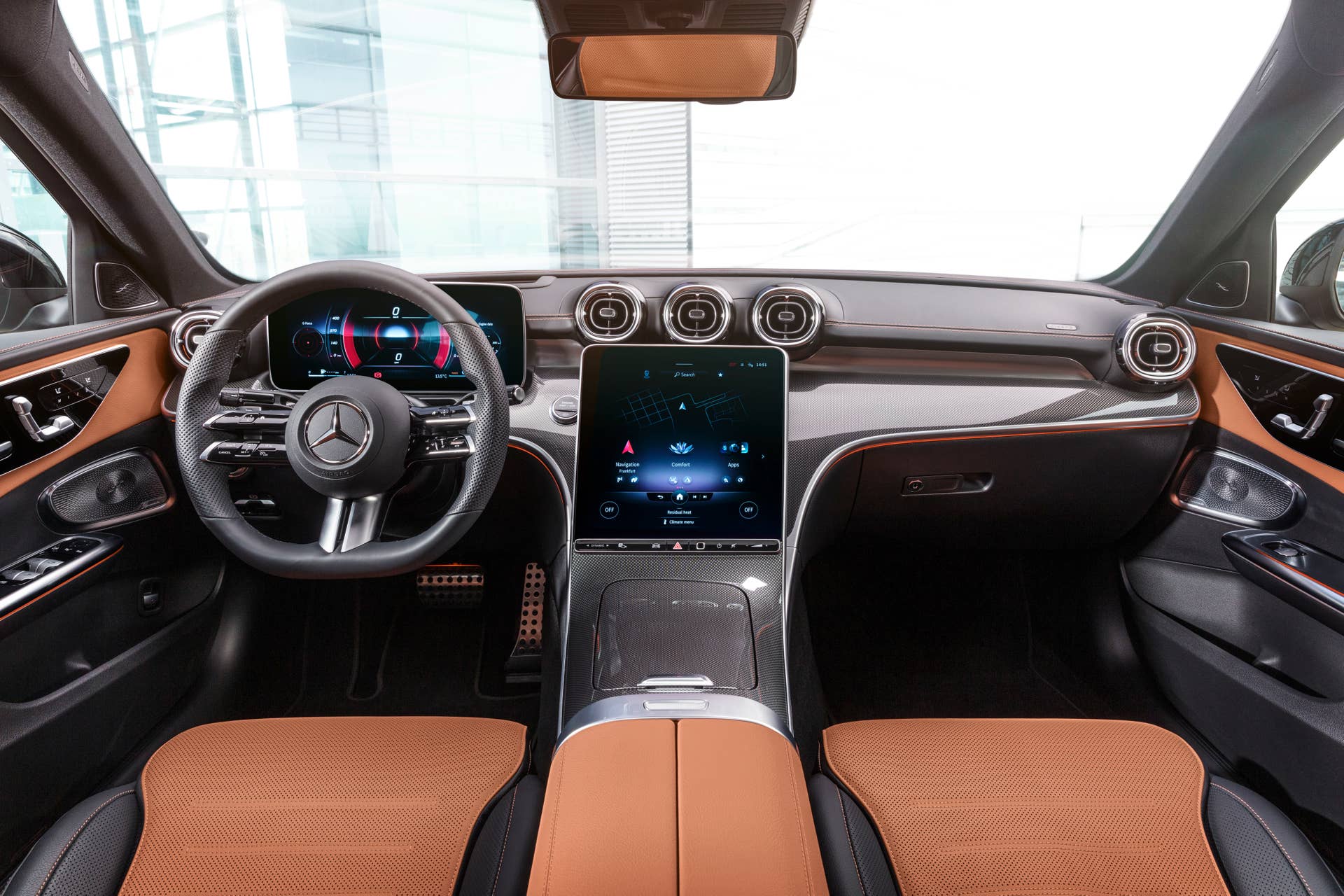
Sticking with this space, the Mercedes-Benz C-Class takes our second runner-up spot. Where the BMW and the Genesis focus on handling, the C-Class prefers to prioritize comfort, and while there is an AMG C 43 that aims to compete with the M340i, it’s not quite as focused. But that’s what we expect from Mercedes – peerless ride comfort, a serene cabin, and plenty of safety technology. Heated front seats with memory, a sunroof, dual-zone climate control, and ambient lighting are standard, as is a 12.3-inch cluster. Infotainment is handled by a portrait-oriented 11.9-inch touchscreen in the center console, but sadly, few physical controls exist besides those on the steering wheel. Look past the shortage of switchgear, and the C-Class cabin is beautifully elegant, though the fact that only 2.0-liter turbocharged four-cylinder engines with electrical assistance are offered lops a few points off its appeal. Fortunately, a six-cylinder is reportedly under consideration for the 2027 model year, likely still paired with a silky smooth 9-speed automatic.
Mercedes-Benz
On the negative side, larger wheels can impact the ride, and the trunk is as small as its direct rivals. Options and packages aplenty will add to the price quickly, and in our reviews, the placement of the touchscreen down in the middle of the dash didn’t feel as safe as feeling our way around physical controls would have been. But it’s still one of the finest premium cars out there if you want a taste of true luxury, and the build quality and material selection would make Audi green with envy.
Mercedes-Benz C-Class Pros
- Stunning interior design and materials
- Smooth, refined mild-hybrid powertrain
- Numerous standard features and safety aids
- AMG C43 is quick, albeit less characterful than an M340i
Mercedes-Benz C-Class Cons
- Trunk space is on par with segment rivals, so it’s small
- Ride quality compromised on larger wheels
- Options and packages quickly inflate the price
- Touchscreen controls can be distracting on the move
Mercedes-Benz C-Class Scores
- Value: 4.5/5
- Ownership Cost: 4/5
- Overall Recommendation: 4.5/5
Who’s It For?
Somebody who doesn’t want a 3 Series, nor any other sporty sedan. This is for the person who wants to relax and show class at a respectable price, not the showoff who needs their presence to be acknowledged in all settings.
Recommended Trim
The C-Class feels most like a bargain in base C300 form, blending a gorgeous cabin with a smooth mild-hybrid powertrain and elegant exterior styling that conveys the image of a downsized S-Class.
Honorable Mentions Over $60,000
Genesis G90
Jared Rosenholtz/Autoblog
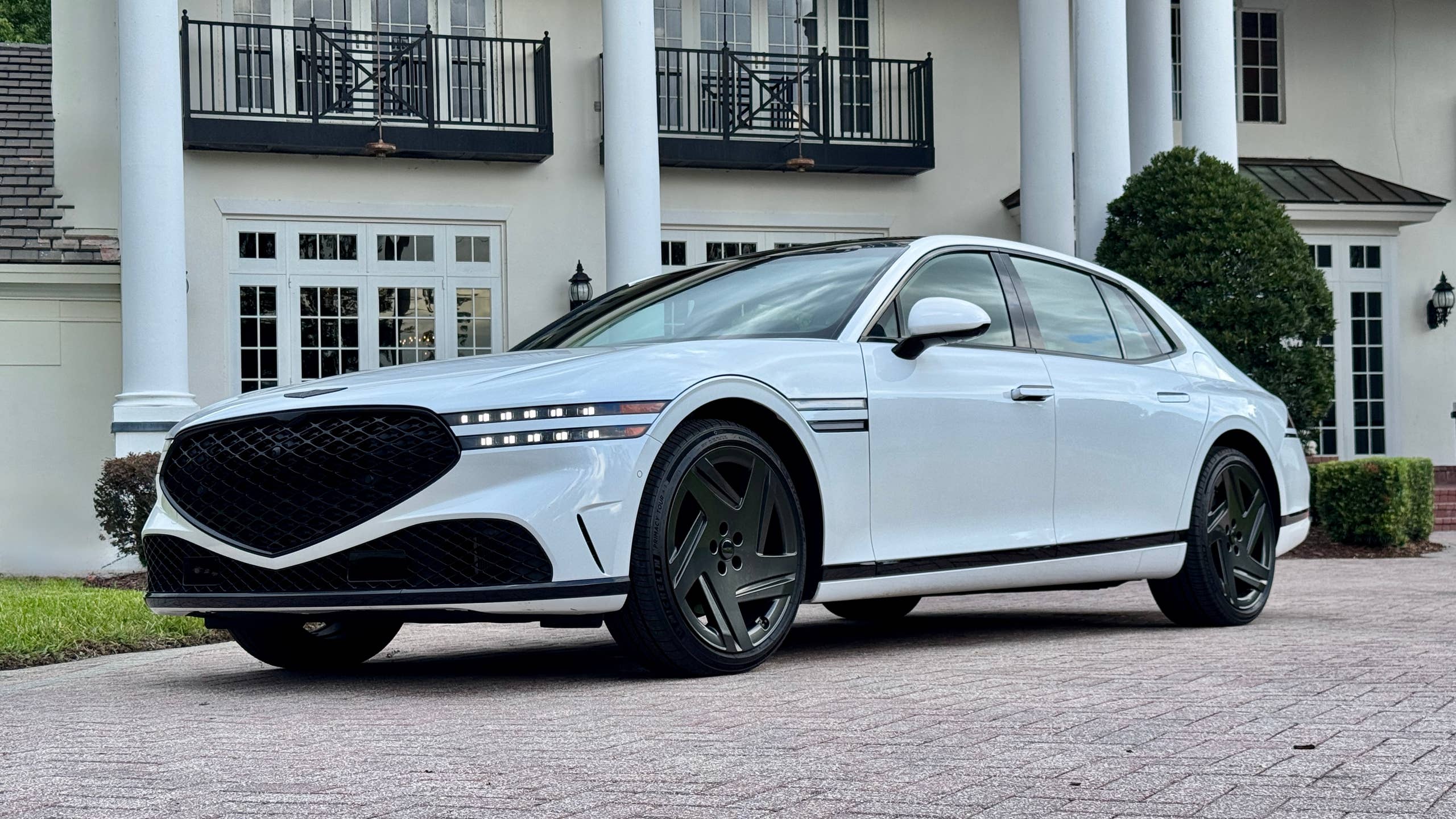
The Genesis G90 looks spectacular, and for the 2027 model year, it may look even better. Until then, the 2026 model is more than acceptable, though before any comparisons are made, it’s worth mentioning that an S-Class or a 7 Series would be more lavish and offer more space. With that out of the way, the most expensive G90 starts at $105,750 (plus $1,495 for destination), and while that’s certainly a lot of money, you get a 409-hp powertrain on an eight-speed automatic (though this drops the trunk volume to just 10.6 cubic feet), multi-chamber air suspension, electronically controlled suspension that scans the road ahead, rear-wheel steering and a whole host of advanced driver aids, many of which are optional elsewhere. Soft-close doors, puddle lamps, a panoramic moonroof, large screens, and semi-aniline quilted leather seats with massaging, heating, ventilation, and power in both rows are included, as is tri-zone climate control. Basically, the Genesis badge means more standard equipment must be thrown in to justify the purchase in the presence of similarly priced European rivals, and the G90 leaves next to nothing out. The warranty is also fantastic.
Mercedes-Benz E-Class

Mercedes-Benz
The 2026 Mercedes-Benz E-Class starts at $63,900 (plus $1,250 for destination), and if you don’t want to tick any options boxes, you’re still getting a sumptuously damped luxury sedan that truly makes you question the need for an S-Class. It’s quick enough so long as you avoid the base 2.0-liter turbo-four mild-hybrid setup (255 hp) and instead get the 3.0-liter straight-six turbo mild-hybrid with 375 hp, it gets AMG-style aesthetics as standard, and in E53 form, you can have up to 577 hp at your disposal. As something of a sleeper, this is a fun almost-limo to terrorize sports cars with. Whichever one you get, the E-Class gives off a distinguished vibe, though we’d recommend a test drive before purchase, as the touch-sensitive steering controls will deter some.
BMW M3
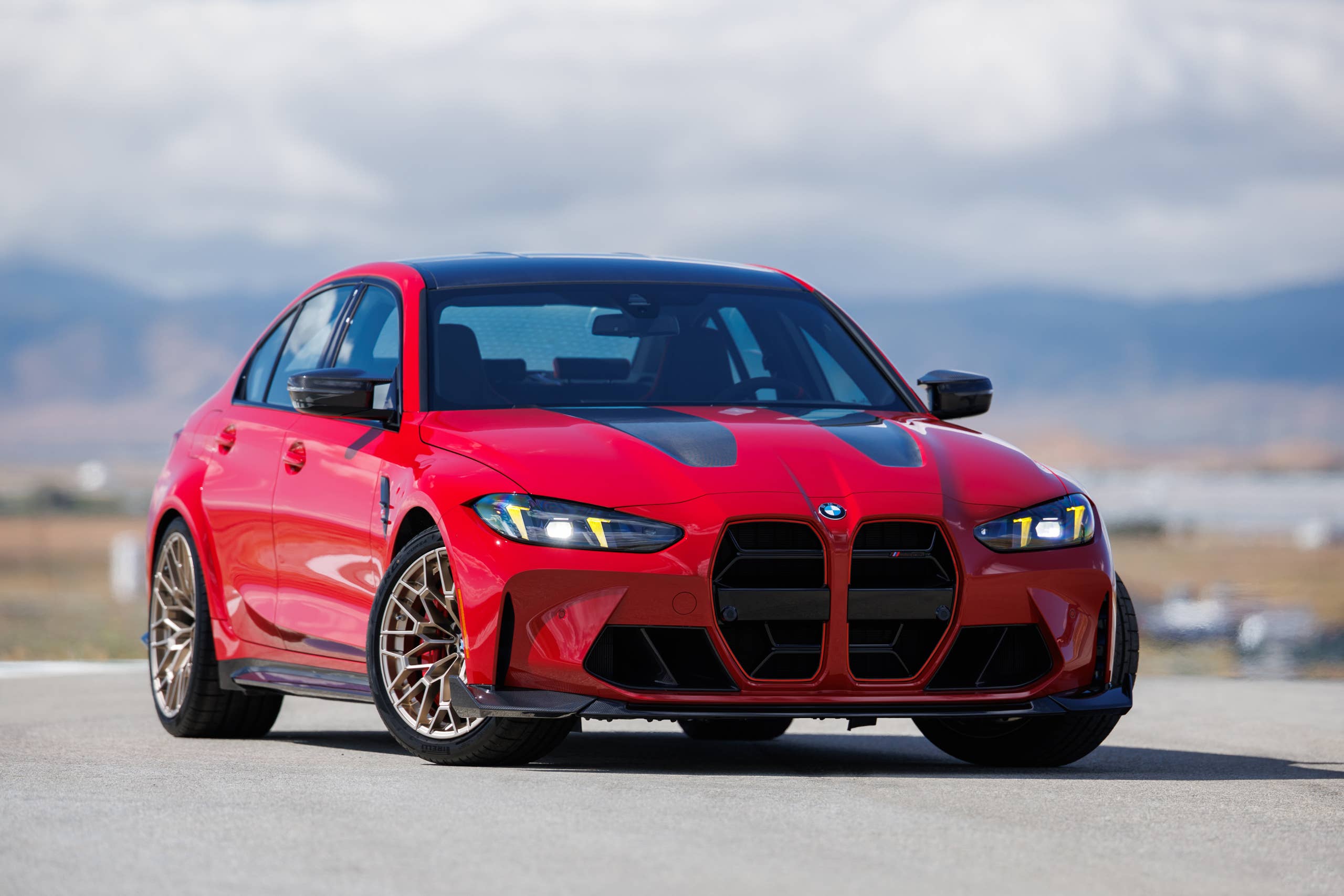
The 2027 BMW M3 is not cheap, starting at $79,300, but it’s undeniably the best car of its kind. The new Audi RS 5 may be more powerful than the M3, which is entering its final model year, but power is not what matters here. This is the best sports sedan around, and with a variable M xDrive system that can deactivate the front wheels alongside a 10-stage traction control system, it provides progressive performance for all. Moreover, the base, RWD model may only make 473 hp from its S58 3.0-liter twin-turbo six-cylinder engine, but you can experience it with a manual transmission, and that’s exceedingly rare in any segment these days. When you get bored, finding a new owner won’t be difficult either, though some may be put off by the M3’s attention-seeking reputation.
BMW 7 Series
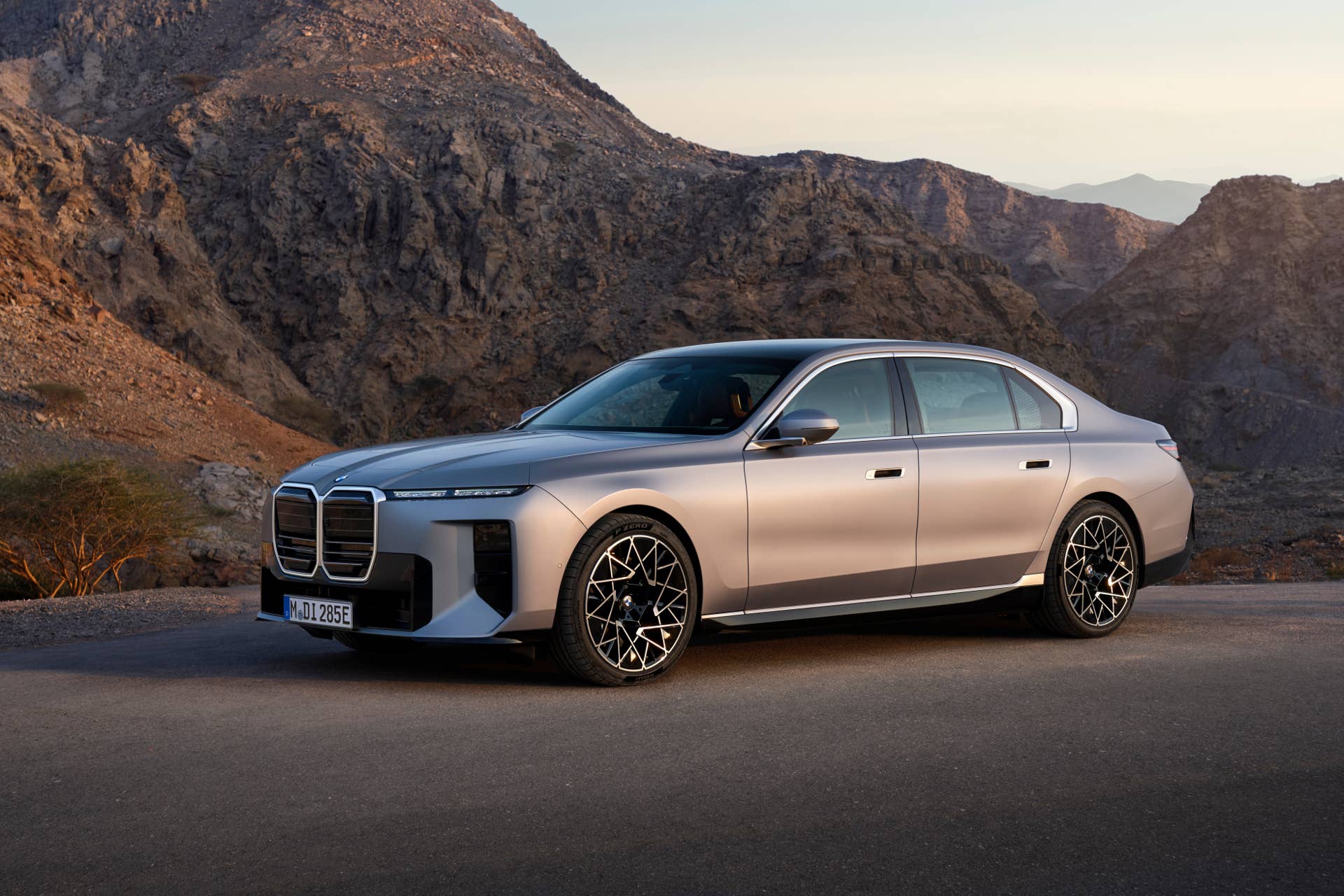
Alongside the S-Class, the 7 Series is one of the finest luxury sedans on the planet that doesn’t have a Spirit of Ecstasy hood ornament. Now hand-painted and with revised styling and technology, the 2027 7 Series is a step forward for this segment. A large 14.6-inch passenger display is standard, a 31.3-inch Theater Screen can be fitted in the back seat, which allows the person behind the front passenger to stretch out beneath a 40-diode LED-accented glass roof, and you can have a 36-speaker Bowers & Wilkins Diamond Surround Sound System with Dolby Atmos and 1,925 watts of power. In terms of performance, output ranges start at 395 hp in straight-six variants, but a V8-powered M Performance model is on the way. We’d skip this excessive variant and stick with a rear-drive 740, starting at $99,800 (plus $1,550 for handling).
Mercedes-Benz CLA-Class
Mercedes-Benz
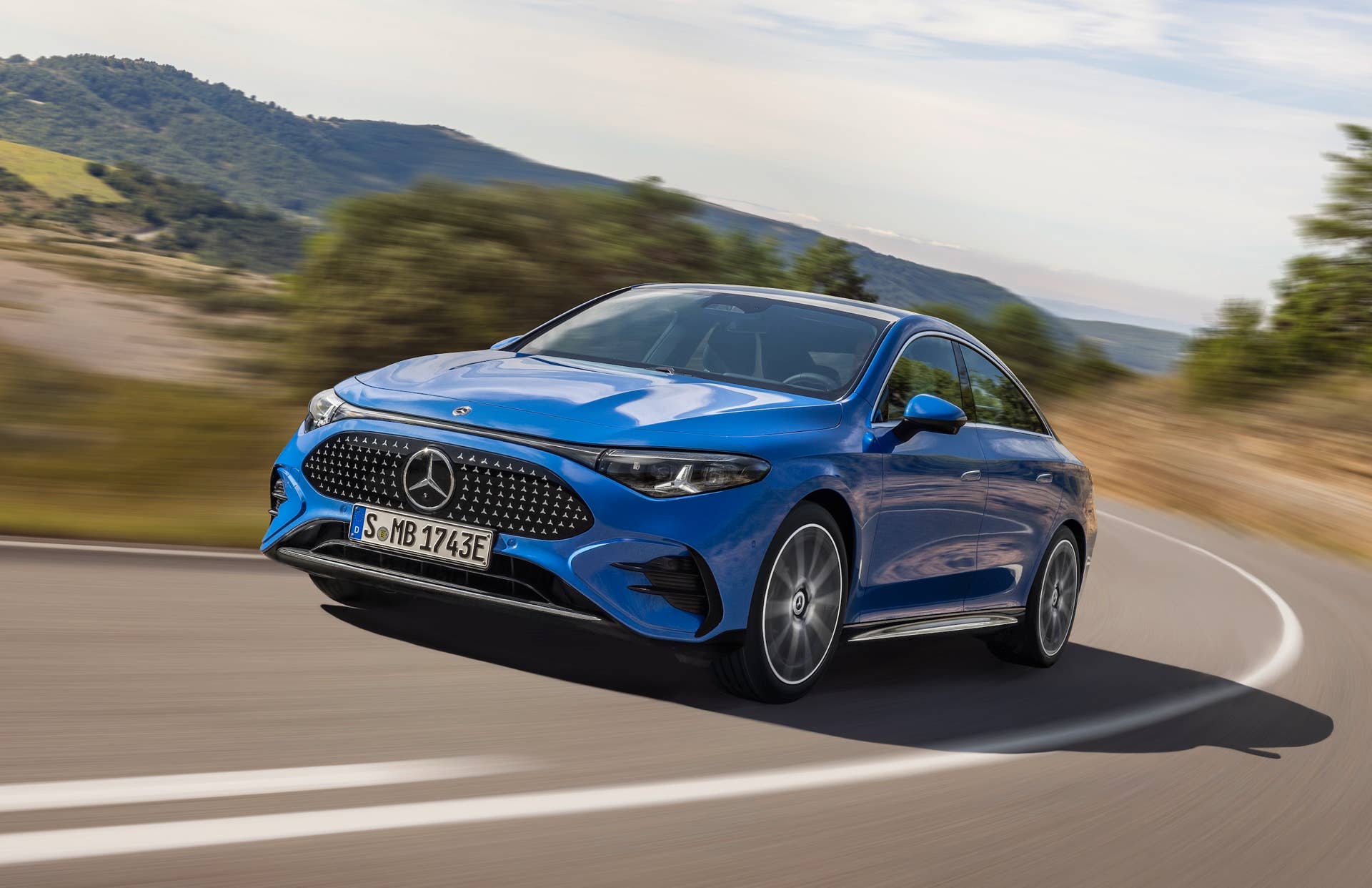
Finally, the 2027 Mercedes-Benz CLA EV deserves a moment in the spotlight, specifically the CLA 350 4MATIC. The rear-drive CLA 250+ model starts at $47,950, but to get the most out of Stuttgart’s incredibly efficient EV, we recommend the dual-motor AWD version ($50,500 plus $1,250 for destination) because it produces 350 hp and 380 lb-ft of torque, helping move the heavy battery with more ease and increasing performance. 0-60 mph takes 4.8 seconds, yet over 300 miles of range can be achieved on a single charge (374 miles on the single-motor 250+), and the 800-volt battery will allow recharging from 10-80 percent in as little as 22 minutes. Couple competitive EV performance with a design that looks like a real Mercedes without making its powertrain obvious, and the CLA is a fun, relatively affordable, and classy EV with premium tech and comfort.
Conclusion
Whether you want an opulent luxury sedan, a sports sedan, a funky hatch, or just a good car to get you from point A to point B, the U.S. market offers a wide variety of choices at each price point, whether you prefer gasoline combustion, hybrid power, or electric motivation. As more 2027 models start to trickle in, these offerings will only grow more diverse, more efficient, more powerful, and more interesting. Bring on MY2028.
About the author

Sebastian Cenizo
Senior Editor, Autoblog