
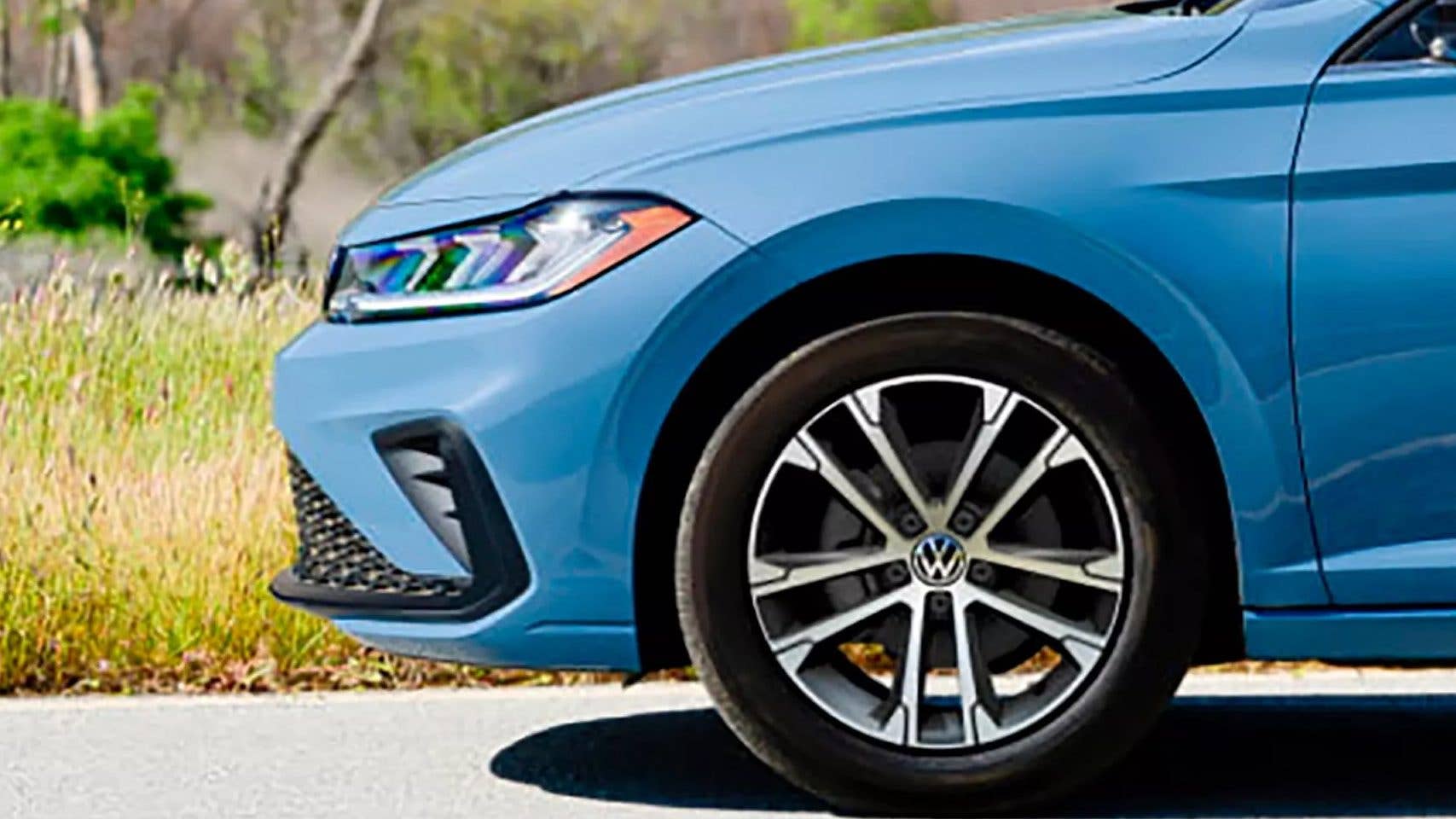
The simplest, most straightforward cars are often the best to live with, and as more and more cars go hybrid, finding a non-electrified combustion car that serves as a great daily without costing a fortune on gas, insurance, or maintenance – something that will be reliable, efficient, and practical – is increasingly difficult. We’ve come up with a selection of cars that fit the bill, each with its own merits and drawbacks, and while some will be more suitable to your needs than others, each has its place and each deserves to be talked about for its own reasons. Our winners focus on some of the most popular vehicles in the U.S., celebrating their commitment to combustion even as others move to hybrid-only offerings.
Winner: Volkswagen Jetta
VW
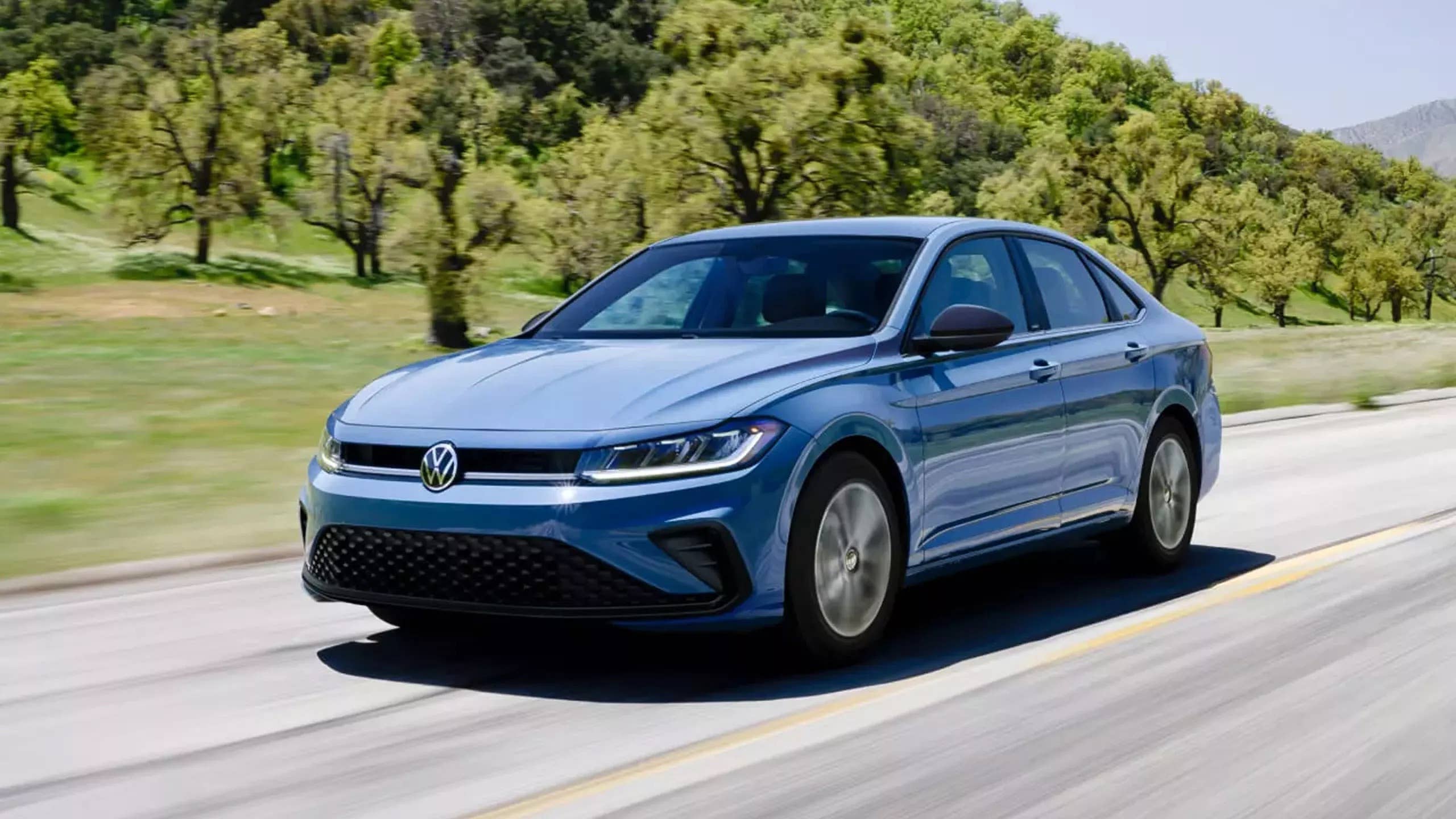
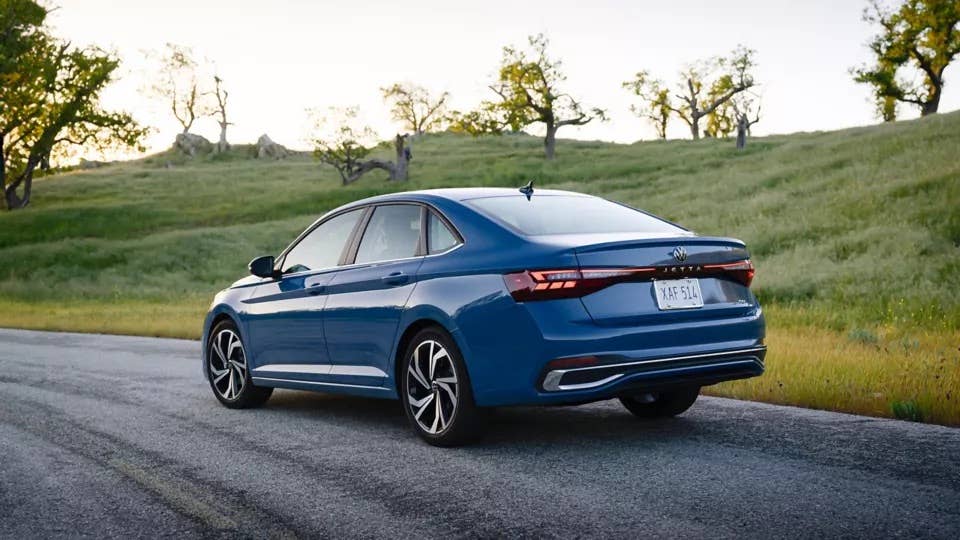
The compact Volkswagen Jetta wins the category of Best Combustion Cars for 2027, and the reasons are simple. Our criteria focus on value, efficiency, and everyday usability, and the VW Jetta checks all those boxes. Moreover, if you care enough about what powers your vehicle and specifically want combustion, the turbocharged 1.5-liter four-cylinder under the hood meets the demands of the modern freeway with ease while still being fun to drive, though the 158-horsepower peak figure is a little lackluster. This goes to the front wheels through an eight-speed automatic transmission, and when you take it easy, an EPA-estimated rating as high as 29/40/34 mpg on the city/highway/combined cycles means filling up won’t be frequent.
It’s also comfortable and practical, thanks to a 14.1-cubic-foot cargo capacity, albeit accessed through a traditional trunk lid and not a large hatch. This swallows up more luggage than a Golf, making it remarkably capacious.
VW
Inside, you get an eight-inch touchscreen with Bluetooth, smartphone integration, and six speakers. Optionally, a 10.3-inch display is available with wireless CarPlay and Android Auto, but either option includes physical knobs, including for volume. Unfortunately, the climate control is accessed through a touch setup, but the inclusion of forward-collision warning with automatic emergency braking should help keep you safe if you get distracted by the finicky controls. Also standard are blind-spot monitoring and rear cross-traffic alert, with adaptive cruise control with stop-and-go optional.
Volkswagen Jetta Pros
- Peppy engine likes to be revved, yet fuel economy is strong
- Quiet and comfortable cabin
- Impressive cargo carrying capacity
- Interior is well-built and feels more upmarket than the price suggests
- Pricing is class-leading ($23,995 plus $1,325 for destination)
Volkswagen Jetta Cons
- Annoying touch-capacitive controls have replaced physical buttons
- Straight-line speed is less than stellar (0-60 mph: 8.1-8.5 seconds)
- Lack of a manual option may be discouraging, but that has become common in this segment
- The base infotainment display is small by contemporary standards
- The styling is arguably bland, though some may like blending in
Jetta Ratings:
- Value: 4.5/5
- Efficiency: 4/5
- Everyday Usability: 4/5
Who’s It For?
The VW Jetta is for the person who needs an affordable, efficient, and comfortable daily driver that is easy to get on with and holds strong resale values without feeling cheap.
Recommended Trim
We recommend the SE trim, starting at just under $27,000 before destination. This grants you bigger wheels, a power panoramic sunroof, remote start, keyless access, wireless smartphone charging, and CloudTex upholstery. Those wanting something a little more interesting can opt for the Sport, which is a little cheaper at just over $25,000, yet has more aggressive styling and the XDS cross-differential system.
Runner-Up 1: Toyota Corolla

Toyota
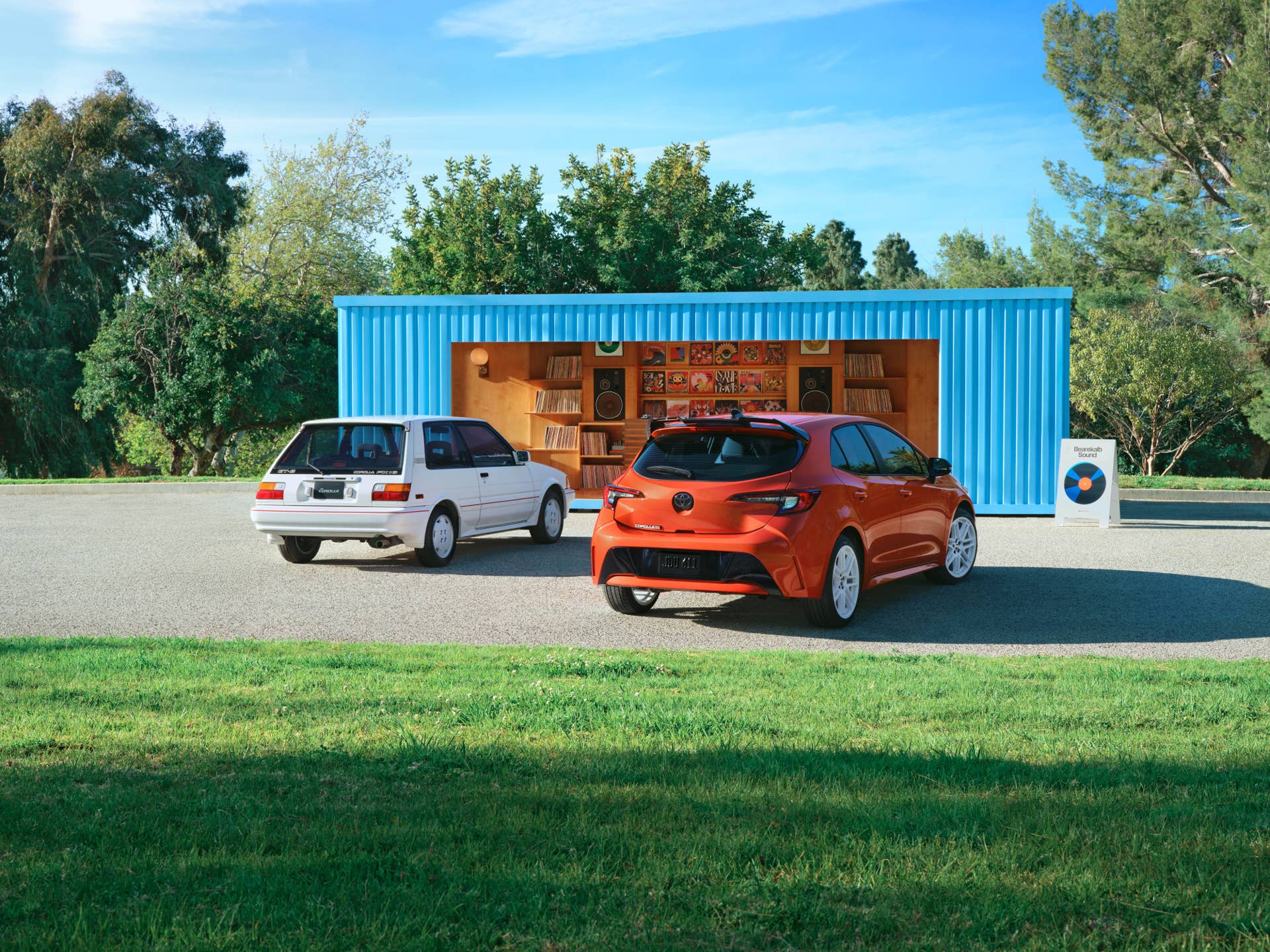
Our first runner-up is the multi-talented Toyota Corolla, which is available in both sedan and hatch forms and can be powered by either a 2.0-liter naturally aspirated four-cylinder sending 169 horsepower/151 lb-ft to the front wheels through a CVT or a 1.8-liter four-cylinder hybrid with 138 hp/105 lb-ft, powering either the front wheels or all four through an e-CVT. With a 0-60 mph time somewhere between 8.2 and 9.7 seconds, depending on spec, the Corolla isn’t particularly fast, and without a proper gearbox, spirited driving is not its chief concern. And because of the CVT, the engine note can be a little noisier under hard acceleration. However, the Corolla makes up for its dynamic shortcomings with outstanding gas mileage, achieving 32/41/35 mpg on the city/highway/combined cycles in gas form. Opt for the hybrid, and those figures rise as high as 53/46/50 mpg. Sedans deliver 13.1 cubic feet of trunk volume, while hatches provide 17.8 cubes with the seats up and 23 cubic feet with them down (60/40 split).
Toyota
Inside, Corolla LE variants get fabric upholstery, and SE and XSE models get sport seats with nicer materials and SofTex synthetic leather options. Everything is well laid out, though the materials in some of the lower half of the cabin are reflective of the Corolla’s price point. As standard, a tiny 8.0-inch touchscreen infotainment display provides wireless Apple CarPlay and Android Auto, but a 10.5-inch display is also available. Whichever you choose, four USB-C ports are included, so you can spend any leftover cash on options like heated front seats, dual-zone climate control, or a JBL premium audio setup. Like the Jetta, you get a very small infotainment screen, but like the Honda, physical volume and climate controls make the Corolla easy to interact with.
Toyota Corolla Pros
- Outstanding hybrid gas mileage
- Toyota has a stronger reliability reputation than most
- The Corolla provides variety: FWD or AWD, sedan or hatch, gas or hybrid
- Easy-to-use infotainment
- Striking styling makes even base trims look sporty
Toyota Corolla Cons
- Slow acceleration and CVT aren’t exciting
- Interior materials are relatively cheap compared to some rivals
- Road noise is obvious at freeway speeds
- Cargo space is limited compared to some rivals
Toyota Corolla Ratings:
- Value: 3.5/5
- Efficiency: 4/5
- Everyday Usability: 4/5
Who’s It For?
The Toyota Corolla has always been for the sensible consumer who wants no frills, just a dependable, efficient, safe, and affordable means of transportation, and that continues to be the case for 2027. Both in terms of purchase price and in terms of gas mileage, the Corolla is a compelling choice for anyone who wants a good-looking car that will start every day, no matter the weather, and provide reasonable comfort, sip gas, and carry stuff with ease. The hybrid is especially efficient, but any Corolla will appeal to a value-conscious buyer.
Recommended Trim
We recommend the Corolla Hybrid LE, one above the base LE trim. This is available in a choice of eight exterior colors and can be had with AWD, with 16-inch alloy wheels also optional in place of the base steel wheels and plastic covers. You get the best possible fuel economy, the cheapest access to AWD in the range, and after blind-spot monitoring became standard across the lineup for 2026, the Corolla Hybrid LE is more competent in the safety department than ever before. We’ve intentionally overlooked the GR Corolla because that’s so heavily reengineered for performance that it’s effectively a different car altogether.
Runner-Up 2: Mazda CX-5
Cole Attisha/Autoblog
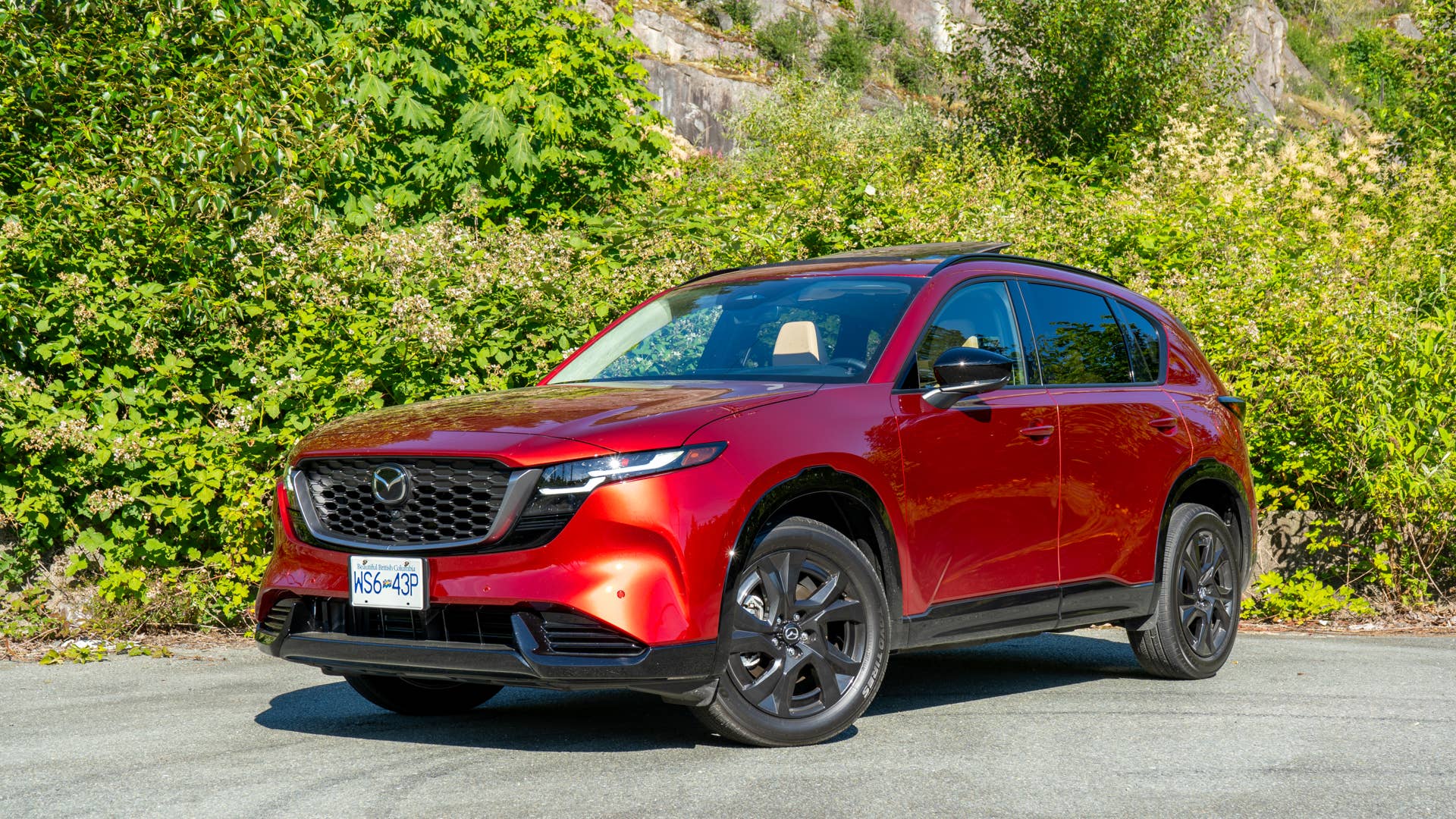
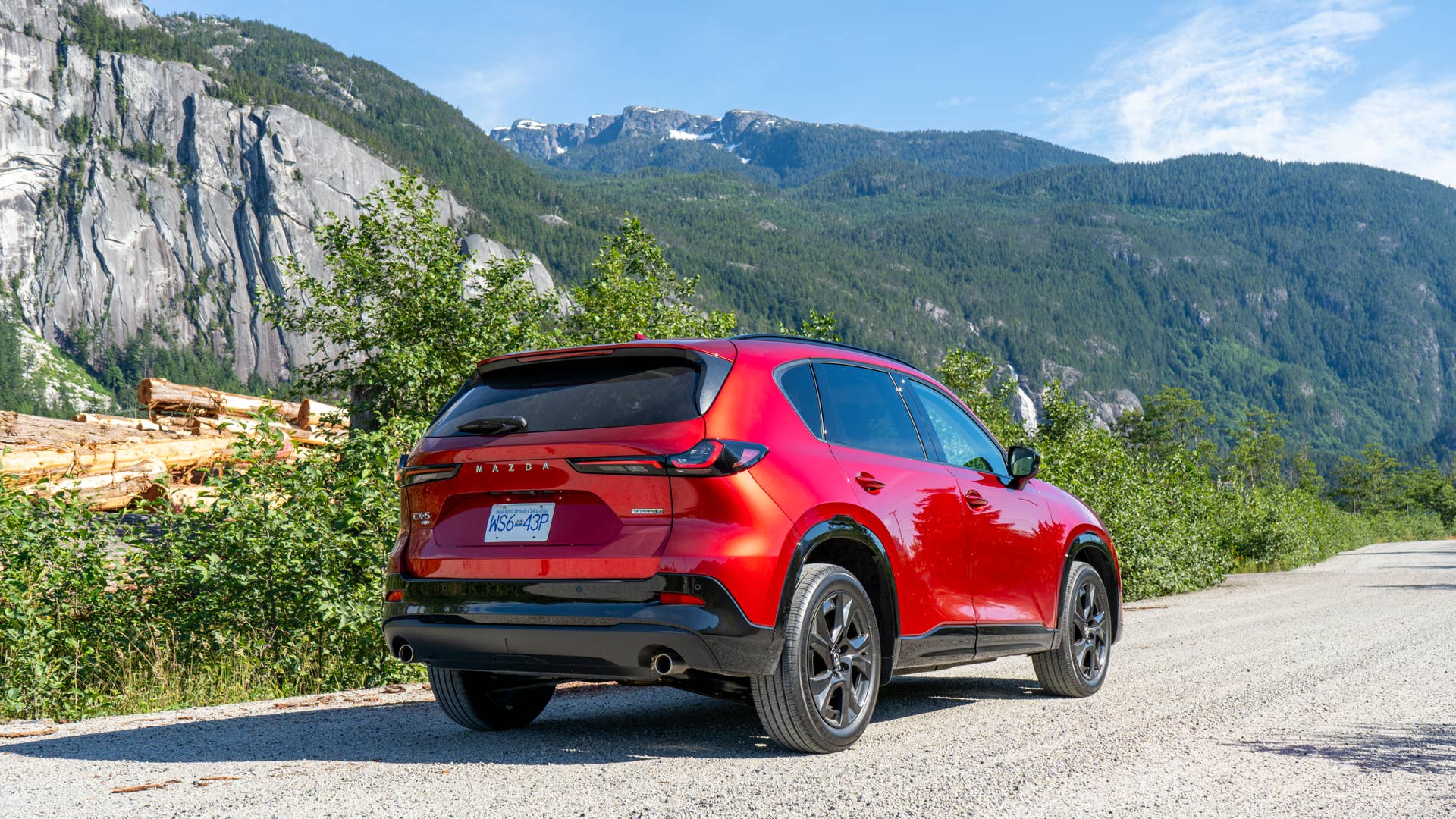
There aren’t many vehicles as popular as the attractive Mazda CX-5, and it’s easy to see why it takes our second-runner-up spot. Having been redesigned for the 2026 model year, the latest version has a longer wheelbase that translates to better ride quality and more interior room for both people and things, yet the handling experience is still remarkably rewarding. We don’t mean the CX-5 steers well “for a crossover” – it’s fantastic even compared to some sedans and hatches, and possibly some coupes, too. Under the hood is a 2.5-liter Skyactiv-G naturally aspirated four-cylinder that makes a sufficient 187 horsepower, delivered to all four wheels, regardless of trim, through a six-speed automatic. The Toyota RAV4, Honda CR-V, and Hyundai Tucson are fine competitors, but none are as enjoyable to drive as the CX-5, nor are they offered in Soul Red Crystal Metallic paint. Granted, 0-60 mph takes around eight seconds, and 185 lb-ft isn’t much pulling power, but as a means of powering a useful family crossover, the engine is just fine. Plus, the EPA estimates for this crossover are competitive with those of more aerodynamic hatches and sedans, achieving 24/30/26 mpg on the city/highway/combined cycles. A hybrid is coming for 2027.
Cole Attisha/Autoblog
Inside, a 12.9-inch touchscreen infotainment display is standard and runs Google Built-In software, which includes Play Store access. Behind the steering wheel, the driver is informed through a 10.25-inch digital cluster, and Preferred and higher trims get a bigger head-up display. Although the touchscreen controls most functions, physical controls still exist on the relaxing steering wheel, and while the climate controls are now on the screen, at least they’re placed along the bottom of the display. Optionally, a 15.6-inch touchscreen is also available, the biggest ever fitted in a Mazda, and you get seven-color ambient lighting for a more premium feel. That aspirational sense is carried over to the upholstery, and the feel, fit, and finish of the materials are exceptional for the price point. Unfortunately, it’s not all good news, as the cargo area is still less capacious than the aforementioned rivals from Toyota, Honda, and Hyundai, providing 33.7 cubic feet behind the second row and up to 66.5 cubic feet with the seats folded. By comparison, the others provide at least 37.8 cubic feet with the seats up, sometimes over 40, and as much as 80.3 cubic feet with them down.
Mazda CX-5 Pros
- Standard AWD for all trims
- Attractive design and paint options, including Navy Blue Mica
- Improved rear passenger space and cargo volume
- Large, high-resolution screens are easily legible
- Handling remains a highlight
- Interior design and construction belie the affordable MSRP
Mazda CX-5 Cons
- Only one engine for now; turbocharged engine ended production for 2025, hybrid coming
- Six-speed automatic is a little slow by modern standards, even in manual mode
- Cargo volume behind the rear seats still lags direct rivals
- Hyundai and Kia provide better powertrain warranties
- Physical switches for audio volume and climate controls would be appreciated
Mazda CX-5 Ratings:
- Value: 3.5/5
- Efficiency: 3.5/5
- Everyday Usability: 4.5/5
Who’s It For?
The Mazda CX-5 is for the small family that needs one car to do it all, from looking good on a night out for dinner to ferrying the kids to soccer practice. When the family’s driving enthusiast is behind the wheel, they won’t be disappointed either. The interior is a pleasant, relaxing place to be, and the quality is worthy of a higher sticker price. Granted, the sub-par cargo-carrying capacity and slightly underpowered engine feel like a means of balancing the scales, and there are still foibles like the touch controls and transmission, but at this price, nothing else blends crossover practicality with small-car handling so well. If your significant other has demanded a taller, more family-friendly vehicle, the CX-5 won’t be able to replace your Miata, but its steering will at least provide some joy on the daily commute, and its quality and appearance will suggest you traded up.
Recommended Trim
The CX-5 comes in 2.5 S, 2.5 S Select, 2.5 S Preferred, 2.5 S Premium, and 2.5 S Premium Plus forms. We recommend the mid-range 2.5 S Preferred, as this gives you wireless smartphone integration, leatherette upholstery, a heated steering wheel, heated front seats, a 10-way power-adjustable driver’s seat with two-position memory, 19-inch alloy wheels, and a programmable power liftgate. It also gives you the Active Driving Display on the windshield, wireless smartphone charging, rear cupholders, and rear air conditioning vents. Higher trims add a bigger touchscreen, a better sound system, and a power panoramic moonroof, as well as real leather upholstery, but you’ll pay a few grand more, and this is the sweet spot.
Honorable Mentions
BMW M3
BMW
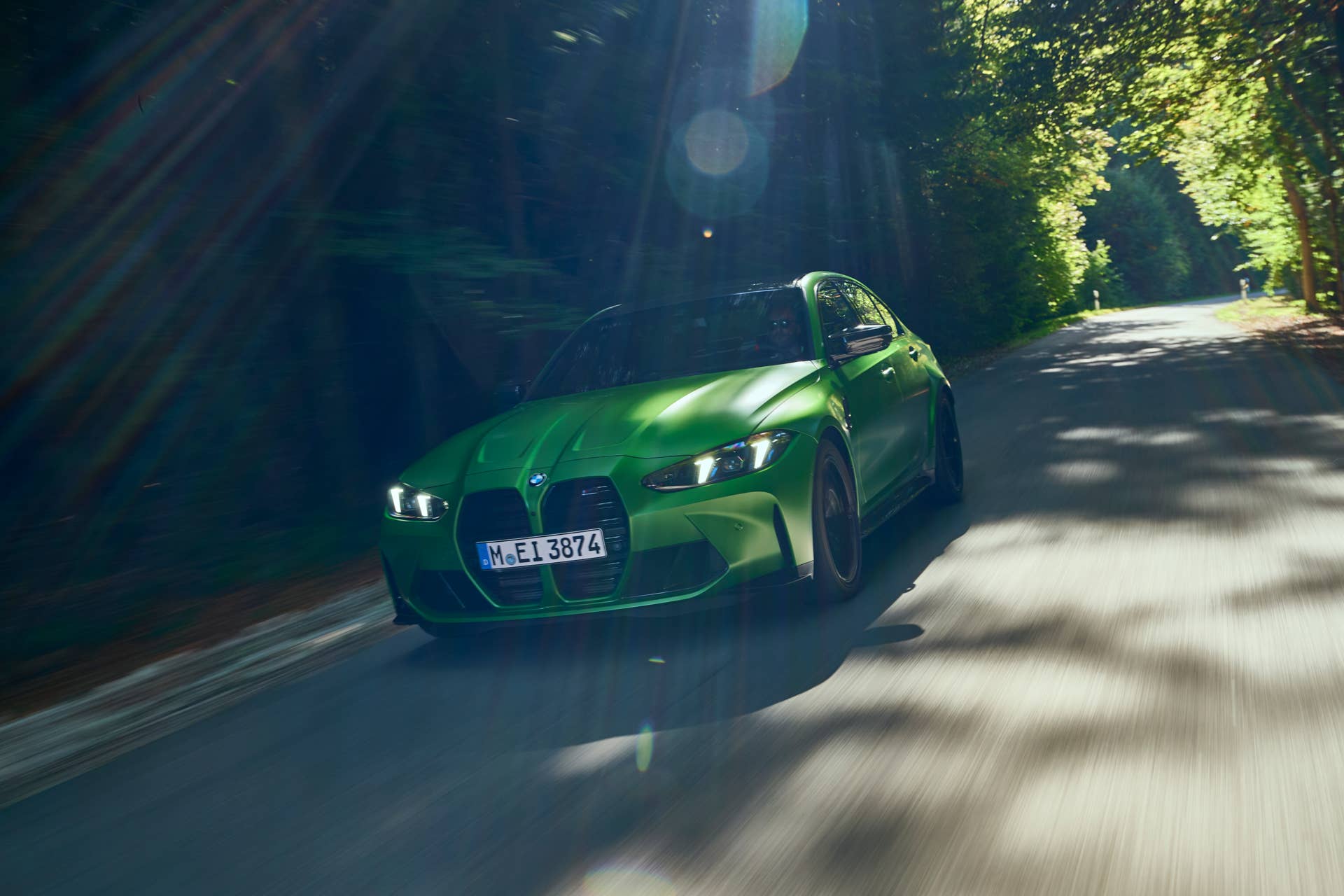
The BMW M3 may not be within everyone’s reach, and its premium performance credentials won’t be to everyone’s tastes, but while the current Mercedes-AMG C 63 is a plug-in hybrid four-cylinder and the latest RS 5 is a plug-in hybrid V6, the final model year for the G80 is worth celebrating, and not only because it’s a pure-combustion car available with a manual. The S58 twin-turbocharged 3.0-liter inline-six is a marvel of contemporary performance in standard form, and BMW is being conservative with its claims of 473 hp and 406 lb-ft of torque. The engine blows all expectations out of the water in the hands of the aftermarket, with well over 1,500 horsepower possible with the wildest mods. Leave it alone, and the S58’s reliability is surprisingly good, too. As the next-generation M3 sticks with the S58, albeit improved with pre-chamber ignition, this engine will go down as one of the all-time greats.
Kia Telluride
Kia
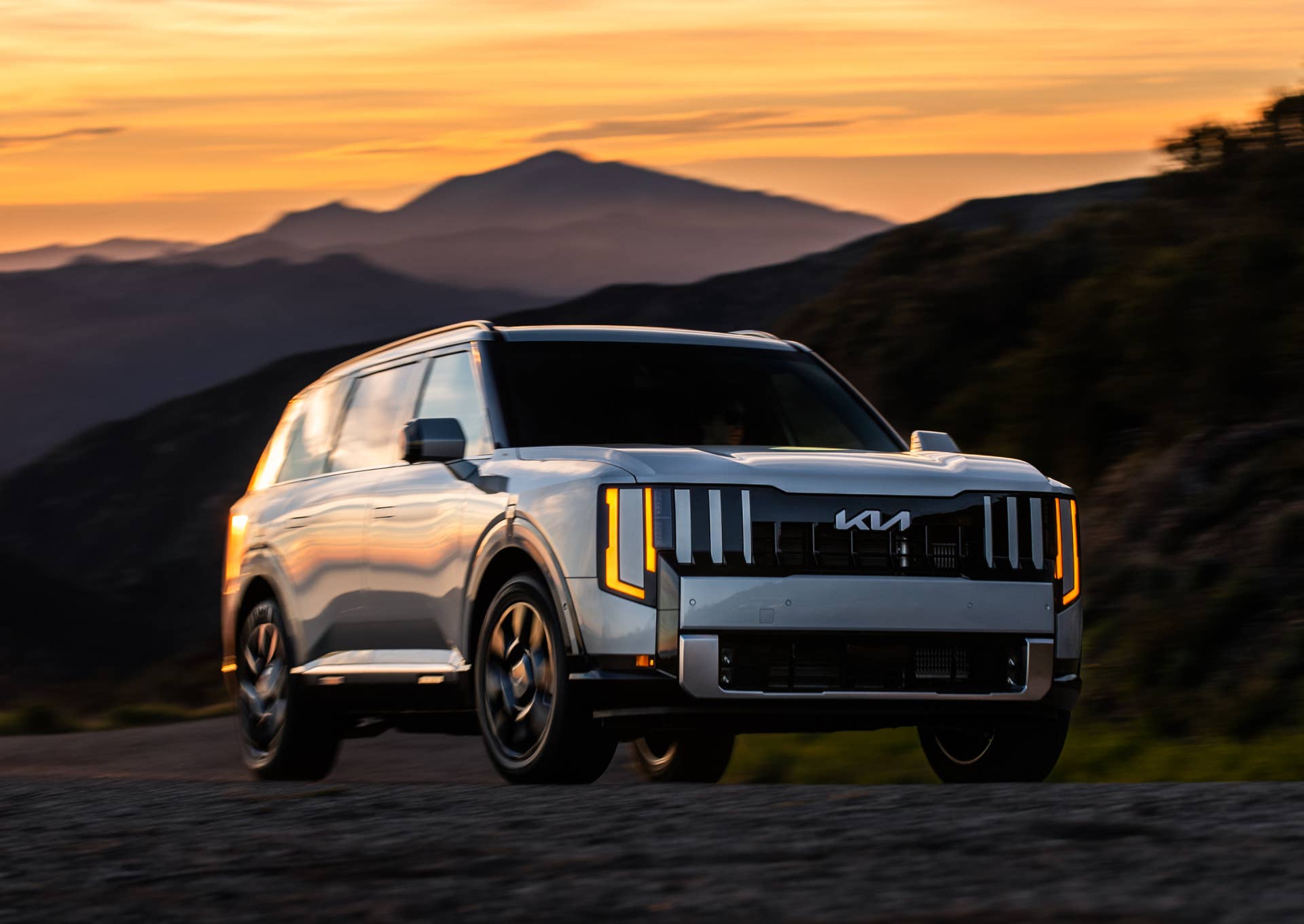
Available in a multitude of trims, including with a hybrid, and with space for eight, the Kia Telluride continues to be one of the most popular SUVs in America. It’s well-priced, backed by an industry-leading warranty, and despite its heft, it returns decent gas mileage. Somebody will always need a three-row SUV and the ability to tow something heavy, and the Telluride’s 2.5-liter turbocharged engines provide decent performance, with 274 hp and 311 lb-ft of torque in the base version enabling up to 5,000 lbs of towing capacity. Those who need more grunt or better gas mileage can upgrade to the 329-hp/339-lb-ft hybrid version, new for 2027, but towing capacity drops by 500 lbs due to the added heft of the battery pack.
Chrysler Pacifica
Chrysler
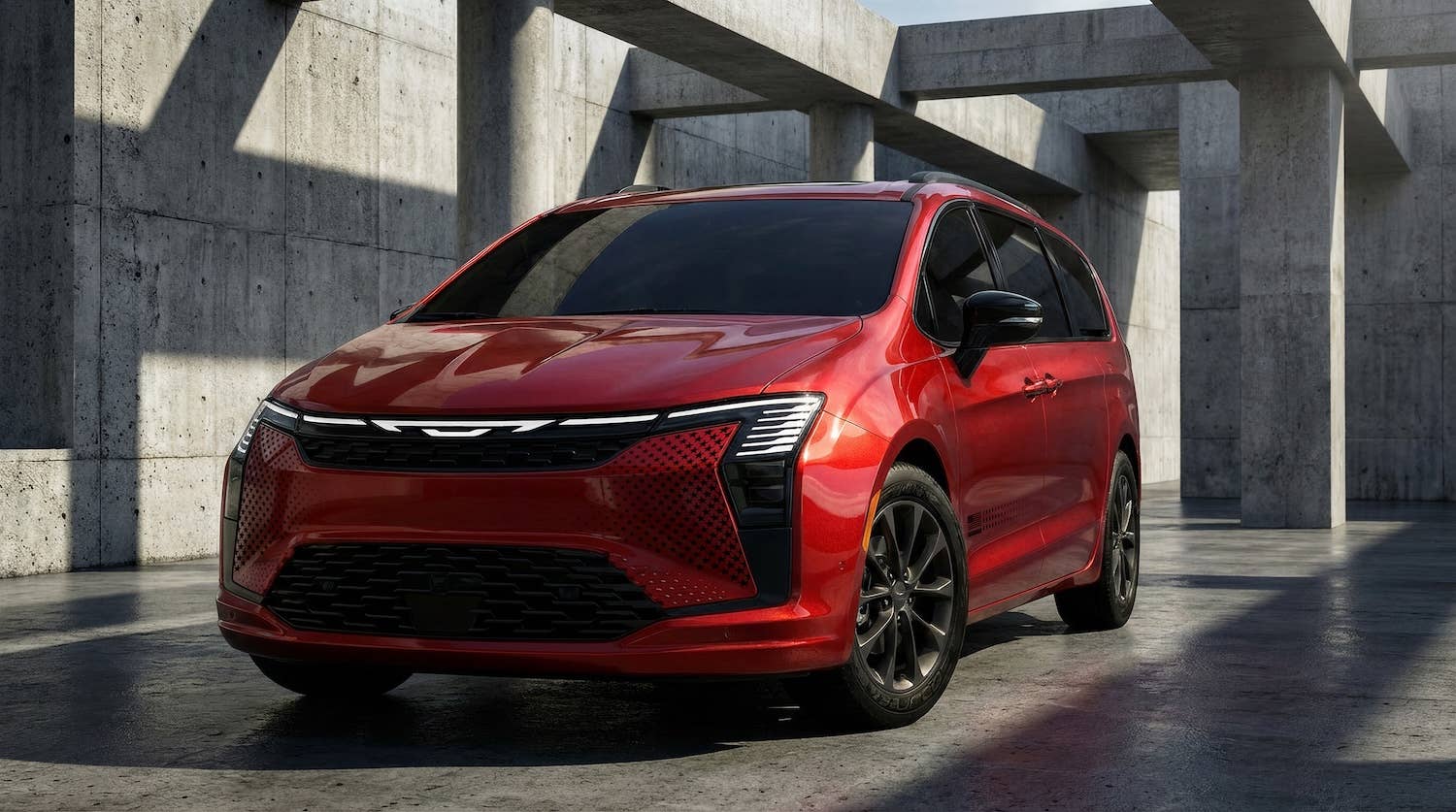
It’s hardly glamorous, it’s not all that new for 2027 despite its fresh face arriving after a decade on sale, and it’s not exactly fun to drive. However, the Chrysler Pacifica’s smooth, naturally aspirated 3.6-liter Pentastar V6 engine and nine-speed automatic transmission are proven to be reliable and easy to live with, and the option of an admittedly dated-looking Pacifica LX with only the bare necessities makes the range hard to ignore for the large family, regardless of budget. The Stow ‘n Go seating remains fantastic, and while the Honda Odyssey’s seating and V6 engine are also admirable, that rival is only front-wheel drive. The Toyota Sienna is only available with a hybrid and can be had with AWD, but it doesn’t get clever seats. We’ll concede that the final price you pay can make a difference in deciding whether the Pacifica is worth it versus rivals, but without markups, this is still the go-to choice in the minivan space.
Conclusion
No matter what your preference, budget, or lifestyle, these cars show that there’s still plenty of choice for buyers in the U.S. who appreciate the purity, engagement, and simplicity of a pure combustion-only powertrain. And these selections are only a handful of what’s on offer, so if you want gas-only, from something as basic as a fleet-ready workhorse to something as wild as a 6.7-liter Corvette Grand Sport, or as expensive as a Ferrari 12Cilindri, the market has plenty of avenues to explore.
About the author

Sebastian Cenizo
Senior Editor, Autoblog