
Three Pedal Legends
I bought my first manual transmission car in 1999. I loved that Honda Accord EX-L sedan. No, it’s not on this list. A couple of years later, I upgraded to a 2001 BMW 325Ci. I have loved manual transmission cars and hope to drive them until I can no longer walk. The experience means a great manual transmission can turn an ordinary drive into something thrilling, even if speeds never reach anything significant. It’s all about connection, engagement, and action. Get the pedals, steering wheel, brakes, and shifter working in harmony, and driving becomes an art form. There’s nothing like it in the automotive world, and it’s disappearing.
Mazda
Choosing the best manual-transmission cars ever made isn’t about finding the fastest machines with three pedals, but it doesn’t exclude them, either. A great gearbox should befit the car. A lightweight roadster needs short throws, precision and easy rhythm. A supercar’s manual should balance raw mechanical engagement with the extreme power and torque of a high-output engine. Even an off-roader can make a solid case when its manual adds useful control in dicey trail situations. Here are some of the best manuals ever made.
Honda S2000
Bring a Trailer
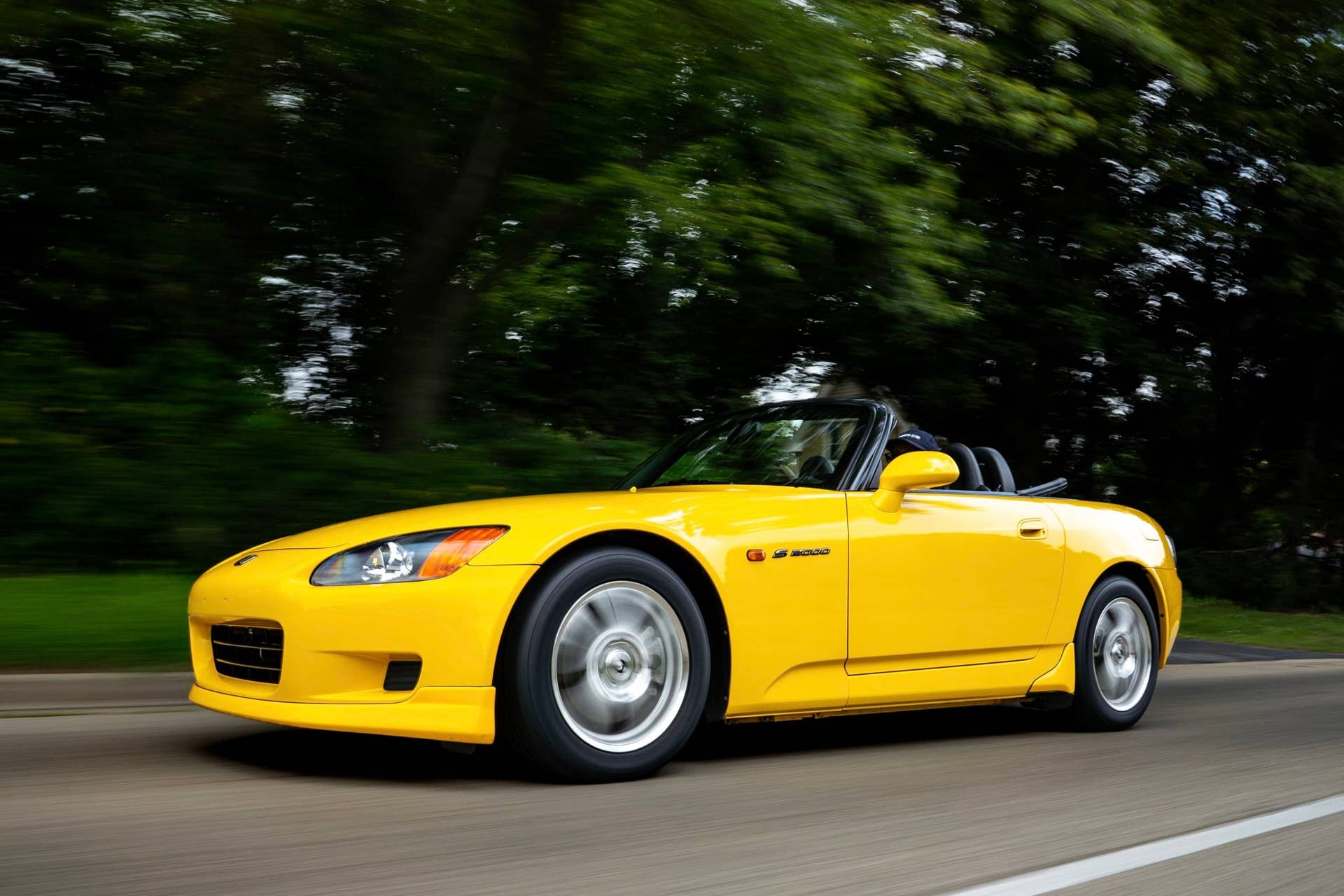
If this list were judged purely on the movement of a gear lever, the Honda S2000 would rank #1. Its six-speed manual has the kind of short, precise action that inspires the familiar “rifle-bolt” comparison. Honda mounted the shift linkage directly on top of the transmission case to minimize play, with short throws and carefully calibrated spring pressure that centers the lever on the third-to-fourth-gear plane. The result is a gearbox that feels like a precision instrument.
One caveat, though. The S2000’s shifter is notorious for feeling less than stellar when cold. Tantamount to “rowing a knife through marbles”, it only becomes sublime after the car gets warmed up. One user said, “the manual shifter of the Honda S2000 represents a pure, unfiltered driving experience that is increasingly rare in modern cars.”
Mazda MX-5 Miata
Mazda
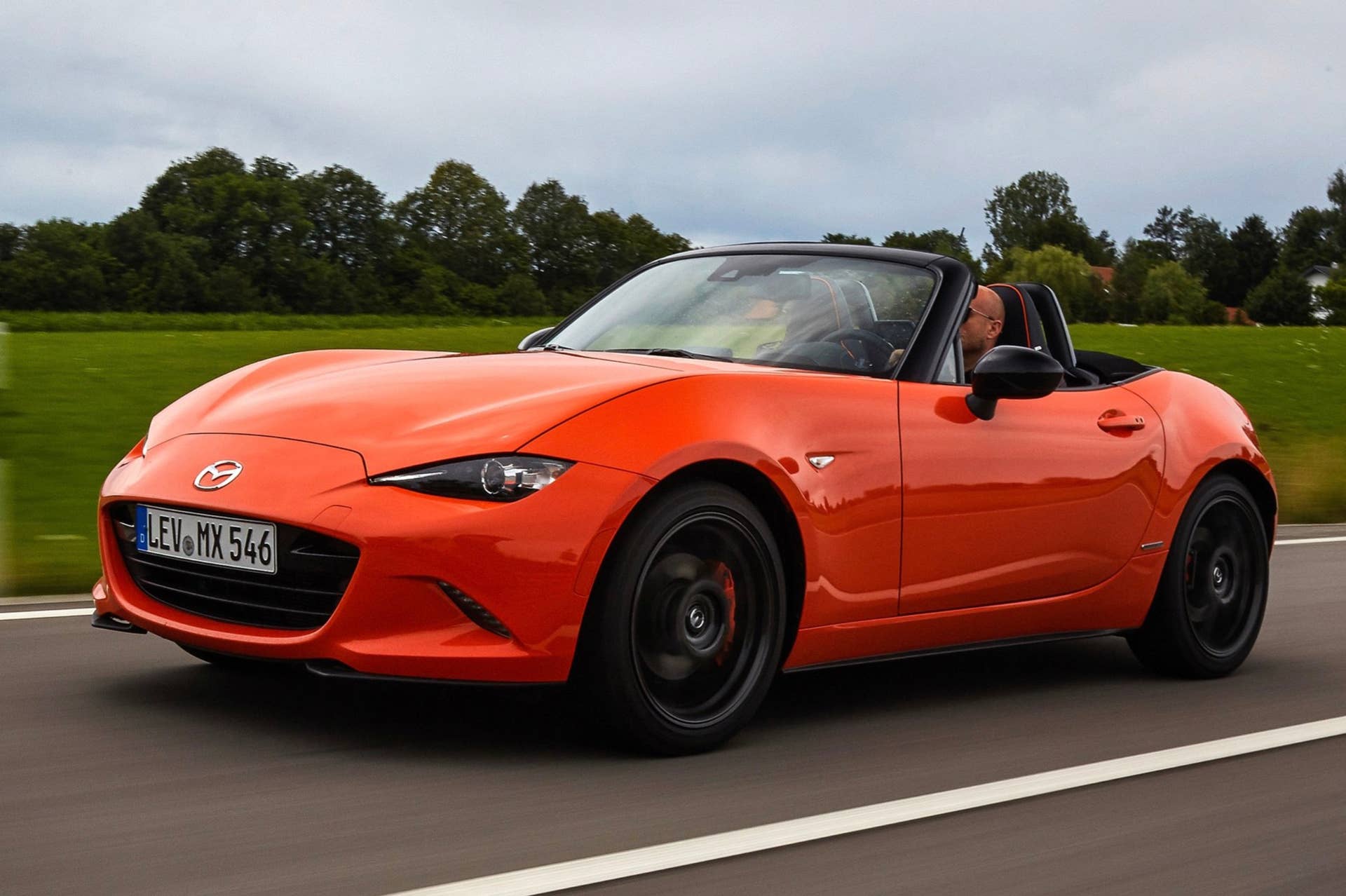
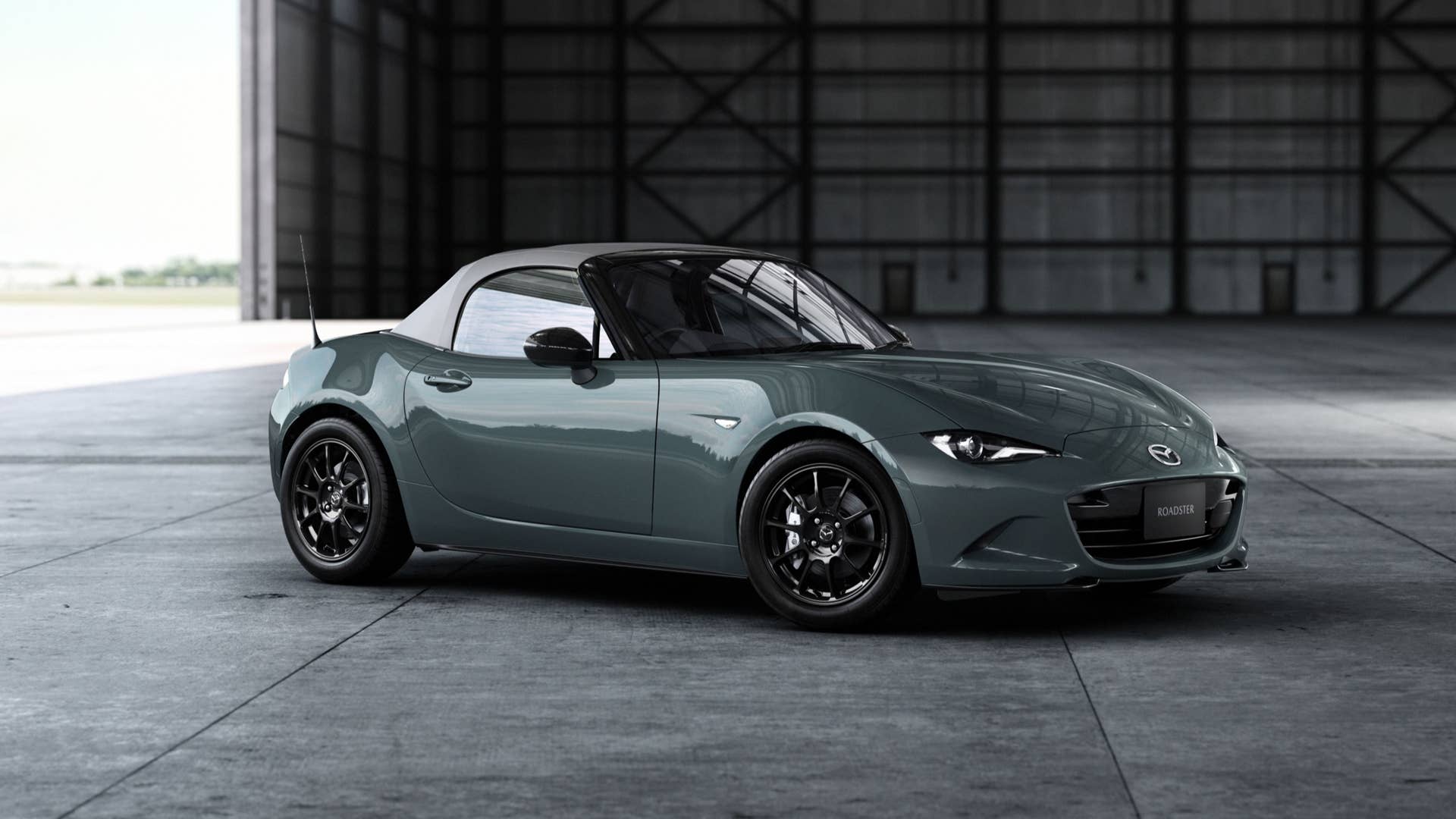
The Mazda MX-5 Miata makes a different case for greatness: the entire experience matters more than any single dramatic sensation. The original NA and modern ND generations capture that idea particularly well. The early car established the appeal of a light, compact roadster with a short-throw manual, while later versions carried forward the emphasis on precise engagement and approachable controls.
What separates the Miata from cars that merely have a good shifter is the relationship among its controls. The combo of quick shifts, easy clutch, matched control weights, and pedal arrangement suited to heel-and-toe downshifting come together beautifully, and it has become known as a delight to purists. One user captured the experience, saying, “”It just goes straight into [gear]… it strikes a perfect balance without being too light or floppy.”
Porsche Carrera GT
RM Sotheby's
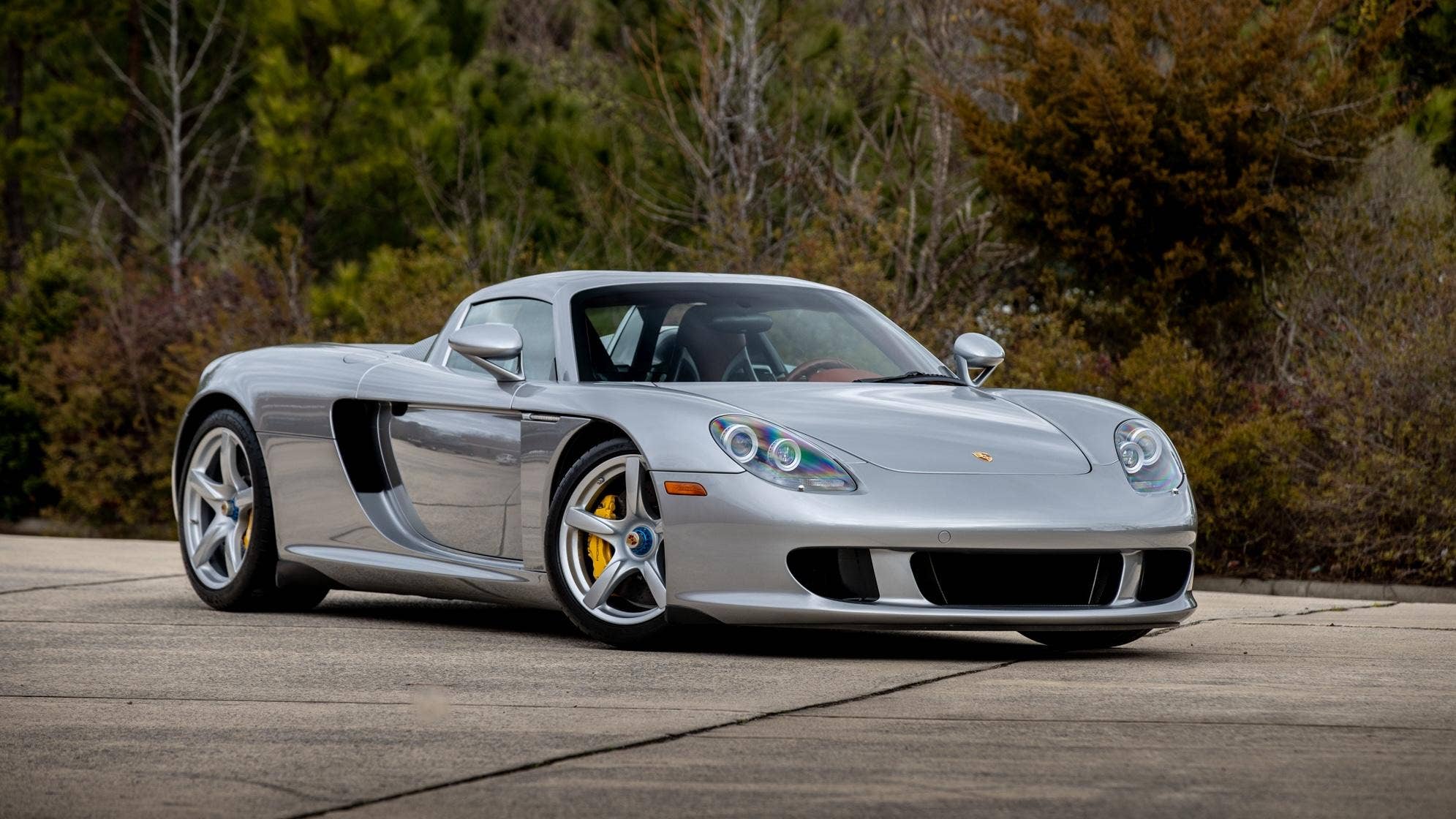
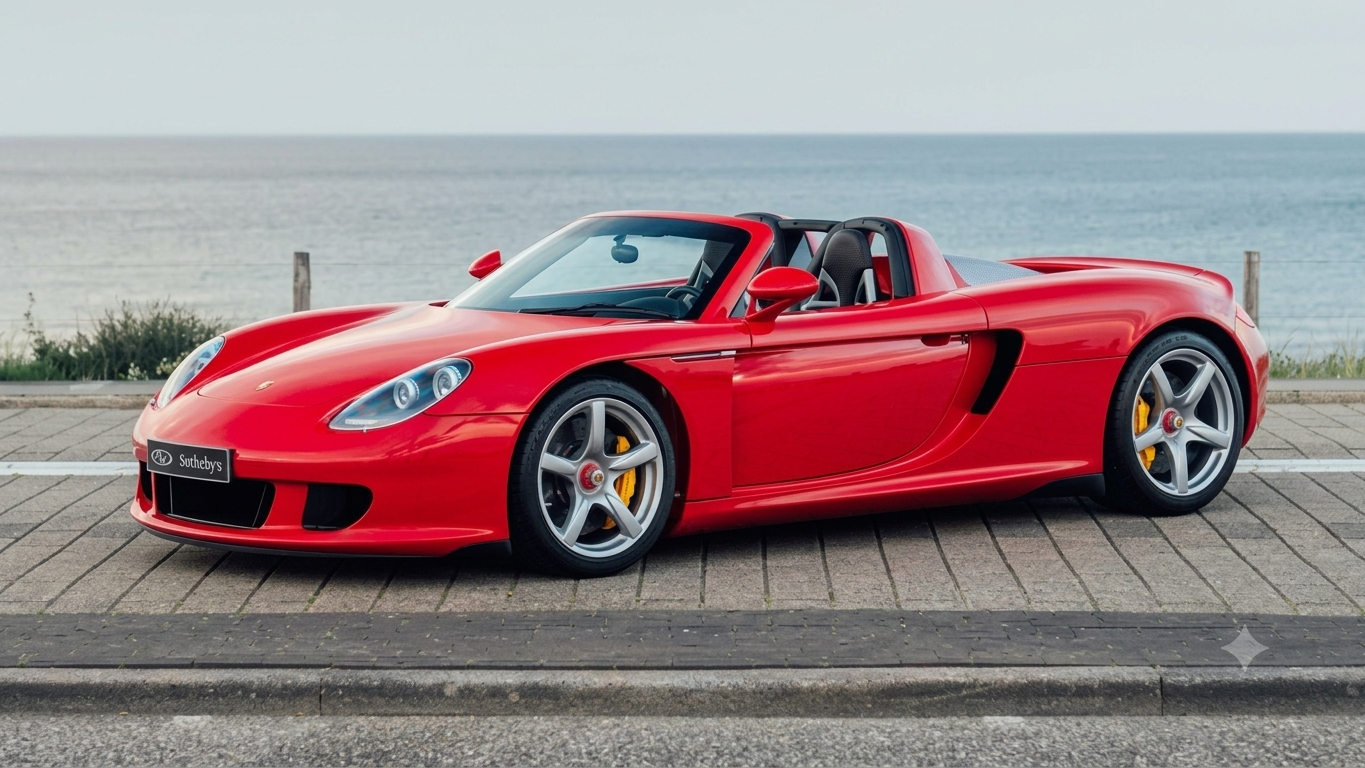
The Porsche Carrera GT brings a very different kind of intensity. Its naturally aspirated V10 works through a six-speed manual, with a high-mounted lever topped by a laminated beechwood knob. But it’s less art and more of a sculpted tool to execute exceptionally precise shift action, making that small wooden component a functional centerpiece of the entire raw driving experience. You have to have more than shifting skills with this 605-horsepower supercar because it doesn’t have ABS or traction control.
The ceramic clutch demands care, especially when pulling away, but the delicate touch it requires is part of driving the Carrera GT to its potential. The rule with this car is to let it roll forward and find the clutch’s bite point. Giving it gas while slipping the ceramic clutch will lead to overheating and premature wear. By coordinating clutch, throttle, and lever, it makes the driver connected to V10 rather than just a witness to its power. One driver wrote, “Shifting is smooth and precise. The 917-inspired wooden shift knob helps remind you that this is no ordinary street car…”
McLaren F1
McLaren
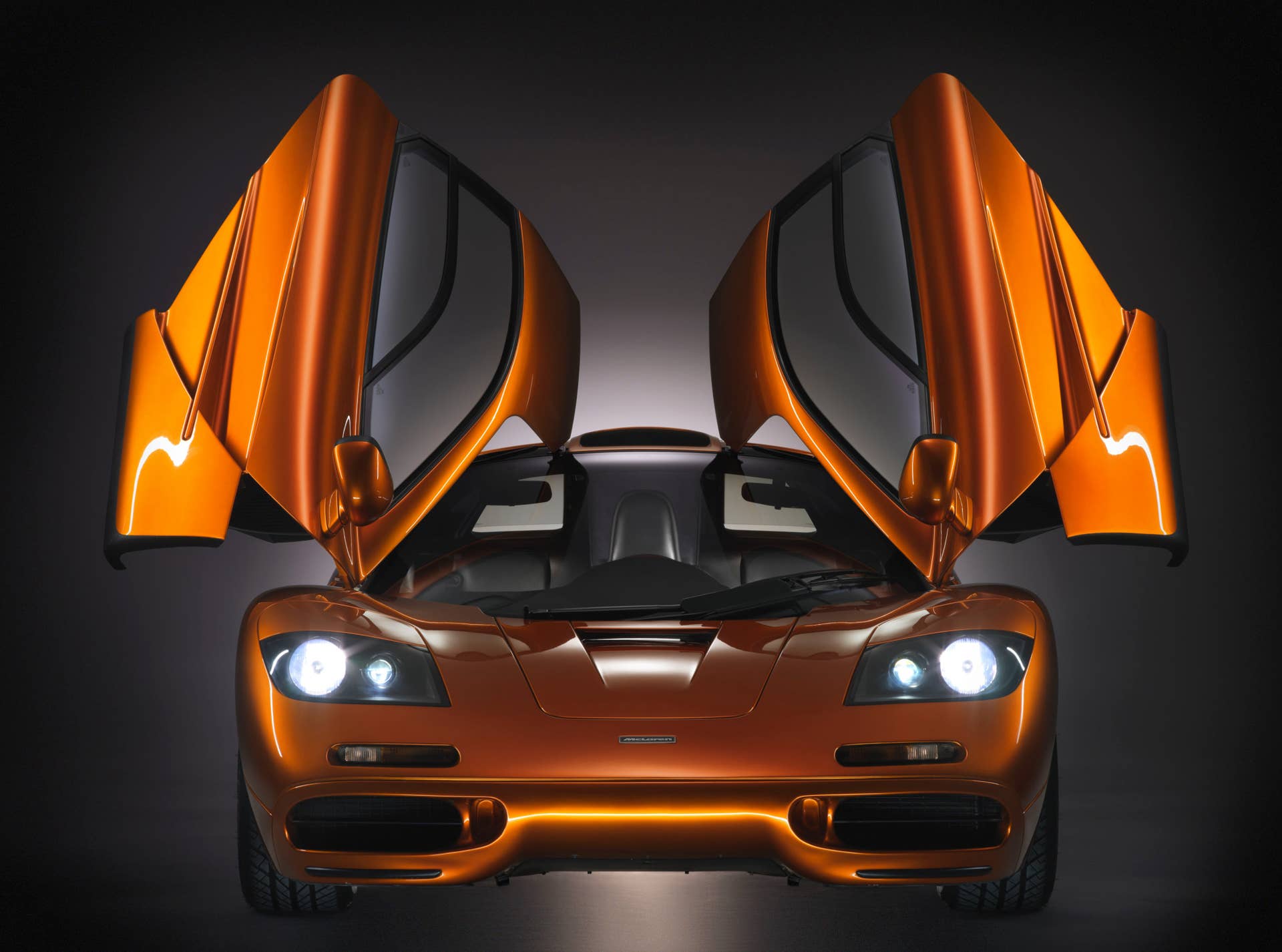
If we were to choose one legend in this set, it would be the iconic McLaren F1. Gordon Murray’s masterpiece belongs here because its manual transmission is part of a balletic combination of driver-centric componentry and configuration. Its naturally aspirated BMW Motorsport V12 and central driving position put the driver’s relationship with the car at the heart of the design. McLaren describes that central seat part of its core purpose: the driving experience.
Developed specifically for the car, the gearbox delivers precision without intimidation. The clutch is manageable, the shifter engages cleanly, and closely spaced intermediate ratios keep the driver involved with the 627-hp naturally-aspirated V12. Gordon Murray even used his own Honda NSX’s shifter as the development benchmark. Jay Leno, a famous F1 owner, stated, “There’s a certain pleasure that you get in going through the gears… I enjoy watching the tach sweep across, and shifting, hit the gas, blip it, come in—it’s just great fun. I think you just had to get the dual-clutch thing out of your head… Everybody thinks going fast is the only way to go, as opposed to the purity of driving.”
Shopping for a new car? Click here to get a great deal on your next vehicle. Powered by Carvana: no-haggle pricing, 100% online.
Modern Honorable Mentions
Porsche 911 GT3
Bring a Trailer
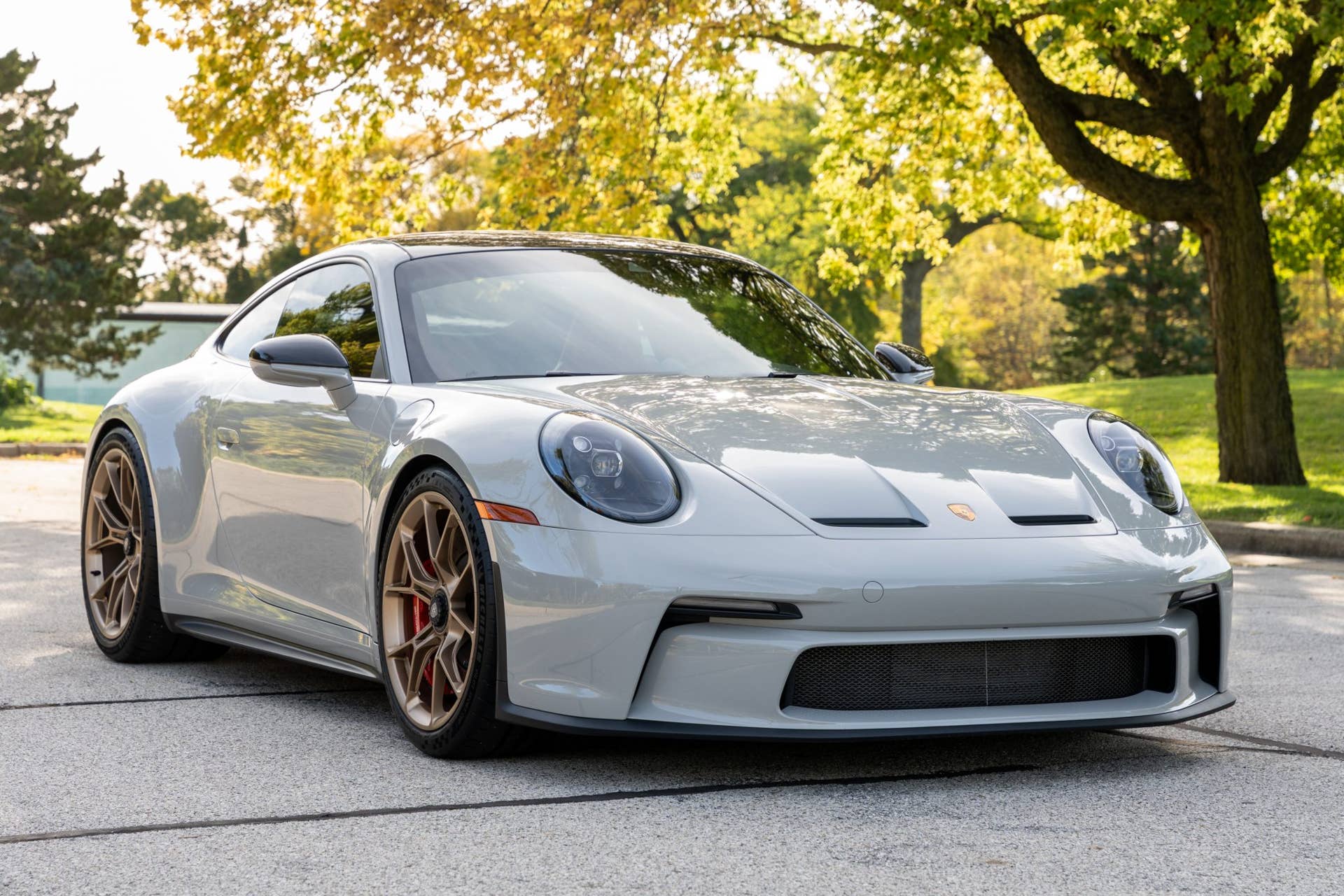
The Porsche 911 GT3 demonstrates that a manual transmission can still belong in a serious modern performance car, and Porsche is keeping the flame alive. The manual-equipped GT3 and GT3 Touring offer a six-speed GT Sport gearbox, preserving what makes the 911 so incredibly satisfying to drive. For this list, that earns it the modern sports-car benchmark position: a car whose manual is desirable because of what it adds to the performance driving experience by connecting it to the potent 502-hp naturally-aspirated flat-six, not just because three pedals grow rarer by the year.
Cadillac CT5-V Blackwing
Cadillac
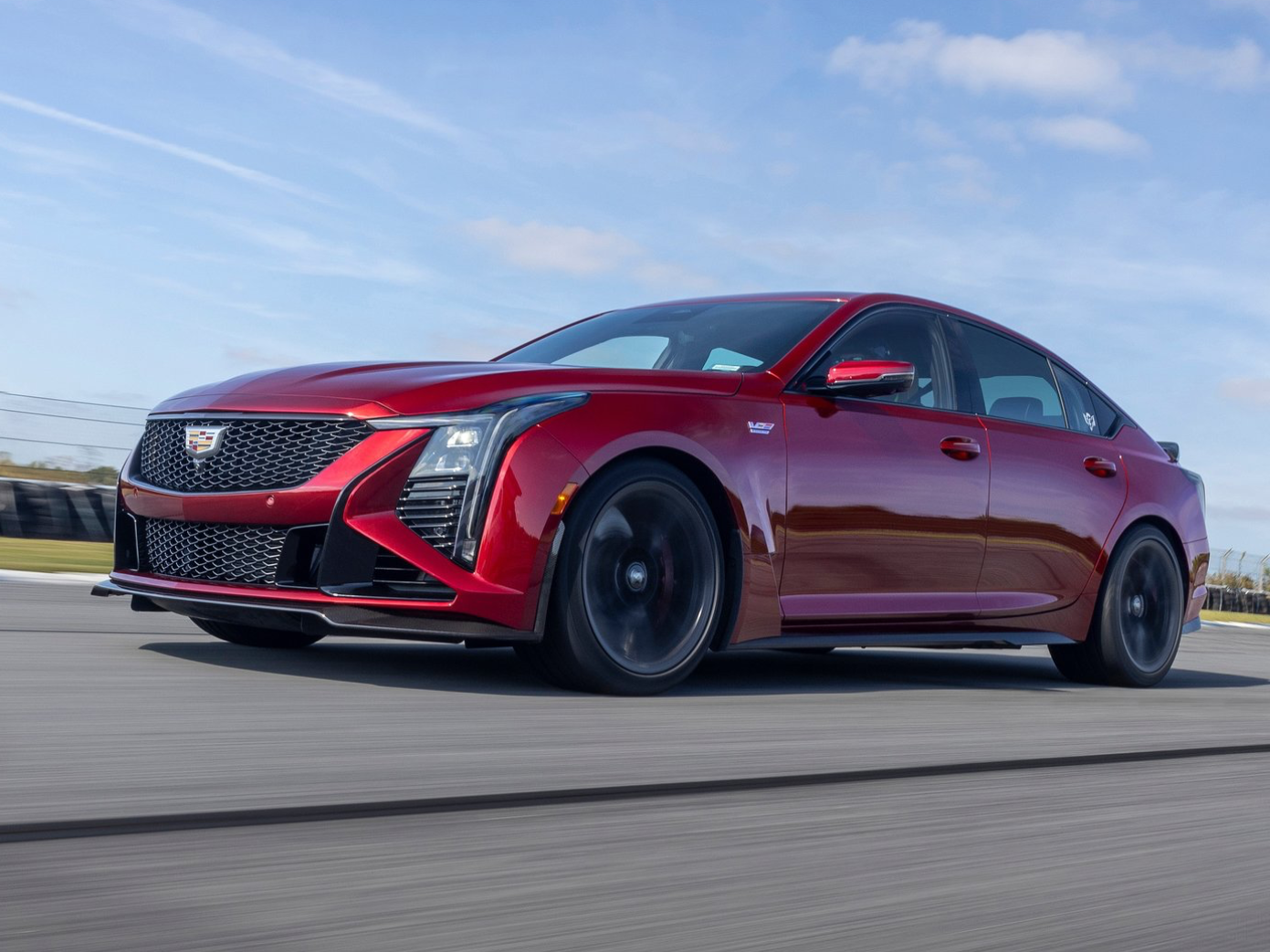
The Cadillac CT5-V Blackwing’s specification reads like an enthusiast wish list that somehow survived the approval process. Its supercharged 6.2-liter V8 produces 668 horsepower, and a six-speed manual is standard, with a 10-speed automatic available as an alternative. The manual in this family rocket sled has been called “sublime” and the only transmission to choose. The Tremec six-speed uses a twin-disc clutch and delivers a tactile, notched shift feel. It brings a distinctly mechanical element to a large, immensely powerful rear-wheel-drive sedan. The fact that this even exists is hard to believe.
Ford Bronco
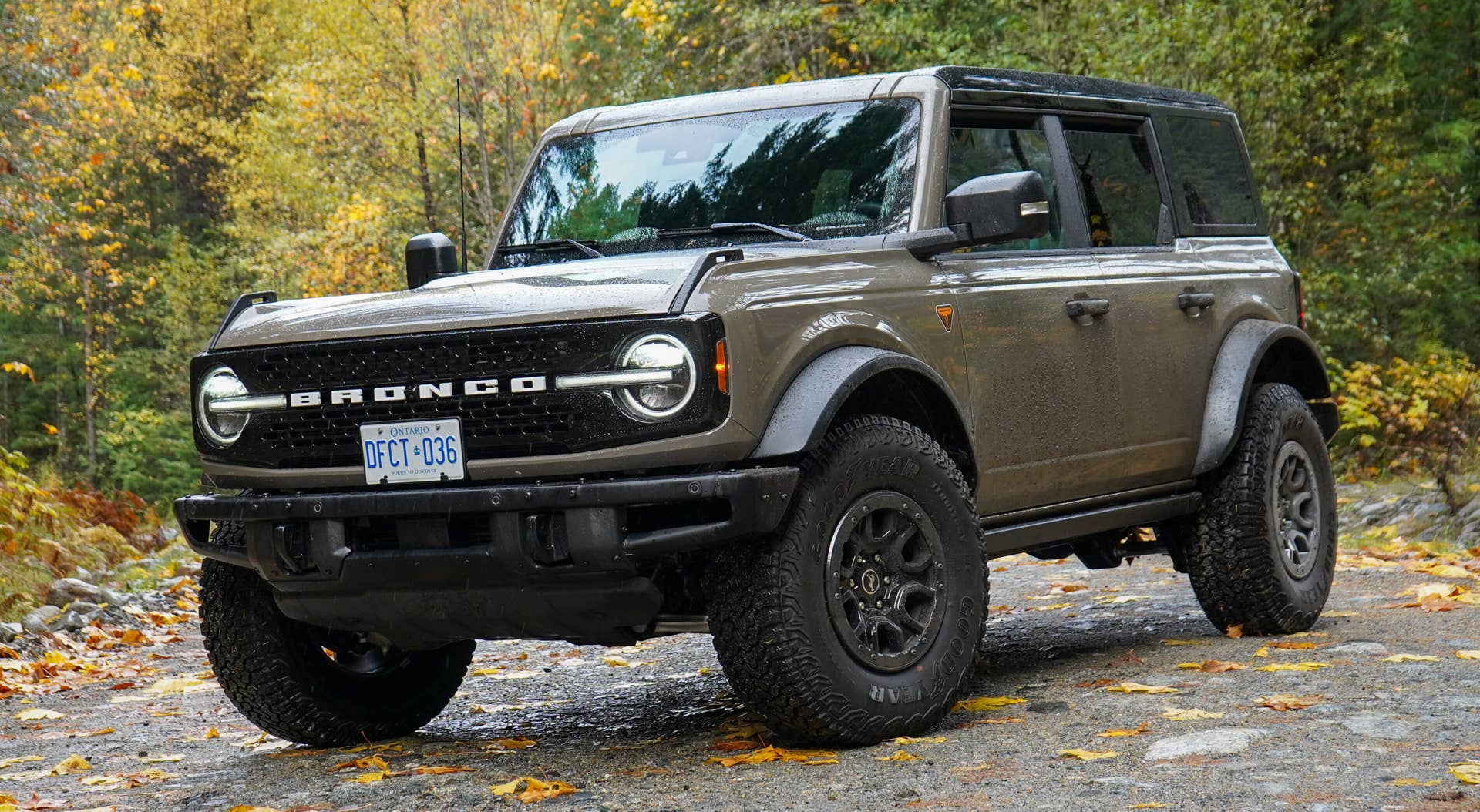
The Ford Bronco pushes the definition of the manual transmisson car by showing that three-pedal excellence isn’t reserved for sports cars. Its seven-speed manual pairs with the rather modestly powered 2.3-liter turbocharged four-cylinder. This seven speed is unique because it equates to six forward gears, plus an additional ultra-low crawler gear. The Bronco belongs in a separate category from the S2000 or Miata. It isn’t here as a contender for the sweetest shift action. It’s here because its manual provides a tremendously satisfying driving experience in what’s essentially a mountain goat on wheels.
Final Thoughts
There isn’t a single car here that’s better with an automatic transmission. From supercar legends like the McLaren F1 and the Porsche Carrera GT to affordable roadsters like the Honda S2000 and the Mazda Miata, each one of them contains manual transmission delights that have been praised over and over again. That said, I would take just about any manual transmission car over a slushbox. That means even a low powered roadster can be more satisfying that a paddle shifting hypercar. It says a lot about the beauty of driver engagement and the connection between man, machine, and road.

About the author
Amos Kwon
Contributing Writer, Autoblog