
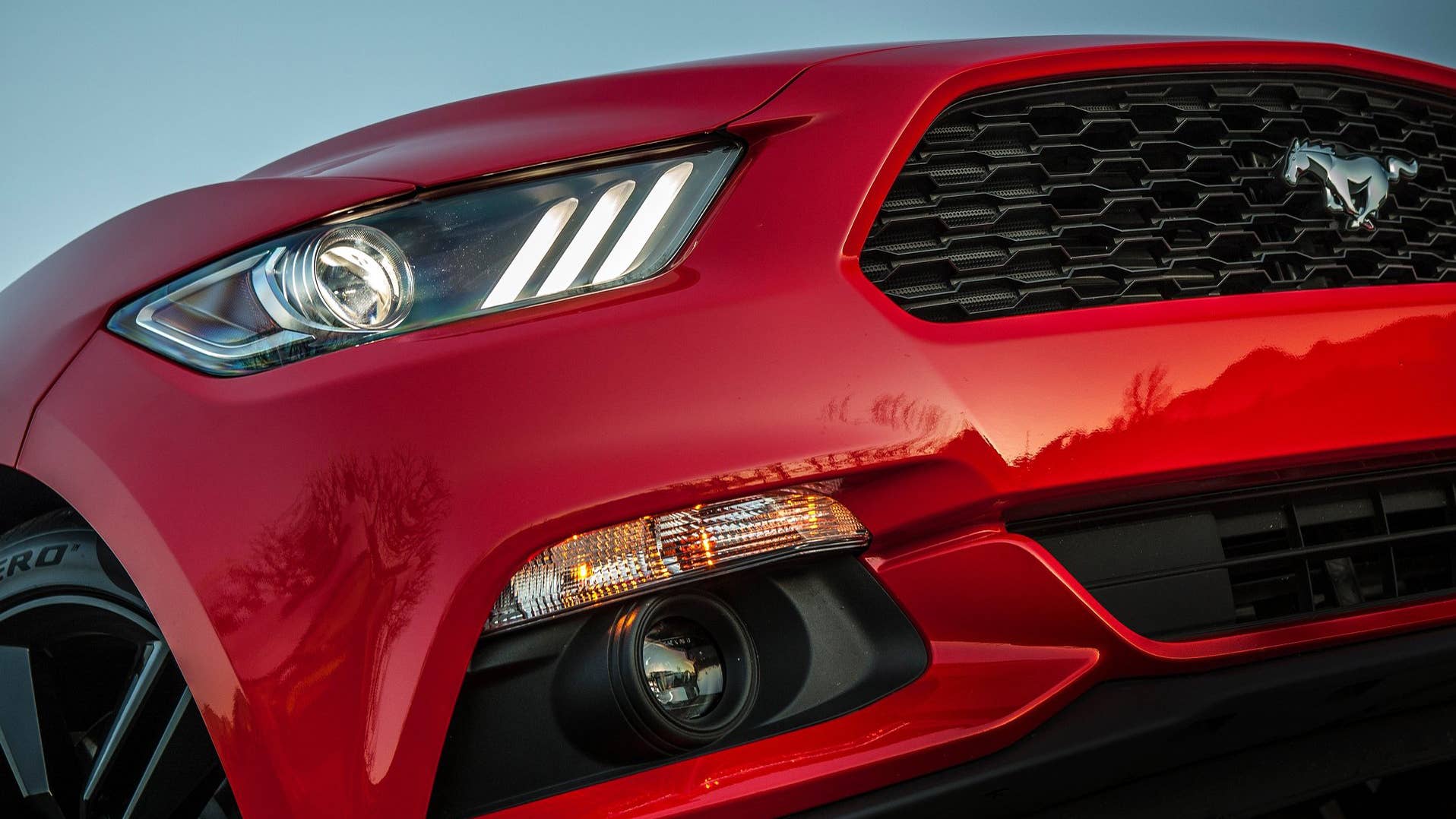
There are precious few sports cars left that come in at under $40,000. We aren’t talking about sedans with aggressive body kits, or overpowered SUVs, but vehicles that were designed from the ground-up to offer an engaging and fun driving experience.
And of them all, the best all-rounder surely has to be the Ford Mustang. We compared it to its rivals to see whether it really could be the one-car garage for the driving enthusiast who also must deal with school runs, shopping trips and the daily grind to work and back.
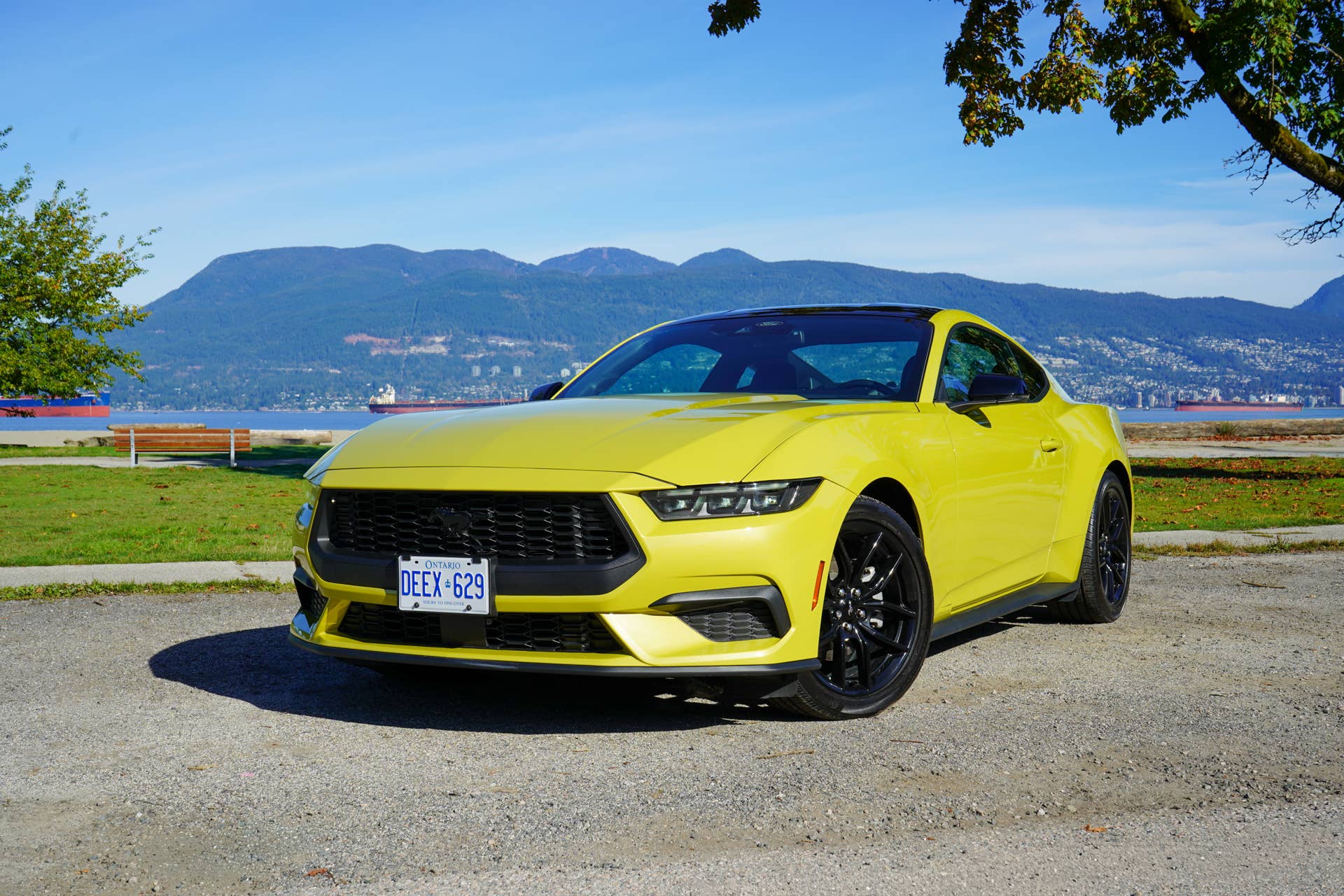
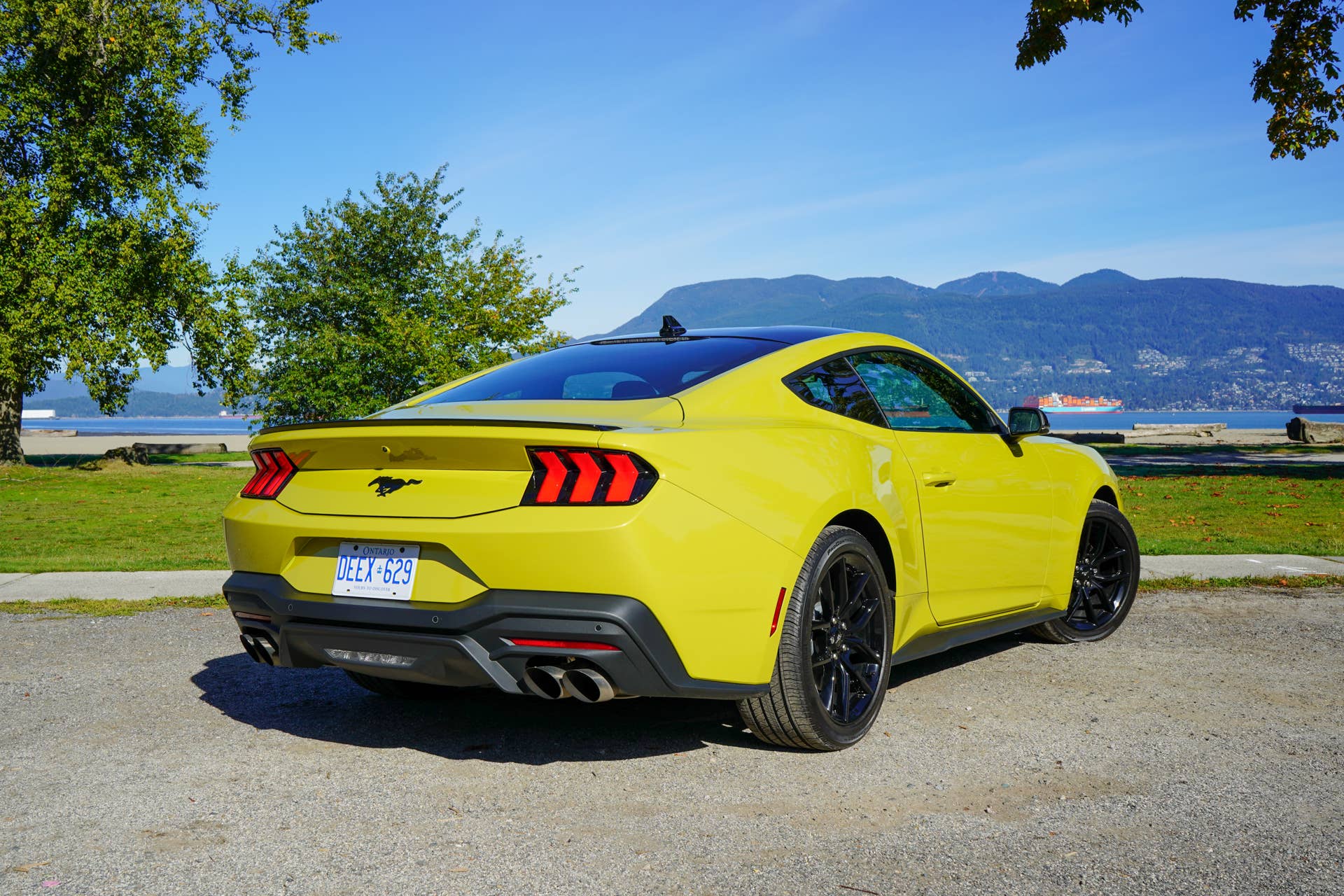
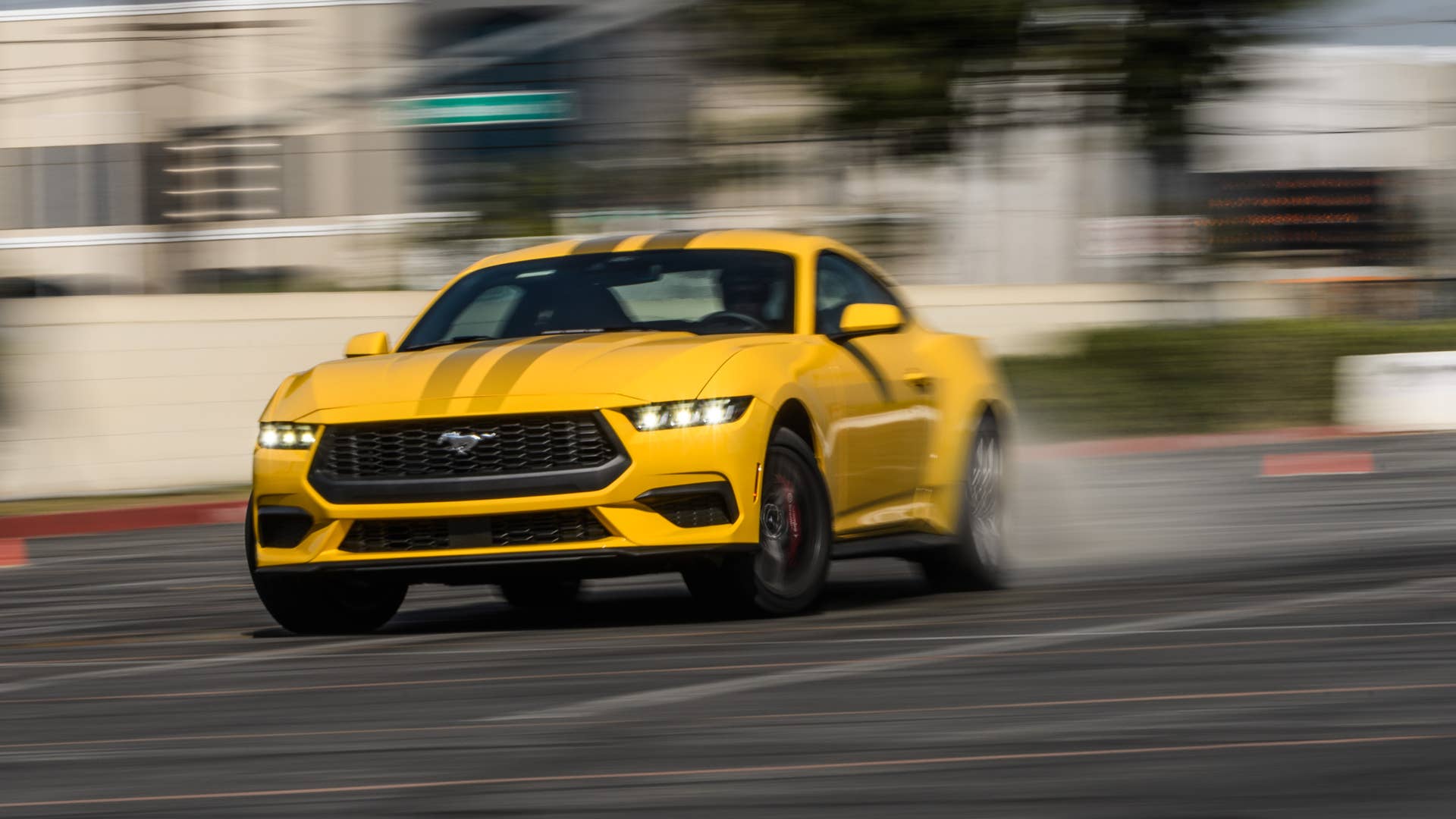
The Ford Mustang EcoBoost Fastback
Cole Attisha
Cole Attisha
Ford
| Engine | 2.3-liter turbo inline-four |
| Power | 315 hp |
| Torque | 350 lb-ft |
| 0–60 mph | 5.3-seconds est. |
| Fuel Economy | 22 city / 33 highway / 26 combined |
| Drivetrain | RWD |
| Base MSRP | $32,995 |
The base Mustang EcoBoost Fastback may not have the outright performance or rumbling exhaust note of the V8 GT models, but it is a massive $14,805 cheaper, and still delivers a great overall driving experience.
Powered by a 315-hp 2.3-liter turbocharged engine, it comes standard with a 10-speed automatic transmission and Rear-wheel drive (RWD). A manual is available on the V8 models, but the auto ‘box is still sharp and responsive when you’re in the mood, and makes crawling through daily traffic far less stressful.
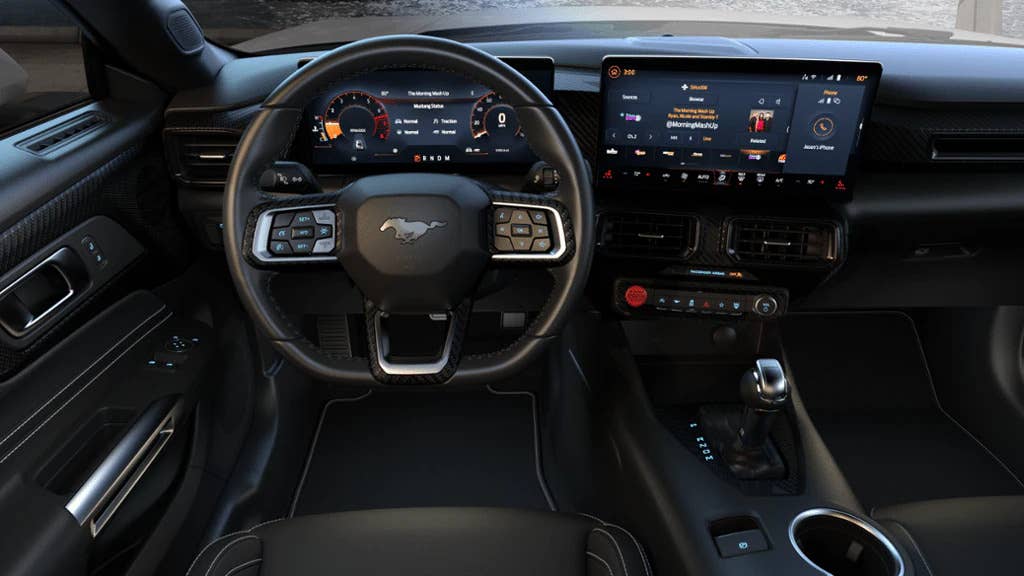
It may be the entry-level model, but the EcoBoost Mustang still comes with a customizable 12.4-inch digital instrument cluster, a 13.2-inch central touchscreen, rear parking sensors, and lane keeping assist.
Stepping up to the EcoBoost Premium costs an additional $3,350, but it is great value considering all the additional kit you get. Some of the additional features include heated and ventilated front seats, a heated steering wheel, and a 12-speaker Bang & Olufsen sound system.
Performance is also impressive, and despite its relatively mild 315-hp output, the turbocharged Mustang delivers an impressive 350 lb-ft of torque low down in the rev range, and helping it to sprint to 60mph in a little over 5.0 seconds.
It also has a decent amount of space in the back for passengers, and a trunk that can fit 13.5 cubic feet of cargo.
The Mustang’s Closest Rivals
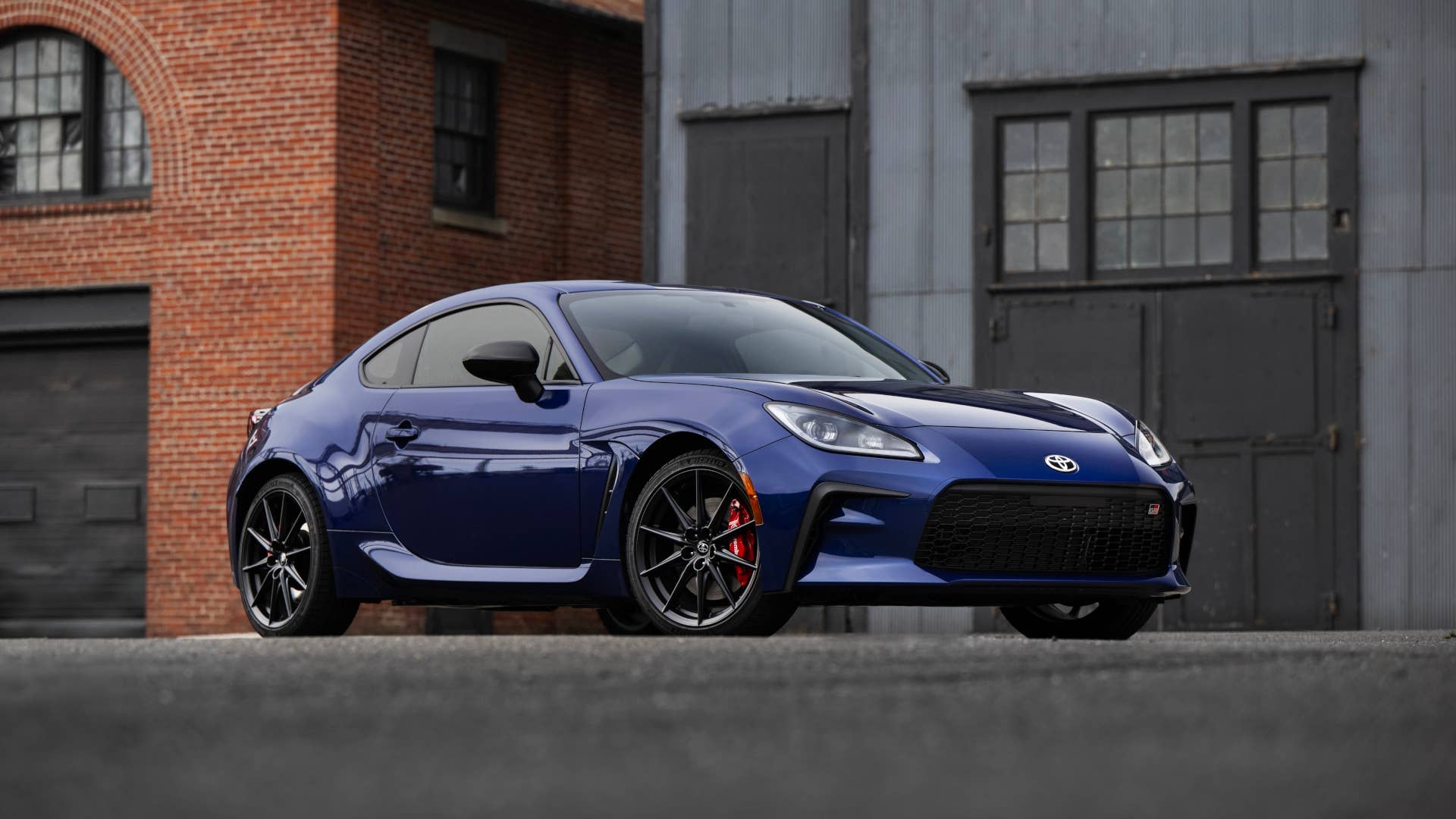
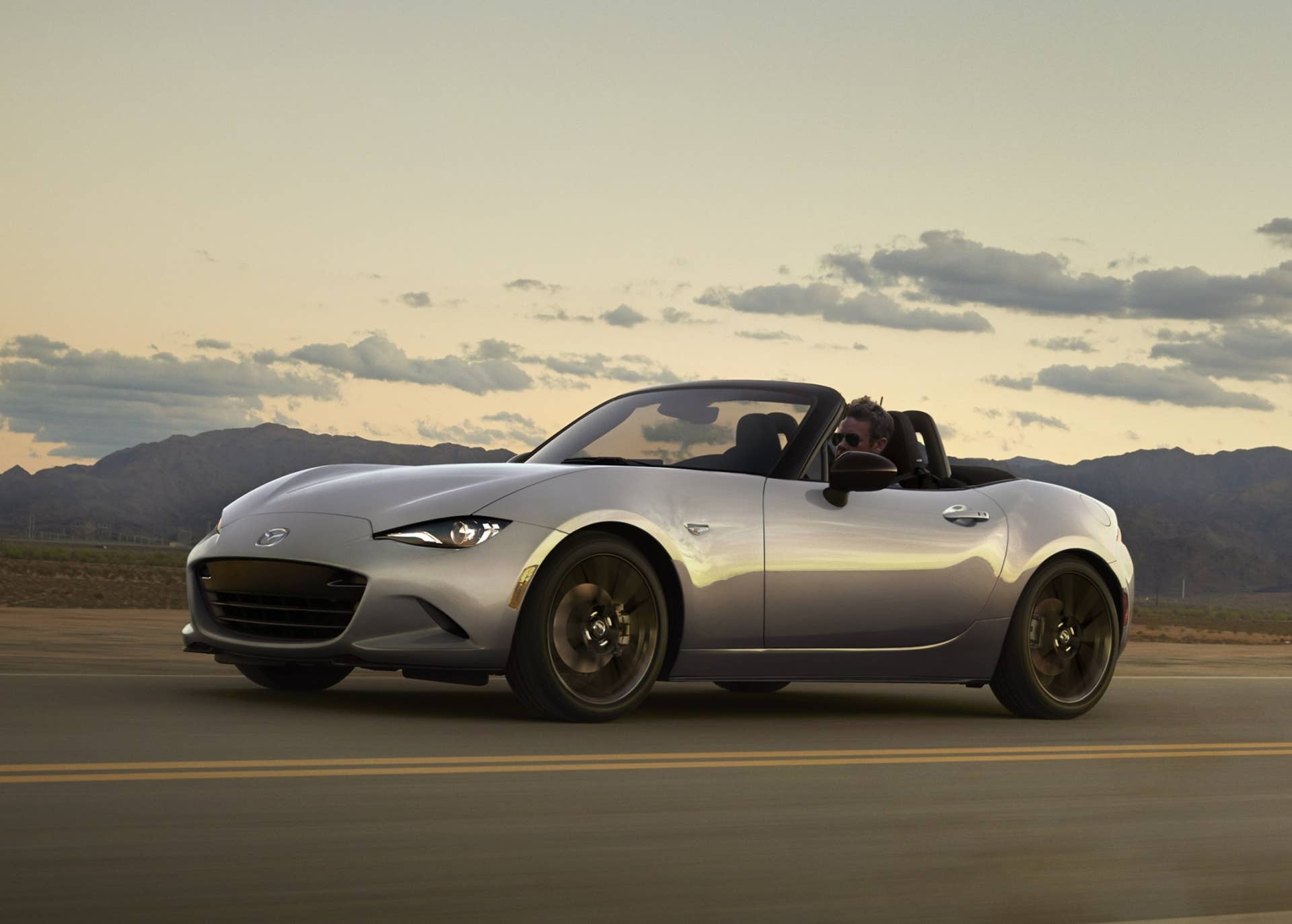
| Specification | Toyota GR86 | Mazda MX-5 Miata |
| Engine | 2.4-liter Boxer-four | 2.0-liter inline-four |
| Power | 228 hp | 181 hp |
| Torque | 184 lb-ft | 151 lb-ft |
| 0–60 mph | 6.1 seconds (official) | 5.7-seconds est. |
| Fuel Economy | 20 city / 26 highway / 22 combined (man) | 26 city / 34 highway / 29 combined (man) |
| Drivetrain | RWD | RWD |
| Base MSRP | $31,500 | $30,730 |
There are several sedan and hatchback-based sporty rivals around, but just two that are bespoke sports cars at this price level.
The Toyota GR86 is an analog, ultra-responsive rear-wheel-drive 2+2 sports coupe that prioritizes handling, and chassis balance over outright speed. It certainly feels great to drive, and comes standard with a manual transmission, but it is a far more compromised daily driver than the Mustang. It undercuts the EcoBoost’s base price though, but you are getting less for your money. In case you were wondering, the Subaru BRZ clone starts at a far higher $36,140 before charges and taxes.
The Mazda Miata is arguably an even purer sports car, and there is a lot to love about this two-seat roadster, but its compact dimensions, lack of real storage space and rear seats make it unsuitable for anyone with a family. It is attractively priced in base Sport trim, but the $34,230 Club variant is the one you really want as it includes a limited-slip diff and sportier suspension settings.
Both cars make more compromises in daily practicality than the Mustang, and while they may be very capable around a twisty road, the Mustang is no slouch in the corners and it’s way quicker on the straights.
It is also far more suited to long-distance cruises, and you won’t pay a penalty at the pumps for the added practicality and performance either.
What About Other Rivals?
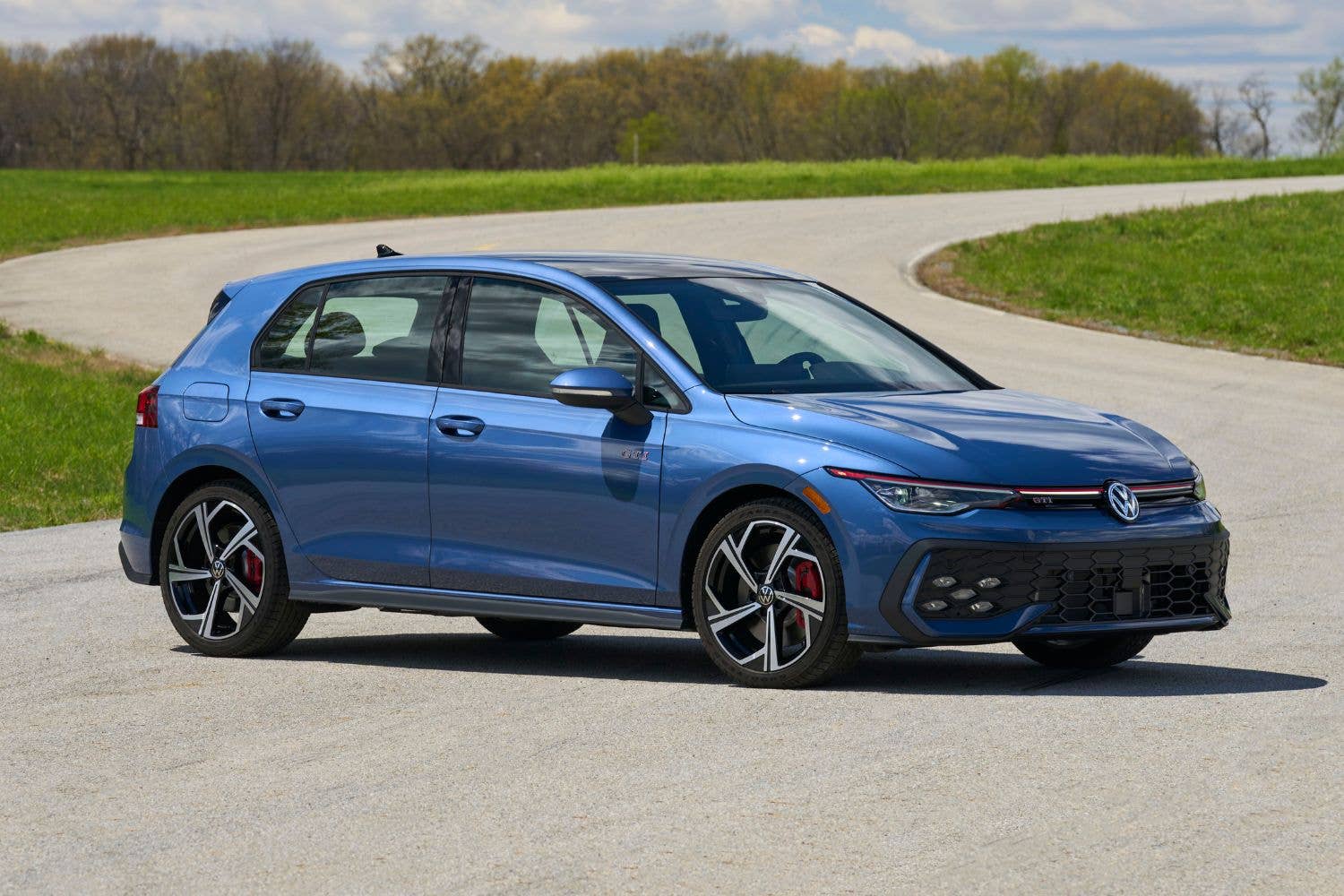
Volkswagen
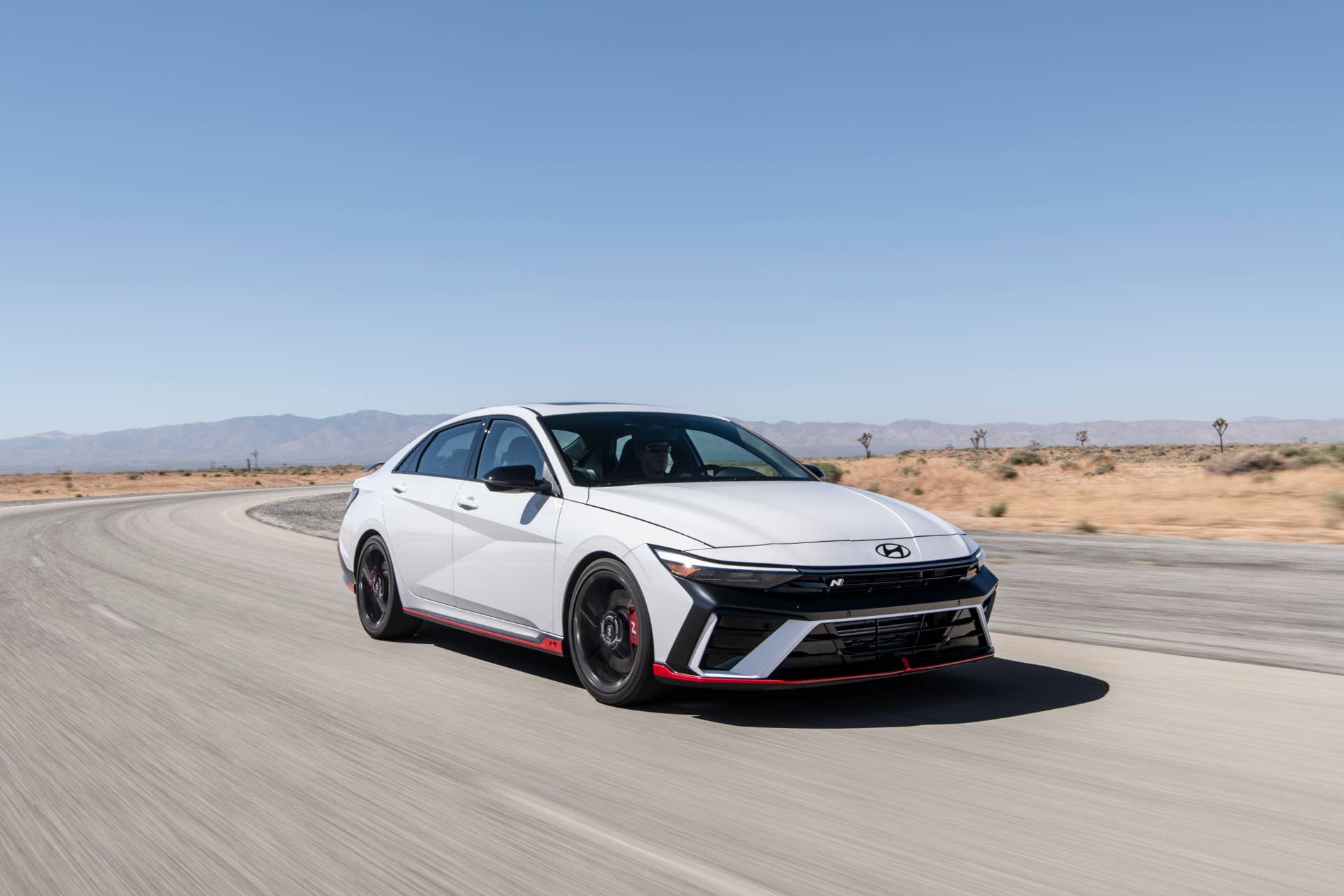
Hyundai
| Make and Model | Volkswagen Golf GTI | Hyundai Elantra N |
| Engine | 2.0-liter Turbo inline-four | 2.0-liter turbo inline-four |
| Power | 241 hp | 276 hp |
| Torque | 273 lb-ft | 289 lb-ft |
| 0–60 mph | 5.7-seconds est. | 5.1 seconds est. |
| Fuel Economy | 25 city / 34 highway / 28 combined | 21 city / 29 highway / 24 combined (man) |
| Drivetrain | FWD | FWD |
| Base MSRP | $34,590 | $35,300 |
To find a rival that offers similar all-round abilities we need to look at sporty versions of family-friendly sedans and hatchbacks. There are several to choose from, but the two here represent the best of the breed.
Here, the Volkswagen Golf GTI remains the benchmark that all hot hatches are compared against. It is quick, fun to drive, and comes with plenty of tech, features, and space to be both a sporty weekend toy and a practical daily driver.
The Hyundai Elantra N is the sportiest version of the regular models, and offers great value-for-money along with straight-line performance that eclipses even the base Ford Mustang EcoBoost. Like the GTI, it has four doors, plenty of passenger and trunk space. Another big plus point here is the availability of both a manual and automatic transmission.
However, both cost more than the Mustang, and being FWD, they won’t have the handling balance that sports car drivers crave when tackling their favorite roads. Because both the GTI and Elantra N share their basic designs with high-volume, economy cars, their styling also lacks the low-slung, athletic stance of a dedicated sports car.
So, in terms of all-round usability, pricing and performance, there really is no rival to challenge the very capable Ford Mustang EcoBoost. Perhaps the next-gen Camaro will be able to challenge it once it finally arrives.
About the author

John Tallodi
Senior Editor