
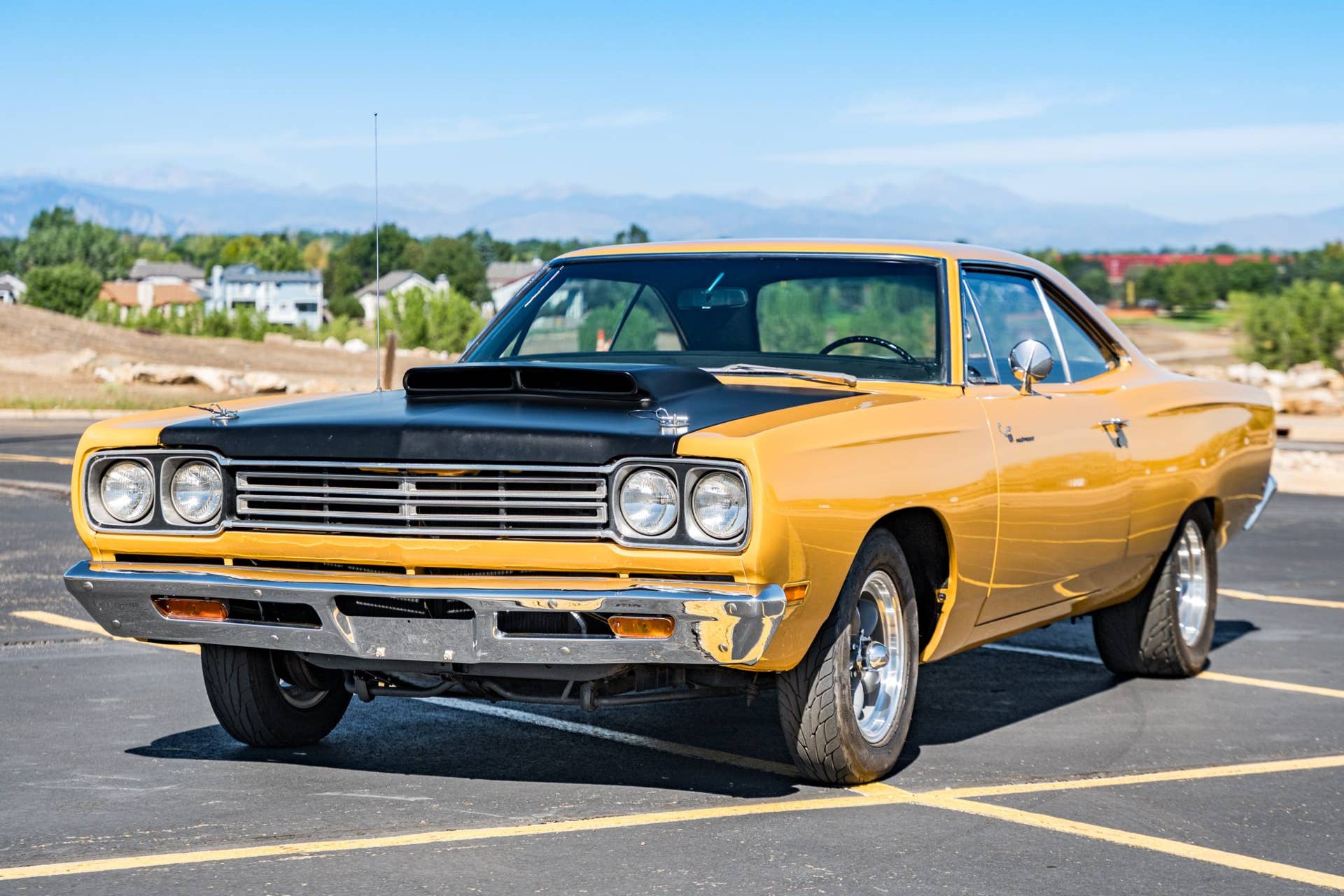
At this point, the muscle car is ingrained in Americana, both as a symbol of independence and one of the purest celebrations of automotive performance. There’s some debate about which model was truly the first muscle car, though. While some consider the 1964 Pontiac GTO the first of its kind, others suggest the 1949 Oldsmobile Rocket 88 was the real pioneer model. Still, some enthusiasts put the 1955 Chrysler C-300, with its Hemi V8, and 1957 Rambler Rebel up on the pedestal. Regardless of which model was truly the first American muscle car, the segment’s first generation holds a special place in the heart of the nation for a number of reasons.
Bring a Trailer
1. V8 engines and straight-line performance
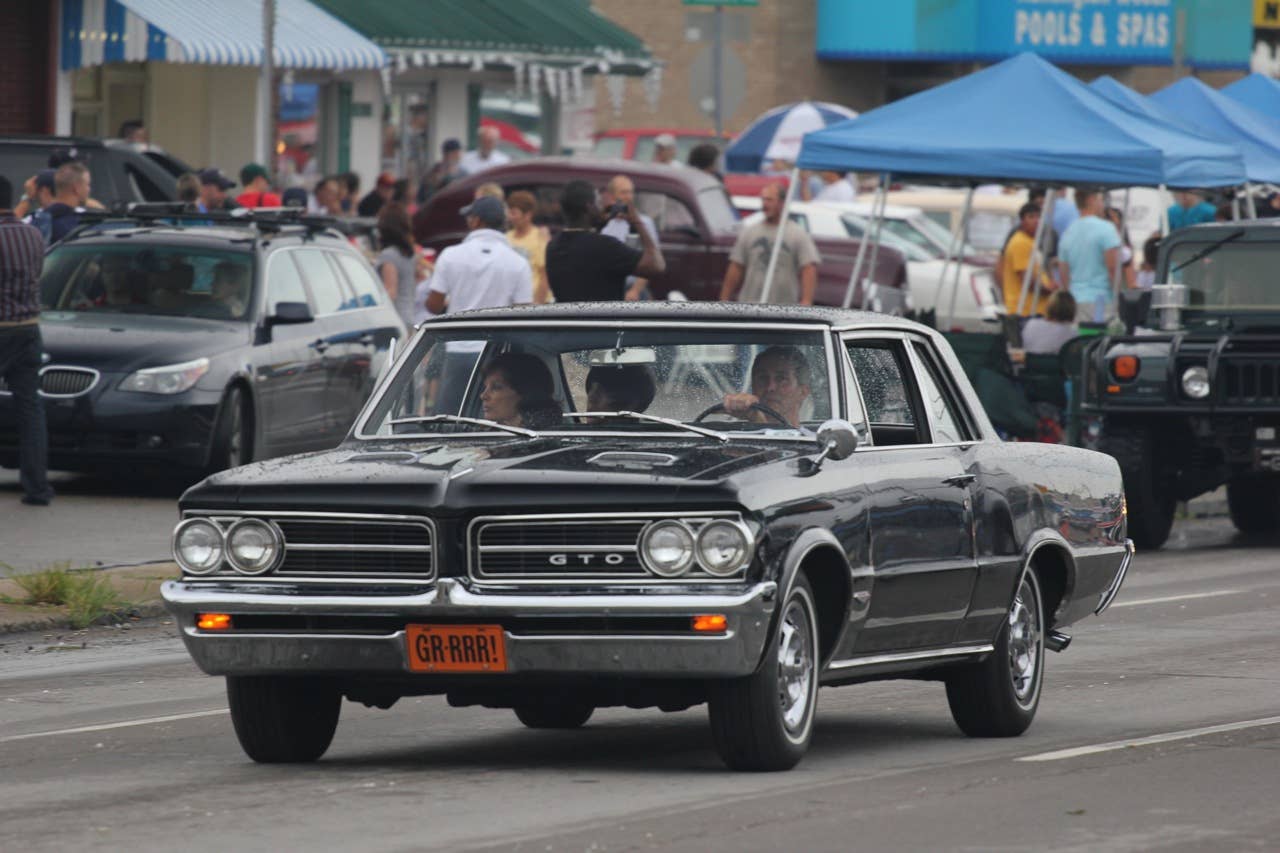
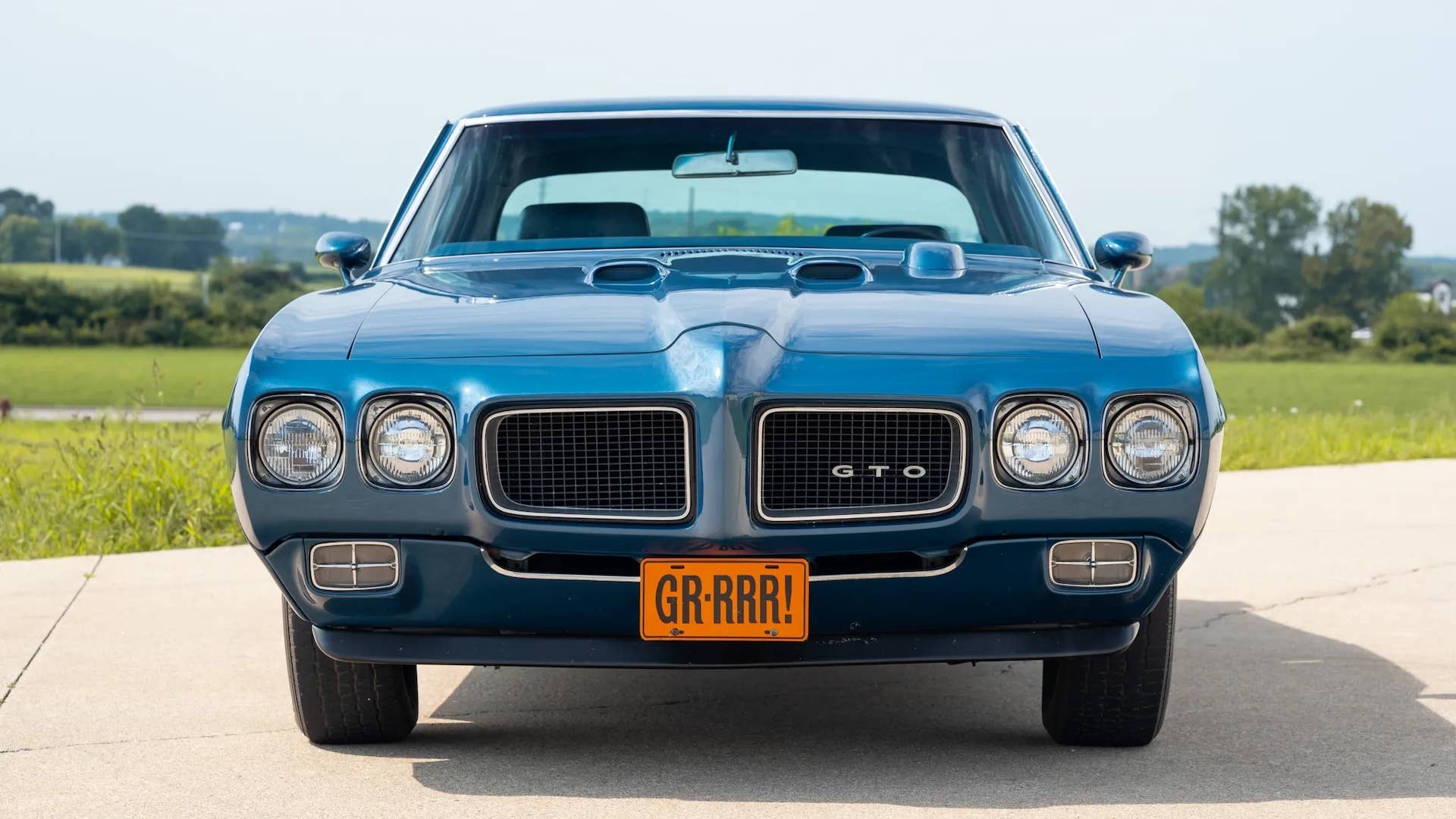
The first-generation muscle cars most obviously made their mark with their massive V8 engines and straight-line performance. The 1964 Pontiac Tempest LeMans with the GTO option package, better known simply as the GTO, introduced a winning formula and set the foundation for the segment’s future. Under the hood sat a 389-cubic-inch V8 engine. In its standard configuration, the GTO offered 325 horsepower, while opting for a tri-power setup boosted output to 348 ponies. In addition to GTO badging, the performance-driven model featured a stiffer suspension, upgraded shocks, and dual exhaust.
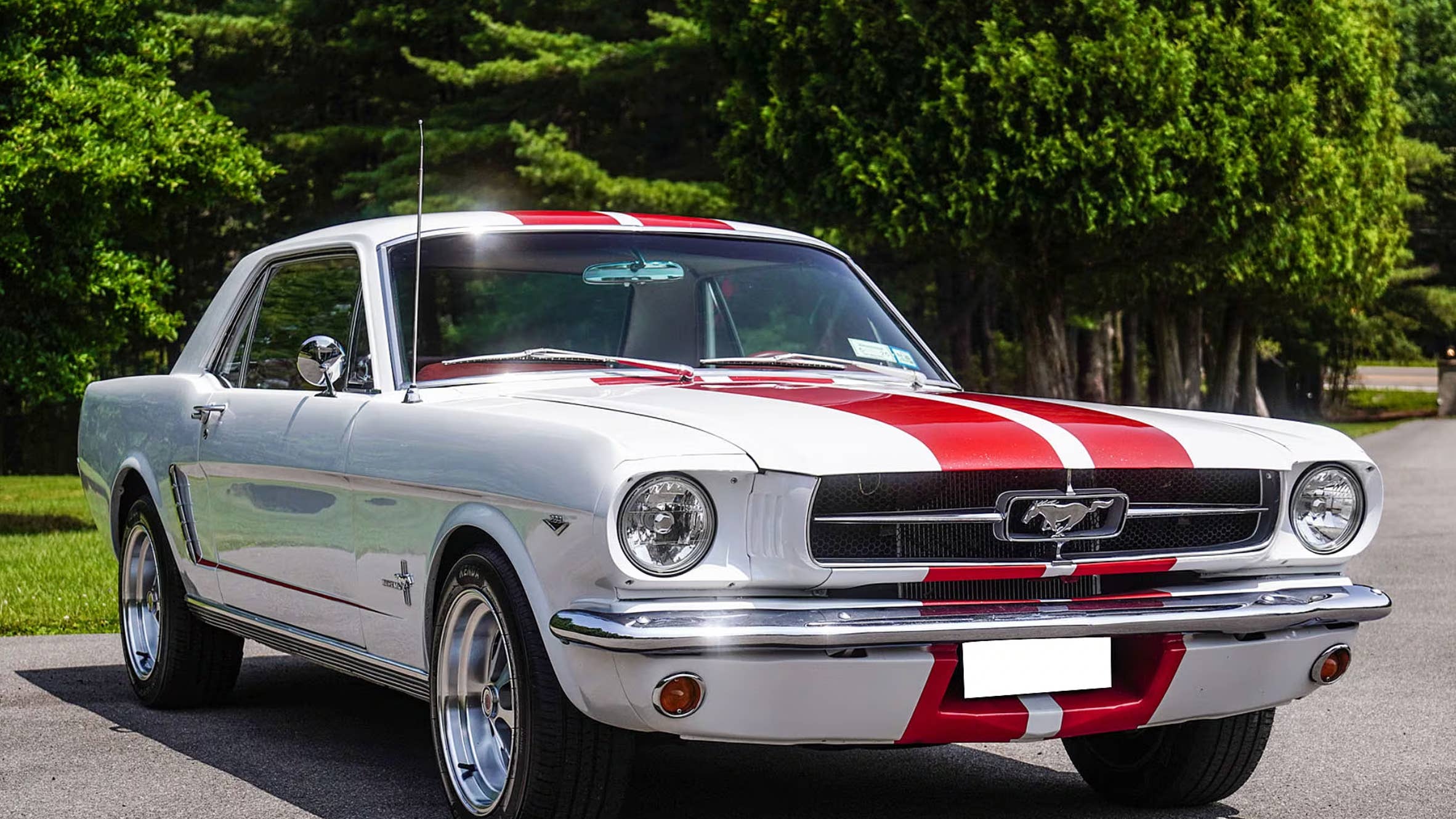
The Pontiac GTO helped establish a new segment, but it wasn’t alone for long. Not to be outdone, Ford introduced the Mustang for the 1965 model year. The legendary nameplate arrived with a handful of powertrain options, ranging from the 120-horsepower inline six to the Shelby GT350’s tuned 306-horsepower V8. Ford expected to sell the Mustang in modest numbers, but consumers purchased more than 418,000 examples in its first year on the market.
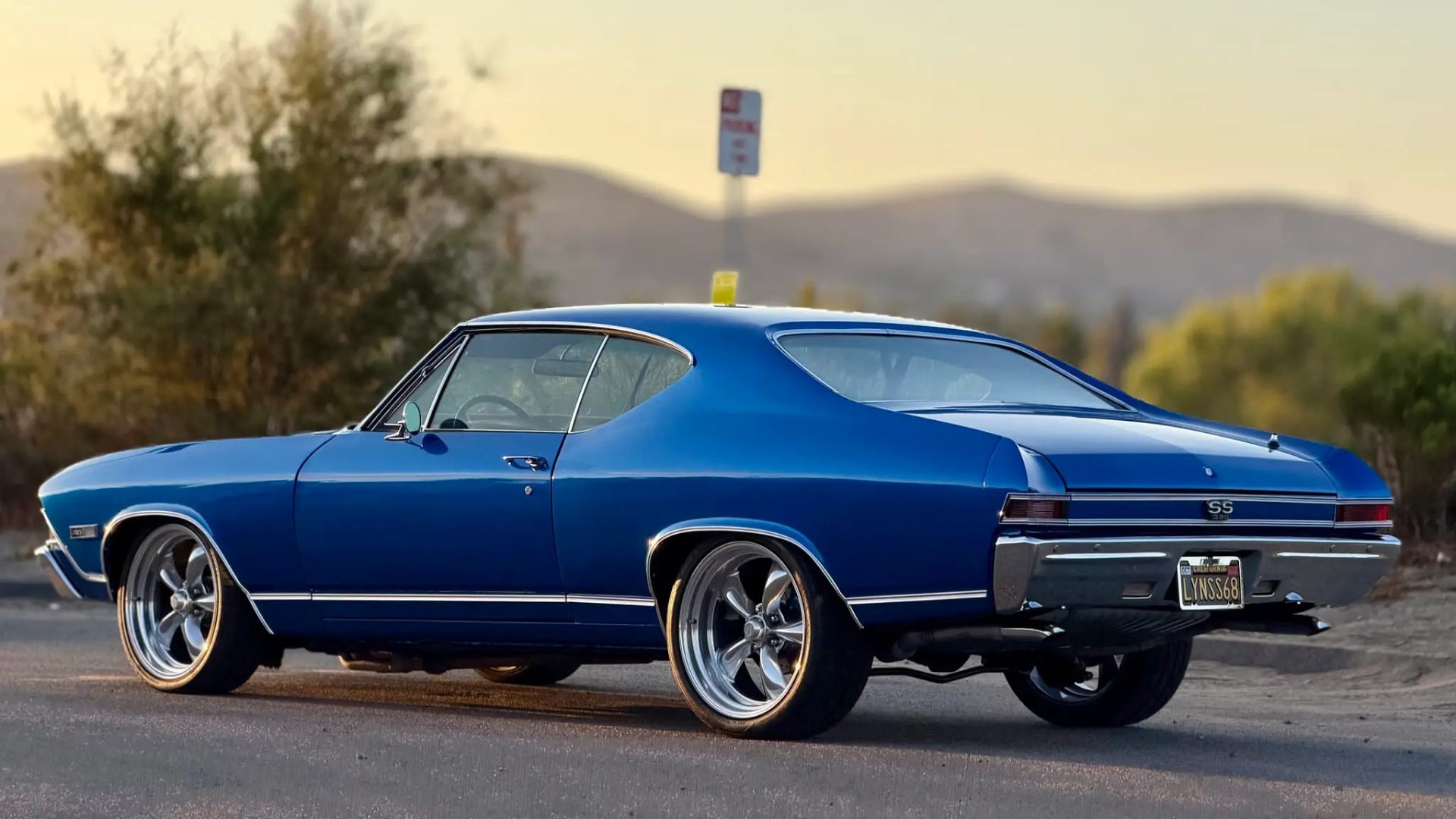
In 1970, Chevrolet threw its bowtie into the new segment in the form of the Chevelle SS 454, complete with a 450-horsepower LS6 V8 under the hood. Soon enough, Chrysler introduced the industry to the Dodge Charger R/T and Plymouth Road Runner, both of which arrived with the legendary 426 Hemi that put out 425 horsepower.
Mecum Auctions
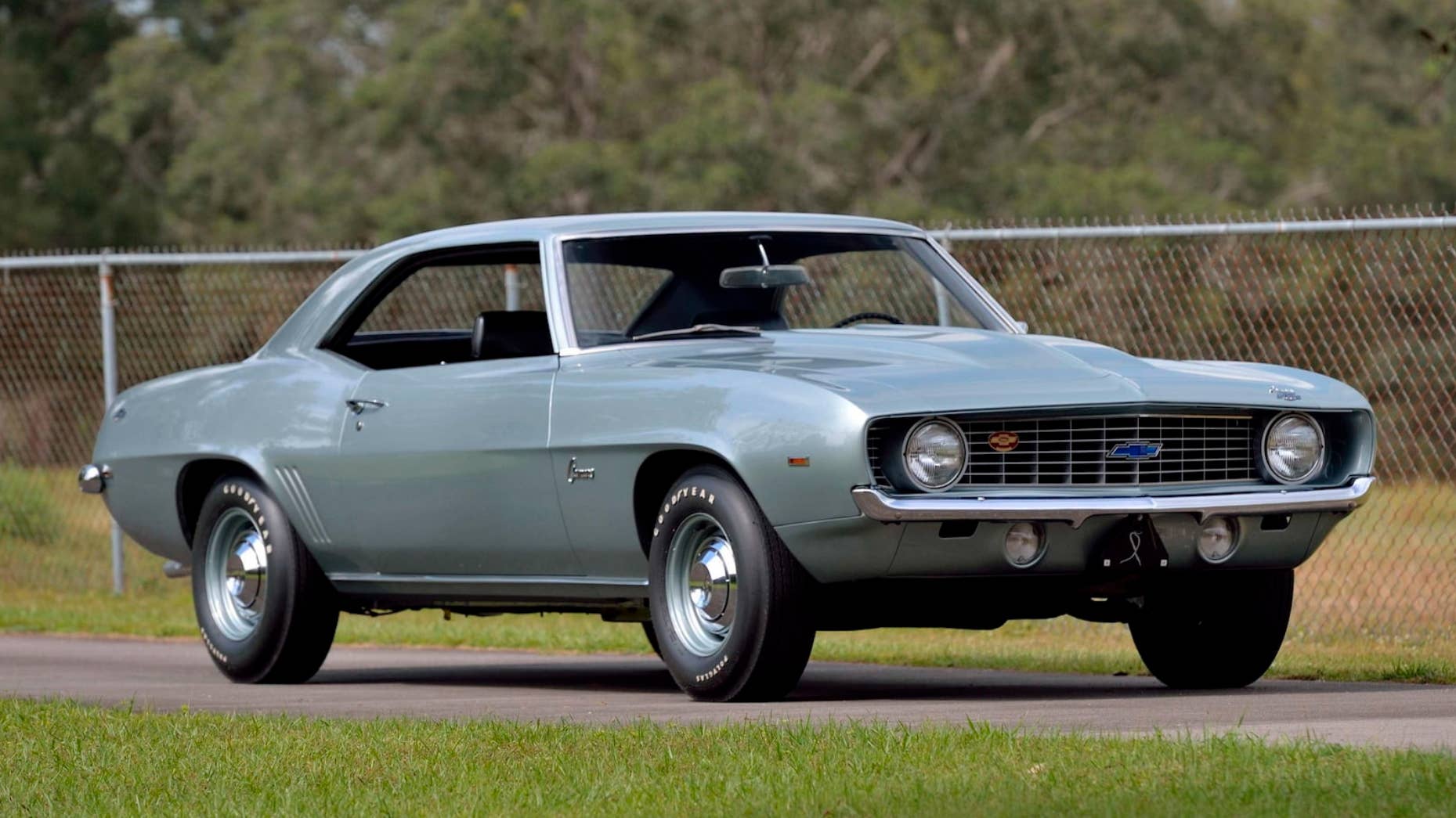
First-generation muscle cars put handling and fuel economy on the backburner. Manufacturers prioritized acceleration over driving dynamics, giving way to cars that dominated quarter-mile runs. The GTO ran the quarter-mile in 14.8 seconds, while the Mustang Shelby GT350 made the same run a tenth of a second quicker. The 1969 Chevrolet Camaro ZL1, with its aluminum 7.0-liter V8 engine, proved to be the quickest muscle car of its generation, posting a quarter-mile time of 12.3 seconds.
Thinking about selling your car? Get an instant cash offer online now. Click here to get started.
2. Affordability and accessibility
Prior to the arrival of the first-generation muscle cars, performance was largely reserved for expensive sports cars, luxury cruisers, and motorsports. By offering a GTO package for the Tempest LeMans, Pontiac was able to utilize an existing midsize platform. As a result, the manufacturer was able to cut costs and create an affordable performance-driven car that could compete with more expensive vehicles.
Bring a Trailer
Thanks to its affordable price, the first-generation muscle cars were easily accessible to the average consumer. The 1965 Mustang, with a starting price around $2,500, offered performance on par with more expensive sports cars while remaining surprisingly attainable. By keeping production costs relatively low and passing those savings on to consumers, automakers were essentially able to further cement the future of the muscle car segment.
3. Performance with personality
While first-generation muscle cars were largely known for their performance, their styling deserves some recognition as well. Long hoods and aggressive designs helped the performance-driven models stand out from the average passenger car. Notably, automakers gave performance models more distinctive identities. The 1969 Dodge Charger R/T, for example, featured a fastback design, concealed headlights, and a wide stance made it just as intimidating as the high-powered engines would suggest.

Pontiac took a slightly different approach with the GTO Judge. Introduced in 1969, the muscle car boasted a rear spoiler, bold graphics, and unique styling cues that made it stand out from an ordinary GTO. Likewise, Plymouth went in a different direction with the Barracuda. The 1970 model moved to Chrysler’s new E-body platform. Its elongated features and distinctive rear window design differentiated it from other muscle cars.
Shopping for a new car? Click here to get a great deal on your next vehicle. Powered by Carvana, no haggle pricing, 100% online.
4. Competition breeds innovation
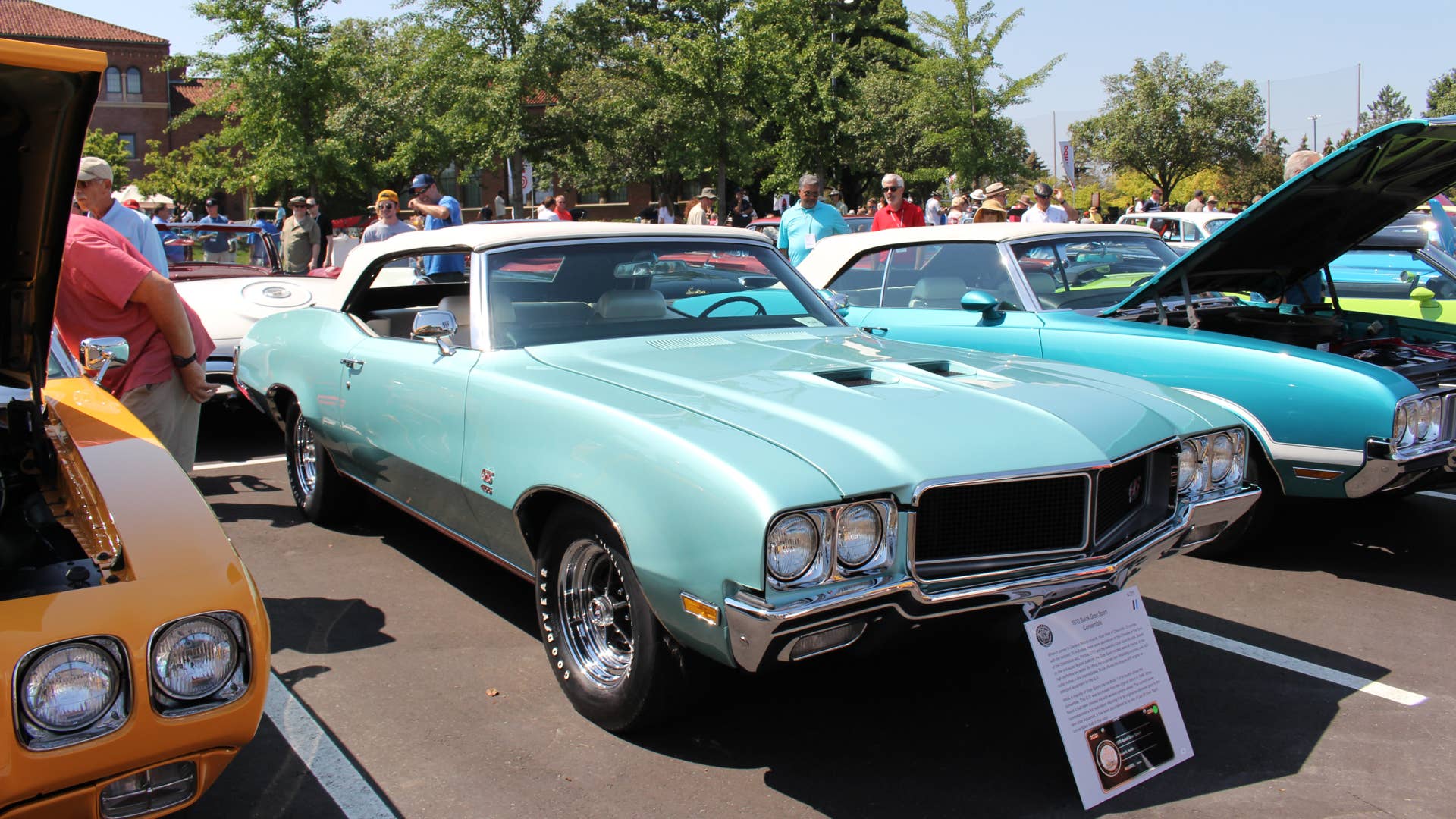
The success of the 1965 Ford Mustang proved that American consumers wanted performance without the high price tag. Soon enough, the segment was filled with a variety of muscle cars from a long list of automakers. The Pontiac GTO encouraged General Motors to develop their own performance models, a move that gave us the Chevelle SS, Oldsmobile 442, and the Buick Gran Sport.
Zac Palmer
Outside of General Motors, the competition was fierce. Ford had the Mustang, Torino Cobra, and Fairlane to choose from, while Chrysler put the Dodge Charger R/T, Road Runner, and Barracuda, among others, on the market. Even smaller automakers threw their hat into the ring. American Motors, for example, developed the Rebel, albeit only for the 1970 model year..
Within a decade of the Pontiac GTO’s arrival, the muscle car segment had no shortage of vehicles to choose from. That competition bred innovation, with automakers trying to one-up one another at every possible chance they got. The race for more horsepower reached its peak in 1970, when the 450-horsepower Chevelle SS challenged the legendary 426 Hemi. In addition to giving buyers a vast selection of vehicles to choose from, the muscle car competition essentially helped further establish the segment as a whole.
Bring A Trailer
Final thoughts
There’s no shortage of nostalgia when it comes to first-generation muscle cars, and rightly so. Their massive V8 engines and stellar straight-line performance are hard to ignore. As the 1973 oil crisis caused fuel prices to soar, American muscle cars became hard to justify owning overnight. Not only that, but tightening emissions regulations forced automakers to make some compromises. Despite all that, first-generation muscle cars not only defined a segment, but remain a shining example of the innovative spirit that rests at the core of American automotive engineering.
Disclaimer: Autoblog aims to feature only the best products and services. If you buy something via one of our links, we may earn a commission.
About the author

Joseph Pudlewski
Contributing Writer, Autoblog