

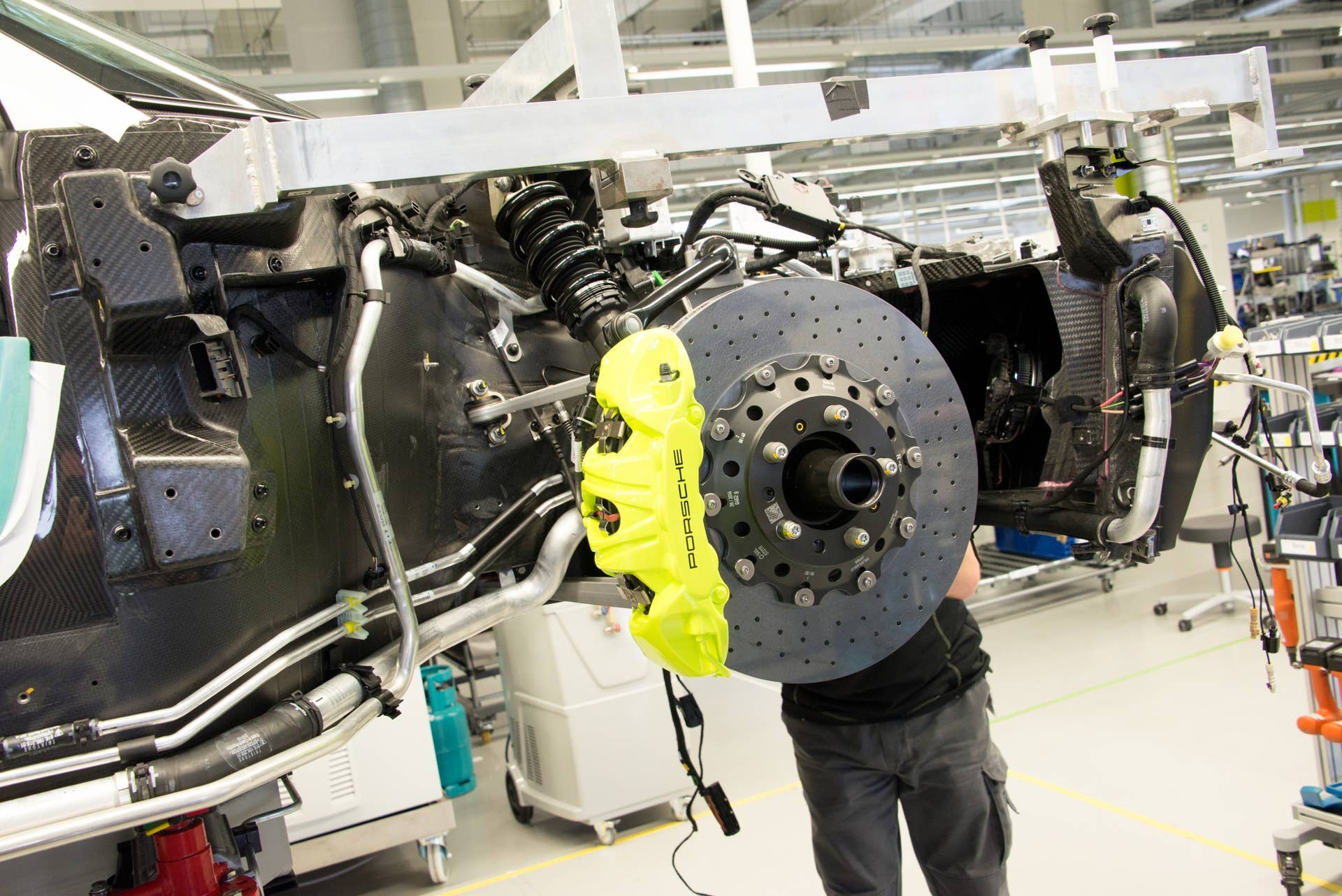
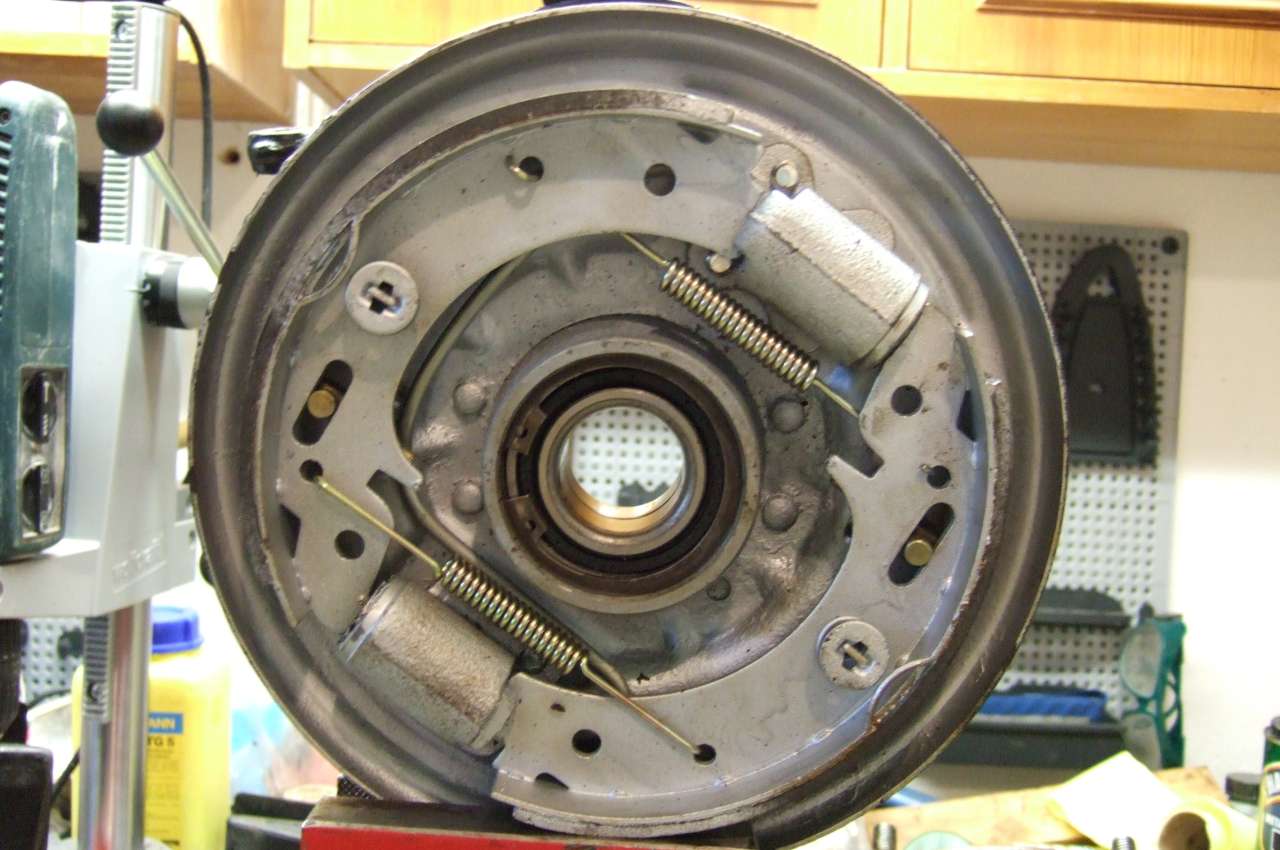
For most people, their brakes are just another pedal in the footwell they don’t pay much mind to, and we tend to not give them much thought unless something goes wrong or they don’t work as expected. Brakes usually comprise brake rotors clamped by hydraulic callipers actuated by your brake pedal, which push friction pads against the rotors to slow you down, but some cars still use drum brakes (below right). These old-fashioned brakes push pads outward against a rotating drum to achieve the necessary friction; both are, in principle, the same.
Michael Harley / AOL
Bad Brake Habits
There are right and wrong ways to use your brakes, and since they’re one of the most critical safety features your car is equipped with, it pays to take care of them and use them in such a way that won’t cause them to fail or wear out prematurely. It doesn’t matter how old and run-down a car is, its braking system should always be in tip-top shape, and it’s the one area we cannot afford to skimp on.
Here are the worst brake habits:
Riding the Brakes
This is often difficult to define, but it means you keep on touching the brakes when you don’t have to. Some first-time or nervous drivers may frequently touch the brakes when they don’t really need to, and when a lift of the accelerator would have provided enough deceleration without braking in traffic, either in town or on the highway. Some people alternate between accelerating and then riding the brakes until they need to accelerate again.
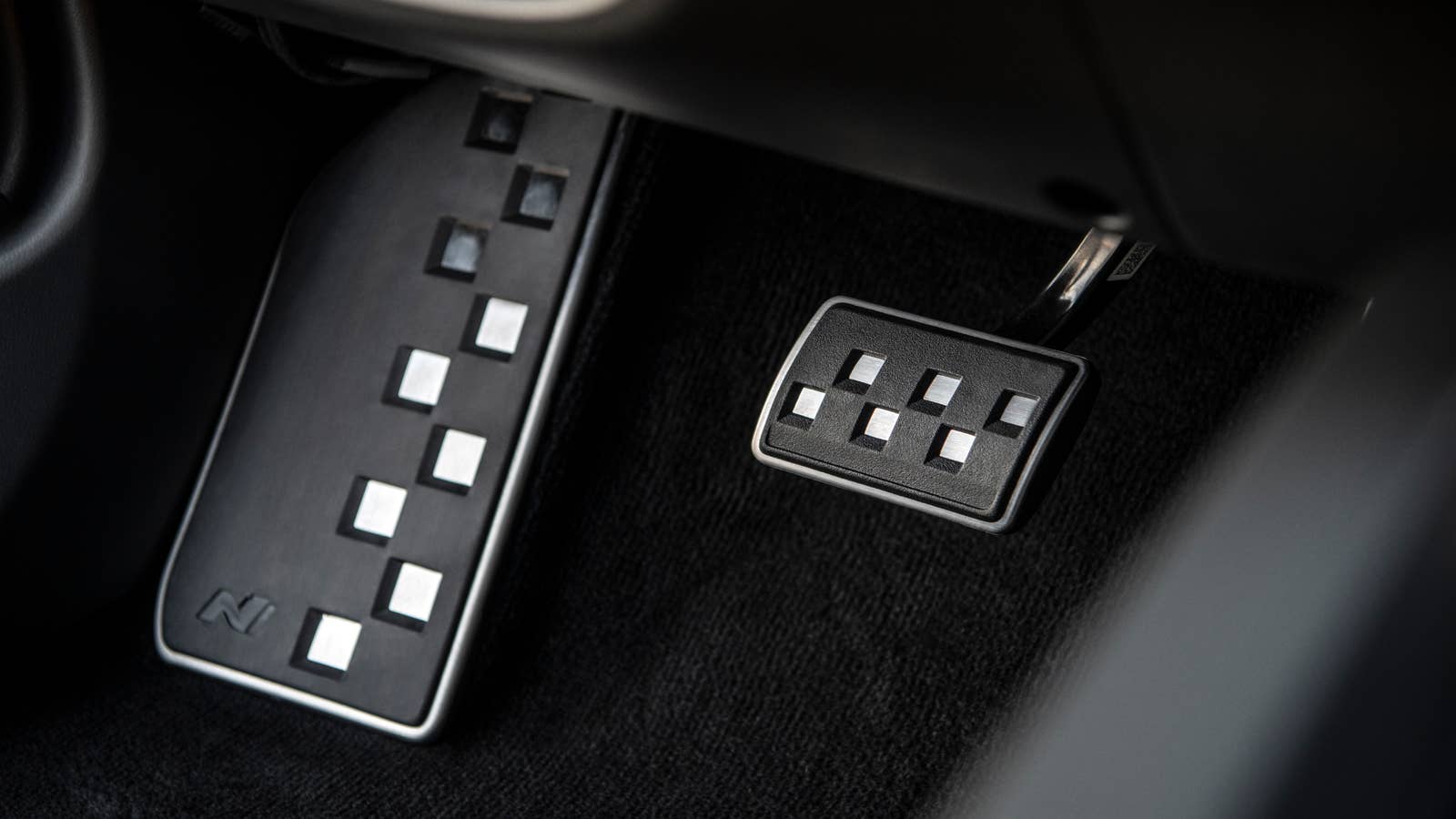
These confidence-boosting brake applications can calm the nerves and provide a feeling of being in control, but they heat up your brakes and wear them out a lot faster. Overheated brakes may fade and not provide the stopping power you need when you really have to lean on them for an emergency stop. What’s more, continuous brake applications when you’re not really slowing down desensitizes your fellow road users to your repeatedly flashing brake lights, and they may not respond appropriately or in time if you have to actually stop quickly. Riding the brakes is always a bad habit.
Continuous Brake Application
This may seem similar to riding the brakes, but here, we mean continuously applying the brakes out of necessity to hold your speed, such as when going down a long hill while trying not to exceed the speed limit, or to keep your following distance. If you need to brake for 30 or 40 seconds continuously just to hold your speed down a hill, it means you are in the wrong gear. You’re heating up and wearing out your brakes, and should be shifting down a gear or two to let your engine braking take over the job of holding your speed down a long hill instead of staying on the brakes for extended periods.
Some automatic transmissions are intelligent enough to do this for you when going down a hill, especially if your car is equipped with a speed-limiter device, and it will shift down to lower gears to keep your car from running away, but you can do it manually if your car doesn’t do it automatically. Extended spells of continuous braking just accelerate heat buildup and wear, and it’s never good for your brakes.
Left-foot Braking
Unless you’re a race driver or an engineer who knows what they’re doing, left-foot braking can do more harm than good. An always-available left foot makes riding the brakes easier, but worse, it creates a situation where it’s possible to brake with your left foot while your right foot is still partially pressing on the accelerator without you even noticing it. This gives your brakes more work to do, and they’ll heat up and wear faster.

Sitting at a traffic light with your left foot on the brake and your right foot still pressing a little on the accelerator also puts more heat into your transmission and wastes fuel. To avoid getting into any kind of situation where left-foot braking can put additional load or wear on your brakes or transmission, it’s best to just stick to the golden rule of driving an automatic – that of imagining that your left foot is paralyzed and putting it out of the way on the footrest, allowing your right foot to do all the braking and accelerating.
Late Braking
Late brakers need to brake harder to slow down in time, and leave themselves less space and margin in an emergency. Braking later also wastes fuel because you could have lifted off the gas and started coasting sooner. Of course, it also puts more load on the brakes, making them work harder, heat up more, and wear out faster. Late braking may be fun by yourself on a winding road in a sporty car, but in general driving, it’s a bad habit with few upsides.
Not Making Proper Use of ABS
Some older folks who started driving in the days before cars had anti-lock brakes became very used to modulating the brakes so the wheels don’t lock up in an emergency, and old habits can be hard to kick. Modern-day cars with ABS brakes won’t allow the wheels to lock and will keep them just short of that lock-up point to give you maximum stopping ability. It is, therefore, important to make use of this technology in an emergency.
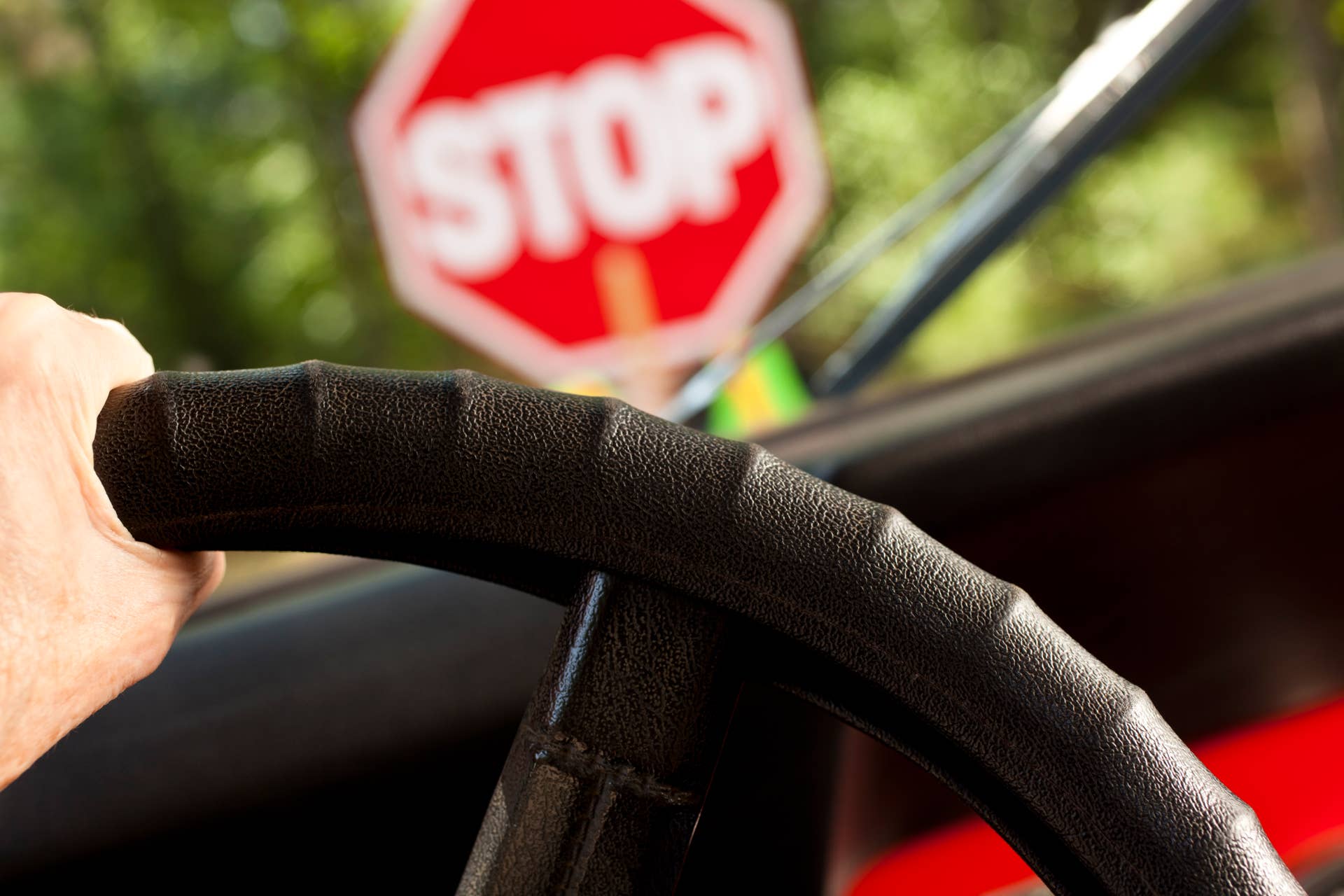
You don’t have to worry about braking technique in a modern car with ABS; if you don’t know if you’re going to stop in time to avoid an accident, slam on the brakes as hard as you can and let the ABS shudder and stutter away underfoot as it’s designed to, so you can stop as quickly as possible. We must trust and make full use of this life-saving technology in emergencies. Anything less than maximum braking force may extend your stopping distance, and a foot or two extra may be the difference between life and death for a pedestrian.
Buying Cheap Brake Components
Your brake rotors and pads are the last place you want to skimp on your car, as brakes are critical safety features. Cheap pads are more prone to corrosion, fade more quickly when they heat up, and can be noisier. It’s best to always stick to upper-tier or OEM brake pads and rotors when replacing your brakes, and don’t go for the cheapest ones you can find.
Jason Fenske of Engineering Explained did a very interesting video that demonstrates that you get what you pay for when it comes to brake pads:
Cheap brake rotors may also be prone to premature wear and warping, so high quality is again important, because buying cheap can actually cost you more in the long run in repairs and more frequent replacements.
Final Thoughts
Brakes are critical safety features, and they should be treated well and used correctly. Buy only high-quality or OEM brake parts and follow the general guidelines in this article, and you should get long and dependable service out of your braking system. Also remember to check the wear on your brake pads and rotors frequently, so you can replace them before they are worn down completely.
About the author

Cobus F. Potgieter
Reviews and Features Editor