
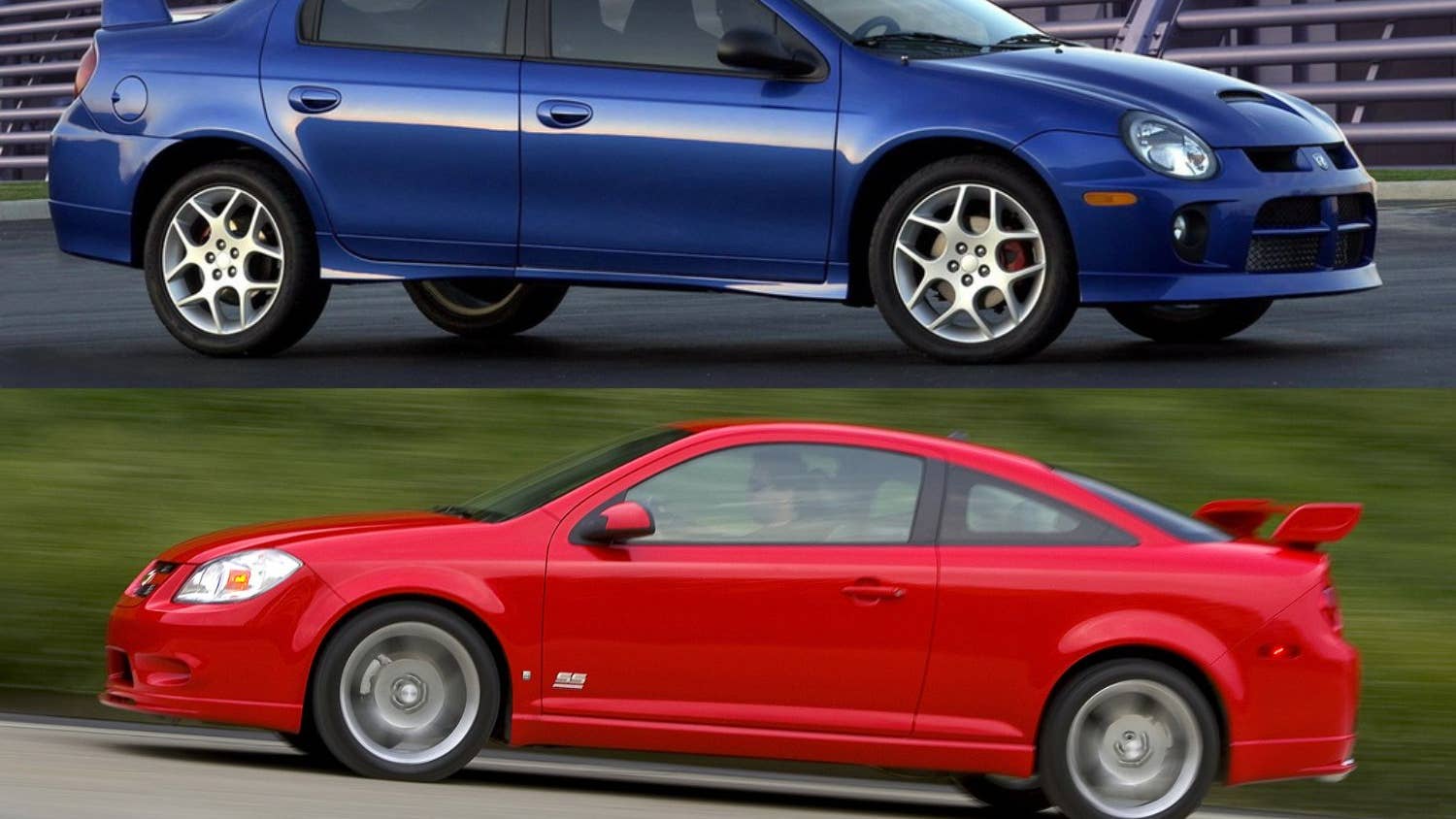
The American Sport Compact Car
Say sport compact car, and you might think of Japanese or European models, but America had its fair share, too. In the early 2000s, there were the Ford Focus SVT, Dodge Neon R/T, Chevrolet Cavalier Z24, and Pontiac Sunfire GT. The Focus SVT was a solid example, essentially a federalized Focus ST170 from Europe. In many ways, it was a great alternative to the Volkswagen Golf GTI 1.8T at the time, as well as the Honda Civic Si.
Meanwhile, the Neon R/T had already gained a strong following at the turn of the millennium, and the second generation aimed to capitalize on it. As for the GM siblings, they were pretty seasoned models by then, but both offered cheap ways to go a wee bit quicker than the more pedestrian versions.
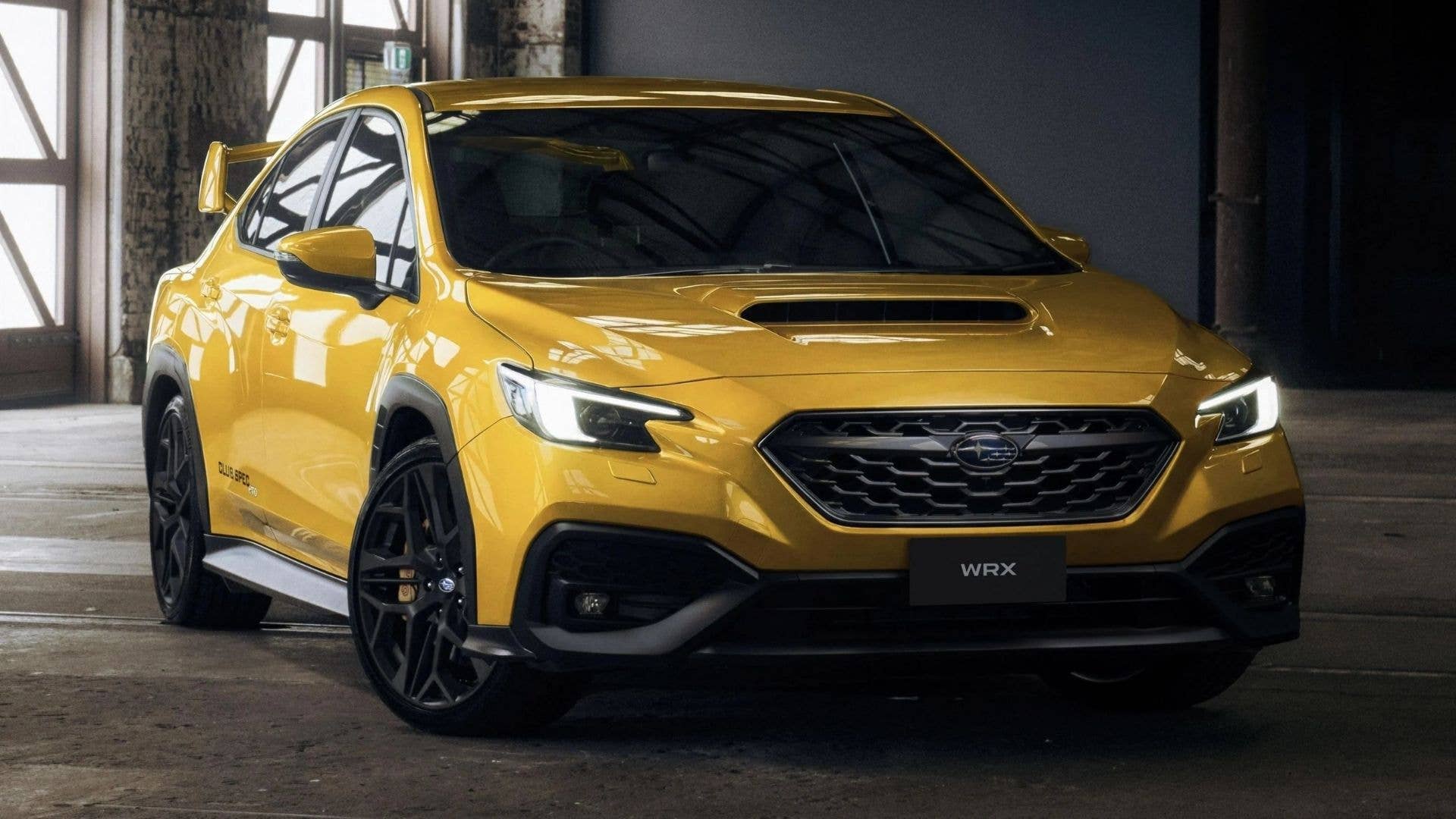
While those cars would happily go head to head with many of the sport compacts at the time, none could go head to head, or even come close to the Subaru Impreza WRX of 2002. The Cavalier Z24, Sunfire GT, and Neon R/T had 150 hp to play with, while the Focus SVT managed 170 hp, which was still far away from the Impreza’s 227 hp output. America’s response? Crank up the power, of course.
Dodge
From R/T to SRT
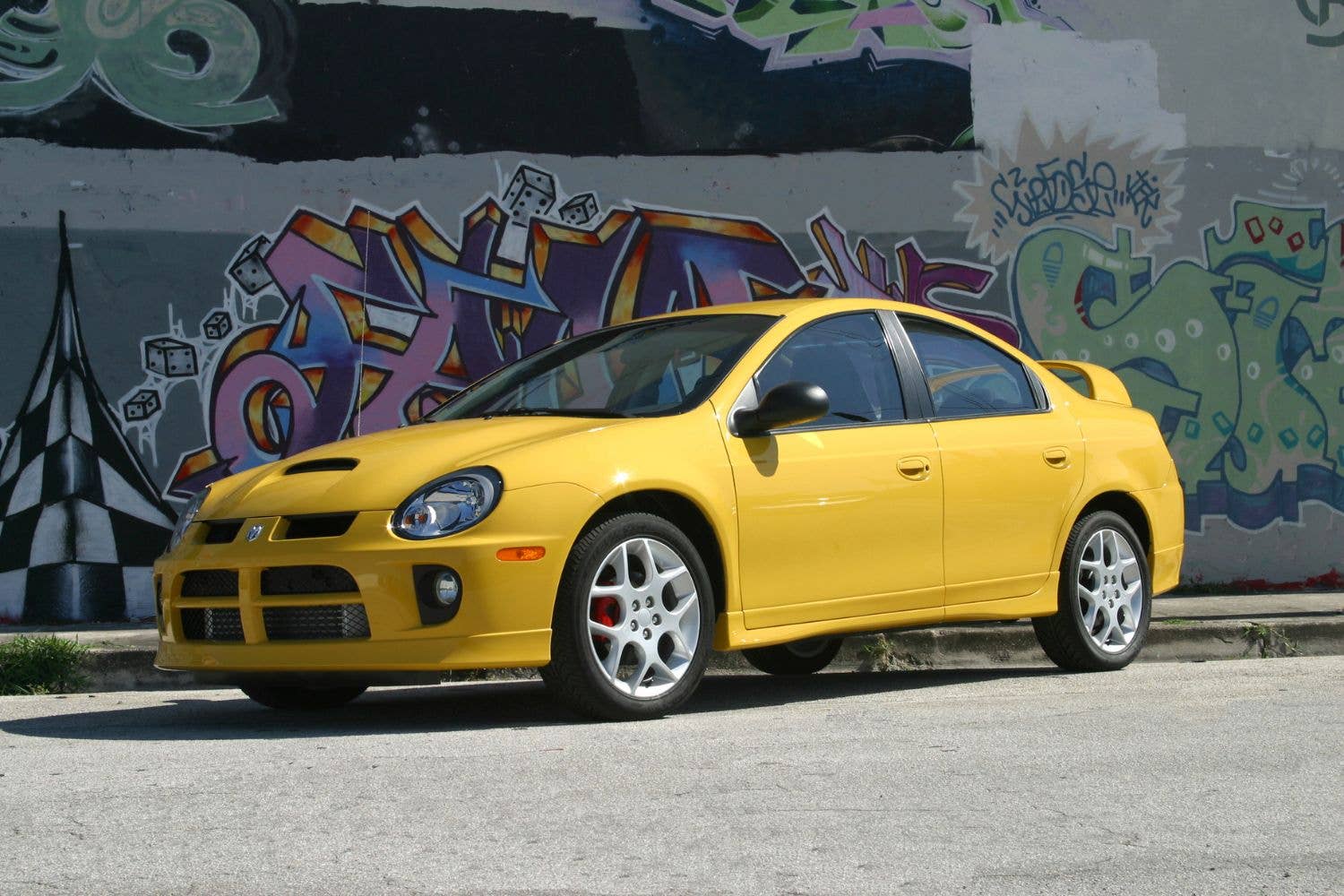
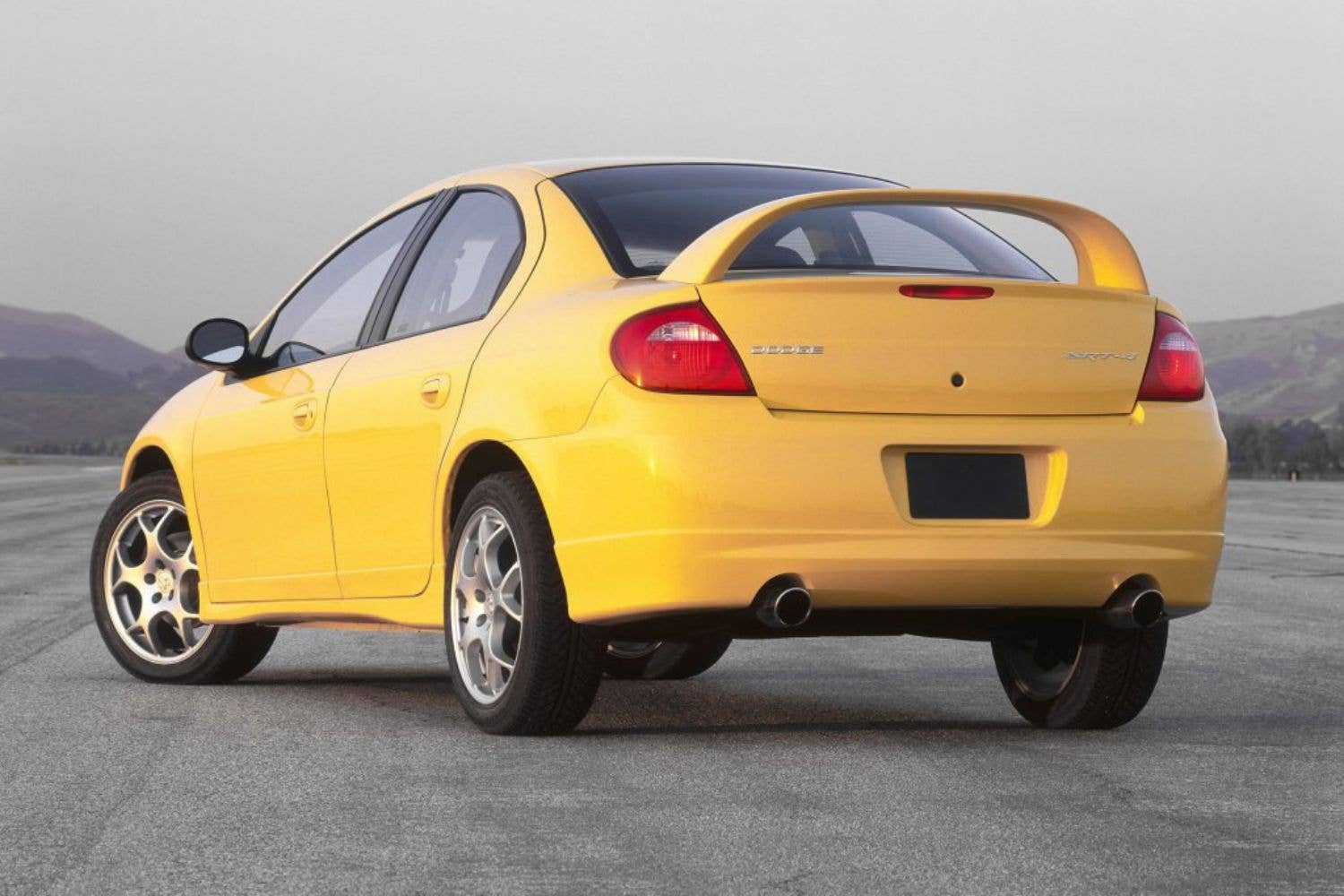
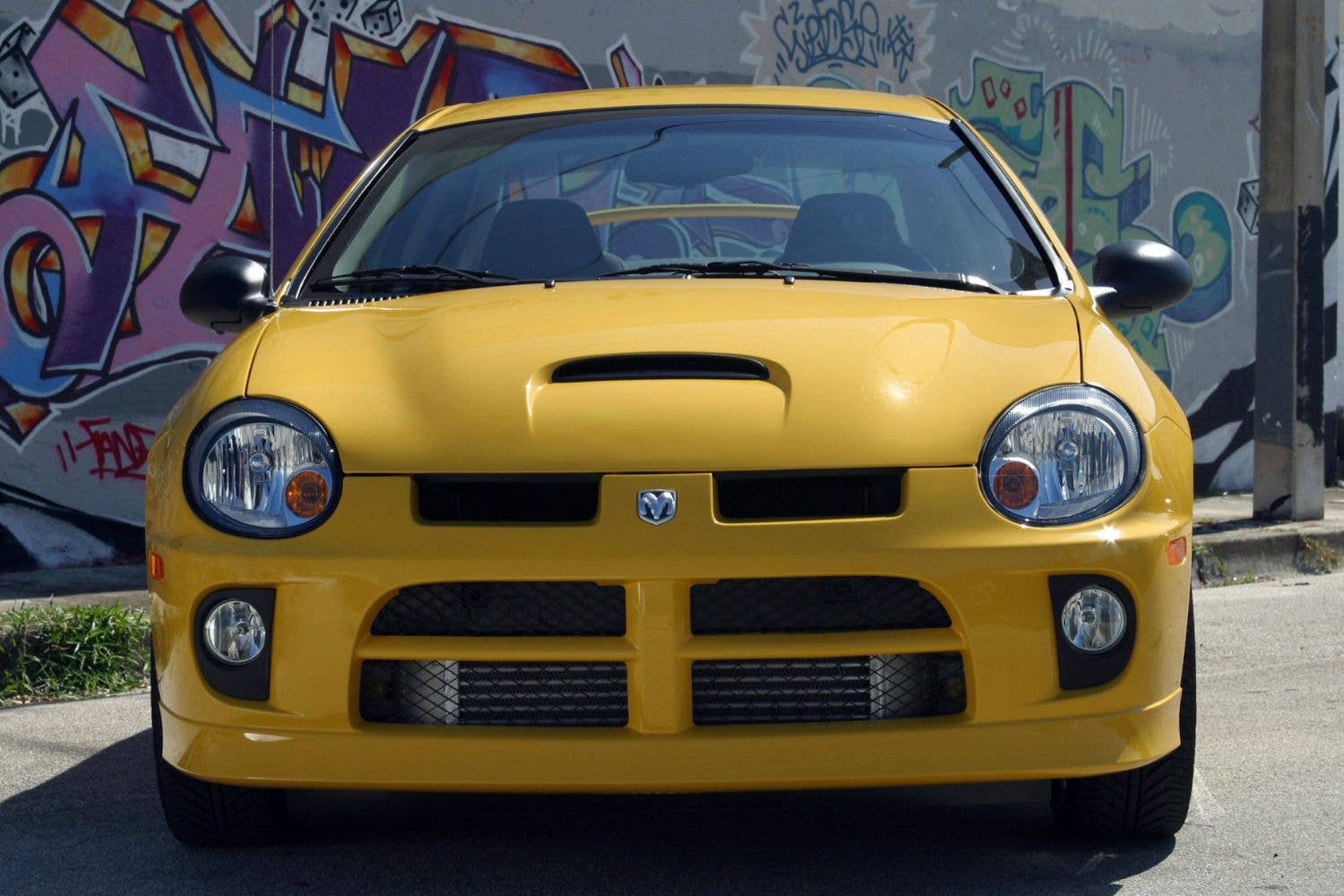
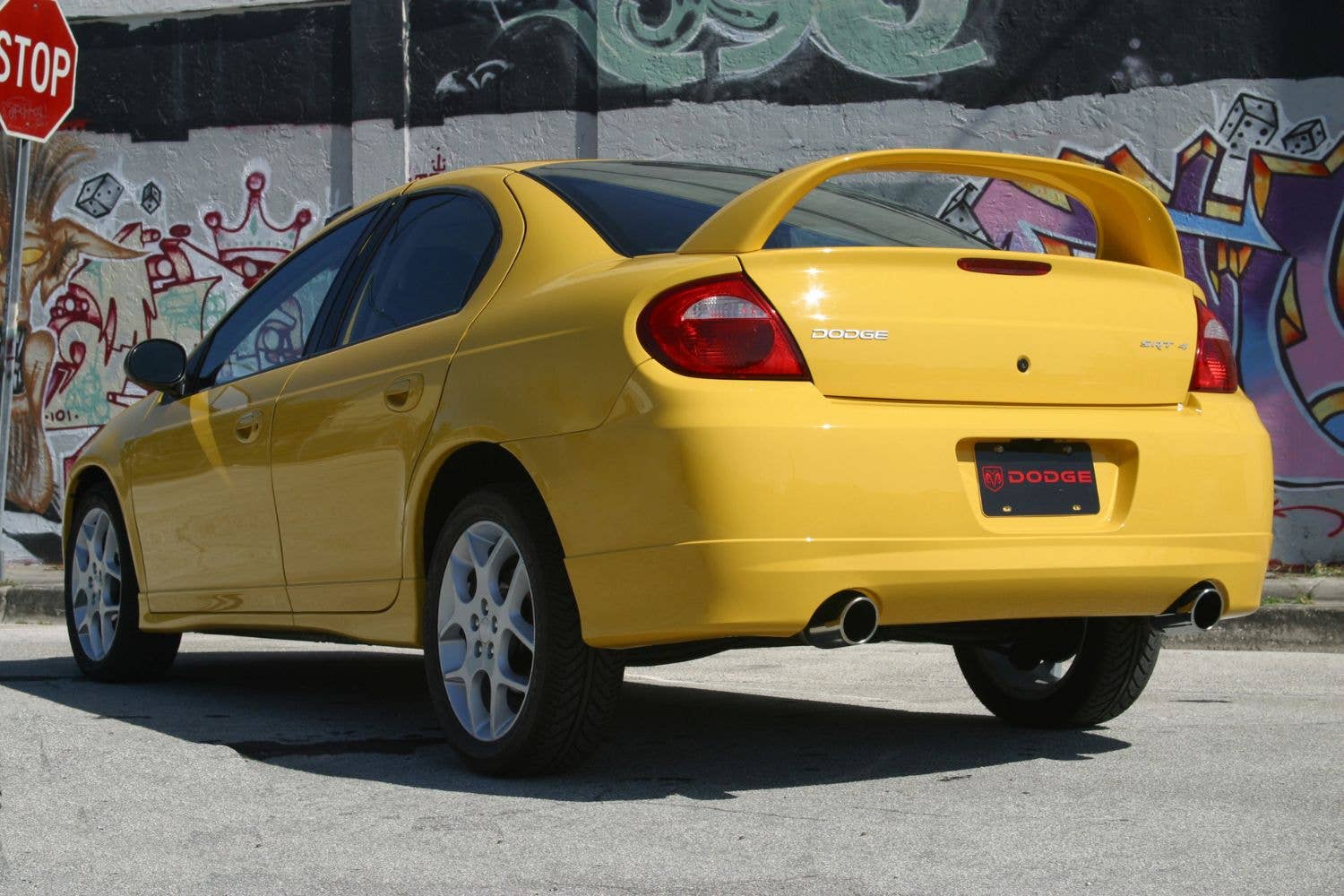
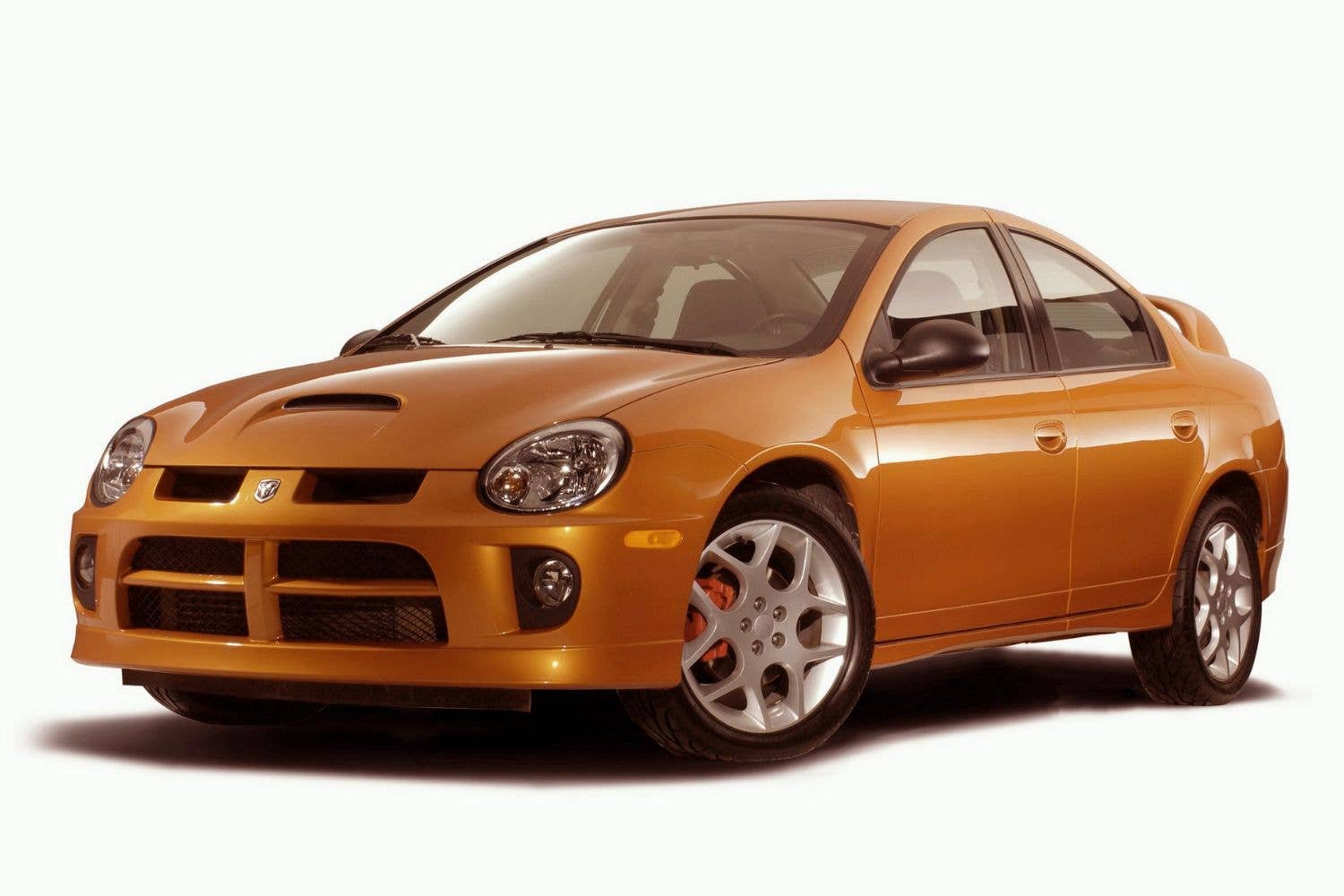
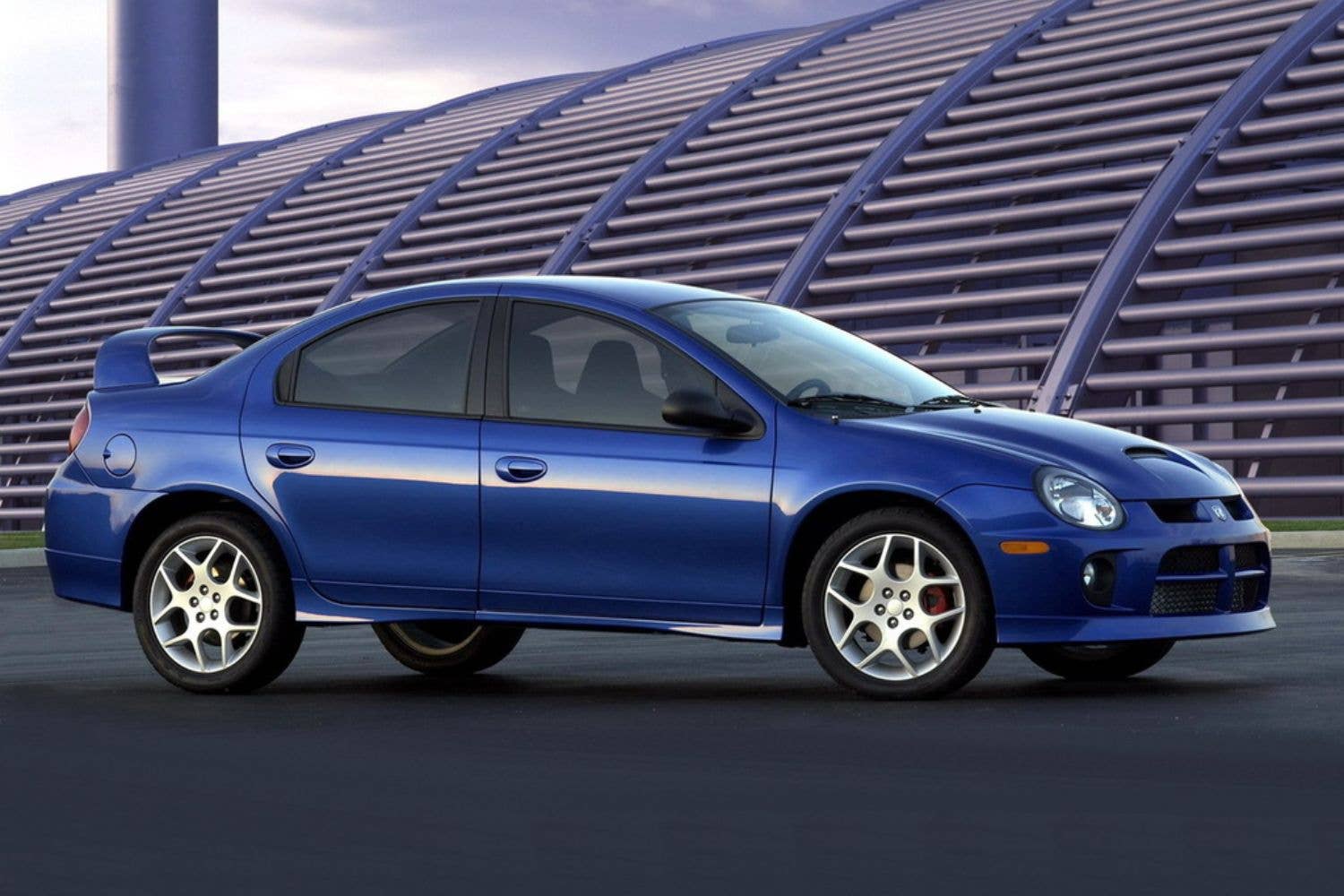
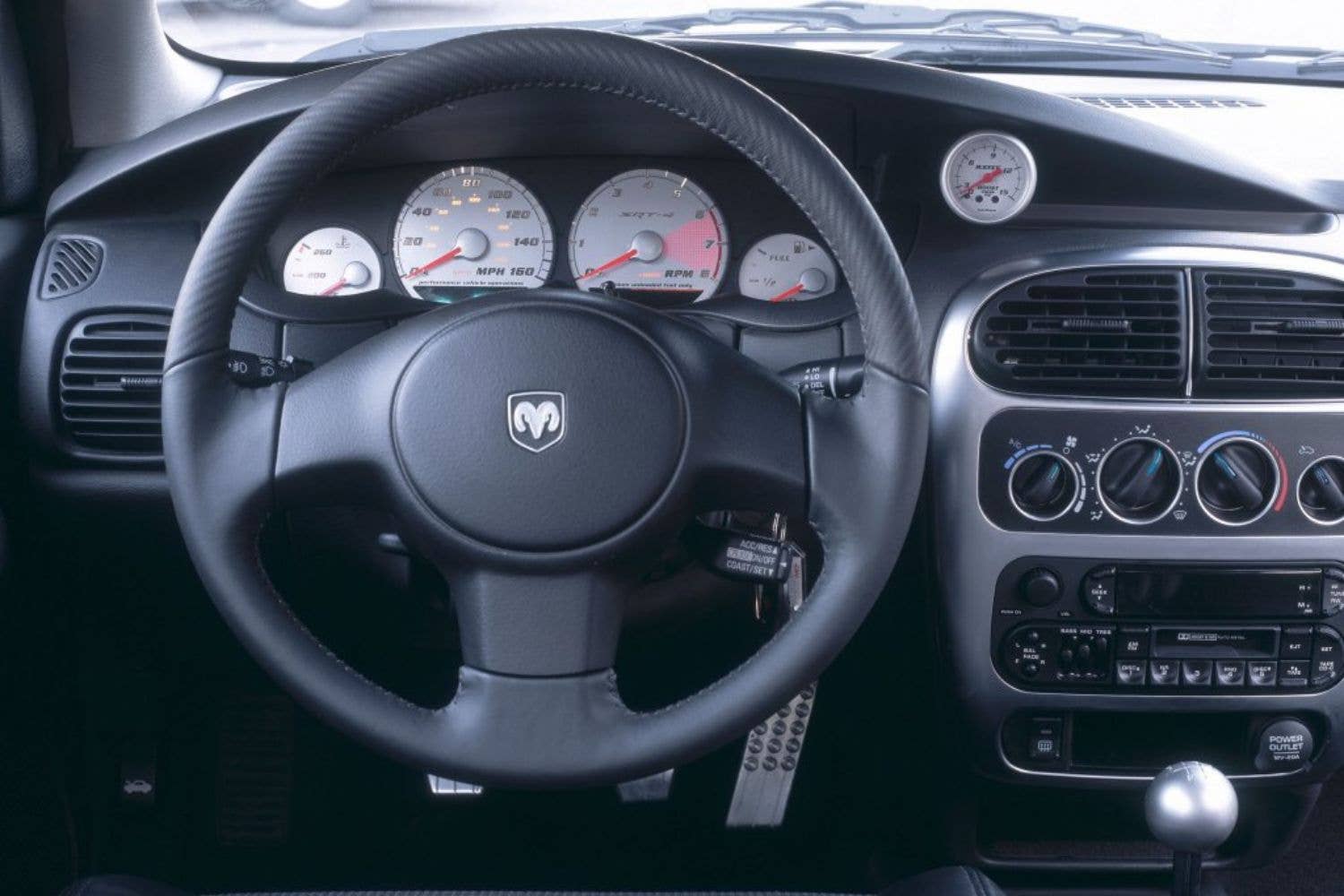
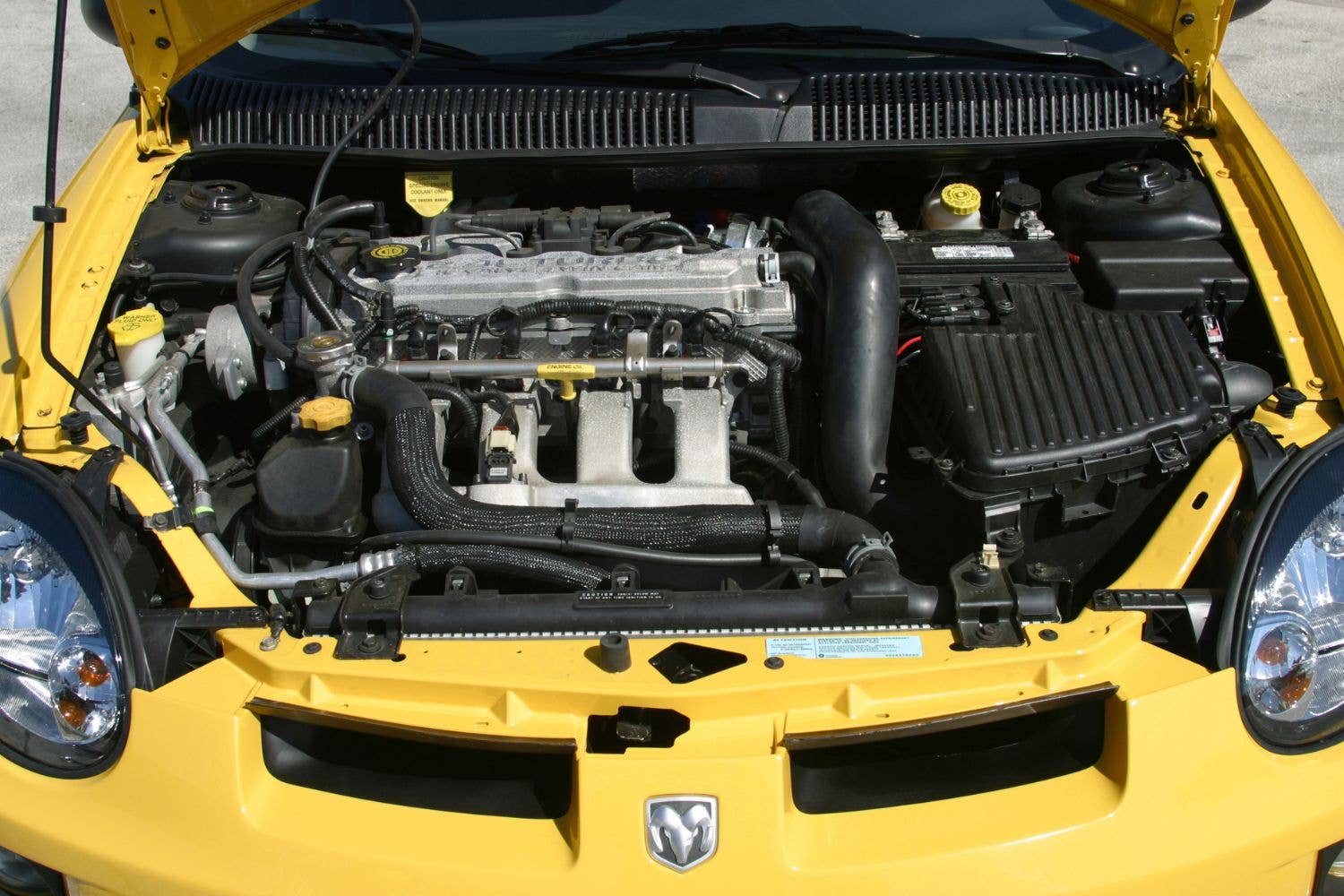
Dodge decided that its sporty compact needed more power. And so, the Dodge Neon SRT-4 was born, and to get closer to the WRX, the 2.0-liter from the R/T had to go. In its place was a 2.4-liter engine from the Stratus and PT Cruiser, and a turbocharger was thrown in for good measure. The result was 215 hp and 245 lb-ft of torque, all sent to the front wheels via a five-speed manual, the only transmission on offer.
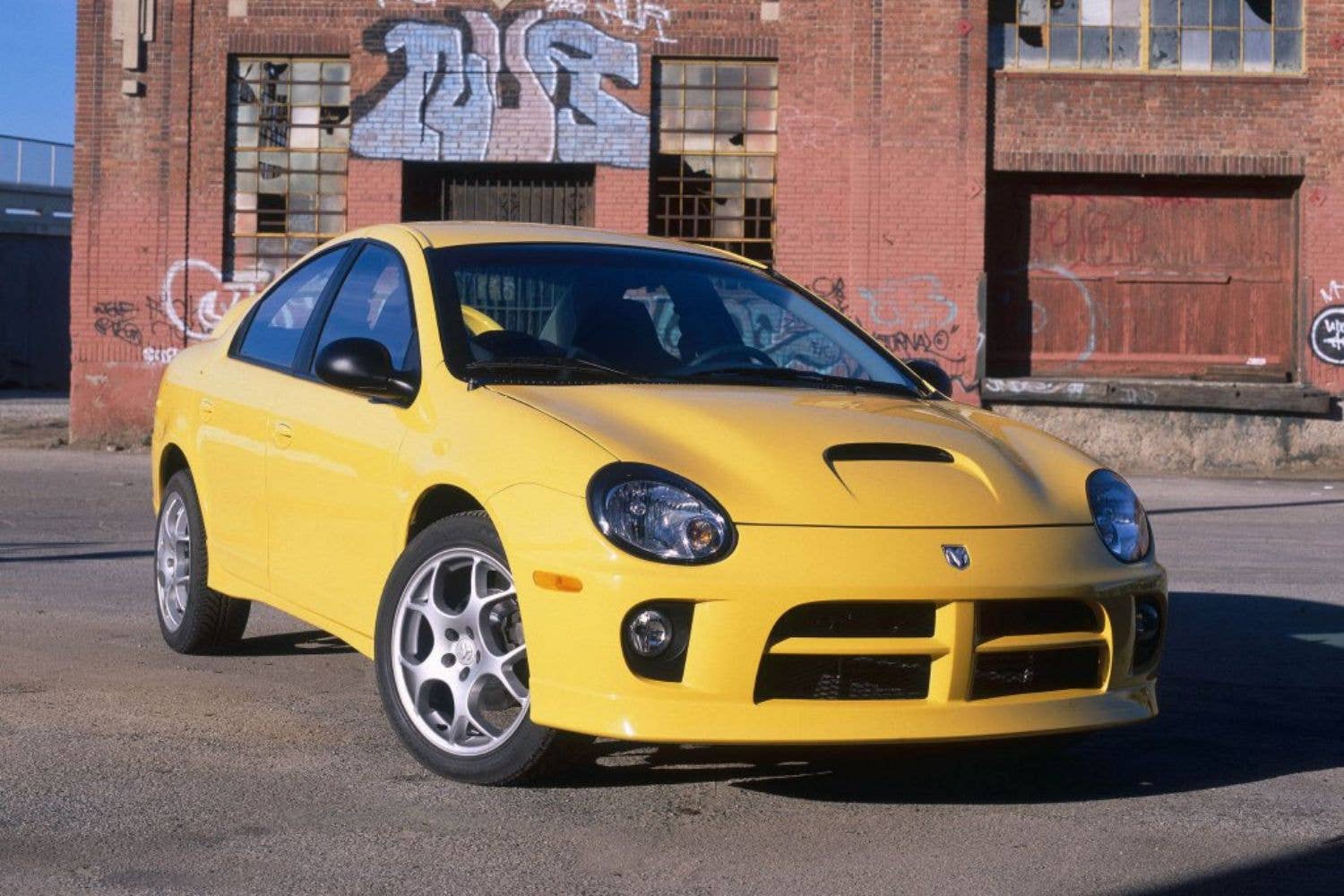
If you search for photos of the car online, you might notice that some have a smoother nose, while the production version had an extra pair of ‘nostrils’ by the headlights. The extra grille was added after pre-production models were found to be running hot with their sealed-off front end. Aside from the cooling benefit, we say it looks better with the extra openings. The car then got a racier exterior with a chin spoiler, side skirts, hood scoop, and an obligatory rear wing. Inside, it came with deep bucket seats and other unique details to set it apart from regular Neons.
The Neon SRT-4 was unashamedly boy-racer in its appearance, but Dodge was determined to back up those looks with actual performance benefits. Aside from more power, it sat lower to the ground with firmer suspension, rode on wider tires, and had serious brakes. In period testing, Car and Driver lauded it for its handling and immense grip for a front-wheel-drive car, as well as its brakes. Also, its 0 to 60 time of 5.6 seconds put it genuinely in sports car territory in 2003 and can still be considered quick today. Demerits weren’t deal-breakers per se, noting the stiff ride on freeways coupled with the hard seats and noisy cabin.
Dodge
So, it drove great, handled dynamically, and was rapid off the line. The best part? It could be yours for $19,995 in 2003, which is about $36,000 in today’s money. The car was later updated for the 2004 model year, giving it a limited-slip differential and bumping up power to 230 hp and 250 lb-ft, shaving off another three-tenths in its 0 to 60 time. It was, according to road testers at the time, still a riot to drive, so it’s a little bit unfortunate that the car didn’t hang around for a long time. The Neon SRT-4 was only made from 2002 to 2005, but it made quite the impression. The follow-up model, the Caliber SRT-4, was underwhelming in comparison despite having more power.
Dodge
Chevrolet Picks Up the Baton
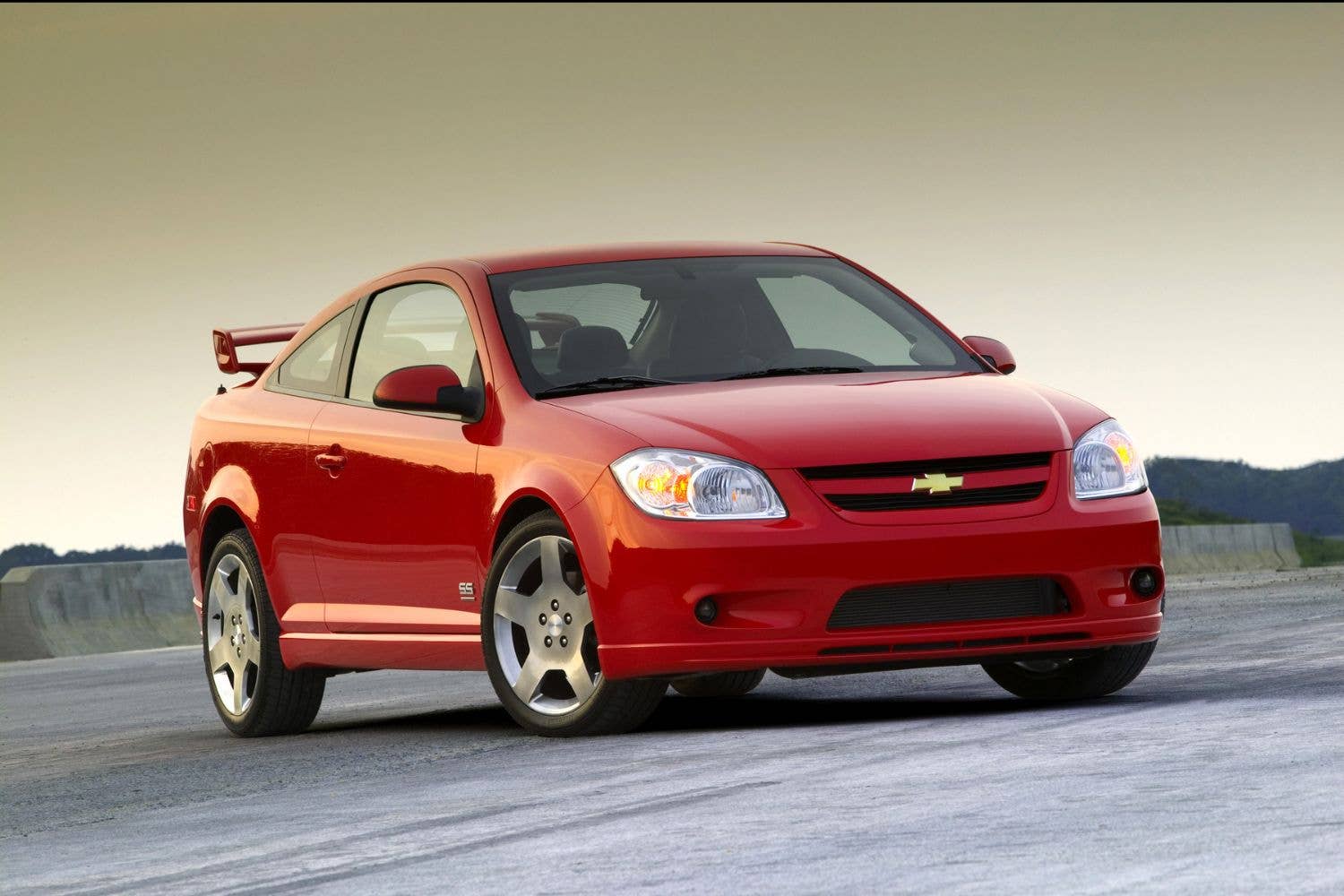
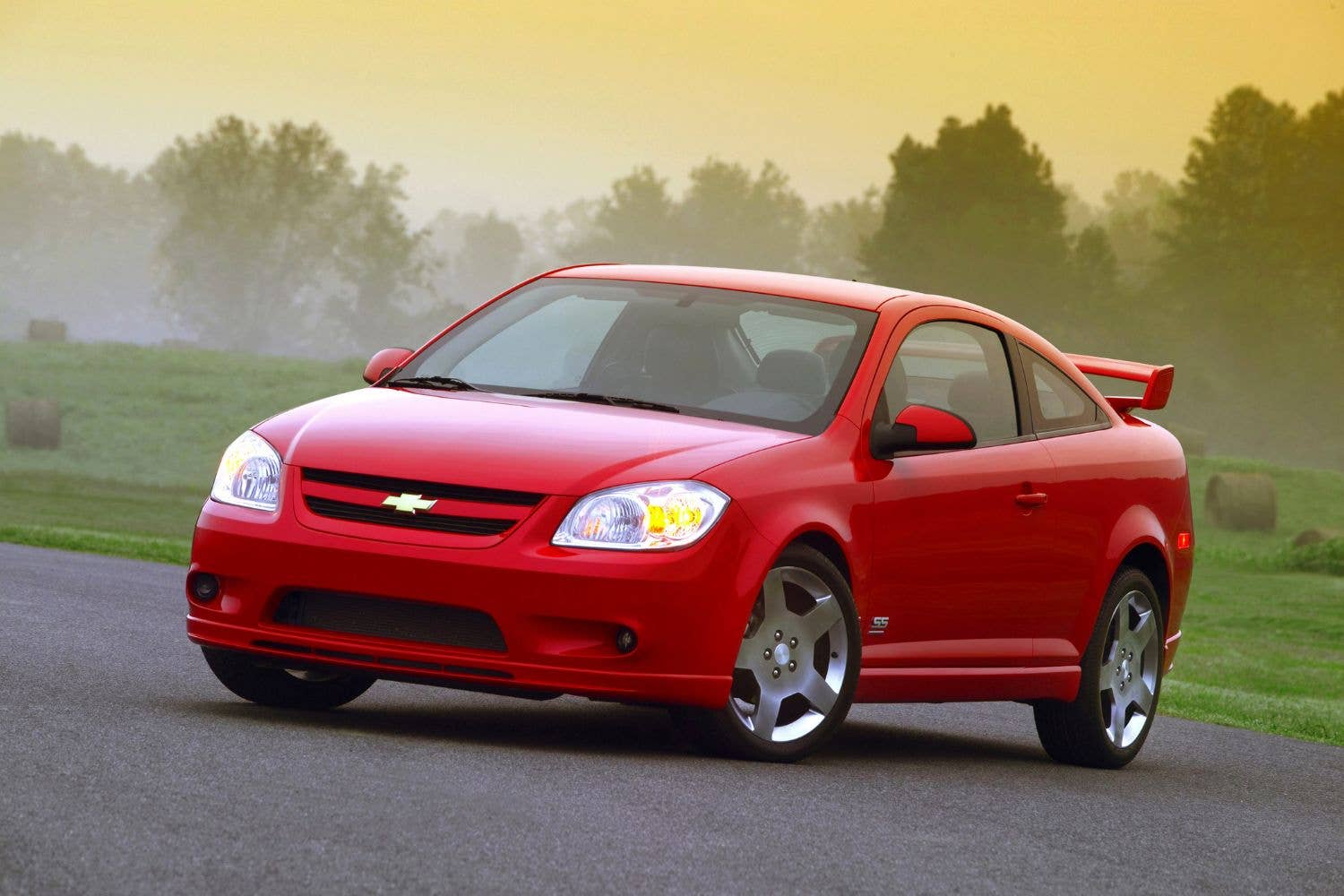
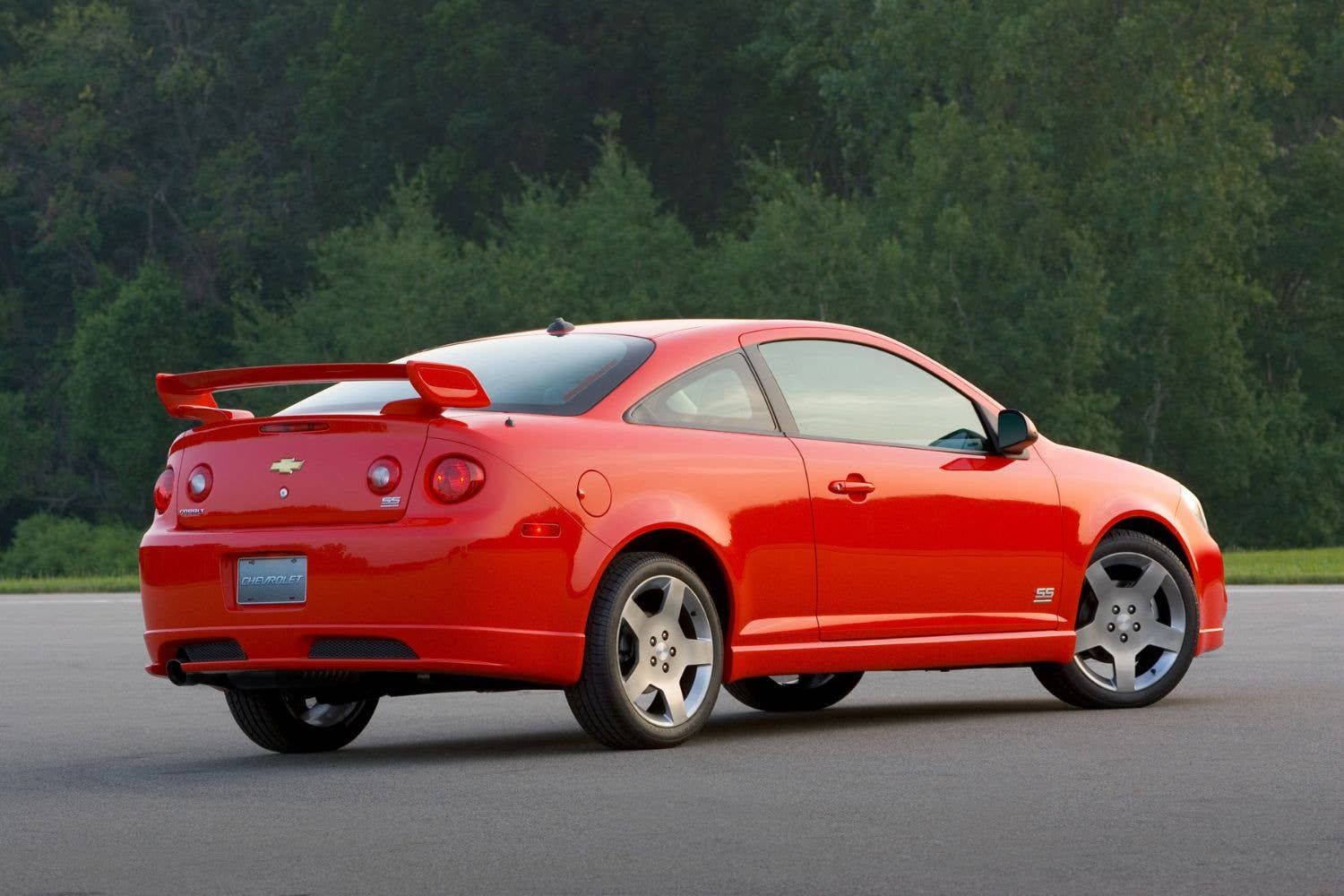
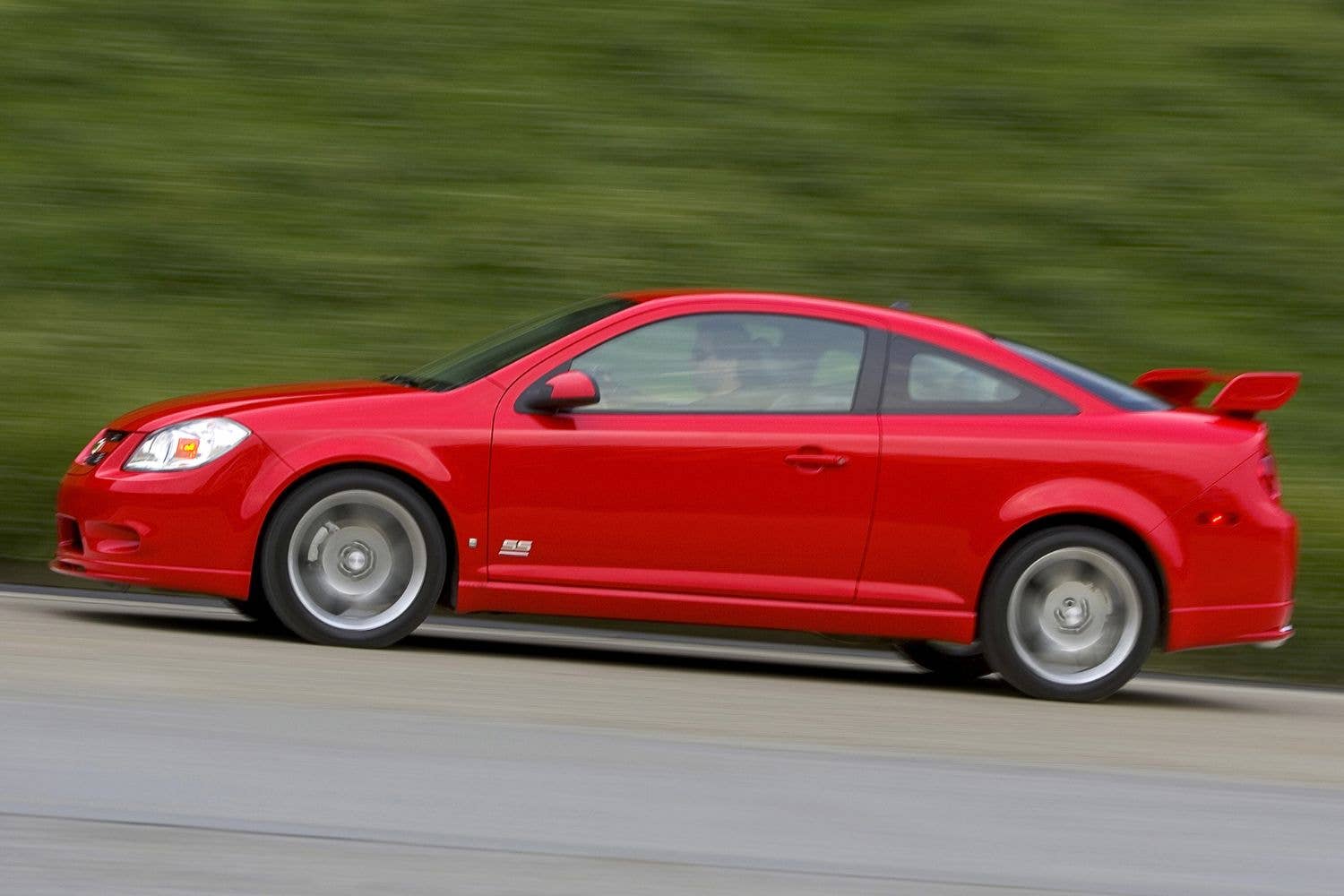
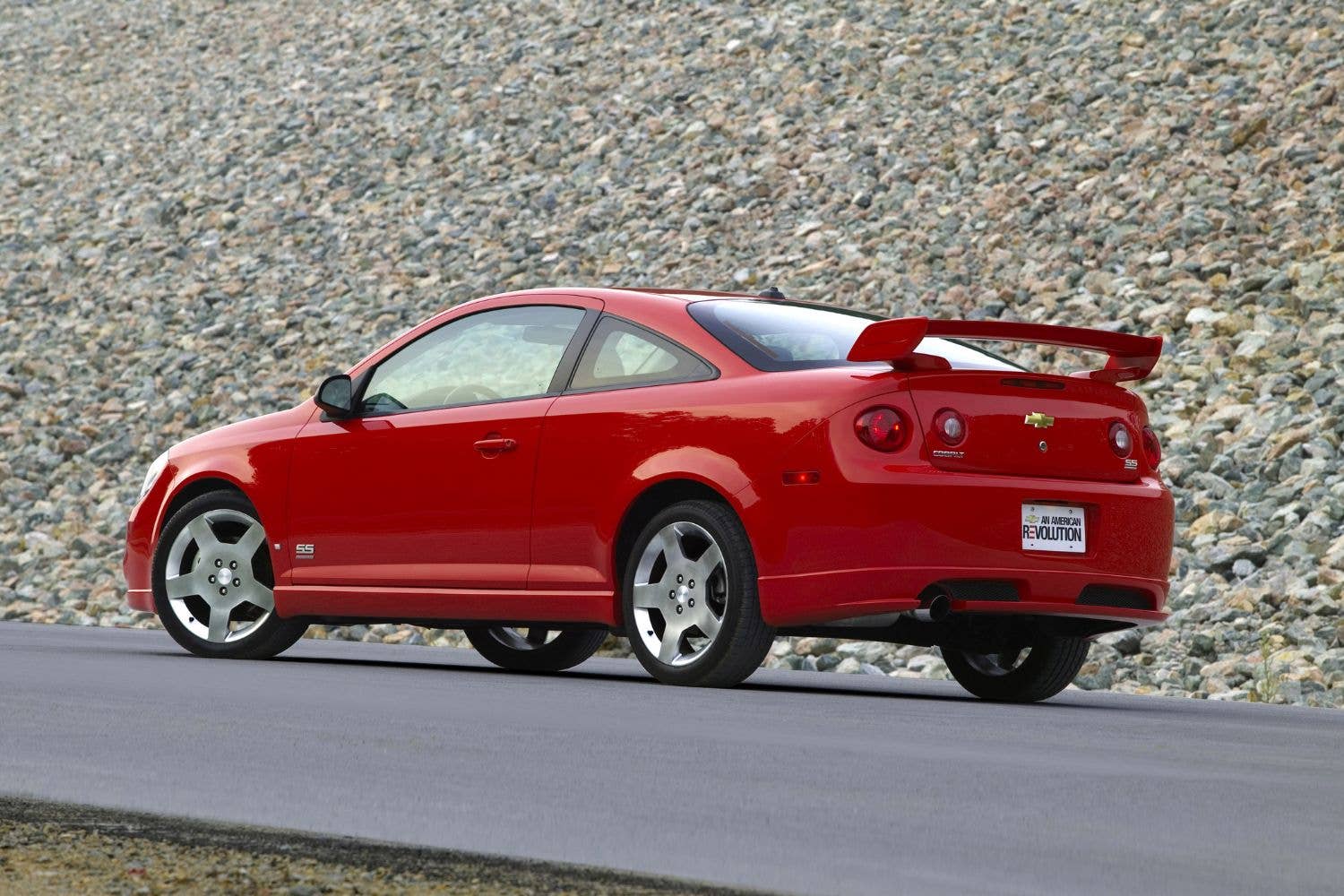
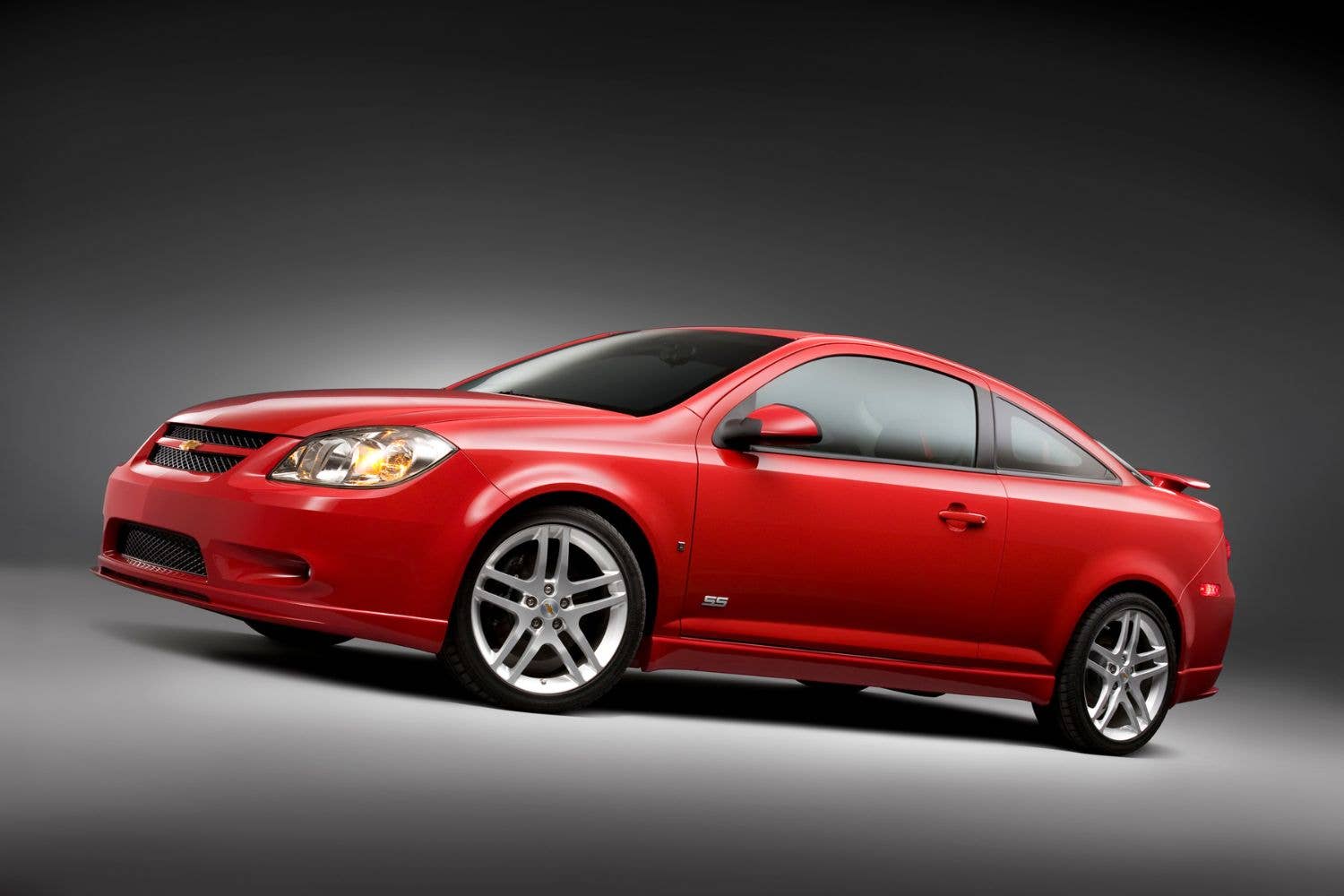
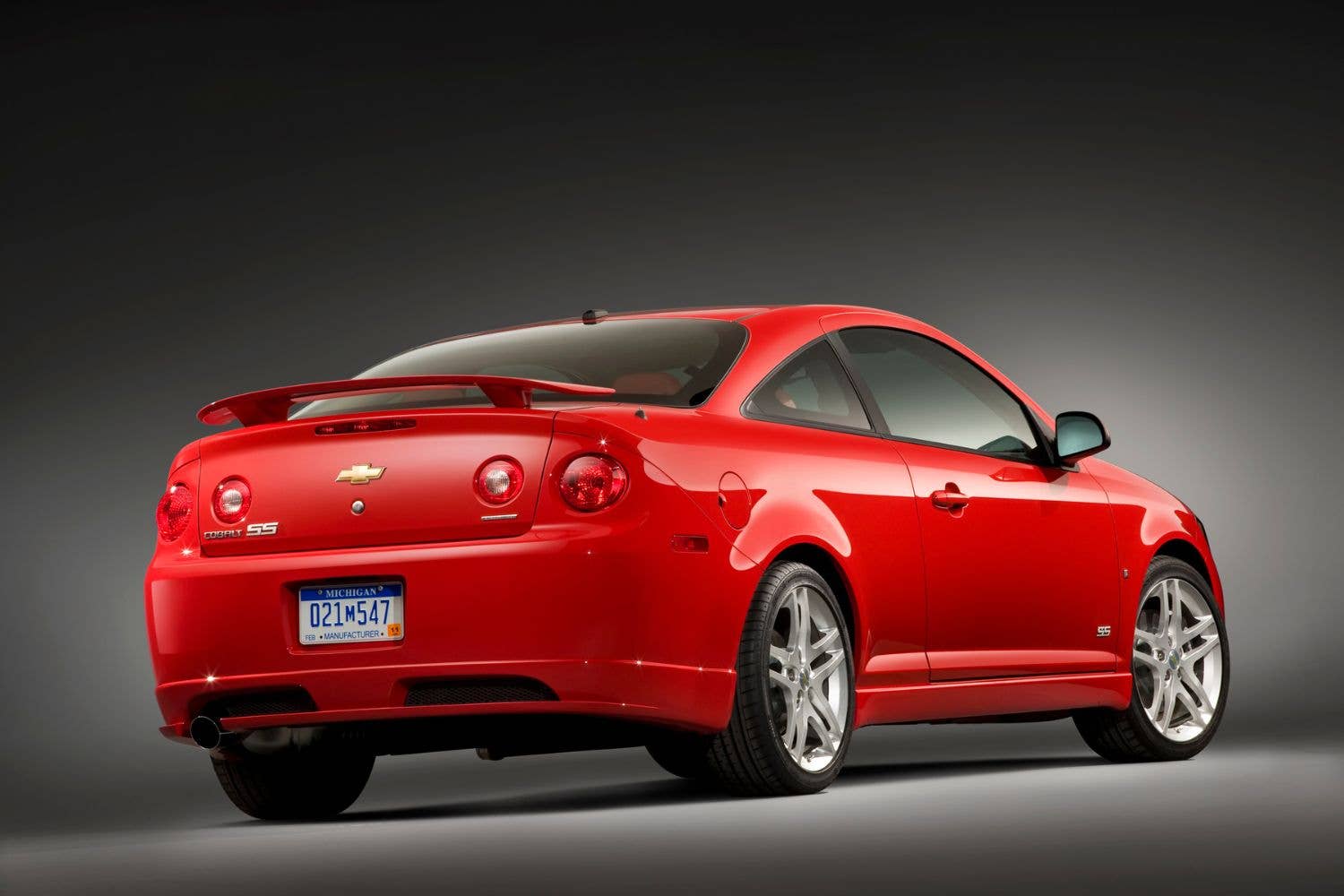
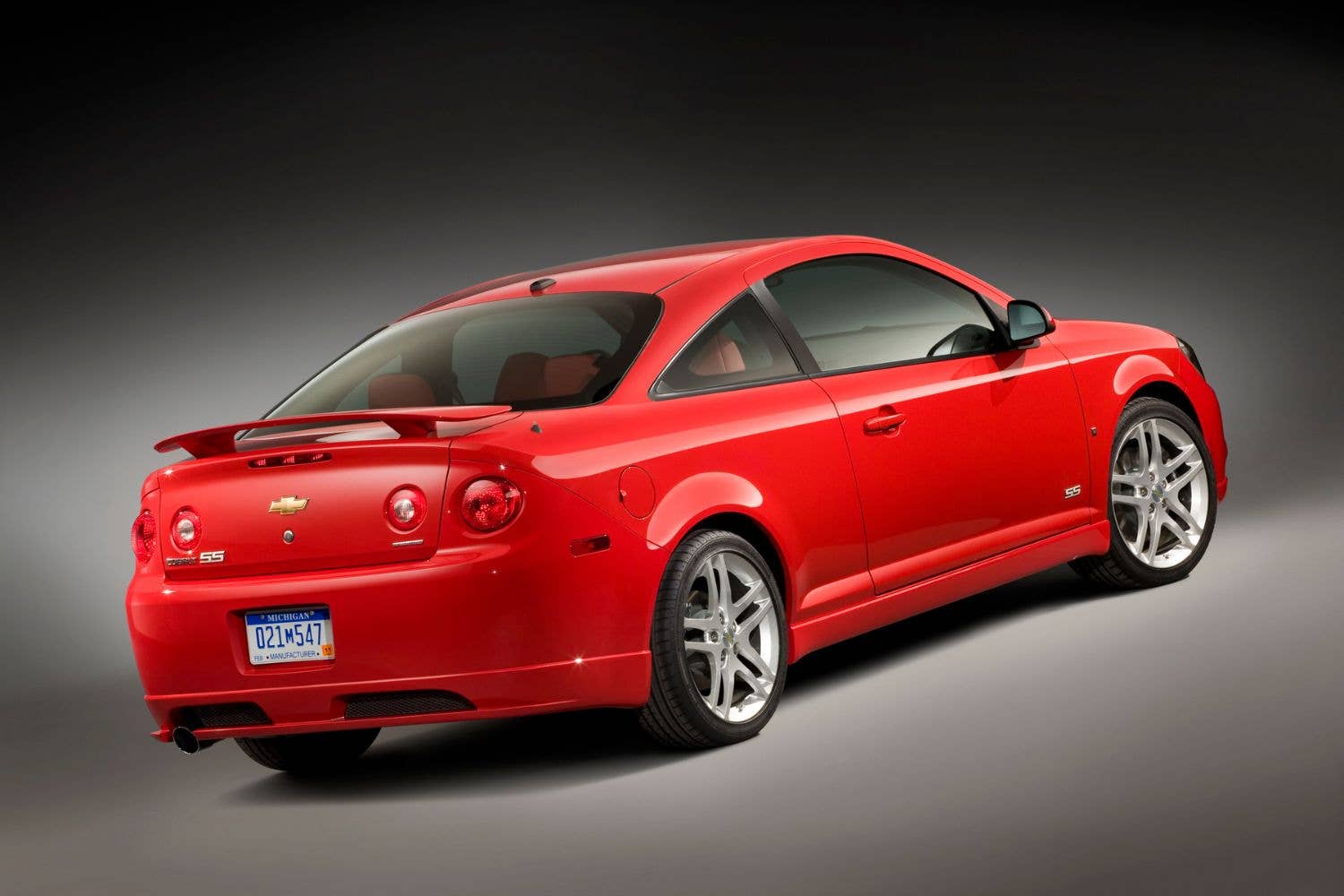
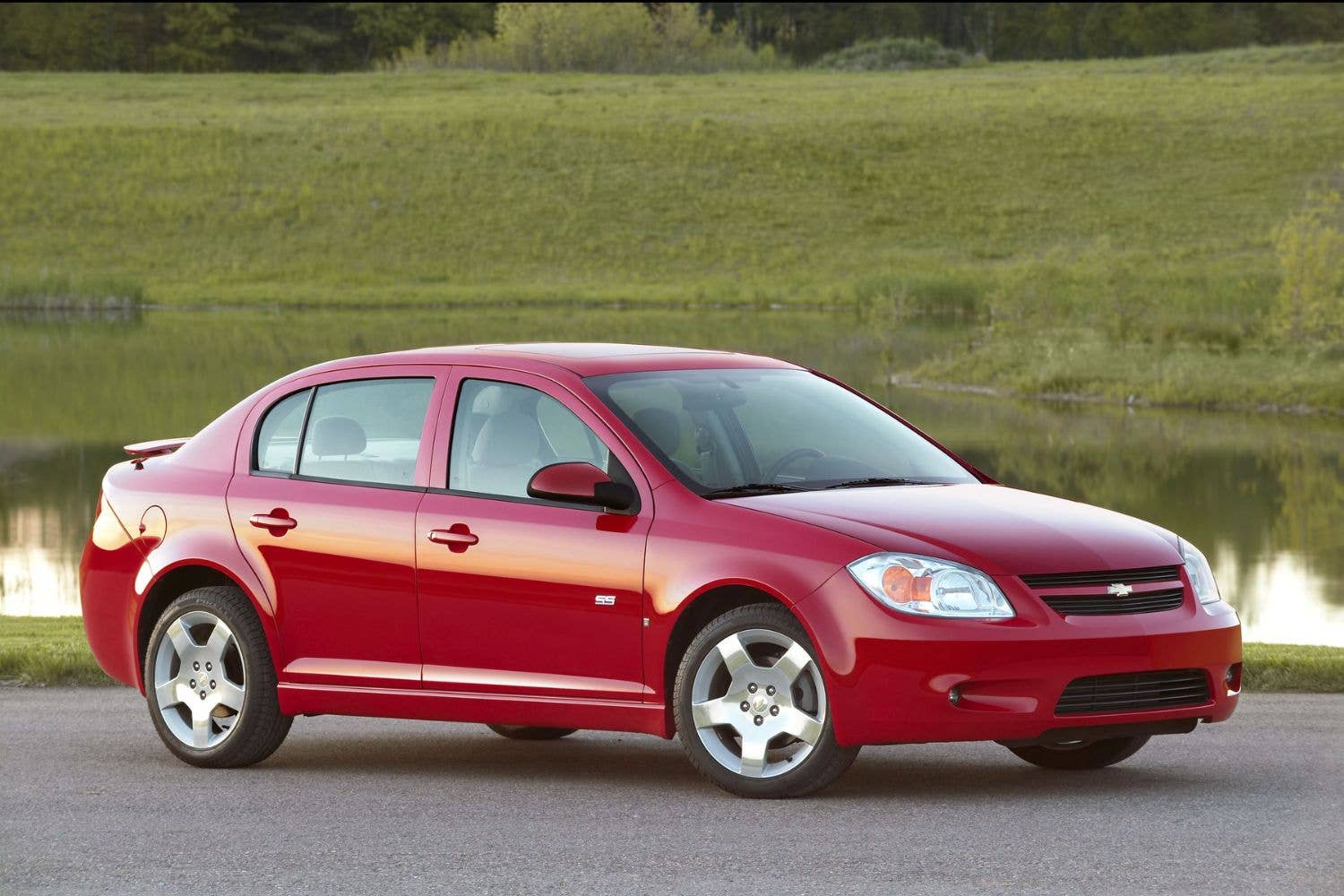
Just as the sun set on the Neon SRT-4, GM took over the responsibility of being America’s premier representative in the sport compact class. Enter the Chevrolet Cobalt SS, and it was absolutely nothing like the Cavalier Z24 that replaced it – not even close. Introduced in 2004 for the 2005 model year, the same year the SRT-4 retired. The Cobalt SS was comparatively tame next to the Dodge, at least in the beginning.
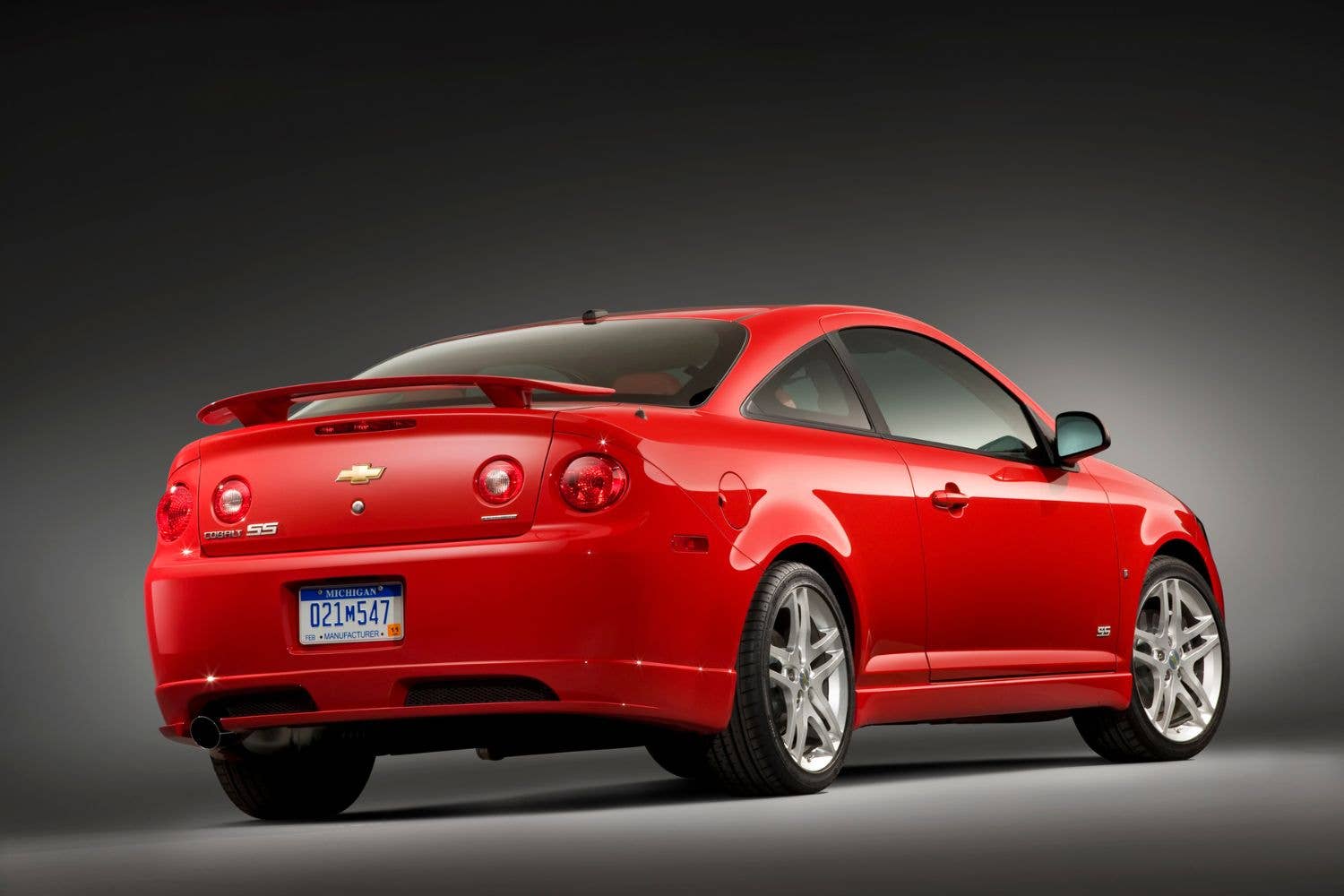
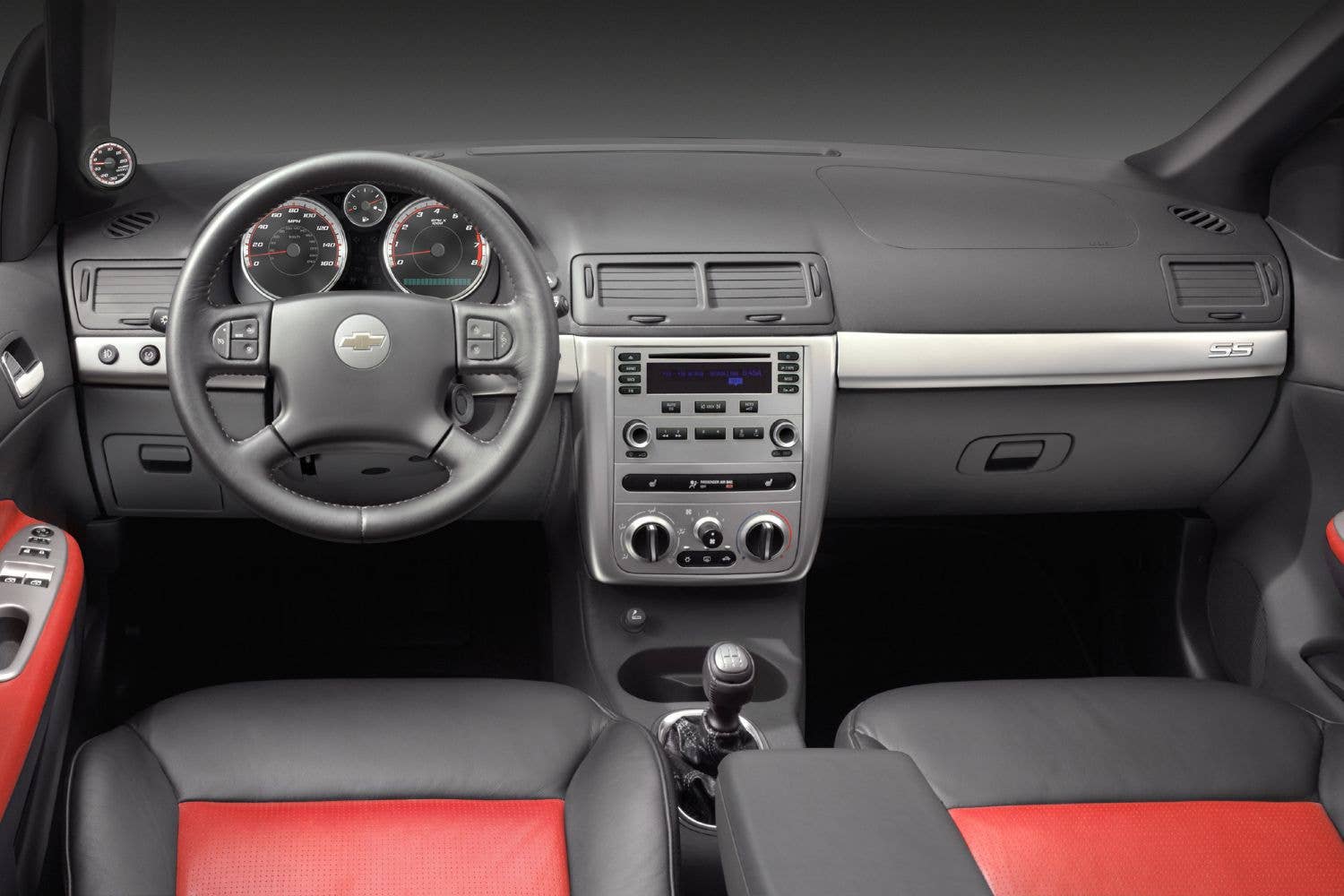
Its 2.0-liter engine was mated to a supercharger instead of a turbo, putting out 205 hp and 200 lb-ft. Like the hot Neon, it sent power to the front wheels, and the sole transmission was a five-speed manual. There was no shortage of racing-inspired cosmetic enhancements, either, with its body kit, large alloys, and a rear wing that grabs attention from everyone – including your friendly neighborhood highway patrol officer. Per the usual, there were a host of suspension upgrades, namely cast aluminum front control arms (regular Cobalts had steel pieces), thicker anti-roll bars, firmer springs and dampers, a quicker steering rack, and a limited-slip differential.
Chevrolet
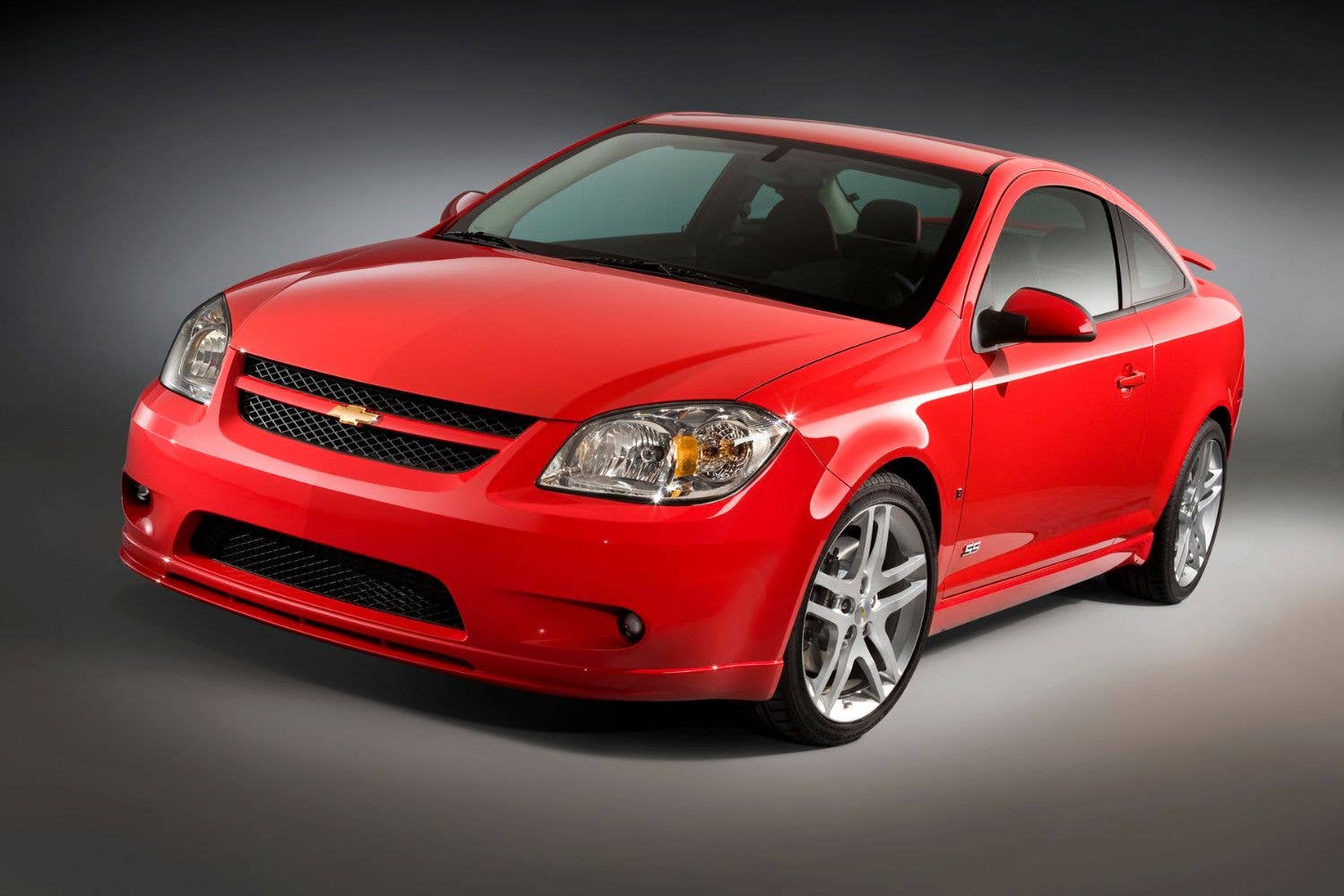
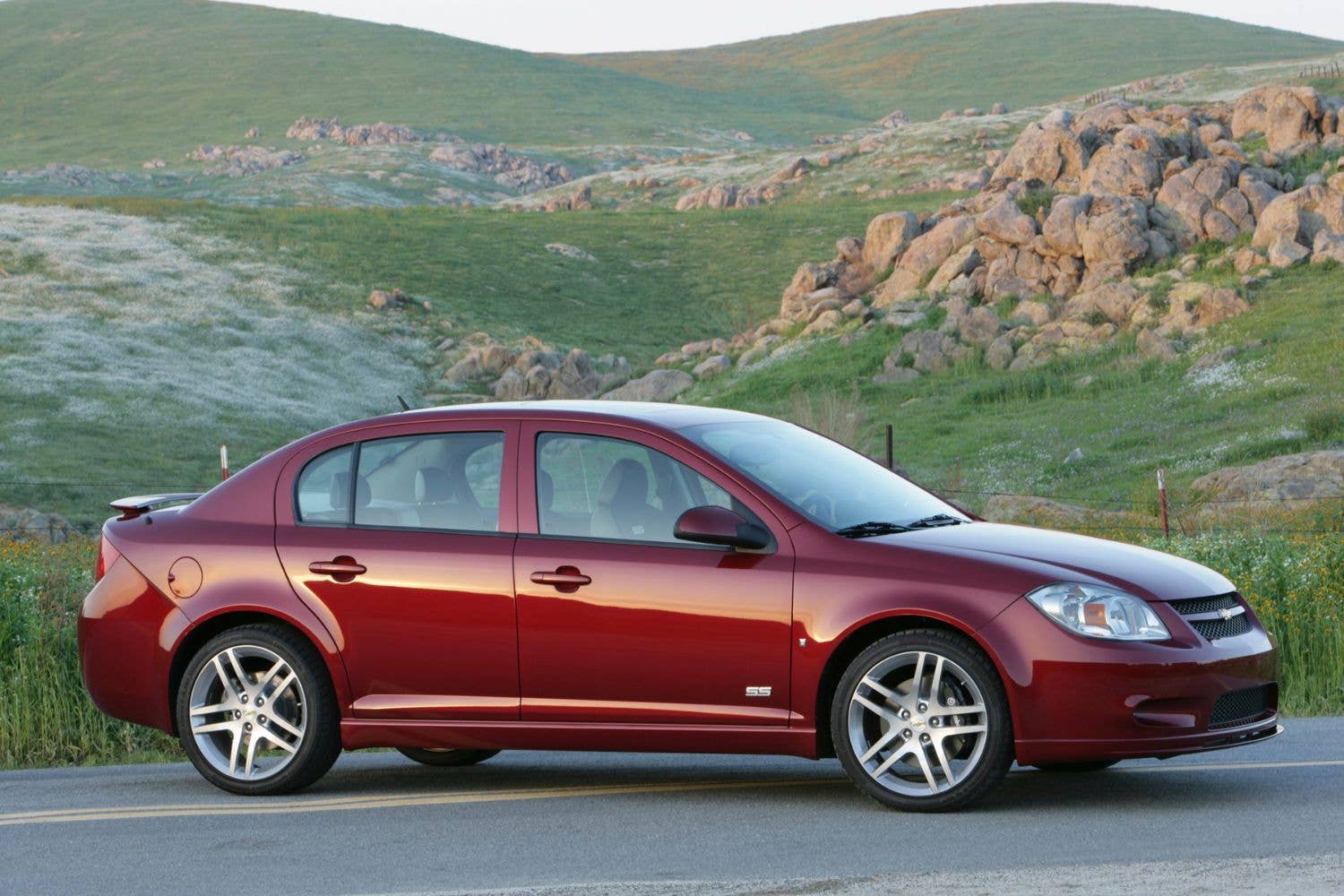
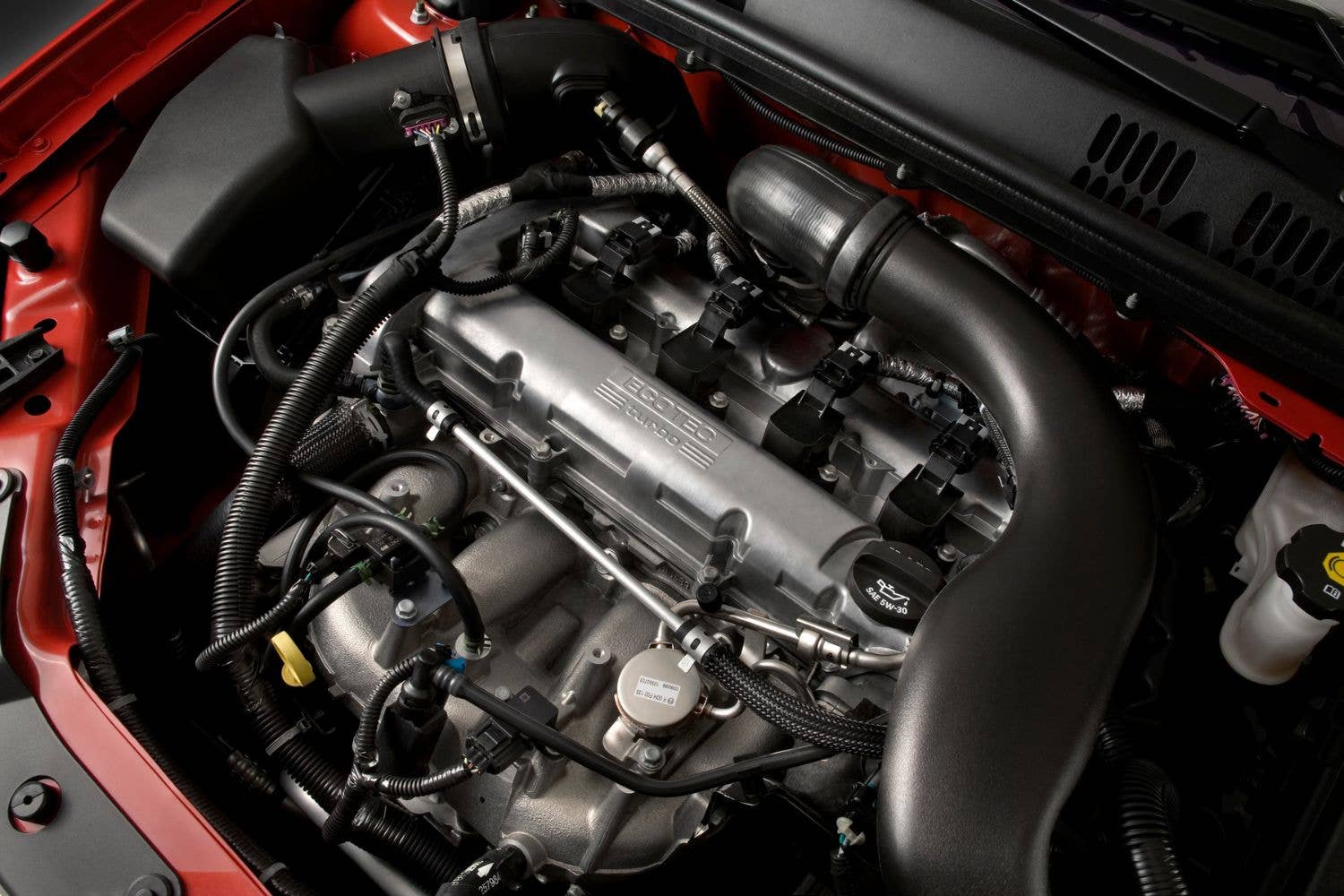
The supercharged Cobalt SS received high praises at the time, but wheel-hop and wheelspin often came up as a sore point. Production was paused briefly in 2007 as the supercharged engine could no longer meet emissions regulations, but in its place was something even better. For the 2008 model year, the 2.0-liter was turbocharged, cranking power up to 260 hp and 260 lb-ft. Further revisions were made to the front suspension to address the prior issues, and a real Cobalt SS sedan joined the lineup as the previous iteration didn’t get any forced induction. The update did wonders for the car, to say the least. High praise was given to the chassis, and it held its own in the sport compact class of the late-2000s.
In a comparison test by Car and Driver in 2009, the sedan version finished third out of seven cars. It was only beaten by the Golf GTI and the Mazdaspeed 3, and bested the Mitsubishi Lancer Ralliart, Mini Clubman JCW, Honda Civic Si, and Subaru Impreza WRX, in that order. What held the Cobalt SS back wasn’t in the way it rode and drove, but rather the dour and flimsy interior that didn’t inspire confidence in terms of durability and longevity. Still, it was a car that could zip to 60 mph in 5.5 seconds or less, and lap the Nürburgring in 8:22.9, claiming the record for front-wheel drive cars at the time. It wasn’t too pricey, either, as it could’ve been yours for a little under $25,000 in 2009, or around $37,000 today.
Chevrolet
Impossible Today
There are no more sport compact cars from American automakers these days, and it’s unlikely we’ll ever see one again. Chevrolet, Ford, and Dodge don’t even make compact vehicles that aren’t crossovers these days. With the way the market is today, there’s little incentive for these automakers to bring back this kind of car.
But if there’s any consolation, the sport compact market is still hanging in there. You can still buy fun cars for under $35,000, and while the options are somewhat limited, at least it’s still possible to have a fun daily without breaking the bank. As for the Neon SRT-4 and Cobalt SS, both have left enough of an impact to build a cult following and keep their respective legacies alive for future generations to enjoy. Looking back, though, we didn’t know we had it that good in the reasonably priced fun-car department at the time.
Chevrolet
Chevrolet
Chevrolet
Chevrolet
Chevrolet
Chevrolet
Chevrolet
Chevrolet
Chevrolet
Chevrolet
Chevrolet
Chevrolet
Dodge
Dodge
Dodge
Dodge
Dodge
Dodge
About the author

Anton Andres
News Editor