
Not every slow-seller is an unknown model
When it comes to car sales, most people assume the slow movers are obscure models or quirky niche vehicles that never quite found their audience. But the truth tells a different story, and in some cases, the losers are shocking. Even respected nameplates, brand new models, and premium brands are facing unexpectedly long days on dealer lots.
Nissan
While a cursory perspective might make it hard to understand why some of these models are struggling, especially against older models, it’s important to know that the reasons are complex, ranging from shifting consumer tastes to economic pressures and strategic misfires by their manufacturers. Let’s take a closer look at why these vehicles are struggling, what each model’s situation says about the market, and approximately how many days’ supply there are of each.
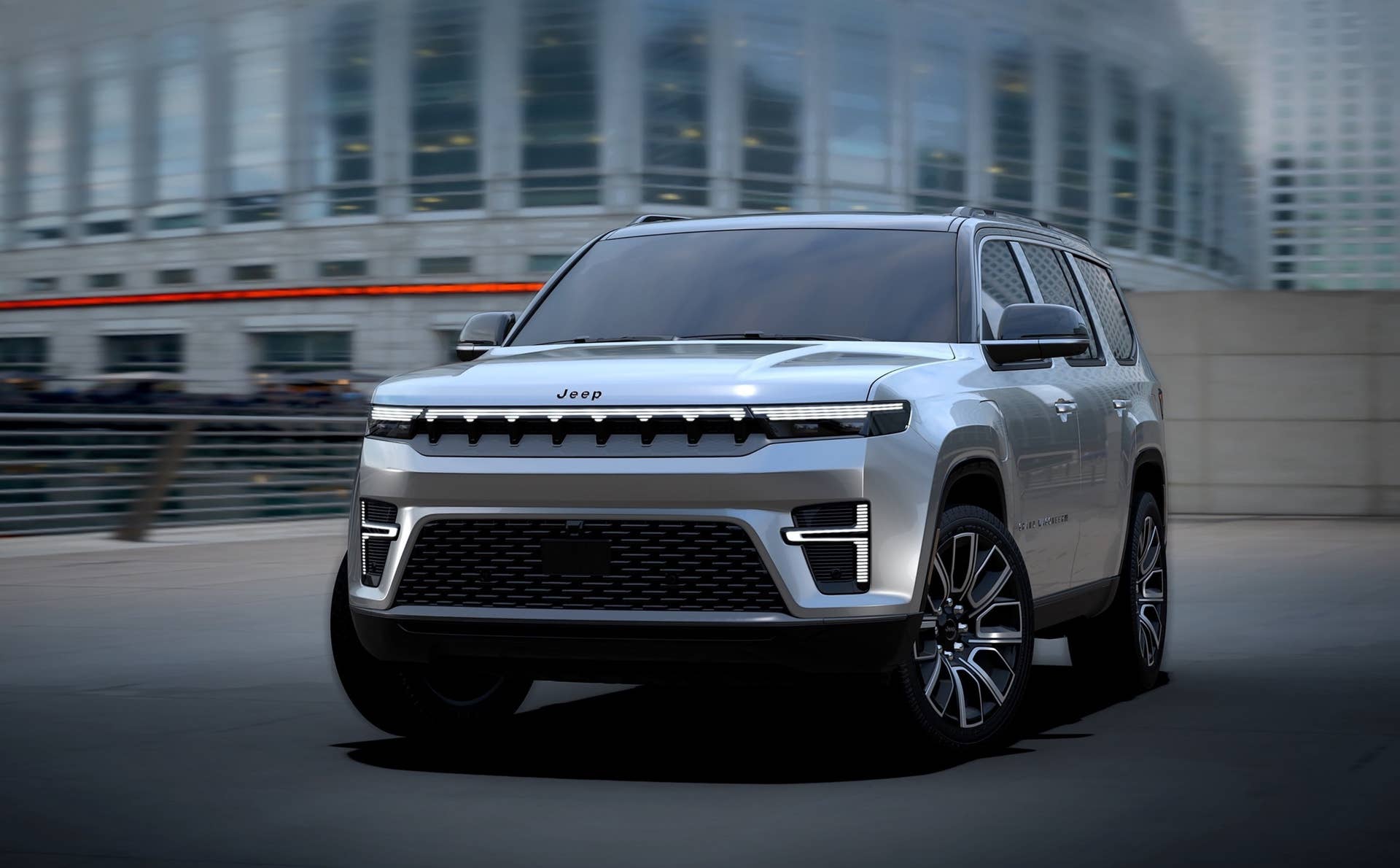
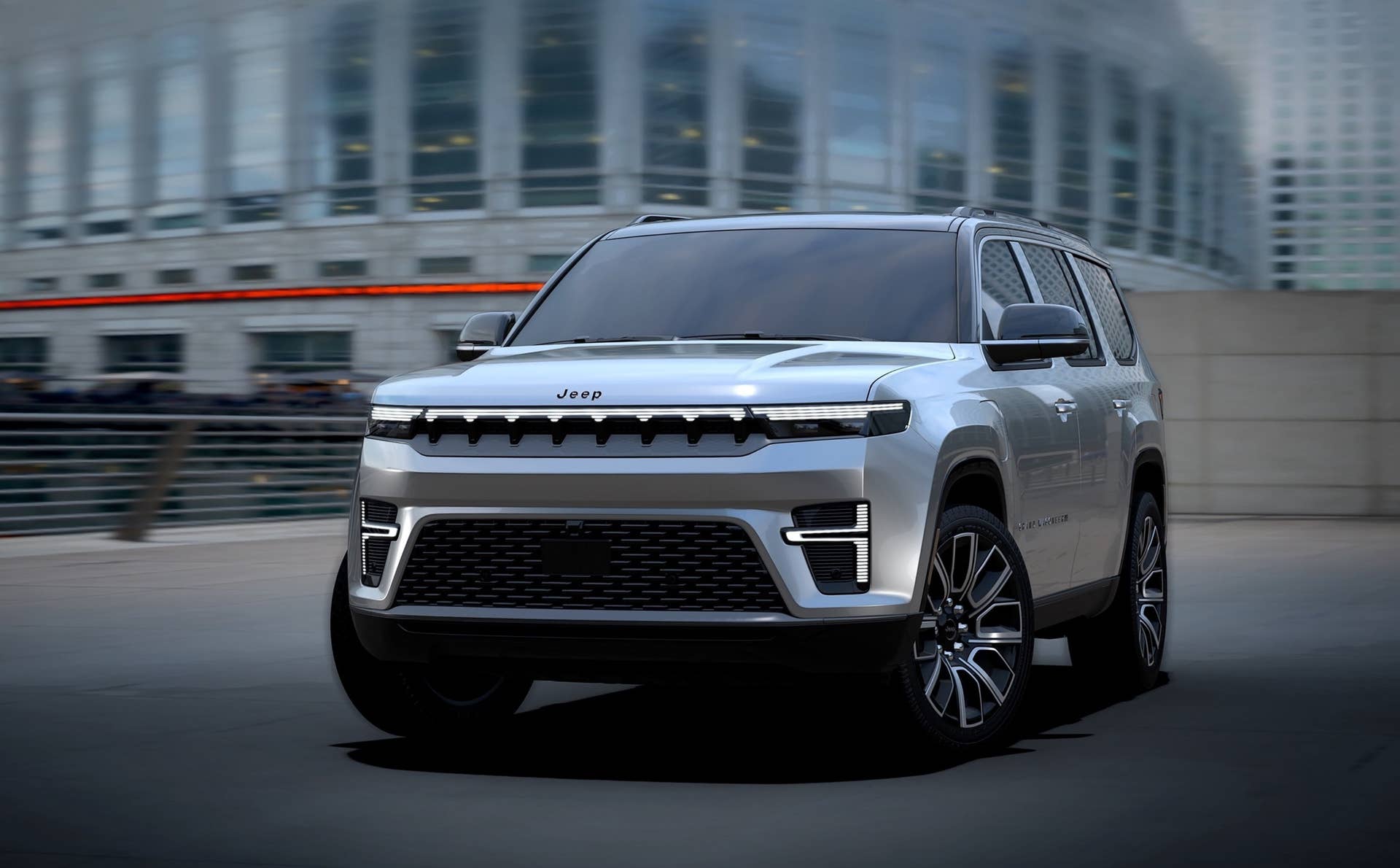
Jeep Grand Wagoneer – 400+ days
Stellantis
When Jeep revived the Grand Wagoneer nameplate, it was supposed to be a moment of triumph, a return of an American luxury icon, positioned to challenge the Cadillac Escalade, Lincoln Navigator, and even the Mercedes-Benz GLS. That’s a tall order for a non-premium brand. The result has been less than stellar because the most luxurious and largest Jeep vehicle might just be a cautionary tale about staying in your lane.
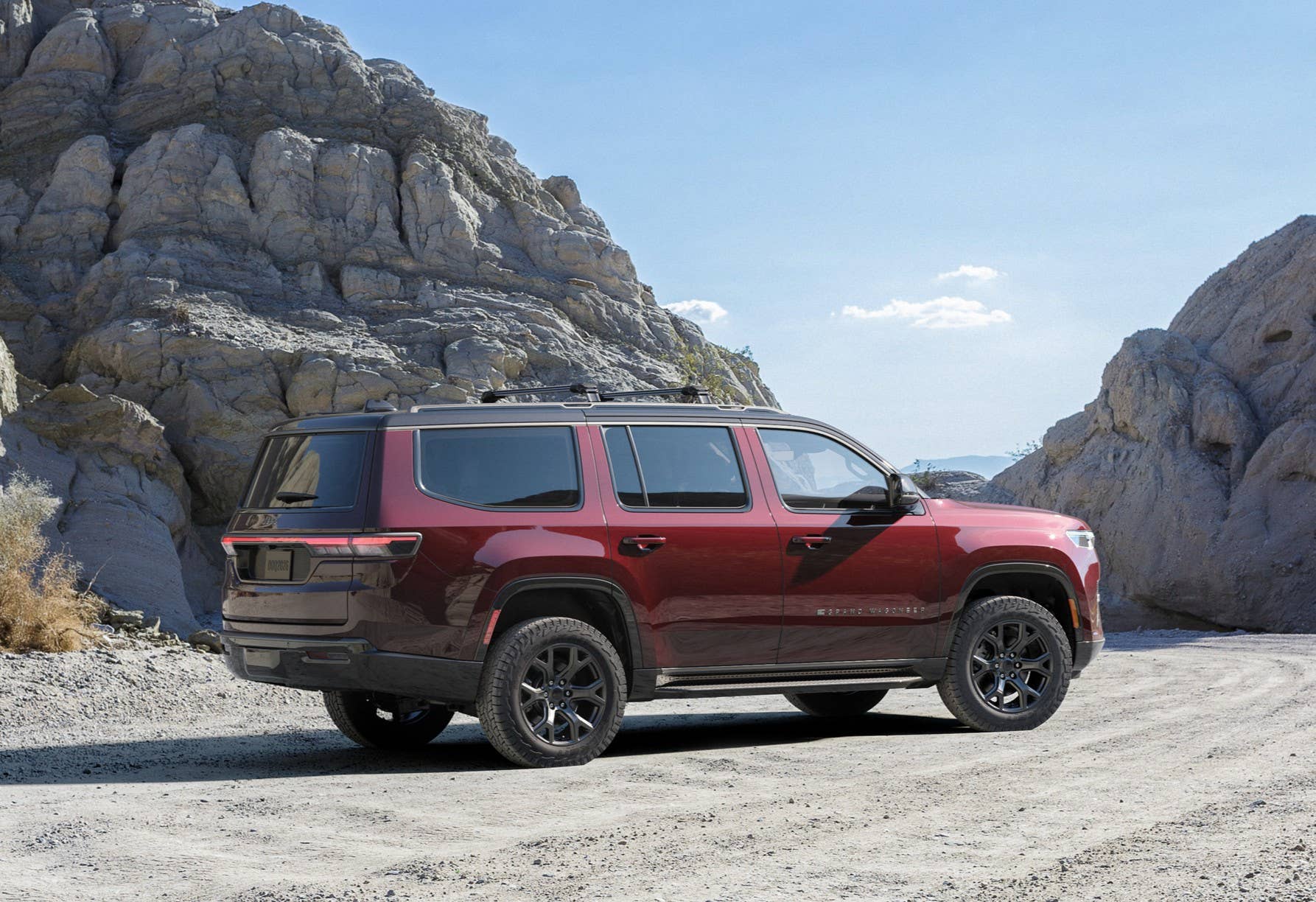
The Grand Wagoneer is the brand’s second-priciest vehicle, next to the Wrangler Rubicon 392 Final Edition. If you load up the Grand Cherokee, the prices can balloon to well over $100k. The Grand Wagoneer’s powerful twin-turbo inline-six engine, lavish interior draped in real wood and leather, and gobs of fancy tech make it pretty polished for a Jeep, and that’s been part of the problem. Jeep has struggled to convince buyers it deserves six-figure price tags. While the Grand Wagoneer delivers on luxury, size, technology, and towing, many buyers in that price range still prefer the proven prestige of German or premium American-branded SUVs.
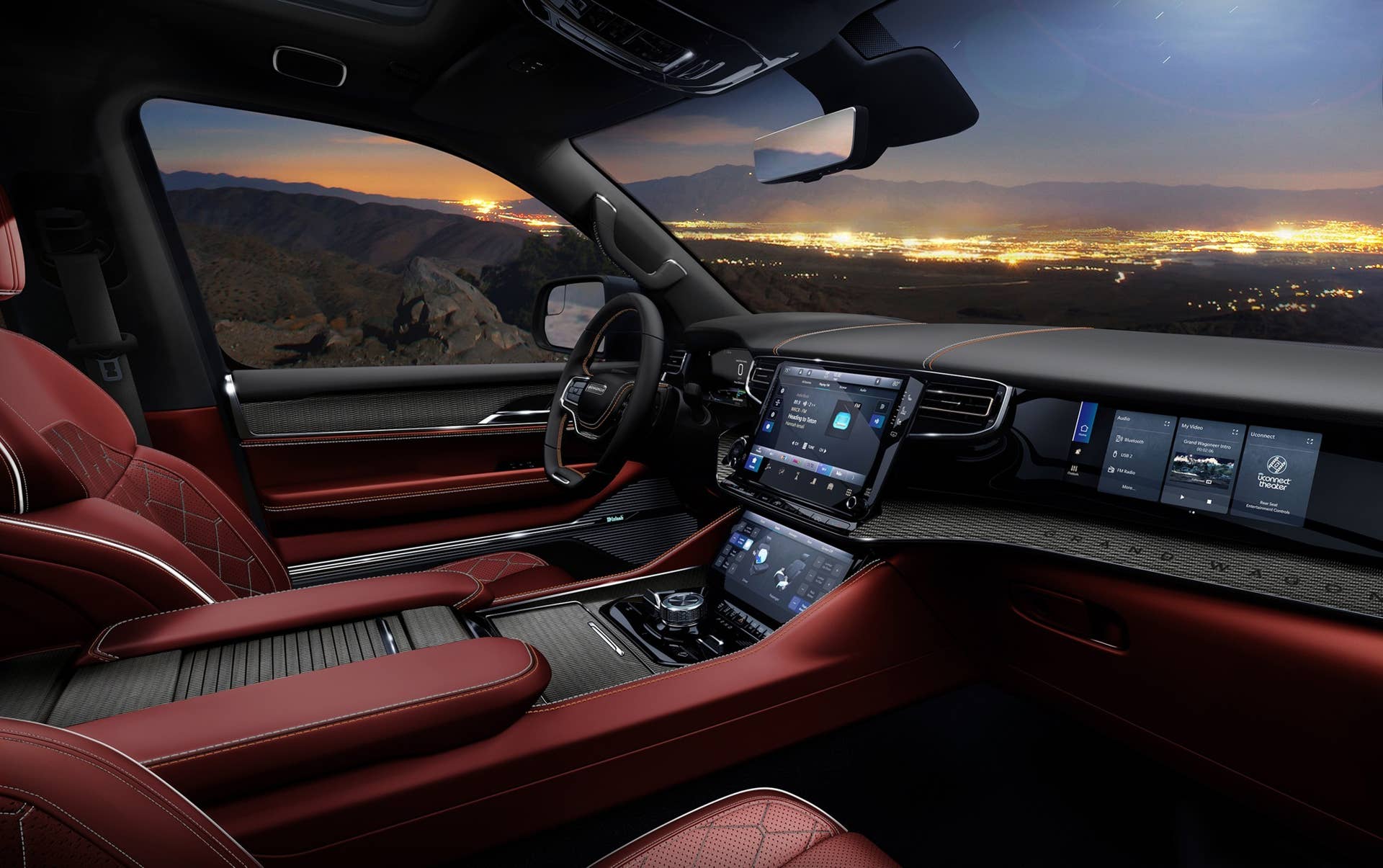
Even loyal Jeep fans are holding off from making the leap to a premium product whose looks and reliability have been ridiculed. The 2026 refresh might not shift the needle much at all, and the Grand Cherokee might be a misread of the market and a misfire for the brand. 400+ days of supply is going to be hard to move.
Audi A6 – 409 days
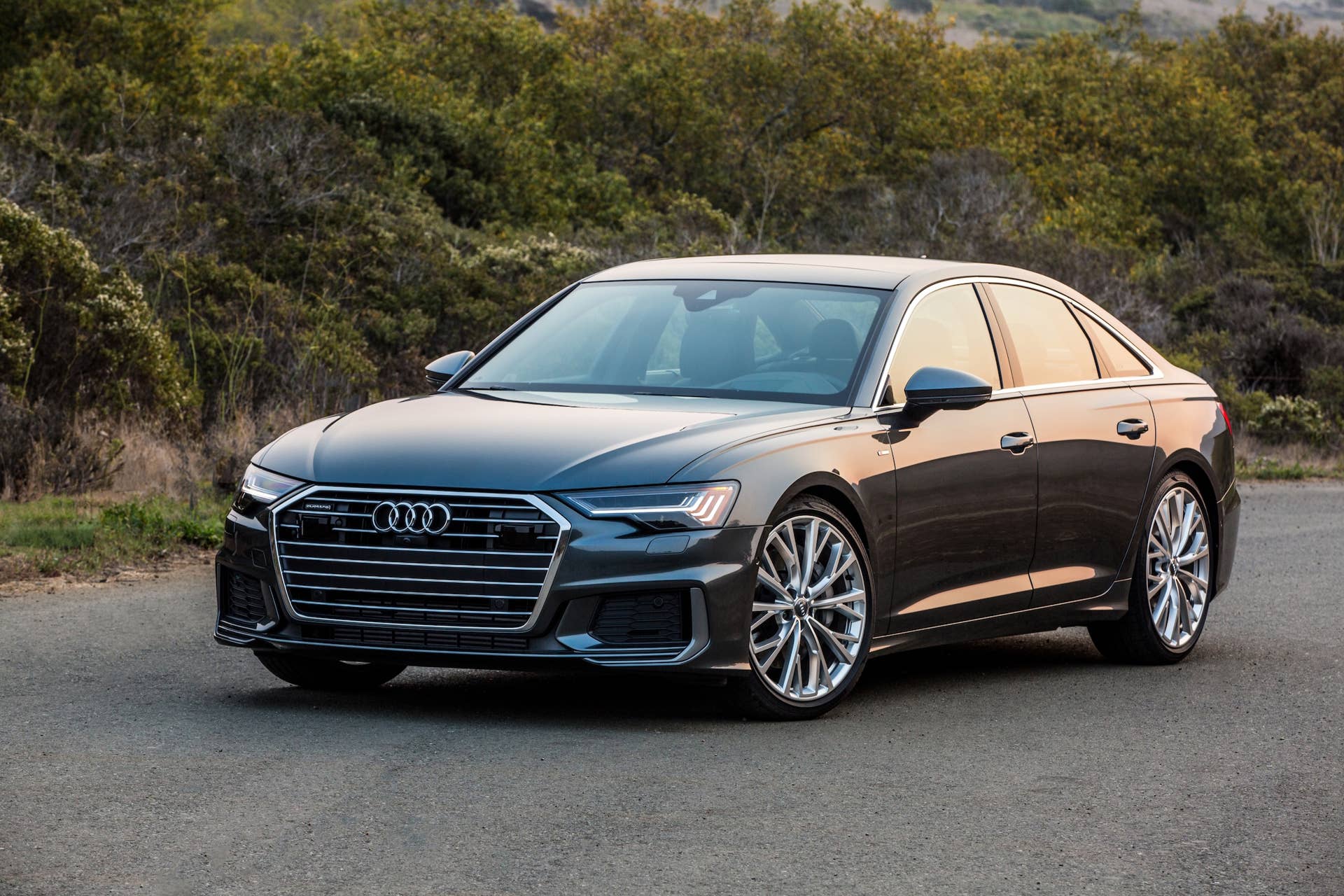
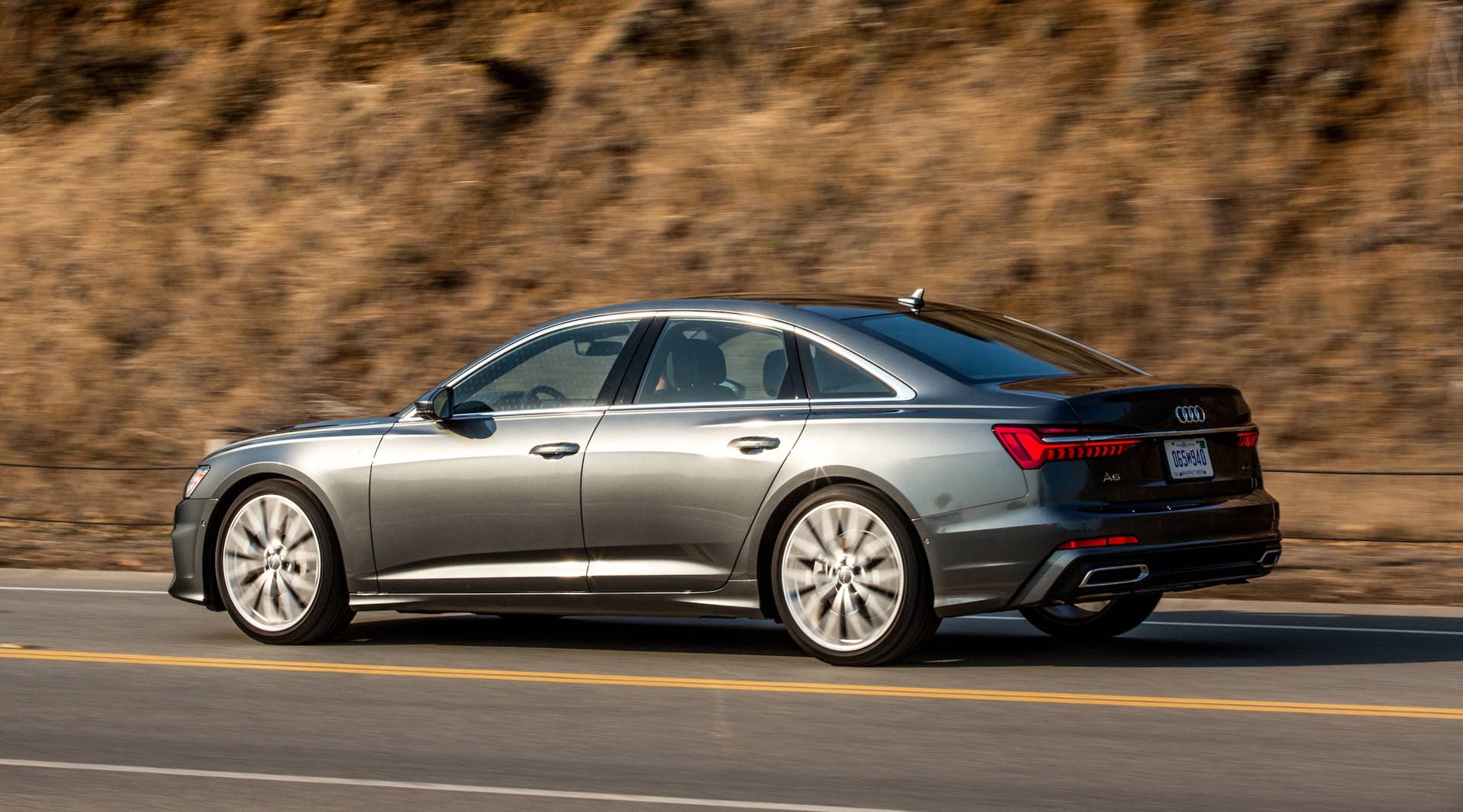
For years, the Audi A6 was the benchmark of understated luxury. Balanced, beautifully built, and full of cutting-edge tech, it once represented the perfect entry point to the German premium world. But in 2025, it’s losing traction. The culprits take the form of consumer migration to SUVs, an aging design, consumer model confusion, and a changing automotive landscape. The redesigned 2026 A6 is on its way to showrooms, and perhaps the fresh model will help turn sales around, but it will be a challenge.
Audi USA
The A6’s restrained design language, once its greatest strength, now works against it. In a market dominated by oversized grilles and digital dashboards, some shoppers see the A6 as too conservative, especially when compared to the flashier BMW 5-Series and the slinky Mercedes E-Class. Audi’s slow transition to electrification also plays a role.
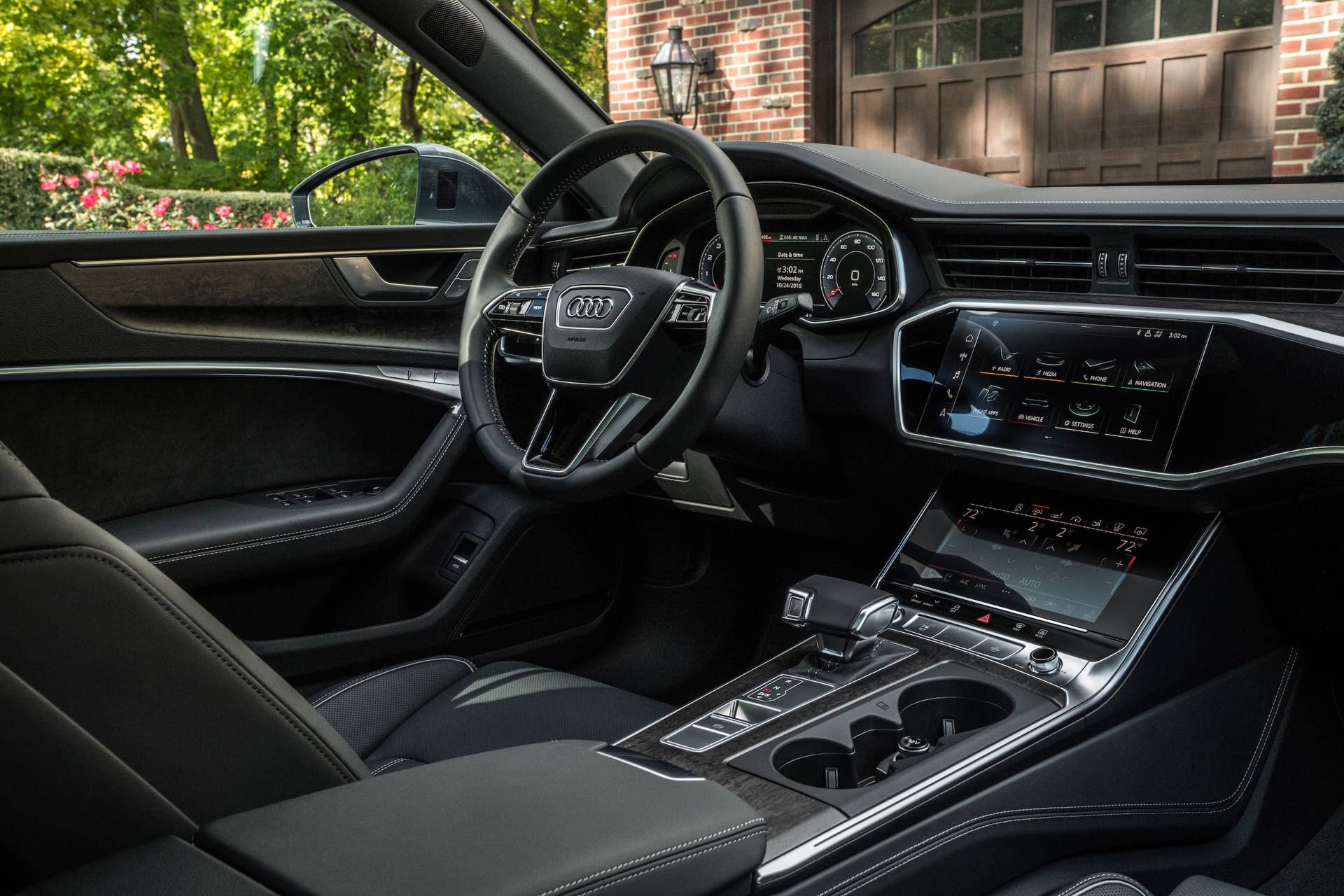
The 2025 A6’s cabin is also a sore spot. While it looks fancy, the tech interface and twin-screen setup feel outdated compared to more contemporary versions from its competitors. Despite being a polished, capable car, the 2025 A6 simply lacks momentum. Many sit on dealer lots for virtual eternity, making it one of the slowest-selling sedans in its class.
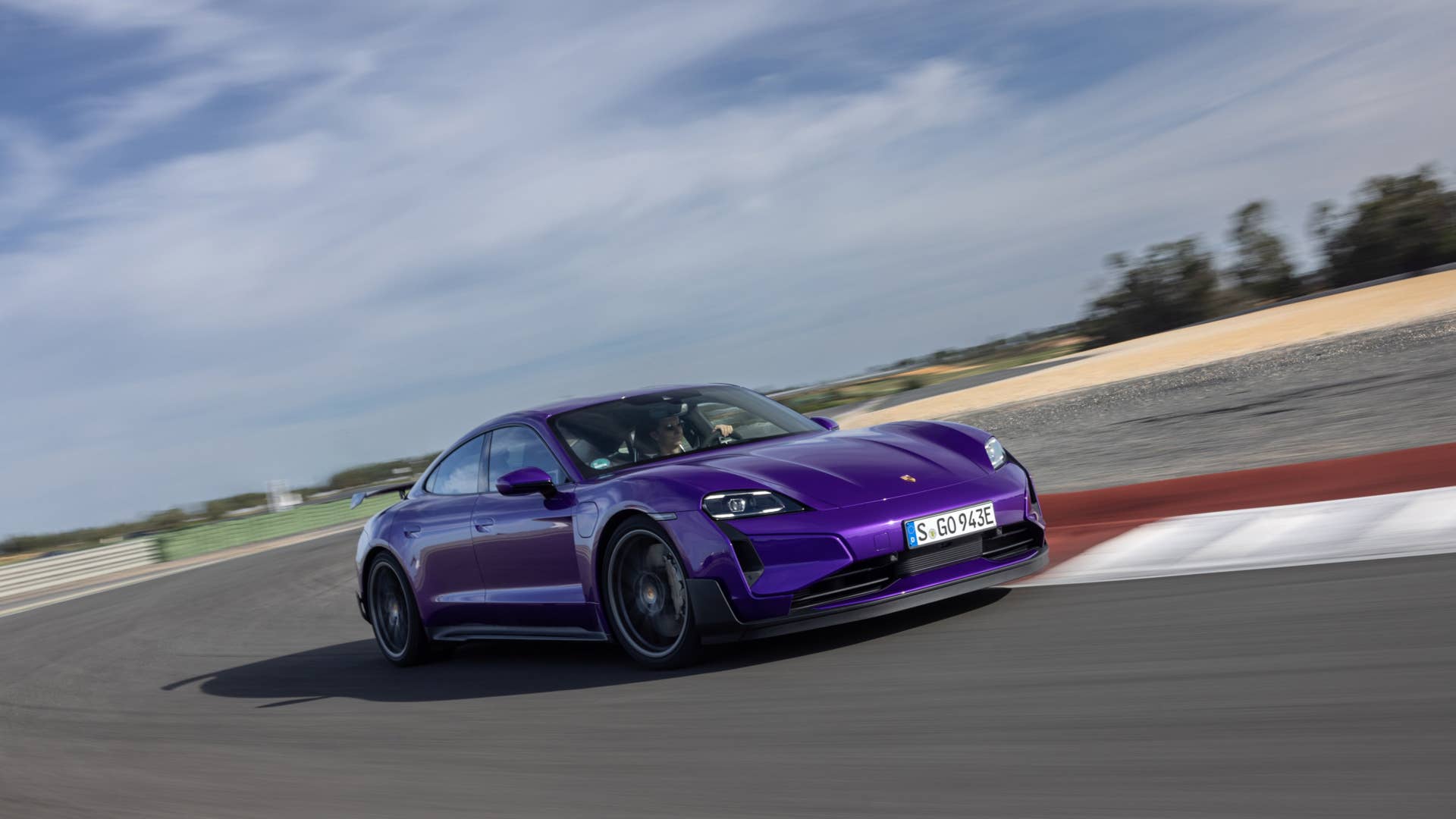
Porsche Taycan – 229 days
Porsche
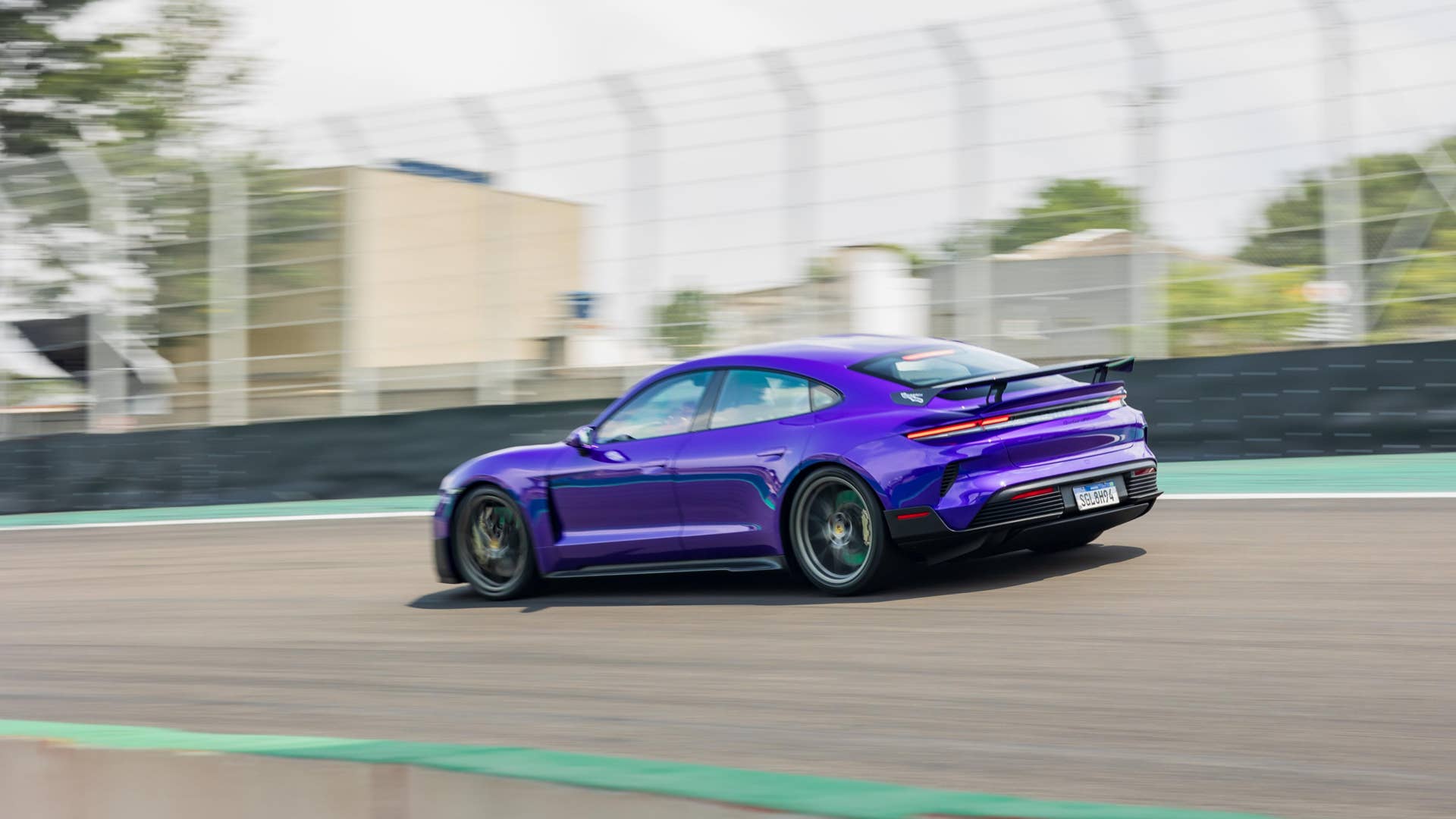
The Porsche Taycan was once the darling of the electric performance world because it’s a sleek, lightning-fast alternative to the Tesla Model S that proved EVs could deliver both speed and a premium German personality. But five years into its first generation, the Taycan’s initial buzz has faded, and its sales momentum has slowed down in the most painful of ways. Its sales have been sliced in half, and the damage is palpable.
Porsche
When it launched, the Taycan’s real-world range of around 200–250 miles was acceptable for an early EV but still not close to impressive. For 2025, its base model gets an estimated 318 miles, but it still feels inadequate compared to rivals like the Lucid Air, Mercedes EQE, and even the latest Tesla Model S, all of which can travel 350 miles or more on a charge.
Porsche
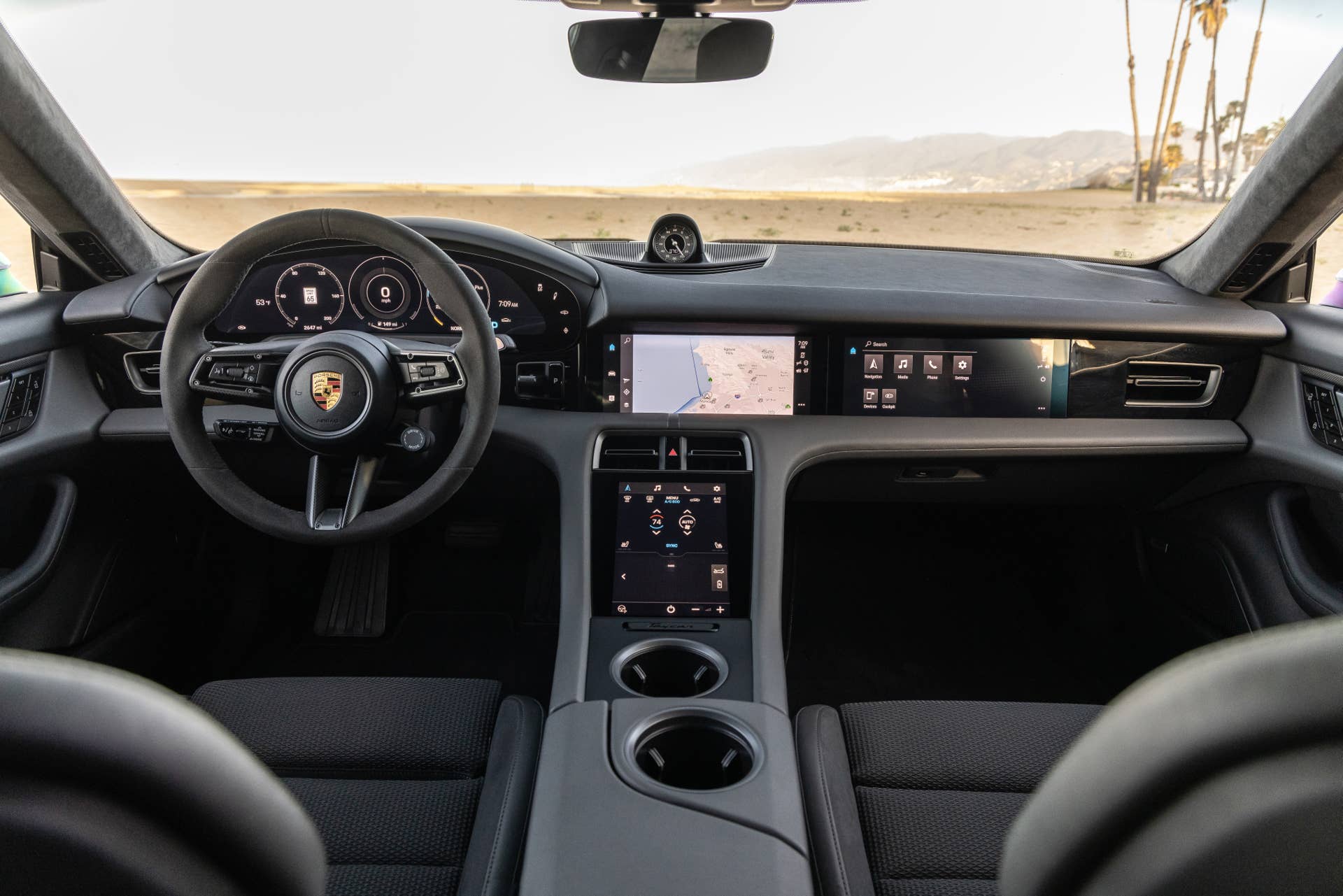
Compounding the problem is the Taycan’s premium pricing. With many trims easily exceeding $120,000, it’s a niche vehicle at best. As Porsche prepares to expand its EV lineup with the Macan EV and the upcoming 718 EV sports car, buyers appear to be waiting for fresher, more efficient options. Maintenance concerns and expensive battery replacements have also cooled enthusiasm, particularly among secondhand shoppers. A 229-day supply isn’t what Porsche was hoping for, so they’re going to need to come up with a different plan for their oldest EV.
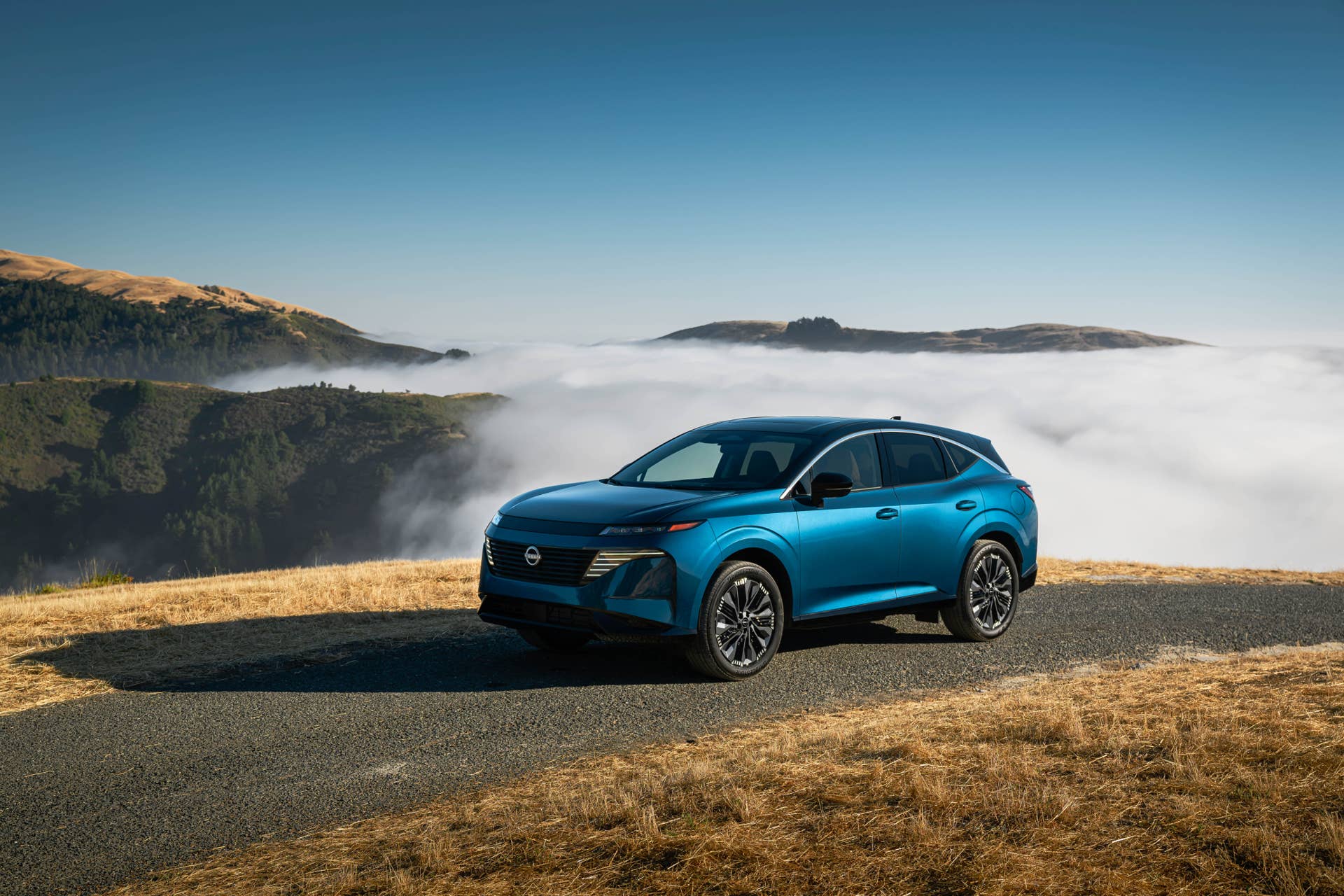
Nissan Murano – 234 days
Nissan
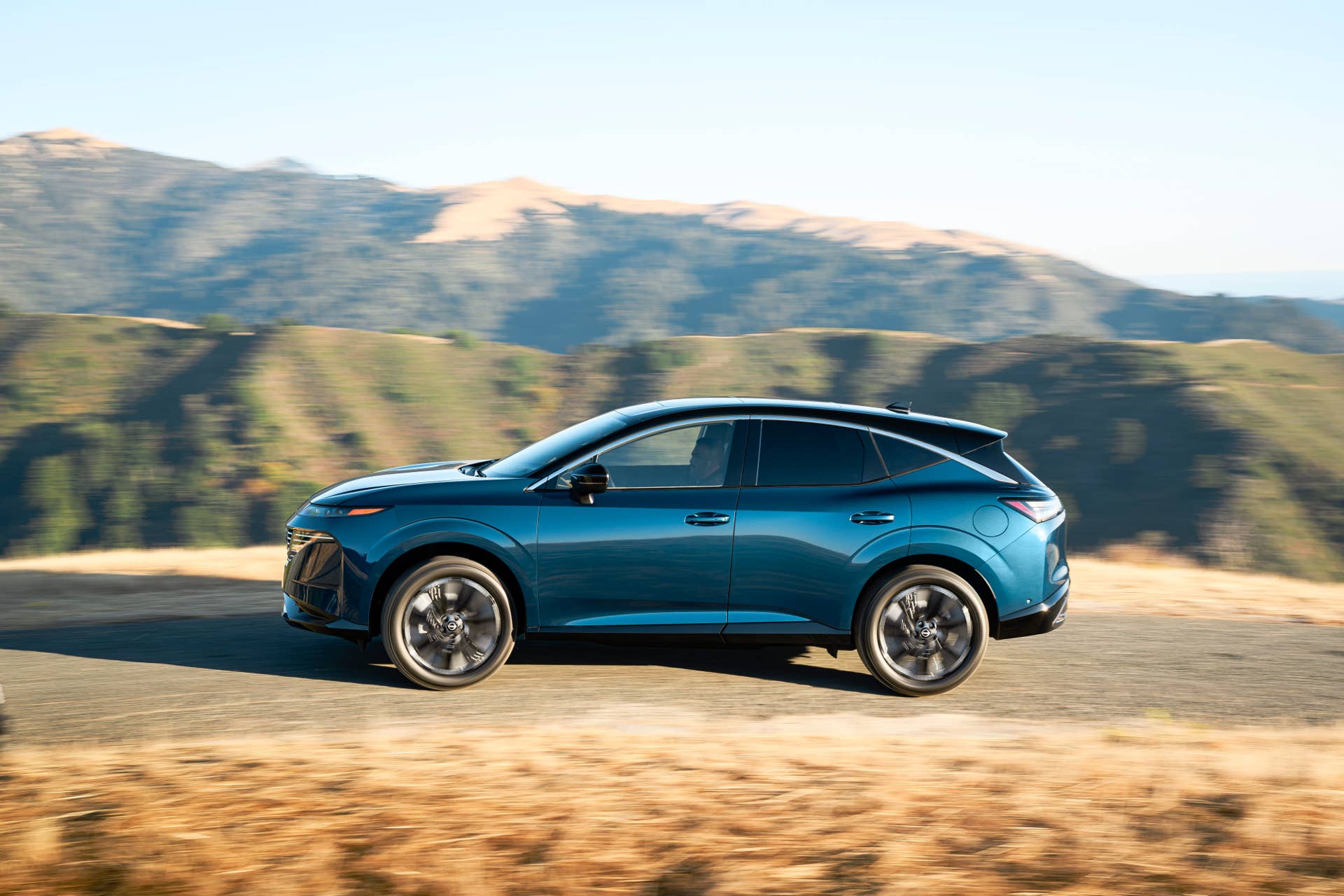
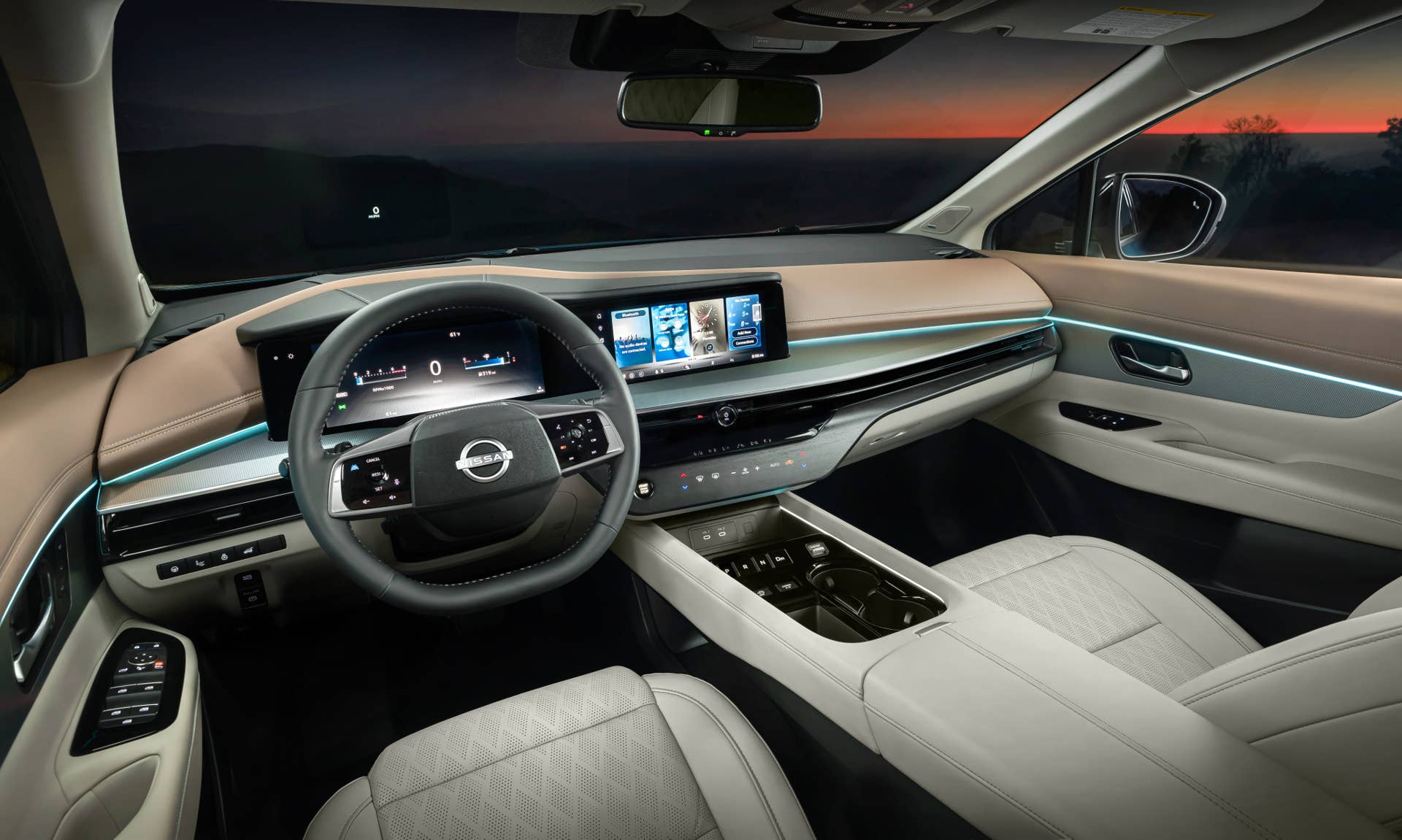
While luxury models like the Taycan and Grand Wagoneer struggle for different reasons, the Nissan Murano faces a more fundamental problem: it’s a total redesign that’s too late to the game. The last one has been languishing in design and tech purgatory, but the new one is fresh and exhibits a slinky design language that looks far more modern and head-turning. When we see it in the flesh, it’s better than in photos.

Nissan
But the Murano has to go up against models that have better-established reputations, such as the Mazda CX-70, Honda Passport, and the Hyundai Santa Fe. Those models didn’t wait nearly as long to get a redesign, and the fallout for the Murano is real. 234 days of supply for a fresh model isn’t a promising statistic, and the Murano’s actual days might be numbered.
Nissan
The new Murano also gets hit with a power deficit compared to competitors. The turbo four provides 241 horsepower, mated to a 9-speed automatic transmission. While we laud the ditching of the last Murano’s CVT, the output is paltry for this set. The 234-day supply of Muranos is bad juju for a newly redesigned model, with heavy incentives barely making a dent in sales velocity.
Final thoughts
The struggles of these four vehicles highlight the shifting sands of the automotive landscape in 2025. It’s hard for automakers to read the market accurately, no matter how many consultants they hire. There might be a silver lining, though, as these missteps can reveal what consumers truly value and what trends have passed their prime. There’s hope for some of these models, but it will take strategic thinking and better planning to turn things around.
About the author
Amos Kwon
Contributing Writer, Autoblog