
Key Points
- Electrification has made 1,000-plus horsepower mainstream across electric, hybrid, and plug-in performance cars.
- Heavy battery systems require greater power, while advanced software manages traction, torque delivery, and thermal limits.
- Social media amplifies horsepower competition, turning acceleration figures into highly visible measures of automotive progress and status.
The Numbers Nobody Saw Coming
For as long as people have modified cars, someone has wanted more horsepower. The engines have changed, the fuels have changed, and the technology has changed completely. But the basic impulse has stayed exactly the same: take something fast, and make it faster. Every generation of enthusiasts has had its own number to chase and its own rivalry to settle.
In the 1960s, Detroit built its identity around big-block V-8s. The 426 Hemi became a legend, and horsepower turned into a central part of automotive marketing. Racing success in series like NASCAR and Trans-Am built street cred for manufacturers, and in turn, it turned into special showroom cars that sold on Monday that gave manufacturers a reason to keep racing on Sunday. Decades later, turbochargers, superchargers, and all-wheel drive brought the war roaring back with a new generation of performance models and even supercars.
Today, the EV is the new player in town and manufacturers from Toyota to BMW and Mercedes-Benz are spearheading a new generation of performance machines. Suddenly, 1,000 horsepower wasn’t the ceiling. It was the starting line. What once seemed like an absurd figure reserved for hypercars is now printed on the spec sheets of four-door sedans, and the race has spread well beyond pure electrics into hybrids and plug-ins. This is the horsepower war’s new chapter, and it looks very different from the last one.
Cars & Bids
The Four-Digit Club Is Now Mainstream
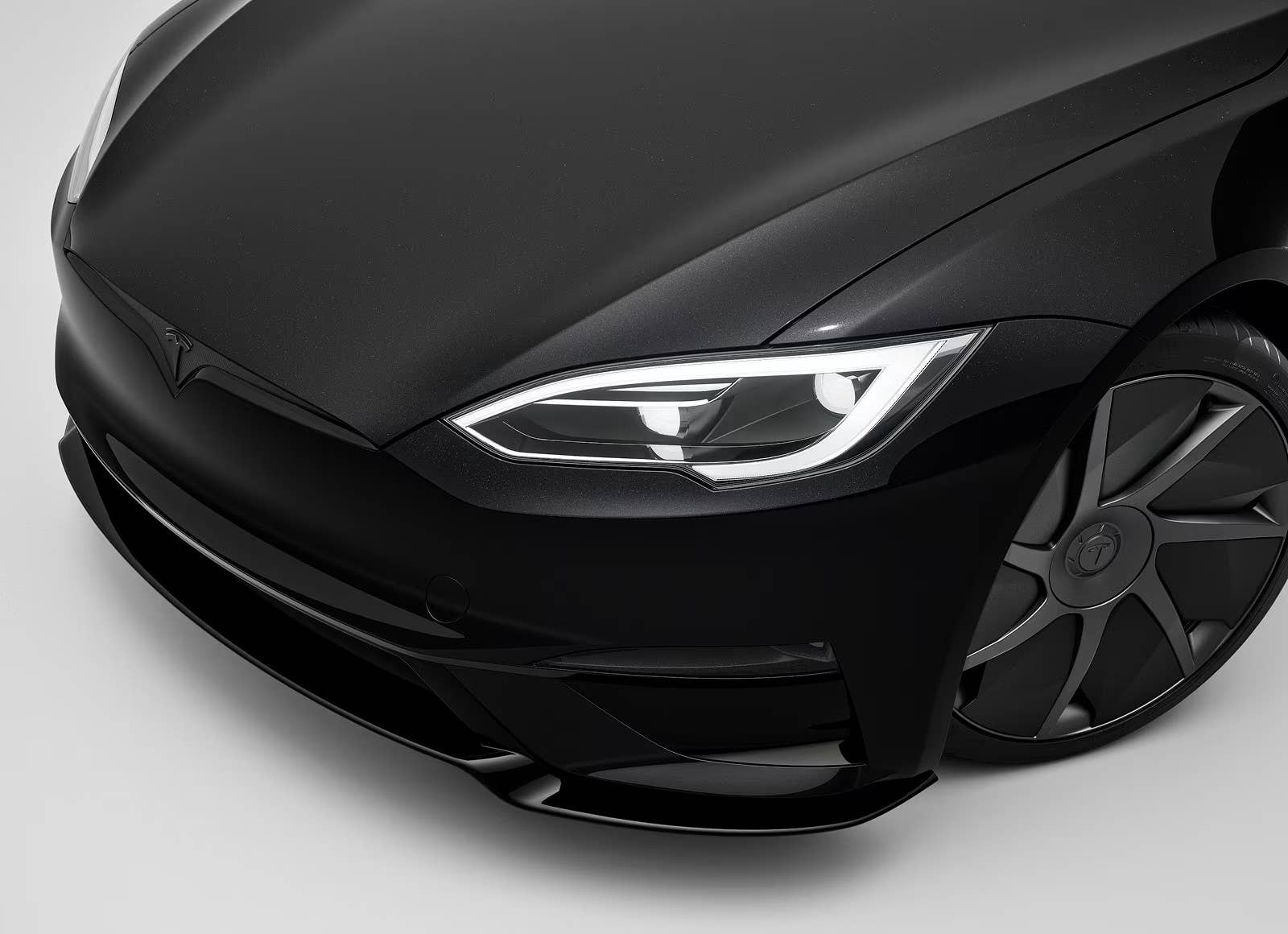
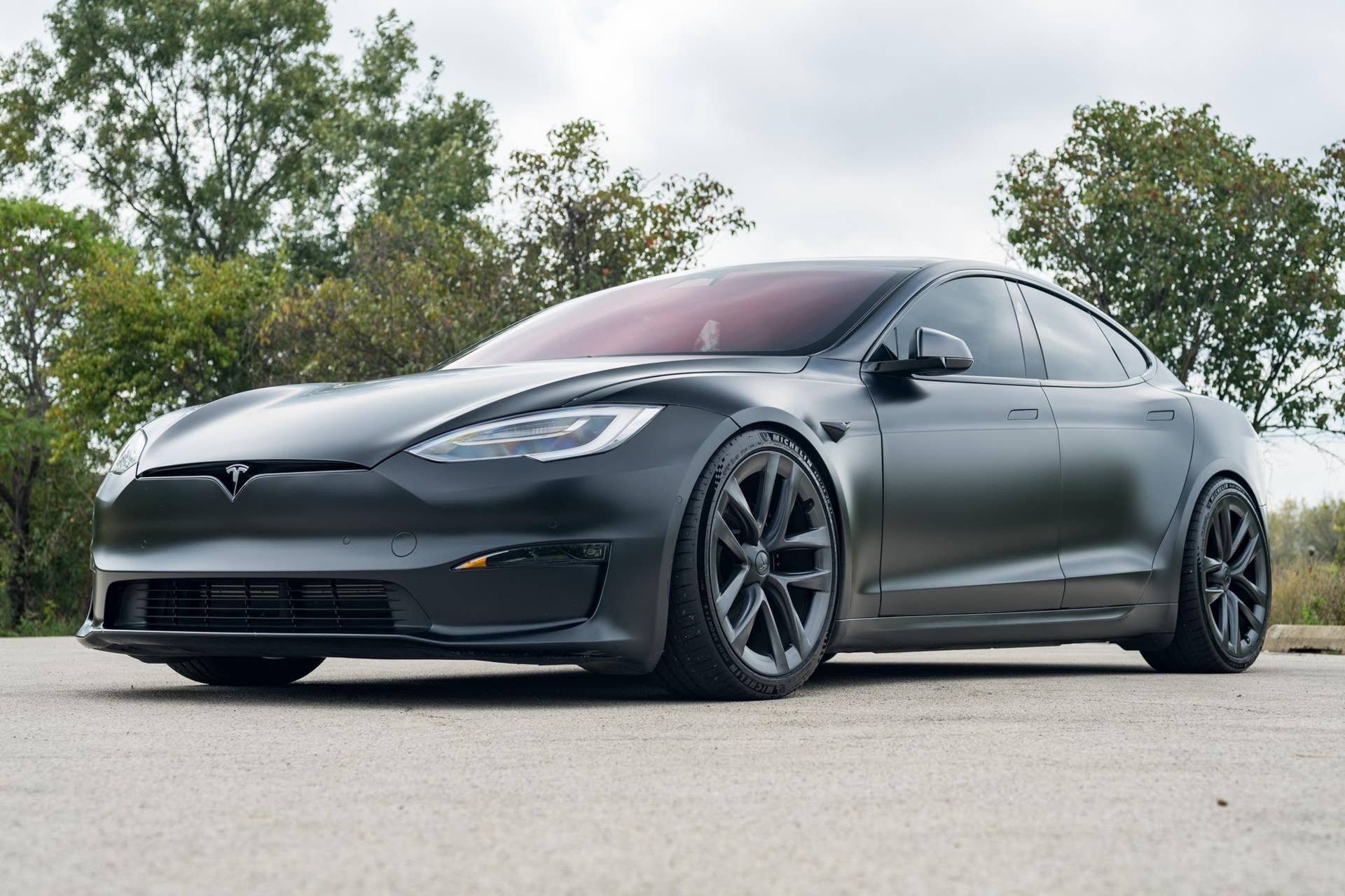
If there was a breakthrough vehicle that opened up a lot of eyes to horsepower, it would be none other than the Tesla Model S Plaid; an otherwise unassuming electric sedan that became a statement through viral dragstrip videos. Introduced in 2021, the Plaid followed the pipeline of performance-oriented Model S vehicles like the P85D, P90D and P100D. The Plaid represents the penultimate of performance; with over 1,020 horsepower on tap from its tri-motor setup, Tesla claims a 1.99-second 0-to-60-mph time and a 200-mph top speed. Mind you, this is a luxury sedan with four doors and real cargo space that can carry a family and groceries on any given day. Twenty years ago, numbers like that would have looked like a typo, but today, it’s something you can buy without seeing a dealership.
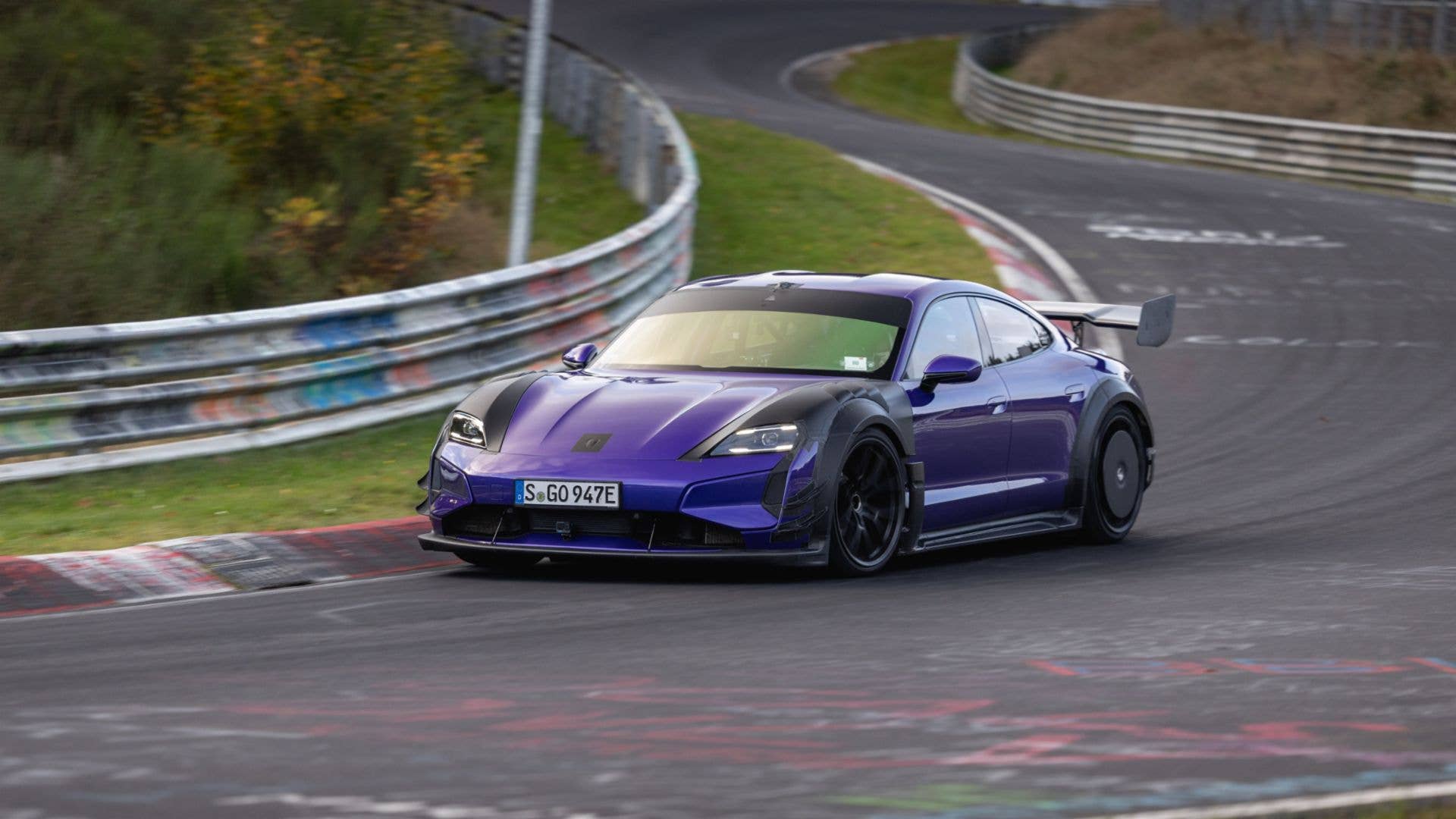
With Silicon Valley as the north star, other manufacturers followed quickly with their rebuttals. Porsche’s Taycan Turbo GT can produce more than 1,000 horsepower with launch control, and the optional Weissach package turns it into a machine that can slay the Nürburgring. The Lucid Air Sapphire answers Tesla with 1,234 horsepower from its own tri-motor system. It claims a a 1.89-second sprint to 60, and an EPA-estimated 427 miles of range. Another prime example is Xiaomi’s SU7 Ultra, a track-focused evolution of the SU7 sedan designed to push the boundaries of electric performance with three motors producing over 1,500 horsepower and extreme aerodynamic downforce. That combination of brutal speed and long-distance usability would have been unimaginable in the muscle-car era.
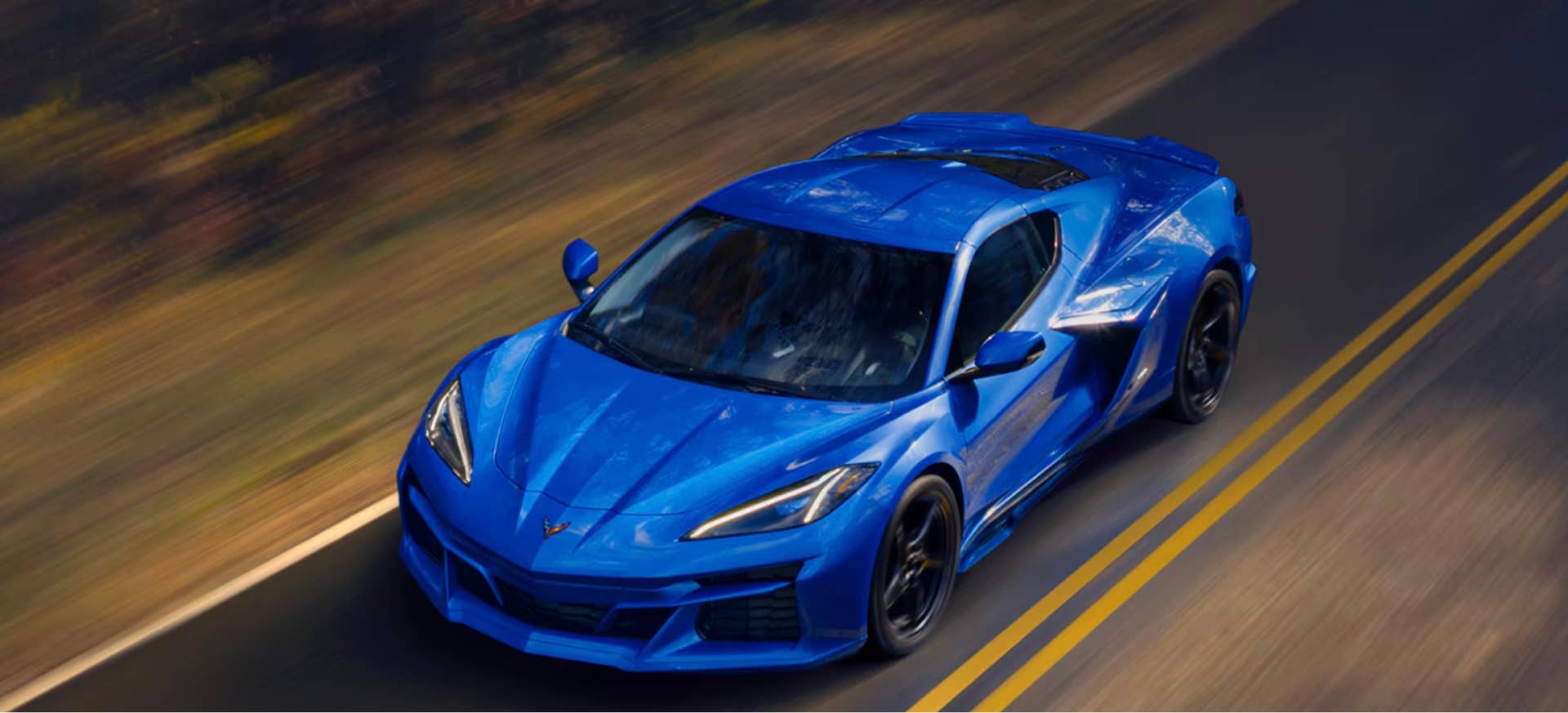
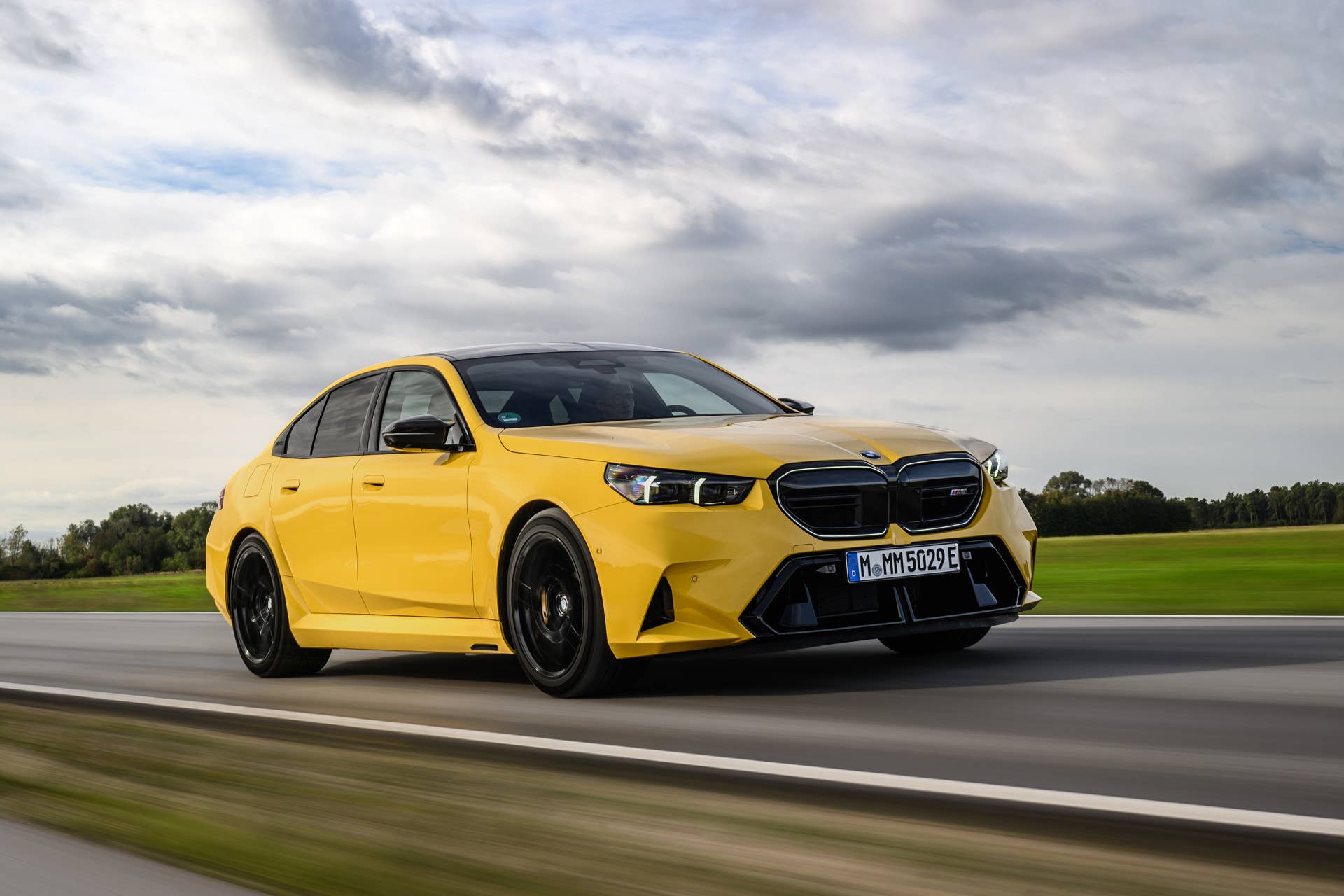
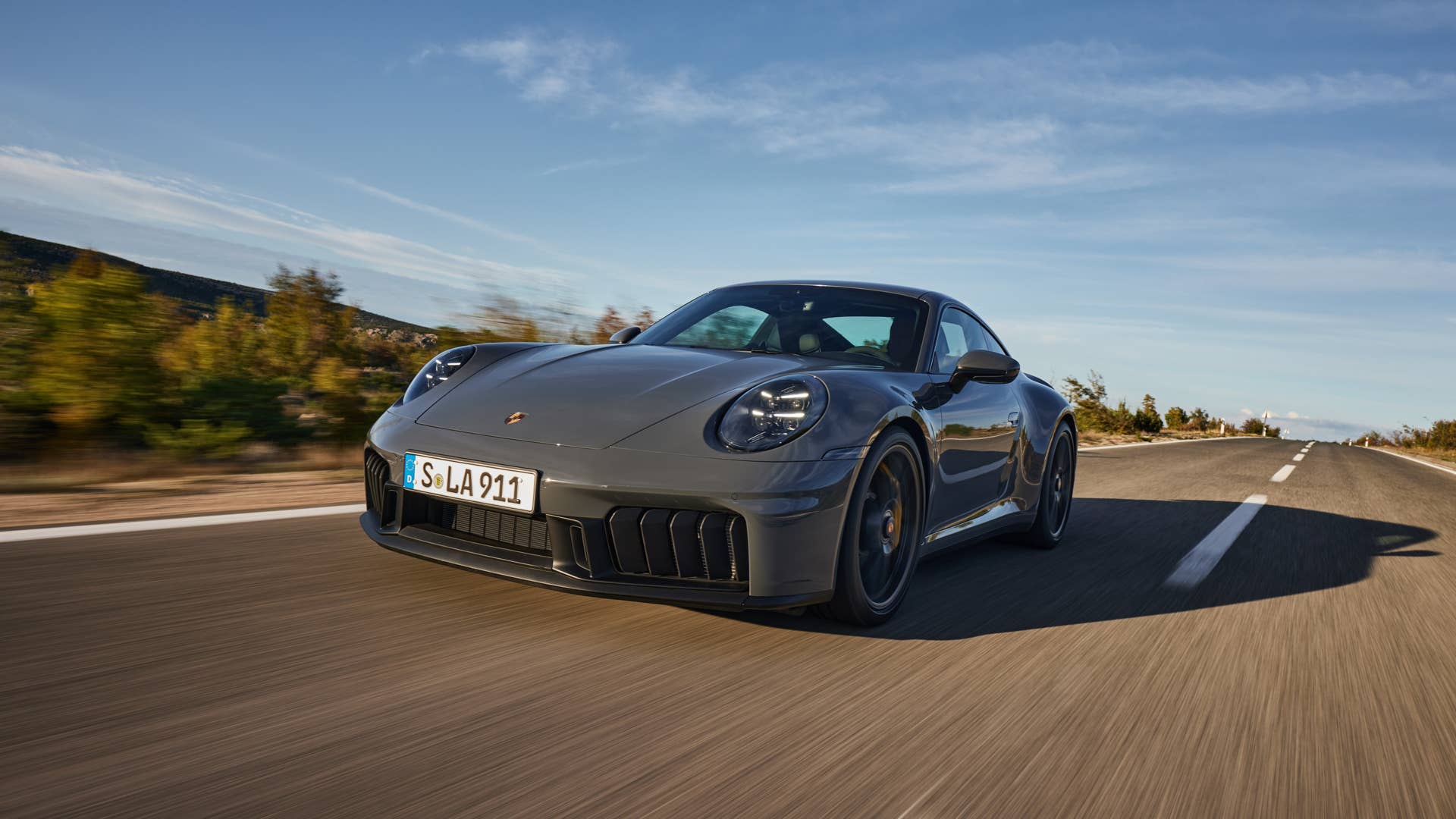
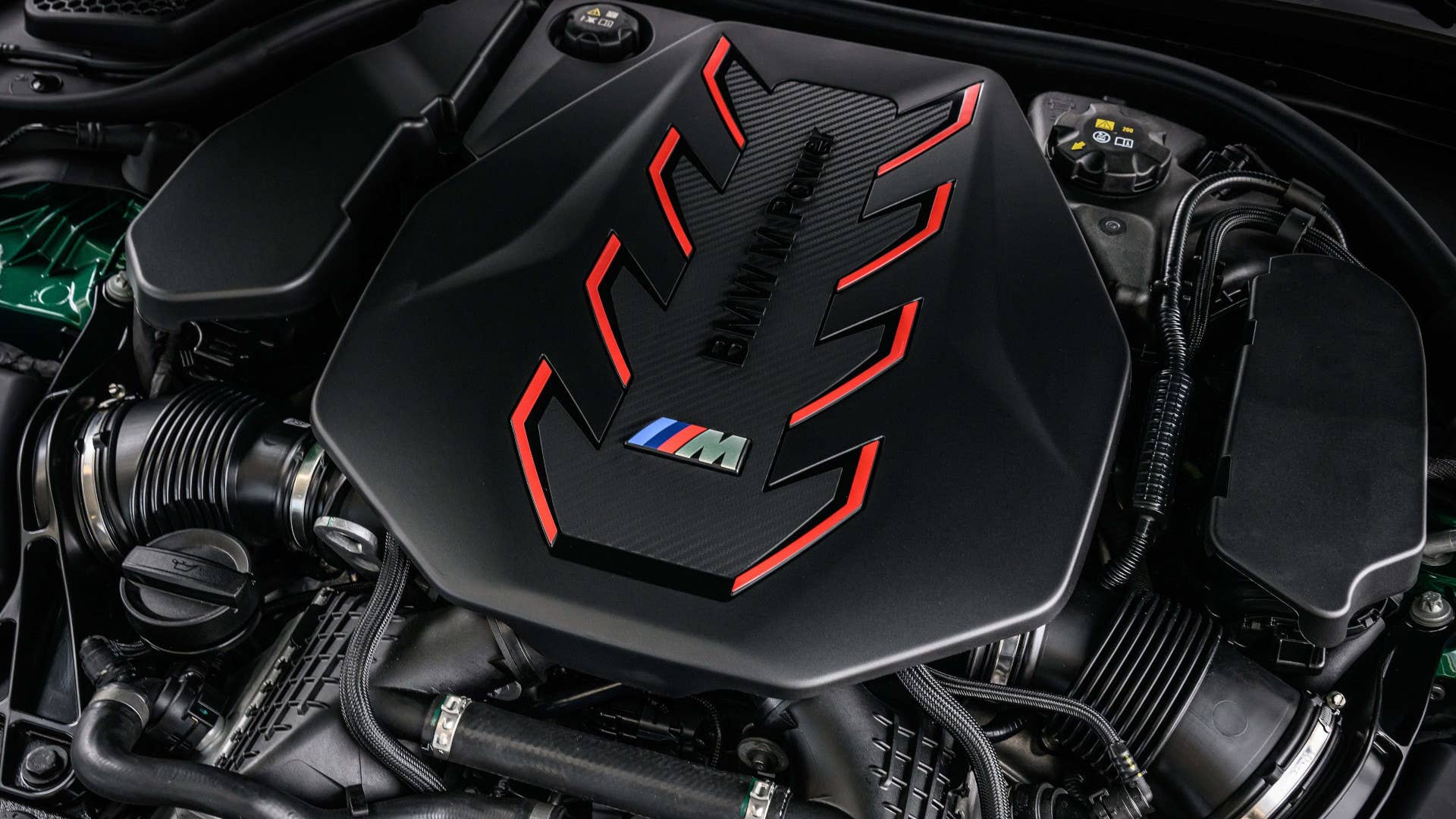
The horsepower race has spread across the entire electrified spectrum, and hybrids and plug-in vehicles are a huge part of the story. The Chevrolet Corvette E-Ray adds a front electric motor to its mid-mounted V-8, giving it 655 horsepower and all-wheel drive. Ferrari’s SF90 Stradale, a plug-in hybrid, makes 986 horsepower. Lamborghini’s Revuelto pairs a V-12 with three electric motors and crosses the 1,000-horsepower mark. These are cars that still have combustion engines at their core, but electricity is doing a great deal of the work. Hybrid systems also let manufacturers stack power without abandoning the engines enthusiasts love. The BMW M5 is now a heavy plug-in hybrid with more than 700 horsepower, and the latest Porsche 911 Carrera GTS features an innovative T-Hybrid system to enhance its turbocharged flat-six.
Electrification was once framed as the sensible, efficiency-minded alternative to horsepower. But, in the same vein of other breakthroughs like superchargers and turbochargers, it turned out to be one of the most effective ways to add it. Electric motors are compact and can be placed at individual axles or wheels. They can also fill in the torque gaps that a combustion engine can’t. In the Porsche, an electric motor in the PDK gearbox assists to deliver force instantly while another smaller motor helps spool the turbocharger to assist it above the rev range. The result is a car that feels more responsive and tuned for maximum performance.
Why Heavy Cars Need More Power
Here’s the part that often gets overlooked: a lot of this horsepower isn’t excess. It’s compensation. Electrified performance cars are heavy, and weight is the enemy of everything a performance car is supposed to do. Batteries are the main culprit. Gasoline stores roughly 12 kilowatt-hours of energy per kilogram, while good battery packs manage only about 0.15 to 0.25 kWh per kilogram at the pack level. EVs recover part of that gap through efficient drivetrains, but the weight penalty remains very real.
Then there is everything else that comes with the battery. Dual or triple motors, power electronics, cooling hardware, and the structure needed to protect the pack all add mass. As a result, a Model S Plaid or a Lucid Air Sapphire weighs somewhere around 5,000 pounds. Plug-in hybrids face a smaller version of the same problem; they have to carry a battery, a motor and an engine all at once, and the electric hardware is often there as much to offset its own weight as to make the car faster. As a result, plug-ins like the new BMW M5 Touring weighs a whopping 5,530 pounds — about the same weight as a base model Chevrolet Tahoe.
Physics is unsympathetic about all of this. Acceleration is force divided by mass, so a heavier car needs more force just to match the acceleration of a lighter one. A 5,000-pound EV with 650 horsepower has roughly the same power-to-weight ratio as a 4,000-pound car with 520. By the standards of the gasoline cars it’s compared against, that EV feels merely adequate. Horsepower, in other words, is the price of admission for credible performance in a heavier world, and engineers have to strengthen the tires, brakes, and suspension to handle it.
The New Bar is Really High
As a result, a number like 650 horsepower has become the baseline for flagship performance vehicles these days; a number that seems inflated compared to the headline vehicles from the horsepower wars of the 1960s. Over the past decade, expectations were reset by increasing power figures from gasoline powered cars, capped by extreme muscle cars like the Dodge Challenger SRT Demon 170, a showroom-spec car that made up to 1,025 horsepower on E85 and 900 hp on pump gas. Today, electric and electrified performance models are measured against those high standards, requiring huge output figures to overcome the added weight of battery packs and motors.
Electric power delivery changes what these performance numbers mean in practice. Because electric motors deliver instant torque without waiting to build revs, EVs offer immediate thrust and staggering acceleration. However, putting that power to the ground creates challenges around traction, tire limits, and thermal management. Advanced software and multi-motor setups, like torque vectoring in high-performance EVs, now govern how effectively power is managed, making software the modern equivalent of a supercharger.
Ultimately, this raises the question of how much power is truly usable. Beyond a certain threshold, extra horsepower yields diminishing returns on public roads. Modern performance is increasingly defined not just by peak acceleration, but by sustained output — how well cooling systems and thermal management allow a car to maintain its full capabilities lap after lap.
The Social Media Effect
Despite concerns over real-world usability, the other force driving all of this is the audience. Performance has become a spectator sport, and the venue is the phone screen. Launch clips, rolling races, drag-strip comparisons, and dyno pulls have become primary marketing channels, often more powerful than any traditional advertisement. A video of an electric sedan embarrassing a supercar at a stoplight can collect millions of views in a day, and the spec sheet travels with it wherever it goes.
That changes how cars are developed and sold. The 0-to-60 time and the horsepower figure are the easiest things to put in a thumbnail or a caption. They are simple, comparable, and instantly shareable, which makes them ideal currency for social media. In comment sections of Instagram and TikTok posts and subreddits, a car is often judged by the number alone. A model that lacks the headline figure risks being dismissed before anyone has driven it, no matter how well it handles or how good it feels from behind the wheel.
Enthusiasts aren’t just buying cars anymore. They’re participating in a public, constantly updating leaderboard, and many are driving the conversation themselves by posting their own pulls and comparisons. Manufacturers know this, and they chase the figures that win the conversation, even when the real-world gain is marginal. Real-life expectations follow the same pattern. Buyers who have watched a thousand clips of effortless acceleration expect their own car to deliver it, and a spec sheet that merely sounds respectable no longer satisfies them.
All Quiet on the Horsepower Front
If we look a little deeper at the history and evolution of automotive performance, we come to realize that horsepower was never really the destination. It has always been shorthand for something else: a number that represents technological progress, engineering ambition, competition, status, and the simple human desire to be better than everyone else in a measurable manner. The figure on the spec sheet is just the most visible way of expressing it.
The 426 Hemis represented that impulse in the 1960s, and today’s modern Hellcat and Demon brought it roaring back to American muscle cars. Now EVs like the Plaid, the Air Sapphire, the Taycan Turbo GT and a growing list of plug-in hybrids are carrying it into the electrified age. Each generation believes its own numbers are the extreme, and each is eventually proven wrong.
Cars are changing day by day, and we may not know what the next phase may bring. However, what we know is that today’s electrified performance era is slightly ironic. Electric cars and hybrids were first sold as rational transportation, and now they’re among the most powerful production vehicles ever built. Even the future, it seems, couldn’t resist a little horsepower war.
About the author

James Ochoa
Senior Editor, Autoblog