
Key Points
- Defender emphasizes rugged adventure, practicality, and family versatility, while Range Rover prioritizes luxury and status.
- Both deliver strong off-road capability, but Range Rover offers smoother commuting, more powertrains, and electric-driving options.
- Defender wins on comfort, controls, seating capacity, and value; Range Rover excels in refinement and premium presentation.
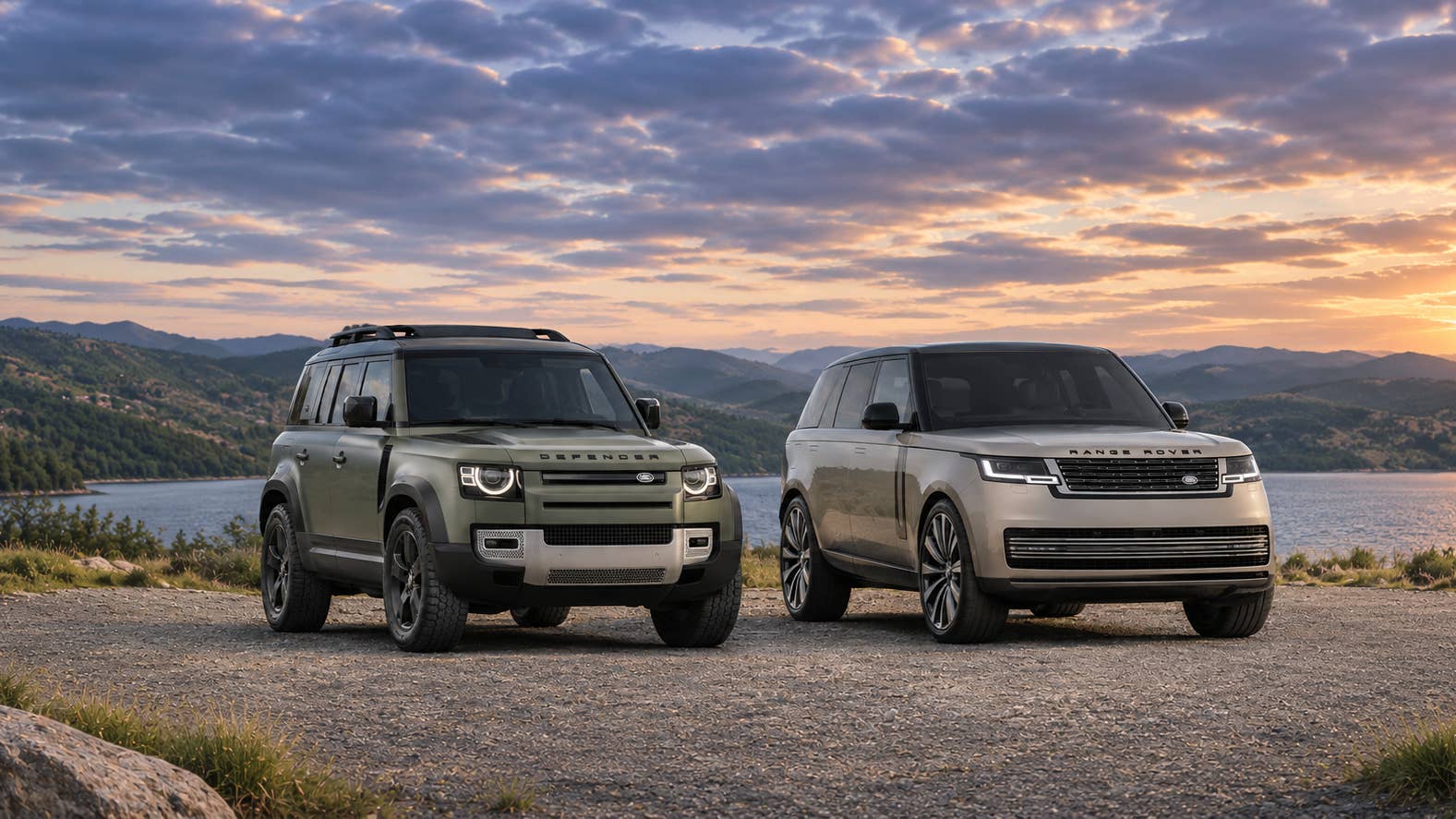
The Land Rover Defender and Range Rover are two different peas in the same pod. While they look vastly different inside and out, they both are adept at making difficult terrain seem manageable. They sell very different versions of the good life, but owners love to be seen in them. The Defender promises adventure with room for the family. It’s the one that’s more appropriate to go camping with and take rock crawling. It’s the one your kids can mess up inside without you losing your cool.
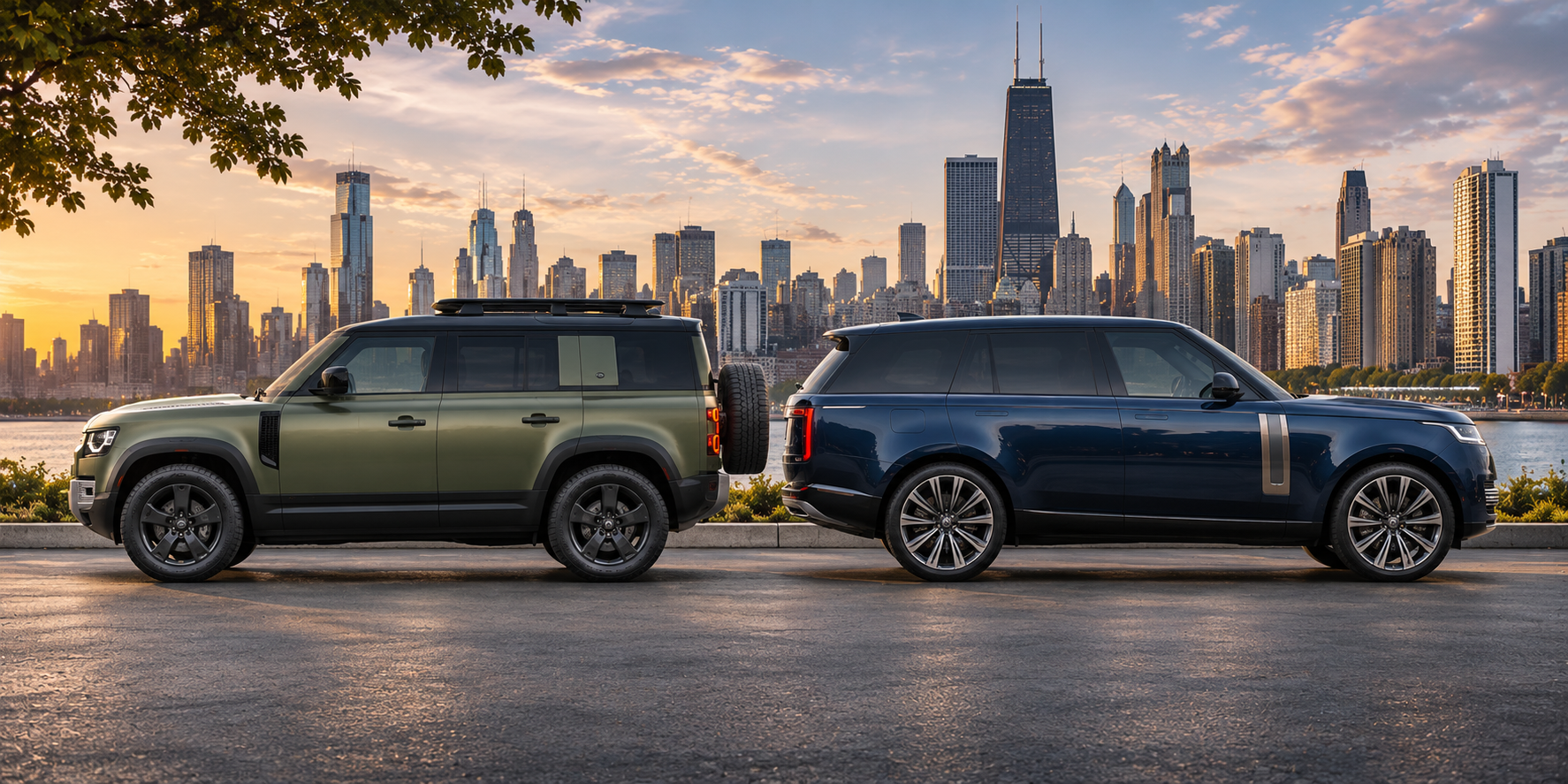
The Range Rover promises a similar level of off-road capability but with a hefty dose of high brow-ness. It’s the one that gets driven to the Michelin Star restaurant and goes cruising down the boulevard. The cabin is less Rubicon Trail and more Rodeo Drive. Both are capable, expensive SUVs, but their priorities and images are vastly different. Which one wins the overall battle within the same brand? Let’s take a closer look.

Style
Kristen Brown
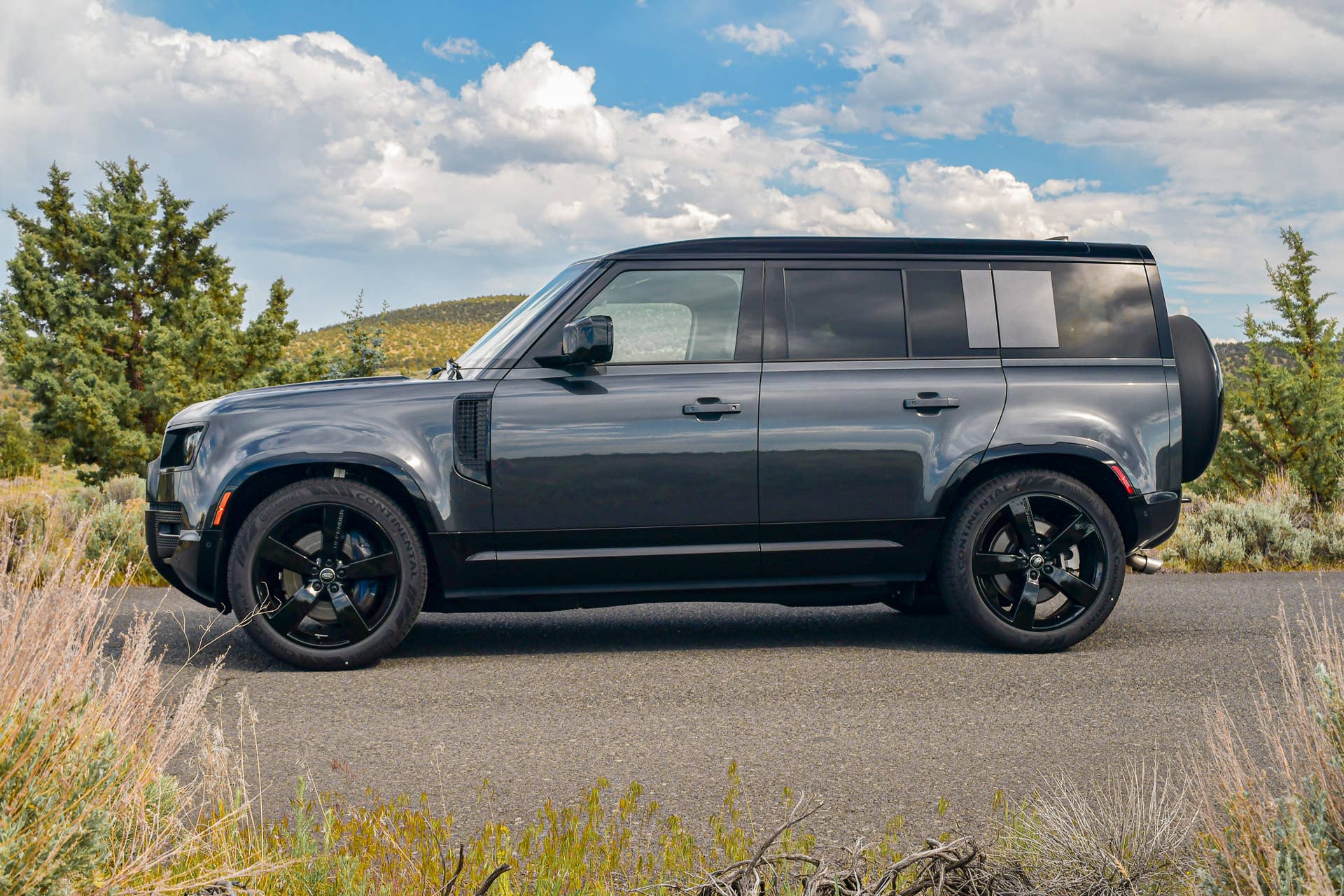
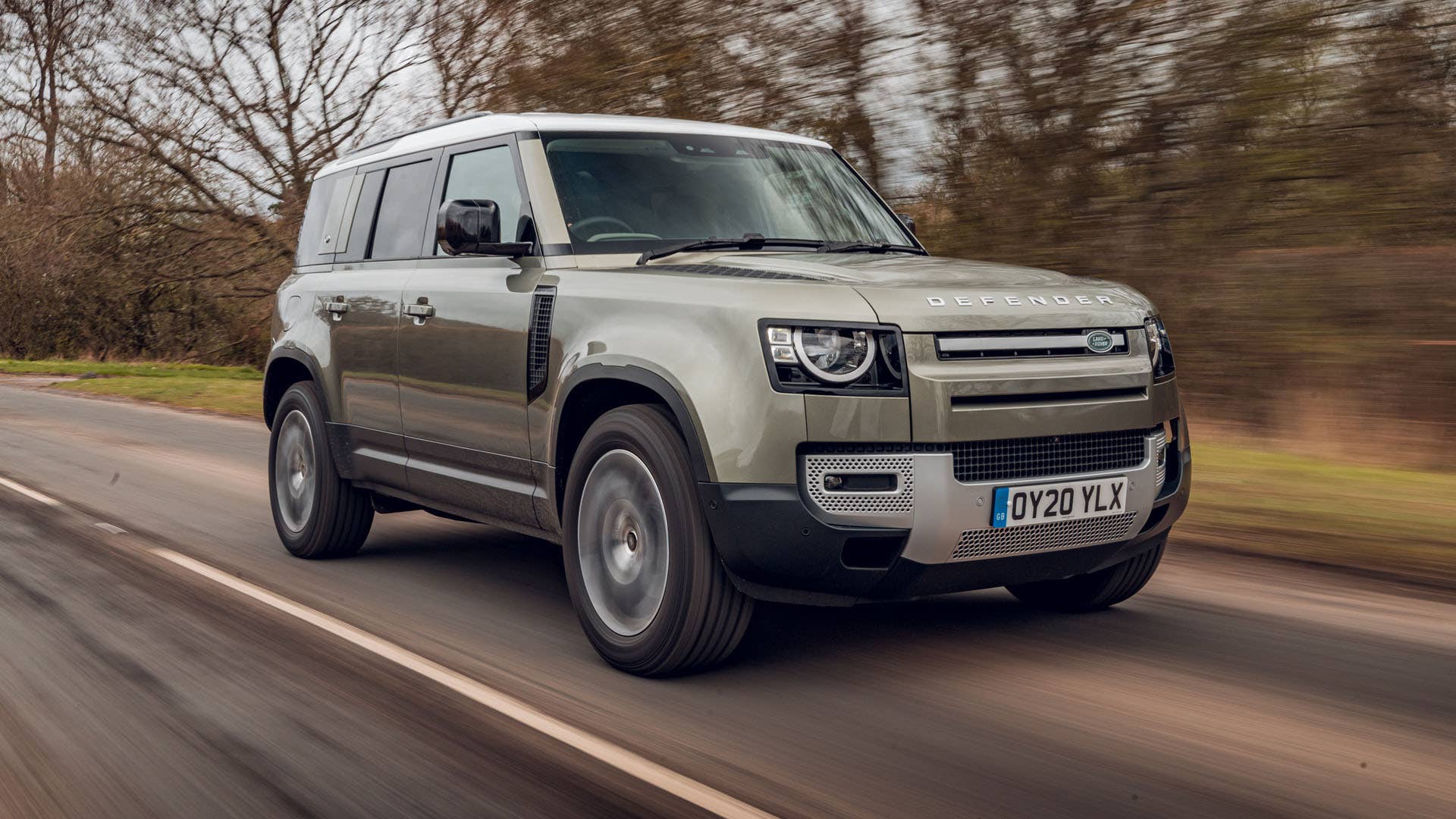
The Defender 130 looks like it was designed to be used rather than just seen as a status symbol. Its upright windshield, squared-off body, and rear-mounted spare tire always look ready for action. The Range Rover says, “I’ve arrived”, while the Defender communicates, “I’m on an expedition”, and welcomes mud and dirt on its tough body far better than the fancy Range Rover. The two-door 90 looks awkward because it’s too short. The extended rear section of the 130 makes it less tidy-looking than the shorter Defender 110, but the additional passenger space gives those proportions real purpose. The 110 hits the sweet spot when it comes to Defender aesthetics.
Amos Kwon
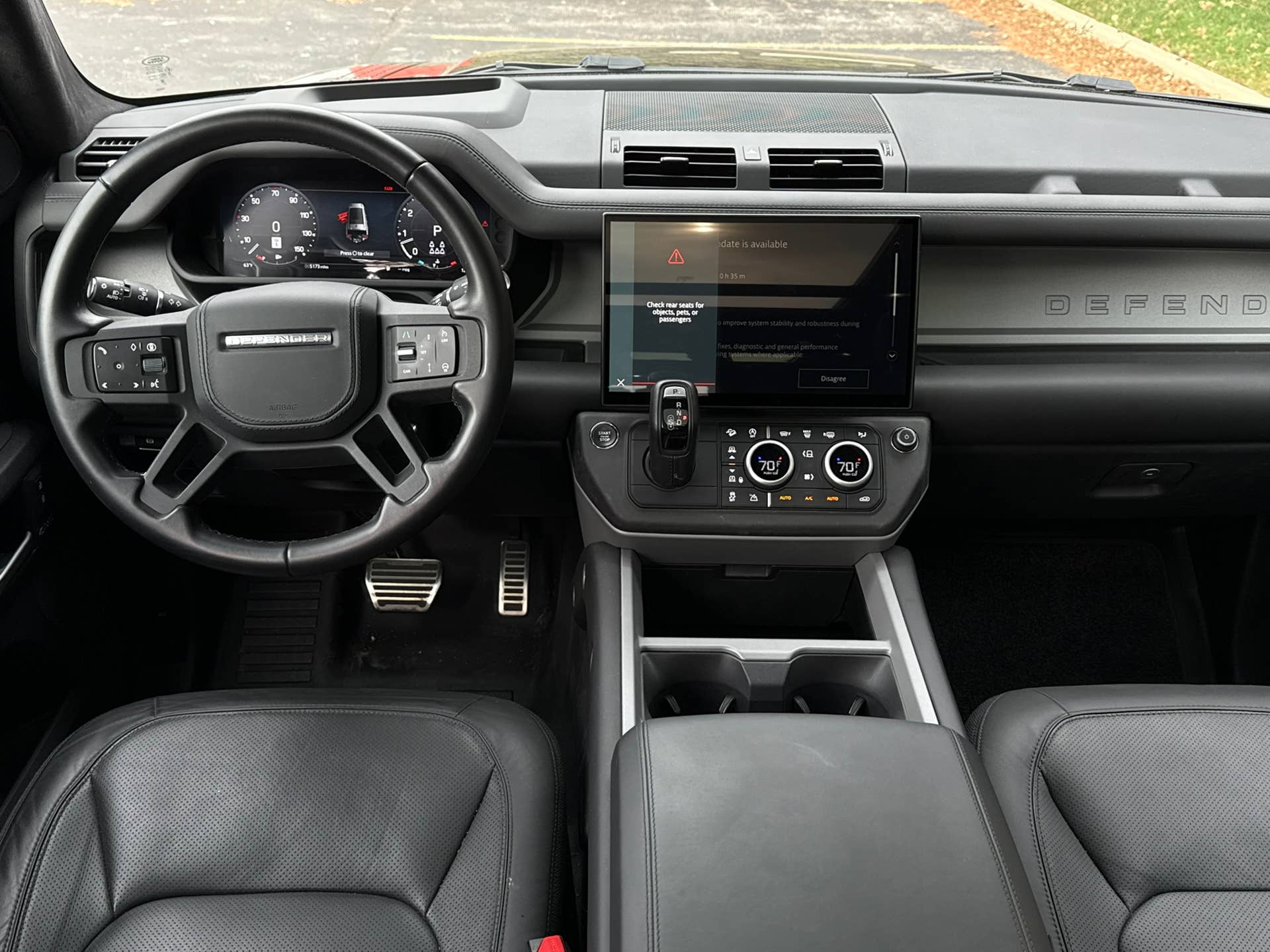
Inside, exposed fasteners and a prominent dashboard crossbeam reinforce the Defender’s rugged focus. While it’s deliberately utilitarian, it’s remarkably well-built and attractive. Although nobody will mistake it for inexpensive transportation, it’s less polished than the Range Rover. Everything inside is purposeful, including capacious storage compartments, tough materials, and excellent physical controls.
Amos Kwon
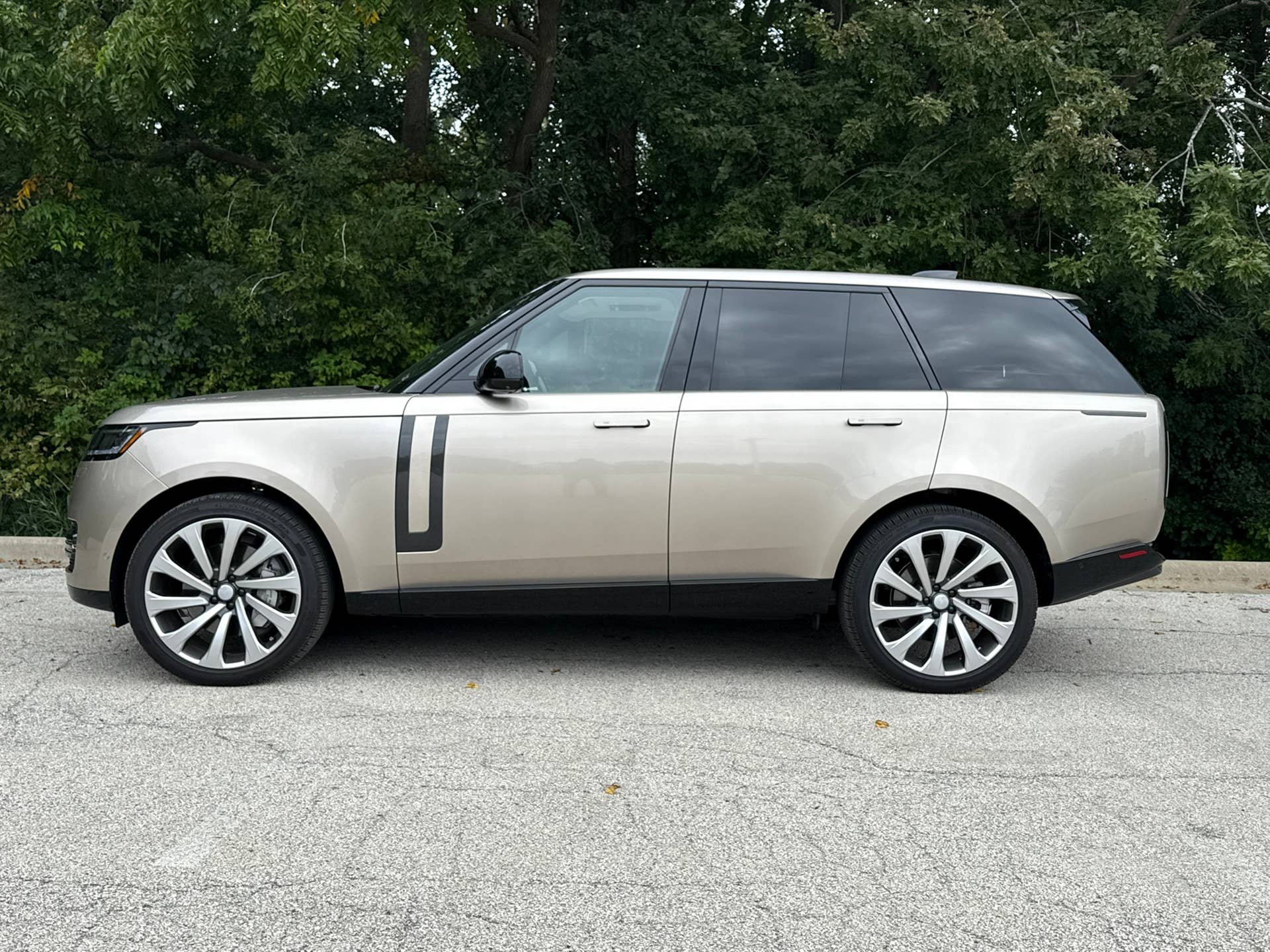
The Range Rover is more restrained and considerably more elegant. A sleek silhouette, flush surfaces, tapered lighting elements, and retractable door handles make it ultra-slick. It’s a bona fide head turner. By dialing down the surface planes and simplifying the Range Rover’s look for this generation, they actually dialed up the luxury appearance. It’s one of the most attractive SUVs made today.
Amos Kwon
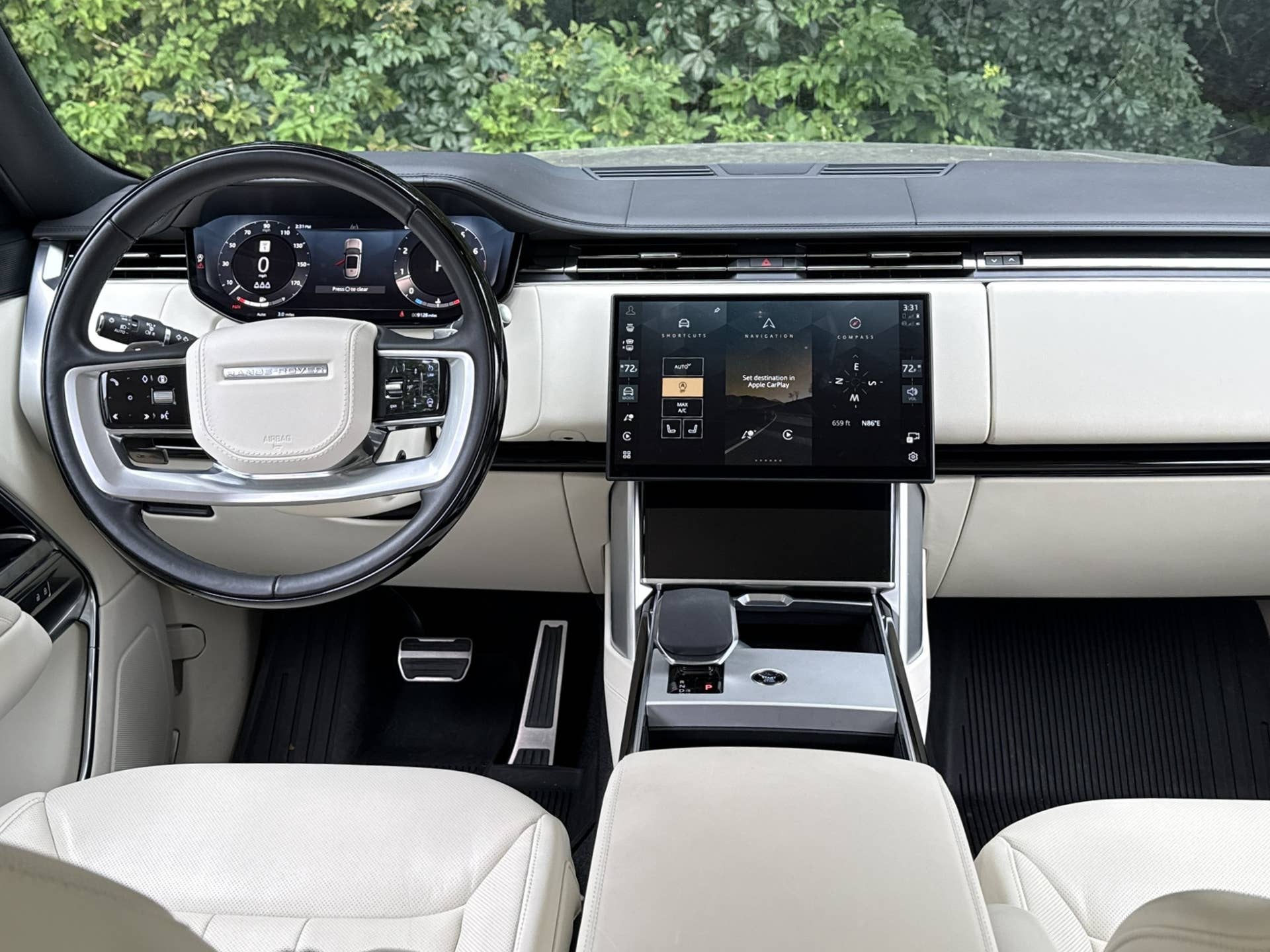
Its cabin follows the same philosophy, emphasizing materials and clean presentation over rugged details. It sacrifices some user-friendliness to its high-style, and in some cases, it’s almost too minimalist, if that’s a thing. It looks more expensive because luxury, rather than utility. You’re more inclined to search for good storage compartments because they’re not as obvious as the Defender’s. The Range Rover likes to tuck things away so as to not impinge on the lcean lines and refined surfaces.
Comfort
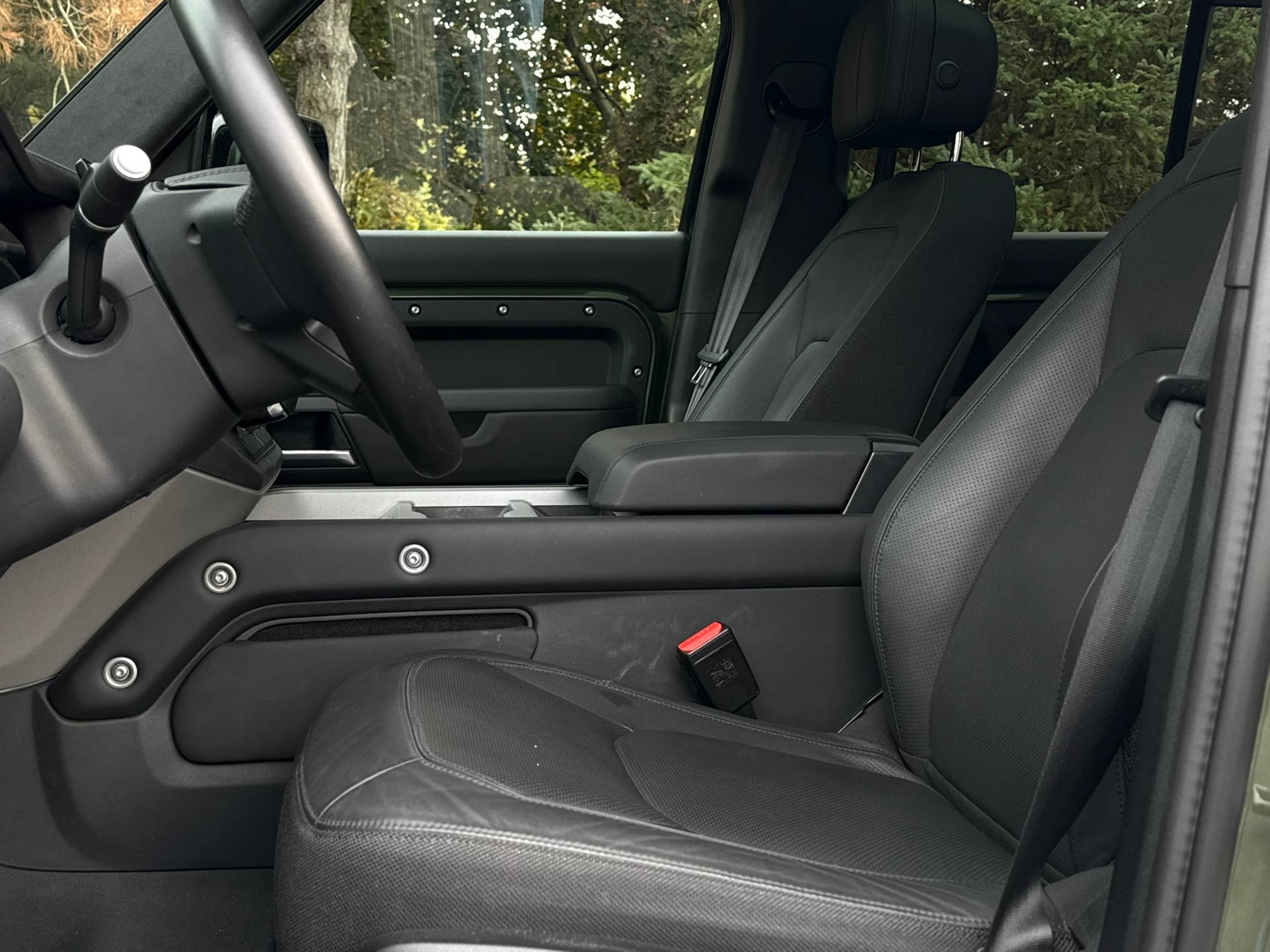
The Defender might be the brutalist SUV between the two, but its cabin is more comfortable, overall. Not only does it have the advantage of seating for up to eight in the 130 with 2nd row bench seats, its seating comfort is better. The seats have better cushioning and contouring, whereas the Range Rover’s feel narrower and harder. The Range Rover accommodates a maximum of seven, and only in an appropriately configured long-wheelbase model. The standard-wheelbase Range Rover is a two-row SUV only.
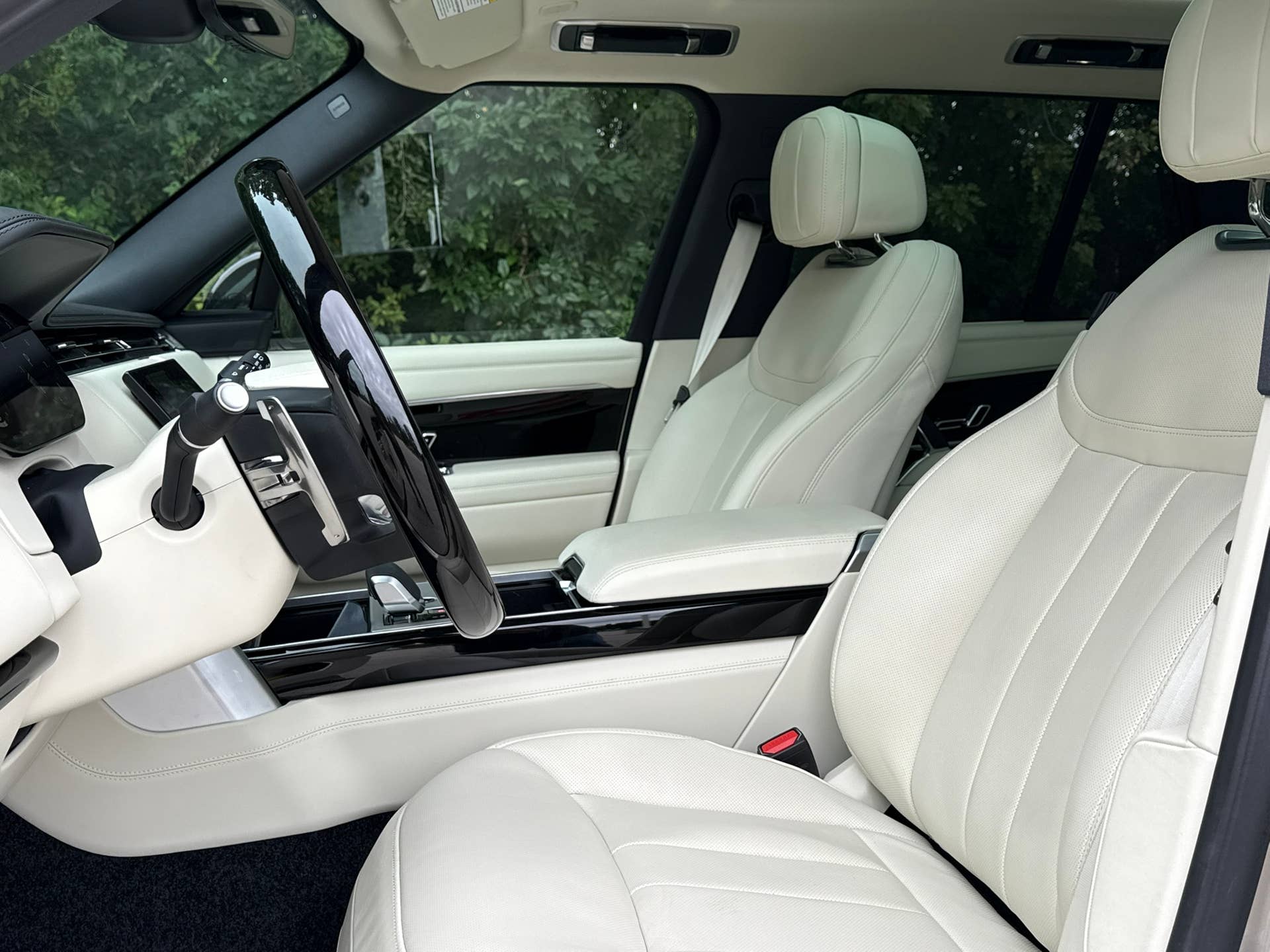
The Range Rover counters the Defender’s more spacious cabin with a more luxurious environment and greater emphasis on passenger indulgence and perception. Its available seating upgrades and richer appointments make it the better choice for buyers who want to look better than feel. I found the Range Rover’s seats to be less comfortable and accommodating than those found in the Defender. That was the case for both first and second row seats.
Driving Experience
Land Rover
The Defender’s available P400 six-cylinder produces 395 horsepower. An available V8 raises output to 493 horsepower, but the six-cylinder makes the more sensible starting point for buyers who don’t need their family transporter to deliver both sound and fury. And, frankly, the Defender (even in big 130 configuration) does just fine with the mild-hybrid six-cylinder engine. It’s quick, responsive, and provides enough power for passing. It’s also smooth and progressive. The Defender is also remarkably composed on pavement, not something you expect for something this rugged.
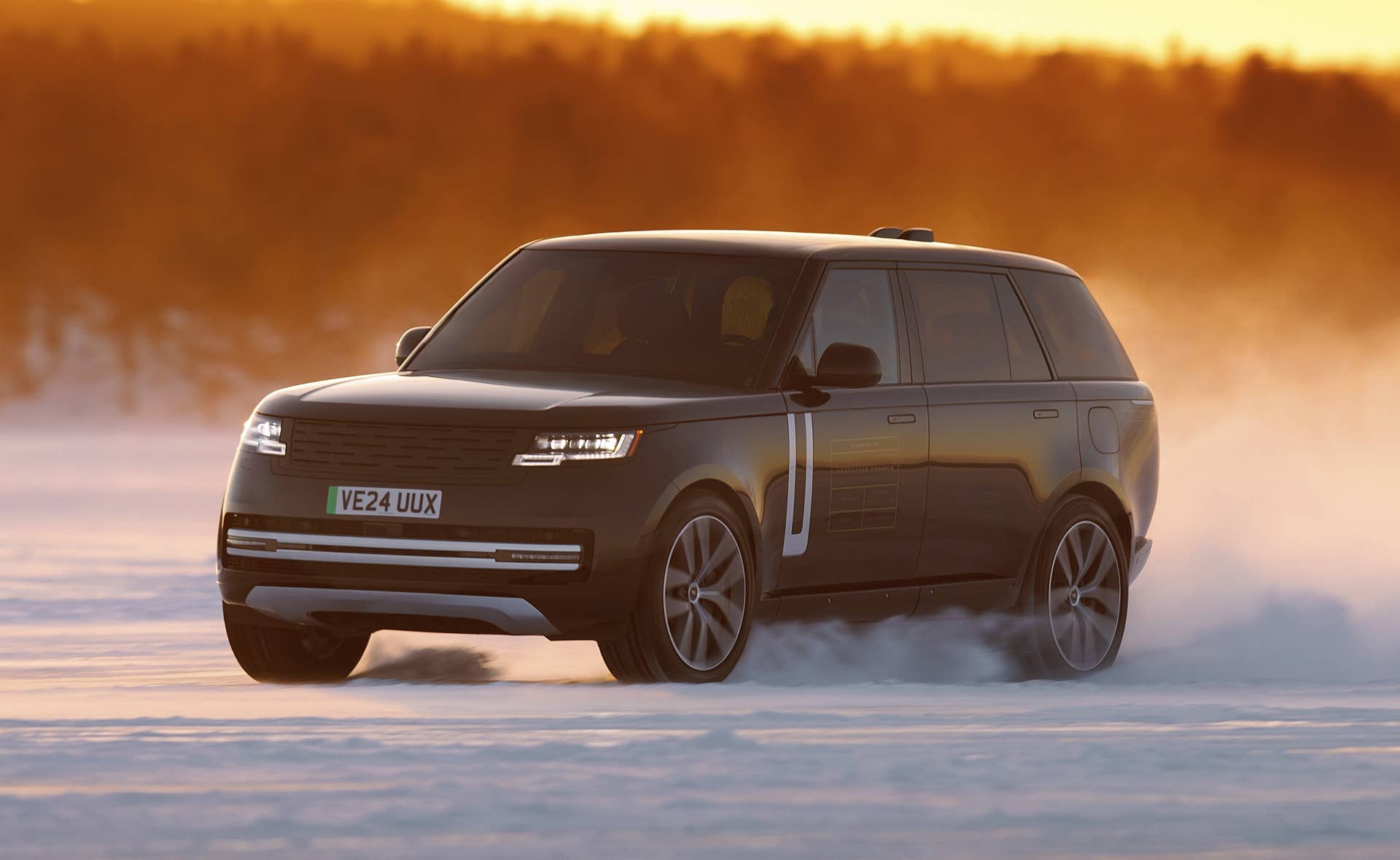
The Range Rover also offers a 395-horsepower six-cylinder, which is more than suitable for everyday driving and powerful enough to move it quickly. The Range Rover can also be outfitted with a 523-horsepower twin-turbo V8 or a 550-horsepower P550e plug-in hybrid. The latter gives it an advantage the Defender can’t match: the option of electric-only driving for local trips. For 2027, there’s a new Range Rover Electric 542 horsepower and up to 333 miles of EPA-rated range. The Defender doesn’t offer a PHEV or an EV, so win to the Range Rover for the sheer variety of powertrains.
On pavement, the Range Rover’s emphasis on isolation and its standard adaptive air suspension undergird the more luxurious top dog model. The Defender can be outfitted with adaptive air suspension, but it’s also surprisingly capable on pavement given its off-road focus, but the Range Rover is the stronger choice when quiet, relaxed commuting and authoritative acceleration are needed in the same vehicle. Both vehicles are impressive off-road with the brand’s Terrain Response 2 system. Both of them can adjust suspension from 8.6 inches to 11.5 inches (the $158k Range Rover Octa can raise to 12.7 inches) and ford water up to 35.4 inches.
Controls
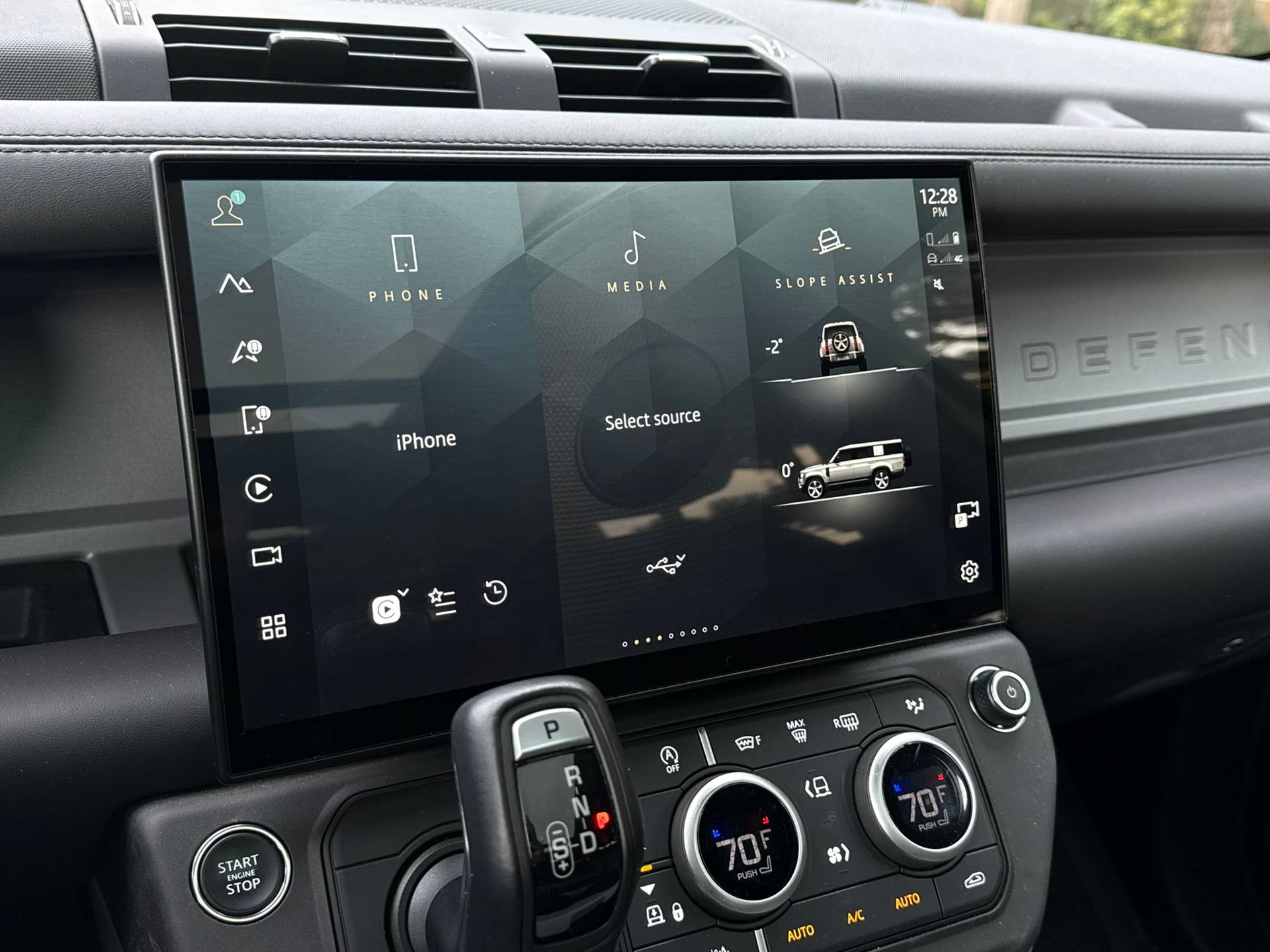
The 2026 Defender receives a 13.1-inch Pivi Pro touchscreen, a redesigned center console, and a repositioned gear selector. Its updated cabin combines modern connectivity with the model’s visibly functional layout. I found the Defender’s analog controls significantly easier to use than the Range Rover’s predominantly touchscreen experience. Big knobs and buttons for cliamte and audio make the business of driving and off-roading less distracting.
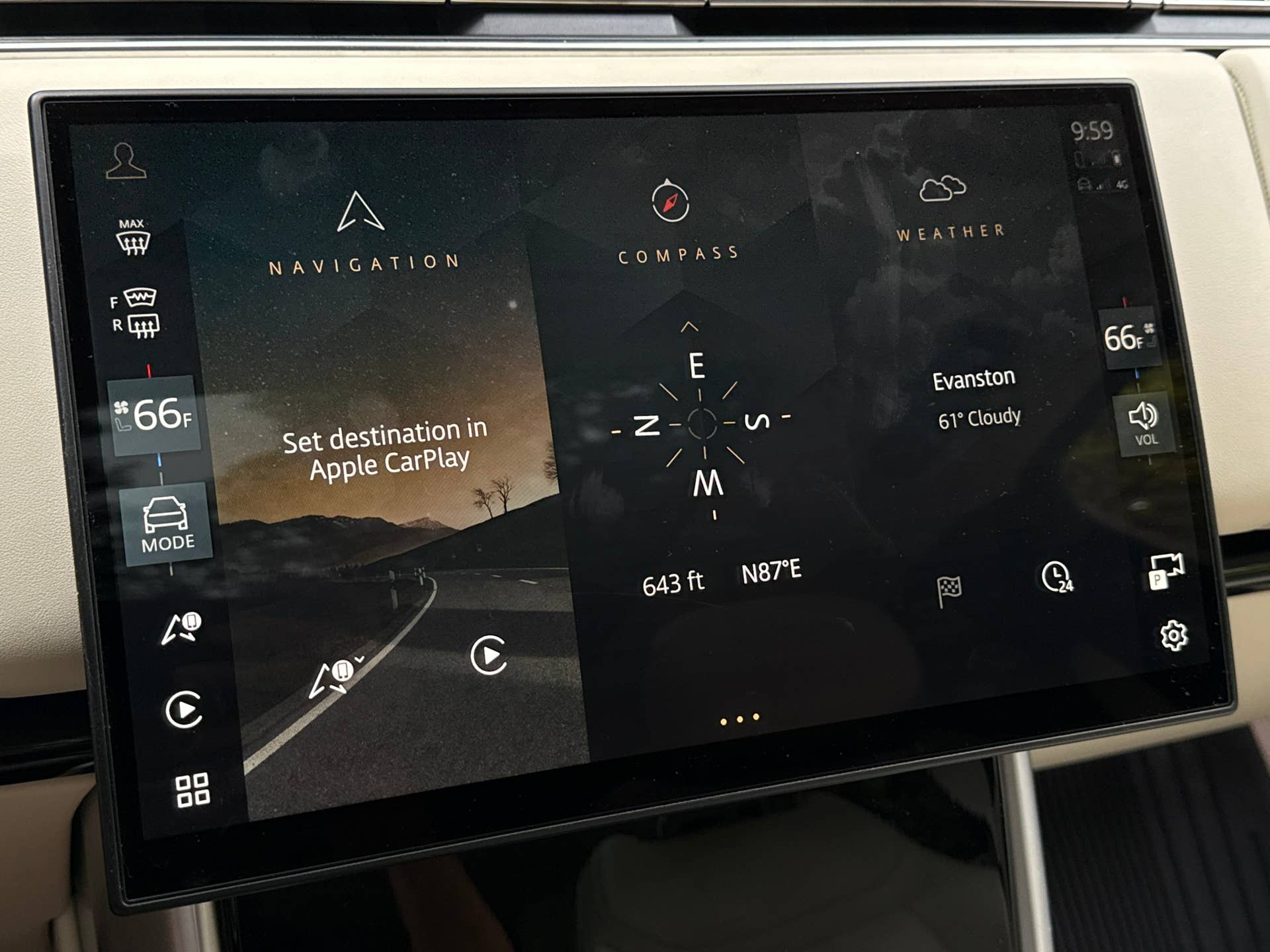
The Range Rover also uses a 13.1-inch touchscreen, but its cleaner presentation relegates most of the vehicle functions to screen-only, and that can be frustrating. That minimalist approach looks sophisticated and minimalist, but in real life, it’s just harder to use because there’s no tactility or muscle memory factored in. Buyers should spend time operating everyday functions before deciding which layout suits them.
Price
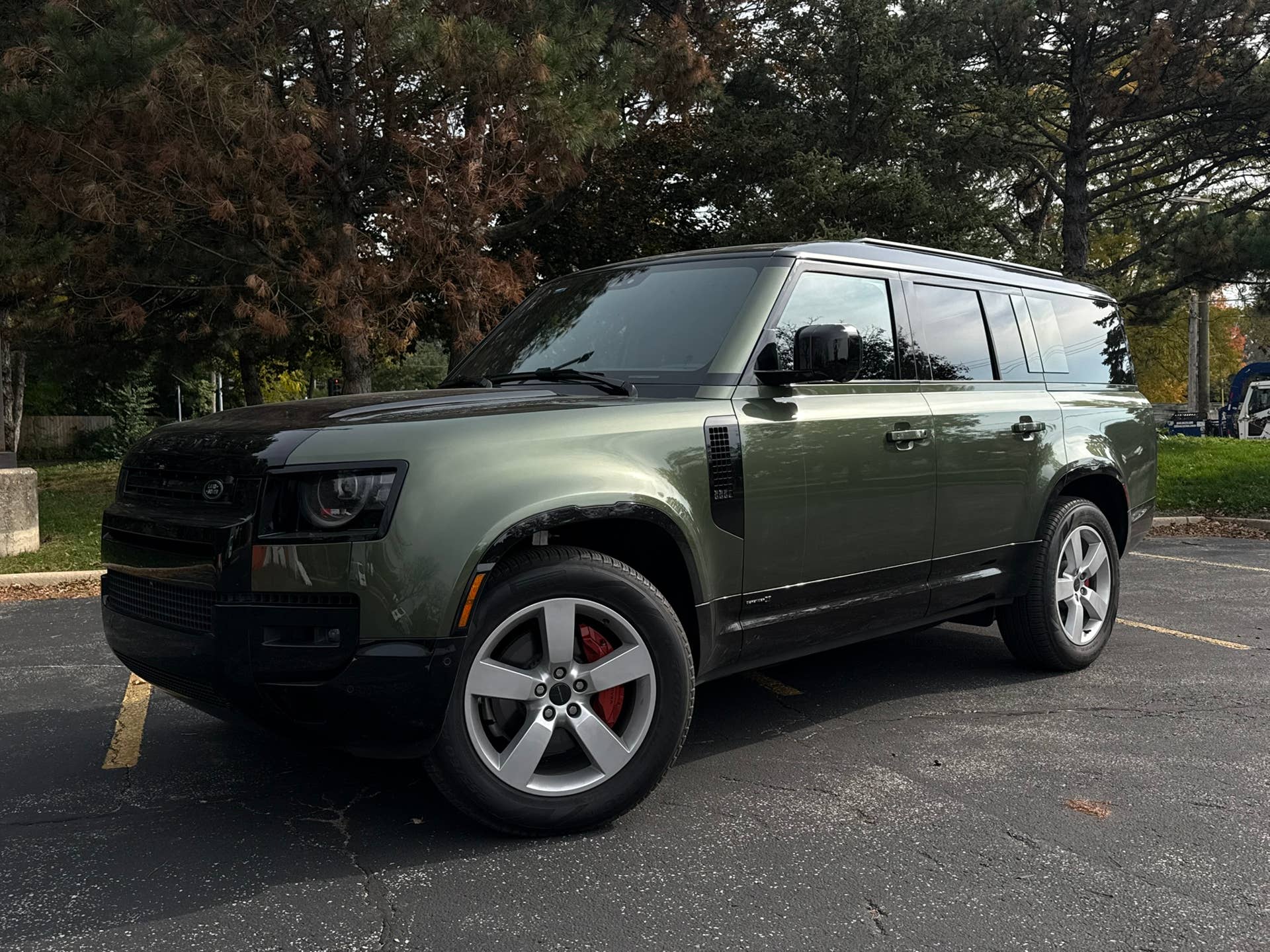
The Defender wins this comparison on value and versatility. Its starting price is $65,000 for the 110 S, sitting well below the Range Rover’s $115,750 entry price. The Range Rover buys more refinement; the Defender delivers value, at least for a Land Rover vehicle. That comparison actually diminishes the gap for buyers who need three rows: the entry-level Range Rover has two rows, and moving to a seven-seat, long-wheelbase configuration costs more. The Defender 130 accommodates up to eight passengers at a substantially lower starting price.
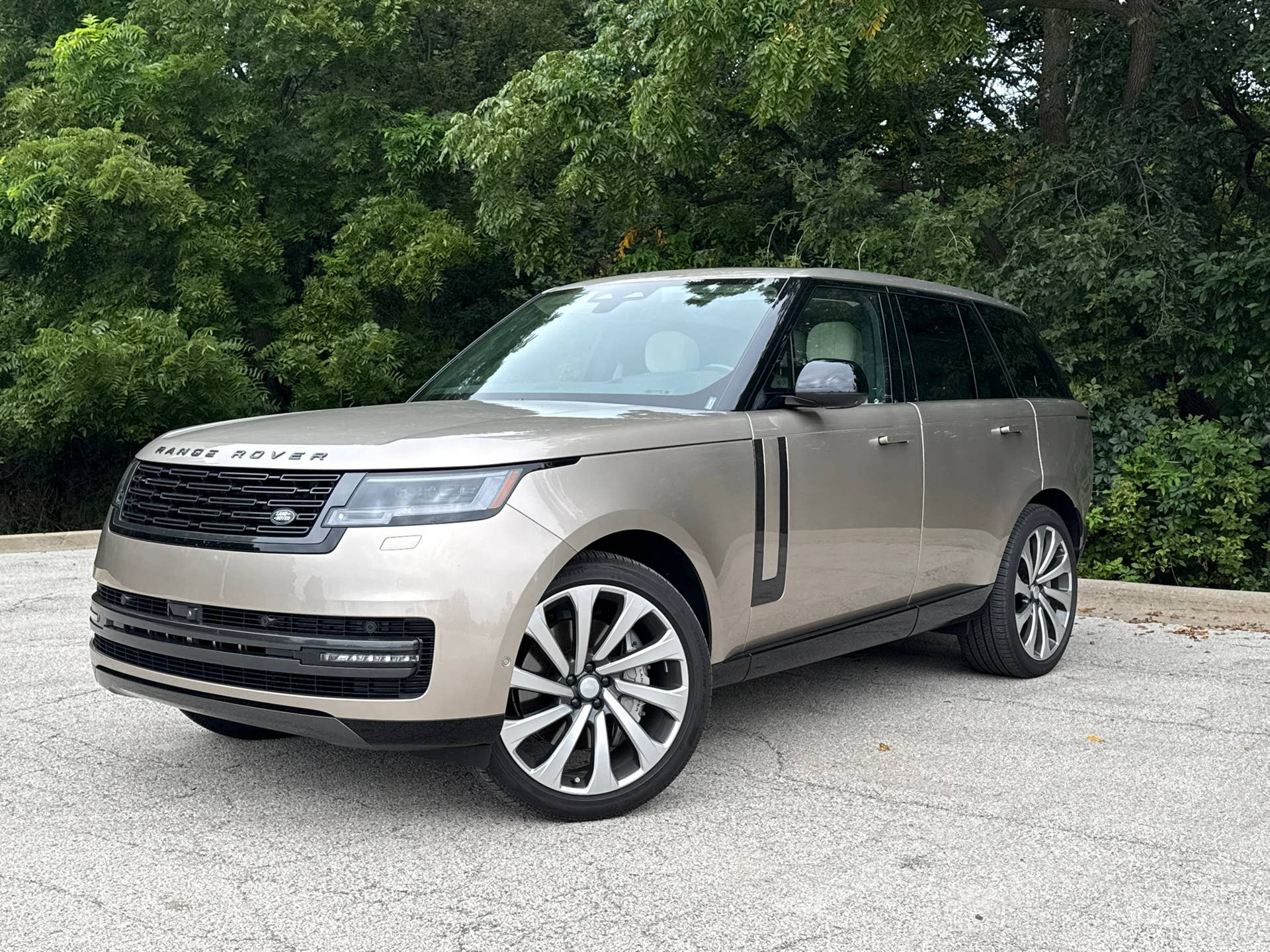
Neither SUV can be considered inexpensive once you level up trims and rack up options. A V8-powered Defender 130 can reach Range Rover territory. The Range Rover’s upper trims, meanwhile, push pricing much further in exchange for additional performance, even richer materials, and more elaborate features. Comparing actual configurations based on your needs will help provide a better comparison than just choosing trims that are closest in price.
| Category | Winner |
|---|---|
| Daily driving comfort | Range Rover |
| Interior luxury | Range Rover |
| Off-road capability | Defender 110 |
| Handling and maneuverability | Defender 110 |
| Highway refinement | Range Rover |
| Cargo practicality | Defender 110 |
| Technology and amenities | Range Rover |
| Value for money | Defender 110 |
| Overall versatility | Defender 110 |
Final Thoughts
While this isn’t an apples-to-apples comparison, it shows that, for the money, the Defender 110 wins in most categories. It’s the best all-arounder, but it would certainly suffer if its city composure weren’t so good. Those who want to be seen in a high-end luxury SUV and are willing to sacrifice some interior user-friendliness should absolutely turn to the more refined Range Rover. If it’s true outdoor utility and interior practicality that are priorities, the Defender is the better choice. Overall, though, the value win goes to the Defender. It would be my choice, too.
About the author
Amos Kwon
Contributing Writer, Autoblog