
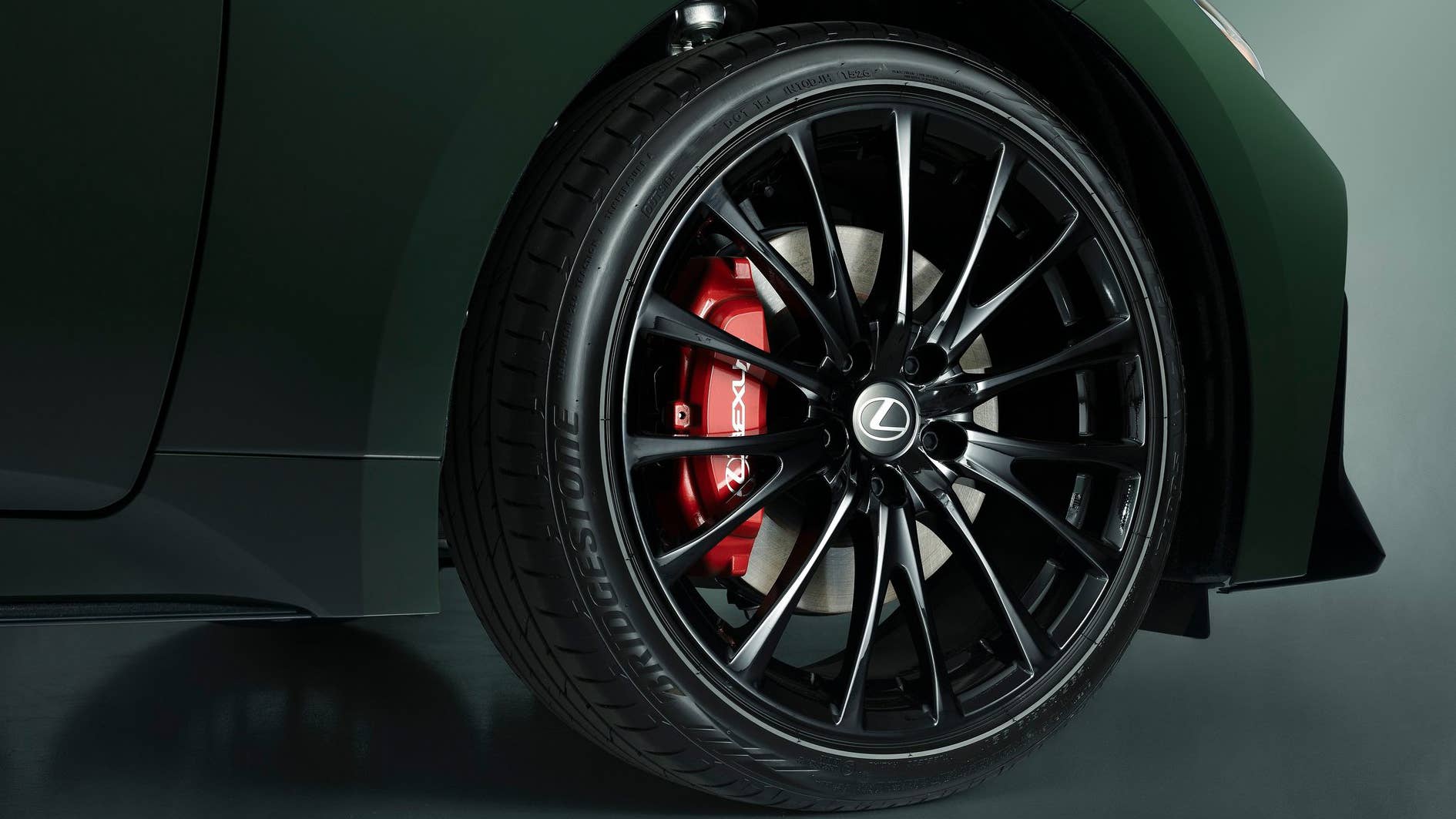
Lexus gained a foothold in the luxury car market by developing a model so over-engineered and durable that it forced Mercedes and BMW to build better cars just to stay competitive. But the Lexus LS400 luxury sedan was launched way back in 1989, and a lot has changed since then.
Lexus is still the most popular Japanese luxury brand in the US, and offers a level of cosseting luxury, allied with understated elegance that makes it a great alternative to its German rivals, but one of its core attributes has been a level of reliability that most competitors still struggle to match.
The current range includes everything from compact crossovers and sedans to rugged three-row SUVs and electrified models, but with such a wide variety of vehicles, can Lexus still maintain its enviable reliability levels?
To find out, we looked into the latest J.D. Power data for this analysis because of its unbiased, verified owner feedback and a comprehensive scoring system which accurately reflect both initial quality and long-term vehicle dependability.
Where Does Lexus Rank Compared To Its Rivals?
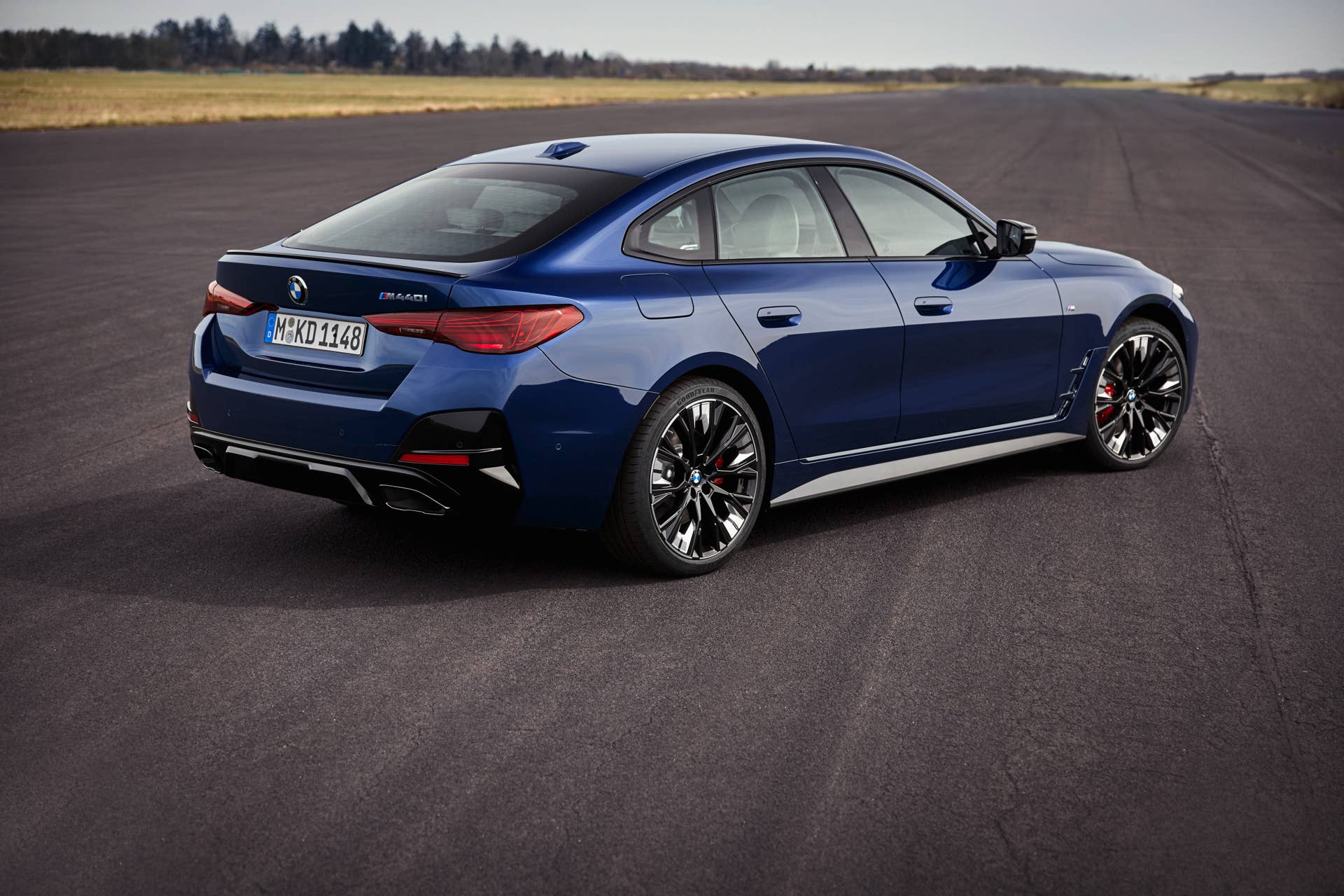
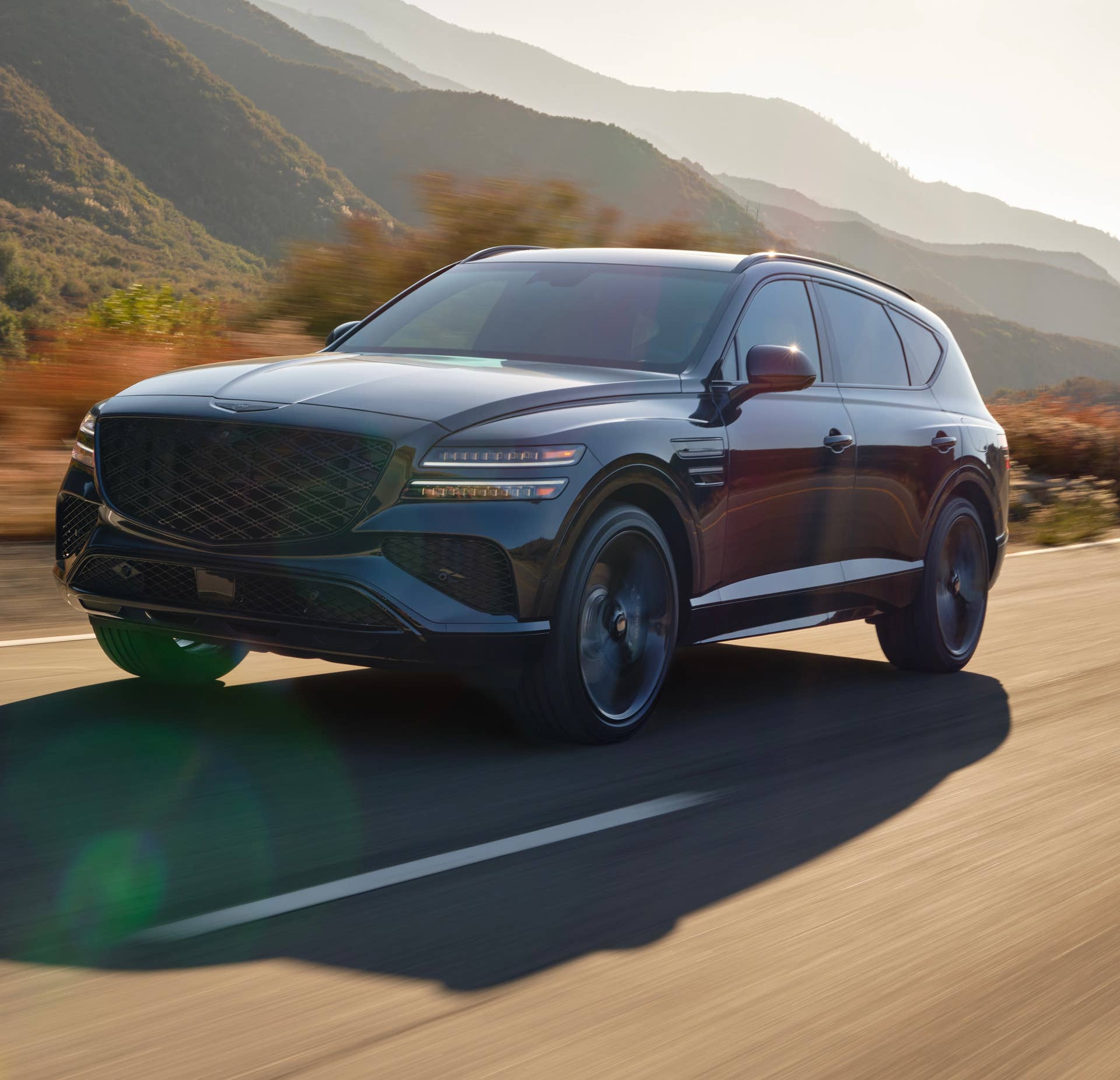
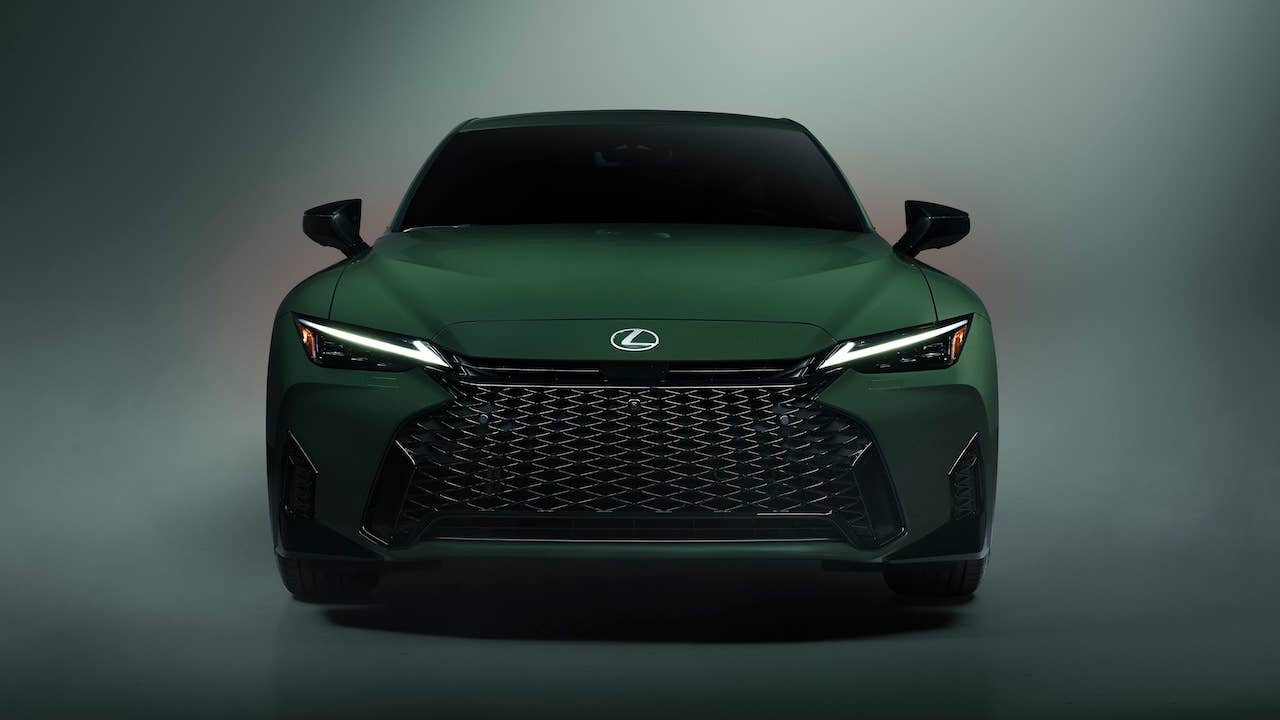
When stacked against its closest luxury rivals, Lexus dominates the dependability charts. According to the 2026 J.D. Power U.S. Vehicle Dependability Study (VDS), Lexus secured the number one spot across the entire automotive industry for the fourth consecutive year, with a score of just 151 problems per 100 vehicles (PP100). Meanwhile, many of its premium competitors fell below the industry average of 204 PP100.
The closest premium brand to Lexus is Porsche, but in terms of direct rivals, Genesis and BMW are more comparable. Both scored slightly below the industry average, but were still well ahead of Mercedes and Audi.
| Brand | 2026 J.D. Power VDS Score (PP100) |
| Lexus | 151 |
| Porsche | 182 |
| Genesis | 208 |
| BMW | 210 |
| Mercedes-Benz | 235 |
| Audi | 244 |
The problems per 100 vehicles (PP100) scores don’t apply weighing to different issues, so a serious brake failure will have the same score as glitchy Bluetooth connectivity. That is why you need to dig deeper into the data to see what these problems are mostly comprised of.
In this case, the major problems noted by Lexus owners were to do with infotainment connectivity, touchscreen glitches, and climate control functionality.
Mechanical issues were few, and aside from some frustrations with stiff ride quality and steering feel on some models, the majority of the problems noted can be rectified by software updates and minor tweaks.
Where Do Individual Lexus Models Rank in Reliability?
Amos Kwon
Lexus
Lexus
J.D. Power provides a 100-point scale measuring “Quality and Reliability” for individual models. The ratings below are for the 2026 model year, and measures the level of defects, malfunctions, and design flaws experienced by vehicle owners.
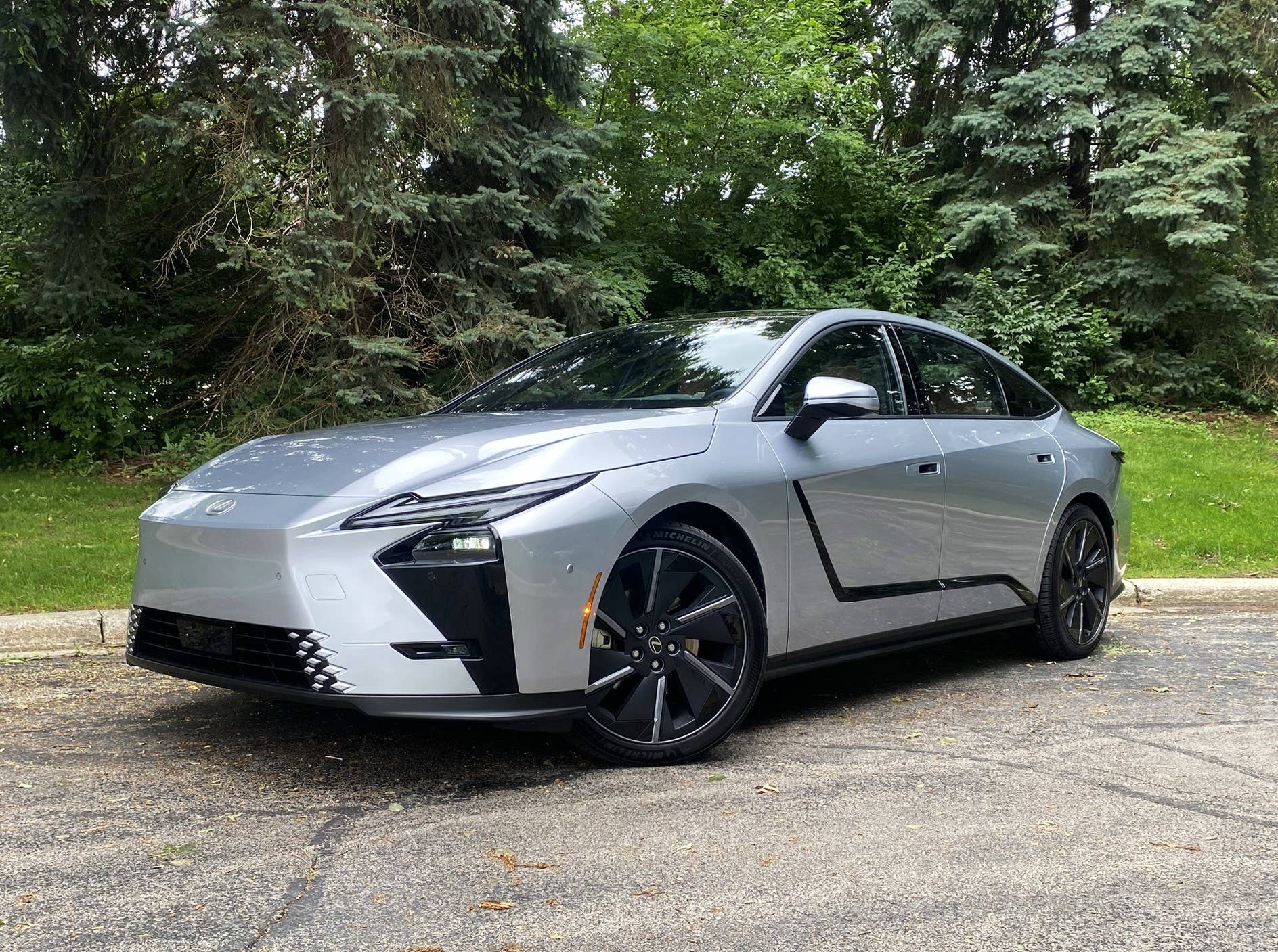
| Model | Quality and Reliability Score (Out of 100) |
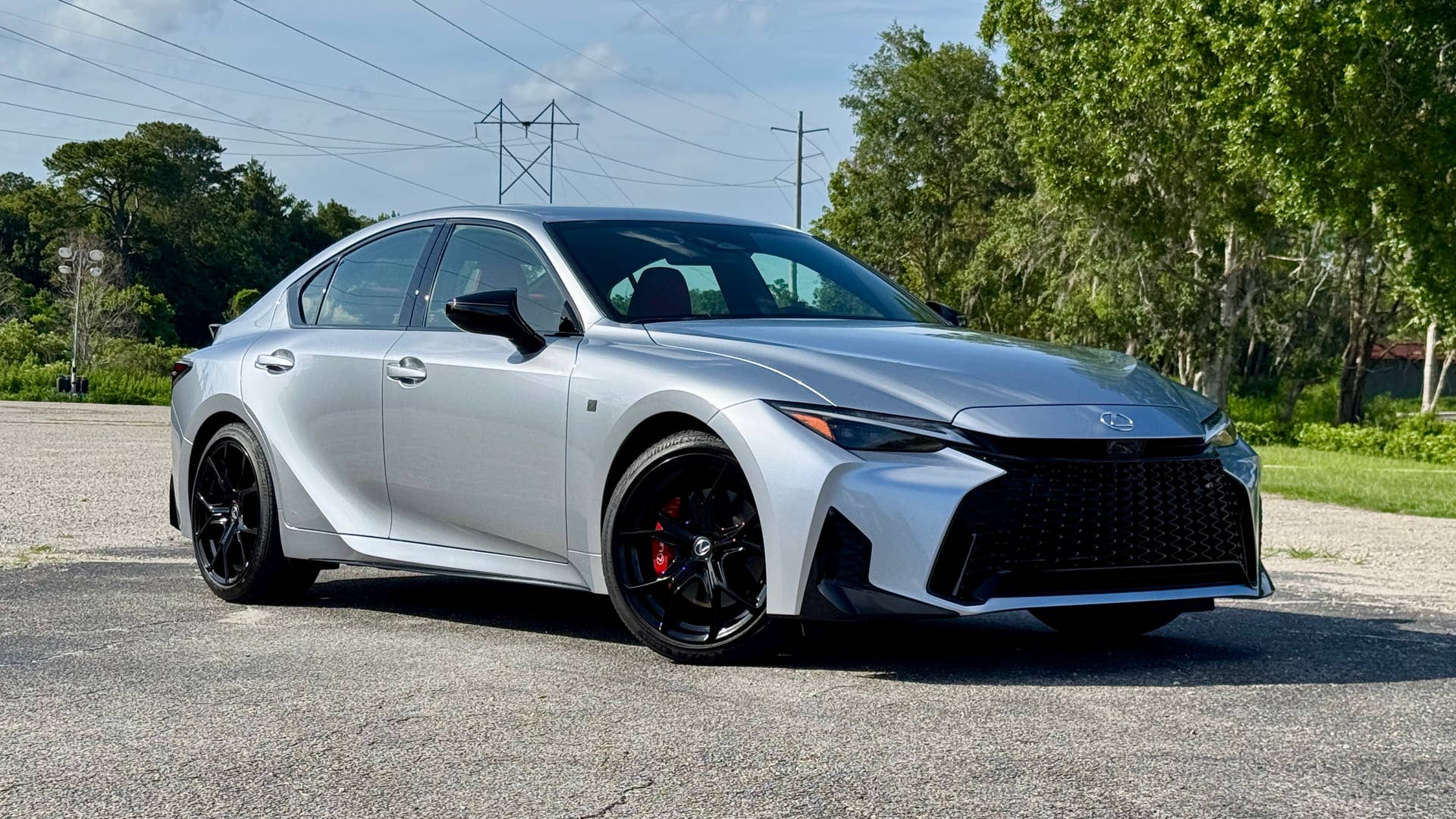
| Lexus IS | 91 |
| Lexus ES | 89 |
| Lexus NX | 85 |
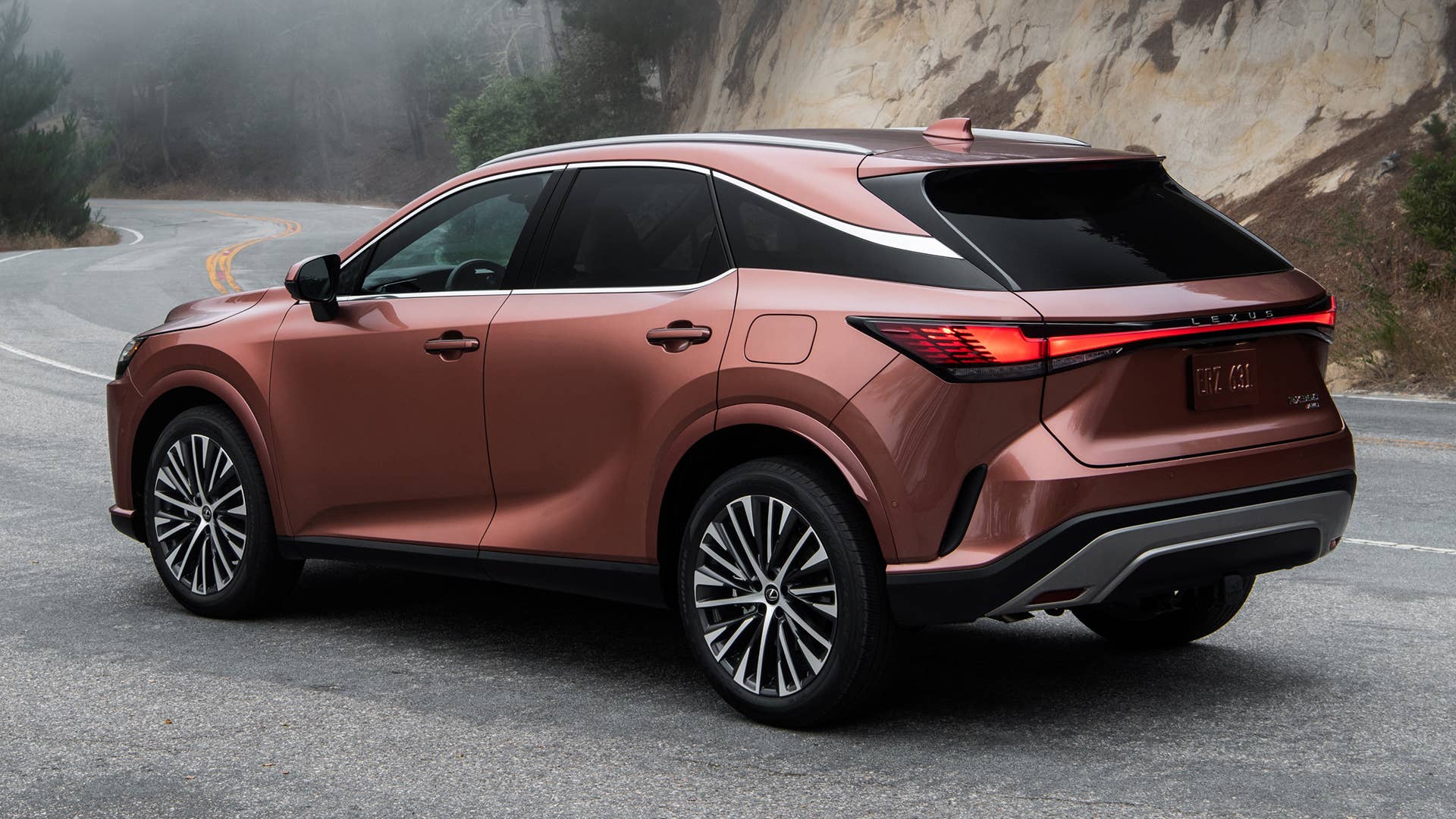
| Lexus RX | 82 |
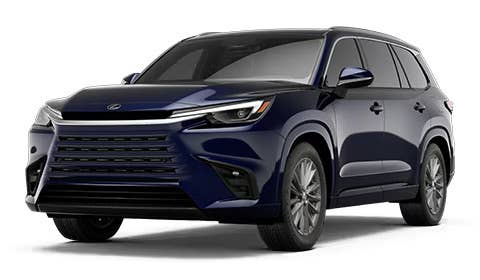
| Lexus TX | 80 |
| Lexus UX Hybrid | 80 |
Lexus’s close ties to Toyota have proven to be very beneficial for its reliability, and unlike many luxury competitors that suffer from glitchy infotainment systems or complex powertrain failures in early production years, Lexus maintains high marks by using core platforms that have often been thoroughly tested in other models. The scores in the table above are almost all class-leading results, ranging from the long running IS sedan, to much newer vehicles like the ES and TX.
Lexus Reliability: Still The Leader
Jared Rosenholtz/Autoblog
Lexus may have branched out into several new categories in recent years, but it continues to set the benchmark for luxury vehicle dependability against some tough competitors. This demonstrates an unwavering commitment to long-term quality, aided by the very similar philosophy by its parent brand, Toyota.
There may be more luxurious, more powerful and far pricier luxury vehicles to pick from, but when it comes to reliability, and long term durability, the best choice is still Lexus.
About the author

John Tallodi
Senior Editor