
Pony Car Crossroads
It’s no secret that the Ford Mustang nearly went front-wheel drive. It was a well-documented story, and certainly a very interesting chapter in the car’s history. To cut the very long story short, executives thought the classic pony car formula was good as dead. Import sports coupes such as the Honda Prelude, Toyota Celica, and Volkswagen Scirocco had gained traction in the U.S., while Mustang sales were slipping.
When Mustang fans caught wind of the change, they poured support into the classic recipe, sparing it a front-wheel-drive fate. That said, Ford was already too far into developing the front-wheel drive Mustang, so it ended up being called the Probe.
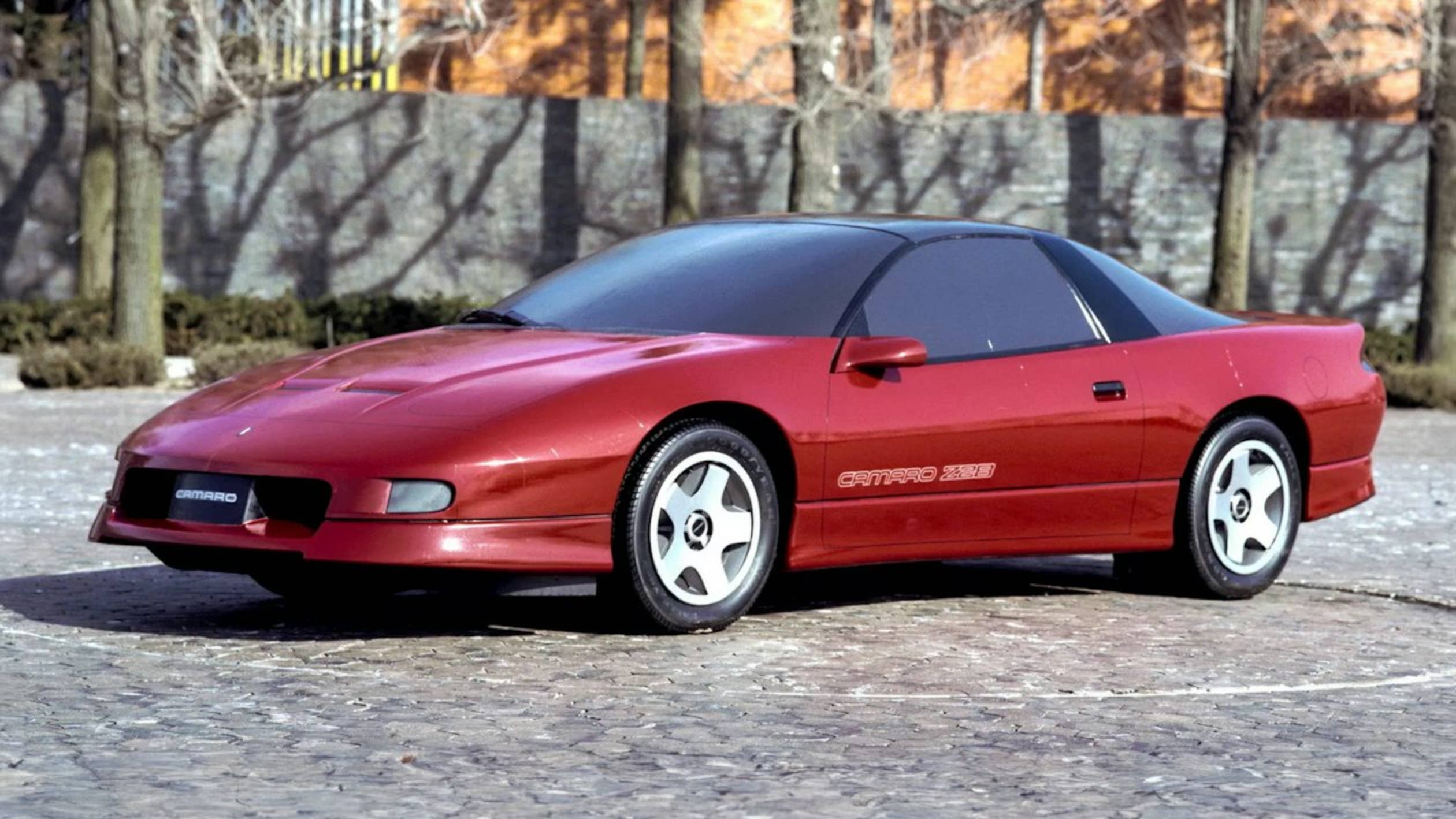
The thing is, another pony car nearly took the same route. In the early ’80s, General Motors also considered swapping the drive wheels of the Chevrolet Camaro and Pontiac Firebird from rear to front. Of course, GM aficionados know this, but it’s a story that isn’t shared often enough.
General Motors
Why the Move?
In the early-’80s, the Camaro and Firebird weren’t exactly in danger of being axed. If anything, the GM pony cars were selling better than the Mustang and the much-forgotten Mercury Capri. The 1982 redesign of the F-Body cars certainly helped matters, and America was doing its best to recover the lost horsepower during the Malaise era.
GM was also undergoing a revolution at the time, downsizing cars (to great success) and shifting a good chunk of its product portfolio into front-wheel drive. You can see where this was going, and the company aimed to reduce costs, consolidate platforms, and raise corporate average fuel economy ratings. GM believed making the Camaro front-wheel drive was the way to go, as was its Pontiac sibling.
General Motors
Enter, Project GM-80
Another sentiment at the time could’ve pushed GM to go front-wheel drive with these cars. It was thought that V8s would effectively be choked out of existence due to emissions and regulations, so V6s were the way to go. The project was called GM-80, and it would’ve been a Camaro and Firebird like never before.

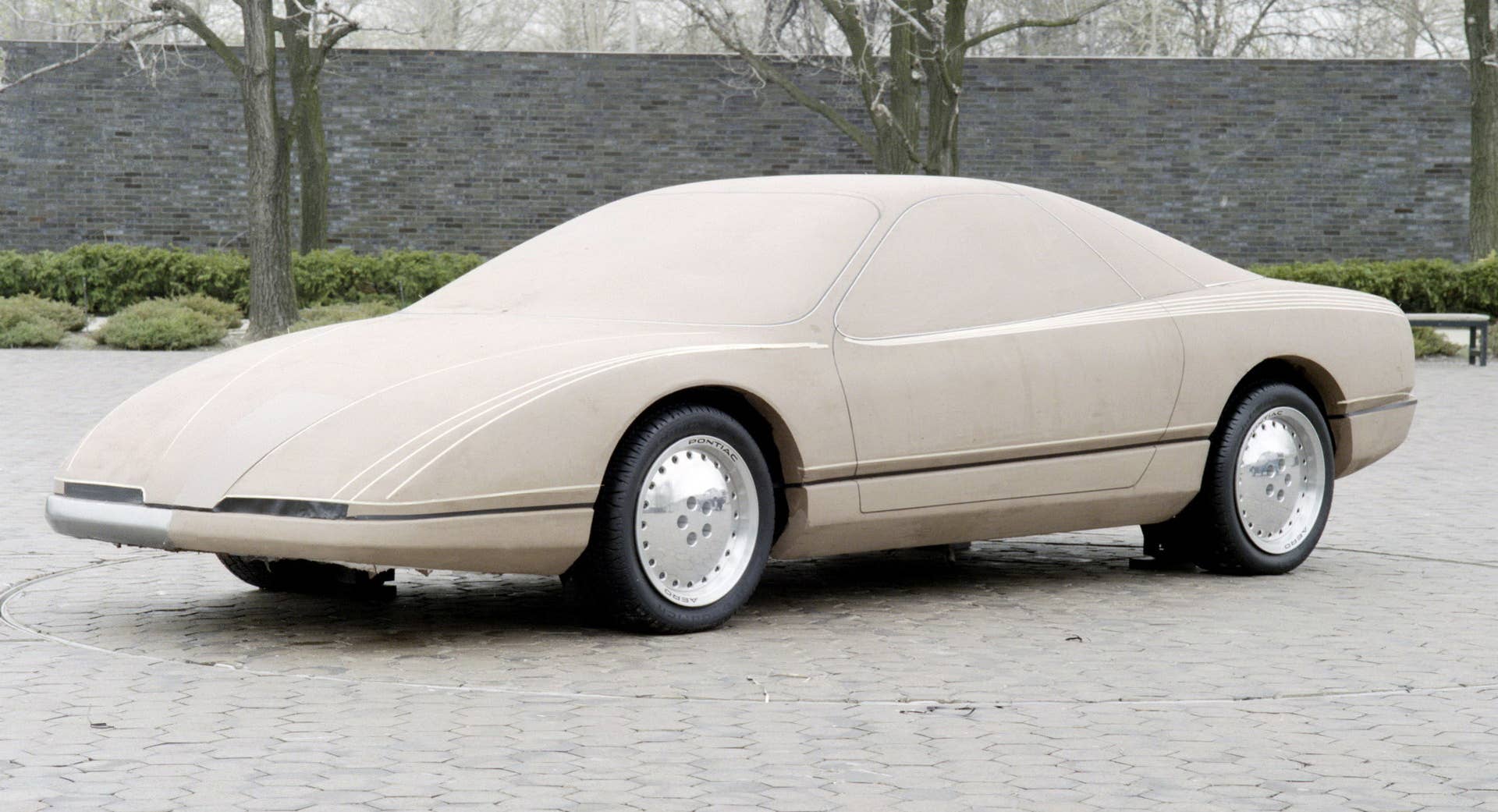
Now, GM-80 wasn’t based on any existing front-wheel-drive platform at the time. In other words, it wasn’t going to be a Chevrolet Celebrity or Pontiac 6000 with a fancy, swoopy body put on top of the chassis. GM-80 was to be a bespoke platform that would be built from the company’s front-wheel drive know-how to build it well and build it affordably. That said, we wouldn’t be too surprised if the Celebrity/6000-based suggestion came up, though.
General Motors
What It (Could’ve) Offered
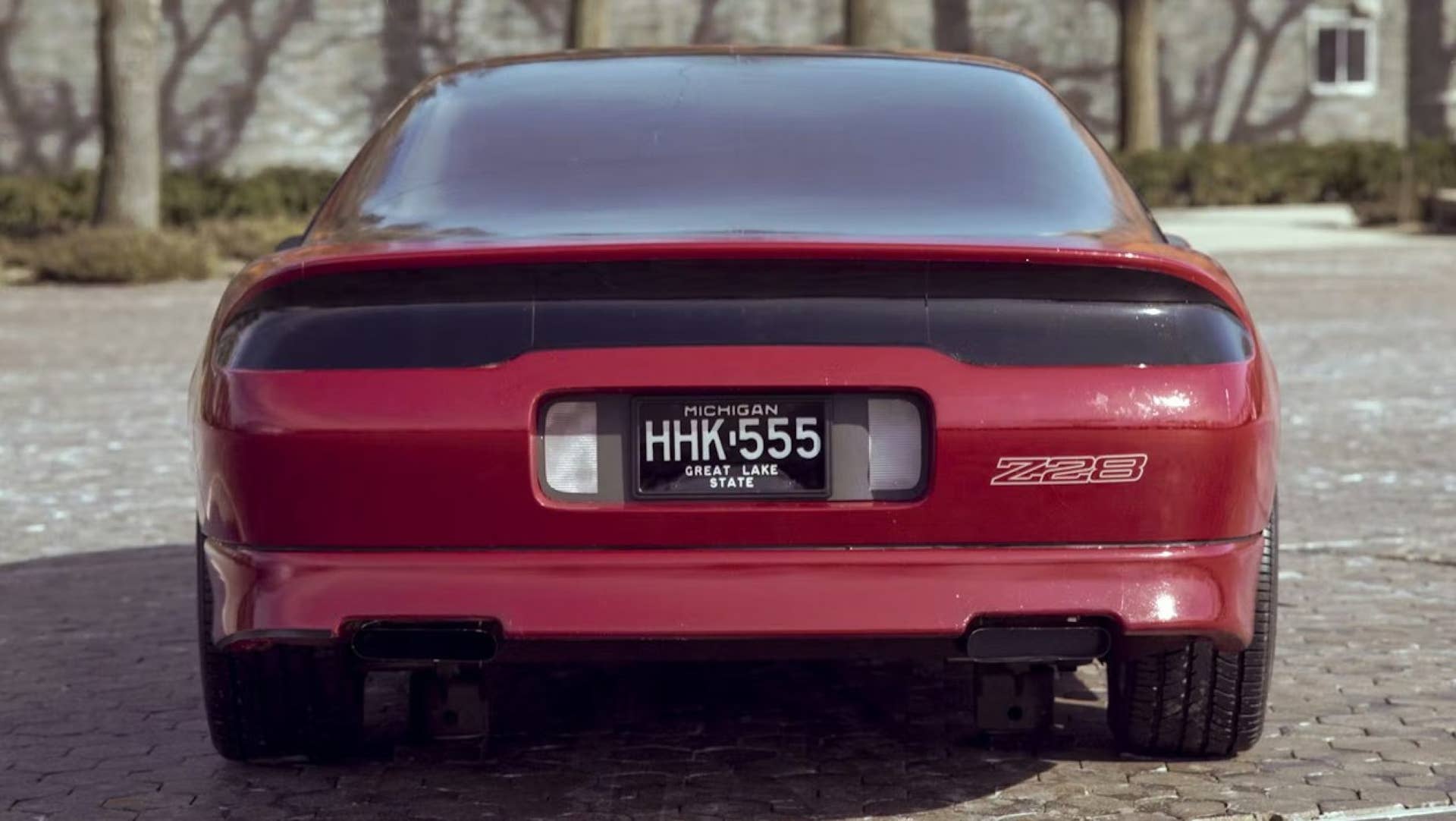
Aside from the bespoke platform, the GM-80 Camaro and Firebird were supposed to get several innovations. For instance, the chassis itself was to be a spaceframe, much like the Pontiac Fiero that came out for the 1984 model year. Also, it would use fiberglass panels instead of steel to shave extra pounds off the car.
It needed to be light for one obvious reason: it wouldn’t have a V8. The Camaro and Firebird were slated to have a multi-valve 3.4-liter V6, and it was estimated to produce over 280 hp in bench testing. That said, it had to be limited to around 200 hp, which was still a strong figure in the ’80s. Remember, the most powerful front-wheel-drive V6 GM made in the early to mid-’80s was the 2.8-liter High Output, which mustered 140 hp at best.
General Motors
Ultimately Cancelled
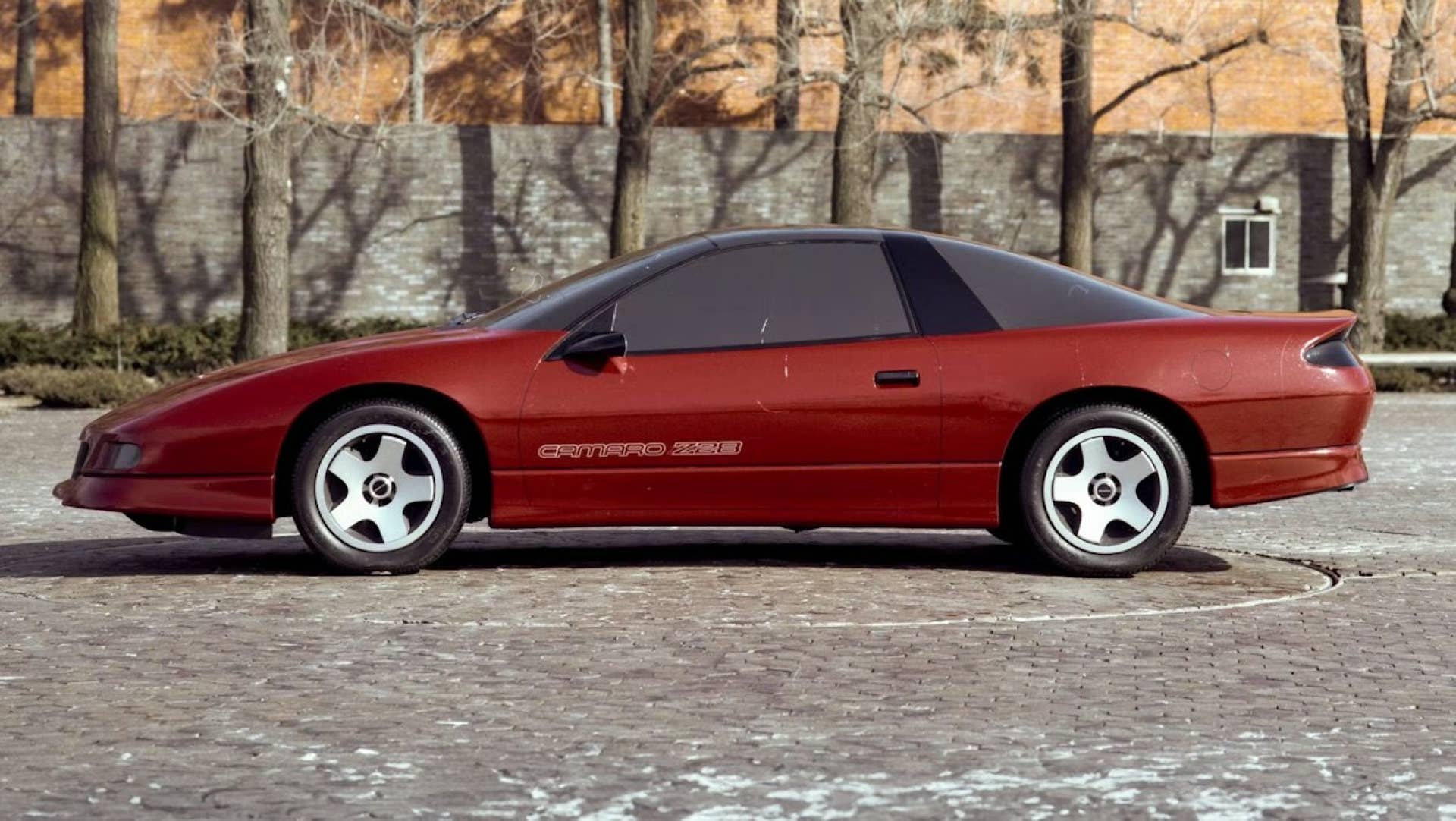
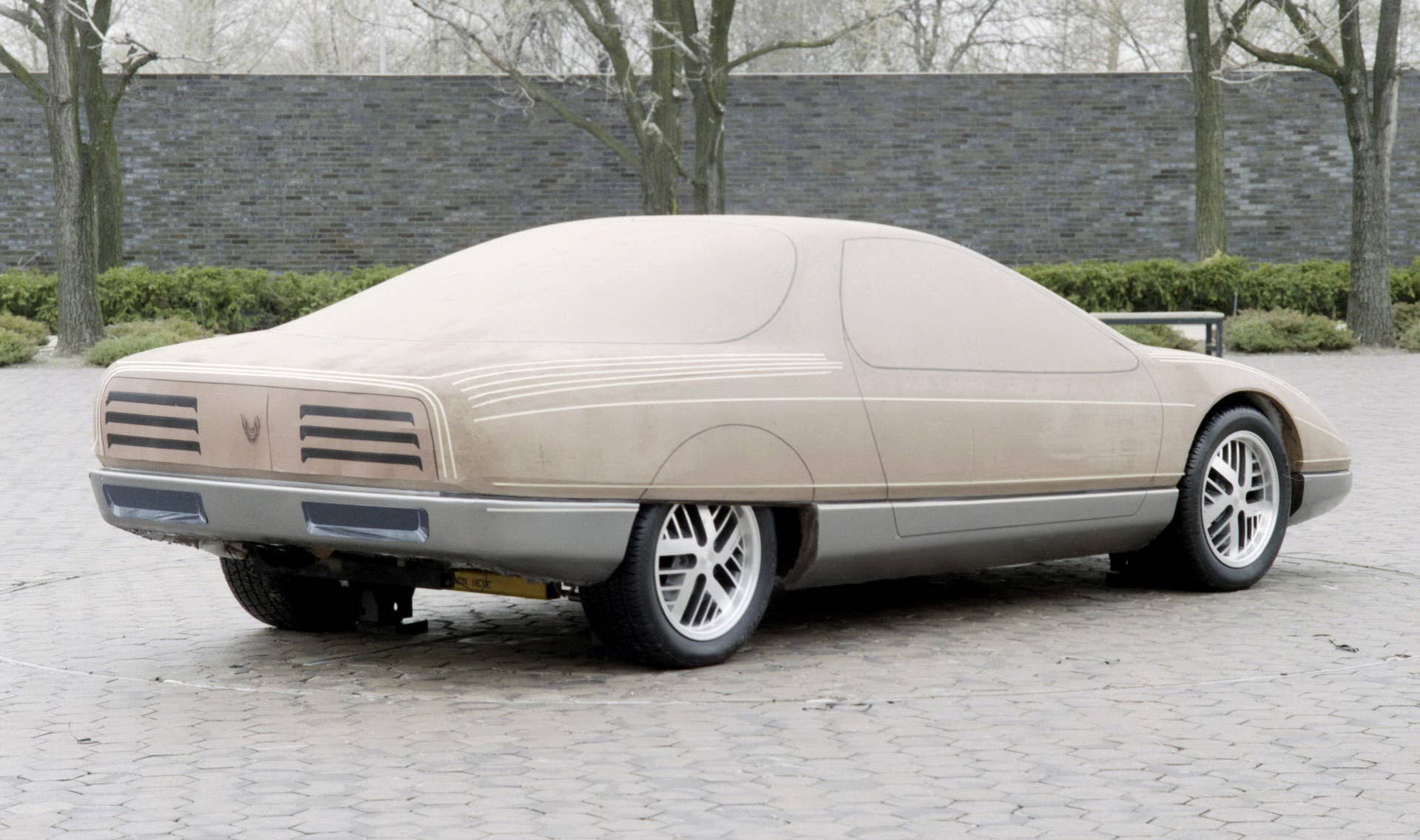
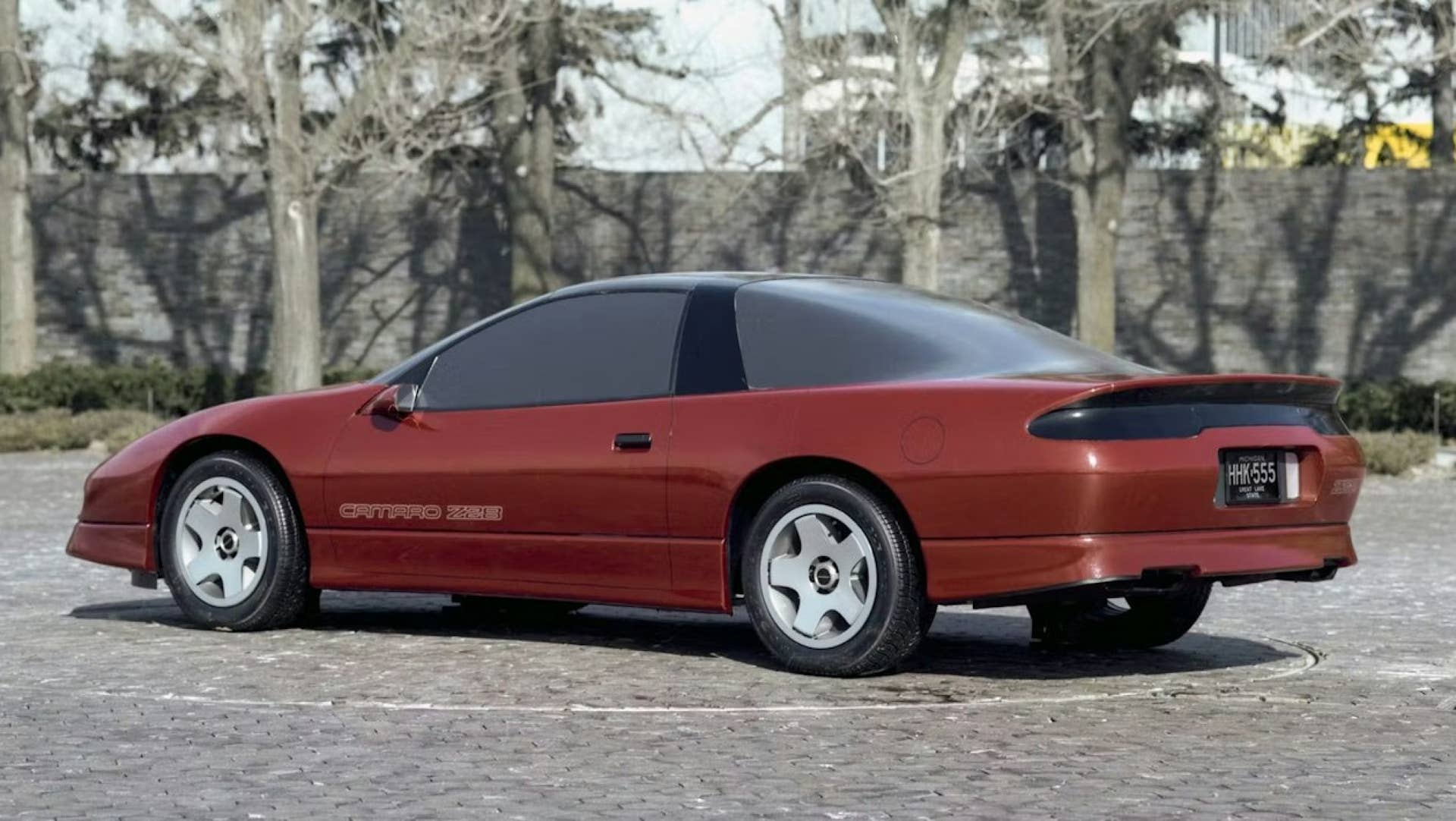
Development went far enough to build full-scale clay models and design studies. The chassis was already developed, and those old enough to remember will recall the alleged test mules spied in the ’80s. All that was left was to put it through its paces. But what happened next led to the project’s eventual cancellation.
The spaceframe chassis was innovative, but GM struggled to make it perform acceptably in crash tests. But the nail in the GM-80’s coffin was the cost, ironic given that the main reason for shifting to the front-wheel drive platform was to save money.
Building a new platform from scratch was always going to be an expensive affair, but it in the case of this project, it wasn’t worth the trouble anymore. The clever plastic panels would’ve cost even more to develop, pricing the car out of contention. Because of those factors, GM put the GM-80 project on ice in 1985 and axed it the year after.
General Motors
Glass Half Full
Now, we wouldn’t know how the front-wheel-drive Camaro and Firebird would’ve fared if they’d actually reached production. However, it’s safe to assume there would have been angry letters to GM if that had happened. It could’ve flopped or become a sales success, but either way, not everyone would’ve been happy.
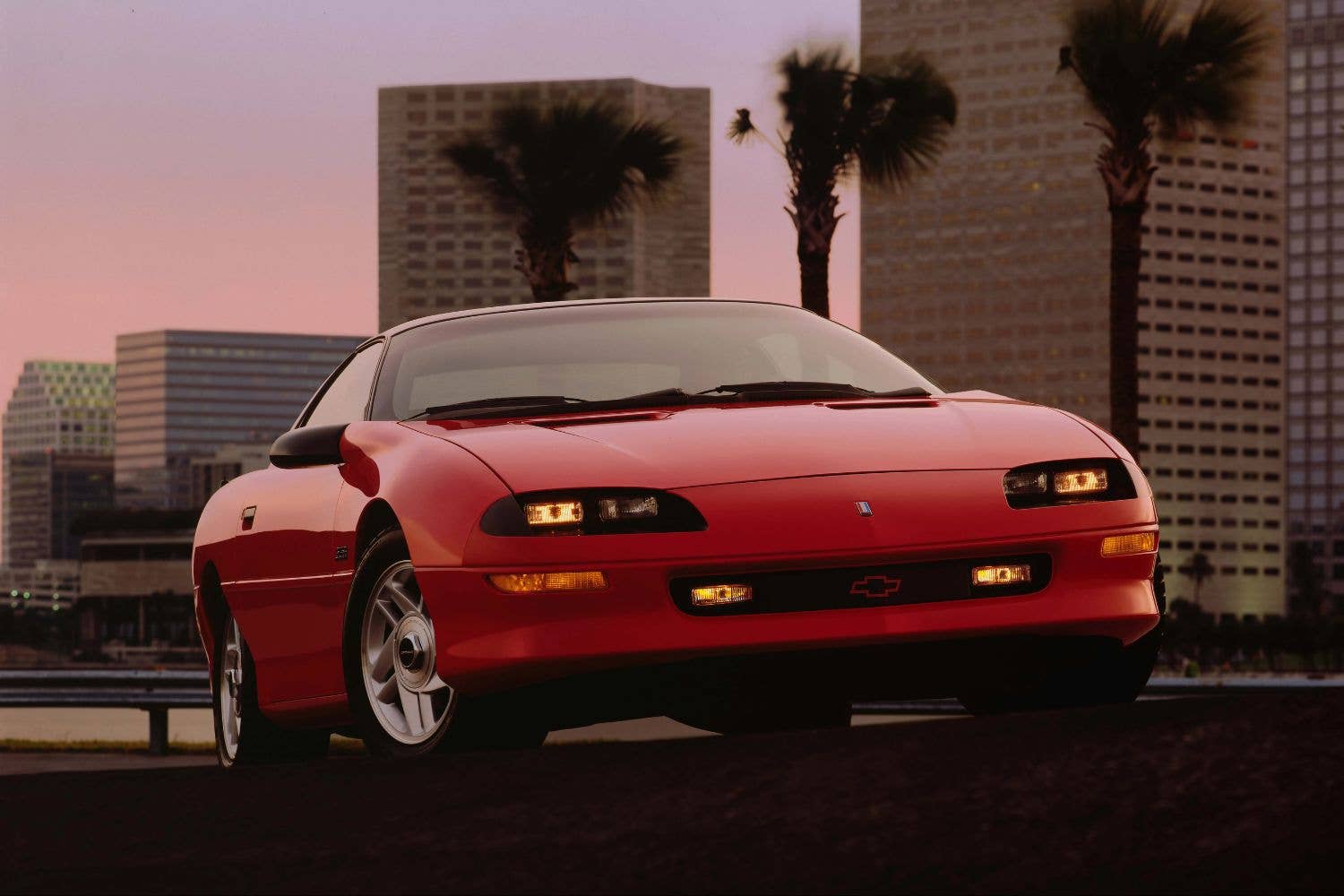
The styling of the GM-80 models did reach production, or at least many of its elements. Looking at its swoopy profile, we can see hints of what eventually became the fourth-generation F-Body cars. The multi-valve engine tech that was supposed to go on it was eventually applied to the Quad 4 engines that were used in a variety of compact GMs in the ’90s. Lastly, lessons learned from developing the plastic panels from this and the Fiero made it to the first generations of Saturn models and the ‘Dustbuster’ minivans that consisted of the Chevrolet Lumina APV, Oldsmobile Silhouette, and Pontiac Trans Sport.
In the end, canceling the front-drive Camaro and Firebird wasn’t a total waste. Still, GM tends to revive nameplates and put them on totally unrelated vehicles. Right now, it’s been rumored that the pony car will return as a sedan, although that’s allegedly been pushed to 2029. If that happens, it does open up the idea of giving the Camaro all-wheel drive for the first time ever, given the state of performance cars now. Well, anything but as an EV crossover, we say.
Chevrolet
About the author

Anton Andres
News Editor