
A forgotten nameplate: The history of the Chevrolet Monza
A relatively unknown nameplate in General Motors’ rich and lengthy history, the Chevrolet Monza was once a sprightly, subcompact, rear-wheel-drive coupe that replaced the Chevy Vega with a European-inspired design, produced from 1974 until 1980. Its most notable rival in the period was the Ford Mustang II—the runt of the Mustang family tree—which meant the Monza packed a surprising amount of muscle for its size. Despite its subcompact stature, Chevrolet offered some relatively large engines in the Monza, including Buick V6 units and small block V8 motors ranging in displacement from 4.3 to 5.7 liters. Of course, much smaller and more economical four-cylinder engines were also available.
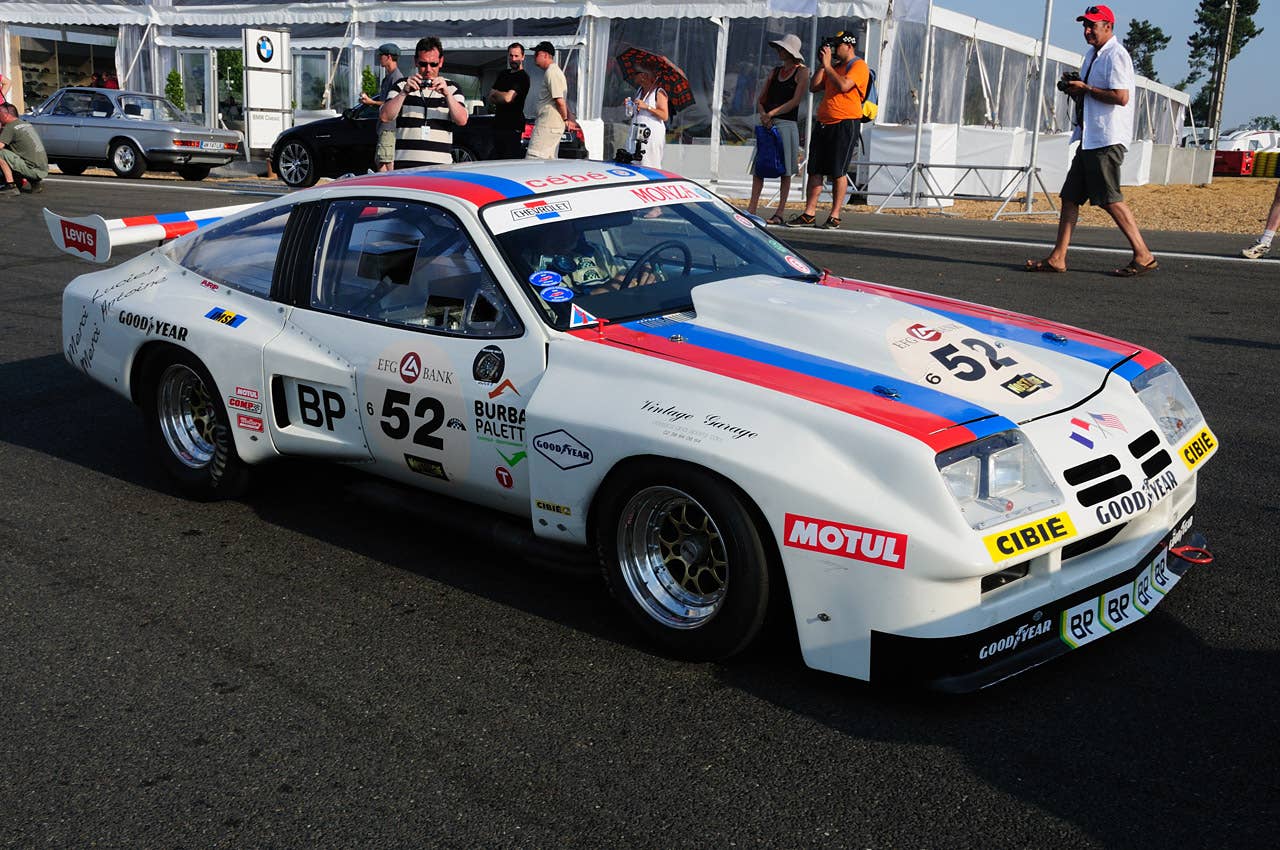
Thanks to its compact proportions, the Monza made for an exceptional platform for racing cars, even if its V8 engines barely cracked 150 horsepower in stock form. Monzas were popular entrants in the IMSA series, where they won multiple IMSA Camel GT championships in the late 1970s, packed with modified small-block V8 engines. Monzas even found success on the drag strip, where their lightweight bodies mated brilliantly with powerful V8 engines and rear-wheel drive to achieve impressive quarter-mile times. So, although the Monza may not have been the most exciting sports car out of the gate, its compact, rear-wheel-drive nature made it an impressive platform when purposefully modified for more exciting use, whether on the track or on the street.
Chevrolet
How a budget BMW M2 rival could fit Chevrolet’s lineup
These days, enthusiasts and sports car buyers are desperate for precisely that—a compact, rear-wheel-drive sports coupe platform that lends itself well to modification and offers exciting, engaging driving dynamics at an affordable price point. Obviously, there are a few shining stars out there that still offer such a thing, such as the Subaru BRZ and the Mazda MX-5, but, as someone who has owned both, they are a bit lacking in power. They are so compact that living with them day to day can be a challenge for anyone who isn’t terminally single, and, truthfully, I’d love to see more competition in this segment at this price point, even if the Subaru and Mazda are brilliant vehicles in their own right.
I desperately miss the days when the list of new, affordable, compact sports cars seemed endless. I remember firing up games like Need For Speed or Midnight Club as a kid and being tasked with choosing a starter car, and being met with a whole slew of interesting choices, ranging from examples such as the Chevrolet Cobalt SS, the Mitsubishi Eclipse, the Hyundai Tiburon, the Volkswagen Corrado, the Mazda RX-8, the Ford Focus ST, the Dodge Caliber SRT4, the Mazdaspeed Protege, the BMW 128i, and so on. Once an abundant segment filled with diversity, the affordable sports coupe class has all but vanished these days.
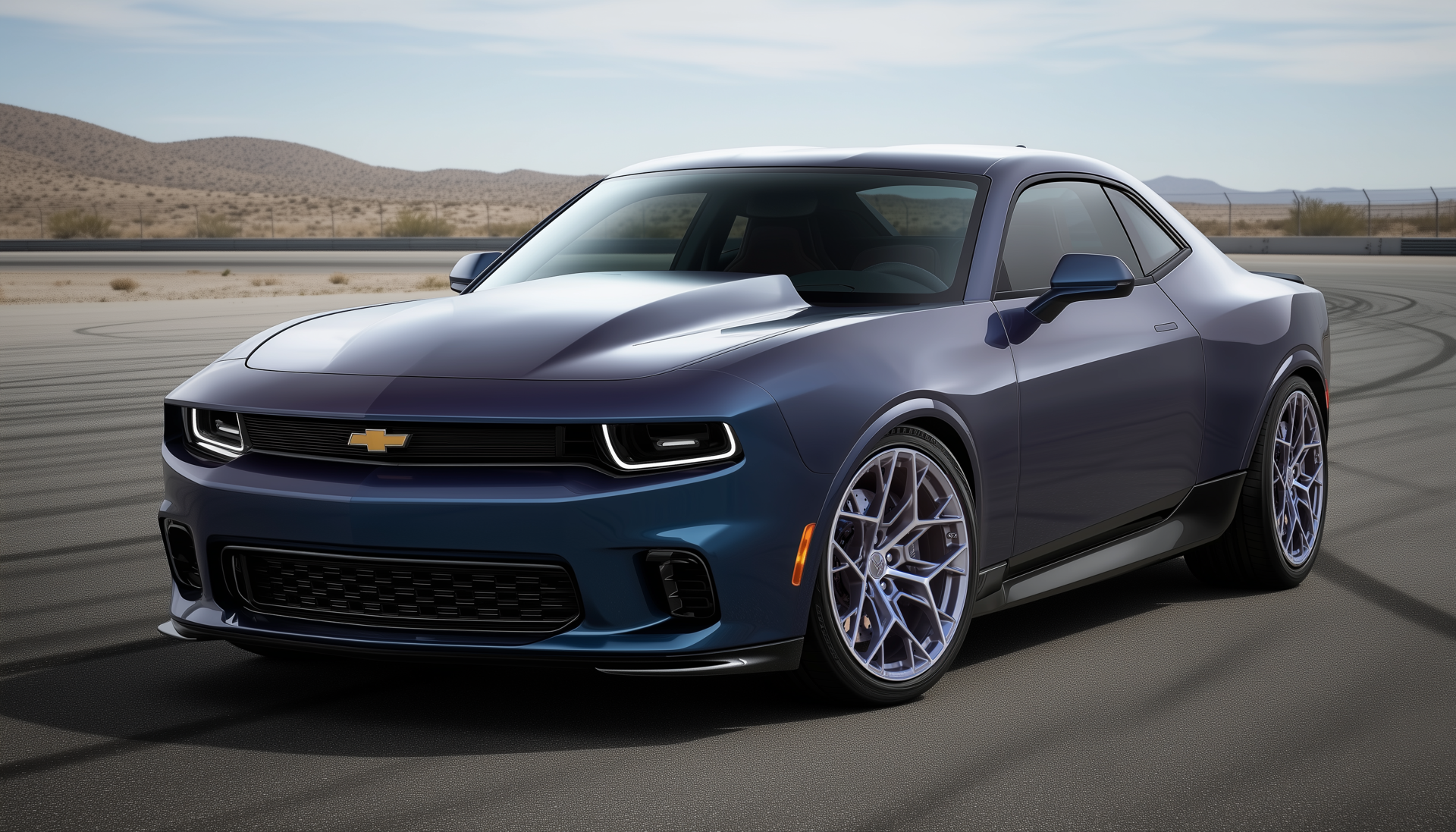
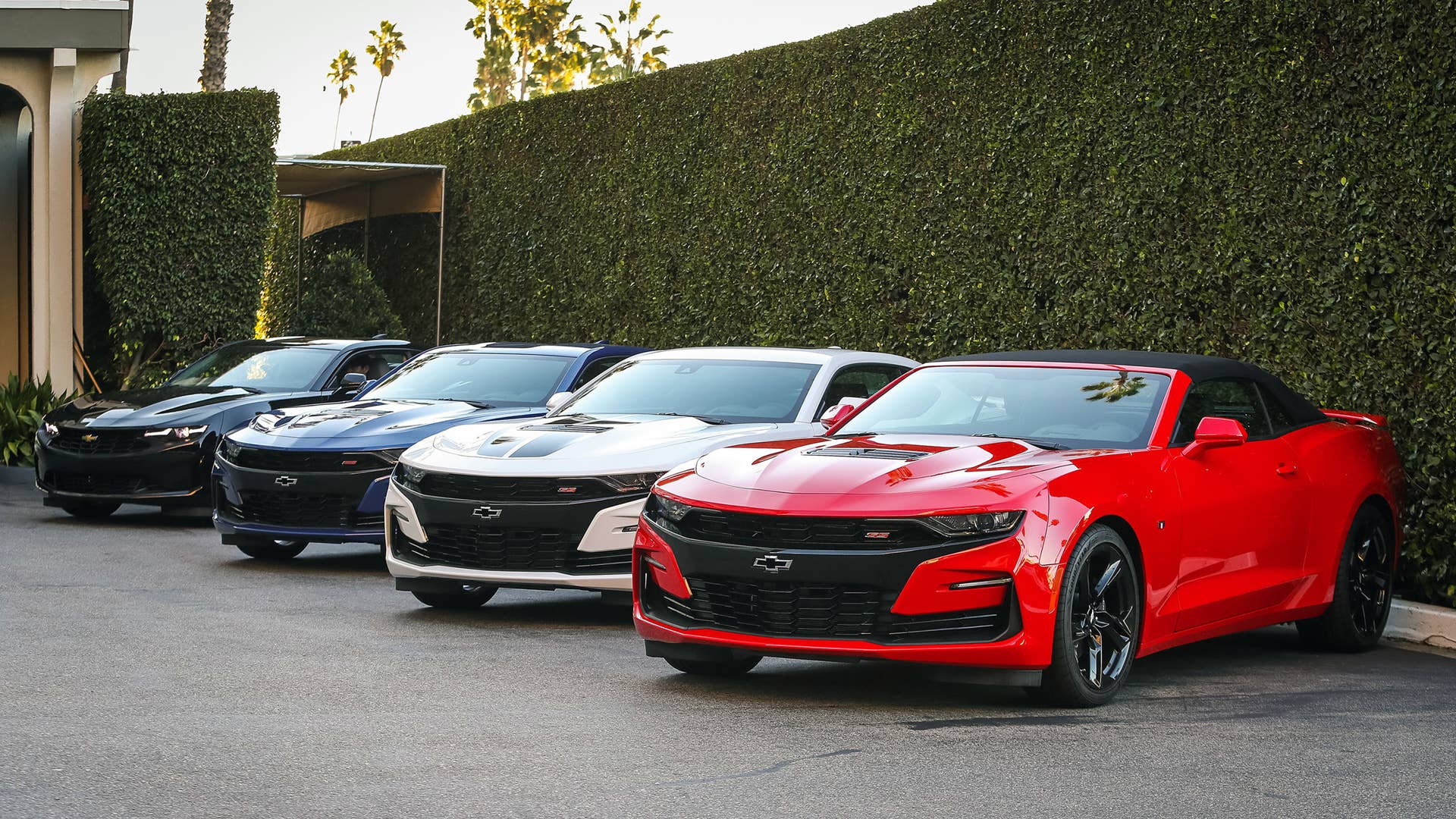
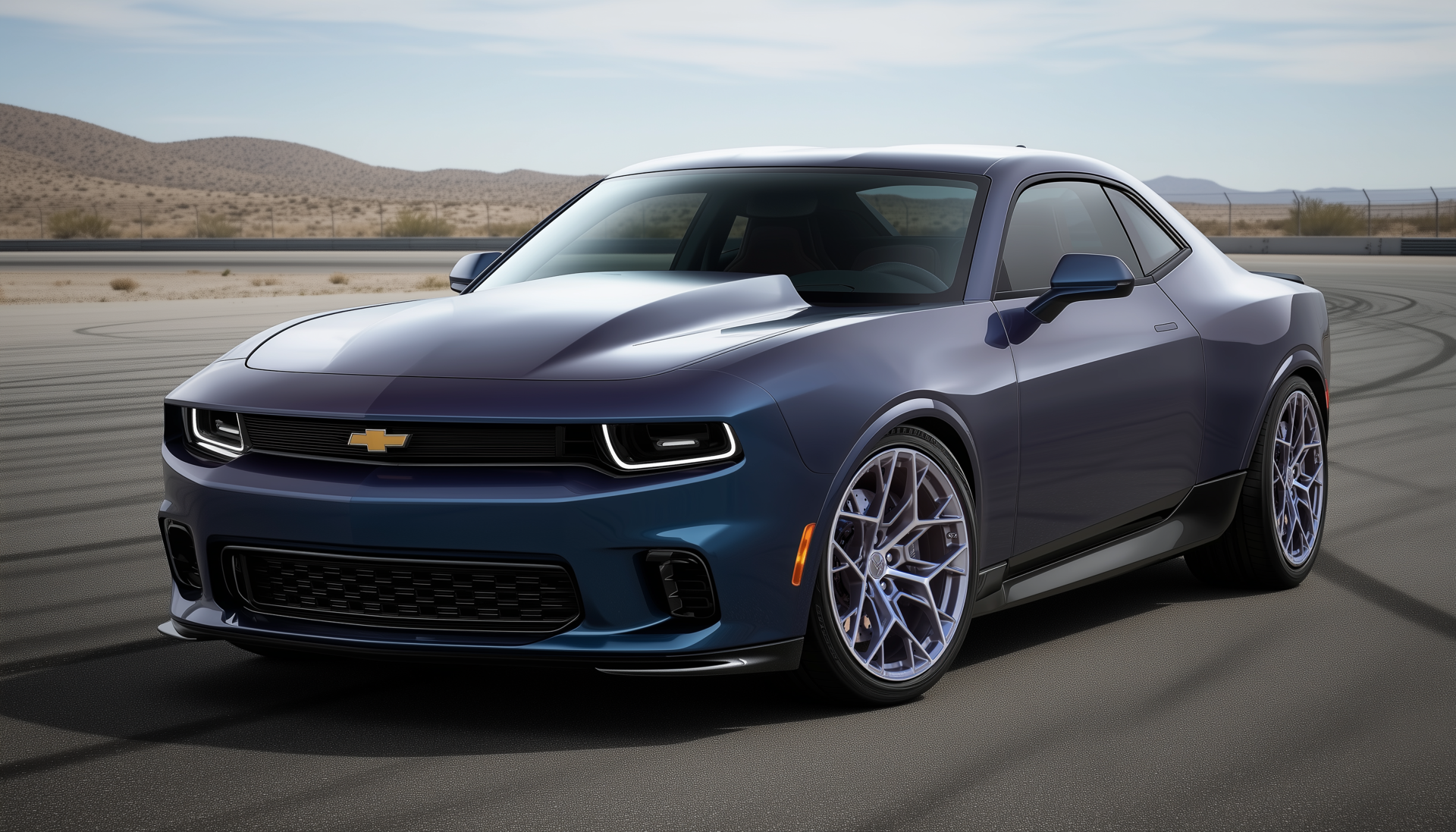
Knowing that I’m far from being alone in missing these kinds of cars, I couldn’t help but wonder what it might look like if Chevrolet took another stab at a compact sports car, especially since it seems they’ve given up on competing against the Ford Mustang and the Dodge Charger with their Camaro. So, with the help of Adobe Photoshop, Midjourney 7.0, and Gemini 2.5 Flash Image, I’ve taken an imagined look at what a revived Chevrolet Monza could look like. The following images are purely fictional and do not depict any actual Chevrolet or General Motors products.
Cole Attisha Using Adobe Photoshop, Midjourney 7.0, and Gemini 2.5 Flash Image
What a 2026 Chevrolet Monza could look like
Think BMW M2 proportions, but Subaru BRZ pricing. Or, perhaps more realistically, Ford Mustang EcoBoost pricing, when equipped with a more potent powertrain, a shorter wheelbase, and more agile handling. Take the philosophies of more recent GM performance classics, namely the Chevrolet Cobalt SS and the Pontiac Solstice, and combine them—that’s pretty much what this idea suggests. Perhaps it could sit on a shortened variant of GM’s Alpha platform—the very one that underpinned the most recent Chevy Camaro and the Cadillac CT4.
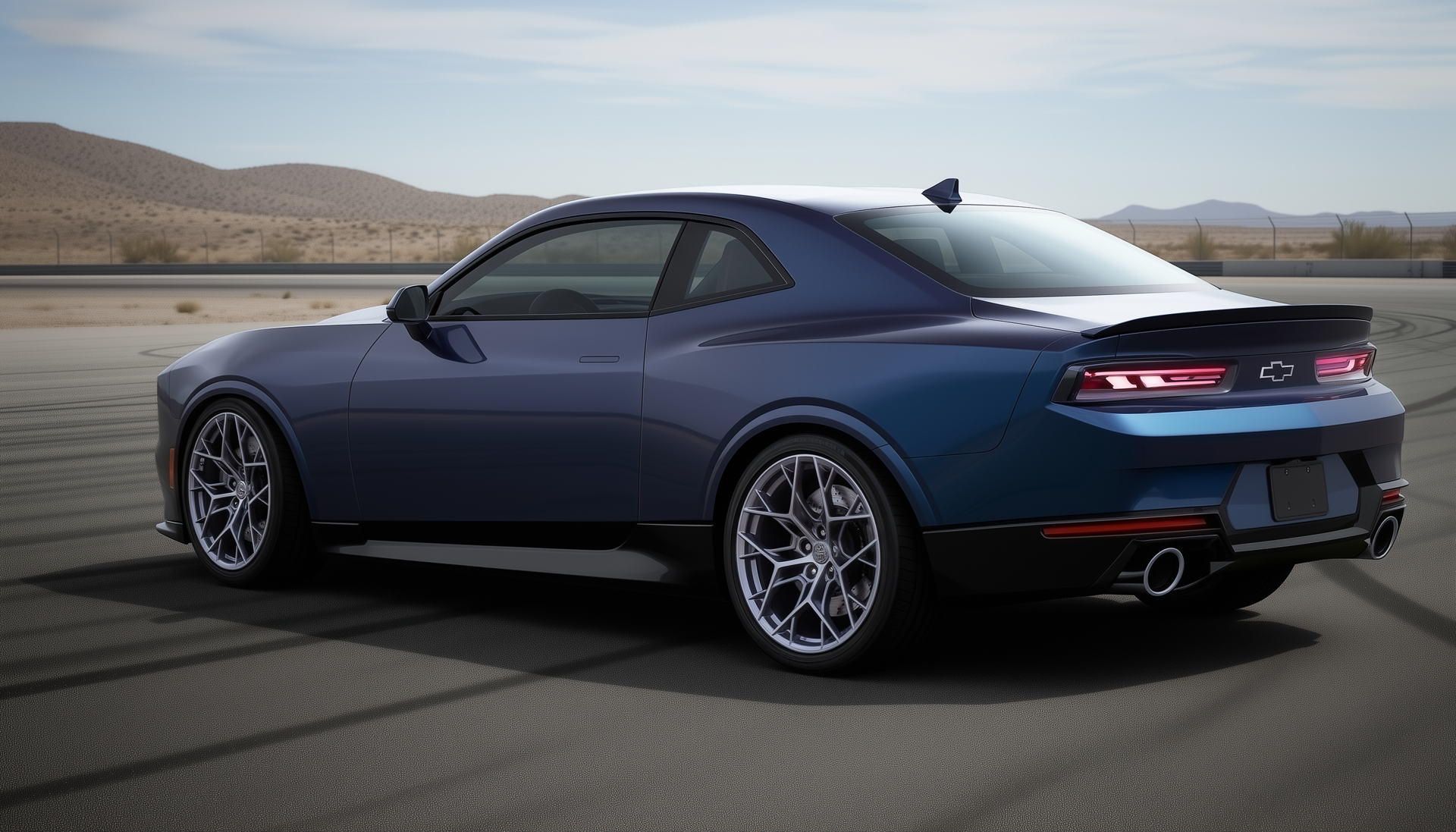
Cole Attisha Using Adobe Photoshop, Midjourney 7.0, and Gemini 2.5 Flash Image
Under the hood, I’d imagine the Chevy Monza could borrow even more from the Cadillac CT4—specifically, three of its available powertrains. Firstly, the most basic available powertrain could be the base CT4’s turbocharged 2.0-liter four-cylinder, which produces 237 horsepower and 258 lb-ft of torque—numbers not far off from those of the VW GTI—paired either with a six-speed manual gearbox or an eight-speed automatic. Secondly, the CT4-V’s turbocharged 2.7-liter four-cylinder engine, which produces up to 325 horsepower and 380 lb-ft of torque, could offer BMW M240i-like performance for far less dough. And, of course, why not include the CT4-V Blackwing’s twin-turbocharged 3.6-liter V6 for good measure, which offers up to 472 horsepower and 445 lb-ft of torque—more than enough to embarrass the coveted BMW M2.
Alternatively, and perhaps for the betterment of its affordability case, Chevrolet could simply fit this hypothetical Monza coupe with the same 335-horsepower naturally aspirated 3.6-liter V6 that the late Camaro offered, also with the buyer’s choice of either a six-speed manual gearbox or a ten-speed automatic. This powertrain would stay true to the Monza’s legacy, offer a more linear powerband, and, hey, maybe Chevy could even throw the Camaro’s 455-horsepower 6.2-liter small block V8 in there for good measure in a limited-run special edition. Now that would seriously sway buyers away from the BMW M2.
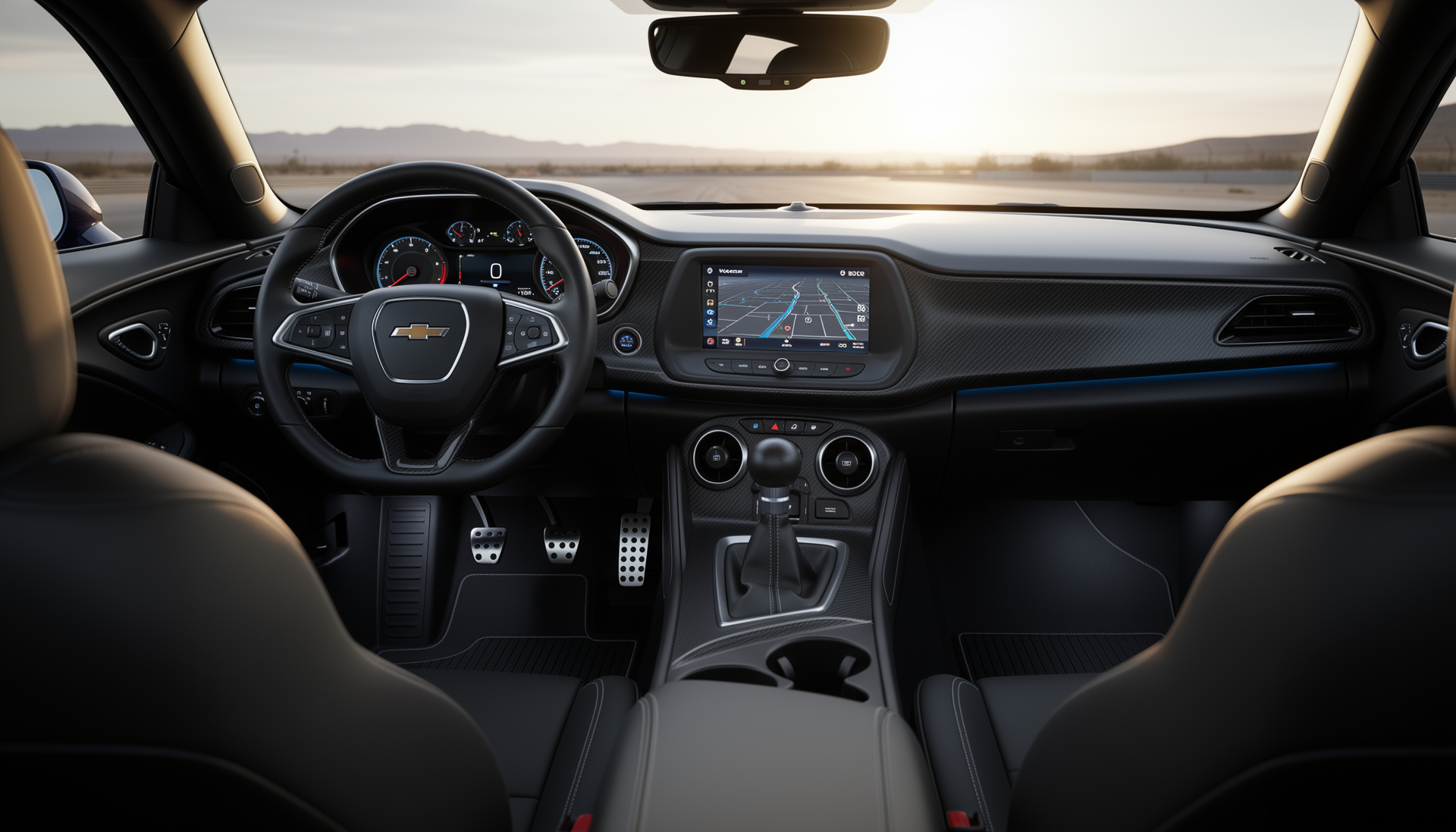
Cole Attisha Using Adobe Photoshop, Midjourney 7.0, and Gemini 2.5 Flash Image
Final thoughts: Should Chevy bring back the Monza?
It’s unfortunate to think that these days, so many automakers have given up on affordable “fun” cars that offer genuinely thrilling and dynamic performance at a palatable price point in favor of, well, crossovers. “Fun” cars have simply become regular old passenger cars dressed up with “sporty” appearance packages, or with some all-terrain tires and plastic body cladding slapped on for a more “rugged” look. I’d love to see more manufacturers take the time to deliver authentic performance thrills on a budget, not only appeasing all the enthusiasts out there begging for such a thing, but also inspiring new enthusiasts to genuinely care about driving just for fun, rather than perceiving the activity as merely a chore, which leads more and more people to believe that buying a self-driving car so they can sit back and scroll Instagram while they commute is the most desirable solution.
Do you think automakers should do more to remind people that driving can—and should—be fun? Do you believe that more affordable sports coupes are sorely missed in the market these days, or do you think they should just die out altogether, simply because crossovers are much more profitable? Let us know what you think in the comments!
About the author

Cole Attisha
Staff Writer, Autoblog