
Key Points
- Honda Pilot, Subaru Ascent, and Volkswagen Atlas lack hybrid options despite mediocre fuel economy.
- The Pilot’s V6 is capable but thirsty; Honda is developing a larger-vehicle V6 hybrid system.
- Subaru may add Toyota-based hybrid technology to the Ascent, while Volkswagen confirmed an Atlas Hybrid before 2030.
The three-row family SUV battle is like a group MMA fight with more models jumping into the mix all the time. The downside is that not all of them have more efficient powertrain options, so their fuel bills can feel more like another utility payment. Buyers need passenger space, cargo capacity, and enough power to merge confidently with everyone aboard.
Kia
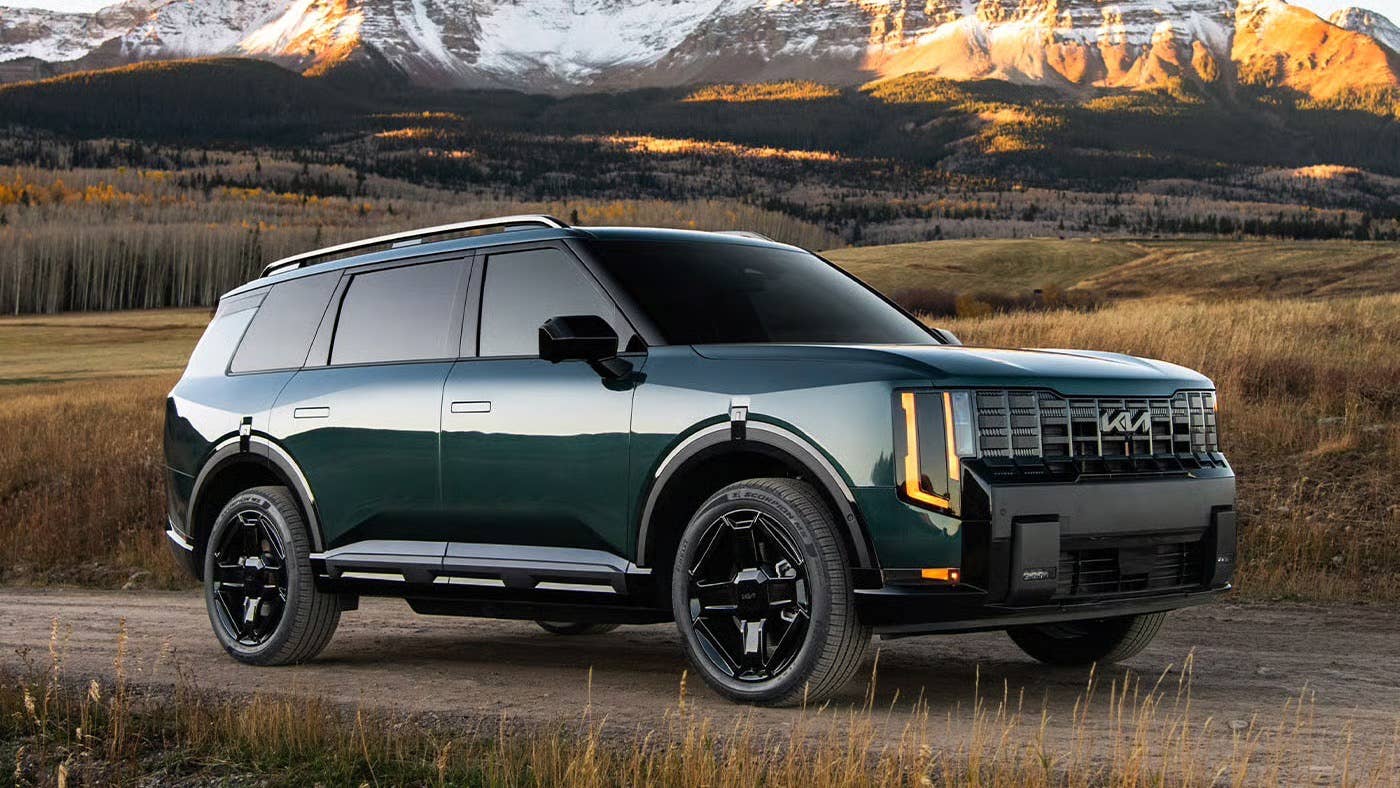
Asking for good fuel economy in 2026 shouldn’t mean sacrificing these essentials. Some crossovers and SUVs like the new Kia Telluride (above) are now hybrid only, which reflects buyers’ desire to increase fuel efficiency and range. Some models lag behind the more advanced competitors and soldier on without a hybrid alternative, leaving efficiency-minded shoppers with a reason to look elsewhere. Here are three 3-row SUVs that could greatly benefit from a hybrid option.
Honda Pilot
Honda
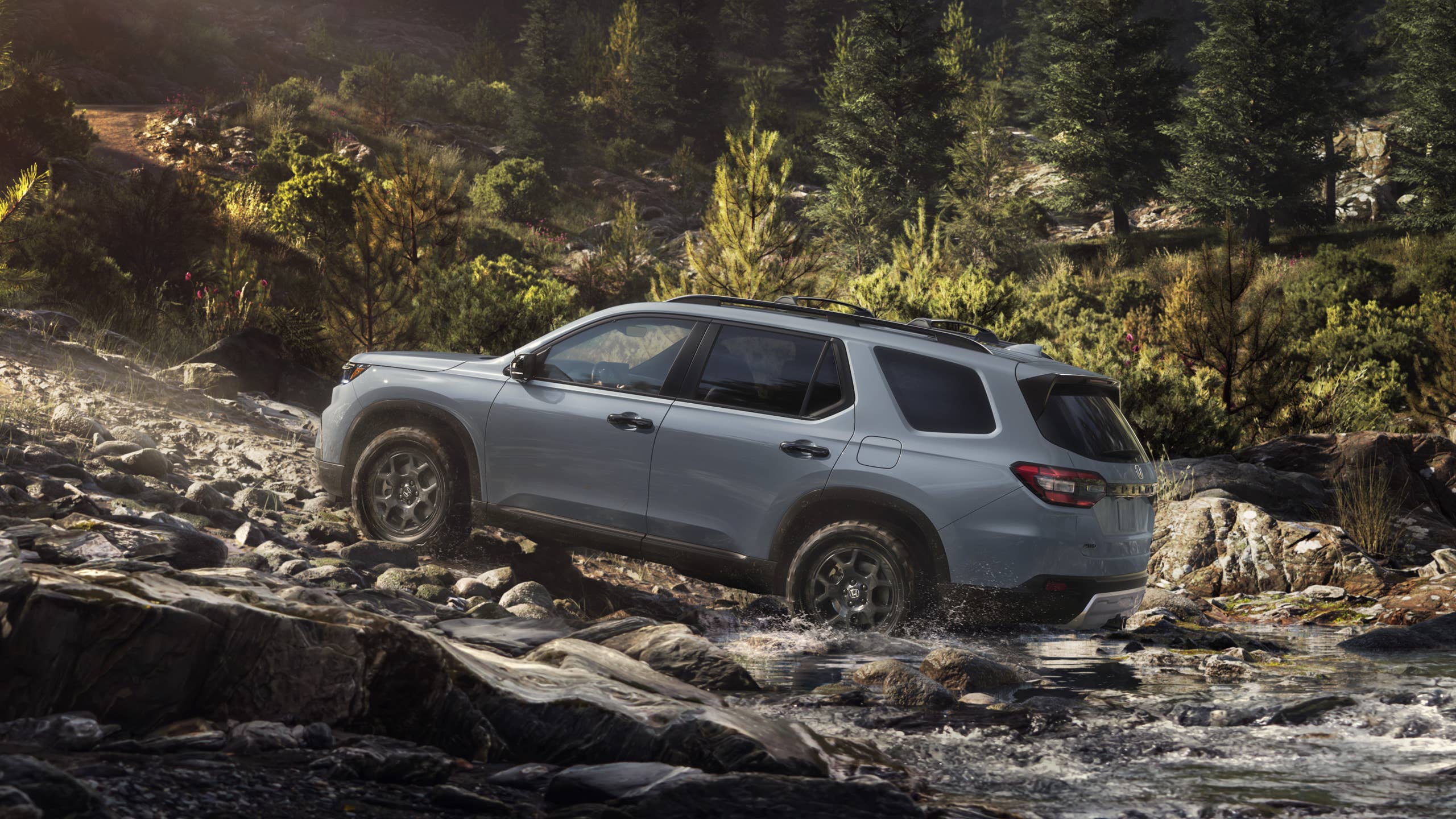
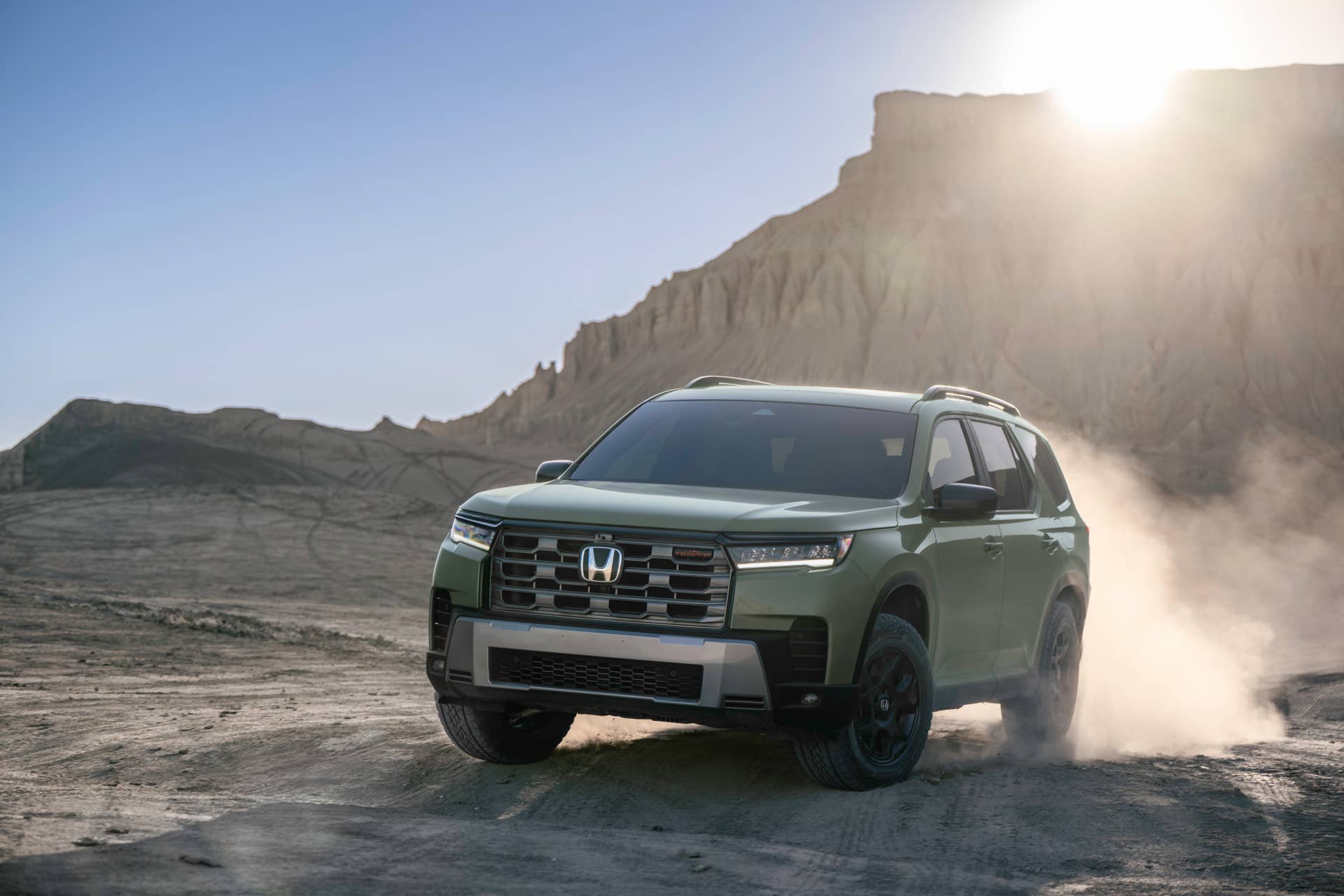
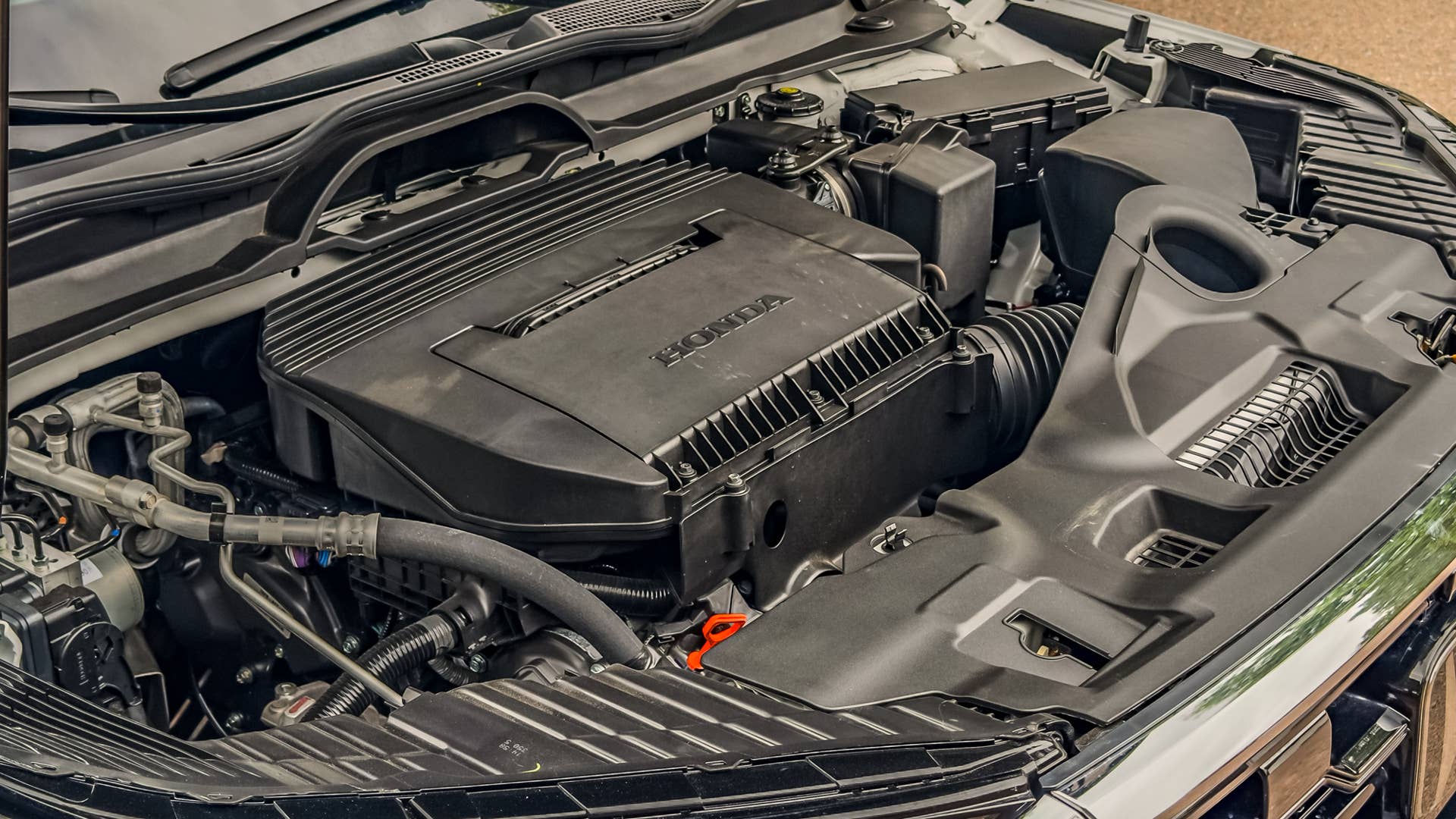
Even with only a single gas engine choice, the Honda Pilot achieves remarkable sales success. Honda Pilot makes a strong argument for keeping things conventional. Its 3.5-liter V6 delivers 285 horsepower through a 10-speed automatic transmission, giving buyers a straightforward alternative to the ubiquitous turbocharged four-cylinder engines found in competitors. There’s nothing inherently wrong with the engine, but it is thirsty.
Chase Bierenkoven
For 2026, front-wheel-drive Pilots earn EPA ratings of 19 mpg city, 27 highway, and 22 combined. Most all-wheel-drive versions manage 21 mpg combined, while the TrailSport drops to 20. Those aren’t great numbers when competitors easily crest 30 or more. A hybrid option would address the Pilot’s biggest powertrain omission without requiring Honda to eliminate its capable and dependable V6. Buyers who prefer the existing engine could keep it, while families who want lower fuel consumption would finally have another choice.
Honda has a viable option in the works. The CR-V Hybrid’s four-cylinder version won’t be enough. Honda’s upcoming V6 hybrid system for larger vehicles is in development, although it hasn’t formally confirmed it for the Pilot. It will likely have two front-mounted electric motors and, on all-wheel-drive versions, a third motor for the rear axle.
Subaru Ascent
Amos Kwon using Perplexity AI
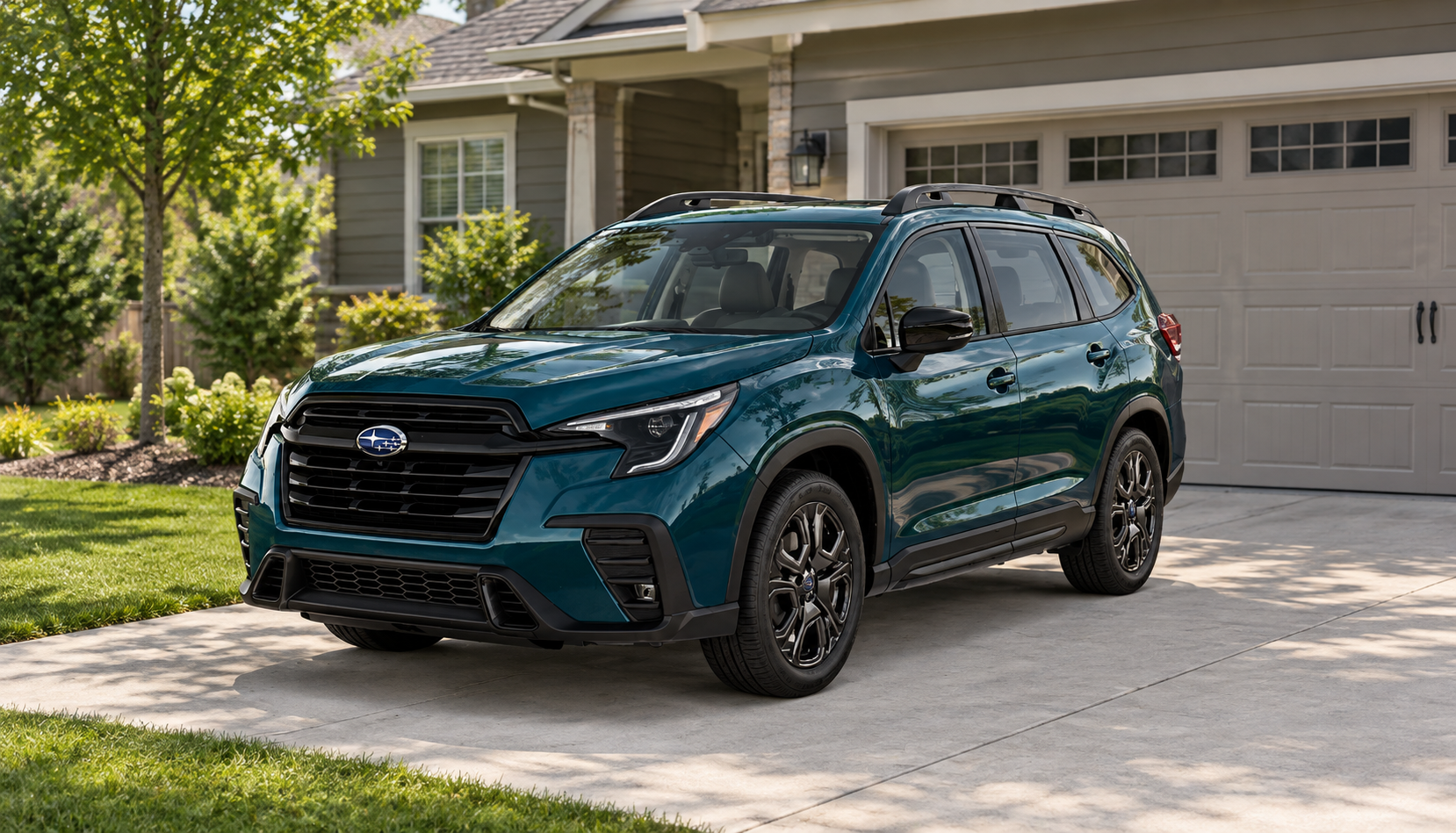
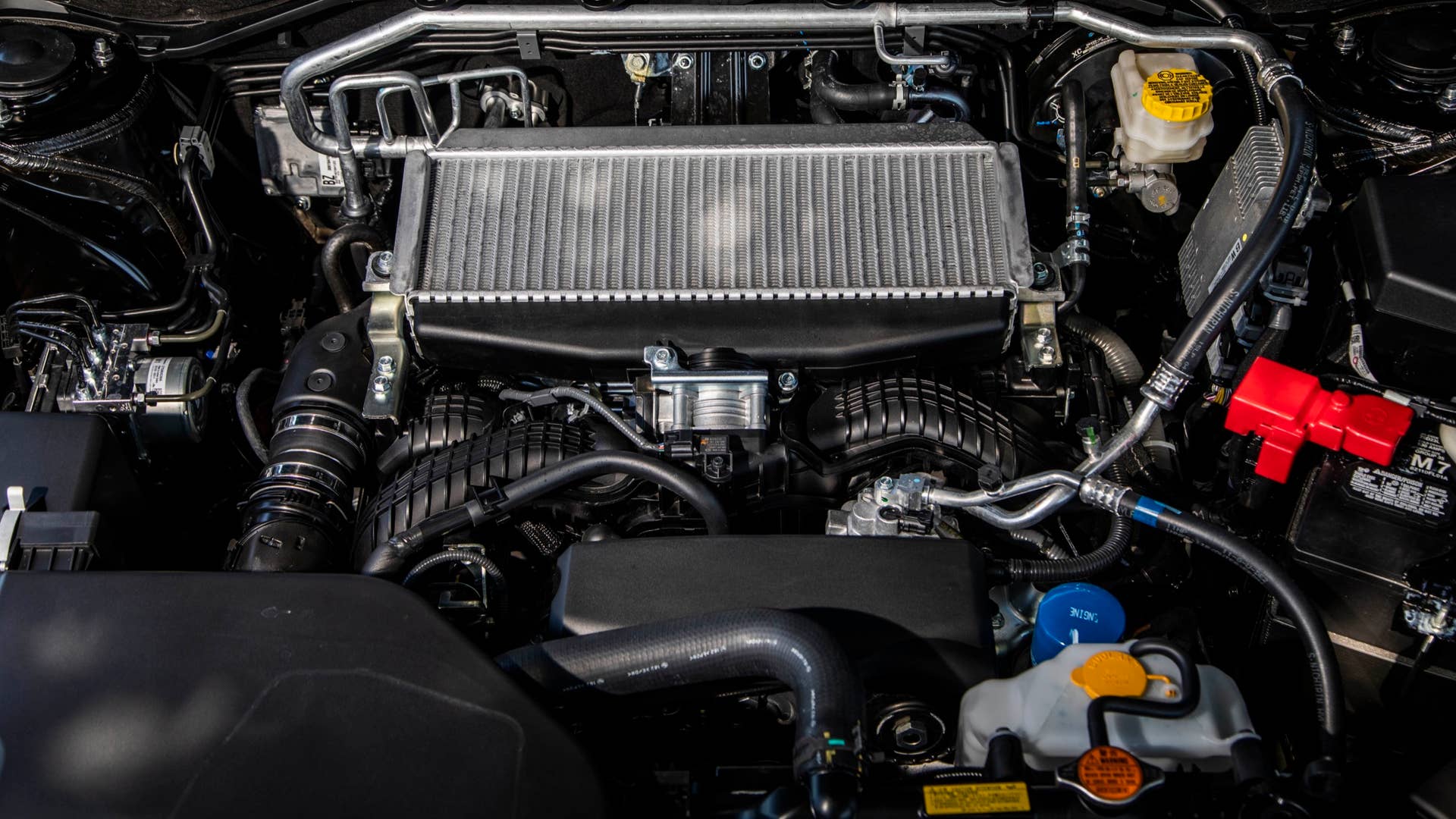
The Pilot was recently redesigned, so it has less of an excuse than the aging Subaru Ascent. The Ascent shows why four cylinders don’t automatically equal frugal operation. Every 2027 model uses a turbocharged 2.4-liter four-cylinder producing 260 horsepower and 277 lb-ft of torque. The Ascent’s standard Symmertrical All-Wheel Drive is appealing, but fuel economy is mediocre, at best.
The Premium trim earns 22 mpg combined, while the other trims return 21 mpg combined. That puts the Ascent in roughly the same efficiency territory as the V6-powered Pilot, despite its smaller displacement engine. Despite hybrid mills for its crossover stablemates, the Ascent has to go without it, for now.
Subaru
The solution isn’t simply shoving the powertrain from the Forester Hybrid under the hood of the current Ascent. Reports suggest Subaru could eventually offer hybrid powertrains in its larger SUVs, potentially using Toyota technology as it has with the Forester Hybrid. The Ascent would need something a little more powerful than the 194 combined ponies in the Forester Hybrid, and it would be great if it could arrive before the Ascent’s next refresh.
Volkswagen Atlas
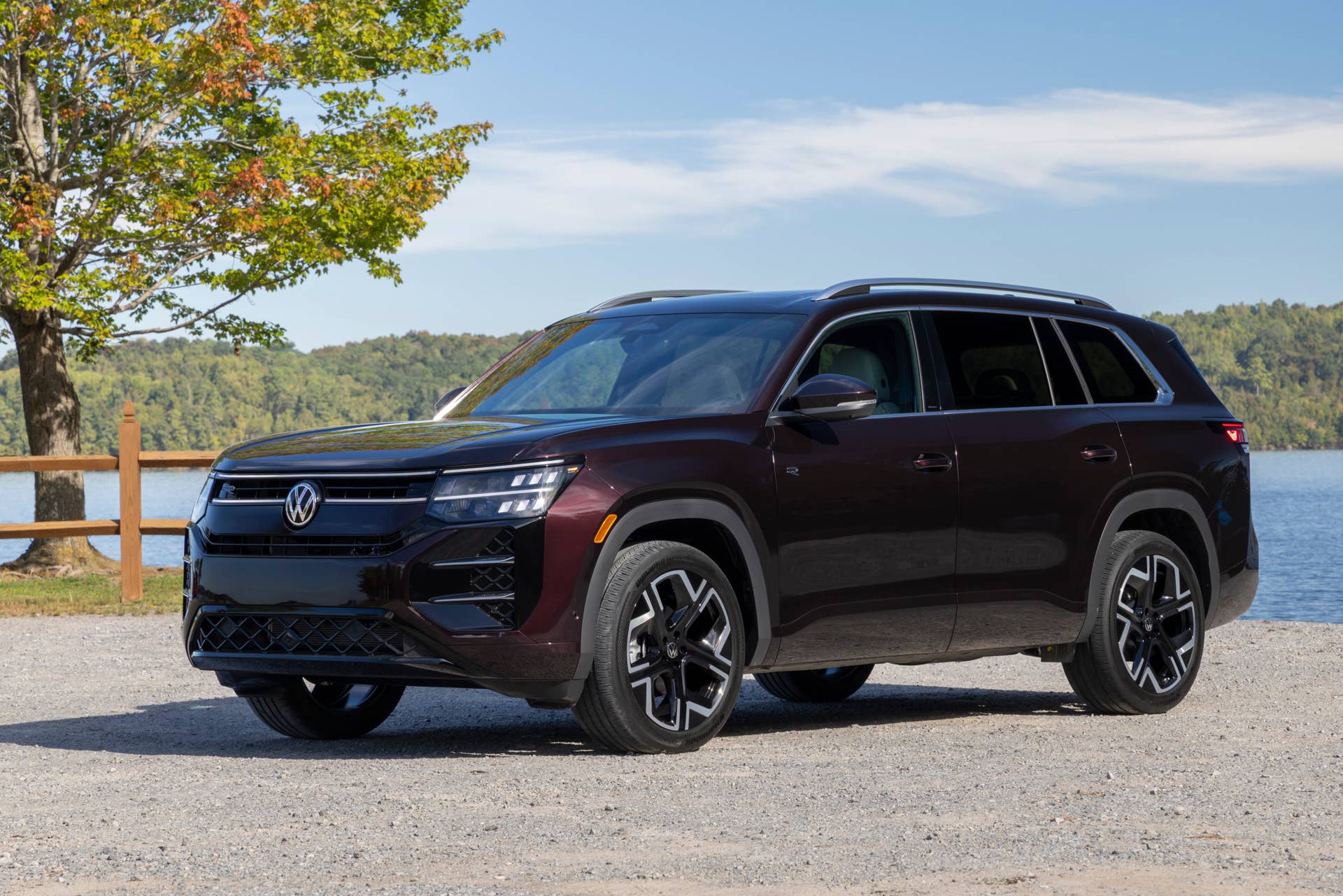
The redesigned Atlas is a looker. It’s more modern in every way, except one. The 2026 Atlas uses an upgraded turbocharged 2.0-liter four-cylinder producing 282 horsepower and 258 lb-ft. of torque. Front-wheel-drive versions achieve up to 25 mpg combined—but that’s nothing to write home about in an age where hybrid competitors are far more efficient.
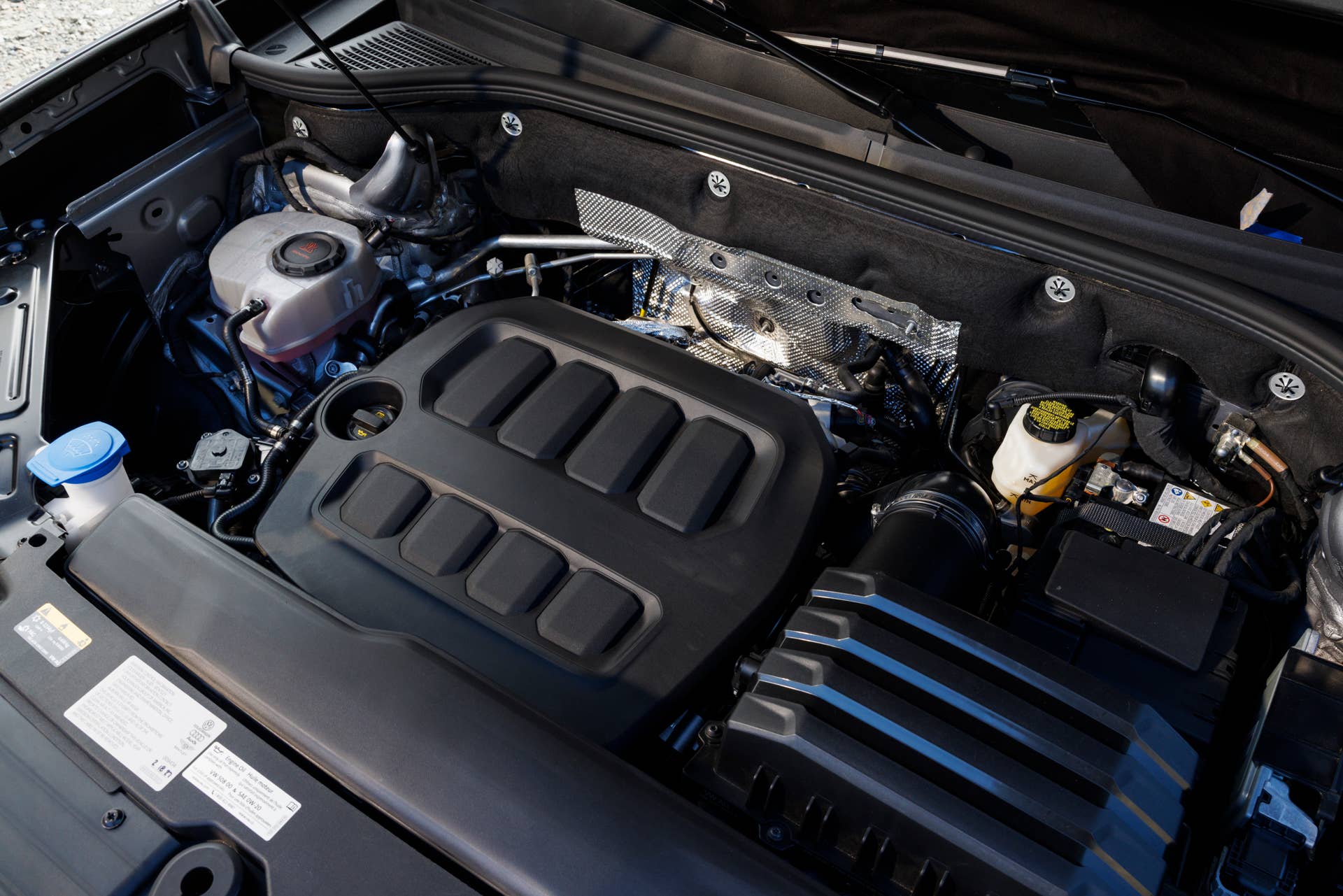
An Atlas Hybrid isn’t a pipe dream. Volkswagen will bring a hybrid mill to its biggest SUV in the not-too-distant future. Volkswagen Group of America CEO Kjell Gruner confirmed that there will be an Atlas Hybrid before the end of the decade. The hybrid option is scheduled to arrive as part of the new Atlas’s mid-cycle refresh, which should make the new Atlas more appealing to those who want three rows and better fuel economy.
Final Thoughts
Hybrids are prevalent today, but they haven’t made their way to some of the larger SUVs. Newer ones like the Pilot and the Atlas with only gas choices aren’t surprising because their closest stablemates like the Passport and the Tiguan don’t have hybrid variants yet. The Ascent, however, already has the Forester, Outback, and Crosstrek Hybrids for sale. It’s high time these manufacturers join the large pool of hybrid SUVs customers are snatching up.
About the author
Amos Kwon
Contributing Writer, Autoblog