
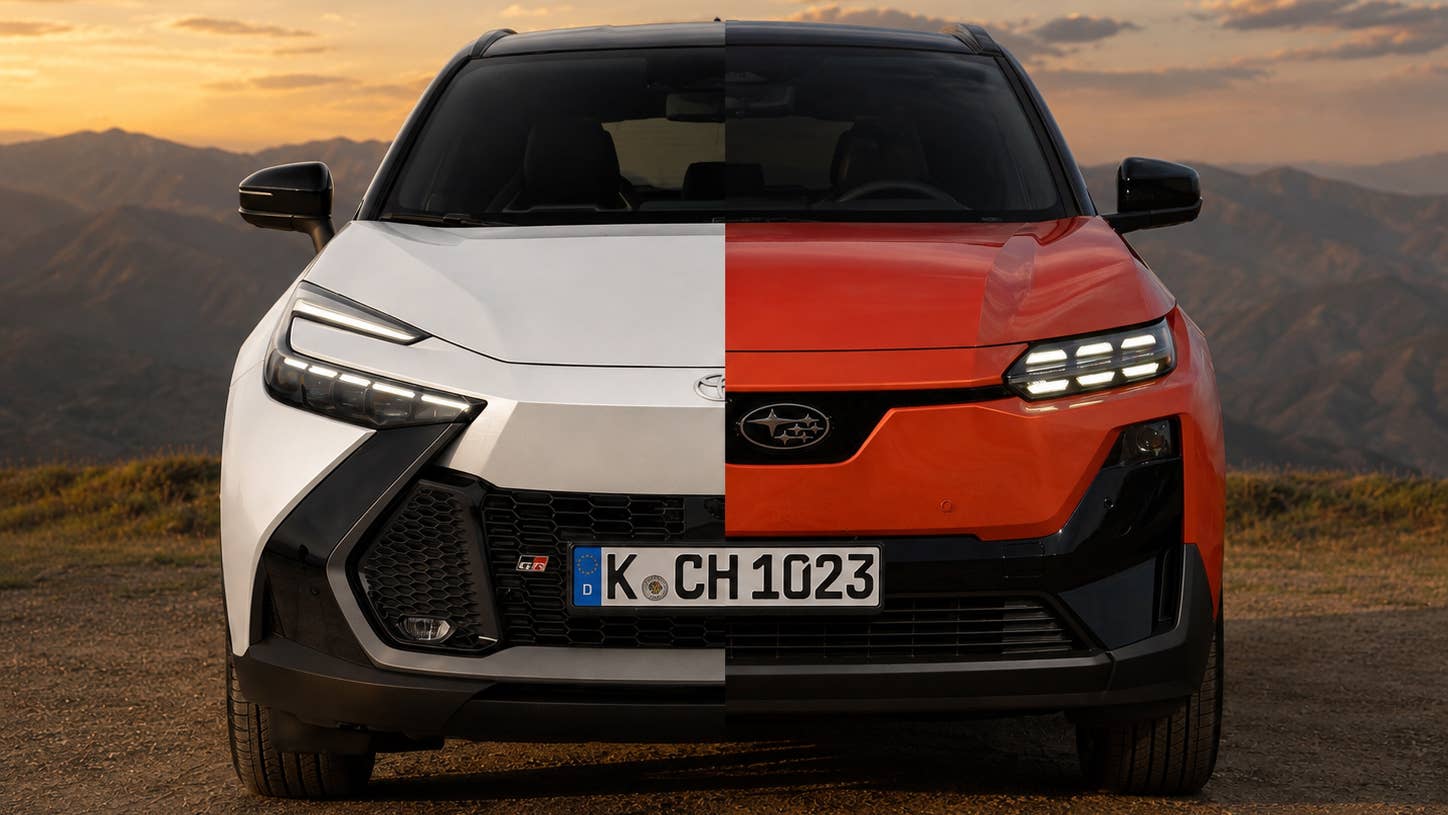
Badge engineering is nothing new. Auto manufacturers regularly collaborate on new vehicle designs or license a vehicle to sell under their own brand, while some do both.
Subaru is one such automaker, with strong ties to Toyota that extends to several vehicles in its current range. We examine which models were jointly developed, which ones merely share certain components, and which ones are purely Toyota clones.
Subaru Solterra
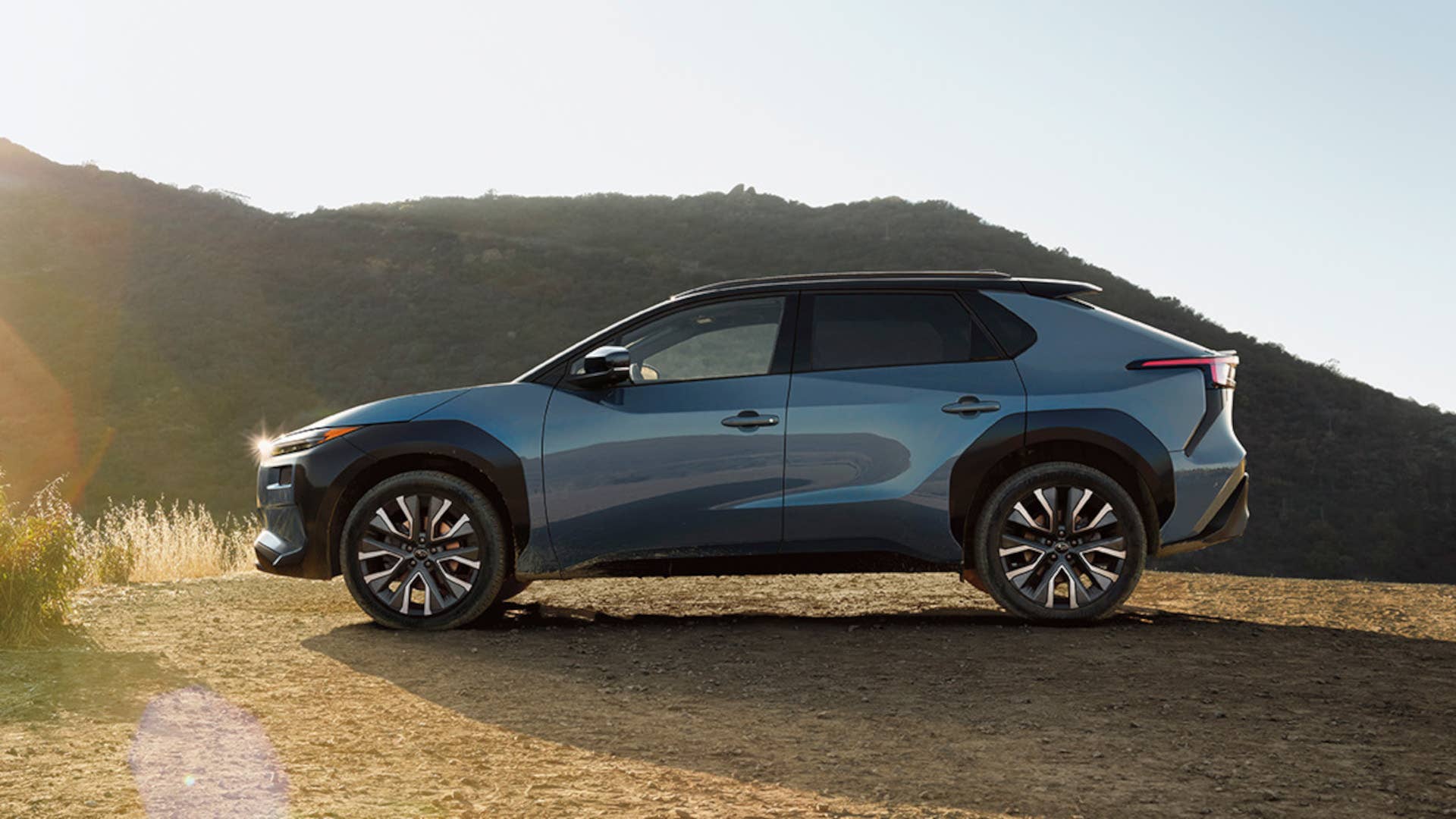
The Solterra is a direct mechanical twin to the Toyota bZ4. Both were co-developed and ride on the dedicated electric vehicle platform known as e-TNGA at Toyota and e-Subaru Global Platform (e-SGP) at Subaru.
They share the same body structure, interior layout, battery packs, and electric powertrains, though Subaru’s base variants are a little pricier as it includes standard dual-motor all-wheel-drive across its range.
Subaru Uncharted
Subaru
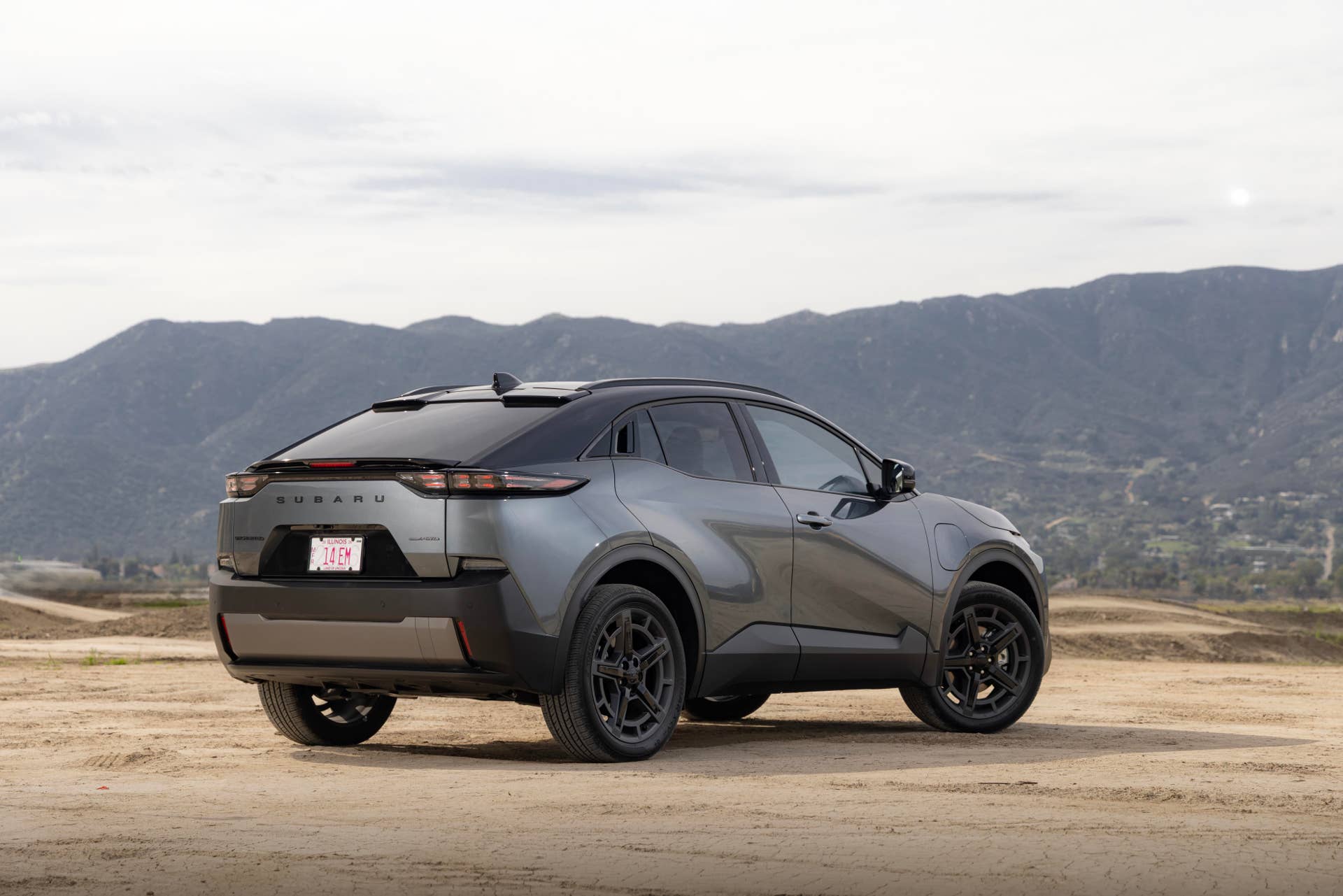
As it turns out, Subaru engineers charted a path straight to Toyota’s offices for the Uncharted. It is the twin to the Toyota C-HR EV and was developed under the Toyota–Subaru EV partnership.
The Uncharted uses the same platform, battery architecture, and electric drive units as the C-HR. But in this case, the Uncharted is the one that is also offered in a cheaper FWD form, while both C-HR trims are AWD.
Subaru Trailseeker
Subaru
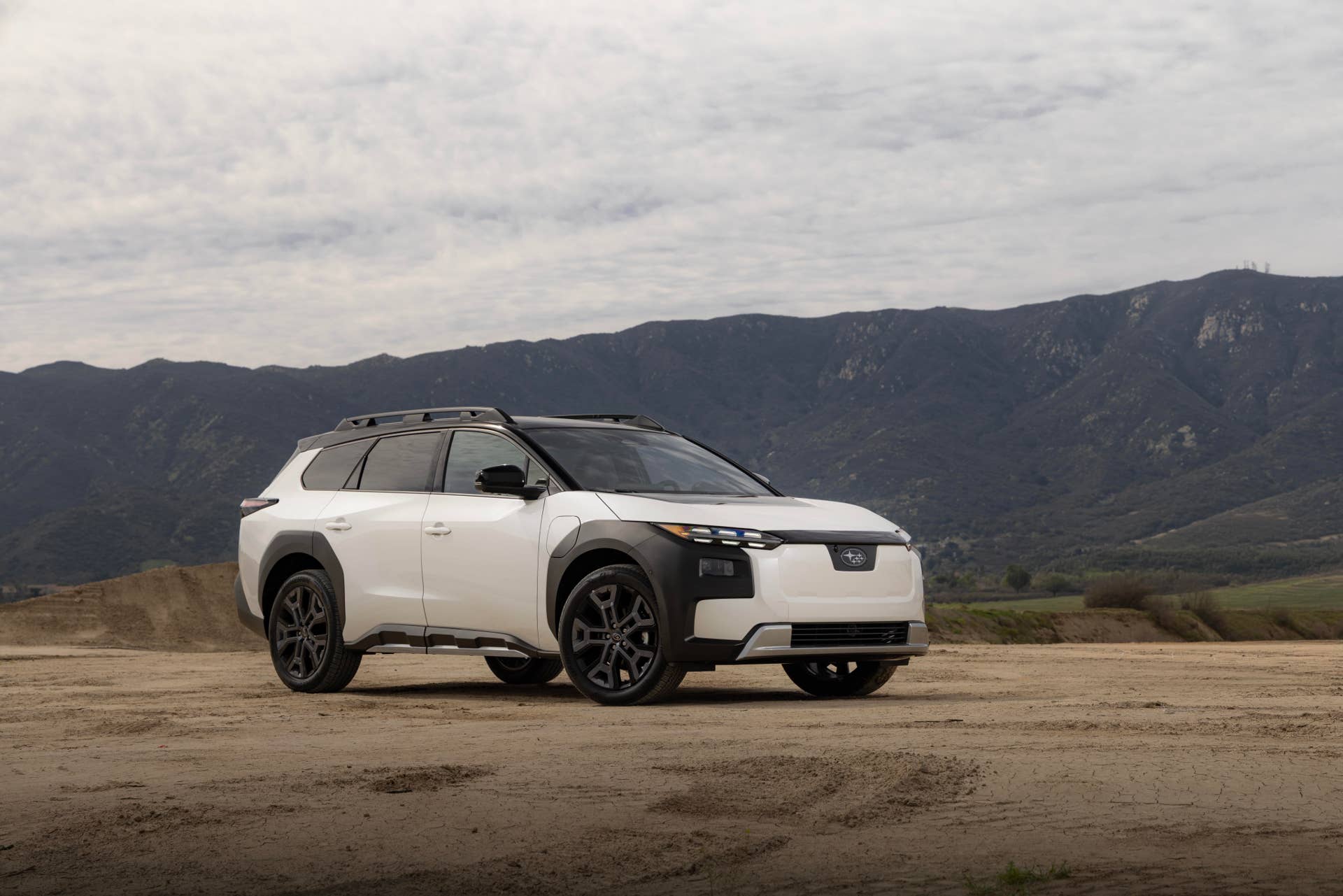
The Subaru Trailseeker EV is a rugged looking SUV/raised station wagon, much like the gas-powered Outback. But despite the marketing blurb promoting its symmetrical all-wheel drive system, this is essentially a reskinned Toyota bZ Woodland with the same platform, battery packs, and dual-motor AWD drive units.
That’s not necessarily a bad thing, and while it has broadly the same passenger space as the Solterra, it offers more cargo space and the base trim comes in well below the slightly better specced entry-level Toyota bZ Woodland.
Subaru BRZ
Subaru
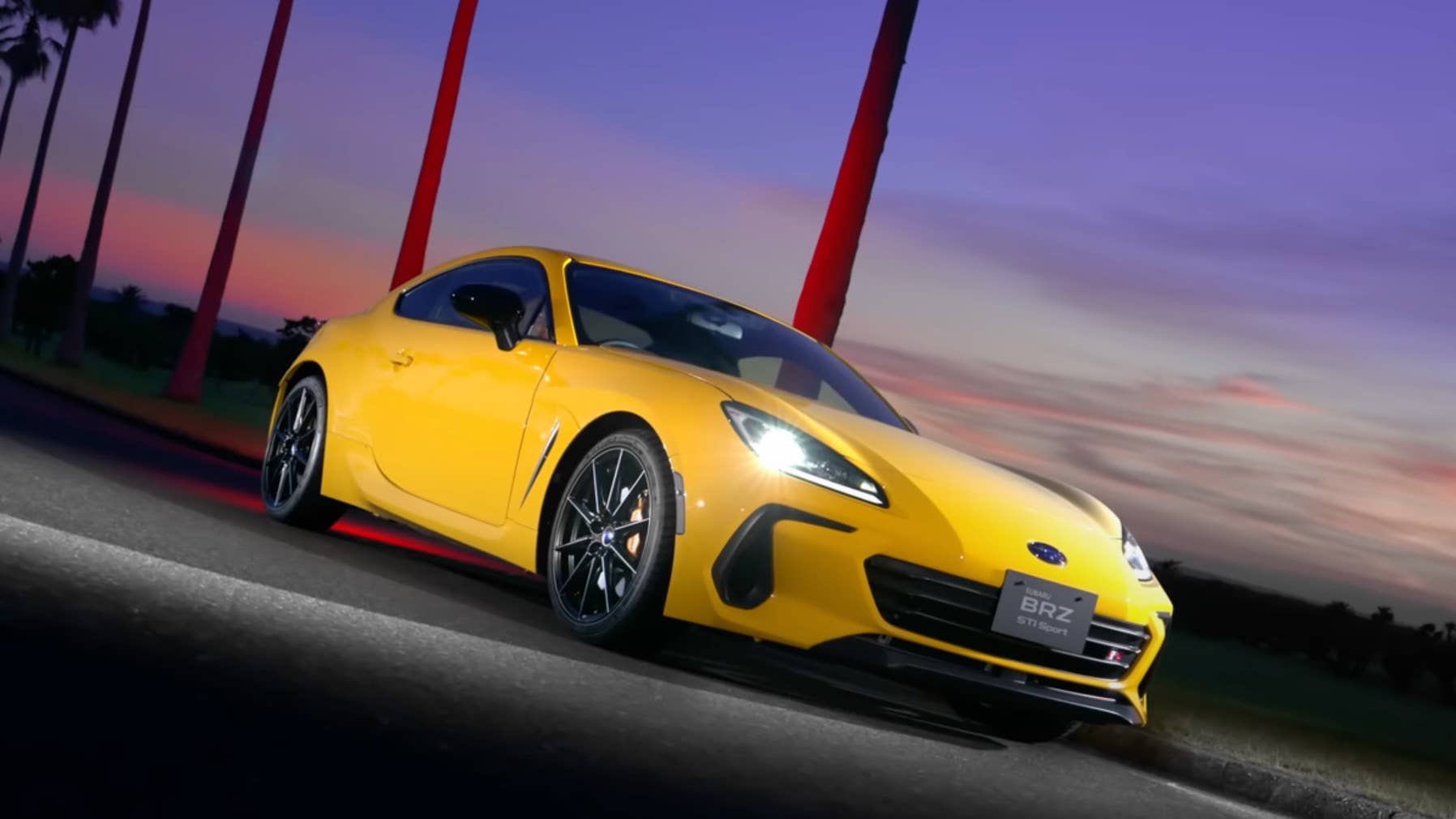
It’s not breaking news that the Subaru BRZ and Toyota GR86 are twins with differently styled body panels, but in this case the BRZ wasn’t simply based on a Toyota model. In fact, it is the GR86 that borrows heavily from Subaru here, as both use the Subaru Global Platform (SGP) rear-wheel-drive architecture.
The engine is also a Subaru Boxer unit that uses Toyota dual fuel-injection technology, but it’s mapped to respond more eagerly in the GR 86, and more linearly in the BRZ. The suspension tuning is also quite different, with the BRZ set up to be more precise and stable in corners, while the GR86 tends to allow for more oversteer.
This tuning and setup difference is common across many jointly developed projects and helps give a vehicle a specific driving feel that they expect from the brand.
Parts Collaboration Runs Deep

Kristen Brown
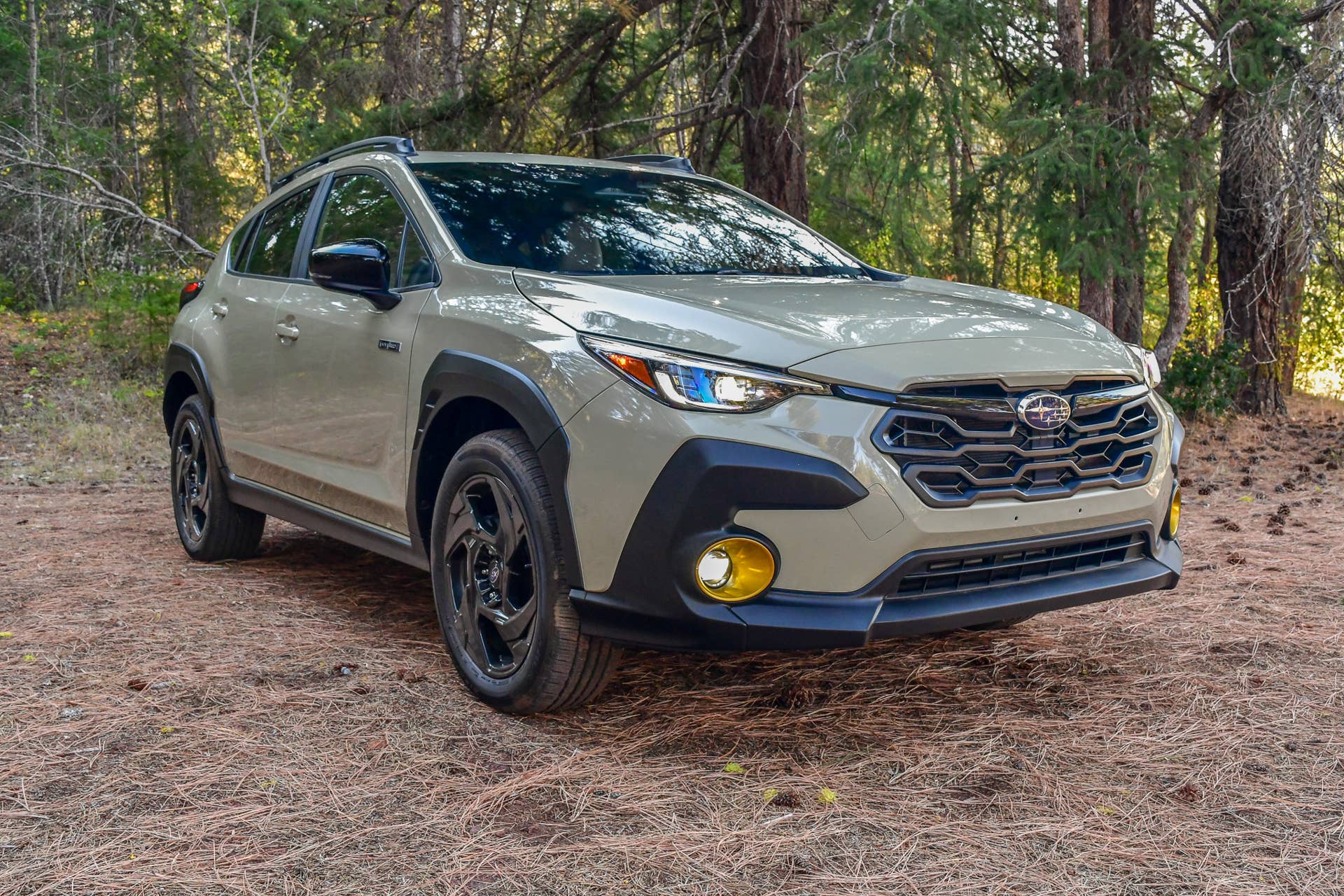
Toyota holds a 20% stake in Subaru, and their technical and platform-sharing alliance goes well beyond just these models. Hybrid versions of models like the Forester and Crosstrek also borrow technologies developed by Toyota.
In these cases, Subaru’s Boxer engine is paired with Toyota’s hybrid and battery tech, but instead of the secondary electric motor Toyota uses to power the rear wheels, Subaru retains its trademark mechanical symmetrical all-wheel drive system.
Future joint ventures include the upcoming Subaru Getaway, a three-row midsize family SUV that will share a platform with the Toyota Highlander EV. Many of these projects rely heavily on Toyota’s engineering and technical knowledge, but that is hardly surprising considering that Subaru has a tenth of the global automotive footprint in comparison.
Is Platform Sharing Bad?
Stellantis
To some, badge-engineered models and parts sharing seem like a sneaky tactic that undermines what the automaker stands for in the first place. But in many cases, the products are jointly developed, which results in a vehicle that benefits from the engineering and financial resources of both manufacturers.
EVs are differentiated more by their styling and interior layout than actual performance, and this is an area where a company like Subaru can leverage its range through Toyota’s extensive battery technology experience and release vehicles that cater to its core customer base aesthetically while offering the solid engineering and reliability that Toyota is known for. Differences in trim, styling, and even AWD tech give many of these Toyota/Subaru twins distinct personalities, while expanding the number of offerings in popular segments.
Parts and tech sharing is clearly a two way street, as Toyota owes much to Subaru for its GR86 sports car, as well as to BMW for the recently discontinued Supra. And before you think American and German brands are above this sort of thing, both have been at it for decades as well.
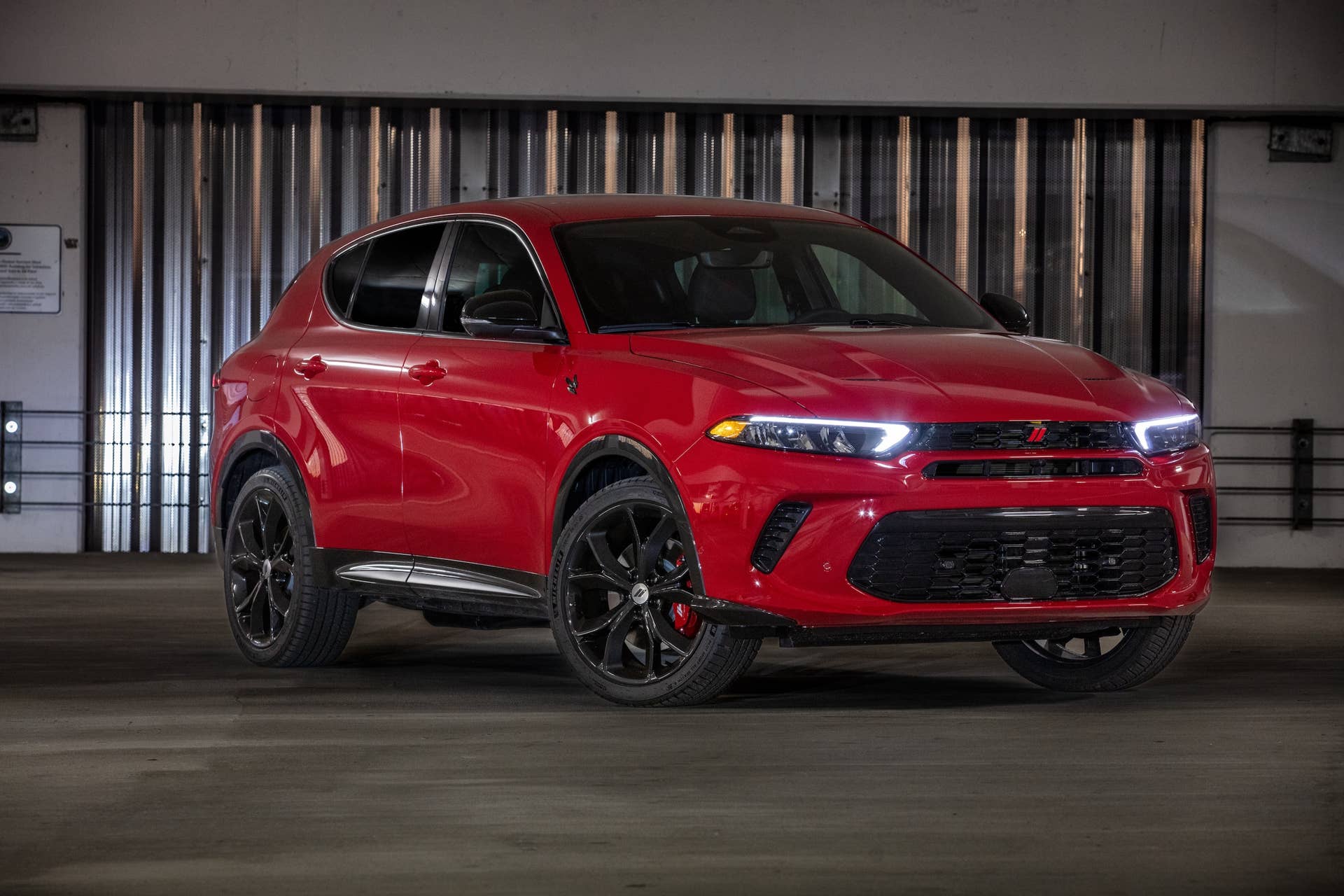
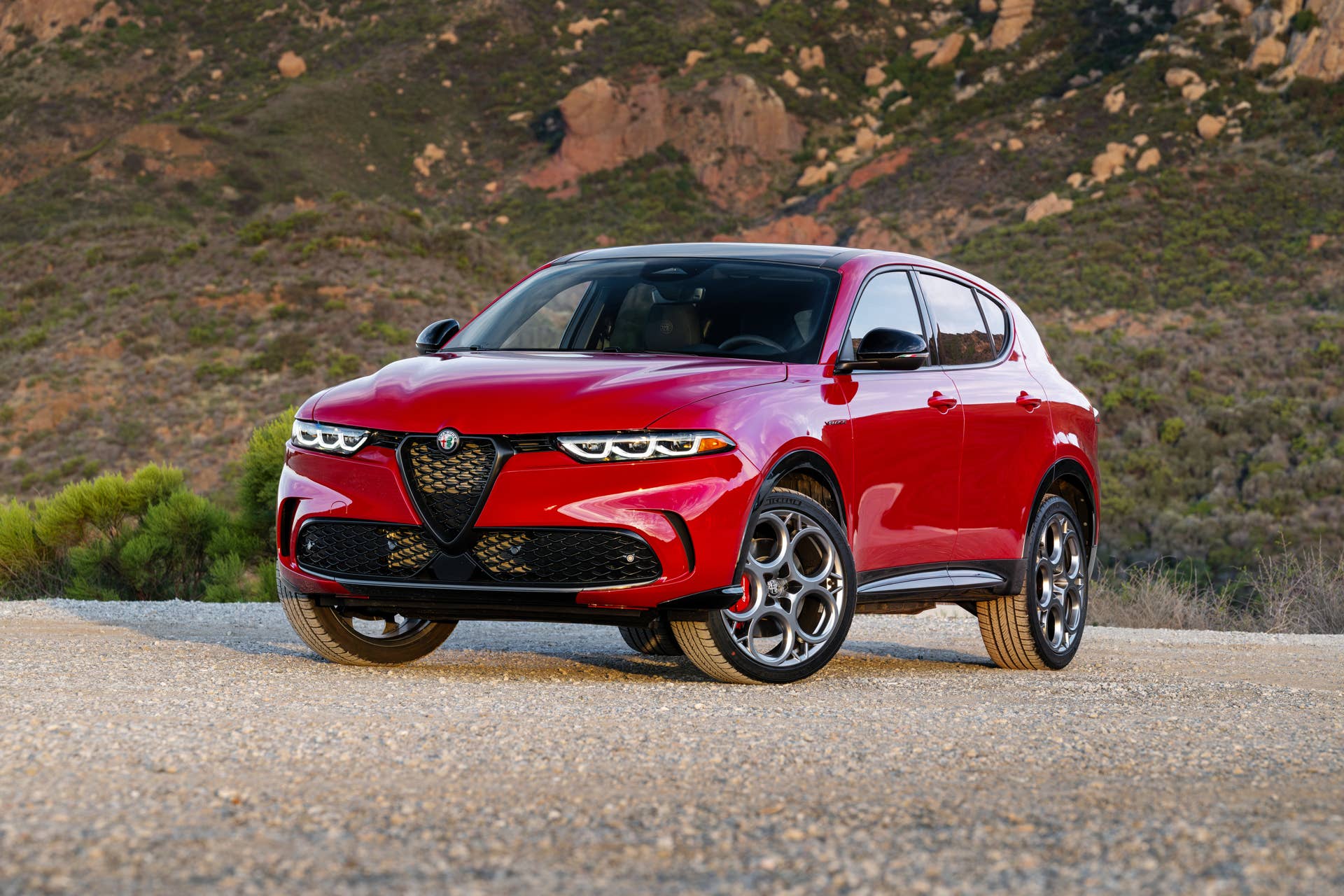
The sporty and now discontinued Dodge Hornet is actually a lightly modified Alfa Romeo Tonale, while many entry-level Audis have been restyled VWs for decades. Porsche Macans and Cayennes have more in common with Audi SUVs than most care to admit, and many full-size American SUVs use the same basic components to share development costs. The list goes on.
This doesn’t make these vehicles worse than their rivals, aside from the blatant and misguided badge-engineered models of the 1980s like the Daewoo-derived Pontiac LeMans. In fact, it can aid reliability and it gives customers more choice over a broader price range. Love it or hate it, badge engineering and platform sharing is here to stay.
About the author

John Tallodi
Senior Editor