
Key Points
- The past two years mark a turning point for some SUVs that finally fixed long-standing weaknesses in design, comfort, and practicality.
- Models like the Hyundai Palisade, BMW X3, and Mazda CX-5 now balance style, space, and refinement without sacrificing their core identities.
- These SUVs feel more cohesive, more livable, and more desirable than ever before.
There’s no question that cars are improving as technology, design, and safety advances. But no model is perfect, and some get released with flaws that send buyers elsewhere. That’s definitely the case with huge crop of SUVs, and sometimes a manufacturer gets hit with feedback from buyers that call out the errors.
BMW
There are a handful of SUVs that have been recently improved with major redesigns. These improvements significantly move the needle to make these SUVs better than ever, having addressed some of the most noticeable issues from both critics and owners, alike.

Subaru Forester: a Hybrid Powertrain
Subaru
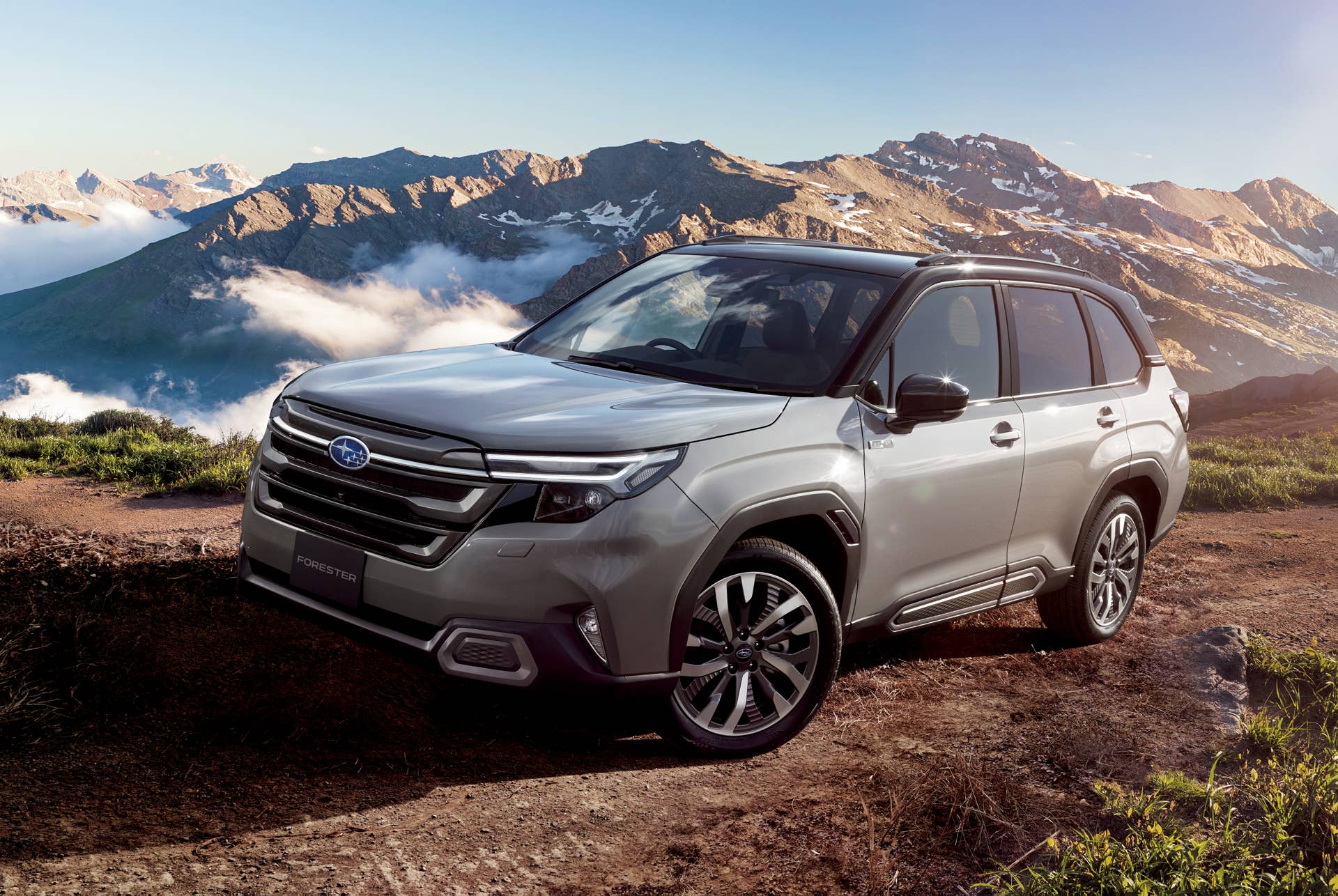
The Subaru Forester has always had a loyal fan base, thanks to its visibility, safety tech, and standard all-wheel drive. The glaring weakness was the powertrain. The combination of a modest engine and a droning CVT made it feel slow, noisy, and a bit coarse, especially when merging or climbing hills. For 2026, it gets a Hybrid variant that changes the game.
The 2026 Subaru Forester Hybrid combines a 2.5-liter BOXER four-cylinder engine with an electric motor and battery in a series-parallel hybrid system designed to improve both efficiency and capability. The gasoline engine uses an Atkinson/Miller cycle for better fuel economy, while the electric motor provides extra torque at low speeds and smooth, quiet acceleration. Together they deliver around 194 horsepower through a Lineartronic continuously variable transmission and standard Symmetrical All-Wheel Drive. This setup boosts efficiency and refinement while maintaining the Forester’s trademark traction and versatility.
Subaru
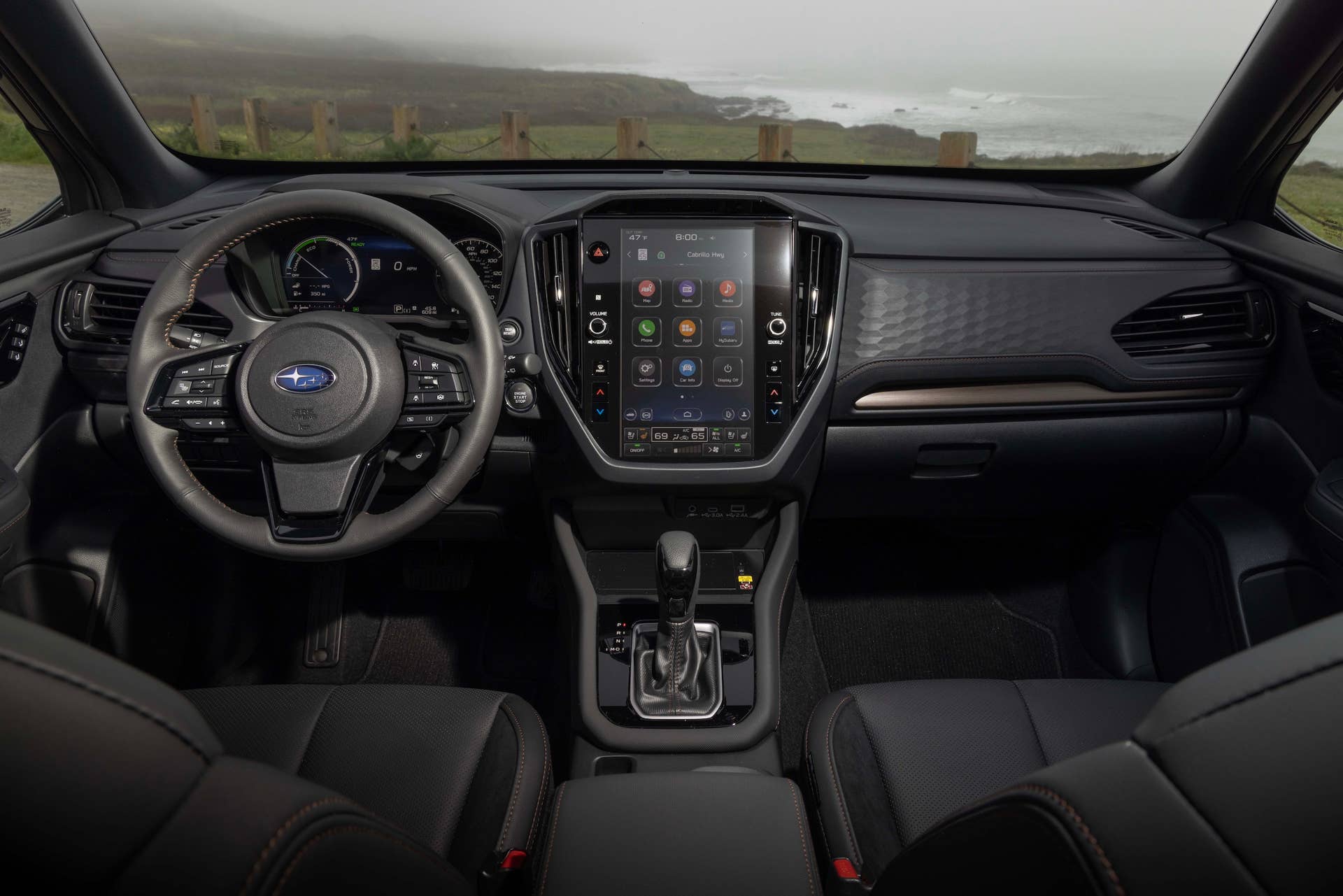
Subaru also used this update to address some interior gripes. While the cabin was always practical, it could feel basic and a little cheap in some trims. The 2026 model introduces nicer materials on the touch points, better seat padding, and a more cohesive center screen interface. It still feels like a Forester, but one that no longer punishes you with constant droning when you put your foot down.
Hyundai Palisade: Cohesive, Upscale, and Finally Premium
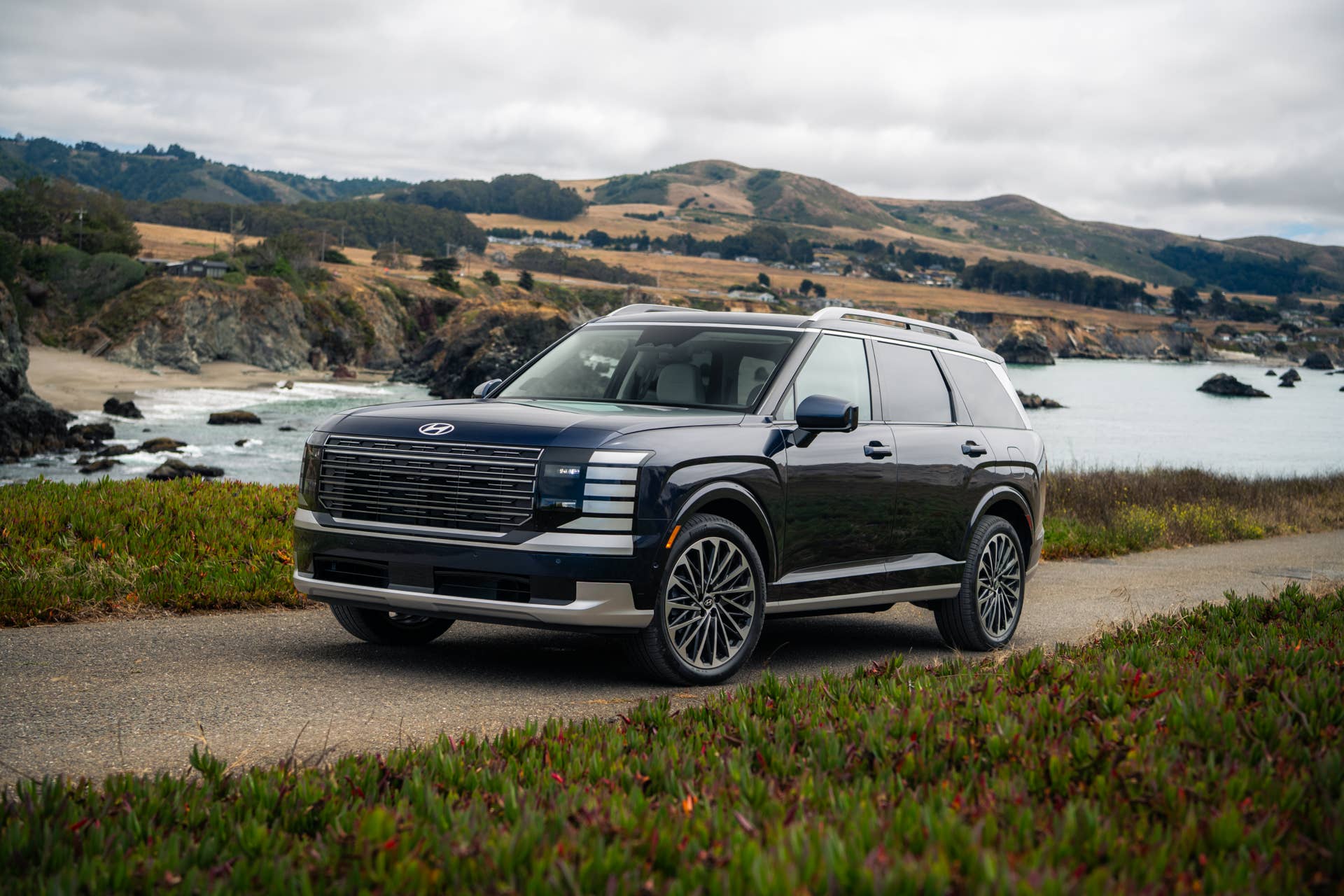
When the Hyundai Palisade debuted, it impressed shoppers with its value and practicality, but one area always held it back from true luxury status—styling cohesion. Earlier versions mixed sharp angles, chrome flourishes, and blocky shapes that made the design feel a bit disjointed compared to more elegant rivals like the Volvo XC90 or Acura MDX. It looked upscale from certain angles, but never truly harmonious.
The 2026 Palisade fixes that with a complete design refresh that ties everything together. Hyundai refined the SUV’s proportions and gave it a sleeker, more unified look. The front fascia now features slimmer LED lighting integrated into a cleaner, more vertical grille that flows naturally into the hood and fenders. Flush door handles modernize the silhouette, while the rear end adopts minimalist horizontal taillights that stretch across the liftgate for a balanced finish. The overall result is a Palisade that finally looks as expensive as it feels.
Hyundai
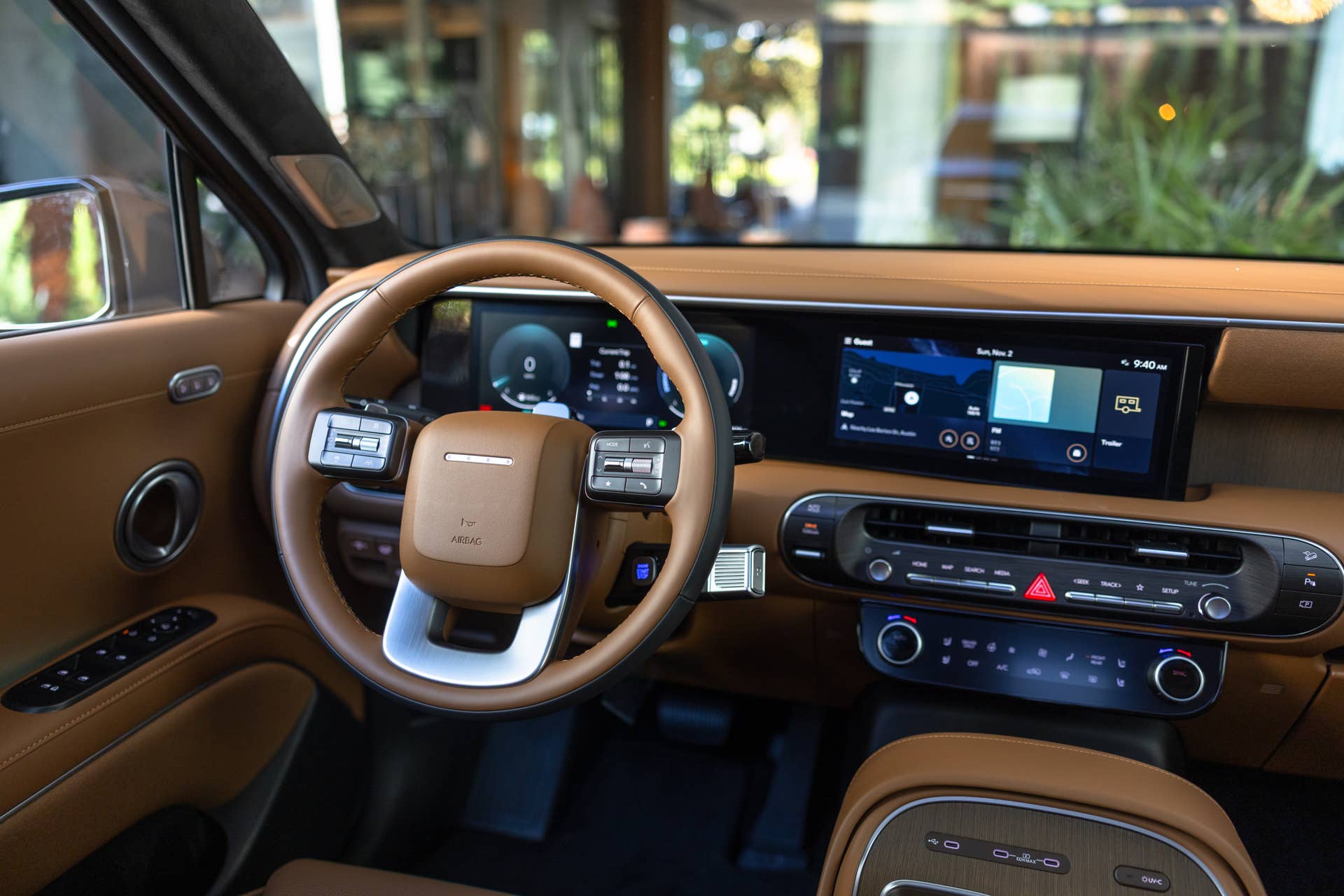
Inside, Hyundai doubled down on the upscale theme with a simplified dashboard design, continuous ambient lighting, and a panoramic curved display that replaces the old, separated screens. The materials have been elevated—real metal trim, richer leather textures, and cleaner switchgear now give the cabin the sophistication of an entry-level luxury SUV.
2026 Mazda CX-5: More Room Without Losing Its Soul
Mazda
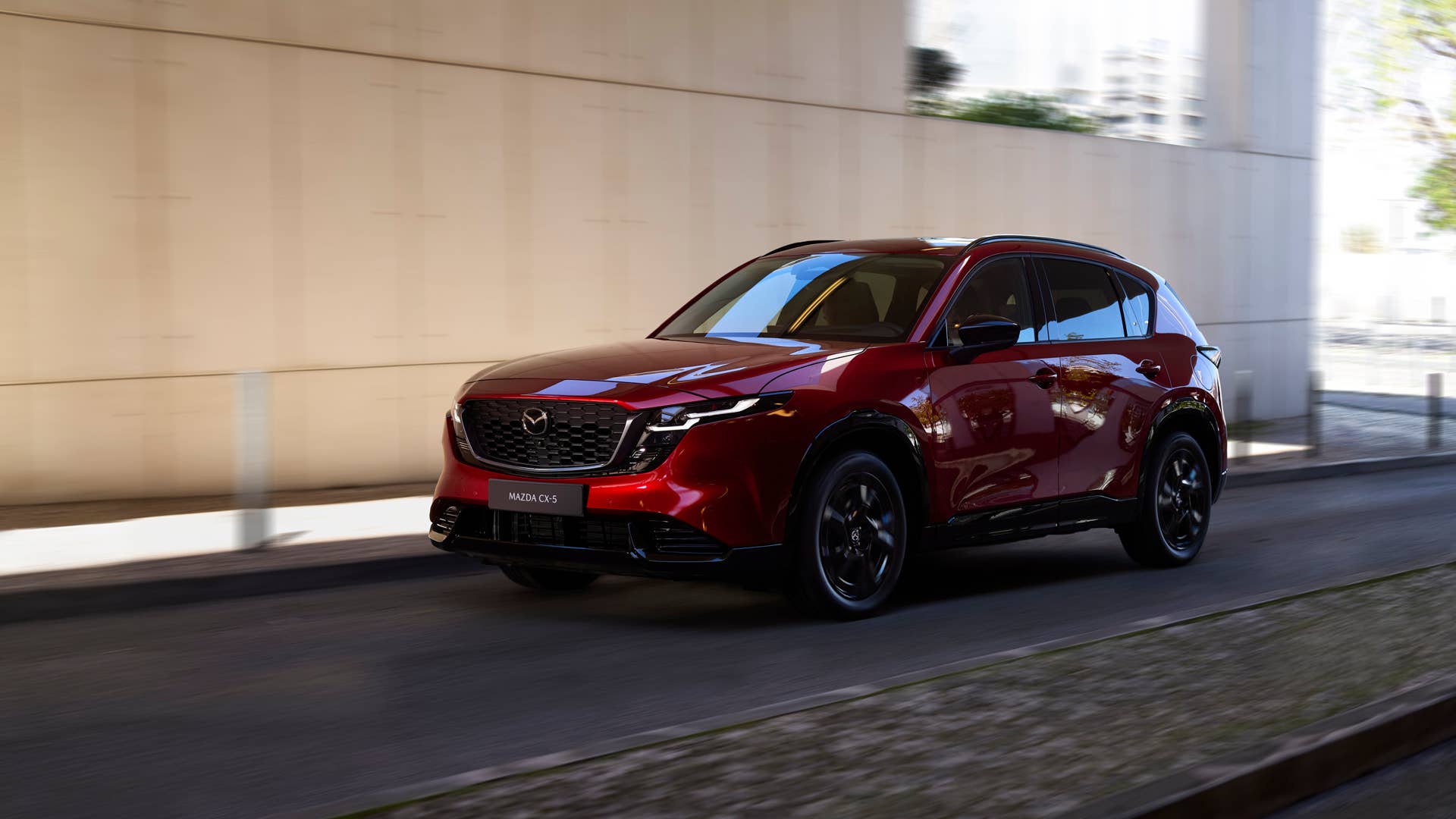
For years, the Mazda CX-5 has been the driver’s choice in the compact SUV class — sharp handling, premium feel, and great looks — but one flaw always held it back: limited space. Rear-seat legroom and cargo volume lagged behind rivals like the Honda CR-V and Toyota RAV4, forcing many buyers to trade driving enjoyment for practicality.
For 2026, Mazda finally fixes that problem. Built on an updated platform, the new CX-5 stretches its wheelbase and slightly widens the body, translating into noticeably more room for passengers and gear. Rear legroom grows by several inches, and the cargo hold now swallows family-sized luggage or outdoor gear with ease. It also does so without compromising driving thrills, something the brand refuses to trade for anything.
Mazda
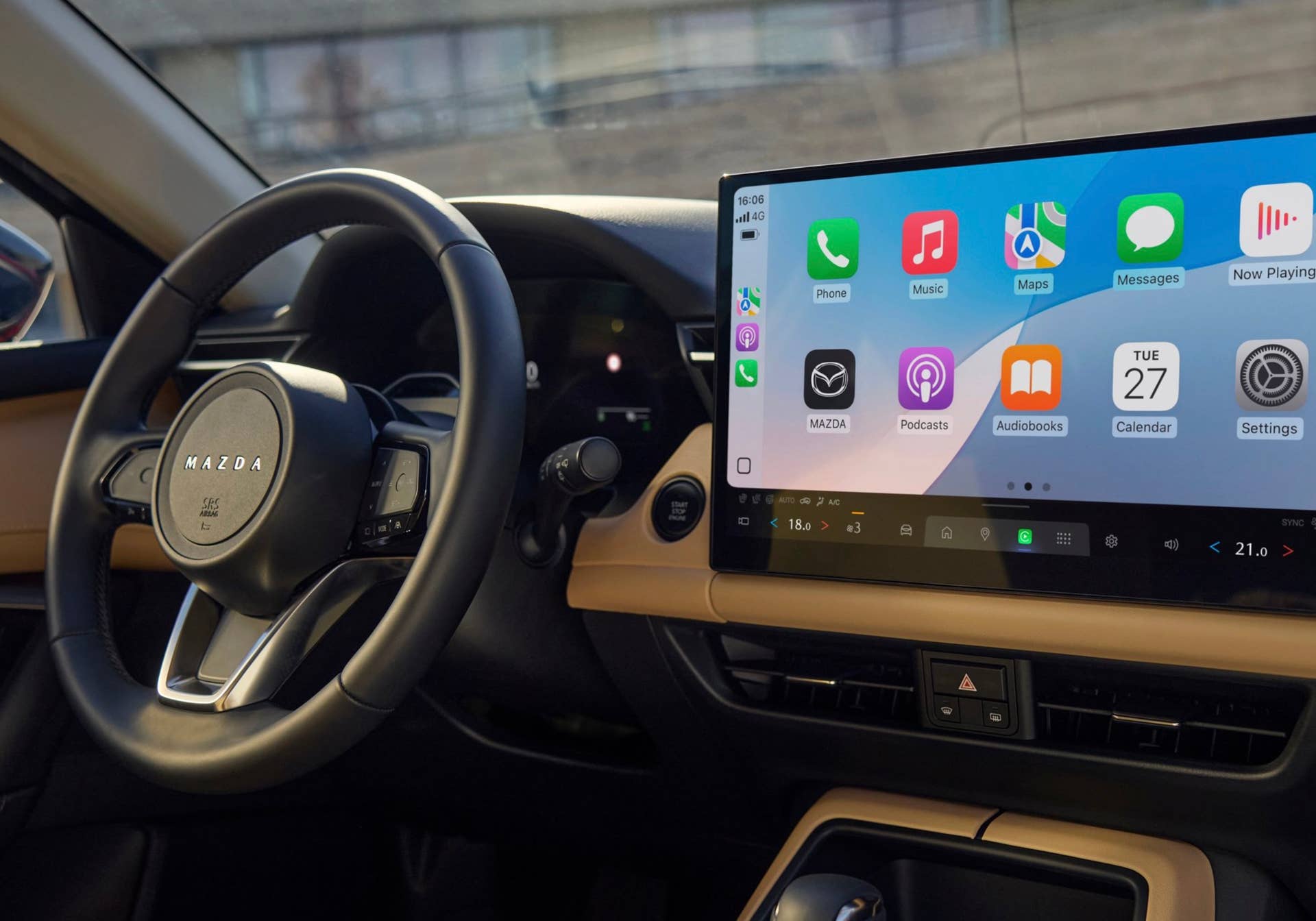
Inside, Mazda preserved the minimalist elegance that fans love, but with more usable space and better visibility. Details like a new steering wheel design, better tech, and even cleaner styling make the Mazda CX-5 a near-luxury vehicle for non-luxury prices. The largely touchscreen functions for climate and audio might be controversial for Mazda loyalists, but Mazda promises excellent functionality and quick responsiveness from the system.
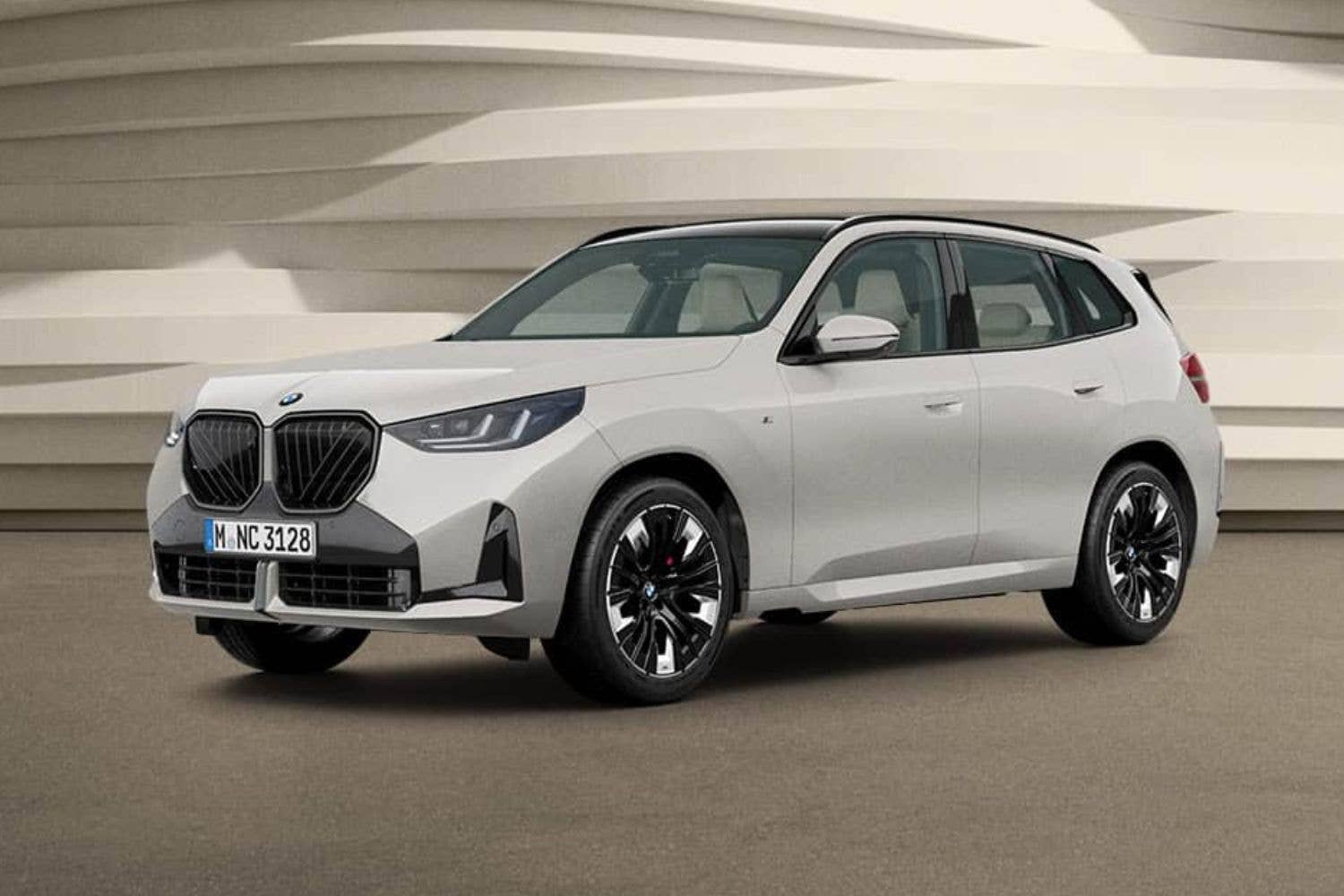
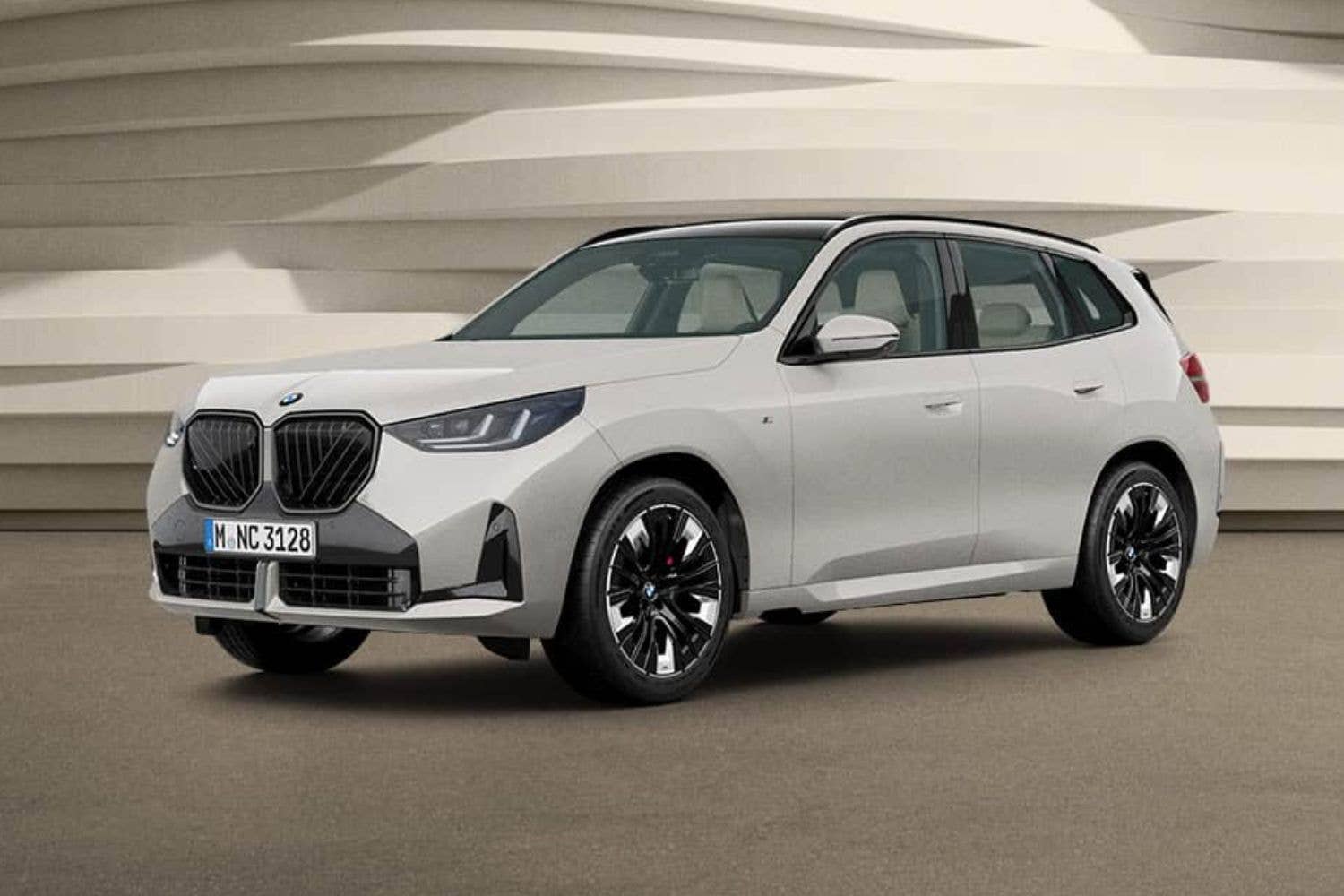
2026 BMW X3: From Conservative to Head-Turning
BMW
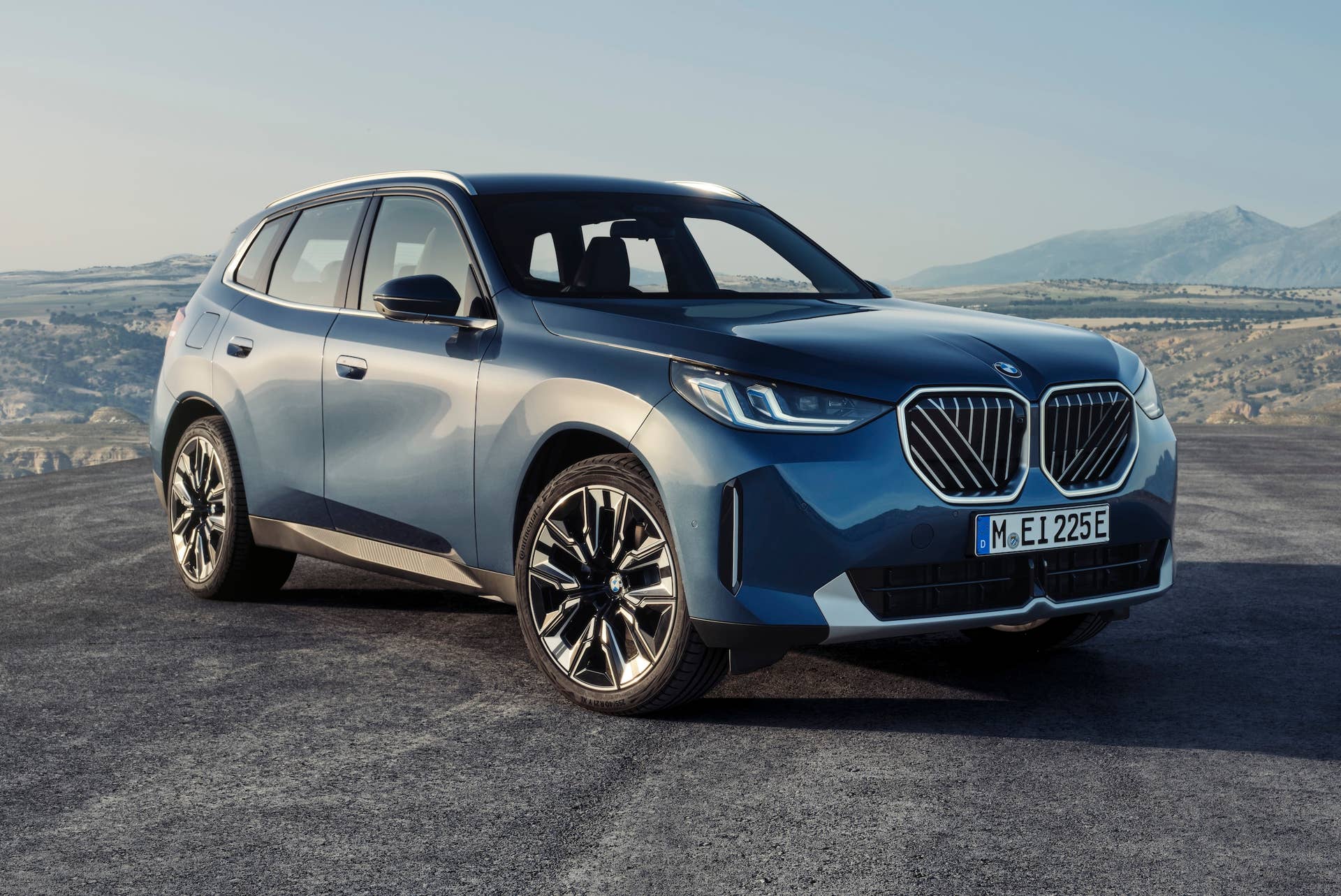
For years, the BMW X3’s biggest flaw wasn’t how it drove—it was how it looked. While it always delivered class-leading handling and strong performance, the design was often criticized for being too conservative, especially next to bolder competitors like the Genesis GV70 or Mercedes-Benz GLC. It was competent and polished, but not the kind of SUV that turned heads the way other Bimmers do.
The current X3 changes that in a big way. BMW finally gave its best-selling SUV the same visual confidence as its driving dynamics. The redesigned exterior adopts sharper surfacing, thinner LED headlights, and a radical grille. Optional two-tone paint and larger wheel designs add to the visual drama, while the rear now wears a distinct LED signature that makes it instantly recognizable at night.
BMW
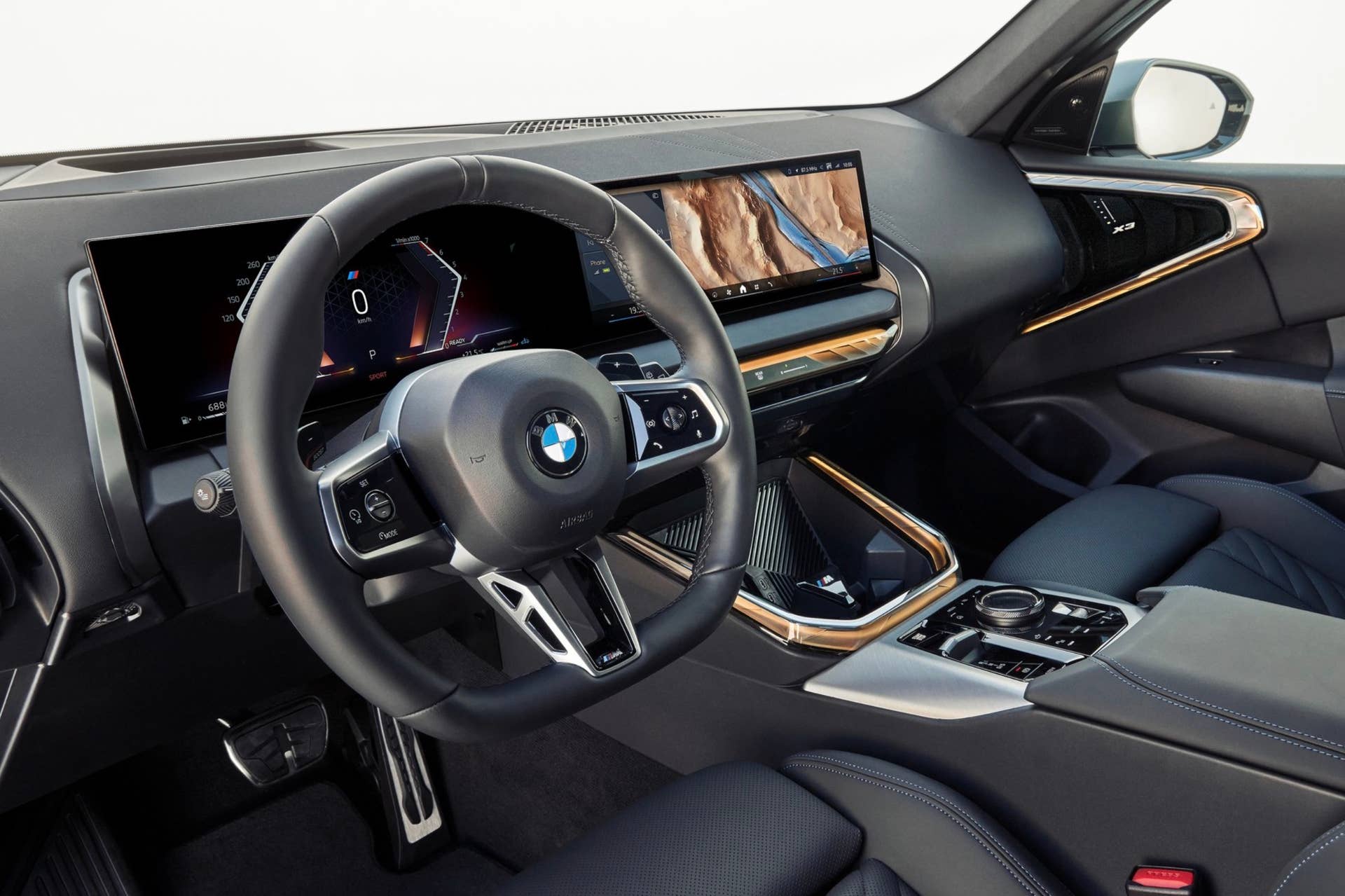
Inside, the transformation continues with BMW’s latest curved display, ambient lighting, and refined materials that make the cabin feel more futuristic than functional. It borrows dramatic trim elements from its much pricier XM stablemate, and the result is a truly premium cabin. Now, even the X5 and X7 will have to play catch-up in terms of a design-forward interior that leads the segment.
Final Thoughts
It’s always encouraging to see automakers make important changes that meet the needs and desires of buyers. Little changes can go a long way, and these four SUVs are now at the head of the pack and not just because of brand or model loyalty. They’re easily some of the best SUVs available today, made even better thanks to improved powertrains, head-turning design, more space, and improved interiors. We’ll see how these play out when it comes to sales figures, but we’re sure buyers will notice the improvements.
About the author
Amos Kwon
Contributing Writer, Autoblog