
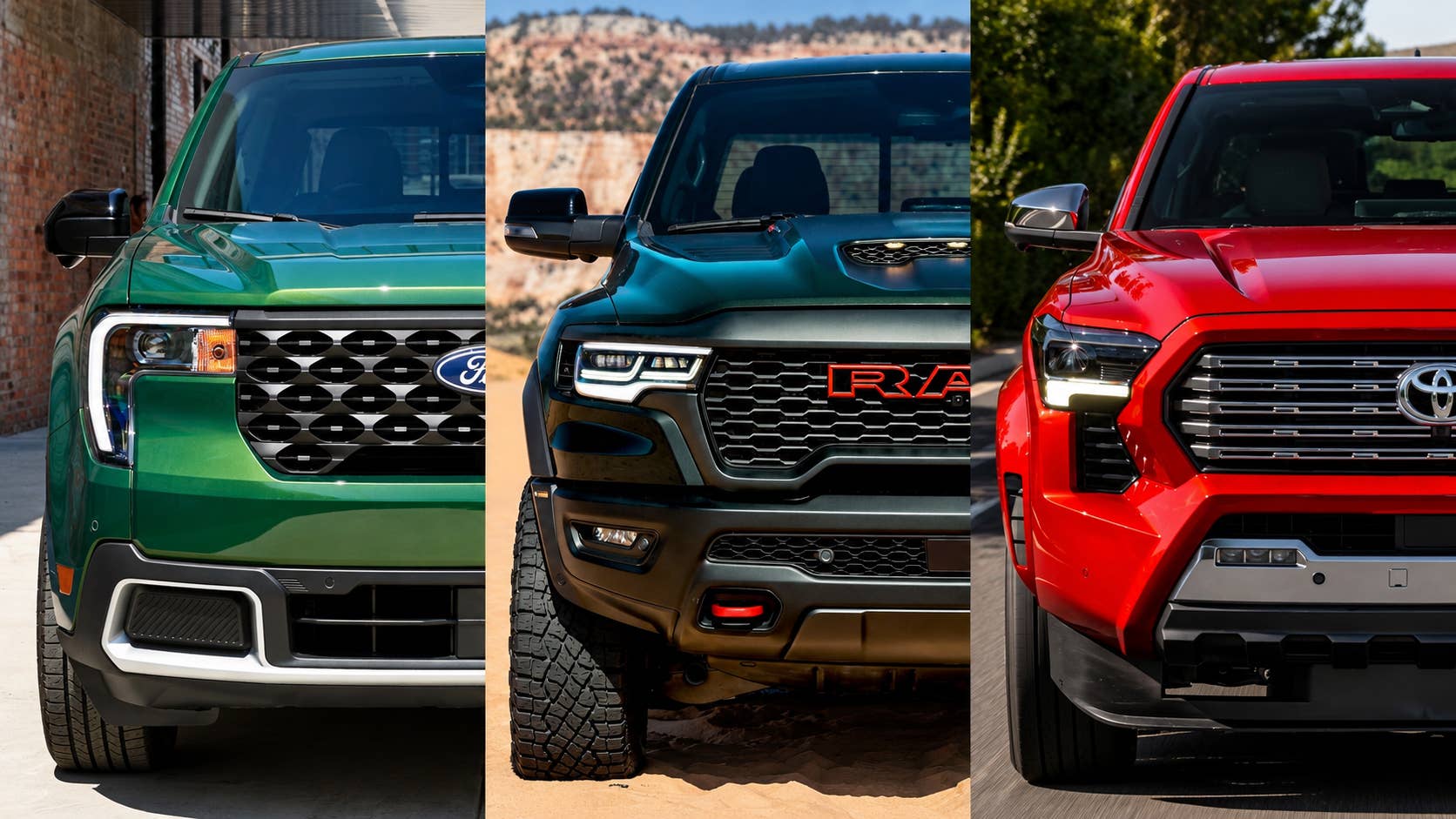
Most buyers who can’t do without a pickup truck accept that it will come with a few sacrifices, be it poor efficiency, a bouncy ride, or parking challenges. Fortunately, there are a few trucks out there that can accommodate your awkwardly shaped gear while still being pleasant daily drivers. These pickups have crossover-like road manners and reasonably accessible price tags, but which one is the best daily driver pickup of them all?
We’ve made our choices based on our own reviews, official specifications, EPA ratings, and available safety data. These are the top pickups that can be used every day with minimal impact on your budget, practicality needs, and comfort requirements.
Winner: Ford Maverick
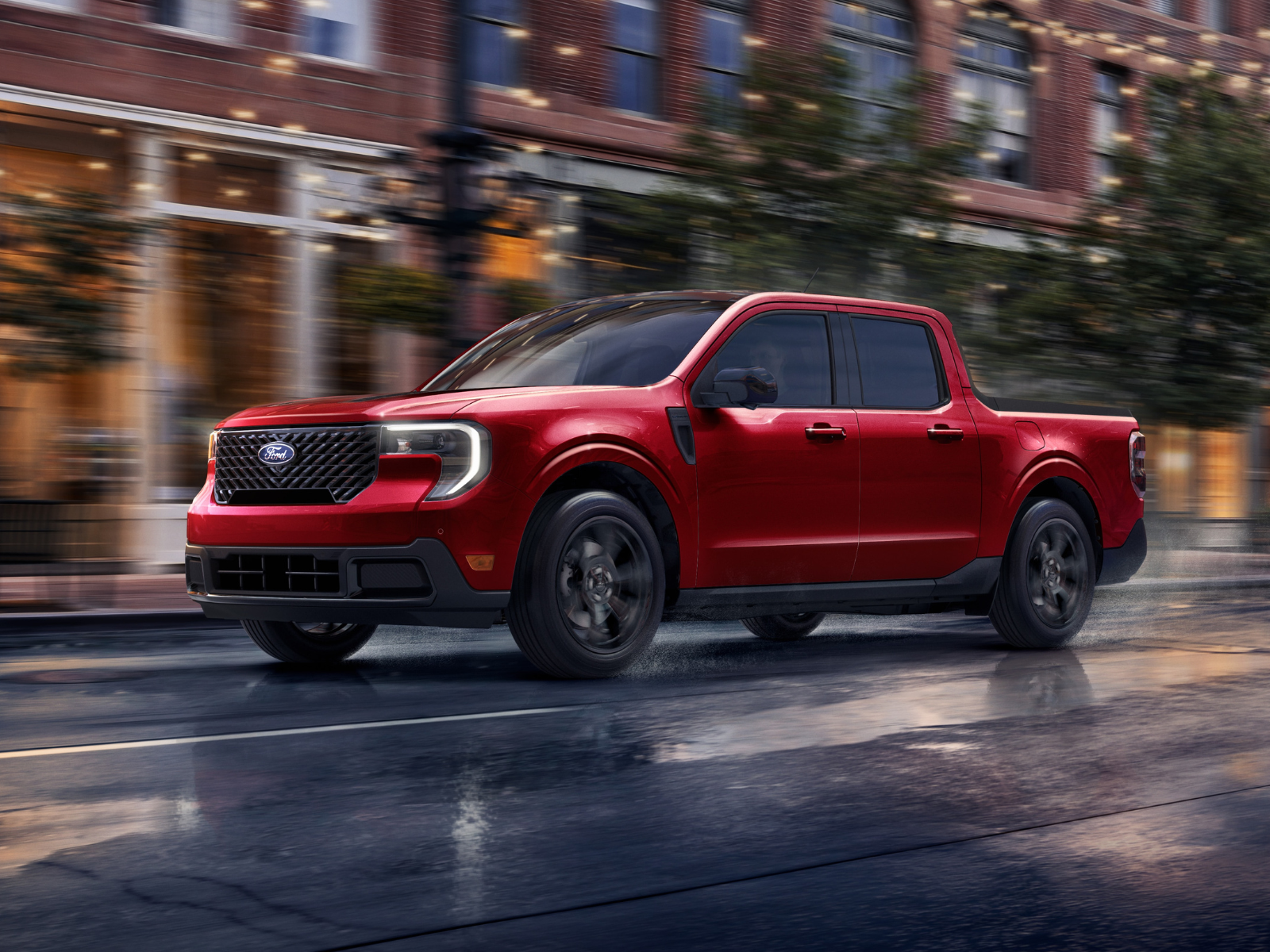
Our choice for the best daily driver truck is the 2027 Ford Maverick. No major updates are expected for the compact Maverick pickup for 2027, as it received a styling refresh and a performance-focused Lobo derivative not too long ago, so the 2026 and 2027 versions are expected to be nearly identical.
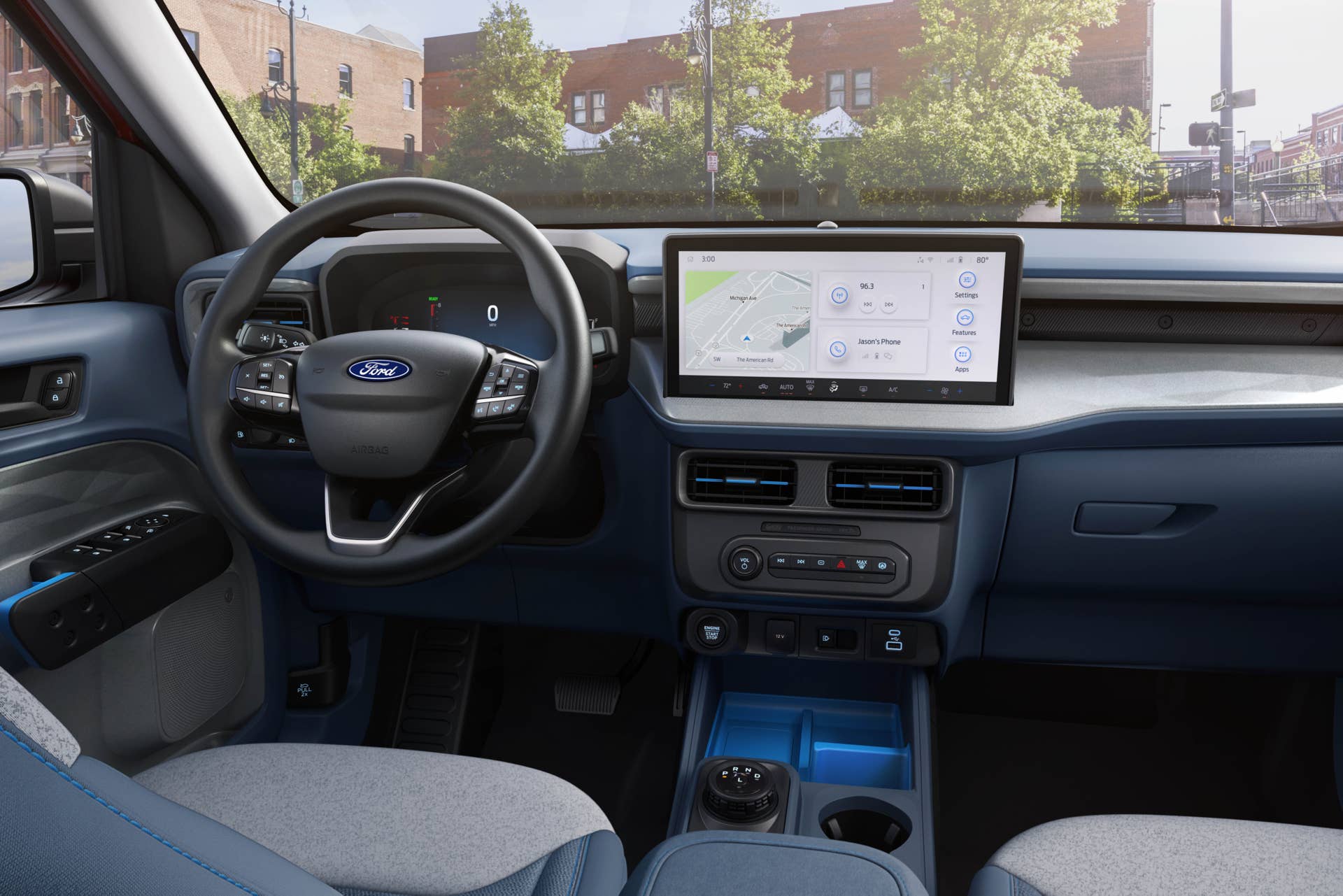
The Maverick is currently the only compact pickup truck in the United States other than the slow-selling Hyundai Santa Cruz, which is expected to be discontinued. Like the Hyundai and the Honda Ridgeline, the Maverick is based on a unibody platform, which is key to its suitability as a daily driver. A compact footprint, easy steering, and a comfortable ride make this the best pickup for everyday use, and we found it easy to see out of, enabling stress-free parking maneuvers. Powertrain choices include a 191-horsepower 2.5-liter hybrid or a 250-hp 2.0-liter turbo-four. The hybrid achieves best EPA ratings of 42/35/38 mpg city/highway/combined; no other pickup truck is as efficient. Even with all-wheel drive, you can still achieve 37 mpg combined.
Ford
Other than a limited towing capacity of 4,000 lbs and a smaller bed than most truck fans will be used to, there’s little to criticize about Ford’s smallest truck. For 2027, the Maverick is expected to start at $28,000.
Maverick Pros
- Compact yet practical size
- Highly efficient hybrid
- Comfortable for city driving
- Affordable starting price
Maverick Cons
- Limited rear-seat space
- Not a serious off-roader
Who’s It For?
The Ford Maverick is the ideal pickup for first-time truck drivers, hobbyists who need to haul lighter loads, or small families who need a practical weekend vehicle.
Recommended Trim
To keep the value proposition strong, we’d recommend springing for the XLT with the efficient hybrid engine. This model is expected to start at around $31,000 for 2027.
Runner-up 1: Toyota Tacoma
Toyota
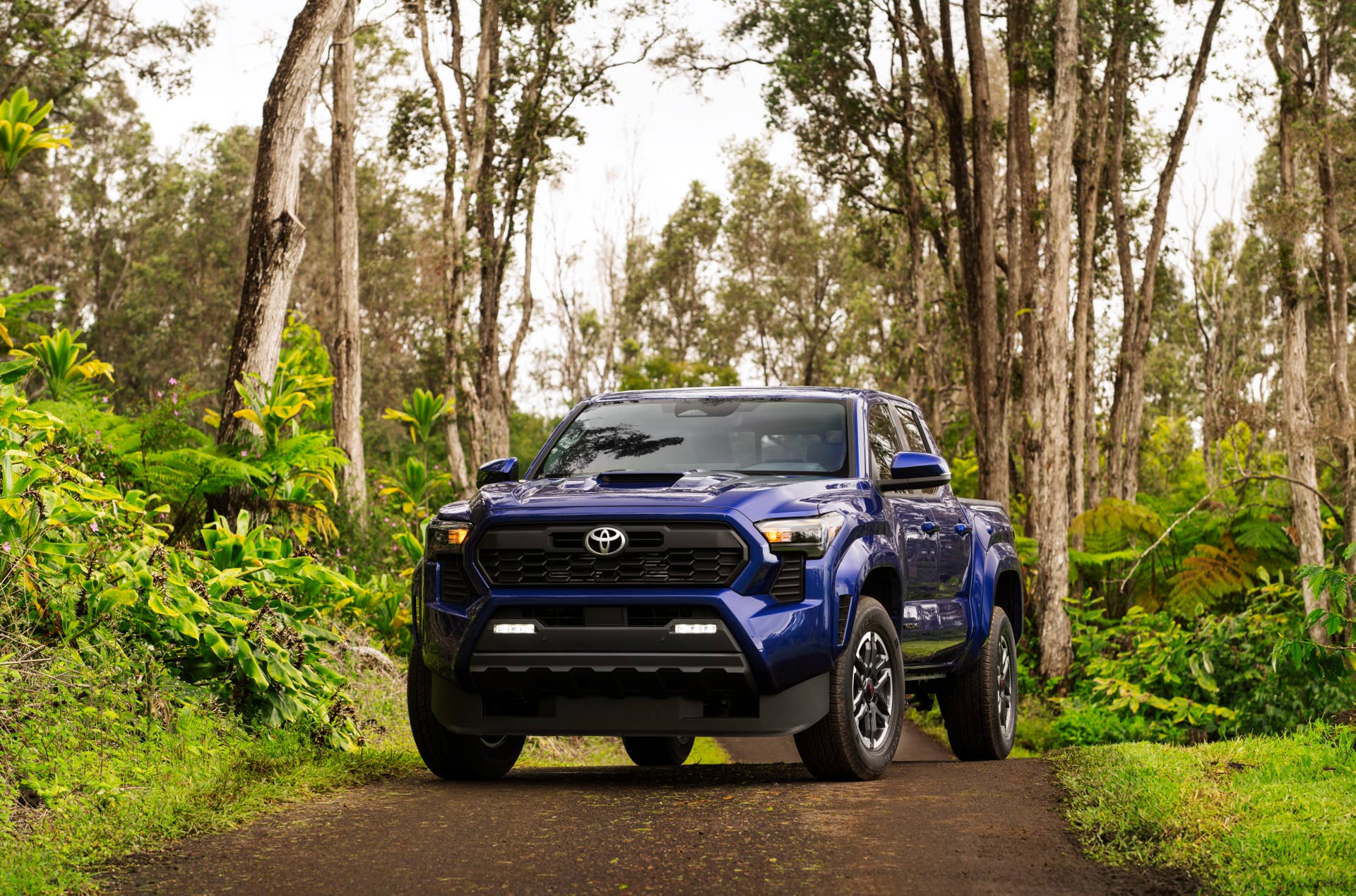
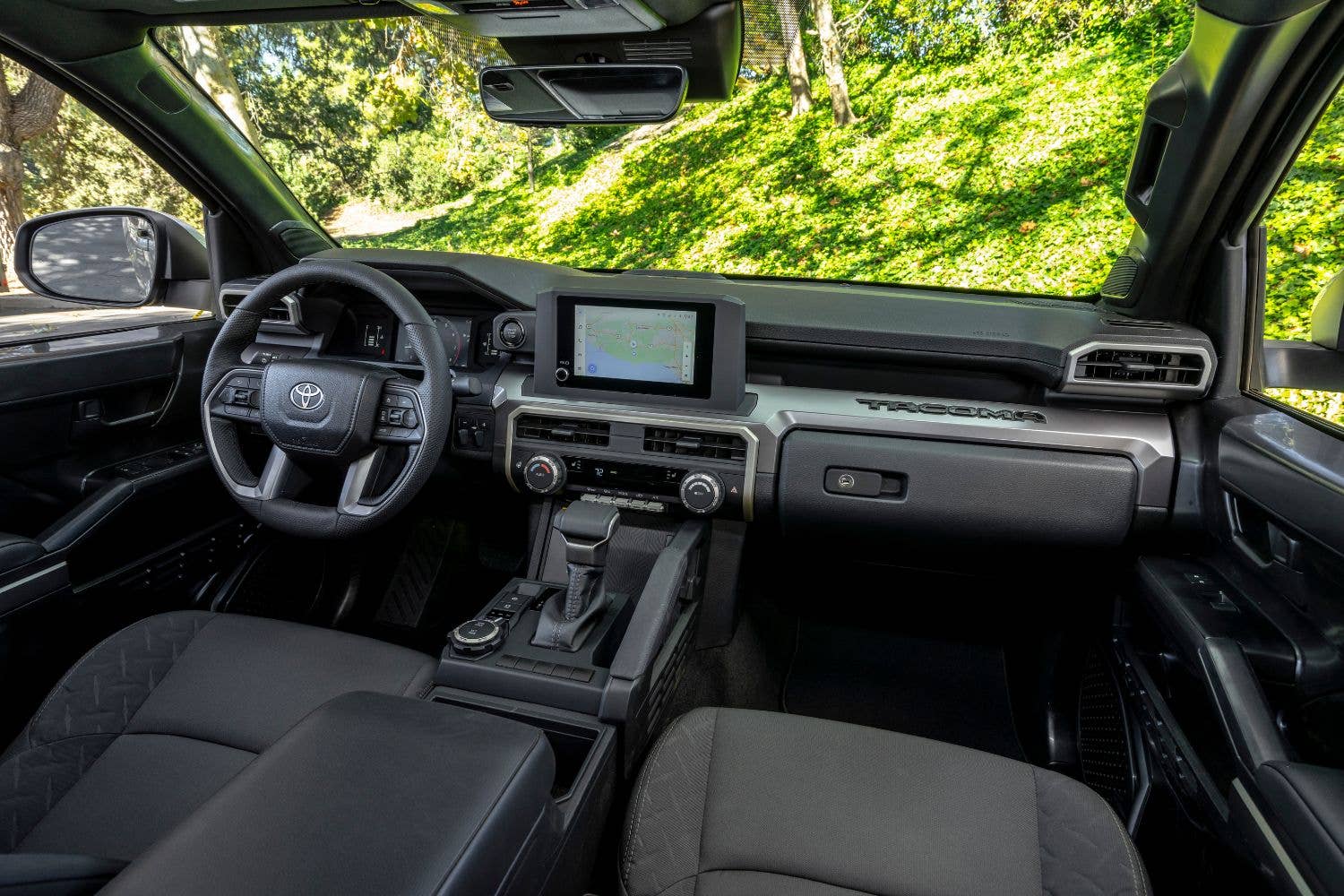
One size up from the Maverick, the midsize Toyota Tacoma is our second choice as the best daily driver pickup truck. This has a proper body-on-frame structure, so it’s far more capable than the Ford. However, it’s not nearly as large as the Tundra, so it won’t be a chore to drive in traffic or if you live in a more congested city.
The current Tacoma is a lot more comfortable and refined than the previous model, especially variants with the optional rear coil springs. We found the ride to be among the most car-like in the midsize pickup segment, with the Limited model (featuring an available Adaptive Variable Suspension) being the most well-balanced. All models have a 2.4-liter turbocharged four-cylinder engine, which produces between 228 and 278 hp. A hybrid model with 326 hp is also available and gets up to 23 mpg combined. This is one of the few new vehicles that can be had with a six-speed manual gearbox, but most trims use an eight-speed automatic. Our first impressions of the manual’s shifter weren’t positive, though, so we recommend sticking with the auto.
Toyota
Towing maxes out at 6,500 lbs, the interior is spacious, and the off-road-focused trims are exceptionally capable on the dirt. You can also get the Tacoma as a basic XtraCab workhorse, which is expected to start at approximately $33,000 for the 2027 model year.
Tacoma Pros
- More comfortable than previous generation
- Powerful turbocharged engines
- Wide range of trims for all needs
- Excellent off-road capabilities
Tacoma Cons
- Expensive top trims
- Awkward manual gearbox shifter
Who’s It For?
With such a broad range, the Tacoma appeals equally to small business owners needing a workhorse, families looking for a do-it-all pickup, and hardcore off-road enthusiasts.
Recommended Trim
For daily use, our recommendation is the Tacoma TRD Sport, which is estimated to start at around $41,000 for 2027. It’s the cheapest derivative with the coil spring multi-link rear suspension and is less spartan than the very cheapest models.
Runner-up 2: Ram 1500
Stellantis
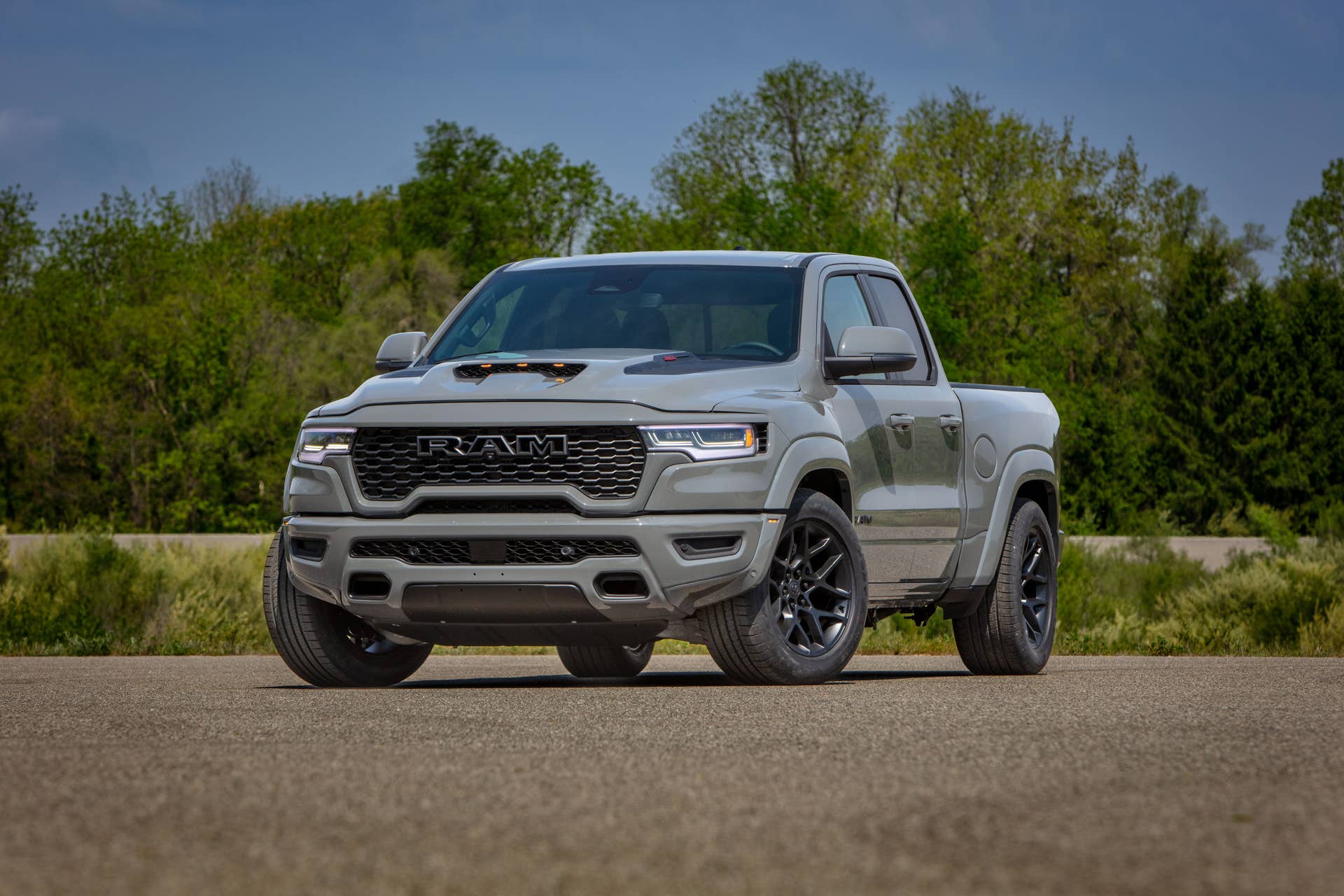
The Ram 1500 has been one of the nicest full-size pickups to drive for years now. It’s not necessarily the most capable in every department, but the smooth ride and effortless power from V6, twin-turbo inline-six, and V8 engines are appreciated. The inline-six provides up to 540 hp, so it’s no slouch at all, while a refined eight-speed auto seamlessly shifts gears. A new lineup of V8-powered Rumble Bee street trucks has been added to the range for 2027. With their improved handling, shorter wheelbase, and potent performance, they add a new dimension to the Ram 1500 lineup.
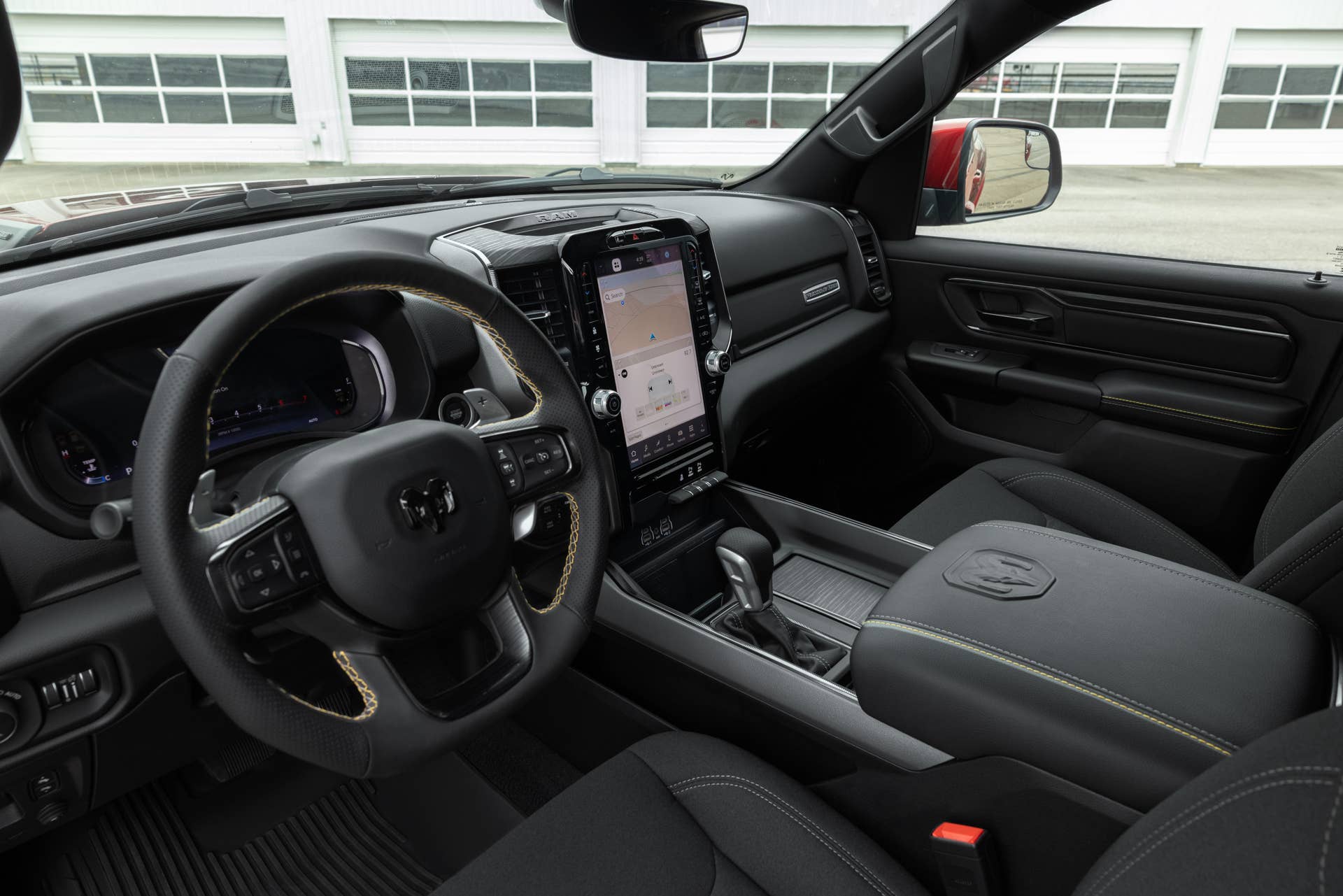
For daily driving, the six-cylinder models are best as they’re more efficient. The base Tradesman makes for a fine workhorse, but families will appreciate the additional comforts that come with a mid-range trim like the Laramie, which costs over $60,000. Lesser trims start at closer to $40,000 for the 2027 model year.
The one downside? Ram has a poor reliability reputation when compared with other truck brands like Toyota and Honda.
Ram 1500 Pros
- Class-leading ride
- New Rumble Bee models bolster the street truck subsegment
- Wide range of powertrains
- High-quality interior
Ram 1500 Cons
- Below-average reliability ratings
- High-priced premium trims
- Some rivals can tow more
Ram 1500 Scores
- Comfort: 4.5/5
- Efficiency: 3.5/5
- Capability: 3.5/5
Who’s It For?
Buyers who need the muscle of a full-size pickup but don’t want to sacrifice comfort or refinement will love the Ram 1500. It’s not the toughest truck in its segment, but it’s one of the nicest to live with every day.
Recommended Trim
From workhorses to muscle trucks and off-road models, there’s a Ram 1500 for every need. As a sweet spot in the lineup, the Laramie provides a strong blend of value, comfort, and performance, so it’s our pick if you don’t need one of the more specialized trims.
Honorable Mentions
Toyota Tundra Hybrid
Toyota
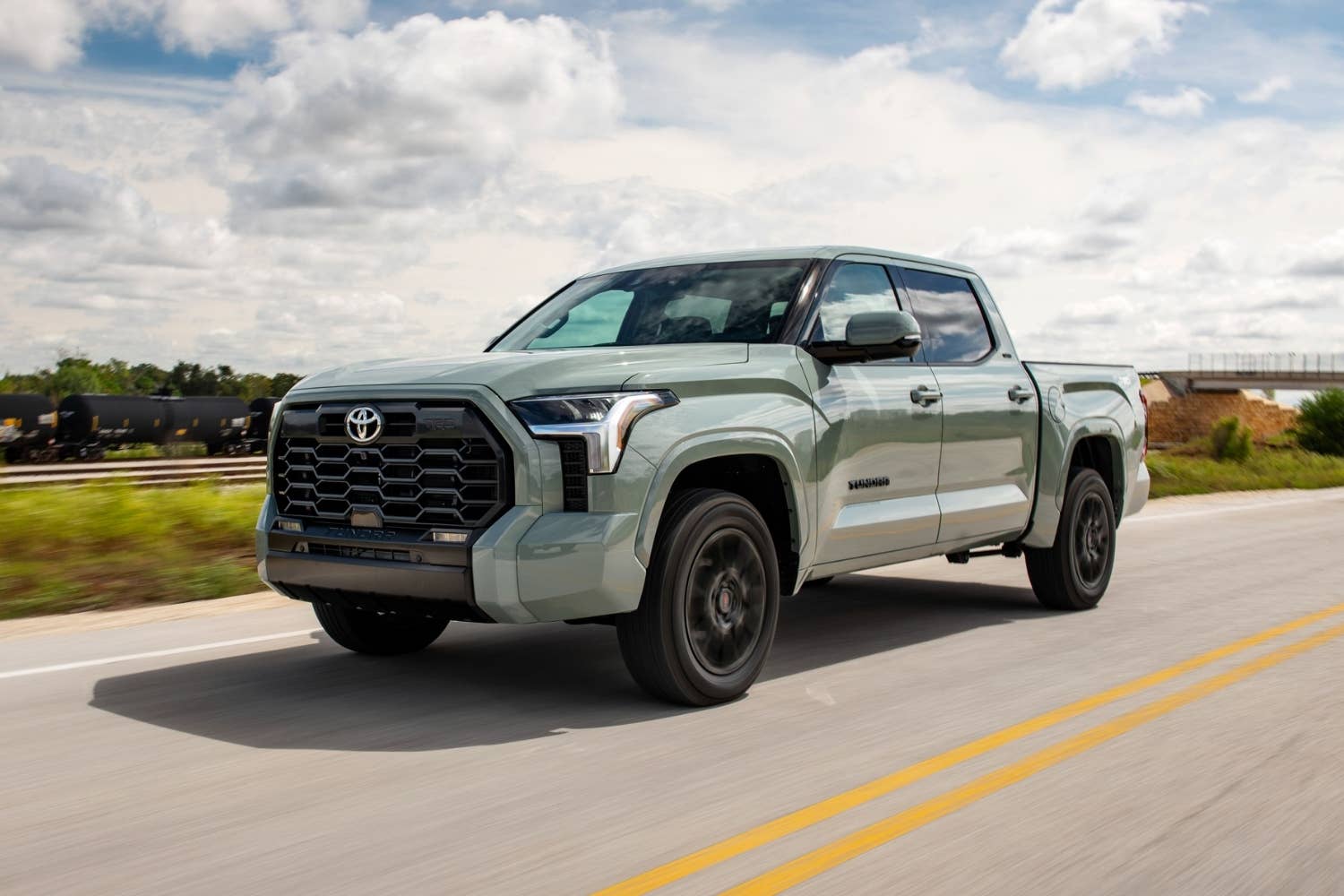
Like the Tacoma, a coil-spring suspension endows the Toyota Tundra with a decent ride. It’s much more refined than its predecessor and its full-size status gives it access to beefier engines than the Tacoma, including a twin-turbo V6 that makes up to 473 hp in hybrid form; Toyota has had a few major reliability issues with this engine in non-hybrid models, though. The interior is large and the big Toyota can tow up to 12,000 lbs.
For daily use, we recommend the Tundra Limited with the iForce Max hybrid powertrain, since it isn’t affected by the normal model’s reliability mishaps and has lower consumption for daily commutes. This trim starts at around the $60k mark, far cheaper than the top Capstone model.
What About Honda’s Ridgeline?
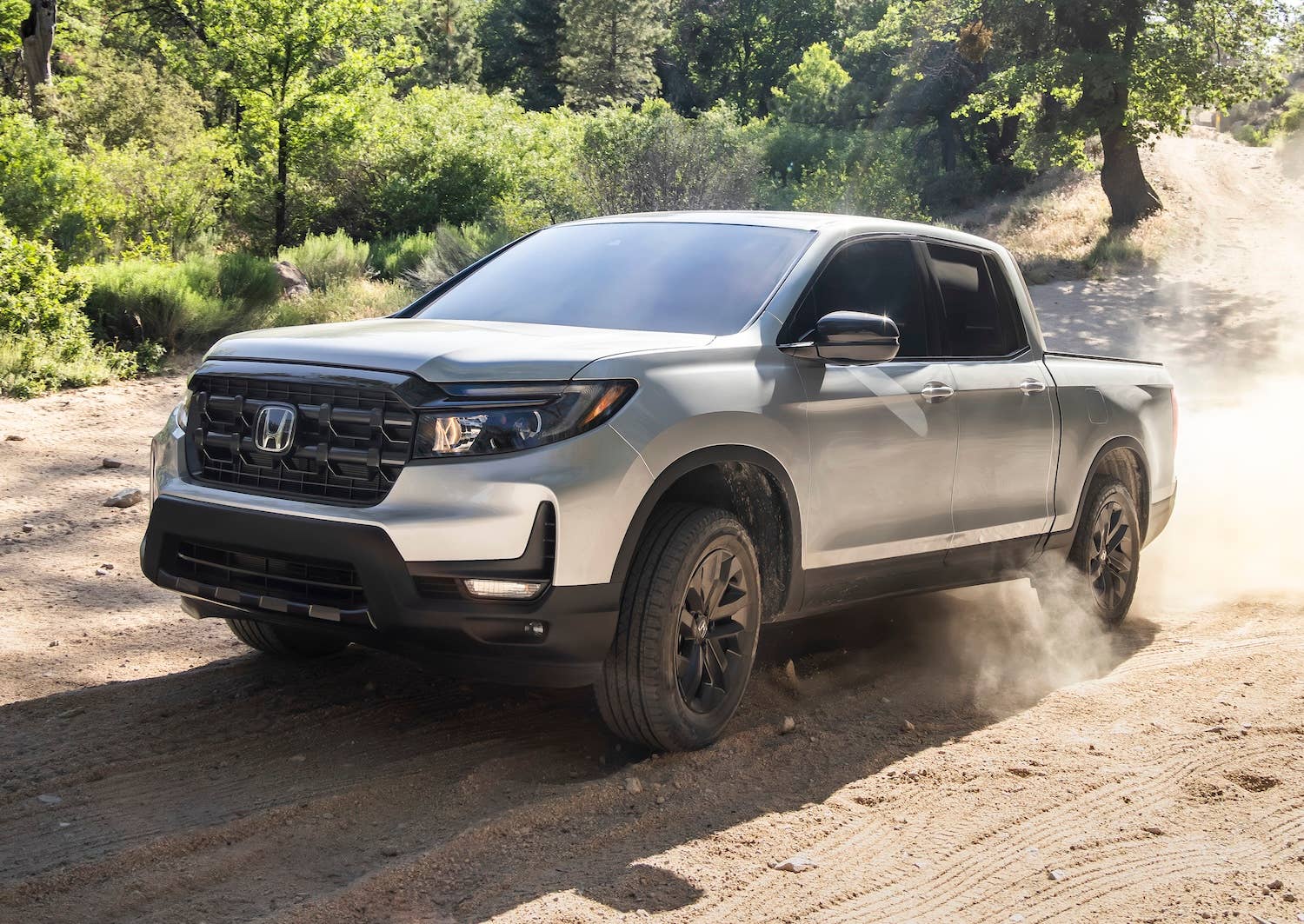
Honda
The refined and comfortable Honda Ridgeline would have made our 2027 list, but production of this pickup is expected to pause in late 2026, possibly for as long as 18 months. This effectively eliminates any chance of a 2027 Ridgeline being on sale.
Conclusion
Ram is working on a smaller pickup to rival the Ford Maverick, but in the meantime, the compact Ford gets our vote as the best daily driver with an open bed at the back. The little Ford has no fatal flaws and a price that matches several less versatile compact crossovers. If you require an everyday pickup with more power, better towing, or more space, you should consider the Tacoma or Ram 1500.
While America subscribes to the “bigger is better” mantra when it comes to pickups, the top 2 models here show that you can easily own a practical pickup without the economy pitfalls or overly bulky bodies of full-size models.
About the author

Karl Furlong
Senior Editor, Autoblog