
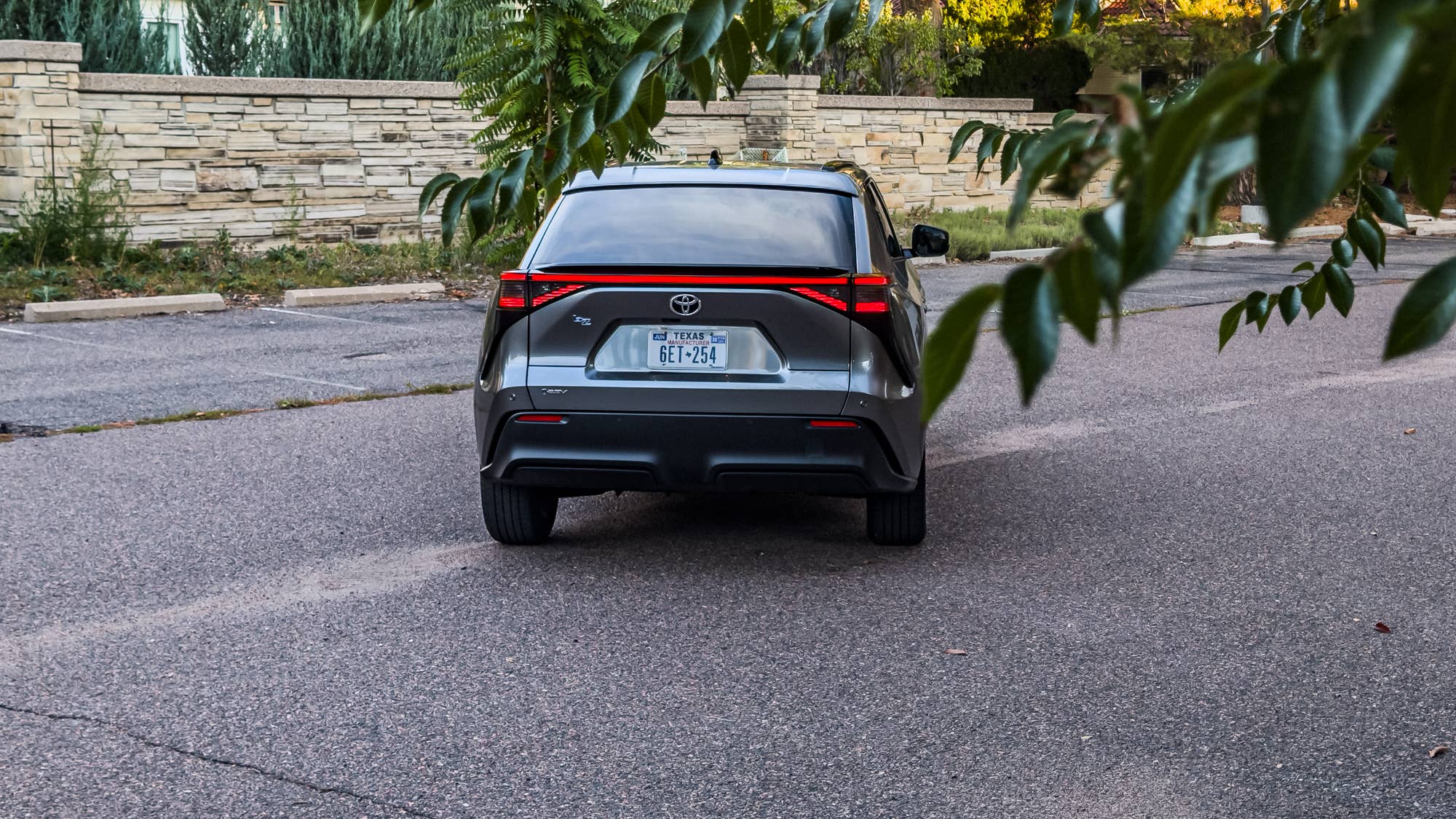
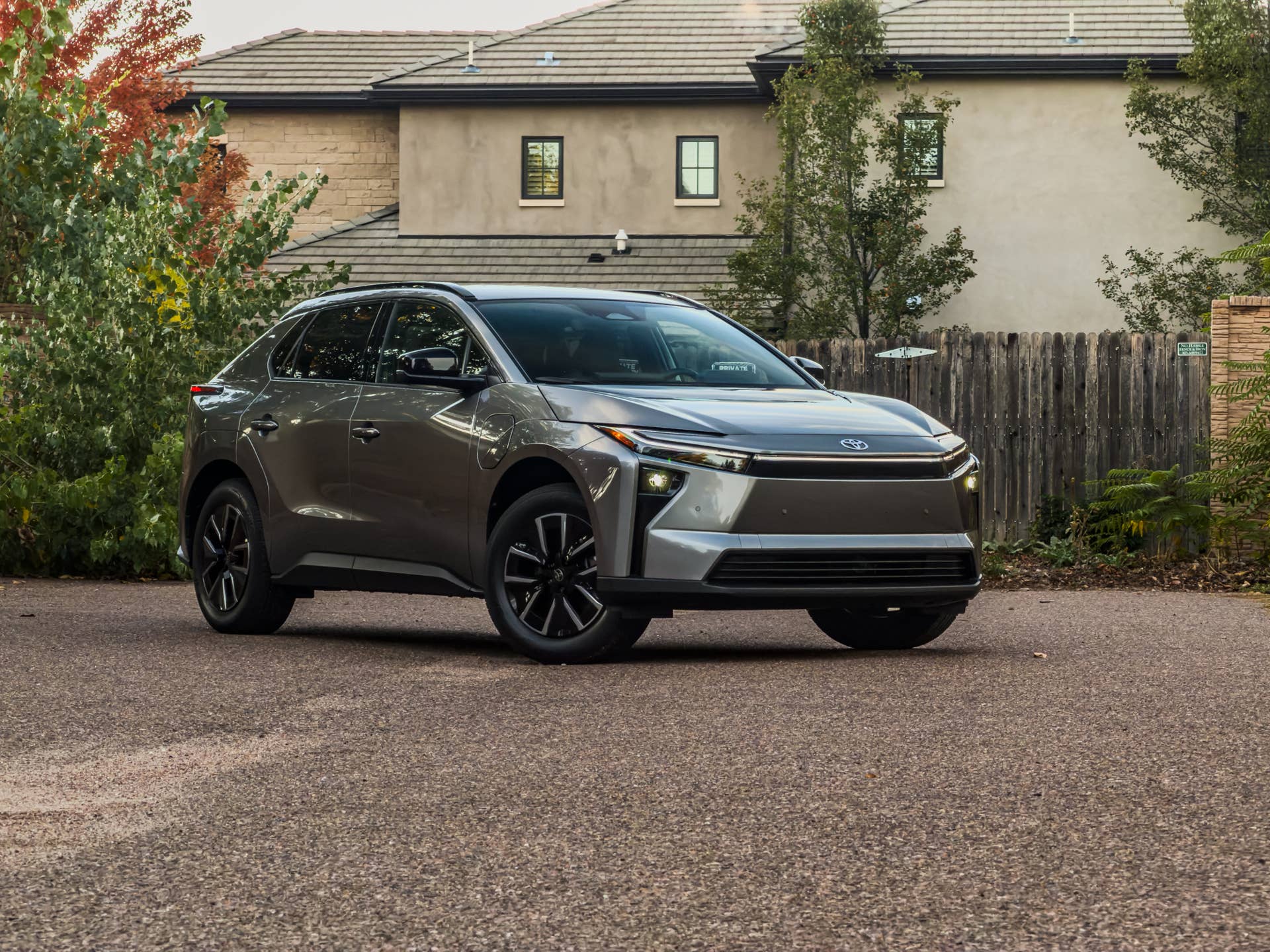
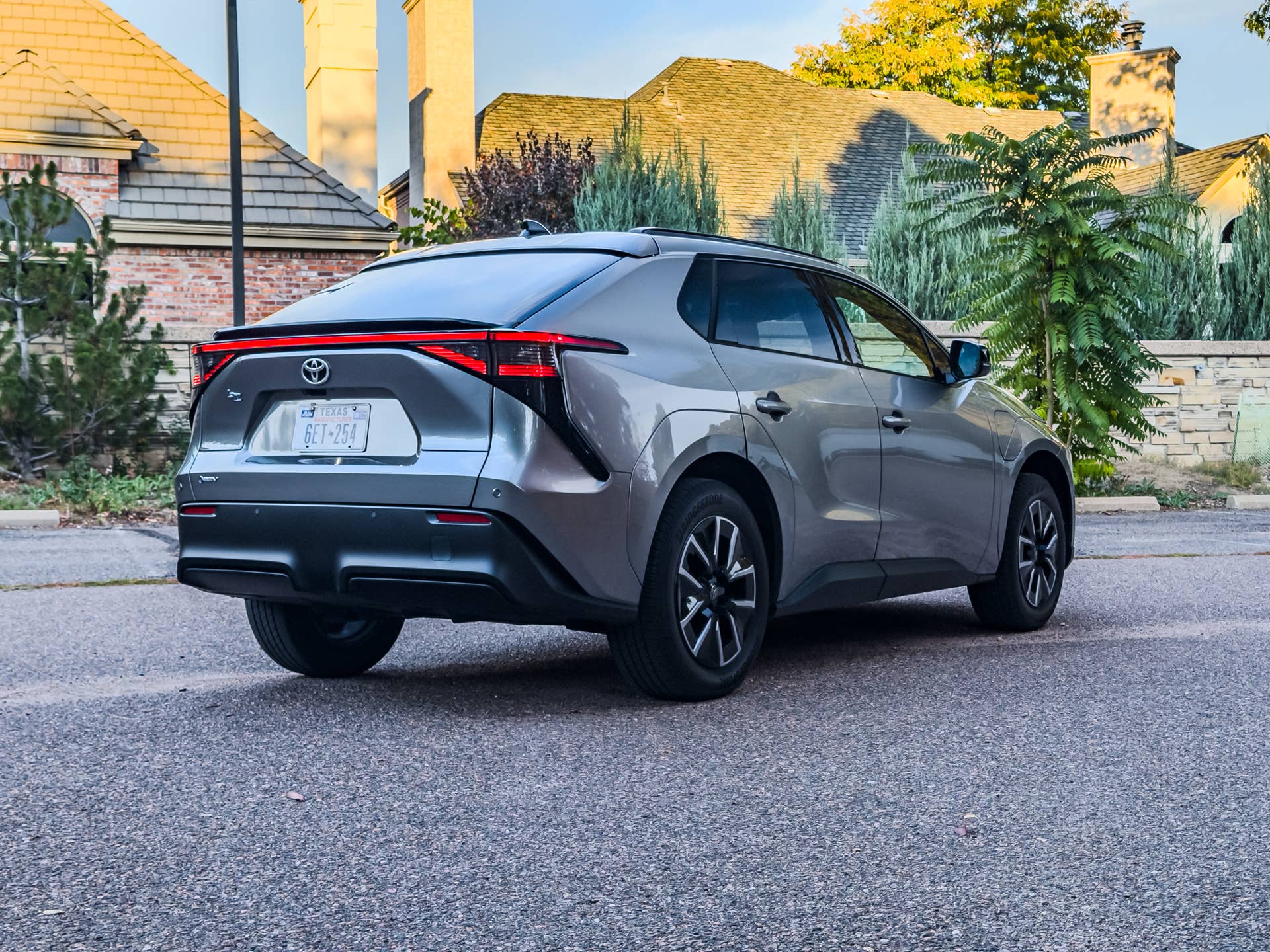
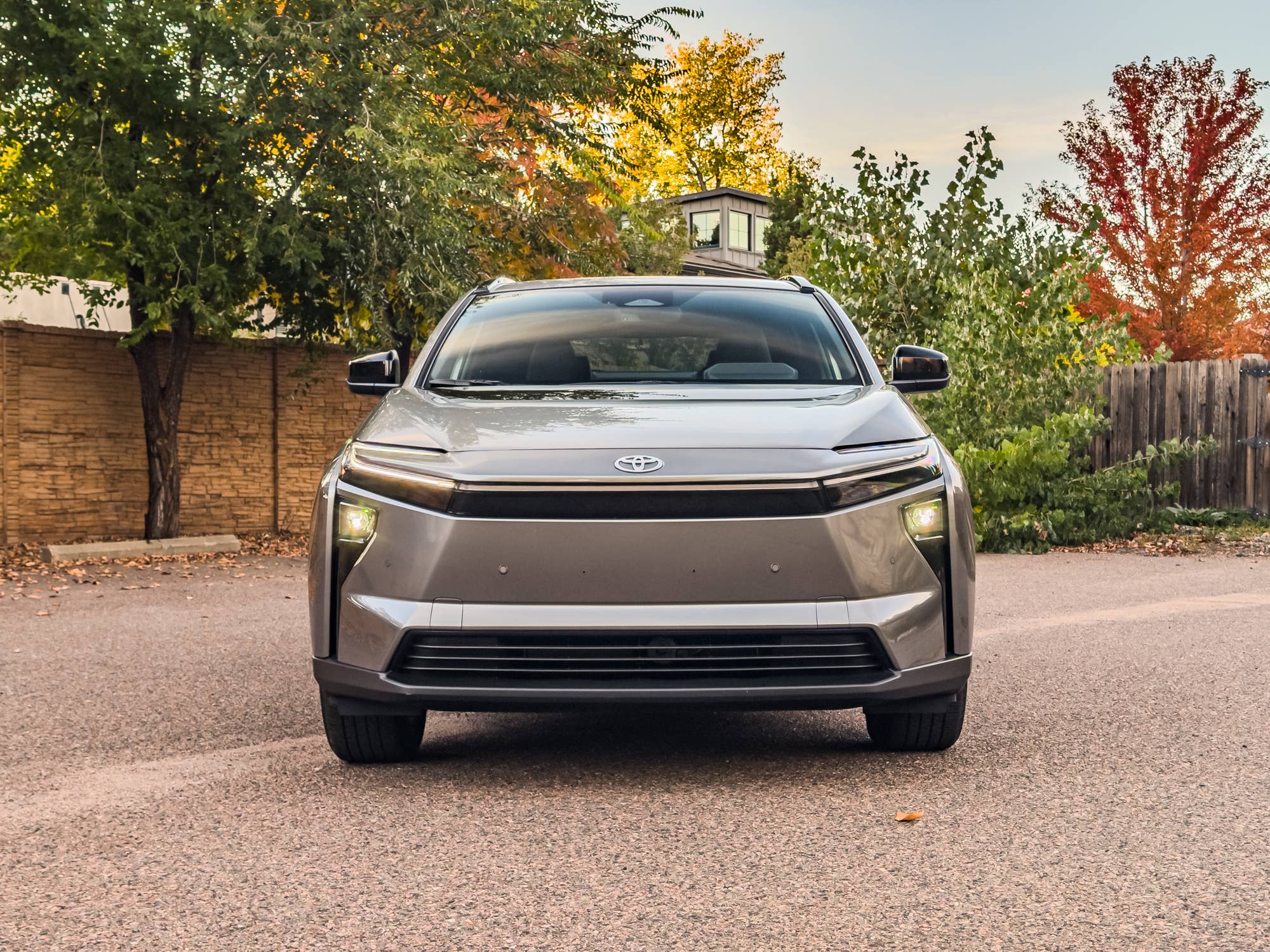
The Toyota bZ is a sensible EV that, while lacking a little pizzazz, is hot off some updates that make it a significantly better EV. That means better, faster charging, more power, a new charge port, and new looks. The bZ’s all-wheel-drive trim will even keep up with some sports cars.
Meanwhile, the inside of the bZ is also new, with a huge 14-inch center screen and an updated, lower dash that works to improve visibility (but only sort of does so). Toyota offers the bZ in just three trims, but we think one is a much better value than all the rest.
New Items For 2026
Chase Bierenkoven
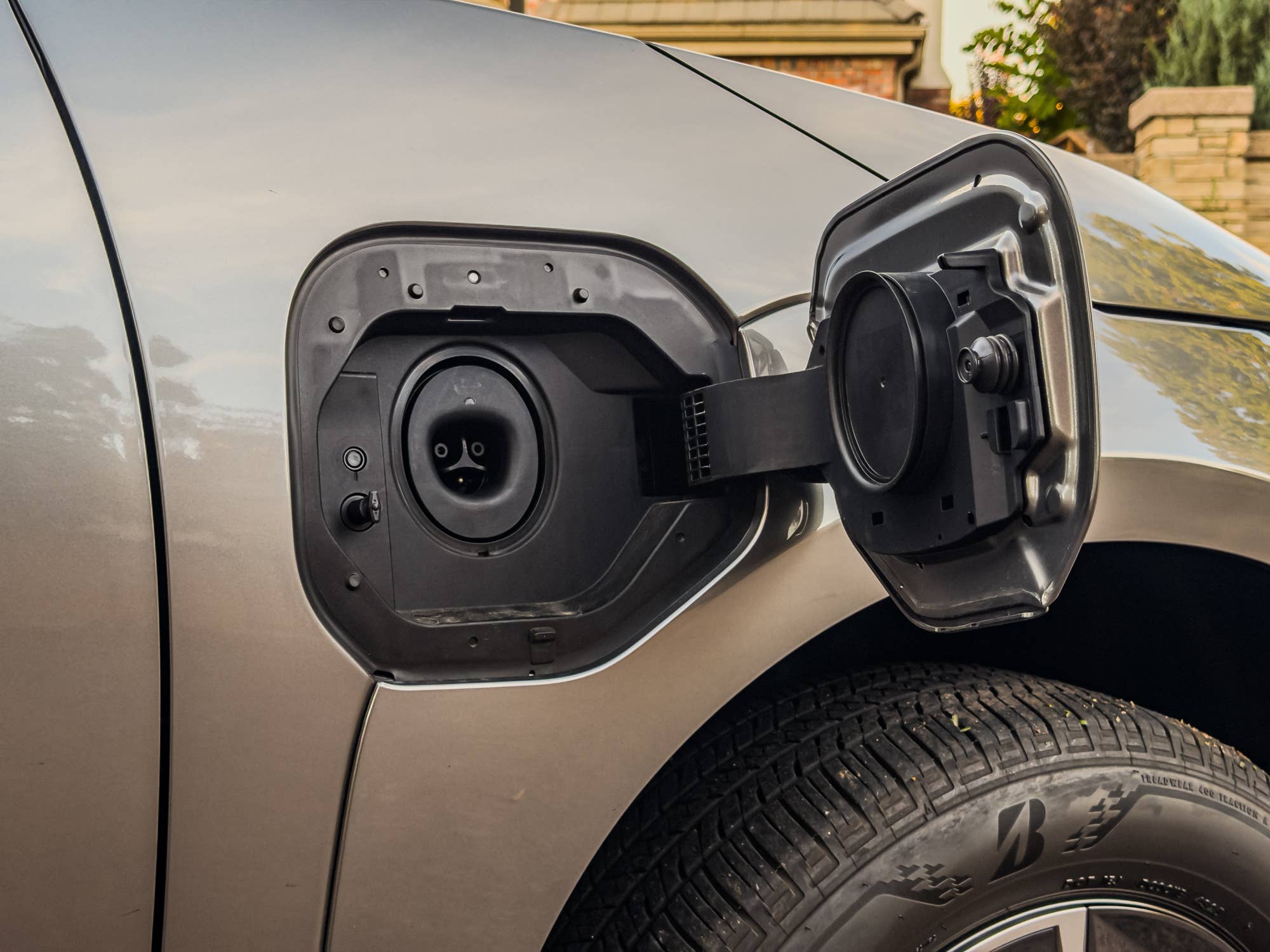
2026’s changes are substantial. All-wheel drive versions now make more than 100 horsepower up on the old model, from 215 horses to 338 horsepower on top of more range. Toyota claims a 25% improvement over last year’s bZ4x (to say nothing of the improvement on the name), with an EPA-estimated range of 314 miles. Speaking of charging, there’s also a new Tesla-style NACS (North American Charging Standard) port, granting access to the marque’s Supercharger network. Faster charging on both AC and DC chargers means the bZ will charge from 10 to 80 percent in around 30 minutes on a DC fast charger. The onboard AC charger now also has a higher capacity, at 11 kW.
Battery sizes shuffle a little, with the base model’s battery falling to 52 kWh while a larger 67kWh battery pack is fitted across the other two trims. Styling changes, though, are universal, with tweaked bumpers and that new, lower dash design. Finally, a new battery preconditioning system makes sure the battery is at optimal temperatures before charging starts.
Powertrain and Driving
Chase Bierenkoven
Chase Bierenkoven
New electric motors mean new stats. The base XLE model is front-wheel drive only, and makes 168 horsepower. XLE Plus and Limited models offer both front- or all-wheel drive, with the latter netting 221 horsepower. The all-wheel drive versions make a healthy 338 horsepower from two electric motors, one at each axle. The bZ is now just as quick as alternatives like the Ioniq 5, hitting 60 mph in around 4.4 seconds.
The speed is the best part, while the ride and handling aren’t quite as polished as rivals. This all-wheel-drive version lit up all four tires while merging, and it feels genuinely fast compared to an equivalent gas-powered car. The rest of the driving experience is pretty underwhelming, though.
Interior
The bZ’s interior is a nice place to spend time, but the brand’s efforts to make the gauge cluster more visible are largely in vain. The SUV’s driving position isn’t great as a result, but the rest of the interior is spacious. The 14-inch screen is nice enough to use, but I’d like a few more buttons inside. The dual wireless chargers are nice, as is the standard wireless Apple CarPlay and Android Auto. Carg capacity, though, isn’t so nice, largely due to the fact that the sloped roof makes the rear hatch even less spacious than a RAV4’s, at 28 cubic feet.
Pricing And Which Trim To Buy
Chase Bierenkoven
The bZ’s lineup runs from $36,495 and goes up to $44,895 depending on the trim. This loaded-up one I drove probably isn’t worth the scratch compared to something like an Ioniq 5, but I do think the SUV’s lower trims hold some merit. The front-drive XLE is too pokey, though, with just 168 horses. I’d opt for a front-drive XLE Plus or all-wheel drive if you want the power or live somewhere with winter. That’ll run you between $39,495 and $41,495. It’s a full $5k for the added all-wheel drive, though. Regardless, that nets you an EV with some solid range and features like front and rear ambient lighting, a powered 8-way driver’s seat, and heated front seats, plus the big screen and the dual wireless charging pads.
About the author

Chase Bierenkoven
Senior Editor, Autoblog