
The worst of a good bunch
In a car market where depreciation is one of the biggest costs for buyers, hybrids have long been a safe bet. They’re efficient, practical, and in high demand — especially as gas prices remain unpredictable. But not all hybrids are created equal when it comes to resale value. According to a new iSeeCars study analyzing over 800,000 five-year-old used cars, some hybrid models are depreciating faster than others, despite the segment’s overall strong performance.
While hybrids as a whole lose just 40.7% of their value after five years (well below the industry average of 45.6%), these 10 models all depreciate more than that. Some are luxury crossovers, others are aging designs, and a few suffer from poor name recognition or tepid demand. Here are the 10 hybrids that hold their value less than the rest.
BMW 5 Series – 64.7% depreciation
BMW
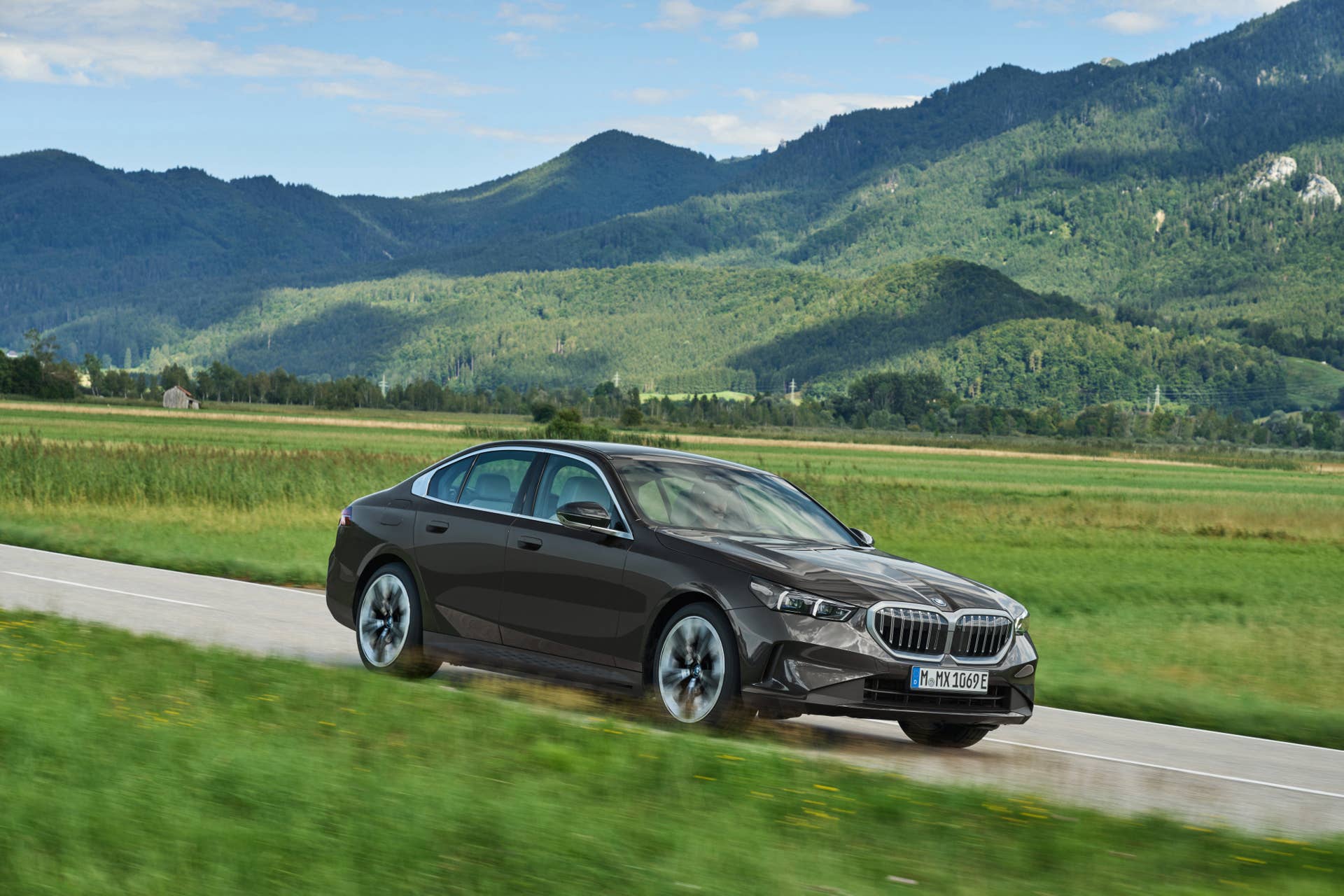
Topping the list of worst-performing hybrids is the BMW 5 Series, which loses a staggering 64.7% of its value, or nearly $47,500, over five years. As a luxury midsize sedan, the 5 Series Hybrid faces steep competition from within BMW’s own lineup, as well as from rival brands. Its high starting price, tech-heavy features that age quickly, and costly maintenance all contribute to this rapid depreciation. For value-conscious buyers, this hybrid might be better left to the lease market.
Volvo XC60 – 57.4% depreciation
Volvo
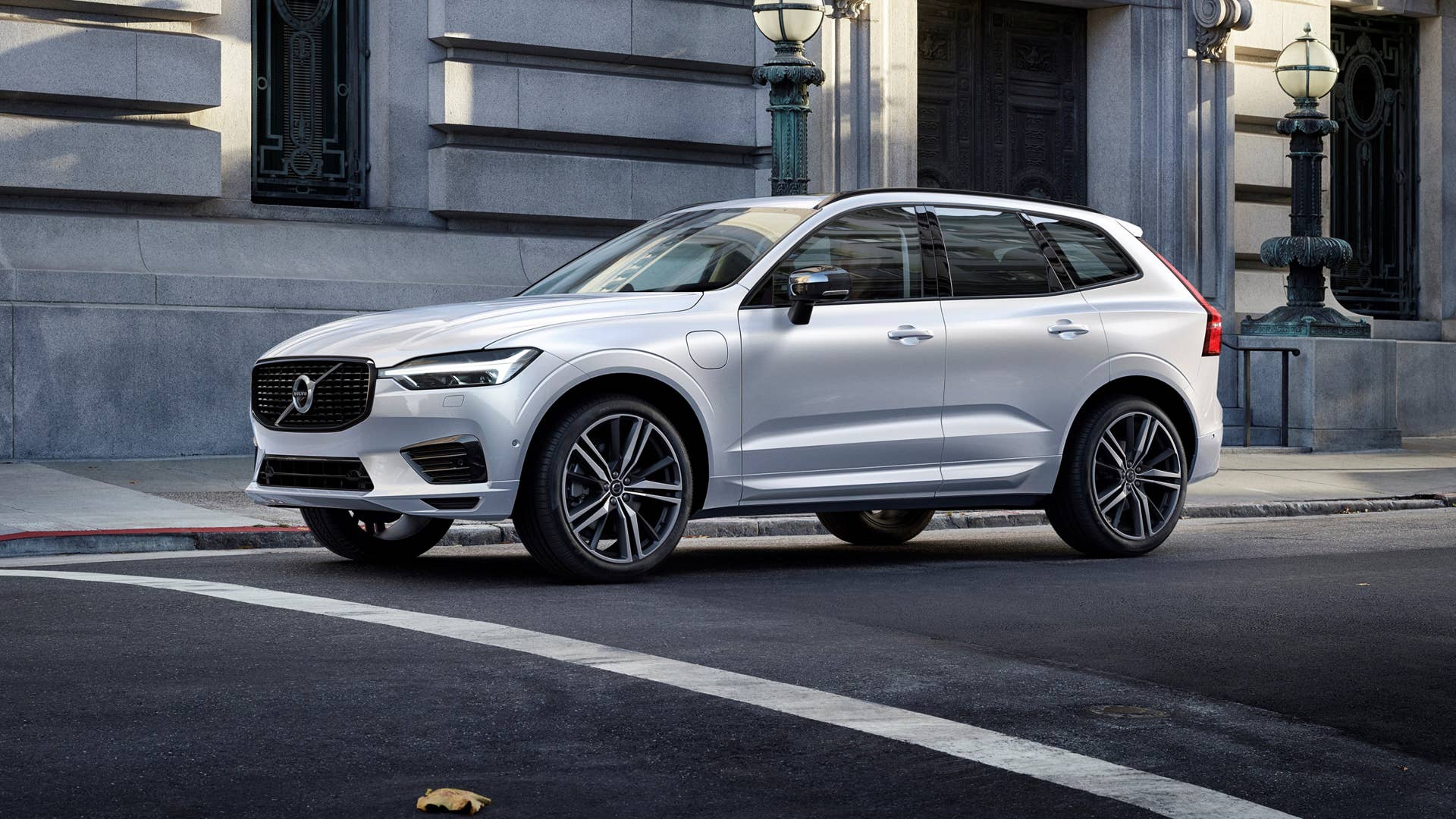
The Volvo XC60 blends Scandinavian design with plug-in hybrid efficiency, but its resale value tells a different story. With a 57.4% depreciation rate and over $33,000 in lost value after five years, it ranks among the worst for hybrid value retention. Despite strong safety ratings and premium interiors, buyers may be wary of high repair costs and rapidly evolving plug-in tech. Combine that with a crowded luxury SUV market, and the XC60 struggles to hold its ground in the used car world.
Mercedes-Benz GLC – 54.3% depreciation
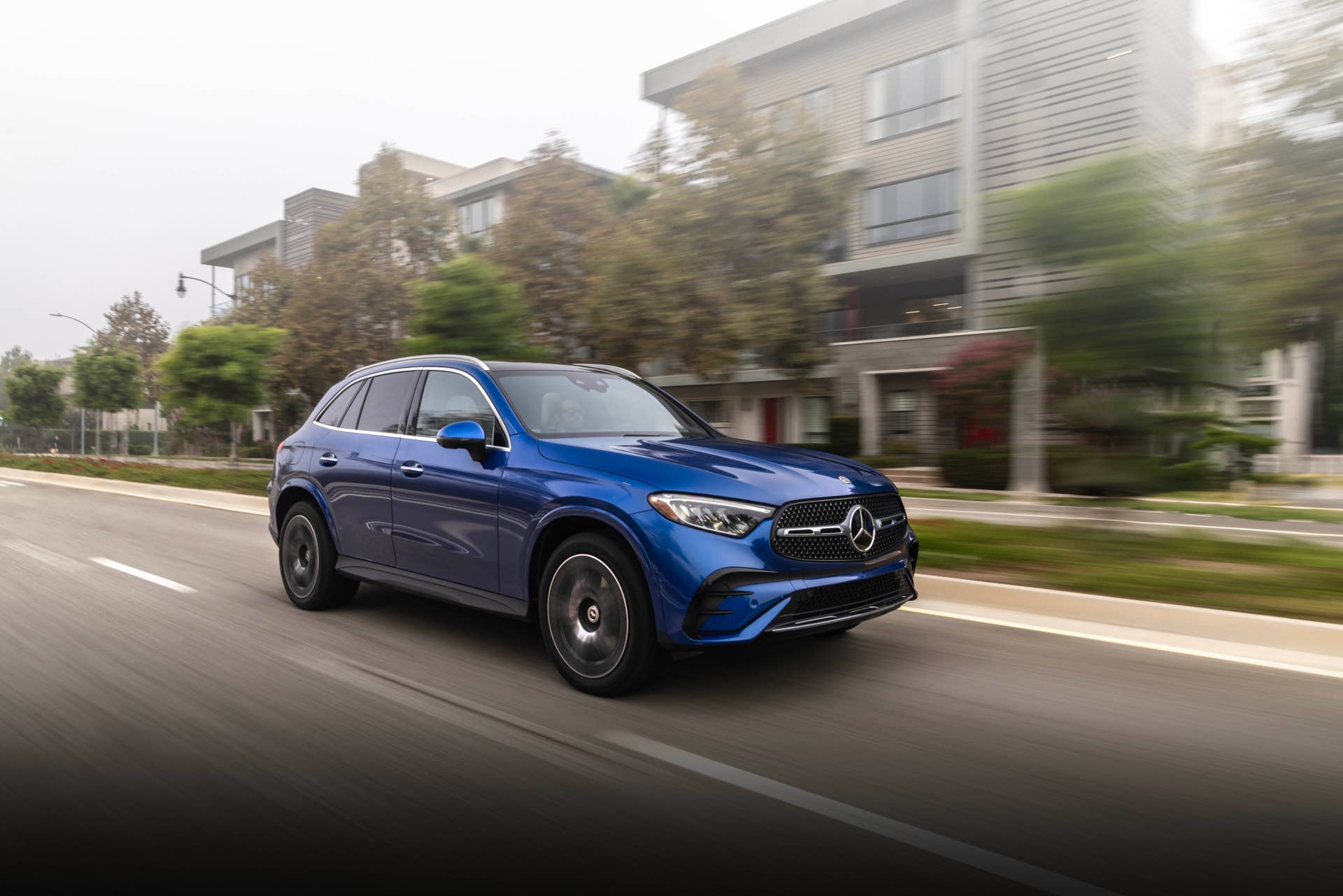
The GLC combines Mercedes luxury with some electric driving ability, but it comes at a cost. The vehicle loses more than half its value in five years, shedding an average of $32,552. Like most luxury hybrids, the GLC suffers from rapid tech turnover and expensive upkeep, which makes used buyers think twice.
Mitsubishi Outlander PHEV – 53.4% depreciation
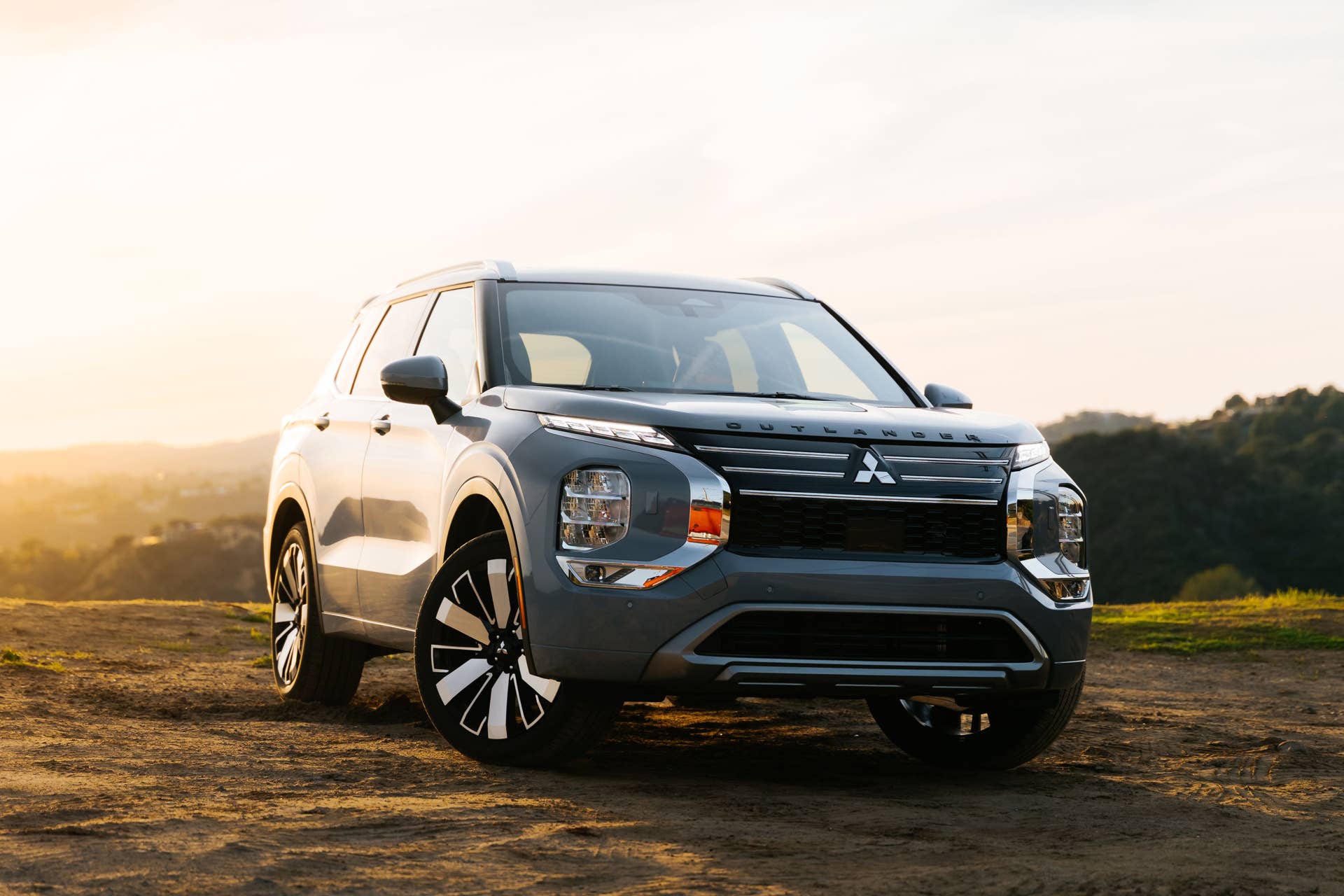
Mitsubishi’s plug-in Outlander was once a pioneer in the space, but newer, better-equipped rivals have left it behind. The model’s dated interior and underwhelming electric range likely play a role in its high depreciation. After five years, it loses more than 53% of its value — about $21,600 — making it a rough investment despite its hybrid powertrain.
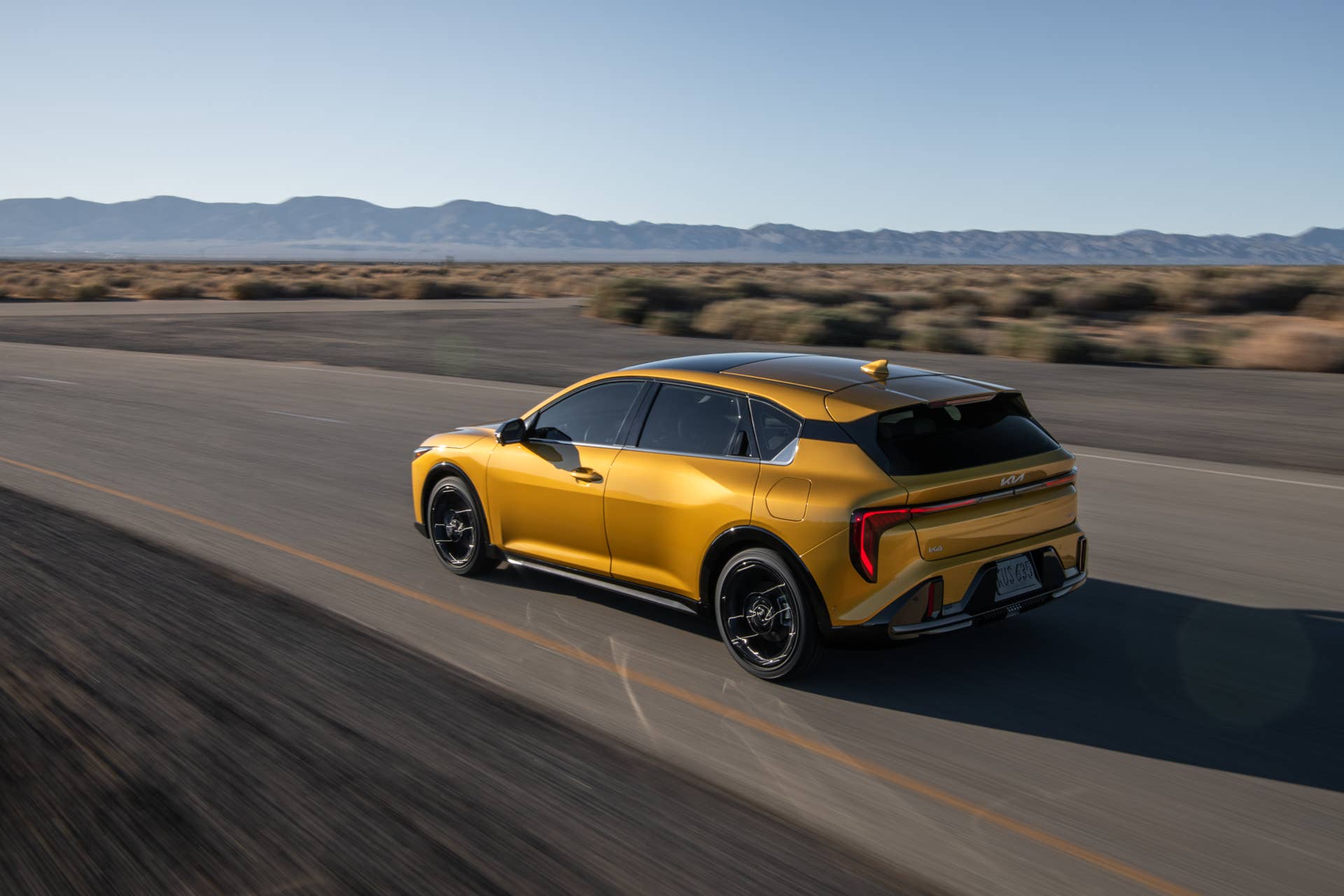
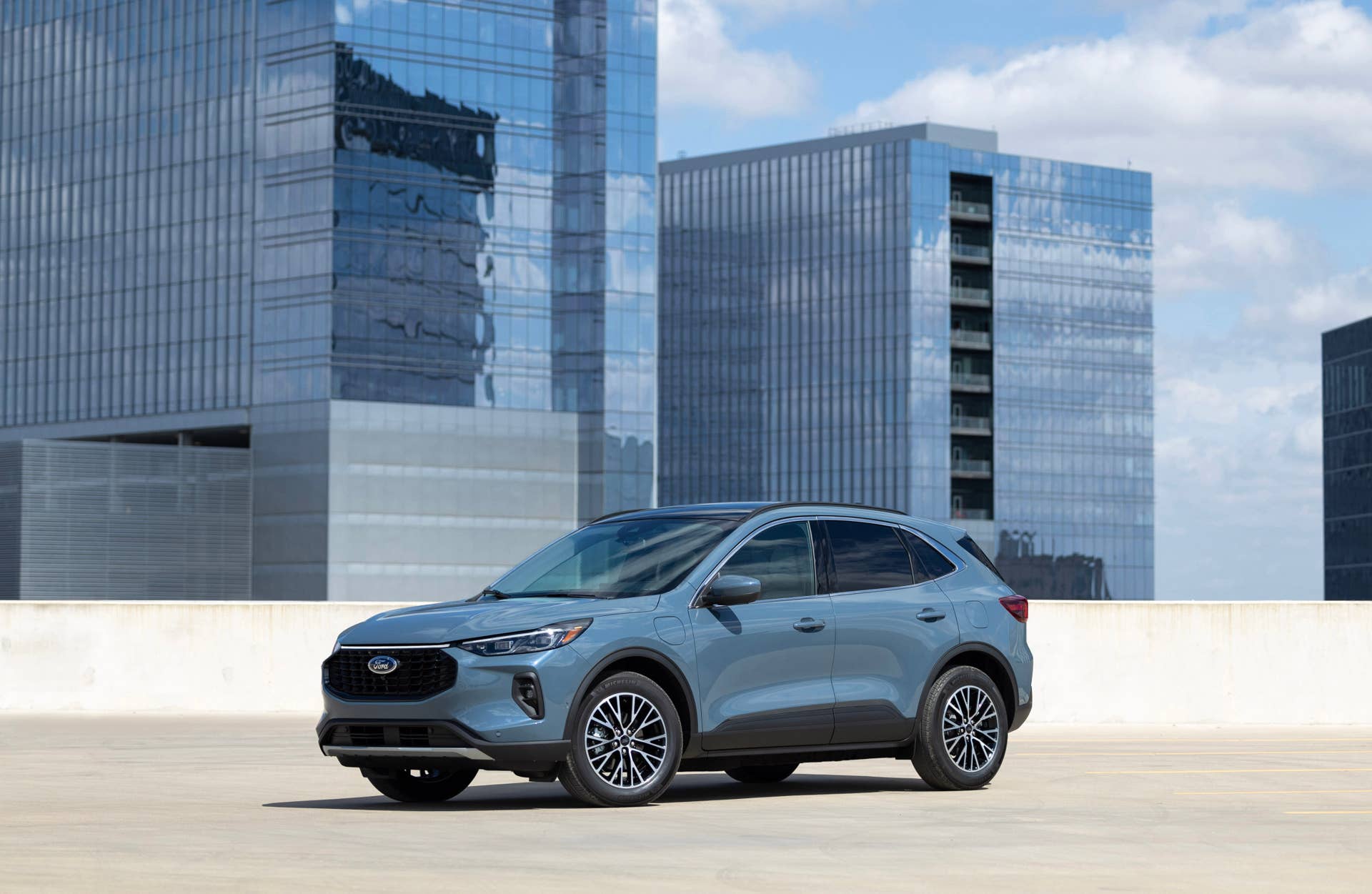
Ford Escape Hybrid – 52.3% depreciation
Ford
Ford’s Escape Hybrid re-entered the market with solid EPA numbers and a practical package, but it hasn’t caught on like Toyota’s offerings. A 52.3% depreciation rate (equivalent to $17,000 in lost value) shows that buyers are still skeptical, or simply prefer competitors. The Escape’s frequent refreshes and somewhat forgettable design may also be hurting its long-term value.
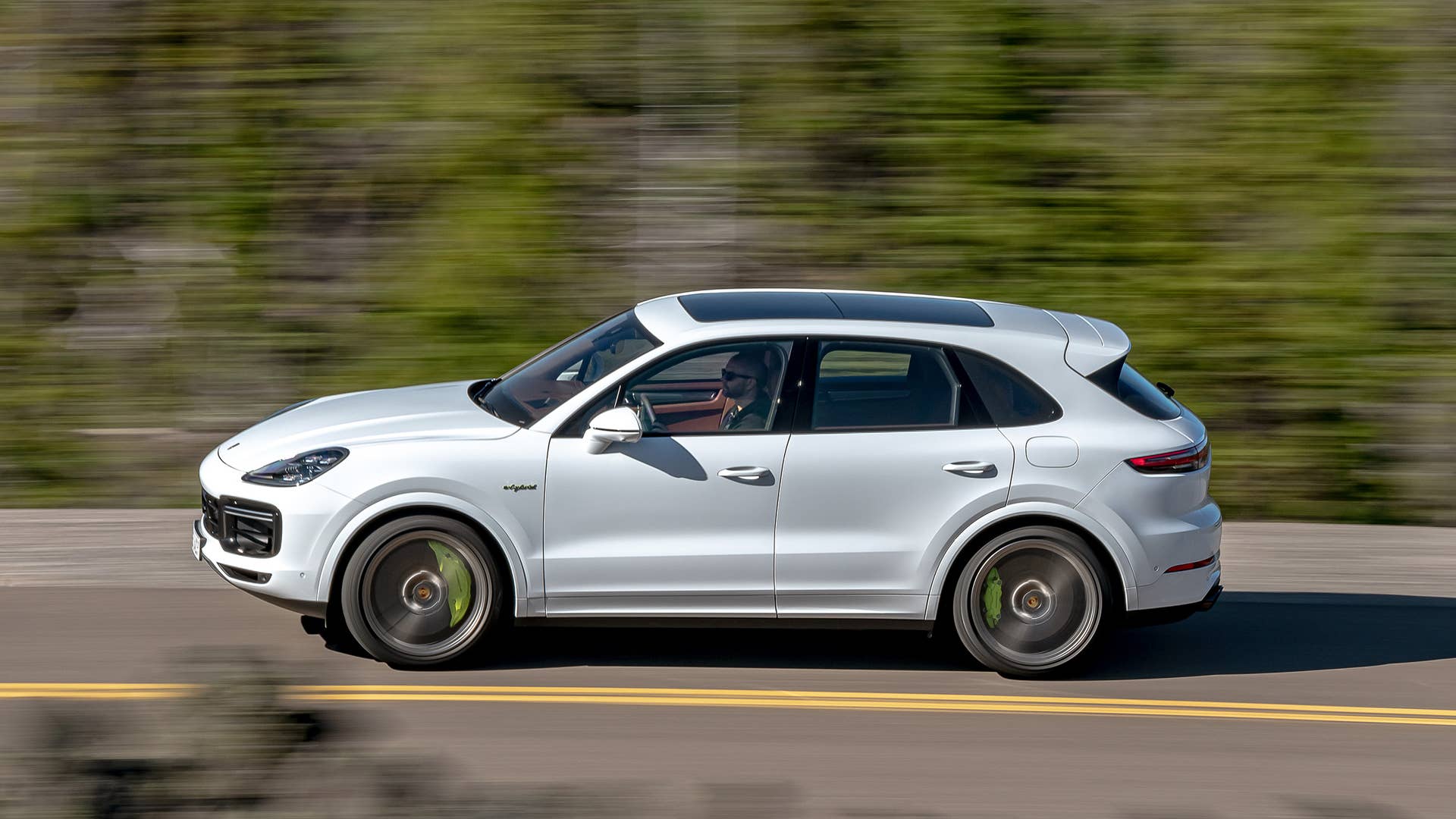
Porsche Cayenne – 52.1% depreciation
Porsche
Despite its performance and badge appeal, the Cayenne Hybrid still ranks well above the group average in terms of hybrid vehicle depreciation. Luxury hybrids generally depreciate faster, and the Cayenne is no exception, losing over $50,000 on average in five years. High maintenance costs and rapid technology changes likely contribute to its steep decline.
Hyundai Sonata Hybrid – 48.6% depreciation
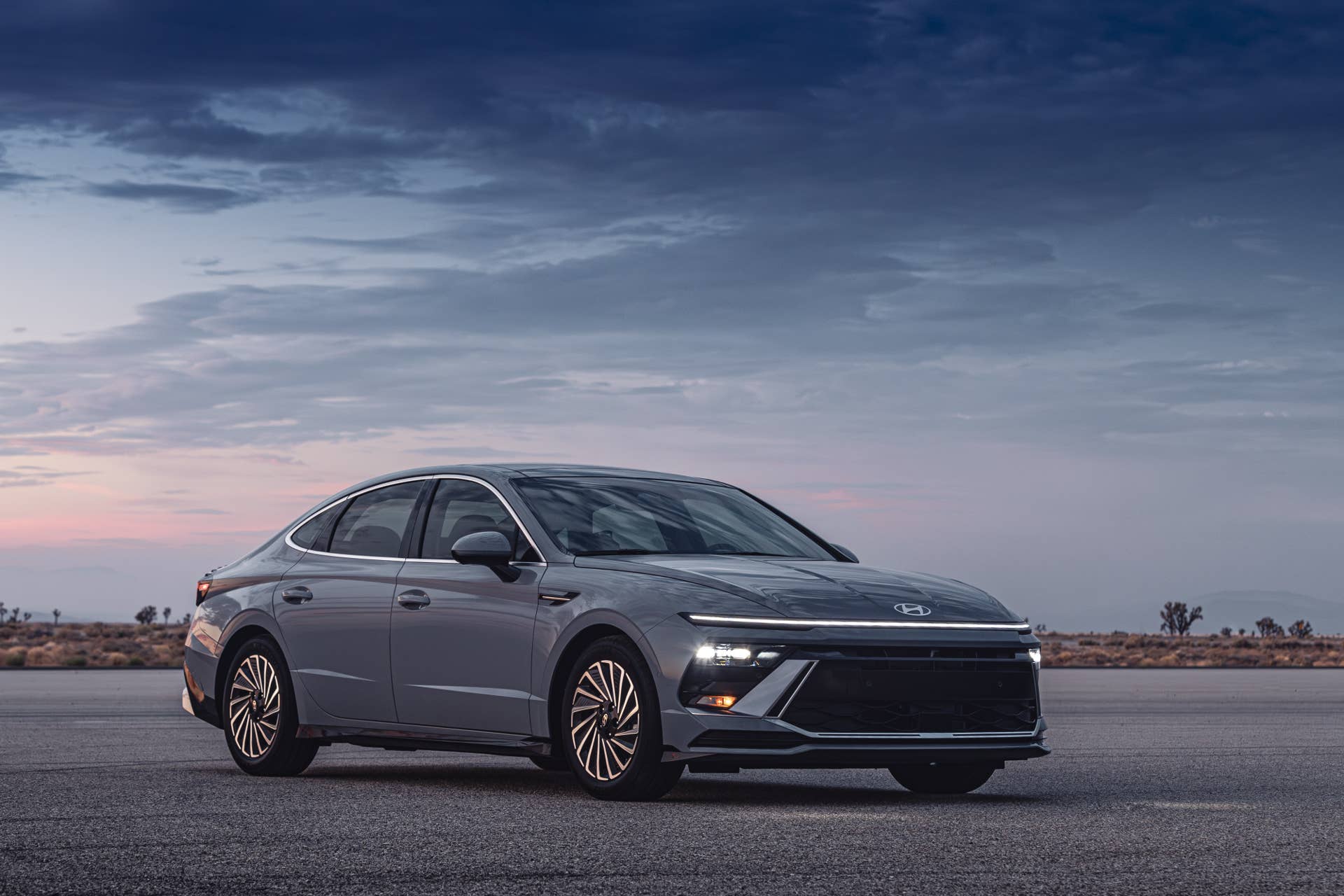
Hyundai
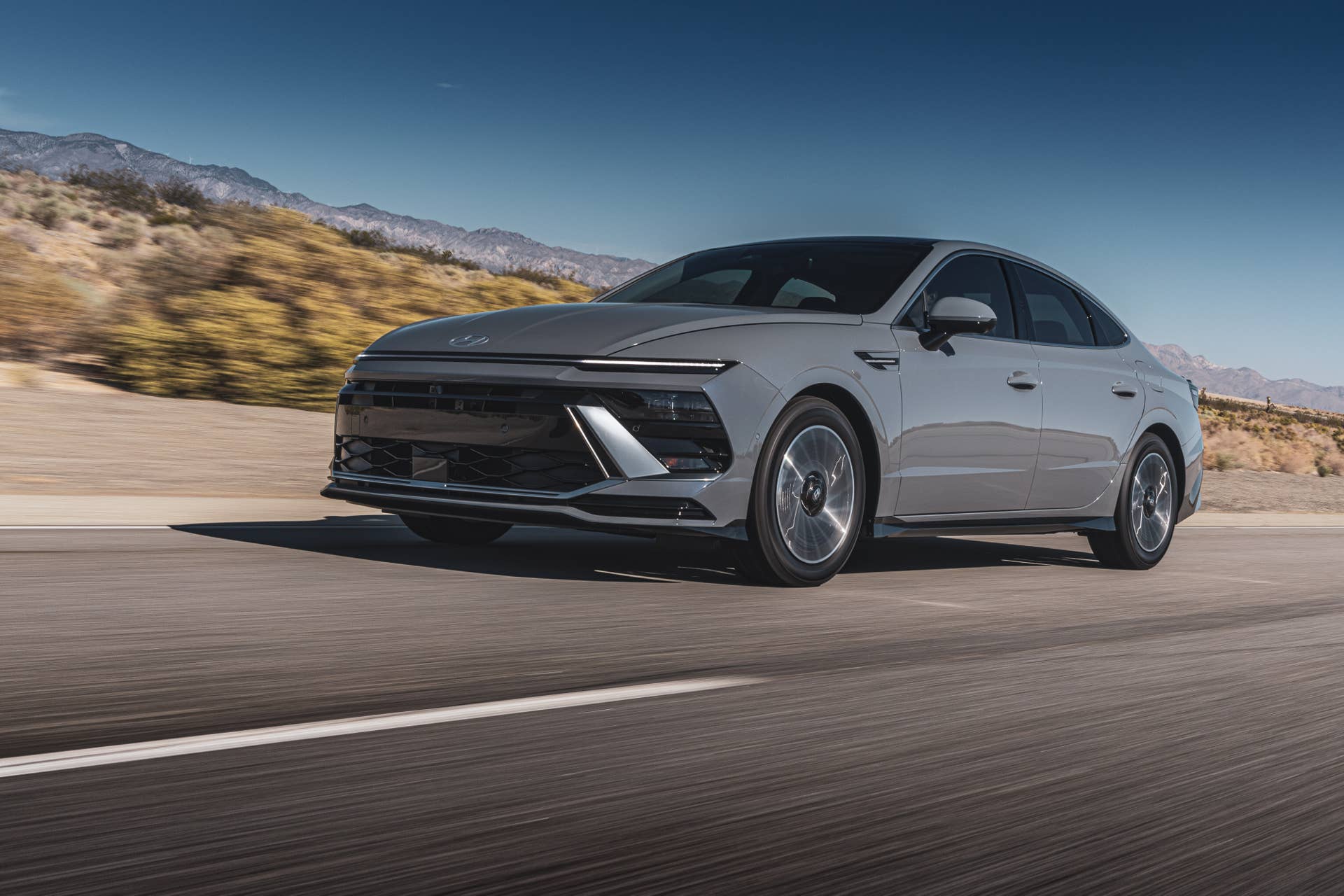
The Sonata Hybrid is stylish, efficient, and packed with features, but it still loses almost half its value in five years. That puts it well behind direct rivals like the Camry Hybrid. Part of the issue could be Hyundai’s brand perception in the used car market and a relatively low take rate among new Sonata buyers, which reduces familiarity and demand in the used space.
Kia Niro Plug-In Hybrid – 47.6% depreciation
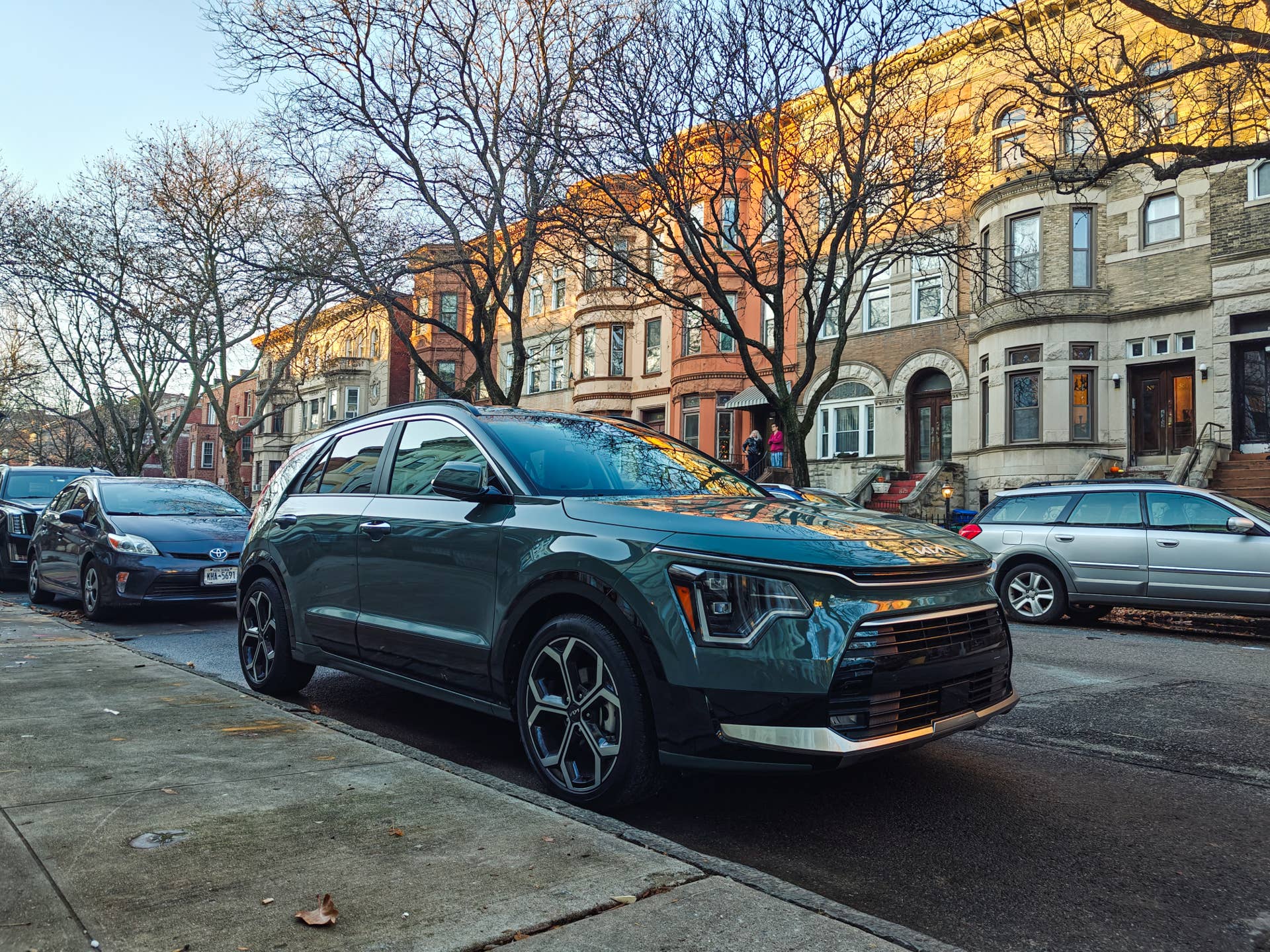
Elijah Nicholson-Messmer
Like its non-plug-in counterpart, the Niro PHEV faces the same resale headwinds — compact dimensions, front-wheel drive only, and limited name recognition. Even though it offers a small electric-only range, the value of used plug-in hybrids is highly variable depending on buyer preferences and gas prices. This version also depreciates 47.6% over five years, the equivalent of roughly $16,400, making it one of the weaker performers in the hybrid category.
Lexus ES 300h – 47.6% depreciation
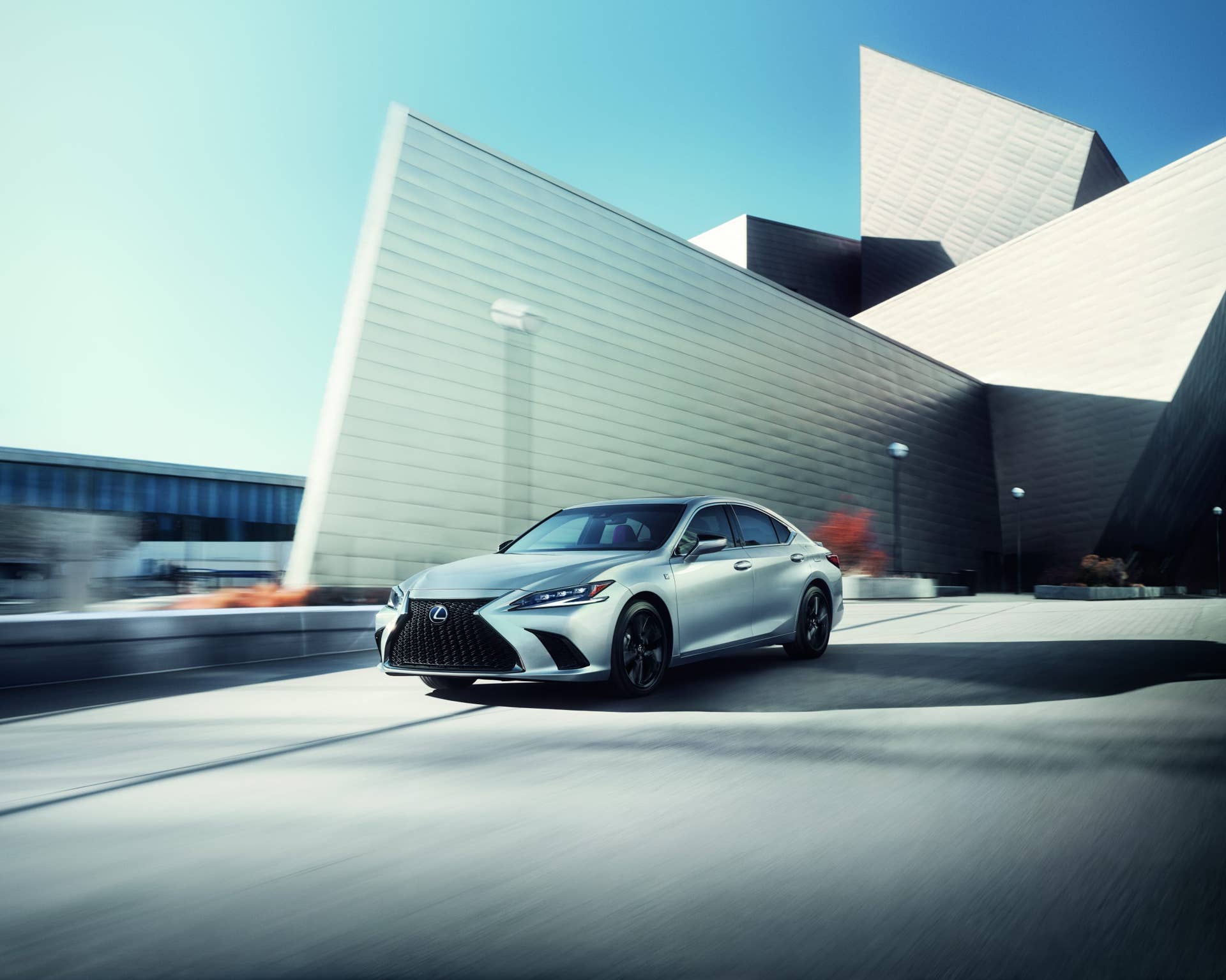
Lexus
Luxury sedans, even hybrid ones, have a tougher time holding value. The Lexus ES 300h is comfortable and well-equipped, but it depreciates more like a high-end car than a fuel-sipping commuter. With a five-year drop of 47.6%, that’s more than $20,000 gone. For shoppers looking for resale value, the similarly sized Toyota Camry Hybrid is a better bet.
Kia Niro – 46.8% depreciation
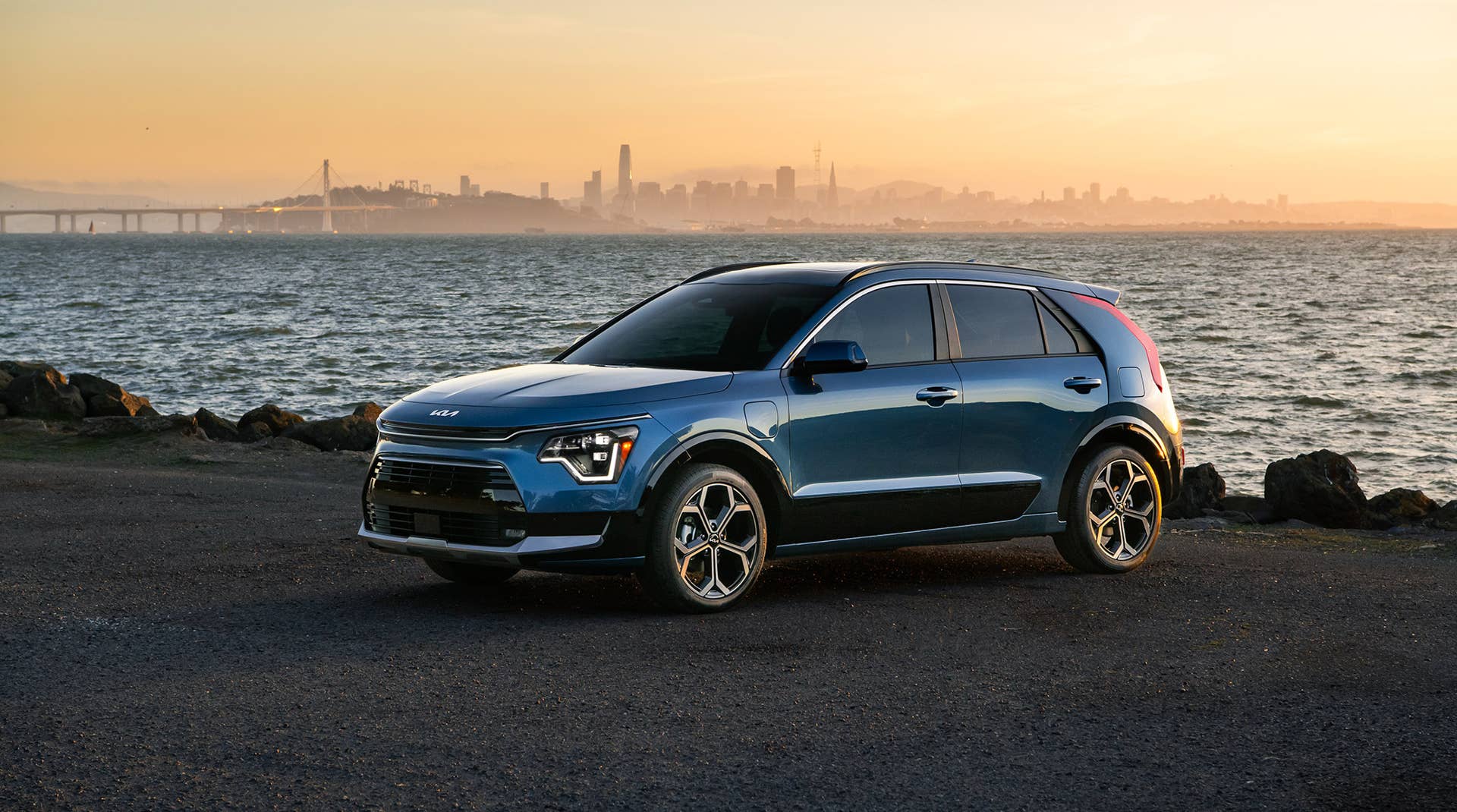
The Kia Niro has always been a bit of a niche product. It’s smaller than most compact SUVs and doesn’t offer all-wheel drive, which limits its appeal in snowy regions. Despite being affordable and efficient, the Niro loses nearly 47% of its value, about $12,600, in five years. The model’s relatively bland styling and underwhelming performance may also be contributing factors.
Final thoughts
Even the worst-performing hybrids in this list still beat most electric vehicles in resale value. EVs now lose 58.8% of their value over five years, while hybrids average a more reasonable 40.7%. Still, as these ten examples show, simply choosing a hybrid isn’t a guarantee of strong resale value. Buyers should look at individual model trends, demand, and segment competition.
Still, the hybrid segment is a promising one for drivers looking to save money over the long term. “The difference between buying a hybrid versus an electric vehicle could be tens of thousands of dollars in lost value,” said iSeeCars executive analyst Karl Brauer. For those who care about resale value, hybrids remain a smart pick overall, just make sure you’re picking the right one.
About the author

Elijah Nicholson-Messmer
Contributing Writer, Autoblog