
Key Points
- BMW’s Neue Klasse originated with 1960s sedans that rescued the company from financial collapse.
- The 1500 and later 2002 established BMW’s sporty, driver-focused identity and introduced enduring design cues.
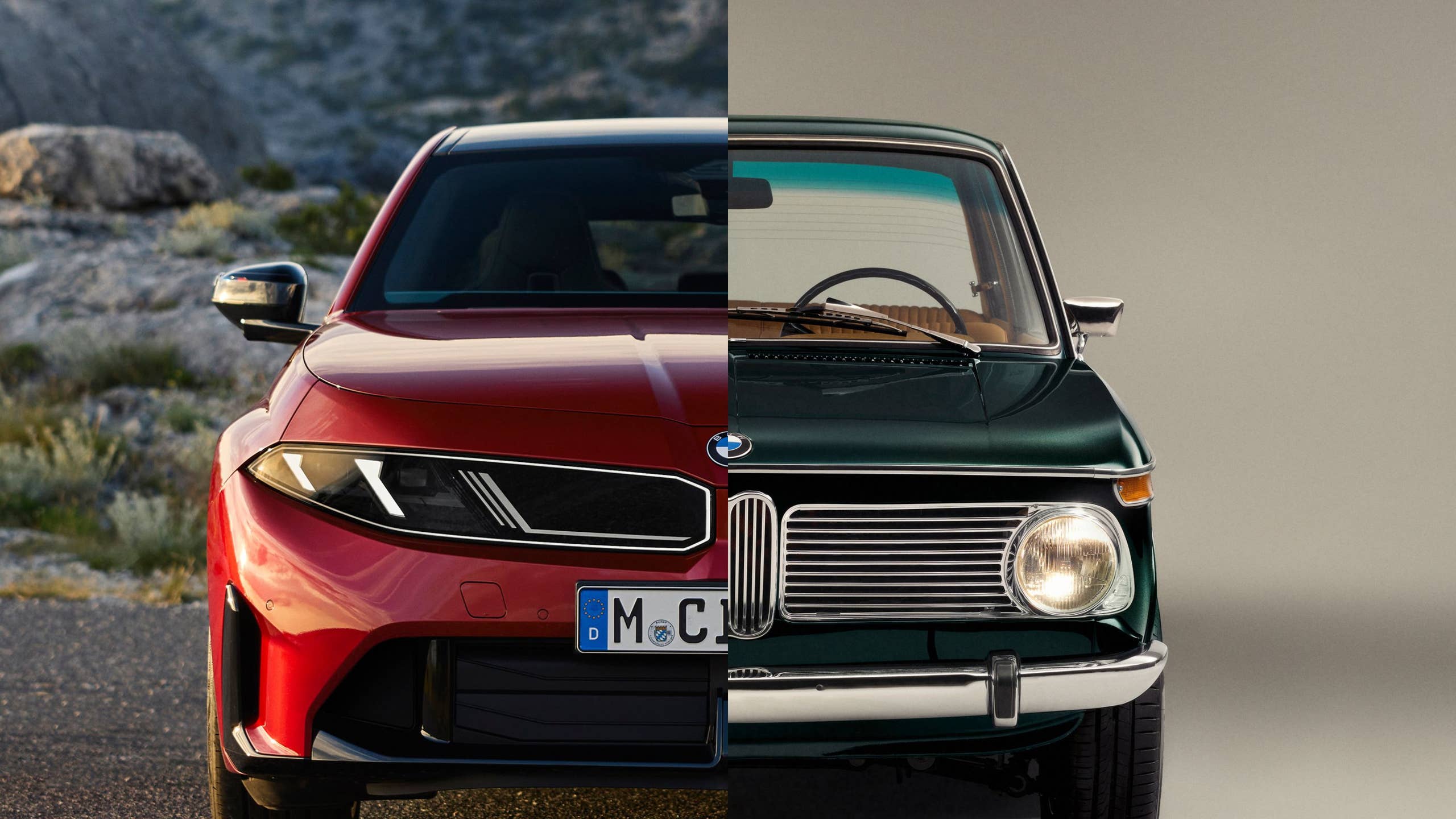
- Today’s electric and combustion 3 Series revive Neue Klasse as BMW’s comprehensive technological and design reinvention.
Mr. New 3-Series
Just last month, BMW revealed the new 3 Series, which looks unlike any 3 Series that’s come before it. It’s been redesigned with a whole new design language, featuring slimmer lighting, a dramatically simplified body, and an interior that’s been rebuilt from scratch around a panoramic display that runs the full width of the windshield. It’s all very exciting, and BMWis calling this car and others made in this new design language, the Neue Klasse; a German phrase that translates to “New Class.”
If you are new to the brand, the hype and marketing around it may make you think that it’s something BMW just invented. However, it isn’t. Not even close.
Neue Klasse is a name that the Bavarians have used before. More than sixty years ago, BMW gave the Neue Klasse name to a series of sedans that most people today have never heard of. Those cars didn’t just give the brand a new design language, rather they gave it a reason to exist. Understanding what they were, and why they mattered, is the only way to understand what BMW is actually trying to say with this new generation of cars. And once you do, the name starts to feel less like a marketing gimmick and a lot more like a real statement of intent.
The Company That Almost Didn’t Make It
To understand why BMW developed the original Neue Klasse, you have to understand where the company was. While they are a relatively successful entity these days, they weren’t exactly the same company in the late 1950s. In fact, they were essentially nowhere where they were today.
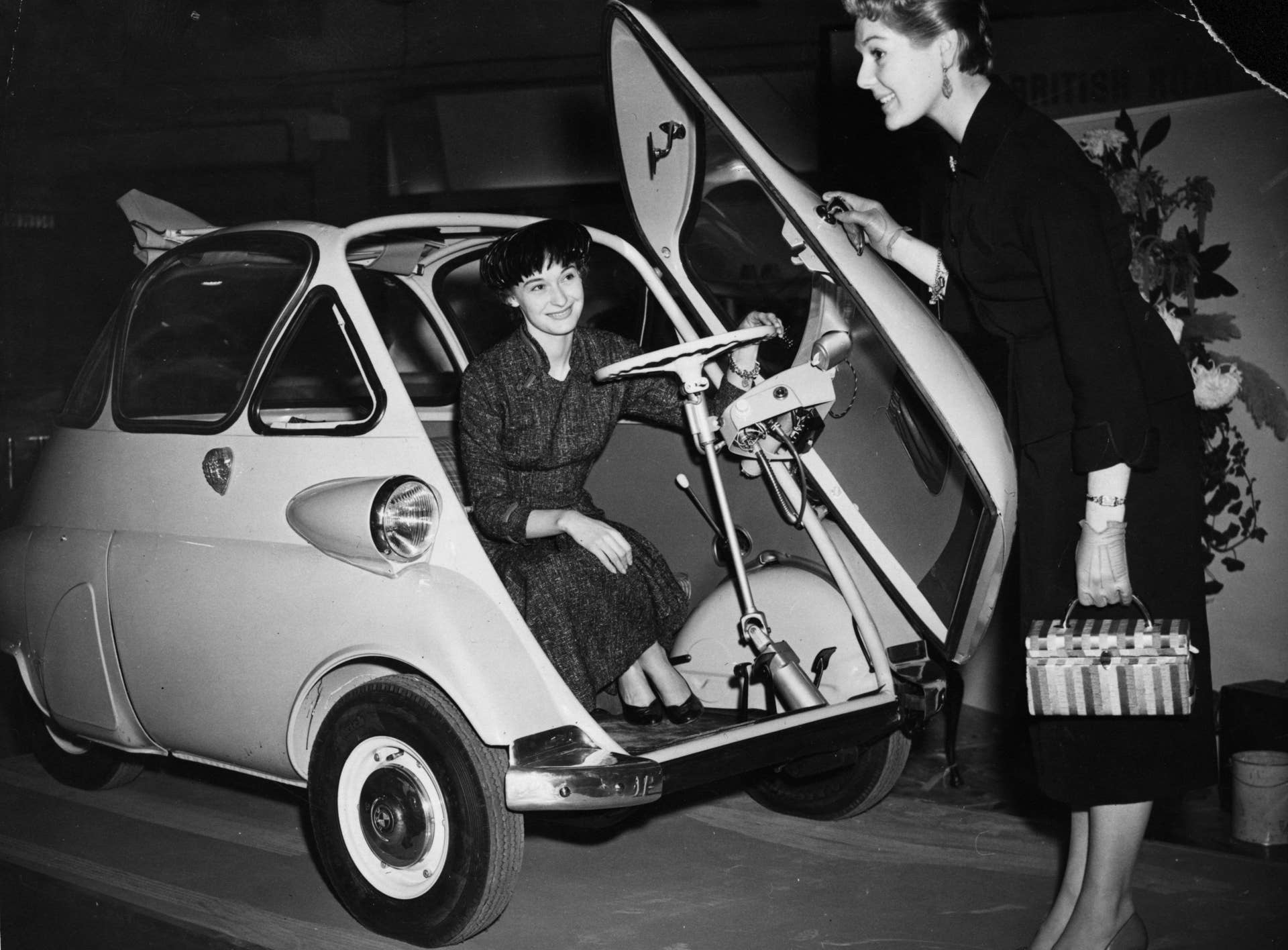
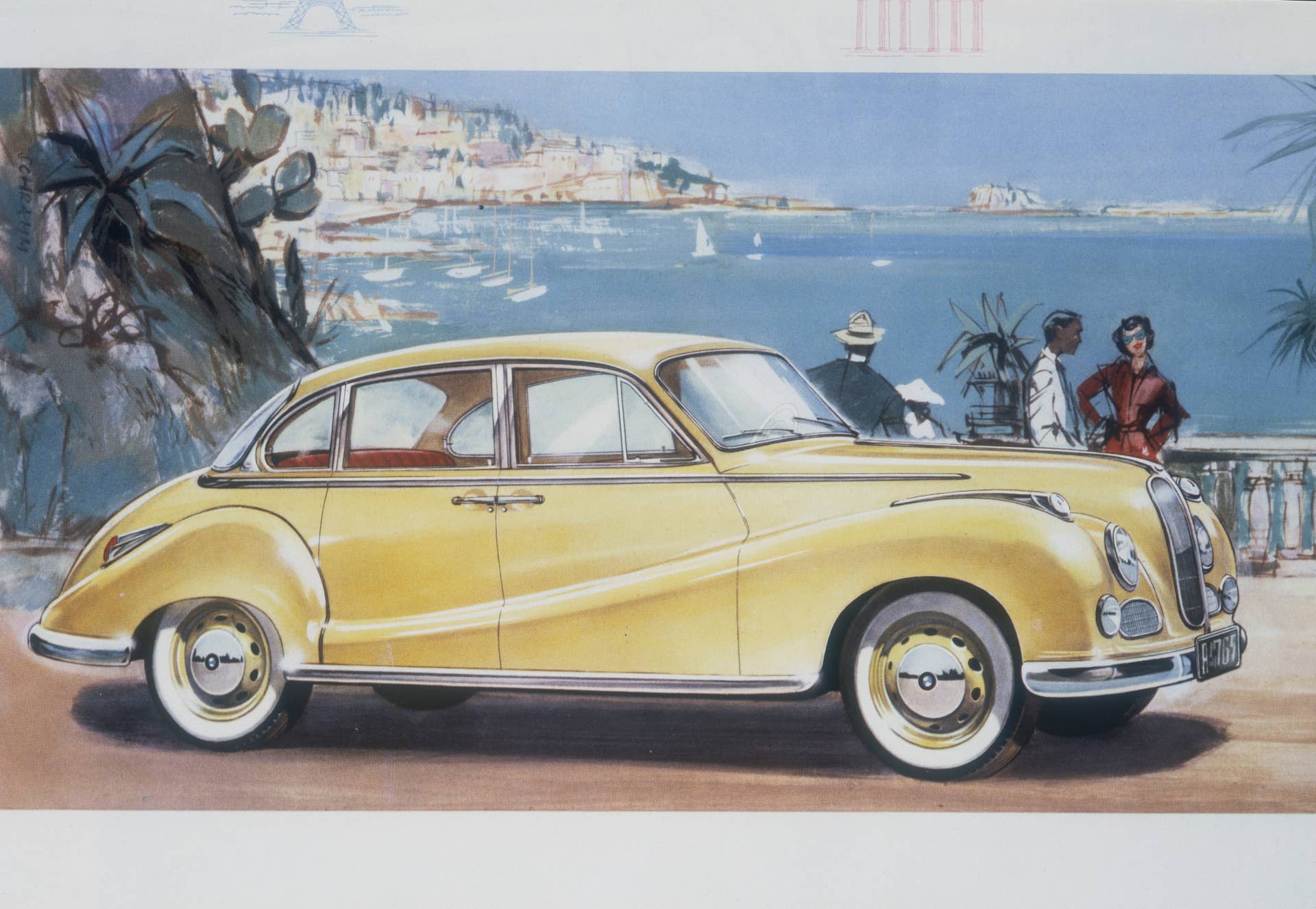
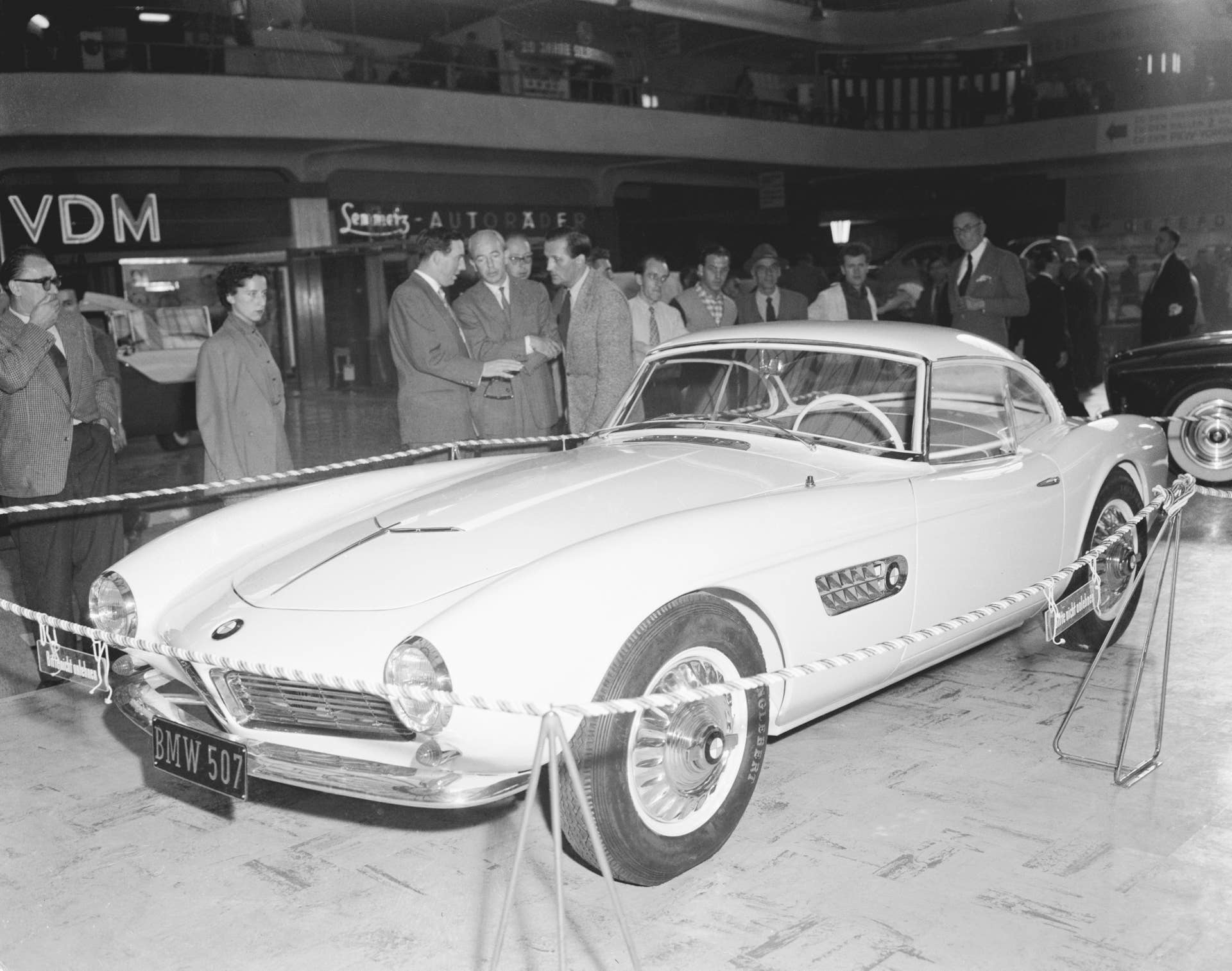
With German industry stalled after World War II, the company had spent the postwar years in a strange kind of limbo after it was allowed to make cars and bikes again. On one end of its lineup, it was selling the Isetta: a tiny, egg-shaped microcar licensed from Italian firm Iso. It featured a small motorcycle engine and a front-opening door that you had to squeeze into sideways. On the other end, it was selling the 502 luxury sedan and the 507 sports car. While these V8-powered cars were beautiful, almost nobody in Germany could afford them. There was nothing in between. The company had no car for the growing European middle class, no car for the professional who wanted something sporty and sensible, and no car that reflected the economic recovery happening all around it.
By 1959, BMW was in serious financial trouble. The company’s own shareholders were so alarmed that at a stormy annual general meeting later that year, they openly debated whether to simply sell the brand to Daimler-Benz and be done with it. The motion failed by only a few votes. Ultimately what held BMW together was the intervention of the Quandt family, who invested heavily and took a controlling stake. They backed a project that had been quietly developing inside the company that BMW’s engineers believed could save it.
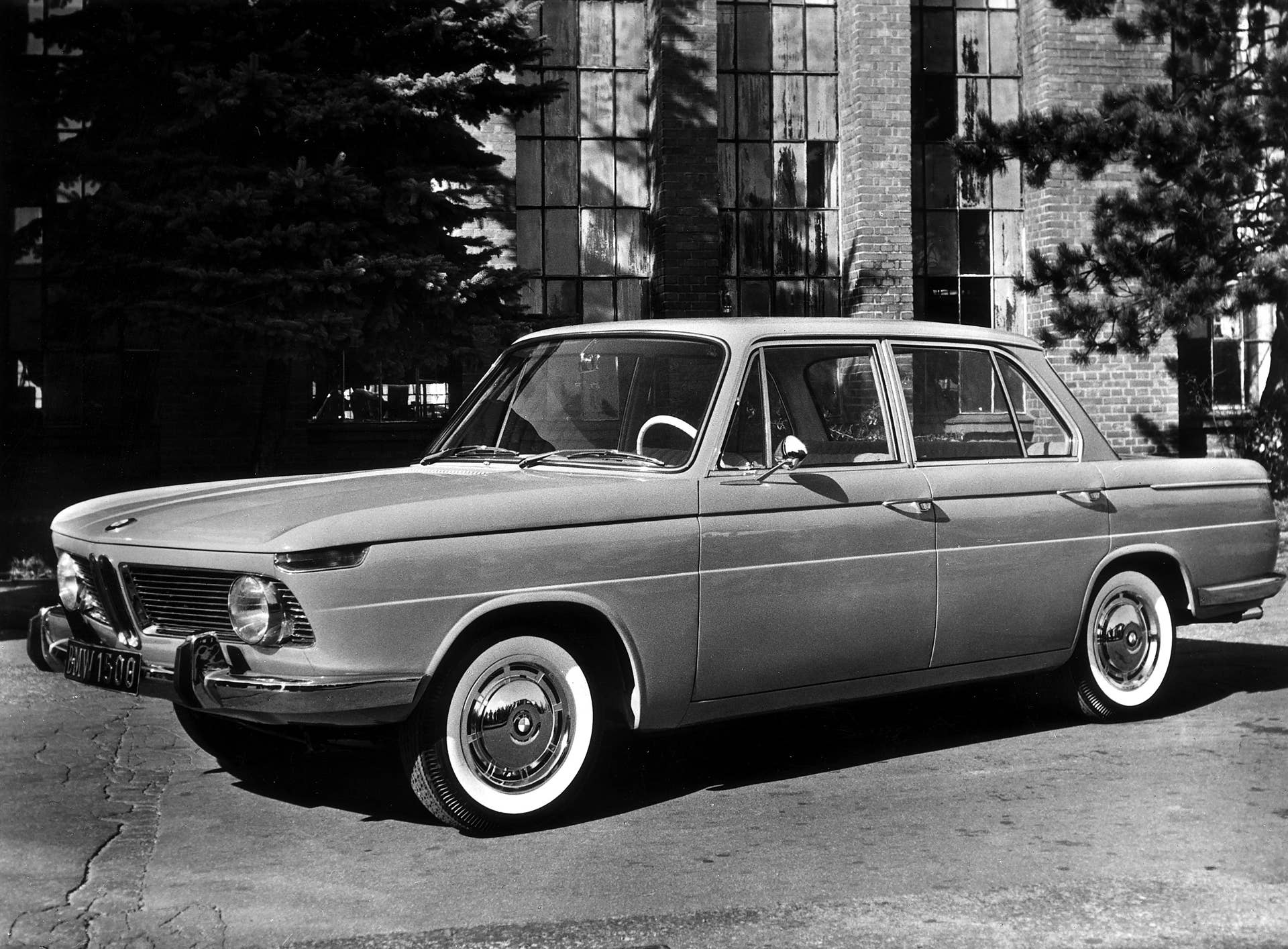
That project was the BMW 1500. And when it debuted at the Frankfurt Motor Show in September 1961, it changed everything.
What the Neue Klasse Actually Was
The 1500 was a compact four-door sedan with a 1.5-liter engine, and on paper it doesn’t sound like much. What made it remarkable was what it represented: a genuinely new kind of car. Not a microcar, nor an expensive luxury car. The 1500 was a proper, sporting, compact sedan for the educated professional who wanted to drive rather than simply be transported. The name “Neue Klasse” referred specifically to the segment these cars occupied, which was the 1.5 to 2-liter engine range known as the compact executive class. However, it also described exactly what BMW was creating — a new class of automobile, a new class of BMW.
BMW’s engineering team, which was led by Fritz Fiedler on the overall project, Alexander von Falkenhausen on the engine, and Wilhelm Hofmeister on styling and body design. They built the 1500 with an M10 four-cylinder engine mounted at a 30-degree slant, unibody construction, front disc brakes, MacPherson strut front suspension, and independent rear suspension with semi-trailing arms. In 1962, these were the specifications of a genuinely sophisticated automobile. The car was precise, athletic and felt like it wanted to be driven hard, which was something entirely new coming from a manufacturer that had been struggling to survive.
The market responded immediately. BMW had been building around fifty cars per day before the 1500 launched. Production tripled. The company broke even in 1963, turned a profit in 1964, and paid dividends for the first time in twenty years. In total, from 1962 to 1971, BMW built more than 350,000 Neue Klasse vehicles. What had nearly been a brand on the brink had became one of the most respected automotive names in the world.
BMW
The Details That Never Left
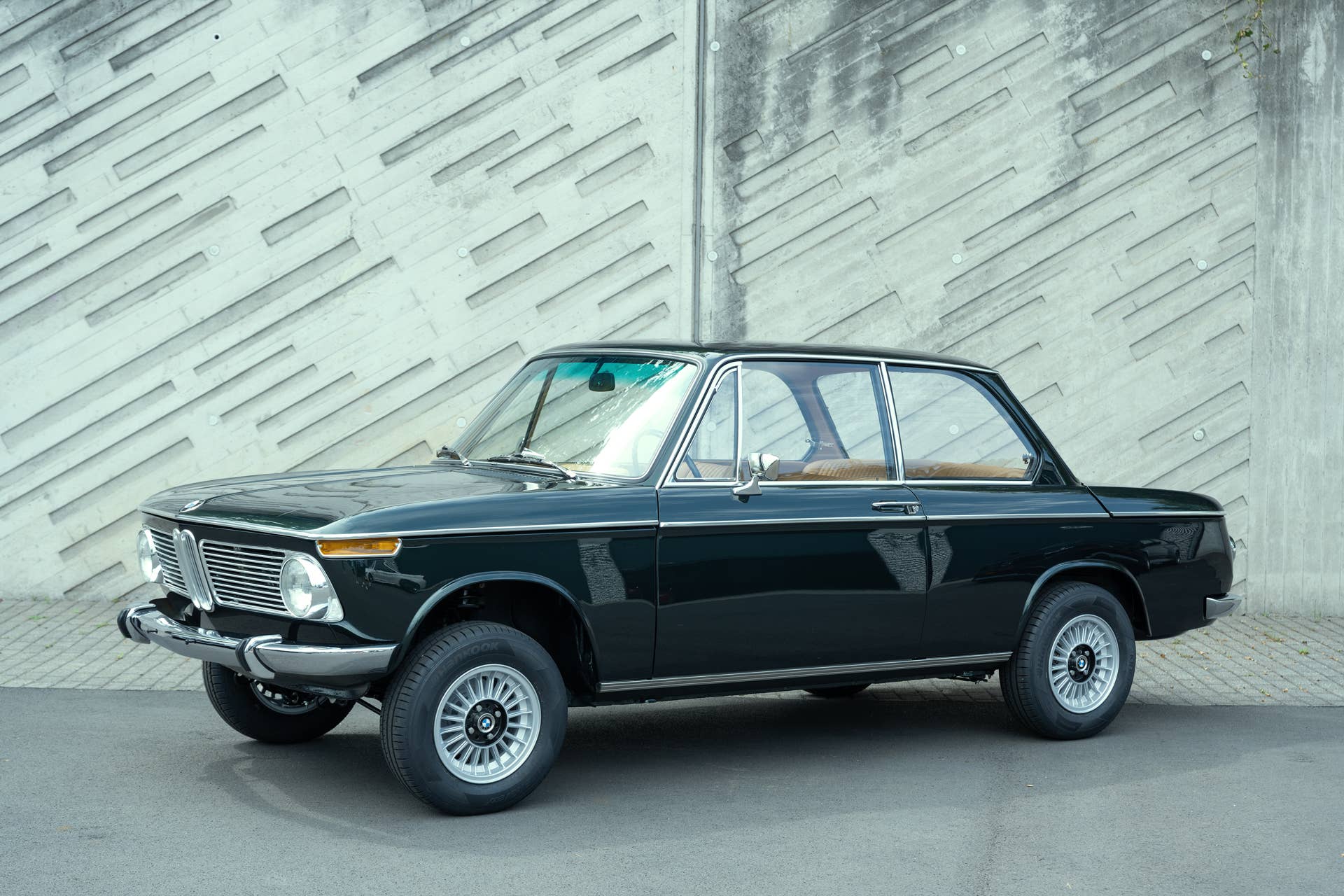
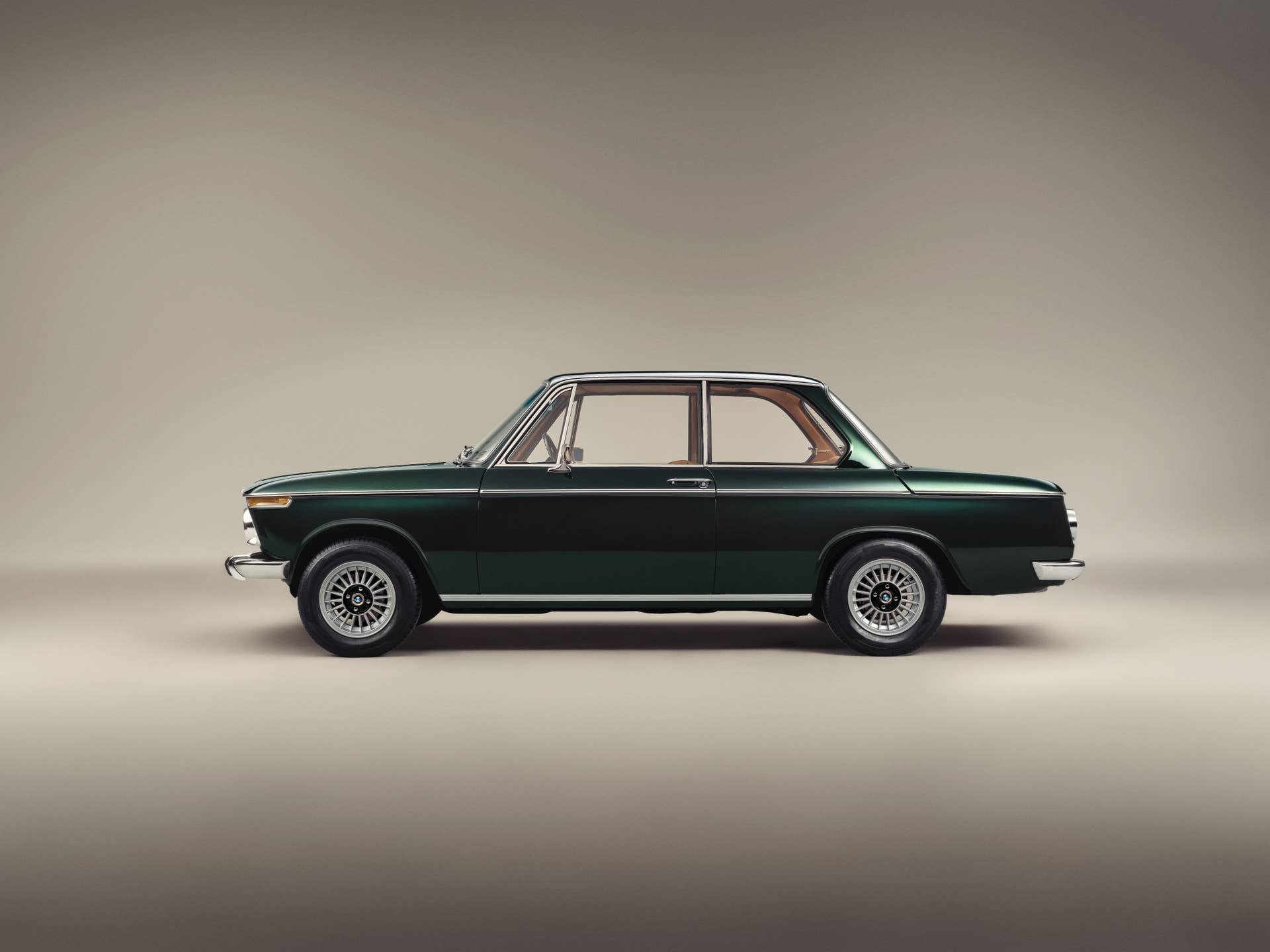
The Neue Klasse sedans introduced something else in 1961 that BMW has carried forward into every single vehicle it has built since: the Hofmeister Kink. Named for BMW design chief Wilhelm Hofmeister, a designer who led the department from 1955 to 1970, the Kink is the small reverse curve at the base of the C-pillar; the rearmost window pillar where the window line bends forward rather than straight down. It’s a subtle thing, the kind of detail you might not consciously notice, but once you know it’s there. You can see it on every BMW ever made. Hofmeister didn’t technically invent the feature, but he standardized it, codified it and made it the consistent visual signature of the brand.
BMW claims that the Kink subtly communicates that the vehicle is rear-wheel drive, as the way the glass curves forward suggests that the rear wheels are doing the work. Whether that interpretation is entirely true or exaggerated doesn’t matter much. All what matters is that a design element first seen on the 1500 at the 1961 Frankfurt Motor Show has appeared on every BMW built in the sixty-five years since.
The Neue Klasse cars also established BMW’s design philosophy in other areas. Inside, a hooded pod on the dashboard houses the gauges in the driver’s direct sightline, an important piece of an interior that puts the driver at the center of everything. These were not soft luxury cars; they were machines that took the driver seriously. The best in ergonomics and driving feel was the goal, not poshness and fluff.
BMW
The 2002 and the Accident That Built a Legend
While the 1500 was a success, the direct descendant of the Neue Klasse sedans was the car that cemented BMW’s reputation permanently: the 2002.
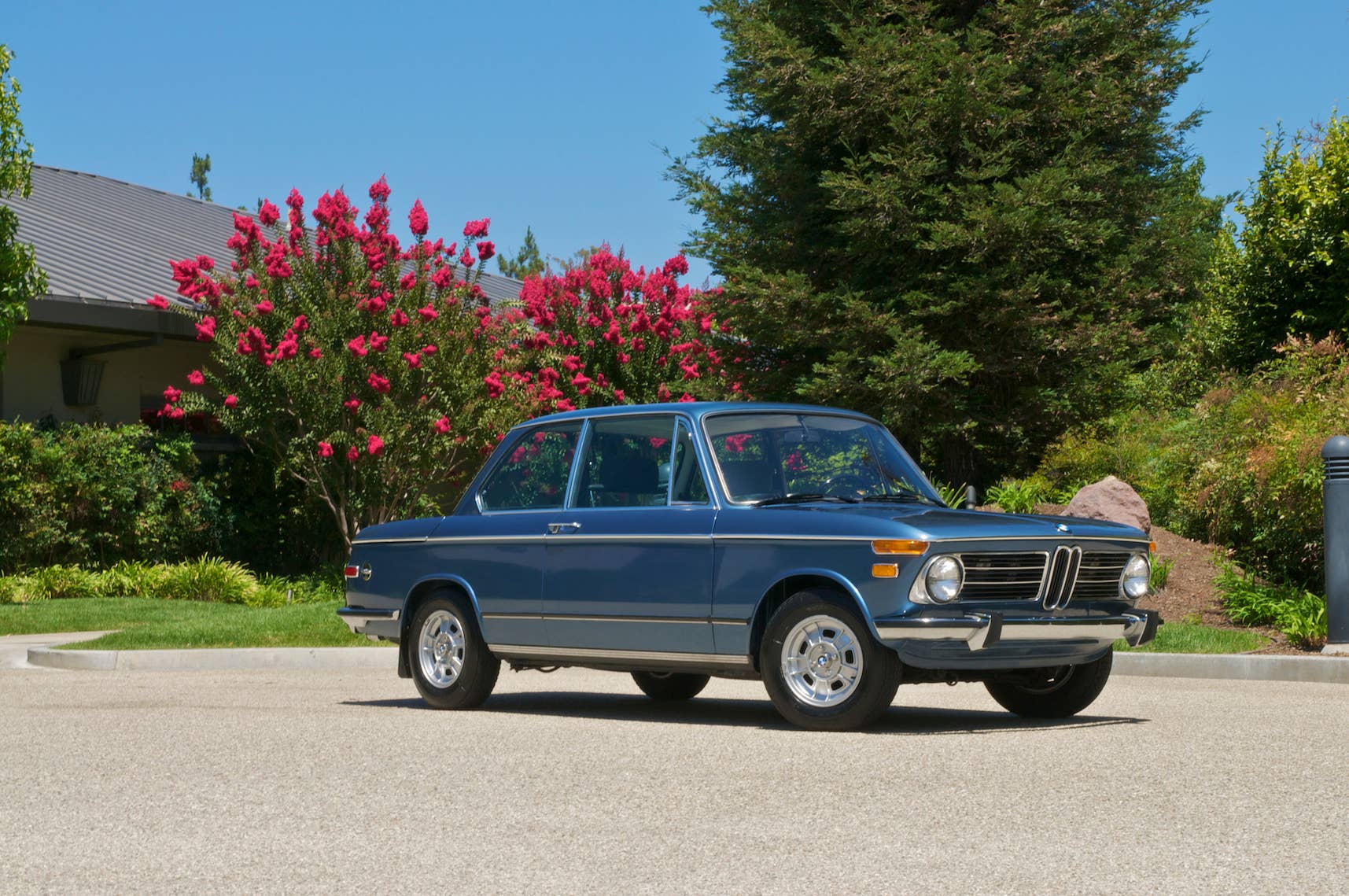
It started almost by accident. BMW launched a two-door version of the Neue Klasse in 1966, which was initially badged as the 1600-2. As an experiment, two BMW executives, namely Planning Director Helmut Bönsch and engine chief Alex von Falkenhausen had separately installed a larger 2-liter version of the M10 engine into their personal 1600-2s to see what would happen. With this bigger motor, the car became something special; it was light, precise, and now with enough power to make the chassis work hard in the best possible way. While all this was happening, New York-based importer Max Hoffman; the exclusive American distributor of BMW in the U.S., was begging the Bavarians for a sportier version of the 02 series that could be sold stateside.
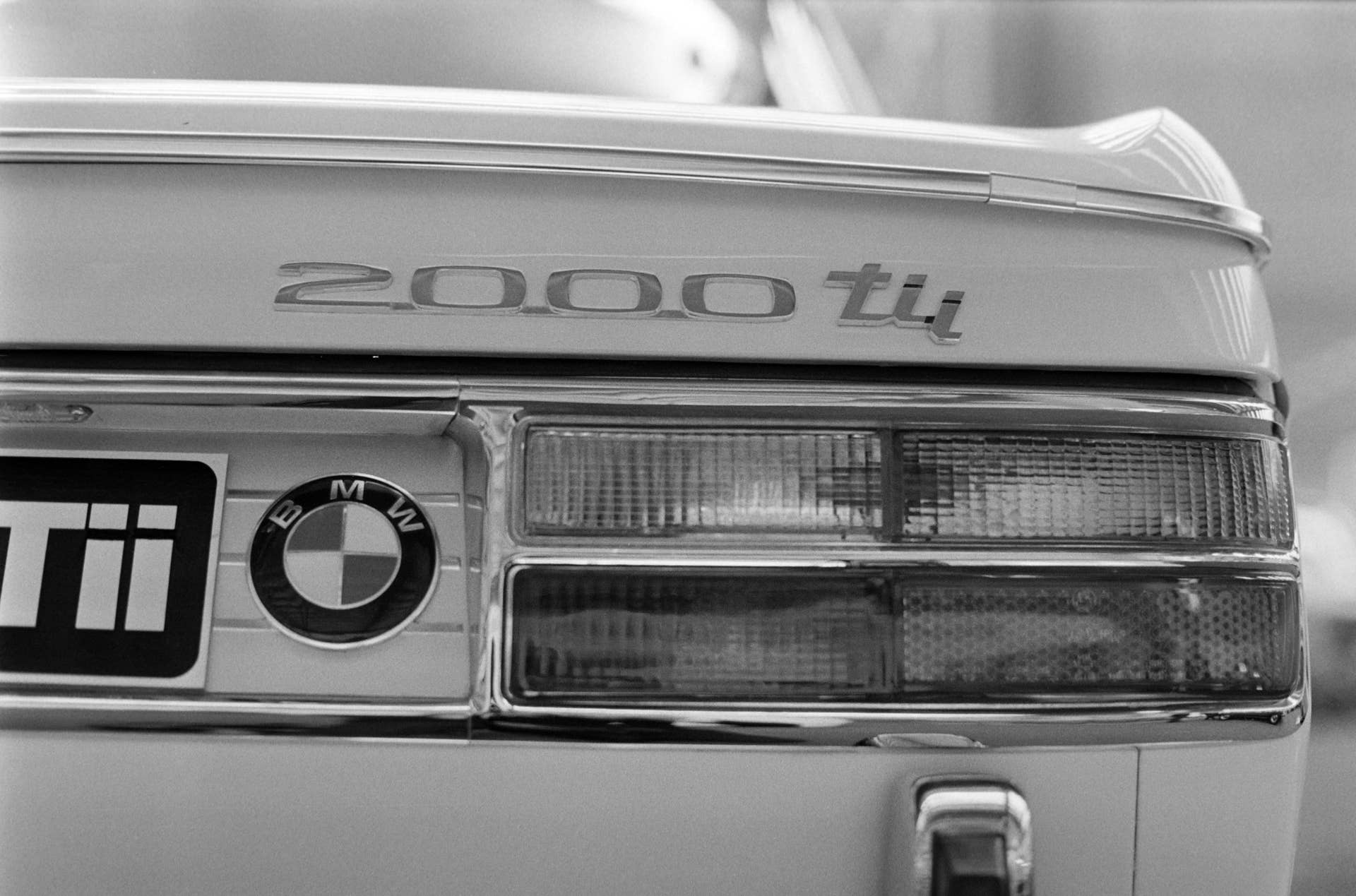
His wishes came true in the form of the BMW 2002, which arrived in 1968 and became legendary shortly after its introduction. Road & Track called it a car for people who like to drive. In April 1968, contributing writer David E. Davis Jr. published an ecstatic review in Car and Driver titled “Turn Your Hymnals to 2002”, a contemporary review that has been quoted endlessly since, which likened the BMW’s road-holding performance to contemporary sports cars of the era, arriving at the conclusion that it was “most certainly the best $2,850 sedan in the whole cotton-picking world.” The car was fast enough to be exciting, small enough to be nimble, and refined enough to be a daily driver. It was, basically, the template for the compact sports sedan that the entire industry would try to copy ever since.
By the time BMW introduced the 2002’s direct successor, the 3 Series, in 1975, it introduced a tagline that would resonate with customers all over the world: the “Ultimate Driving Machine.” The success of the 2002 has cemented BMW’s place as a sporty upmarket brand. Everything BMW has built its global reputation on; driver focus, dynamic excellence, the idea that a practical four-door car could be genuinely exciting, can be traced directly back to those Neue Klasse sedans of the 1960s.
BMW
BMW
Why BMW Brought the Name Back
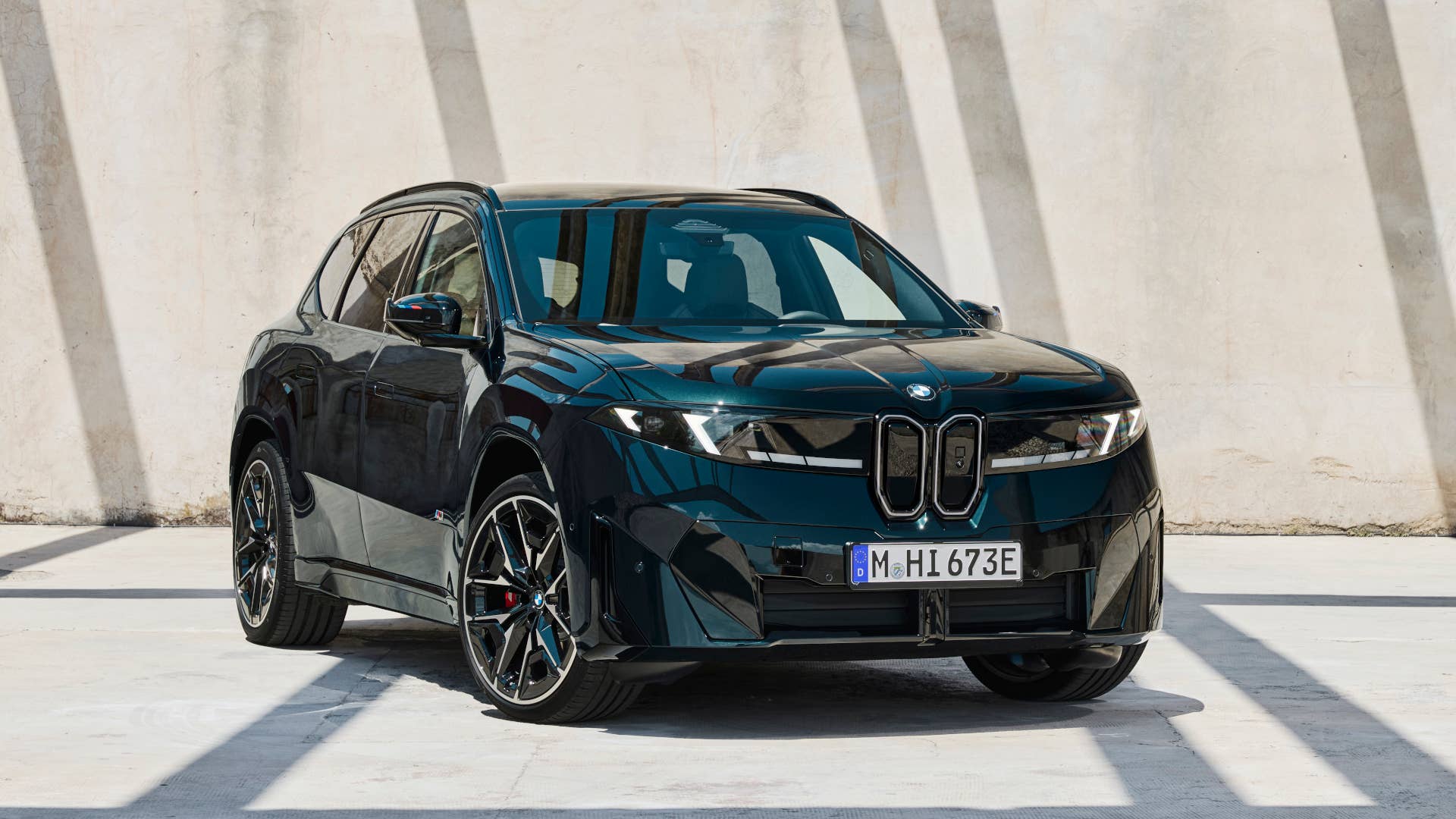
When BMW unveiled the Vision Neue Klasse concept at the IAA Mobility show in Munich in September 2023, they weren’t subtle about what they were doing. This was a deliberate act of self-reference, a company reaching back to the moment of its greatest transformation and saying that this, right now, is another one of those moments.
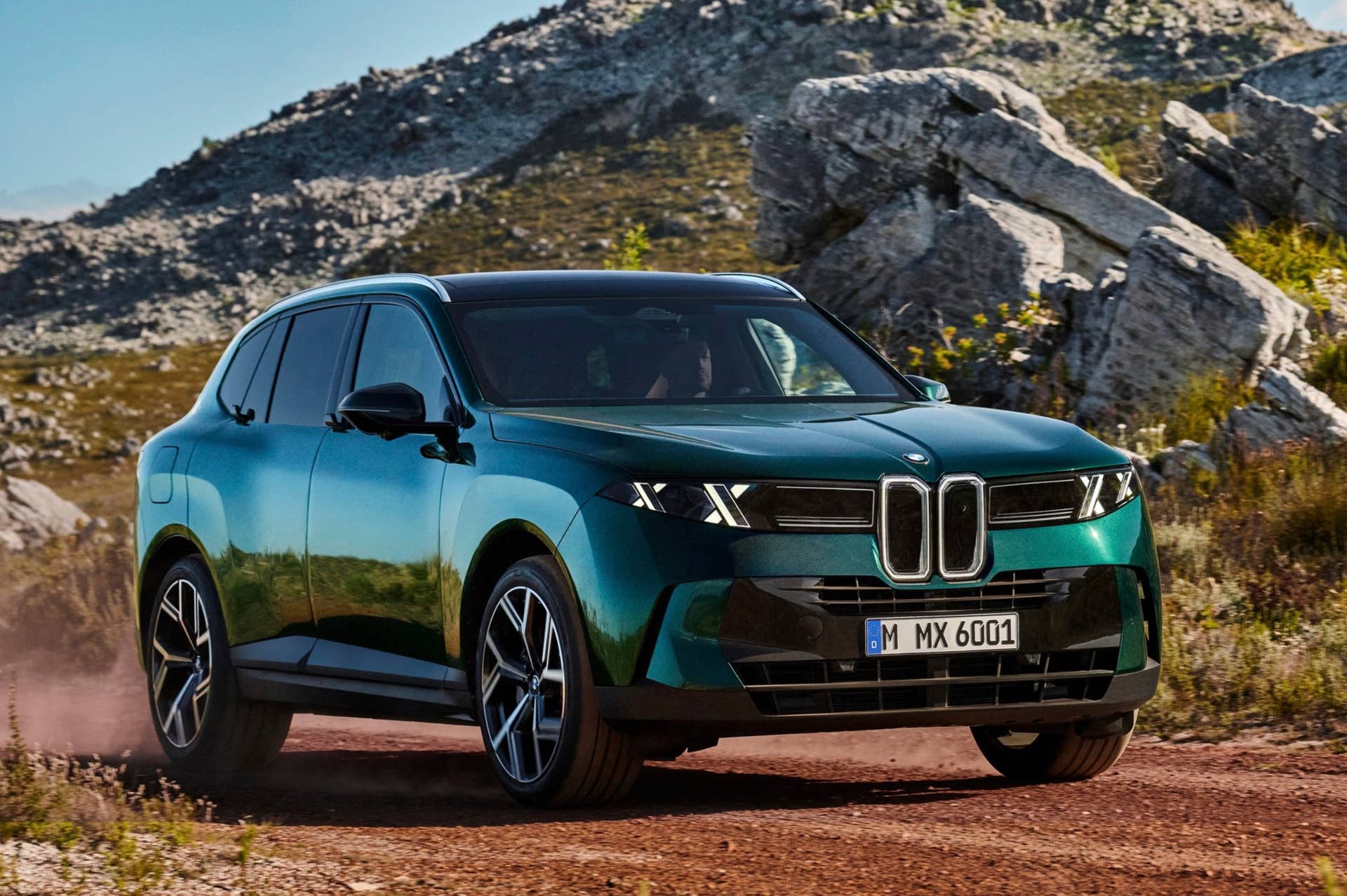
The modern Neue Klasse represents BMW’s most fundamental reinvention since the original. It has new, electric architecture that was built from the ground-up and an exterior design language that strips away the visual complexity from BMW’s cars over the last decade or so. In addition, it showcased a completely redesigned interior philosophy built around the Panoramic iDrive system; a continuous display band along the lower edge of the windshield.
BMW
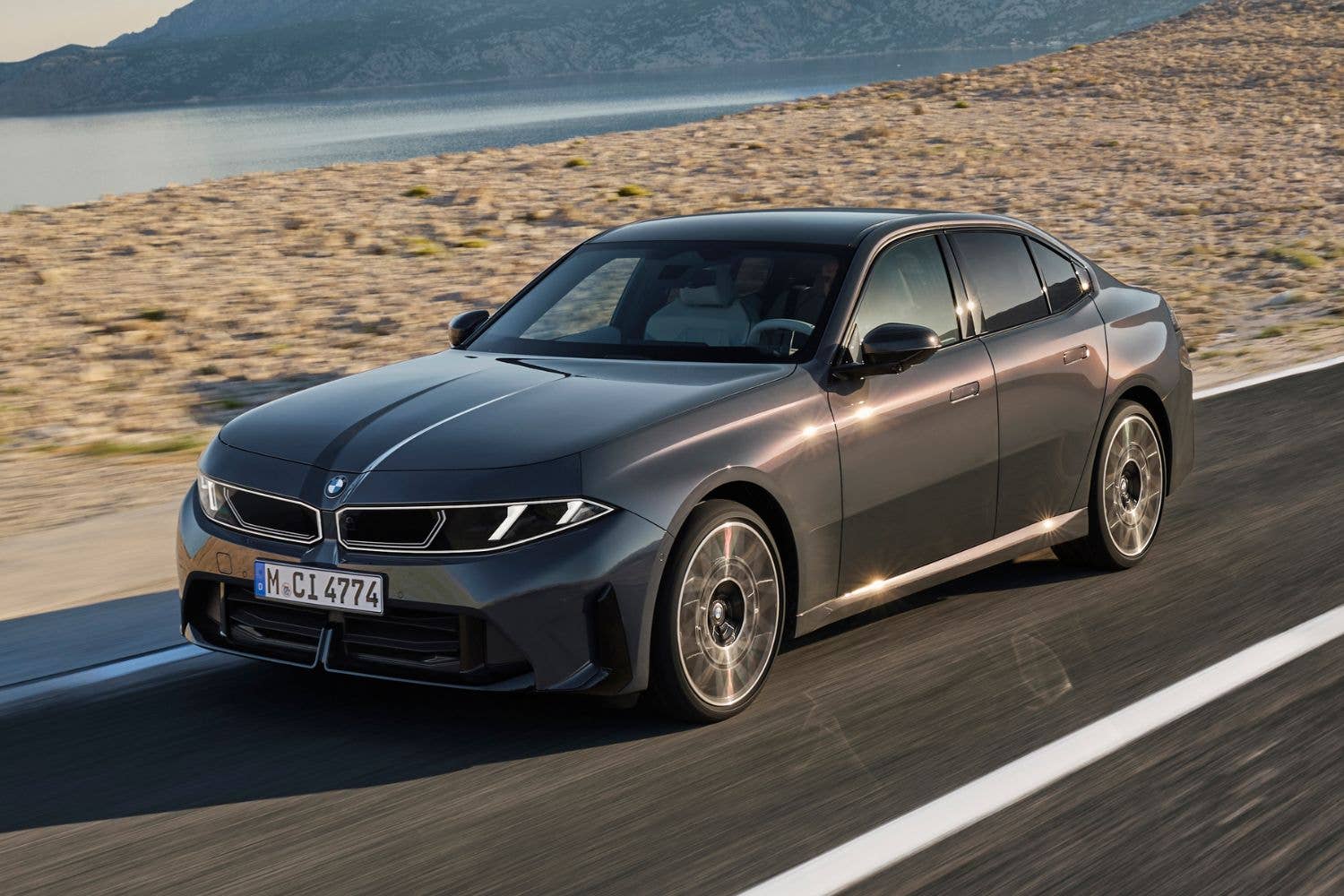
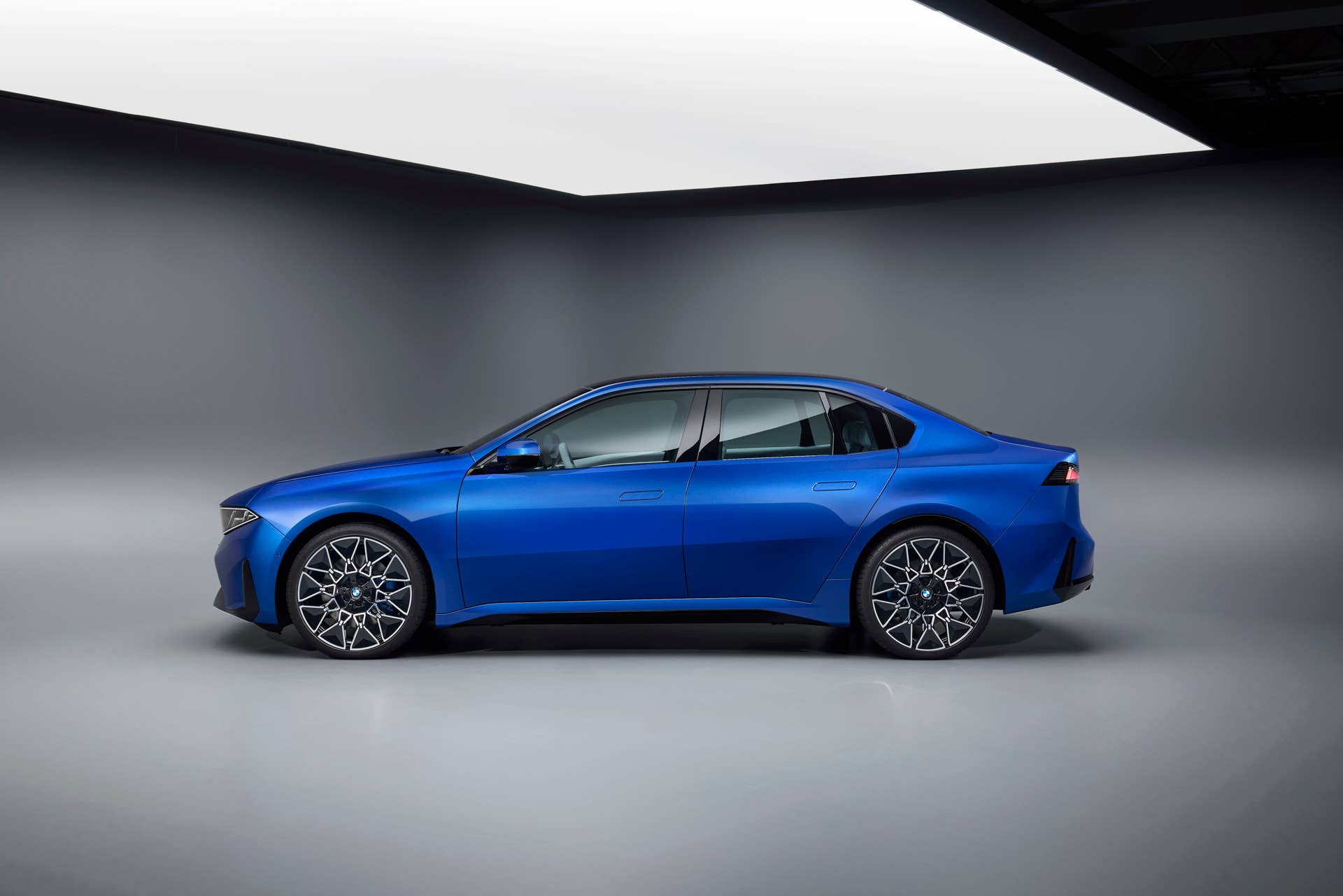
The new 3 Series that just revealed on September 29 brings that design language to BMW’s most important model. The new 3 comes in an electric i3 version that rides on the full Neue Klasse architecture, as well as a gasoline-powered 3 Series available with either a four-cylinder or inline-six powertrain. BMW has said explicitly that it wants the electric and combustion versions to be nearly indistinguishable at a distance. The kidney grille on the sedans is now horizontal, integrated with the headlights into a single graphic. The flanks are cleaner than any BMW has been in years. The tail is angular and lean.
The interior is the biggest change. The Panoramic iDrive display, the redesigned steering wheel and the simplified center console is a complete break from what BMW has been doing, executed with the kind of commitment that suggests this isn’t a trend they’re chasing but a direction they’ve decided on.
BMW
The Same Bet, Sixty Years Later
Here’s what’s interesting about BMW invoking the Neue Klasse name now: the original bet was audacious because it came from a company that couldn’t afford to fail. BMW in 1961 was not in a position to hedge. They couldn’t offer one conventional car and one radical car and see which one the market preferred. They had to commit entirely to a new idea about what a car should be, build it with conviction, and hope the market agreed.
That’s essentially what BMW is doing again. The Neue Klasse name isn’t just nostalgic branding. It’s a declaration that this is the company’s complete commitment to a new direction; not a one-off experiment, nor a design refresh, but a fundamental skin-deep reimagining of what a BMW is and how it’s built. The iX3 was the first production model out of the gate, followed by the i3 and the 3 Series. Even the popular X5 SUV has gotten the Neue Klasse treatment, with more models to follow.
BMW
Oliver Heilmer, BMW’s Head of Design for the Neue Klasse, described the new 3 Series as “the essence of our brand,” adding that the car blends “sporting dynamism and timeless elegance in the clear, reduced design language of the Neue Klasse.” That’s corporate speak, but underneath it is a real idea: that the original Neue Klasse worked because it was honest, focused, and built around what the driver actually needed rather than what could be added to justify the price.
Whether the new cars live up to that is a question the road will answer. But the name they’re carrying tells you exactly what BMW thinks it’s doing and what’s at stake if they get it wrong. The first Neue Klasse saved BMW from being absorbed into Daimler-Benz. The second one is BMW’s bet on the next sixty years. Those 1960s sedans with their simple lines and their Hofmeister kinks and their high-revving four-cylinders wouldn’t look out of place next to the new 3 Series at a show. They’d look like what they are: the beginning of the same story.
About the author

James Ochoa
Senior Editor, Autoblog