
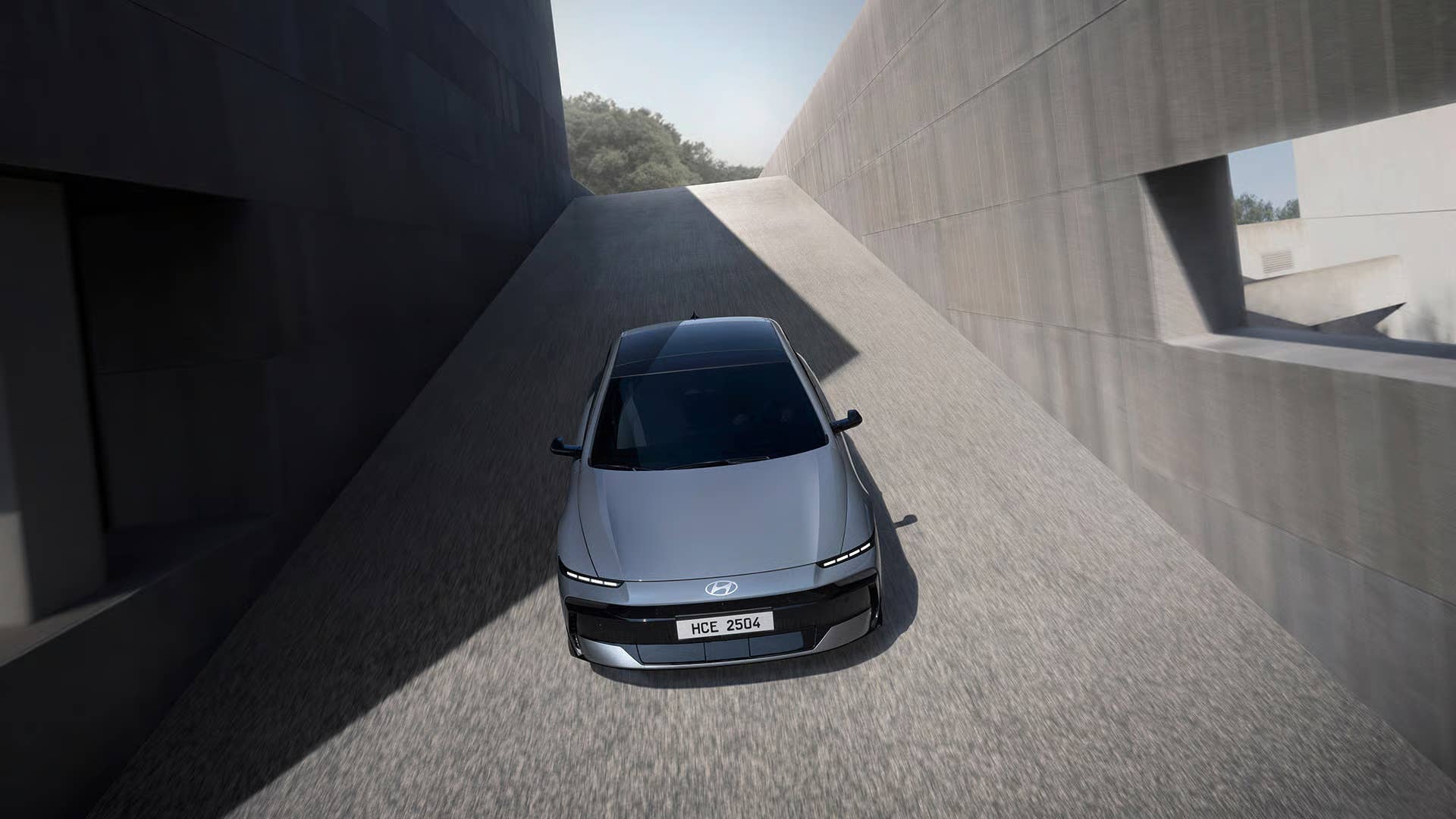
Year-over-year, Americans are gradually buying more EVs. That might come as a surprise given the headlines over the last 13 months. In September last year, the Trump Admin. pulled federal tax incentives for new EVs, leaving the states to their own devices in that regard. The shift led to a domino effect. EV sales took a nosedive. Manufacturers began pulling EVs and shifting rapidly to more popular hybrids. A wave of cancelations hit the market. In other words, the multi-billion-dollar automotive giants flinched. Below, you’ll find the results of that.
Every EV That’s Dead By 2027
Alphabetically, this is every single dead EV (as of publication) that’ll be gone by the end of next year. I’ve also chosen to highlight some of the more impactful cancelations as well.
- Acura RSX
- BMW i4
- BMW iX
- Chevrolet Bolt
- Chevrolet BrightDrop
- Honda 0 Series Sedan and SUV
- Honda Prologue
- Hyundai Ioniq 6
- Hyundai Kona EV
- Kia EV6 GT
- Kia Niro EV
- Lamborghini Lanzador
- Polestar 3 / 4
- Sony Afeela
- Tesla Model S
- Tesla Model X
- Volkswagen ID.4
- Volvo EX30
- Volvo EX40
BMW iX
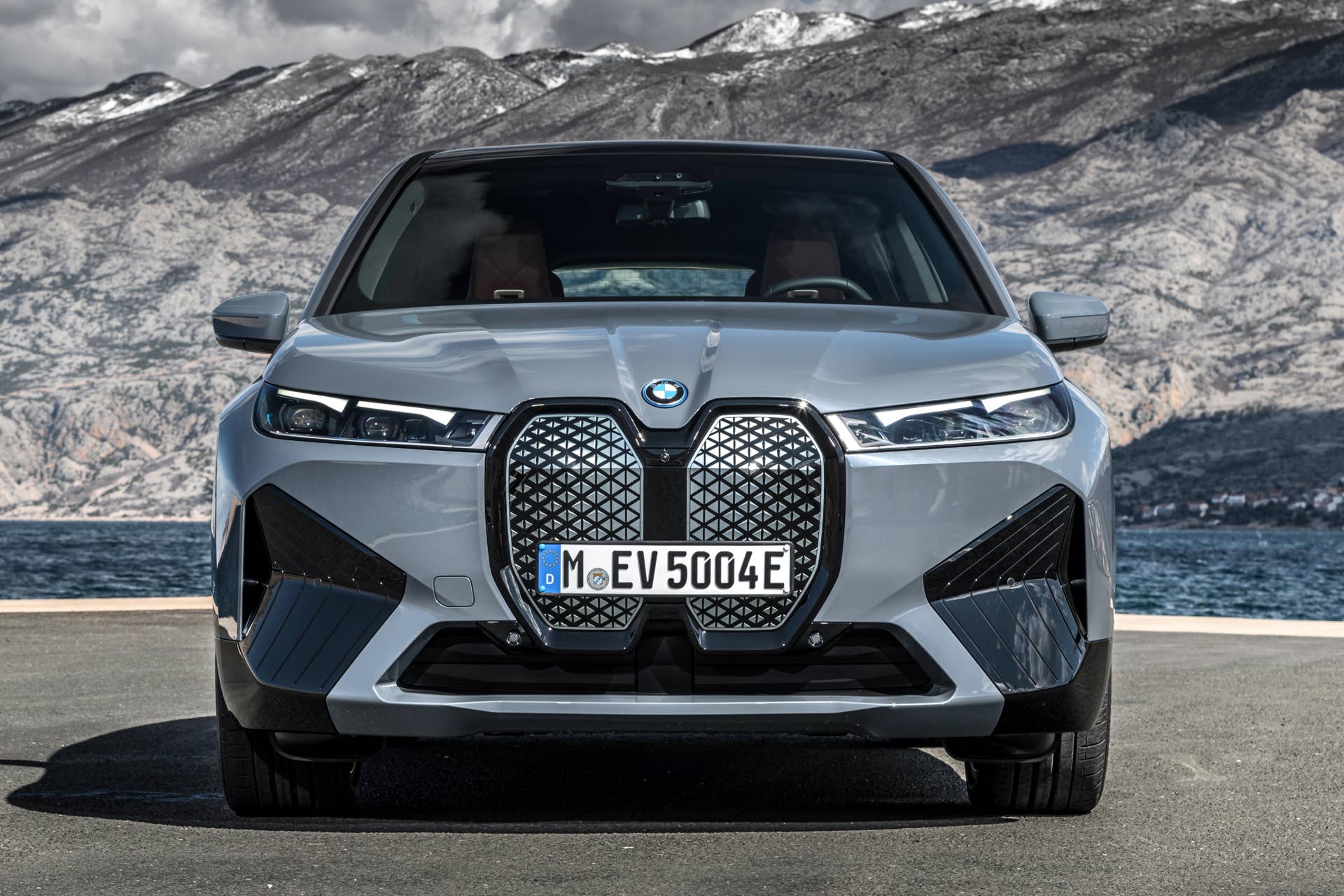
The BMW iX’s cancelation is an effective replacement, with a new BMW iX3 stepping in to fill the role in the US. It’s the first in the brand’s new line of Neue Klasse EVs, which represent a demonstrable step up in efficiency and battery technology for the brand. We shouldn’t be mourning the iX so much as we should be excited for a better, more efficient electric SUV. The SUV first went on sale in 2022.
Chevrolet Bolt
Chase Bierenkoven
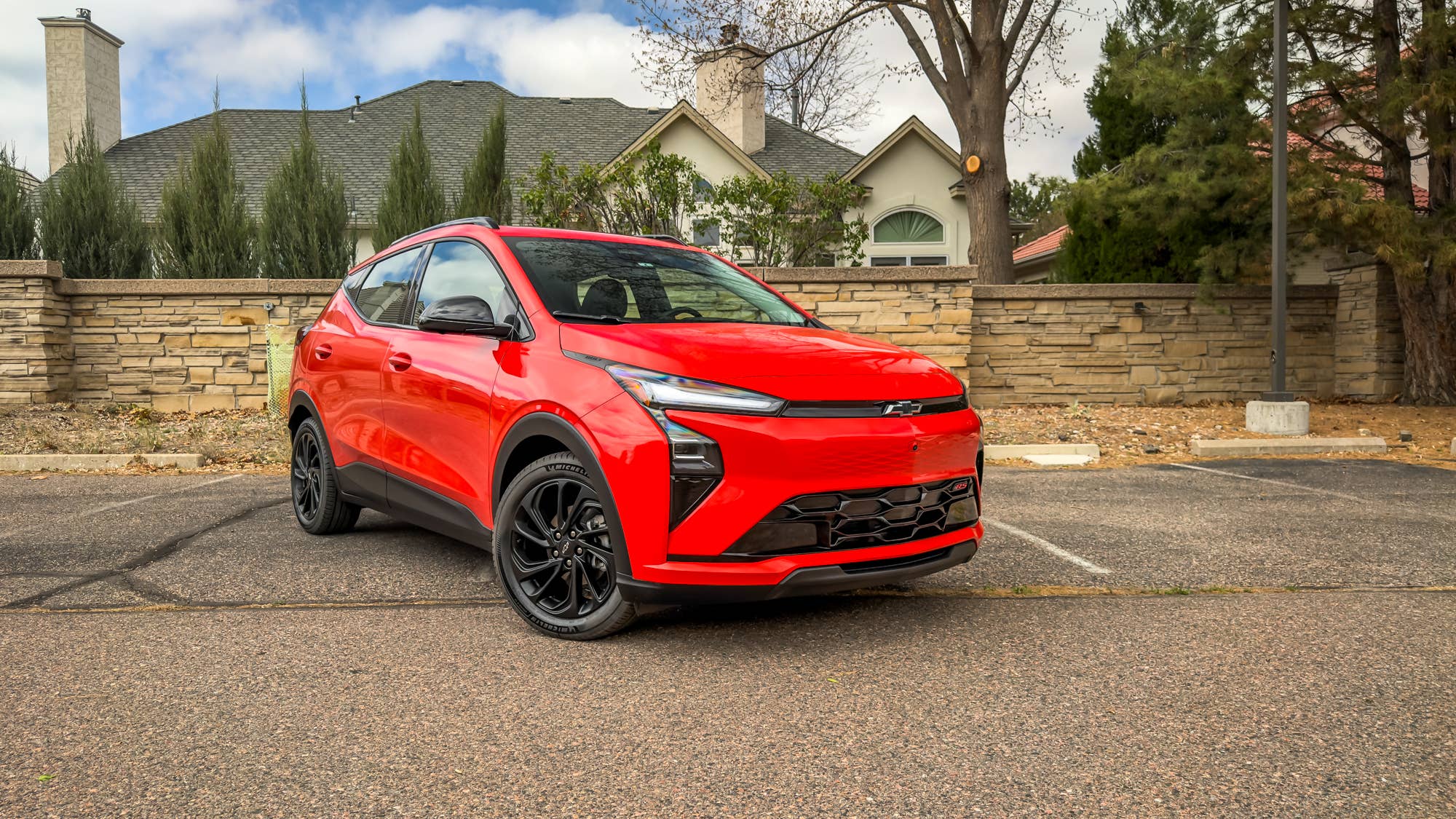
The Chevrolet Bolt is, however, a case for mourning. The Bolt is a cheap, practical EV that Chevy only brought back because buyers practically put a gun to its head over it. This revived model will stick around until next year, but it won’t even see the next winter. The plan is to bring the Buick Envision crossover, currently made in China, to the US. Basically, this Envision is part of the brutal math of the business. Tariffed heavily, the presumably more profitable gas-powered Envision will be built here rather than the affordable EV to keep GM’s margins looking healthy.
Honda 0 Series
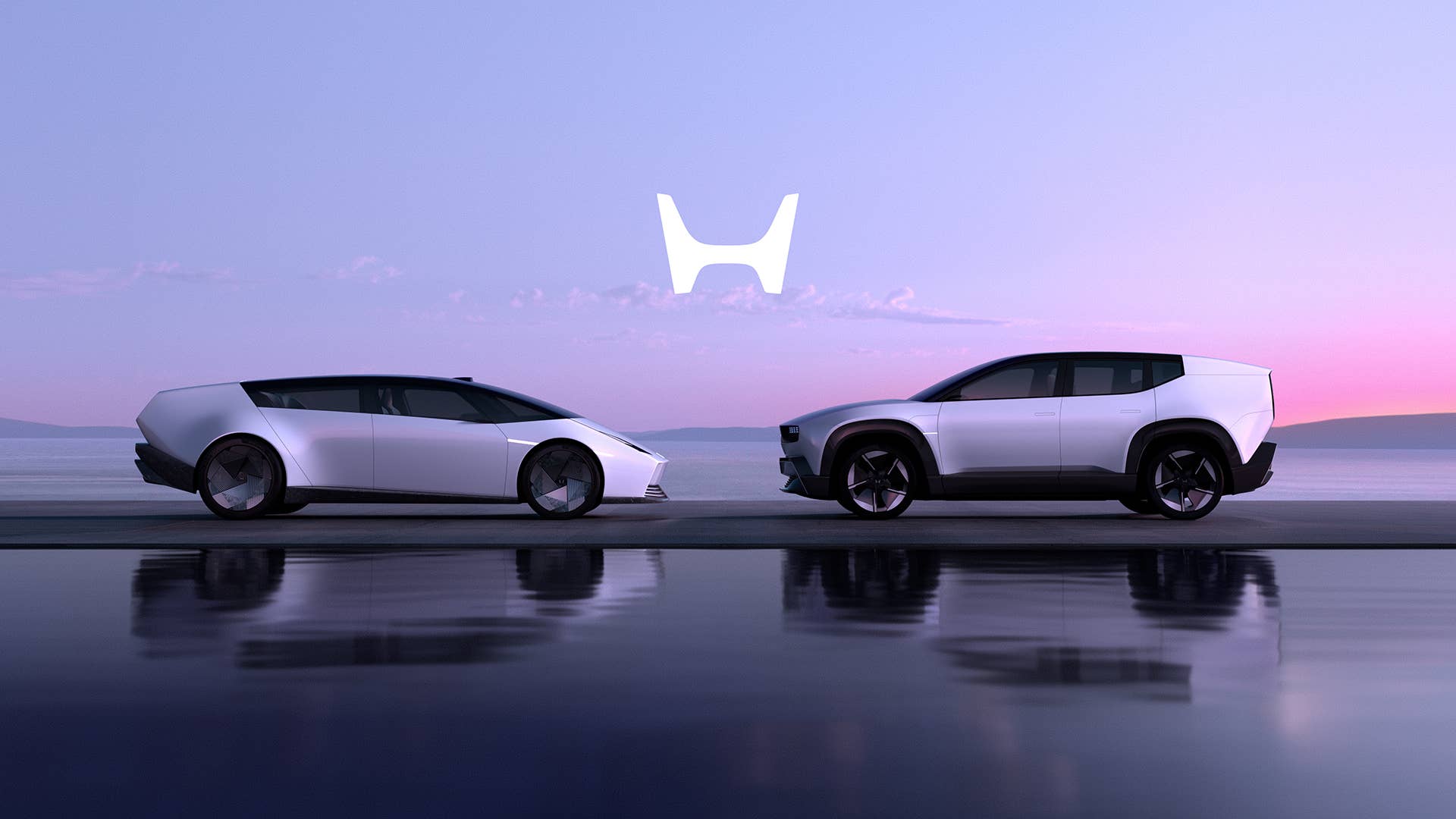
The Honda 0 Series was still born. The pair, a sedan and an SUV, were killed before they even made it to the production line. The brand’s pivot came as it realized Americans weren’t going to take to EVs at the rate it desired. Honda pulled the plug, saying that the “current business environment” would have effectively meant building the SUVs at a loss. Like the above Bolt, the decision simply came down to money.
Polestar (The Brand)
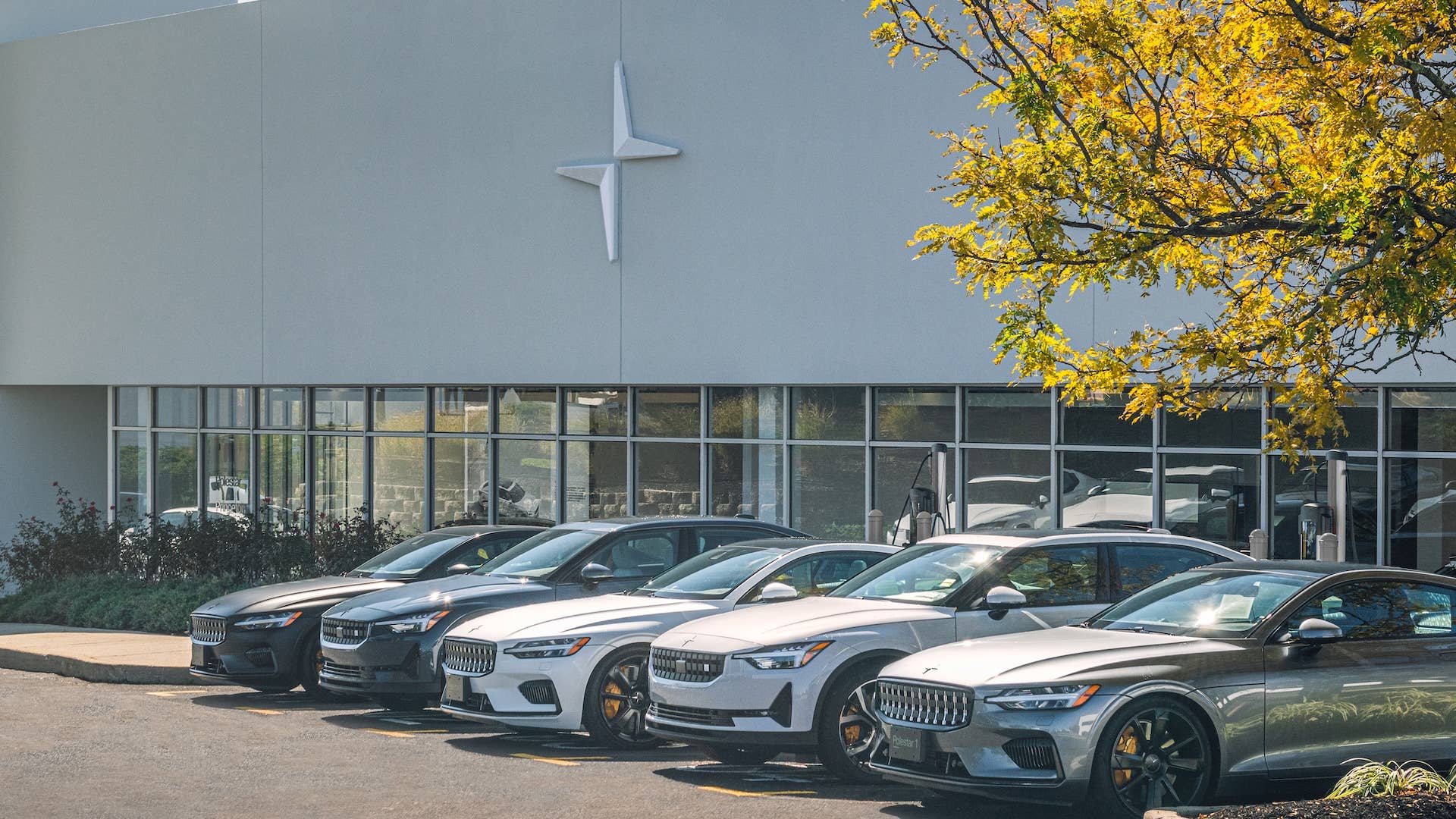
Polestar
There is nothing that better exemplifies the current state of electric vehicle politicking in the US than Polestar. The Swedish brand is owned by Geely, which is a Chinese company. The Chinese products, always in the news cycle, have been flagged as a national security concern or a great example of protectionist trade policy, depending on what news outlet you’re currently watching.
The latter way of thinking prevailed, and the US Department of Commerce ultimately decided not to authorize Polestar sales in the US. The brand, for its part, opted not to fight it largely owing to its own slow sales here and growing market share elsewhere, bringing an end to the entire brand.
About the author

Chase Bierenkoven
Senior Editor, Autoblog