
From postwar constraints to automotive creativity
World War II famously played a major role in the development of industrial infrastructure in Europe and Asia, especially in Japan. During this period, Japan faced a fuel shortage and a rapidly growing population in areas like Tokyo. To solve the problem, Japan introduced kei jidosha regulations in 1949, which set a maximum engine capacity of 100cc to 150cc and a small body footprint. The objective behind the regulations was to enable common citizens to own a car. Like many automotive innovations, the kei cars’ super-efficient designs were a byproduct of government rules. Manufacturers such as Honda and Suzuki would continue to freely experiment with unique design choices, such as rear-engines and sliding doors. Before highlighting four accidental kei influencers, let’s take a closer look at kei car basics.

Kei cars 101
Today, kei cars have a special category in Japan, where they have to be capped at 660cc and 11.2 feet in length, which is naturally advantageous on urban streets. Kei tax and insurance incentives, which still apply, were crucial to forming the class’ popularity. Original kei vehicles were easily identified by their thin pillars and lack of safety features. With time, they’ve managed to incorporate tall wagons with upright roofs, sliding doors, and creative boxy shapes that comply with regulations. Subsequently, most of the tricks that kei cars employed have been used on city cars and crossovers.
Subaru
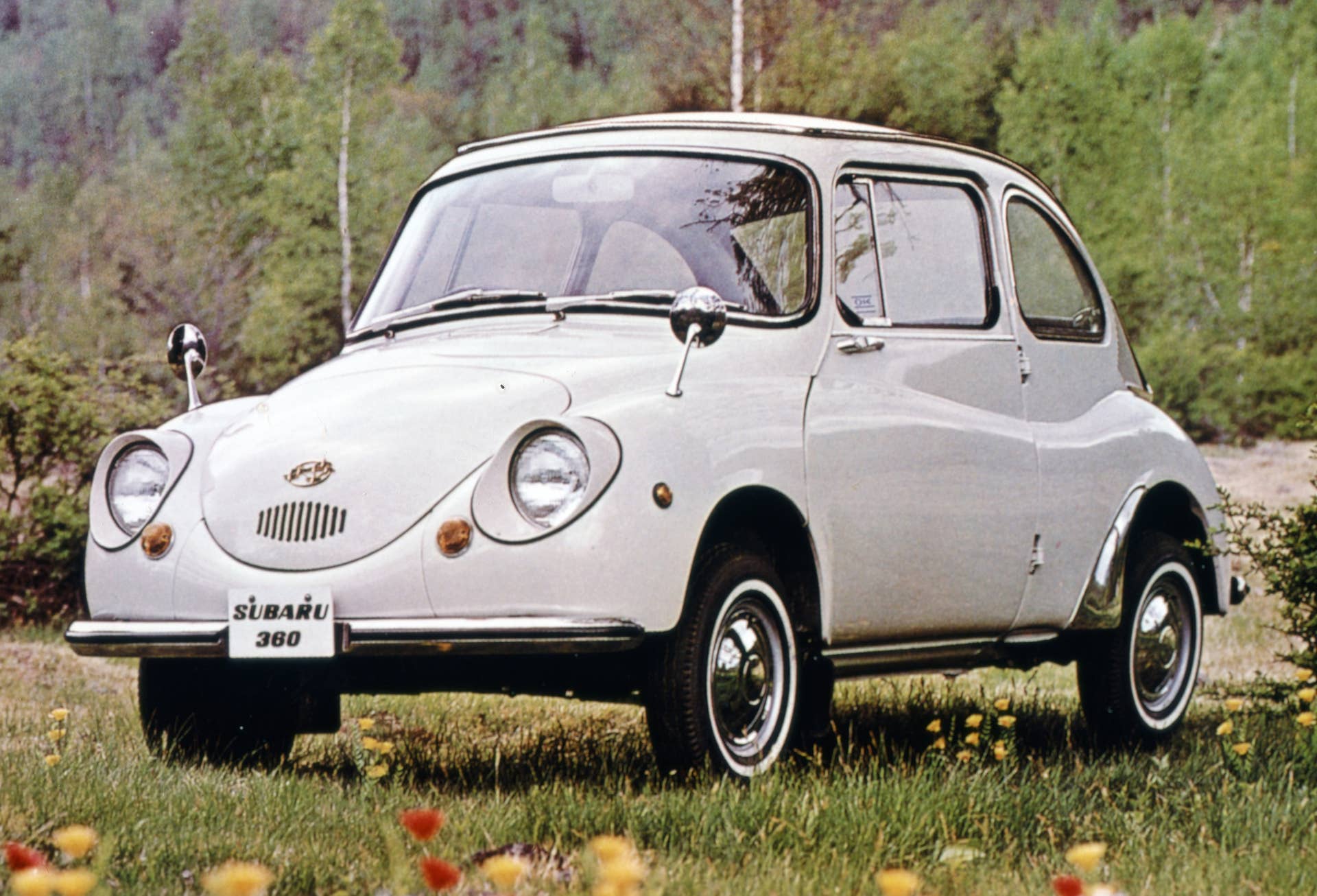
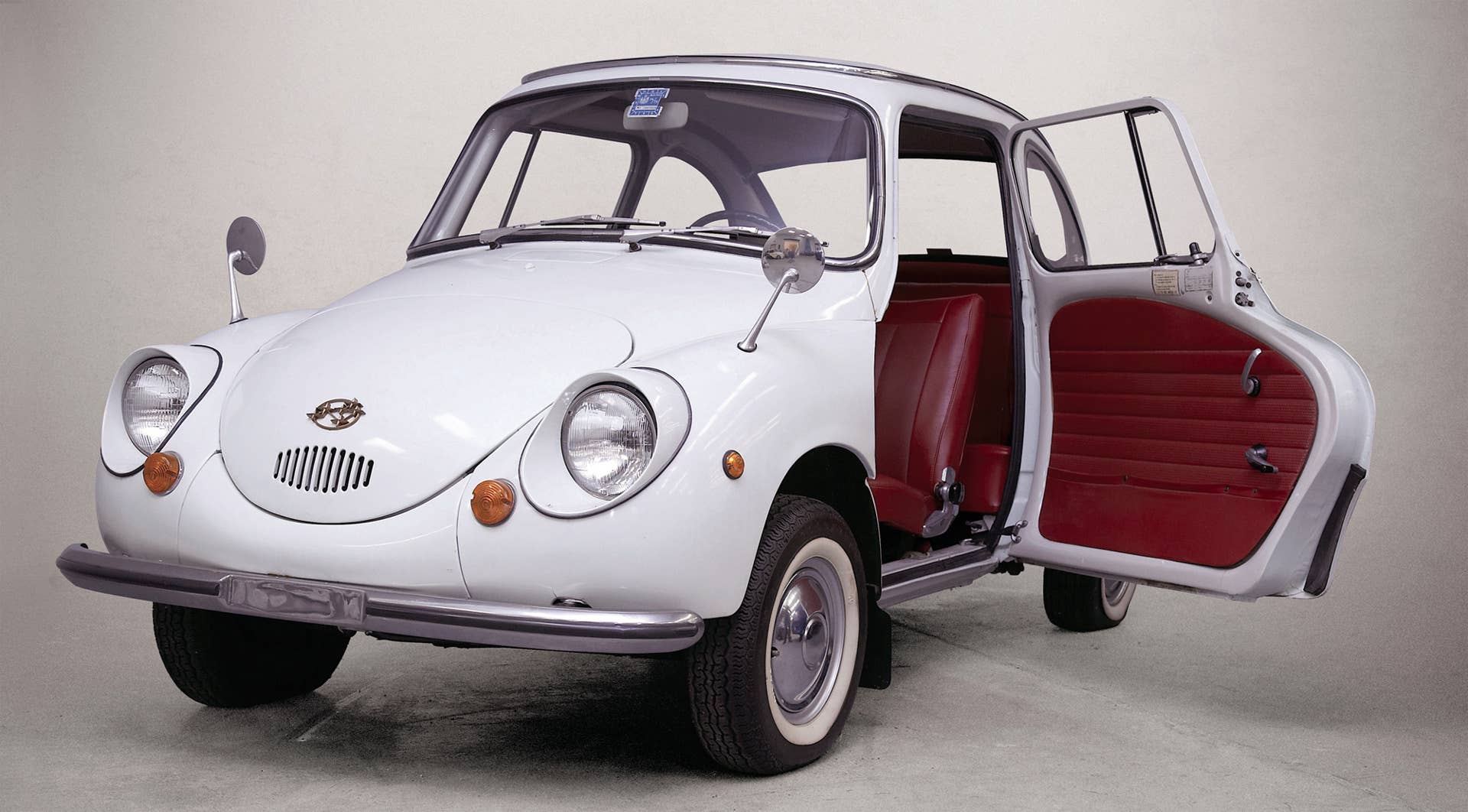
Subaru 360: the ladybug blueprint
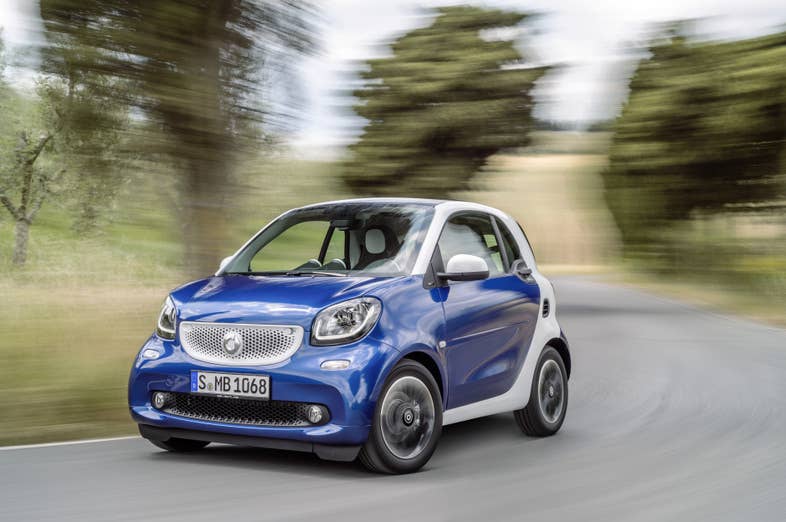
The Subaru 360, introduced in 1958, was Japan’s first mass-produced and successful kei car. This vehicle had a 356cc two-stroke engine with only 21 horsepower, a rounded body style, which was 10 feet in length, and was a coupe. Subaru managed to produce almost 400,000 units through 1970, and personal mobility was now more affordable than alternatives like a full-size sedan. Decades after the 360’s debut, its ladybug profile and ultra-compact footprint were reflected in compact European cars like the Smart Fortwo. Despite Subaru of America forming in 1968 and attempting to sell the 360 in the U.S., the car never found success in America due to its poor crash safety and incompatibility with vast interstates, according to Road & Track. There also wasn’t as much of a need for the 360’s fuel efficiency, as gas was significantly cheaper in the U.S. than in Japan.
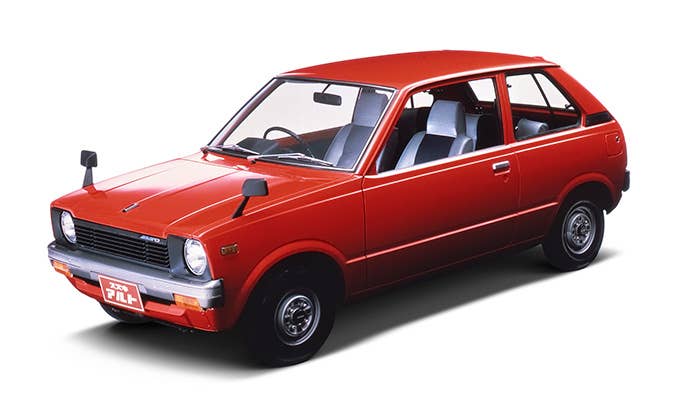

Suzuki Alto: boxy urban pioneer
Suzuki’s Alto was a kei revolutionizer in 1979, given its price of only 470,000 yen. This would have been equivalent to only $2,000 in the U.S., or $8,500 to $9,000 when adjusted for inflation. However, the car’s price wasn’t its only defining factor. The Suzuki Alto was the first FWD kei car to feature a transverse-mounted 543cc engine, rather than the traditional rear-engine configuration of its predecessors. Suzuki’s decision to place the Alto’s engine over the front axle freed up a solid amount of flat cabin floor space, making the kei class more compatible with families or the average grocery run. The Alto’s boxy, upright shape and efficient packaging foreshadowed the Peugeot 106’s chunky urban hatch proportions and the Kia Picanto’s tall, space-optimizing urban layout.
Honda N360: handling hero
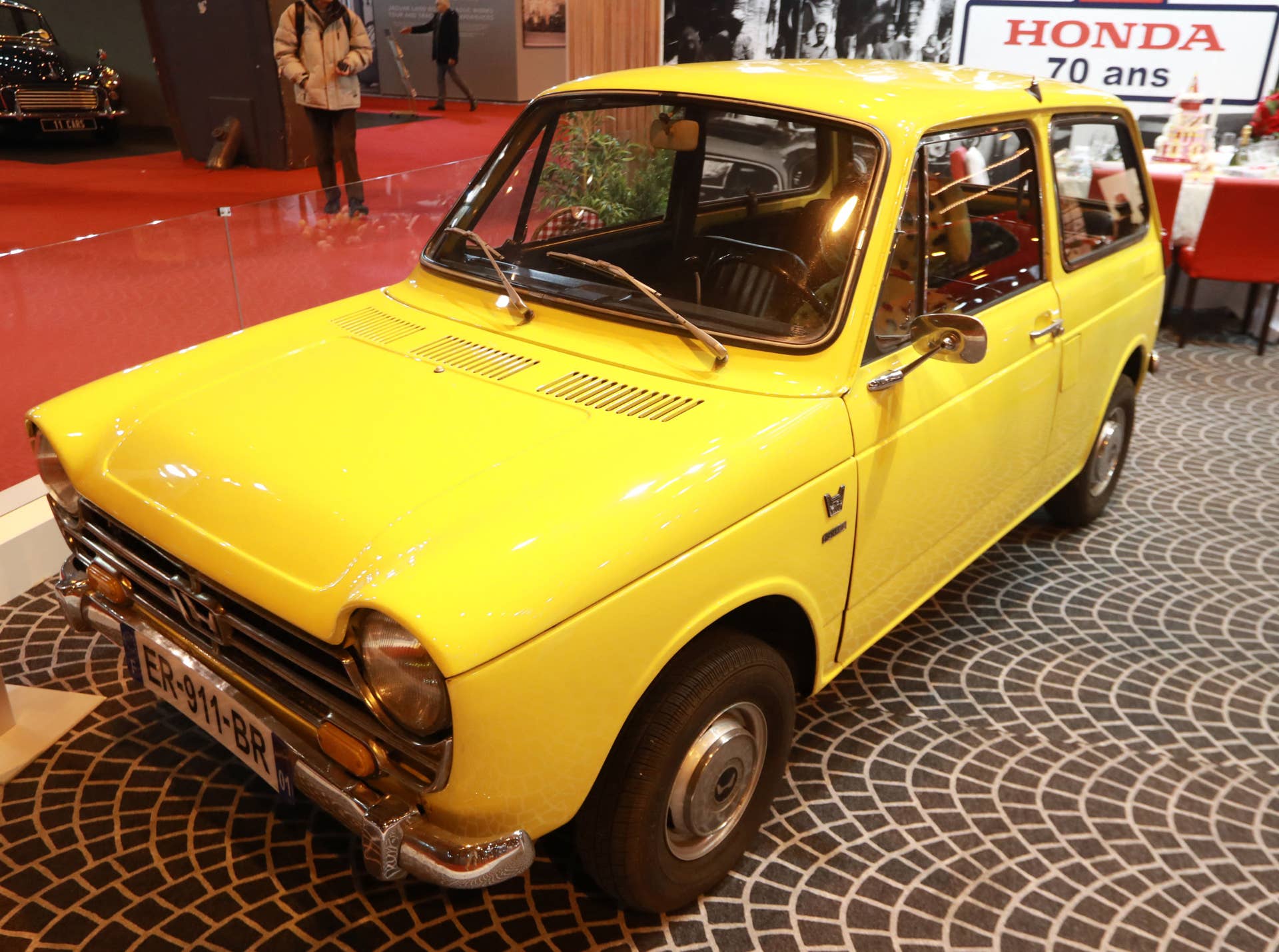
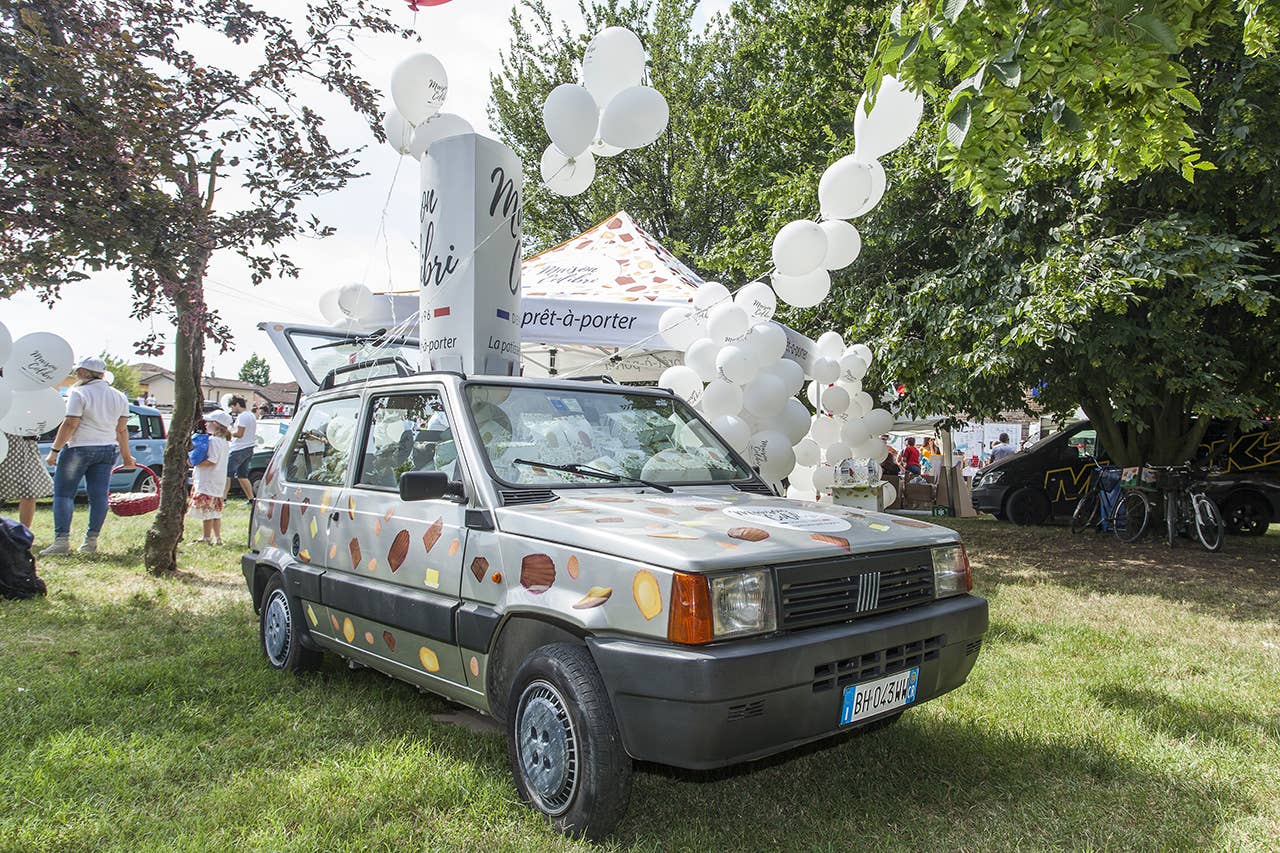
The Honda N360 was by no means a Ferrari, but it effectively became the automaker’s pocket rocket during its 1967 to 1972 production timeline. Its 354cc FWD inline-four, paired with a rare optional two-speed automatic transmission, produced 31 horsepower. This powertrain was complemented by front disc brakes, which established a planted feel, a 1,200-lb weight, and a 9.84-feet length, all of which helped it outhandle bulkier competitors and remain fuel efficient. The N360 didn’t take long to catch on. Three months after the car was released, its accumulated total reserved sales reached 22,500 units, according to Honda Global. The N360’s low-slung center of gravity, sharp steering, and go-kart agility helped establish a blueprint for cars like the 1980 Fiat Panda.
Daihatsu Tanto: tall wagon wave
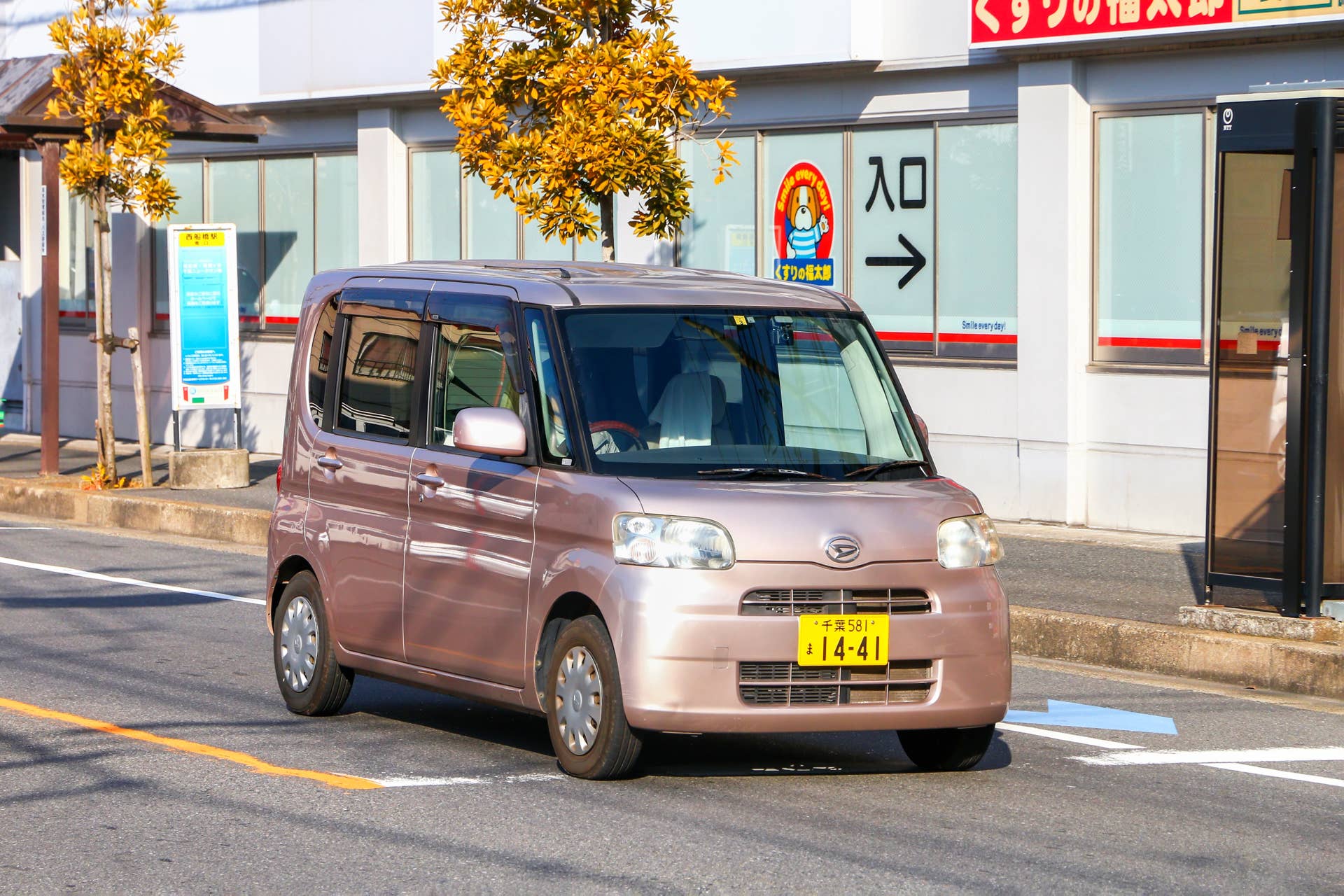
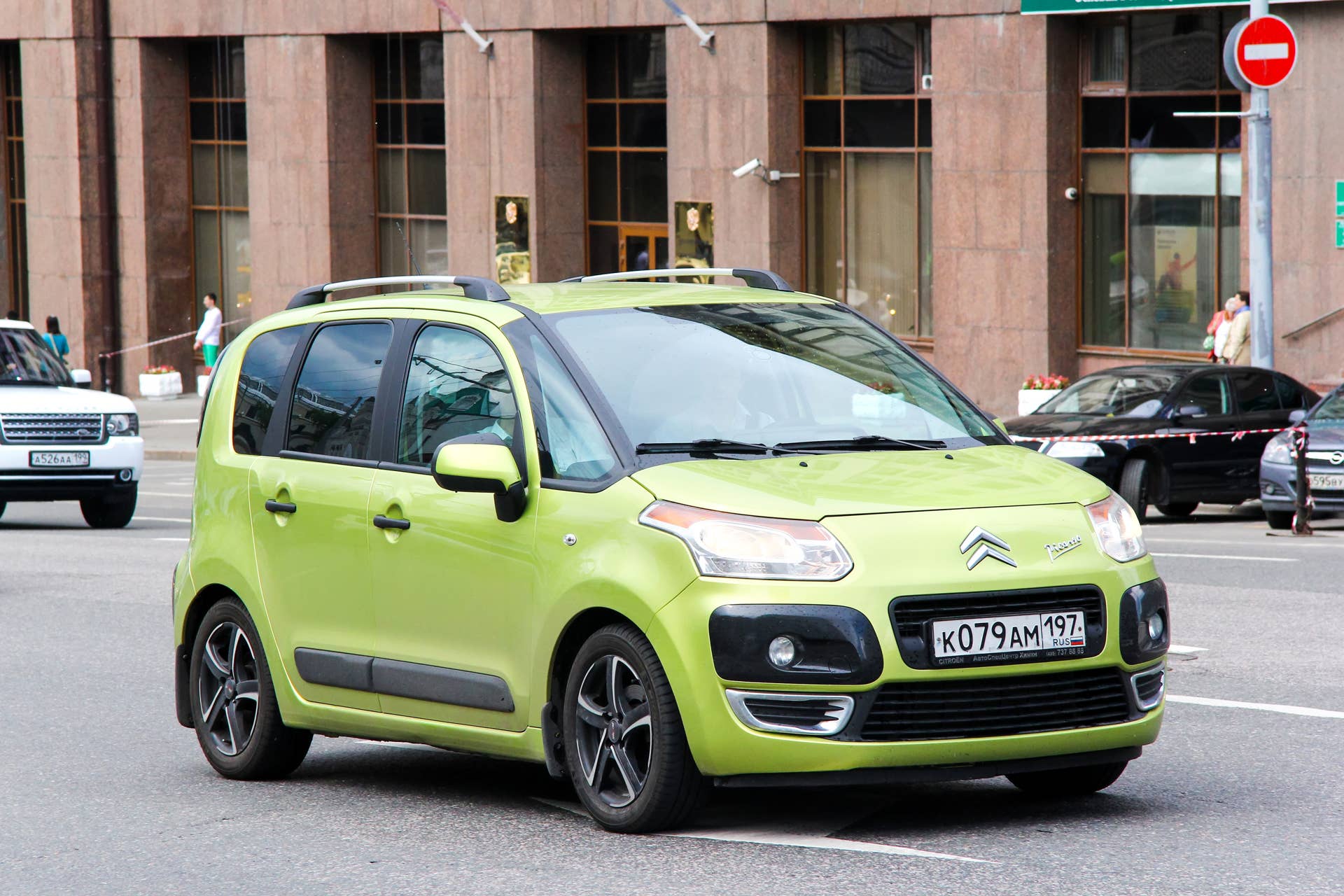
Launched in 2003, Daihatsu’s Tanto was a super-height kei car with a 5-foot-8-inch roofline on an 11.15 standard kei footprint, wide-opening slide doors for family travel, and a five-passenger capacity. The super-tall wagon format was brand new for the kei class upon the Tanto’s release. Still in production today, the Tanto sold its three-millionth unit in May 2025, Daihatsu reports. The Tanto’s box-on-stilts stance, stacking max headroom and cargo over a short wheelbase for cramped suburbs, can be seen in vehicles like the Citroën C3 Picasso and Nissan Juke.
Final thoughts
Kei cars demonstrate the degree to which size and power restrictions can drive design rather than just stifle it. As urban populations grow, I think we can expect to see much more kei in the electrification process. If you’re fascinated by vehicles like the Suzuki Alto, you can learn more about unique 1970s automotive design history on Road Ethos, which also offers the latest car news.
About the author

Cody Carlson
Contributing Writer, Autoblog