
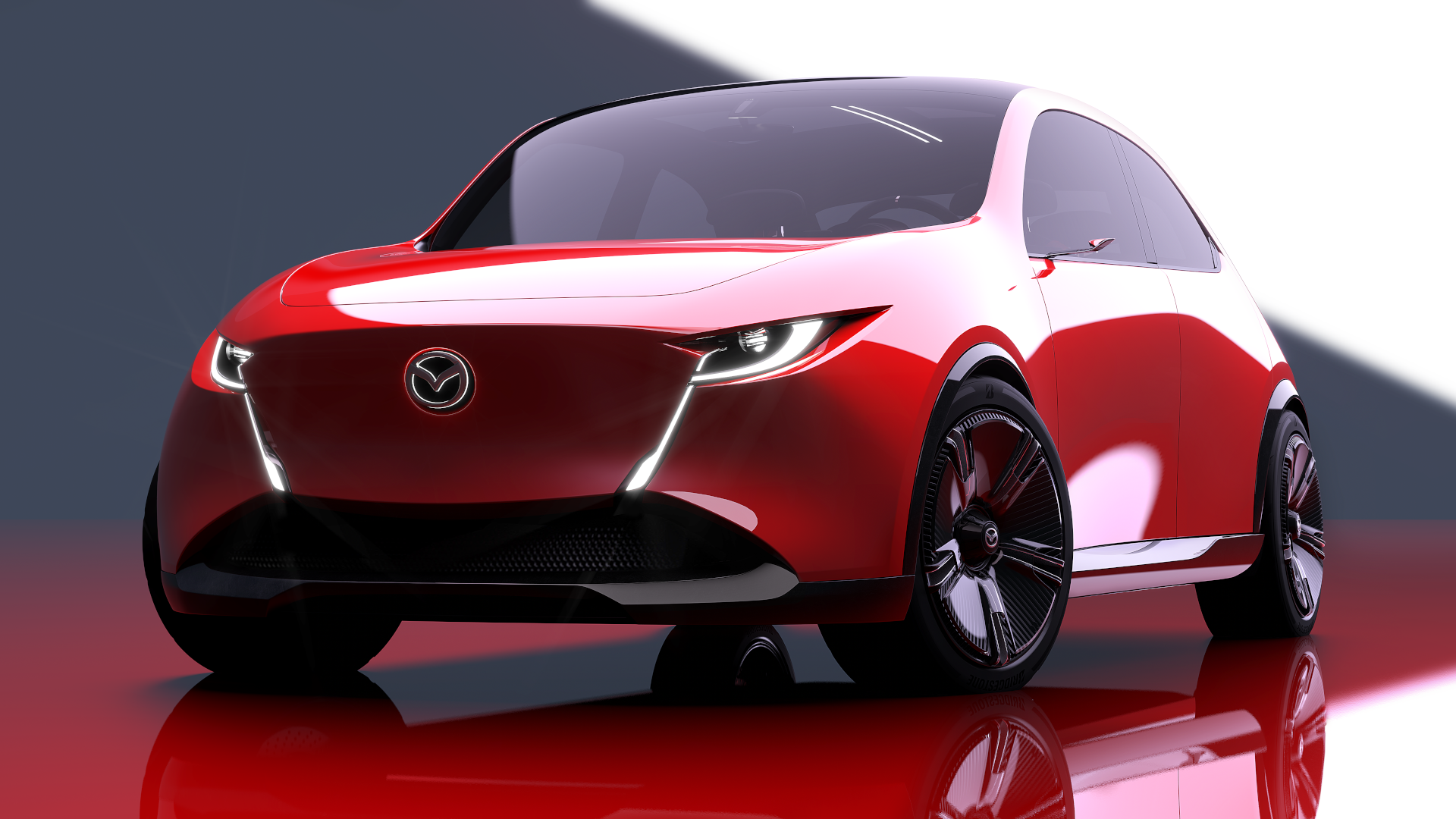
Mazda’s human-centered approach
Maybe when you think of Mazda, the screaming, rotary-powered RX-7 first comes to mind. Perhaps it’s the vision of sensual, flowing lines of the new Mazda CX-70 that’s triggered by the thought of the legendary Japanese automaker, or maybe you miss when Mazda sold rugged, affordable pickup trucks. For me, Mazda has and always will be about the MX-5 Miata, and how its philosophy that puts balance above all else has, over time, trickled upstream to its larger, more expensive models, resulting in a lineup that represents some of the most compelling overall value in today’s market. Known most commonly for its well-balanced handling, the MX-5’s philosophy of balance extends beyond its mere driving dynamics and its weight distribution.
Although the MX-5 is explicitly designed for spirited driving, reliability is not sacrificed in favor of added performance. Though it is compact and seats only two people, the MX-5 still offers practicality and can serve as a daily driver for those who do not need to transport families. The Mazda MX-5 maintains its balance not only in the literal sense when cornering on a road or track, but also in the philosophical sense of the word, as reflected in its design and intended purpose. What might surprise you, however, is that the one thing I personally appreciate about the Mazda MX-5 above all else is something most journalists don’t often mention when discussing the iconic roadster: how safe it is.
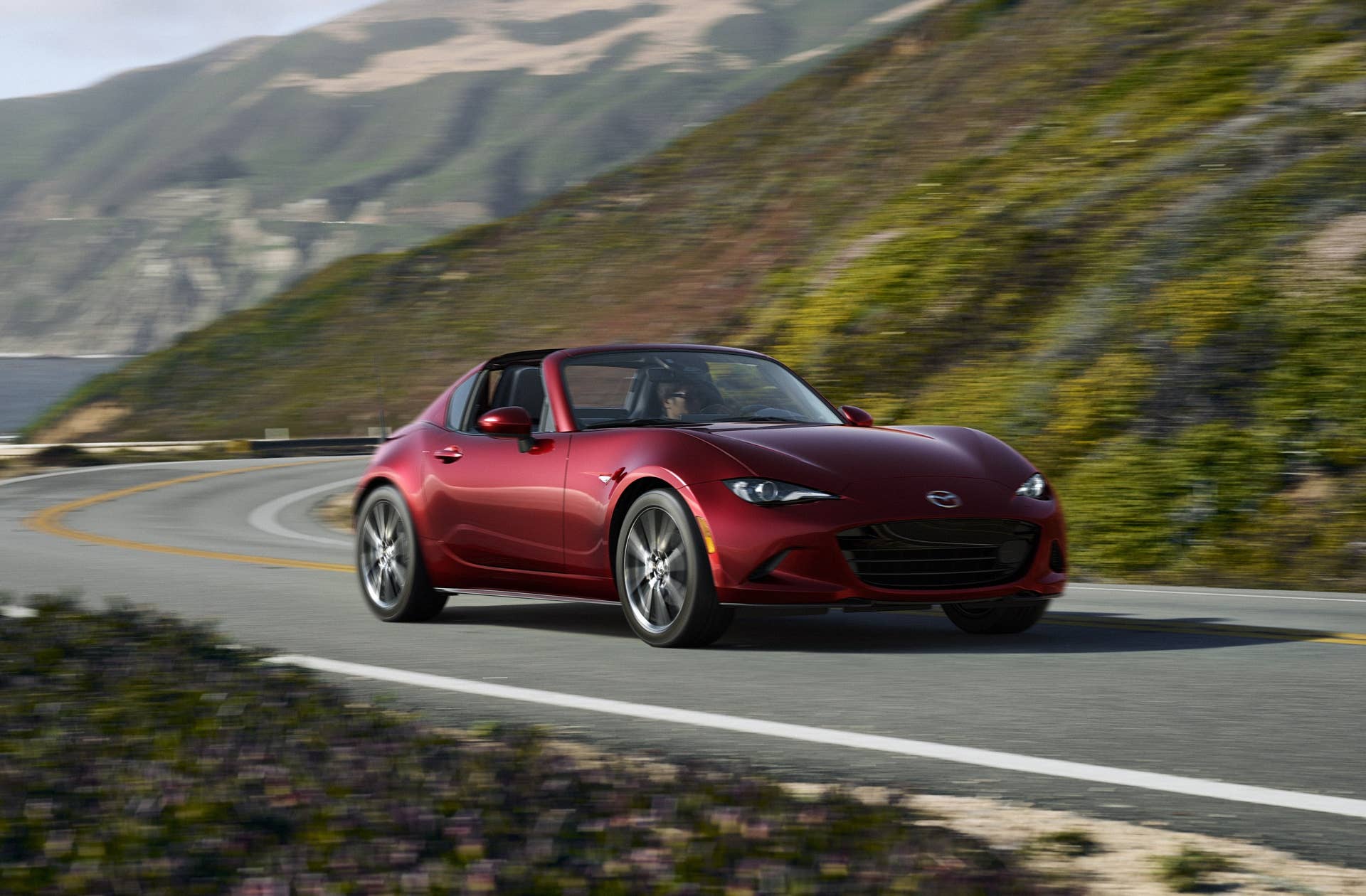
Mazda’s focus on safety hits home
Of course, the MX-5’s safety is often overshadowed by how engaging it is to drive and, perhaps, how adorable it looks—especially with pop-up headlights—because 99% of the time, those are the sensations the MX-5 gives you. That small 1%, however, is the most critical of all when the fun comes to a screeching halt, and you find yourself with an airbag in your face and shattered glass on your lap. Sounds a bit too specific? Well, I’ve been there and done precisely that. In a halfwitted attempt to save a few hundred bucks by not fitting winter tires on my very own ND2 MX-5 RF years ago—as it was on lease, not purchased—I sent my favorite car I’ve ever had sideways into a metal pole. Admittedly, I had been a bit cheeky with the throttle leading up to the incident, and the addictive note of the Magnaflow exhaust system I installed instead of the appropriate tires tempted me, without much challenge, to “give it the beans,” as James May would say.
Although that was the end of the road for my lovely MX-5 RF, being towed away from the scene with a twisted frame and a crooked axle, I remained entirely unscathed; not even a bruise or a scrape to be found anywhere on my body. Having spent years selling Mazda’s bread-and-butter crossovers and sedans, I knew that I could count on their cars to keep me safe should all hell break loose out on the road, but, up until that moment, I had always been skeptical that the tiny little MX-5 could live up to those same standards, especially considering how lightweight and compact it is. The truth is, as fantastic as the MX-5 is to drive and as incredible as its overall build quality is, the thing I cherish most about Mazda’s little roadster is its truly uncompromising nature. Sure, the MX-5 is excellent fun, but not at the cost of ensuring that its occupants get home safe, no matter what.
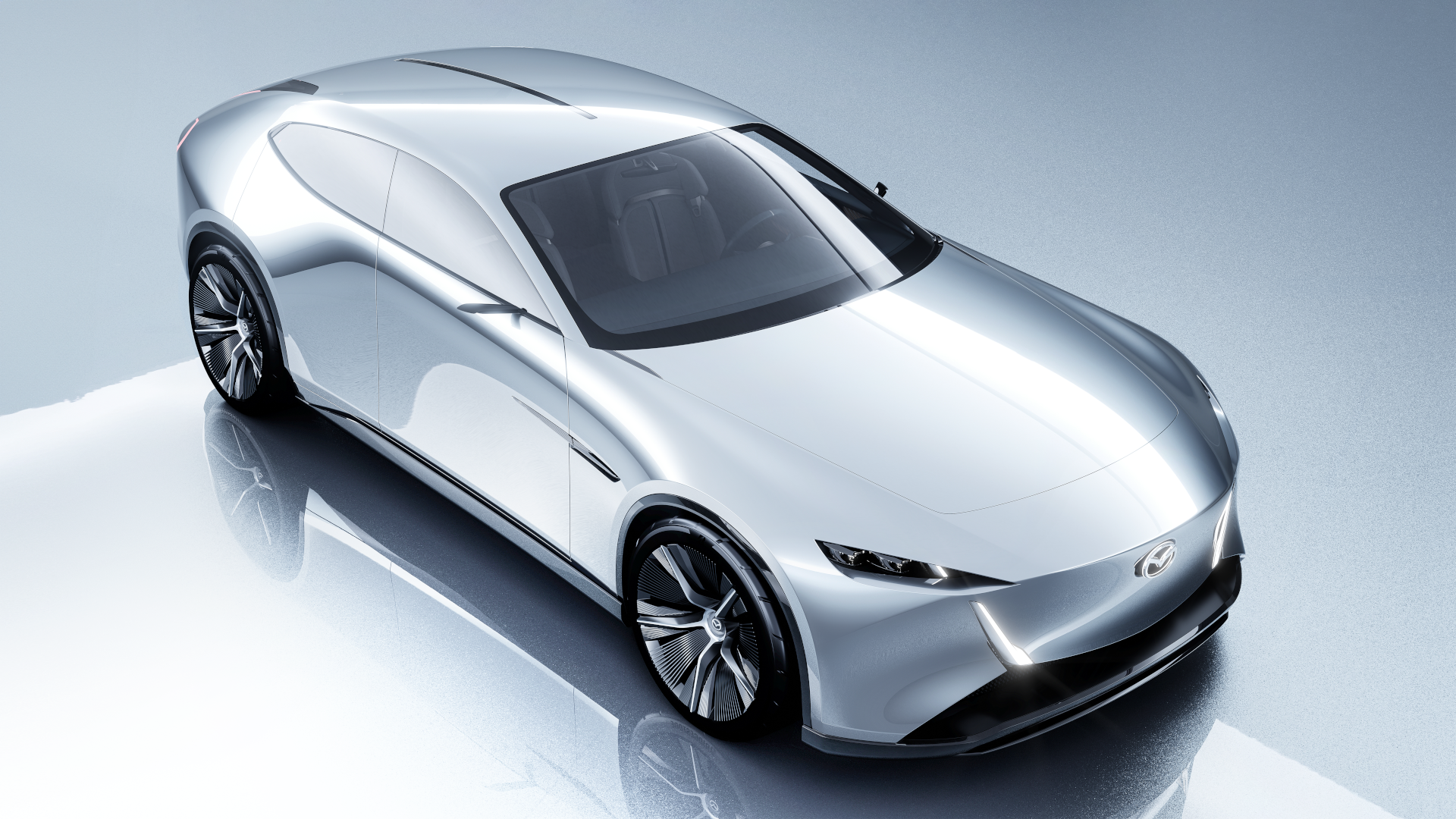
Mazda
The future of driver-centered safety at Mazda
Those already familiar with Mazda’s iACTIVSENSE safety systems understand that the automaker’s commitment to safety extends beyond how well its vehicles compose themselves in the case of an accident, aiming to do as best as possible to prevent a collision from ever happening in the first place. Even though Mazda ranks incredibly highly when it comes to crash test scores, with recent models earning top marks even in the IIHS’s newest examination—the updated front overlap test—the automaker has maintained its stance on emphasizing the importance of predictive collision avoidance, which aims to ensure that its collision-enduring capabilities are a last resort.
After speaking briefly with Jennifer Morrison, Mazda’s Vehicle Safety Strategy Director, I’ve been granted a reassuring insight into how Mazda plans to continue its active safety philosophy into the future, which perfectly aligns with the automaker’s most cherished philosophy of balance. That is, Mazda aims to focus its efforts on accident prevention through “driver support,” rather than taking functions away from the driver through automation. I must admit it was refreshing to hear that Mazda will continue to focus on driver-centric design, even in its safety philosophy, rather than move towards removing the need for any driver whatsoever, as so many other brands now aim to do. As someone who tests a new car almost every week, I know firsthand just how frustrating active safety technologies can be when they are more intrusive rather than supportive, and so hearing Mazda’s very own director of safety strategies acknowledge the need for these systems to become more seamlessly integrated with the human act of driving was refreshing indeed.
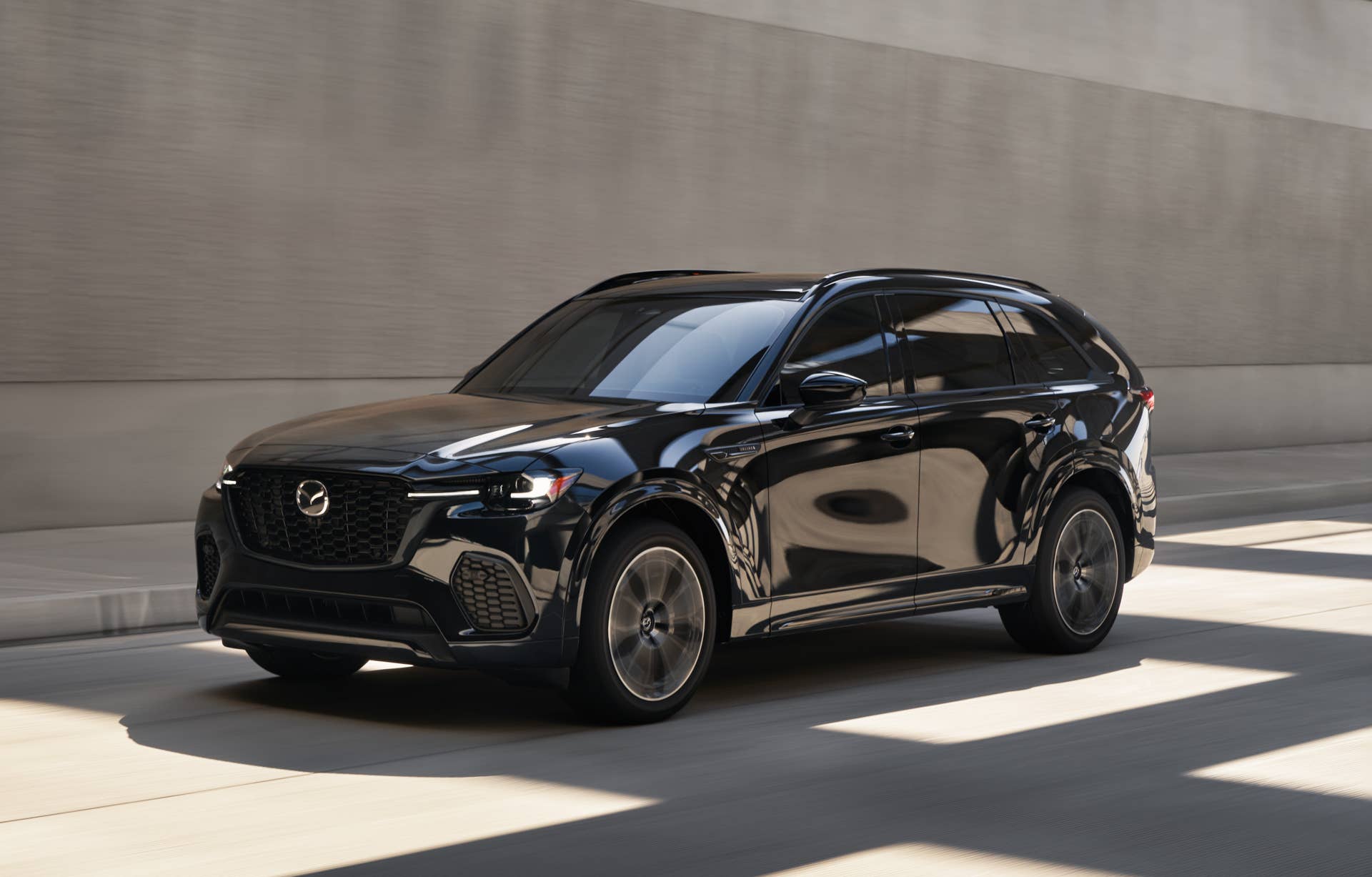
Final thoughts: Should other brands take note of Mazda’s driver-centric approach to safety?
The idea of privately-owned autonomous cars, to me, still seems like a pipe dream. It’s not that I don’t believe genuinely capable autonomous driving technology is out there—I’ve shared the roads of too many American cities with too many Waymo Jaguar i-Paces not to accept this reality—but I find it hard to believe that people would willingly shell out the necessary funds to own an autonomous vehicle themselves, when it is essentially a driverless taxi. Realistically, I could see autonomous cars replacing taxis, Ubers, and other hire car industries. Still, for automakers aiming their products at retail consumers, I think it might be a mistake to invest such tremendous resources in automation, because buying an autonomous car for yourself would be like having a taxi on permanent retainer. How many people do you honestly believe would shell out the kind of money it would take to own an autonomous car instead of just hitting a few buttons on an app and spending a couple bucks here and there whenever you need a ride?
Now, obviously, there are times and places where being disconnected from the driving experience is welcome. On long highway stretches and lengthy road trips, a finely-tuned adaptive cruise control system can go a long way towards comfort, but for the most part, if I’ve spent the money to purchase a brand-new vehicle for myself, I’m going to want to drive it myself. That rings especially true when it comes to Mazda—a brand that prides itself on offering exhilarating cars with truly engaging driving dynamics—because why would anyone buy a vehicle known for being fun to drive and then pop the thing into self-driving mode immediately? Mazda’s on the right track here—recognizing that active safety systems should be more about covering the driver’s buttocks than about making the driver feel unnecessary—and focusing its top-tier safety capabilities towards empowering drivers, rather than diluting the experience behind the wheel.
How do you feel about Mazda’s focus on driver-centric safety rather than innovation towards automation? Do you think Mazda’s unconventional-for-the-times philosophy will set them apart from other brands as the driver’s choice—as Mazda has done successfully for decades—or do you think turning a blind eye towards automation will cost them in the long run? Share your thoughts in the comments!
About the author

Cole Attisha
Staff Writer, Autoblog